




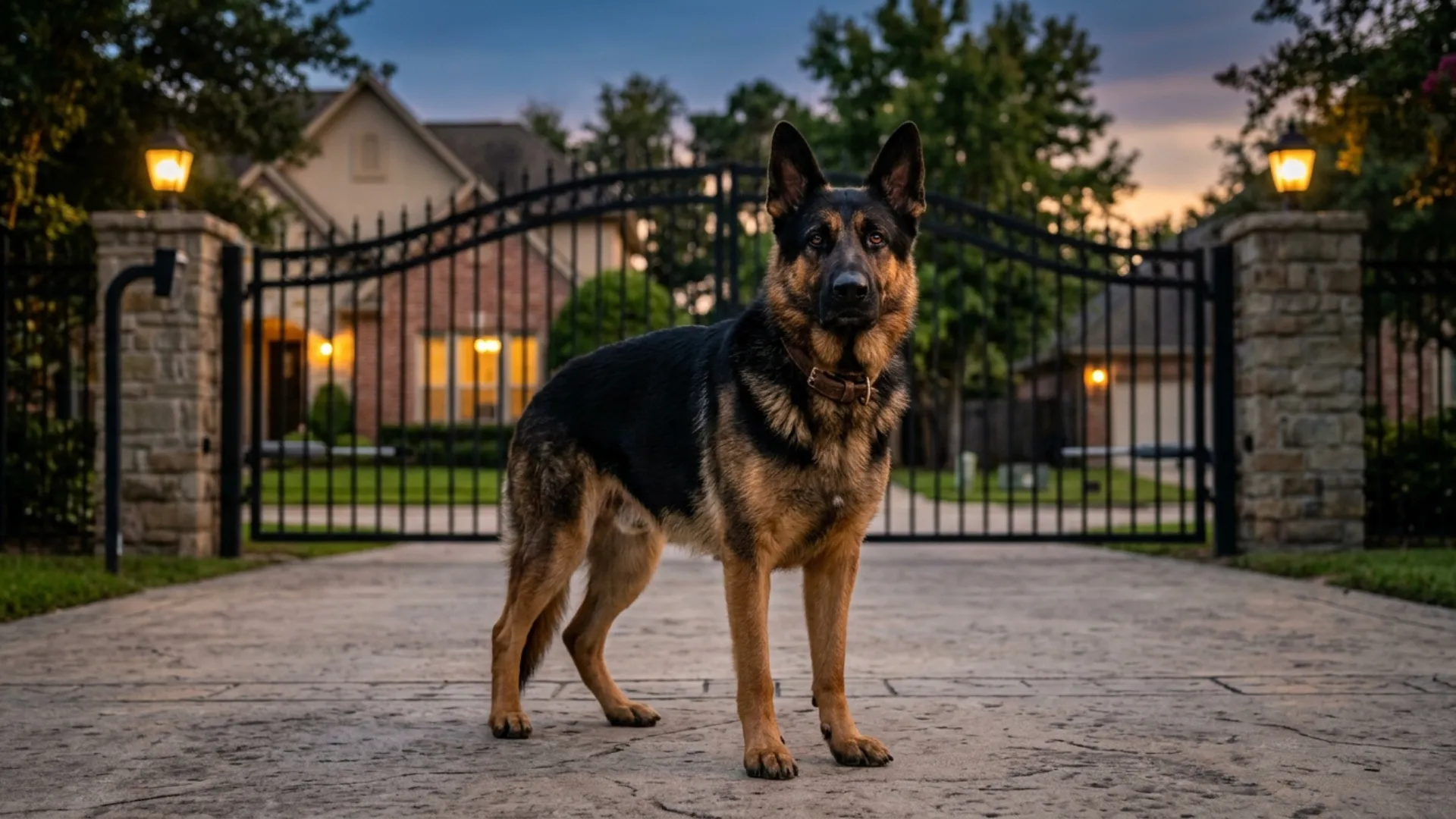
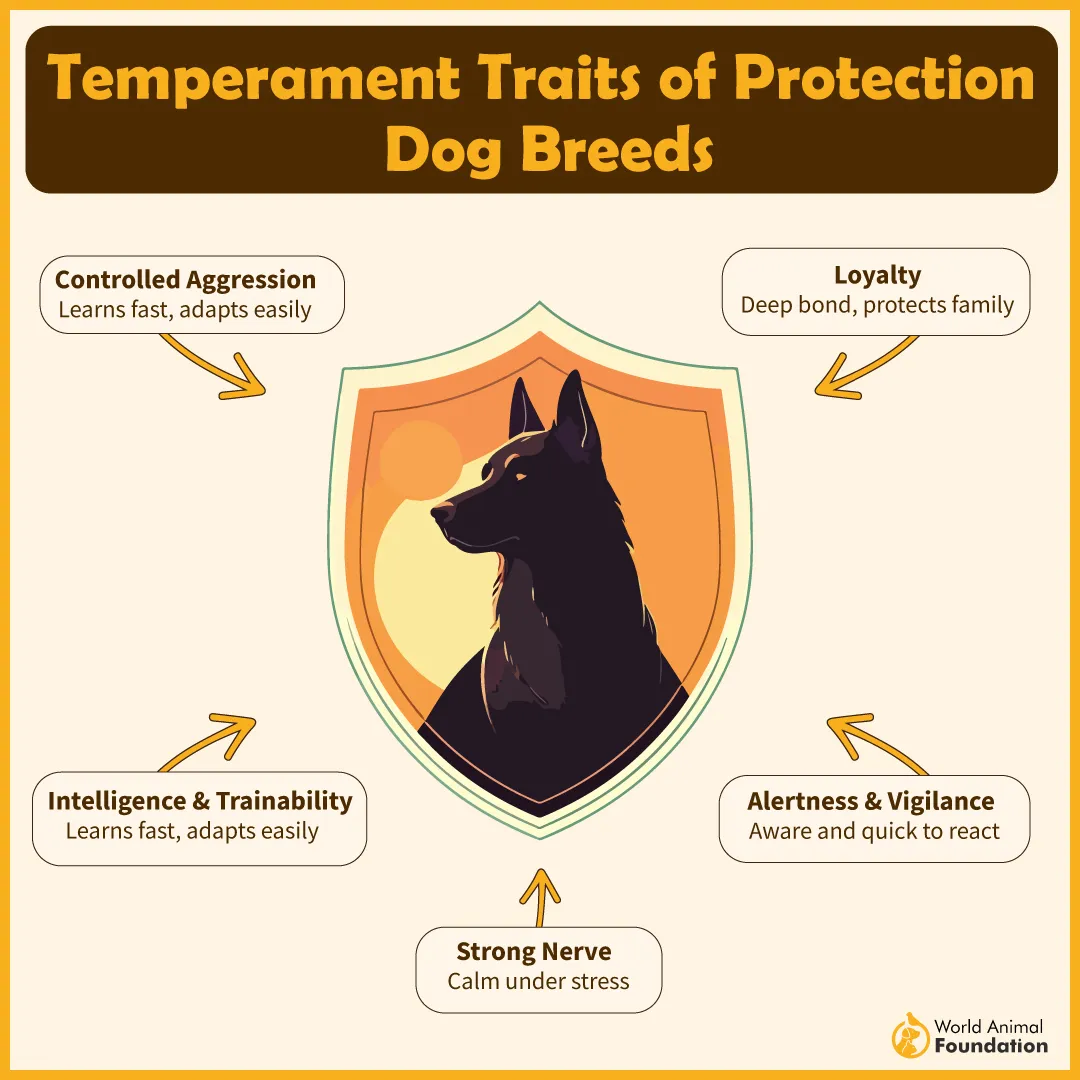
When it comes to keeping your home and loved ones safe, some dogs are born with a natural instinct to protect. These breeds are alert, loyal, and fearless, often sensing danger before anyone else does.
But being a great protector isn’t just about size or aggression—it’s about intelligence, courage, and the ability to respond appropriately to threats. A well-trained dog can stand guard without being unnecessarily aggressive, alerting you when something feels off while still being a loving companion.
These dogs are more than just pets—they are guardians with heart. They combine sharp instincts, watchfulness, and courage, making them intimidating to intruders but gentle with those they love.
Choosing a dog for protection means considering qualities like loyalty, obedience, territorial awareness, and temperament. With the right approach, a protective dog breed can be a fearless defender of your home while remaining a friendly, dependable companion who blends seamlessly into your family life.
Key Takeaways
Discover how Dobermans, German Shepherds, and Rottweilers protect their families with intelligence and loyalty.
Learn how even the most fearless dogs can be gentle and loving companions at home.
Find out why early training and socialization are essential for safe and effective protection.
See why Akitas and Belgian Malinois are considered some of the most devoted and reliable guardians.
Intimidating Dog Breeds That Offer Superior Protection
1. Doberman Pinscher
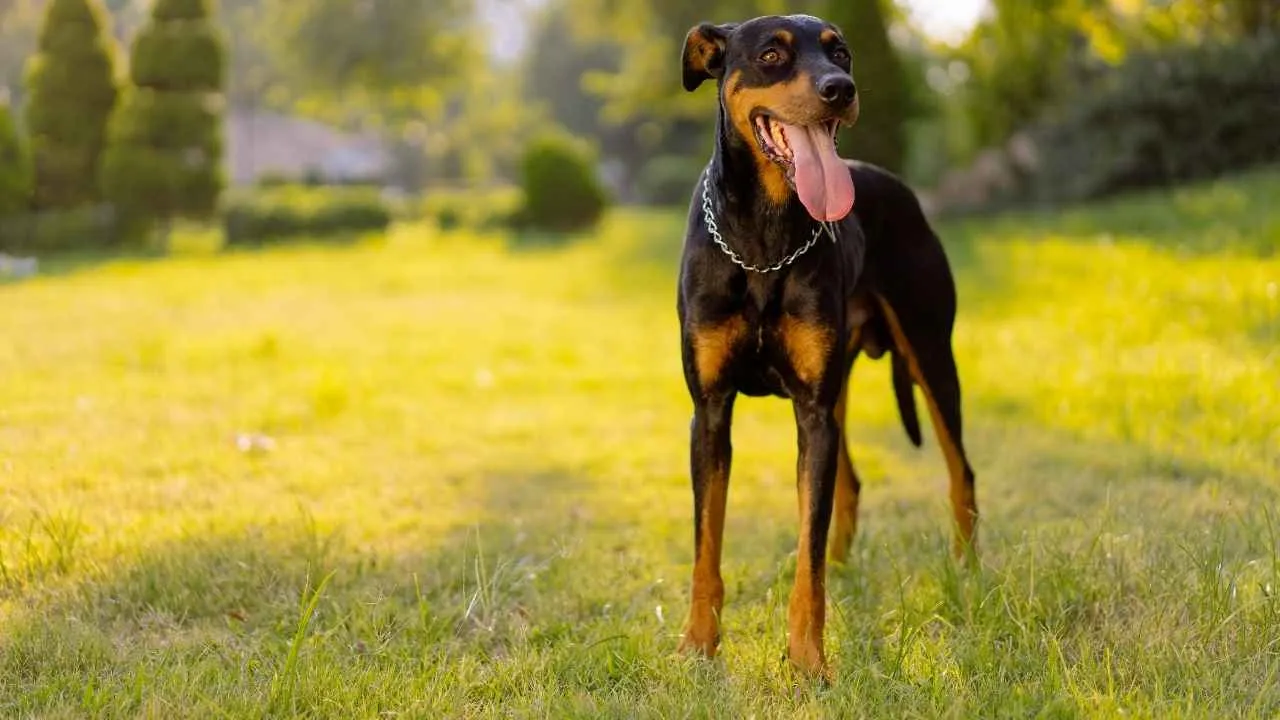
Dobermans are known for their alertness, agility, strength, and courage, making them one of the most effective guard dogs. Despite their reputation, they are affectionate and playful with their families when properly socialized.
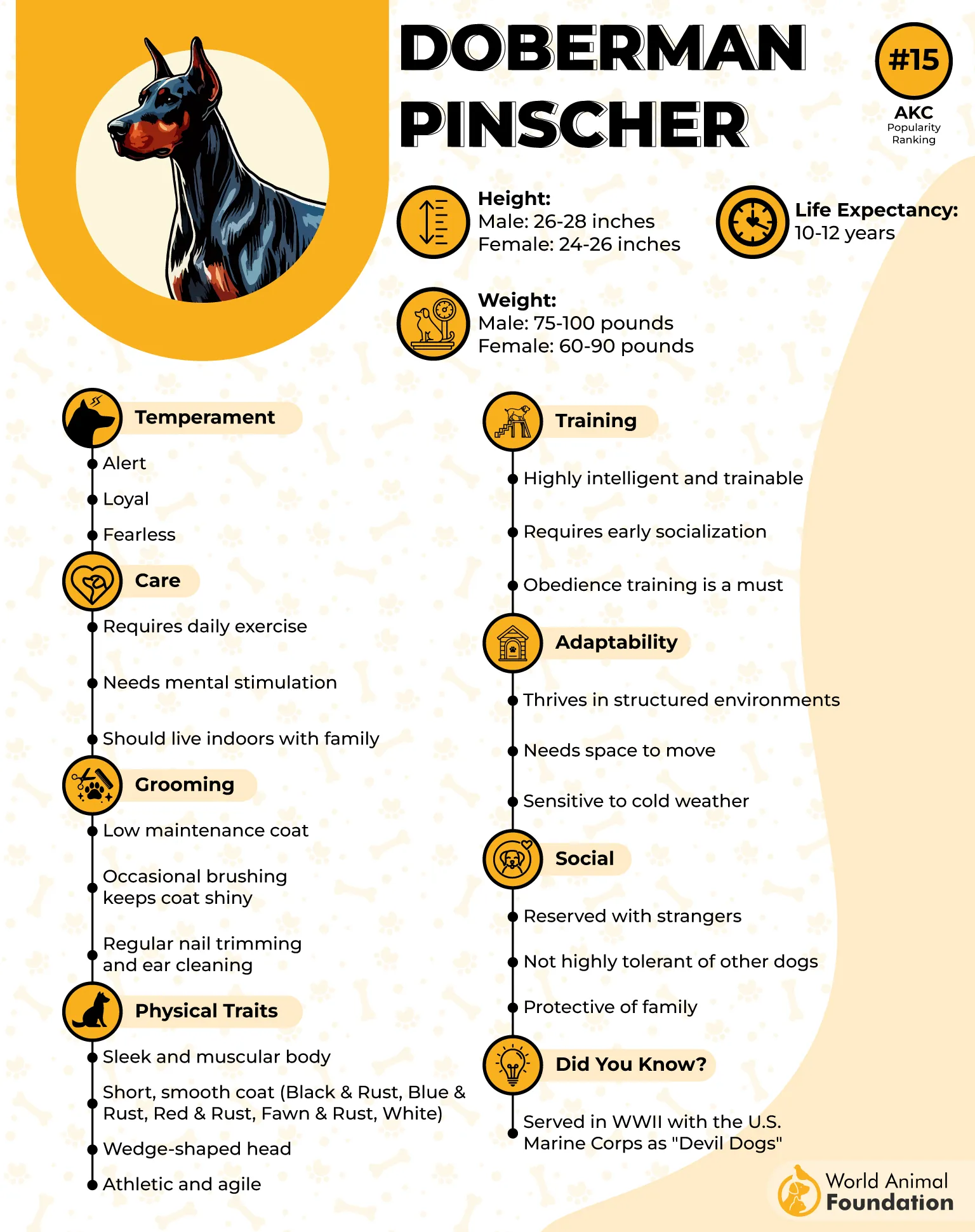
These dogs bond closely with their owners and are deeply loyal, making them not only protectors but also loving companions. With mental and physical stimulation, Dobermans stay happy, healthy, and ready to protect.
Why They Make Great Guard Dogs
Alert and Observant: Dobermans have sharp instincts and can detect unusual activity quickly.
Loyal and Protective: Their devotion to family is unmatched, standing guard when needed.
Extremely Intelligent and Trainable: They are fast learners and respond well to structured training.
Energetic and Agile: Dobermans thrive on exercise and mental challenges, keeping them active and focused.
While their sleek, muscular build and striking appearance make them intimidating to strangers, Dobermans are gentle with family members, including children. They can be playful, goofy, and affectionate, showing a softer side beneath their bold exterior.
With early socialization and proper training, Dobermans balance fearlessness and friendliness, making them a perfect choice for those seeking both protection and companionship.
2. German Shepherd
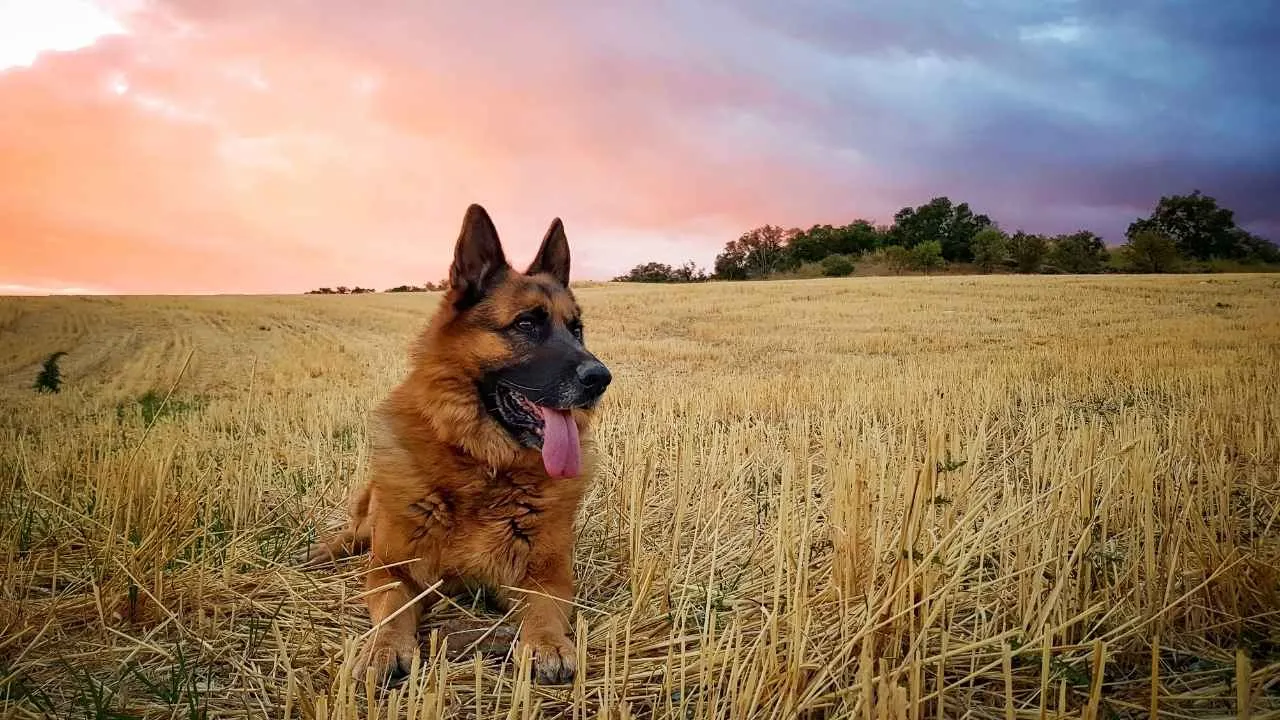
German Shepherds are confident, intelligent, and naturally protective. They form strong bonds with their families and can extend their guardianship to other pets. Known for their loyalty and courage, they are excellent at detecting unusual activity and standing guard when needed.
With proper training and socialization, German Shepherds are both affectionate family pets and highly effective protection dogs.
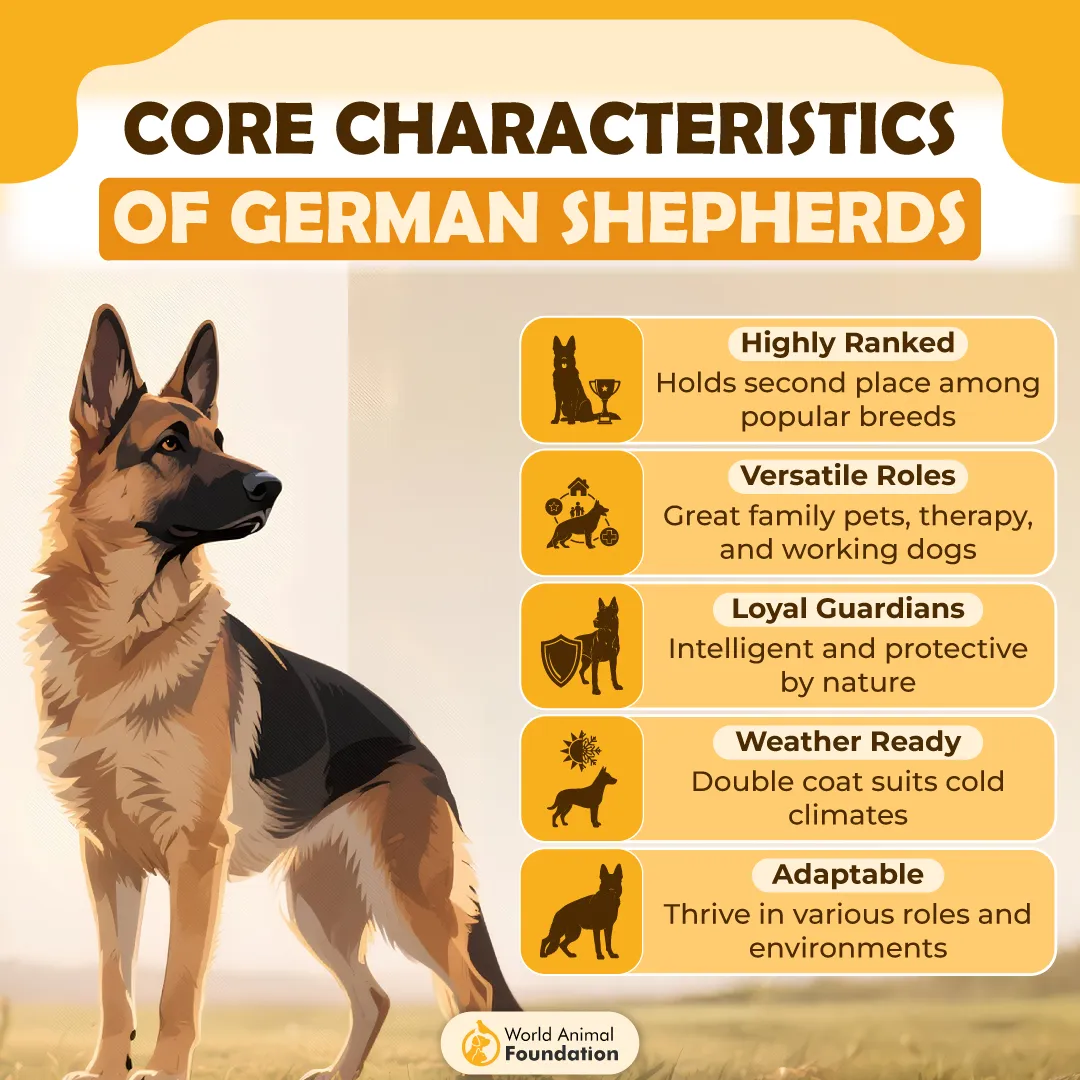
Why They Make Great Guard Dogs
Intelligent and Trainable: German Shepherds learn commands quickly and respond well to positive reinforcement.
Protective Instincts: They naturally guard their territory and loved ones, making them ideal family protectors.
Strong and Athletic: Agile and powerful, they can perform physically demanding tasks with ease.
Versatile Working Dogs: Commonly used in police, military, search and rescue, and service roles due to their skills and focus.
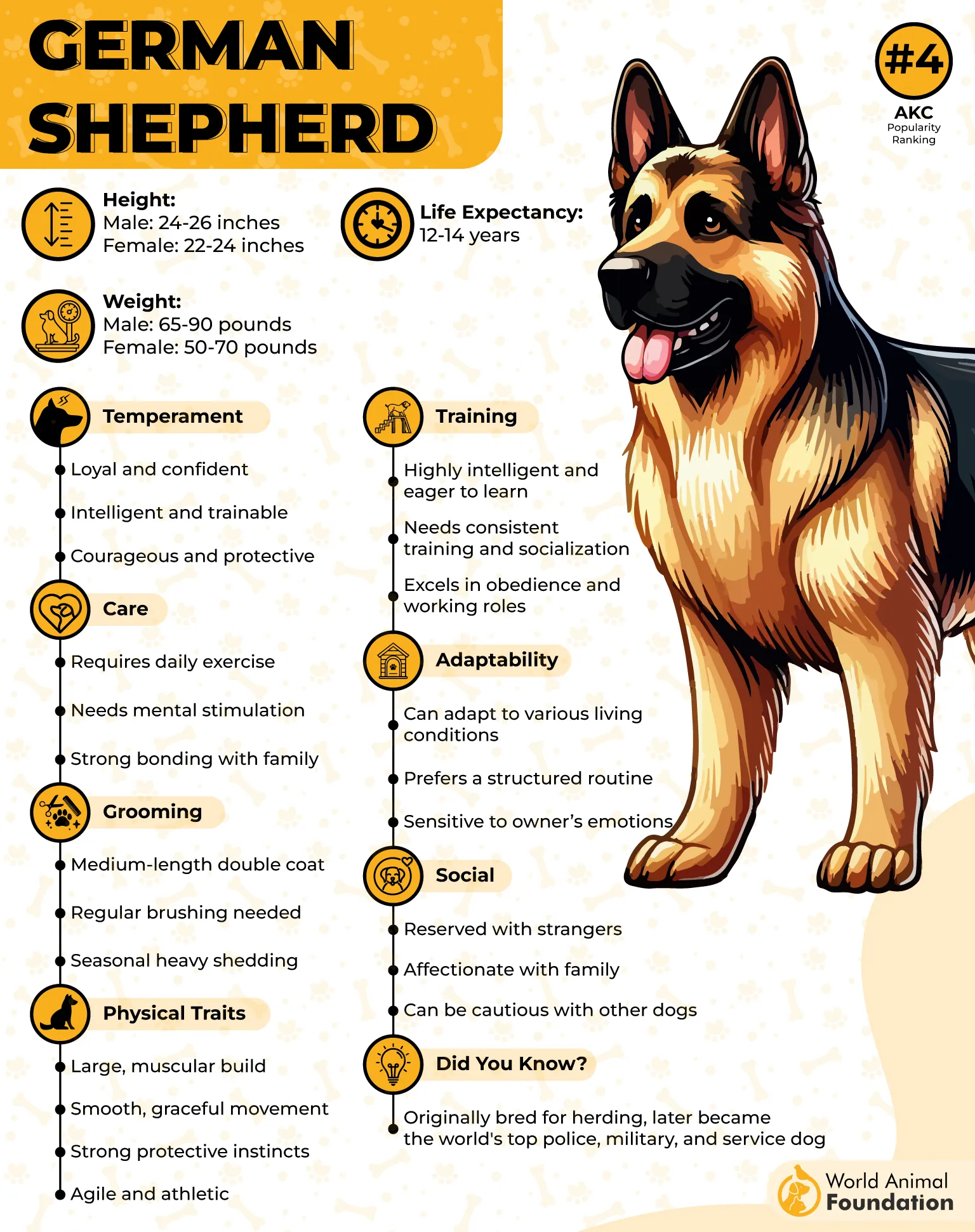
While their strong presence can be intimidating, German Shepherds are gentle and affectionate with family members, including children. Early socialization ensures they remain calm and well-mannered around strangers.
These dogs thrive on companionship and daily activity, enjoying both playtime and purposeful work. With proper guidance, a German Shepherd balances fearlessness and friendliness, making them a dependable protector and loving companion.
3. Rottweiler
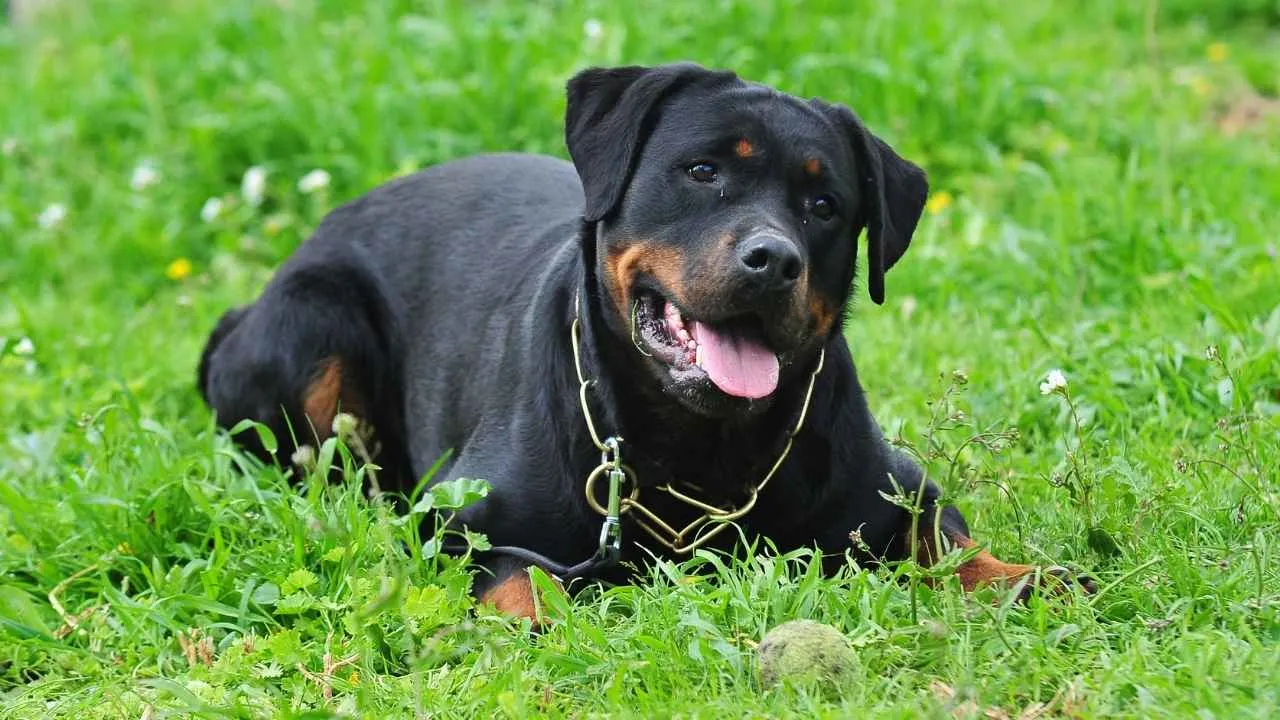
Rottweilers are natural guard dogs with strong protective instincts. They are extremely affectionate with family but often reserved around strangers, as Royal Kennel Club mentioned. Known for their guarding abilities and territorial sense, Rottweilers can be playful and goofy at home.
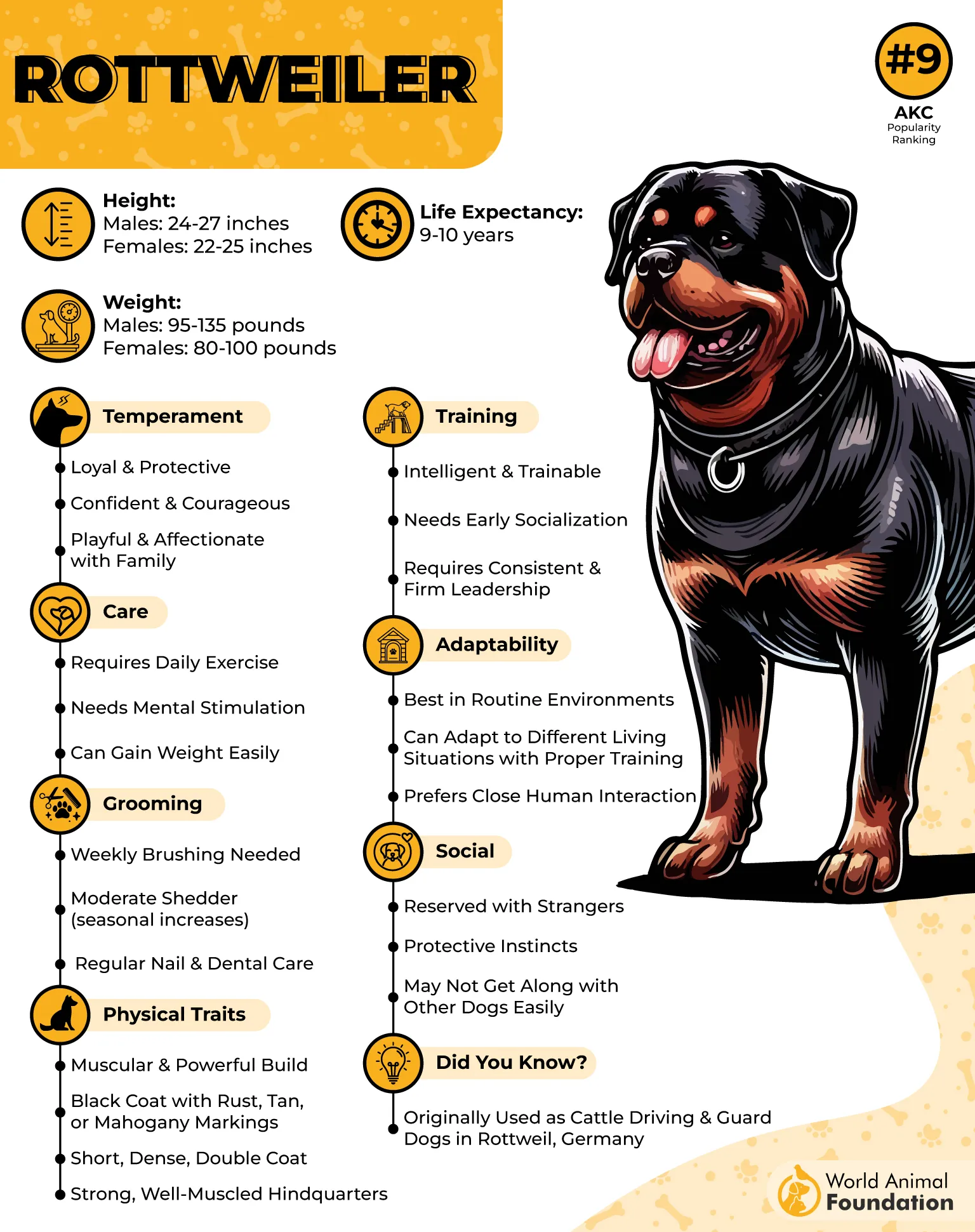
Proper training and early socialization help channel their natural instincts into effective protection. Without guidance, their protective nature can become overly assertive.
Why They Make Great Guard Dogs
Intimidating Presence: Their muscular build and alertness make them intimidating to outsiders.
Incredibly Loyal and Protective: Rottweilers form deep bonds with their families and are fiercely loyal.
Intelligent and Trainable: They respond well to structure, obedience, and purpose-driven tasks.
Versatile Working Dogs: They can serve as watchdogs, guard dogs, or in obedience and tracking activities
Behind their tough exterior, Rottweilers are playful, affectionate, and gentle with children. They thrive in a loving environment and enjoy games, exercise, and bonding with their owners. Daily activity and structured tasks help balance their vigilance with companionship.
Descended from the mastiffs of the Roman legions, Rottweilers combine strength, confidence, and intelligence with loyalty and affection, making them both formidable protectors and beloved family members.
4. Bullmastiff
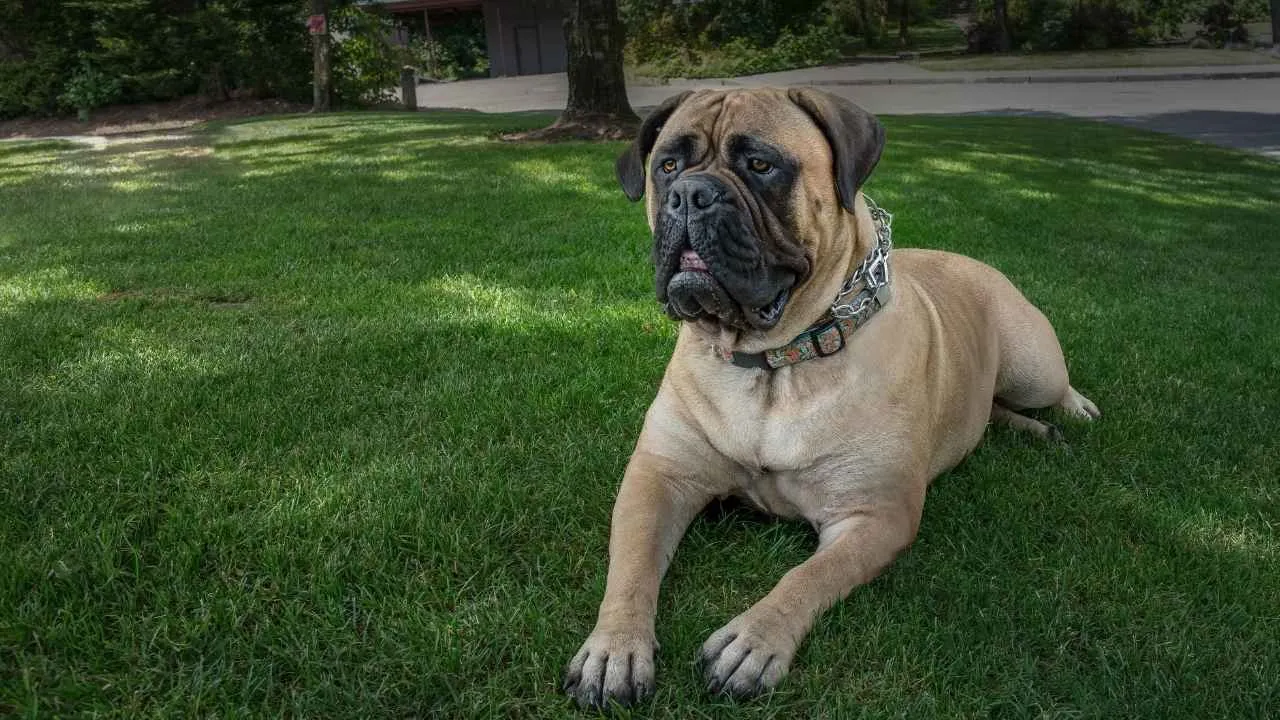
Bullmastiffs are loyal, brave, and natural guard dogs. Originally bred by British gamekeepers to protect estates and keep poachers away, this breed combines size, intelligence, and instinctive guarding abilities.
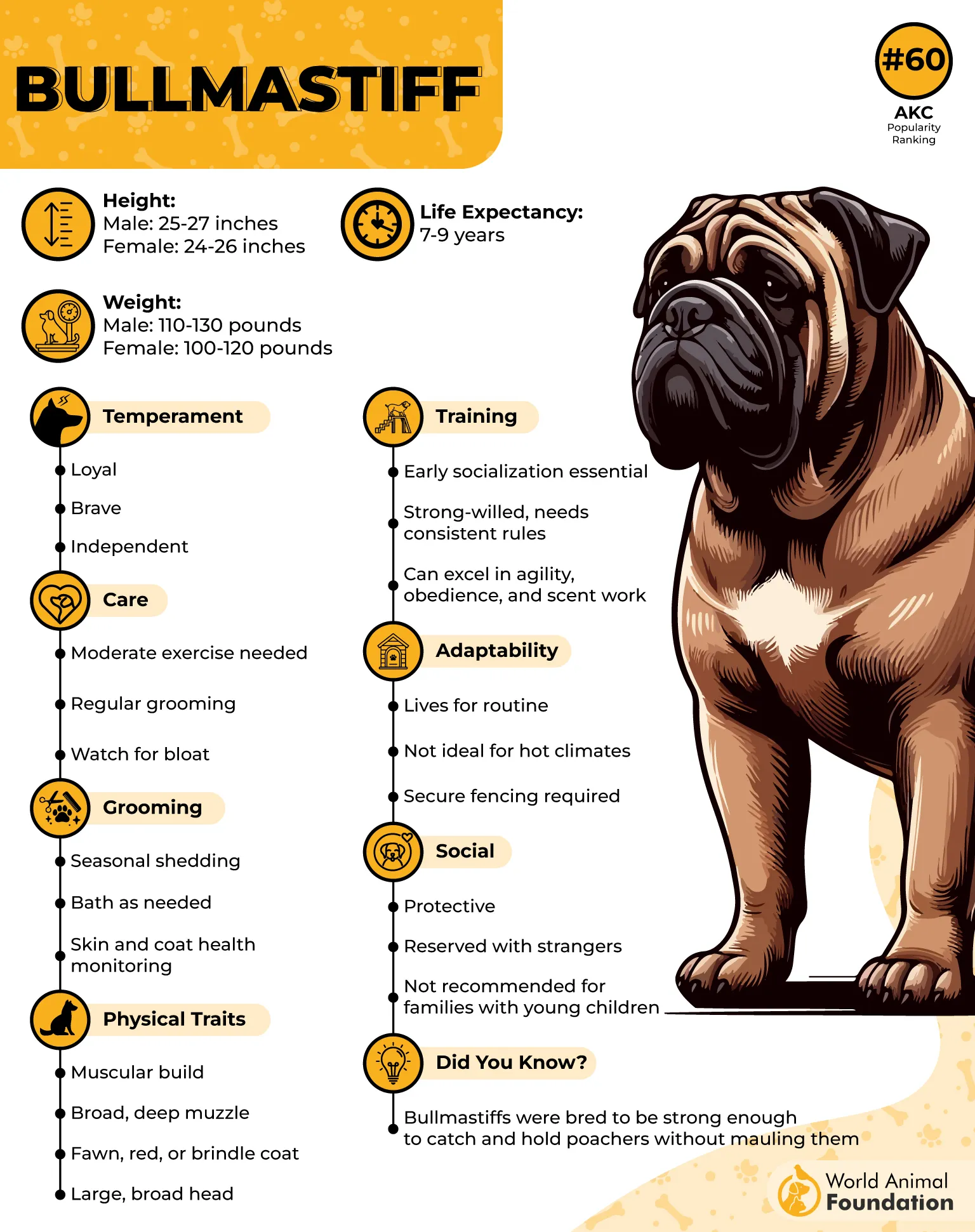
Despite their imposing presence, Bullmastiffs are gentle, affectionate, and patient with family members, including children. Early socialization and structured training help them thrive as both vigilant protectors and loving companions.
Why They Make Great Guard Dogs
Commanding Presence: Their large size, muscular build, broad head, and alert eyes make them naturally intimidating to intruders.
Protective Instincts: Bullmastiffs are calm and confident, reacting decisively only when they sense a real threat.
Intelligent and Trainable: They learn quickly and respond well to structured training and positive reinforcement.
Low Barking: Typically quiet, they bark only when necessary to alert their family.
Adaptable Companions: They can live in large homes or apartments and get along with other pets when socialized early.
Behind their tough exterior, Bullmastiffs are affectionate, playful, and devoted to their families. They enjoy being part of daily family life and thrive on structured activities.
While they may be reserved toward strangers, proper training ensures they remain well-mannered and obedient. With guidance, Bullmastiffs balance their natural guarding instincts with a warm, friendly presence, making them reliable protectors and loving family members.
5. Great Dane
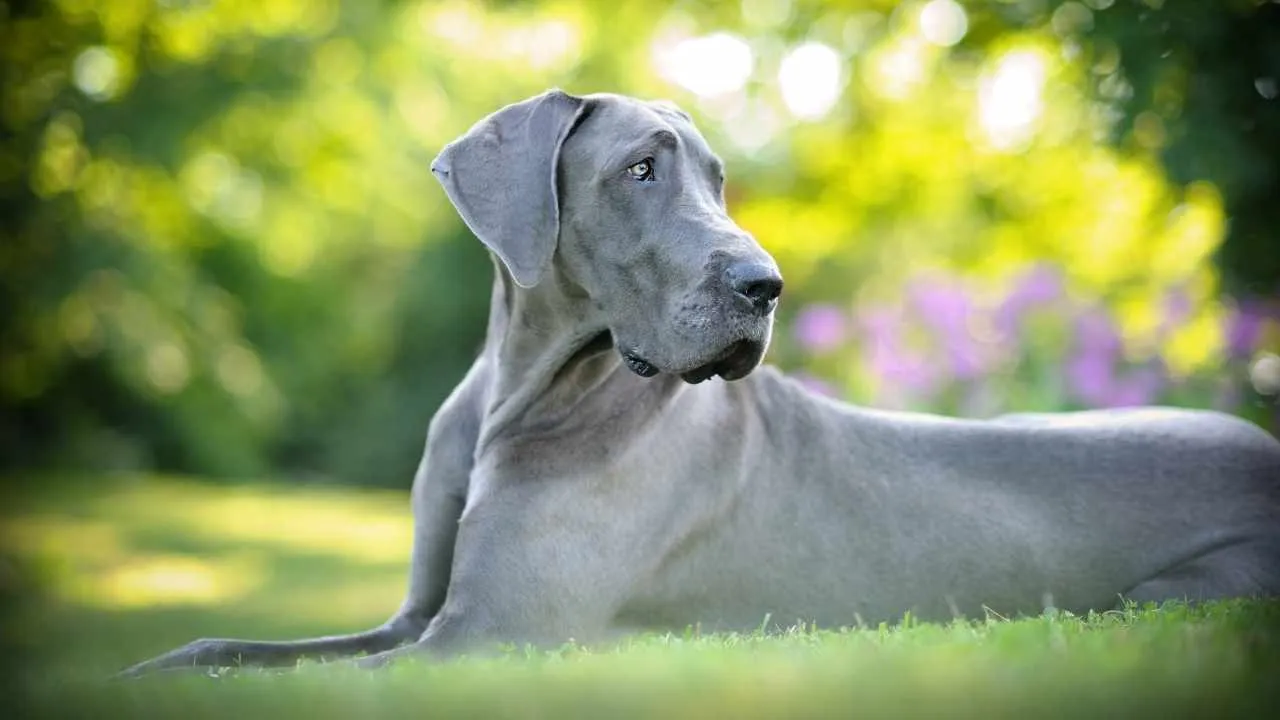
Great Danes are impressive dogs known for their size, alertness, and gentle yet protective nature. While generally friendly, they possess natural instincts to protect their families and territory. They are playful, patient with children, and enjoy being part of family activities.
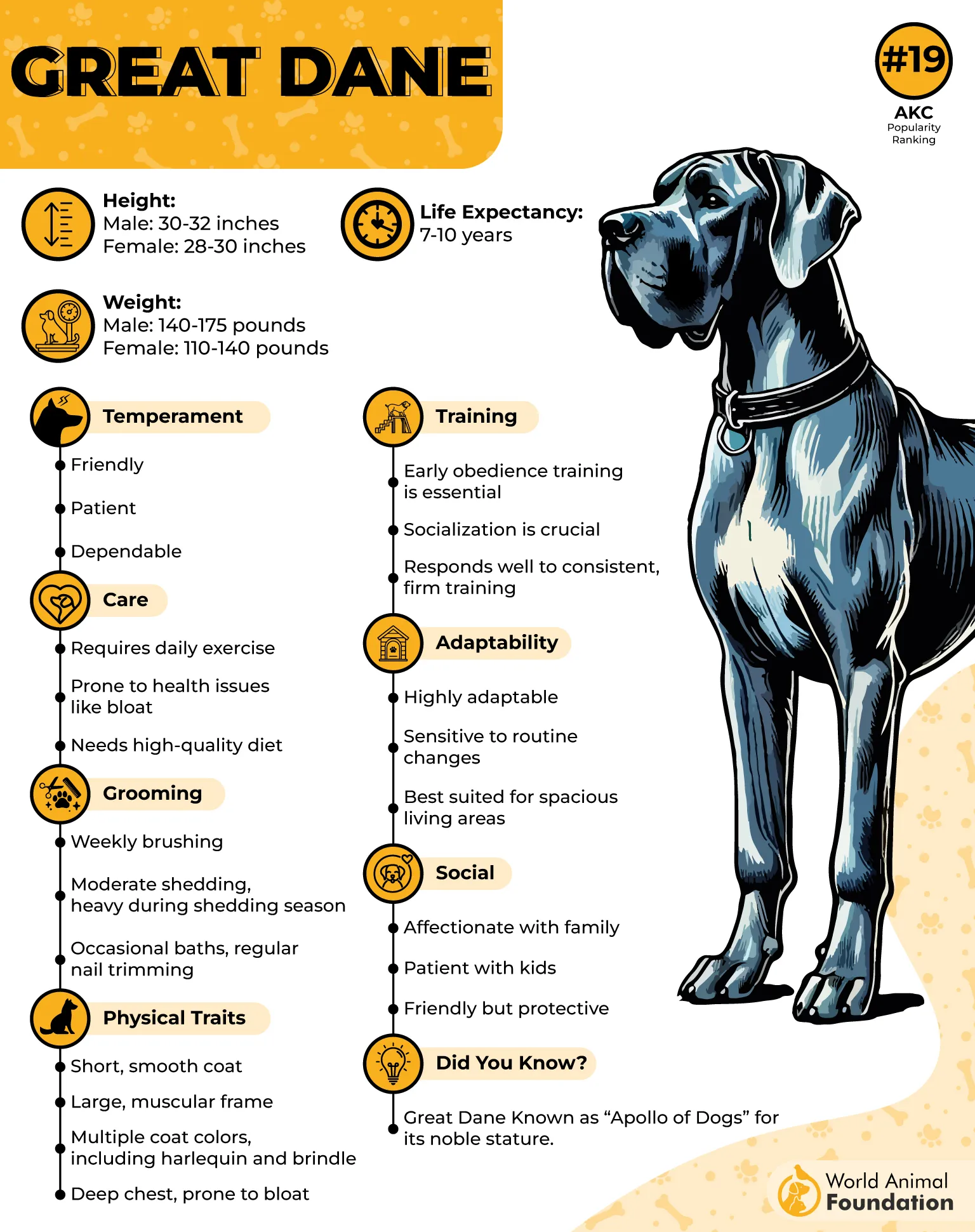
Their towering presence alone often serves as a deterrent to potential intruders, combining physical intimidation with keen vigilance.
Why They Make Effective Watchdogs
Imposing Size: Among the largest dog breeds, their mere presence can intimidate trespassers.
Alert and Observant: Great Danes quickly notice unusual activity and alert their owners.
Protective Instincts: Some Danes retain older guarding traits from their historical breeding as boarhounds and estate guardians.
Loyal Companions: They form strong bonds with family members and are especially protective of children.
Socialization Needed: Proper exposure to new people helps them distinguish between real threats and everyday interactions.
Despite their size, Great Danes are affectionate, people-pleasing dogs. Hill’s Pet says that they can be stubborn learners, requiring patient and consistent training. With early socialization, they become safe, discerning guardians who protect without unnecessary aggression.
Their loyalty, combined with their alertness and natural strength, makes them both a gentle companion and an imposing protector—truly earning the title of a “gentle giant.”
6. Akita
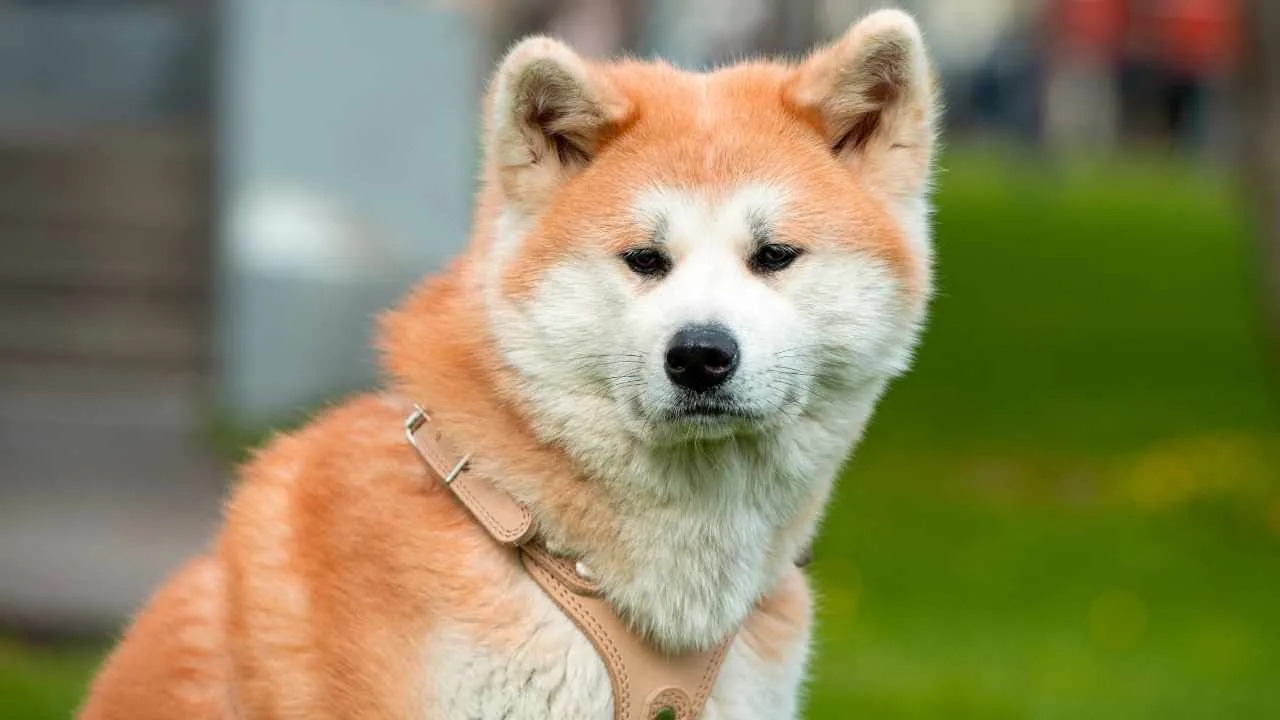
The Akita is a large, muscular dog from Japan, one of the most ancient breeds in the world. Originally used for hunting, personal protection, military work, and companionship, they are celebrated for their loyalty and protective instincts.
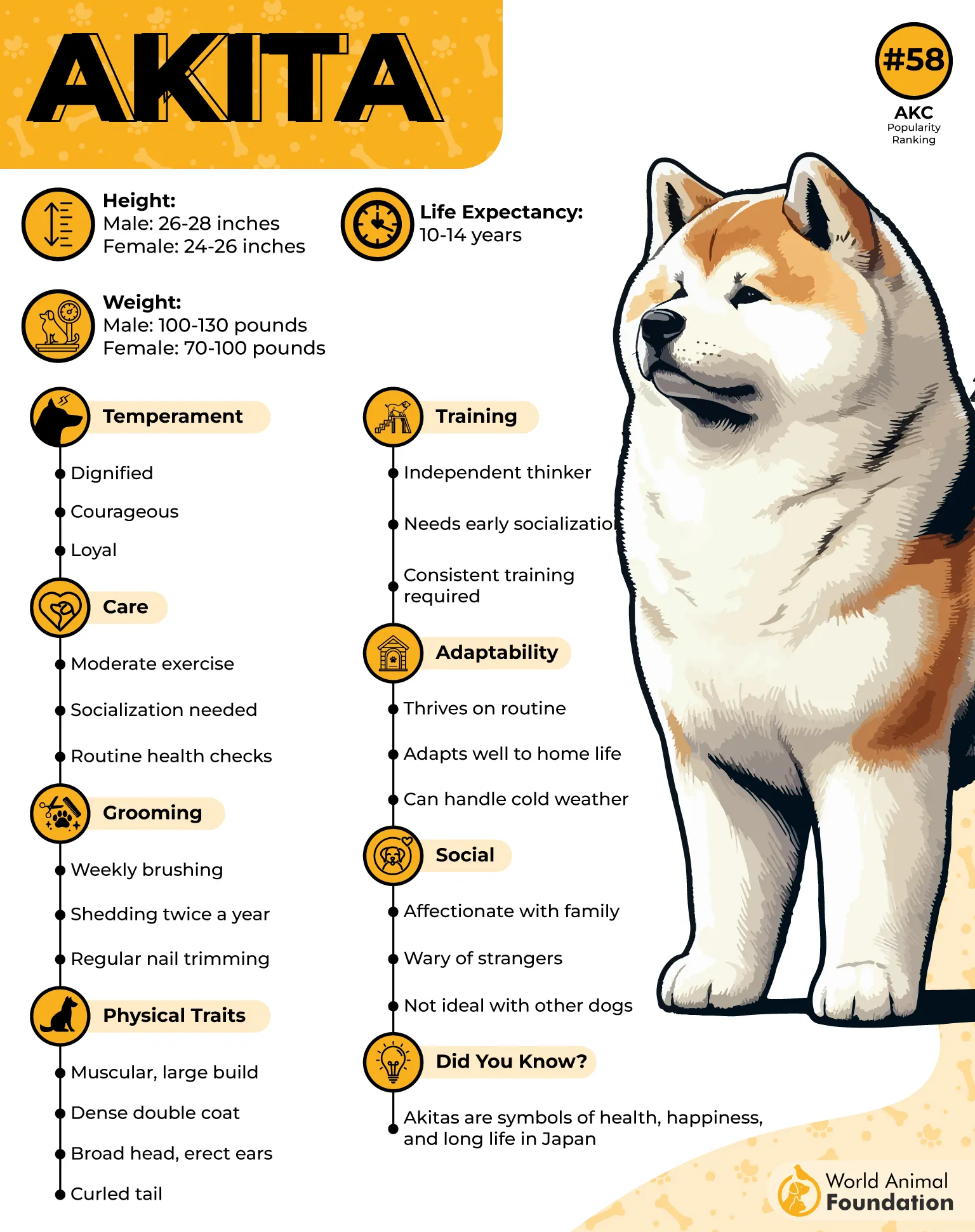
An interesting fact is that the breed nearly became extinct during World War II, and Helen Keller was the first person to bring Akitas to the U.S, according to Purina. These dogs can be intimidating at first, but they are deeply devoted to their families.
Why They Are Exceptional Protectors
Protective Instincts: Naturally suspicious of strangers, Akitas keep a watchful eye on their homes and loved ones.
Loyalty: They form unbreakable bonds with family members and can become very attached.
Reserved Personality: Often aloof and cautious around strangers, making them excellent guard dogs.
Intelligence and Training: Highly intelligent but stubborn, Akitas benefit from early obedience or guard dog training.
Active Companions: Enjoy mental and physical challenges, including hikes, games, and puzzle toys.
Despite their imposing appearance, Akitas are affectionate, calm, and dignified at home. They thrive on human companionship and enjoy quiet time with their families.
Socialization from an early age helps them distinguish between real threats and harmless situations, while consistent supervision ensures safe interactions with children and other pets.
With proper training, Akitas can be both gentle companions and formidable protectors, honoring their reputation as one of the most loyal and courageous dog breeds.
7. Giant Schnauzer
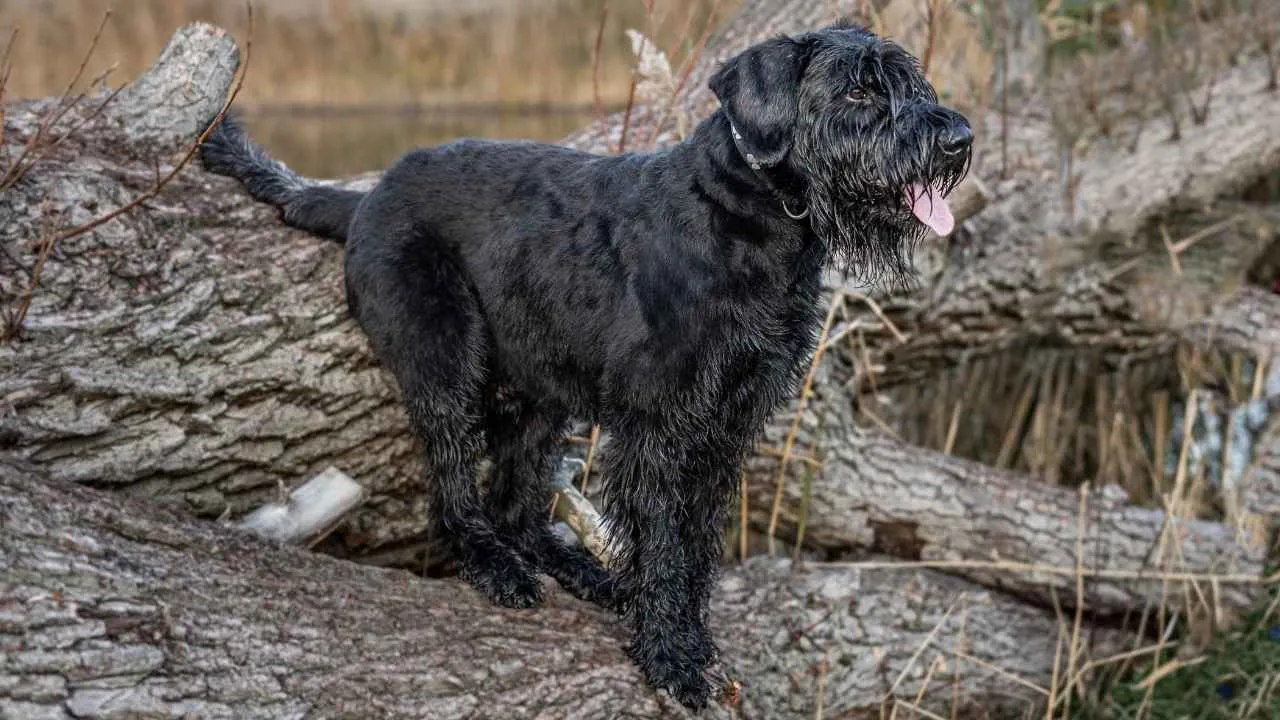
Giant Schnauzers are powerful, intelligent dogs originally bred in the German Alps as farm and home guardians. Developed by crossing Standard Schnauzers with Great Danes, they are naturally protective and alert, barking loudly to warn of dangers.
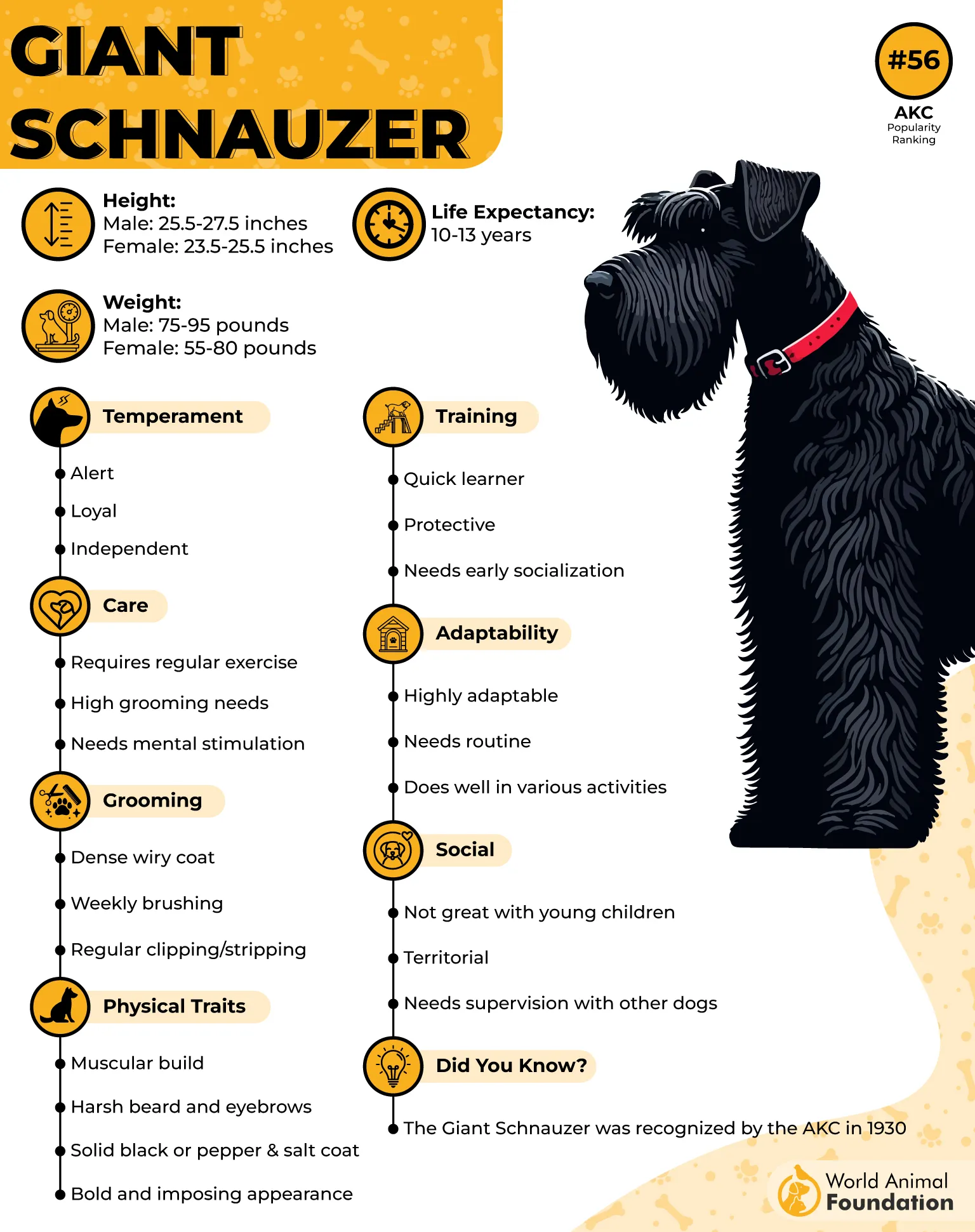
These dogs are highly affectionate with their families and require significant attention, exercise, and mental stimulation to stay happy and well-behaved.
Why They Excel as Guard Dogs
Protective Instincts: Giants are vigilant and territorial, always on alert for potential threats.
Intelligence and Trainability: Eager to please, they learn commands quickly and excel in obedience, agility, and protection work.
Loyalty and Bravery: Their loyalty provides families with an added sense of security.
Energy and Commitment: High-energy dogs that need daily exercise, mental stimulation, and proper socialization from an early age.
Appearance and Presence: Muscular, imposing, and often standing 23.5–28.5 inches at the shoulder, their double coat and strong stance make them intimidating to intruders.
Despite their bold appearance, Giant Schnauzers are affectionate, playful, and gentle with family members. Early socialization helps them distinguish between real threats and harmless situations, ensuring safe interactions with children, pets, and strangers.
While highly energetic and strong-willed, these dogs thrive in households that provide consistent training, structure, and companionship, making them both loving family members and formidable protectors.
8. Alaskan Malamute
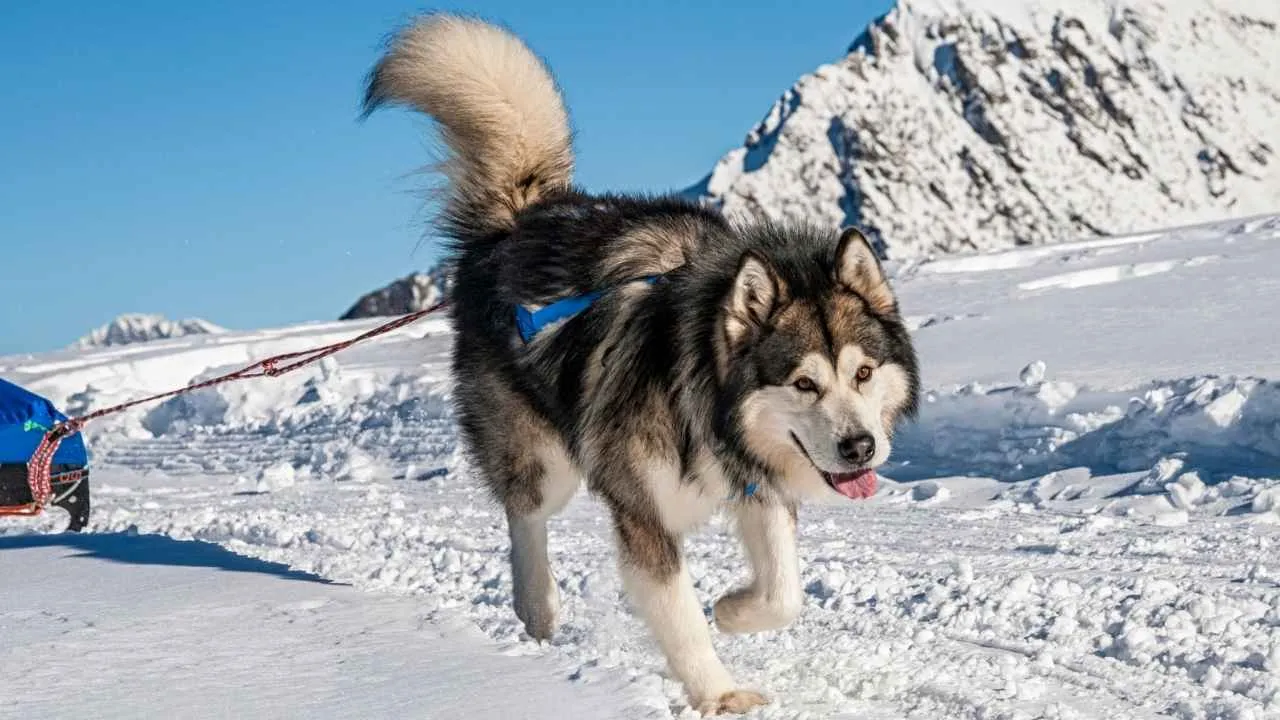
The Alaskan Malamute is a strong, heavy-duty working dog of spitz type, originally bred by the Alaskan Malamute Indians by crossing sled dogs with wolves. The goal was to create a durable, weather-resistant dog with exceptional pulling strength.
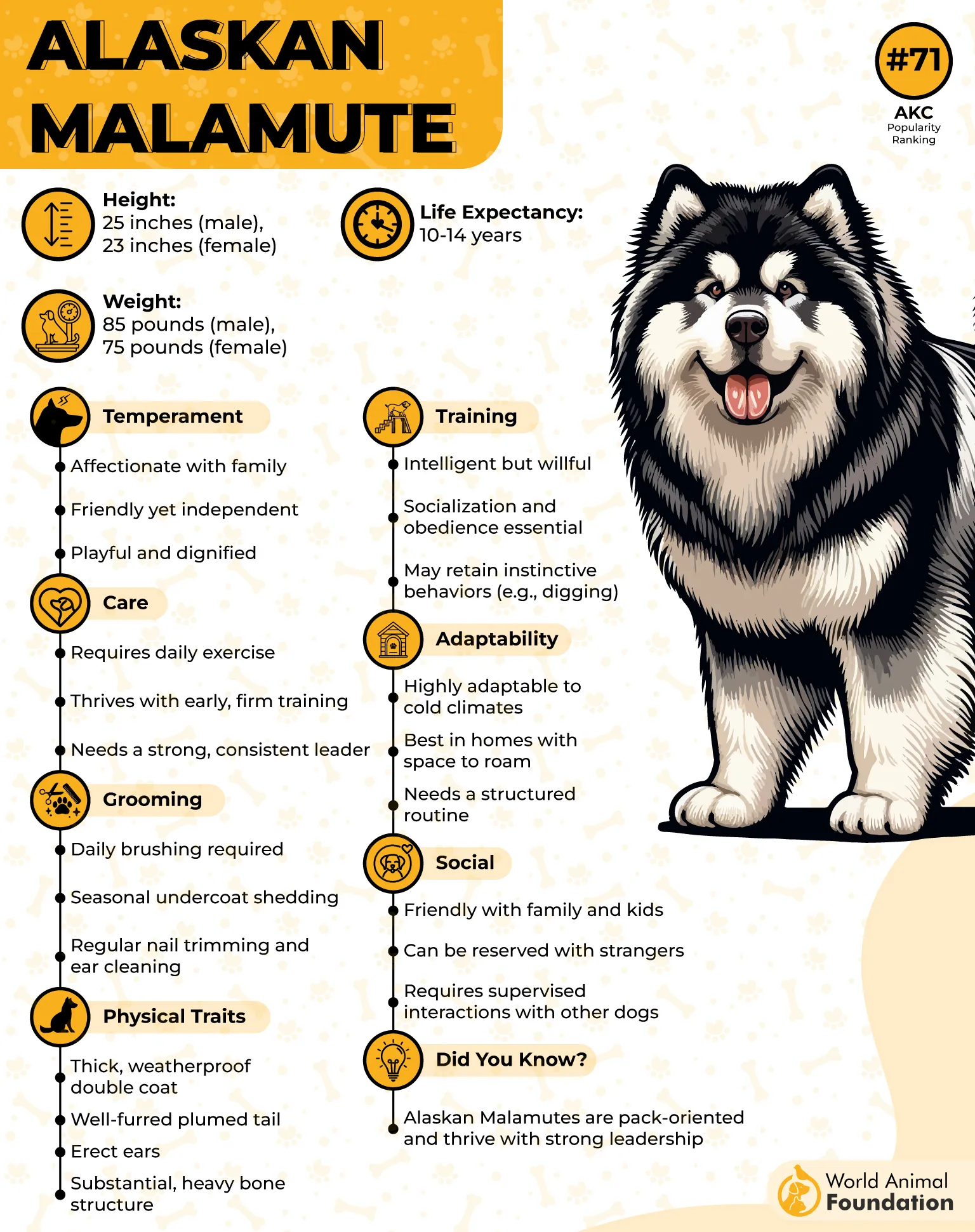
Their thick, weatherproof coat, deep chest, and powerful shoulders reflect their origin as Arctic sled dogs, while their almond-shaped brown eyes reveal a playful and affectionate personality.
Malamutes are pack animals, and firm but loving leadership from an early age is essential for a well-behaved companion.
Why They Make Great Guard Dogs
Powerful Workers: Alaskan Malamutes are capable of pulling heavy loads and excel in search-and-rescue operations, particularly in snowy conditions.
Affectionate Companions: Despite their strength, Malamutes are playful, gentle, and friendly with children and family members.
Communication Style: They rarely bark but may howl or yelp to express emotions, and are highly social with all humans in their “pack.”
Predatory Instincts: Malamutes have a natural prey drive, so supervision around small animals is crucial unless raised together.
Alaskan Malamutes are friendly, loyal, and intelligent, thriving on human attention and outdoor activities. While historically they helped protect against polar bears and wolves, they are not natural guard dogs for households due to their overly friendly nature with strangers.
These dogs enjoy problem-solving, agility training, hide-and-seek games, and long outdoor adventures, making them ideal companions for active families who can provide mental stimulation and daily exercise.
9. Belgian Malinois
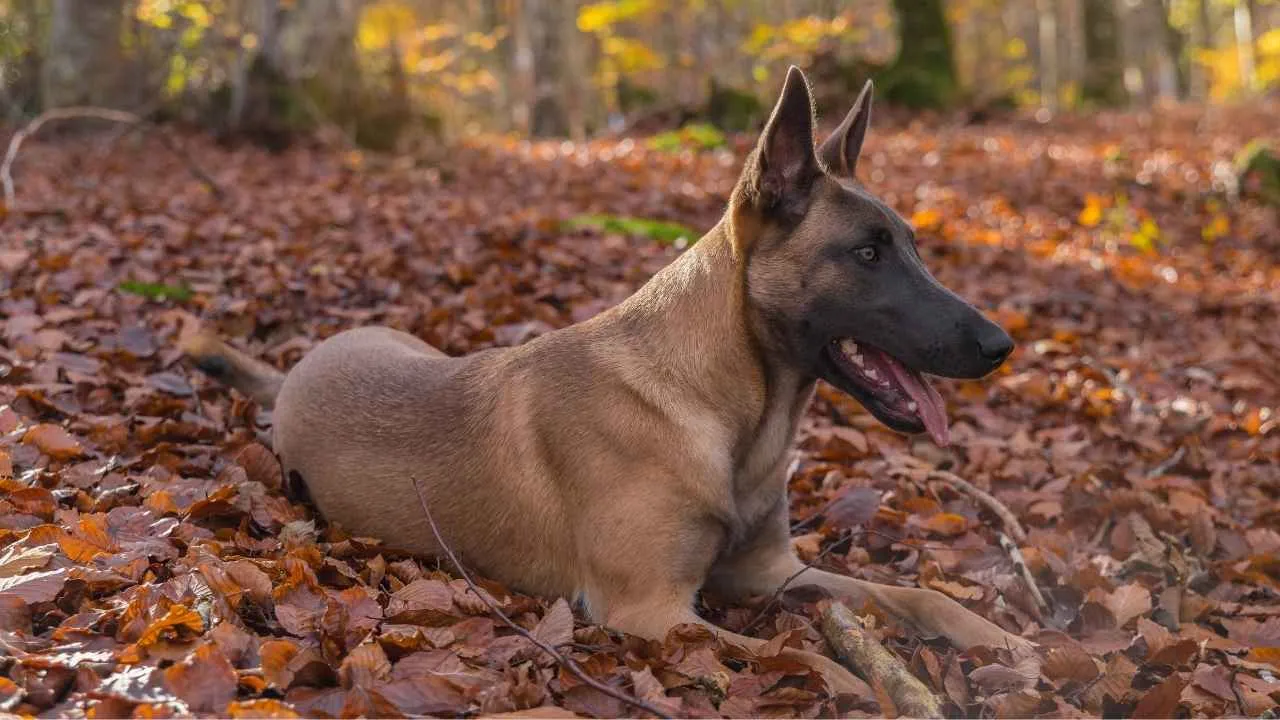
The Belgian Malinois is a highly intelligent, fast, and trainable dog, widely used in military, police, and search-and-rescue roles.
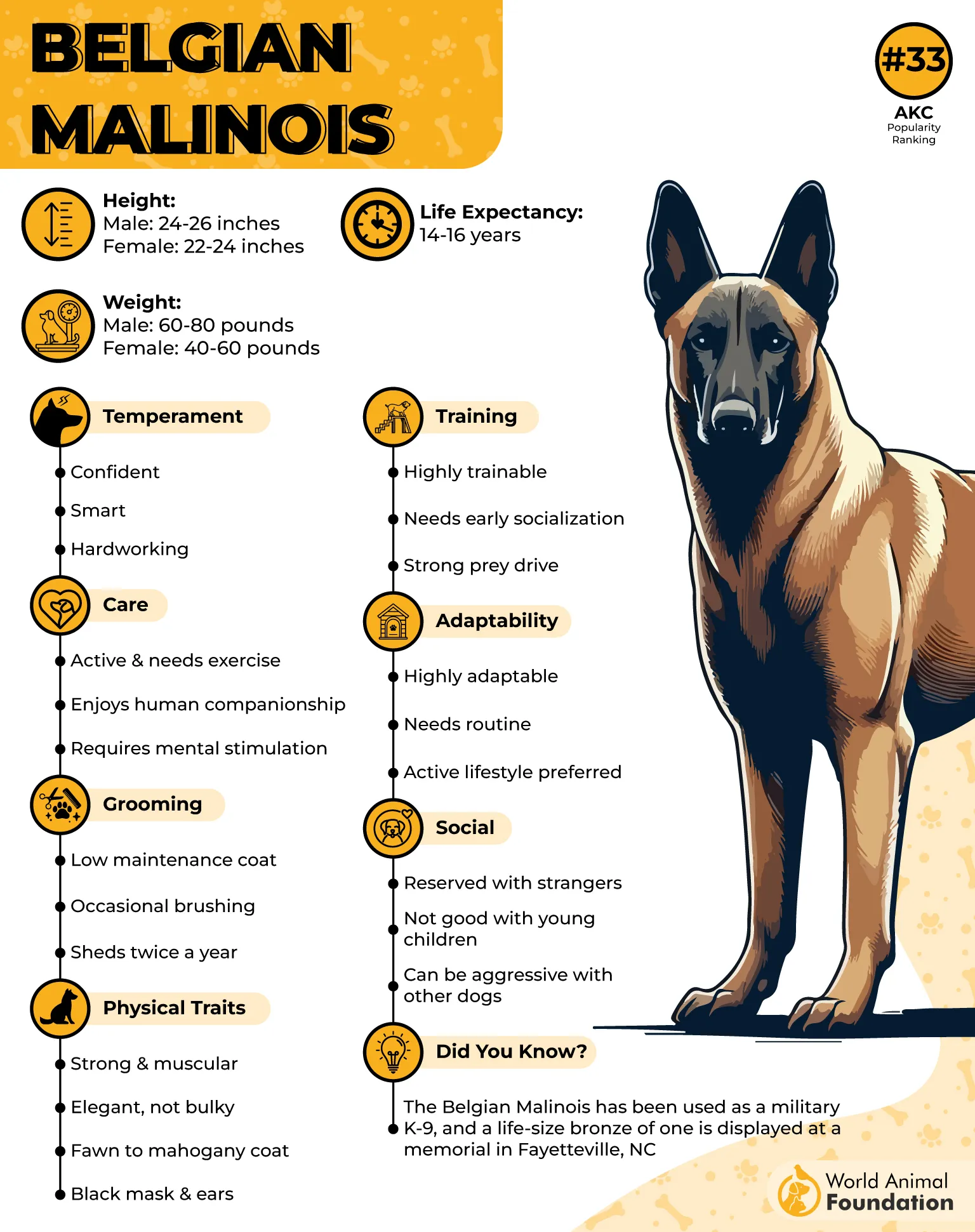
Originally bred near the city of Malines in Belgium for herding, their intelligence, agility, and strong work drive have made them ideal for detecting threats, bomb and drug detection, and other high-demand tasks. Their bright, dark Belgian chocolate eyes reflect a keen, questioning intelligence.
Why They Are Great Guard Dogs
Hardworking and Versatile: Belgian Malinois thrive when given a purpose. They excel in agility, obedience, tracking, herding, and other jobs that challenge both body and mind.
Trainability: Highly eager to please, they respond well to intensive, consistent training. Early socialization is crucial to ensure confidence in new or unfamiliar situations.
Exercise Needs: This breed has extremely high energy levels and requires daily vigorous aerobic activity, such as running, hiking, or biking alongside their owner. Without sufficient exercise, Malinois may develop destructive behaviors.
At home, Belgian Malinois are affectionate, loyal, and people-oriented. They form unbreakable bonds with their families and crave constant companionship. They are best suited to households with experienced dog owners who can provide structured activity, mental stimulation, and socialization.
Belgian Malinois are highly devoted dogs, requiring more than 40 minutes of focused physical and mental exercise daily, according to PetMD.
Conclusion
In conclusion, a well-trained, loyal, and protective dog can be an incredible addition to any family, providing both companionship and a sense of security.
With proper socialization, guidance, and consistent training from an early age, these dogs can channel their natural protective instincts in a positive way, creating a safe, harmonious, and happy home environment.
Bringing a protective dog into your life is both a responsibility and a rewarding experience. By investing time in training, exercise, and nurturing a strong bond, you cultivate not only a reliable guardian but also a loving, devoted companion.
These dogs offer more than just protection—they bring joy, loyalty, and a sense of connection that enriches everyday life, reminding us that the best relationships are built on trust, respect, and shared experiences.
