




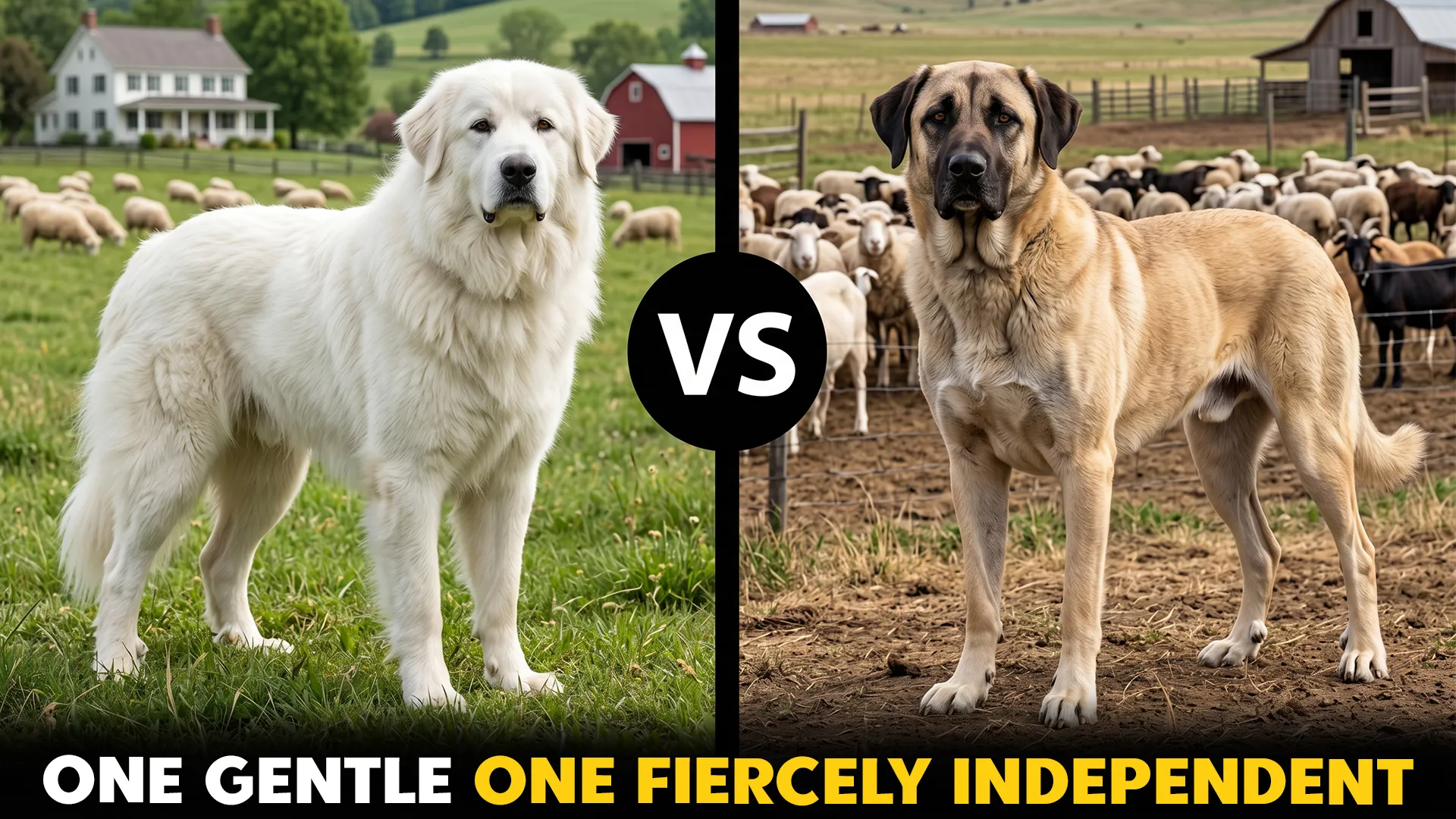
Comparing these two iconic LGDs or livestock guardians, the Spanish Great Pyrenees and the Turkish Anatolian Shepherd dog, is like evaluating two of the greatest of all time ancient warriors, like Hernan Cortes and Mehmed II. Surprise, surprise, quite the impossible feat.
Hence, if you want to know which breed is the right pick for your new growing homestead filled with livestock and wide-open fields. You need to see what type of personality, maintenance needs, trainability, and space requirements these two dashing heroes demand from their owners.
What type of wild animals are frequently paying a visit to your ranch, and what role can these two fluffy floofs play in protecting your turf? Because both of these serious and daunting mountain breeds can handle rough terrains, tough predators, and stubborn cattle. But their temperament, build, and protection style are what keep them distinct.
Lifestyle Matches: Great Pyrenees vs. Anatolian Shepherd Dog Breeds
Be prepared for the battle of the GOATs of the canine kingdom. Both noble and dignified, both escape artists with a wandering spirit. But where the Pyr is a lovable learner, the Anatolian has a bit of an aloof and daunting way of showing loyalty and love toward its owner.
Origin & Purpose
Great Pyrenees
The Pyr’s story started atop the freezing cold Pyrenees mountains, the natural border between France and Spain. Because that is the place that this ancient guardian was named for. Otherwise, the origins of the Great Pyrenees can be traced back 1000 years, as far back as the Bronze Age. Originally bred to herd and guard flocks of sheep and other animals.
Purina mentions this breed when discovered was valued and venerated by the French royals and nobles who bestowed upon this patient protector a special moniker, “Royal dog of France”. Hence, this magnificent breed worked as guardian dogs for both castles and homesteads.
Anatolian Shepherd dog
On the other hand, the Anatolian Shepherd dog has its roots in Anatolia or Asia Minor, a high plateau of endless plains and rolling hills, a place where the weather is unforgivable. Yet this descendant of the Coban Kopegi established its reputation in this region as the flock guardian supreme.
Orvis says a breed as old as time, the ancestors of the Anatolian Shepherd, can be seen in the ancient artifacts from the Babylonian Empire. Assyrian bas-relief carvings showcased in the British Museum, dating back to 2000 B.C., depict large dogs that resemble Anatolian Shepherds. Even the Holy Bible refers to shepherds who owned likely variations of these Anatolian Shepherd Dogs.
Playing a prominent role to date in the lives of farm and ranch owners, these Anatolians are the best dogs for protecting livestock and deterring predators, especially wolves, grizzlies, mountain lions, and coyotes. These protective puppies are the reason many endangered species of apex predators like Cheetahs in Namibia and Wolves in America have bounced back from extinction.
Size & Build Differences
Great Pyrenees
Born with a large white weather-resistant coat and a large frame, the Great Pyrenees is a sight for the eyes. A ruff or mane on the neck and shoulders makes the male’s appearance distinct from the female. Muscular and abundantly furry, with a round black nose, V-shaped ears, and almond-shaped, dark brown eyes. The Pyrenees is a thing of beauty, from its rounded head to its long, feathery plumed tail.
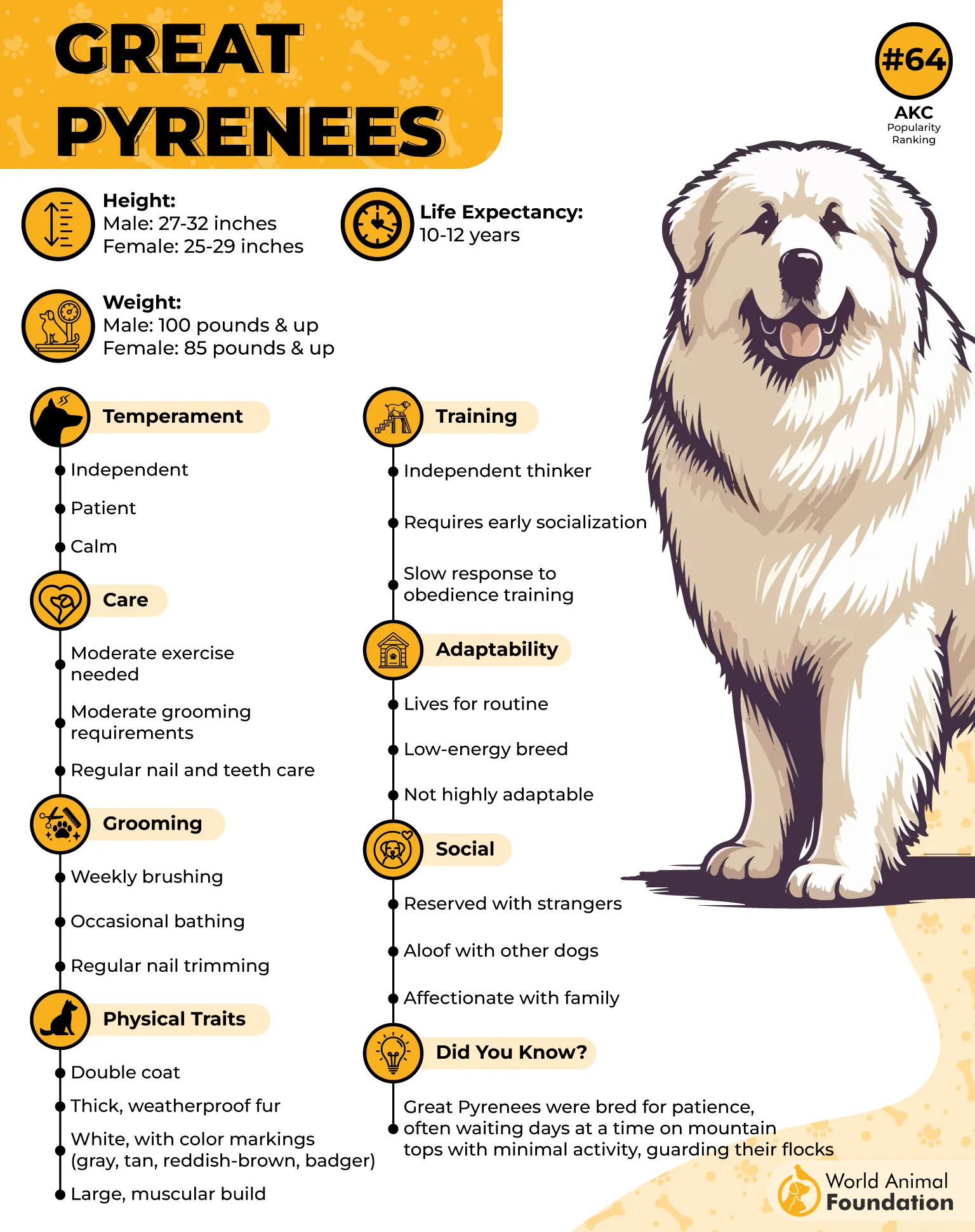
Big, immensely strong, and standing at 32 inches at the shoulder for males, and 29 inches for the females, these Pyrs often tip the scale at more than 85-160 pounds.
Not to mention these steadfast guardians that showcase a zen-like calm when watching over their territory and livestock have such a lush, thick double coat covering their bodies that the first moment you see them, you’ll wonder if this beautiful companion is a baby polar bear or not.
Anatolian Shepherd dog
Profusely muscled yet nimble afoot, this intense yet timeless breed can thrive in both brutally hot and dry summers and sub-zero winters due to its rugged, weather-resistant double coat.
Profoundly loyal, this working avenger is distinct from the Pyrenees and instantly recognizable due to its darker mask on its face and a heavier body weight that could even reach as high as 80-150 pounds, making it substantial in size.
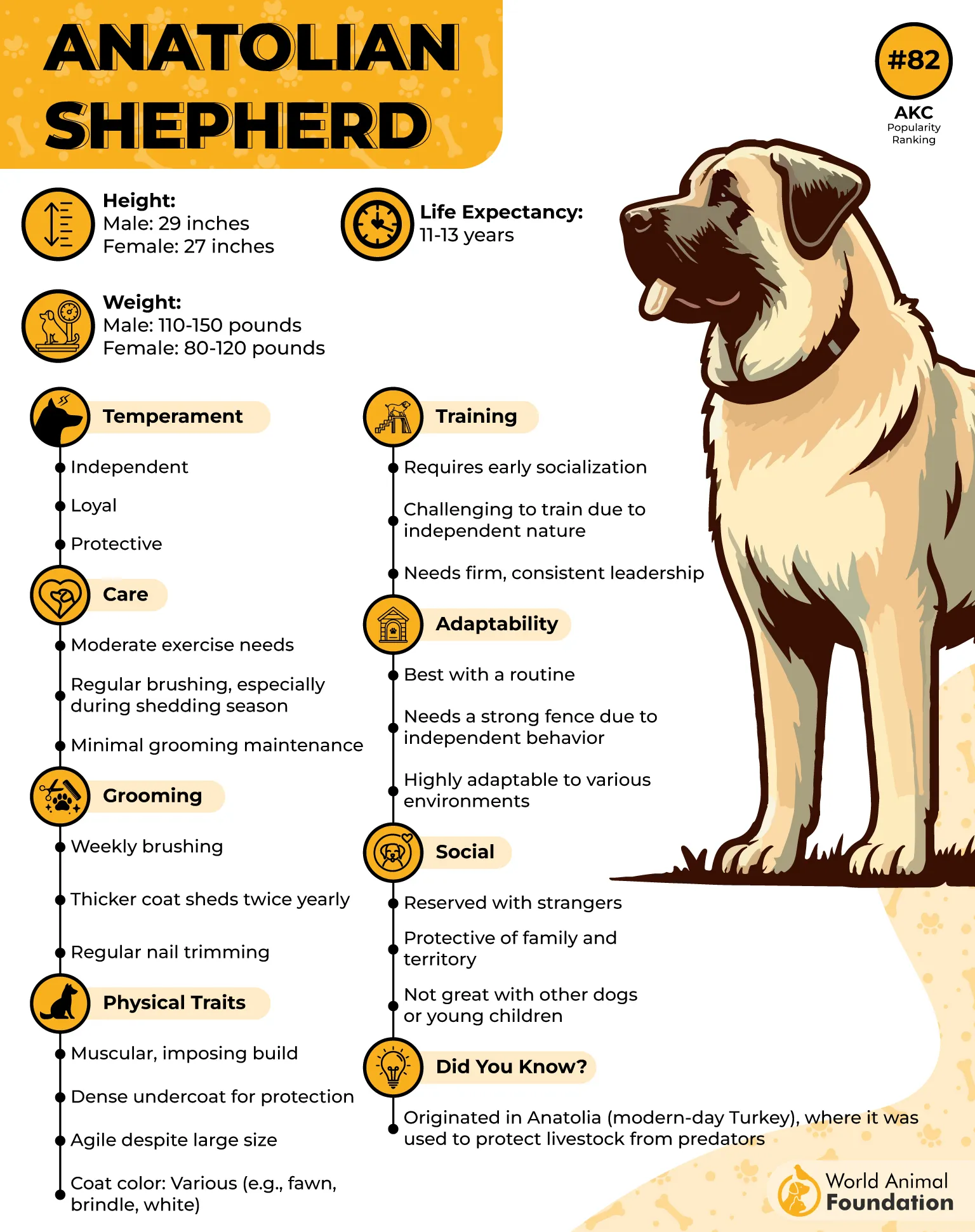
Additionally, a square muzzle with a solid black or brown nose, 6-inch-long droopy ears, and almond-shaped amber or brown eyes that seem to have a reassuring soulful depth gives an Anatolian Shepherd dog an edge in intensity. To which a high set tail carried low with a curl at the end or in a circle over their back completes the image of this dominating guardian.
Temperament & Independence
Great Pyrenees
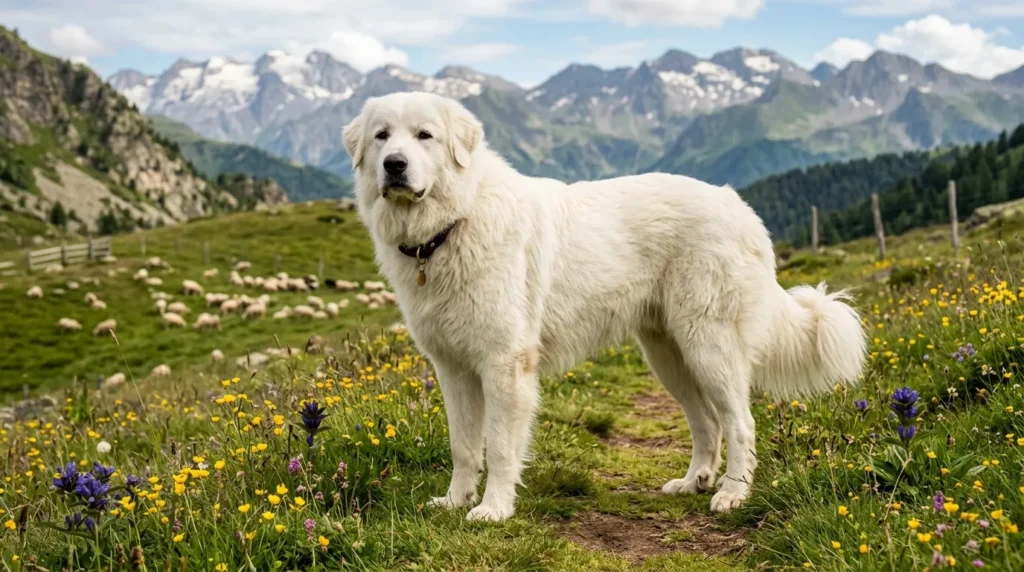
The Pyrenees have a sorted, serene, and smart personality, super devoted and gentle in their demeanor for their loved ones, and highly alert and quick to take action in the presence of a stranger or a threat. Pyrs are patient, elegant, and wise. Blessed with a mind of their own, these dogs are also territorial and quite suspicious of both predators, poachers, and rustlers that waltz in their way.
Anatolian Shepherd dog
Massively introverted, graceful, and charming to say the least, the Anatolian Shepherds sport an iconic somber poker face in the presence of strangers. But that doesn’t mean these Anatolians aren’t playful and mischievous. Just take them outdoors on a camping trip, and you’ll find them solemnly swear to be up to no good. Peaceful yet a bit reserved
Exercise & Space Needs
Great Pyrenees
From gentle strolls in the woods early morning at twilight, to sunset hikes or hanging out in the backyard at night, these noble patrollers definitely require a lot of physical and mental stimulation. But extremely fast-paced activities don’t suit the Great Pyrenees.
An adequate amount of daily exercise must be provided to these ancient mountain dogs to maintain their muscle strength and physical conditioning. So, they can save lost lambs and help the damsels in distress efficiently.
The Great Pyrenees is not a high-energy dog and does not require intense workouts. Just 40 minutes to an hour of daily exercise without overexertion is the ideal routine for this dog. Split the workout into multiple sessions and ensure that you think of new, fun activities to keep their minds engaged.
Games like fetch, tug of war, or hiking on a new trail every other day, low-impact activities like swimming and hanging out together in the great outdoors, are a good way to keep these dogs fit and healthy.
Anatolian Shepherd dog
Are you a Walden-esque nature lover who loves simplicity, self-reliance, and a deep connection with nature? Well, if that’s true, then you are definitely the right owner for this delightful wanderer.
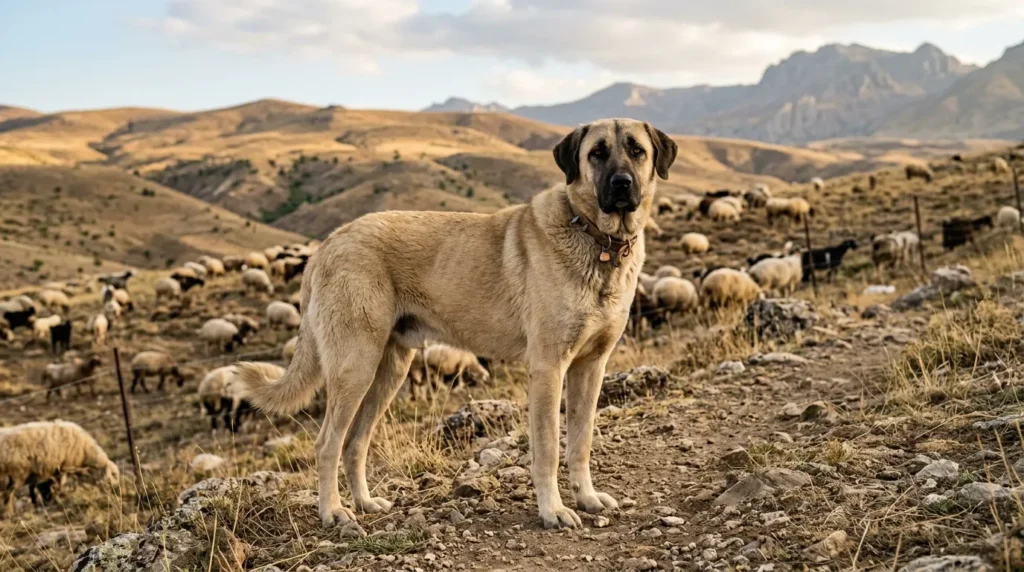
This Anatolian Shepherd Dog loves to experience new sights and smells in their surroundings, is happiest when spending time outdoors, and will need a tall and strong fence to keep it in one place at a time.
Some scent work in the woods, or walking in the neighborhood for at least half an hour daily, will keep your Anatolian Shepherd mentally sharp and physically fit.
Coat Types & Maintenance
Great Pyrenees
Surprisingly resistant to dirt and tangles, the abundant white furry coat should be brushed with a slicker or rake brush several times a week to keep it clean and mat-free. But know that a monthly bath using a good quality dog shampoo is plenty for this beautiful livestock guardian.
Moreover, trim their nails every two weeks or when you start hearing clacking noises on hard surfaces, making you think your Pyr might be wearing heels. On a serious note, extremely long nails can be painful for your Pyrenean mountain dog.
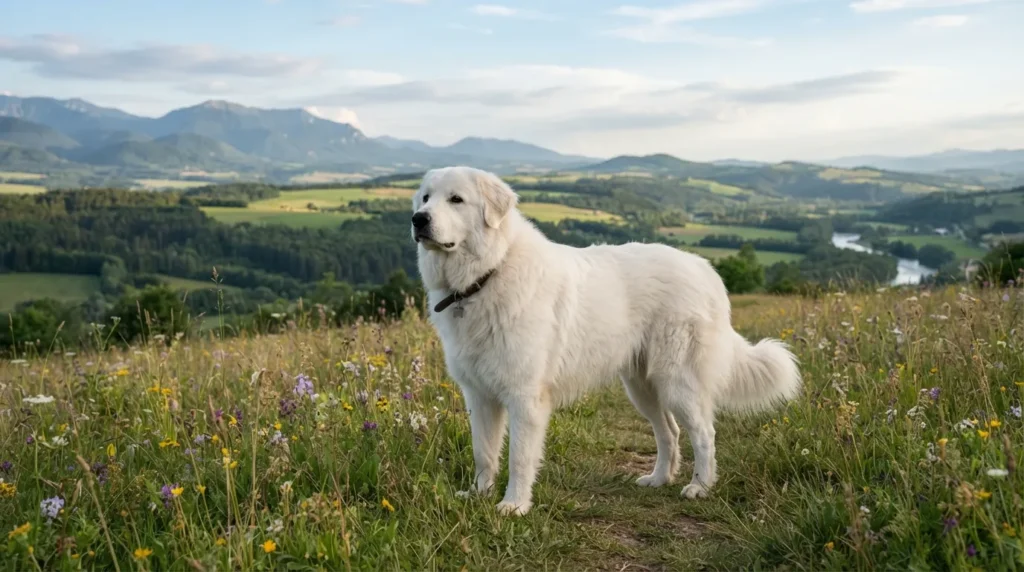
Also, make sure that you brush your dog’s teeth daily and have a yearly professional cleaning. Beware the Great Pyrenees sheds like a freaking snow machine. Hence, you’ll need some extra precautions to control the white blizzard and bundles of fluff in your abode.
Reconsider your wardrobe choices if you love black, and be clever when designing the interiors of your home by choosing white tiles and white furniture so you can hide the white trail of fur this pooch leaves behind.
Anatolian Shepherd dog
On the other hand, for an Anatolian Shepherd Dog, procure a steel comb, pin brush, and shedding rake to prevent matting and to keep your pup tangle-free. A monthly bath is a must for this dominating bugger, and trim the nails of your Anatolian Shepherd dog once a month. Whenever you hear them clacking on hard surfaces.
Additionally, don’t forget to brush their teeth daily and get a pro dental cleaning service at your vet yearly. In spring or fall, Anatolian Shepherd dogs shed a lot. Hence, be prepared to brush them endlessly with combs and rakes to make your pups look their best.
Trainability & Handling Difficulty
Great Pyrenees
Originally bred and raised to work alone and taking its decision independently, these Great Pyrenees will ignore you from time to time and might not adhere to your commands sometimes. But that doesn’t mean these amazing friends are an impossible feat to handle and train.
When it comes to training, know that slow and steady wins the training race, especially when you are dealing with a Great Pyrenees. Because, despite being extremely smart, calm, and clever, this stark white puppy will give some side eyes and looks of exasperation if you repeat your commands or overdo it, as noted by the AKC.
Short, interactive training sessions in new places, whether outdoors or in your backyard, can prove to be effective if you use positive reinforcement techniques like praise, treats, and playtime.
Anatolian Shepherd dog
On the other hand, socialization and obedience training for your Anatolian Shepherd dog must be started as soon as possible, from a very early age. Because if you think that these confident and assertive pups don’t need guidance, then that is entirely wrong.
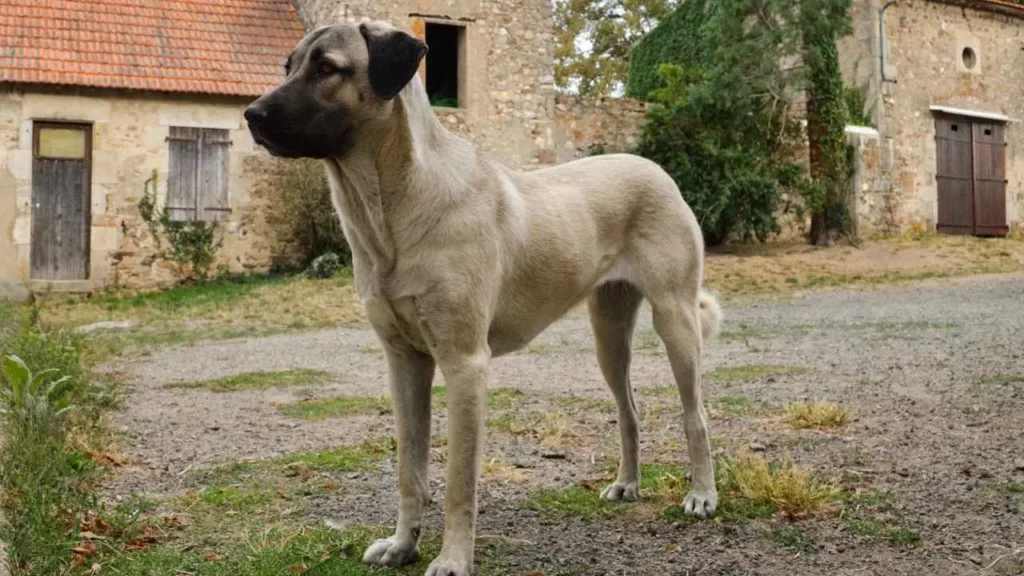
These pups want their parents to show them the way. However, being a pet parent for an Anatolian Shepherd dog is a daunting feat to handle. Because Anatolian Shepherds don’t obey a person who isn’t experienced or fearful.
But rather someone who takes initiative and jumps on the leadership bandwagon without hesitation. Slightly aloof and independent-minded, this pup also demands patience and consistency from its owners to turn into a well-adjusted, cool, calm, and collected individual.
Health & Lifespan
Great Pyrenees
This striking breed has a typical lifespan of about 10-12 years and faces common health issues like GDV gastric dilatation volvulus, hence if you notice symptoms like abdominal distension, restlessness, dry heaving, or excessive drooling, make sure that you contact a vet clinic and get your dog checked immediately.
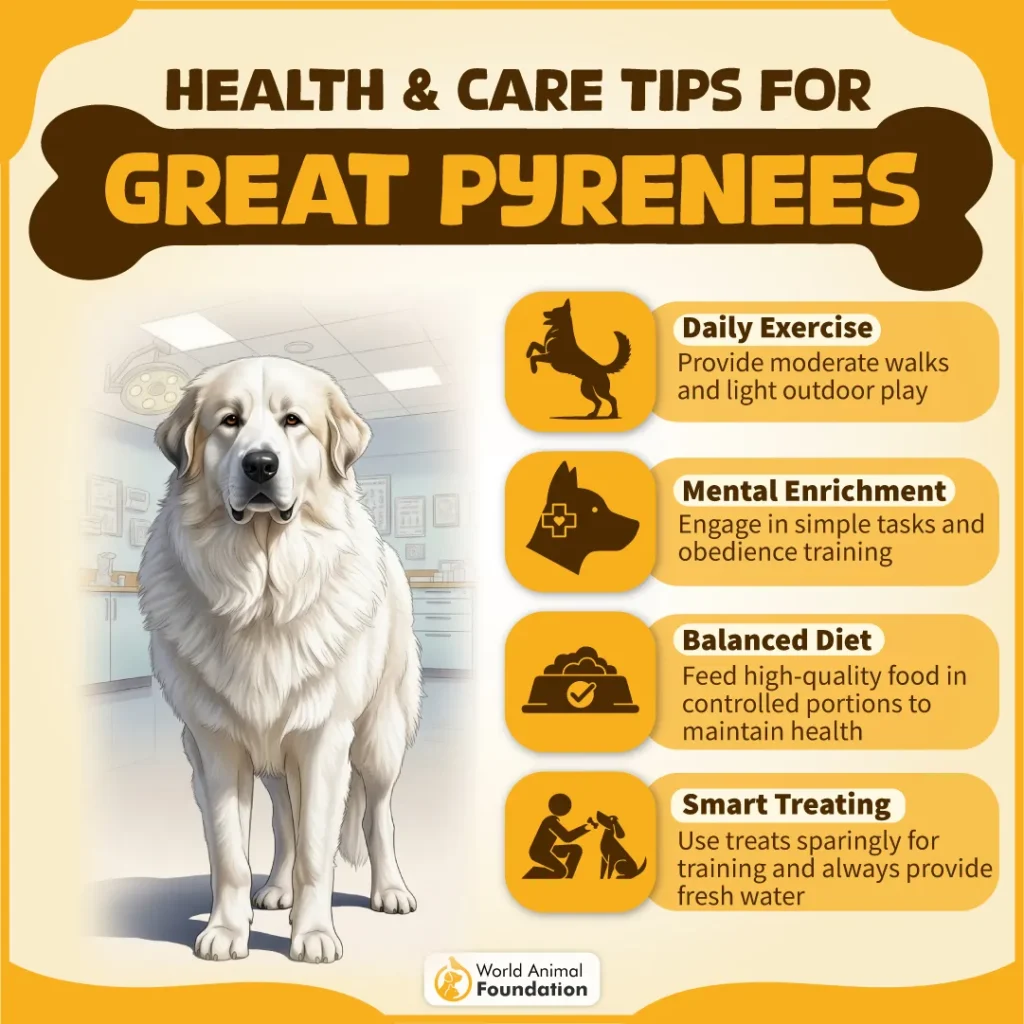
The second health scare you can get while owning this Great Pyrenees is eye issues like cataracts, entropion, and canine multifocal retinopathy. Moreover, common in large breeds like this nocturnal pup that barks at night to warn intruders, are orthopedic issues like luxating patella, arthritis, and hip and elbow dysplasia.
Lastly, beware if your Great Pyrenees pup shows loss of coordination and control over its movement. These are signs of NDG or neuronal degeneration.
Anatolian Shepherd dog
On the other hand, with a slightly longer lifespan of 11-13 years, the Anatolian Shepherd dog has a number of health issues that every prospective owner needs to be aware of. Did you know these rugged Anatolians have anesthesia sensitivity, which means they absorb drugs more slowly and are slower to recover from sedation and general anesthesia.
Moreover, this deep-chested floof is also prone to a life-threatening condition called bloat. Another condition that a person needs to be concerned about is GDV, Gastric dilatation volvulus, where the stomach twists on itself, cutting the blood supply to the organs.
Other common health issues in this dashing guardian are the eye condition called entropion. Bone issues like arthritis and hip dysplasia, and endocrine disorders like Hypothyroidism.
Protection & Livestock Guardian Role
Great Pyrenees
The genuine affection, nurturing tendencies, and affability of the Great Pyrenees have gained them a much-respected reputation as a livestock guardian. Because these dogs not only deter predators but also keep the danger at bay.
But also play a prominent role in keeping the overall health and well-being of the flock above par. The combination of independence, intelligence, and deep affection makes the Great Pyrenees a less territorial and more motherly breed that protects its flock with fierce ferocity.
Anatolian Shepherd dog
These Anatolian Shepherd dogs also stay close to the herd and monitor livestock with an unmatched dedication and drive. They are capable of keeping wolves, bears, and jackals at bay. Highly protective and territorial, equipped with a blood-curdling scream or bark through which they often warn intruders to stay away.
These indomitable avengers intervene and protect both the livestock and their family from all threats and dangers. Their strong vision, hearing, and endurance in rugged and rough environments make them a valuable asset on farms and in places where predator-livestock or predator-human conflicts are common.
Conclusion
A battle between these mighty undertakers is a battle of near equality, a head-to-head fight till the death, which is quite rare to be witnessed. Only a chosen few combatants are so equally gifted in the matter of build, purpose, and temperament. But if you are a person looking for a more moldable, lovable, and family-friendly breed, you should choose the Great Pyrenees.
Because these fluffy white dogs, although quite determined and independent-minded, have a soft corner for their people, love kids, and become nurturing companions for their pack.
The Anatolian Shepherd dog is a bit serious, non-expressive, and a bit assertive, a pooch that will require an extremely experienced and commanding alpha male to relinquish control and obey commands. Because the Anatolian Shepherd Dog is a bit more stubborn and strong-willed than the Great Pyrenees.
