




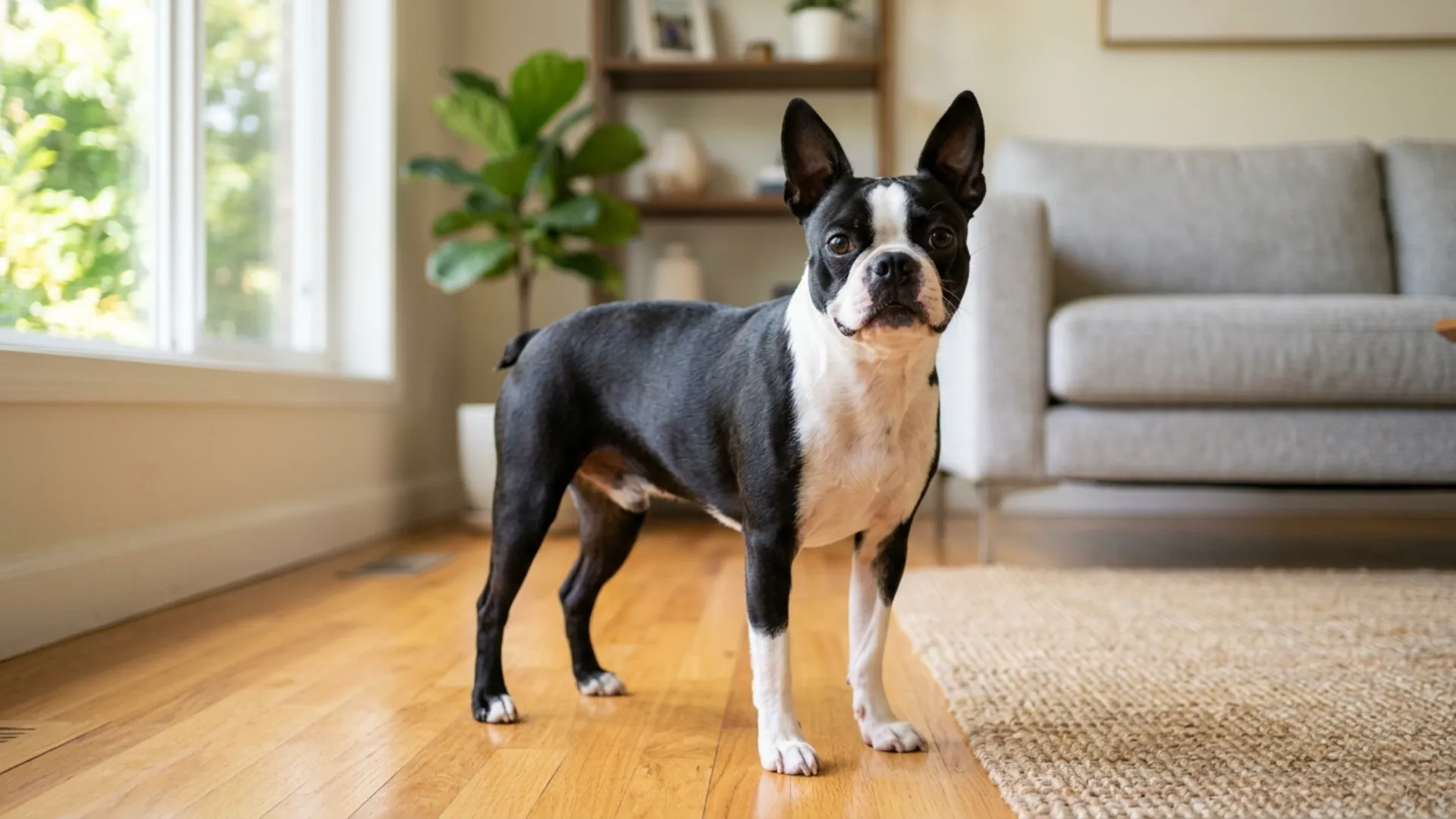
Some dogs seem to glide through life wearing a coat that looks permanently brushed and polished. If you love dogs but do not enjoy spending hours dealing with mats, tangles, and endless grooming sessions, short-haired dog breeds can feel like a dream come true.
Their sleek fur is not only attractive but also practical for busy families and first-time owners.
John Gorgan once said, ‘Dogs come into our lives to leave paw prints on our hearts.’ And fur does not have to be one of those prints.
Many owners specifically seek breeds with lower grooming needs. These naturally short-coated dogs combine beauty, personality, and convenience. From speedy athletes to lovable couch companions, each breed brings something special to the table.
Dog Breeds Sporting Naturally Short and Sleek Fur
1. French Bulldog
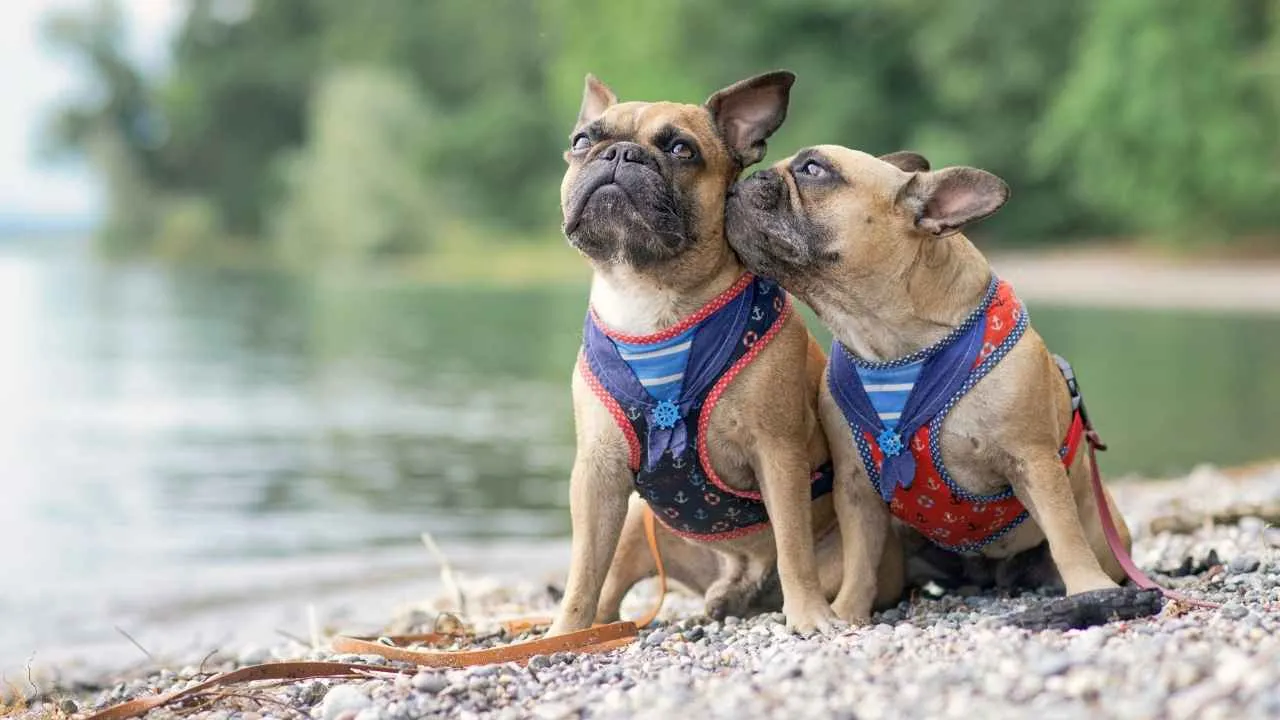
This toy dog breed was developed in Paris in the 19th century as a companion dog by crossing the local Parisian ratters and the Toy Bulldog imported from Britain. The large dog of this breed was used for blood sports, and after the ban on such sports in 1835, the breeders came up with this even-tempered short breed, according to Wikipedia.
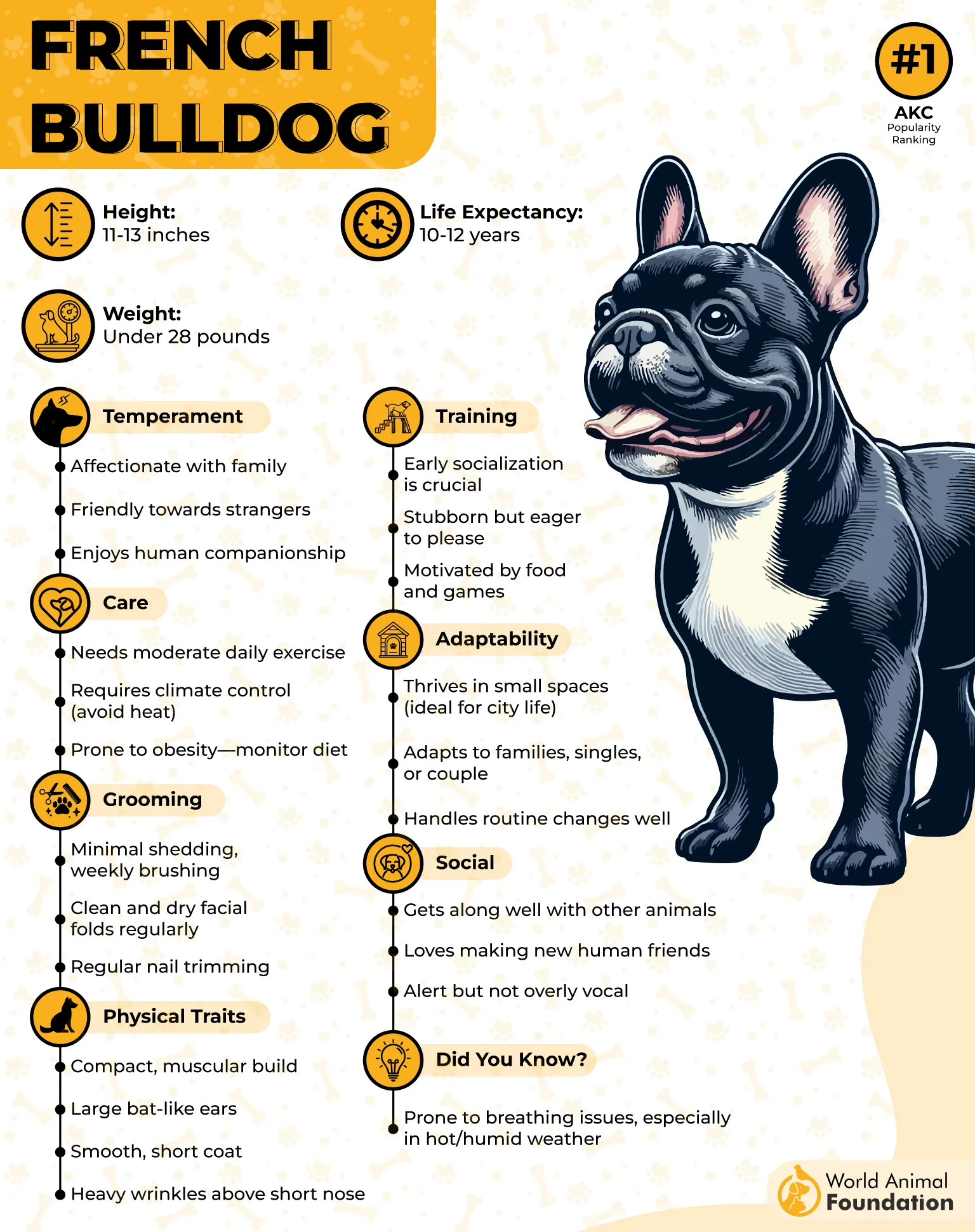
The coat is short and single-layered, that is neither overly long nor wiry. Since it lacks an undercoat, the French Bulldog is prone to overheating. It comes in white, cream, fawn, and different shades of brindle colors. It can have pied or black markings. The sleek texture evenly distributes natural oils, preventing sunburns.
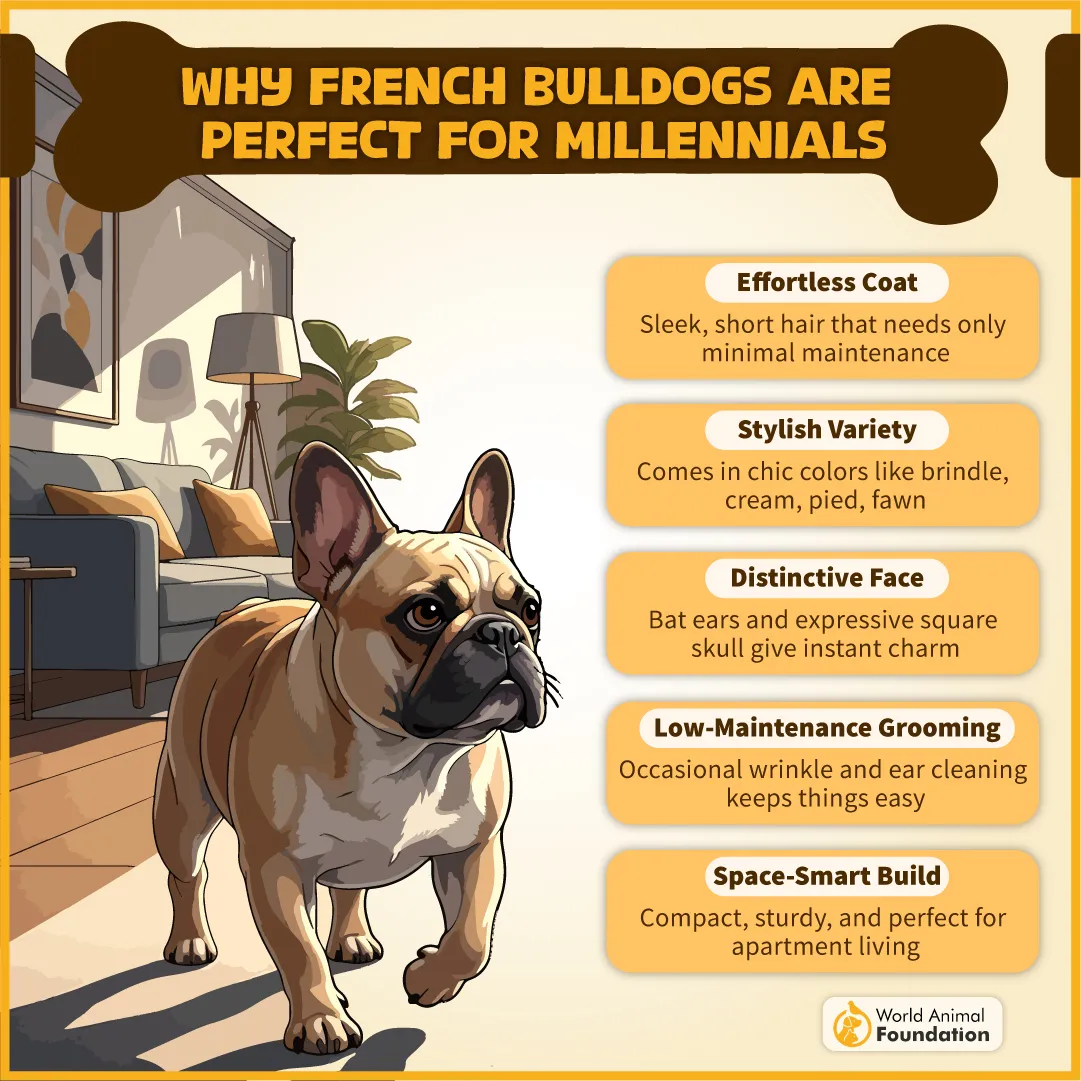
Even though it is a short-haired dog breed, it has many skin folds that can trap moisture inside and cause bacterial infection. Thus, weekly brushing is required to remove dead hair, trapped moisture, and reduce shedding. Use a soft-bristle brush and grooming hound for good results.
2. Pug
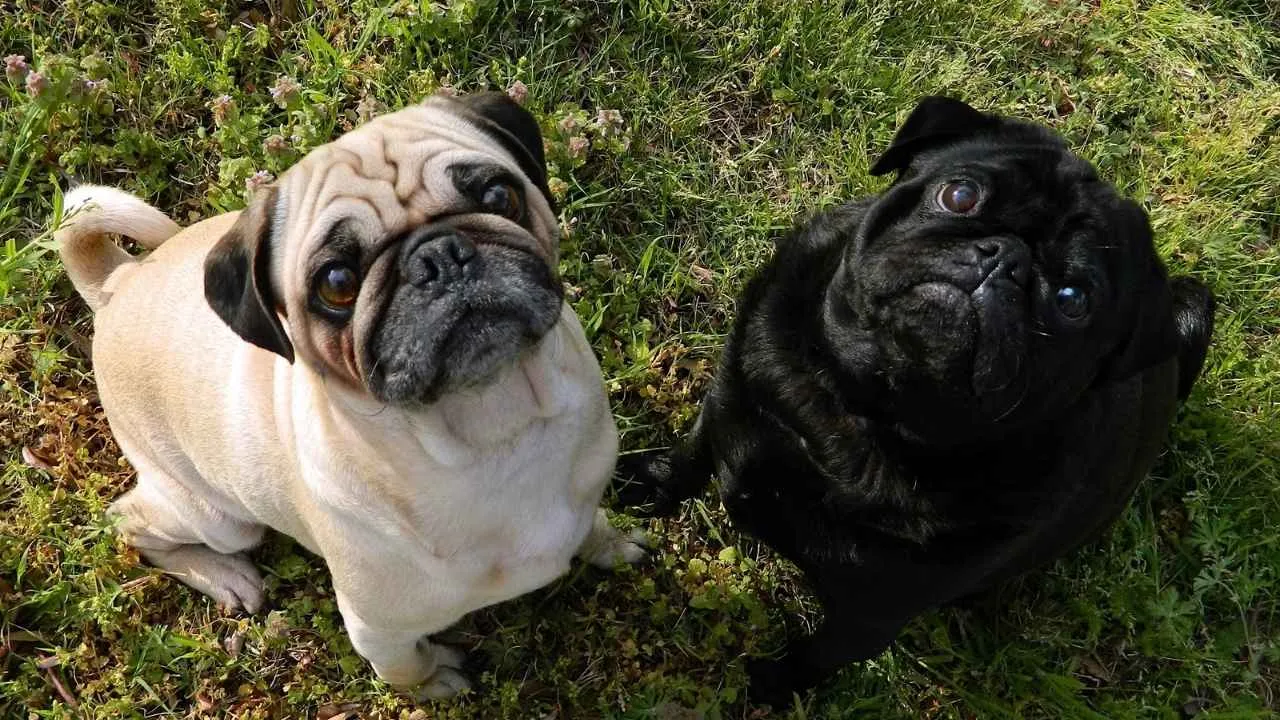
This small dog breed was brought from China to Europe in the 16th century. It became one of the favorites of the royalty. Queen Victoria was so obsessed with the Pugs that she even passed on many of them to her legacy. She owned nearly 40 Pugs during her lifetime.
It has a wrinkly face, a short muzzle, and a curled tail, making it more adorable.
The double coat consists of two layers: undercoat (short and woolly, provides insulation) and outercoat (longer and straight, repels dirt and moisture). The outercoat is shiny. The coat comes in four colors: fawn, black, apricot, and silver-fawn.
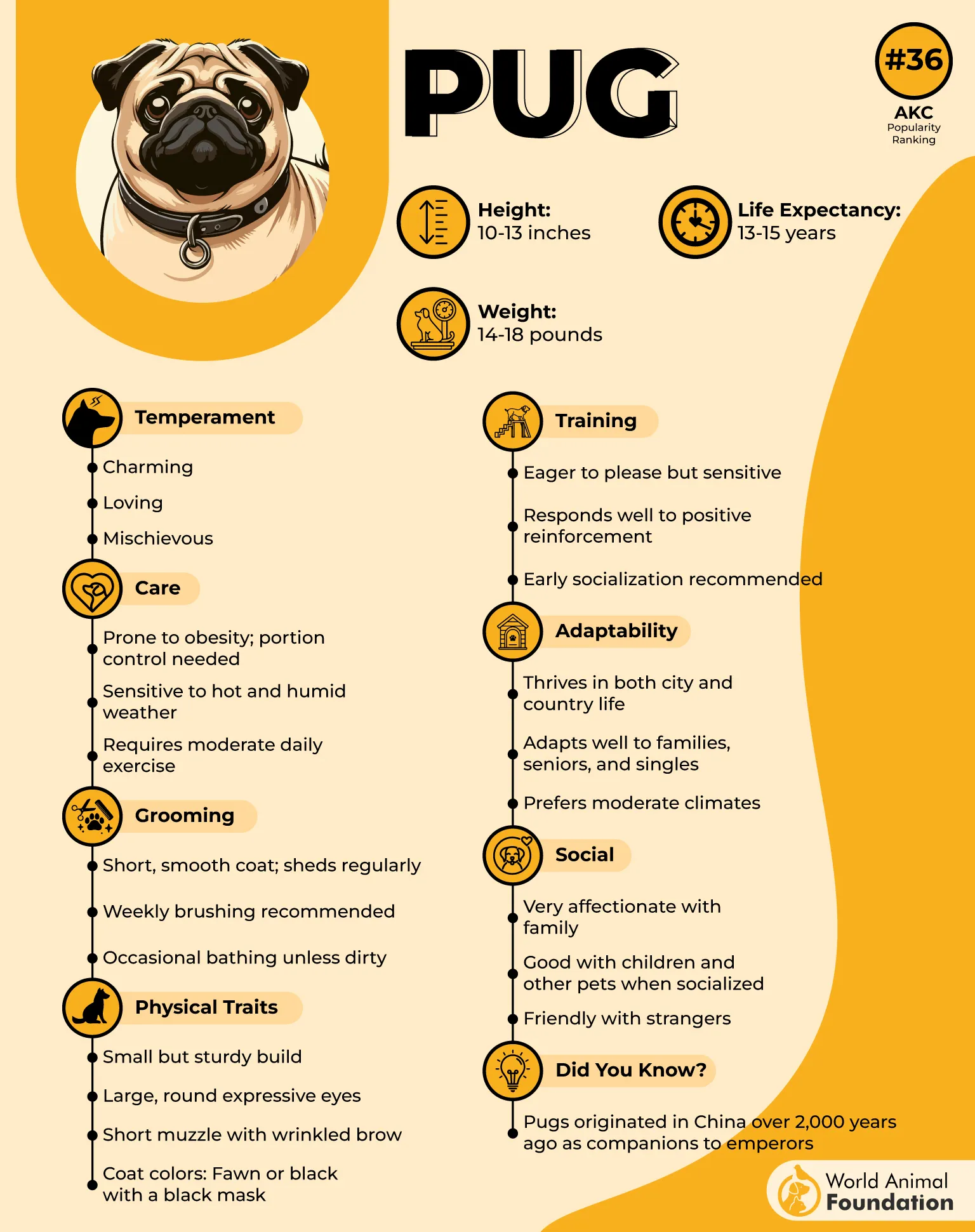
It is mainly a hypoallergenic breed and needs brushing 2-3 times a week using a deshedding tool and a furminator. Brush in the direction of hair growth, starting from the neck and working down to the tail. It needs monthly baths. Over-bathing can strip off natural oils, leading to flaky skin.
3. Boston Terrier
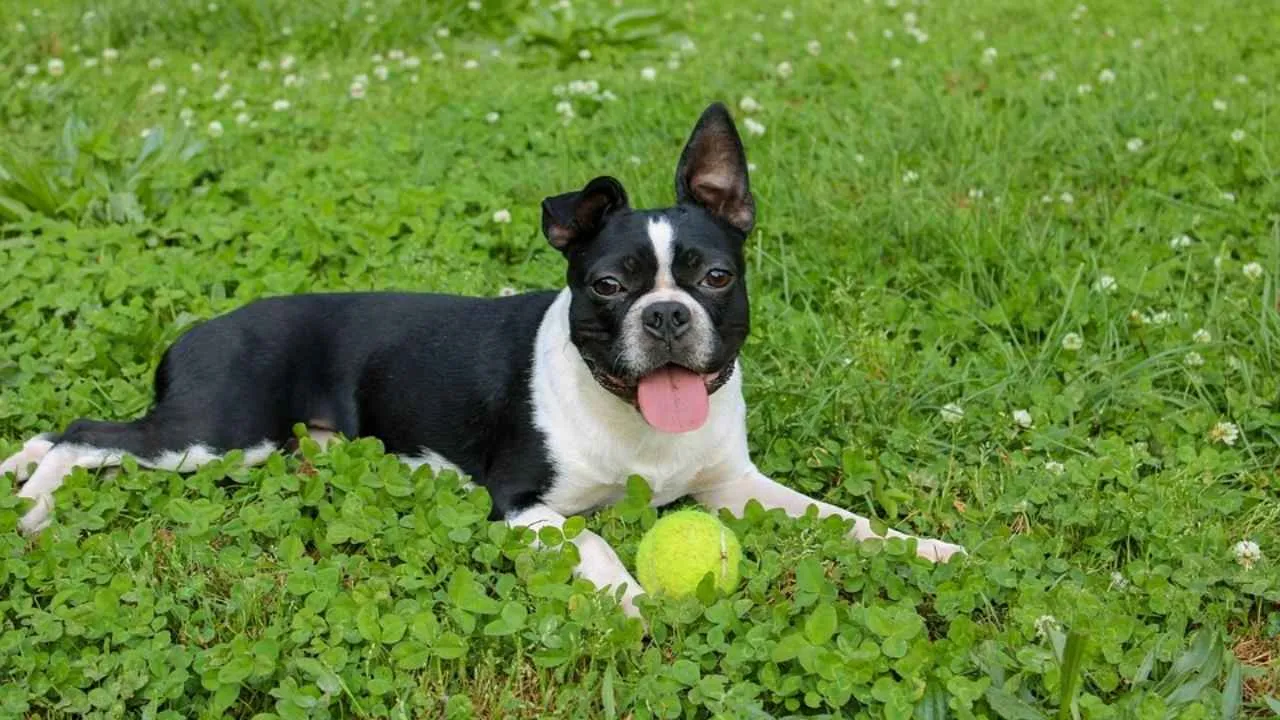
Originally bred in the United States, the Boston Terrier is also known as the ‘American Gentleman’ because of the tuxedo coat it has. It was developed as a non-sporting breed, and has a compact body, erect ears, and a short tail. The family dog is protective of its owner and can develop aggressive behavior towards other dog breeds and strangers.
The Boston Terrier has a short, smooth coat that is sleek, glossy, and easy to maintain. The breed is recognized in three accepted colors—brindle, seal, and black—each paired with distinctive white markings. Breed standards identify certain white markings as required, while others are considered desirable for ideal conformation.
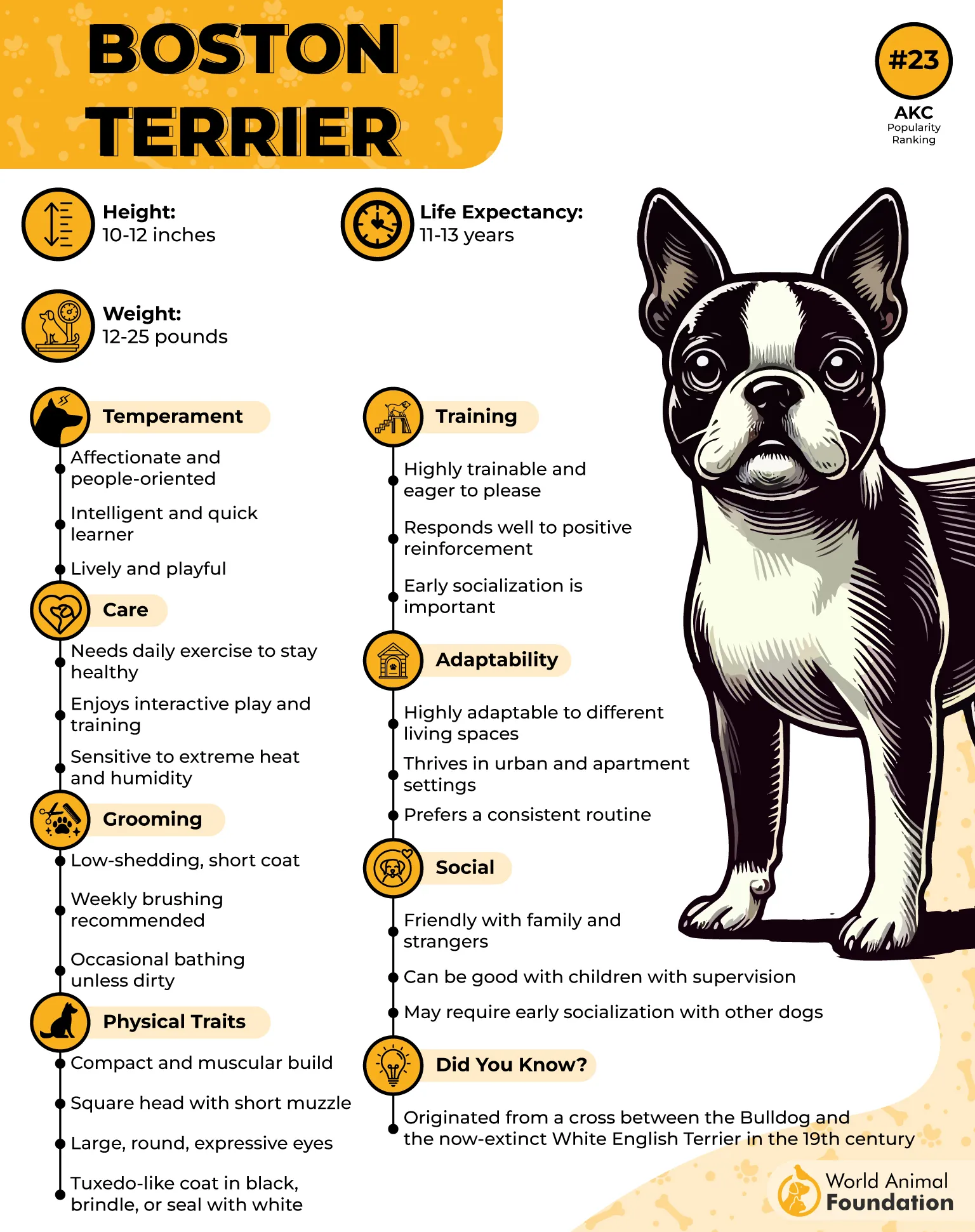
Since the coat has minimal oil-producing glands, it has zero dog odor. It is easy to detect skin issues because of the short coat.
The low-maintenance coat requires minimal grooming: brushing once a week using a rubber grooming mitt, a hound glove, and a soft-bristle brush. Bathe the breed after 4-6 weeks. Always brush before bathing to remove loose hair and dirt.
4. Beagle
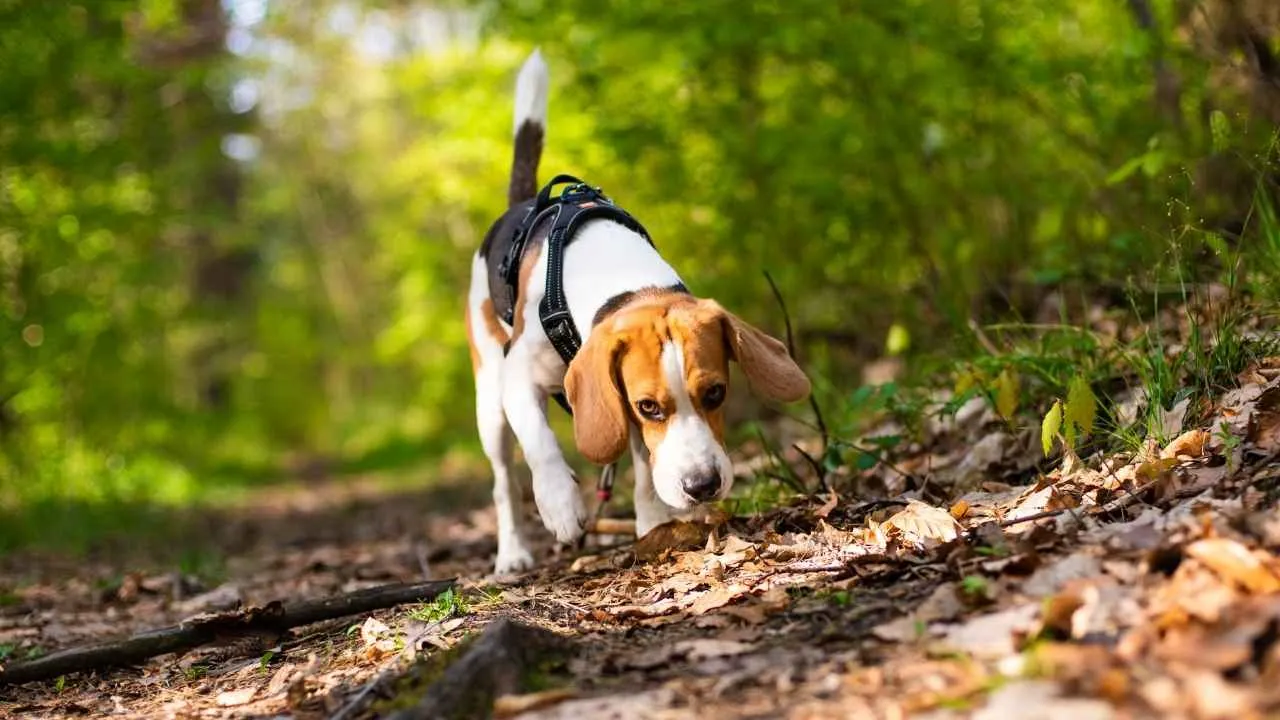
This British scenthound was developed to hunt small game, such as rabbits and hares. The keen sense of smell and tracking make it suitable as a detection dog, companion dog, police and military dog, and an SAR dog.
The coat consists of two layers and comes in the following colors: bicolor (red-white, lemon-white, and chocolate-white), tri color (rich tan markings, saddle, and white sections), and mottled (variations such as redtick or bluetick). The white tip on the tail acts as a ‘signal flag’ while hunting.
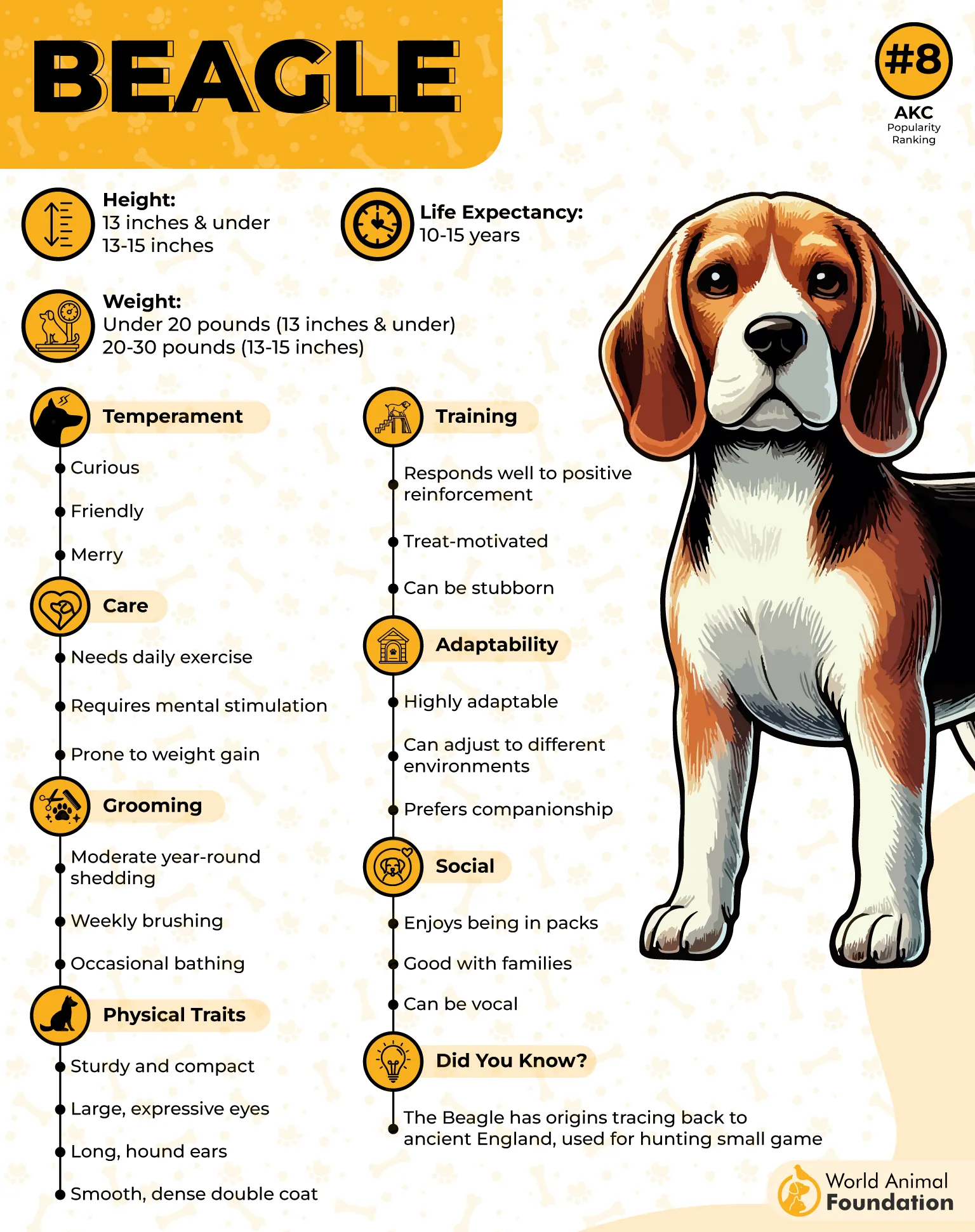
The tough coat acts as a lightweight armor while running through harsh brushes. The coat needs to be brushed 1-2 times weekly, bathing after 1-2 months, and using Omega-3 fatty acid supplements for a healthy coat. Go for daily grooming in the shedding season (summer and spring).
5. Whippet
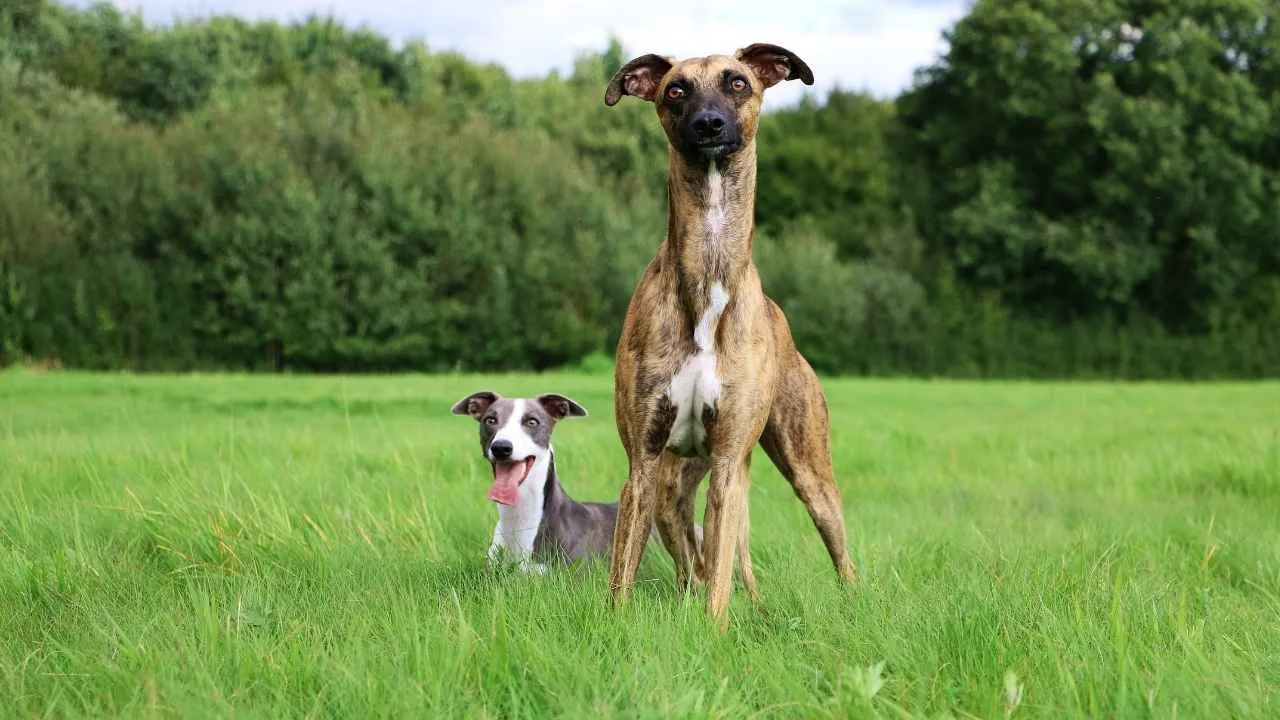
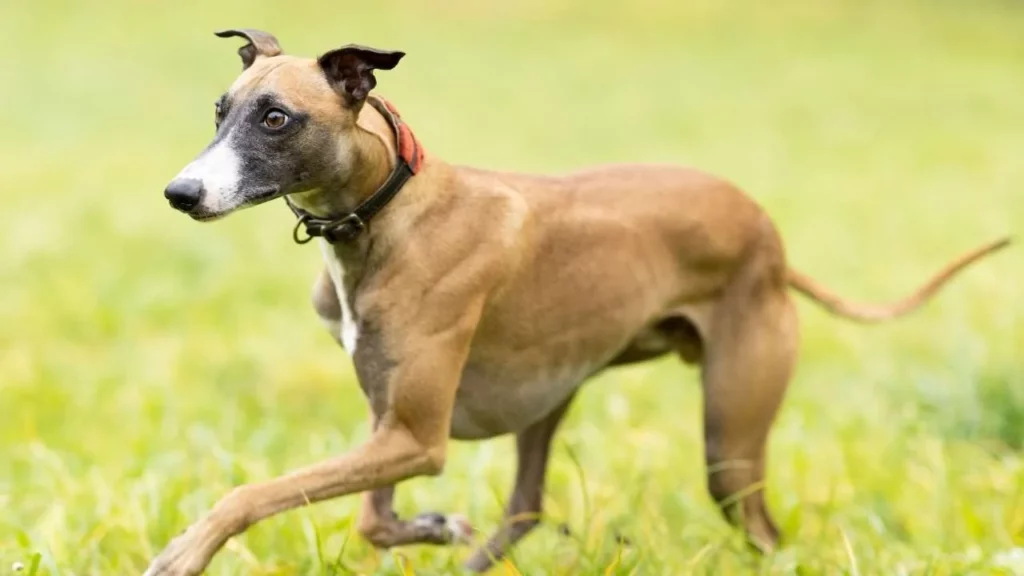
The history of this ideal pet began in the Victorian times when the coal miners were fond of sporting dogs, such as the Greyhound. Since the Greyhound was large and had extensive grooming needs that these miners could not afford, they came up with an idea of selectively breeding a smaller dog with the same qualities as a Greyhound, calling it a Whippet, as per the AKC.
The single-layered coat consists of closely fitting hair. Though long haired breed also exist, but short haired coat is mostly famous. It comes in every solid color and combination: white, blue, black, red, fawn, cream, and brindle. The fine fur reduces the air resistance when the breed is running at a speed of 35 mph.
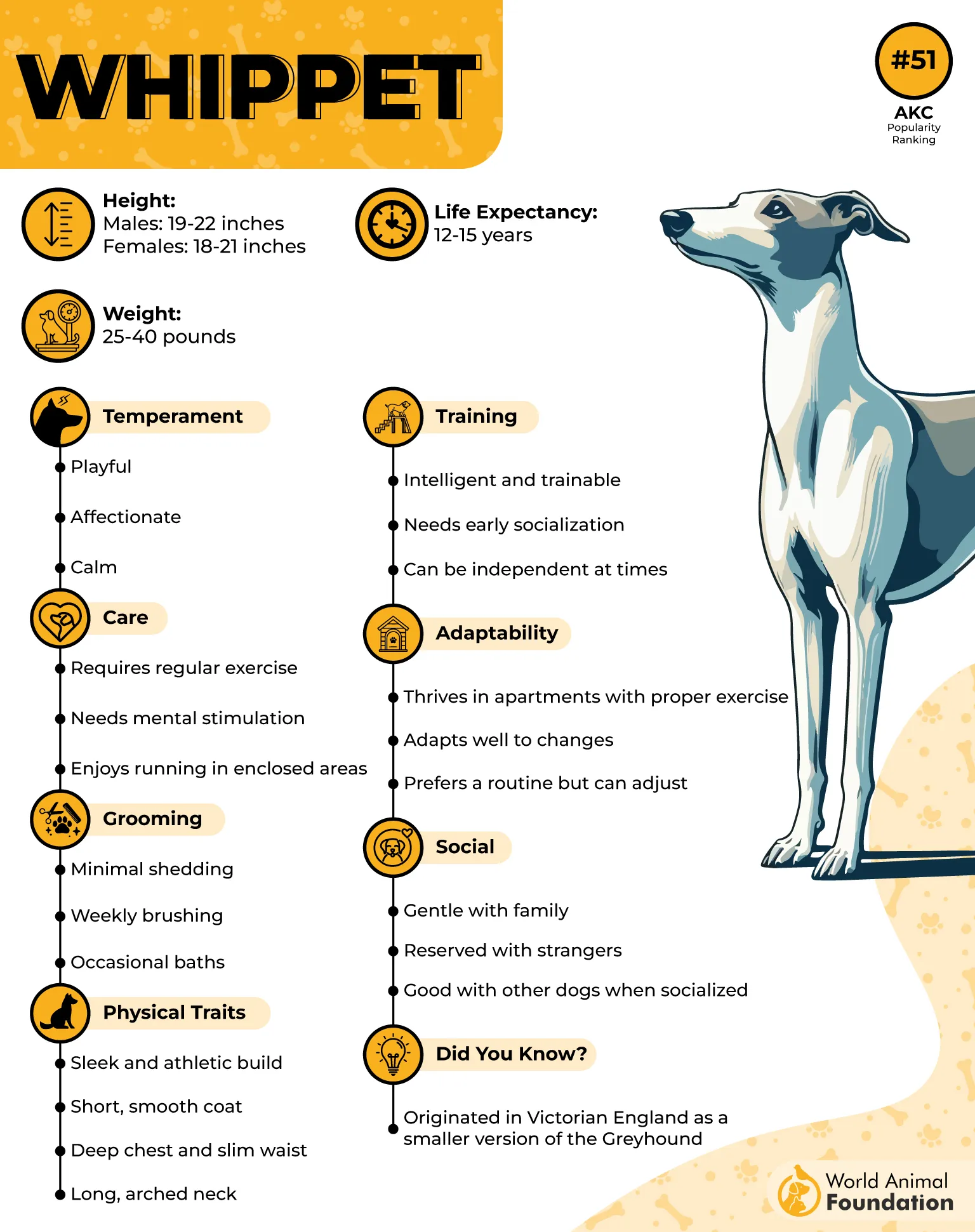
Weekly brushing is needed to remove loose fur using a grooming mitt and a rubber curry brush. Use a soft-bristle brush in the direction of the coat to add shine. The incredibly thin skin is prone to minor cuts. Hence, make it a habit to run your hand over its body to check if everything is okay.
6. Dalmatian
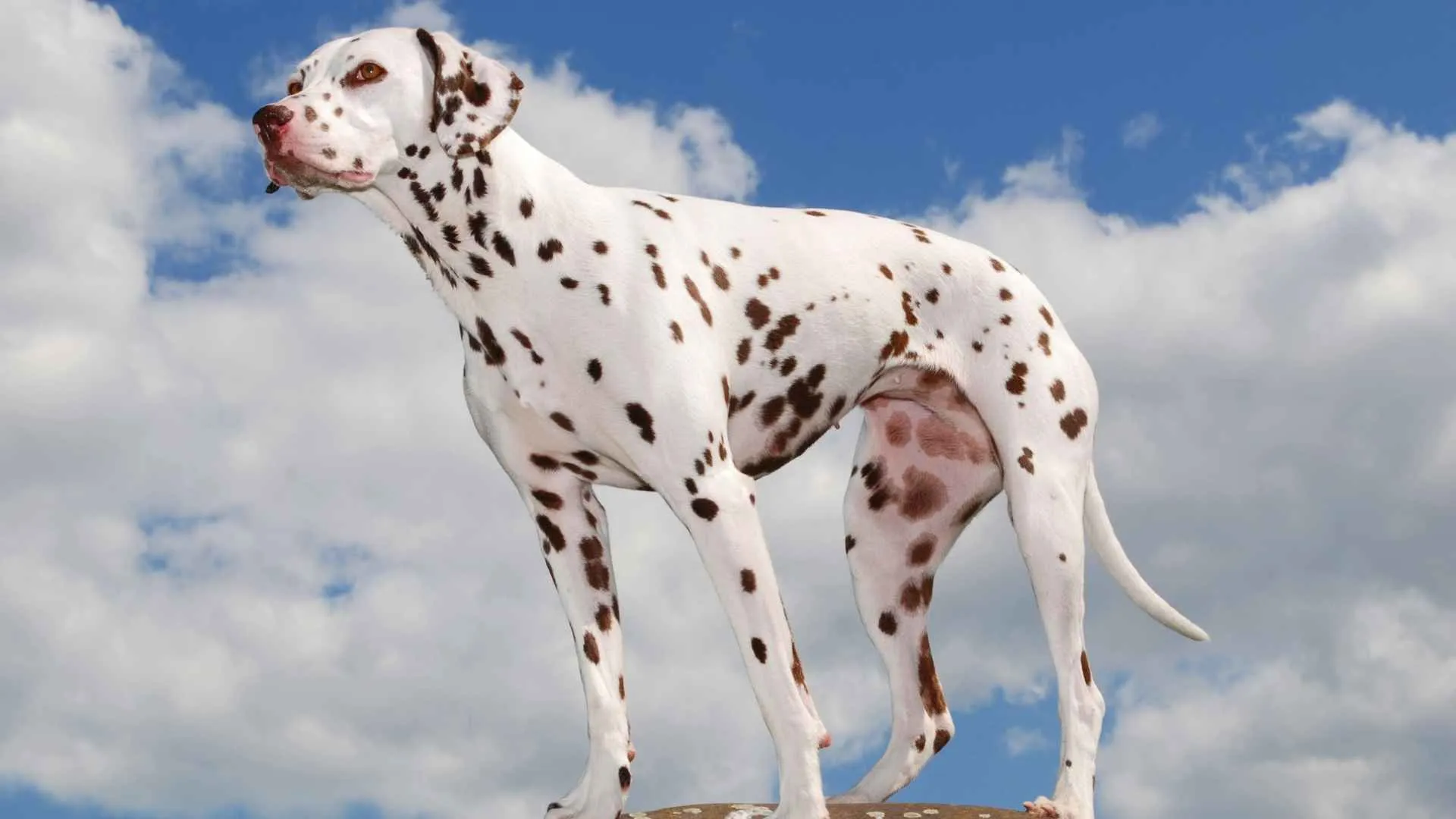
Also known as a ‘coach dog’ for its ability to trot beside horse-drawn carriages to provide protection. It has shared history with the Roman caravans and the British nobility. Today, the breed is widely seen accompanying Budweiser Clydesdales on parades.
The standard coat type is glossy and short. However, a recessive gene results in a long-coated Dalmatian. Puppies are born as pure white dogs. The characteristic spots begin to emerge around 2 weeks of age. The Dalmatian’s signature coat features a crisp white background with clearly defined spots that are evenly distributed and moderately sized, creating the breed’s iconic appearance.
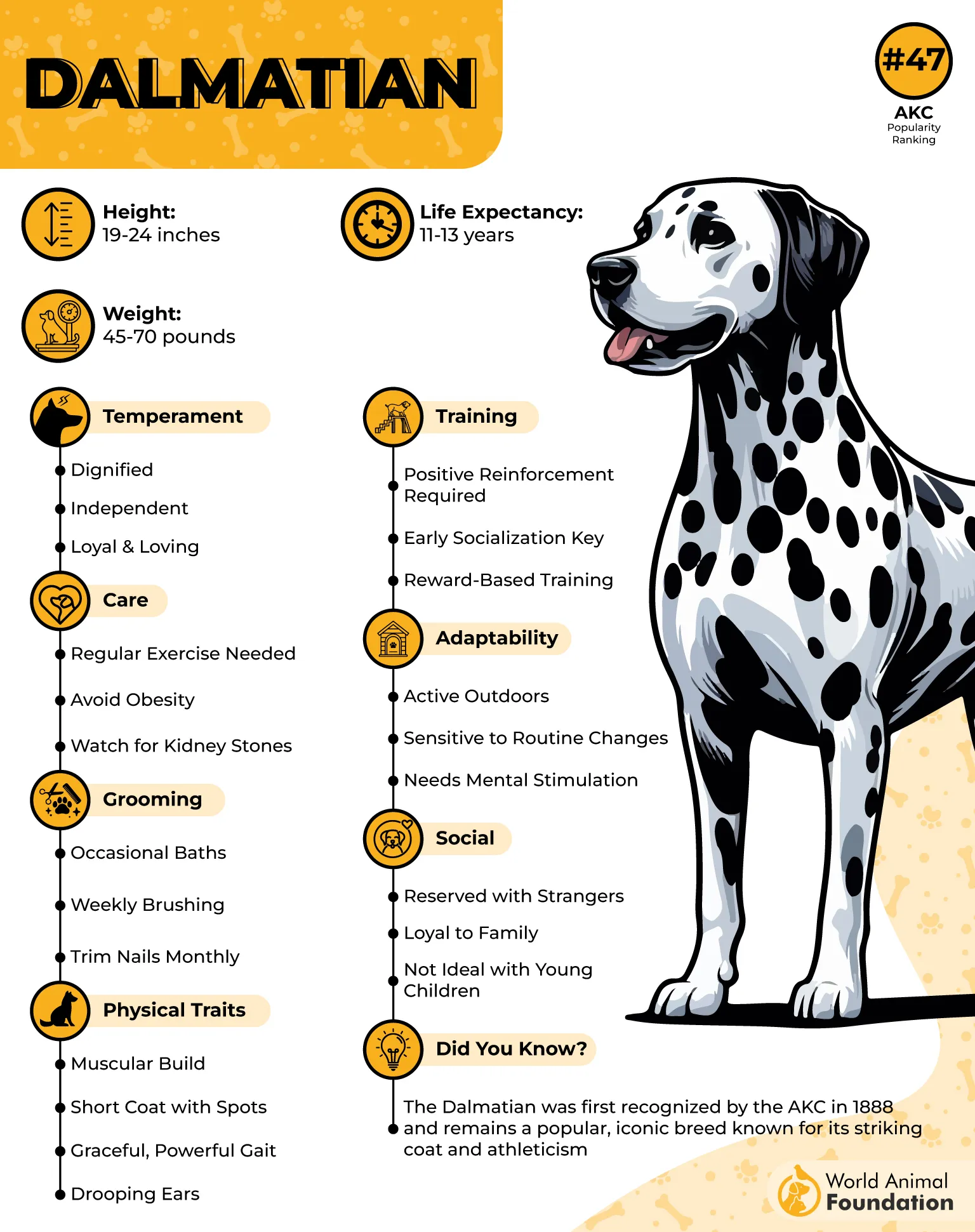
The coat ‘blows’ heavily during the shedding seasons and needs daily brushing. For the rest of the year, weekly brushing is enough. The dog is sensitive to dry skin; hence, always use a hypoallergenic shampoo. Teeth brushing is needed once a week.
7. Vizsla
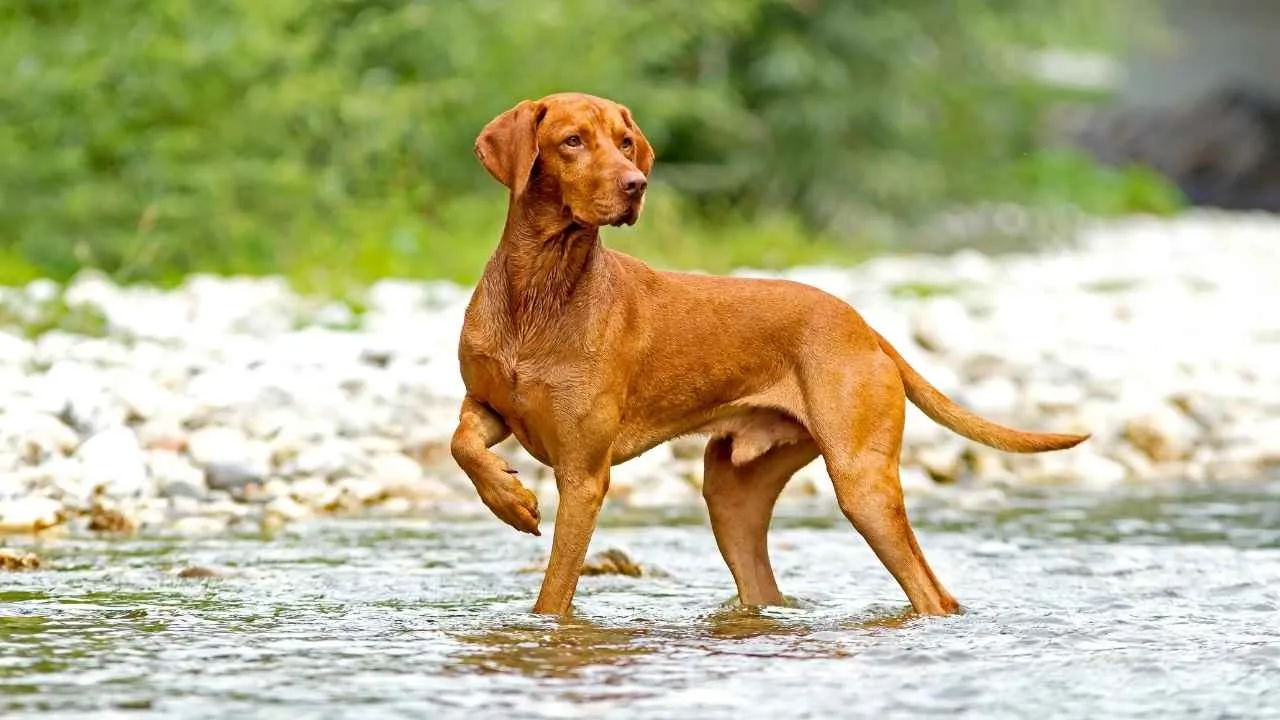
The ancestors of the breed were developed by Magyar horsemen and were used as a swift hunting dog. The Hungarian nobles refined the breed over the years into an elite hunting breed. It almost became extinct during World War II, but revived when it was smuggled to the United States.
There are two recognized coats of this breed: short-haired (smooth, sleek, and straight with no undercoat) and wirehaired (by crossing Vizsla with German Wirehaired Pointers to attain a breed that thrives in harsh environments, it has a wiry outercoat and a dense undercoat). The coat comes in russet gold and dark sandy gold colors.
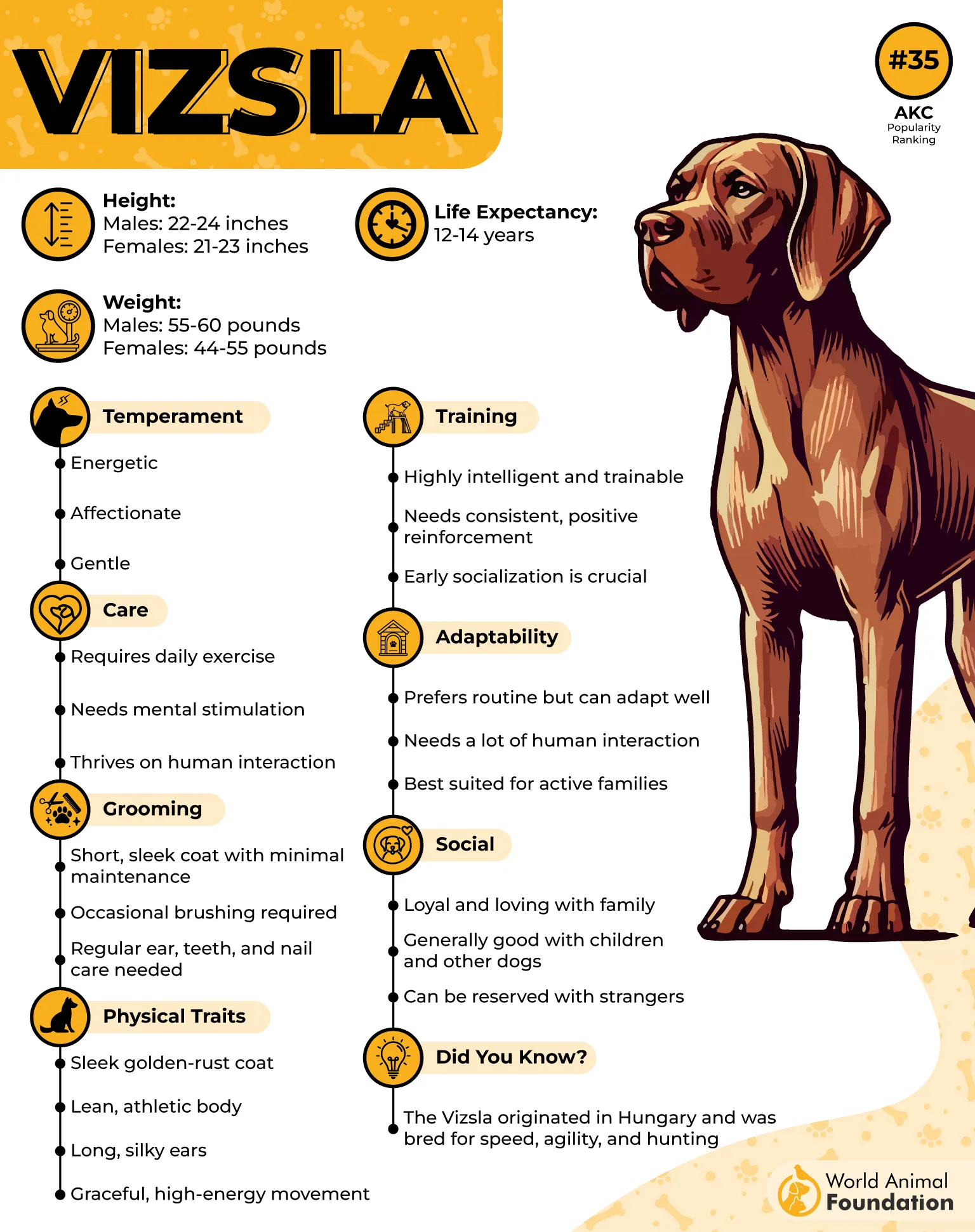
Use a rubber grooming brush to weekly brush the coat. For a wiry coat, brush daily, and hand stripping is highly recommended instead of clipping. Trim toenails after 3-4 weeks so the paws may not hurt while walking on a hard surface.
8. Weimaraner
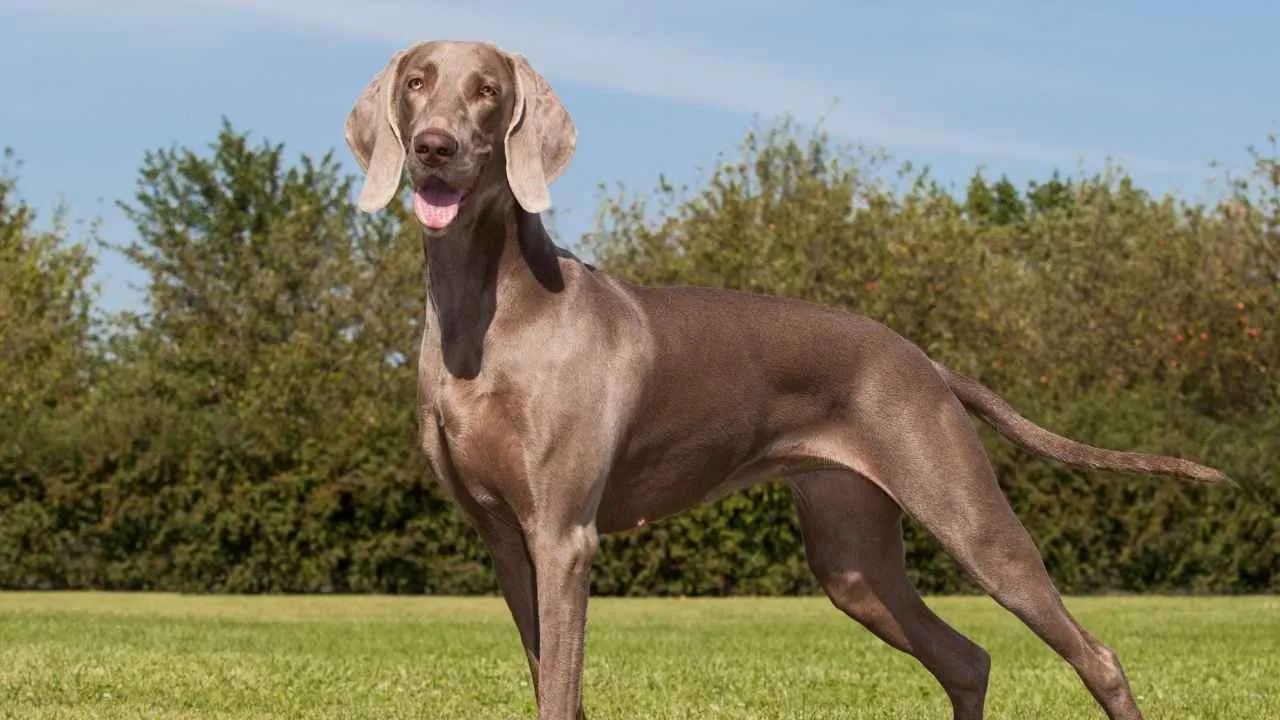
This aristocratic breed was developed in Germany in the 1800s by Grand Duke Karl August to produce a perfect hunting dog by crossing the Bloodhound with the German and the French hunting dogs. Today, it is also kept as a family pet because of its gentle and affectionate nature, says Purina.
Also known as the ‘Gray Ghost,’ the breed comes in 2 types of coat: shorthaired (short, stiff, sleek, lies tightly against the body) and longhaired (slightly wavy, feathering on the legs, ears, and tail). The gray puppy is born with faint tiger stripes that fade away after some time.
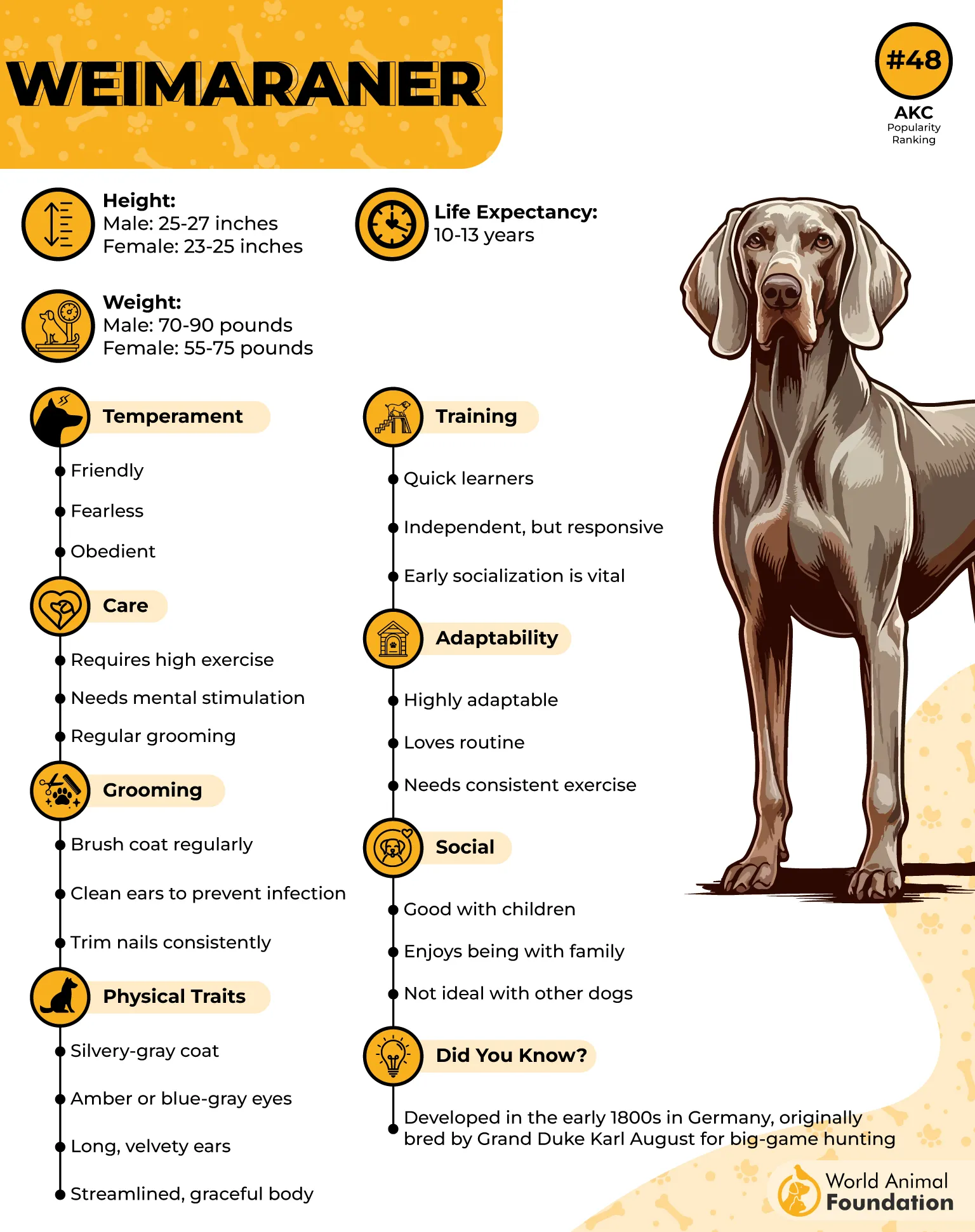
It is a low-maintenance coat that requires regular brushing with a soft bristle brush and a deshedding tool for the topcoat during shedding season. Long coats require frequent brushing.
9. Greyhound
This sighthound was originally developed for hunting game using its high speed (45 mph) and agility, and is widely used in canine sports and Greyhound racing. It is the fastest dog breed to ever exist. The breed has a flexible spine, a slim build, long legs, and a deep chest.
It has a single-layer coat and lacks an undercoat. The color comes in black, white, red, blue, gray, fawn, and brindle; either all solid colors or with white markings. The low body fat gives this breed an athletic look. The tail is tapered towards the tip, acting like a rudder when running.
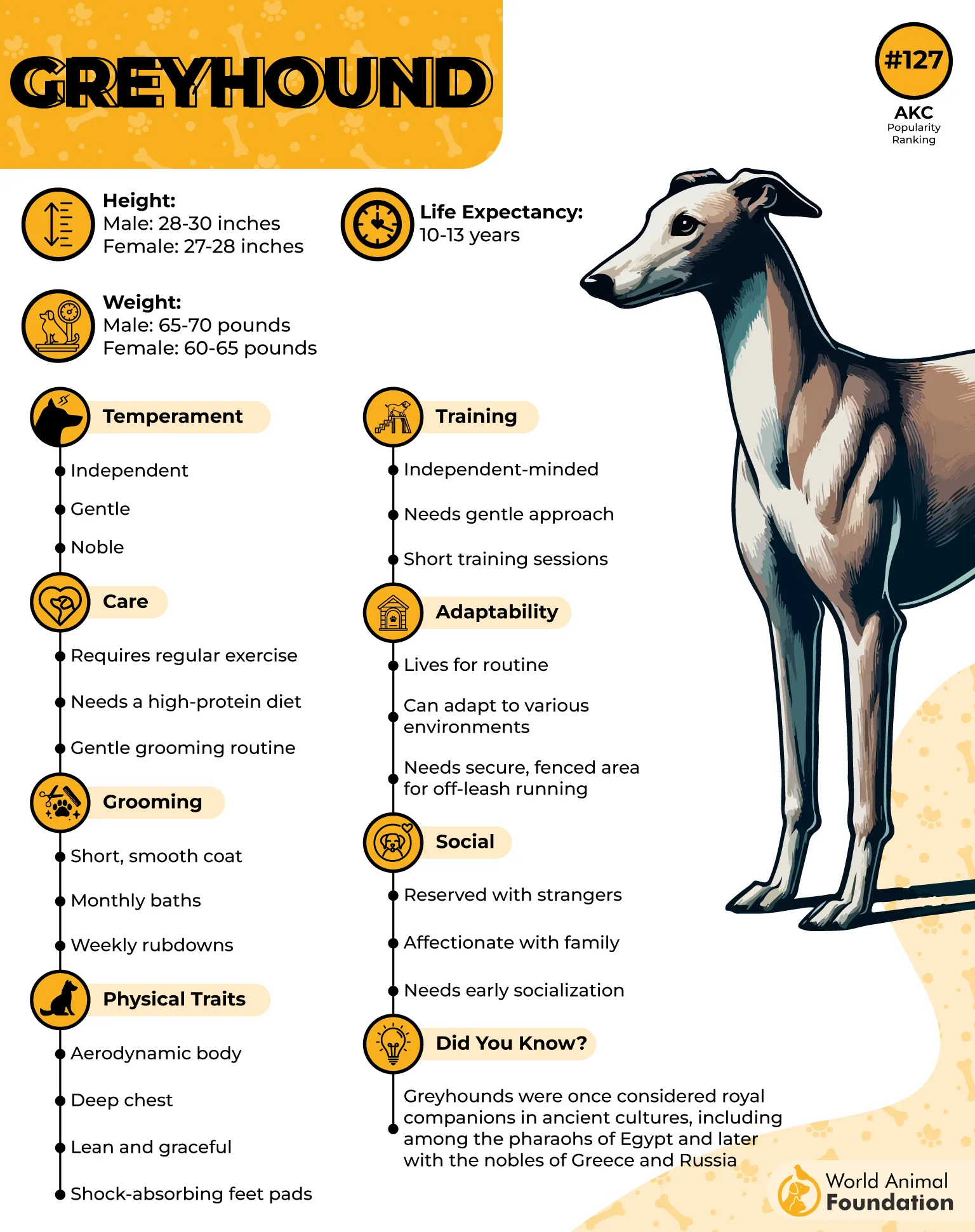
Use a rubber grooming glove to remove loose hair, a soft bristle brush to give the coat a shiny appearance, and a soft towel to wipe down after showers. Bathing after 2-3 months is suggested. Use a dog-safe blow dryer in a low and warm setting.
10. Doberman Pinscher
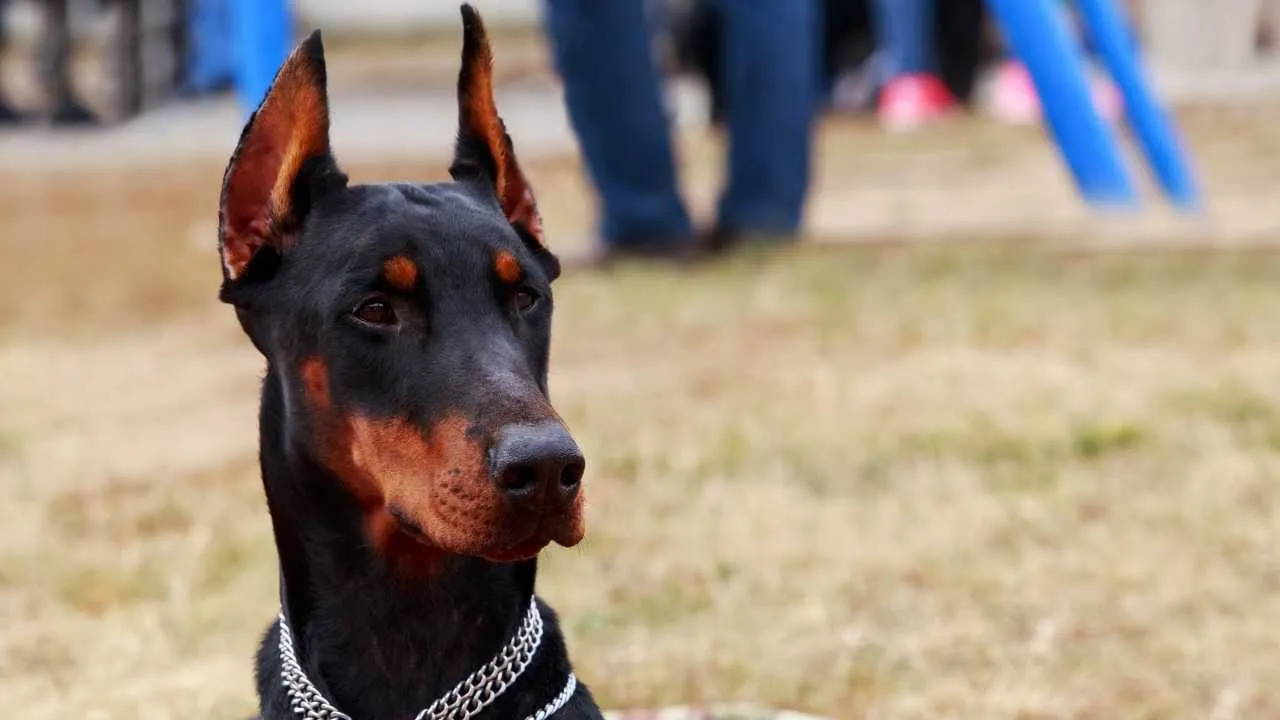
This medium-to-large working dog was developed by a German tax collector, Louis Dobermann, in 1890 for his protection. The breed is ranked as the 5th most intelligent breed of all dogs. It is a single-coated breed, though a faint gray undercoat is occasionally seen on the neck.
It has pointed hair which is stiff to the touch, as if you are touching eyelashes. The coat colors come in black and rust, brown and rust, blue and rust, and fawn and rust. Rust markings are present above each eye, beneath the tail, on the forehead, muzzle, legs, feet, and throat.
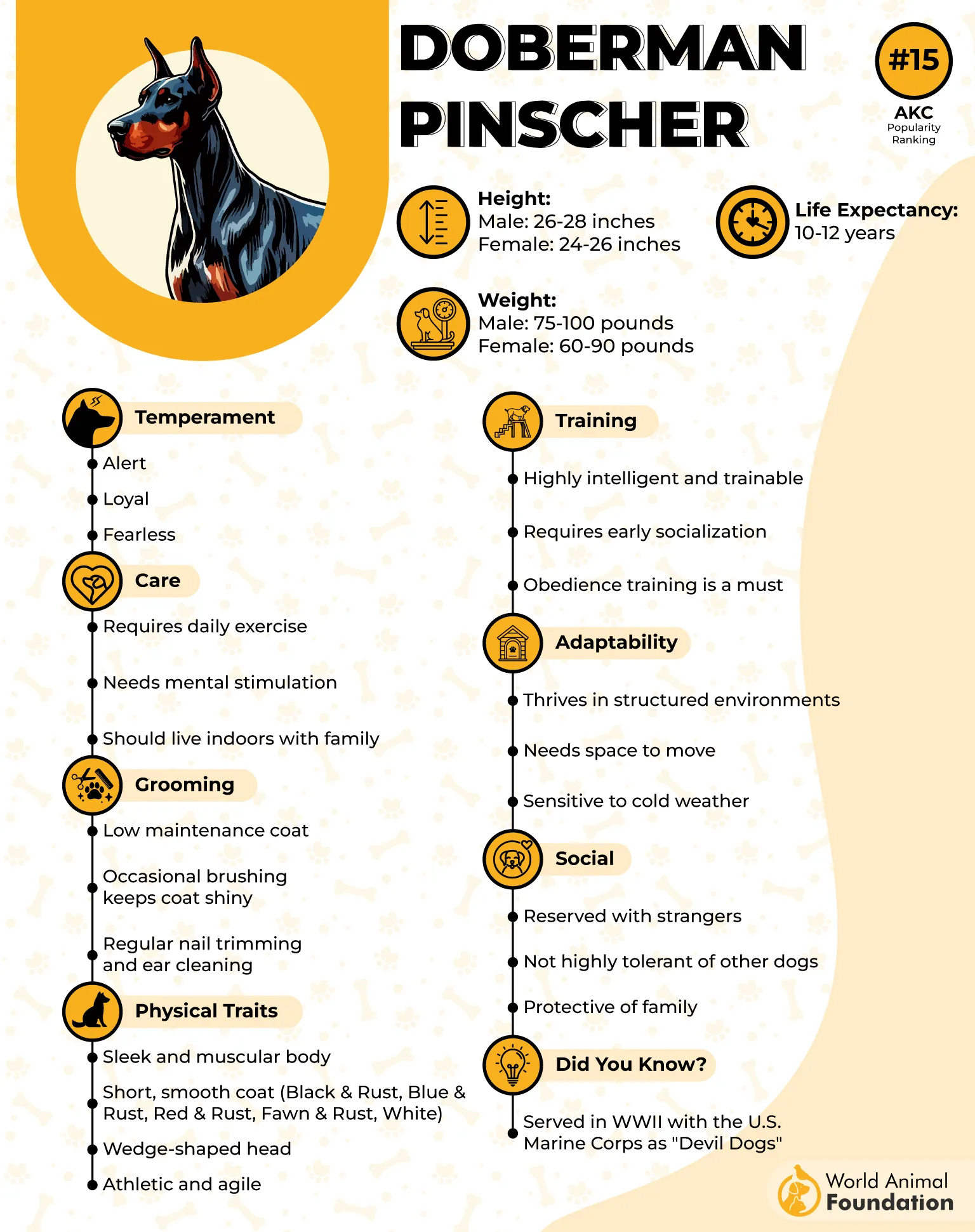
Weekly, brush the coat using a grooming mitt to remove loose hair and give a gentle massage. Use wipes with a damp chamois to remove dust and skin debris. Never shave the breed since the dog highly relies on the coat for insulation.
Conclusion
Dog breeds sporting naturally short and sleek fur offer a wonderful balance of beauty and practicality. Their coats require less maintenance than many long-haired breeds, making them appealing for busy owners and families.
Whether you prefer the playful charm of a French Bulldog, the speed of a Greyhound, the loyalty of a Doberman Pinscher, or the affectionate nature of a Vizsla, there is a short-coated companion for nearly every lifestyle.
These breeds bring companionship, laughter, loyalty, and unforgettable memories. Their sleek coats may catch your eye first, but their personalities are what truly steal your heart.
