




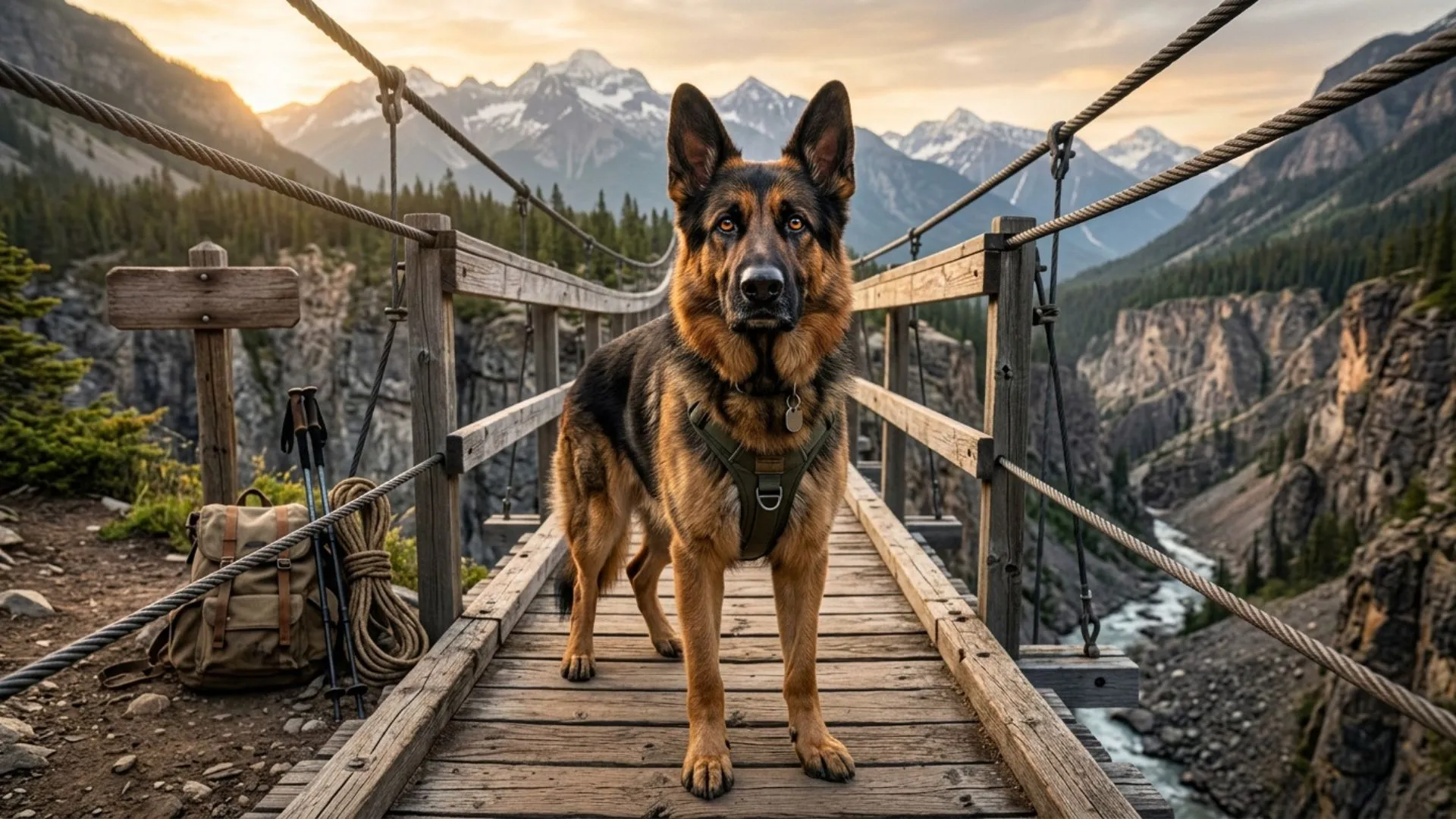
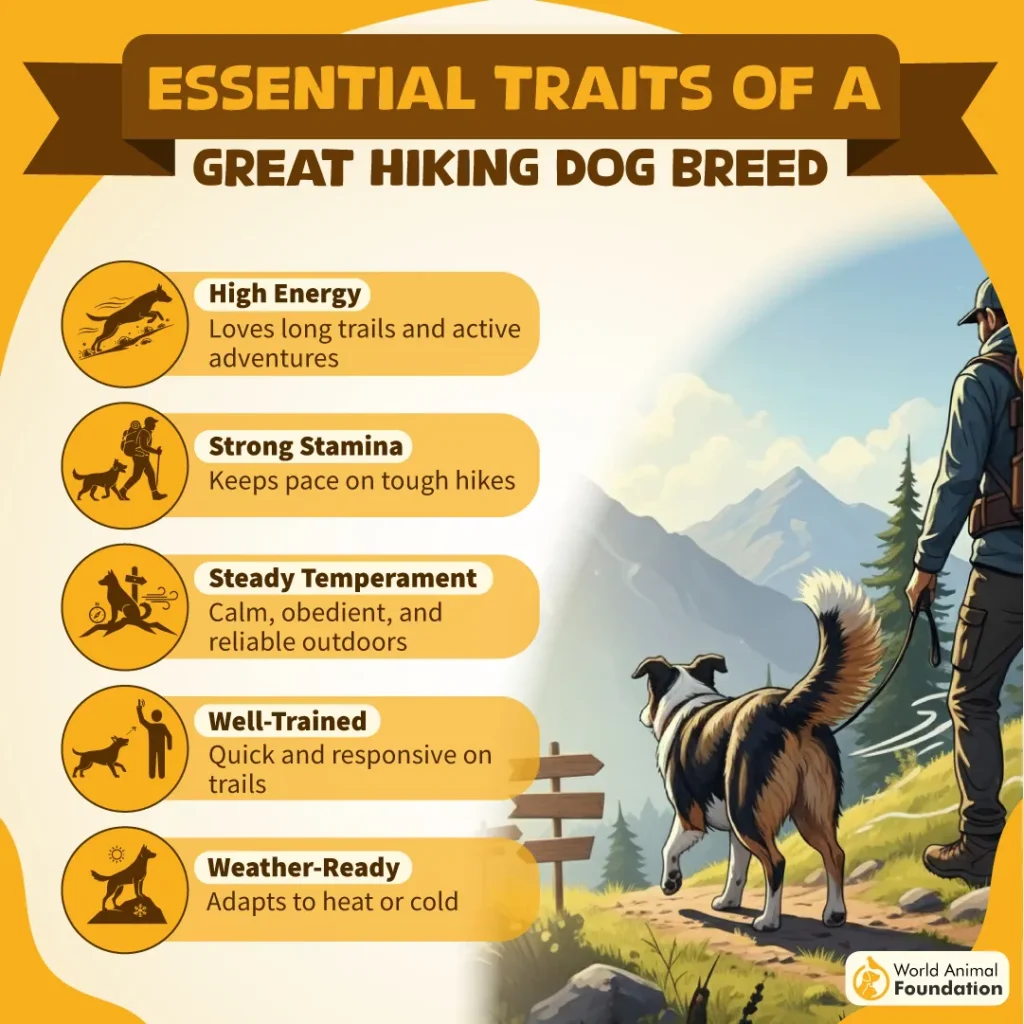
Have you ever noticed how some dogs seem perfectly matched to their owners’ adventurous lifestyles? Whether they’re hiking rugged trails, running through forests, or exploring the outdoors, these dogs look right at home in the wild.
The truth is, not every dog is suited to a laid-back lifestyle. Some breeds were developed to work, travel long distances, and stay active for hours at a time. They thrive on movement, challenges, and outdoor adventures.
Many people assume that any dog can adapt to any lifestyle, but a breed’s energy level and instincts don’t simply disappear. When active dogs don’t receive enough physical exercise or mental stimulation, that energy often turns into boredom, restlessness, or unwanted behaviors.
That’s why choosing a dog that matches your activity level is so important. The right breed won’t just accompany you on your adventures—it will enhance every hike, run, camping trip, and outdoor excursion.
Top Dog Breeds for Active Outdoor Lifestyles
1. Vizsla
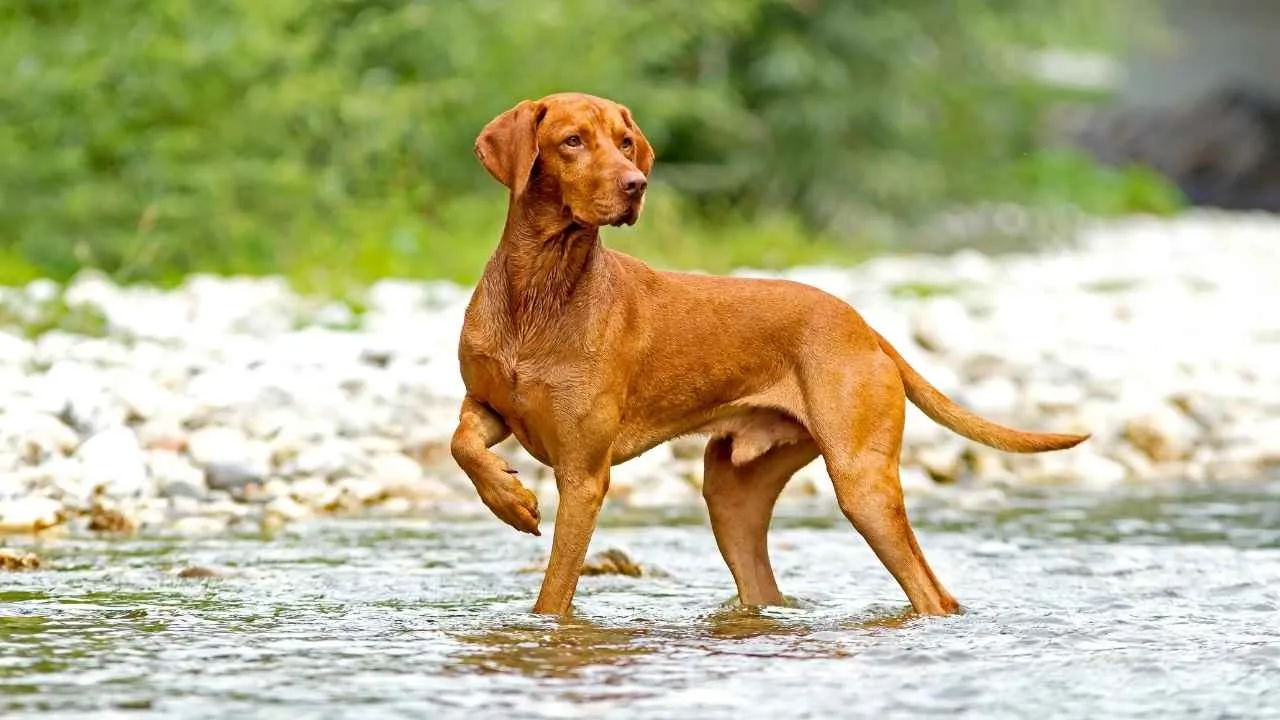
The Vizsla is a high-energy hunting dog that feels most at home in wide, open spaces where movement never really stops. Originally developed alongside Hungarian hunters, it was bred to work closely with people across long, demanding field sessions.
Vizslas are known for their incredible endurance and love for outdoor activities, making them perfect companions for active families who enjoy long-distance runs and hikes.
Its sleek, rust-colored coat and athletic build reflect a dog designed for endurance and precision rather than short bursts of activity, as stated by the AKC.
This outdoor dog breed forms an unusually close attachment to its owner, often staying within sight and reacting quickly to every cue. That constant connection makes it especially suited for runners, cyclists, and hikers who spend long hours outdoors.
It doesn’t enjoy being left alone for long periods and tends to channel that attachment into nonstop activity when engaged properly.
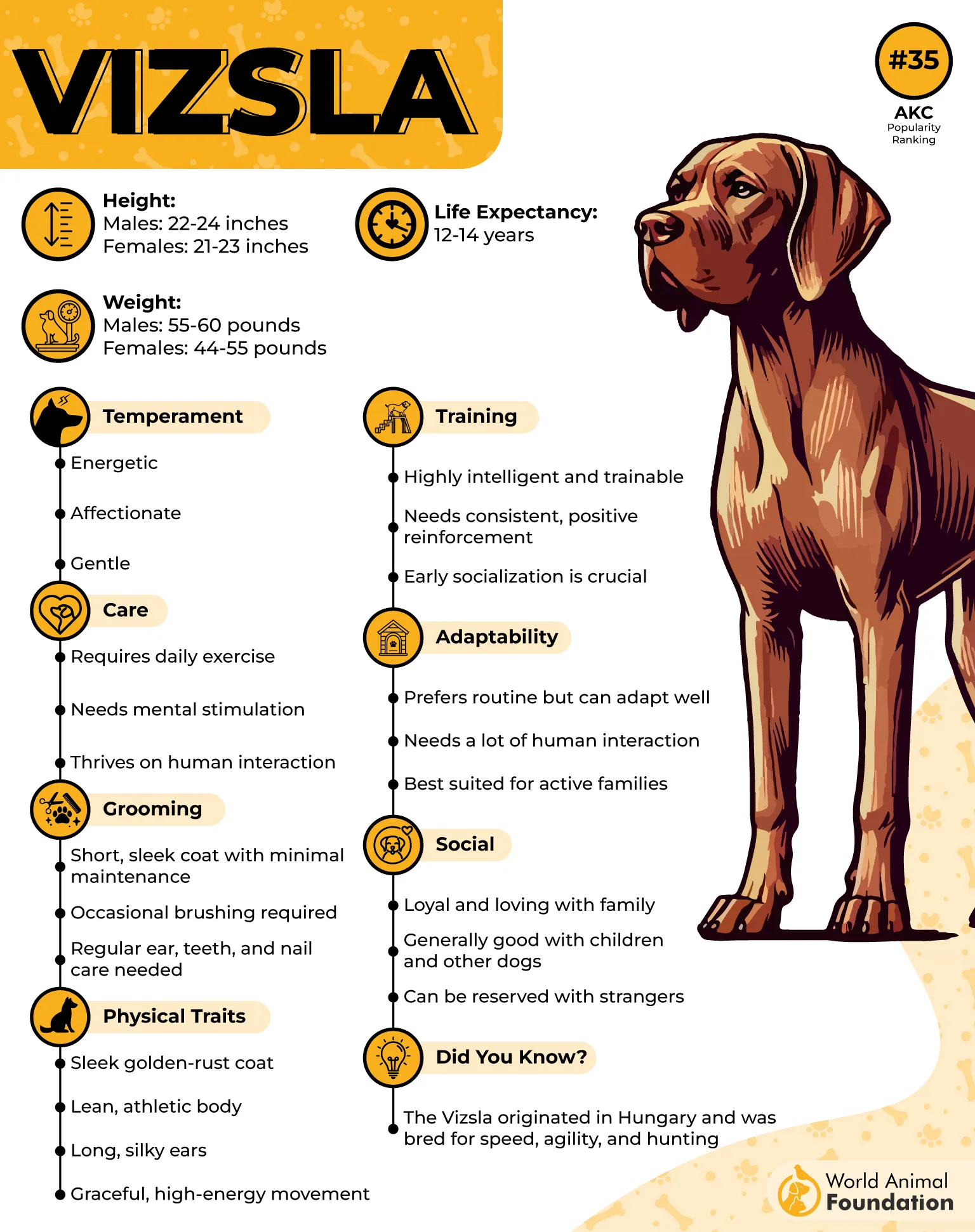
In outdoor routines, it performs like a steady partner that can keep pace over distance without slowing down early. It also shows strong adaptability to structured tasks, from scent tracking to field work and agility-based challenges.
One lesser-seen behavior is its tendency to mirror human pace and direction almost instinctively during movement-heavy activities.
Training this breed requires patience and consistency because it is highly responsive but easily distracted if not guided. When under-stimulated, it may invent its own tasks, which can lead to unwanted behavior indoors.
However, when given clear direction and regular physical engagement, it becomes one of the great companions for active outdoor lifestyles, always ready for the next stretch of terrain.
2. Weimaraner
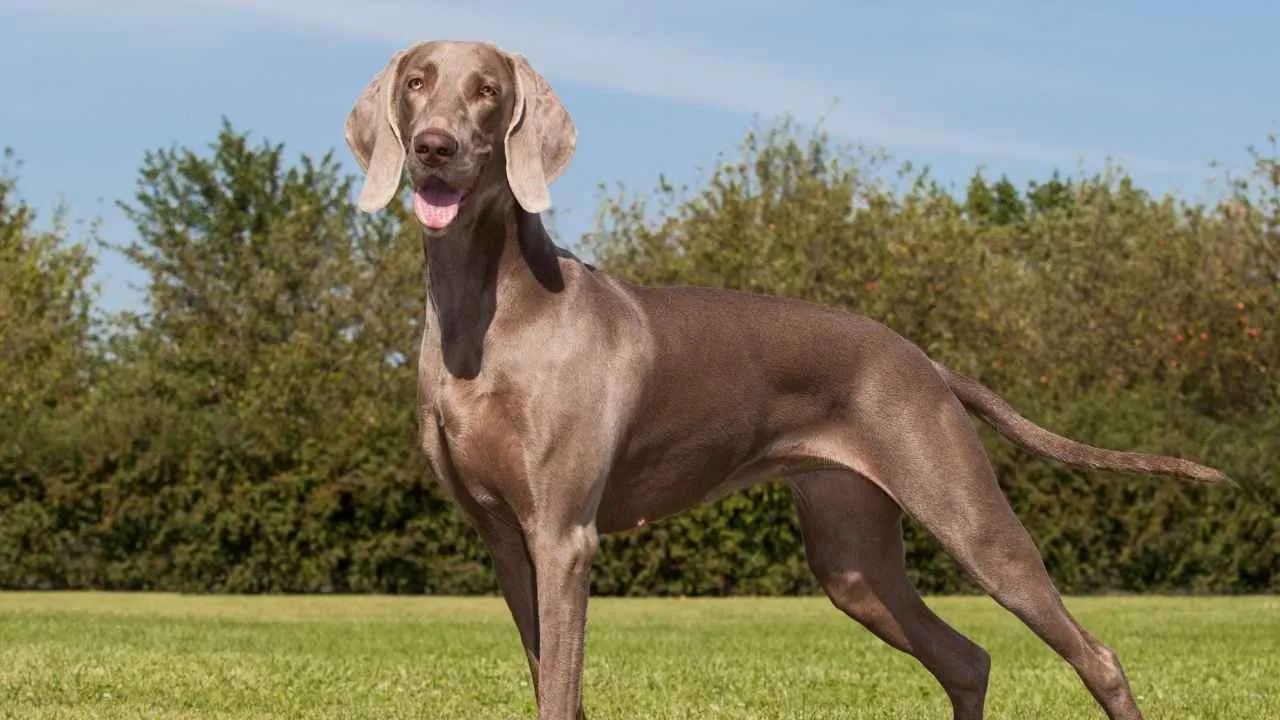
The Weimaraner is a fast, intelligent sporting dog that thrives when life is filled with movement, structure, and purpose.
Originally developed in 19th-century Germany for tracking and endurance work, it was shaped to stay focused over long distances and respond quickly to direction changes during demanding outdoor tasks. Its sleek silver-gray coat and alert posture reflect a dog always ready for action.
This breed is known for staying extremely close to its handler during activity, often shadowing every step during long hikes, runs, or field exercises.
That constant need for proximity makes it a strong match for active owners who spend extended hours outdoors and prefer a dog that moves as a true partner rather than an independent wanderer.
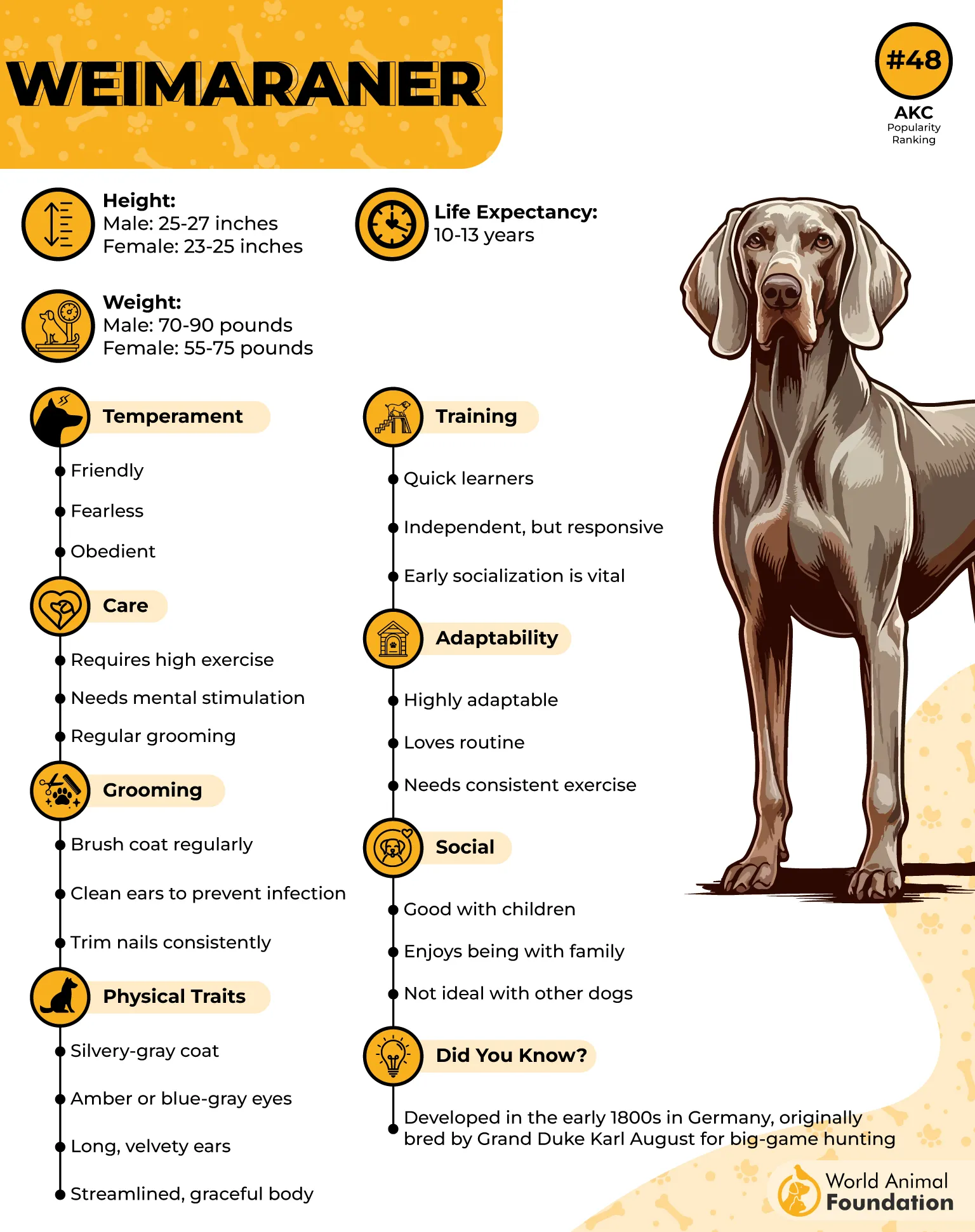
In active routines, this active dog performs best when given long daily exercise combined with mentally engaging tasks like scent work, retrieval games, or structured training drills.
Without enough mental and physical stimulation, it may redirect its boundless energy into unwanted behaviors such as chewing or trying to escape enclosed spaces, especially when left alone for long stretches.
One behavior often seen is its problem-solving ability, where it learns how to open gates, doors, or containers after observing them once or twice.
This makes secure environments essential during downtime. With consistent leadership and enough outdoor challenge, it becomes a highly driven companion that fits naturally into hiking, hunting, and endurance-based lifestyles.
3. Labrador Retriever
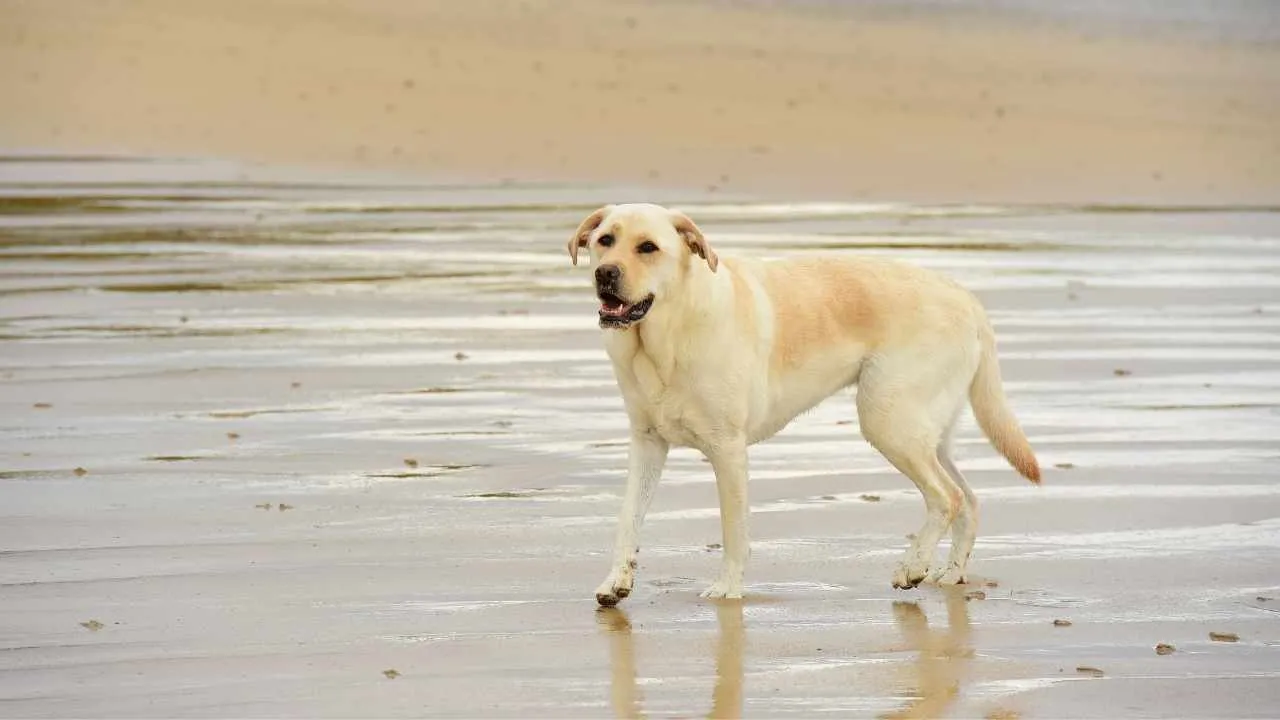
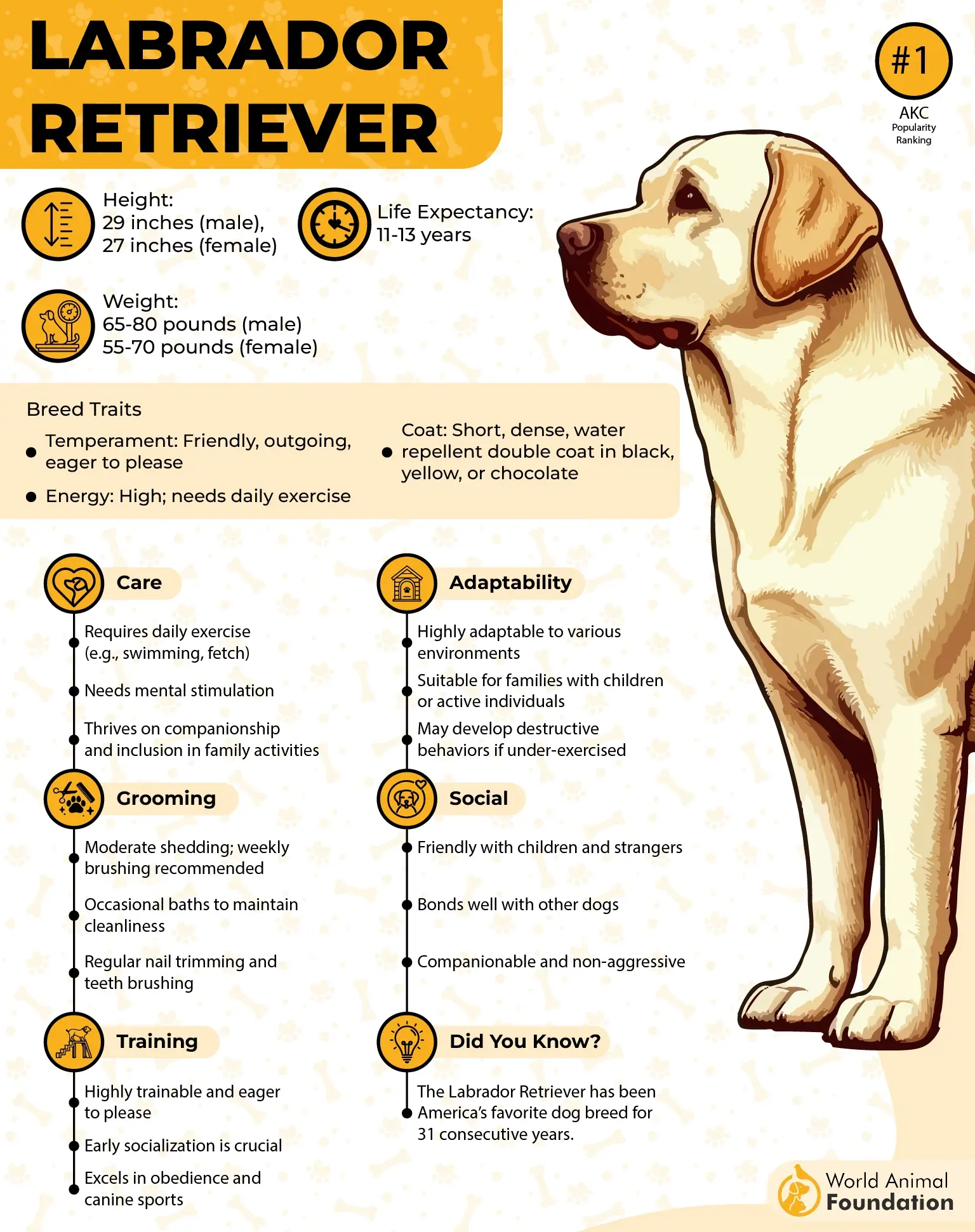
Labrador Retrievers are known for their friendly nature and eagerness to please, making them ideal companions for outdoor activities like hiking, swimming, and running.
Originally bred from working dogs that assisted fishermen, it developed strong swimming ability and a steady temperament suited for long hours of physical work. Its solid build and dense coat help it stay active across changing outdoor conditions.
This breed is known for its natural comfort in water, often entering lakes, rivers, or pools without hesitation during play or exercise.
That ease around water makes it especially useful for people who enjoy swimming, boating, or retrieving games in open outdoor spaces. Unlike many dogs that hesitate, it treats water as part of its normal environment.
In everyday activity, it thrives on interaction and tends to stay highly social with both people and other dogs. It performs well in hiking trips, outdoor training sessions, and hunting-related tasks where steady focus and cooperation are required.
Its shedding coat requires regular grooming, especially for owners who spend a lot of time outdoors and need to manage loose hair.
One behavior often noticed is its strong retrieval drive, where it repeatedly brings back objects with enthusiasm, even without formal training.
This makes it a natural fit for games and structured outdoor exercise. When given enough activity and companionship, it becomes a dependable partner for families who enjoy an outdoor-centered lifestyle.
4. German Shepherd
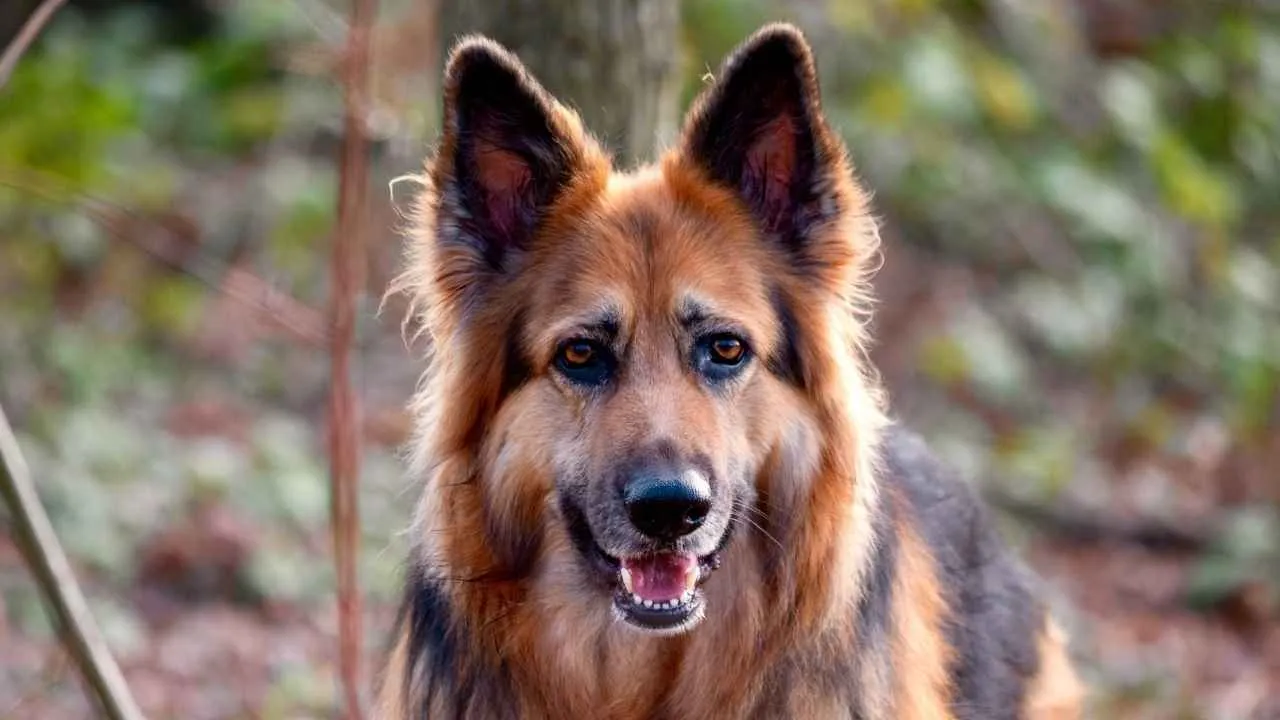
According to PetMD, the German Shepherd is a powerful, highly driven working dog that fits best into outdoor lifestyles built around structure, movement, and purpose.
Developed in Germany for herding and protection work, it was shaped to handle long hours of activity while staying alert and responsive to human direction. Its strong frame and focused expression reflect a dog built for endurance and control in demanding environments.
This breed is especially known for its sharp situational awareness, often scanning surroundings and reacting quickly to changes in activity or environment.
That makes it a natural choice for hiking routes, patrol-style walks, and training-heavy outdoor routines where attention and responsiveness matter. Compared to more relaxed companion dogs, it stays mentally engaged even during simple outdoor time.
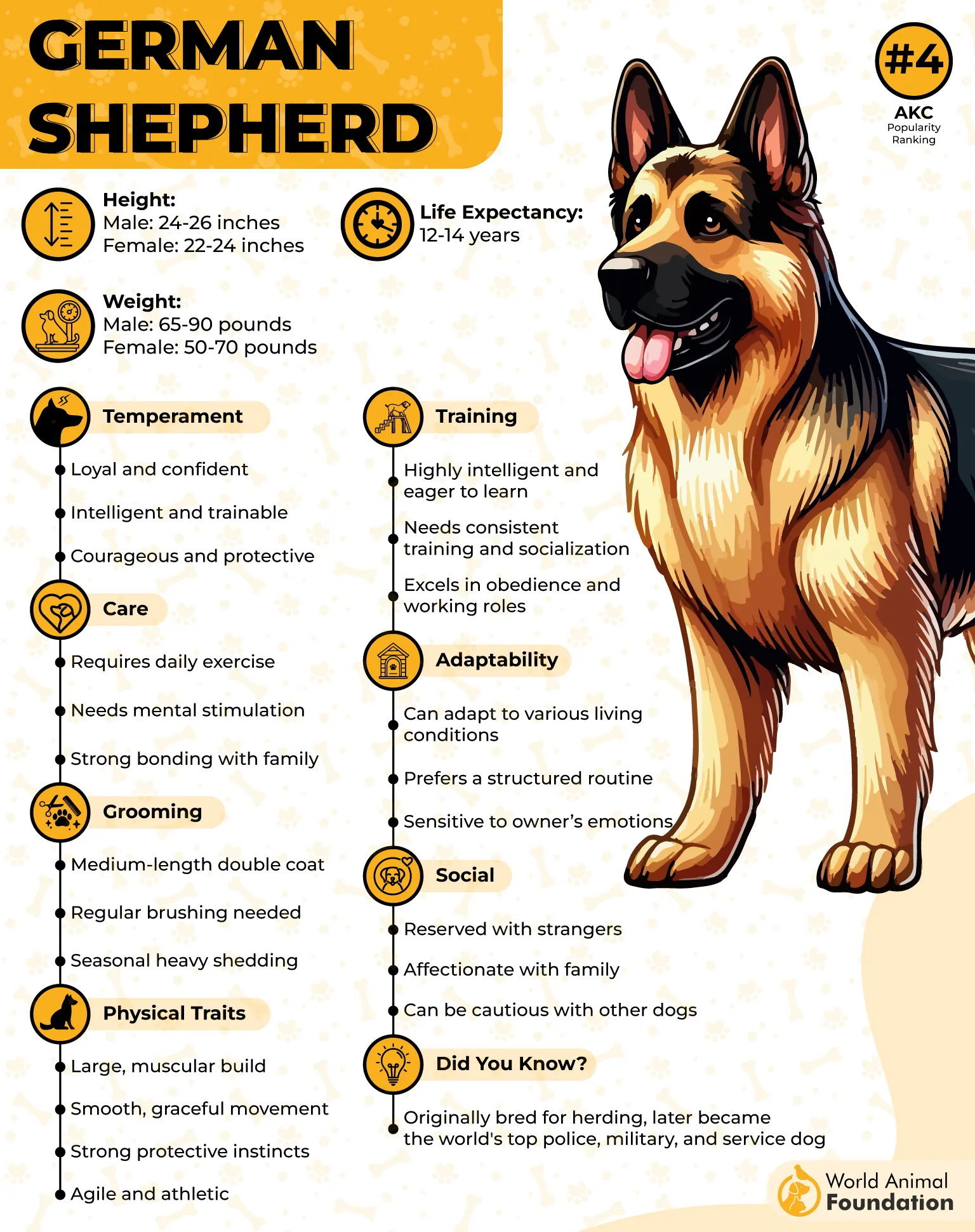
In daily life, the German Shepherd requires consistent physical exercise paired with structured mental tasks such as obedience drills, scent tracking, or agility work.
Without enough stimulation, it can become restless and may develop unwanted habits like excessive barking or destructive chewing. It performs best in homes where outdoor time is not occasional but a daily routine.
One behavior often observed is its strong protective response toward familiar people and spaces, especially during unfamiliar encounters outdoors. This makes early social exposure important so it can distinguish normal situations from real concerns.
With steady training and active engagement, it becomes a disciplined outdoor partner suited for demanding, movement-rich lifestyles.
5. Belgian Malinois
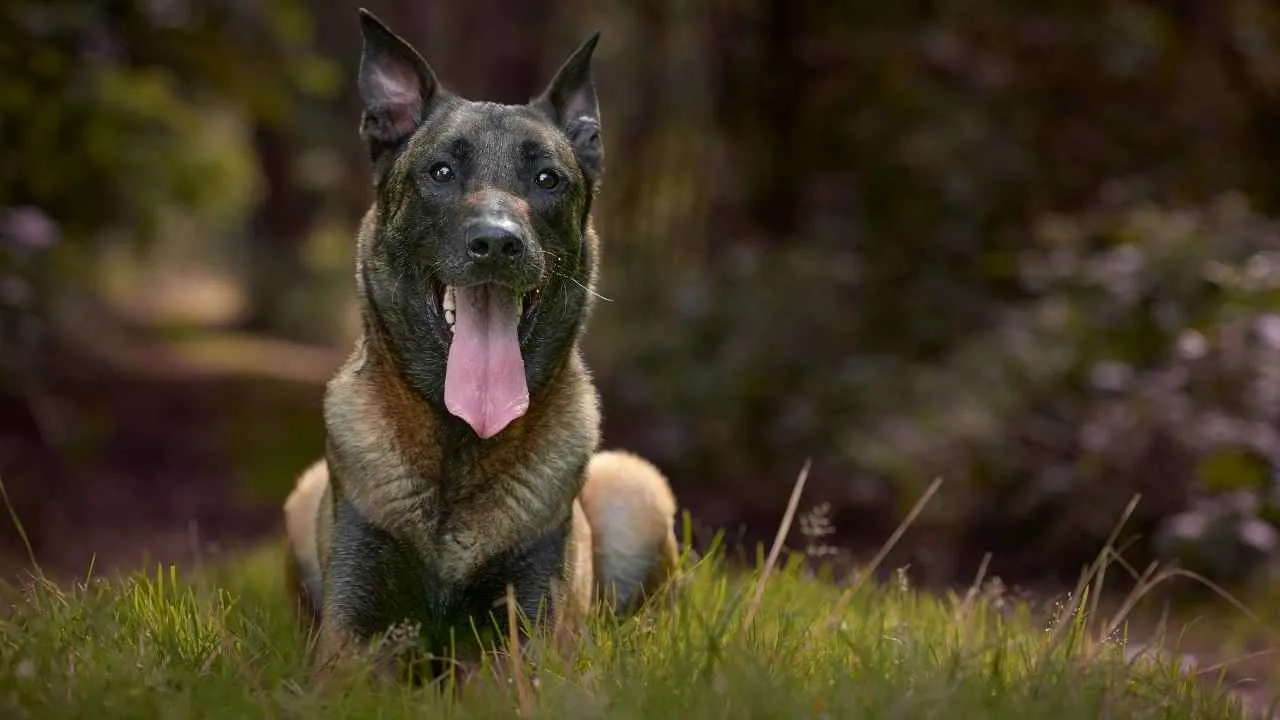
The Belgian Malinois is an intensely driven working dog that thrives in outdoor lifestyles built on constant movement, teamwork, and mental challenge.
Originally developed as a herding breed in Belgium, it was shaped to stay sharp, fast, and responsive across long working hours. Its athletic frame and alert posture reflect a dog that rarely switches off when engaged.
This breed is especially known for its “always-on” focus, where it locks attention onto its handler and maintains that connection through complex tasks and fast-paced environments.
That makes it a common choice for demanding outdoor roles like search work, tracking, and agility training sessions that require precision under pressure. Compared to more casual companions, it needs purpose in every activity.
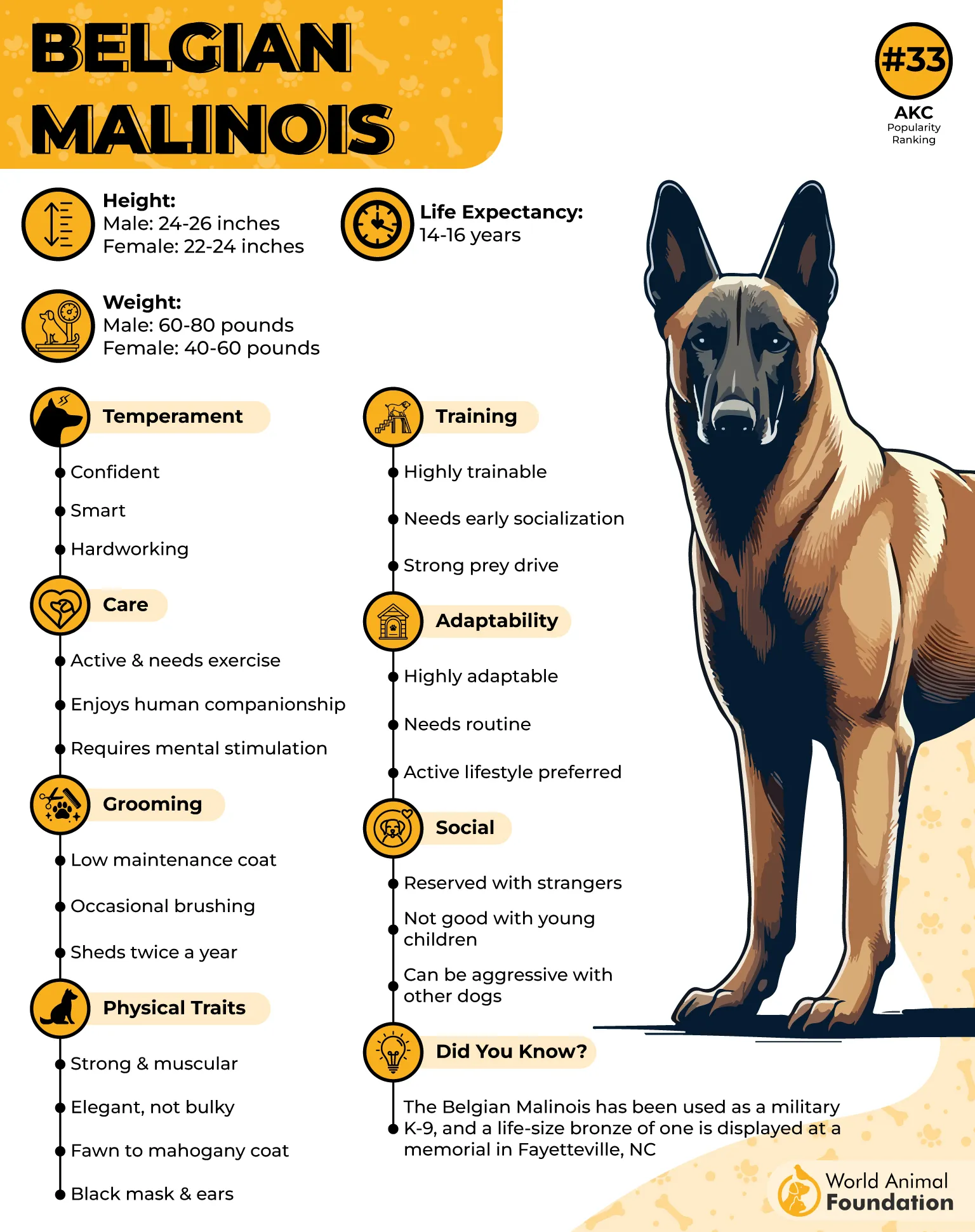
In daily routines, it performs best with intense exercise paired with mentally demanding work such as obedience drills, scent detection, or agility-based challenges.
Simple walks are not enough; it expects structured interaction where both mind and body are fully used. Without this, its energy can quickly turn into restlessness or frustration indoors.
One behavior often seen is its extreme responsiveness to handler cues, where it reacts almost instantly to subtle body language changes during movement. This makes it highly reliable in coordinated outdoor activities like running, cycling, or tactical training environments.
When fully engaged, it becomes one of the most focused and dependable partners for active outdoor living.
6. Siberian Husky
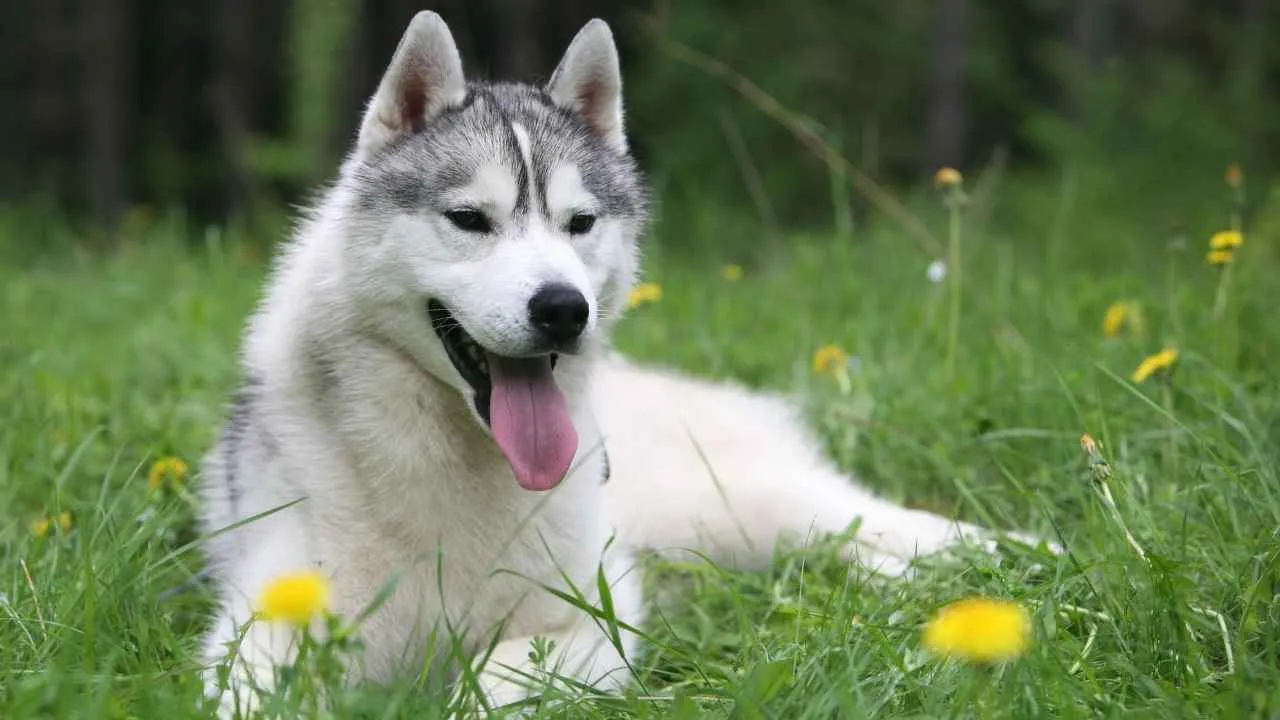
The Siberian Husky is a high-energy endurance dog built for long-distance movement and cold-weather activity, making it a natural fit for outdoor lifestyles centered around running, trekking, and open terrain exploration.
Developed as a sled-pulling breed in harsh northern regions, it was shaped for stamina rather than close obedience, relying on teamwork and persistence over long stretches of distance. Its thick coat and agile frame reflect a dog designed for continuous motion.
This breed stands out for its vocal communication style, often using howls, yips, and expressive sounds instead of typical barking. That makes its presence very noticeable during group outdoor activities, especially in open environments where sound carries.
Compared to many companion dogs, it tends to communicate more like a pack-working animal than a silent follower.
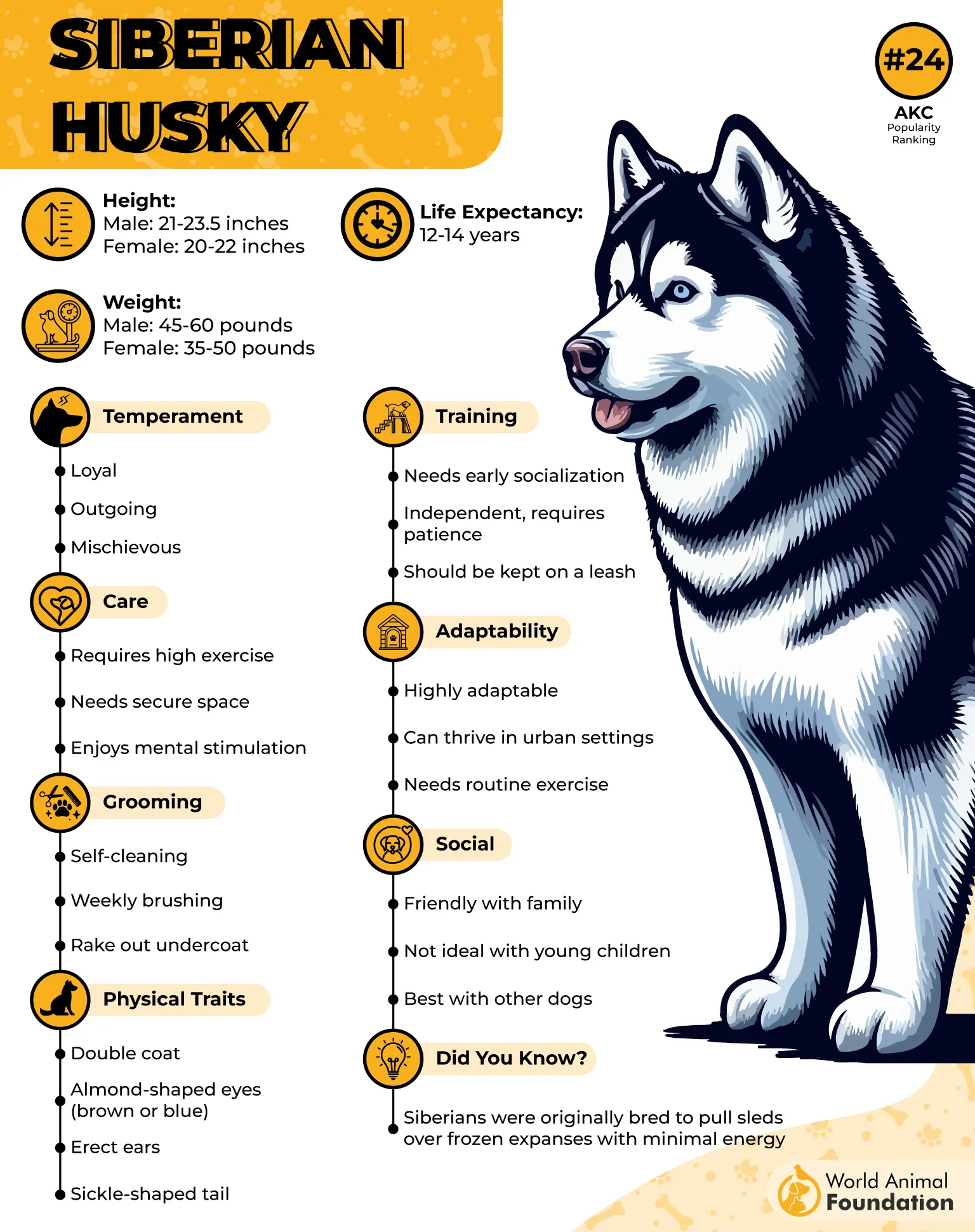
In daily activity, it thrives when given long runs, hikes, or pulling-based exercises like skijoring or sled-style training. It is less motivated by strict command repetition and more by movement, freedom, and shared physical effort.
Without enough activity, it may become restless and attempt to escape enclosures in search of stimulation.
One behavior often seen is its strong roaming instinct, where it prefers covering distance rather than staying in a fixed area during outdoor time. This makes secure environments important during exercise.
When paired with consistent activity and space to move freely, it becomes an energetic dog companion that naturally fits into adventure-heavy outdoor routines.
7. Bernese Mountain Dog
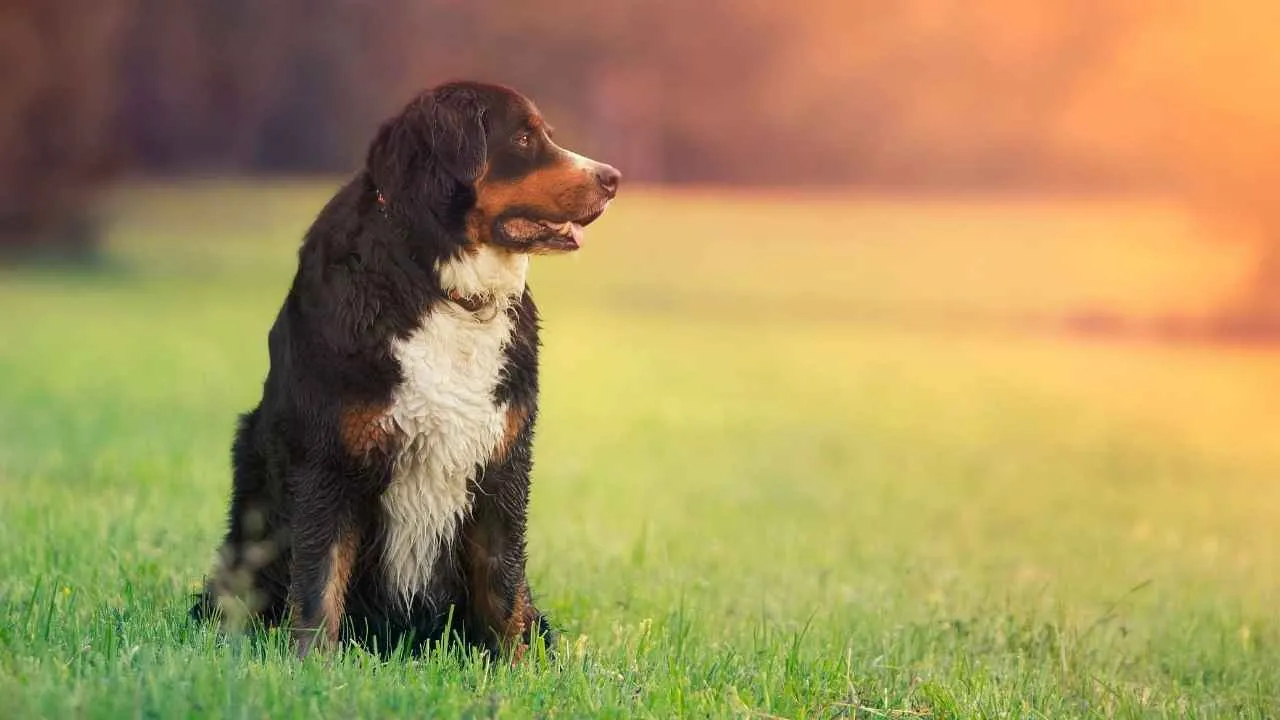
The Bernese Mountain Dog is a calm, steady working breed that fits best into outdoor lifestyles with moderate activity, cooler climates, and plenty of human interaction, as noted by Orvis.
Originally developed in the Swiss Alps for farm work, it was used for pulling carts and helping with daily rural tasks rather than fast, long-distance endurance. Its strong build and thick coat reflect a dog made for steady effort instead of speed.
This active breed is especially known for its naturally gentle temperament around people, often staying close to family members during outdoor time and preferring to participate in group activities rather than independent exploration.
Compared to high-drive athletic breeds, it moves at a more relaxed pace, making it a better match for families who enjoy walks and scenic hikes instead of intense training sessions.
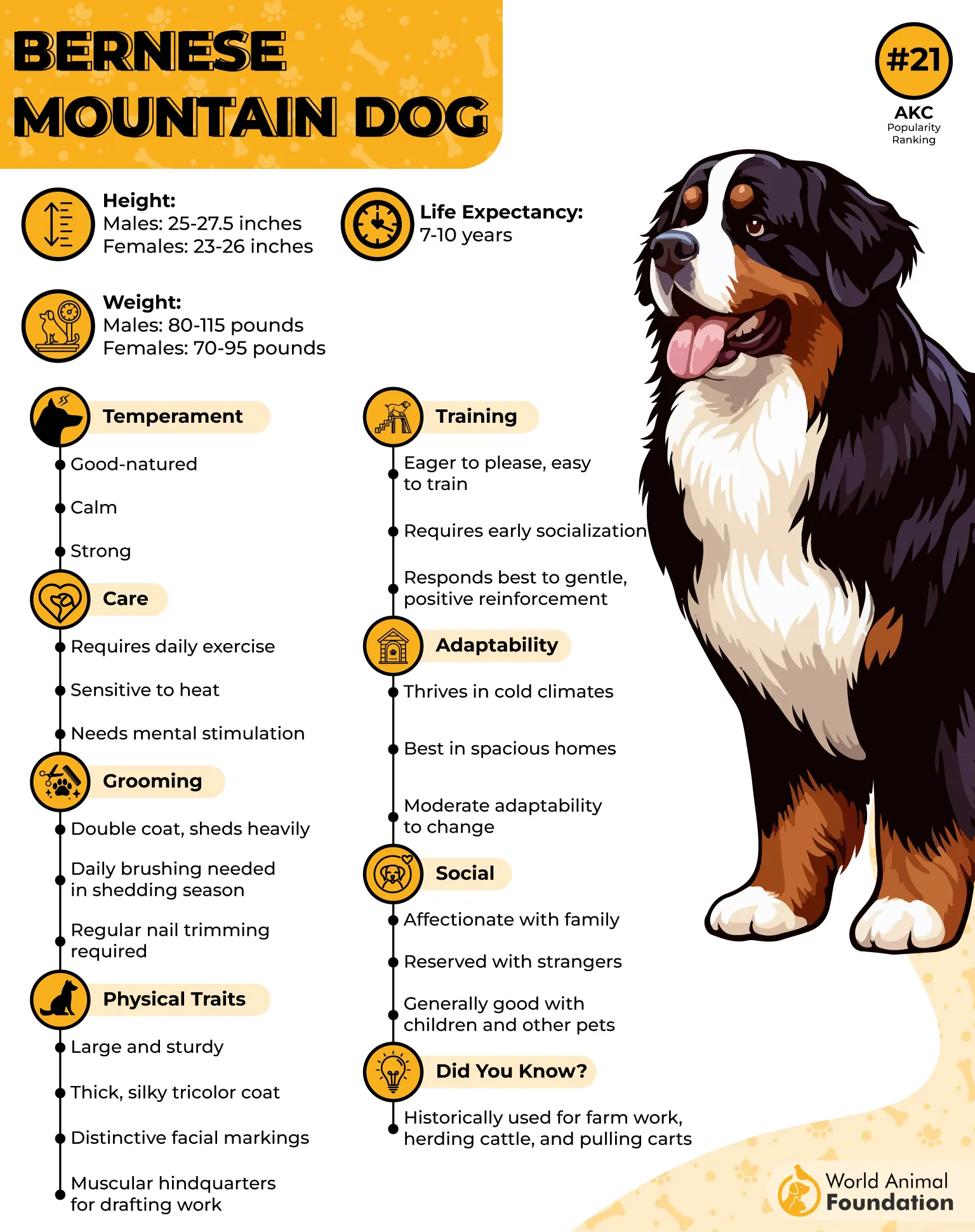
In daily routines, it benefits from regular but moderate exercise spread throughout the day, such as short hikes, leisurely walks, or light outdoor play.
Long, demanding workouts in warmer climates are not suitable, as it is prone to overheating and perform best in cool conditions. It is more about consistency than intensity when it comes to staying healthy and active.
One behavior often noticed is its strong desire to stay physically close to its people, often positioning itself within sight during outdoor activities rather than wandering off. This makes it feel more like a grounded companion than a roaming partner.
With balanced exercise and attention, it becomes a calm outdoor presence suited for relaxed, family-centered adventures.
Conclusion
Not every dog is built for the same kind of life outdoors. Some thrive on long-distance movement, sharp focus, and constant outdoor adventures, while others prefer steady companionship and shared, slower adventures.
The difference comes down to energy, drive, and how well that energy matches your daily routine. When the match is right, outdoor time becomes effortless and deeply rewarding.
When it isn’t, frustration builds on both sides. Choosing wisely means more than activity levels—it’s about lifestyle harmony, shared rhythm, and a bond that grows stronger with every step outside together.
