




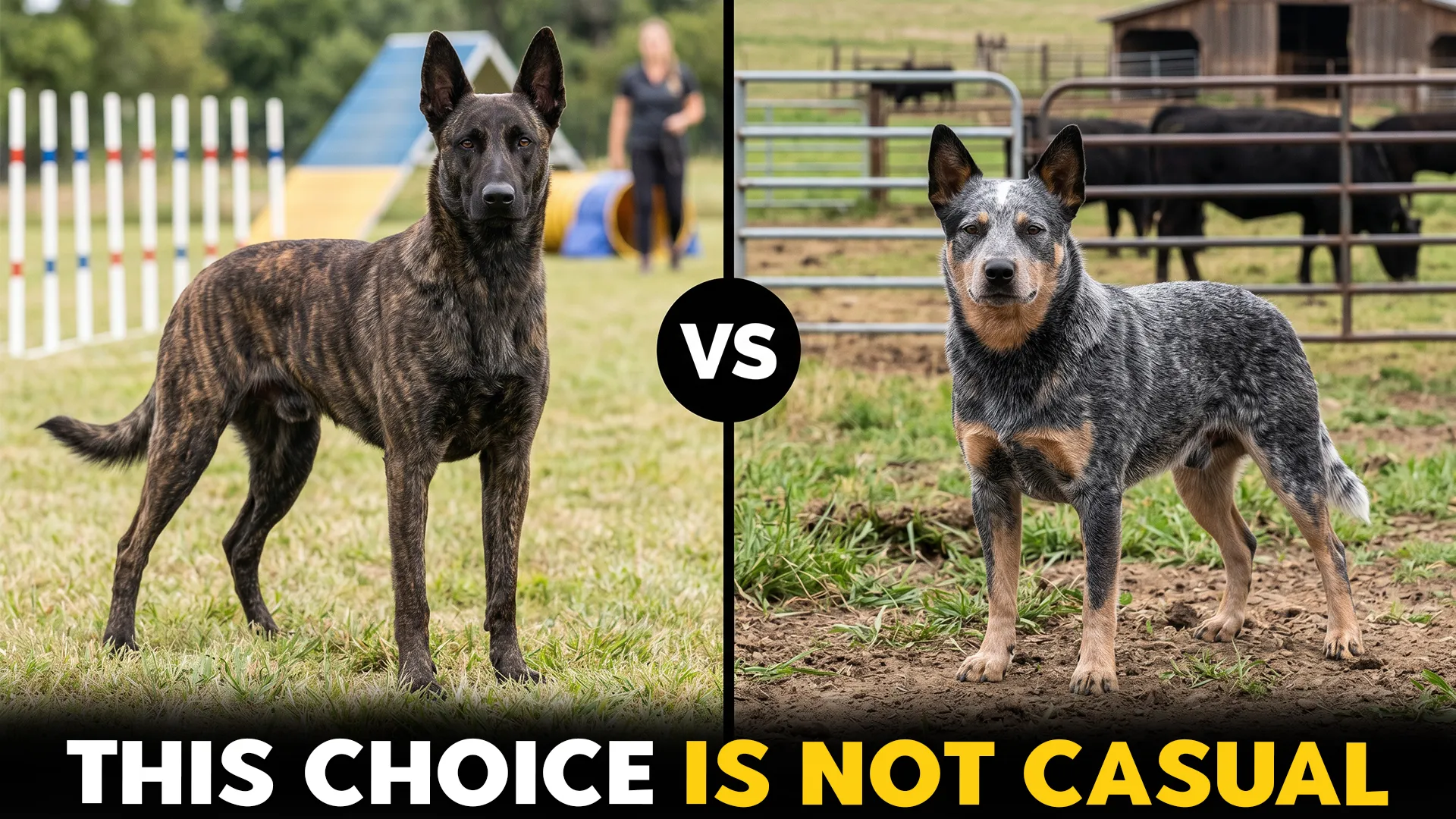
The decision between a Dutch Shepherd and an Australian Cattle Dog may be quite a tough one. Both breeds are intelligent, industrious, and very loyal to their owners. They were trained to work hard and are nowadays very effective in work, dog sports, and active families.
Nevertheless, these breeds are quite different in size, temperament, trainability, grooming requirements, and compatibility with their way of life, in spite of some similarities. The Dutch Shepherd has been hailed as versatile in police and protection duty, and the Australian Cattle Dog is lauded as having unsurpassed stamina and the capability to round up livestock.
When choosing either breed, it is important to know the differences between the two. The correct decision varies greatly and depends on how active you are, your surroundings, training, and the expectations you want to have with your canine companion.
This comparison dissects all you have to know prior to making your decision.
Dutch Shepherd vs. Australian Cattle Dog: Quick Comparison Before You Choose
Origins, Background & Purpose
Dutch Shepherd
The Dutch Shepherd was bred in the Netherlands in the 19th century. Farmers required a working, energetic breed that was both versatile and had the ability to herd sheep, guard property, drag carts, and help in other farm activities.
Due to its versatility, intelligence, and athleticism, the Dutch Shepherd became popular in military, police, search and rescue, and protection uses. It is now regarded as one of the most able working breeds in the world.
Australian Cattle Dog
The Australian Cattle Dog was created in Australia in the 1800s in order to assist ranchers in transporting cattle over long and rough distances, according to the American Kennel Club. Breeders bred herding dogs with the Dingoes and other working breeds to come up with a dog that can manage the tough environment and stubborn livestock.
The outcome was a very strong, vigorous, and intelligent breed characterized by stamina and perseverance. Australian Cattle Dogs are also doing well on farms, although they are also enjoyed by active dog lovers on their outdoor adventures.
Quick Verdict
Dutch Shepherd: Multi-purpose farm and protection dog
Australian Cattle Dog: Livestock-driving specialist, developed to be endurant
Size & Physical Build Differences
Both breeds seem to be athletic and muscular at first sight, but they have some significant differences.
Dutch Shepherd
Average size:
Height: 21.5-24.5 inches
Weight: 42-75 pounds

They have a slender and strong structure, which is agile and fast.
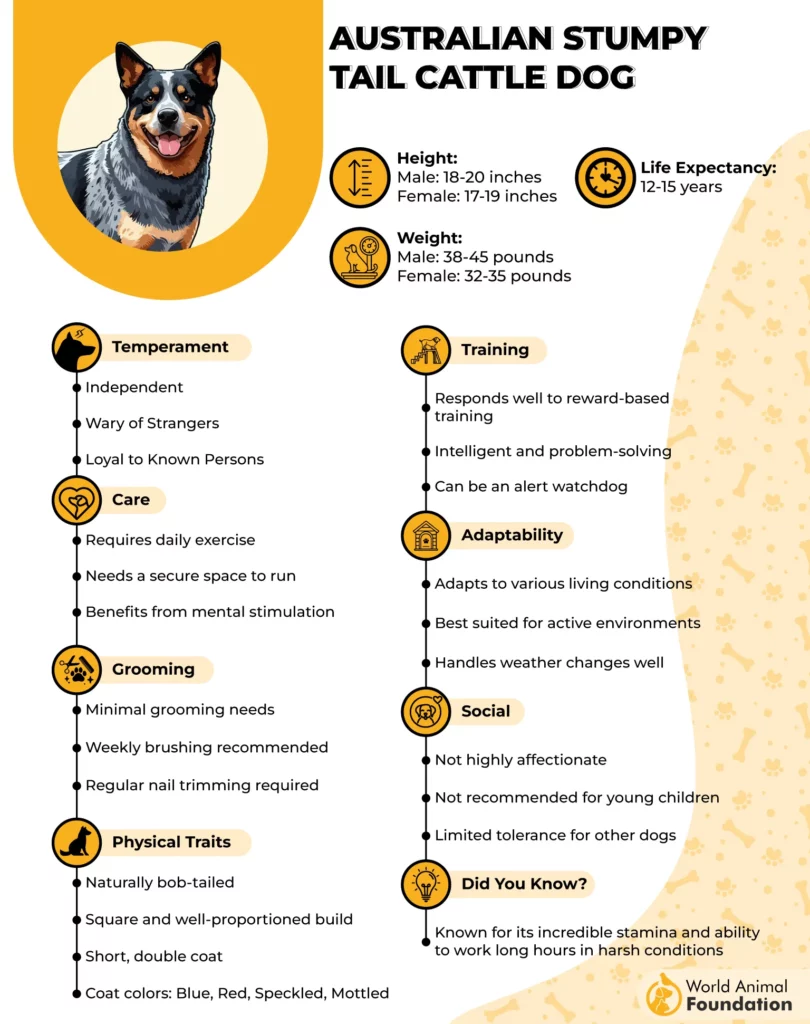
Australian Cattle Dog
Australian Cattle Dogs are a little smaller and slimmer.
Average Size:
Height: 17-20 inches
Weight: 35-50 pounds
Quick Verdict
The Dutch Shepherd leads in case you want a larger and more dominant dog. In case you desire a small powerhouse, the Australian Cattle Dog is the right choice.
Coat Appearance & Overall Maintenance
Dutch Shepherd
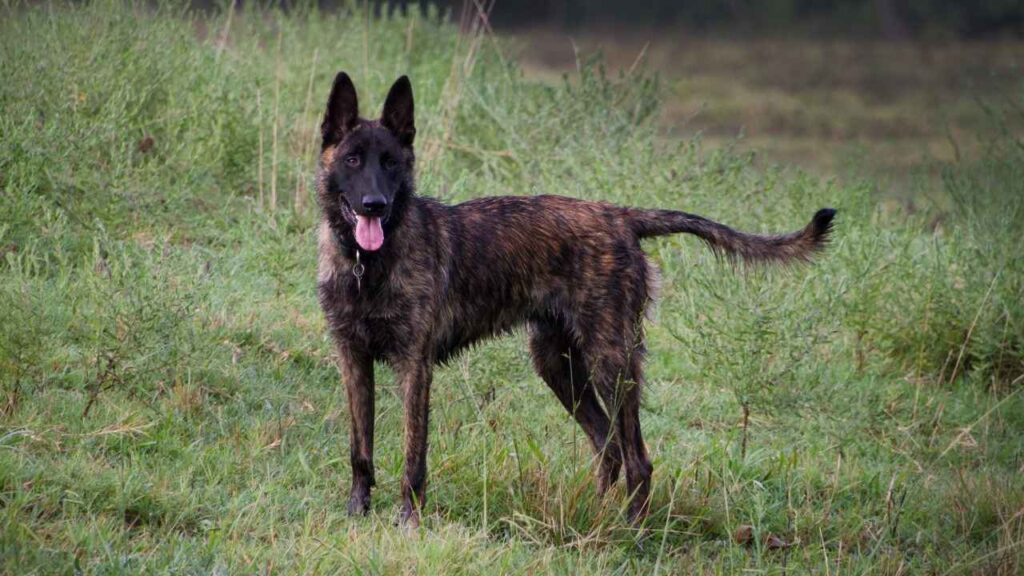
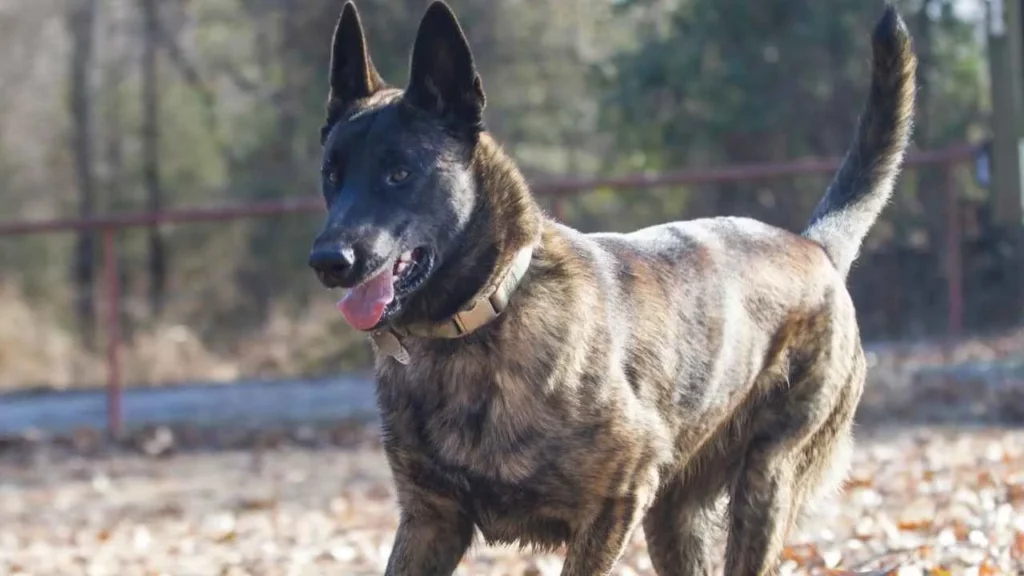
Dutch Shepherds are of three types of coat:
Short-haired
Long-haired
Rough-haired
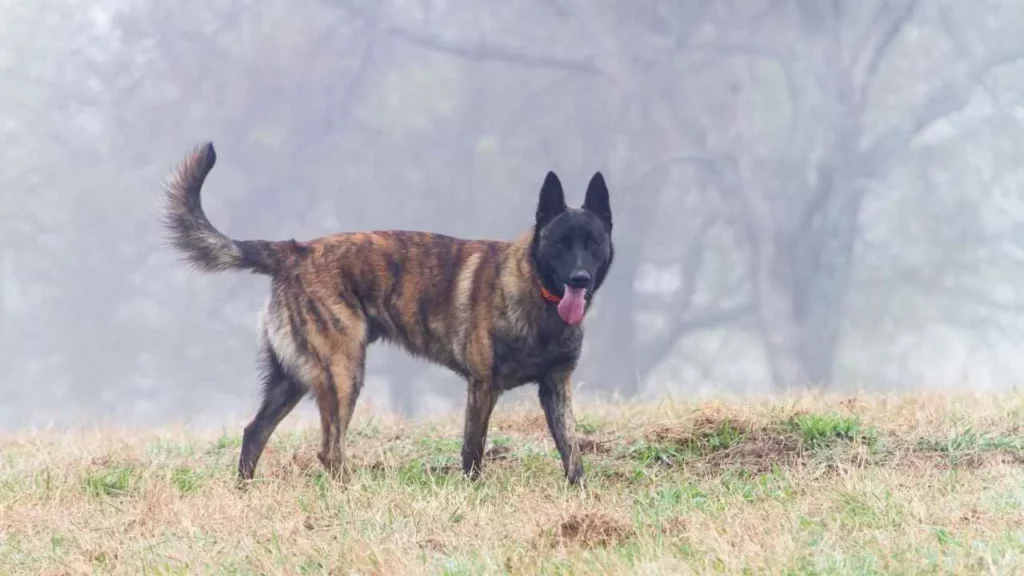
The most widespread is the brindle coat color that makes the breed look like it does.
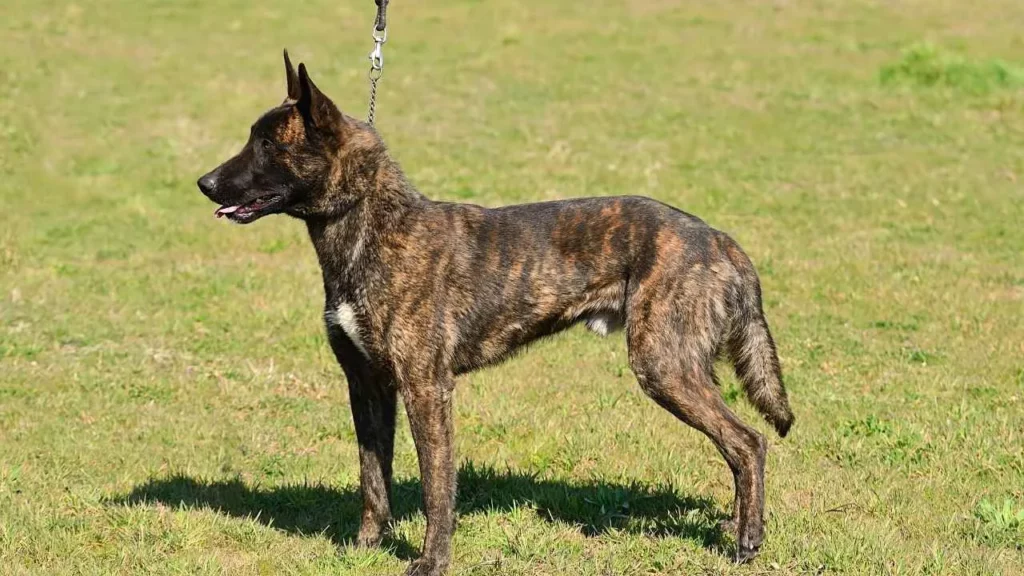
There is a variety of maintenance depending on the type of coat. The short-haired Dutch Shepherds are relatively easy to maintain, whereas rough-coated dogs demand more care.
Australian Cattle Dog
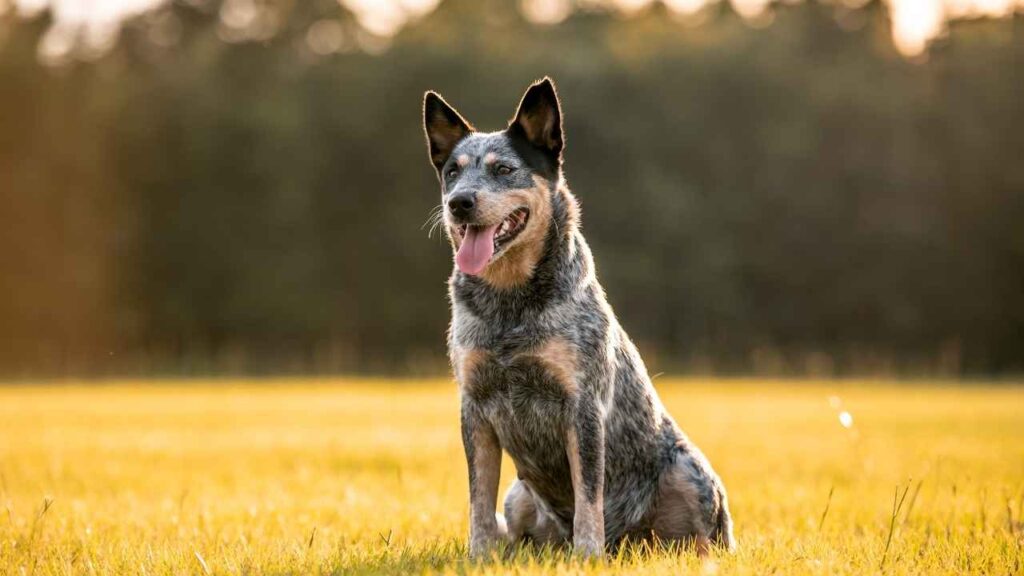
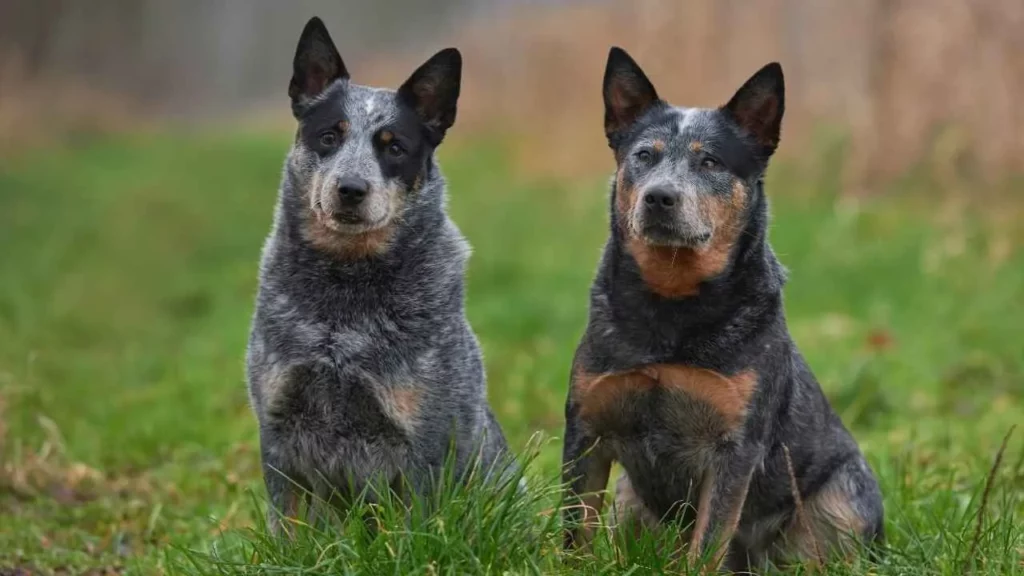
The Australian Cattle Dogs possess a short double-coated fur that helps keep the dog warm in extreme weather conditions.
Common colors include:
Blue-speckled
Blue mottled
Red speckled
The Australian Cattle Dog has a relatively low-maintenance coat that requires only occasional brushing. However, the breed experiences heavier seasonal shedding, particularly during coat-blowing periods, when more frequent grooming helps manage loose hair.
Grooming Comparison
Dutch Shepherd
Weekly brushing
Moderate shedding
Australian Cattle Dog
Weekly brushing
Seasonal heavy shedding
Quick Verdict
The two breeds are both manageable, though the short-coated Dutch Shepherds tend to be a bit easier to maintain in general.
Temperament, Personality & Behavior Traits
Dutch Shepherd
Dutch Shepherds are very loyal and attached to their families. They are confident, stable, and attentive.
The typical personality traits are:
Protective
Alert
Affectionate
Focused
Reliable
They normally form good relationships with the family members, and on most occasions, they want to be part of all activities.
Australian Cattle Dog
Australian Cattle Dogs are known to be obstinate and resolute. Their hard-working nature occasionally portrays obstinacy.
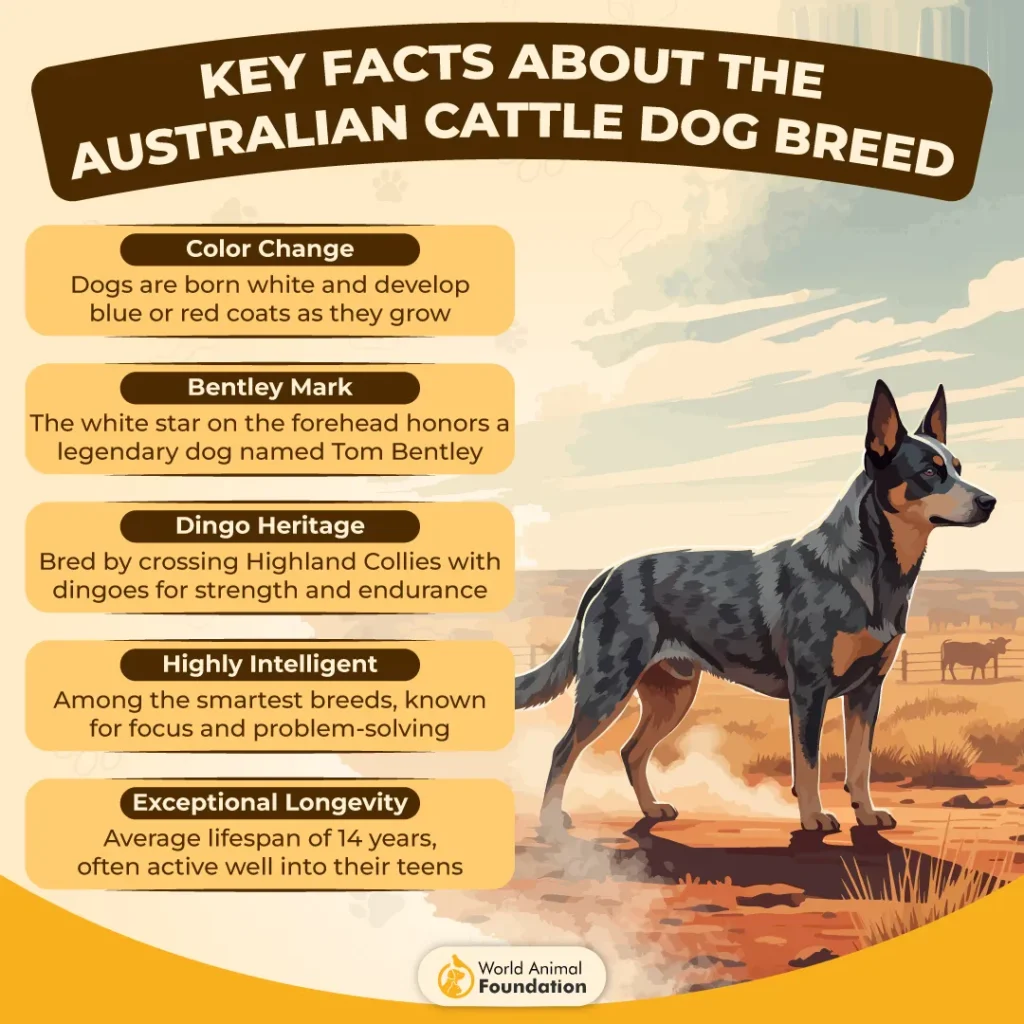
The most prevalent personality traits are:
Courageous
Loyal
Energetic
Independent
Protective
Since they are trained to domesticate animals, they might run after children, pets, or any moving things.
Quick Verdict
Dutch Shepherds are more people-persons, whereas the Australian Cattle Dogs are more independent.
Intelligence, Trainability & Responsiveness
The two breeds are some of the most intelligent working dogs.
Dutch Shepherd
Dutch Shepherds are extremely trainable and thrive on structured learning.
They excel in:
Obedience
Protection sports
Search and rescue
Police work
Early socialization
Agility competitions
They are very responsive to seasoned handlers.
Australian Cattle Dogs
Australian Cattle Dogs are also very smart and might prove to be a problem for the new owners since they are independent thinkers.
They excel in:
Herding
Agility
Advanced Obedience
Farm work
Canine sports
The training should be regular and thought-provoking.
Quick Verdict
Dutch Shepherds tend to be more responsive to their handlers, whereas Australian Cattle Dogs tend to be more independent thinkers.
Energy Level, Activity Requirements & Work Drive
It is in this category that the two breeds are undermined by many of the potential owners.
Dutch Shepherd
Dutch Shepherd requires:
Daily exercise
Mental challenge
Advanced training sessions
Interactive activities
Boredom is known to result in destructive behavior when one is not stimulated.
Australian Cattle Dog
Australian Cattle Dogs have virtually unlimited energy.
They require:
Long daily walks
Running opportunities
Problem-solving activities
Fitness or organized activities
This breed does well when assigned a task.
Which breed is more energetic?
Although both are high-energy dogs, several experts believe that the Australian Cattle Dog is a little more intense and indefatigable.
Quick Verdict
Australian Cattle Dogs excel in endurance and stamina. Dutch Shepherd is the winner in terms of versatility, as per PetMD.
Health Issues, Durability & Average Lifespan
Dutch Shepherd
Usually well, but can have:
Hip dysplasia
Elbow dysplasia
Thyroid issues
Average lifespan:
11-14 years
Australian Cattle Dogs
Generally, one of the healthiest working breeds.
Potential concerns include:
Progressive retinal atrophy
Hip dysplasia
Deafness
Average lifespan:
12-16 years
There are cases of Australian Cattle Dogs that die much later than they are supposed to.
Quick Verdict
The average Australian Cattle Dog has a bit longer life expectancy and a good general life span.
Protective Instincts, Work Performance & Working Roles
Dutch Shepherd
Here, the Dutch Shepherd really excels.
Modern roles include:
Police K9
Military Work
Protection sports
Personal protection
Search and rescue
They are very effective working dogs due to their confidence and trainability.
Australian Cattle Dog
The Australian Cattle Dog continues to be one of the best livestock-moving breeds, as stated by Orvis.
Common roles include:
Herding cattle
Ranch work
Farm protection
Agility competitions
Outdoor adventure companion
Although they are protective, they are not normally employed in formal protection work.
Quick Verdict
The Dutch Shepherd is superior in the protection and service department. The Australian Cattle Dog is good at herding and endurance-based work.
Cost, Availability & Popularity
Dutch Shepherd
Average price:
$1500-$3500+
Working line dogs are more expensive.
Australian Cattle Dog
Australian Cattle Dogs have a greater availability.
Average price:
$800-$2500
Their popularity also enables them to find reliable breeders easily.
Availability Comparison
Dutch Shepherd
Rare
Smaller breeding population
Australian Cattle Dog
More common
Easier to find
Quick Verdict
The Australian Cattle Dogs are more available and cheaper.
Dutch Shepherd vs Australian Cattle Dog: Which is the best one to get?
Take a Dutch Shepherd, do you want:
A working dog that can be trained at a high level
Greater handler focus
Strong protection instincts
Diversity in various activities
Or select the Australian Cattle Dog when you desire:
Incredible endurance
Strong herding instincts
A small yet hardy companion
An outdoor adventure dog
Neither of these breeds is suitable for inactive households. They both do well in the hands of skilled owners able to offer physical and mental challenges on a daily basis.
Conclusion
The two breeds that are among the most competent working dogs in the dog world are the Dutch Shepherd and Australian Cattle Dog. They are similar in intelligence, loyalty, and athleticism, but their strengths vary in significant aspects.
The most suitable breed is one that fits your lifestyle. The Dutch Shepherd can be a more suitable choice in case of protection work, high-level training, and versatility, while the Australian Cattle Dog can be a relentless, rough, and self-sufficient companion to an active life.
Despite the dog’s age, you will be bringing one of the smartest and hardest-working dogs in the world into your home.
