




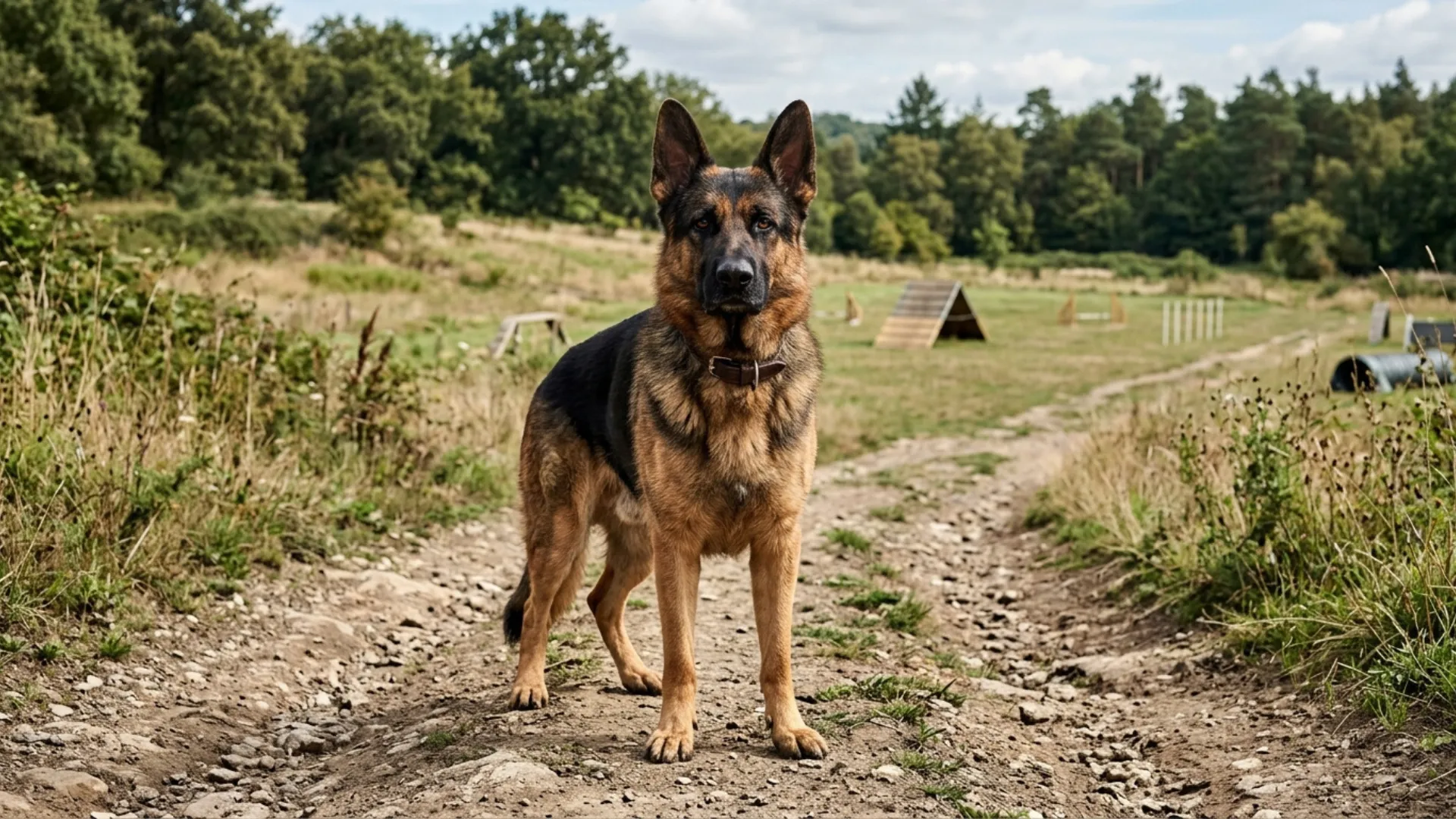
Some dogs are happy with a stroll around the block and a long nap on the couch.
Others wake up every morning acting like they’ve been training for an ultramarathon since 5 a.m.
If your dream weekend involves trail runs, agility courses, mountain hikes, or all-day adventures, you need a canine companion that can actually keep up.
Endurance in dogs isn’t just about speed—it’s a combination of cardiovascular fitness, muscular strength, mental resilience, and generations of selective breeding for physically demanding work. Many working and herding breeds were developed to herd livestock, guard property, pull sleds, or assist military and search-and-rescue teams over long distances.
Still, even the toughest dogs need proper conditioning, hydration, rest, and veterinary care to perform safely. A dog that’s pushed too hard without preparation can suffer injuries or heat-related illnesses just like a human athlete.
If you’re looking for a four-legged workout buddy that seems to have an endless battery pack, these remarkable breeds deserve your attention.
Tough Dog Breeds With Impressive Endurance for Sporting Activities
1. Belgian Malinois
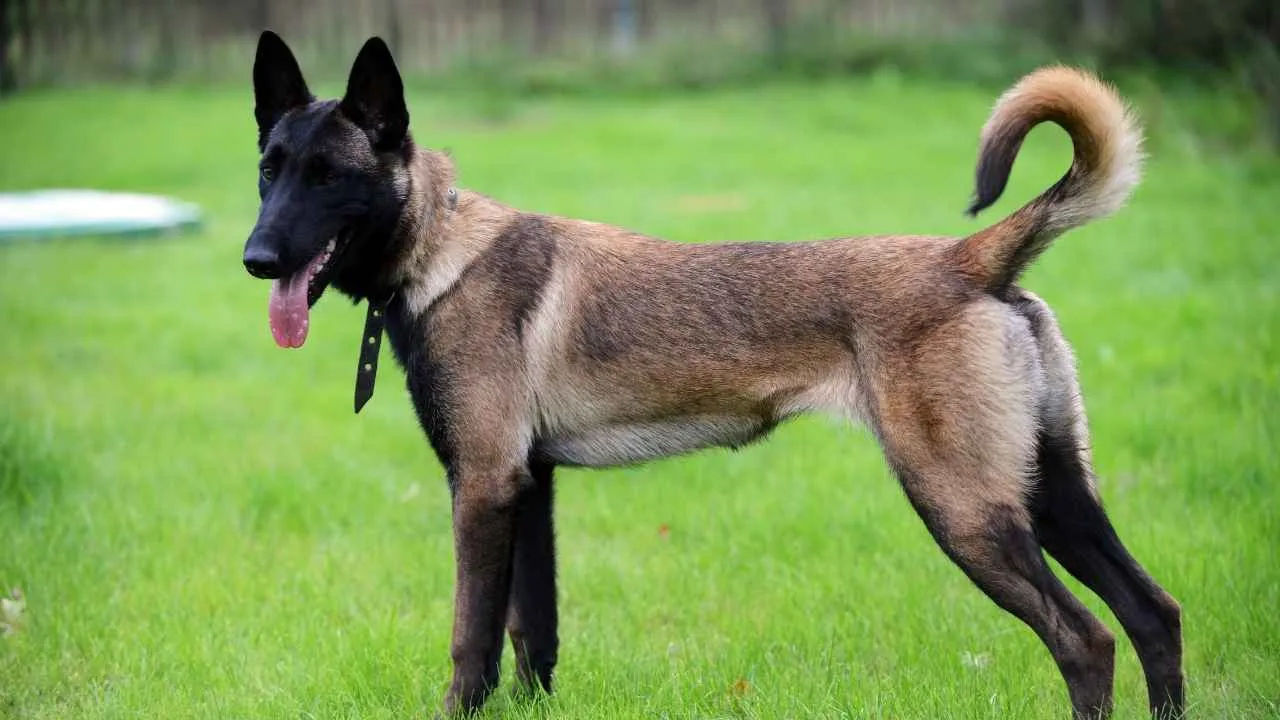
The Belgian Malinois is agile, intelligent, and unbelievably driven.
This breed approaches every activity with laser focus and the kind of enthusiasm that makes your fitness tracker feel underqualified.
They are one of the most trusted working breeds for military units, police departments, and search-and-rescue organizations around the globe. Their exceptional trainability and willingness to work under pressure have earned them a reputation as elite canine athletes.
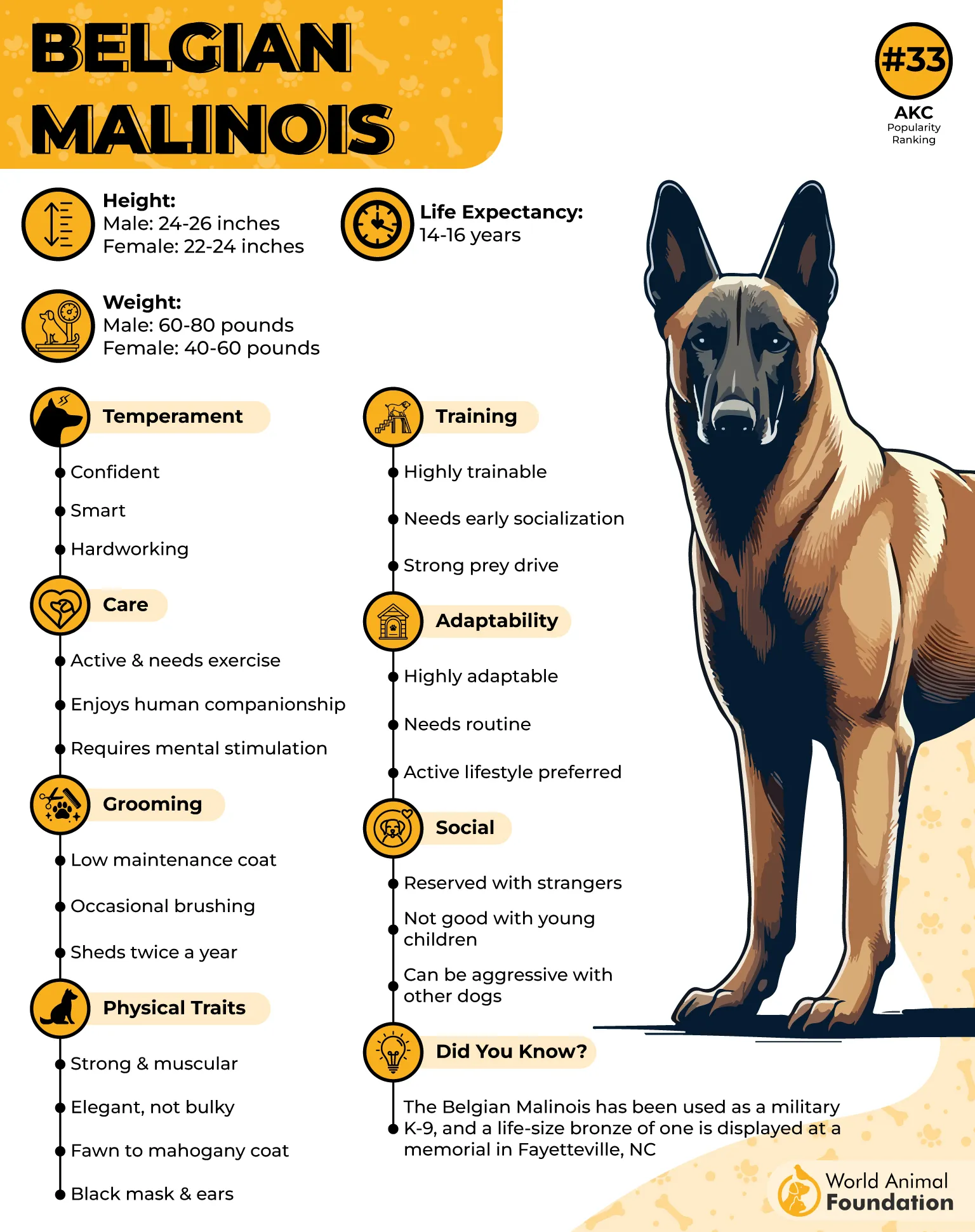
Physical exercise alone isn’t enough for this breed. They thrive when they’re challenged mentally through scent work, advanced obedience drills, puzzle toys, or structured sporting activities.
Without sufficient stimulation, their intelligence can quickly turn into mischief, often leaving owners wondering how the dog managed to outsmart the entire household.
One of the most impressive qualities of the Malinois is its stamina. These dogs can stay engaged for extended periods without losing focus, making them ideal companions for active owners who enjoy hiking, running, cycling, or canine sports.
Living with a Belgian Malinois is like having a personal trainer who never skips leg day. They form deep bonds with their families and genuinely enjoy working alongside their humans.
What Makes Them Really Tough
Bred for demanding working roles that require stamina, precision, and rapid decision-making.
Combines exceptional endurance with elite intelligence, allowing sustained performance during physically and mentally challenging activities.
Thrives when participating in structured sports, advanced training, and outdoor adventures that test both body and mind.
2. German Shepherd
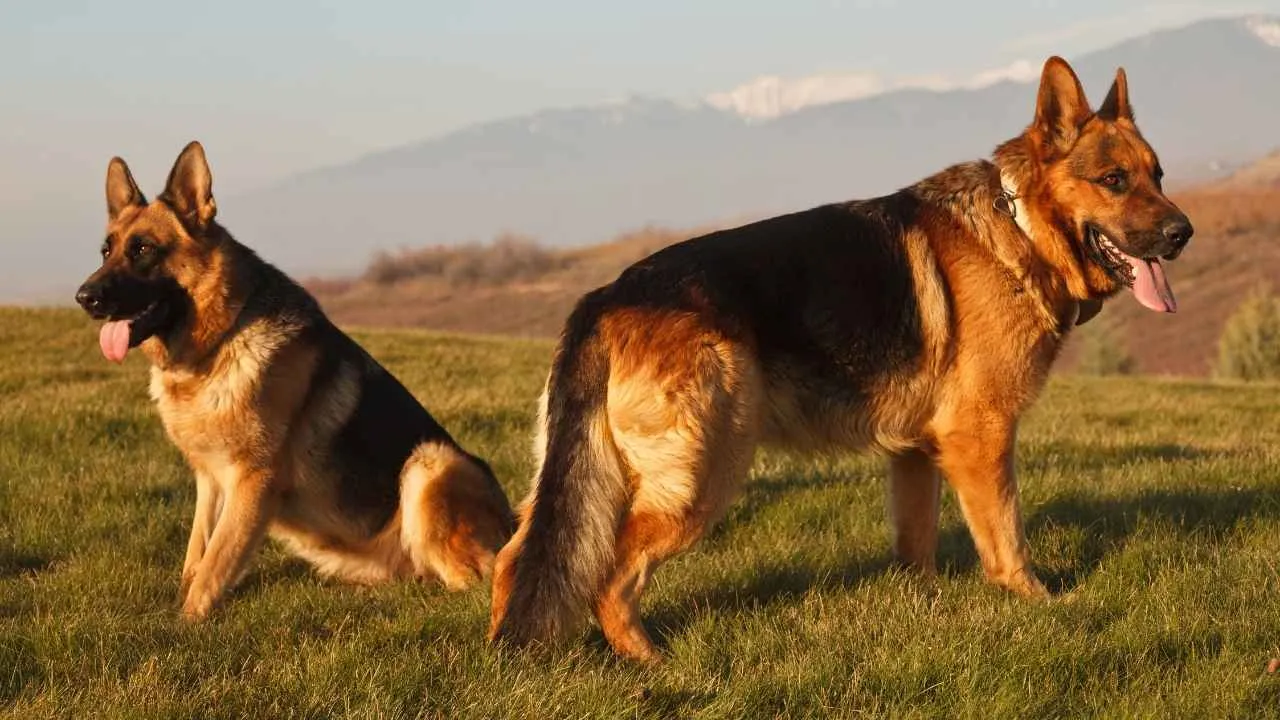
The German Shepherd has long been admired for its versatility, courage, and athletic ability.
Whether serving in law enforcement, assisting individuals with disabilities, or competing in canine sports, this athletic dog consistently demonstrates remarkable endurance and adaptability. It’s no surprise that so many active families consider it the ultimate all-purpose adventure companion.
They are built for efficient movement. Their balanced structure, strong hindquarters, and coordinated gait allow them to accelerate quickly while maintaining stability over long distances. Healthy adults can reach impressive sprinting speeds, but what truly sets them apart is their ability to sustain demanding work over extended periods.
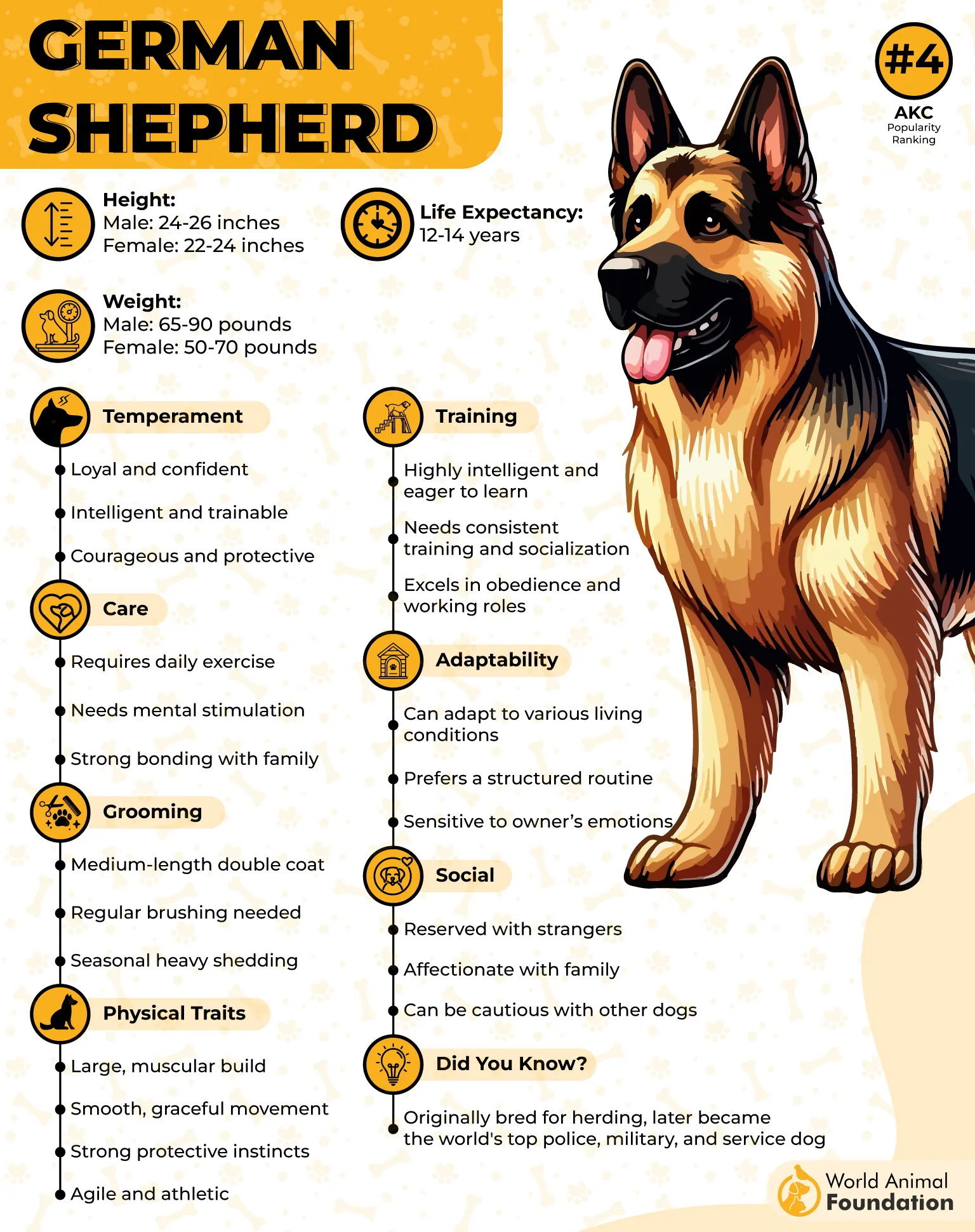
Mental resilience is equally important to this breed’s success. German Shepherds are highly intelligent problem-solvers that excel when given purposeful tasks and consistent training. Their eagerness to learn makes them strong candidates for activities such as tracking, search work, and advanced agility.
Endurance also depends on preparation. Responsible owners gradually increase exercise intensity while monitoring joint health, particularly during puppyhood when bones and connective tissues are still developing.
Proper conditioning, balanced nutrition, and veterinary oversight help ensure these dogs remain capable athletes throughout adulthood.
Beyond their impressive physical abilities, German Shepherds develop tremendous loyalty toward their families. That combination of intelligence, strength, and devotion explains why they continue to rank among the most respected working breeds in the world and remain exceptional partners for sporting enthusiasts.
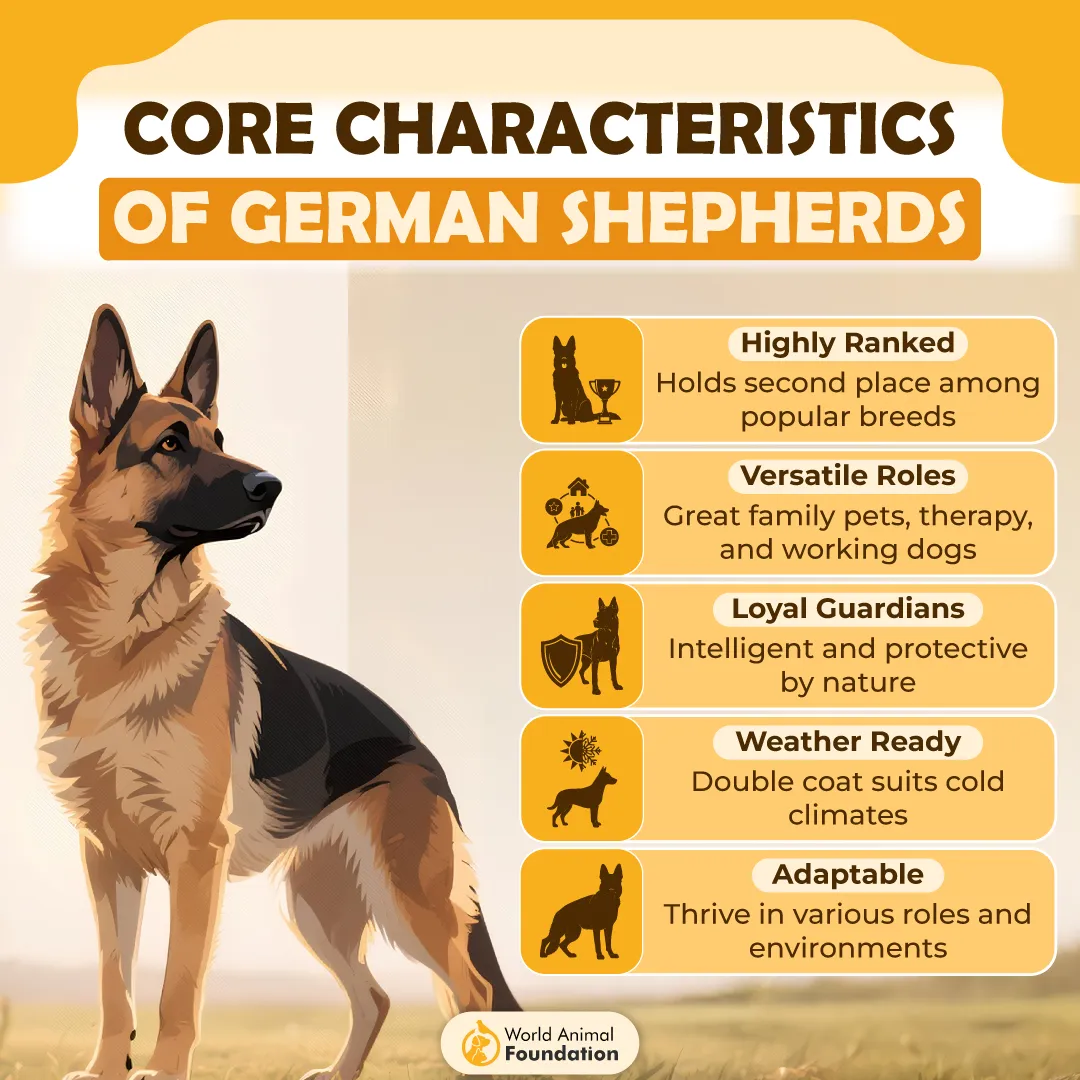
What Makes Them Really Tough
Powerful musculature and balanced movement support both speed and sustained activity.
Excels in physically demanding disciplines that require endurance, coordination, and responsiveness.
Possesses the mental determination to stay focused even during long training sessions or challenging environments.
3. Rottweiler
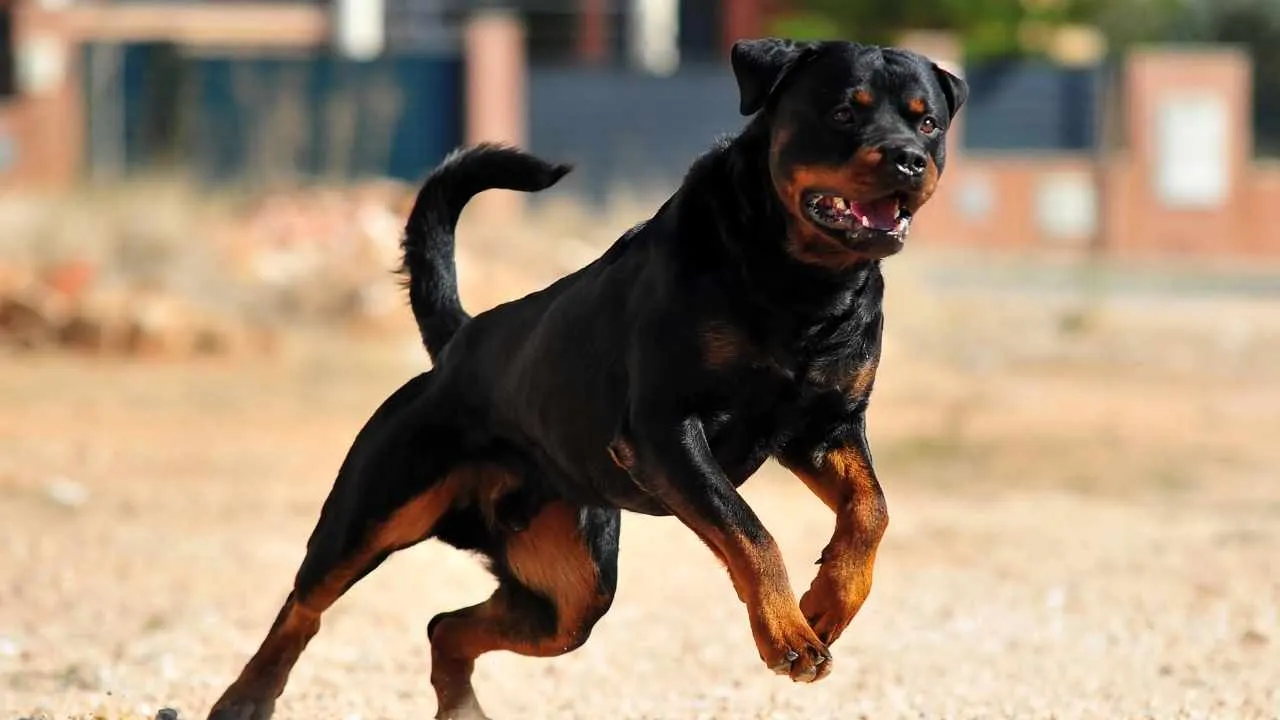
The Rottweiler often gets stereotyped as a powerhouse built purely for strength, but there’s much more going on beneath those muscular shoulders. Originally descended from Roman drover dogs, they spent centuries moving livestock over long distances and guarding valuable cargo.
That history gave them not only impressive power but also the stamina to work steadily throughout the day.
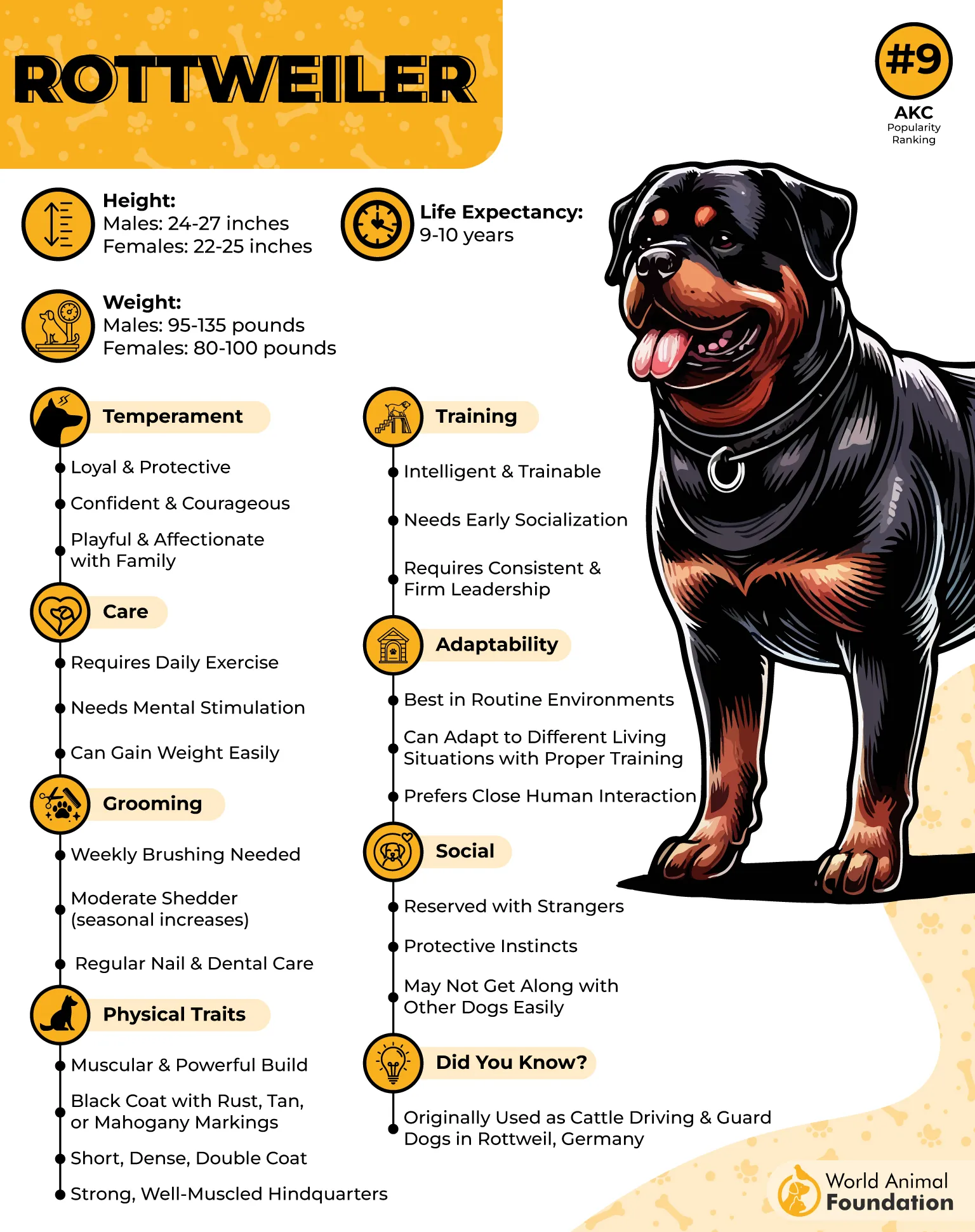
When properly conditioned, Rottweilers excel in a variety of canine sports and working roles. They participate in obedience competitions, tracking events, cart pulling, dock diving, and protection sports, showcasing a combination of athleticism and discipline that surprises many first-time observers.

Unlike hyperactive breeds that sprint nonstop, they often display measured endurance. They prefer purposeful activity with a clear objective and can maintain a consistent pace during hikes, long walks, or structured training sessions.
Mental engagement is just as important as physical exercise for these intelligent dogs. Training games, scent work, and advanced obedience drills help prevent boredom while reinforcing the strong partnership they naturally build with their handlers.
What Makes Them Really Tough
Dense musculature and a solid frame provide exceptional strength for demanding activities.
Maintains steady energy over long sessions instead of relying only on explosive bursts.
Pairs physical capability with composure, making the breed dependable under pressure.
4. Australian Cattle Dog
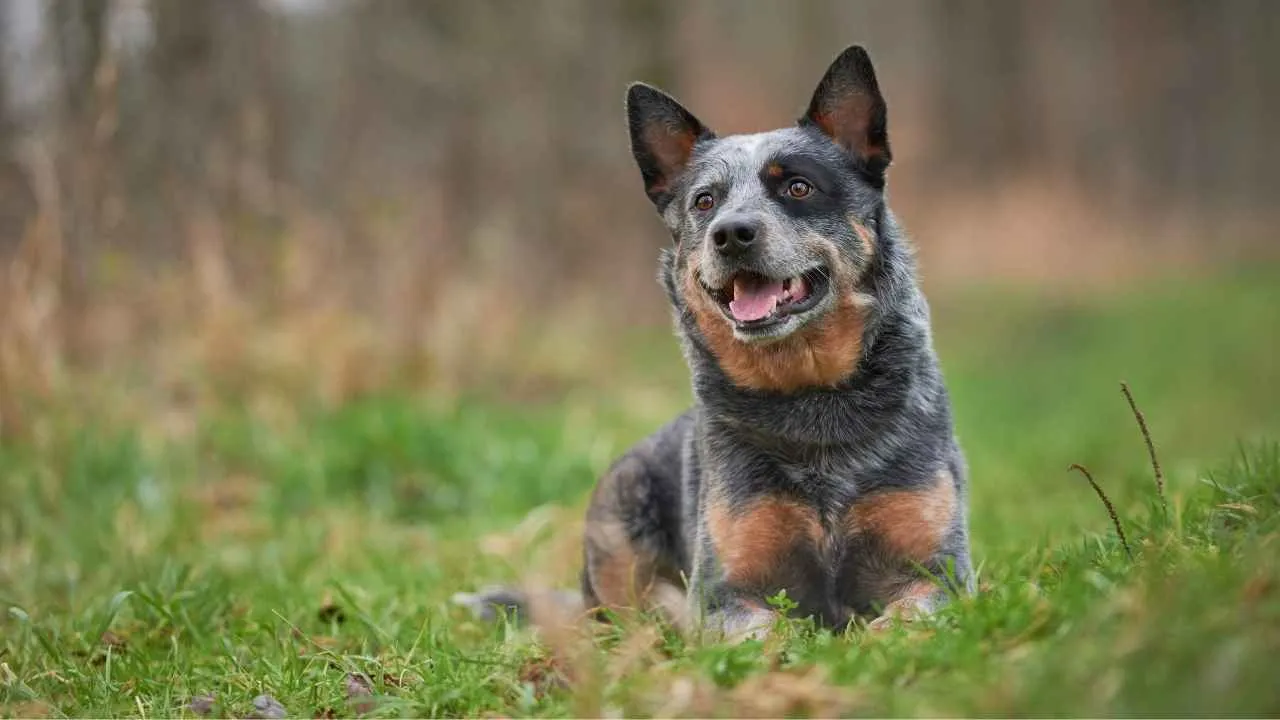
Developed to herd livestock across the vast Australian outback, the Australian Cattle Dogs are compact athletes. They are famous for their work ethic, resilience, and ability to cover incredible distances in challenging conditions. Sitting still is generally not high on their priority list.
Generations of selective breeding created a dog capable of handling heat, rough terrain, and long hours of movement without losing focus. Their efficiency and determination have made them invaluable partners for ranchers and farmers who depend on livestock moving safely across enormous properties.
Even today, the AKC says they retain the instinct to stay busy from sunrise to sunset.
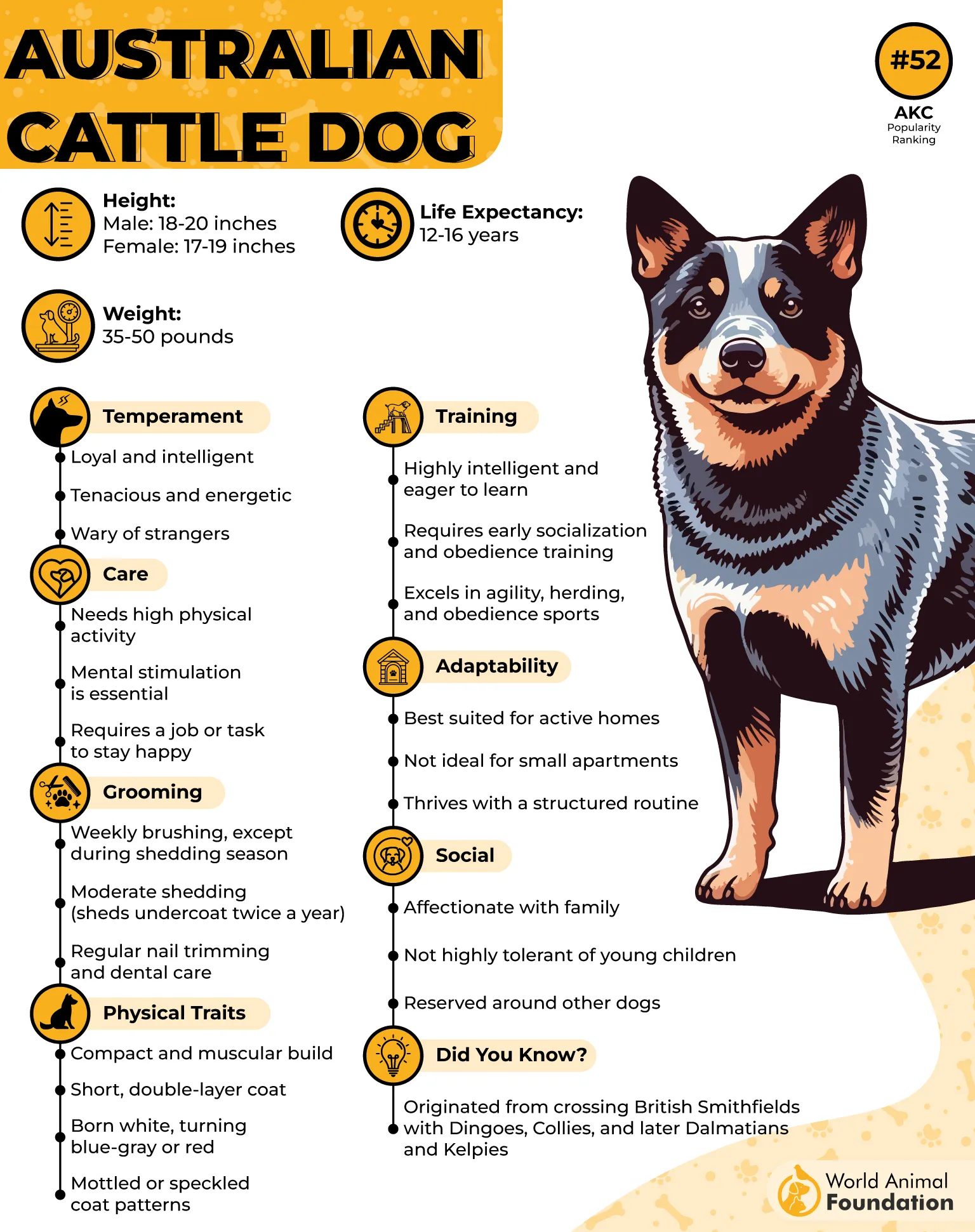
Activities such as flyball, herding trials, rally obedience, and agility courses allow them to channel their boundless enthusiasm into productive outlets. Their quick thinking and eagerness to solve problems often give them a competitive edge.
Outdoor enthusiasts frequently appreciate this breed’s adventurous personality. Long hikes, trail runs, camping trips, and backpacking excursions provide both physical exercise and mental stimulation, satisfying their instinct to explore while strengthening the human-canine bond.
What Makes Them Really Tough
Bred to travel vast distances while managing livestock in demanding environments.
Exceptional endurance is matched by sharp intelligence and rapid adaptability.
Flourishes in active lifestyles that combine physical challenges with continuous learning.
5. Alaskan Malamute
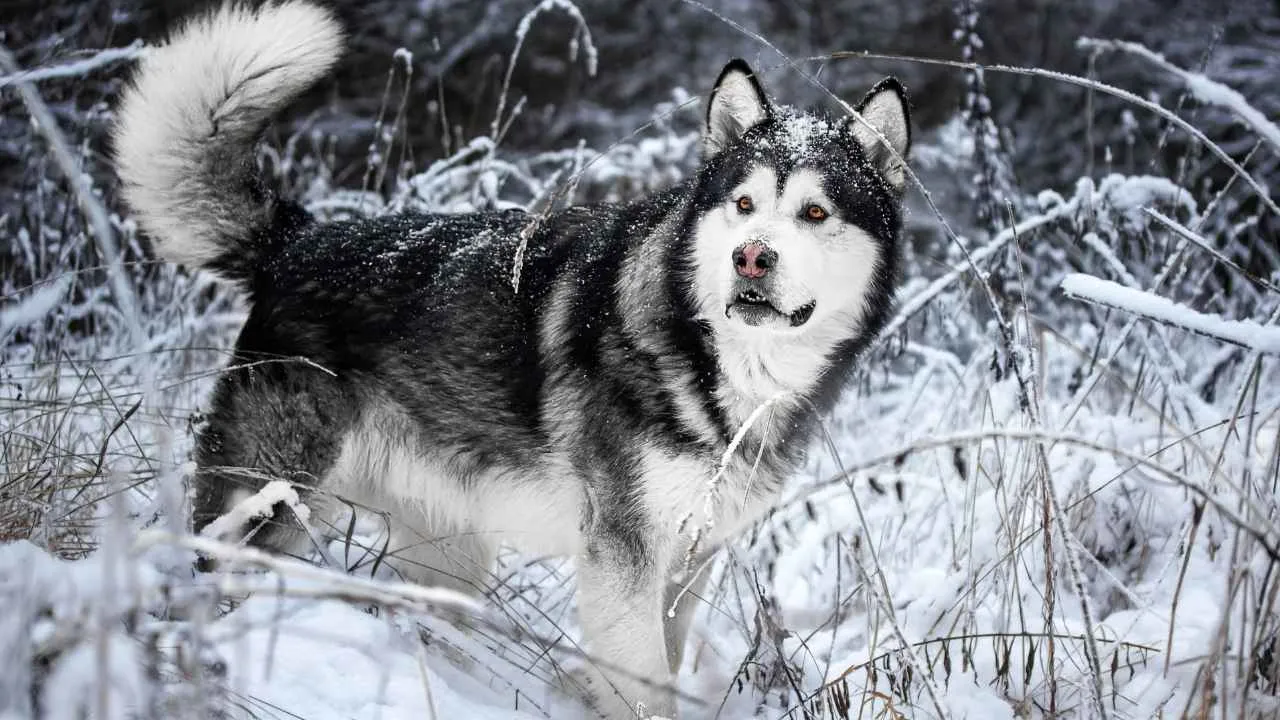
The Alaskan Malamute is proof that endurance doesn’t always have to look fast. Bred by the Mahlemut Inuit people to haul heavy sleds across frozen Arctic terrain, these dogs were designed for persistence rather than sprinting.
Their thick double coat and broad, muscular frame allow them to thrive in cold environments where many other breeds would struggle. Winter hiking, snowshoeing, and backpacking are often ideal activities for healthy Malamutes, as they naturally excel in cold weather.
In warmer climates, however, owners must be extremely cautious about heat stress and avoid strenuous exercise during the hottest parts of the day.
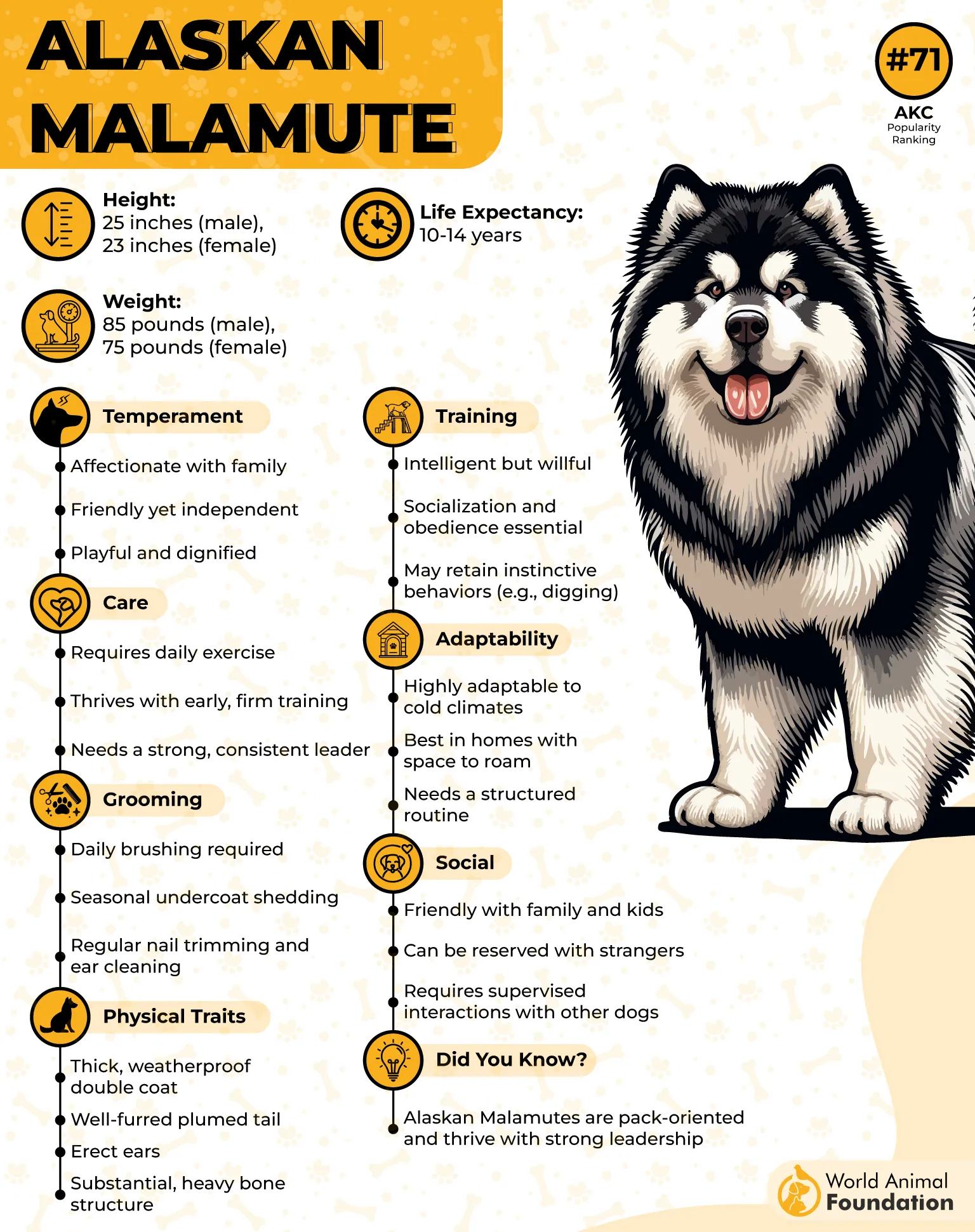
As per the Royal Kennel Club, they are intelligent enough to make decisions on their own, which can be both fascinating and challenging during training sessions. Positive reinforcement, patience, and consistency help channel that independence into productive teamwork.
Although they have an impressive physical presence, these dogs are typically affectionate and enjoy being included in family adventures. They often form close bonds with their people and seem happiest when given purposeful outdoor activities that engage both body and mind.
Long hikes with regular rest stops are often far more satisfying than simply running laps around a backyard.
What Makes Them Really Tough
Developed to pull heavy loads across vast Arctic landscapes in extreme weather.
Combines exceptional endurance with physical strength and remarkable resilience.
Performs best during sustained outdoor activities where persistence matters more than outright speed.
6. Dogo Argentino
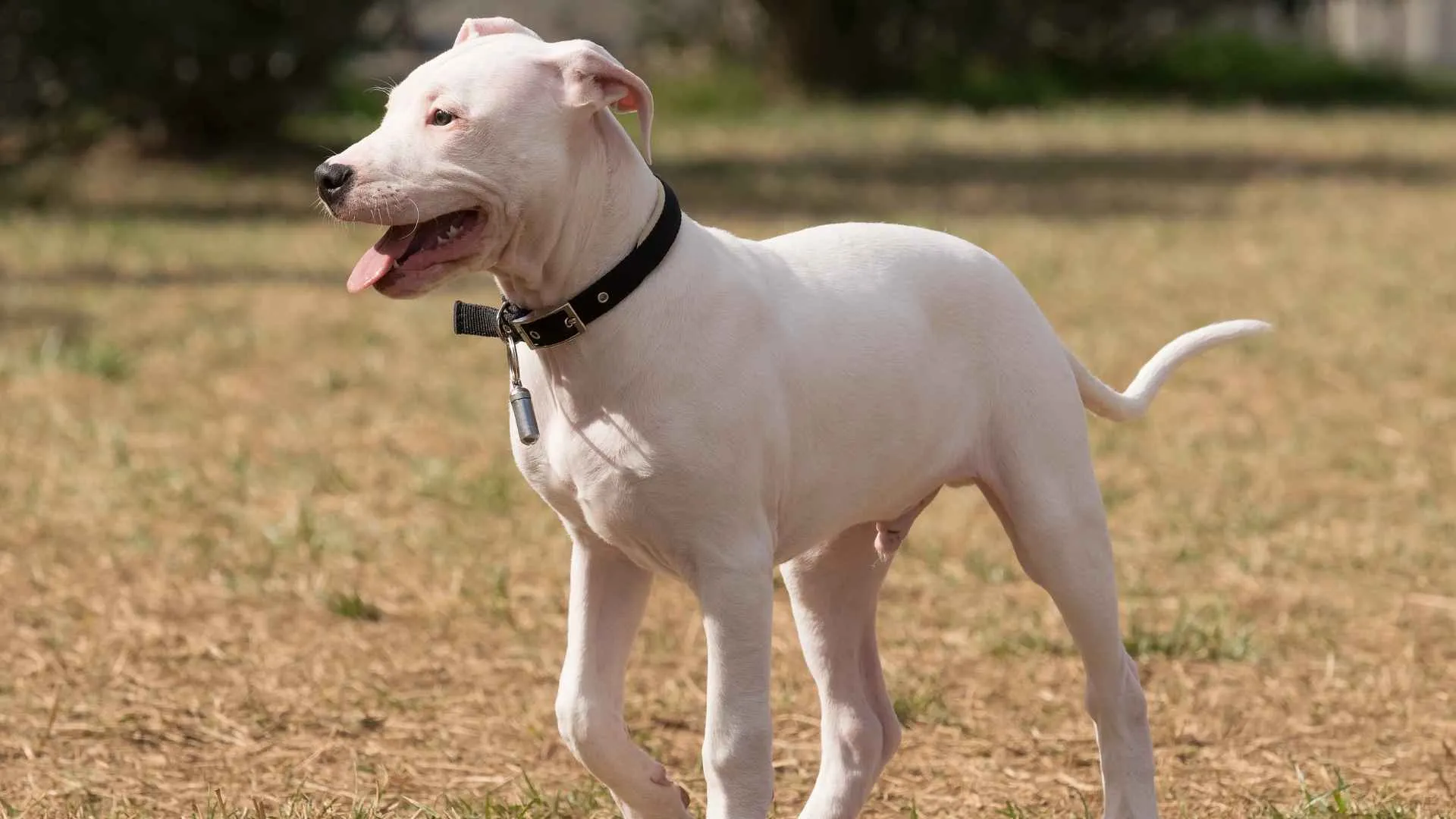
The Dogo Argentino was developed in Argentina as a versatile big-game hunting dog capable of tracking and pursuing challenging prey across rugged terrain. This athletic breed blends power, agility, and determination into a package that commands respect.
Beneath the muscular exterior lies a dog that thrives when given meaningful physical outlets and consistent guidance.
Unlike breeds bred solely for guarding or companionship, the Dogo Argentino was expected to work for extended periods under demanding conditions. That heritage contributes to impressive stamina and the ability to remain focused during physically challenging activities.
Their confidence and courage have made them popular among experienced owners who value capable working dogs.
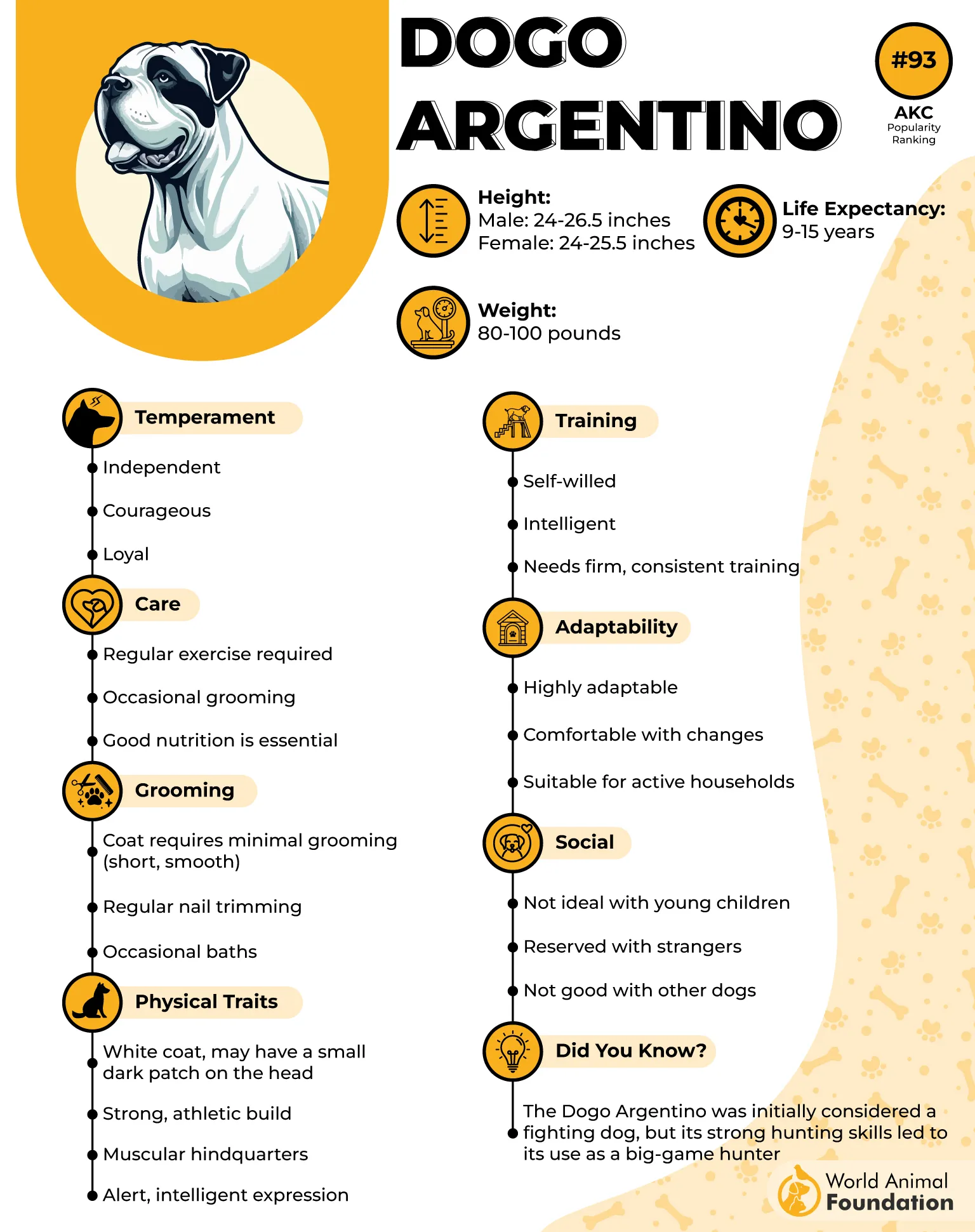
Sporting activities such as obedience, scent work, hiking, and structured fitness routines provide excellent opportunities to channel the breed’s energy. They enjoy having a purpose and often perform best when training sessions are varied and mentally stimulating. Repetition without engagement can quickly lead to boredom in such an intelligent dog.
Their short white coat offers little protection from intense sunlight, making shade and water breaks especially important on long excursions. With proper preparation, the Dogo Argentino proves itself to be a durable and enthusiastic sporting companion.
What Makes Them Really Tough
Selectively bred for demanding hunting work requiring stamina and resilience.
Possesses a muscular build that supports strength without sacrificing athletic movement.
Maintains determination and focus even during extended physical challenges.
7. Rhodesian Ridgeback
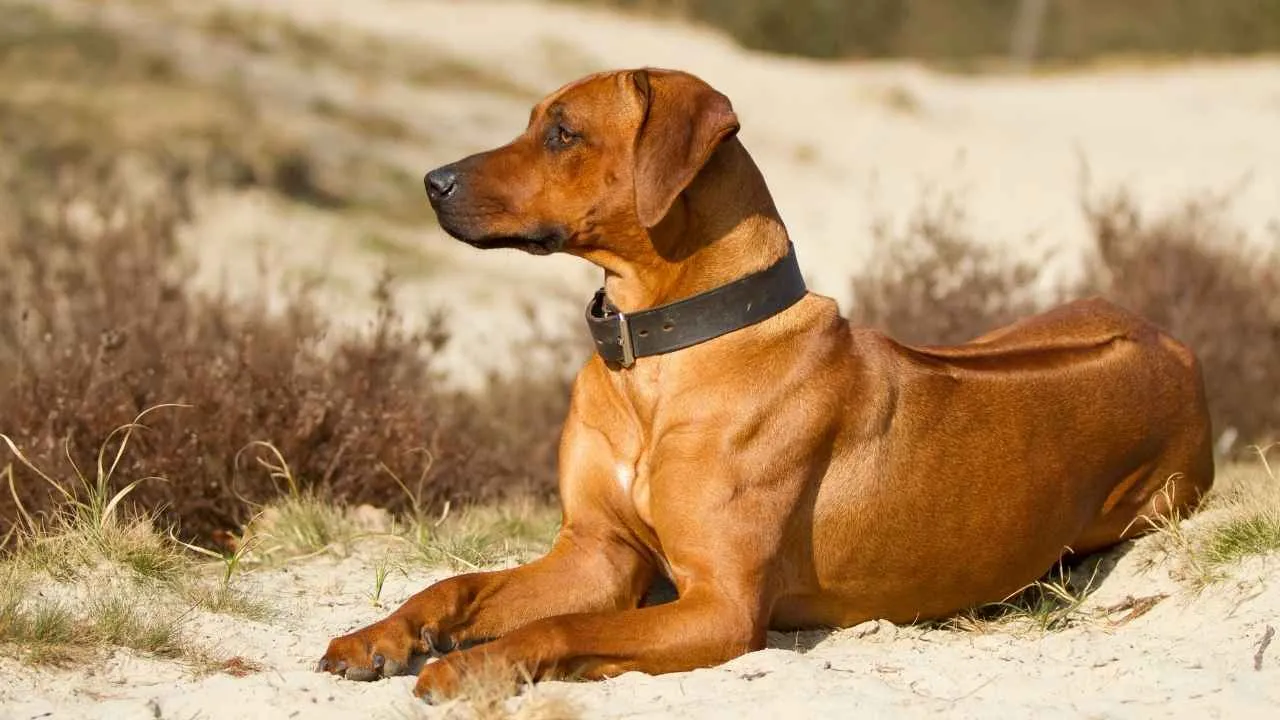
The Rhodesian Ridgeback has a history rooted in southern Africa, where it accompanied hunters across vast landscapes and developed a reputation for endurance, courage, and adaptability. Its distinctive ridge of backward-growing hair is eye-catching, but the breed’s athletic ability is equally impressive.
One advantage of the Ridgeback is its efficient build. Lean muscles, balanced proportions, and smooth movement allow it to cover ground economically while conserving energy for prolonged activity. Whether tackling steep hills or winding trails, the breed often demonstrates impressive stamina without unnecessary exertion.
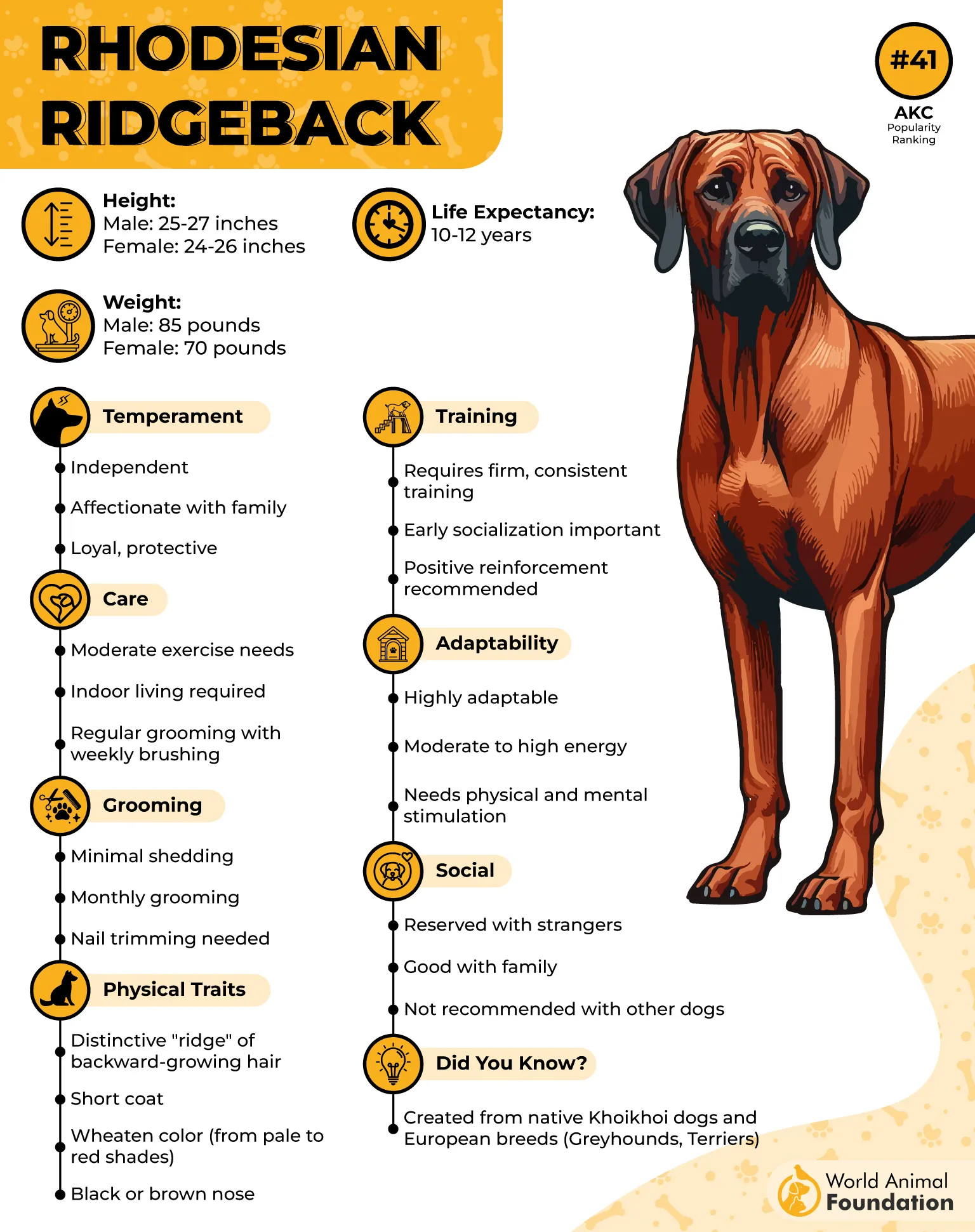
Mental toughness is another defining characteristic, claims PetMD. Ridgebacks are independent thinkers who approach challenges with quiet confidence rather than constant excitement. They enjoy exploring new environments and benefit from outdoor activities that provide both physical exercise and opportunities to investigate scents and surroundings.
Responsible owners match exercise intensity to age and fitness level. Puppies should avoid excessive strain during growth, and older dogs may require modified activities to protect their joints and maintain comfort. Careful conditioning helps preserve the breed’s athletic capabilities well into adulthood.
What Makes Them Really Tough
Built for sustained movement across challenging landscapes rather than short bursts of speed.
Pairs physical endurance with calm confidence and excellent adaptability.
Excels when given opportunities to combine exploration, exercise, and purposeful activity.
Conclusion
True canine toughness is about far more than appearance. Their athletic abilities continue to make them standout partners for sporting activities ranging from agility and obedience to hiking and trail adventures.
Australian Shepherd, Jack Russell Terrier, Border Collie, Golden Retriever, Siberian Husky, Labrador Retriever, Chesapeake Bay Retriever, Welsh Springer Spaniel, and Bernese Mountain Dog are other dogs that can handle mental and physical challenges effortlessly.
However, even the toughest dogs are not invincible. Safe participation in sports depends on gradual conditioning, balanced nutrition, adequate hydration, routine veterinary care, and training that respects each dog’s age and physical development. Pushing too hard too quickly can increase the risk of injury and reduce long-term performance.
