




Some dogs are lap warmers. Others? Walking, breathing, tail-wagging fortresses. If you’ve ever watched a Rottweiler strut down the street and thought, “that dog could flip my car,” you’re not entirely wrong. Strength in a dog isn’t just about raw muscle; it’s about history, instinct, loyalty, and a jaw that means serious business.
As Vin Diesel once put it, “They are not just pets; they are best friends, the best trusted friend, they love us unconditional, 100 lbs of big heart, and go absolutely everywhere I go.” And that’s the thing about powerful dogs: they’ll spend the evening cuddled at your feet, but the moment they sense a threat, they won’t hesitate to put themselves in harm’s way for you.
These 10 breeds don’t just look strong. They are strong, and they have the track record to prove it.
Exceptional Dog Breeds Defined by Their Strength
1. Rottweiler
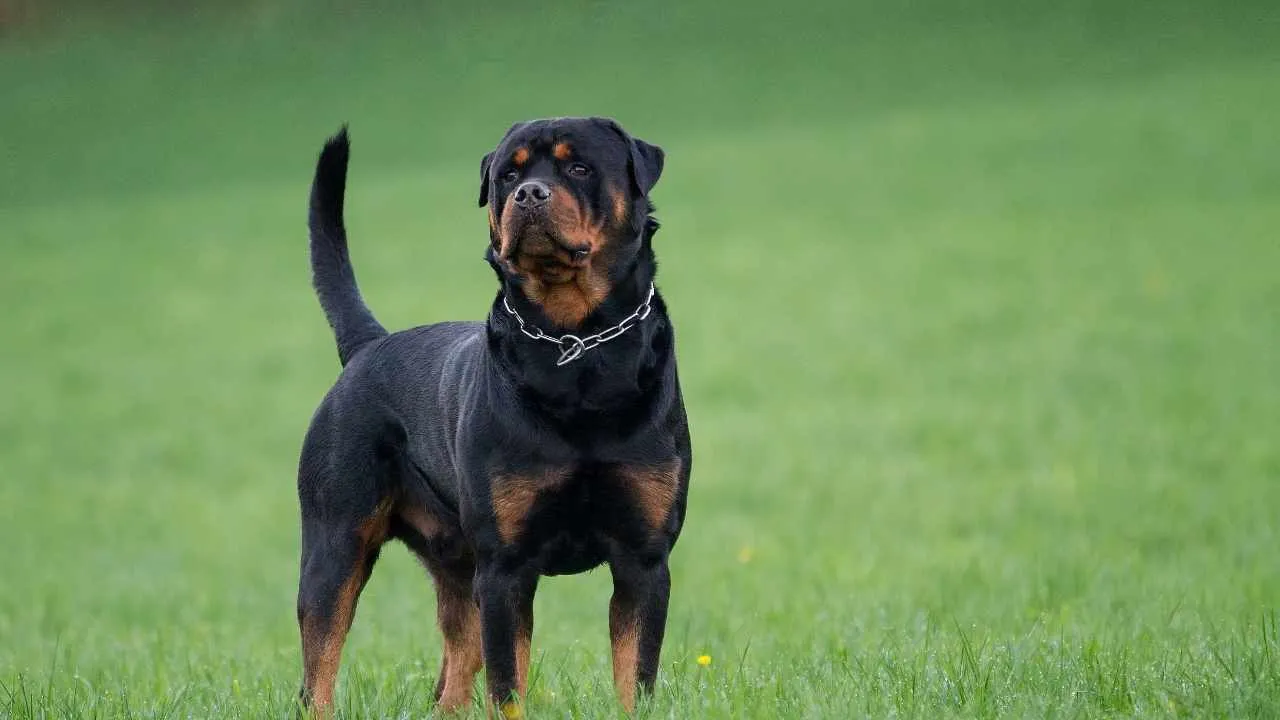
Originally descended from ancient Roman Mastiffs, the Rottweiler earned the nickname “butcher’s dog” for good reason: long before railways existed, they were used to herd livestock and pull heavy meat carts to market, as Wikipedia notes.
Weighing between 80 and 135 pounds, the Rottweiler is built like it means business; broad chest, well-developed muscles, and a robust frame to match. Their bite force clocks in at 328 to 330 PSI, ranking them among the strongest of all domesticated dog breeds.
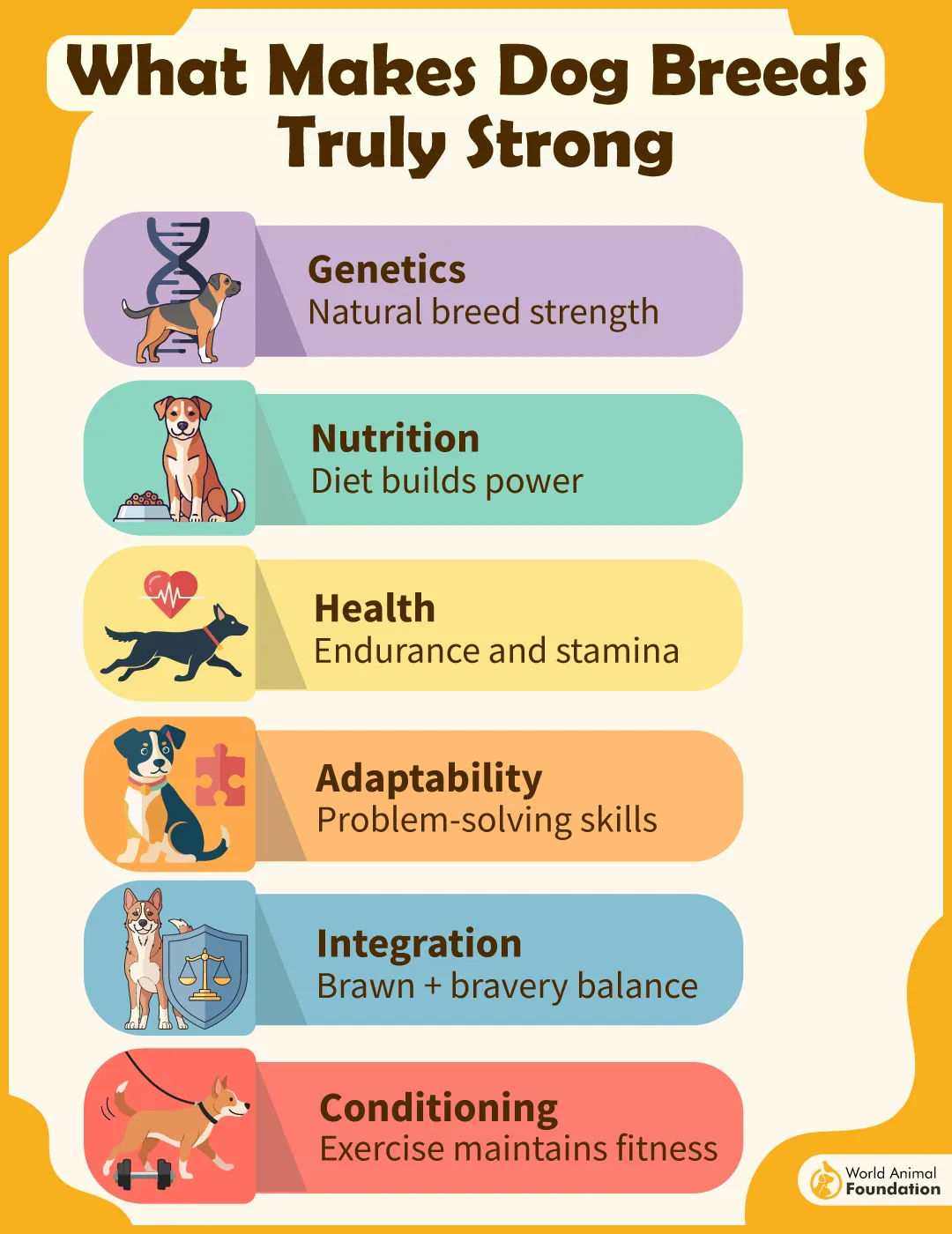
What makes them truly versatile, though, is their temperament. Calm, confident, and naturally protective, Rottweilers serve in a remarkable range of roles: military dogs, search and rescue, K9 units, mobility support, and even psychiatric service dogs.
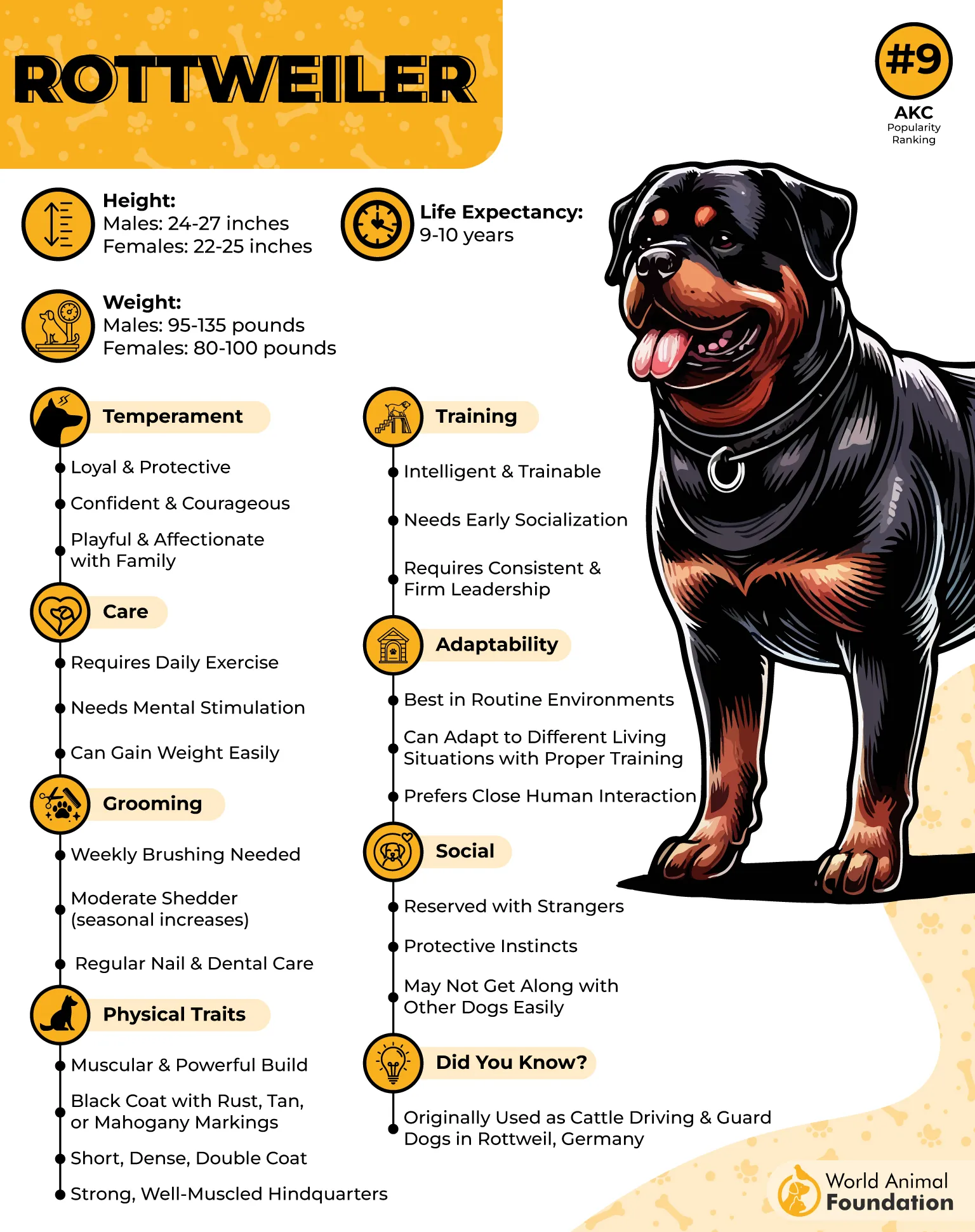
Despite their territorial instincts, they’re not typically aggressive toward family members or other dogs they’ve been raised alongside. The strength is there; it’s just well-directed.
2. Alaskan Malamute
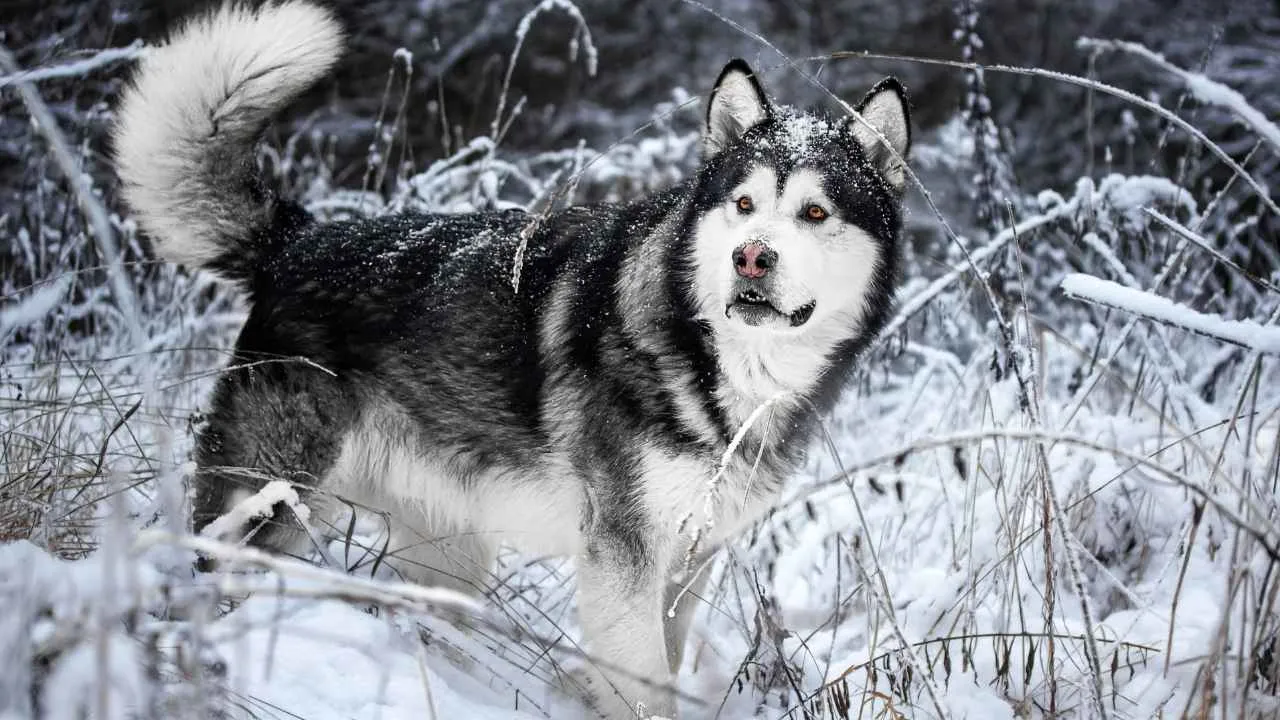
Alaskan Malamutes have a history stretching back some 4,000 years to the Mahlemut tribe of Alaska, where they were bred to pull heavy loads, hunt seals, and track polar bears. Hyperactive by nature, they need intense daily exercise to stay balanced; as the saying goes, “a tired Malamute is a happy Malamute,” and there’s real truth to that.
Weighing between 70 and 95+ pounds, these dogs are built for power rather than speed. With a wolf-like appearance and a muscular frame, they prioritize stamina over sprinting; built to carry heavy loads across long distances rather than win a race. Their pulling strength is genuinely extraordinary.
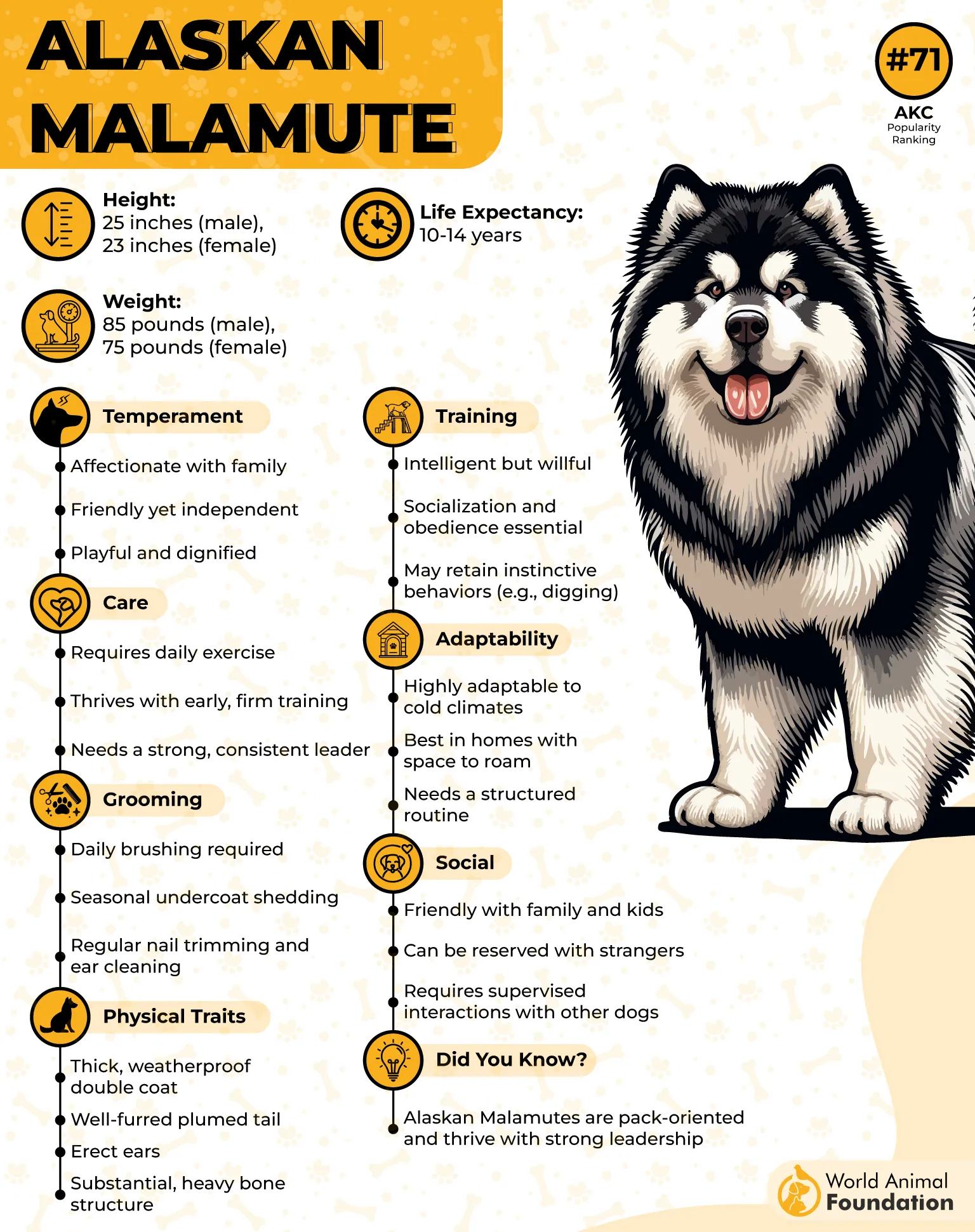
During World War II, Malamutes were put to work lifting heavy supplies and conducting search and rescue operations. Today, they continue to serve in logistics, dog sports, and SAR departments.
Despite their stubborn streak, they have a gentle temperament and remain playful and affectionate with their human families, a surprisingly soft side for such a powerhouse breed.
3. Saint Bernard
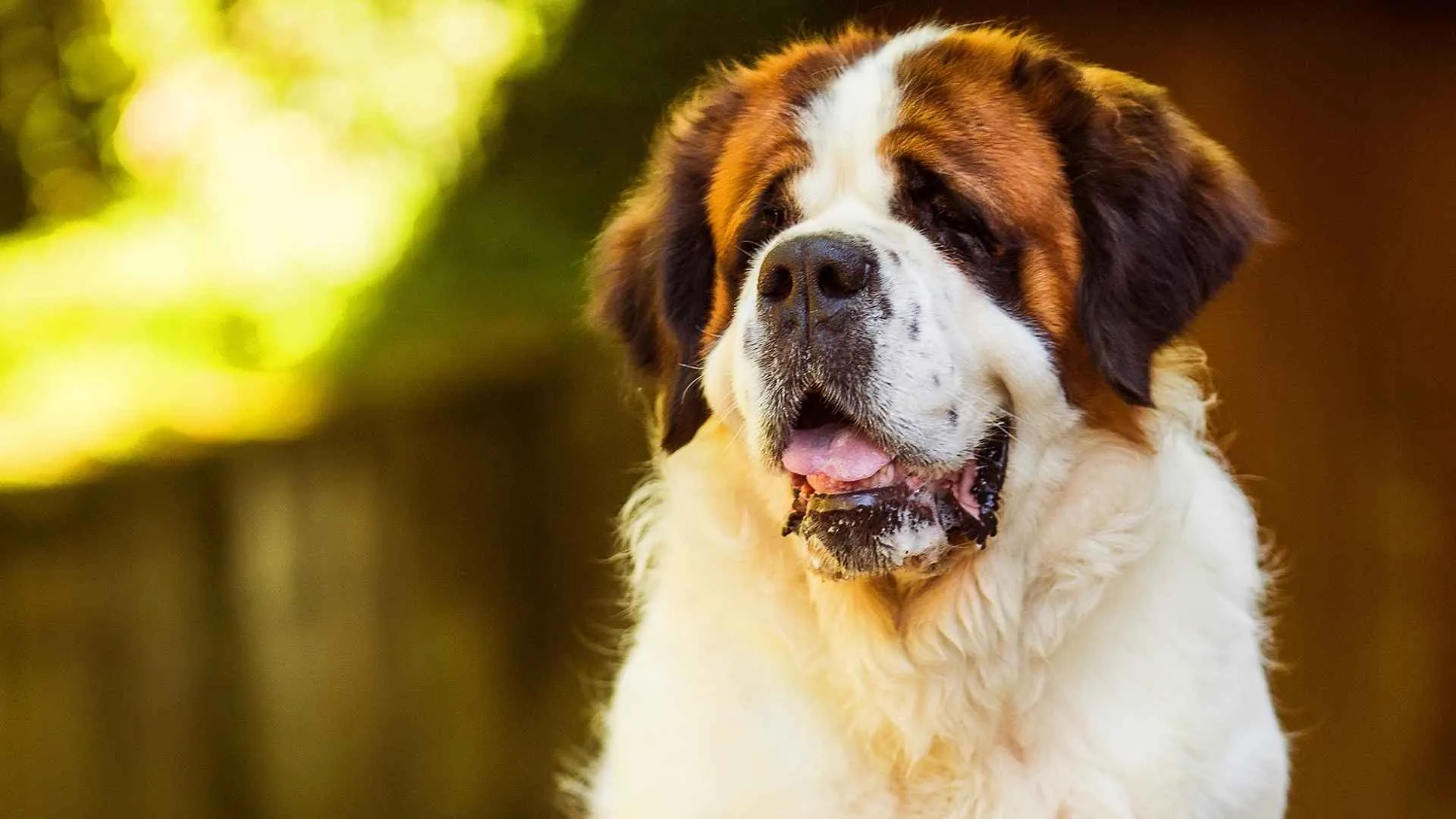
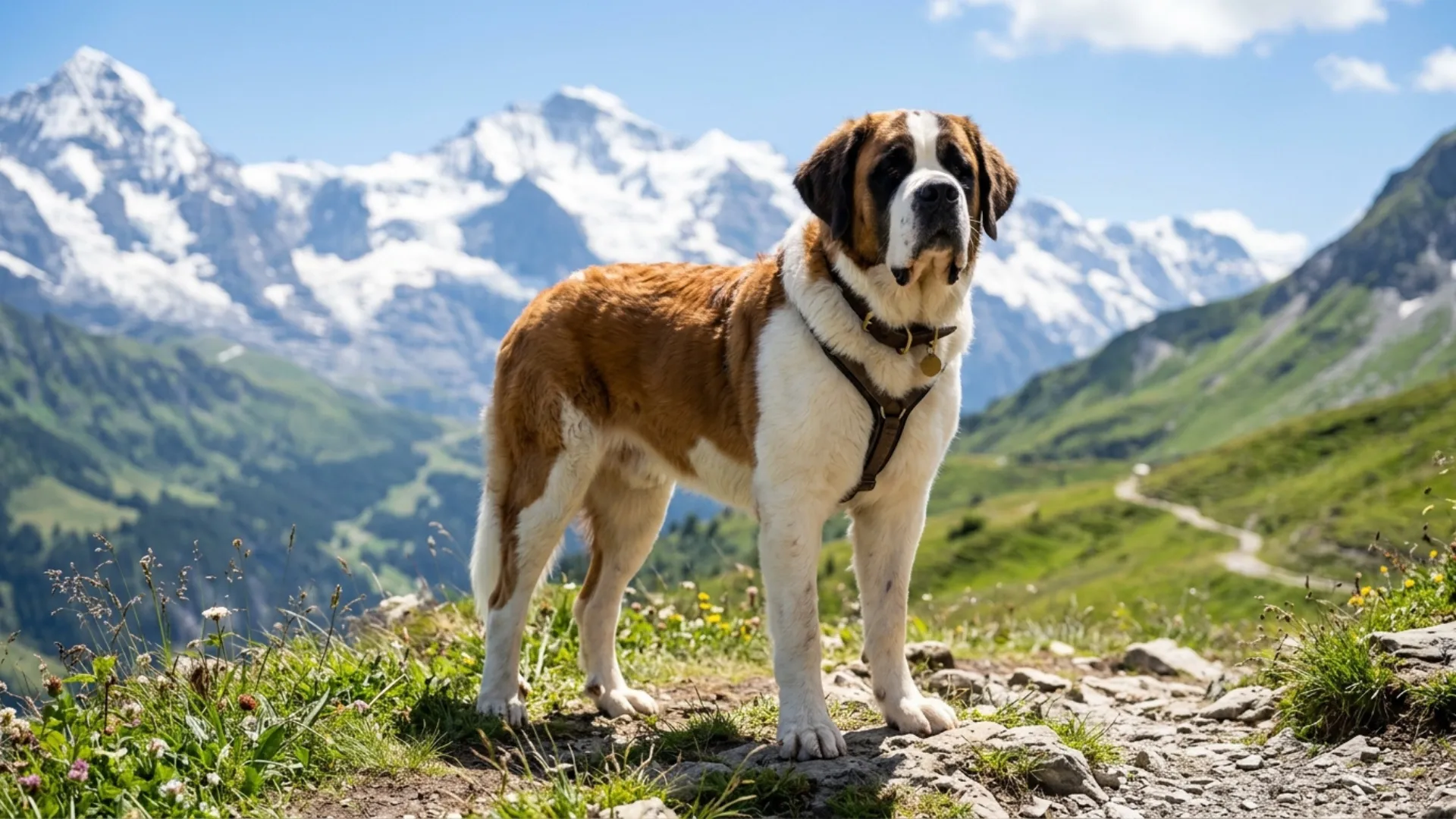
Also known as “Samaritan dogs,” Saint Bernards were originally bred in the 18th century by monks of the Swiss Alps to locate and rescue travelers trapped beneath the snow at elevations of up to 8,000 feet. Over the course of 300 years, their powerful, muscular builds are credited with saving at least 2,000 lives.
Weighing anywhere from 120 to 200 pounds and standing 25 to 30 inches tall at the shoulder, they’re impossible to miss: massive jowled heads, gentle eyes, a deep chest, and a short, thick coat in orange and white. They live approximately 8 to 10 years, which is a respectable lifespan for a dog of their size.
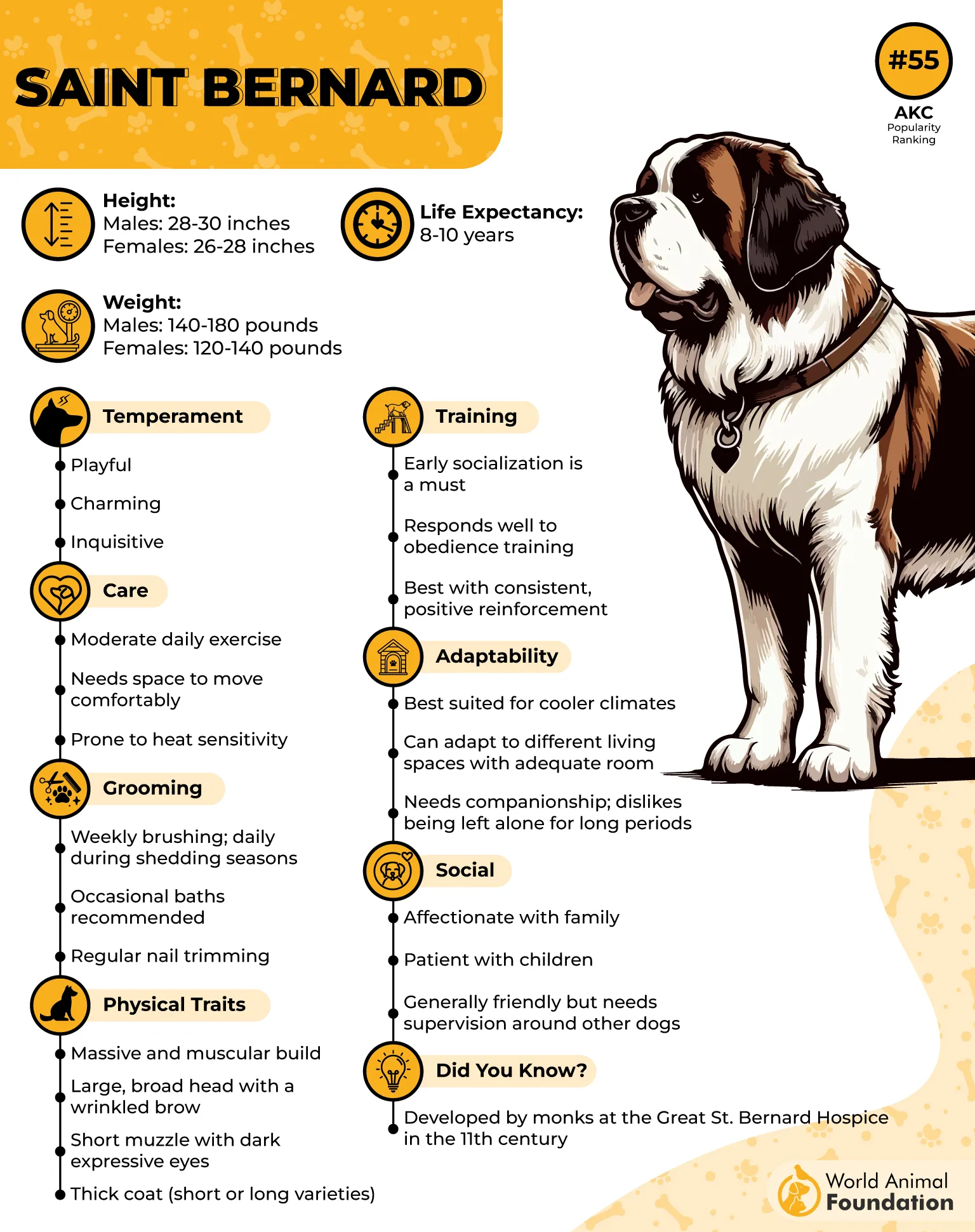
What makes Saint Bernards especially remarkable is how their strength is paired with such a gentle, humorous, and sociable nature. They thrive in human company, make friends easily with both people and other animals, and aren’t big barkers.
Historically, they’d work in packs to locate trapped travelers, and once found, they’d warm them by lying beside them and licking their faces to rouse them. Today, they serve as watchdogs, therapy dogs, family guardians, and are used in SAR units, monastery security, and healthcare settings.
4. Siberian Husky
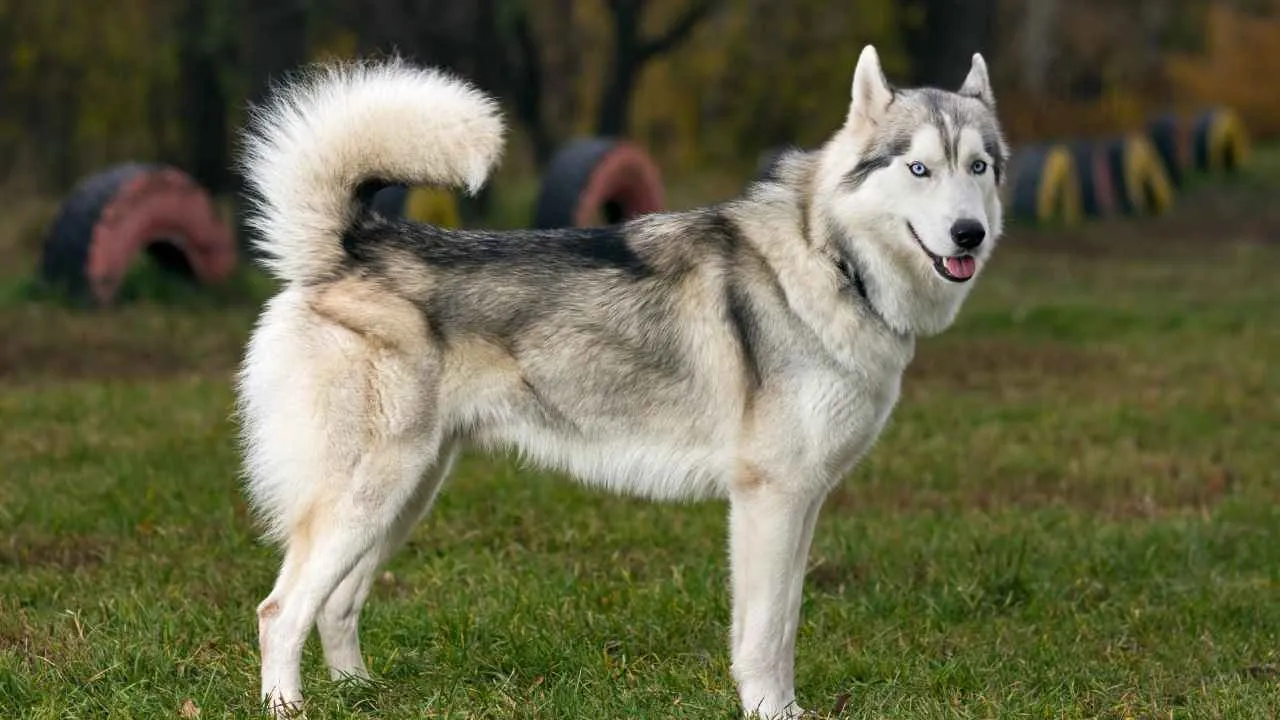
Originally bred by the Chukchi people of Siberia, the Siberian Husky was built to pull heavy sleds at speed across vast frozen distances. One of the most versatile working dogs in the world, they love human attention, befriend other pets easily, and thrive with both physical and mental stimulation.
Weighing between 35 and 60 pounds, they’re leaner than some of the other powerhouses on this list, but don’t let that fool you. With a bite force of 320 to 350+ PSI, webbed feet, and a dense, weather-resistant double coat designed for covering hundreds of miles in freezing conditions, they’re built for serious endurance work.
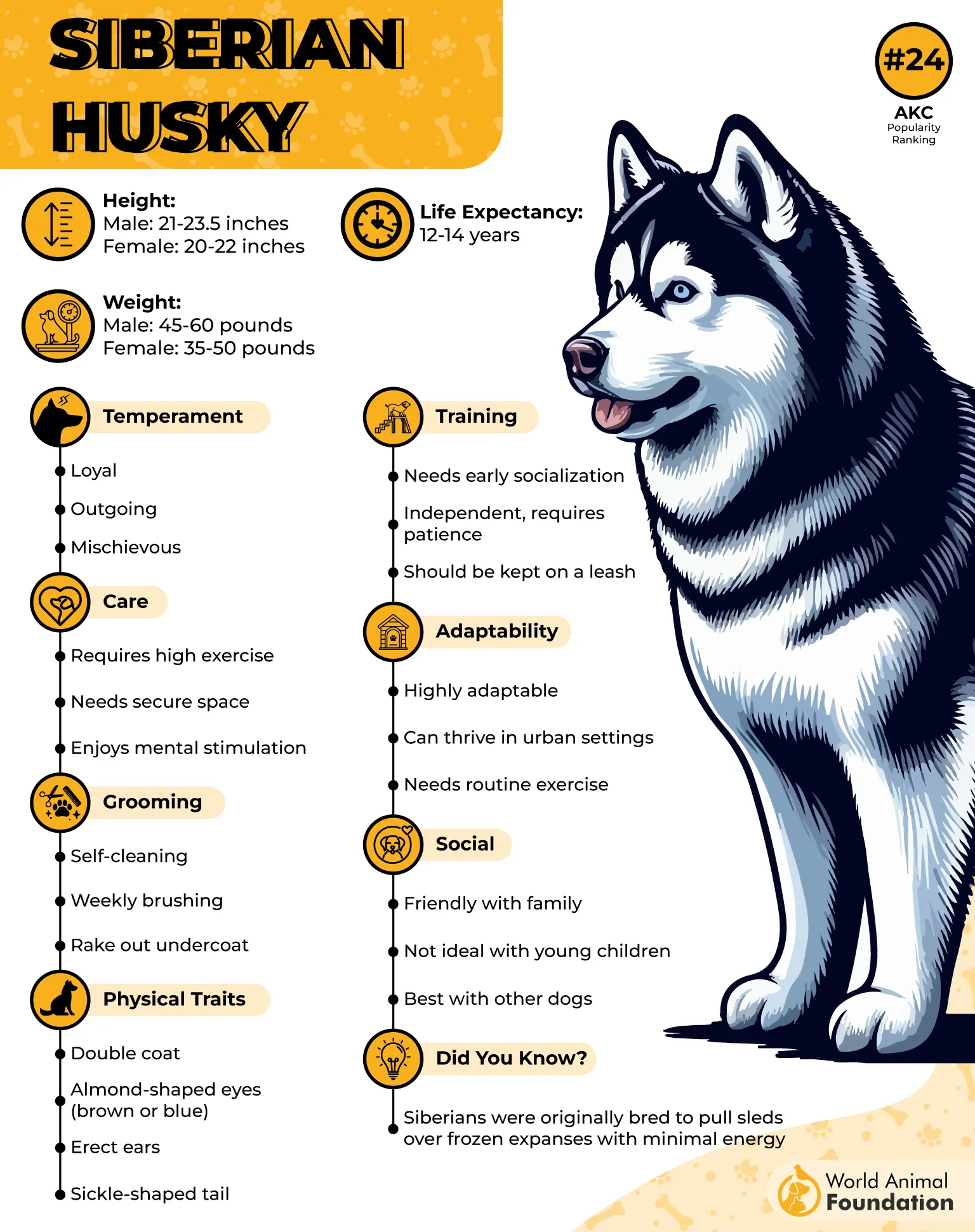
Left without enough activity, that energy has to go somewhere, and it often goes toward your furniture. Obedience training and early socialization are essential.
These incredibly loyal dogs serve in SAR operations, professional sled racing, service roles, reindeer herding, and dryland mushing events; a resume that speaks for itself.
5. Cane Corso
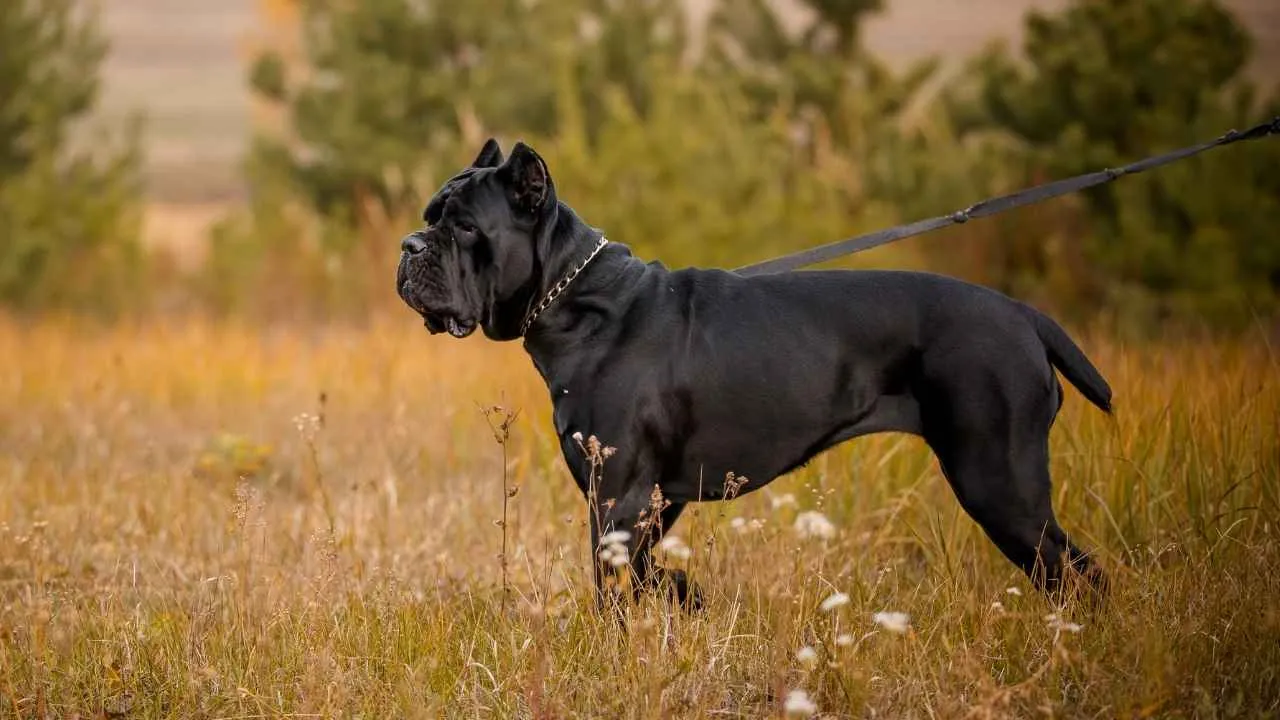
Famous for its loyalty and powerful stature, the Cane Corso is a working dog with a rich history as a farmhand, watchdog, and canine soldier. The name itself literally translates to “bodyguard dog,” and with a bite force estimated at up to 700 PSI, that title is well earned.
Historically, they were used to hunt wolves, wild boars, and deer, and a pack of Cane Corsos was reportedly capable of taking down a lion.
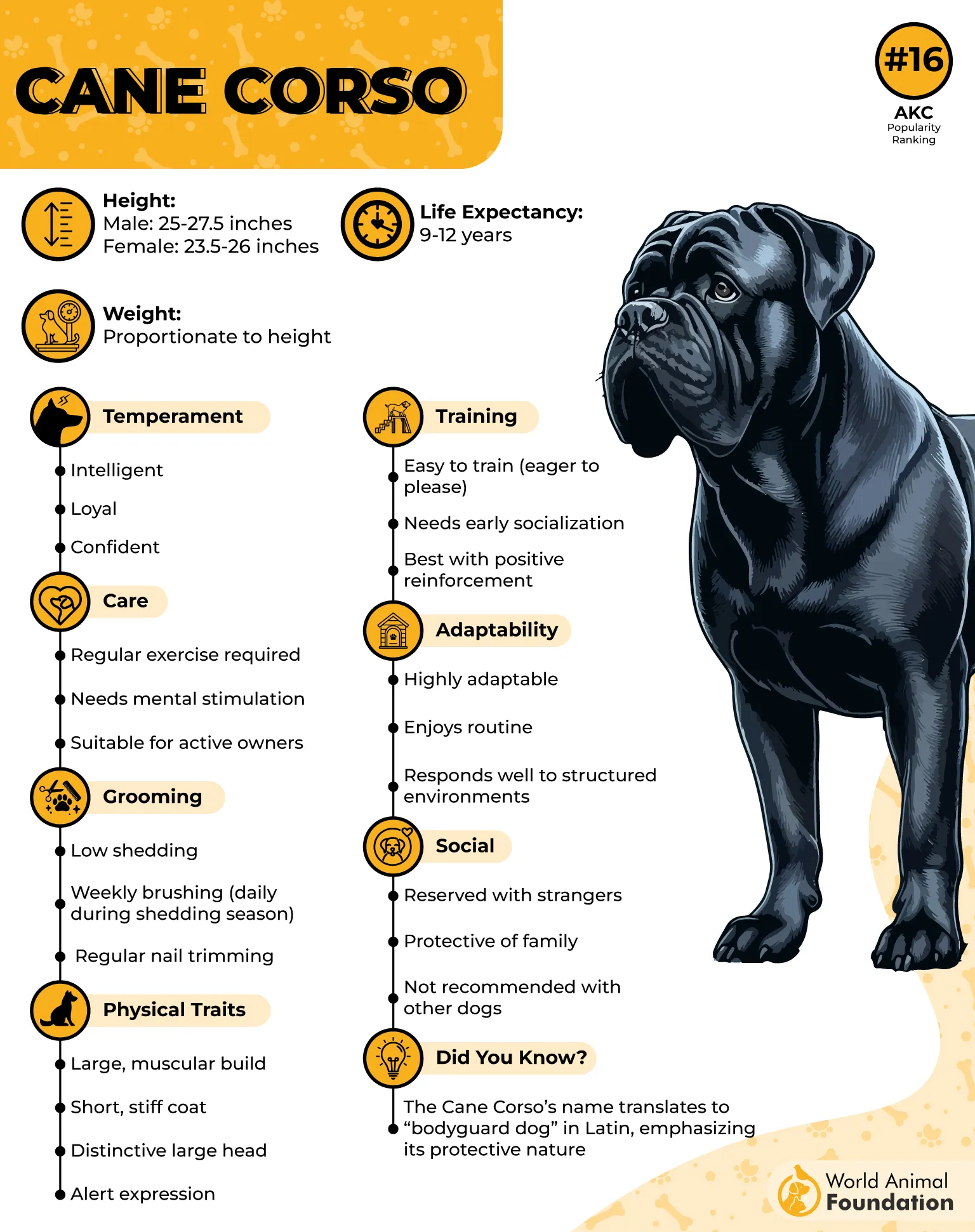
Typically weighing between 100 and 120 pounds, they’re built for confrontation; powerful muscles in the hind legs, neck, and shoulders, combined with a deep, wide muzzle that allows for massive air intake during intense physical activity. Their intimidating presence alone is often enough to deter threats before anything escalates.
Fearless, confident, and surprisingly loving with their families, Cane Corsos serve as law enforcement and K9 dogs, estate and livestock guardians, assistance dogs, and catch dogs. However, as PetMD points out, an inexperienced owner can bring out reactive tendencies in this breed.
In the right hands, though, the Cane Corso is one of the most capable and devoted working dogs out there.
6. Dogo Argentino
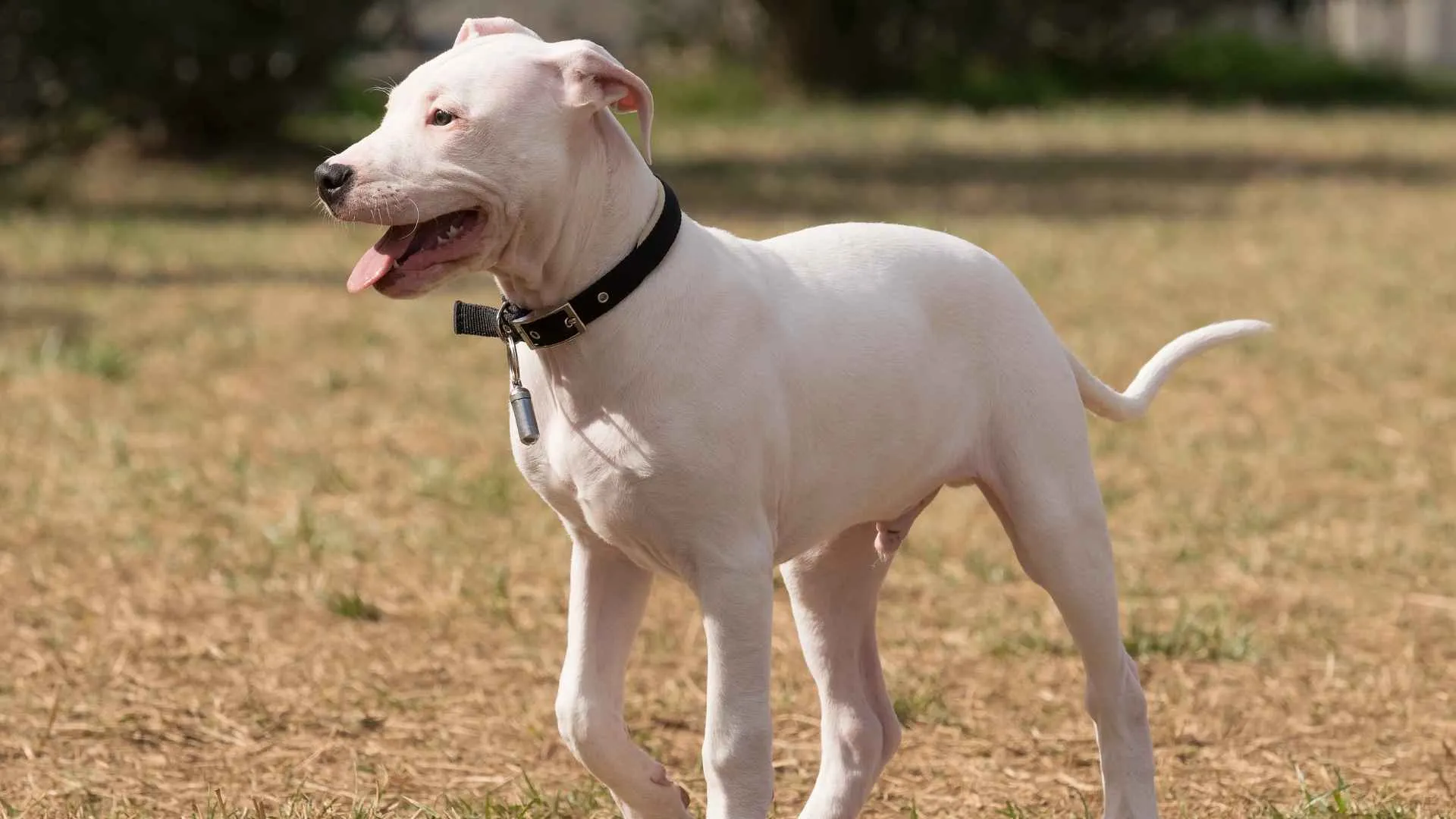
The Dogo Argentino is a breed with a very specific origin story. In the early 20th century, a young Argentine student named Antonio Nores Martinez set out to create the ultimate big game hunting dog; one capable of taking on pumas, peccaries, and boars. He wanted the fighting tenacity of the Old Córdoba Fighting Dog, but in a larger, more enduring package.
The result weighs between 80 and 100 pounds and stands 24 to 27 inches tall; a short back, wide chest, muscular hindquarters, and powerful front legs built for exactly the kind of work Martinez had in mind.
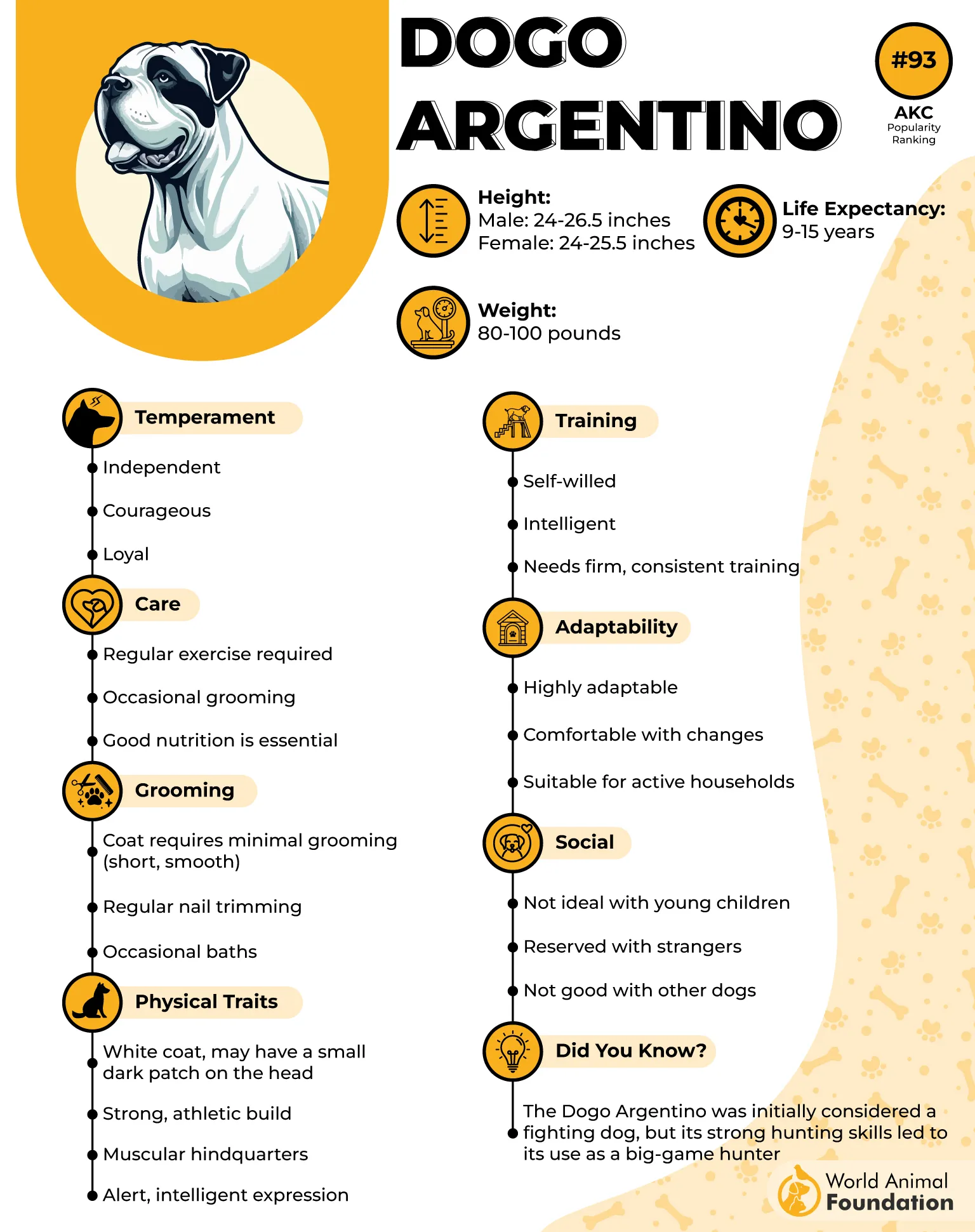
Despite that imposing build, Dogo Argentinos are loyal, courageous, and protective, making them surprisingly well-rounded family pets. They’re intelligent but independent, which means structured training from a young age is important to channel that drive appropriately.
Their physical capabilities make them highly versatile: used today for livestock and property guarding, big game hunting, canine sport, therapy work, and personal protection.
7. Akita
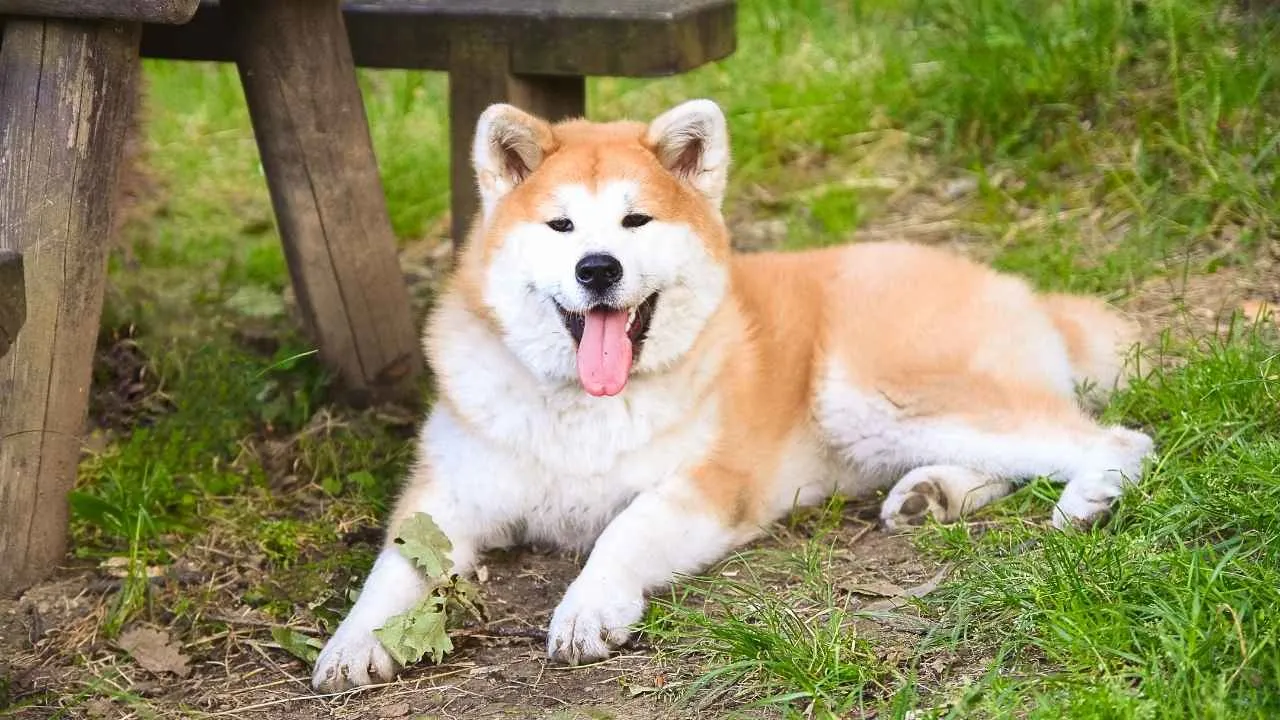
Originally bred in the northern mountains of Japan in the 1600s, the Akita holds a deeply symbolic place in Japanese culture; a statue of the breed is traditionally given to families welcoming a newborn or supporting a sick member, as a symbol of good luck and prosperity.
Historically, they were also said to serve as fighting companions to Samurai warriors, and Matagi hunters relied on them for sled pulling, herding, and guarding.
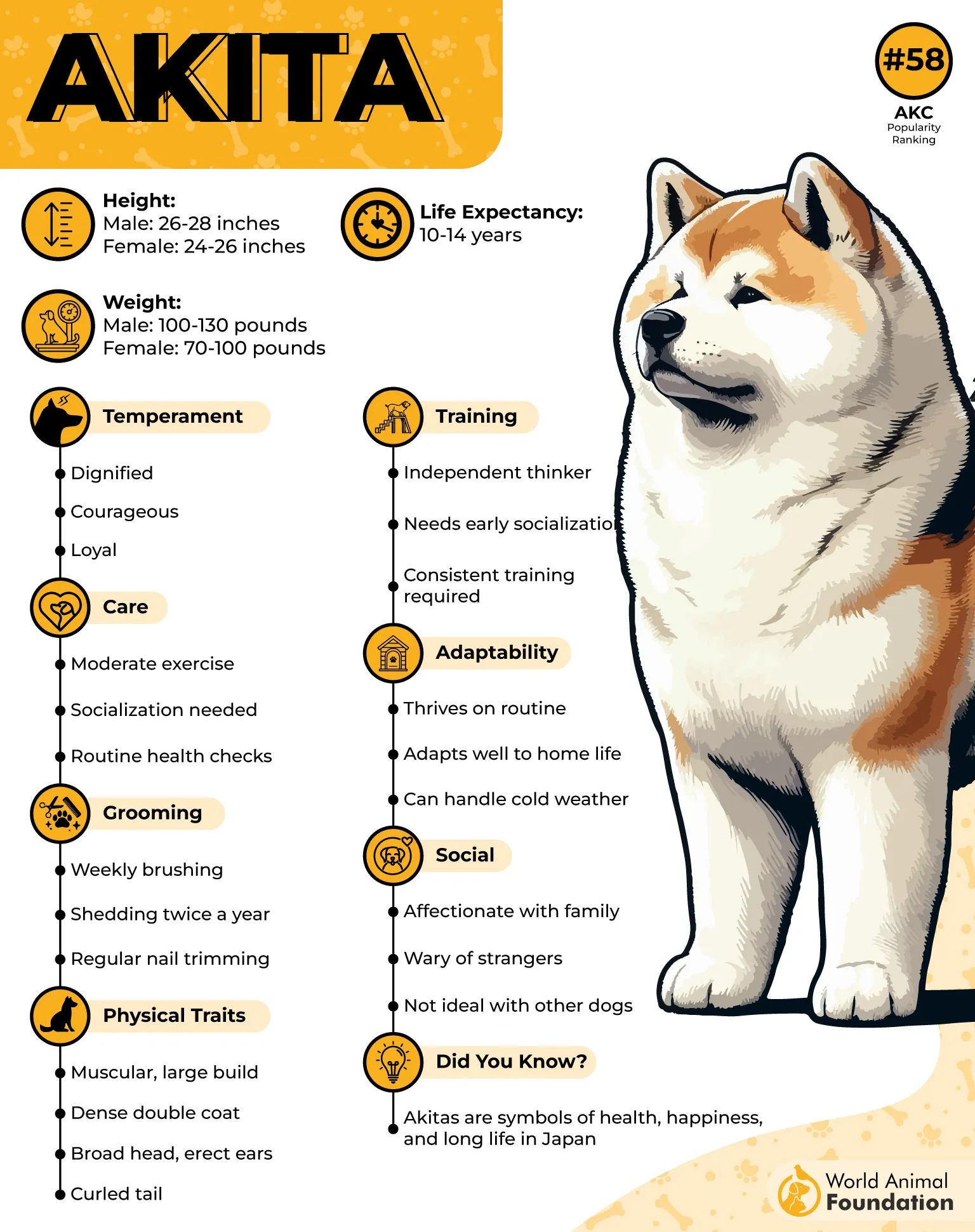
Physically, the Akita is built to impress: a bear-like head, deep chest, heavy-boned frame, webbed feet, and a weather-resistant double-layered coat. With a bite force of 350 to 400 PSI and a weight ranging from 70 to 130 pounds, they’re more than capable of holding large prey and casting a deeply intimidating impression on would-be intruders. They’re not big barkers, but as watchdogs, they’re exceptional.
Today, Akitas serve in police work, personal protection, service roles, psychological support, and competition sports like scent work and trail tracking; a versatile resume for a breed with centuries of working history behind it.
8. Kangal
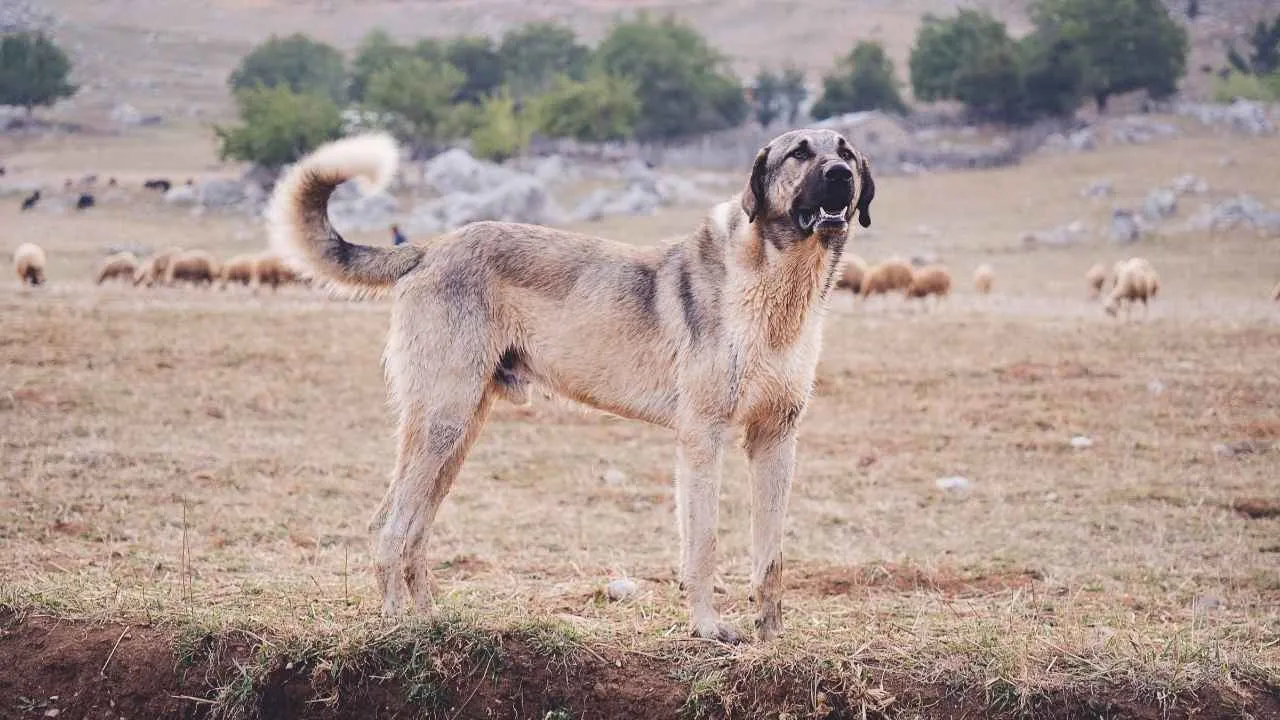
Often confused with the Anatolian Shepherd, the Kangal is a related but distinctly different breed. As Medium notes, the Kangal’s genetics have remained remarkably unchanged throughout history, and with an average life expectancy of 15 years, they’re one of the more long-lived large breeds around.
Weighing between 90 and 110 pounds, they’re built with strong jaws, a broad head, a well-muscled body, and a wide chest. Their most distinctive feature is the black marking known as “karabash,” covering the ears and muzzle.
When excited or alert, their thick, curled tail rises; a subtle but telling sign of their mood. Most impressively, their bite force clocks in at 743 PSI, the strongest recorded bite force of any domestic dog breed; more than enough to naturally deter predators like wolves without any additional training.
Nocturnal by nature, Kangals do much of their work under the cover of night. Their independent streak can make them stubborn, so consistent and well-structured training is non-negotiable. They’re widely used in border protection, nomadic livestock management, conservation efforts, and as family and estate guardians.
9. Great Dane
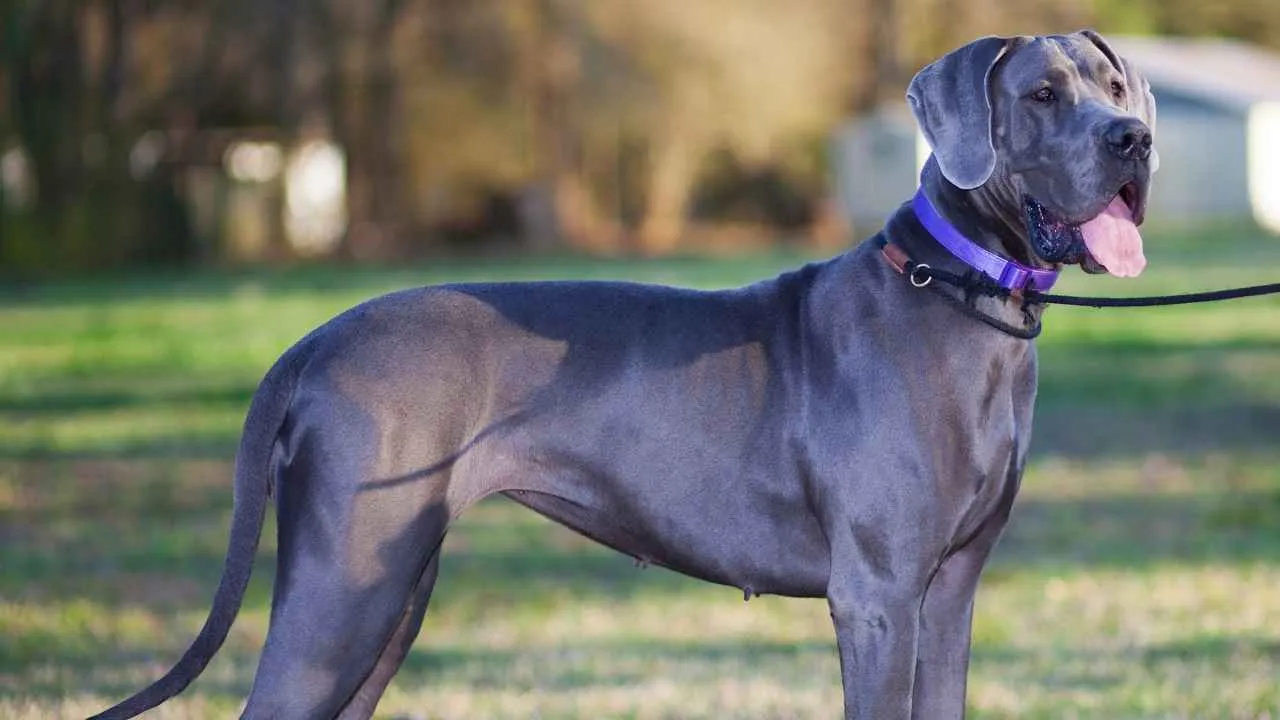
Originally bred in Germany around 400 years ago from large Mastiff and sighthound lines, Great Danes were developed to hunt large game and protect German nobility. Today, they hold the title of one of the tallest dog breeds in the world, standing 28 to 32 inches at the shoulder and stretching up to 7 feet tall on their hindquarters.
Weighing between 100 and 175 pounds, their build is athletic rather than bulky; lean and muscular with a massive yet refined head, square jaw, long, strong neck, and characteristically floppy ears. Despite their commanding size, Great Danes have a calm demeanor paired with quiet alertness and genuine courage when it matters.
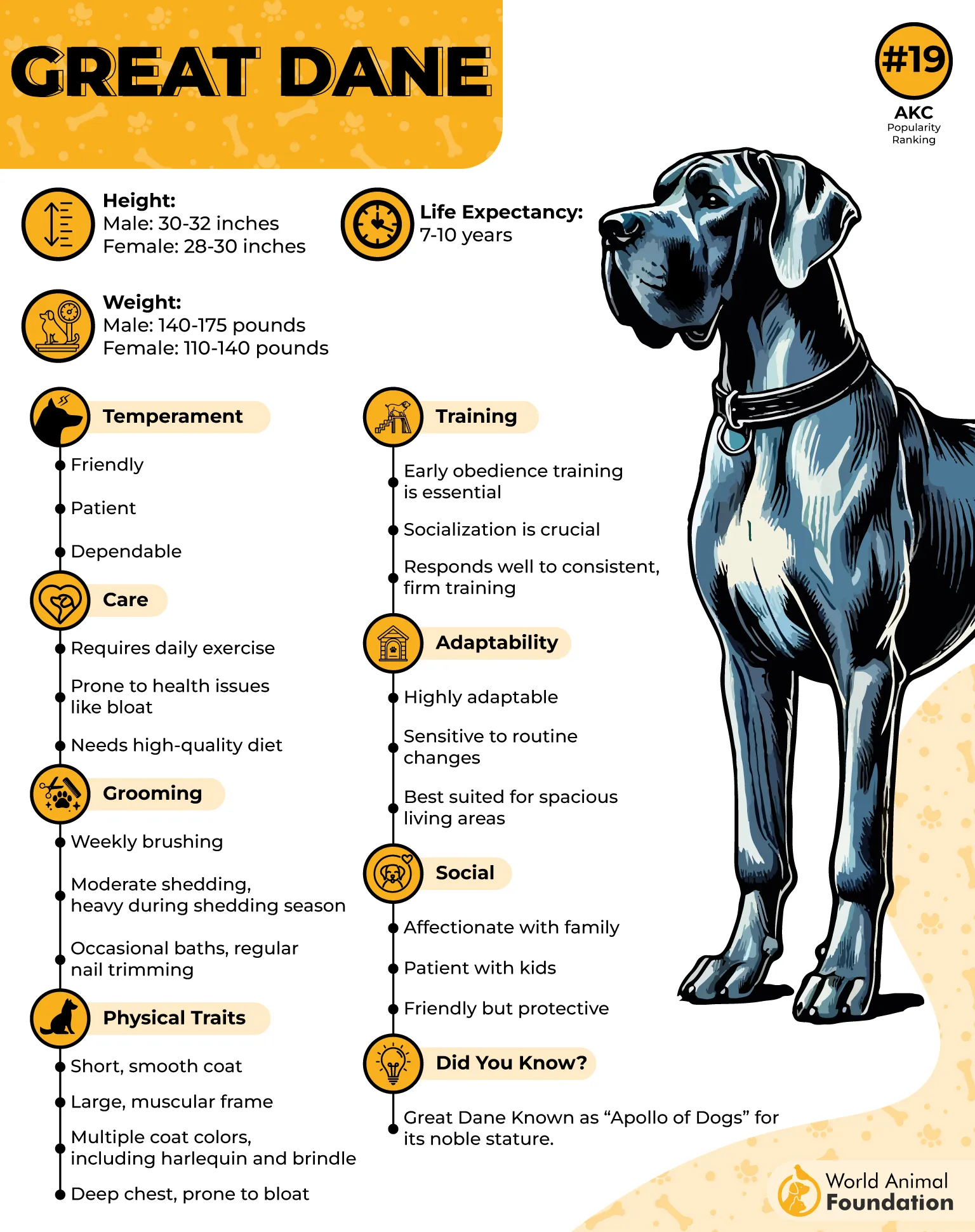
They’re natural people-pleasers and surprisingly good with children, earning them a well-deserved reputation as gentle giants and capable nanny dogs. They’re friendly enough to warm up to strangers, but proper training is still important to manage that sheer size responsibly.
Their capabilities extend well beyond companionship; Great Danes are used to pull wheelchairs, activate automatic doors, alert medical handlers, provide therapy support, and participate in scent work and residential training programs.
10. Mastiff
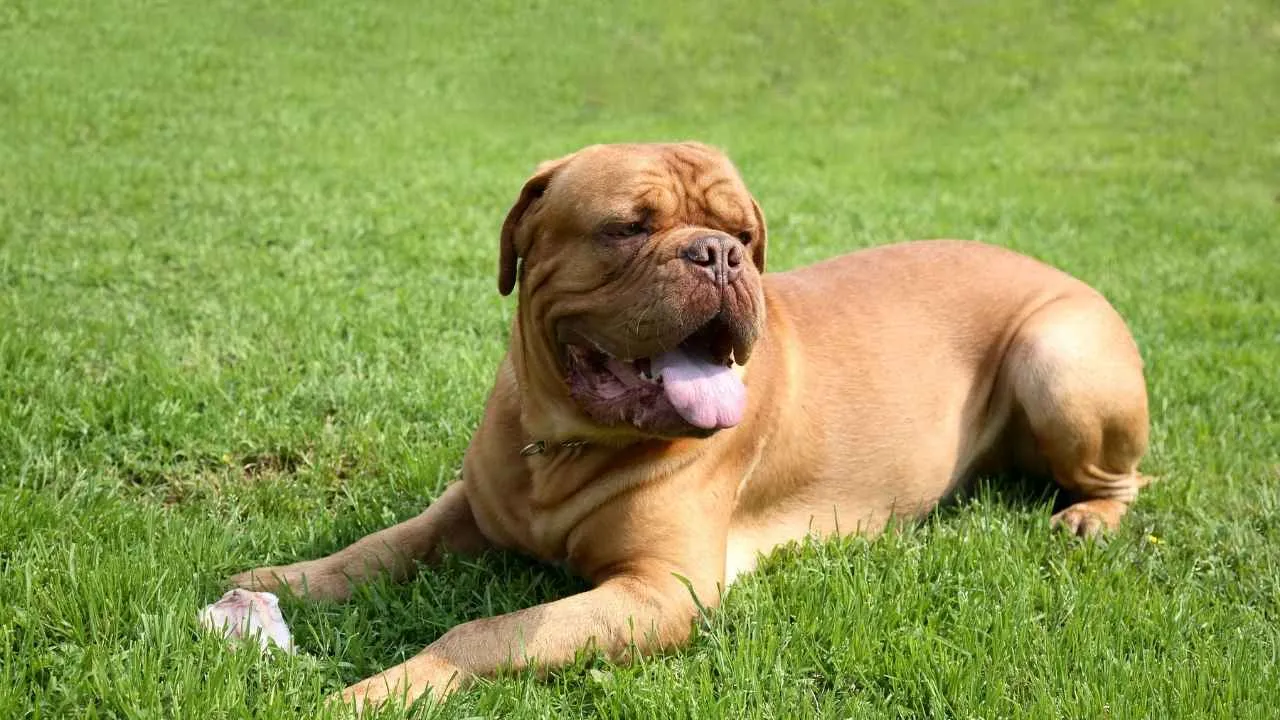
Also known as the Old English Mastiff, this breed’s history stretches back to 55-54 BCE, when they were encountered during the Roman invasion of Britain. Their historic roles as guard dogs and hunting dogs remain very much relevant today; these massive dogs may love a good couch session, but the moment a stranger enters the home, that laid-back energy shifts instantly.
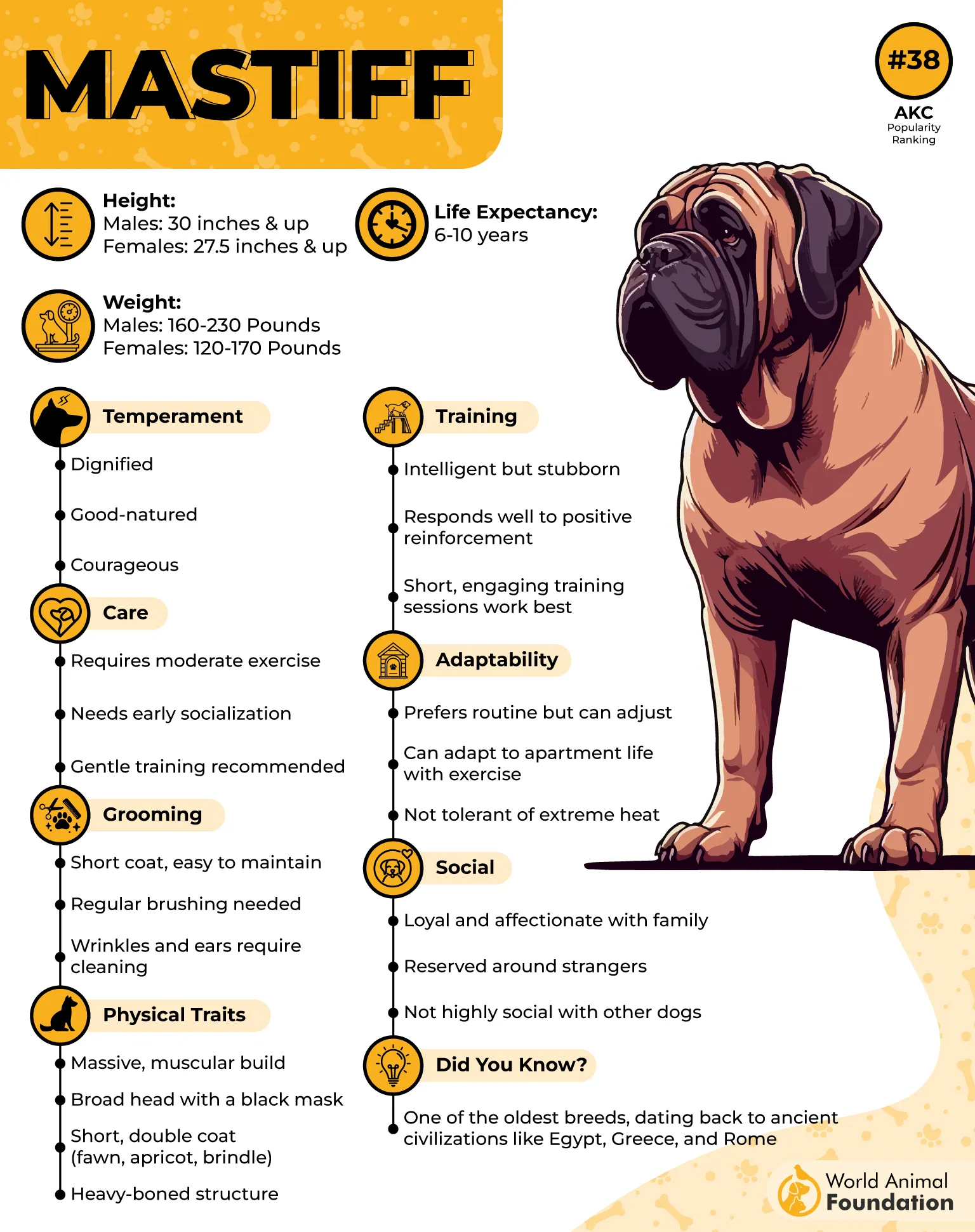
Built with a heavy-boned, well-muscled, rectangular frame and deep body, they’re one of the most physically imposing breeds in existence. Weighing anywhere from 120 to 230 pounds, their sheer size means they can accidentally knock over or hurt young children despite their loyal and friendly nature, something families should factor in carefully.
Historically, Mastiffs served as war dogs and performed in bull-baiting, a testament to their physical power and strong emotional intelligence. Today, they’re used in military guarding, patrol units, law enforcement, and therapy work; a surprisingly broad range of roles for a powerful dog breed that also happens to be deeply devoted to its family.
Conclusion
Whether it’s a Kangal standing alone between its flock and a wolf, the Saint Bernard digging through an Alpine snowfield to reach the buried stranger, or the Mastiff placing itself quietly between its family and the world, the strongest dog breeds do not just define physical strength. They define what it means when paired with loyalty, intelligence, and a heart.
The strongest thing about these breeds is not the bite force or the pulling record. It’s the fact that all of the power comes wrapped in a creature that, given the chance, will curl up next to you and decide whether you are worth protecting with everything it has.
