




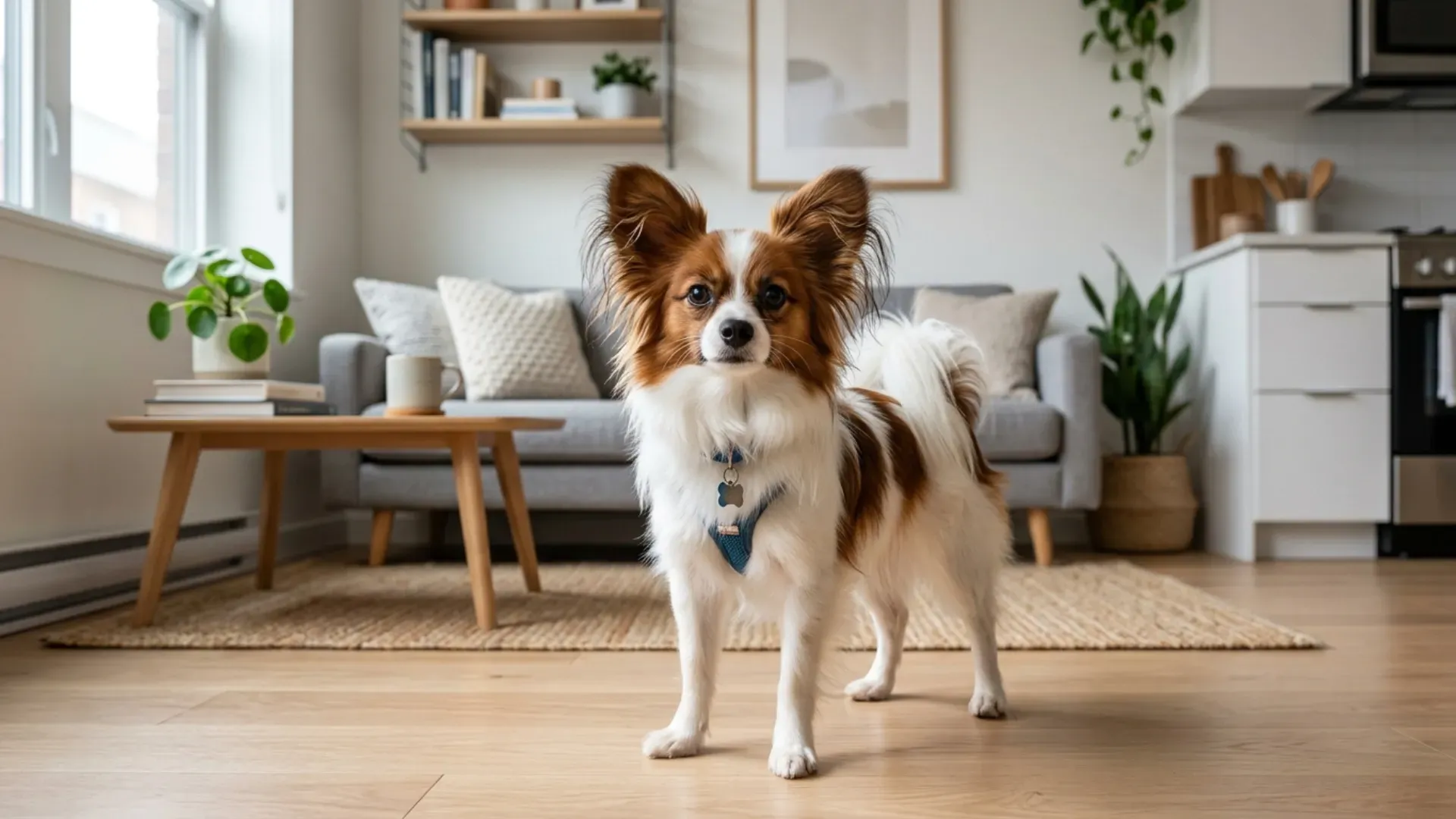
The apartment elevator stopped on the seventh floor, and a neighbor glanced down at the dog standing patiently beside its owner. The first question came almost immediately.
“Isn’t it difficult keeping a dog in a place this small?”
The owner smiled because it was a question she had heard many times before. People assumed the dog must feel confined, restless, or constantly frustrated. What they never saw were the quiet routines that happened every day.
The dog quickly learned household rules, adapted to the building’s rhythm, and seemed perfectly content sharing a modest amount of space. That experience reflects something many prospective owners overlook.
A dog’s success in a smaller home is not always determined by the size of the living area. Intelligence often plays a far greater role. The ability to learn, adjust, and understand expectations can transform a compact home into an ideal environment.
The dogs ahead are excellent examples of that balance.
Key Takeaways
People often assume small homes limit a dog’s happiness, yet some breeds respond so well to learning and routine that space becomes secondary.
Papillon surprises with sharp awareness, while Poodle brings problem-solving intelligence that makes training and routine feel effortless.
From Maltese to Brussels Griffon, each breed adapts in its own way by adjusting behavior, energy, and social habits to match indoor living.
Keep reading till the end to discover how nine smart breeds make even compact spaces feel naturally suited for them.
Smart Dog Breeds for Small‑Area Owners
1. Papillon
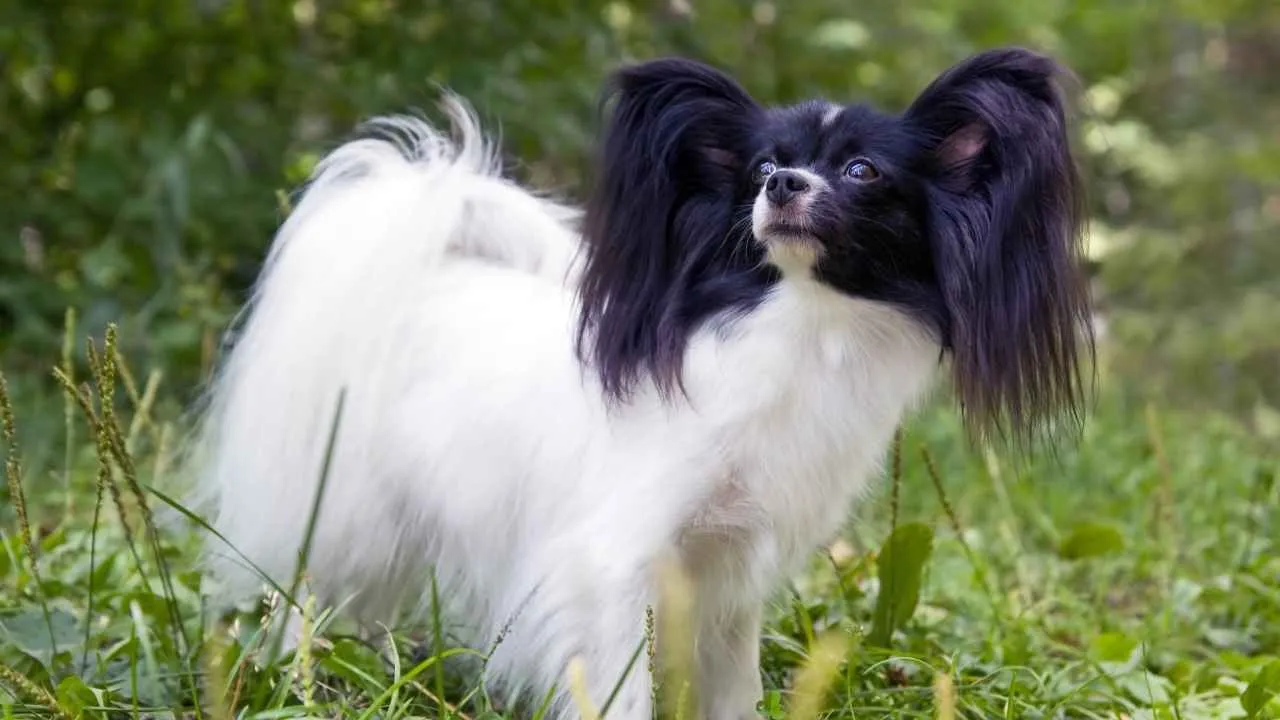
The Papillon is instantly recognizable for its wing-shaped ears that inspired its name, linked to French court life, where it was favored for centuries.
Historical artwork even captures its elegant toy spaniel form from as far back as the 13th century. Its lively nature pairs naturally with constant interaction and alert curiosity.
Quick Learner Energy
This little smart dog breed responds fast to learning situations, often enjoying tricks and interactive tasks that keep the mind engaged, as Omlet noted. Its social nature blends easily into homes with people, children, and other pets, fitting well into apartment life.

Their mental sharpness is reflected in these breeds:
Quick response to training cues
Strong interest in learning tricks
Comfortable with mixed household environments
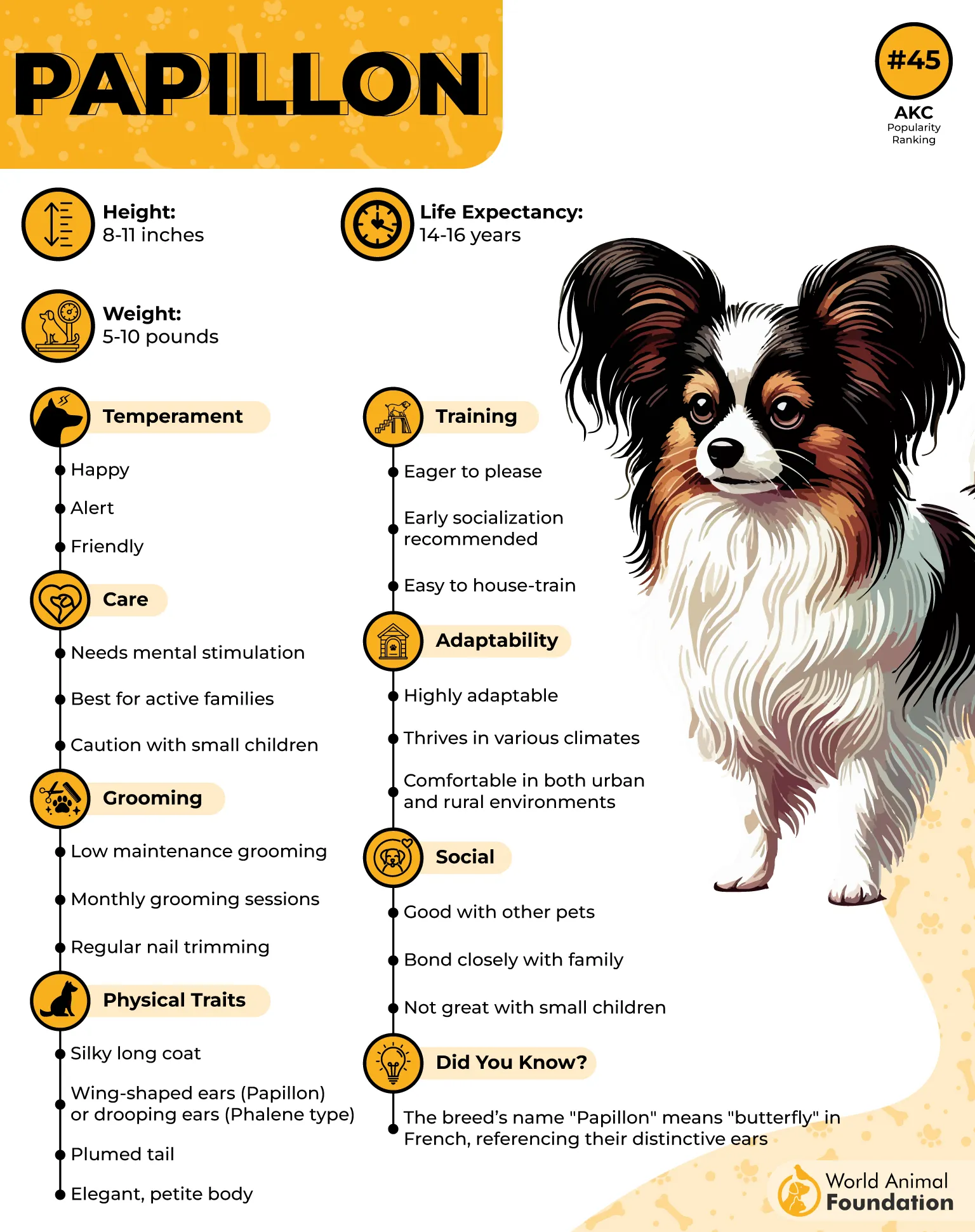
Social Interaction Style
The Papillon enjoys staying involved in daily movement around the home, often following activity rather than sitting still for long. It can alert to unusual sounds like a visitor at the door, yet remains friendly once comfort is built. Its personality blends alertness with approachability in everyday situations.
2. Poodle
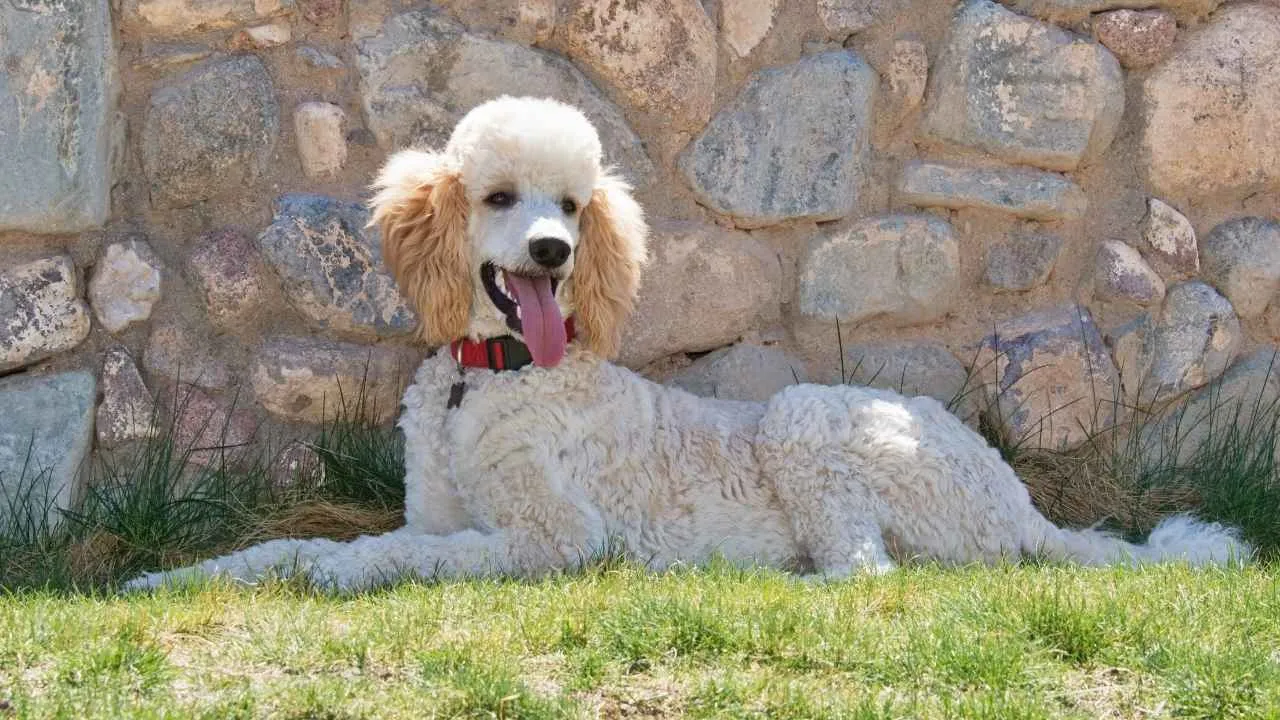
The Poodle earns recognition as one of the sharpest thinkers in the canine world, often placed just behind the Border Collie for intelligence, as the AKC claims.
Quick learning and fast problem-solving helped this breed succeed in roles ranging from military work to guiding people. That mental agility remains one of its defining qualities.
Apartment-Friendly Thinking
For people working with limited living space, intelligence often matters more than size alone. Poodles learn routines quickly and respond eagerly when given structure and interaction.
A few traits help explain their appeal:
Learns commands rapidly
Eager to work with people
Adapts well to routines
Daily Engagement
Poodle’s active mind continually looks for something new to learn after mastering previous lessons. Regular walks, swimming sessions, and interactive play provide productive outlets for that energy.
Consistent guidance remains important because this best small dog breed often approaches situations with an independent perspective.
3. Maltese
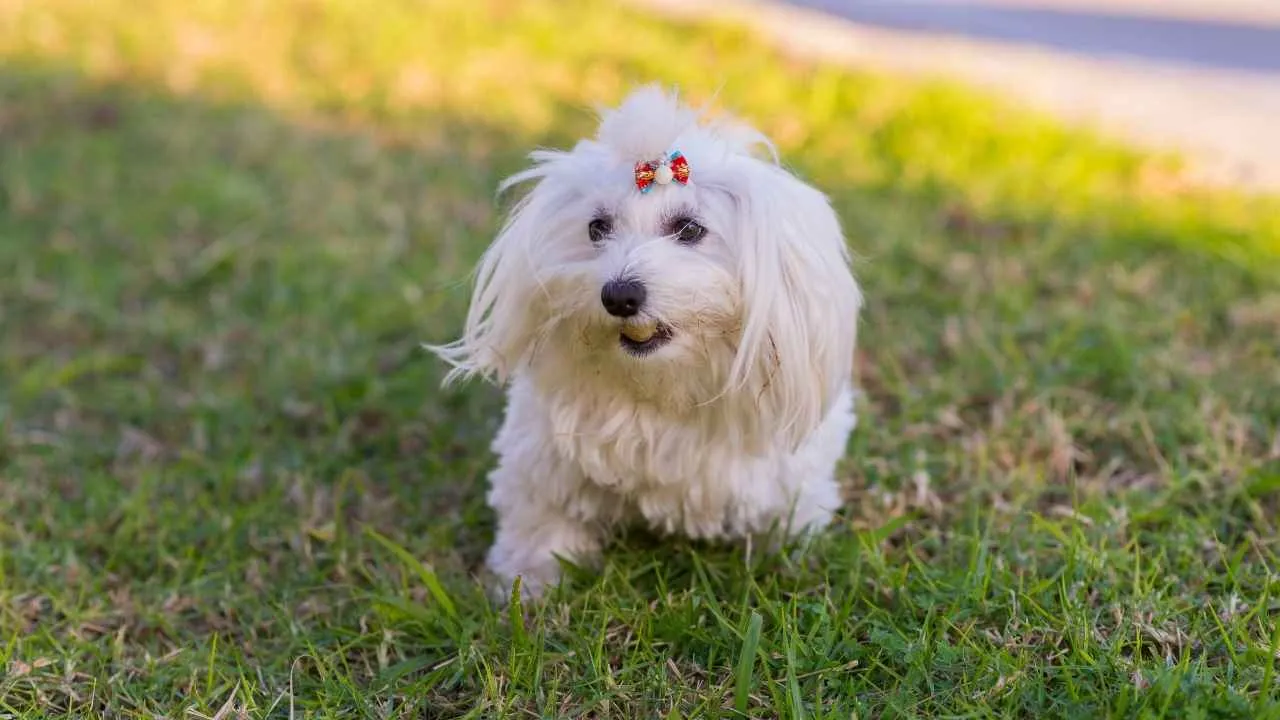
The Maltese seems to treat every day like an invitation to play, keeping a youthful spirit well beyond puppyhood. Its reputation as a cherished lap companion helped it gain favor among upper-class households in England centuries ago. Affection remains at the center of everything this breed does.
Apartment-Friendly Mind
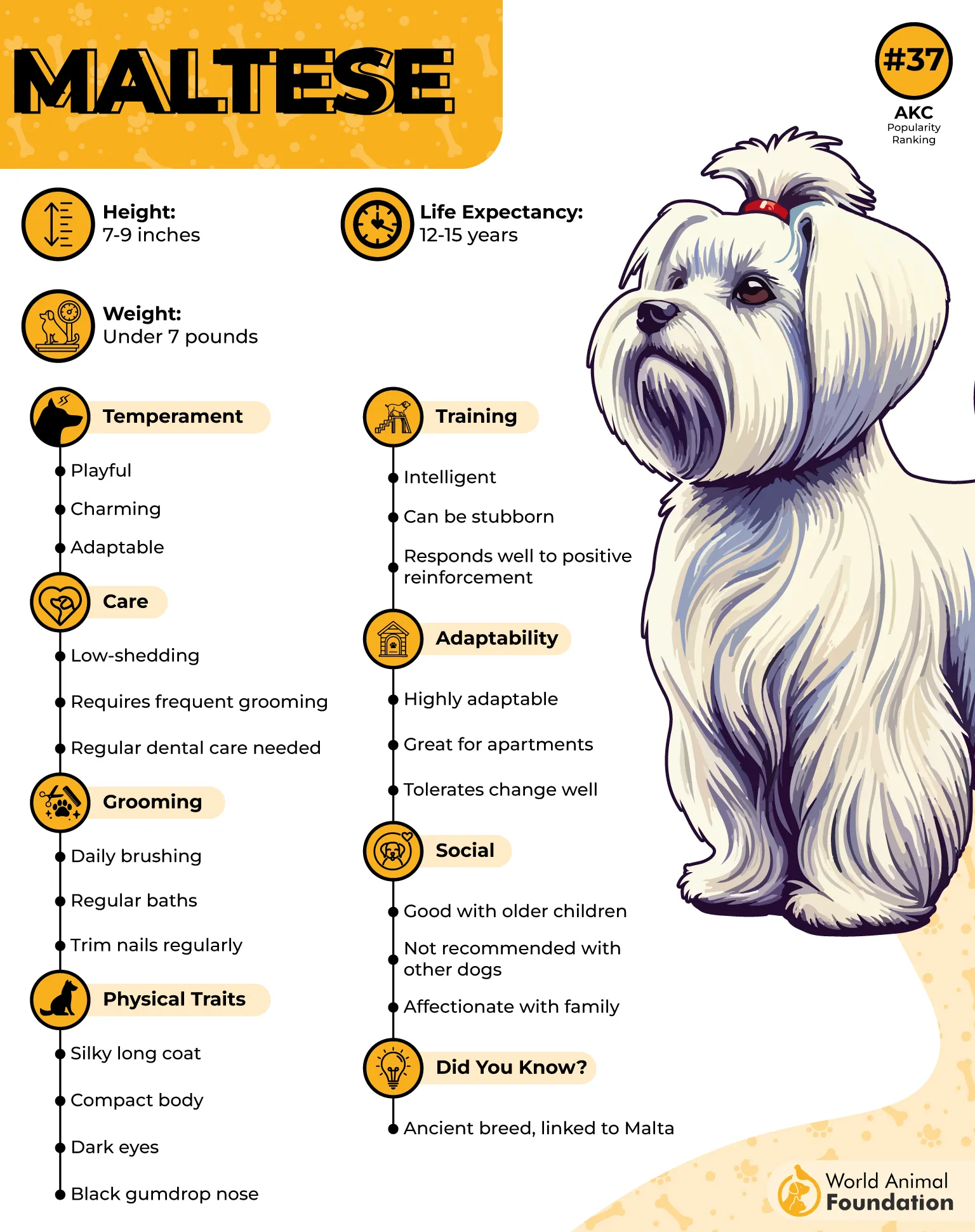
The Maltese fits comfortably into compact living spaces because its needs remain simple and manageable. Human interaction matters far more than large outdoor areas, making companionship a key part of daily life.
Its routine reflects this clearly:
Learns commands quickly
Content with short walks
Enjoys constant companionship
Social Nature
These companion dogs welcome interaction and usually fit comfortably into households with children, other dogs, and pets, as mentioned by PetMD.
Their eagerness to engage keeps daily life lively, while their affectionate temperament encourages close bonds. Respectful handling helps them remain confident and relaxed.
4. Miniature Schnauzer
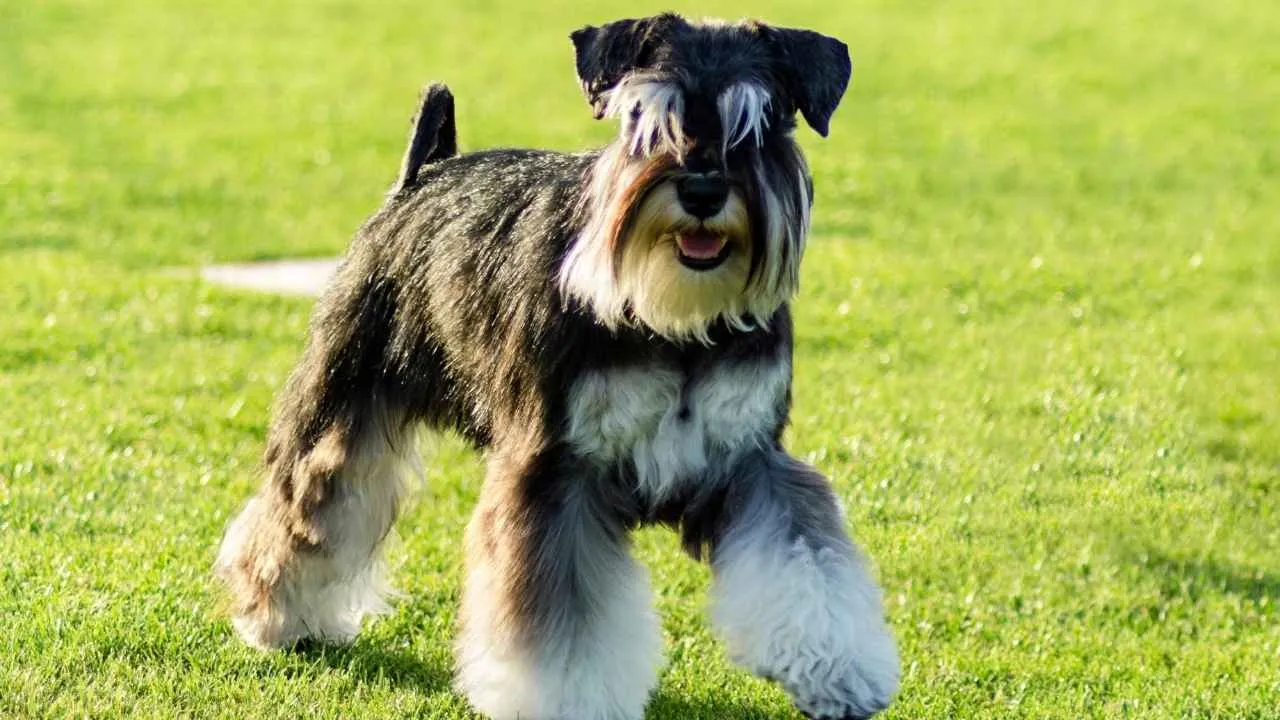
The Miniature Schnauzer carries a working legacy shaped through tasks like cart pulling, livestock herding, and rat hunting in German regions.
That practical foundation still reflects in its alert nature and quick reactions in everyday situations. Its compact frame pairs with a lively, expressive personality.
City-Friendly Intelligence
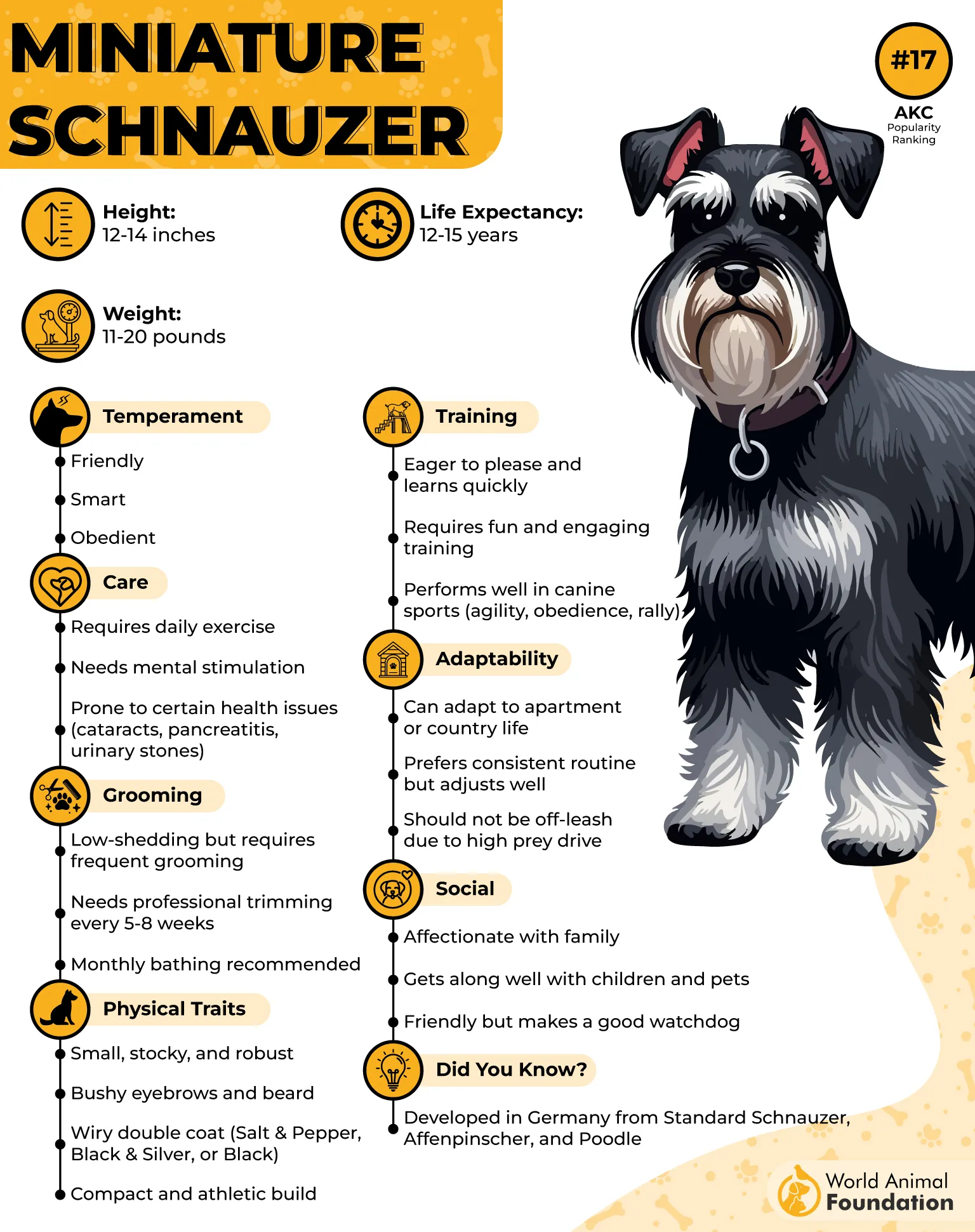
These compact companions balance their energy levels with moments of rest after activity, making them well-adapted for small areas. Its sharp mind responds well to structured interaction, especially when routines involve problem-solving or movement.
In apartment living, this is what makes them reliable:
Learns commands quickly
Enjoys puzzle-style activities
Responds well to structured routines
Active Yet Focused
The Miniature Schnauzer channels its energy into play, daily walks, and mentally engaging tasks rather than aimless activity. Its eagerness to participate keeps it involved in family life while still needing clear direction. Early guidance helps shape steady behavior in daily settings.
5. Havanese
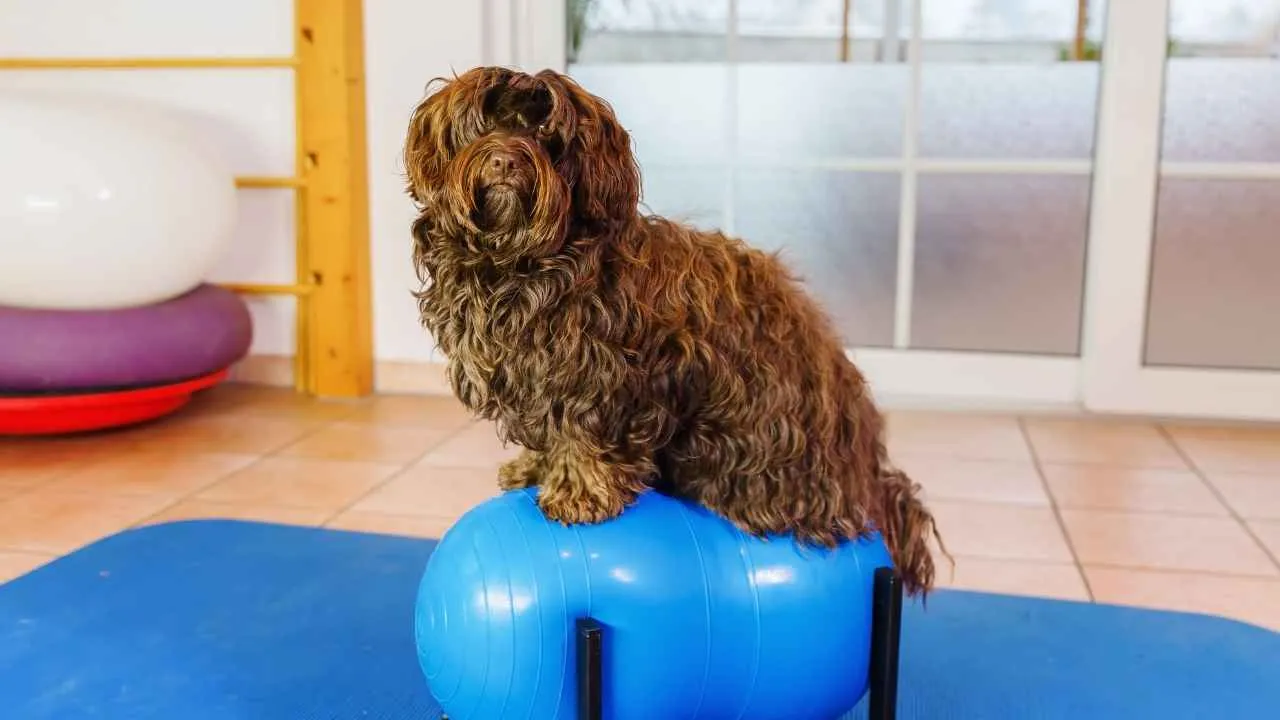
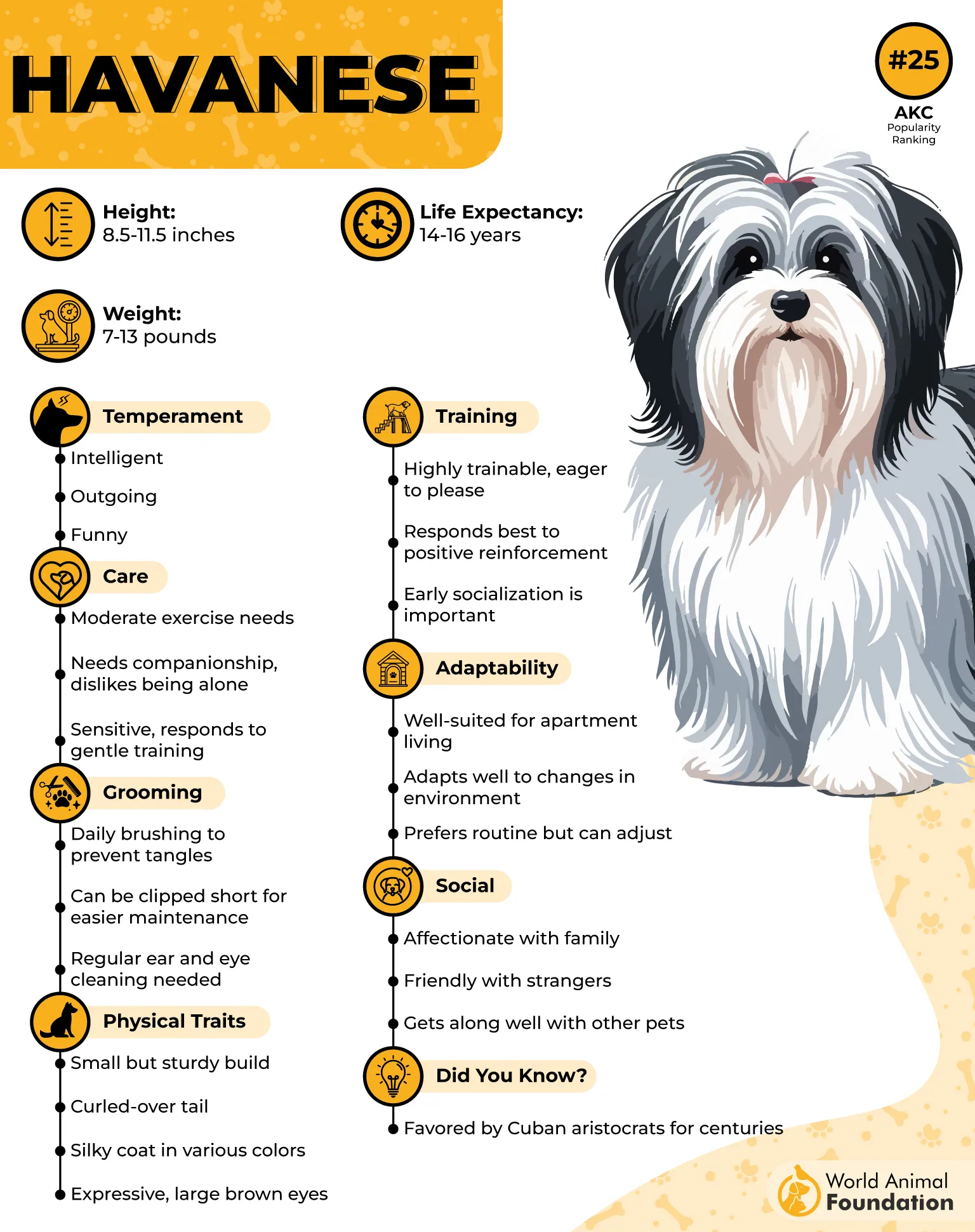
The Havanese is recognized as the only dog breed native to Cuba, shaped within the Barbichon family alongside breeds like the Maltese and Bichon Frise.
Its lively nature pairs with a compact frame built for constant interaction and movement. Early references include names like Havana Silk Dog, reflecting its soft coat and playful image.
Intelligent and Trainable Nature
With engaging, reward-based methods, Havanese picks up commands quickly and stays involved in the process. Its bright temperament suits small living spaces where mental stimulation matters more than physical demand.
A few core traits help explain its adaptability indoors:
Quick response to training cues
Strong social awareness with people and pets
Needs short, consistent activity bursts
Living Space Compatibility
The Havanese adjusts well to compact environments when given steady interaction through short walks and simple play sessions. Around 30 minutes of daily activity, split into brief intervals, suits its energy pattern. Its balance of intelligence and affection keeps it engaged without requiring large open areas.
Note: Without guidance or early socialization, they may become vocal, so first time dog owners should be cautious.
6. Brussels Griffon
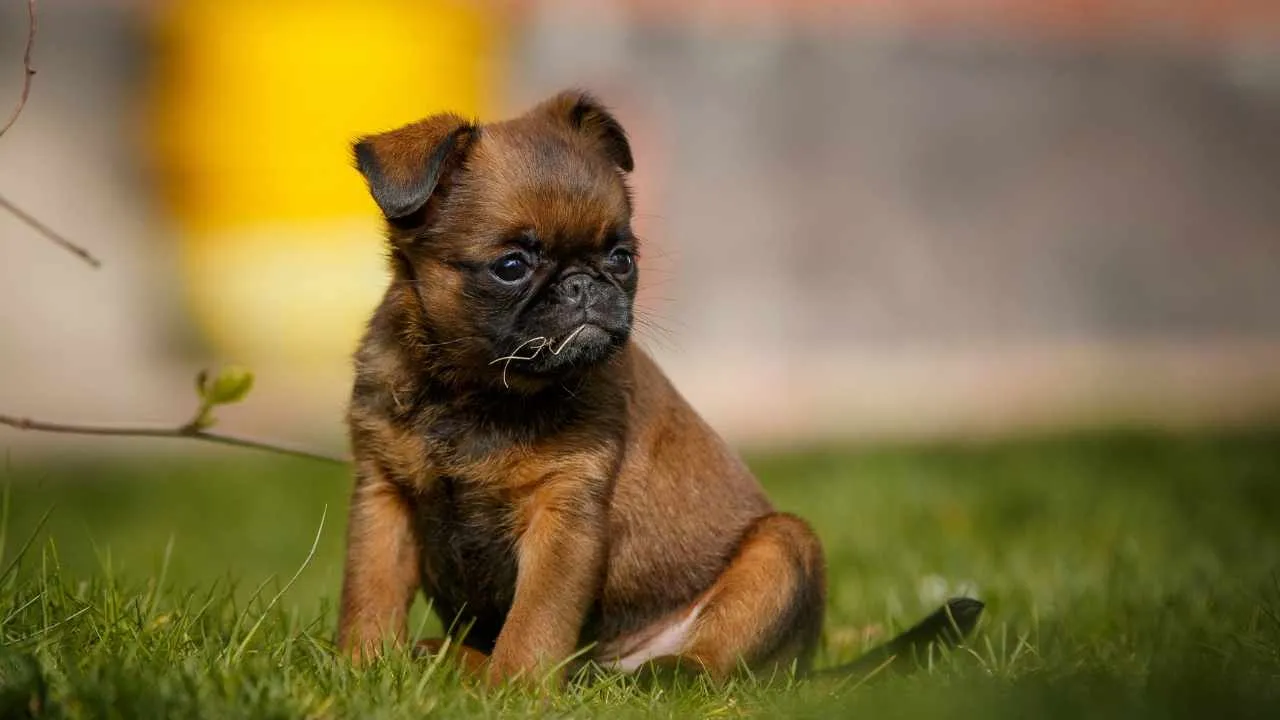
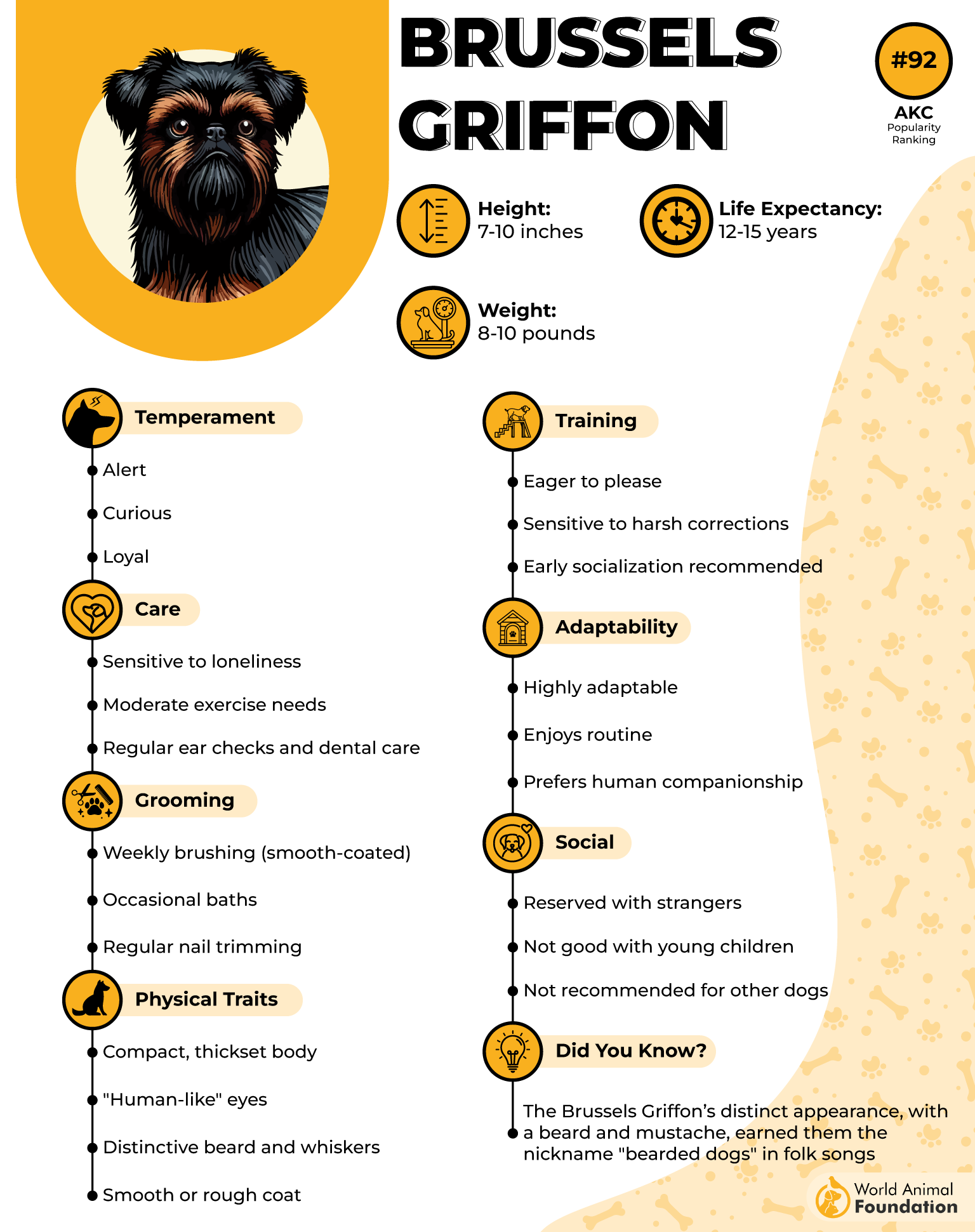
The Brussels Griffon carries a near-human facial expression that reflects its alert and social nature, built into a compact, sturdy frame shaped by its vermin-hunting role in Belgium. Its small body structure supports a purposeful walking style that feels controlled rather than rushed.
Social Attachment and Daily Behavior
These affectionate dogs form intense closeness with people, often seeking constant proximity and reacting strongly to attention and separation. Its interaction style leans toward emotional attachment, making independence less preferred in daily routines.
This pattern appears clearly in behavioral traits:
Follows household activity closely from room to room
Seeks continuous physical closeness with people
Reacts quickly when attention shifts away
Energy Level and Indoor Suitability
The Brussels Griffon functions well with short periods of activity, such as neighborhood walks or light play, then transitions easily into resting periods indoors. Its energy level remains moderate, allowing both engagement and calm downtime without conflict in apartment settings.
7. Cavalier King Charles Spaniel
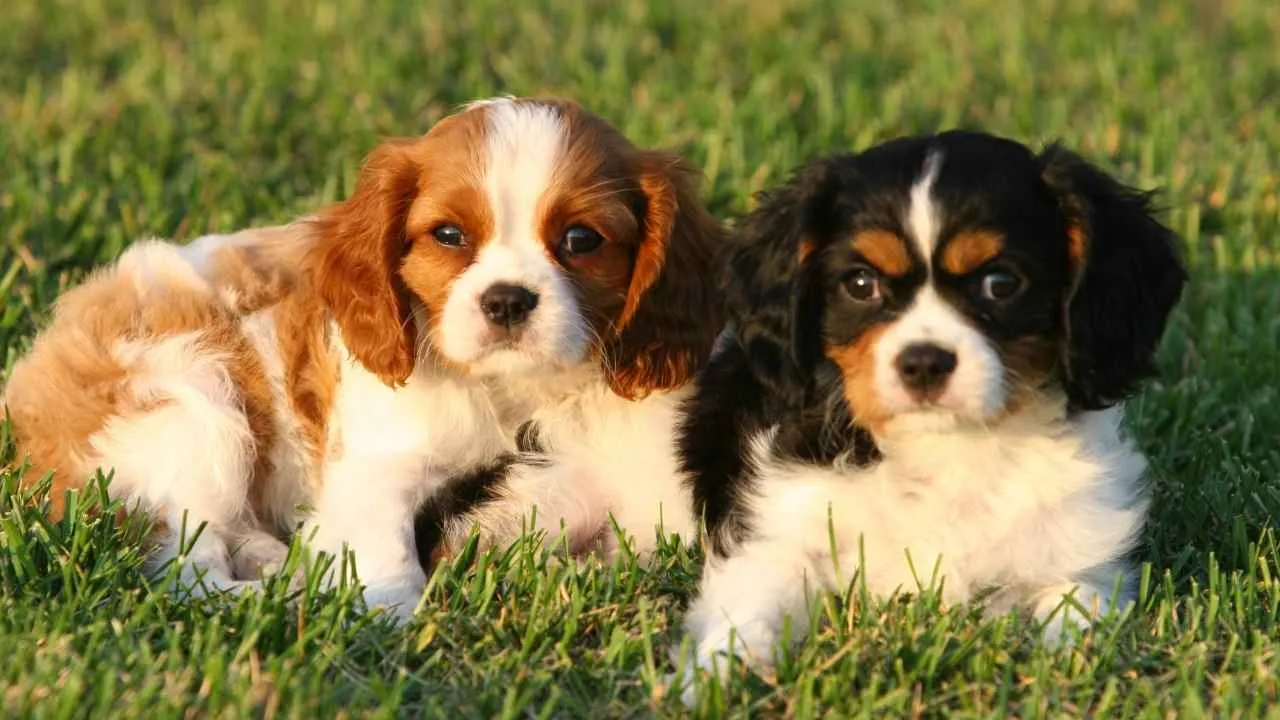
The Cavalier King Charles Spaniel was once kept in Tudor courts, where it warmed laps and rested near feet, valued for constant physical closeness.
Its small frame and soft expression reflect a dog built around comfort and human contact. This role shaped a breed deeply tied to companionship in indoor spaces.
Interaction Style Built Around Attention
This Spaniel engages through affection, often approaching people during quiet moments and responding strongly to emotional presence. Its behavior leans toward gentle play followed by long resting periods near familiar people.
That interaction rhythm appears in simple daily patterns:
Seeks proximity during relaxed indoor time
Responds quickly to emotional tone shifts
Prefers resting close rather than in an isolated space
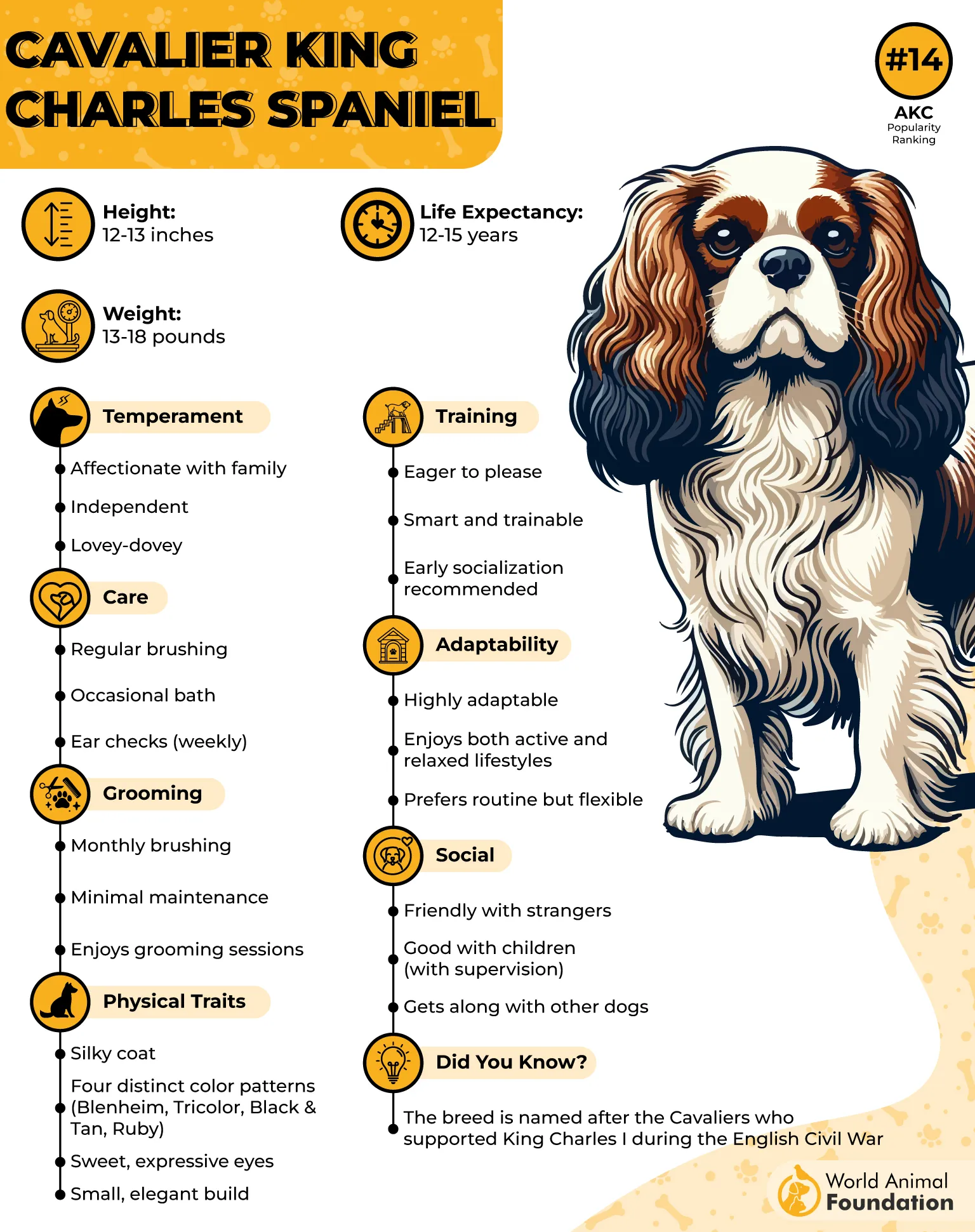
Movement Blended With Calm Routine
The Cavalier King Charles Spaniel enjoys short outdoor walks and light exploration, often reacting to new scents and small moving stimuli during outings.
Its energy rises briefly during activity, then settles quickly into rest once back indoors. This balance makes its routine easy to manage in compact spaces.
8. Pug
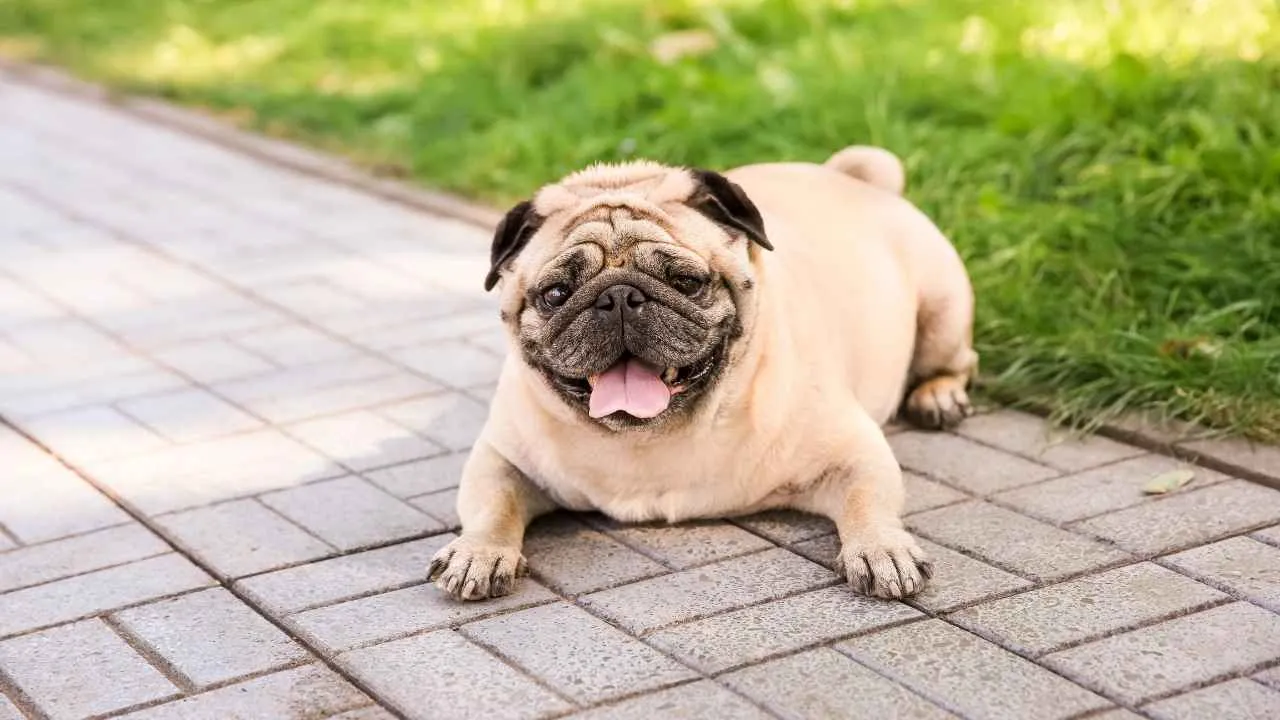
The Pug was originally bred in China nearly two millennia ago, later becoming a favored companion in royal circles across regions. Its compact build and expressive face created a dog centered around human attention rather than distance. This closeness shaped how it fits into daily indoor living.
Interaction Shaped by Attention
This intelligent breed responds strongly to human presence, often joining daily household activities instead of staying apart. It prefers involvement over isolation, reacting quickly to interaction and routine changes.
This behavior becomes clearer through simple daily patterns:
Joins movement across rooms and spaces
Responds to attention with visible enthusiasm
Engages more when included in daily routines
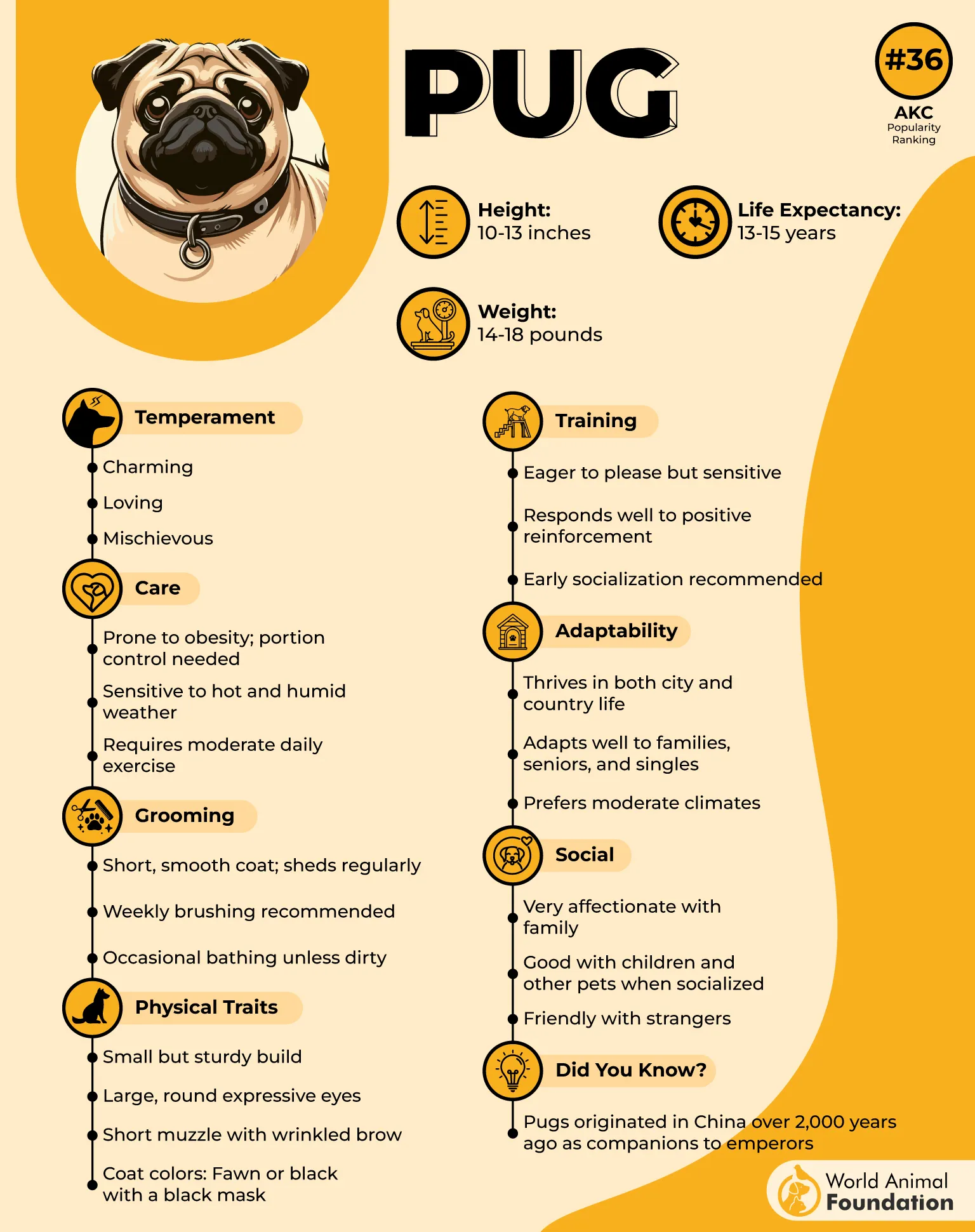
Activity Pattern Built Around Low Intensity
Pugs handle short walks and light play better than high-energy exercise, relying on brief outdoor sessions rather than extended activity. Its energy can spike briefly but settles quickly into rest-focused behavior. Hot weather requires careful timing due to sensitivity.
9. Shih Tzu
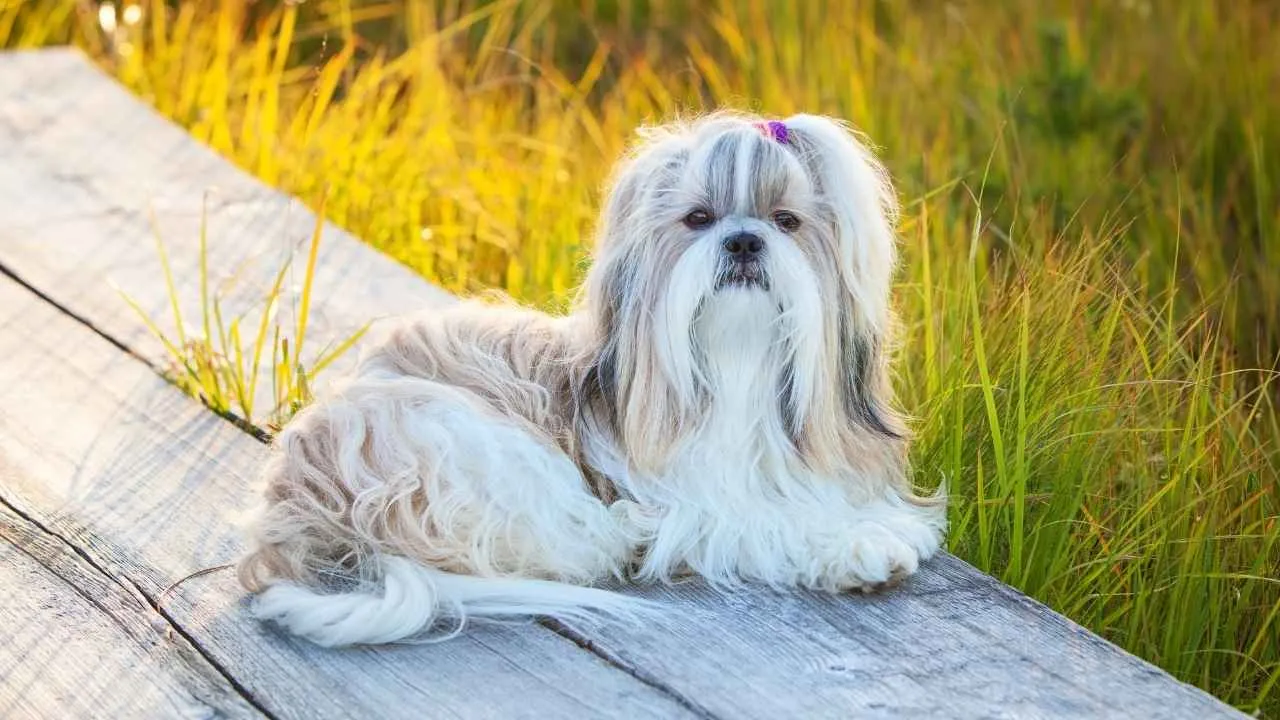
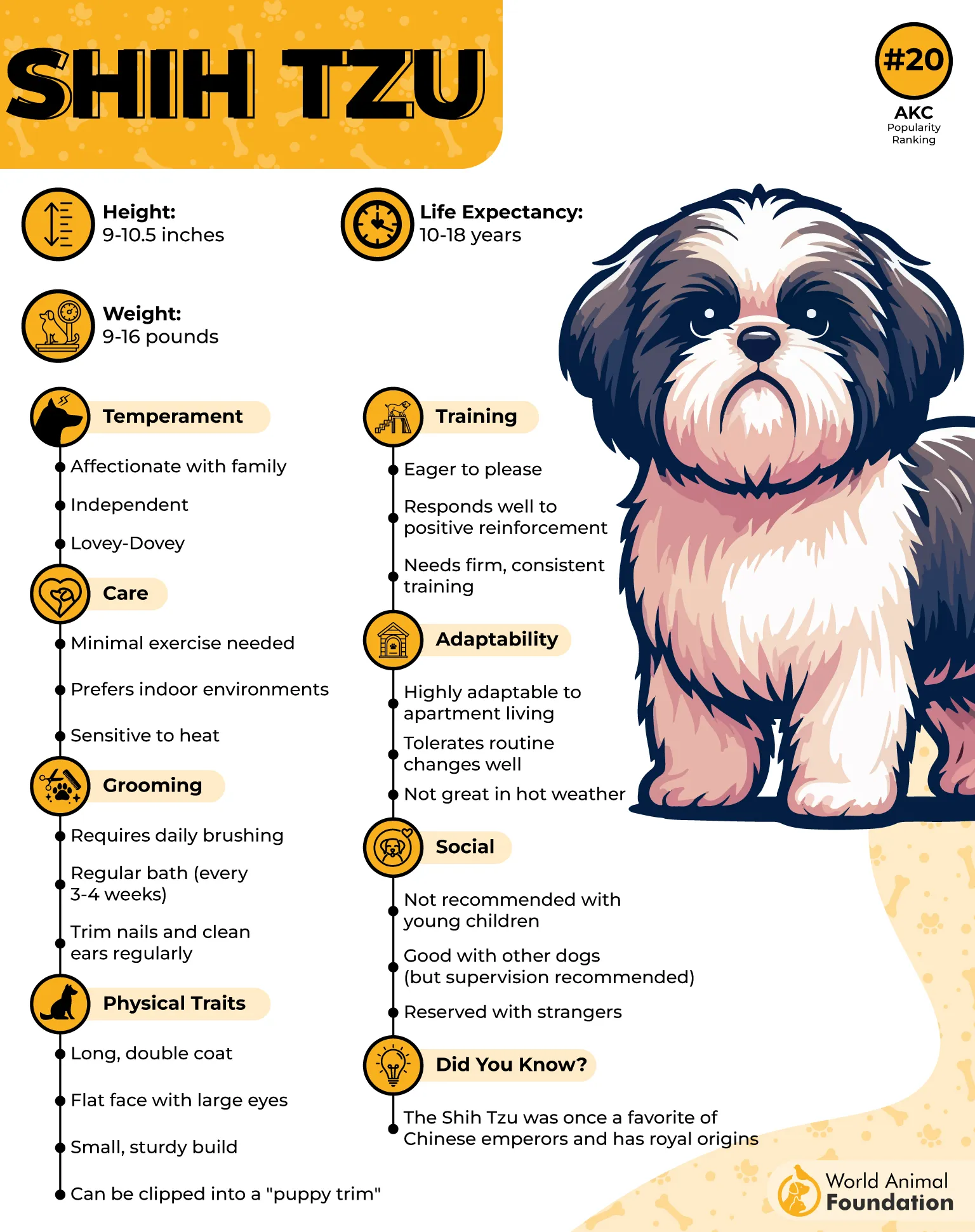
The Shih Tzu carries a lineage tied to Tibetan companion dogs, originally shaped to live closely with people in calm indoor environments.
Its small frame and expressive face reflect a breed centered around companionship rather than distance. This connection to people defines how it engages with daily life.
Social Nature in Everyday Interaction
The Shih Tzu gravitates toward human presence, often preferring shared spaces and gentle interaction over isolation. Its behavior around people and other animals remains generally relaxed, making social settings feel uncomplicated.
This interaction pattern appears through simple daily habits:
Seeks constant proximity to people indoors
Responds well to friendly handling and touch
Adjusts easily to multi-pet environments
Routine fit Within Compact Living
The Shih Tzu adapts to limited indoor space, with activity needs that can be met through short walks and home play. Its energy level aligns with calm routines rather than extended outdoor demands. This makes daily structure easier to manage in smaller environments.
Conclusion
Living in a smaller space often changes what people prioritize when choosing a dog. Instead of focusing on size alone, it becomes clear that intelligence, flexibility, and responsiveness play a larger role in everyday success. Many small breeds adapt well to cozy spaces because they quickly learn routines and household expectations.
Their ability to stay engaged, learn boundaries, and build strong connections with people allows them to settle naturally into apartment life. With indoor play sessions, mental stimulation, and companionship, a furry friend can thrive while keeping excessive barking to a minimum.
