




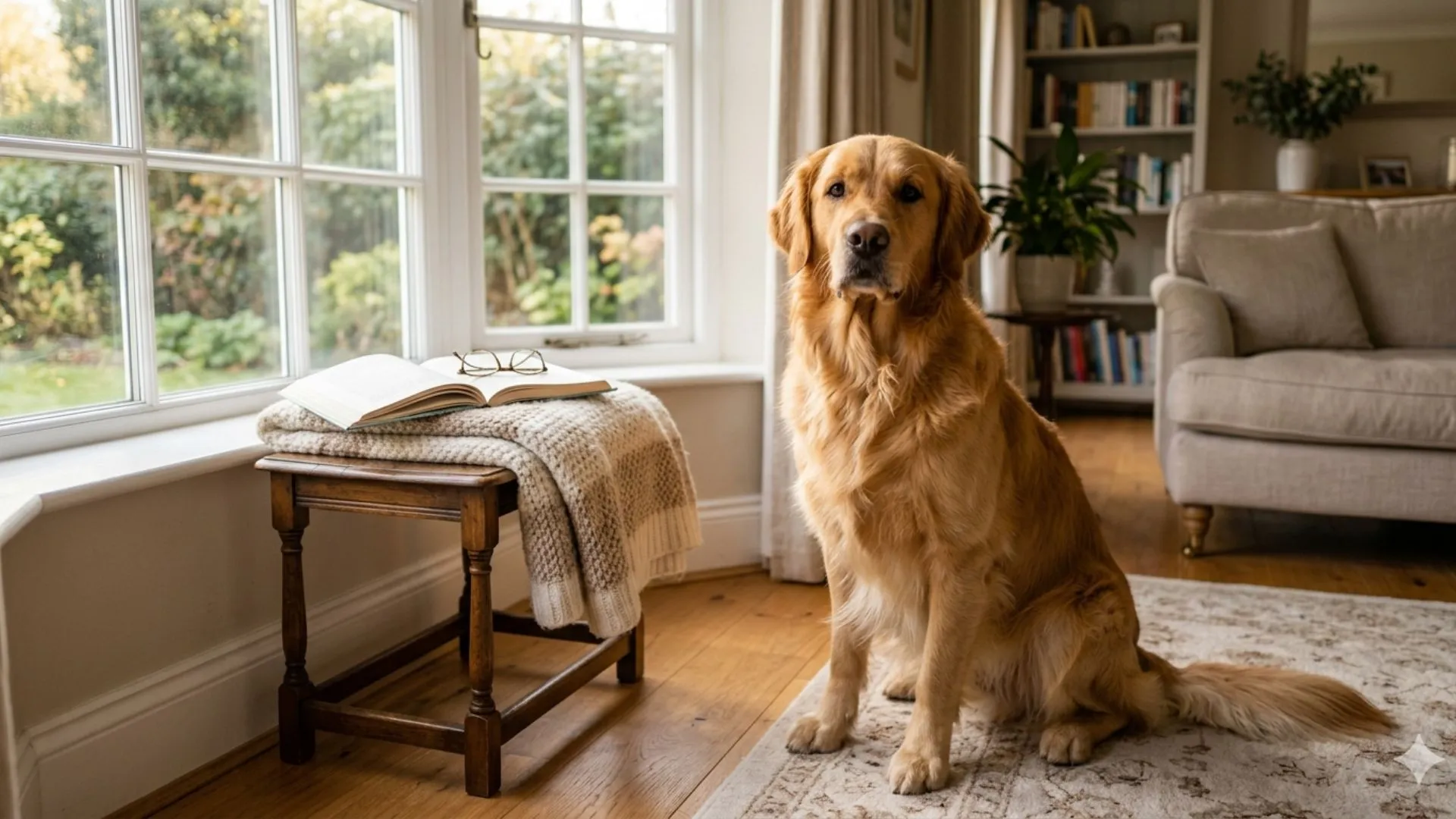
There is something special about a dog that can turn a stressful day into a good one with nothing more than a wagging tail and a warm look. While every dog has its own personality, some breeds have earned a well-deserved reputation for being especially kind, patient, and easygoing.
These gentle dogs often become trusted family members, loyal friends to children, and comforting companions for seniors.
According to the American Pet Products Association, around 66% of U.S. households own a pet, with dogs remaining the most popular choice. Many families searching for a furry companion prioritize temperament above all else, and for good reason. A calm, loving dog fits into daily life far more smoothly than one that does not.
If you are looking for a canine companion with a soft heart and a sweet nature, these seven breeds are well worth a closer look.
Top Dog Breeds Known for Gentle Temperament
1. Cavalier King Charles Spaniel
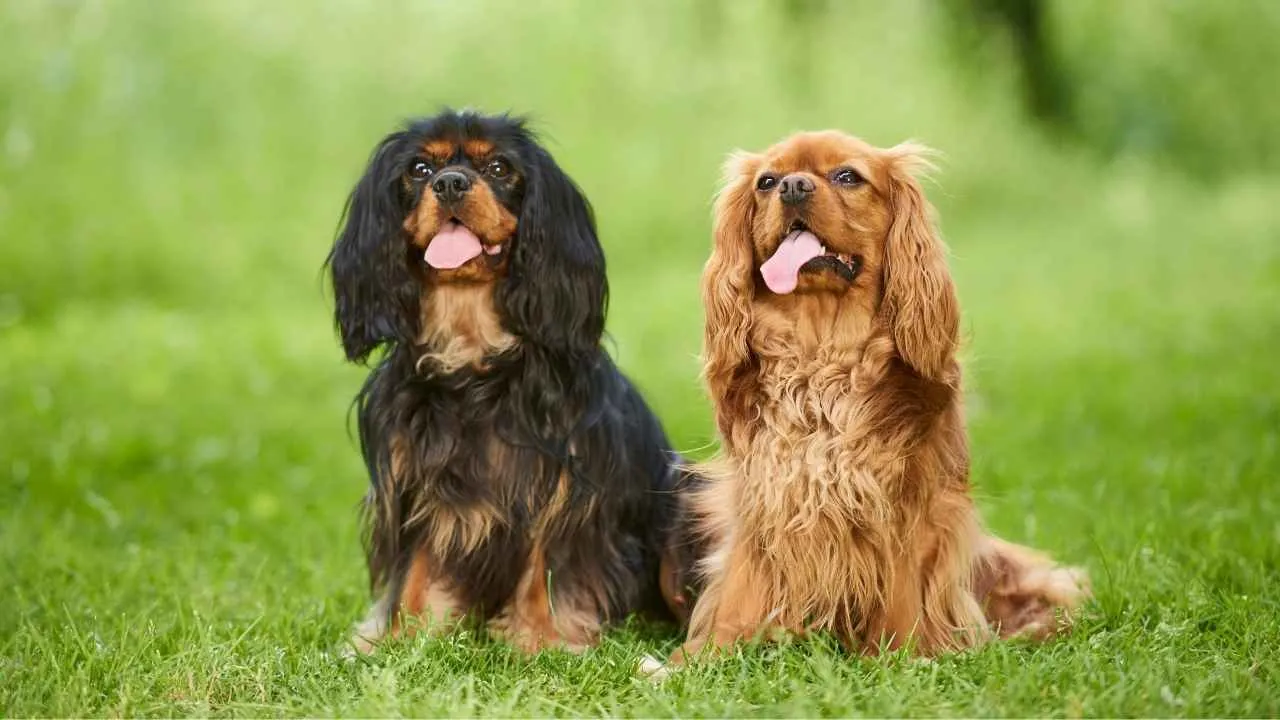
This affectionate and loyal companion was named after King Charles I and his son King Charles II in the 17th century, owing to their immense love for the breed. According to PetMD, they would even bring these lap dogs to court and carry them in their carriages.
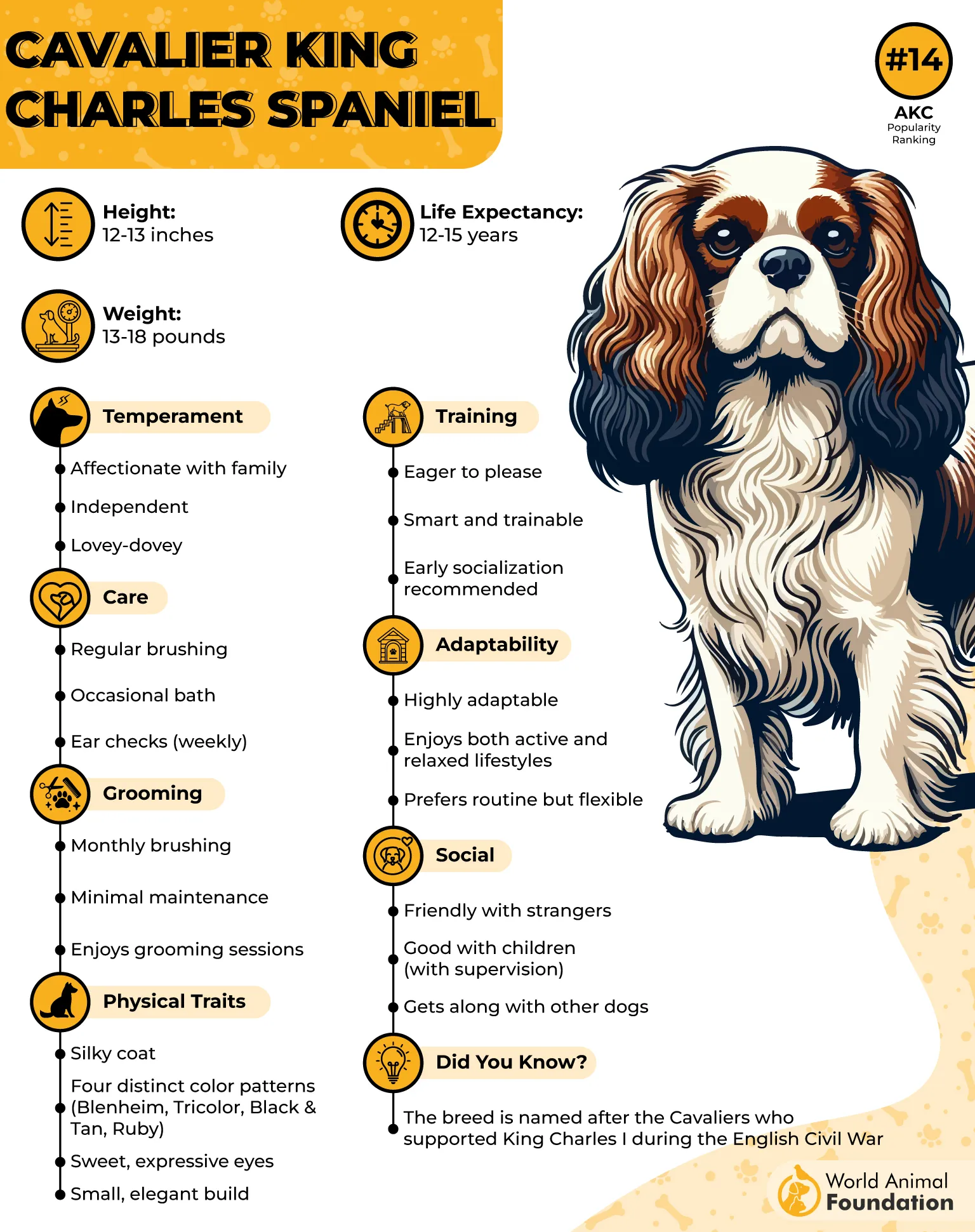
The Cavalier is remarkably attuned to human emotions, reading body language, facial expressions, and voice tones with ease; a quality that makes it an excellent therapy dog. Unlike other spaniels bred for flushing and hunting prey, the Cavalier was developed purely as a lap dog and carries a naturally low prey drive.
It is widely considered a ‘neoteny’ breed, meaning it retains its puppy-like temperament well into adulthood. Eager to please and highly trainable, it needs just 30–60 minutes of daily physical and mental stimulation: short walks, agility exercises, a game of fetch, and puzzle toys are more than enough to keep it happy.
2. Pug
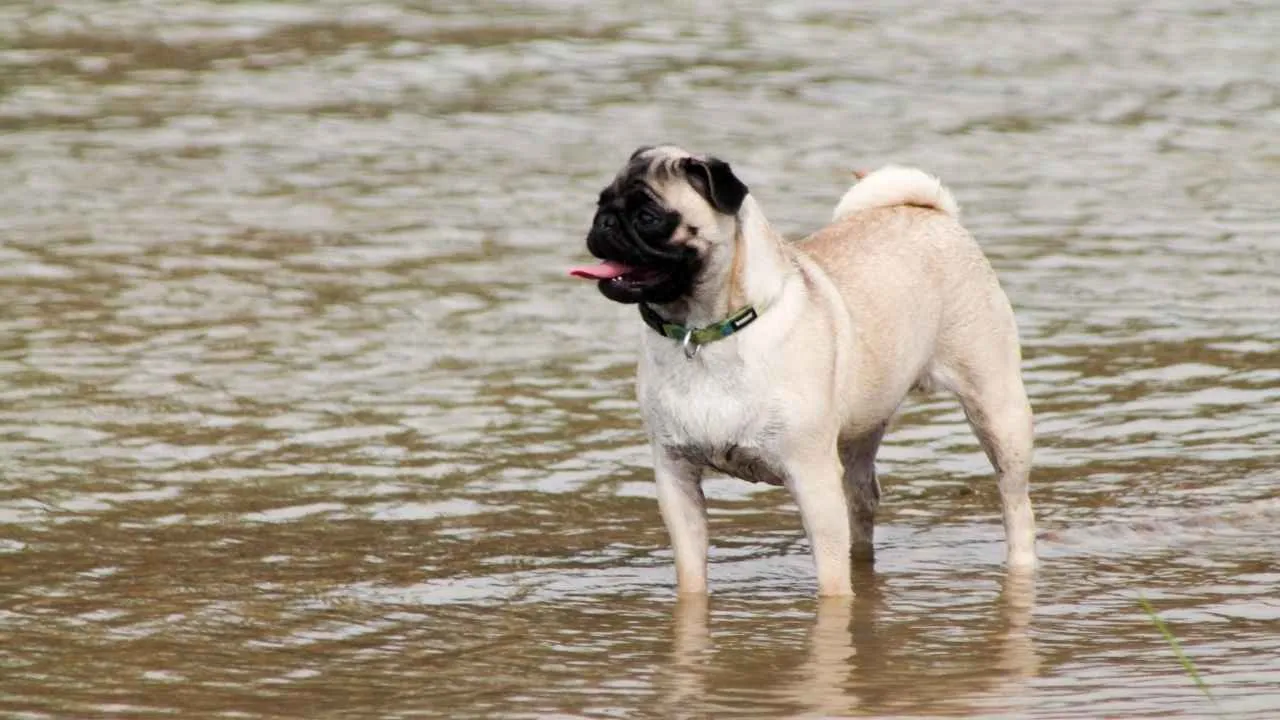
This small dog breed was brought from China to Europe in the 16th century and has remained popular in Western culture ever since. Queen Victoria was so fond of the breed that she passed many of her Pugs on to other members of the royal family. With its short muzzle, curled tail, and wrinkly face, it is one of the most recognizable breeds in the world.
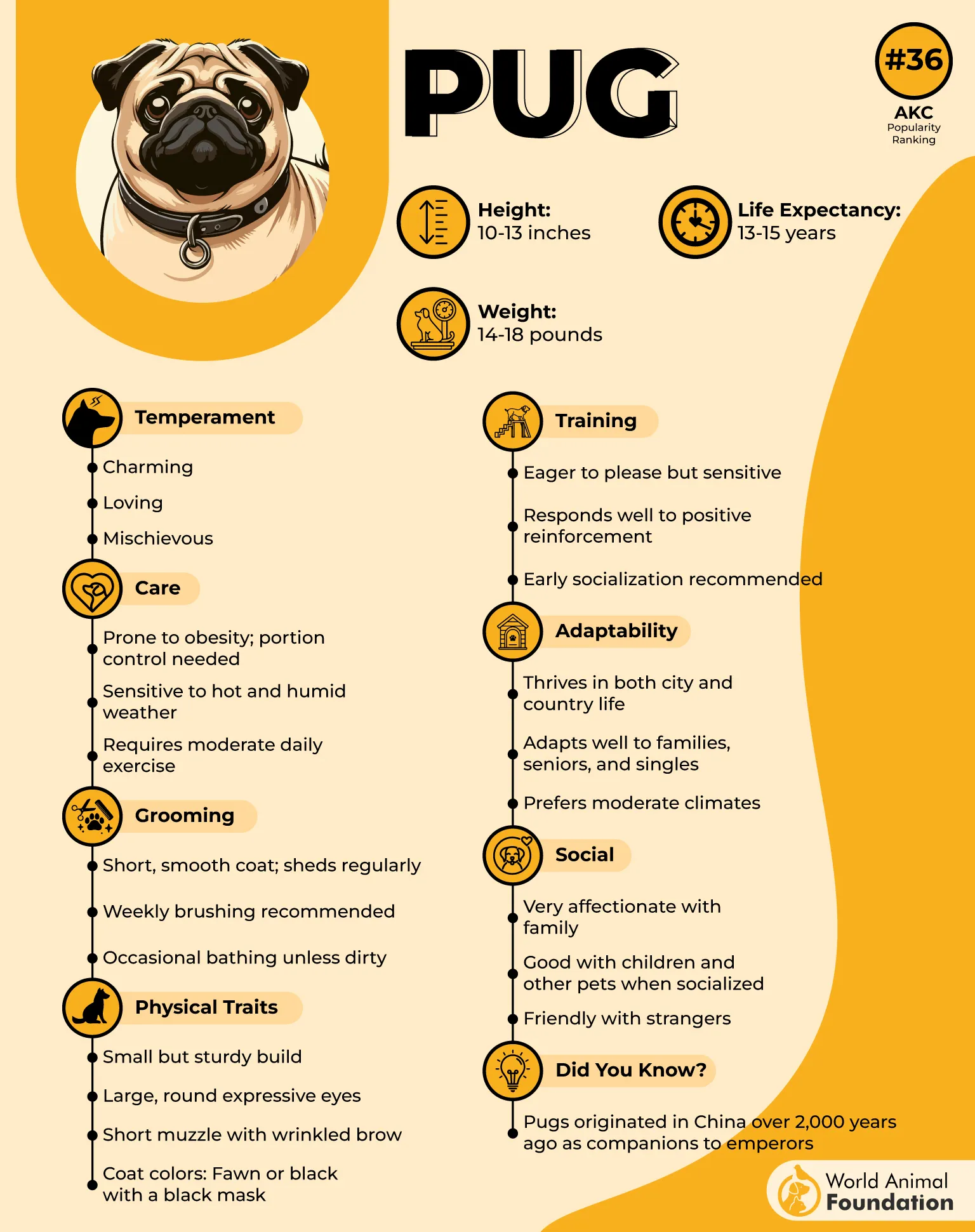
Centuries of selective breeding have hard-wired the Pug for domestic life, resulting in naturally low stress hormones and elevated levels of calming hormones. The breed is widely used as a Psychiatric Support Dog (PSD), offering Deep Pressure Therapy to patients and helping interrupt flashbacks and anxiety episodes.
Remarkably, Pugs can also be trained to detect and anticipate changes in blood sugar levels and to alert their owners before seizures occur. The breed responds well to positive reinforcement training and enjoys scent work, agility, and brisk walks as part of its daily routine.
3. Golden Retriever
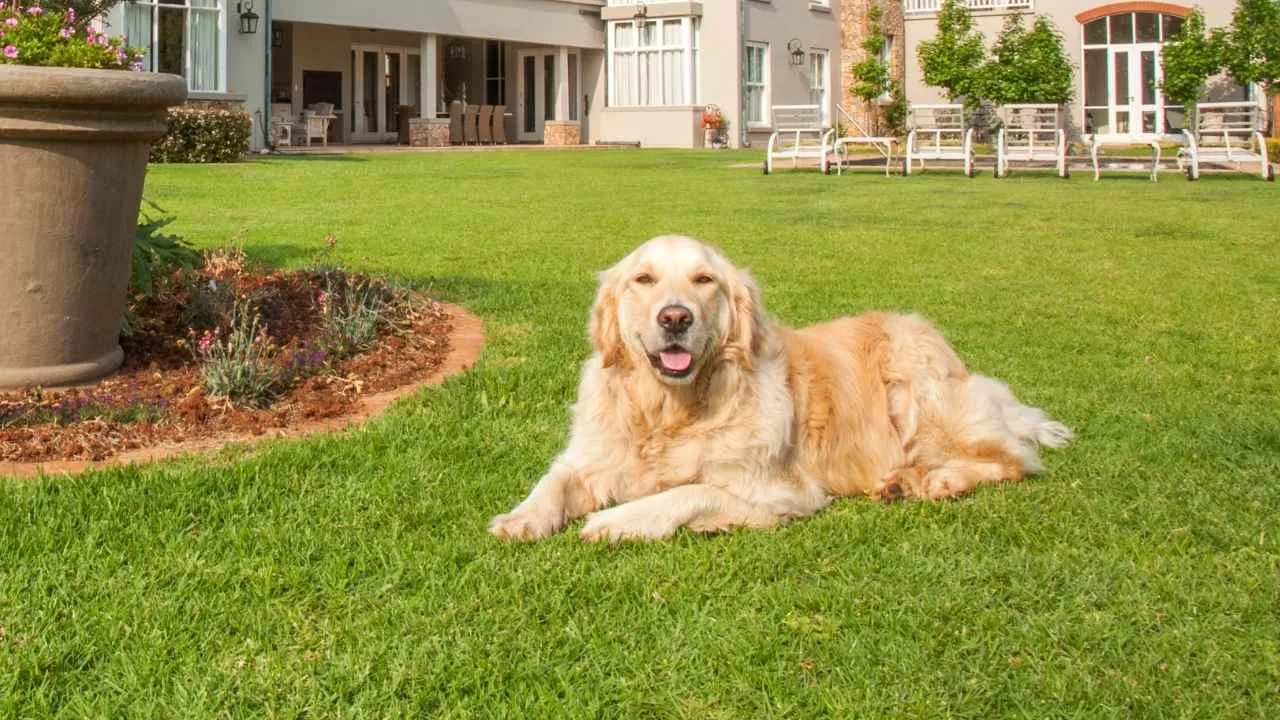
This medium-to-large breed was originally developed in Scotland in the 19th century by Sir Dudley Marjoribanks as a water retrieving dog. He achieved this by crossing Tweed Water Spaniels with flat-coated retrievers, Bloodhounds, Labrador Retrievers, and Irish Setters.
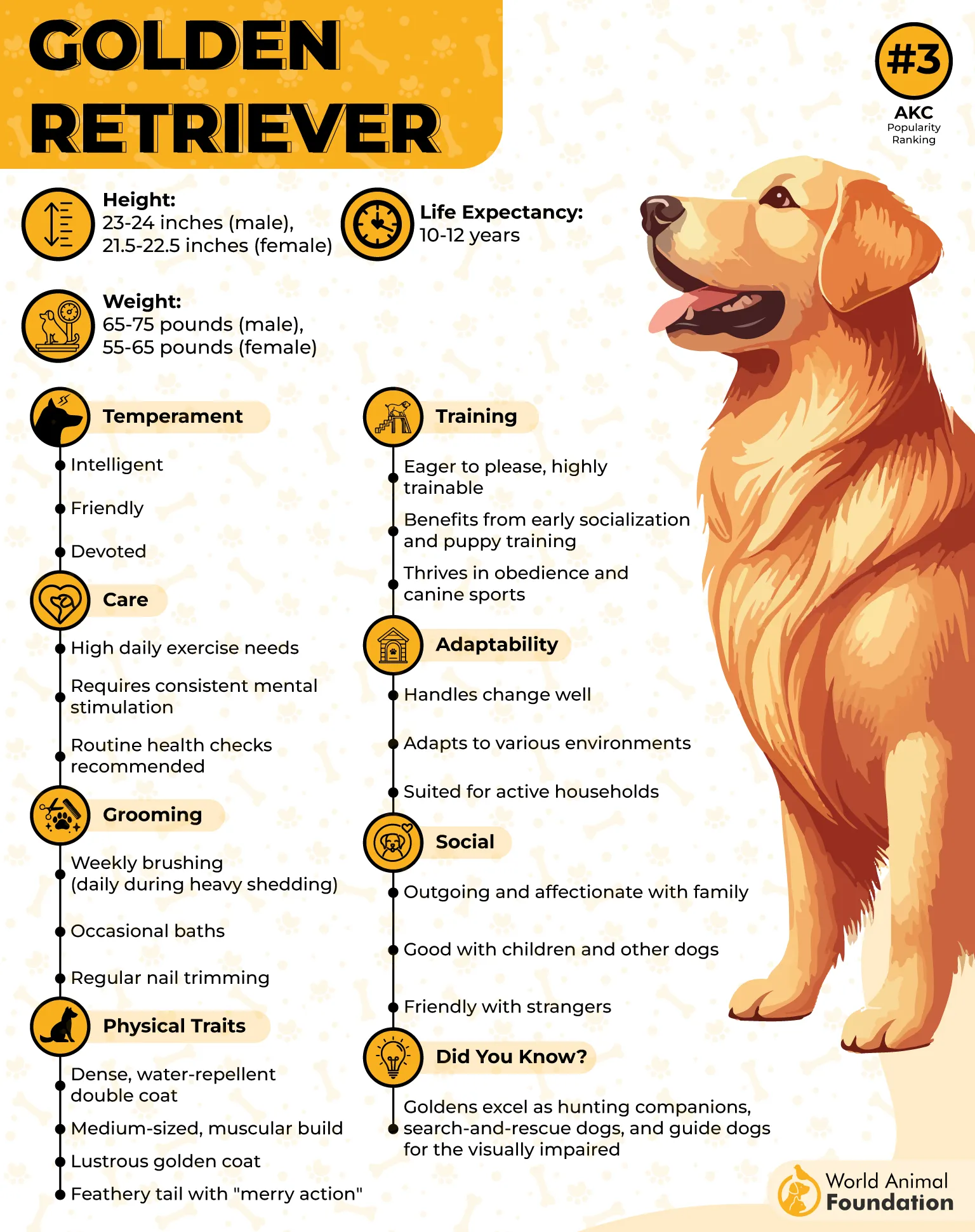
The Golden Retriever was bred to have a gentle grip, commonly known as a soft mouth, which naturally inhibits intense jaw pressure. That retrieving heritage is also why they love picking up stuffed toys and carrying them over to greet you.
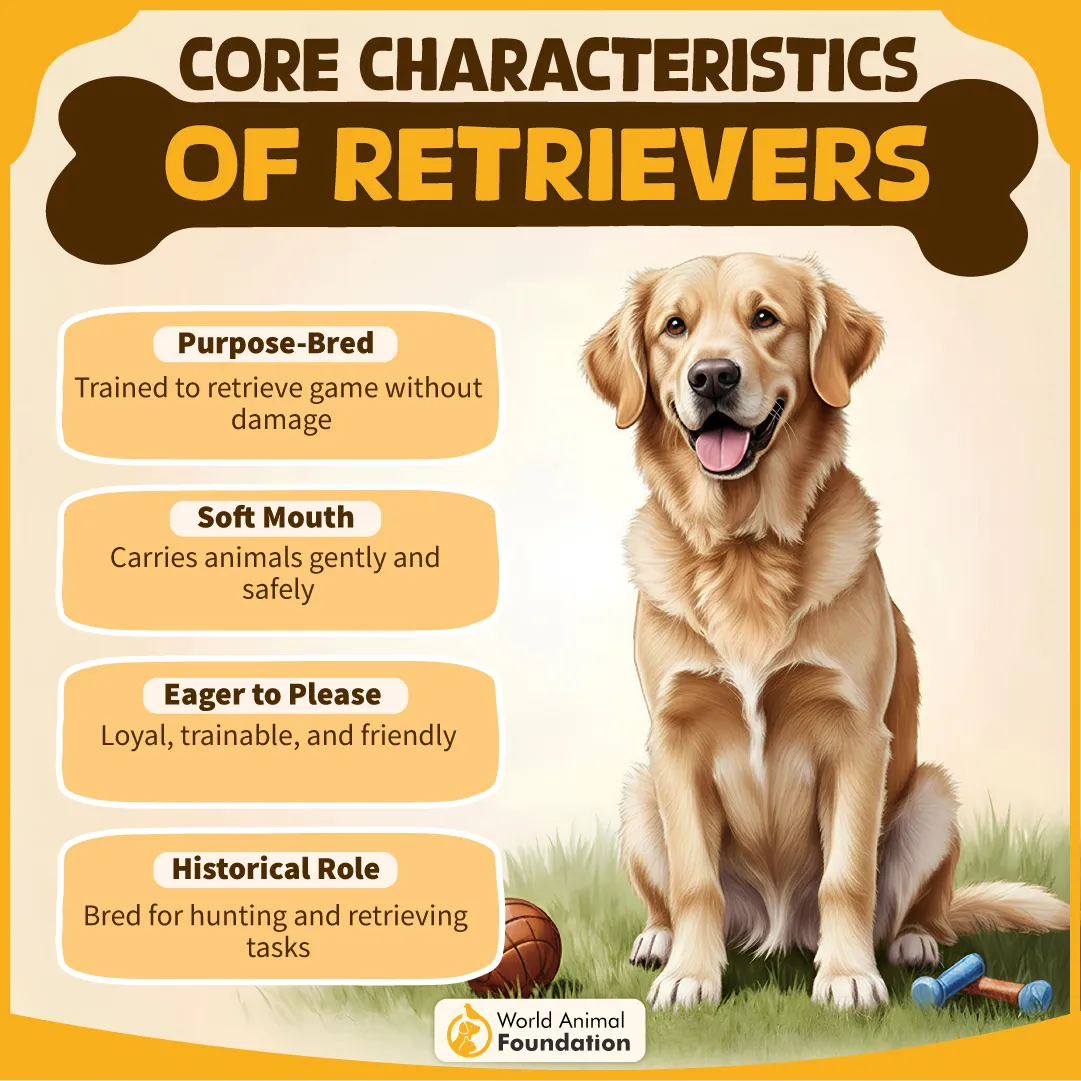
Their instinct to make friends is equally natural, extending warmly to family members, small children, other dogs, and even strangers.
Even-tempered, gentle, and alert, the Golden Retriever is well suited to law enforcement and search and rescue operations. It carries a quiet composure and can remain calm and settled in public spaces for extended periods. That said, it is a high-energy breed and needs one to two hours of daily exercise to stay balanced and healthy.
4. Labrador Retriever
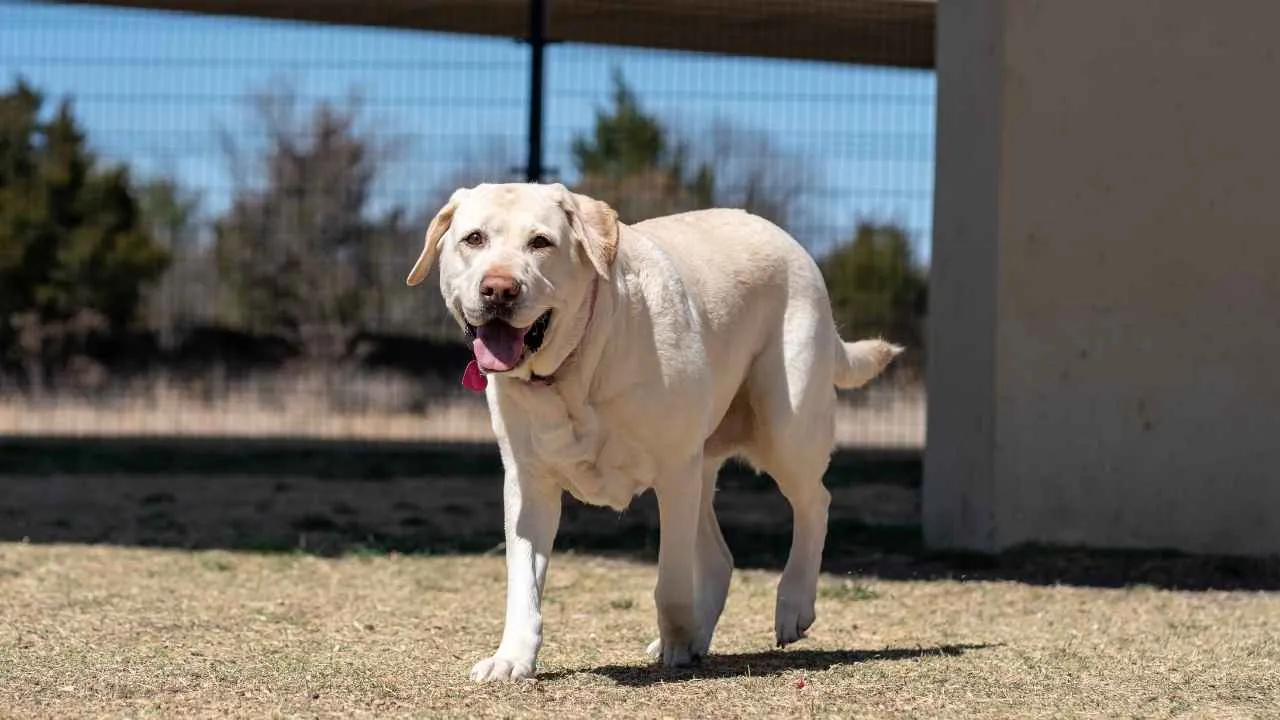
This British breed was developed as a retrieving gun dog from the St. John’s Water Dog, imported from Newfoundland, Canada. Energetic and playful by nature, the Labrador was bred to hunt and work alongside humans in demanding conditions.
One of its more remarkable qualities is its ability to adjust its behavior based on who it is interacting with, naturally slowing down and gentling its movements around small children and the elderly.
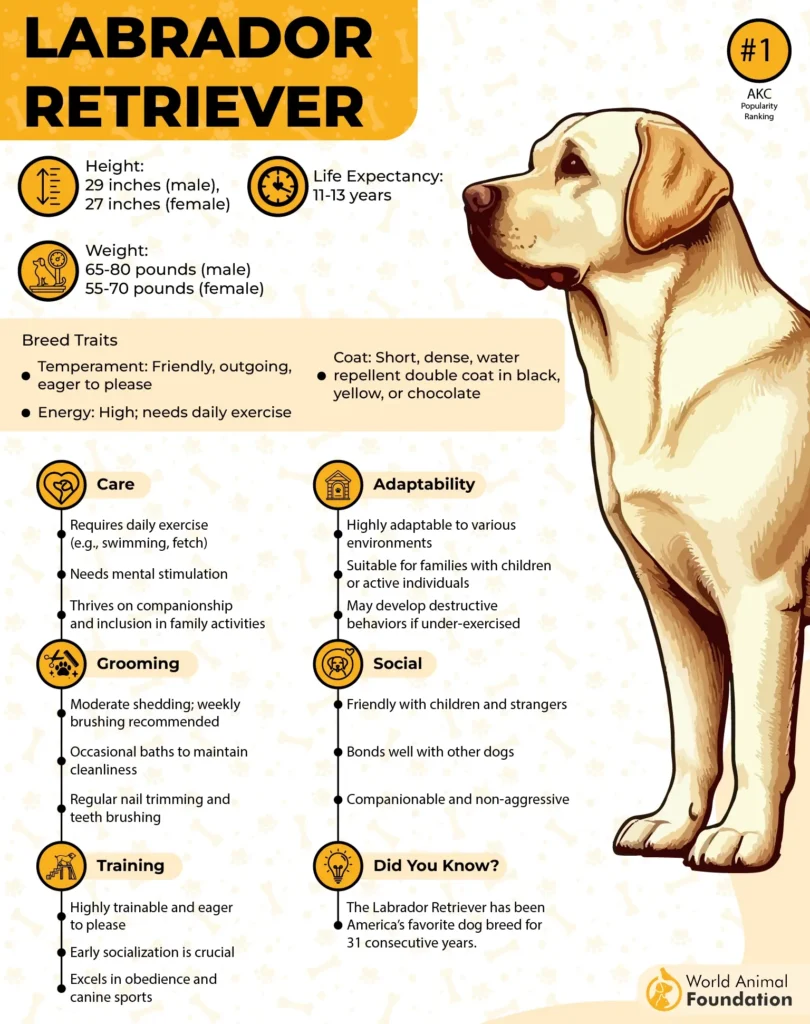
The Labrador Retriever’s cognitive framework is built on partnership rather than independence. It relies on communication with its owner to navigate and solve problems, which is why it tends to show minimal territorial aggression.
Selective breeding has also reduced its fight-or-flight response under stress, making it more likely to look to its owner for verbal and non-verbal cues rather than react impulsively.
The Lab is often called the Swiss Army Knife of dog breeds; a nod to its versatile working heritage. That same adaptability, combined with its sweet temperament, has opened doors across medical assistance, law enforcement, mental health support, conservation, and environmental science.
5. Bernese Mountain Dog
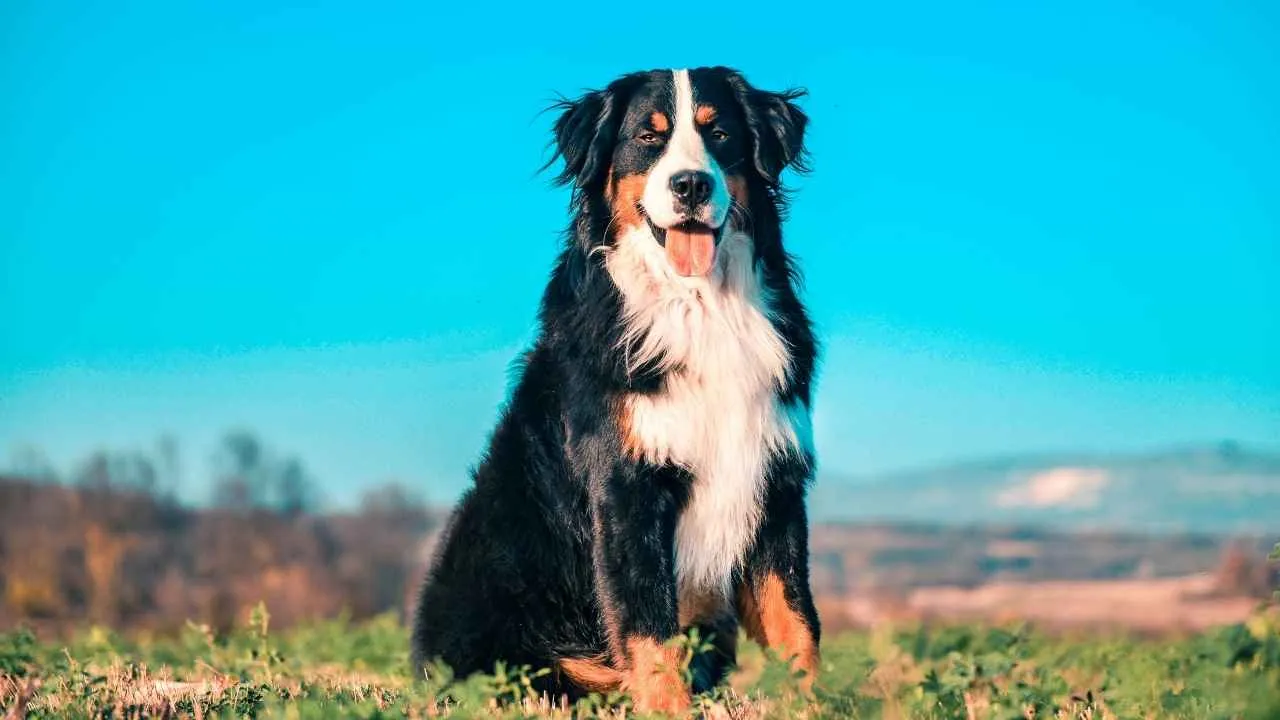
The Bernese Mountain Dog traces its roots back to a mastiff-type breed brought to Switzerland by the Romans around 2,000 years ago. Developed as a farm and droving dog in the Swiss Alps, it was later used to herd livestock and pull heavy cheese carts to market, according to Orvis.
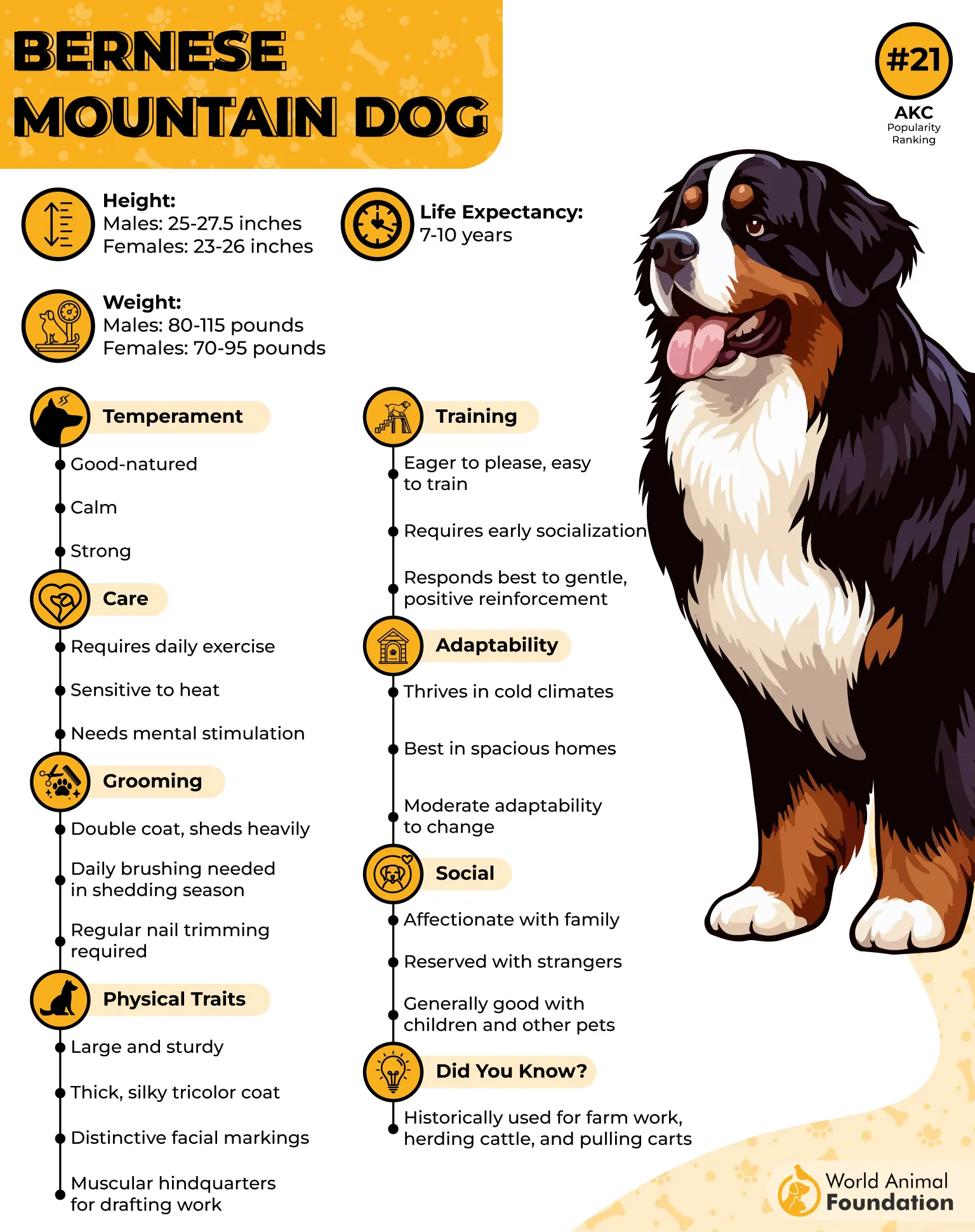
Unlike high-drive working breeds such as the Border Collie, the Bernese does not react on impulse. It operates on a natural pause-and-assess mechanism, taking a moment to evaluate its environment before responding. It also matures more slowly than most breeds, taking three to four years to reach full emotional and physical maturity.
This breed needs 30–60 minutes of daily exercise to stay healthy and prevent obesity: hikes, walks, fetch, and indoor play all work well. High-impact exercise should be avoided in puppies due to their still-developing joints. Despite being an intelligent breed, it can take a little longer to pick up new skills, so patience and consistency go a long way in training.
6. Newfoundland
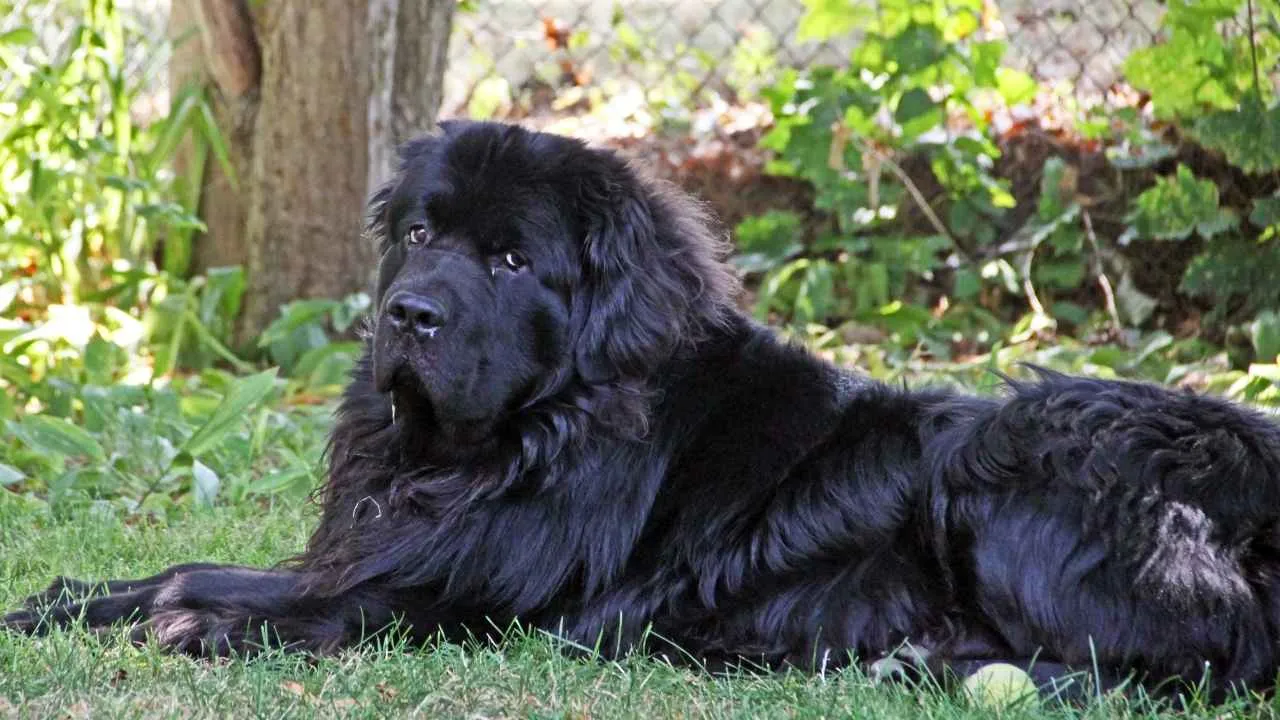
Developed in Canada as a large working breed, the Newfoundland was originally built to assist fishermen with water rescues and lifesaving operations. Its muscular build, webbed paws, and thick double coat make it a remarkably capable swimmer built for the water.
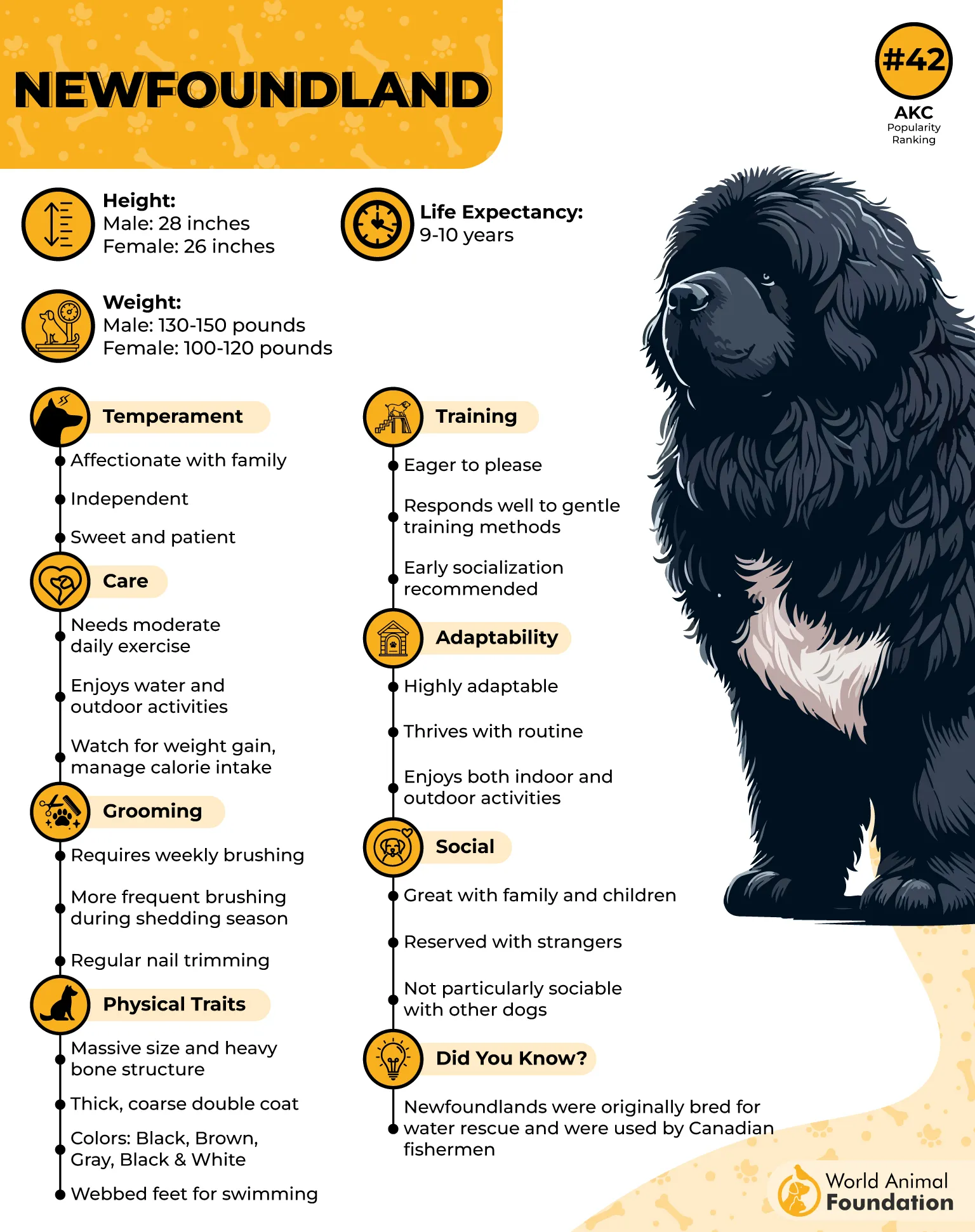
Despite its massive size, weighing between 121–176 pounds and standing 26–28 inches tall, the Newfoundland is a gentle, fun-loving dog. It is widely regarded as a natural ‘nanny dog’ around small children, thanks to its forgiving and protective nature. It moves with a deliberate, calculated care that helps it avoid accidentally hurting those around it.
Its lifesaving instincts extend well beyond the home; Newfoundlands are deployed in Coast Guard operations and have even been dropped from helicopters into the ocean to rescue people in distress. Swimming, nose work, puzzle feeders, and obedience training are all excellent outlets for this breed’s capable and willing mind.
7. Saint Bernard
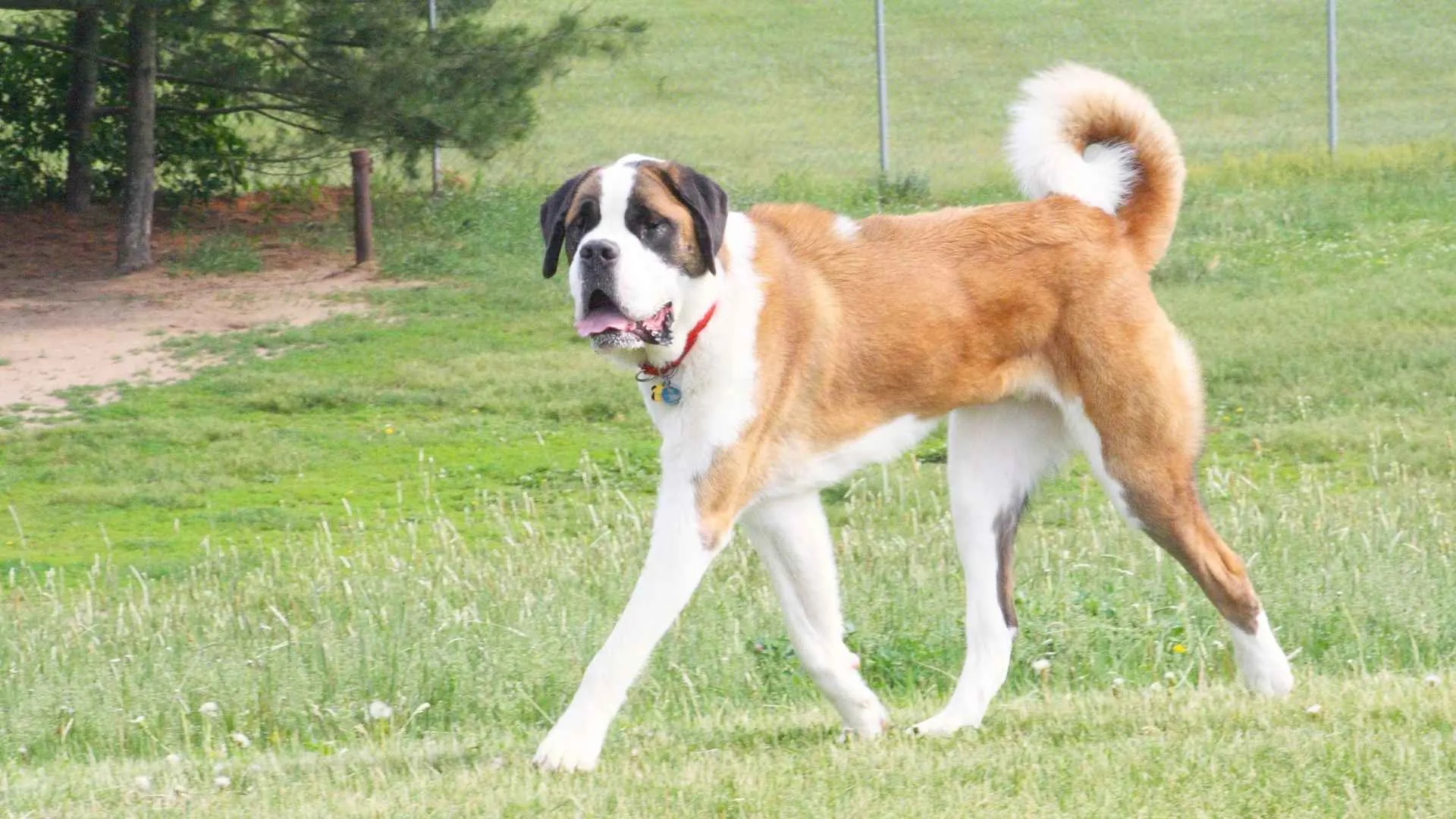
The Saint Bernard was originally bred by the monks of the Great St. Bernard Pass hospice on the Italian-Swiss border; developed specifically to rescue travelers trapped in the snow. In the field, these dogs would locate buried individuals, drag them to safety, lick their faces to keep them conscious, and wrap their bodies around them for warmth.
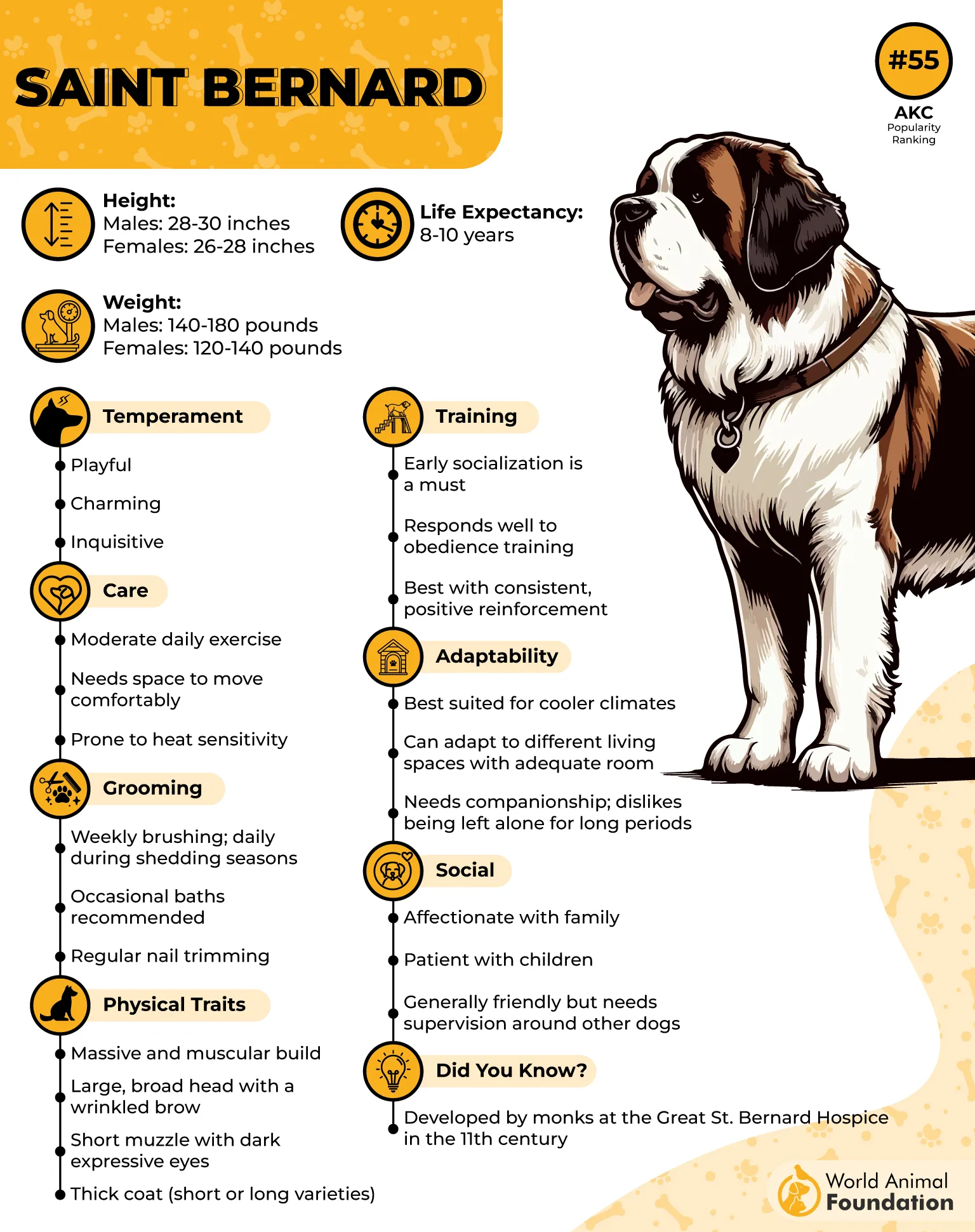
Selectively bred for lifesaving, the Saint Bernard carries naturally low reactivity as a result. The Royal Kennel Club states that this laid-back temperament gives it a genuine affinity for children, and its calm, steady presence makes it particularly well suited to supporting children with neurodivergent needs such as autism.
Given its massive size and the risk of accidentally knocking someone over, consistent early training is non-negotiable. Fortunately, its deep bond with its family makes it highly responsive to training when approached with patience and care. The Saint Bernard is also sensitive to heat due to its thick coat, and outdoor activity should be avoided on warm days.
Conclusion
Choosing a dog is about more than appearance and popularity. Temperament often determines how smoothly a dog fits into your daily life and how strong your bond becomes over time. The Cavalier King Charles Spaniel, Pug, Golden Retriever, Labrador Retriever, Bernese Mountain Dog, Newfoundland, and Saint Bernard all share a reputation for kindness, patience, and affection.
Yet each brings something unique to the table. Some are playful comedians, while others are calm protectors or giant cuddle experts. Whether you prefer a small lap companion or a gentle giant, these breeds remind us that the biggest strength a dog can have is often a loving heart.
