




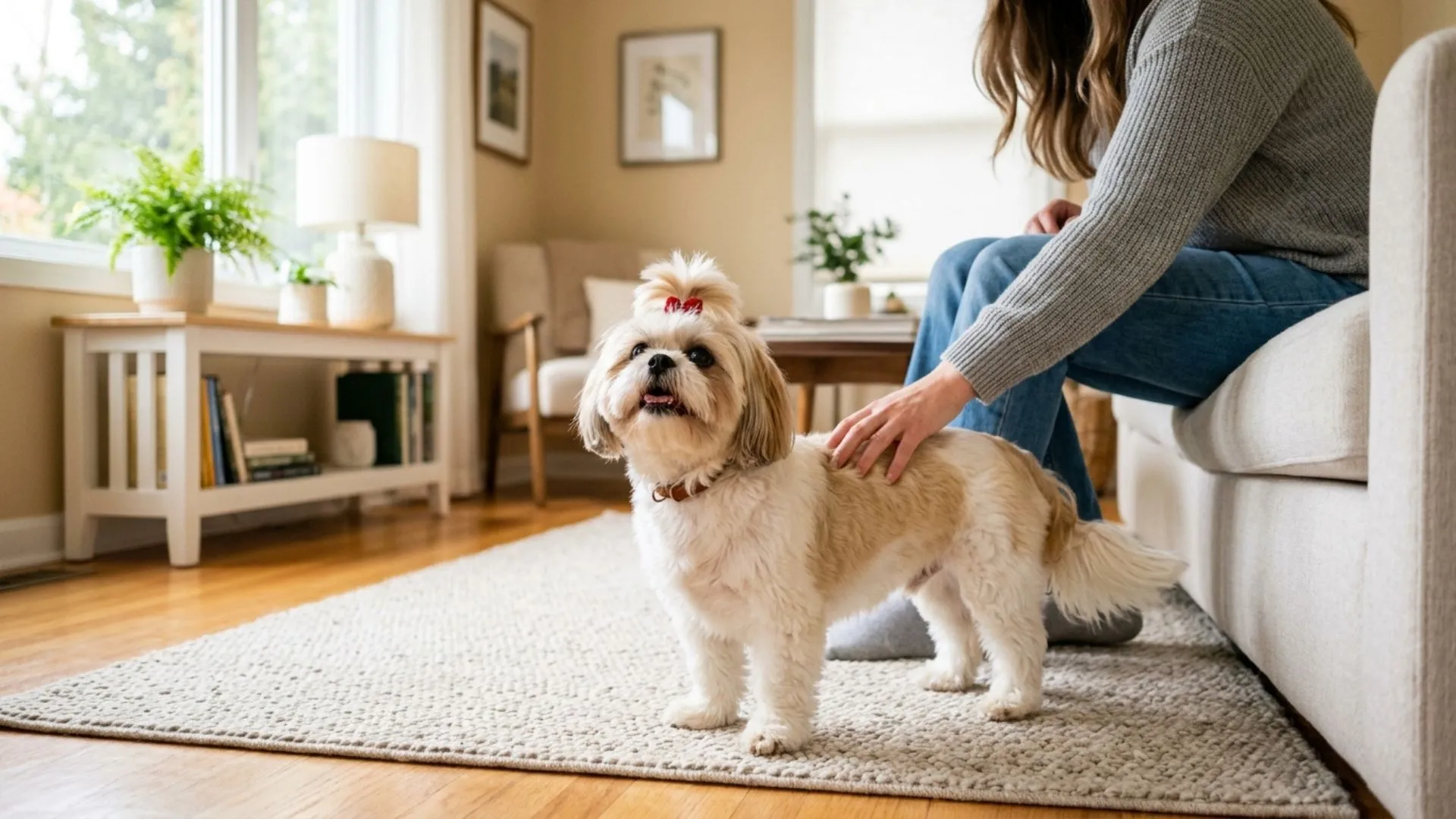
Millions of households welcome a dog for the first time every year, yet the experience can vary dramatically from one owner to another. While dedication and preparation certainly play important roles, the breed itself often influences how smoothly those first months unfold.
Some dogs adjust readily to family routines, respond positively to training, and handle new situations with greater ease. Others require a level of experience that beginners may still be developing. These differences can shape everything from daily management to long-term satisfaction.
For first-time owners, selecting a breed with qualities that support learning and adaptability often leads to better outcomes for both sides of the relationship. A strong start builds confidence, encourages consistency, and creates a more enjoyable environment for everyone involved.
The good news is that several breeds have earned a reputation for making that process easier. Ahead, you will discover the dogs that continue to stand out as excellent choices for first-time ownership.
Key Takeaways
A first dog often shapes how confident someone feels about training, routines, and everything that comes with pet ownership.
Golden Retrievers and Labradors fit into family life with ease, thanks to their steady nature and simple training needs.
Miniature Poodles and Cavaliers blend intelligence with calm companionship, helping new owners build confidence step by step.
By the end, the difference between easygoing companions and more demanding breeds becomes surprisingly clear.
Wonderful Dog Breeds for First-Time Dog Ownership
1. Golden Retriever
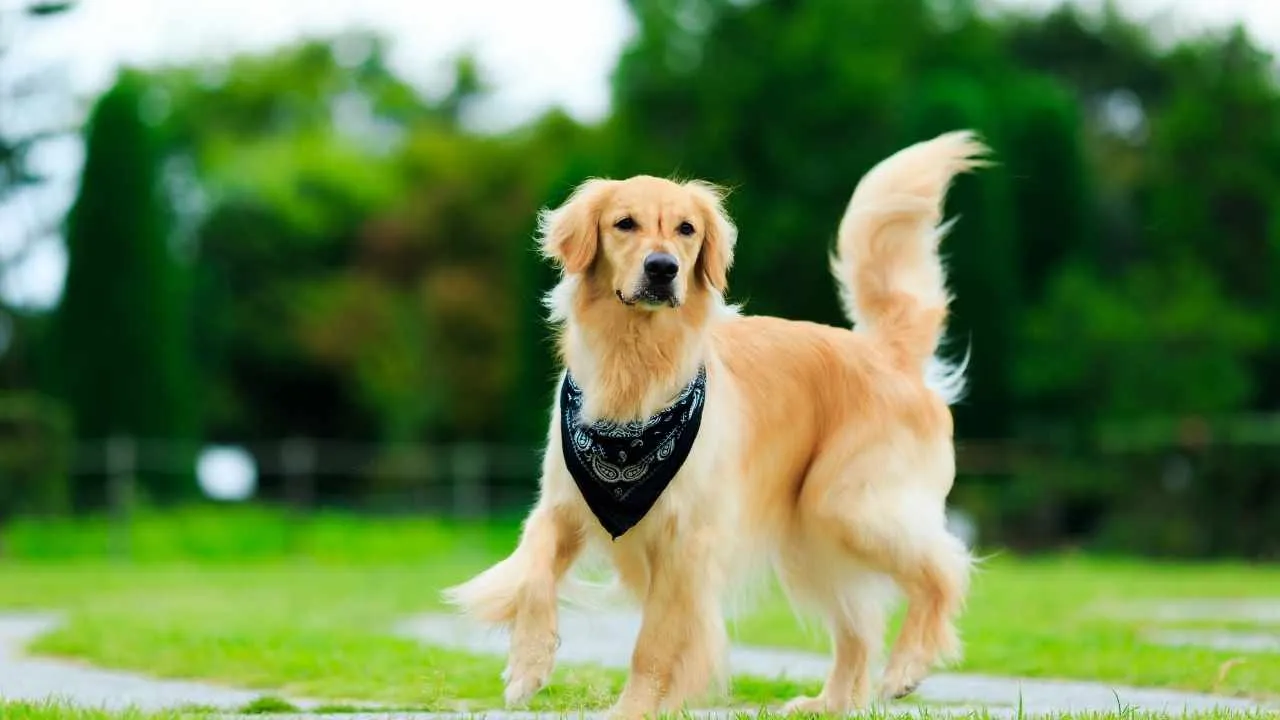
Golden Retrievers rarely miss an opportunity for interaction and often seek affection with a gentle nudge for extra attention. This people-focused personality explains why the breed fits comfortably into busy households. Intelligence and an eager attitude further strengthen that connection.
Easy First Companion
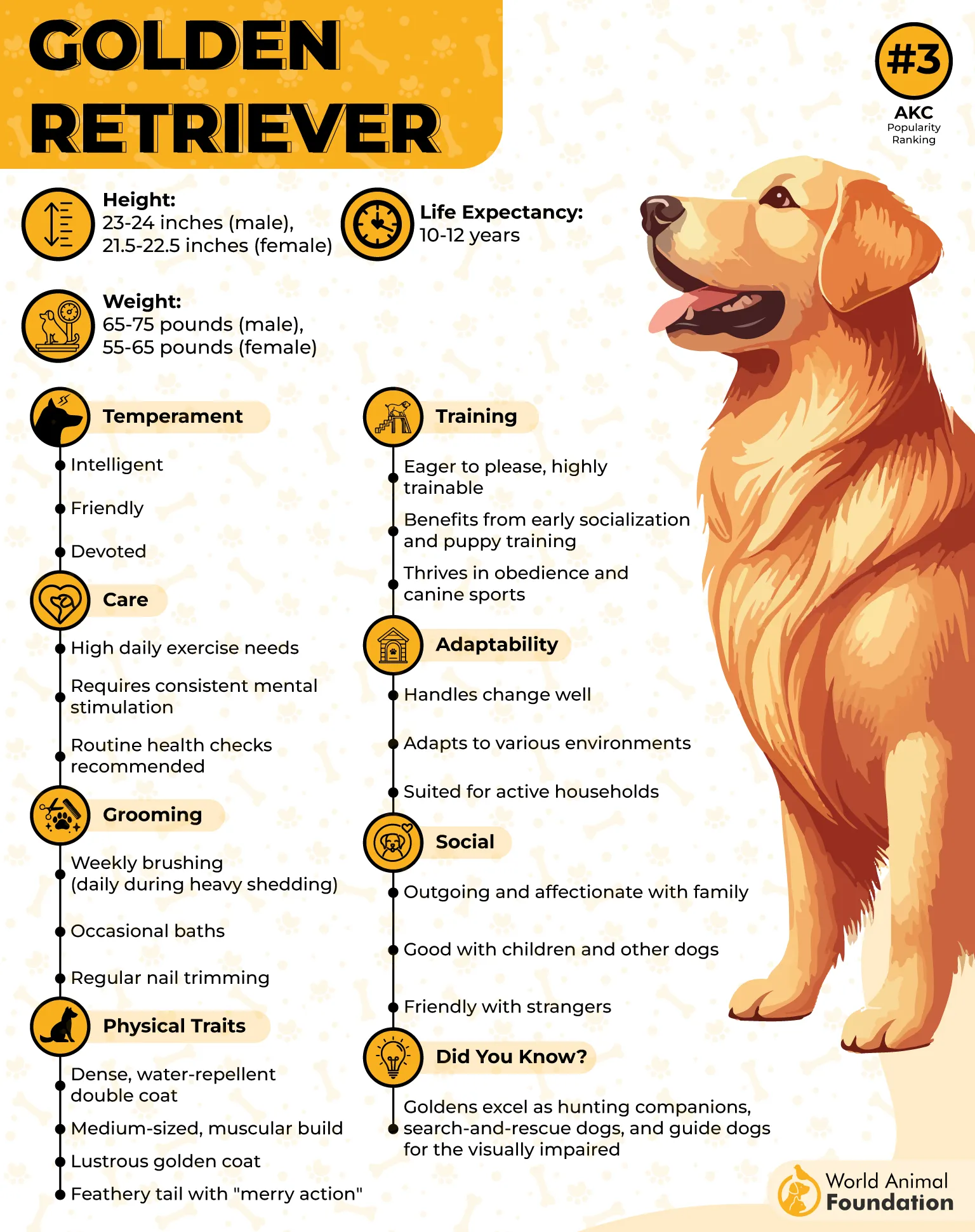
Golden Retrievers respond well to guidance, making early learning less overwhelming for new dog owners. Their friendly approach extends to children, other pets, and even unfamiliar visitors when socialized properly, as Royal Canin noted.
A few qualities make that transition smoother:
Learns commands readily
Friendly with family pets
Naturally affectionate
Energy and Routine
They bring plenty of enthusiasm to everyday life and benefit from both physical activity and mental challenges. Despite that energetic side, excessive barking and destructive digging are not commonly associated with the breed. Regular outlets for activity help channel that energy productively.
2. Cavalier King Charles Spaniel
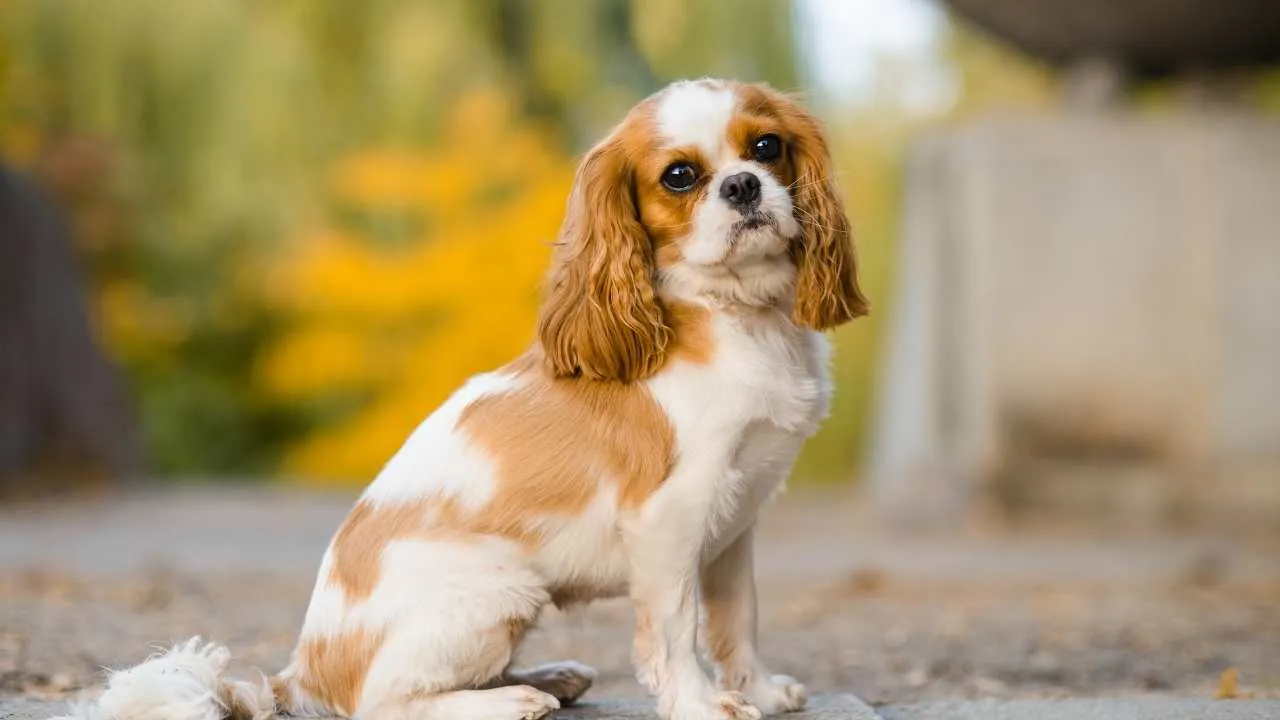
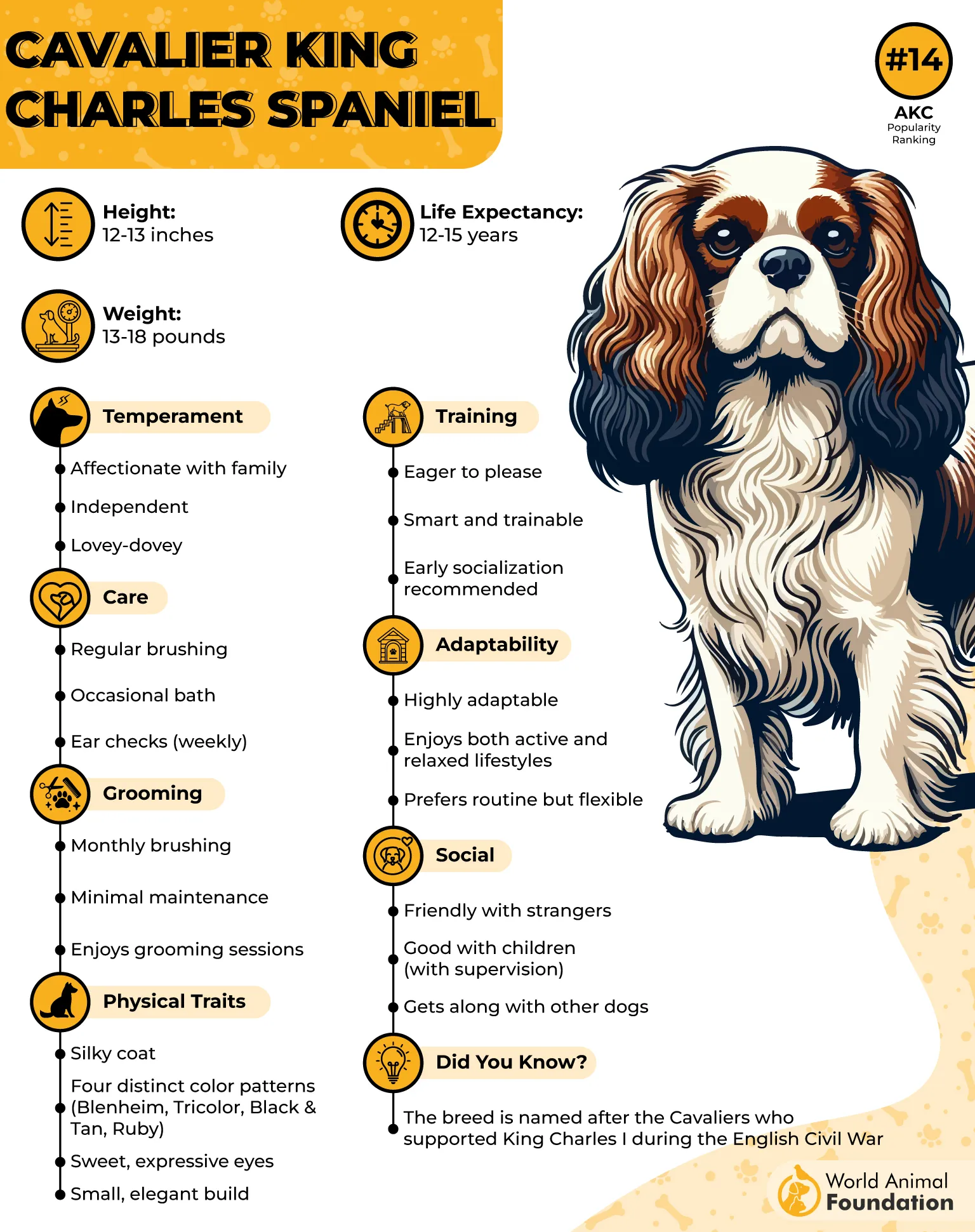
Cavalier King Charles Spaniel has a way of making itself part of every moment, often using its expressive eyes to stay closely connected with people. As per Omlet, Tudor households valued these little dogs as lap companions and even used them as warmers during cold days.
Easy for Beginners
A gentle temperament and eagerness to be around people make this breed an approachable choice for first-time dog owners. They balance playful moments with quiet relaxation, fitting naturally into a variety of households.
Several qualities contribute to that appeal:
Learns readily with guidance
Gentle with children
Enjoys companionship
Everyday Personality
This spaniel often alternates between playful exploration and long stretches of affectionate downtime. Walks, interesting scents, and chasing moving objects provide enjoyment, while a comfortable sofa is equally welcome. Their tendency to roll over for belly rubs adds plenty of character.
3. Labrador Retriever
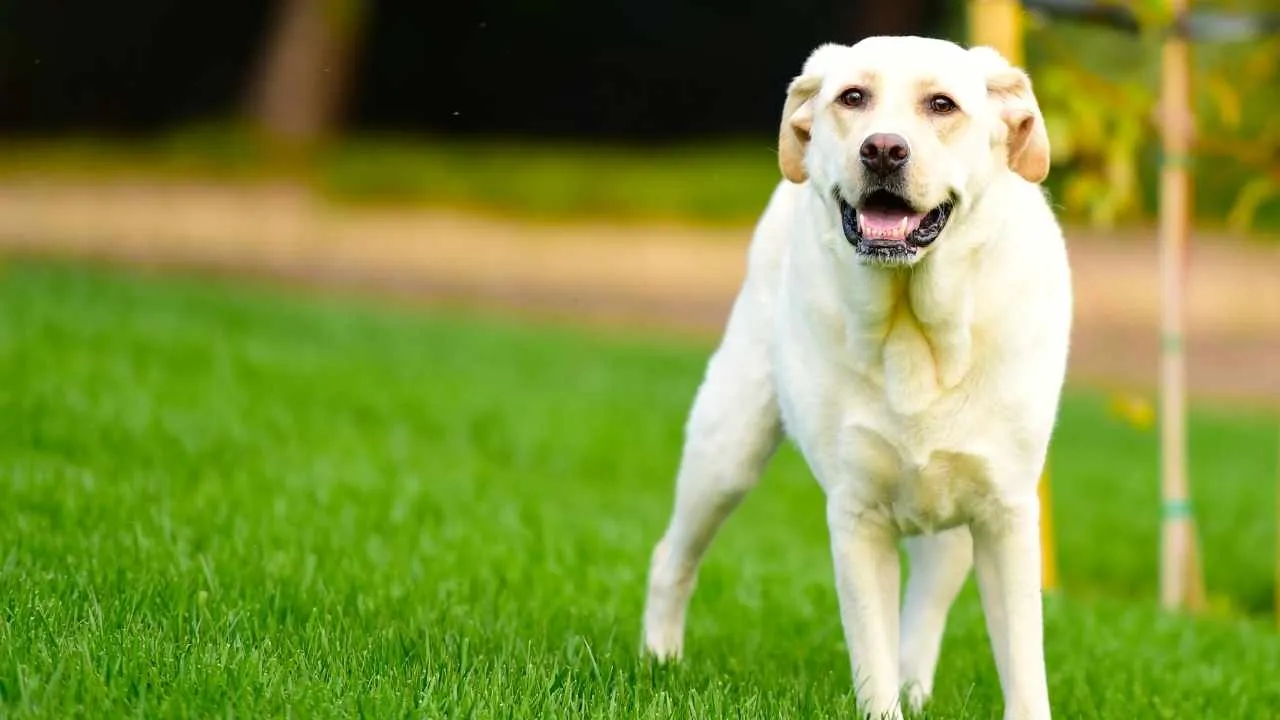
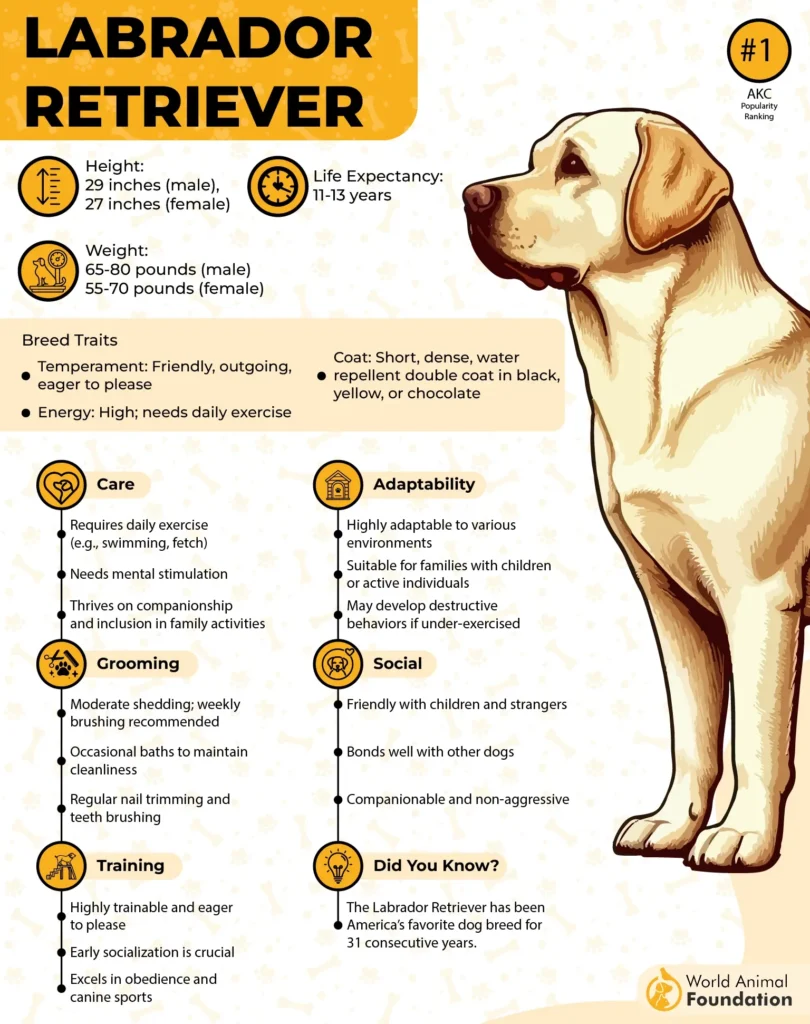
Labrador Retriever is known for an outgoing, people-focused nature that makes interaction feel effortless and warm. Its strong enthusiasm for play and daily activity often shapes the rhythm of the home. Originally linked to working water tasks, its structure supports active lifestyles.
Easygoing Family Fit
This dog breed adjusts well to households with children, pets, and frequent visitors, which explains their popularity in many homes. Their social behavior makes early introductions smooth when guided properly.
Their broad appeal is reflected in these traits:
Naturally friendly with people
High interest in play and activity
Requires consistent guidance during early training
Care and Routine Needs
Labradors have a water-resistant double coat that sheds heavily, making regular brushing part of routine care, noted by PetMD. Puppies often explore by chewing, which requires supervision and early training boundaries. Consistent activity helps channel their energy in a positive direction.
4. Miniature Poodle
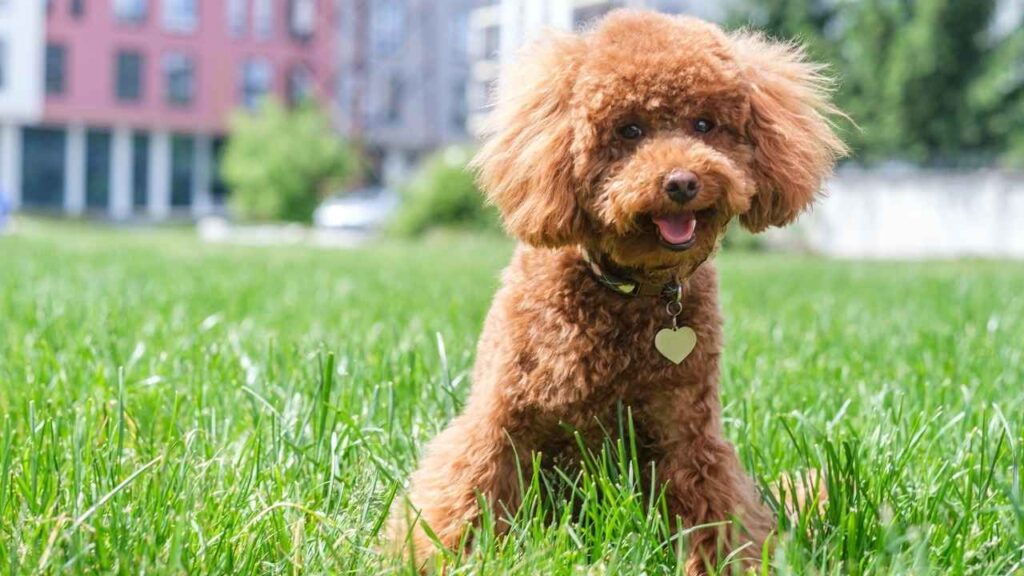
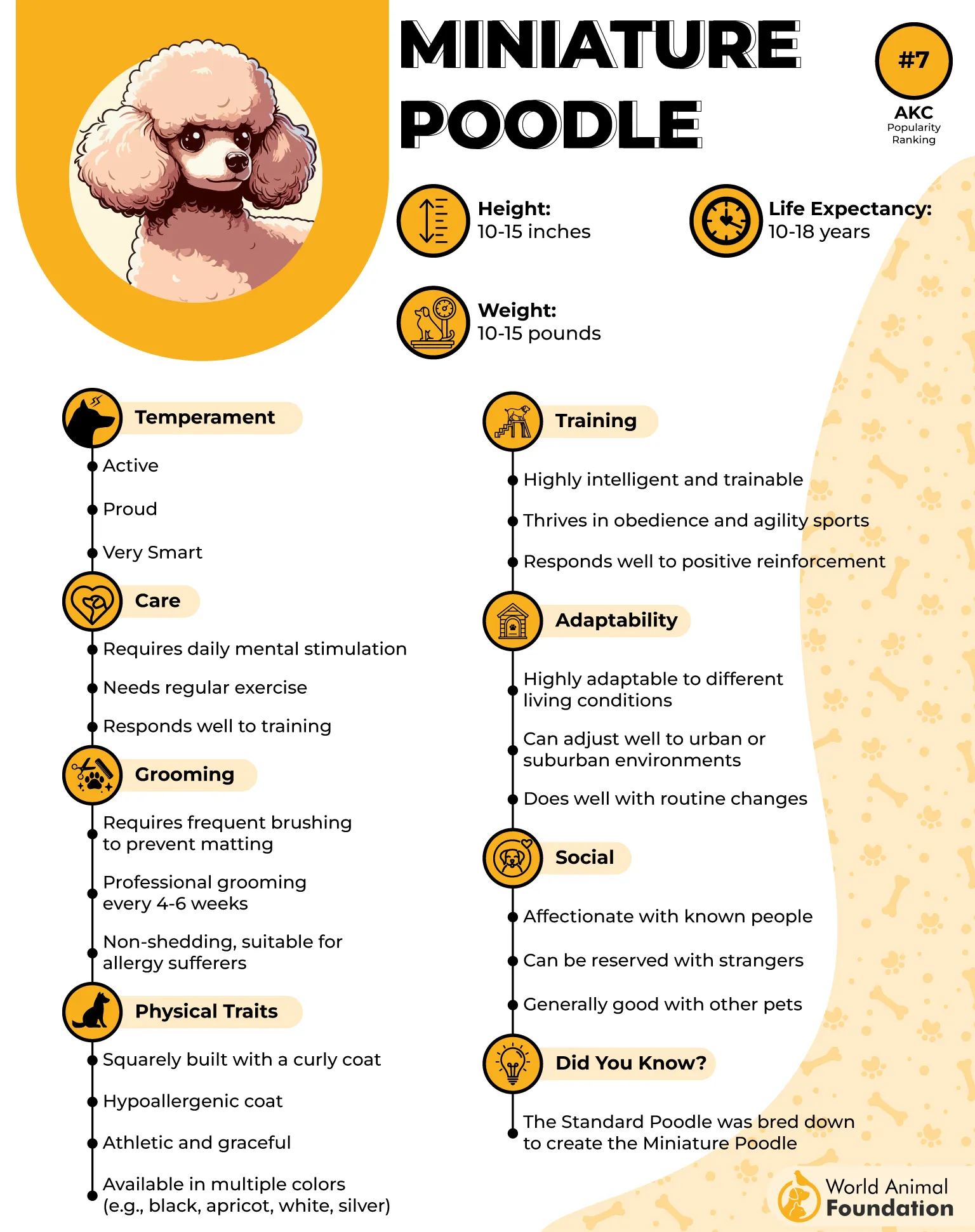
Miniature Poodles usually get new cues quickly, without needing long practice to understand them. Its roots are linked to a curly-coated European working dog that gained popularity for both water retrieval and herding tasks. Intelligence and responsiveness shape its everyday behavior.
Smart and Trainable Companion
That natural learning speed makes the breed a practical choice for those stepping into dog ownership for the first time. Miniature Poodle responds well when tasks feel structured and engaging, especially with positive interaction.
These behavioral traits often guide training experiences:
Learns commands quickly
Enjoys interactive tasks
Responds to consistent feedback
Social and Expressive Nature
Miniature Poodle brings a lively and social energy that blends well into family routines. It often warms up slowly to unfamiliar faces but becomes friendly once comfortable. Early social exposure helps shape balanced interactions with people and other dogs.
5. Bichon Frise
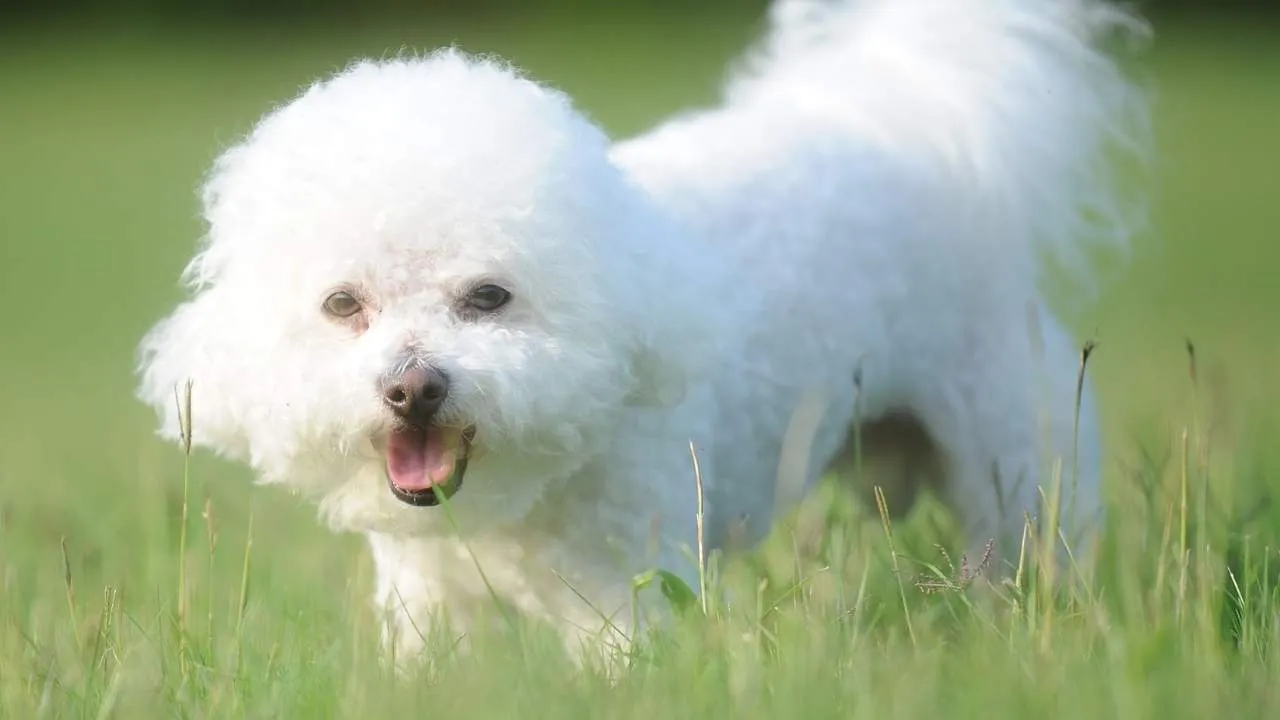
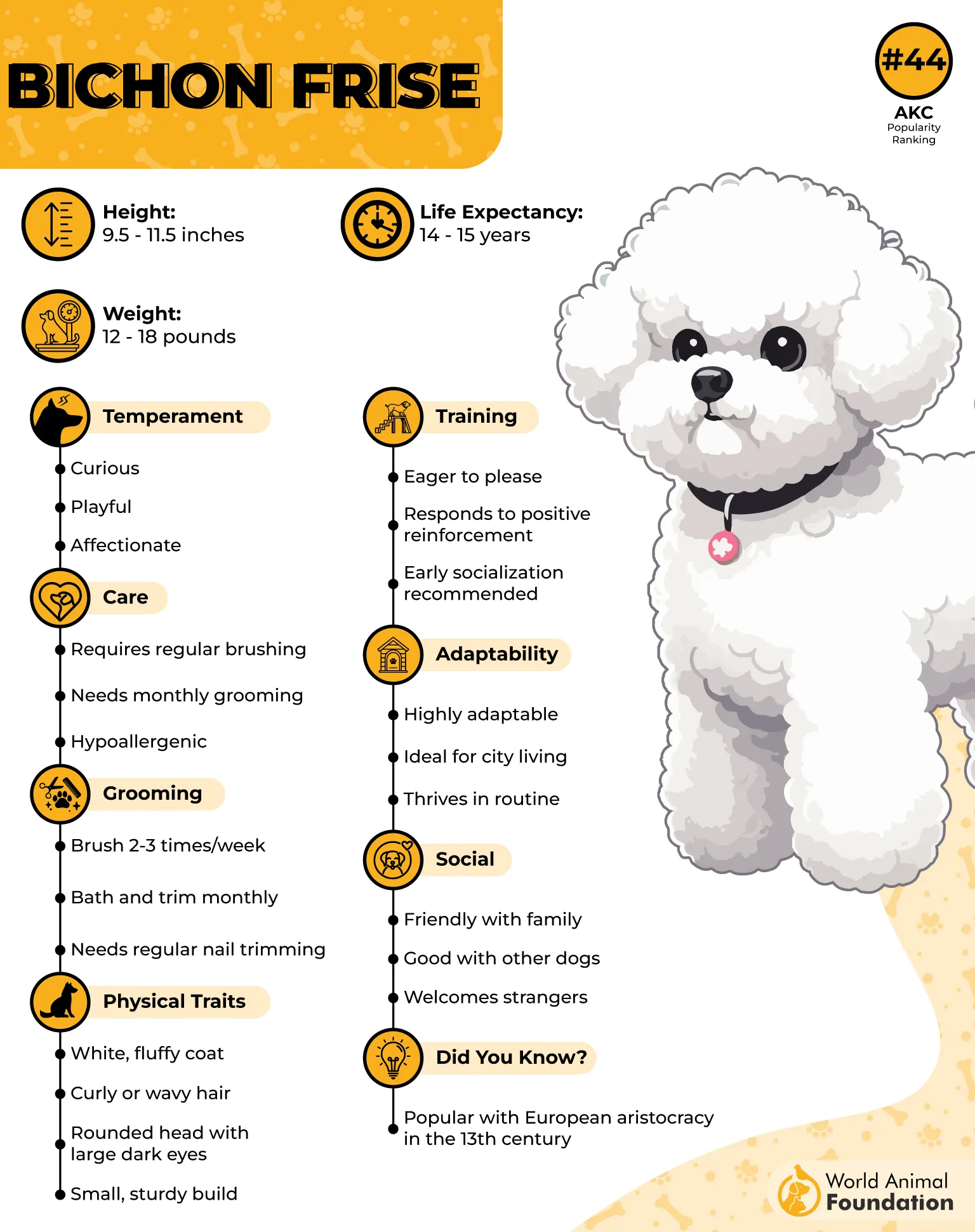
Bichon Frise tends to stand out through its bright, animated way of interacting with its surroundings. Its compact build pairs with a soft, white coat that feels plush and delicate to touch. Known for intelligence and charm, the breed has long relied on personality to stay close to people.
Social Ease and Daily Rhythm
These affectionate dogs adjust smoothly to apartment settings and enjoy being part of everyday household activity. Its friendly approach toward children and other pets makes interactions feel natural and relaxed.
A few everyday behaviors explain this easygoing nature:
Friendly with children and pets
Learns routines with ease
Enjoys short interactive play
Mood and Interaction Style
Bichon Frise often alternates between calm moments and brief bursts of playful energy indoors or outdoors. Its curious and alert nature helps it respond quickly to movement or activity around the home. Instead of distance, it leans toward familiarity with the people it encounters.
6. Dachshund
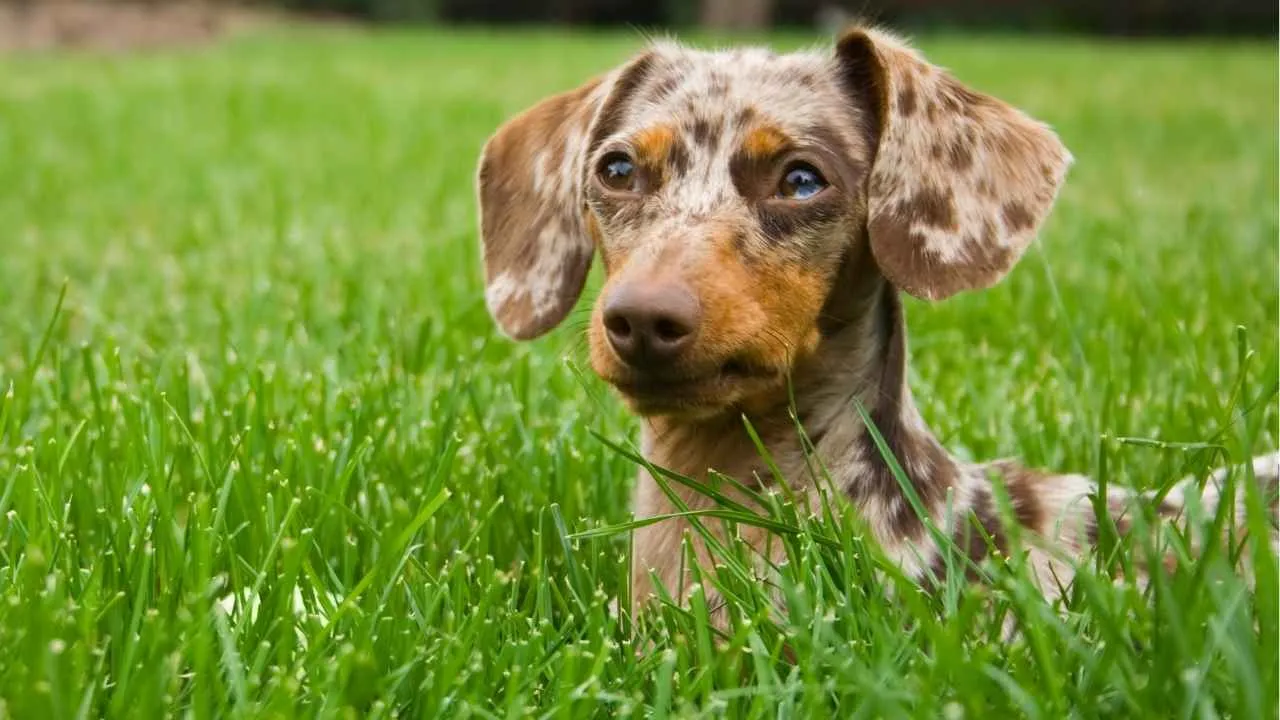
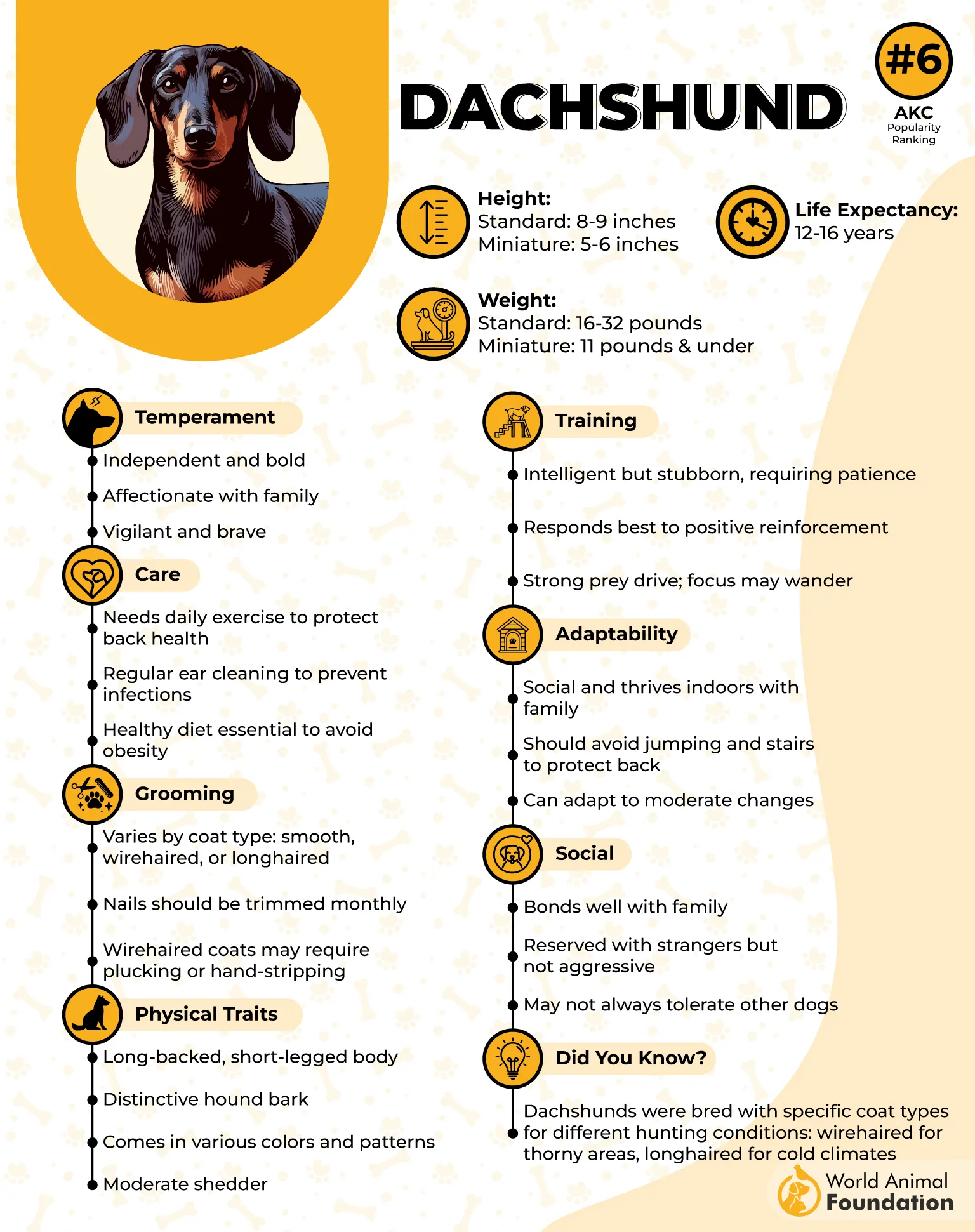
Dachshund is instantly recognized for its elongated body and short, strong legs that give it a distinct ground-hugging stride. Originally shaped for independent hunting of challenging prey, it learned to rely on courage and quick thinking in tight spaces.
Compact Energy with Purpose
This small dog brings playful energy into daily life, often switching between curiosity and mischief in seconds. Mental games and scent-based activities keep its mind engaged, while controlled movement supports its physical build.
This is how this small frame handles daily routines:
Strong curiosity toward scents and movement
Enjoys puzzle-based play and tracking tasks
Requires mindful activity to protect its back
Care and Everyday Balance
They adapt well to indoor living when given regular walks and structured activity throughout the day. Short bursts of play combined with steady routines support its overall condition and comfort. Its coat is generally easy to manage, with minimal odor and moderate shedding contributing to simpler upkeep.
7. Shih Tzu
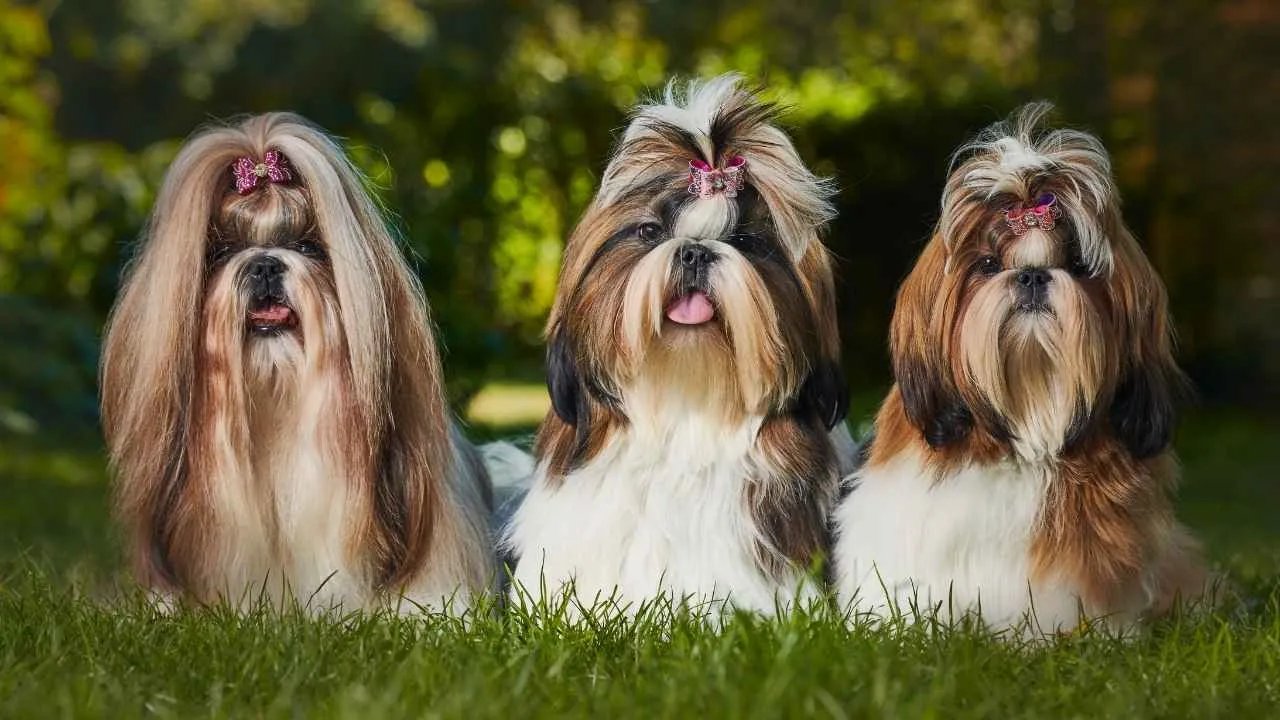
The Shih Tzu is easy to pick out with its soft face and deep, dark eyes that give it a quietly observant presence in daily life. Bred for indoor companionship in royal settings, it naturally leans toward close human interaction. Its gentle charm often shapes how it behaves around people.
Comfort-Focused Temperament
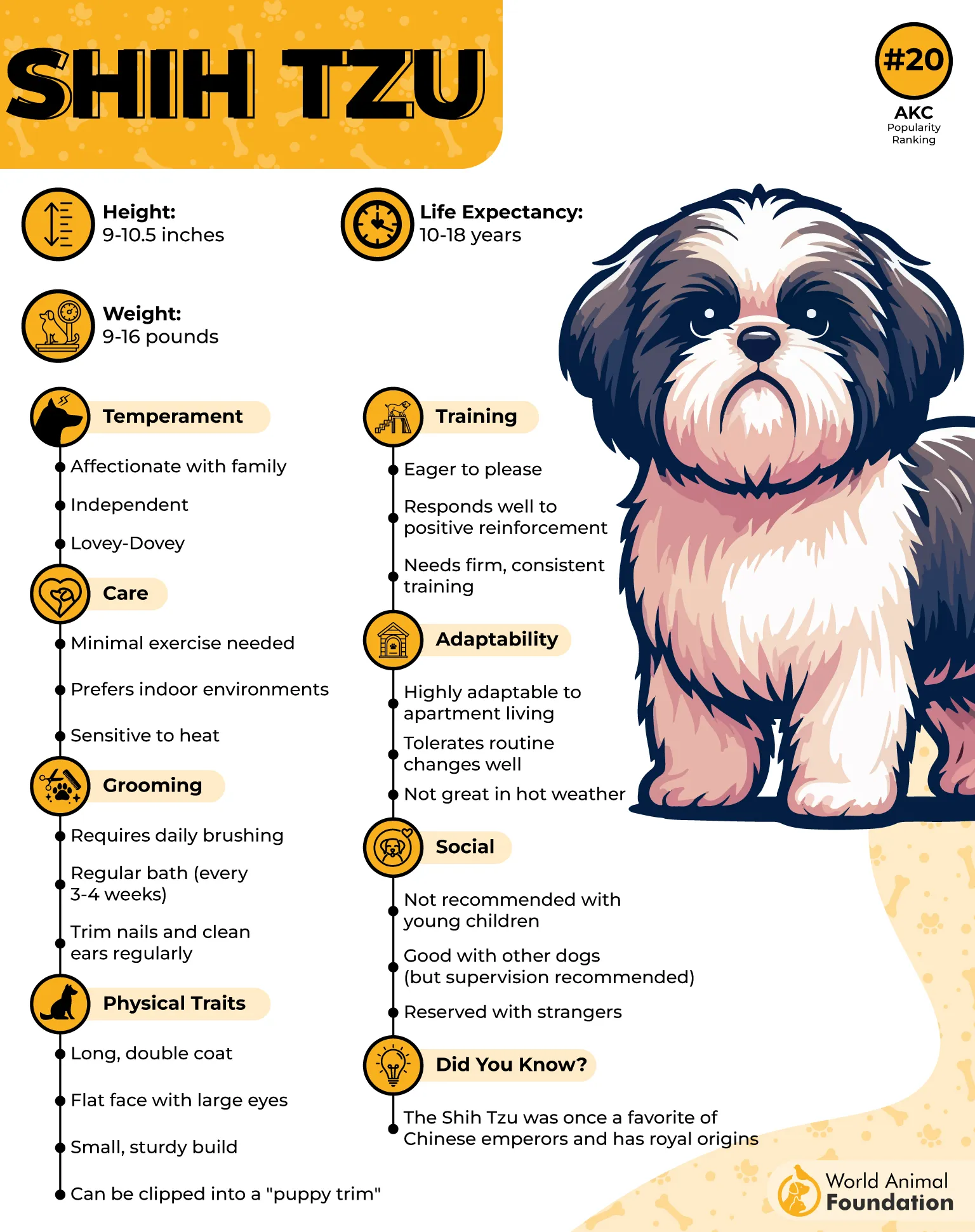
This furry companion adjusts well to smaller living spaces where steady companionship matters more than open activity. Its affectionate nature makes it especially responsive in family settings, particularly around children.
Their relaxed routines are mentioned here:
Enjoys close lap contact
Comfortable in apartment living
Gentle with children
Coat Care and Handling
Shih Tzu requires regular grooming to keep its long coat manageable, especially when kept in its traditional style. Some owners opt for a shorter “puppy trim” to simplify maintenance while retaining its appearance. Its adaptable nature makes both grooming styles workable in everyday care.
Conclusion
Successful first-time ownership rarely depends on luck alone. It usually begins with choosing a companion whose temperament, learning ability, and daily needs fit comfortably within a household routine. Dogs that adjust easily to new experiences and respond positively to consistent guidance often help create a more enjoyable introduction to ownership.
Small victories during training and daily care gradually build confidence for both sides. Although every companion brings unique characteristics, reliability and adaptability tend to make the biggest difference in everyday life. Starting with the right match can transform the learning process into a rewarding experience filled with trust, growth, and companionship.
