




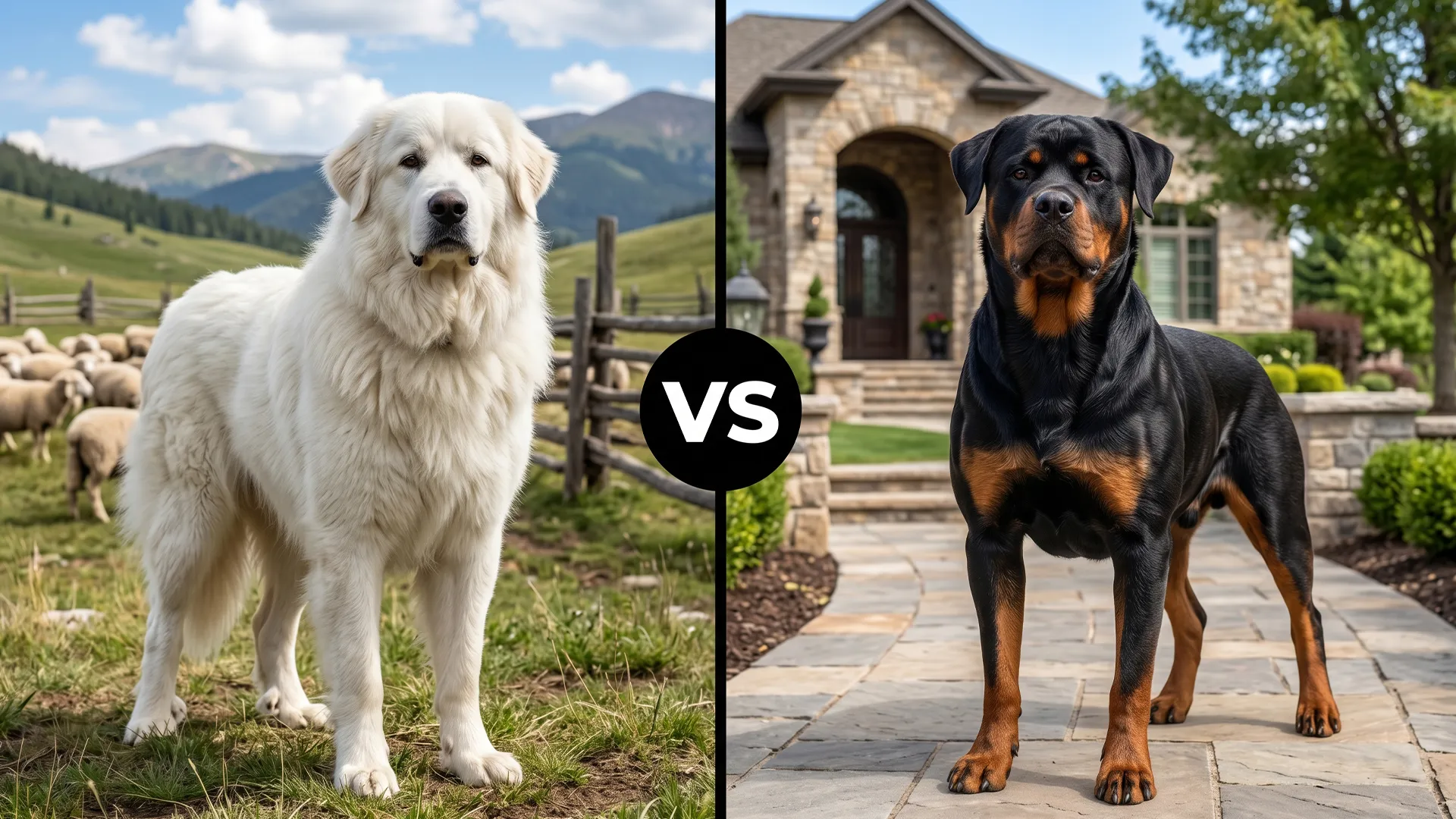
What happens when you compare a majestic mountain guardian to one of the world’s most misunderstood protectors? You get a showdown filled with myths, assumptions, and surprising truths.
The Great Pyrenees and the Rottweiler are both powerful working breeds with strong protective instincts, yet they couldn’t be more different in how they express them.
The Great Pyrenees is often admired for its calm confidence, gentle nature, and quiet watchfulness, while the Rottweiler is known for its strength, intelligence, and unwavering devotion to the people it loves.
Unfortunately, both breeds are frequently judged by appearances and stereotypes rather than their true personalities. The fluffy giant isn’t always laid-back, and the muscular breed isn’t naturally aggressive. The reality lies somewhere in between.
Understanding these breeds means looking beyond popular myths and exploring their history, temperament, training needs, and family life. Let’s uncover what these remarkable dogs are really like and which stories are fact versus fiction.
Great Pyrenees vs. Rottweiler: Myths vs. Reality Explained
Key Takeaways
Great Pyrenees and Rottweilers are both protective breeds, but they guard in different ways.
The Great Pyrenees is calm, independent, and naturally watchful.
The Rottweiler is confident, strong, intelligent, and highly devoted to its family.
Myths often make both breeds seem more aggressive than they truly are.
Proper training and early socialization are essential for both dogs.
Origins & Purpose
The Great Pyrenees and Rottweiler were both created for work, not decoration, and that history still shapes who they are today. The AKC states that the Great Pyrenees was bred as a mountain guardian, trusted to protect sheep from wolves, bears, and other threats in harsh, snowy landscapes.
This explains its calm watchfulness, independence, and quiet sense of responsibility. The Rottweiler, on the other hand, descends from strong working dogs linked to the Roman mastiffs and later became known for guarding, herding, carting, and service work.
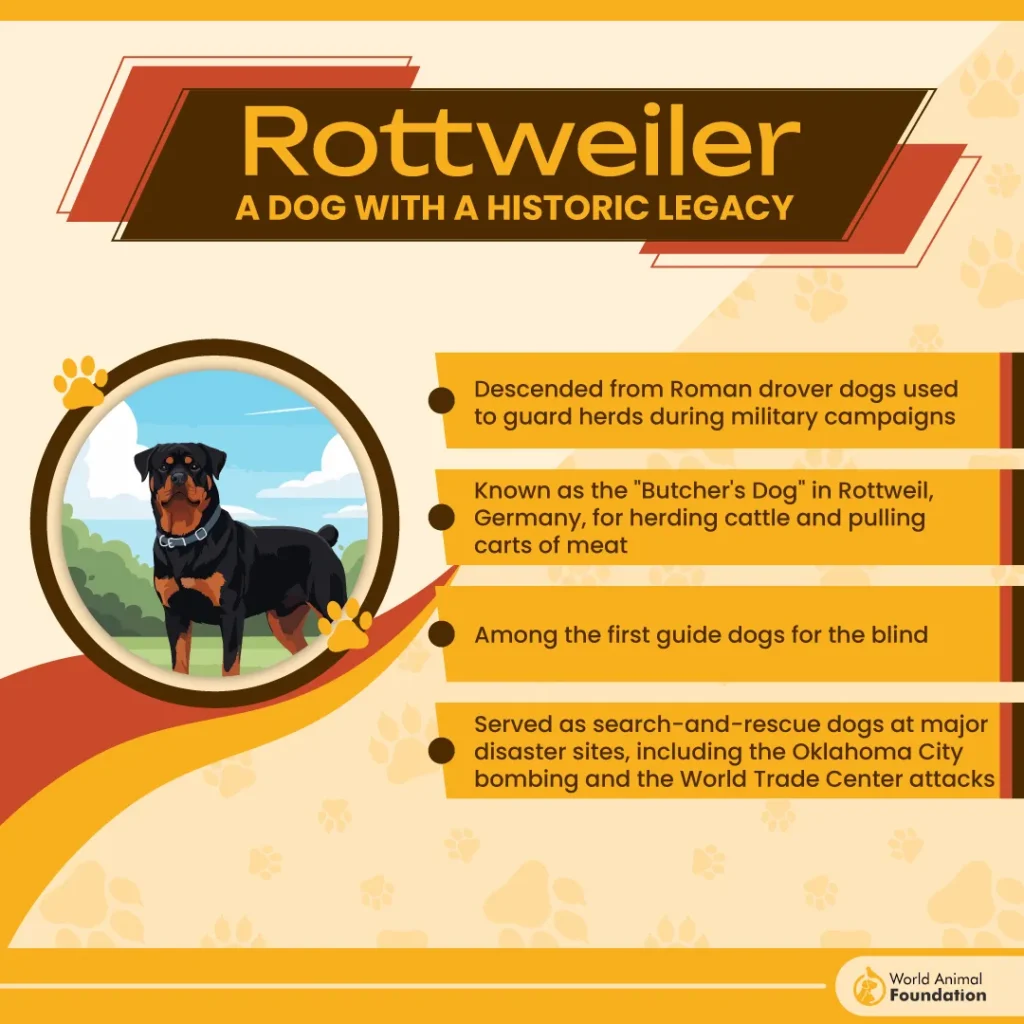
While myths often label both breeds as simply “big guard dogs,” the reality is more meaningful. These dogs were bred to think, protect, and stay loyal to their people or flock.
Their purpose was never mindless aggression. It was courage, judgment, and devotion, expressed in two very different but equally powerful ways.
Size & Build
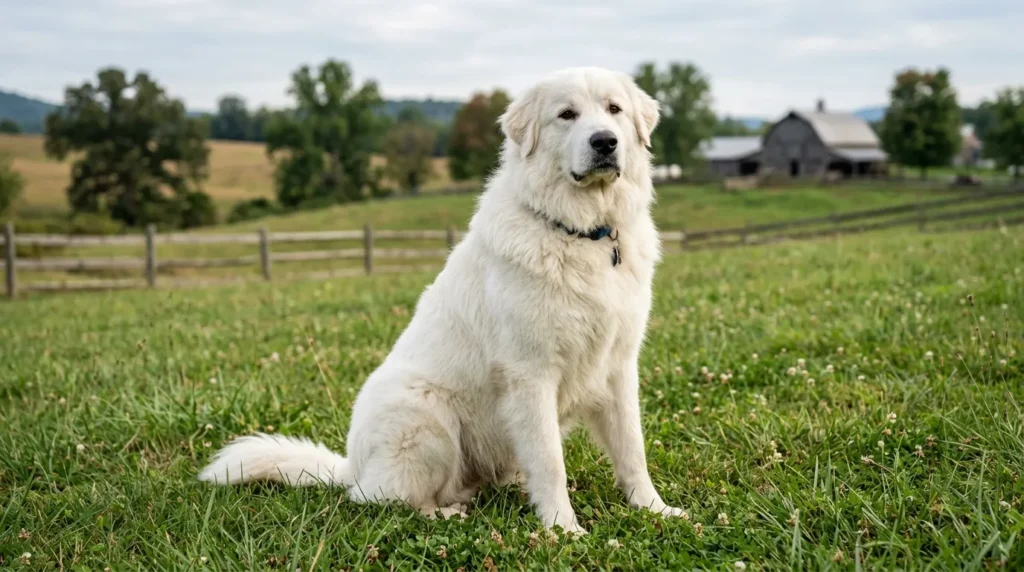
When it comes to size and build, both breeds leave a strong impression, but they do it differently. The Great Pyrenees is tall, heavily coated, and majestic, often appearing almost bear-like because of its thick, weather-resistant white coat.
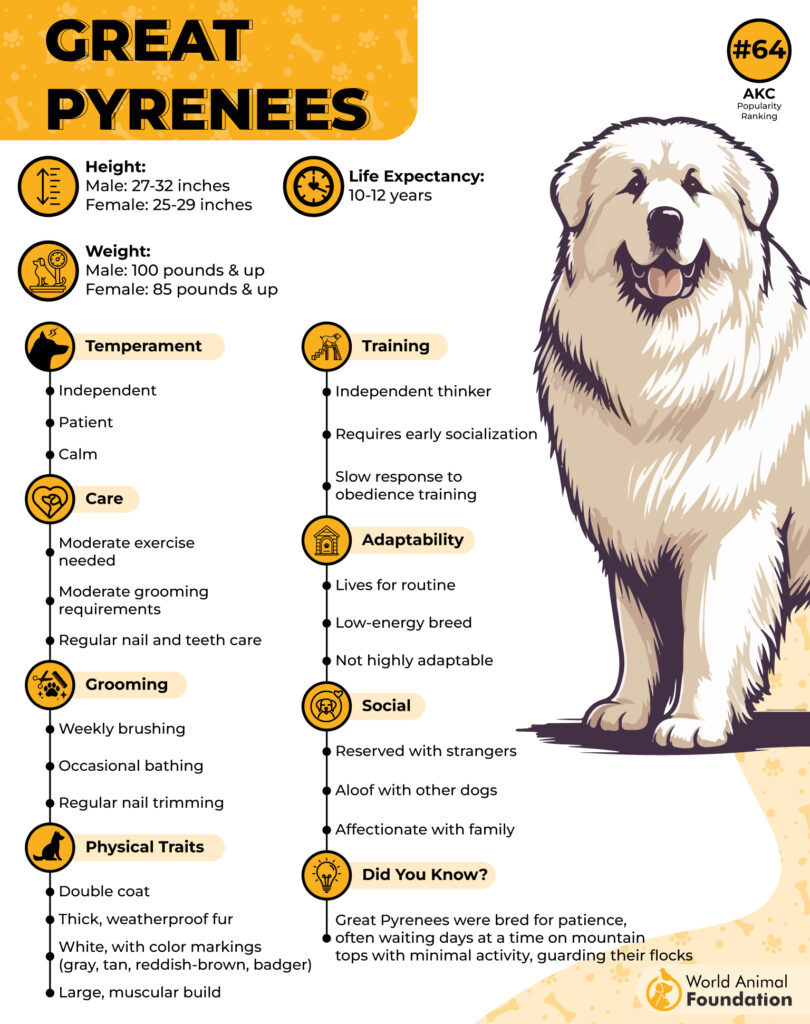
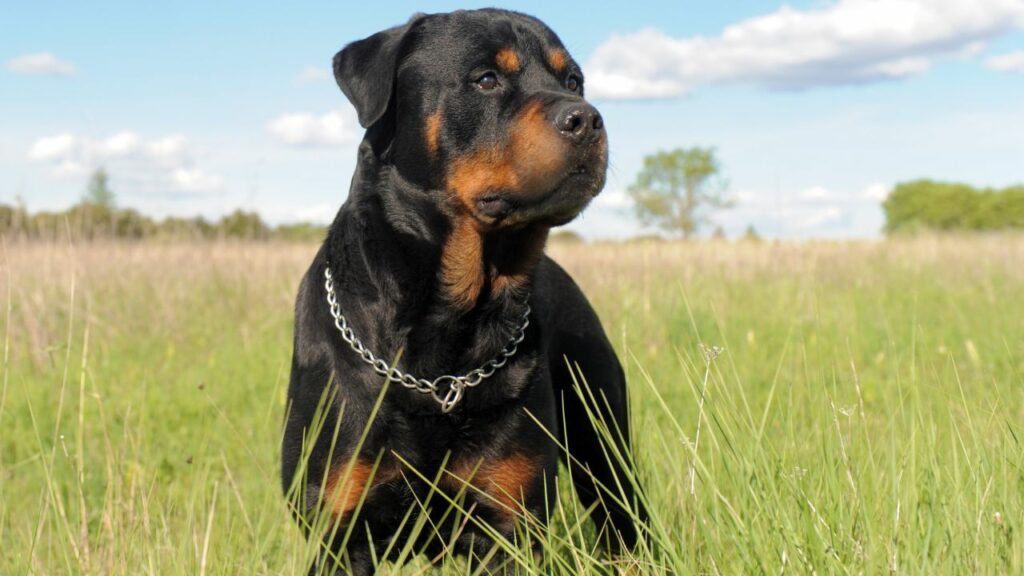
Its body was built for mountain life: strong enough to face danger, yet calm enough to move with patience and purpose. The Royal Kennel Club mentions that the Rottweiler has a more compact, muscular frame, with a broad chest, powerful hindquarters, and a short black coat marked with rust.
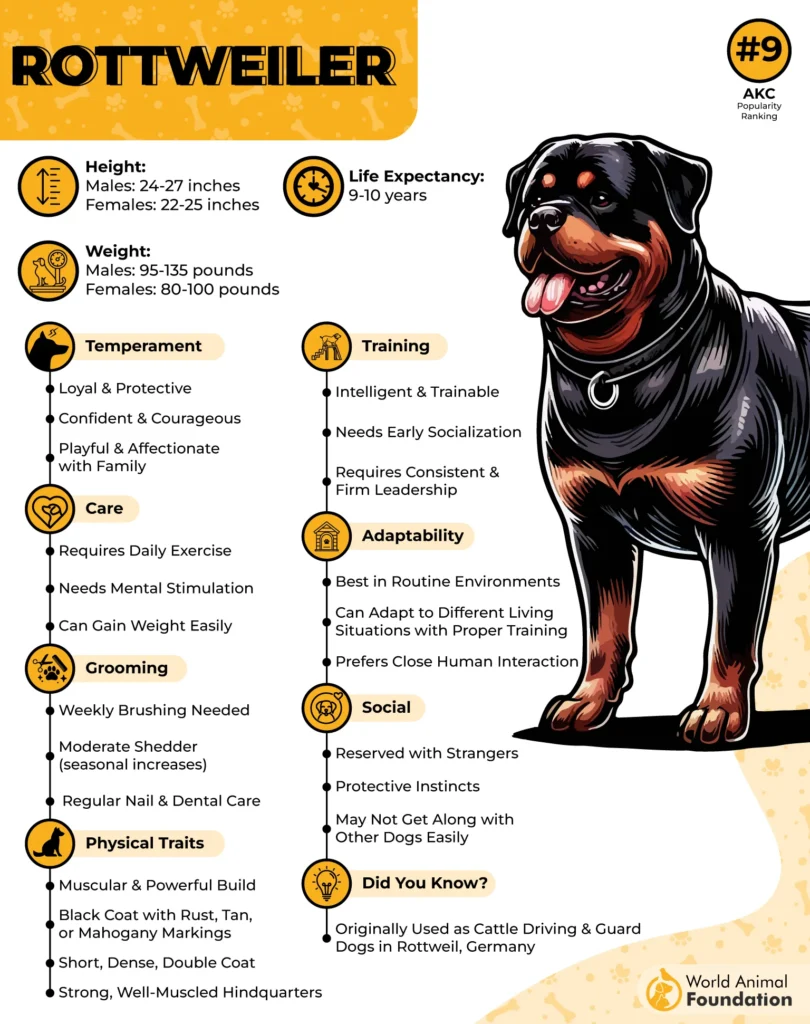
It looks athletic, confident, and ready for action. While the Great Pyrenees can stand even taller. The myth is that size alone defines these dogs. The reality is that their bodies reflect their jobs, lifestyles, and instincts.
Pricing & Availability
Pricing and availability can vary widely for both the Great Pyrenees and the Rottweiler, depending on location, breeder reputation, health testing, age, and demand. A common mistake is choosing the cheapest puppy without looking deeper.
With breeds this large and powerful, responsible breeding matters far more than a low price. Ethical breeders focus on health, temperament, and proper care before placement.
For Rottweilers, responsible breeders may test for concerns such as hip problems, eye issues, and heart conditions. Great Pyrenees breeders may also screen for issues that can affect large breeds, including hip and elbow problems, eye disorders, and other health concerns.
Availability may also differ because Rottweilers are often more commonly recognized, while Great Pyrenees may be easier or harder to find depending on the region. The real value is a healthy, well-raised dog.
Personality & Temperament
The biggest myths about these breeds usually come from misunderstanding their personalities. Rottweilers are often seen as naturally aggressive, but a well-raised Rottie is usually calm, loyal, confident, playful, and deeply attached to family.
They need early training, socialization, structure, and regular exercise to become balanced companions. The Great Pyrenees is often called stubborn, but that independence comes from generations of working alone as a flock guardian.
The UKC notes that Pyrs are intelligent, sensitive, affectionate, and deeply aware of their surroundings, but they may not obey just to please. They need patience, kindness, and consistent guidance. Loud punishment or harsh handling can damage their trust.
Both breeds can be protective, but protection should never be confused with aggression. The reality is simple: with the right home, training, and respect, both dogs can become loyal guardians with surprisingly tender hearts.
Exercise Needs & Energy Level
The Great Pyrenees and Rottweiler may both be large working breeds, but their energy levels tell two very different stories. The Great Pyrenees is more of a quiet guardian than a nonstop athlete.
Bred to conserve energy while watching over flocks, this breed is usually calm during the day and may become more alert or active at night. A good walk, secure outdoor time, and gentle mental challenges are often enough to keep a Pyr content.
The Rottweiler, however, brings more drive and physical intensity. With a history of cattle driving, guarding, draft work, and service roles, the Rottie needs regular exercise, space to move, and meaningful activity.
Myths may suggest both dogs need the same lifestyle because they are big, but reality says otherwise: the Rottweiler needs more active engagement, while the Great Pyrenees thrives on moderate movement and purposeful watchfulness.
Trainability & Obedience
Training is where the difference between these breeds becomes especially clear. Britannica states that the Rottweiler is intelligent, confident, and often eager to learn when given structure, consistency, and positive guidance.
Because of its strength and protective nature, early socialization and obedience are not optional; they are essential. A well-trained Rottweiler can become a deeply reliable companion. The Great Pyrenees is also intelligent, but in a more independent way.
This large breed was developed to work without constant human direction, so it may question commands rather than follow them automatically. That does not mean the Pyr is “untrainable.” It means training requires patience, creativity, and respect.
Myths label the Rottweiler as difficult because of power and the Pyr as stubborn because of independence. The reality is more balanced: both can learn well, but they need very different approaches.
Grooming Needs & Shedding
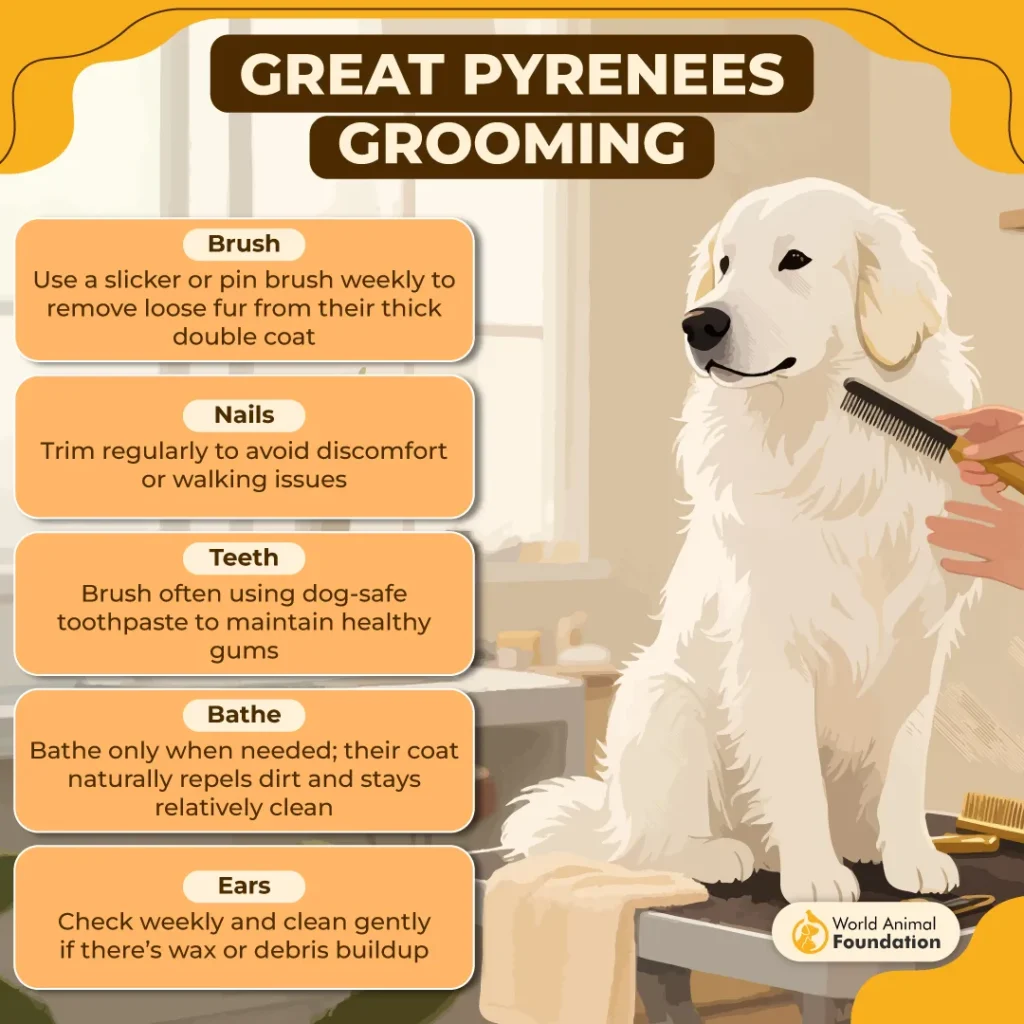
Grooming is one area where these two breeds are far from equal. The Great Pyrenees wears a thick double coat built for harsh mountain weather, with a soft undercoat and protective outer layer.
While the coat is naturally dirt- and tangle-resistant, weekly brushing or raking is still important to control shedding, especially when the undercoat sheds heavily. Their ears, teeth, nails, and double dewclaws also need regular care. The Rottweiler’s grooming needs are simpler.
Its short, coarse double coat sheds seasonally and benefits from regular brushing and occasional bathing, but it is generally much easier to maintain than the Pyr’s heavy coat.
The myth is that a fluffy white dog must always be high-maintenance, while a short-coated dog needs almost nothing. The reality is that both need care, but the Great Pyrenees clearly brings more fur, more shedding, and more grooming responsibility.
Guarding Instincts & Alertness
Both breeds are natural protectors, but they guard in different ways. The Great Pyrenees was bred to watch over flocks through the night, sensing danger before it arrived. This makes the breed highly alert, deeply observant, and often vocal, especially after dark.
Barking is one of its first tools of defense, which can become a challenge in close neighborhoods. The Rottweiler’s guarding instinct is more direct and people-focused. Loyal and confident, it bonds closely with its family and can become protective when it senses a threat.
Myths often describe guarding breeds as naturally aggressive, but protection and aggression are not the same thing. In reality, both dogs need early socialization, fair training, and responsible ownership. The Pyr watches the world like a patient sentry, while the Rottweiler stands beside its people with steady confidence and strength.
Health & Lifespan
Health is an important reality behind the beauty and strength of both breeds. The Great Pyrenees can face issues common in large dogs, including hip and elbow dysplasia, eye disorders, luxating patellas, bloat, certain cancers, Addison’s disease, skin problems, and ear conditions.
Because of its size, routine care, prevention, and treatment can become costly. The Rottweiler may also be prone to hip and elbow dysplasia, osteochondrosis dissecans, gastric torsion, Von Willebrand disease, eye disorders, and bone cancer.

As a large breed, its lifespan is commonly shorter, often around eight to ten years. Myths sometimes make these dogs seem almost indestructible because of their powerful bodies.
The reality is that large working breeds need regular veterinary care, thoughtful feeding, weight management, and close attention to early warning signs. Strength does not replace care; it makes responsible care even more important.
Great Pyrenees vs. Rottweiler: Which Breed Is Right for Your Home?
Both breeds are powerful, loyal, and protective, but they express those traits in very different ways.
The Great Pyrenees is the calm watcher, a gentle guardian with an independent mind and a heart tied closely to home and family. The Rottweiler is the confident worker, strong, intelligent, affectionate, and deeply devoted when raised with structure and respect.
Neither breed should be judged by appearance alone. Size, strength, barking, guarding instincts, and training needs all matter, but so do patience, lifestyle, experience, and commitment.
The right dog is not simply the one that looks impressive; it is the one whose needs you can truly meet.
With proper care, socialization, and understanding, both breeds can become more than protectors. They can become trusted companions, loyal friends, and unforgettable members of the family.
Conclusion
Choosing between a Great Pyrenees and a Rottweiler is really about understanding what kind of guardian fits your life. The Rottweiler is powerful, confident, and deeply loyal, often misunderstood because of its strength and protective nature.
In the right hands, with early socialization, steady training, and plenty of exercise, this “hard shell, soft centre” dog can become a loving family companion who enjoys work, play, and affection.
The Great Pyrenees brings a different kind of presence. Calm, patient, and majestic, it was bred to watch over flocks and still carries that quiet sense of duty into family life. It may be more independent and less eager to follow commands, but its loyalty runs deep.
If you want an active, trainable protector, the Rottweiler may suit you. If you prefer a gentle, watchful guardian, the Great Pyrenees may feel like home.
