




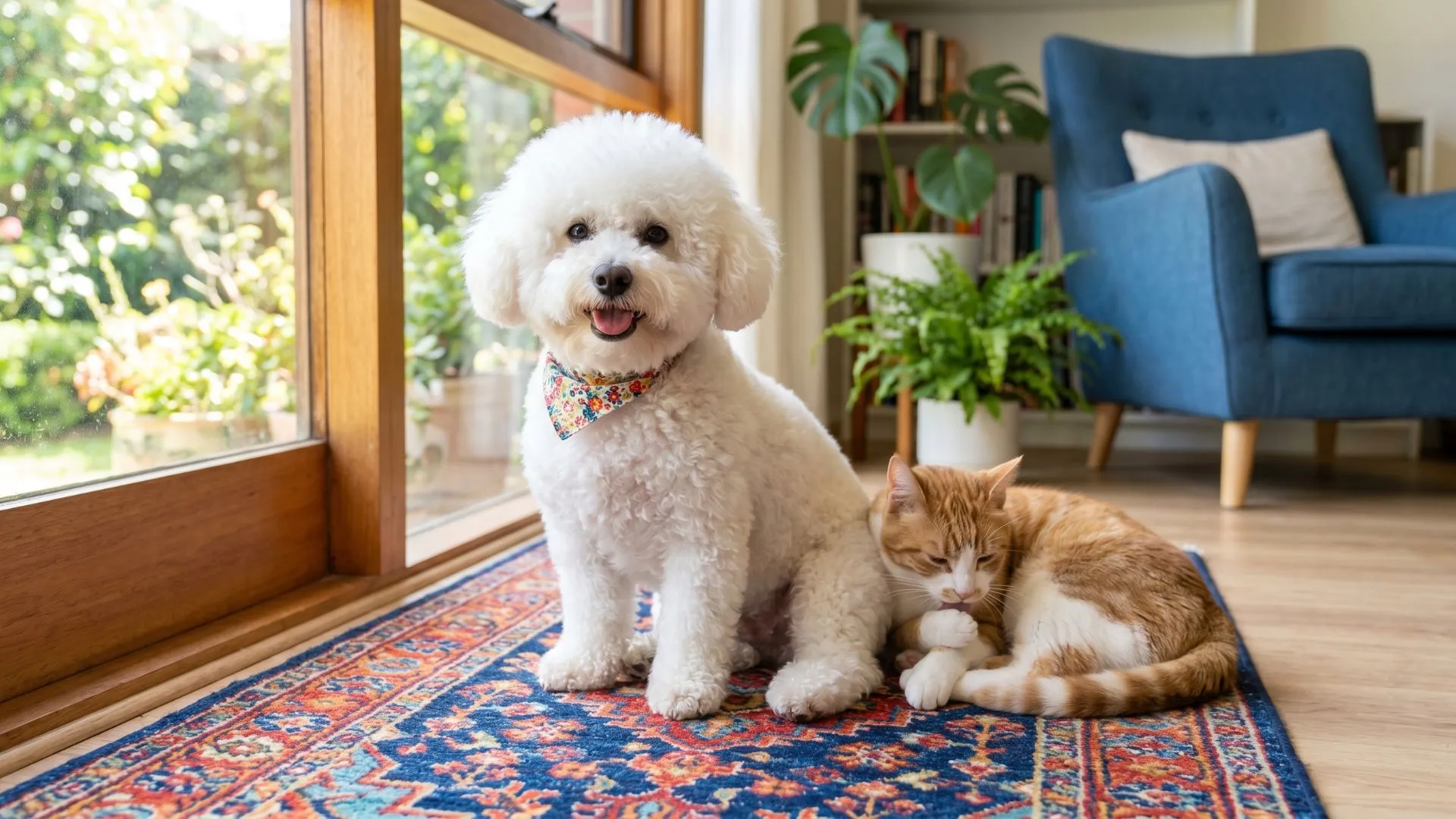
The cat had ruled the house for years. Every favorite sleeping spot, every sunny corner near the window, and every quiet evening belonged to her. Then a dog arrived, and everyone expected a period of adjustment.
For the first few days, cautious glances passed between them from opposite sides of the room. Surprisingly, the tension never escalated. The dog gave the cat space, the cat slowly lowered her guard, and before long, they were sharing the same living area without conflict.
Watching them coexist felt almost effortless. Experiences like this are not purely the result of luck. Some dog breeds naturally possess the temperament needed to live comfortably alongside feline companions. Their patience, adaptability, and easygoing nature help reduce friction during the transition period.
Finding a breed with these qualities can transform the experience of multi-pet ownership. Up ahead are the dogs most likely to earn a cat’s trust and maintain household peace.
Key Takeaways
A cat that owns every corner of the house rarely gives up space without hesitation, especially when a new dog arrives.
Labrador Retrievers and Bichon Frise often settle into shared spaces without forcing attention, slowly earning trust through calm behavior.
Beagles and Maltese bring a social, easygoing rhythm that helps cats relax instead of retreat, shaping quiet harmony indoors.
Read till the end to see which breeds are most likely to win a cat’s trust and keep the peace at home.
Dog Breeds that Naturally Get Along with Cats
1. Cavalier King Charles Spaniel
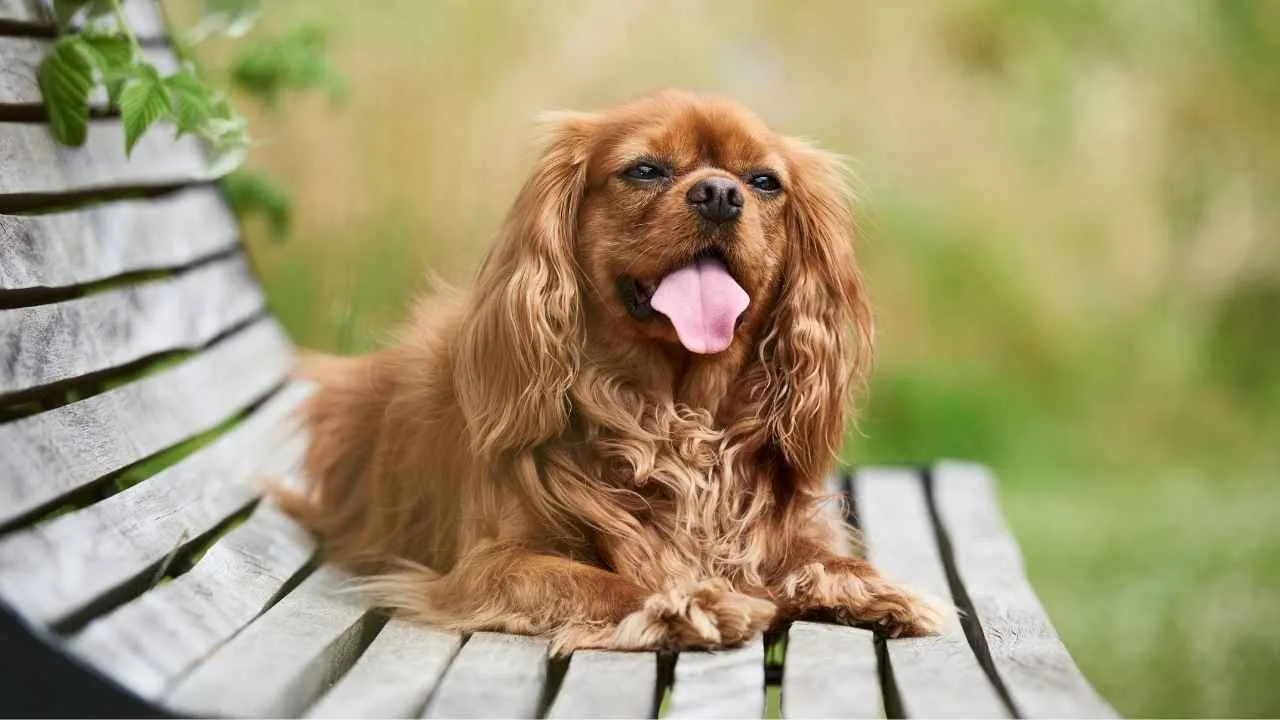
Cavalier King Charles Spaniel is known for a strong attachment to human presence, often choosing closeness over independence in daily life. Originally favored in colder settings for warmth and companionship, the breed carries a naturally gentle, people-oriented nature.
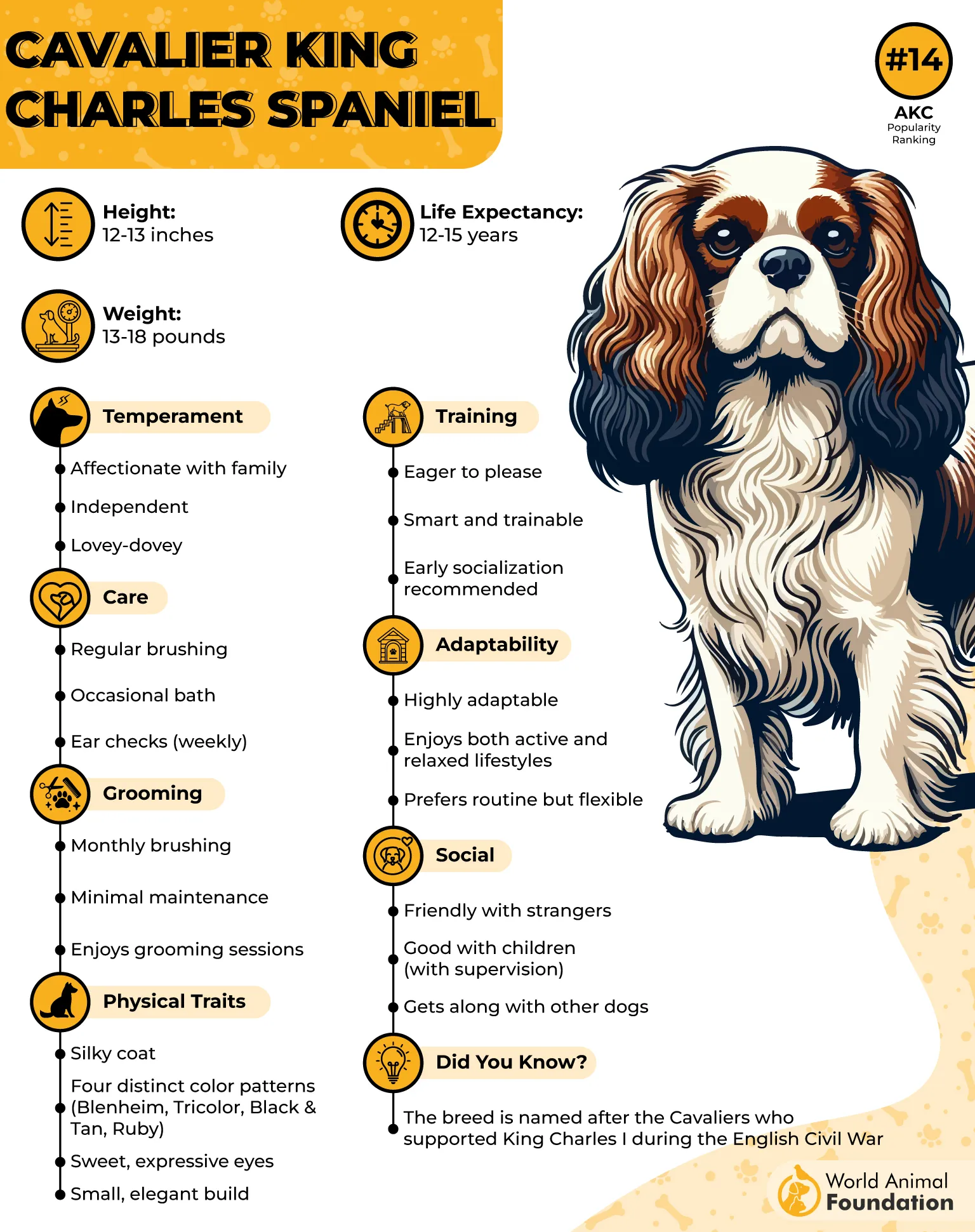
Social Compatibility Traits
A steady temperament and soft responsiveness help this spaniel adjust well to shared spaces where different animals live together. Its friendly approach reduces tension in multi-pet homes, especially when early interaction is guided well.
The following points describe this balance clearly:
Gentle response to other pets
Comfortable in shared indoor spaces
Learns household routines with ease
Calm Daily Rhythm
Once daily activity needs are met, the breed often shifts into a relaxed state, preferring quiet time close to familiar surroundings. As per PetMD, short walks and light engagement are usually enough to keep behavior steady. This predictable rhythm helps reduce unnecessary excitement around smaller animals.
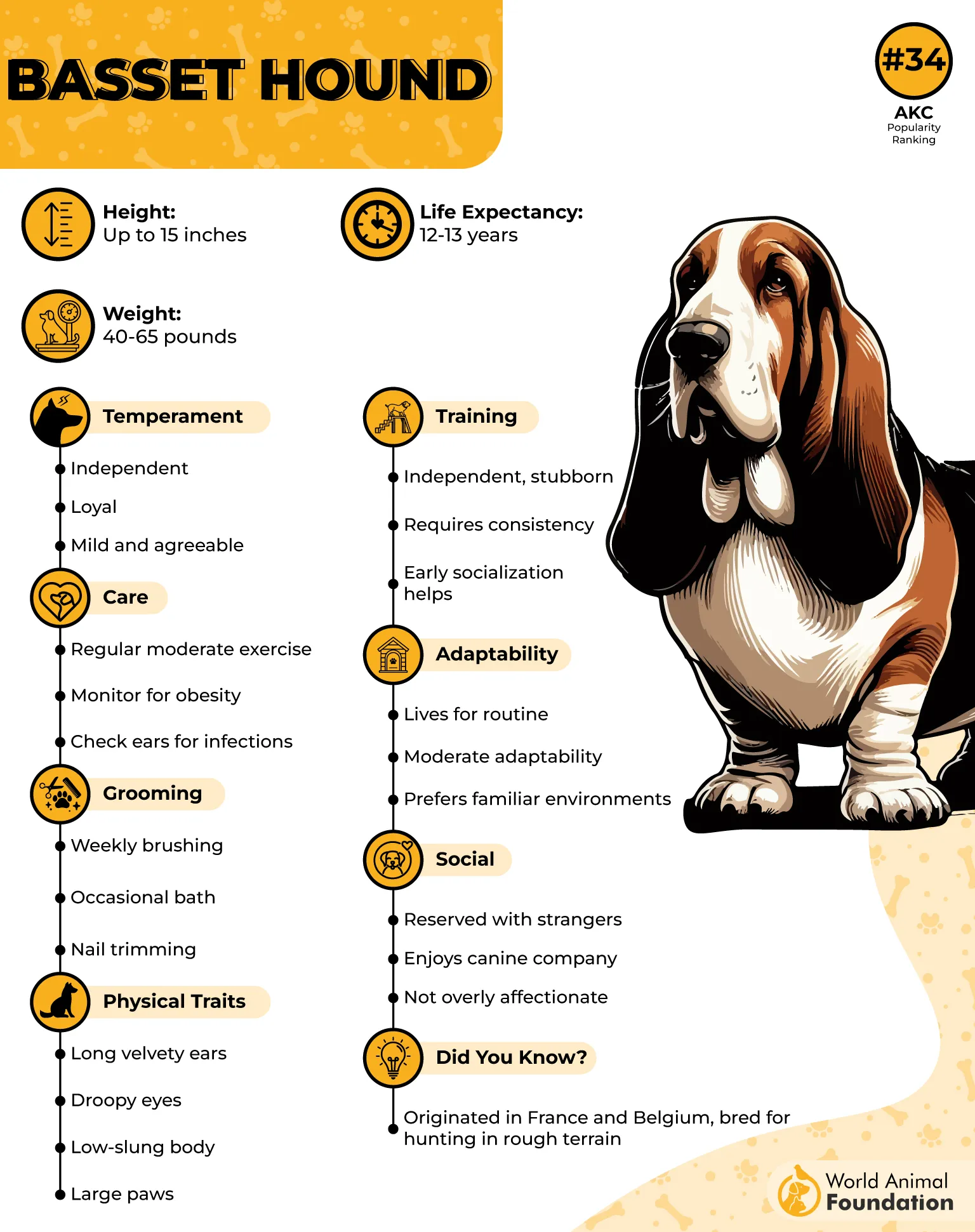
2. Basset Hound
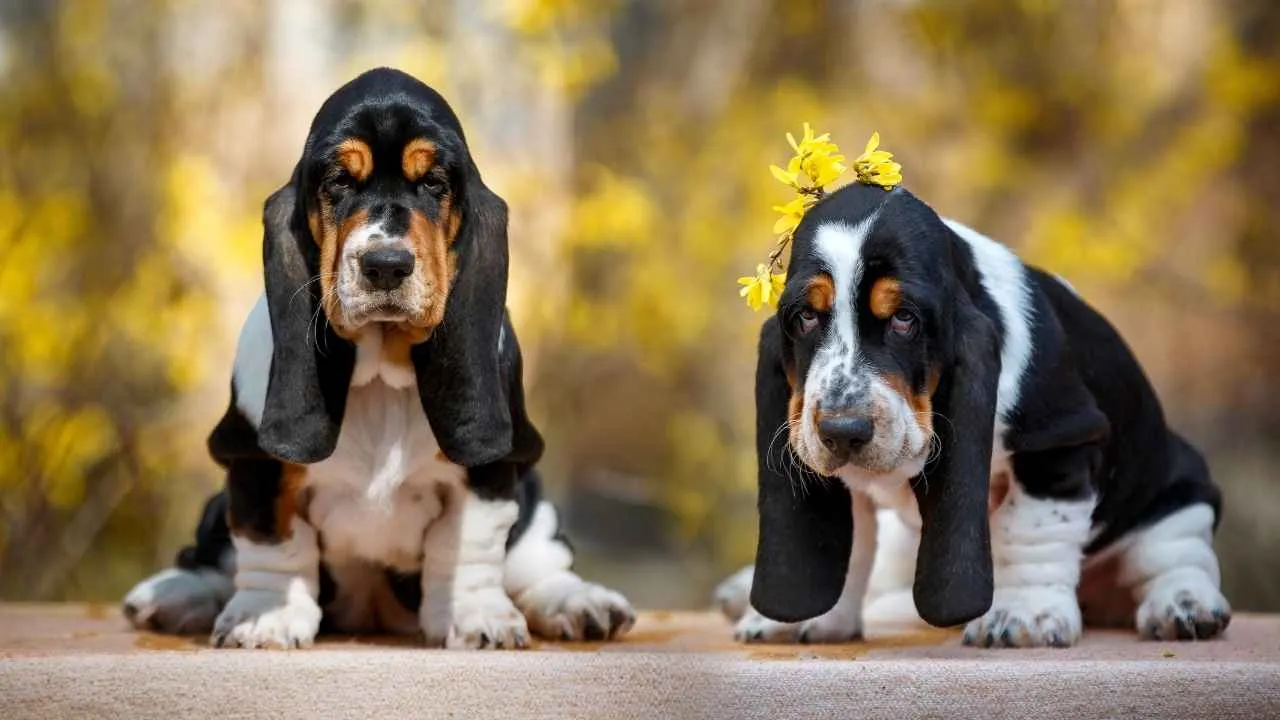
Basset Hound draws attention through its powerful scenting ability and steady, unhurried movement shaped for tracking small game, as per the AKC.
Its low-set frame and heavy bone structure come from generations linked to the St. Hubert hound lineage. Despite its hunting roots, it spends most of its time in a relaxed, easygoing state.
Gentle Household Presence
The breed’s calm nature makes it naturally comfortable around other pets, including cats, when introduced properly. Short bursts of curiosity often replace high energy, followed by long periods of rest.
These qualities explain its compatibility in shared spaces:
Calm, low-energy routine
Friendly toward other pets
Responds well to early social exposure
Quiet but Expressive Nature
Basset Hound communicates through a deep, resonant bay that reflects excitement or frustration rather than aggression. Its affectionate behavior appears most clearly in close family settings, especially during slow-paced daily life. Familiar environments bring out its most relaxed side.
3. Shih Tzu
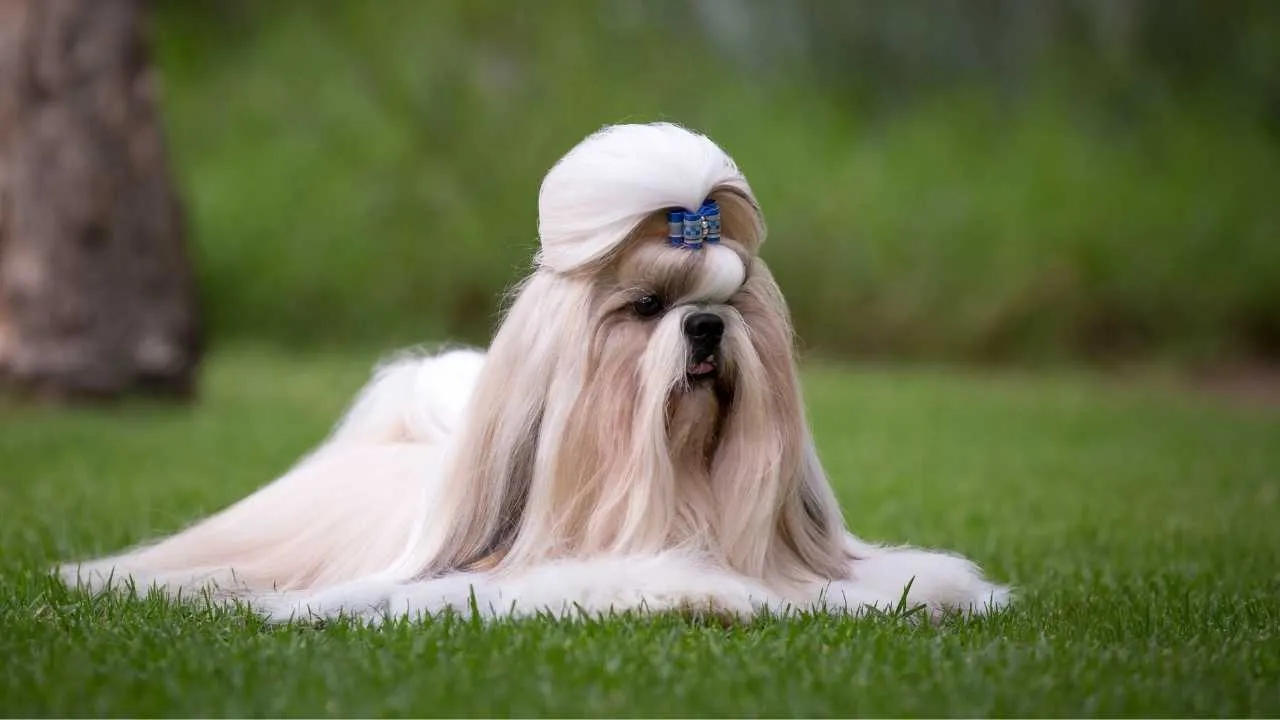
Shih Tzu is a Tibetan toy breed shaped for close companionship, often staying near people rather than wandering independently. Centuries of association with Buddhist monasteries and imperial homes influenced its steady, people-focused behavior.
Social Ease at Home
Shih Tzu does well in busy home settings where people and other animals are constantly part of its day. Early exposure helps it stay comfortable even when things get a little lively indoors.
A simple routine helps bring out its balanced nature:
Comfortable around other pets
Prefers regular human interaction
Responds well to early social habits

Daily Rhythm and Behavior
They carry a lively yet manageable energy level, often satisfied with short walks and light indoor activity. Its behavior reflects a preference for companionship over isolation, leading to a strong attachment to its surroundings. Without engagement, it may develop habits like vocalizing or restlessness.
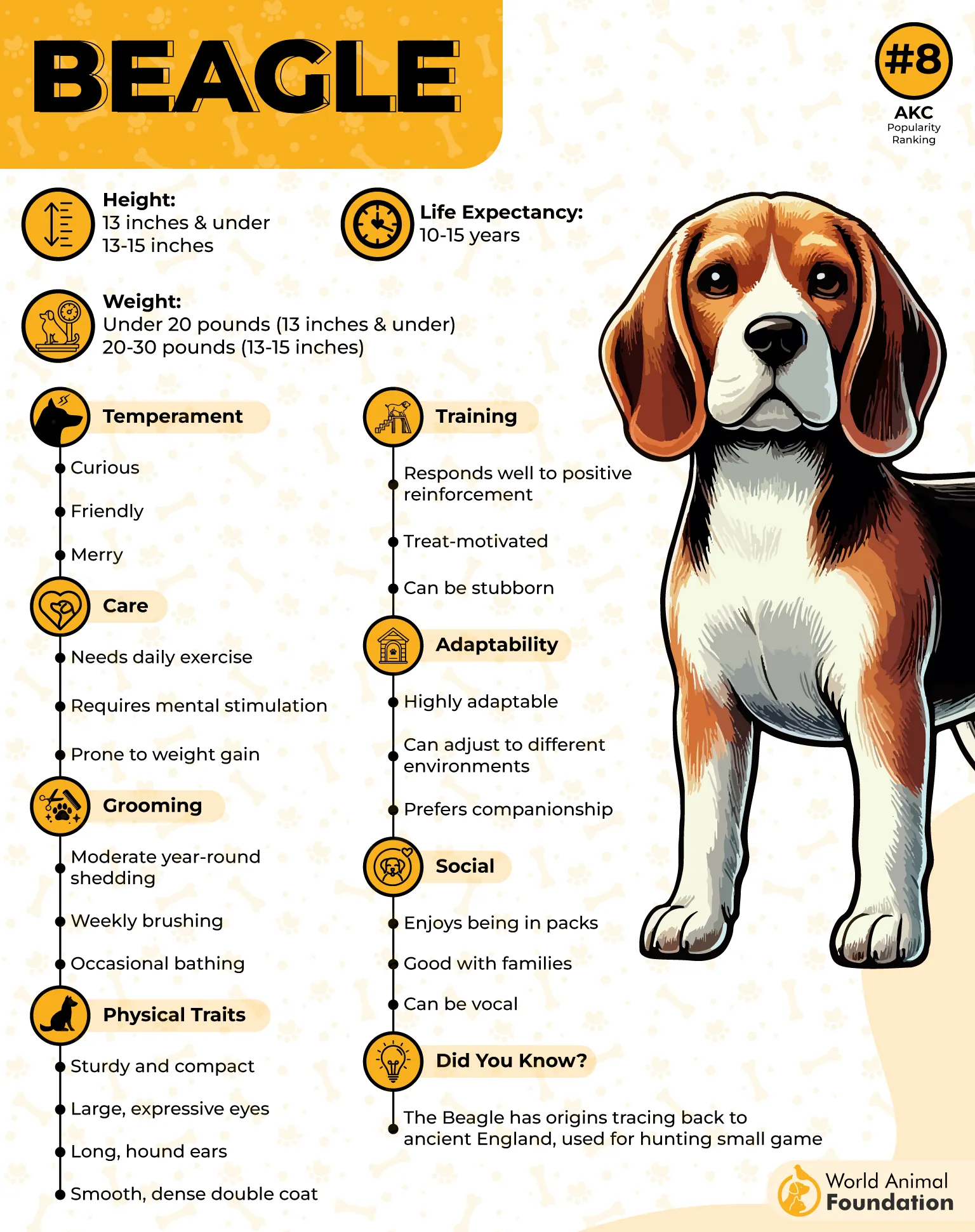
4. Beagle
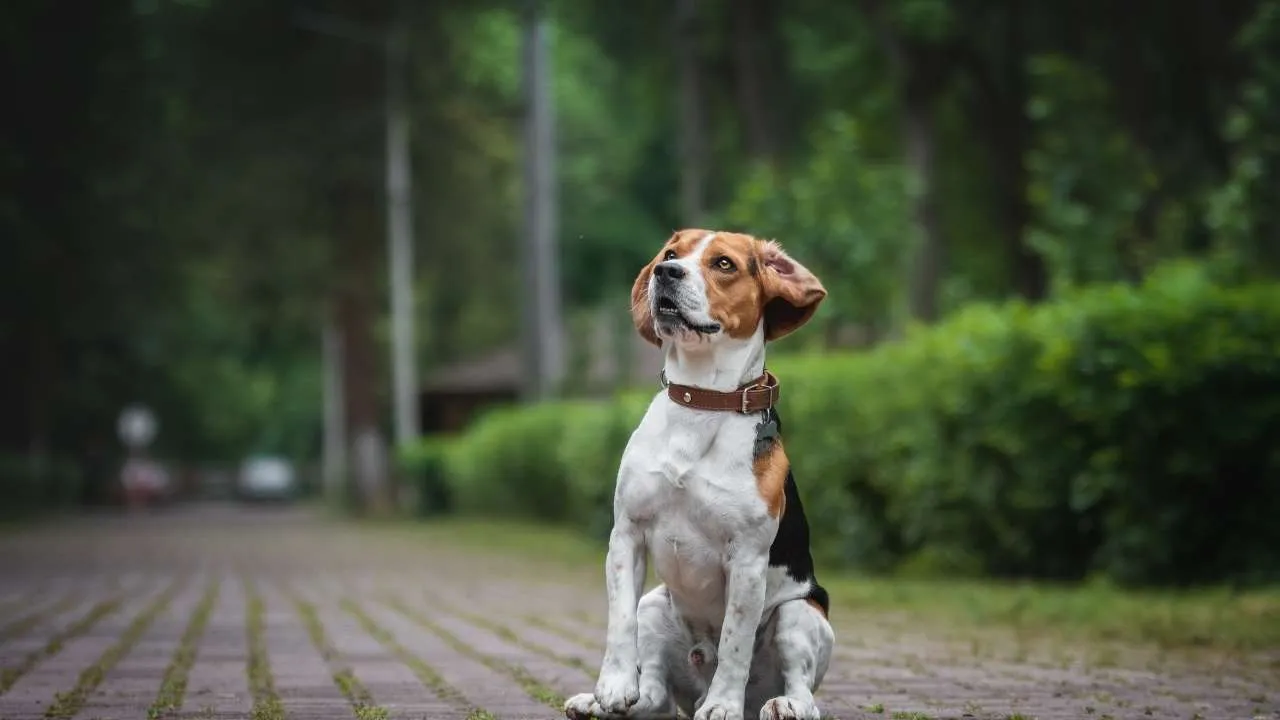
Beagles are driven by an extraordinary sense of smell that often leads their attention toward every interesting trail it encounters.
Originating from 14th-century England, it was once valued for hare hunting long before its modern form took shape. A naturally social nature keeps it closely tied to companions around it.
Social Pack Nature
This cat-friendly dog breed responds best when surrounded by company, whether canine or human, as solitude rarely suits their temperament. Their calm friendliness makes them easy to fit into homes where interaction is constant.
Their social balance is maintained by these habits:
Strong pack-oriented behavior
Friendly with other dogs
Enjoys close human presence
Daily Living Pattern
Beagles prefer company over isolation, often becoming restless when left alone for extended periods, as PDSA claims. Its steady temperament blends well with family life, where interaction is frequent. A balanced routine with engagement helps channel its energy in a stable direction.
5. Labrador Retriever
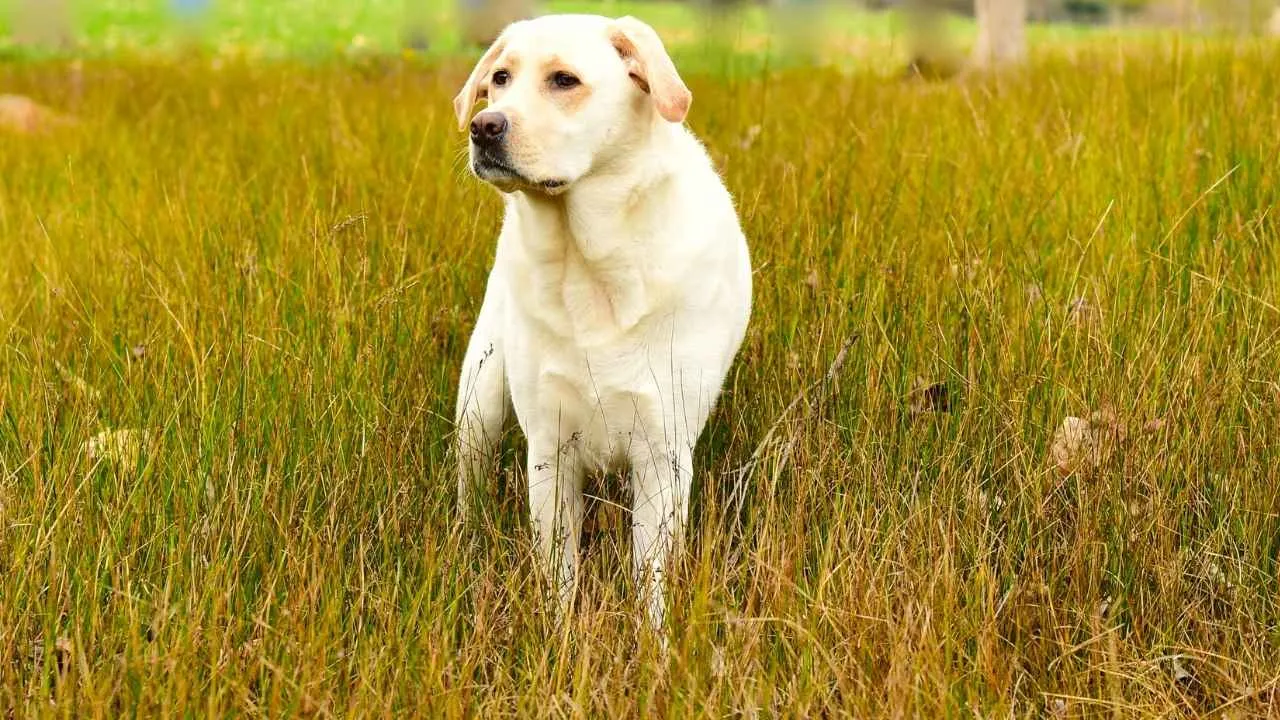
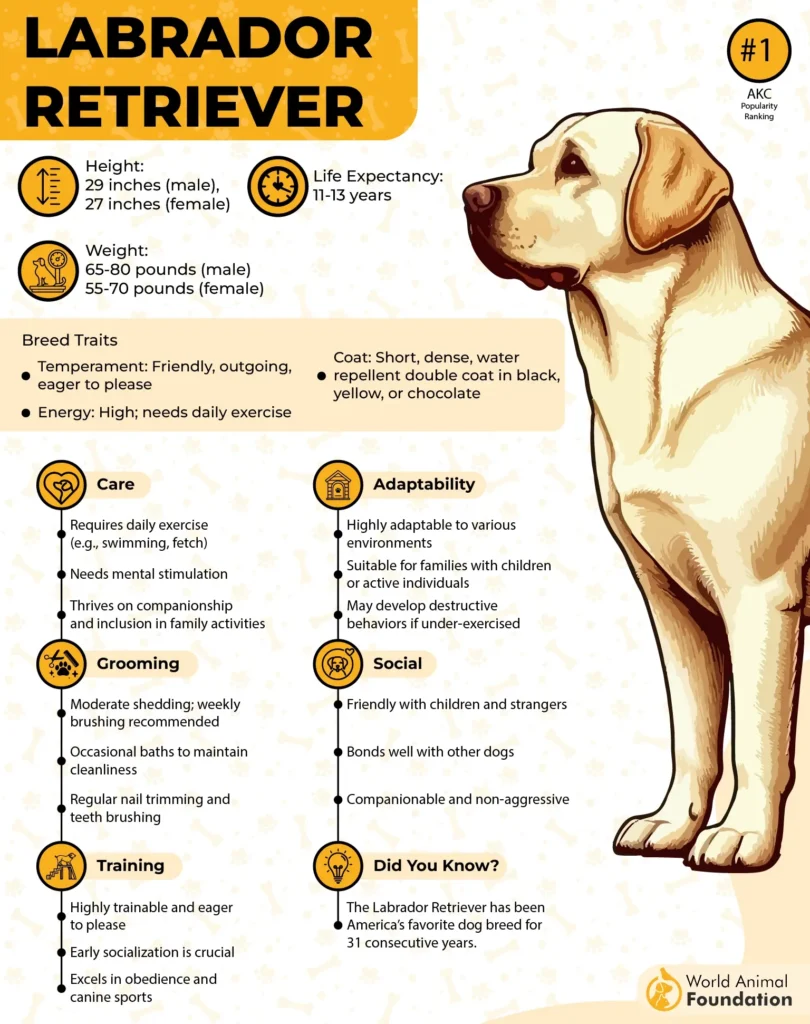
Labrador Retriever is instantly linked with its strong love for water, often seen enjoying long sessions of swimming or retrieving floating objects.
Its early role involved fetching game and assisting with fishing tasks across cold waters. Over time, it became known for its steady intelligence and cooperative nature.
Calm Social Nature
This gentle dog has an easygoing temperament, which helps it fit into homes where other pets, including cats, are already part of the household. Labradors respond well to routine, quick learning, and shared family space.
This is why they adjust smoothly in multi-pet settings:
Friendly toward other animals
Patient with children
Quick to learn household rules
Energy and Routine Balance
Labradors carry strong energy levels that need regular activity, especially outdoor play or long walks. Even with this drive, they settle well indoors when routines are consistent. Their intelligence helps them adapt quickly to shared living environments with other animals.
6. Maltese
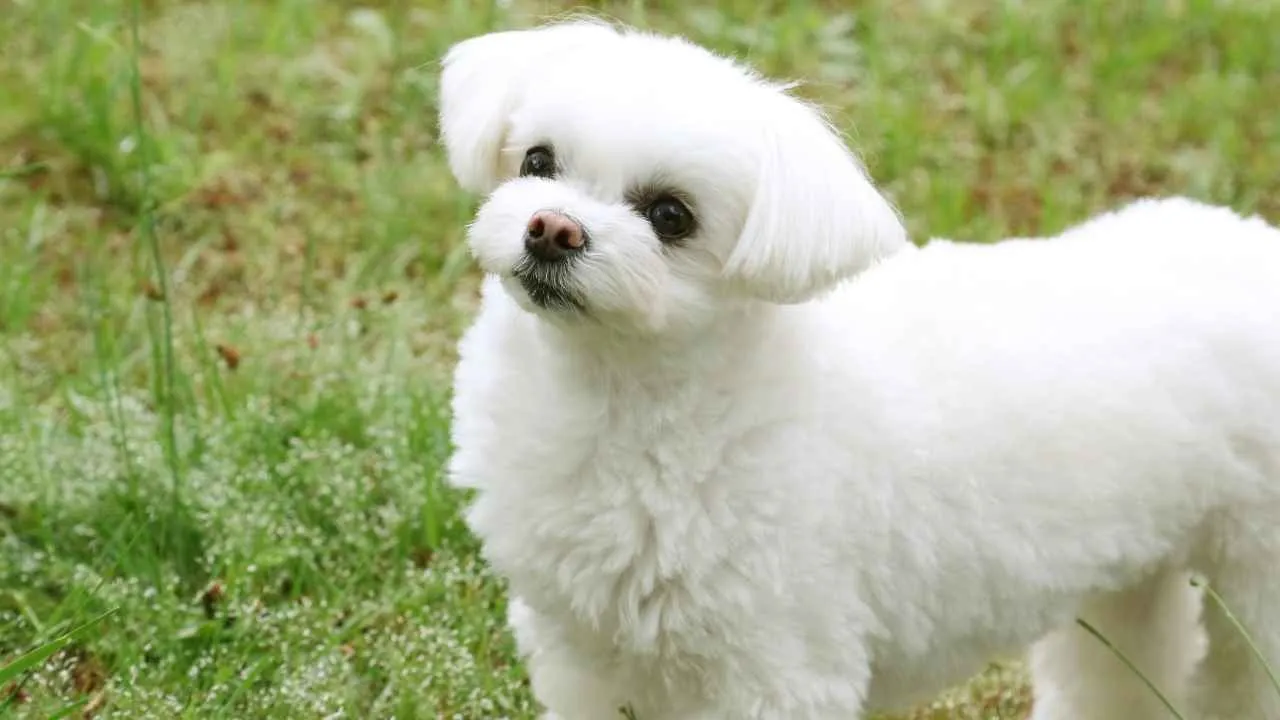
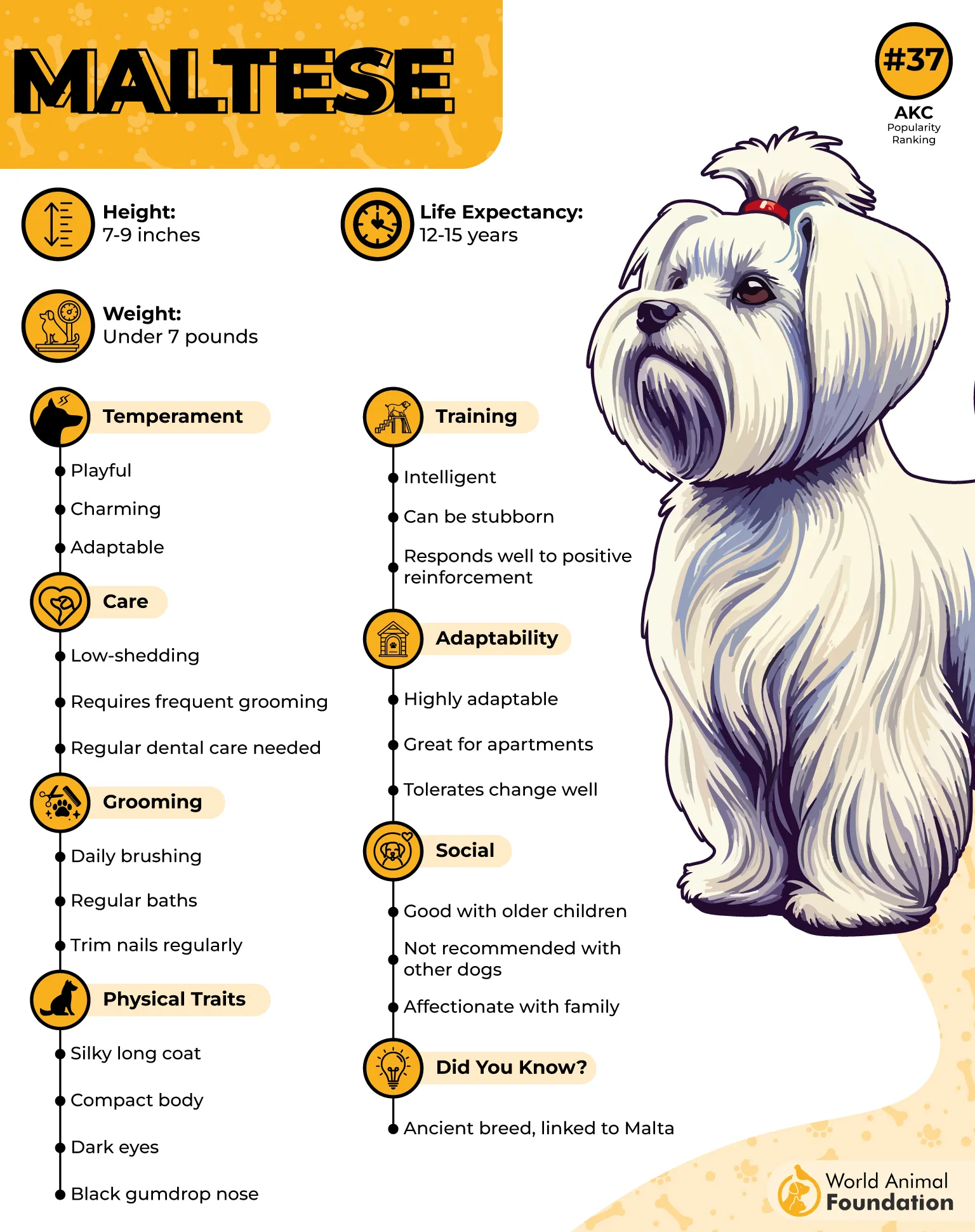
Maltese seems to treat every day like an invitation to play, holding onto a puppy-like enthusiasm well into adulthood. Records of the breed reach as far back as 300 BC, and it is believed to have arrived in Central Europe through trading routes from Asia.
Easy Household Match
A home shared with cats often benefits from a dog that values company more than confrontation. Maltese prefer spending time beside family members, making peaceful coexistence easier in multi-pet households.
The following traits help explain their dynamics:
Highly people-oriented
Child-friendly nature
Gentle exercise needs
Training and Routine
This small breed learns quickly and responds well to early guidance, particularly in socialization and independence training. Time spent alone can be difficult, sometimes leading to unwanted behaviors if separation is ignored. Short walks and casual backyard activity generally satisfy its exercise needs.
7. Bichon Frise
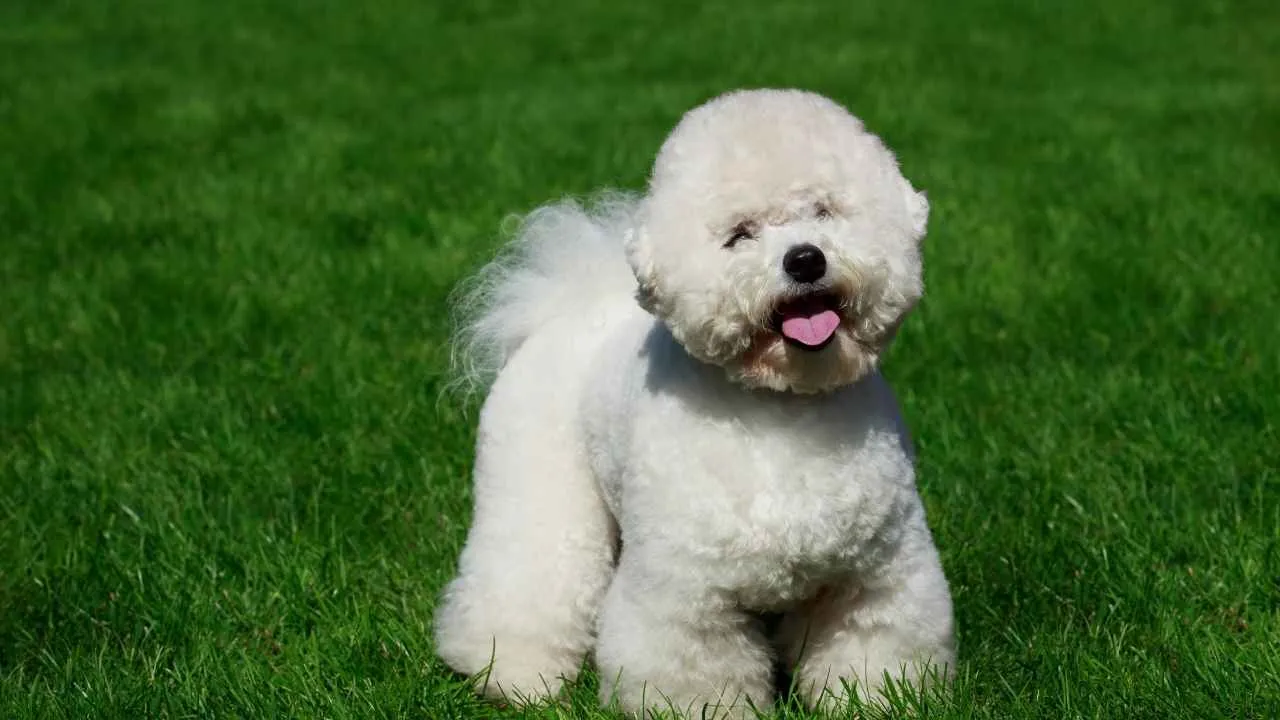
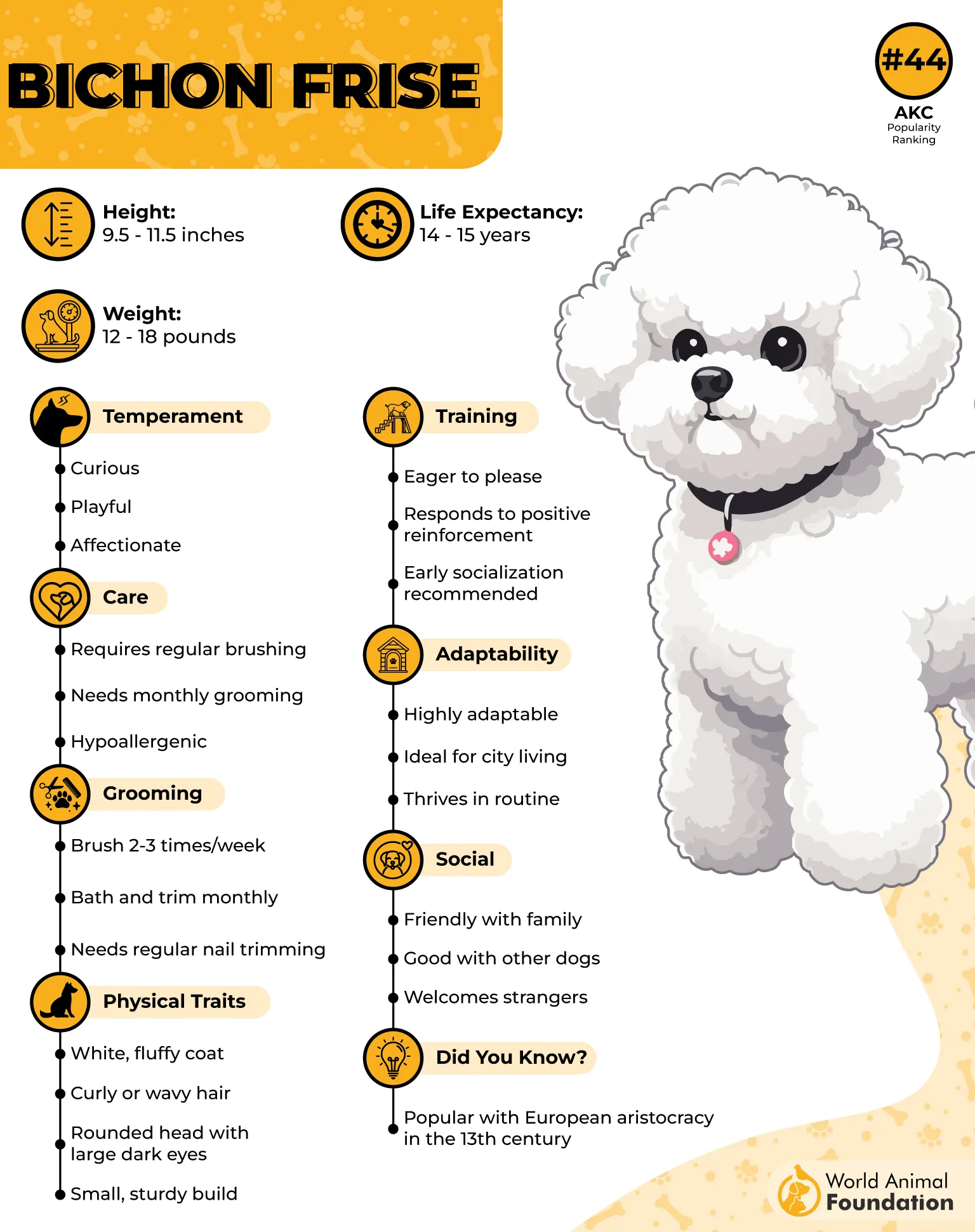
Bichon Frise built its reputation around companionship, first appearing among the Mediterranean Barbichon dogs before becoming a favorite of street performers. Its cheerful personality and eagerness to engage with people made it successful wherever close interaction mattered.
Easy Household Companion
This small dog generally welcomes company, whether it comes from people, dogs, or other household pets. Their adaptable nature helps them fit comfortably into shared living spaces where peaceful interactions matter.
A few qualities support that balance:
Friendly toward other pets
Responsive to household moods
Enjoys constant companionship
Activity Patterns Inside the Home
Bichon Frise often directs its energy toward interaction-based play, especially when people are present throughout the day. Lack of engagement can lead to unwanted behavior, as its attention needs remain high. Its playful nature fits well in homes where interaction is frequent.
Conclusion
A harmonious multi-pet household rarely happens by accident. It grows from thoughtful introductions, consistent routines, and choosing a dog whose temperament supports cooperation. Calm, adaptable dogs often adjust more easily to feline companions, especially when introduced at a young age, regardless of the cat breeds involved.
Their willingness to share space helps create a more balanced environment. Although every relationship develops at its own pace, the right personality can make the transition much smoother. With patience and proper management, dogs and cats often discover that living together is easier than either initially expected.
