




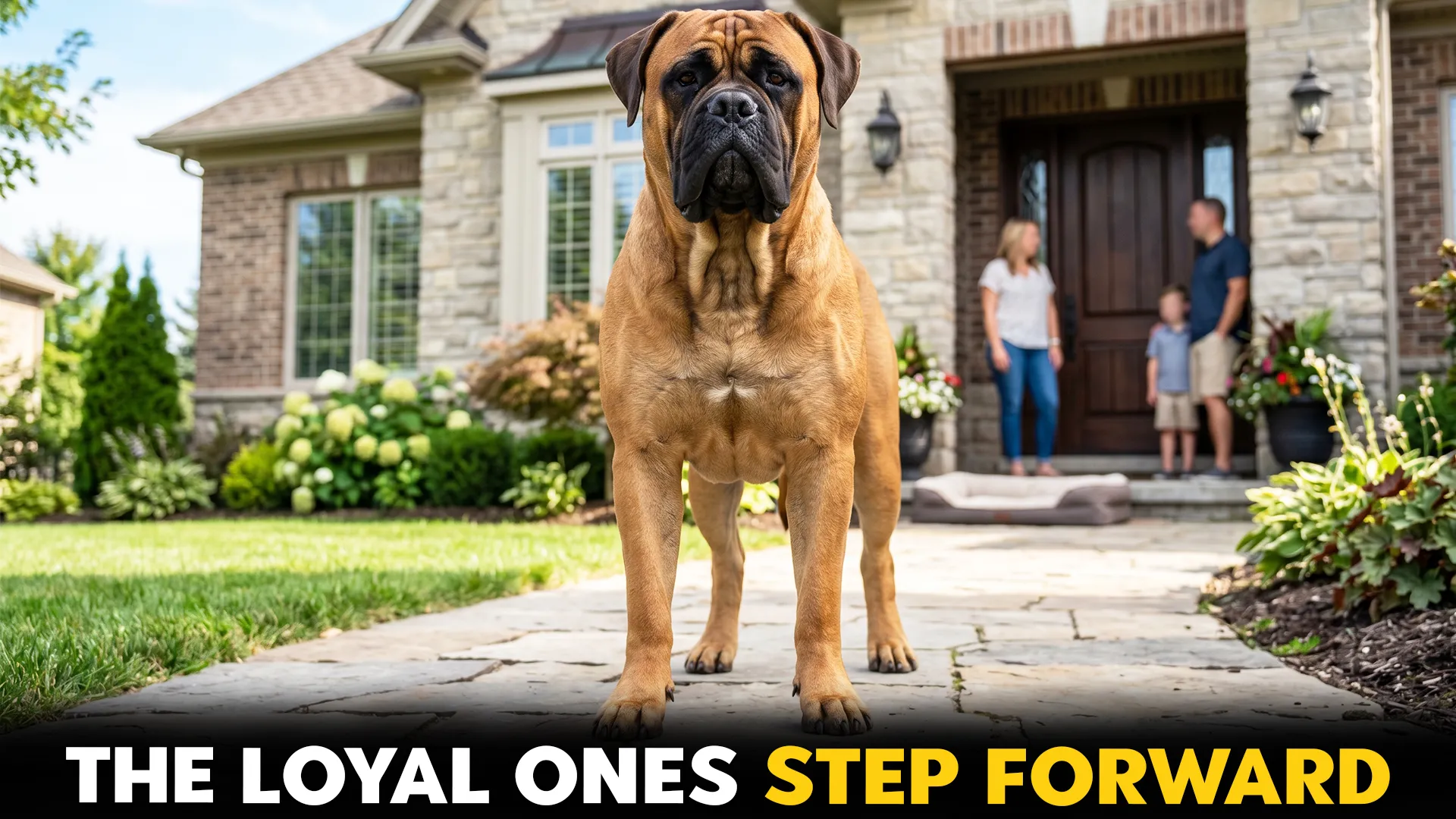
A strange noise outside in the middle of the night can change the atmosphere of an entire home. The mind immediately starts searching for answers. Is it nothing, or is it something worth paying attention to?
In moments like these, many people find comfort in having a dog that notices unusual activity long before they do. It is one of the reasons protective dog breeds continue to earn respect from families around the world. These dogs are known for their awareness and willingness to stand between their loved ones and potential danger.
They form strong bonds with the people they trust and often remain watchful even when everything appears calm. Their presence brings a sense of reassurance that goes beyond companionship alone. Some excel because of their courage, while others rely on intelligence and instinct.
Ahead, you’ll discover the dog breeds most recognized for defending their families and the qualities that make them such dependable guardians.
Key Takeaways
Protection in dogs often begins long before anything happens, in the way they watch, listen, and stay tuned to small changes.
German Shepherds and Doberman Pinschers stand out early in the list, not just for strength but for the way they stay aware of everything around them.
As the breeds unfold, Bullmastiffs and Rottweilers show how calm control can sit behind powerful builds without losing focus on family.
The full list reveals how different instincts shape protection in ways that go beyond what most people expect from a guardian dog.
Top Dog Breeds Ready to Defend Their Family
1. German Shepherd
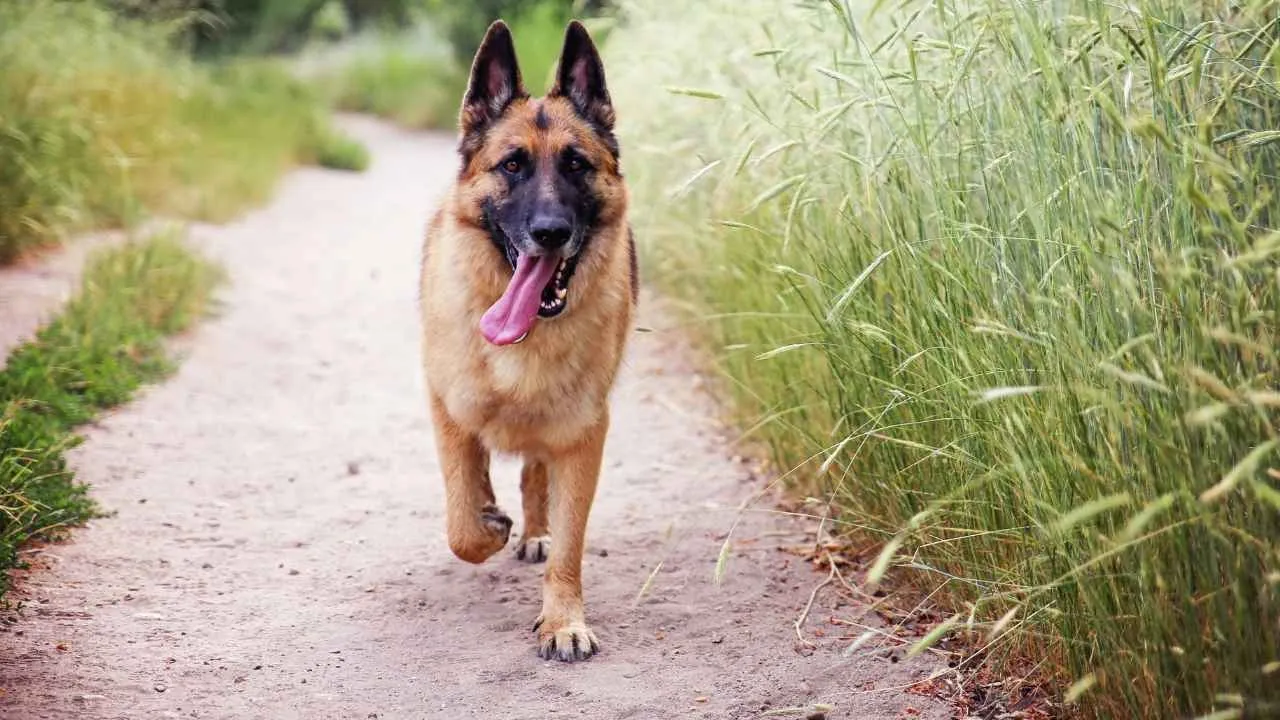
German Shepherds rely on sharp intelligence and strong physical structure, making them one of the most capable working breeds, as Petplan writes. Its natural confidence blends with a focused mindset that suits demanding roles. Loyalty remains central to how it responds to human direction.
Training and Working Drive
This excellent guard dog breed fits easily into structured tasks that require discipline and steady engagement. Its energy level calls for consistent training routines that keep both mind and body active.
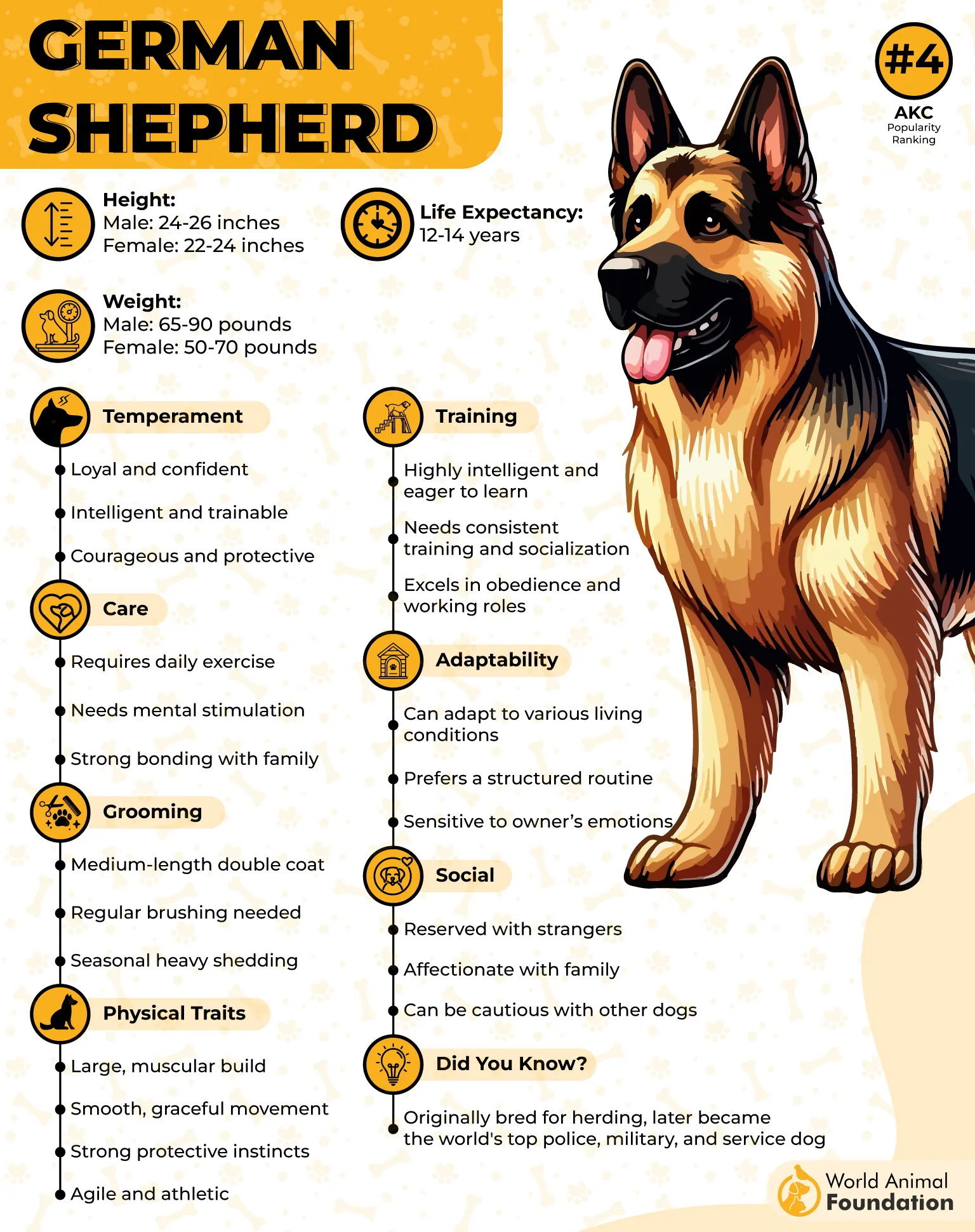
A closer look highlights what supports its working ability:
Excels in structured obedience work
Performs well in service roles like search tasks
Responds strongly to reward-based training
Alert Household Presence
A steady awareness defines how this breed interacts within a home setting, often observing surroundings before reacting. It tends to form strong attachments with familiar people while remaining reserved with strangers. This balance helps maintain controlled household behavior.
2. Doberman Pinscher
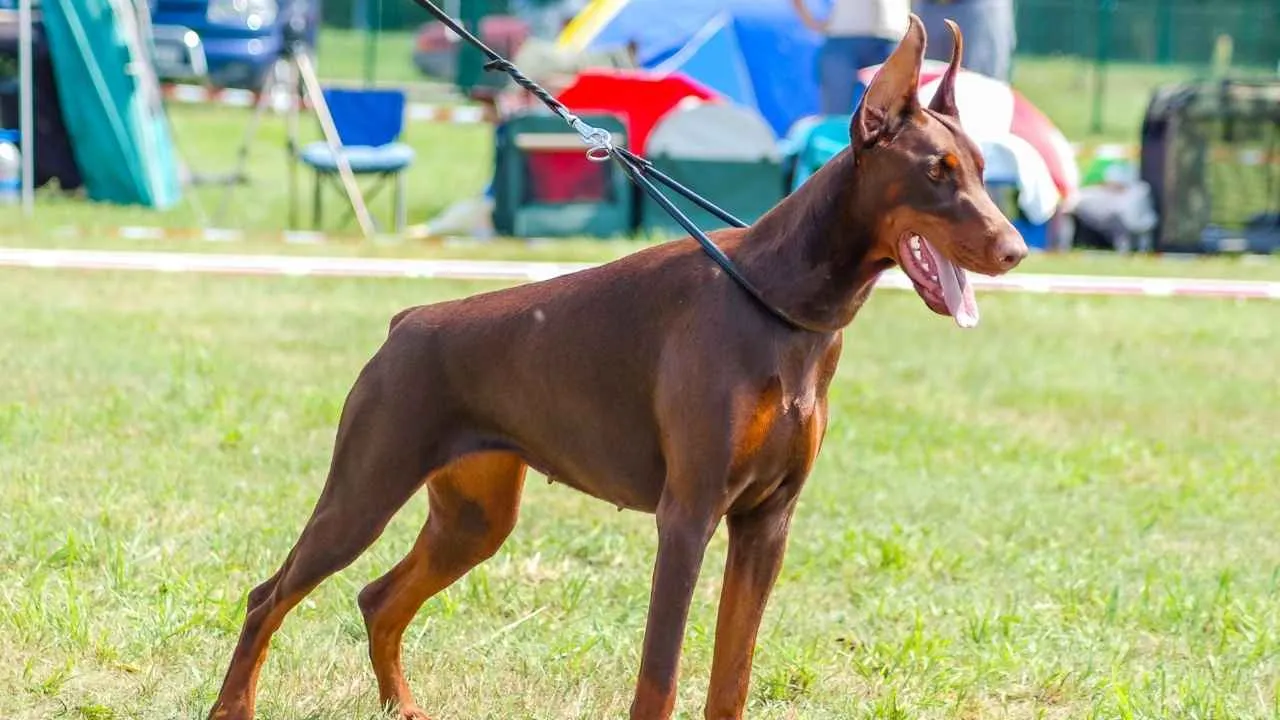
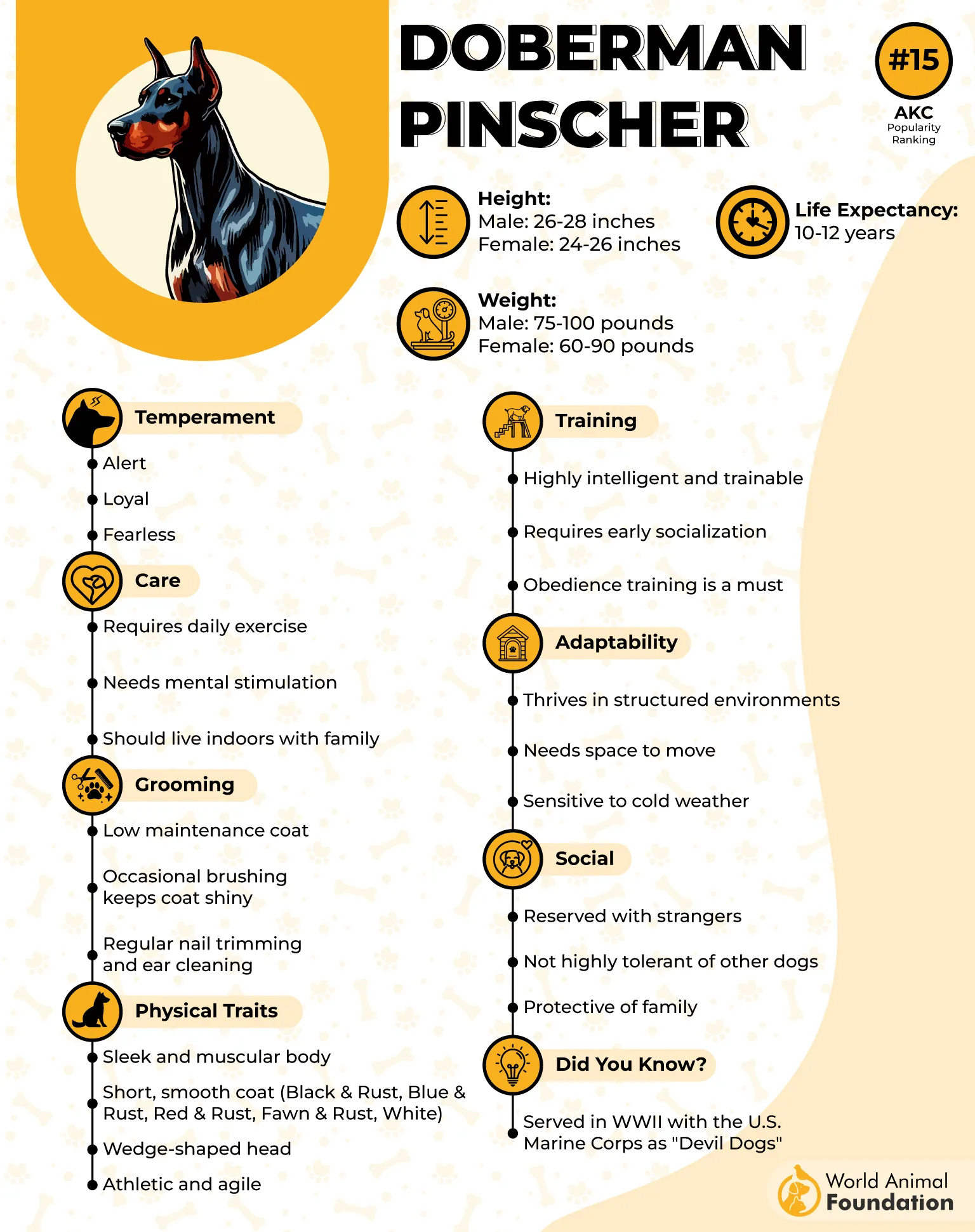
The Doberman Pinscher carries a focused, alert nature that traces back to its creation by a German tax collector in the late 1800s. Its lean frame and controlled energy reflect a dog built for precision tasks and dependable response. Loyalty and intelligence shape its everyday behavior around familiar people.
Training and Drive Control
The Dobbie relies on structured activity to channel their strong curiosity and energy, especially in roles involving security and assistance work, as PetMD noted. Without consistent direction, it looks for its own outlets, which can become disruptive in a home setting.
Here’s how their drive is typically managed:
Needs steady physical and mental engagement
Learns quickly with consistent guidance
Strong focus on structured environments
Energy and Living Fit
This protection dog brings high activity levels that suit experienced handlers who can match its pace. Its strong prey drive makes supervision important around smaller animals and open spaces. When properly guided, it integrates well into a structured and active home environment.
3. Bullmastiff
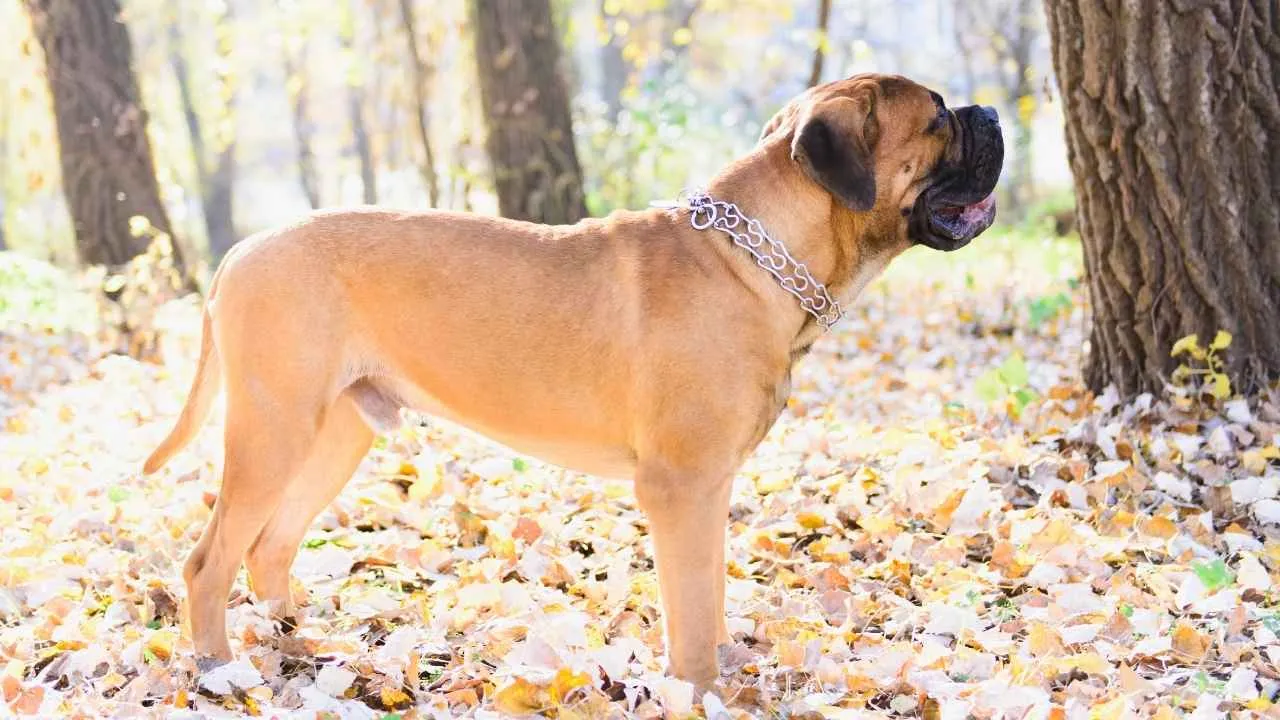
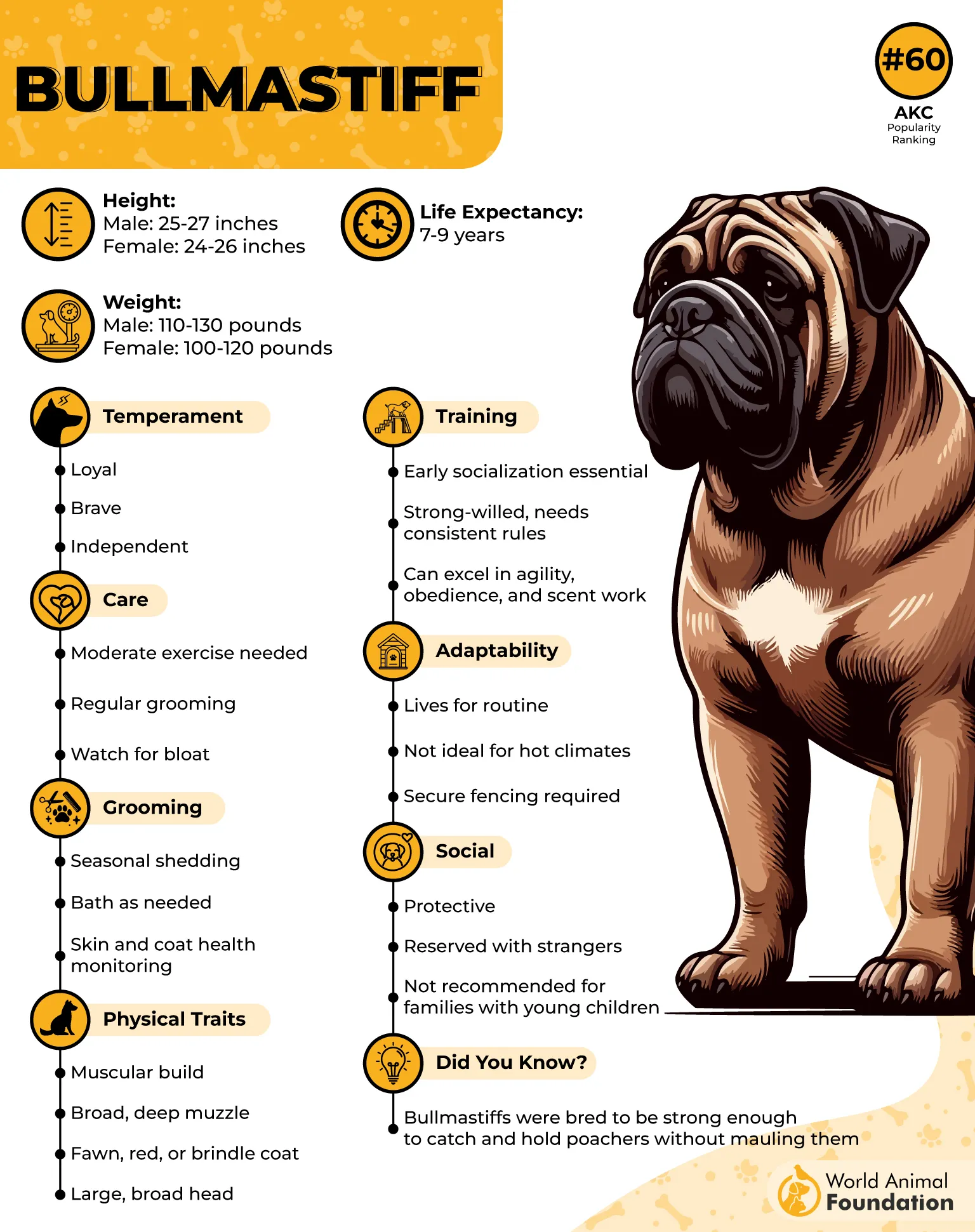
The Bullmastiff reflects a rare mix of controlled strength and calm presence, once used to track and restrain poachers in rural England.
Its large, muscular frame comes from a blend of Bulldog and Mastiff lines, built for short bursts of decisive action. At home, this intensity settles into a steady, composed nature.
Training and Early Structure
Early guidance shapes how this strong-willed breed handles daily life and interaction with people or other animals, as per the AKC. Intelligence allows quick learning, but consistency matters during the growing stage when strength increases rapidly.
A few core areas often guide early structure:
Responds well to basic cues like sit and stay
Learns leash manners with consistent practice
Benefits from early social exposure
Temperament Around Family
This family guard dog stays gentle and affectionate with familiar people, especially within a settled household. It may take time before warming up to unfamiliar faces, preferring observation before interaction. With children and pets, calm supervision ensures smoother daily interactions.
4. Rottweiler
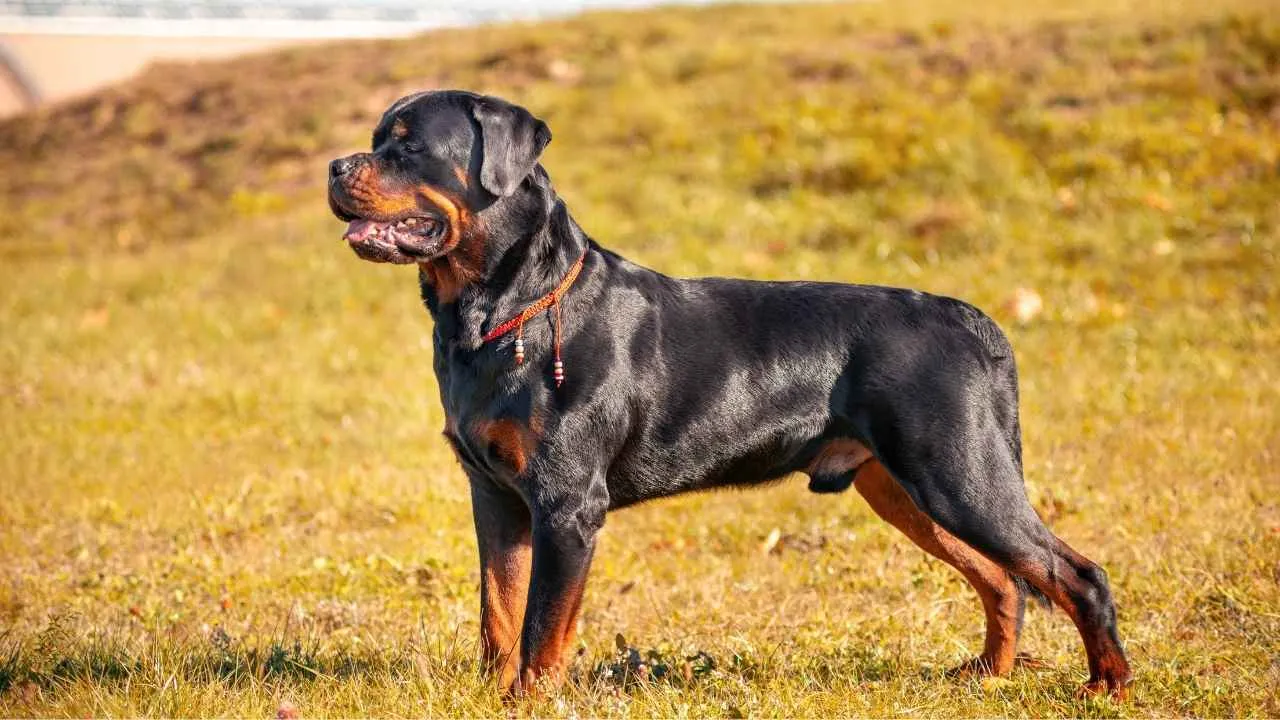
The Rottweiler has the look of a dog built with a job in mind, carrying generations of working heritage linked to mastiff ancestors from Roman times.
Beneath that solid build is a calm, controlled presence that balances strength with steadiness. The breed’s confidence often comes through in its quiet observation of surroundings.
Controlled Power and Focus
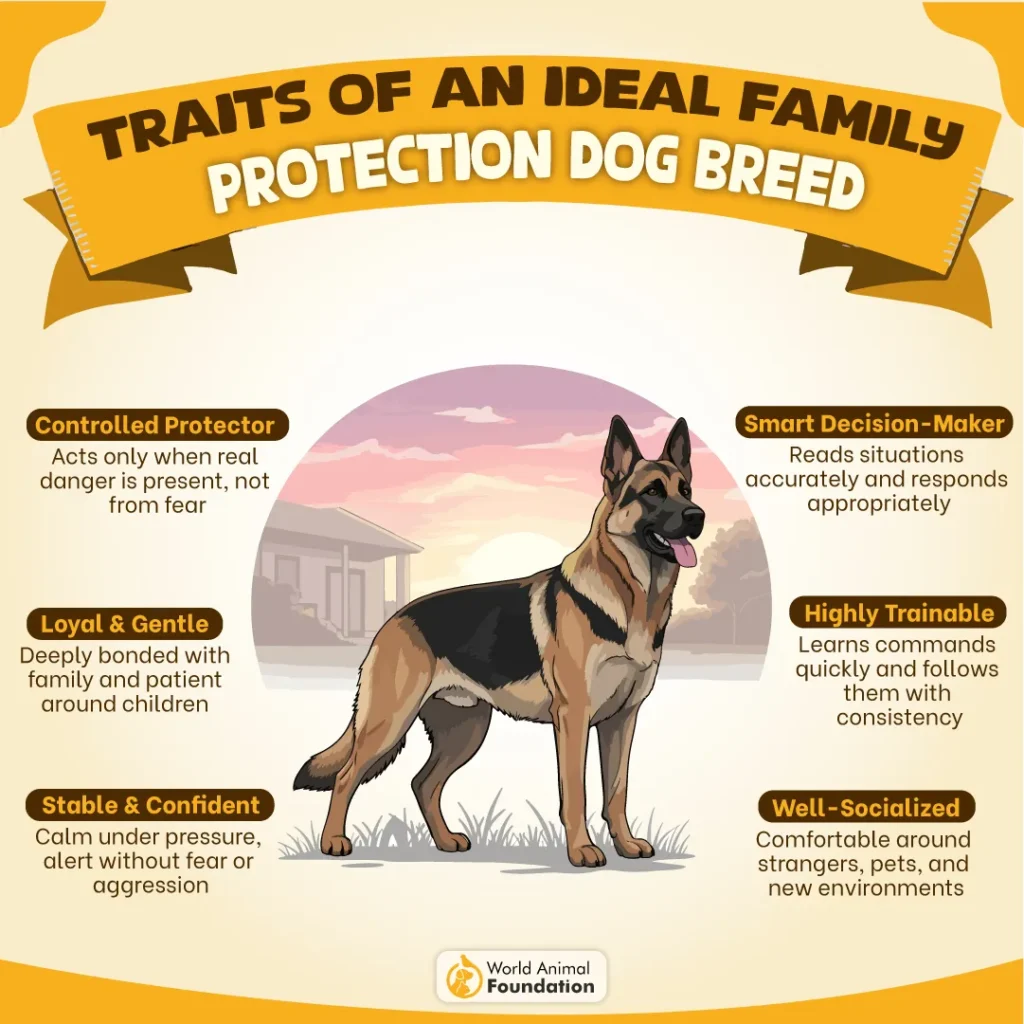
Rotties are well-suited for protective roles due to their composed temperament and steady decision-making under pressure. When raised with structure, its natural guarding instincts become more measured and reliable in daily life.
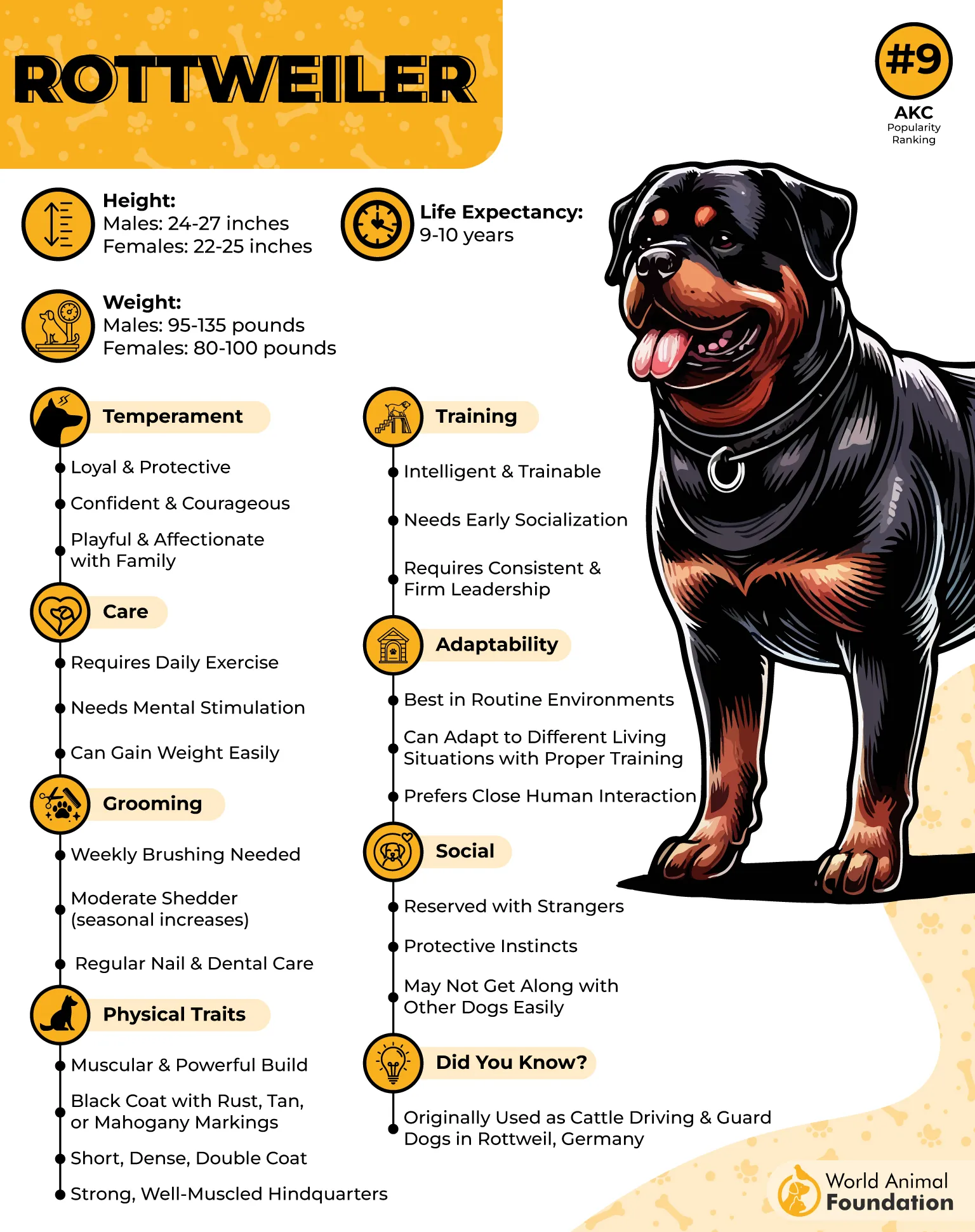
These qualities are often linked with this working nature, including:
Calm response in tense situations
Strong attachment to family members
Natural awareness of surroundings
Family-Oriented Behavior
The Rottweiler often switches between serious attentiveness outside and relaxed playfulness within the home. Around familiar people, it can act surprisingly lighthearted, showing a softer side that contrasts its working image. This dual nature shapes how it interacts in everyday routines.
5. Boxer
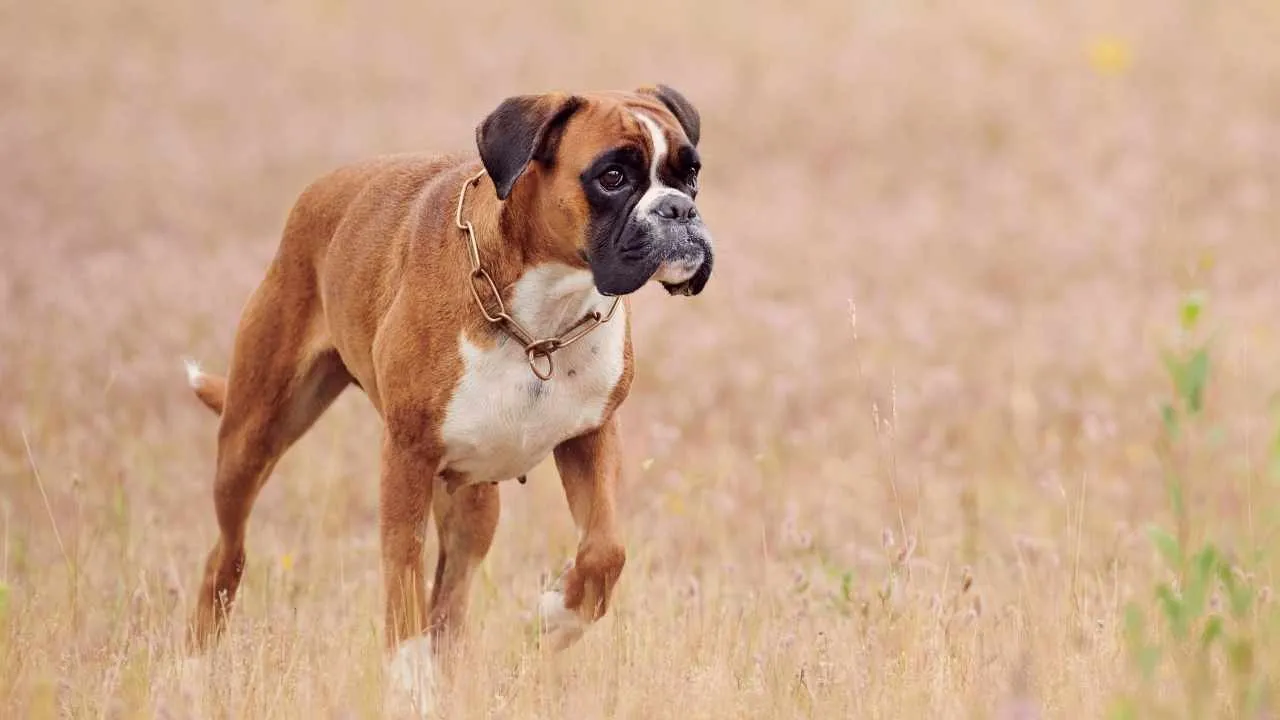
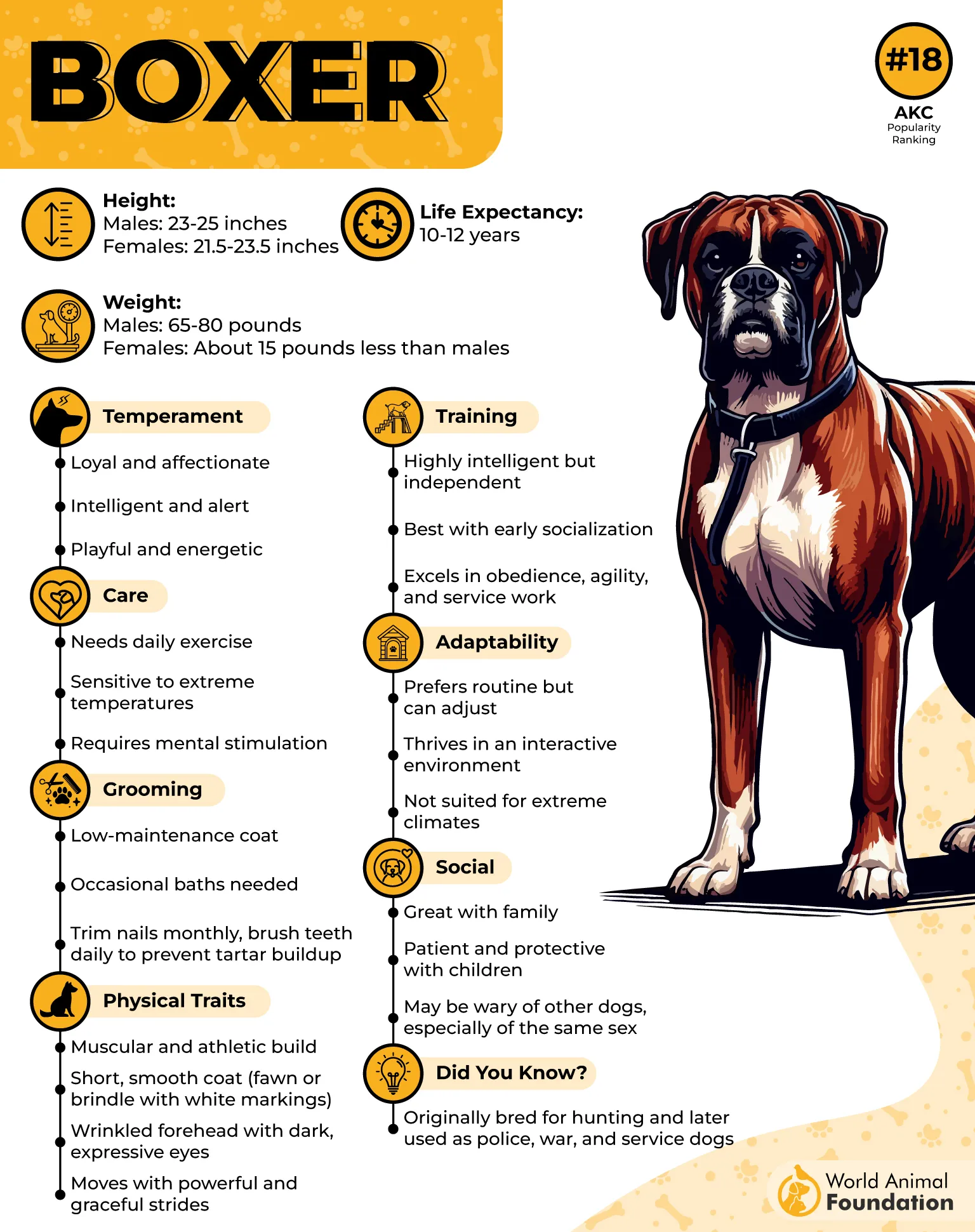
The Boxer is known for a lively, athletic build paired with sharp awareness and steady courage. Its lean, muscular frame moves with smooth coordination and strong forward drive. Loyalty and intelligence sit at the core of its personality, shaping its working nature.
Energetic Family Guardian
This smartest breed blend playfulness with a strong protective instinct, making them attentive in a family environment. Early exposure to people and other pets helps channel its energetic temperament in a balanced way.
A closer look highlights key traits linked to its reliability:
Strong protective response toward home
High energy with playful bursts
Learns quickly through consistent guidance
Watchful and Protective Nature
The Boxer often reads surroundings with a quick, alert mindset, shifting between playful behavior and serious attention when needed. Its patience with children comes from a steady temperament shaped by interaction and familiarity. This balance helps it adapt to active households.
6. Rhodesian Ridgeback

The Rhodesian Ridgeback is easily recognized by the ridge of backward-growing hair running along its spine, its most defining feature. Its African roots shaped a dog built for endurance, tracking, and controlled pursuit rather than confrontation. Strong presence comes from its confident and self-reliant nature.
Natural Guardian Instinct
This large dog carries a steady protective attitude that works best when guided through early obedience and structure. Its independence often requires clear boundaries, especially in active households.
A closer look reveals how its instincts translate into daily behavior.
Strong prey awareness
Independent decision-making
Loyal family focus
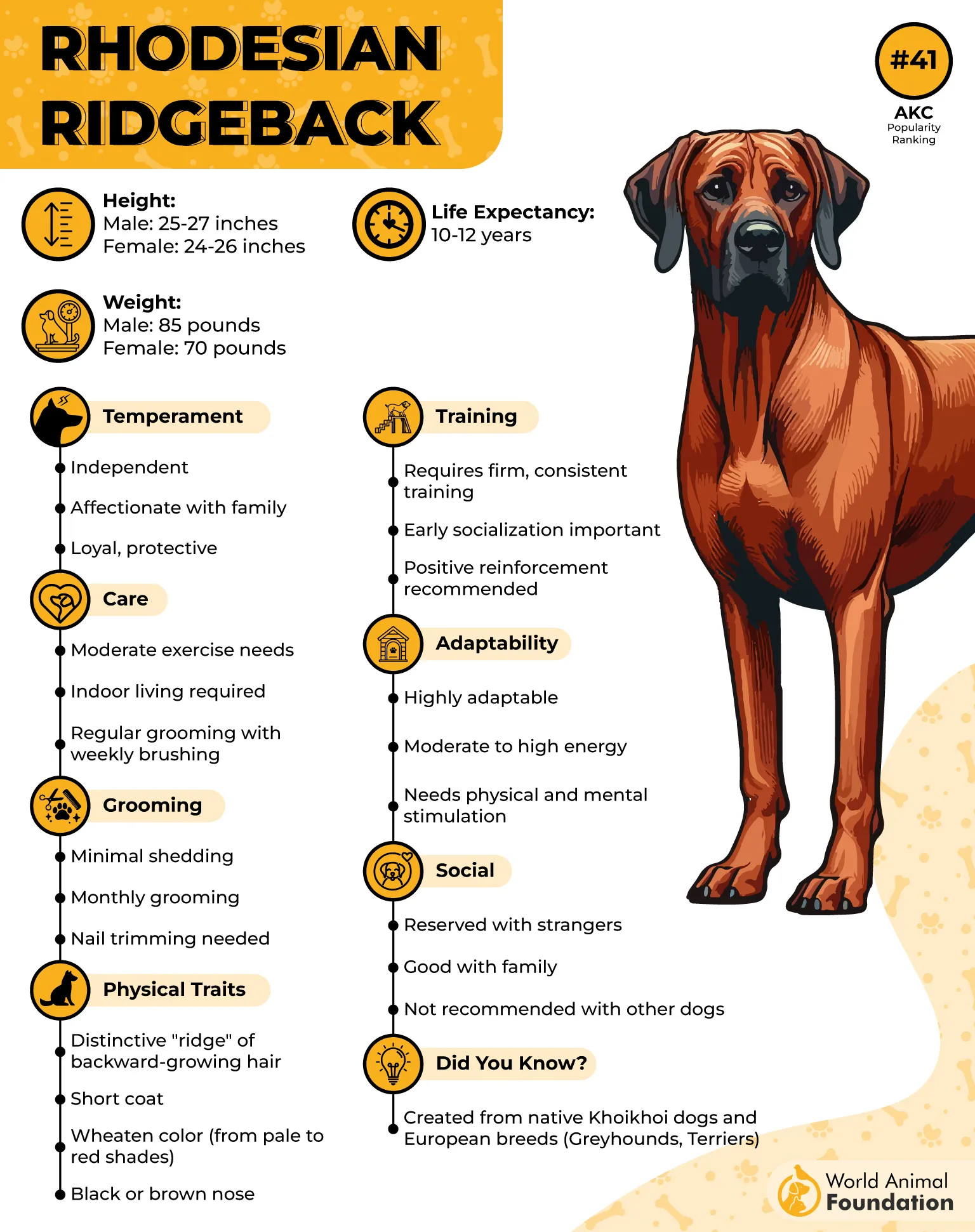
Composed Yet Strong-Willed
A calm, observant expression often masks a determined and sometimes assertive temperament. With trusted people, it shifts into a deeply affectionate companion that values close bonds. Around unfamiliar situations, it prefers measured observation before engagement.
7. Giant Schnauzer
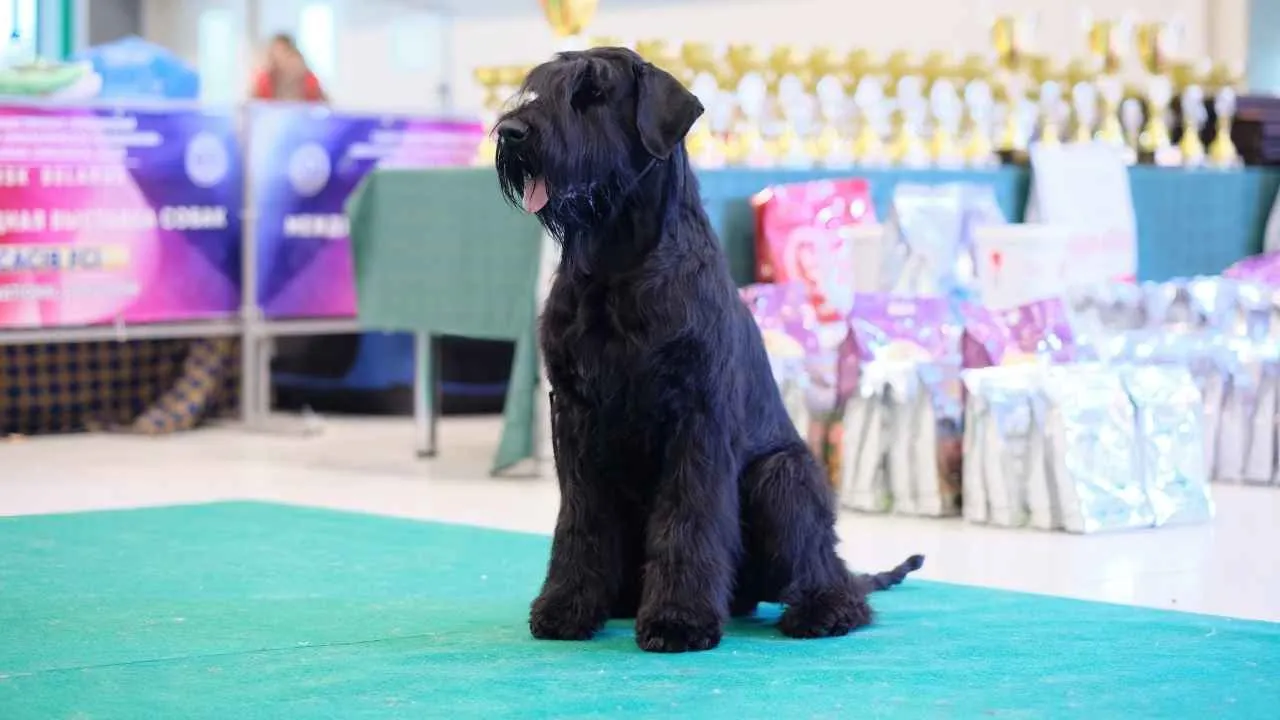
The Giant Schnauzer was developed in Germany through selective breeding that mixed Standard Schnauzers with larger guardian breeds. Built for farm and property protection, it later found roles in police and military work. A firm, alert presence reflects its long history of responsibility around people and property.
Power and Trainability
This huge dog pairs sharp intelligence with high energy, making structured activity and engagement a key part of its routine. It responds well to learning sessions when guidance is clear and consistent, especially under early training and socialization.
This is what supports their working nature:
Quick response to commands
High energy with a focus on tasks
Strong awareness of surroundings
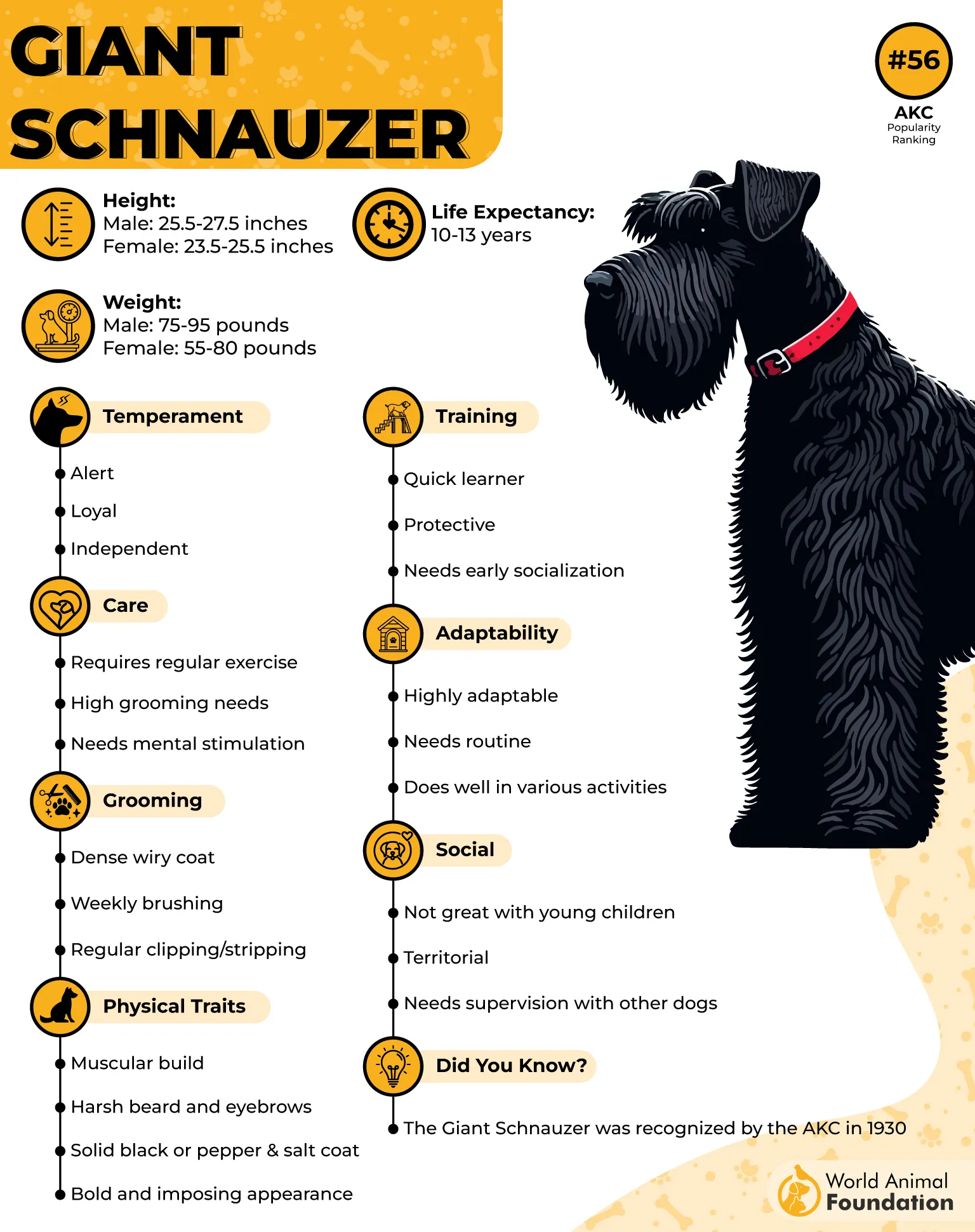
Family Awareness and Behavior
It stays closely connected to its household while remaining alert to unfamiliar activity around it. Its naturally protective temperament often leads to cautious behavior with strangers before trust builds. In daily life, it can shift between playful interaction and serious observation depending on the situation.
8. Great Pyrenees
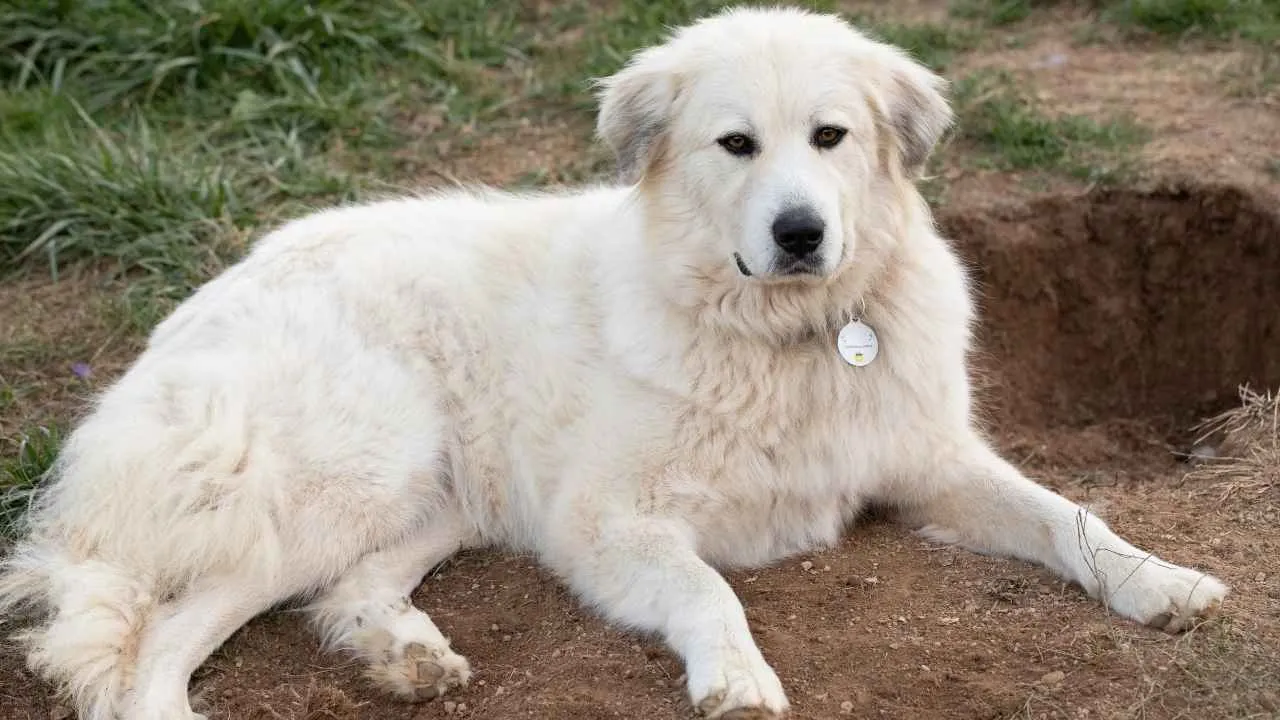
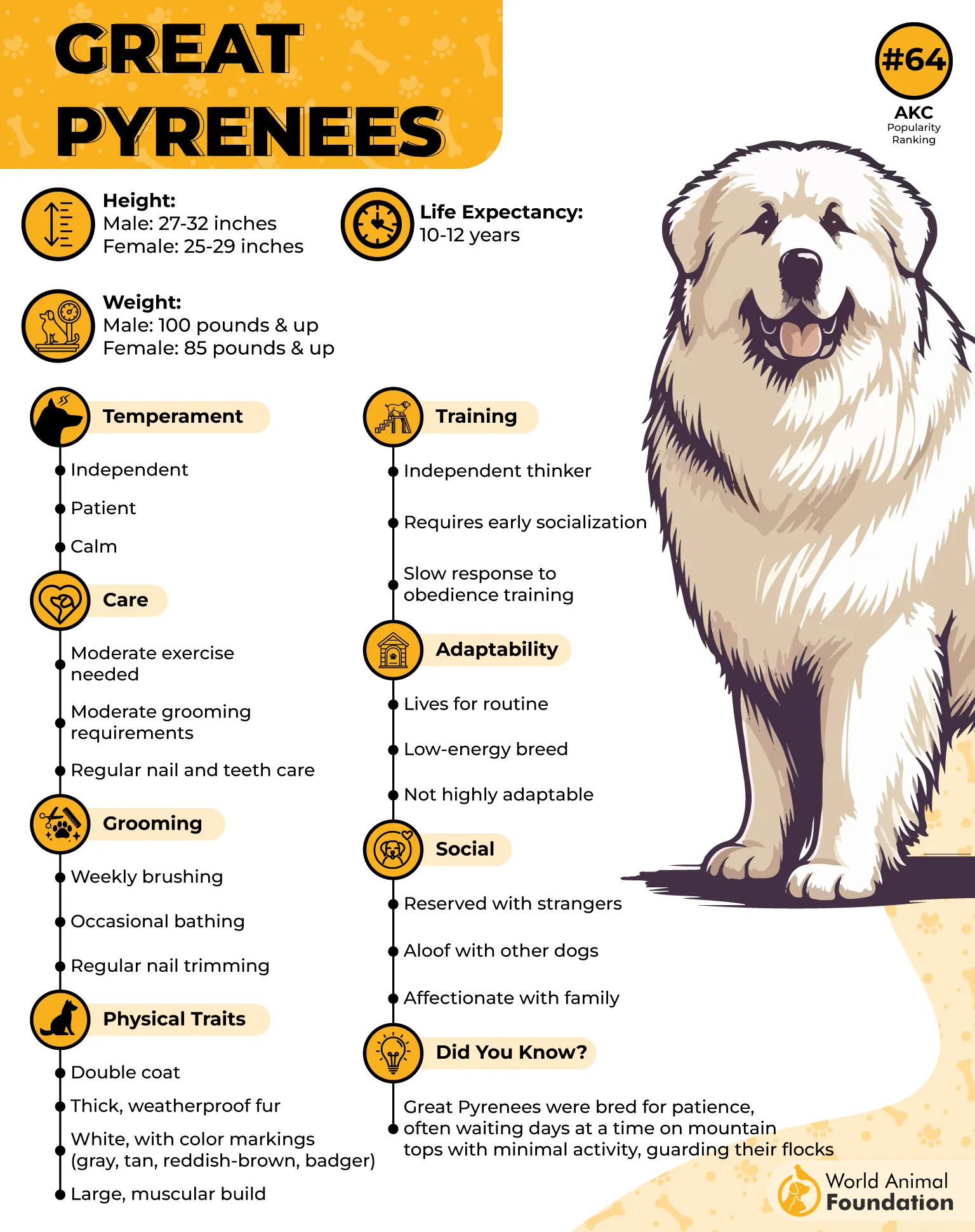
The Great Pyrenees holds a calm, watchful nature built from its heritage of protecting livestock across the Pyrenees Mountains between Spain and France. Its thick white coat once blended into snowy terrain, helping it guard sheep against predators like wolves and bears.
Calm Defender Traits
This loving family pet handles responsibility with quiet confidence, conserving energy while staying alert to its surroundings. Its independent thinking comes from long hours spent guarding flocks without human direction.
A few key traits help explain this steady approach:
Strong independence in decision-making
Naturally calm under pressure
Alert to unusual activity without agitation
Space and Temperament Balance
The Great Pyrenees does best when given room to relax alone while still staying near its people. Its strong-willed nature can influence training, as it often prefers evaluating situations on its own terms. Compatibility with other pets works best when personal space is respected.
9. Cane Corso
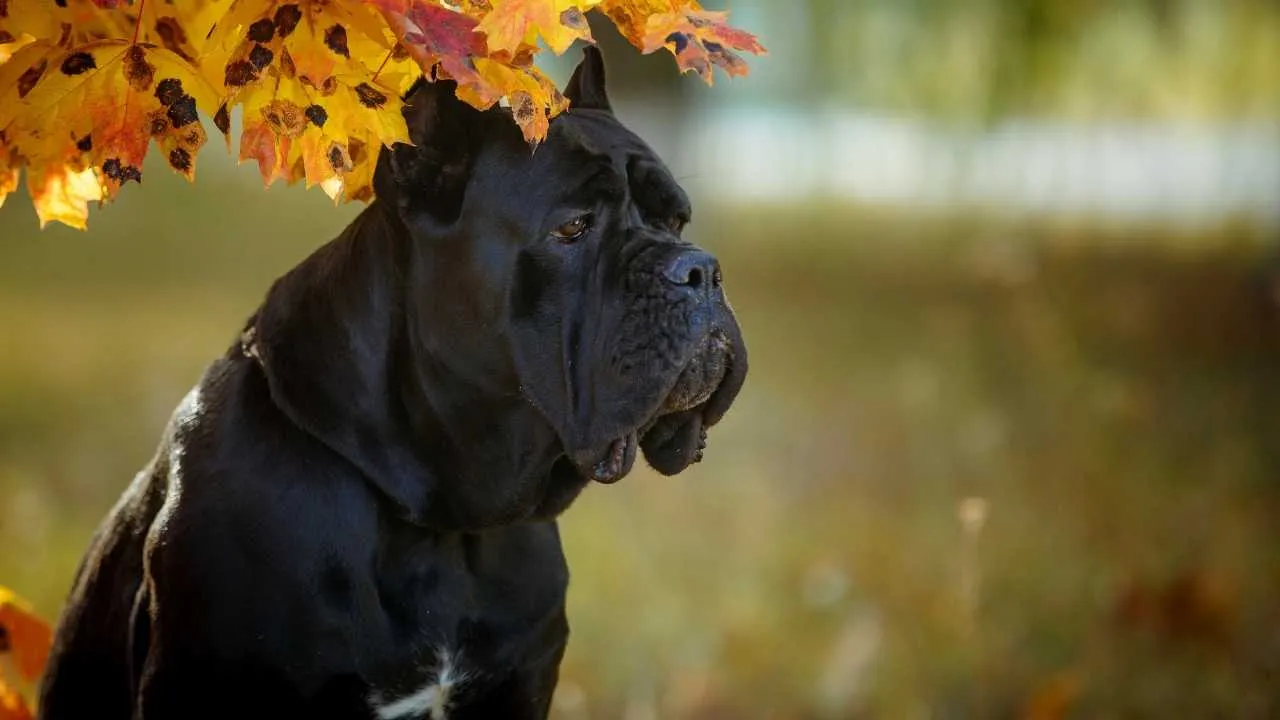
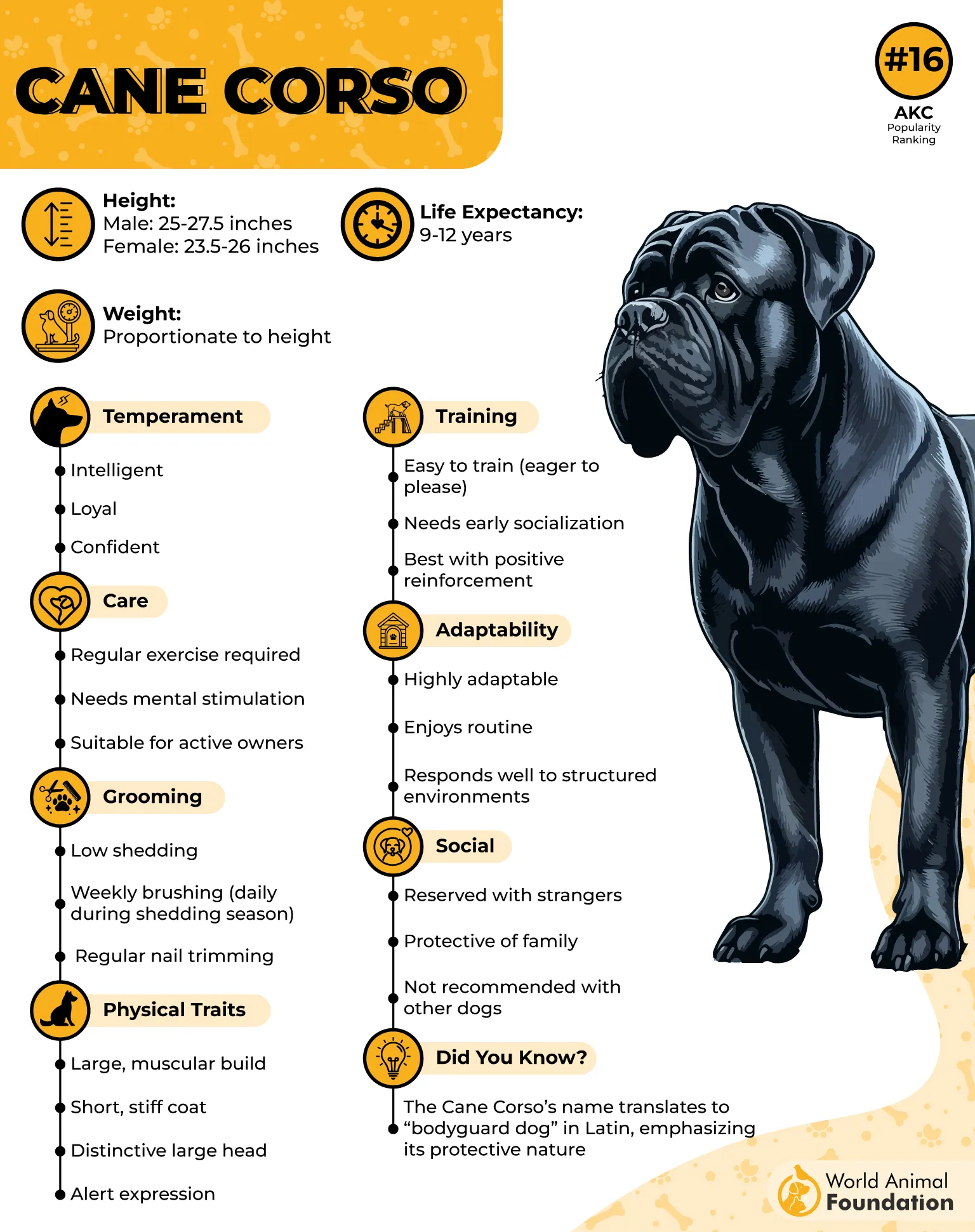
The Cane Corso carries a commanding presence shaped by its role as a disciplined guardian from ancient Roman times, where it was valued as a “bodyguard dog.”
Its powerful frame and steady composure create an immediate sense of control in any environment. Intelligence and confidence sit at the core of its working nature.
Controlled Strength in Action
This protective guard dog combines mental sharpness with physical drive, making it highly responsive when given structured direction. Its alert mindset supports quick assessment of surroundings, while its loyalty keeps focus on trusted individuals.
Some core aspects that define how they balance their work:
Highly trainable with structure
Strong protective awareness
Loyal and people-focused mindset
Calm Yet Watchful Presence
It carries a quiet, composed attitude that reflects professional-level awareness rather than constant agitation. Around family, it often shows a steady and controlled affection, reserving intensity for moments that require attention. Strangers are met with measured observation instead of immediate openness.
10. Saint Bernard
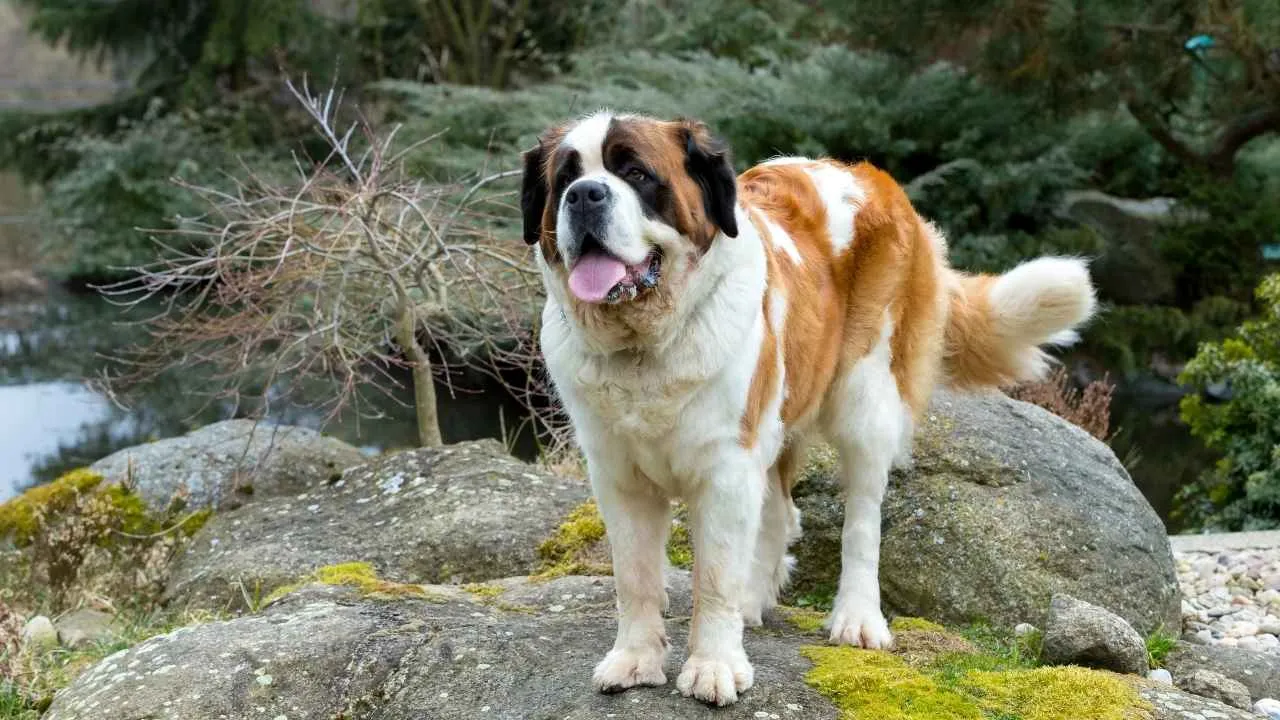
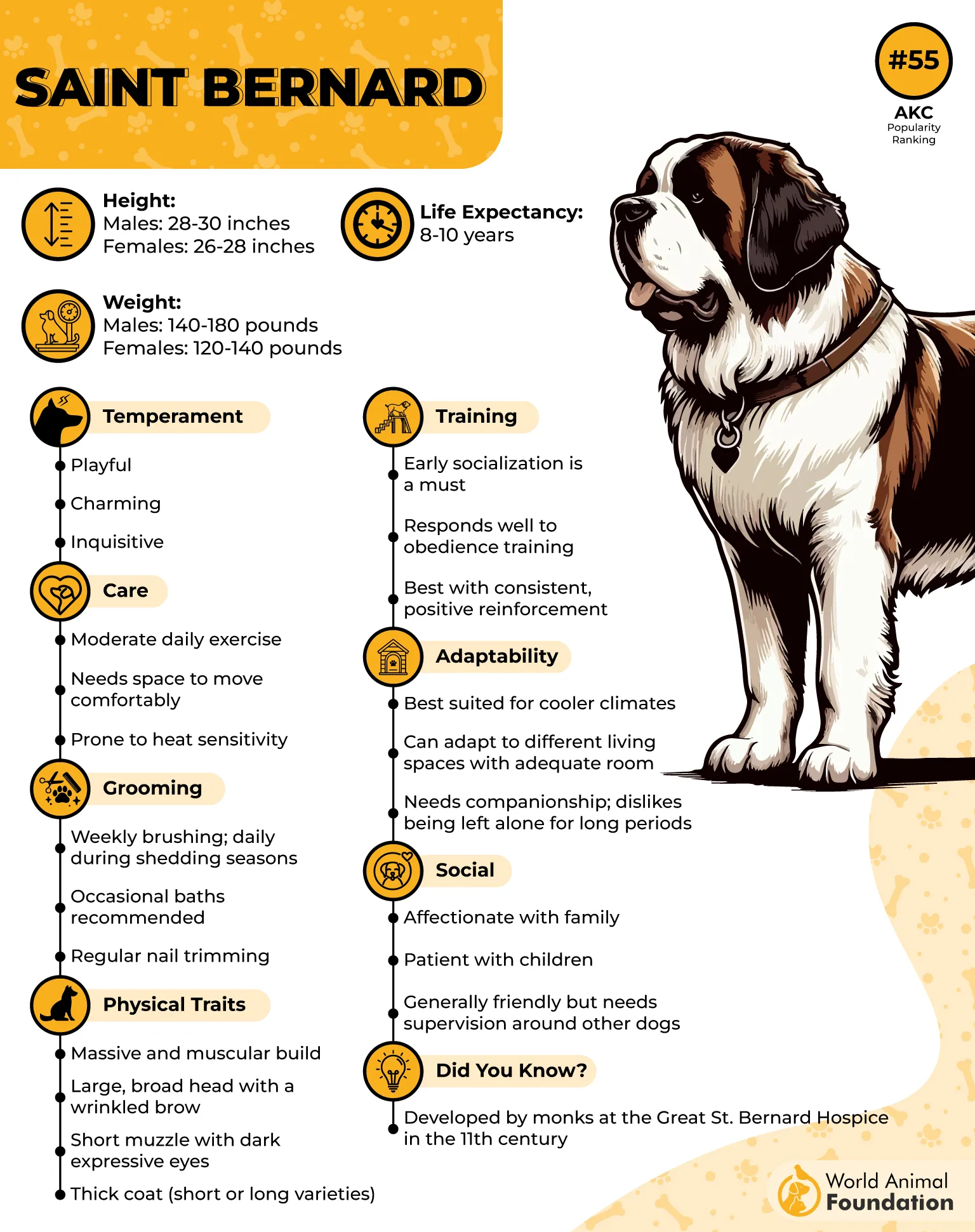
The Saint Bernard has a massive frame and calm strength, once guided by monks in the Swiss Alps for locating people buried under deep snow.
That rescue role shaped a steady, dependable nature that remains visible today. Most now live in homes where their gentle temperament takes priority over field work.
Calm Strength in Action
Its size alone influences how it is perceived, often discouraging unwanted approaches without any need for assertive behavior. Despite the powerful build, the breed leans toward friendliness and steady interaction rather than confrontation.
These qualities balance their work in daily life:
Naturally calm under pressure
Strong presence due to size
Gentle interaction with children
Family Interaction Style
This furry breed adapts well to household life, especially in environments where children are present and taught respectful interaction. Its relaxed approach allows it to engage without overwhelming the space around it. The breed prefers steady companionship over constant stimulation.
Conclusion
Many people imagine protection as a dramatic display of courage, but real guardianship often appears in smaller moments. It can be a watchful glance toward an unfamiliar sound, a calm presence near loved ones, or an instinctive awareness of changing situations. These qualities help place some dogs among the best guard dog breeds, especially with proper training.
Their value extends beyond guarding because they also contribute companionship, stability, and trust. Every family has different needs, which is why no single dog suits every household. The ideal choice is one whose temperament fits family life while receiving the exercise and mental stimulation needed to remain a dependable companion for dog owners.
