




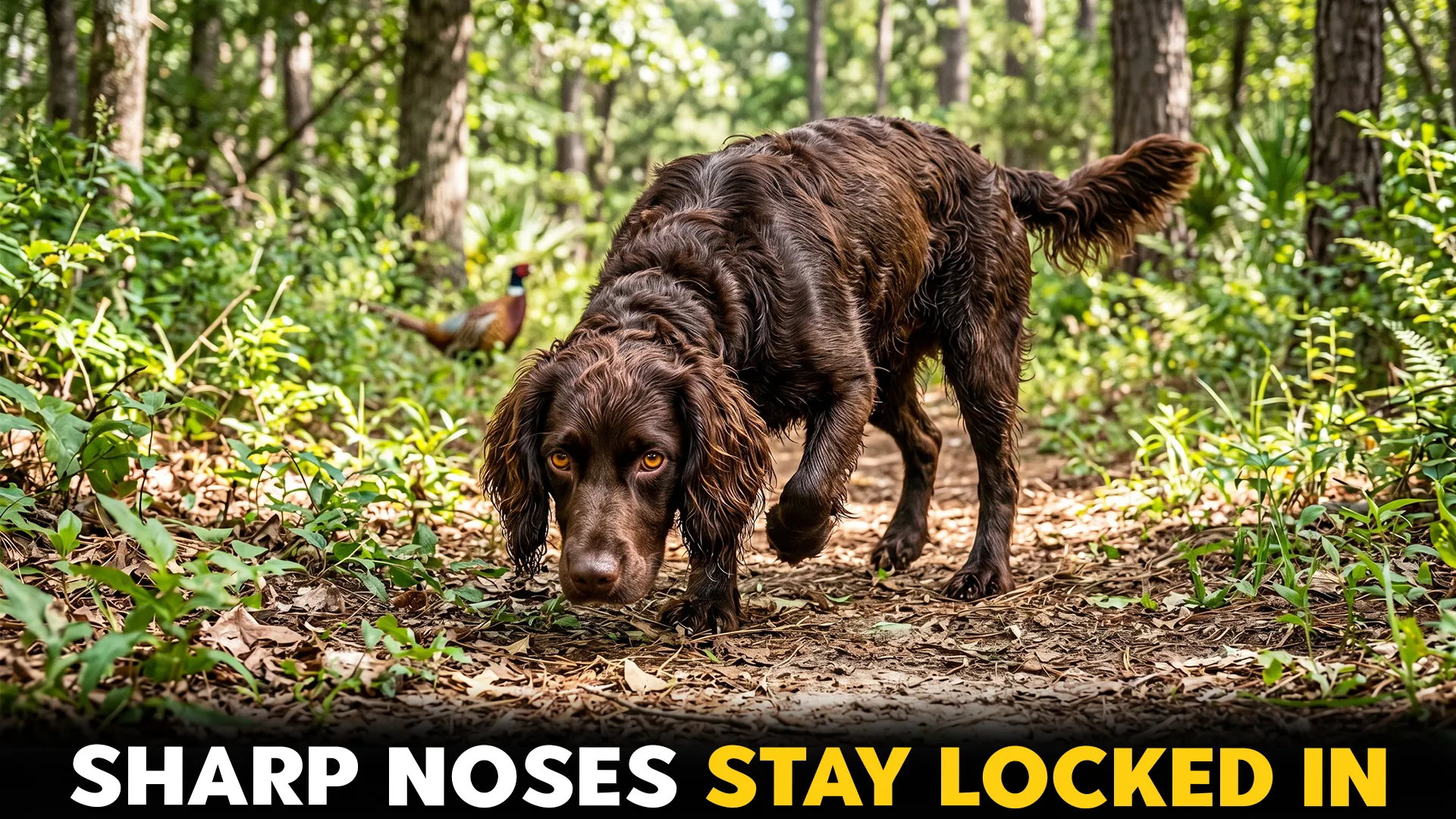
Every gamer knows that one teammate who somehow always knows where the enemy is hiding. In the dog world, trail-following hunting breeds are exactly like that teammate—except their tracking abilities are powered by noses that make human senses look like outdated technology.
A dog’s sense of smell is estimated to be anywhere from 10,000 to 100,000 times more powerful than ours. While humans mostly experience the world through sight, hunting dogs experience it through scent. A single footprint left hours earlier can tell them where an animal traveled, how fast it moved, and sometimes even how recently it passed through an area.
For centuries, hunters have relied on specialized breeds to follow scent trails across forests, marshes, mountains, and open fields for upland game hunting. These dogs don’t simply wander around hoping to find game. They methodically process thousands of scent particles every second, turning invisible trails into something as obvious to them as a brightly lit highway.
What makes these dogs fascinating isn’t just their ability to find game. It’s how differently each breed approaches the challenge. Some work methodically like detectives solving a mystery. Others charge forward with relentless energy, like action-movie heroes chasing villains through city streets.
If you’re fascinated by elite canine tracking skills, get to know about these top hunting dog breeds skilled at trail following.
Top Hunting Dog Breeds Skilled at Trail Following
1. German Wirehaired Pointer
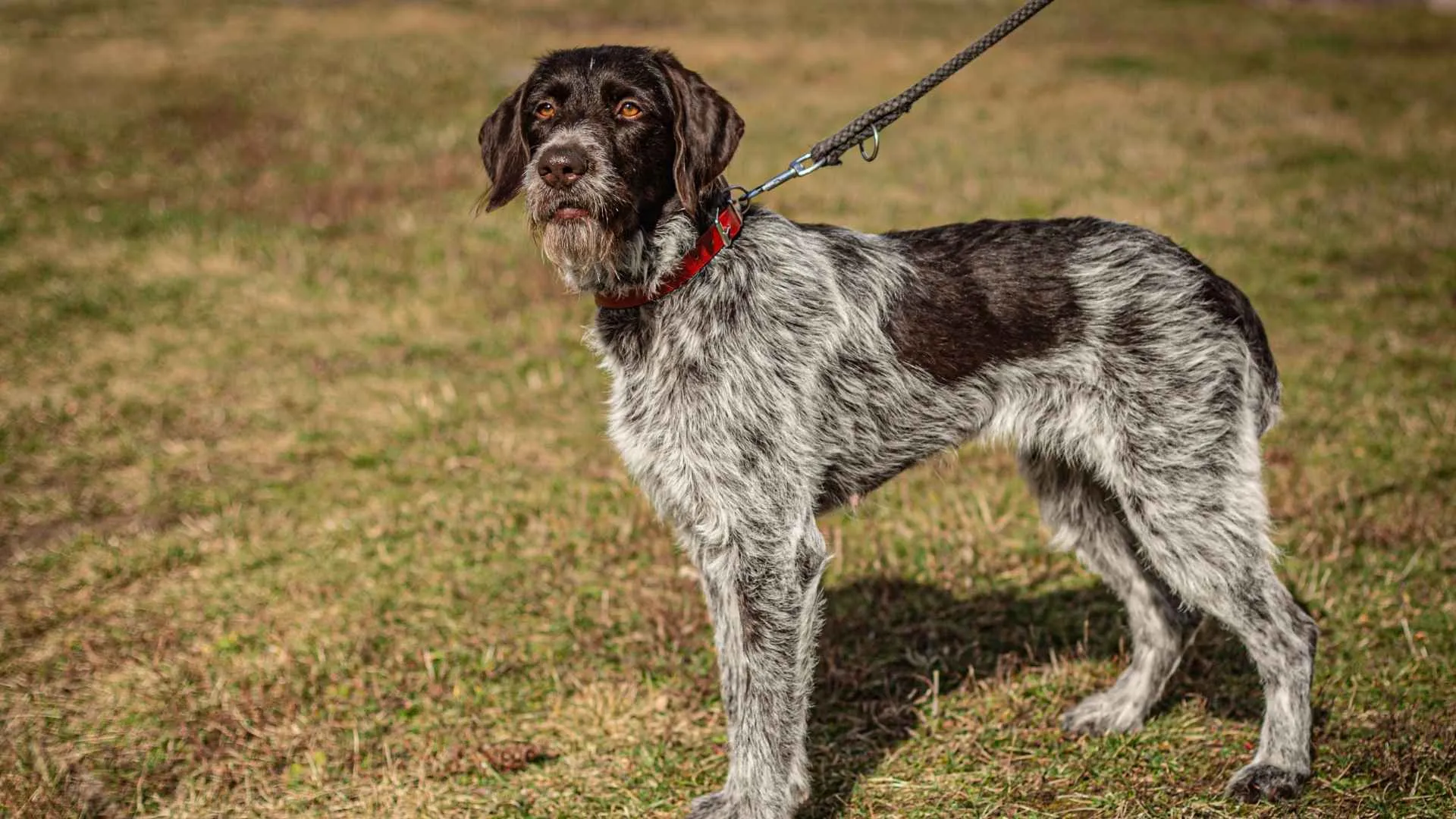
The German Wirehaired Pointer is basically the Swiss Army knife of hunting dogs. Hunters originally wanted a dog that could point birds, retrieve waterfowl, track wounded game, and survive rough weather. The result was a breed that excels at nearly everything.
One glance at their rugged appearance tells you they’re built for hard work. Their wiry coat isn’t just for looks. It protects them from thorny brush, icy water, and harsh weather conditions that would leave many other breeds struggling during hunting tasks.
Their scenting ability is exceptional. Many hunters report that experienced German Wirehaired Pointers can follow wounded birds hundreds of yards through dense cover where human eyes can’t spot a single feather.
These Pointers are family dogs with an “off switch” at home and a “turbo mode” outdoors. When it’s time to hunt, their work ethic becomes almost obsessive.
Because they were bred to work independently while remaining responsive to handlers, they often strike a great balance between intelligence and cooperation.
This Dog’s Unique Trail Following Strategy
The German Wirehaired Pointer combines air scenting and ground tracking simultaneously.
Uses wind currents to detect distant game
Switches to ground scent when necessary
Tracks wounded birds through thick cover
Maintains focus despite multiple scent distractions
Uses methodical search patterns rather than random wandering
2. English Springer Spaniel
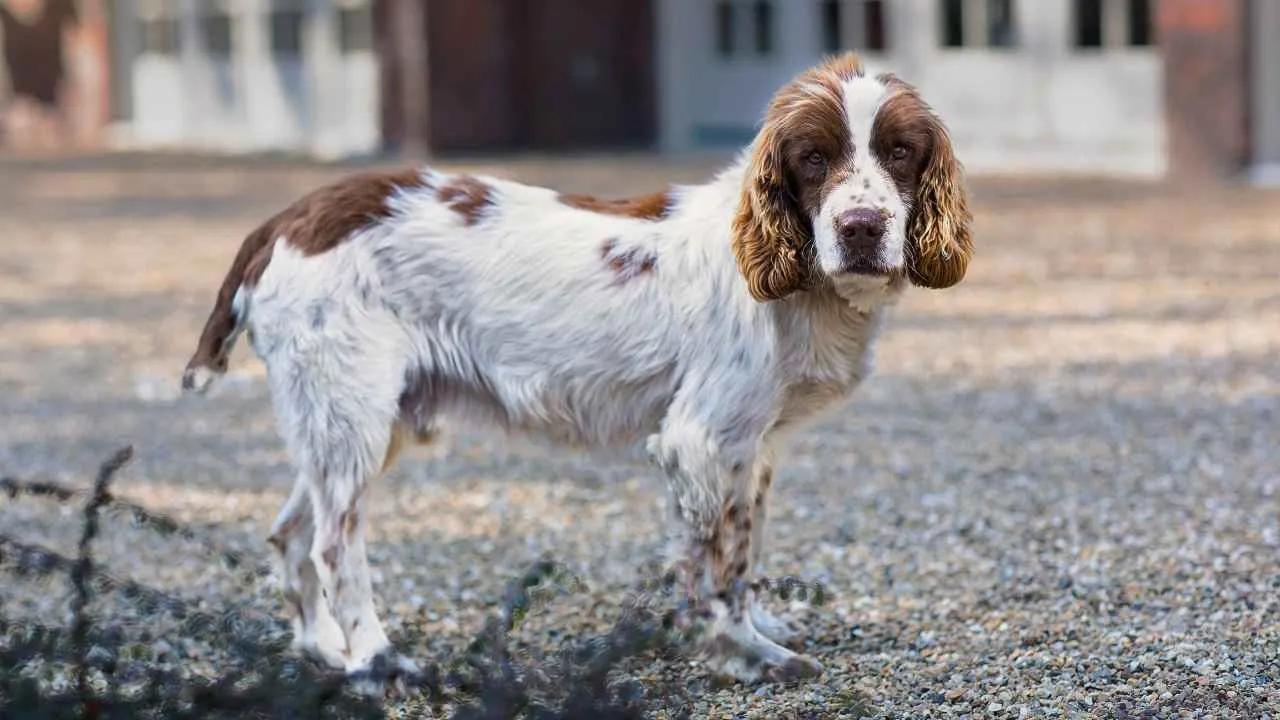
The English Springer Spaniel may not be the largest dog on this list, but what it lacks in size it makes up for in determination and intelligence.
Many experienced bird hunters consider Springers one of the best-kept secrets in the hunting world, especially for small game. Purina claims it has an incredible ability to locate birds hiding in dense vegetation.
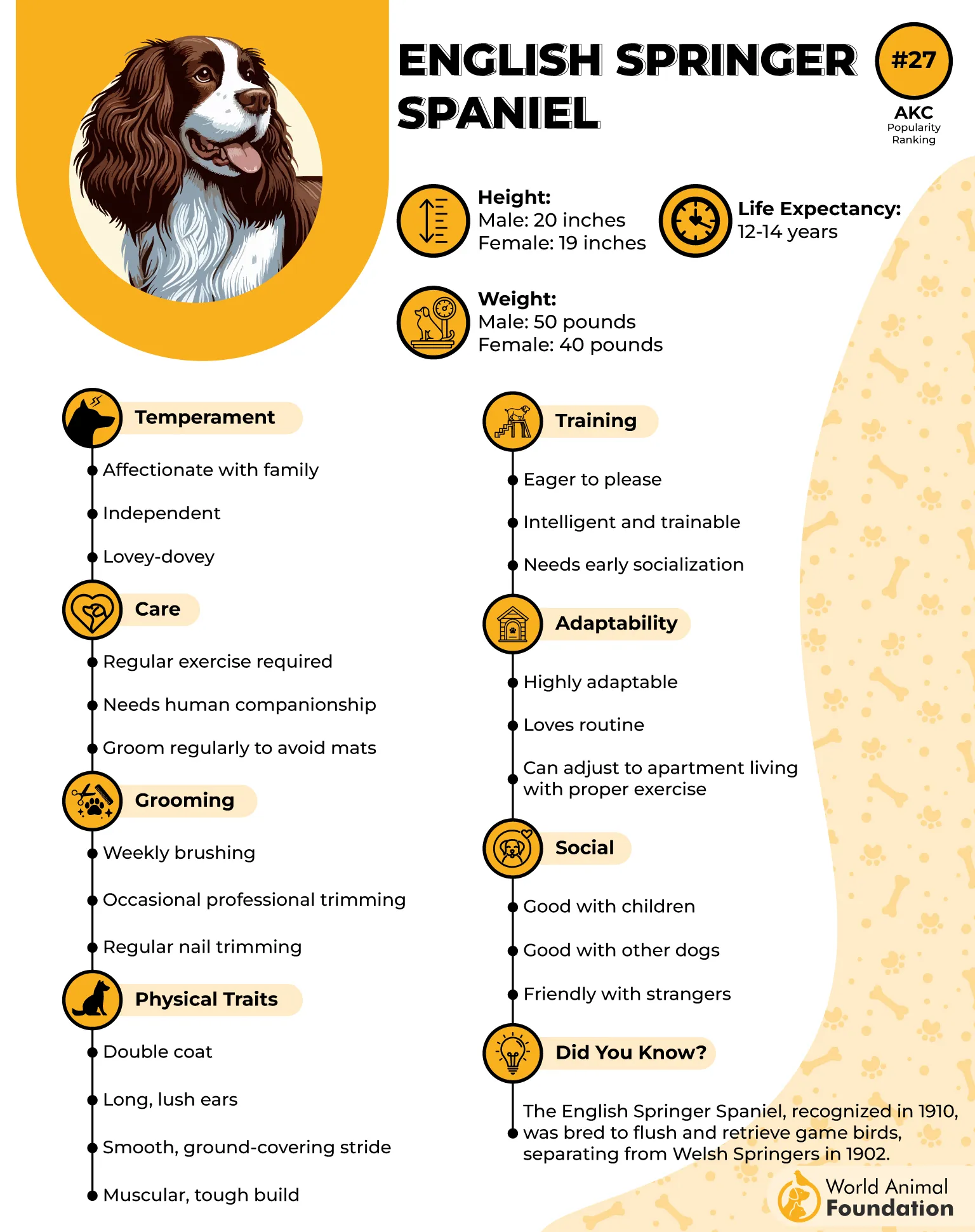
Watching a skilled Springer work is like watching someone speedrun a video game. They cover ground efficiently, checking every possible hiding spot without wasting energy.
Their noses are incredibly sensitive, but what truly separates them is how they use scent information. Instead of simply locating birds, they strategically approach them, forcing game into flight at exactly the right moment.
Springers are also among the most trainable sporting breeds across a wide range of hunting environments. Their eagerness to please makes them a favorite among first-time hunting dog owners.
This Dog’s Unique Trail Following Strategy
Springers specialize in close-range scent work.
Uses zigzag quartering patterns
Continuously checks wind direction
Detects hidden birds before visual contact
Maintains constant communication with handlers
Excels in thick brush and dense cover
3. Boykin Spaniel
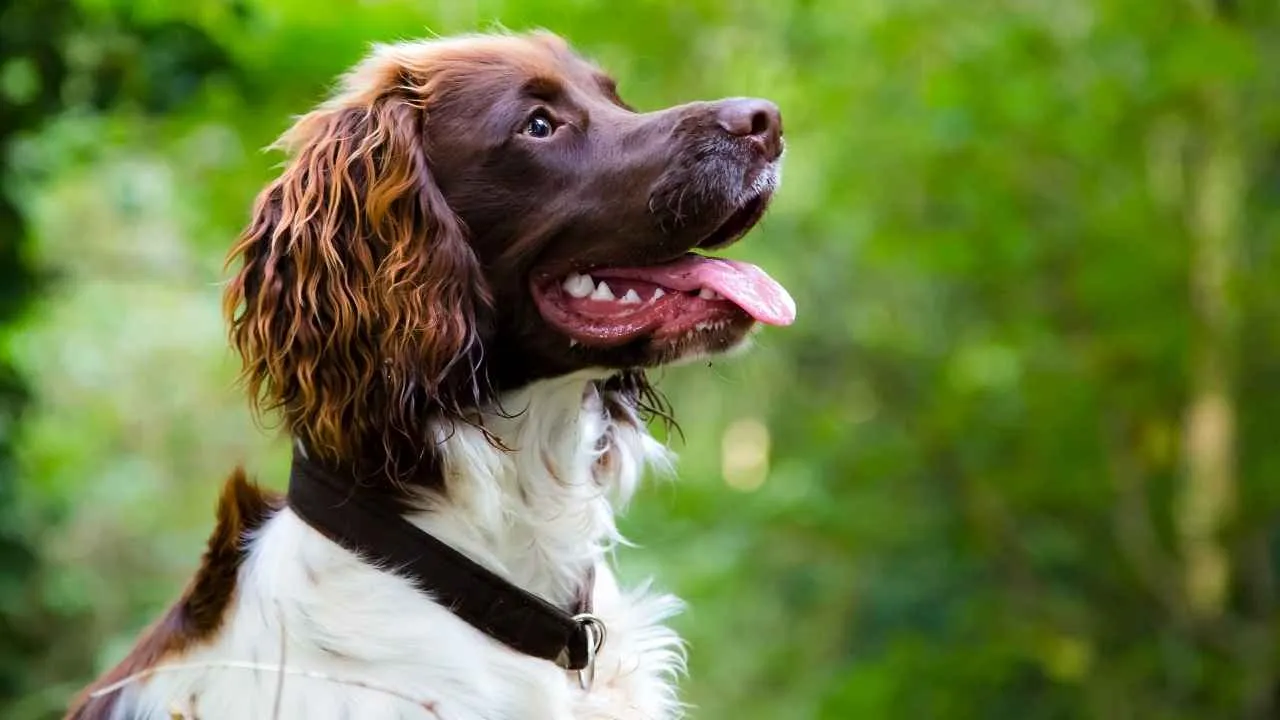
The Boykin Spaniel is proof that big talent can come in a medium-sized package.
Originally bred in South Carolina swamps, these dogs became famous for hunting wild turkeys and ducks. They were specifically bred to fit comfortably inside small hunting boats.
Their compact size gives them surprising advantages. They move quietly through cover and can access areas larger dogs struggle to navigate. They help hunters locate the prey efficiently.
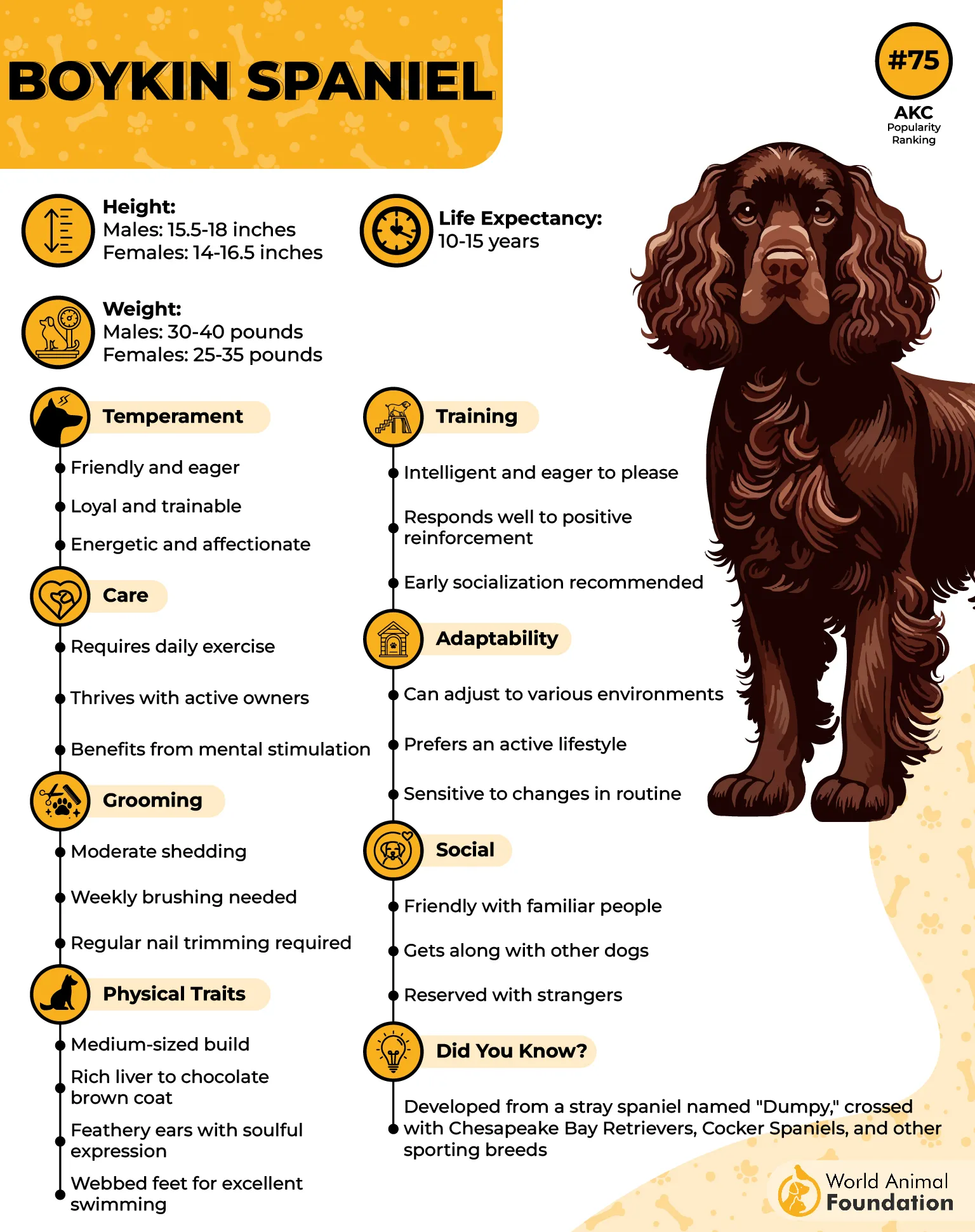
These Spaniels are known for their cheerful personalities. Many owners joke that they act like every day is the best day of their lives.
Their scenting ability combines naturally with their enthusiasm. Once they pick up a trail, they pursue it with laser-like focus. Because these perfect hunting companions are eager to please, proper training tends to be easier than with many independent hound breeds.
They were bred to work closely with hunters all day and can develop separation anxiety when they are away from their human partners for long.
This Dog’s Unique Trail Following Strategy
Boykins uses persistence and adaptability.
Tracks both land and water game
Adjusts search patterns based on terrain
Excels in swamp environments
Maintains strong scent focus in wet conditions
Combines flushing and retrieving instincts
4. Irish Water Spaniel
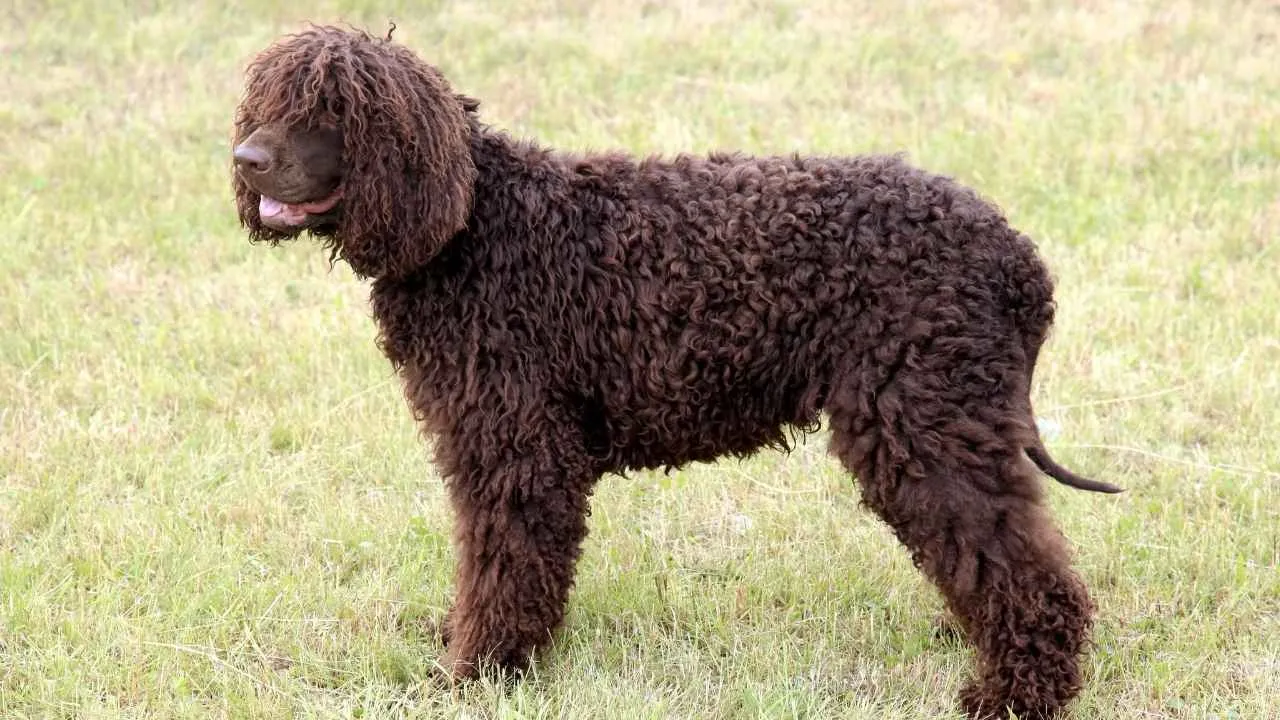
The Irish Water Spaniel often feels like the underrated indie game that suddenly becomes everyone’s favorite once they discover it.
Their distinctive curly coat and rat-like tail make them instantly recognizable. On top of that, they have strong retrieving skills.
These water dogs were developed specifically for retrieving waterfowl, and their scenting abilities shine in environments where scent trails become complicated by water. They are a great choice for long hunts!
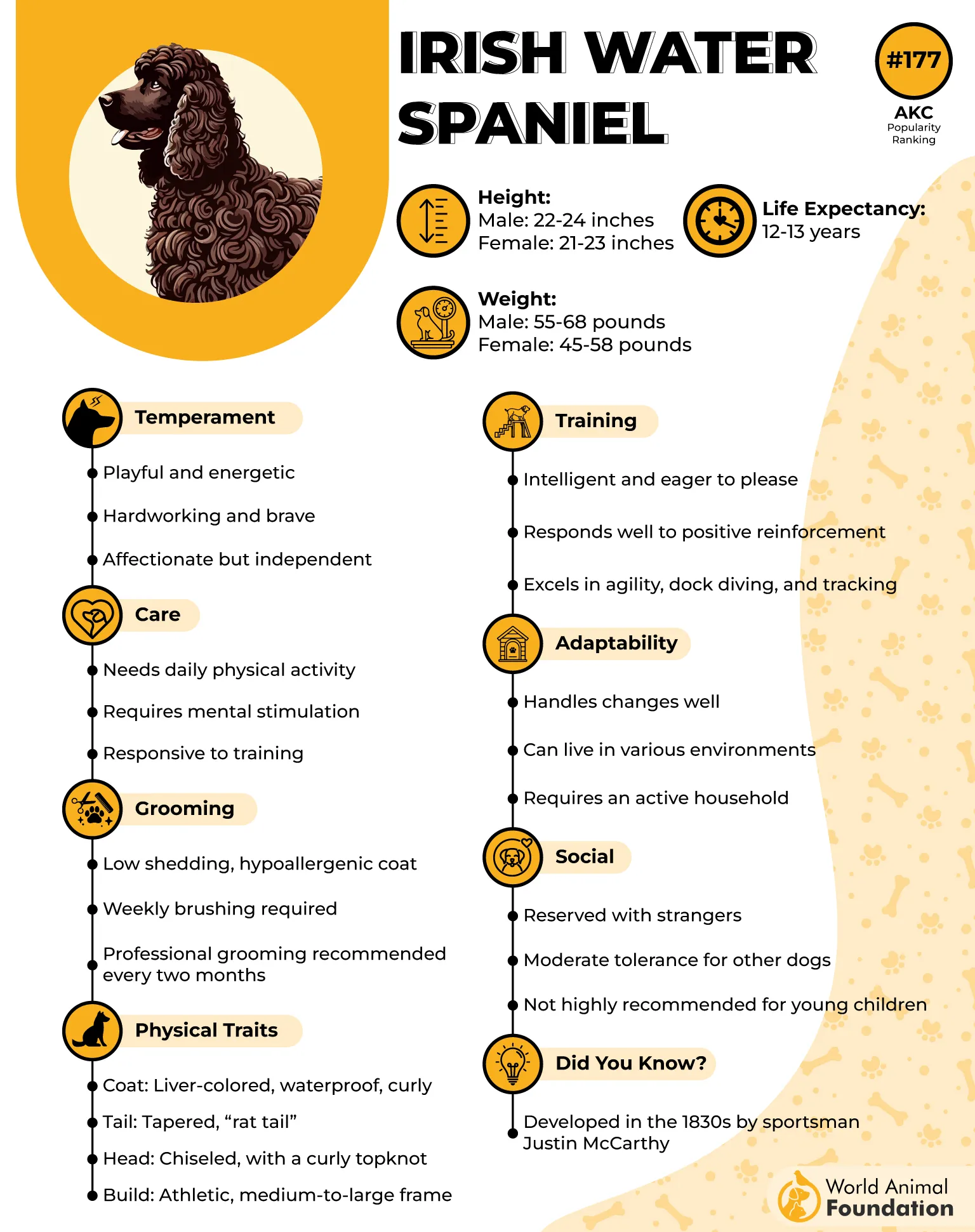
Water creates unique tracking challenges. Scent particles disperse differently, requiring specialized abilities. Irish Water Spaniels excel at reading these subtle scent changes.
Owners frequently praise their problem-solving skills. These wonderful family companions don’t simply follow instructions—they actively figure things out.
Their combination of intelligence, athleticism, and scenting ability makes them outstanding all-around hunting companions.
This Dog’s Unique Trail Following Strategy
Irish Water Spaniels specialize in aquatic scent work.
Tracks scent over water surfaces
Detects floating scent particles
Uses wind and water movement together
Excels in marshes and wetlands
Maintains focus during long retrieves
5. Labrador Retriever
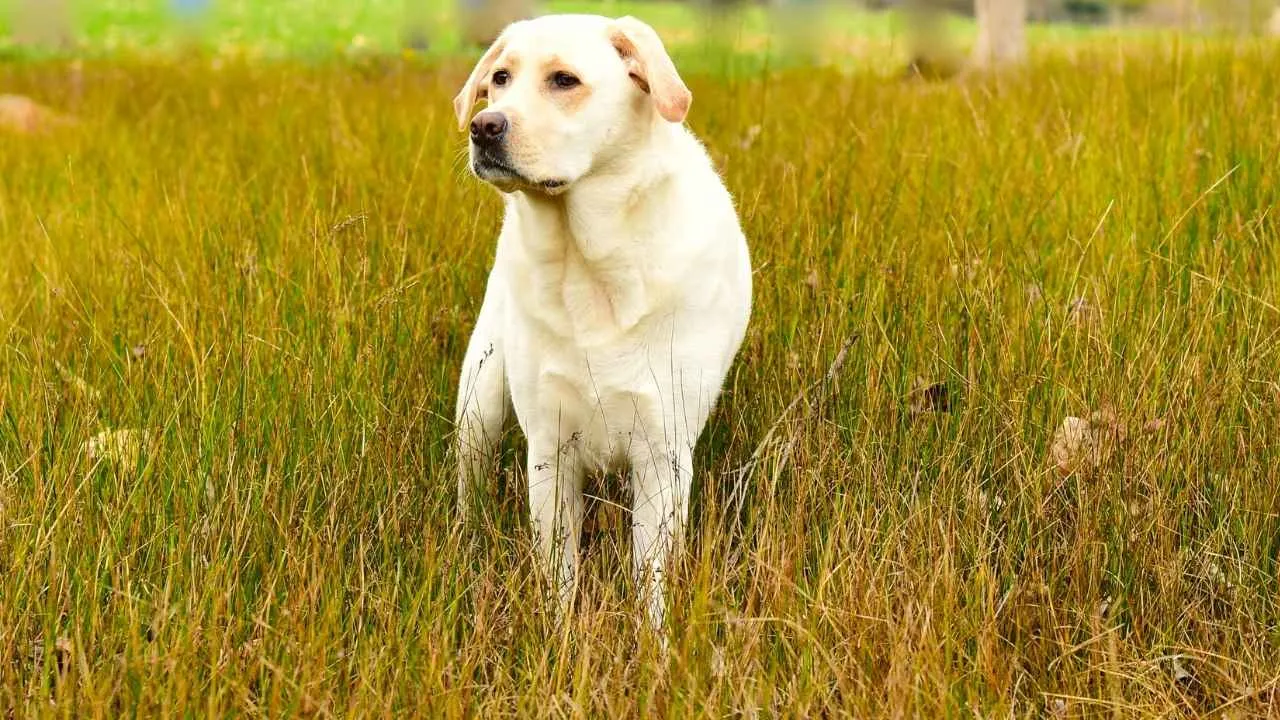
The Labrador Retriever is basically the blockbuster franchise of the dog world. Everybody knows them, but there’s a reason they’ve remained popular for so long.
These active dogs were originally developed to help fishermen retrieve nets and fish. Their instincts for retrieval eventually made them hunting superstars.
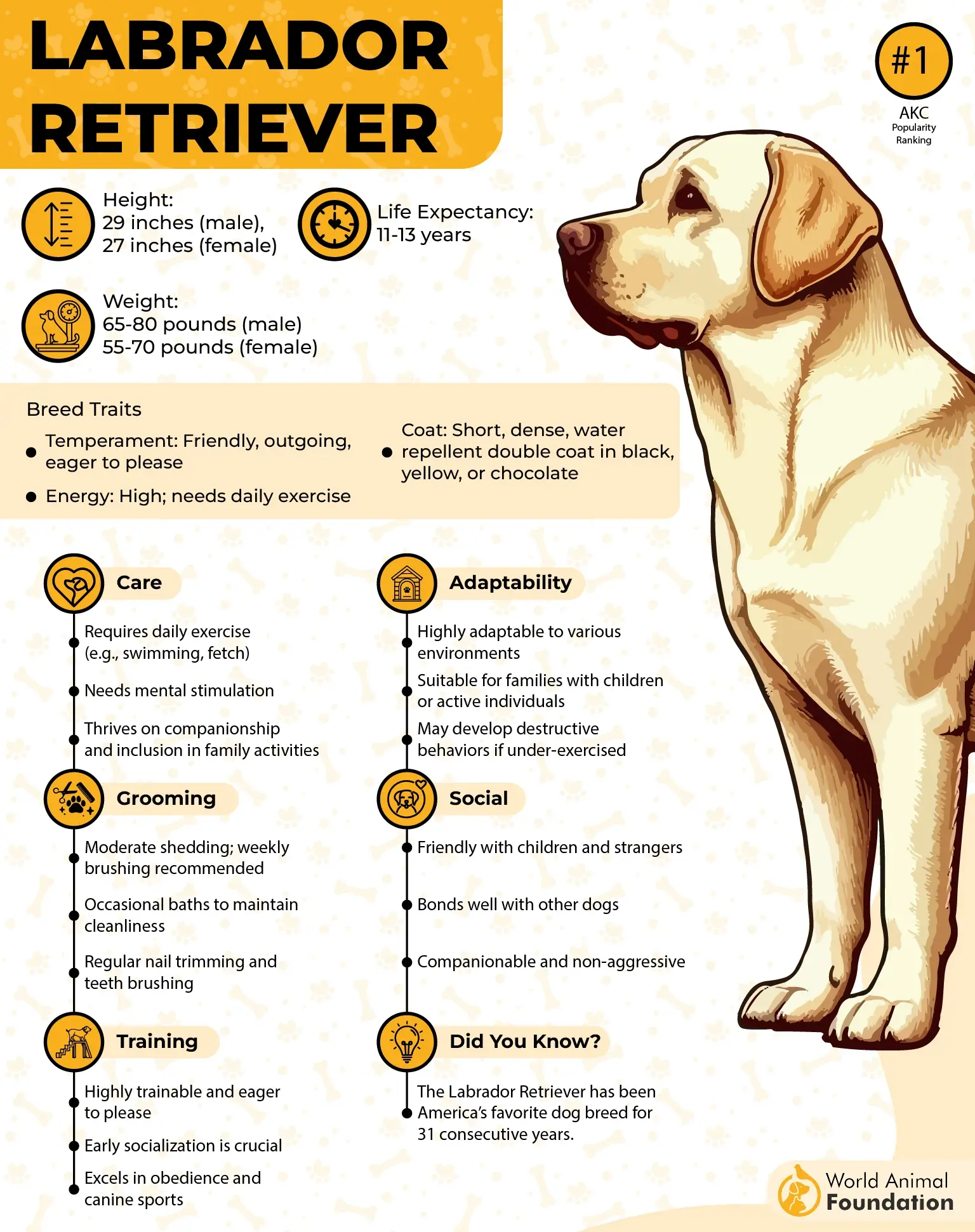
Many people know Labs as family pets but underestimate their hunting abilities. Field-bred Labradors possess extraordinary scenting skills.
Their greatest strength is versatility in waterfowl hunting. A Labrador can track wounded game, retrieve waterfowl, locate upland birds, and still happily play fetch afterward. At home, they turn into great family dogs.
Their trainability is legendary. These high-energy dogs learn quickly, retain commands well, and stay motivated by praise and rewards.
Hunters often say a well-trained Labrador feels like hunting alongside a trusted teammate rather than simply handling a dog.
This Dog’s Unique Trail Following Strategy
Labs combine scent work with problem-solving.
Uses ground and air scent simultaneously
Tracks wounded birds effectively
Maintains focus amid distractions
Retrieves from land and water
Adjusts speed based on scent intensity
6. Treeing Walker Coonhound
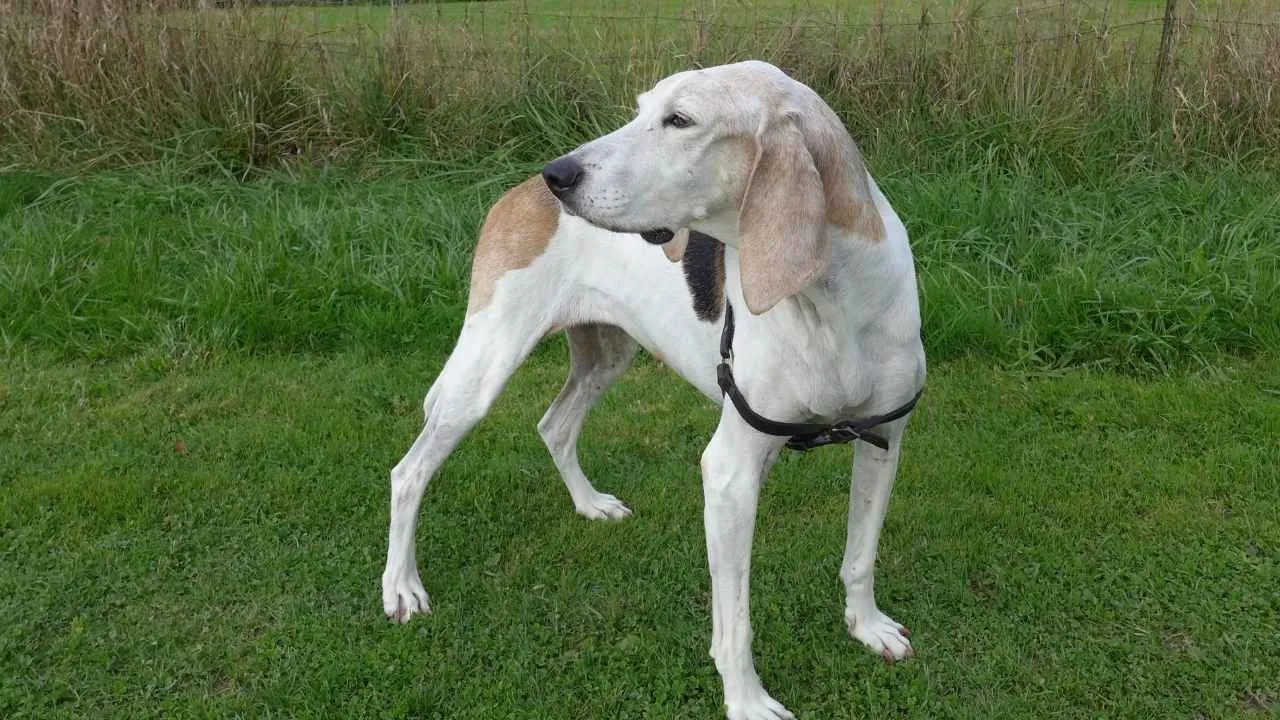
The Treeing Walker Coonhound was built for one purpose: finding game and refusing to quit until the job is done. These dogs can also withstand cold temperatures pretty well!
These dogs possess extraordinary stamina that helps them hunt birds. While some breeds slow down after several hours, Treeing Walkers often seem ready for overtime.
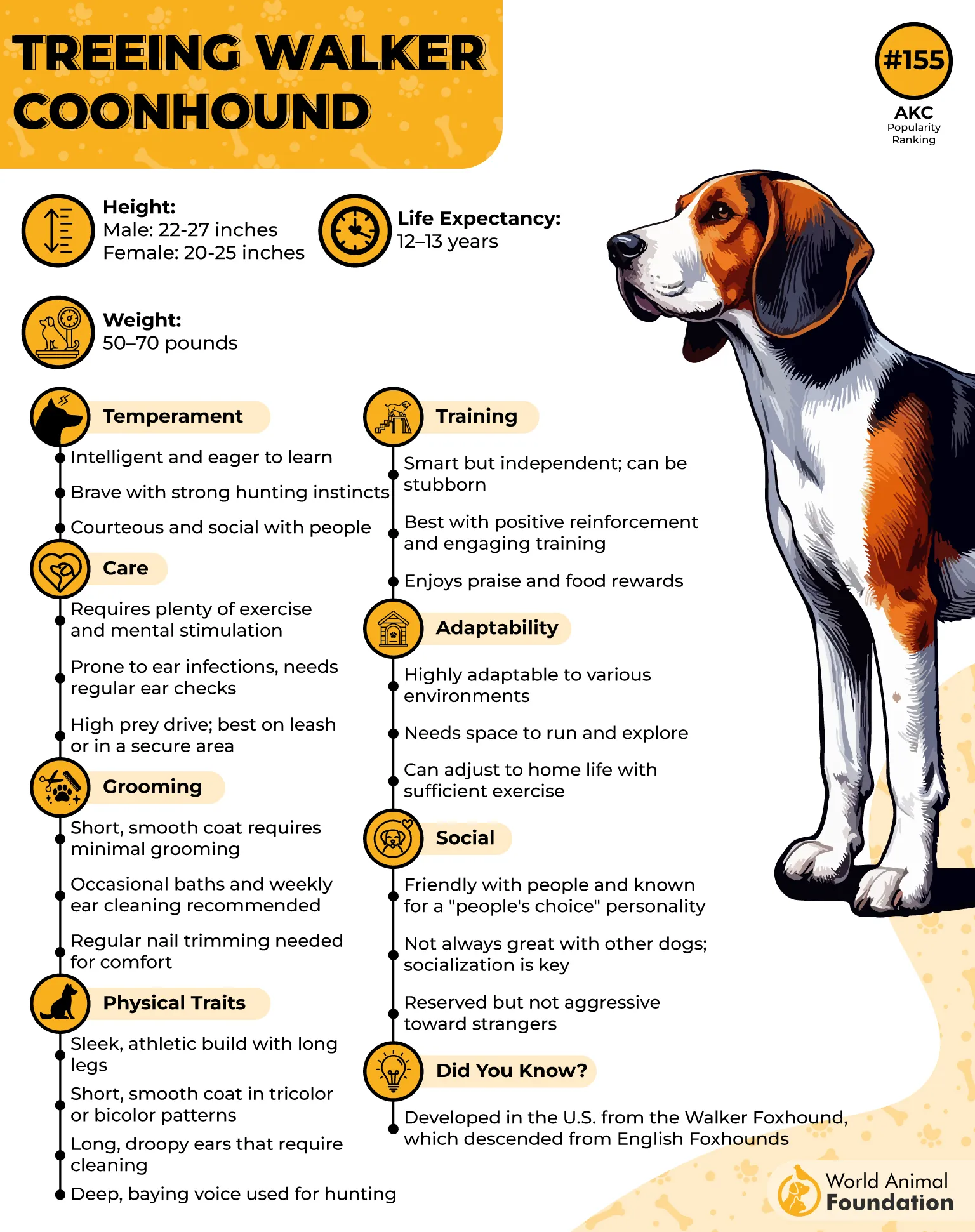
Their vocalizations are legendary among hunters. Different barks communicate different stages of a trail, almost like real-time tracking notifications.
According to PetMD, they’re independent thinkers, which can sometimes make training challenging. However, that independence becomes a huge advantage in the field.
When a Treeing Walker picks up a scent trail, its determination is honestly impressive. Quitting simply isn’t part of the software.
This Dog’s Unique Trail Following Strategy
Treeing Walkers specialize in pursuit tracking.
Follows trails for miles
Uses vocal signals during tracking
Tracks both fresh and older scent trails
Locates treed animals efficiently
Maintains relentless pursuit over long distances
7. Bloodhound
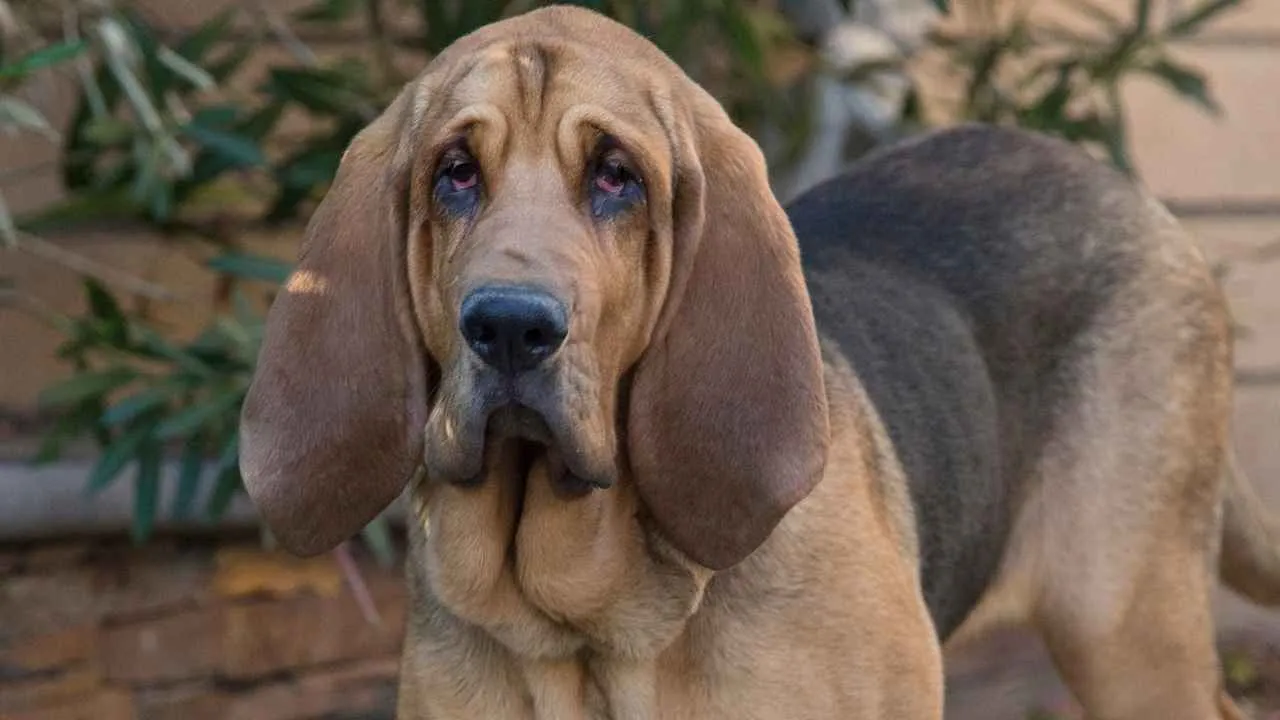
If trail following had a Hall of Fame, the Bloodhound would probably have its own wing.
No discussion of scent tracking is complete without this legendary breed. Bloodhounds possess approximately 300 million scent receptors, compared to about 5 million in humans.
Their tracking abilities are so reliable that Bloodhound evidence has been accepted in courts of law in various jurisdictions.
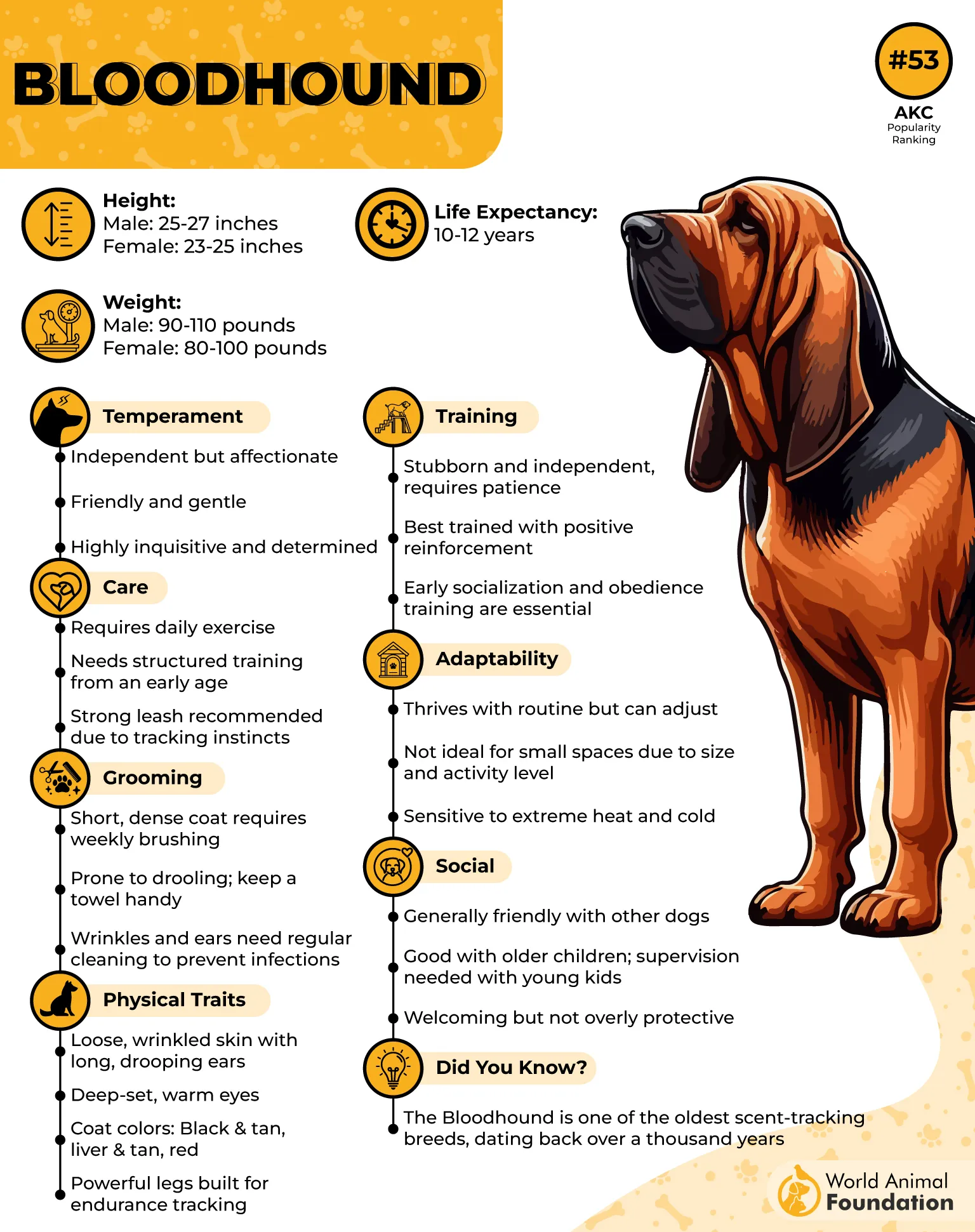
Those famous wrinkles and long ears aren’t merely cute features of these good hunting dogs. They actually help trap scent particles near the nose, enhancing tracking efficiency.
Bloodhounds can follow trails that are days old under favorable conditions. That’s a level of scent detection that almost sounds fictional until you see it in action.
Hill’s Pet describes them as lovable detectives who spend every walk investigating a thousand scent clues.
This Dog’s Unique Trail Following Strategy
Bloodhounds are scent-tracking specialists.
Follows extremely old scent trails
Processes individual scent signatures
Tracks over vast distances
Ignores most competing odors
Uses ears and facial folds to capture scent particles
Conclusion
Trail-following dogs are among the most impressive working animals ever developed. While all dogs possess incredible noses, these seven breeds elevate scent work into something that feels almost superhuman.
Choosing the best breed depends largely on your goals. Hunters pursuing birds may lean toward Springers or Labradors. Waterfowl enthusiasts often favor Boykins or Irish Water Spaniels. Big-game trackers may appreciate German Wirehaired Pointers. Those seeking pure scent-trailing brilliance will always admire the Bloodhound.
German Shorthair Pointer, Chesapeake Bay Retriever, and Golden Retriever are also versatile bird dogs.
And honestly? That’s a pretty impressive superpower.
