




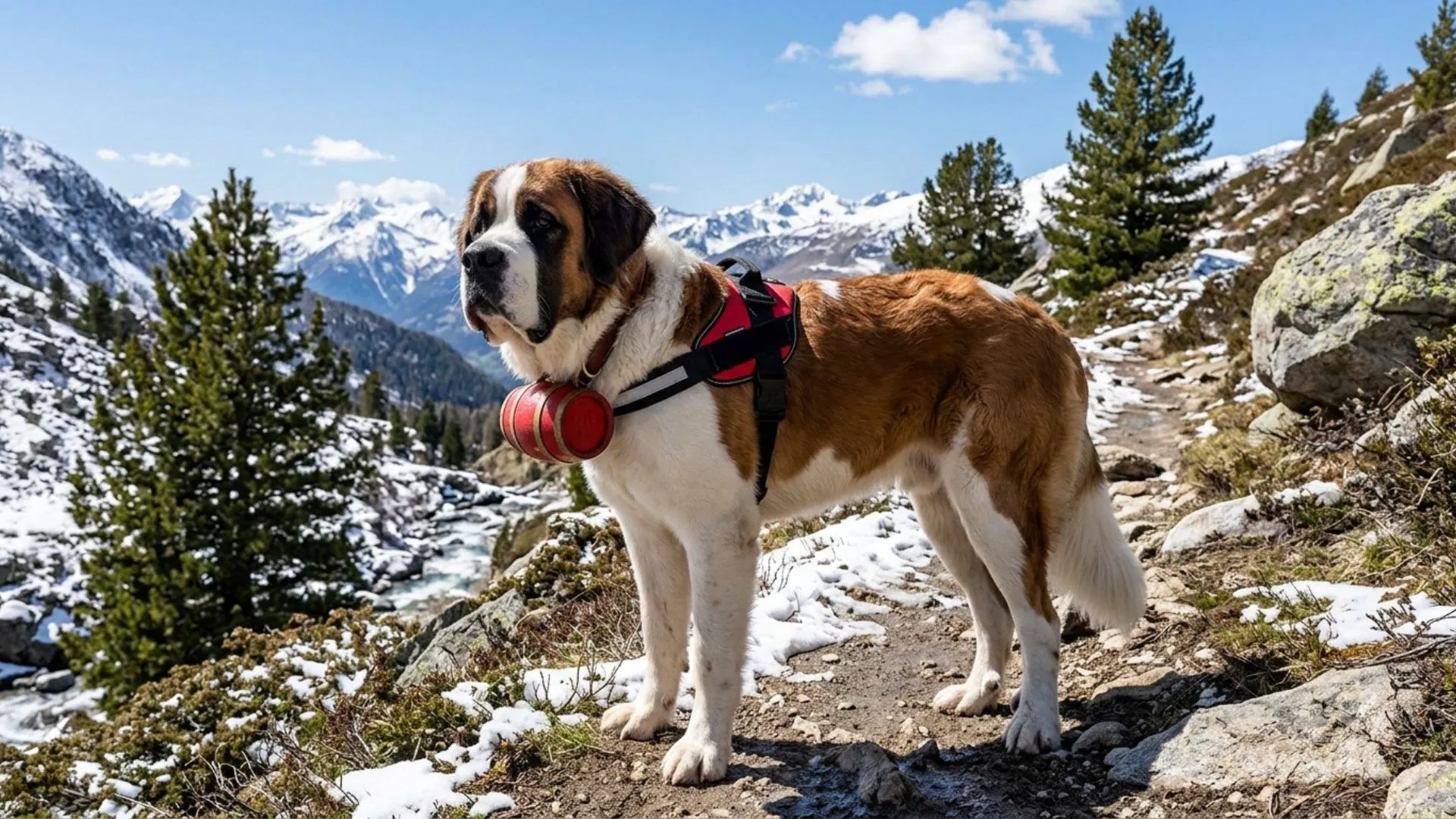
Imagine your GPS has given up, your boots are covered in mud, and the trail ahead looks more like a challenge than a path. Most people would start questioning their life choices. Some dogs, however, would see it as the best day ever.
Not every dog is built for wilderness survival. While some are happiest stretched across the sofa, others come alive in the great outdoors. These rugged companions are eager to tackle long hikes, unpredictable weather, and demanding terrain without missing a beat.
For outdoor enthusiasts, the right canine companion is more than a hiking buddy—it’s a reliable partner that can keep pace, stay alert, and adapt when conditions change. From snowy mountains to remote backcountry trails, certain dog breeds possess the endurance, intelligence, and resilience needed to thrive where comfort is often in short supply.
Let’s explore the best dog breeds built for life beyond the beaten path.
Did You Know?
Known as the “farm powerhouse” of the Alps, the Bernese Mountain Dog was bred to pull heavy loads across snowy slopes and rugged mountain terrain—long before machines existed, proving its strength, endurance, and survival-ready build in harsh, cold-weather environments.
Sturdy Dog Breeds Ideal for Wilderness Survival
1. Siberian Husky
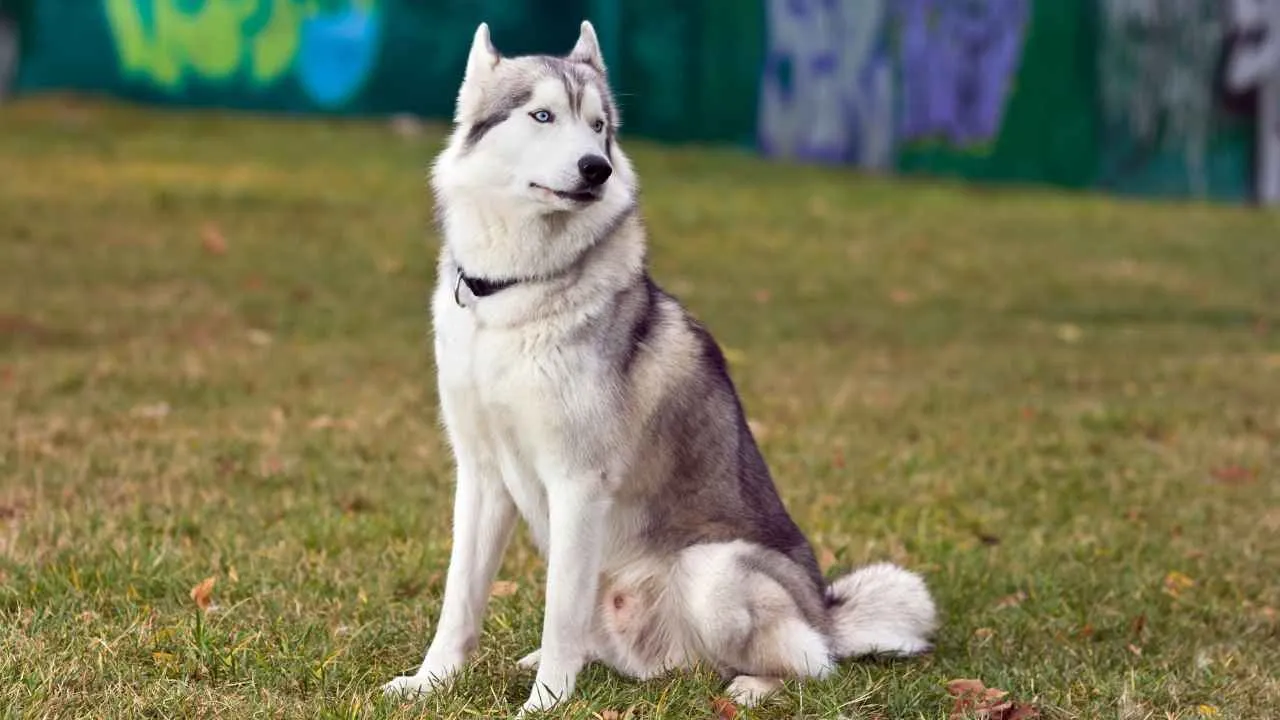
When survival depends on endurance, few breeds look more at home in the wilderness than the Siberian Husky. Originally developed as a sled dog, this energetic breed was built to travel long distances across frozen landscapes while carrying out demanding work, as per the AKC. Their compact frame, impressive stamina, and ability to thrive in cold weather make them an ideal companion for outdoor adventures.
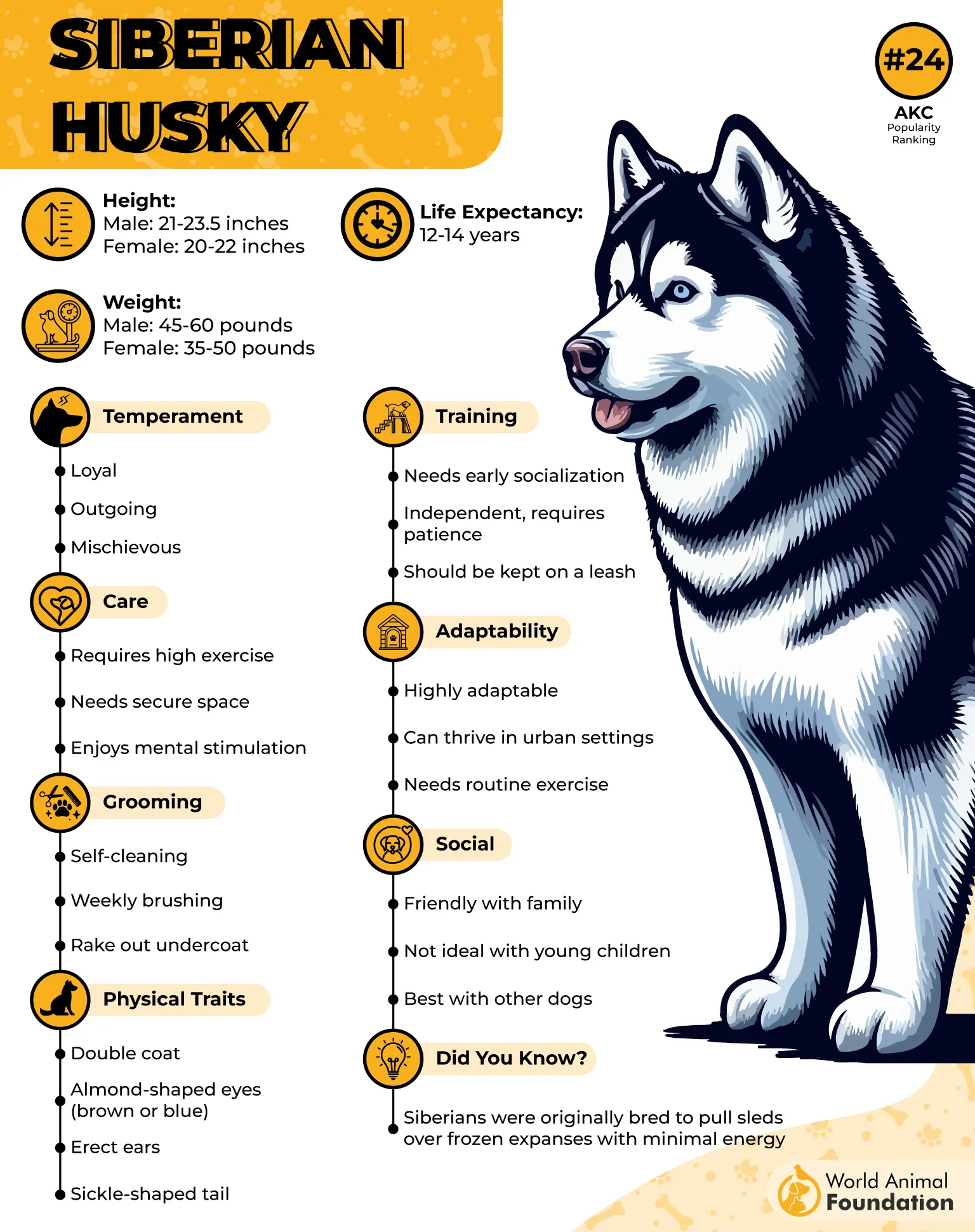
Built for Long-Distance Travel
Here’s where the Husky really shines. Its thick coat protects against harsh conditions, while its athletic build allows it to move efficiently over challenging terrain. These dogs are highly social and enjoy working alongside both humans and other dogs, a trait inherited from their pack-dog heritage.
That said, Huskies have a powerful instinct to run. Regular exercise, structured training, and secure containment are essential to keep them safe during wilderness outings.
Remember this: A Siberian Husky’s unmatched endurance and ability to handle cold environments make it one of the most reliable wilderness companions for long outdoor expeditions.
2. Alaskan Malamute
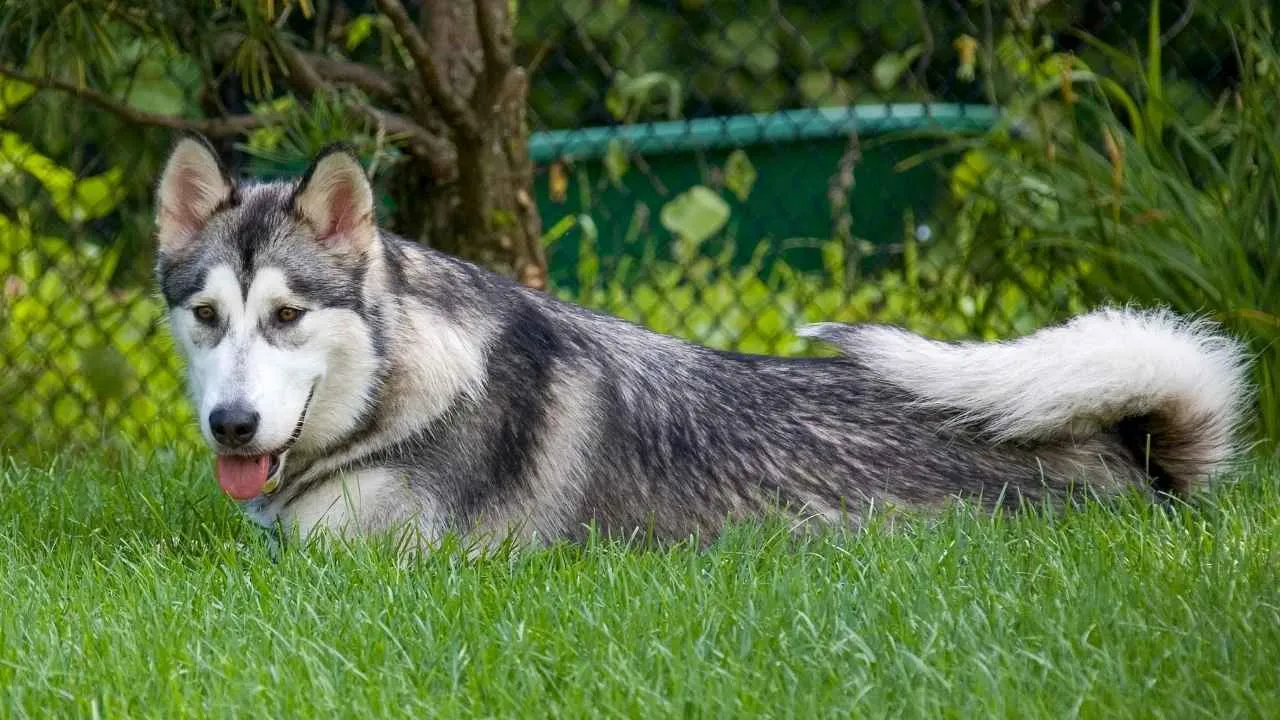
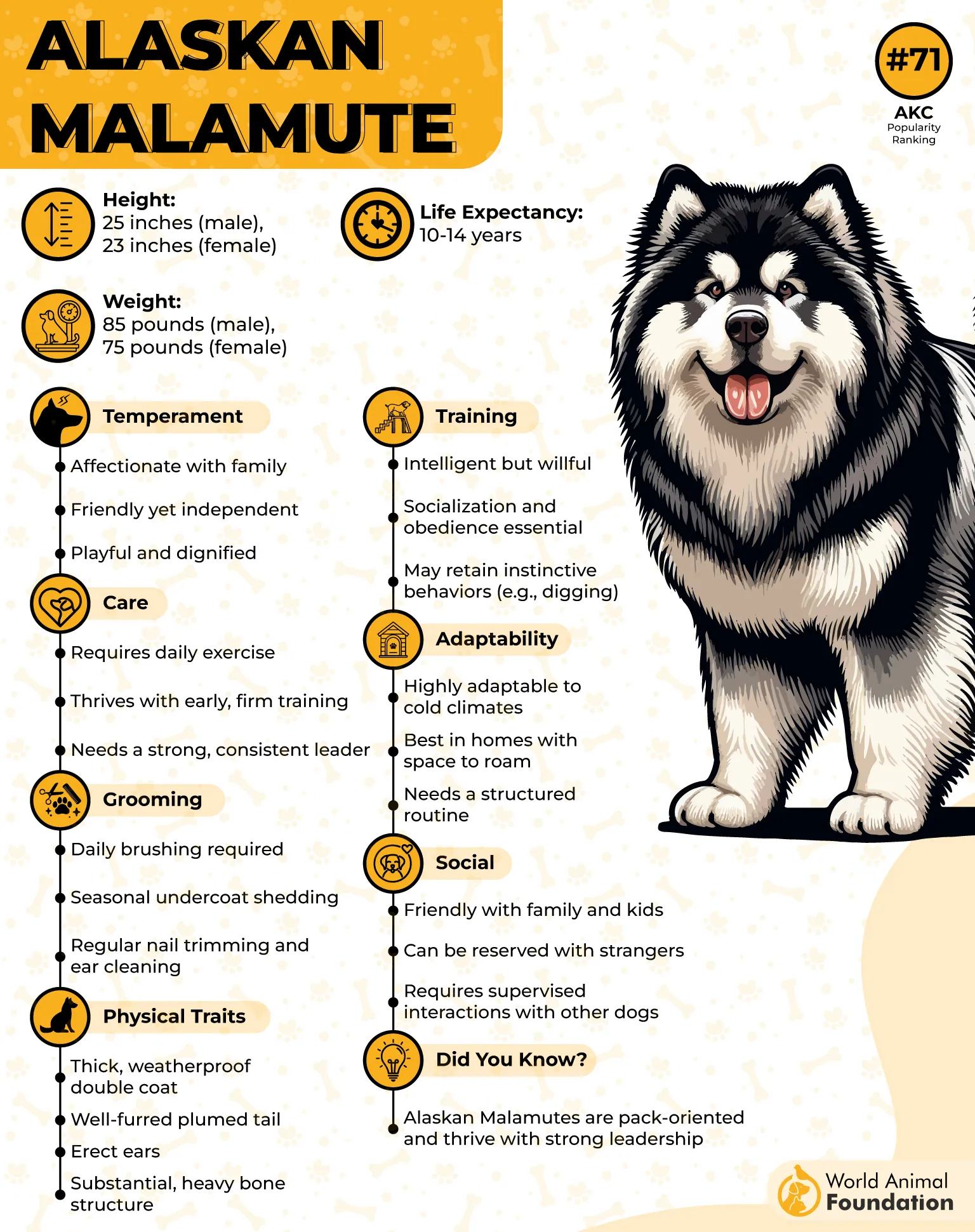
If wilderness survival had a heavyweight division, the Alaskan Malamute would be a strong contender. Originally bred by Arctic communities to pull heavy sleds and transport supplies across frozen landscapes, this powerful breed combines strength, endurance, and determination in one impressive package.
Built for Strength and Harsh Conditions
What makes the Malamute stand out is its ability to work tirelessly in extreme cold. Its dense double coat provides excellent insulation, while its muscular frame allows it to carry or pull heavy loads over long distances. These dogs were also used to hunt seals and help protect people in unforgiving Arctic environments, as per WebMD.
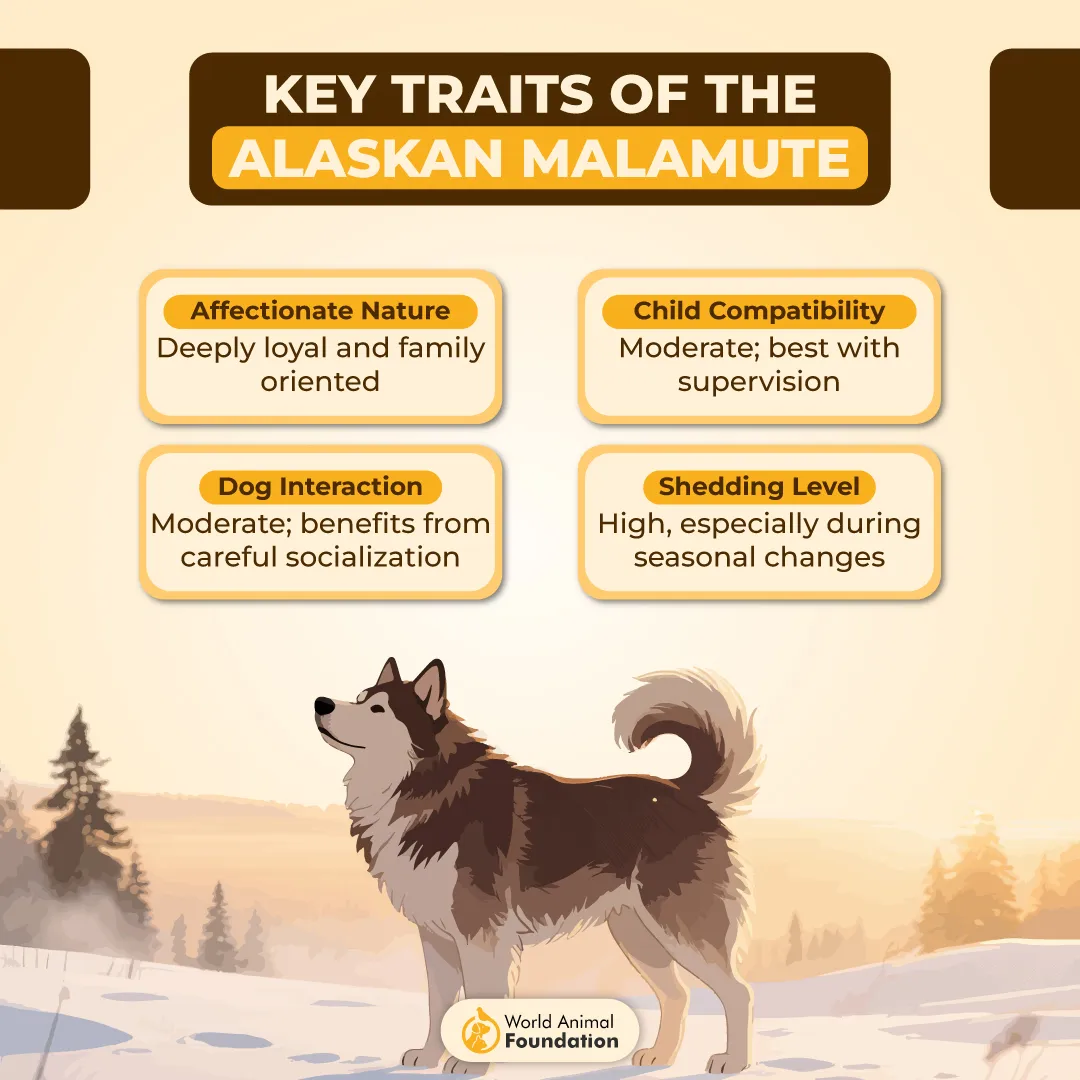
Despite their hardworking background, Malamutes are affectionate and playful with their families. However, they need plenty of exercise and mental stimulation to stay happy. Their intelligence can sometimes come with a stubborn streak, so consistent training is important.
Remember this: Regular hikes, long walks, and challenging activities help bring out the best in an Alaskan Malamute.
3. Tibetan Mastiff
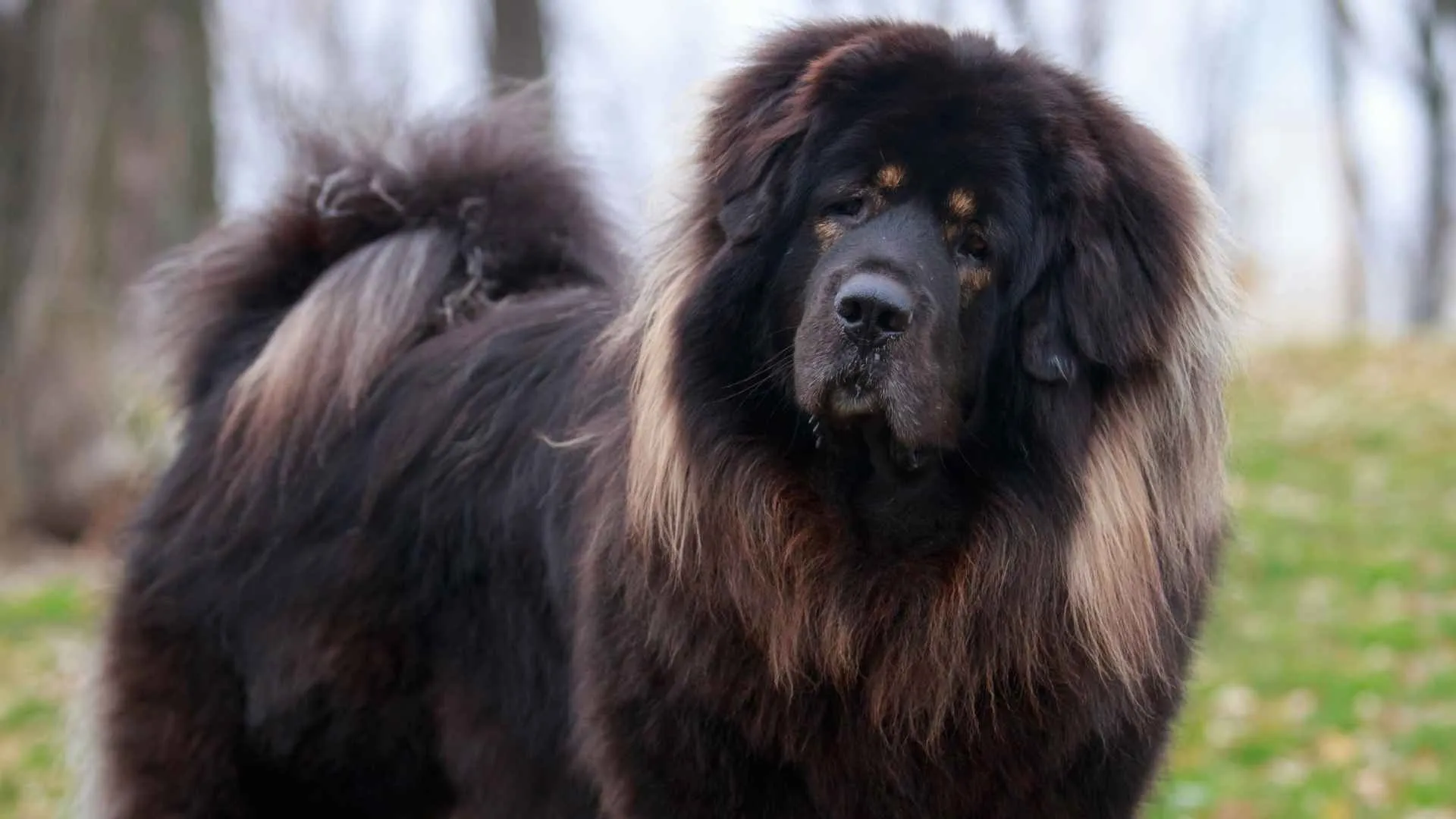
Some dogs are built to chase adventure, while others are built to stand guard against it. The Tibetan Mastiff belongs to the second group. Developed centuries ago in the harsh Himalayan region, this giant breed earned its reputation as a fearless protector capable of watching over livestock and property in remote wilderness settings, as per PetMD.
A Natural Guardian for Remote Environments
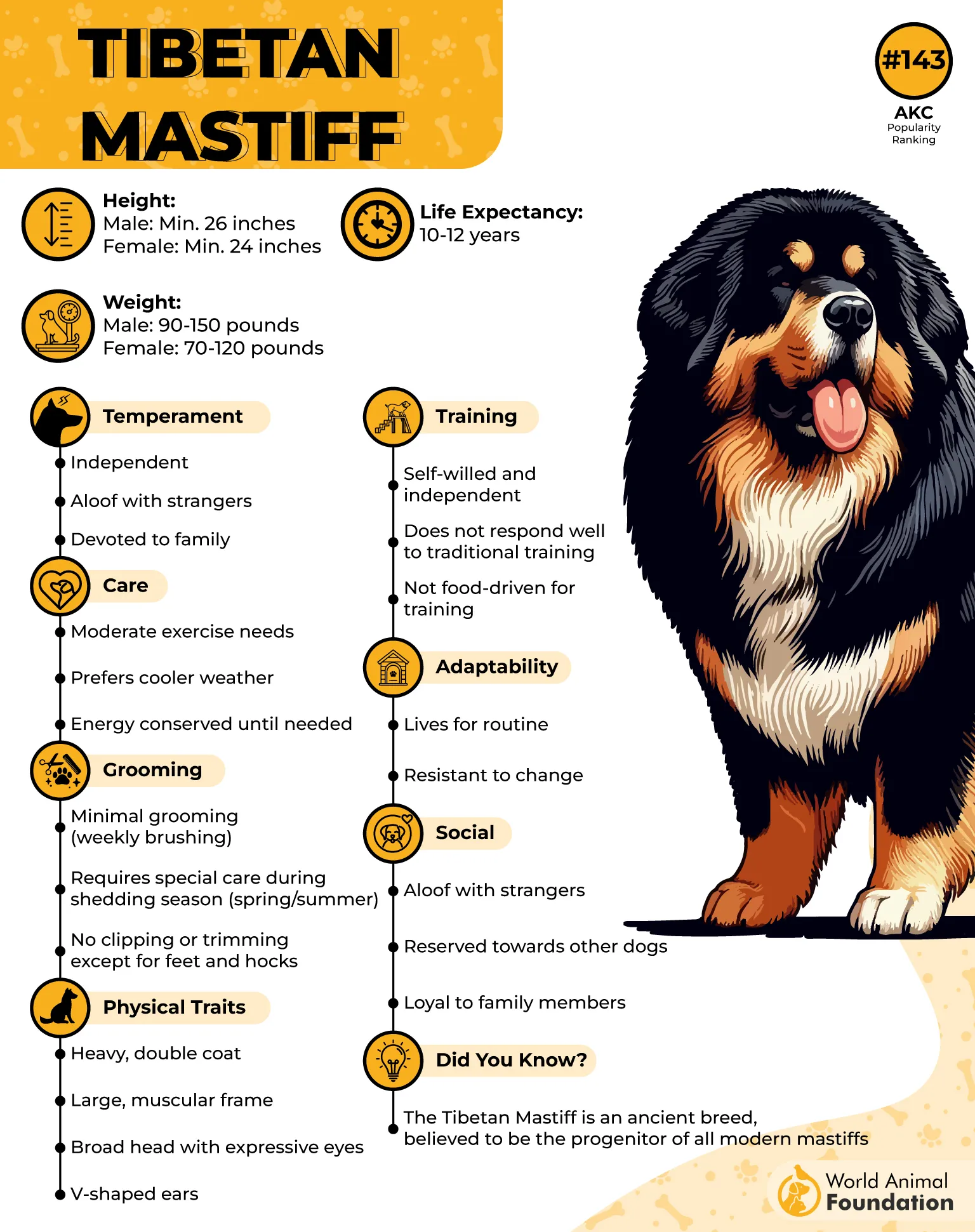
What sets the Tibetan Mastiff apart is its powerful presence and strong protective instincts. Its dense double coat helps it withstand cold climates, while its alert nature makes it highly aware of its surroundings. Although not known for the endurance needed for long treks, this breed excels at monitoring territory and responding to potential threats.
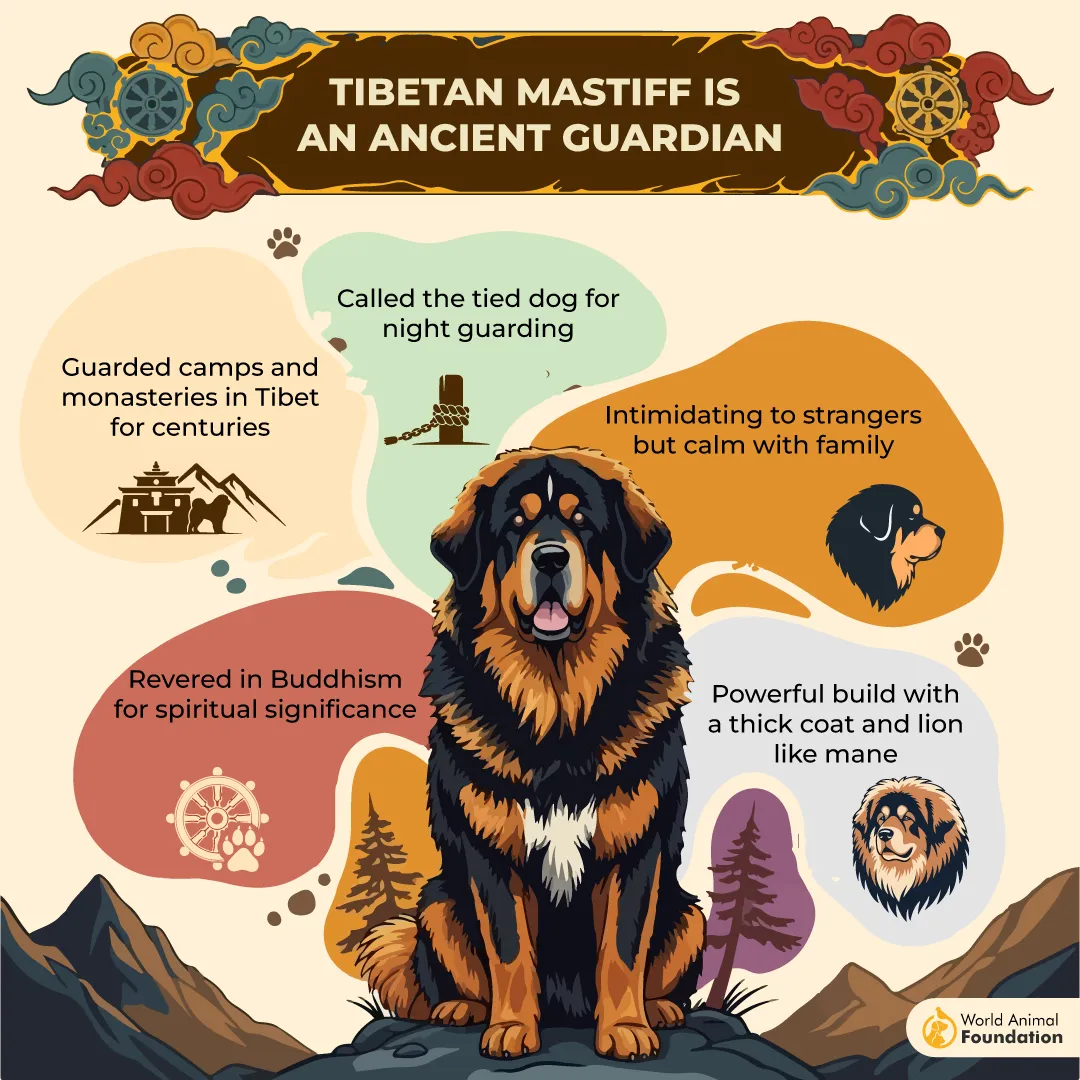
Tibetan Mastiffs are incredibly intelligent but independent thinkers, which means training requires patience and early socialization. These athletic dogs also need moderate exercise and plenty of space to roam, making them better suited to rural environments than apartment living.
Remember this: This breed values territory more than trails, making it better suited for guarding camps and remote properties than covering miles of rugged terrain.
4. Norwegian Elkhound
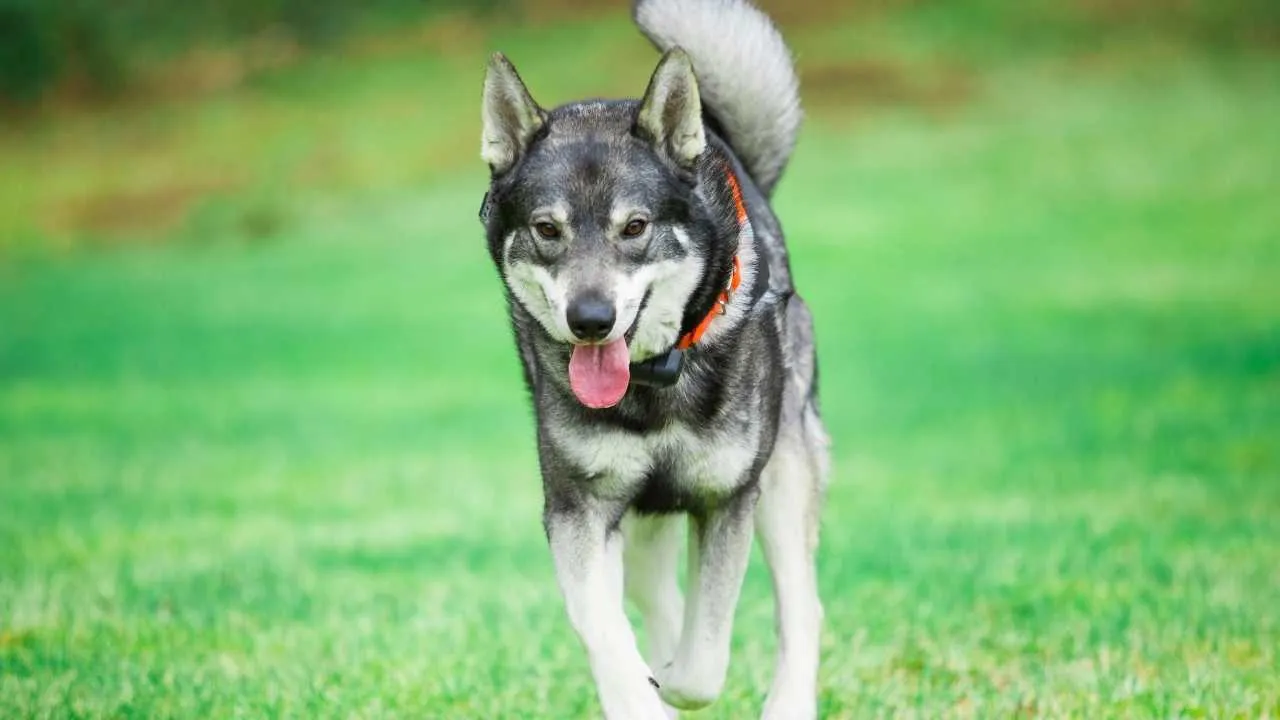
If survival in the wild required equal parts toughness, alertness, and determination, the Norwegian Elkhound would be well prepared. This ancient Nordic breed worked alongside Vikings as a hunter, guardian, and trusted companion. Built to navigate rough terrain and harsh weather, the Elkhound remains one of the most capable outdoor dogs today.
Built for Adventure in Cold Conditions
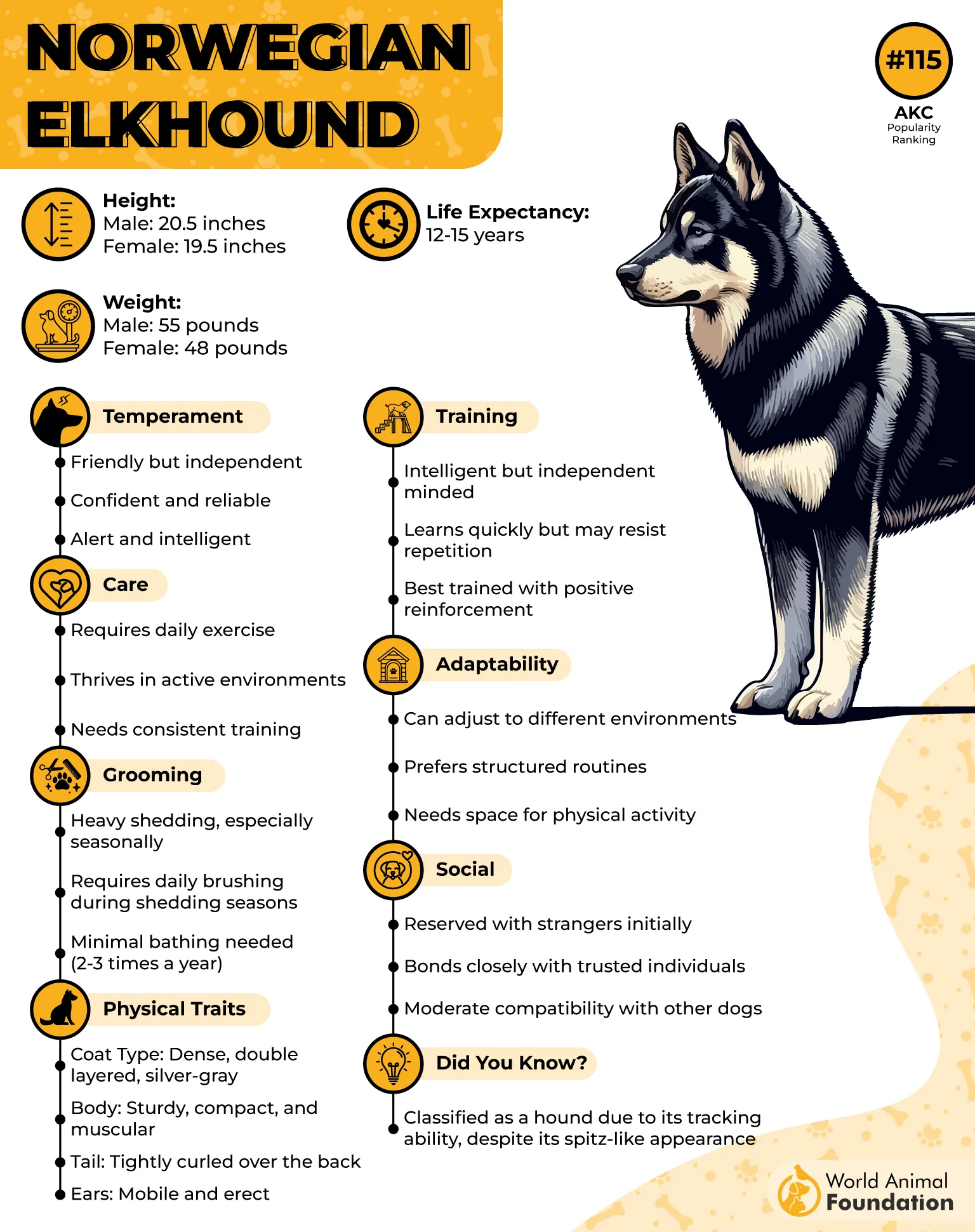
The Norwegian Elkhound’s weather-resistant double coat helps it stay comfortable in cold climates, while its endurance and energy make it an excellent partner for outdoor activities. Originally used to track and corner large game such as moose, this breed is naturally confident, extremely intelligent, and highly alert, as per Orvis.
Don’t let its playful personality fool you, though. Elkhounds need plenty of daily exercise and mental stimulation to stay happy. Hiking, running, and exploring new trails are all activities they genuinely enjoy. Early training is important, as this independent breed likes to think for itself.
Remember this: Their strong hunting instincts mean secure fencing and reliable recall training are important during outdoor activities.
5. Saint Bernard
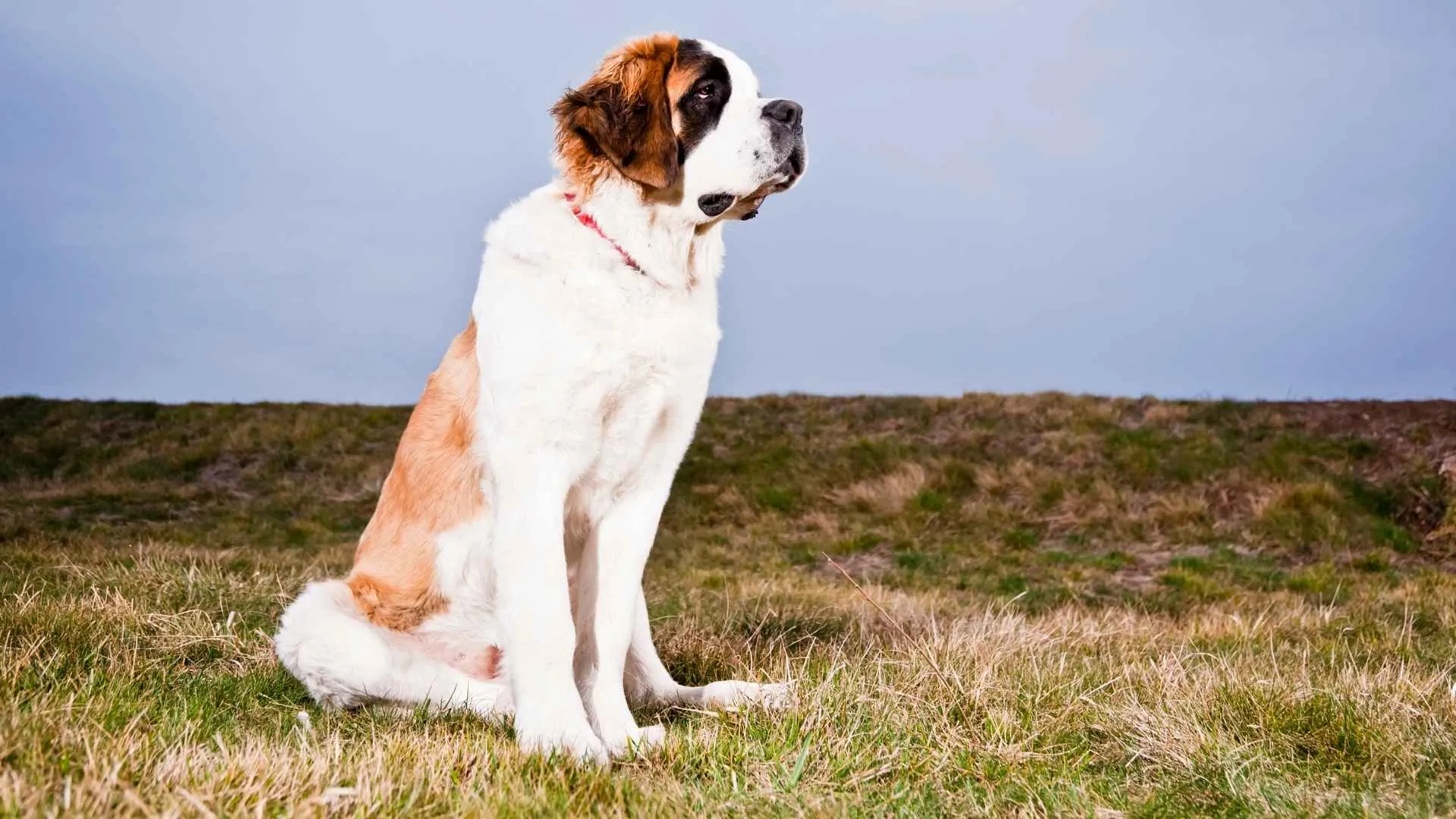
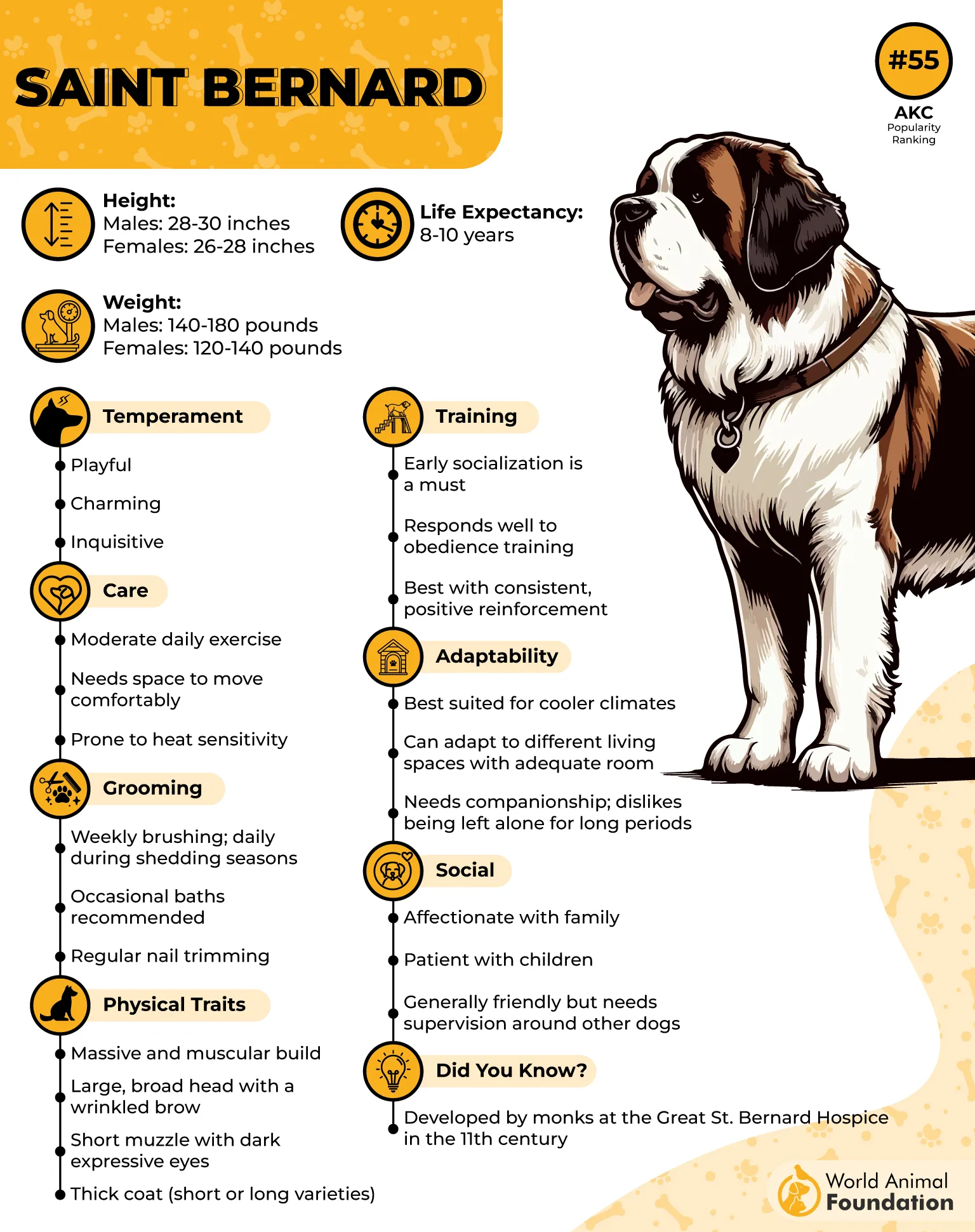
When survival meets deep snow, freezing winds, and silent mountain passes, the Saint Bernard stands as one of the most legendary rescue dogs in history. First documented by monks at the Saint Bernard Pass between Switzerland and Italy, this massive breed earned its reputation by locating and rescuing travelers lost in extreme alpine conditions, as per Omlet.
A Powerful yet Calm Wilderness Rescuer
Built for strength rather than speed, the Saint Bernard carries a calm, steady temperament that makes it dependable in extreme temperatures.
Descended from ancient Molossian-type dogs, it was originally used for hauling loads and assisting monks before its instinct for mountain rescue became its defining trait. In deep snow and low visibility, its ability to navigate and locate people made it invaluable in wilderness survival situations.
At home, the breed is gentle, affectionate, and especially patient with children. However, its large size requires early training, consistency, and proper socialization. While extremely intelligent, Saint Bernards can be stubborn, so calm and structured handling works best. They enjoy companionship and are not suited for long isolation or high-energy demands.
Remember this: Even though the Saint Bernard may appear slow and relaxed, regular moderate exercise and cool-weather outings are essential to keep this gentle giant healthy and balanced.
6. German Shepherd
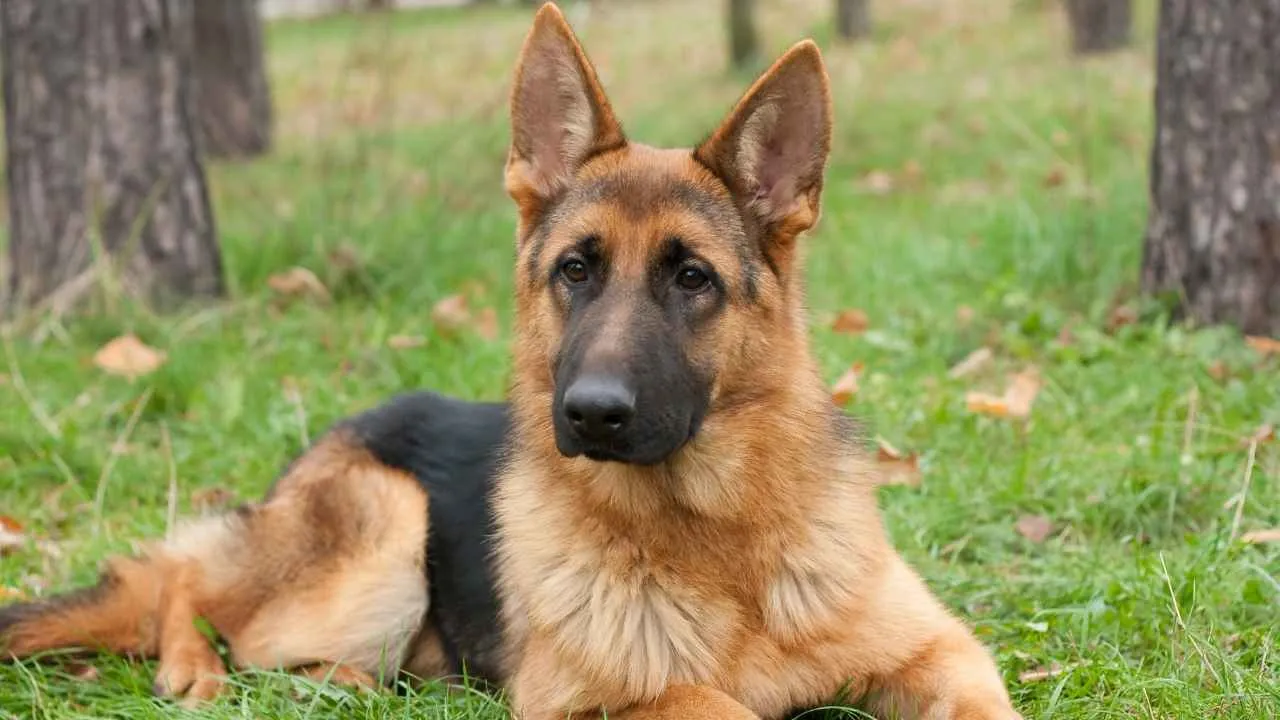
When it comes to dependable wilderness-ready companions, the German Shepherd stands out as a breed shaped by purpose, intelligence, and endurance. Originally bred for herding livestock, this versatile dog has since become a trusted working partner in police units, military roles, and search-and-rescue operations worldwide, as per PDSA.
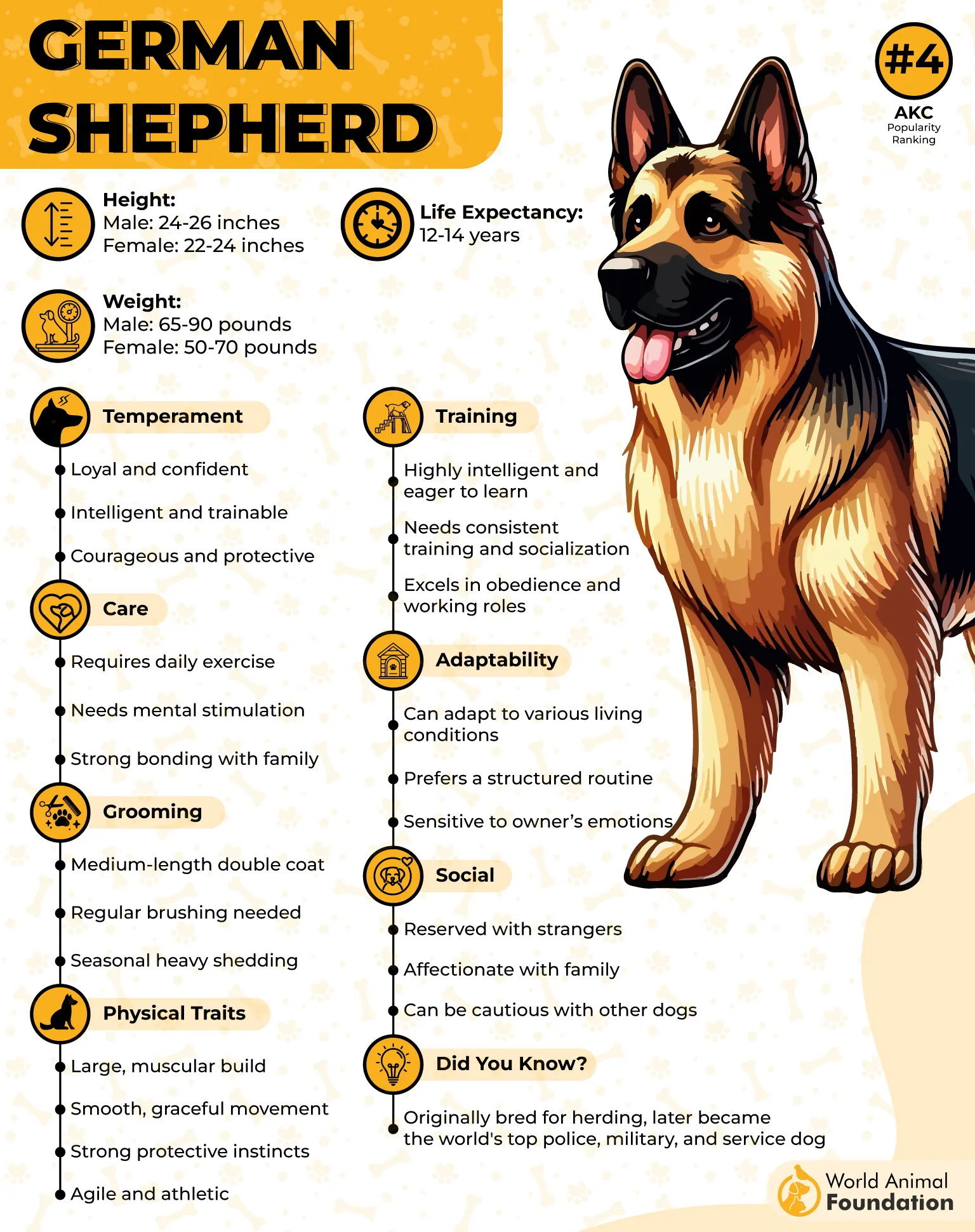
A Highly Intelligent Working Dog for Active Environments
What makes the German Shepherd exceptional is its combination of loyalty, intelligence, and drive to stay active. This breed thrives when it has a job to do, whether that’s tracking, guarding, or navigating challenging outdoor settings. With strong instincts and a quick learning ability, it adapts well to structured training and outdoor demands.
However, this is not a low-maintenance companion. German Shepherds require significant daily exercise and mental stimulation to stay balanced. Without it, they can become bored or develop unwanted behaviors. They are best suited for experienced owners who can provide consistency, leadership, and time outdoors.
Their protective instincts make them excellent guardians in wilderness settings, but early socialization is essential to ensure they remain calm and well-adjusted around people, animals, and new environments.
Remember this: A German Shepherd needs consistent training and at least two hours of daily physical activity to stay healthy, focused, and reliable in both home life and outdoor adventures.
7. Rhodesian Ridgeback
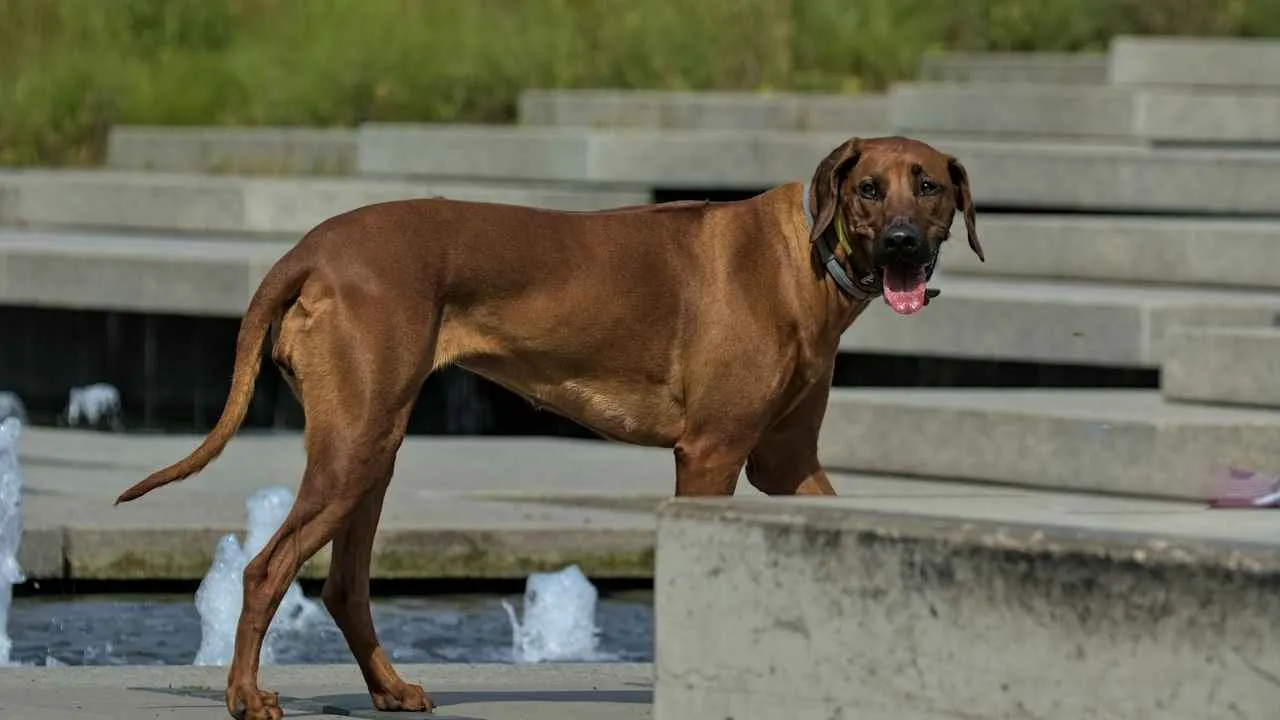
When survival once meant tracking dangerous game across vast African landscapes, the Rhodesian Ridgeback earned its reputation as a fearless and intelligent all-purpose hunting dog. Known for the distinctive ridge of backward-growing hair along its back, this breed was originally developed in Africa for tracking and holding large prey, including lions, without directly engaging in attack.
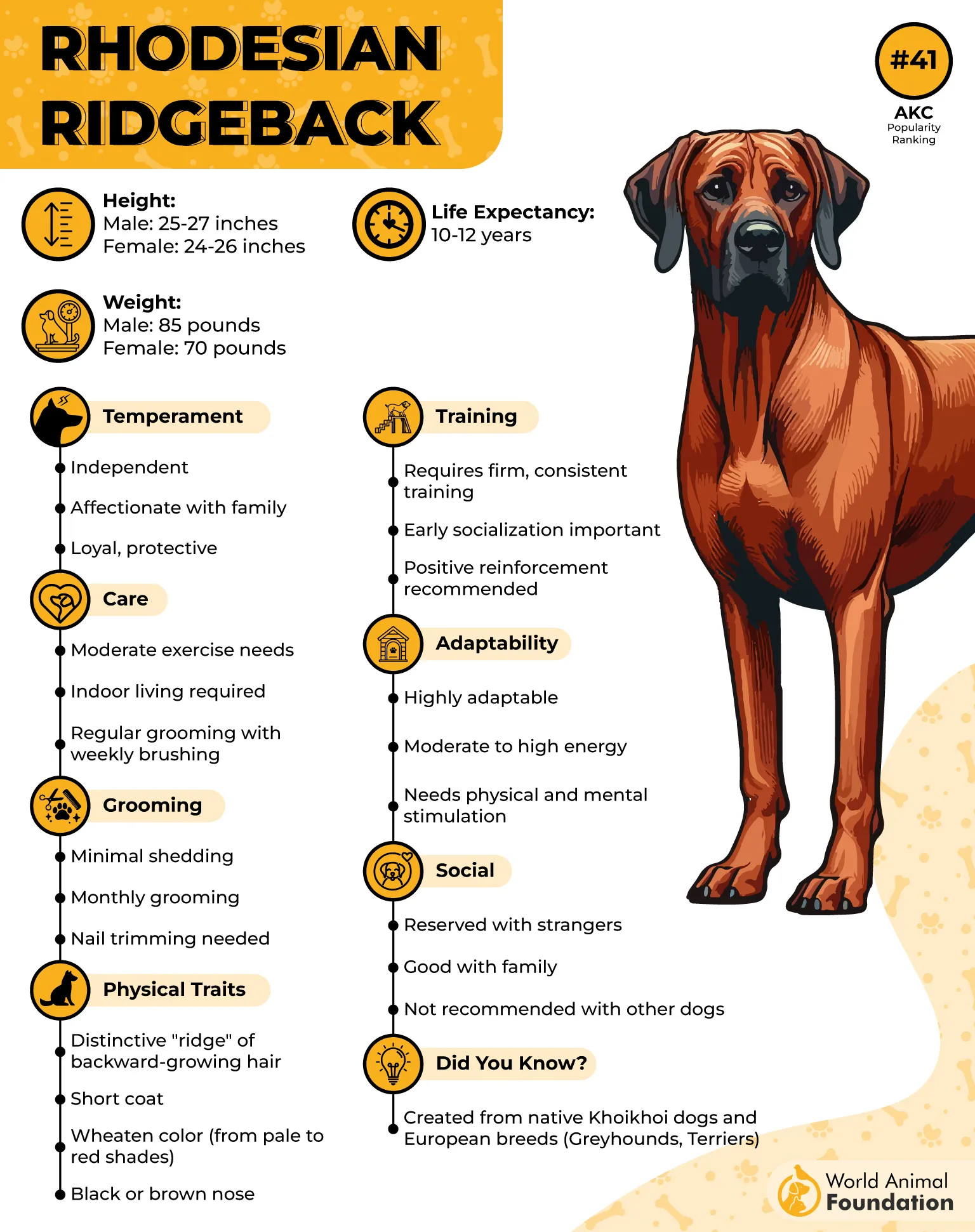
A Fast, Powerful, and Independent Wilderness Athlete
The Rhodesian Ridgeback is a strong, athletic breed built for speed and endurance. Weighing up to 85 pounds, it moves with power and confidence across open terrain. Its history as a tracker shaped its sharp instincts and high prey drive, making it both highly capable and naturally independent in outdoor environments.
This breed requires regular exercise and thrives on long walks, running sessions, and mentally engaging activities such as tracking or agility work. While adaptable to different living conditions, it performs best when given daily opportunities to move, explore, and stay mentally stimulated.
However, the Ridgeback is not a beginner-friendly dog. Its strong will requires early training, firm but fair handling, and consistent socialization from puppyhood. Without structure, its independence can become challenging to manage.
Remember this: A Rhodesian Ridgeback needs secure outdoor space, daily exercise, and structured training to safely channel its powerful instincts in wilderness and active environments.
Conclusion
From icy mountain rescuers to powerful trackers, and from calm guardians to high-energy working companions, each of these sturdy dog breeds brings something unique to wilderness survival.
Some are built for endurance across snow and open terrain, others for strength, protection, or sharp intelligence in challenging environments. What they all share is resilience—the ability to stay active, alert, and dependable when conditions get tough.
Choosing the right outdoor companion isn’t just about strength or appearance; it’s about matching a dog’s energy, instincts, and needs with your own lifestyle. A well-suited breed can turn difficult trails into shared adventures and remote landscapes into unforgettable experiences.
Before you plan your next outdoor journey, take a moment to consider not just where you’re going—but who is going with you. Because in the wild, the best companion isn’t just strong enough to survive the journey… It’s the one that makes it meaningful.
