




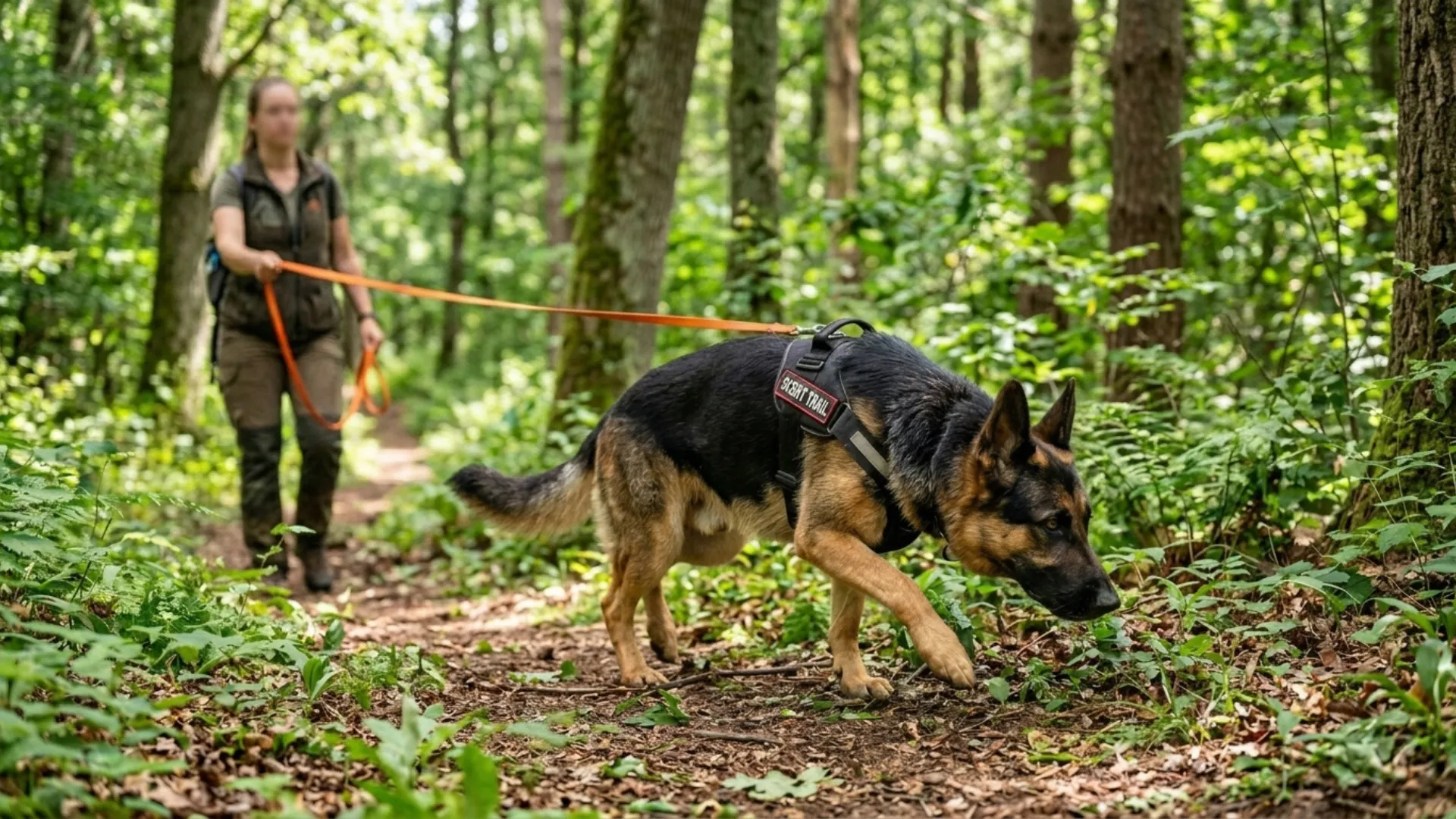
A dog’s sense of smell is one of nature’s most remarkable abilities, and some breeds take this talent to extraordinary levels. For centuries, hunters, conservationists, and outdoor enthusiasts have relied on specialized tracking dogs to follow wildlife across forests, fields, and rugged terrain.
Their unmatched scenting abilities allow them to detect and follow trails that would be impossible for humans to notice.
Wildlife tracking requires far more than a powerful nose alone. The best tracking dogs combine exceptional scent detection with concentration, determination, and the physical endurance needed to work for long periods in challenging environments.
These breeds can stay focused on a scent trail despite distractions, making them invaluable partners in field work, search efforts, and outdoor adventures.
Choosing the right wildlife tracking dog depends on your goals, activity level, and environment. While all dogs possess impressive olfactory abilities, certain breeds have been specifically developed for scent work over generations.
Their combination of tracking instincts, stamina, and trainability makes them stand out as some of the finest scent-tracking companions in the canine world.
Best Dog Breeds for Scent Tracking Wildlife
1. Bloodhound
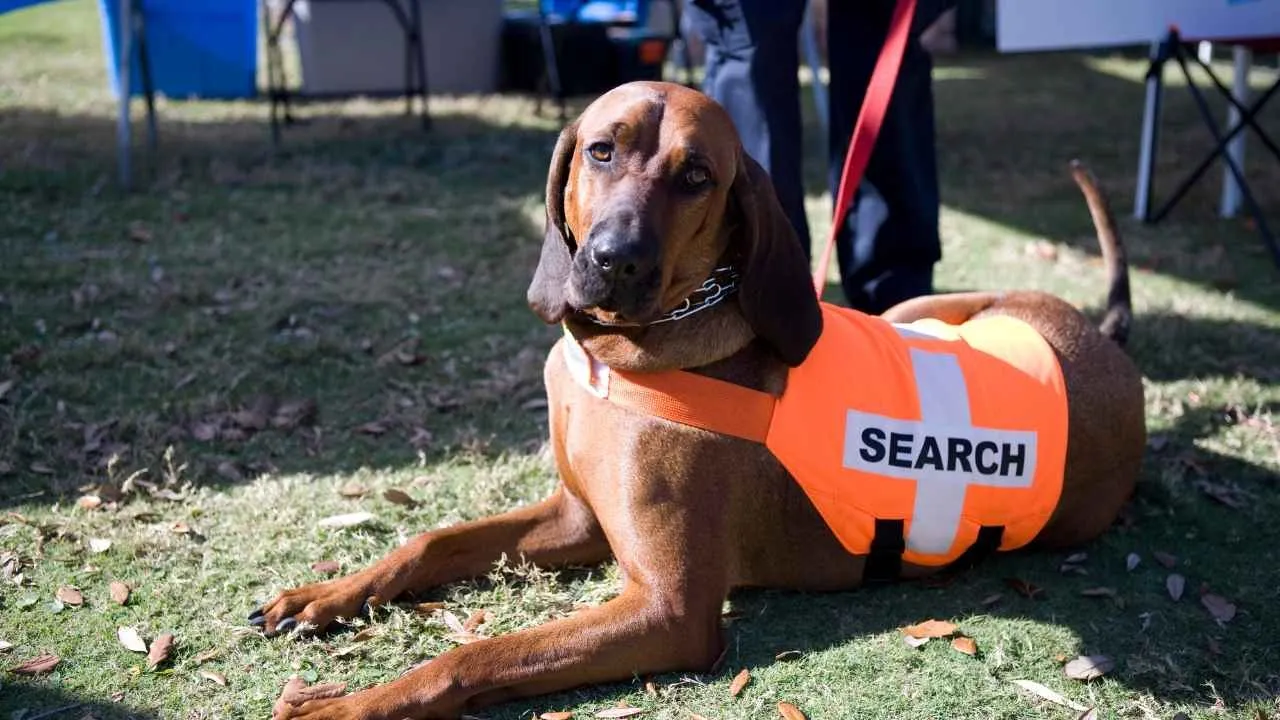
The Bloodhound, also known as the St. Hubert Hound, is a large scent hound. Originally developed in Europe for hunting tasks and tracking, this breed has become famous for possessing one of the most remarkable noses in the canine world.
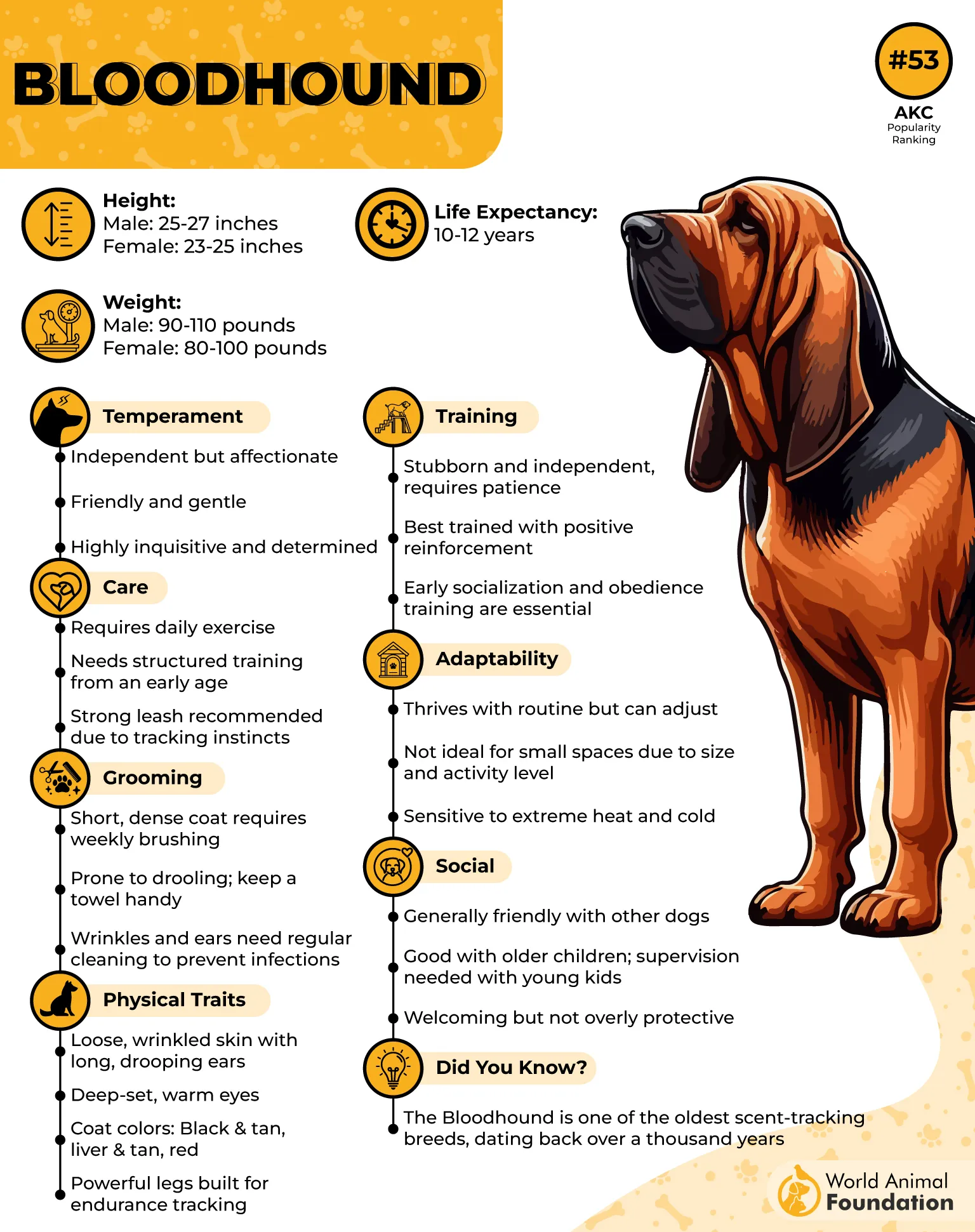
According to Purina, Bloodhounds are easily recognized by their wrinkled heads, droopy lower eyelids, and long, pendulous ears. They are large, powerfully built dogs with strong bodies and limbs.
The Legendary Tracker Known for Exceptional Scent Detection Skills
When tracking wildlife, the Bloodhound stands in a class of its own. Bred to follow deer, wild boar, rabbits, and other game, it can stay locked onto a scent trail for long distances.
The breed’s loose facial skin and long ears help trap scent particles close to the nose, improving its ability to analyze odors. Whether following fresh tracks or older wildlife trails, Bloodhounds excel at locating animals through their extraordinary scenting talent.
Despite their tracking brilliance, these gentle hounds benefit from patient training, positive reinforcement, and early socialization. Because an interesting scent can easily capture their attention, reliable recall training is especially important during outdoor adventures.
2. Beagle
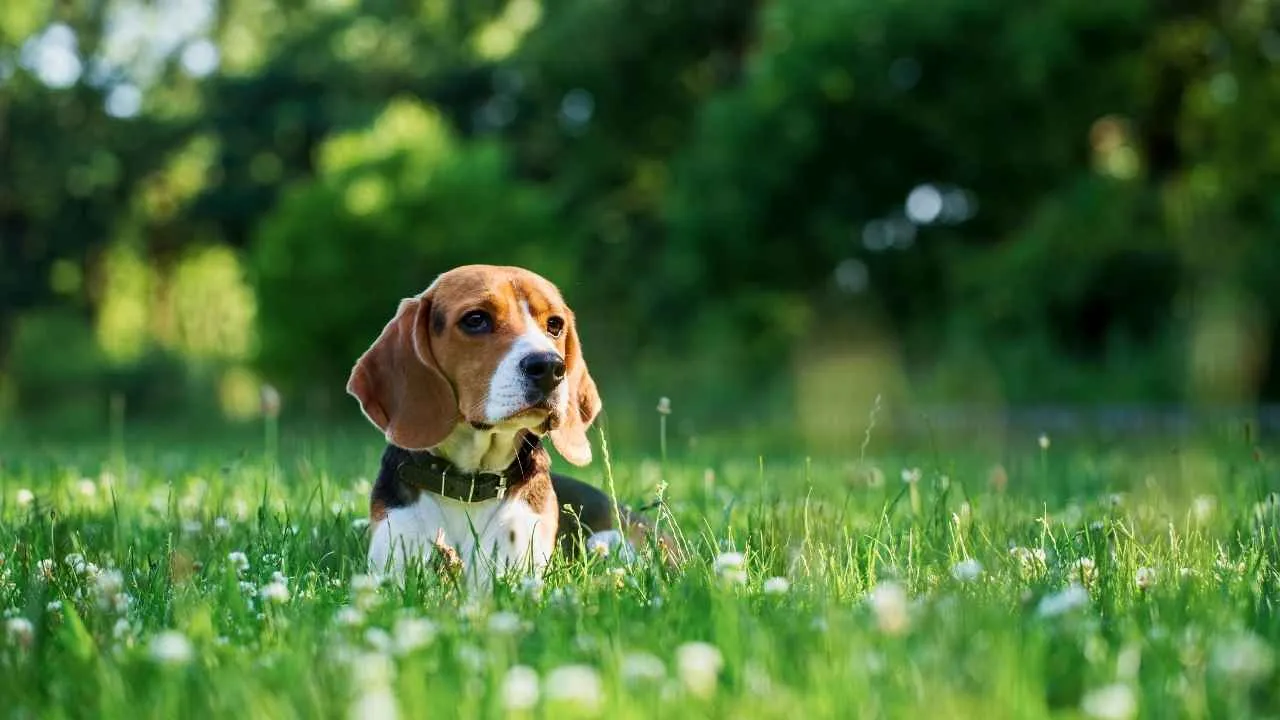
The Beagle, sometimes called a rabbit hound, is a compact scent hound originally developed for tracking rabbits and hares. With a sturdy build, sharp intelligence, and a nose that rarely misses a trail, this cheerful breed has long been admired for its hunting and scenting talents.
According to PetMD, Beagle dogs come in several color combinations and are known for their smooth, dense double coat, floppy ears, and constantly wagging tail.
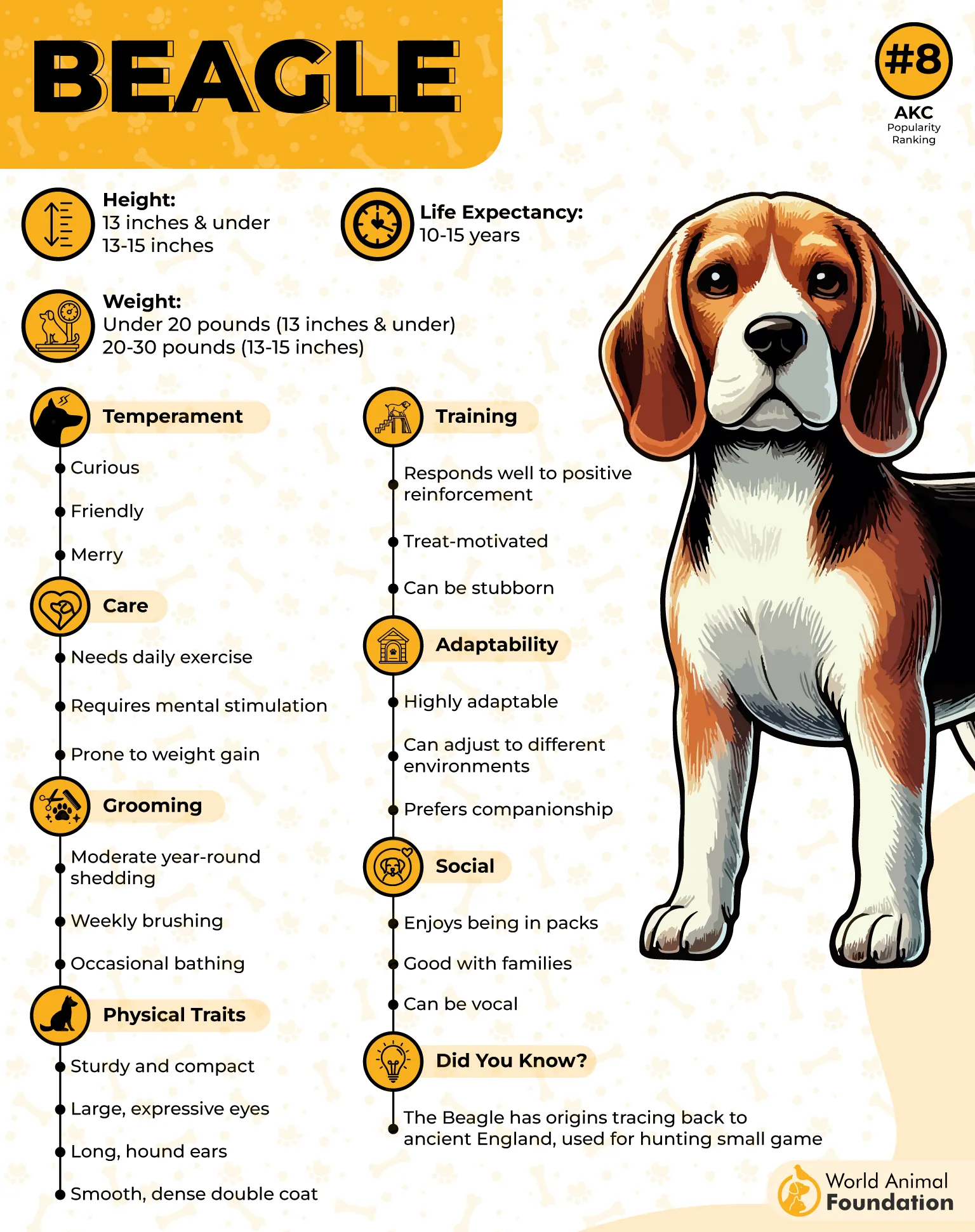
A Determined Scent Hound That Excels at Following Wildlife Trails
Beagles have a powerful sense of smell. They were bred to follow game on foot, and their ability to stay locked onto a scent trail makes them highly effective when tracking hares and other wildlife across changing terrain.
Their endurance and enthusiasm are equally impressive. Whether working in pairs or packs, Beagles can spend hours following a trail while adapting to shifts in scent conditions. Their determination and patience help them remain accurate even when the track becomes difficult to follow.
Beyond hunting fields, their remarkable scenting ability has earned them important detection roles. Combined with their energetic and friendly nature, they are hardworking dogs that thrive when given opportunities to use their noses and explore the outdoors.
3. German Shepherd
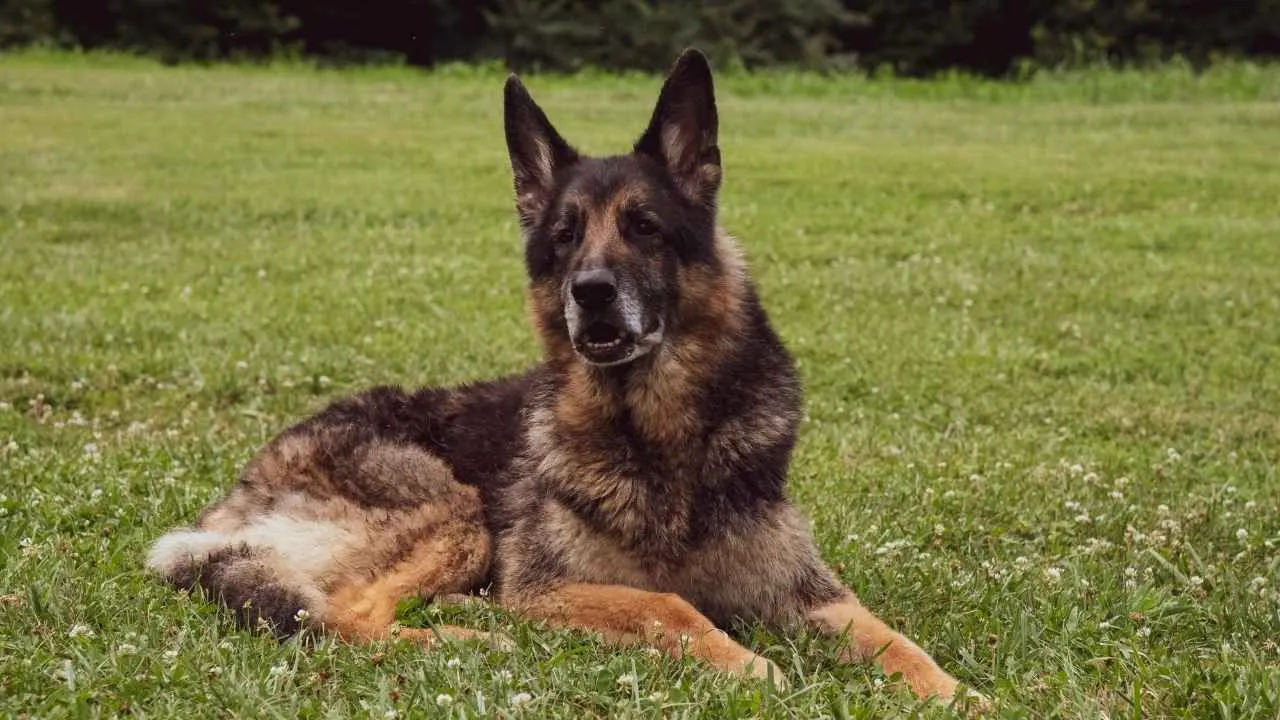
The German Shepherd, also known as the Alsatian in some regions, is a powerful working breed developed in Germany from herding and farm dogs.
According to the AKC, the German Shepherd is a large, agile, and muscular companion. Recognized for its intelligence, loyalty, courage, and strong build, this breed has become one of the most respected service dogs in the world.
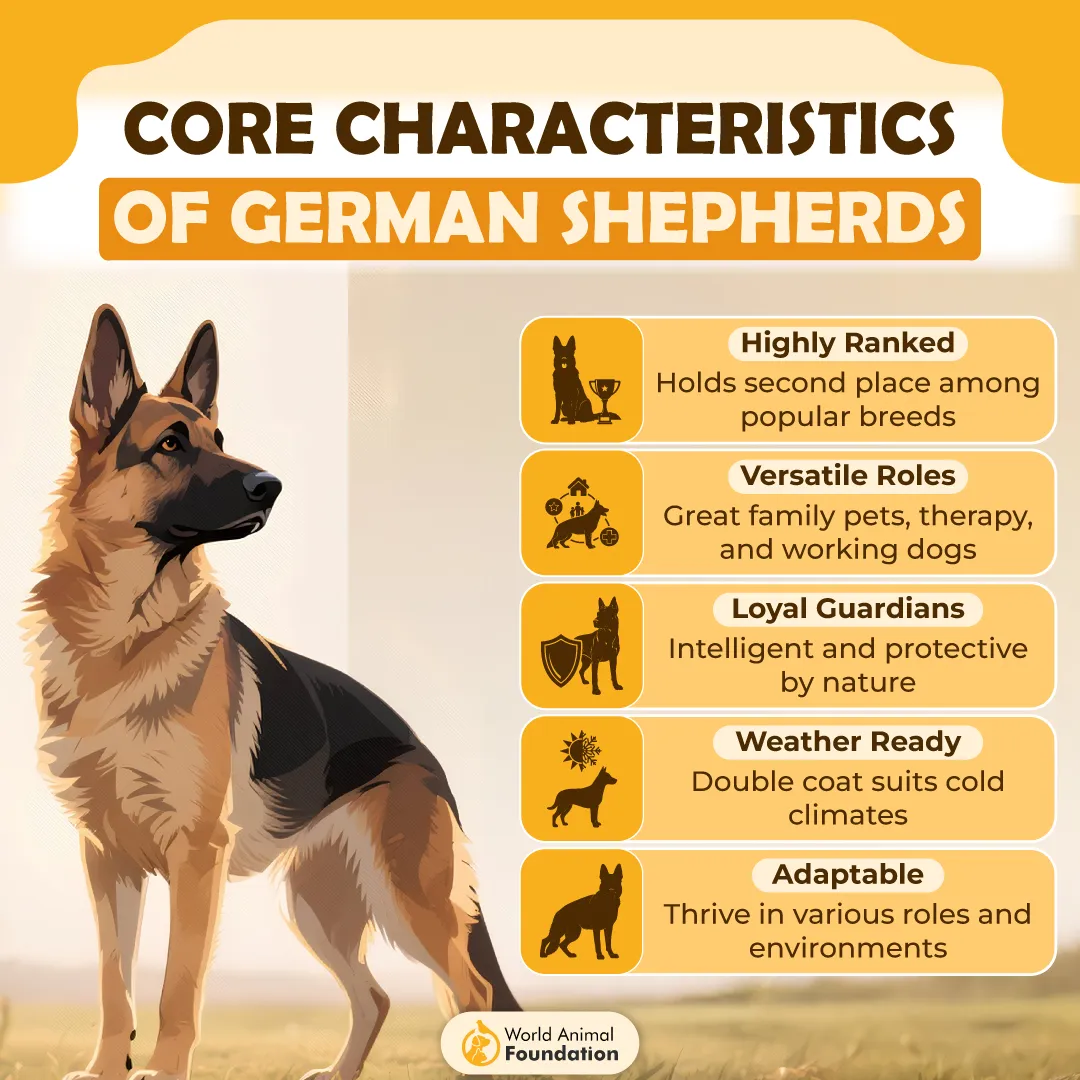
The Tireless Tracking Dog Built for Long-Distance Scent Work
German Shepherds excel in wildlife scent tracking thanks to their endurance. Their combination of physical stamina and mental discipline makes them stand out.
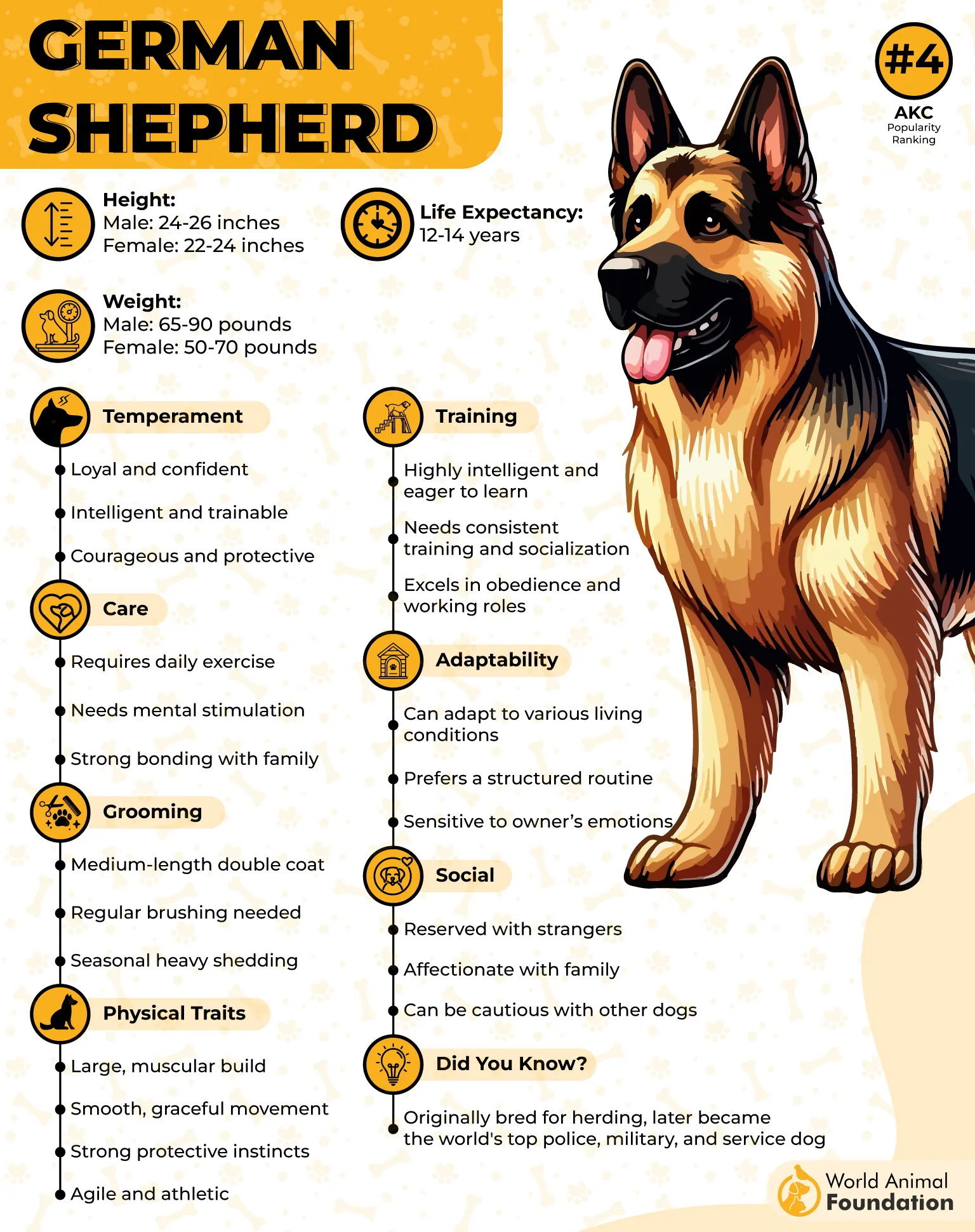
Unlike many breeds that rely solely on instinct, German Shepherds thrive when given structured tasks. Their eagerness to learn and exceptional trainability make them highly effective in tracking operations, search-and-rescue work, and other scent-based activities that demand precision.
These energetic dogs enjoy challenges that engage both mind and body. Regular training, scent games, and outdoor adventures help sharpen their tracking skills while satisfying their strong desire to work alongside their handlers.
4. Belgian Malinois
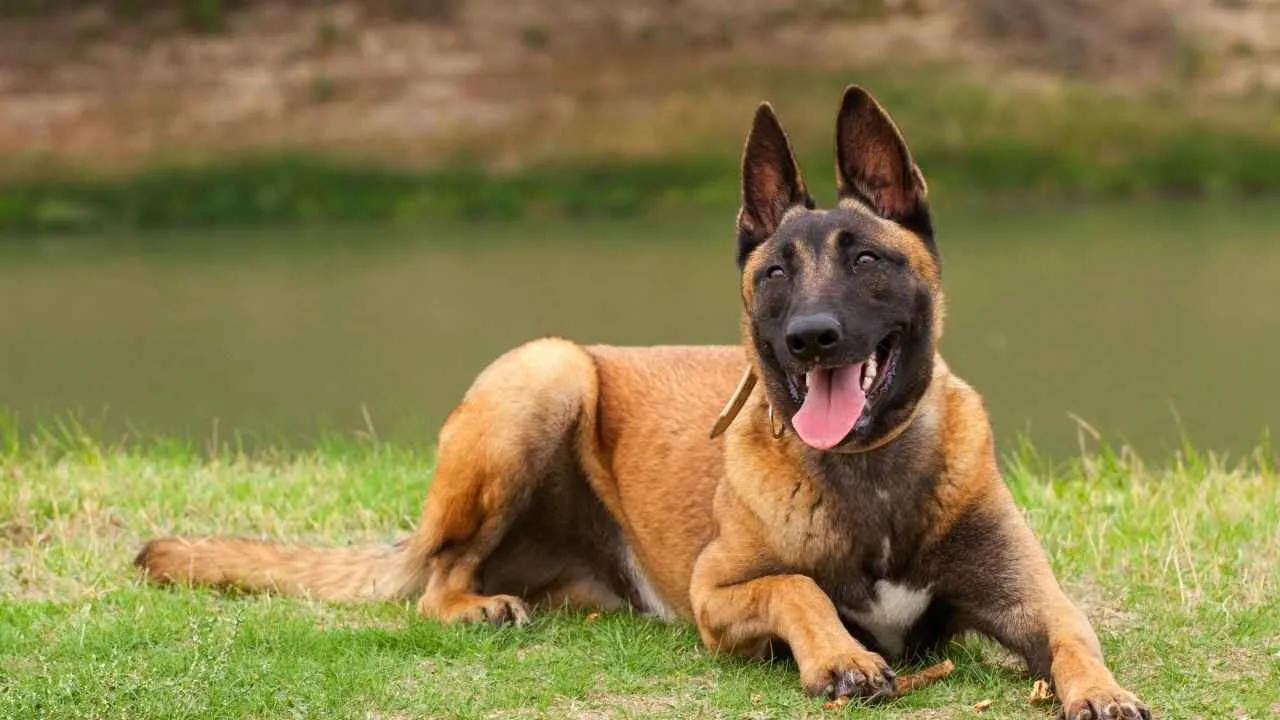
The Belgian Malinois, also known as the Malinois, Belgian Sheepdog, or Chien de Berger Belge, is a medium-sized working breed from Belgium. Often mistaken for the German Shepherd, this athletic and highly intelligent dog is celebrated for its loyalty, trainability, and exceptional scent-detection abilities.
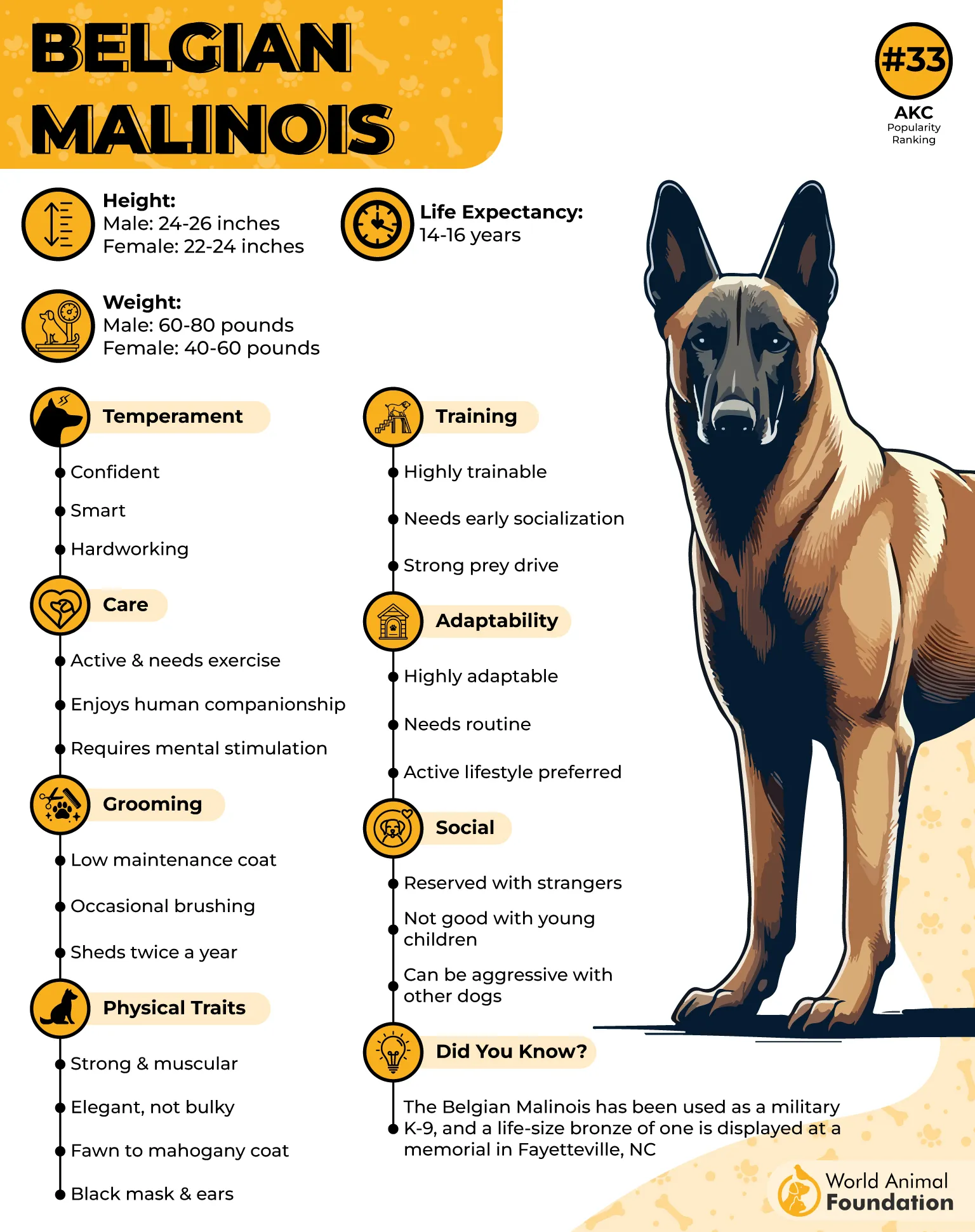
An Intelligent Hunting Companion with Remarkable Nose Power
The Belgian Malinois has impressive agility. Their ability to follow scent trails across varied terrain makes them valuable tracking dogs capable of locating animals with speed and precision.
Originally developed as a herding and working breed, the Malinois thrives on mental and physical challenges. Their strong work ethic, determination, and eagerness to learn allow them to excel in scent-based activities, search operations, and advanced tracking tasks in outdoor environments.
This breed performs best with experienced handlers who can provide consistent training, socialization, and plenty of exercise. Their focus and endurance make them reliable partners for long days in the field, where they can put both their intelligence and scenting skills to good use.
5. Labrador Retriever
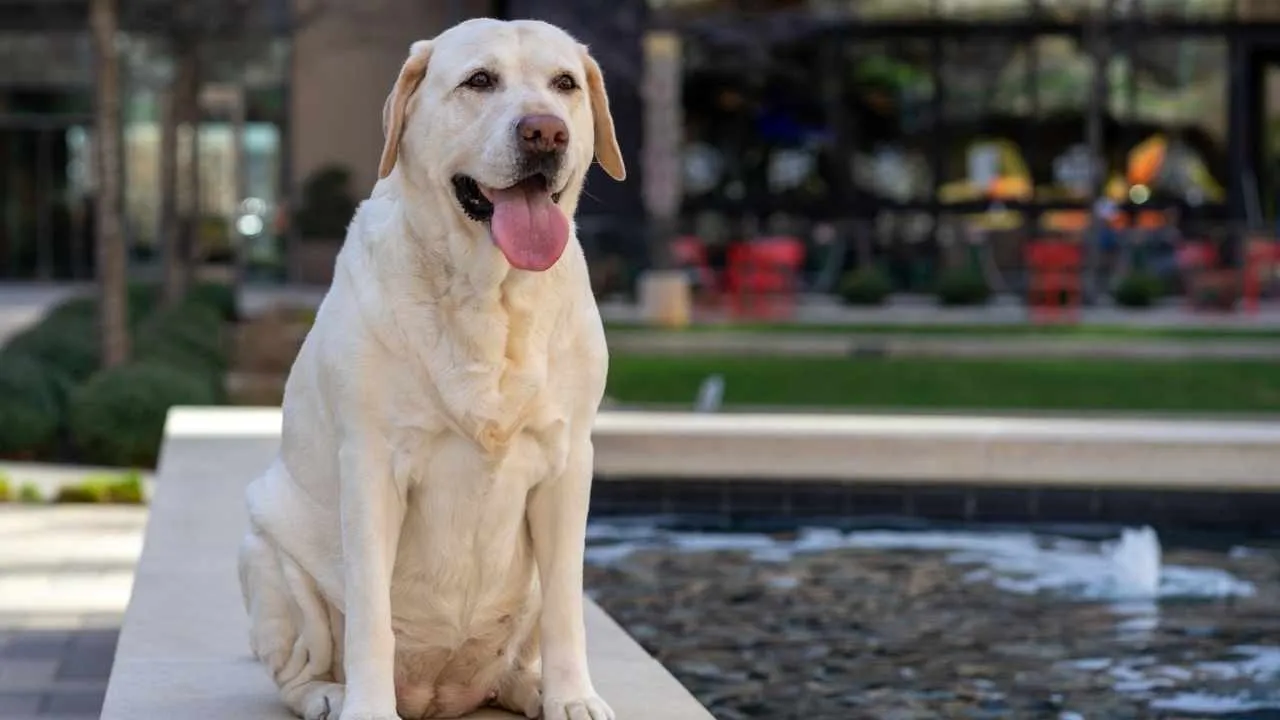
The Labrador Retriever, often simply called the Lab, is a versatile sporting breed celebrated for its intelligence, friendly nature, and remarkable scenting ability. Originally developed as a hardworking retriever, this loyal dog has become one of the most trusted working and family companions in the world.
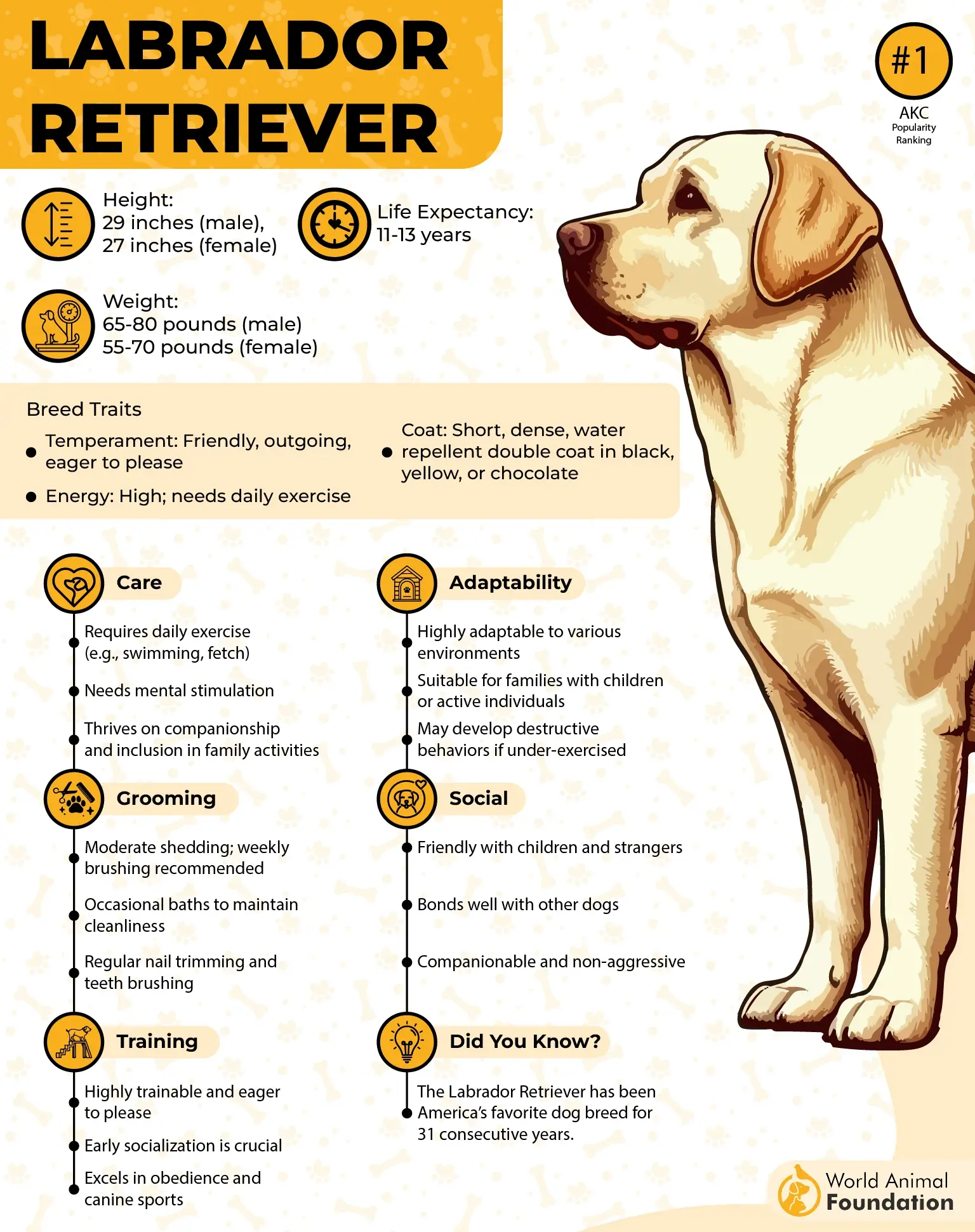
The Focused Breed That Rarely Loses a Fresh or Aged Trail
Labradors have a strong desire to work alongside humans, which allows them to follow both recent and older tracks with impressive consistency.
Their eagerness to please and quick-learning nature make training for scent work relatively straightforward. Whether tracking wildlife or performing detection tasks, Labs approach their work with enthusiasm and determination.
Beyond their tracking talents, they are dependable, even-tempered companions that adapt well to different environments. Their combination of intelligence, obedience, and natural scenting skills makes them a valuable choice for outdoor enthusiasts interested in wildlife tracking activities.
6. English Springer Spaniel
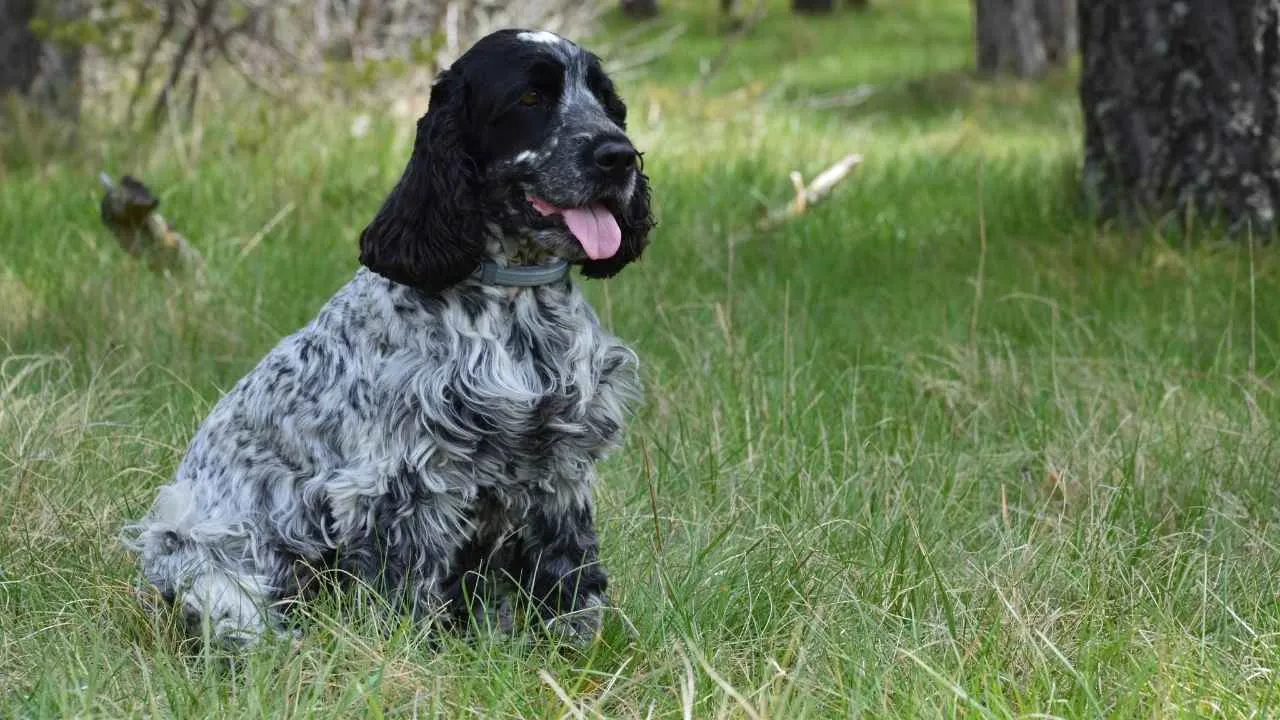
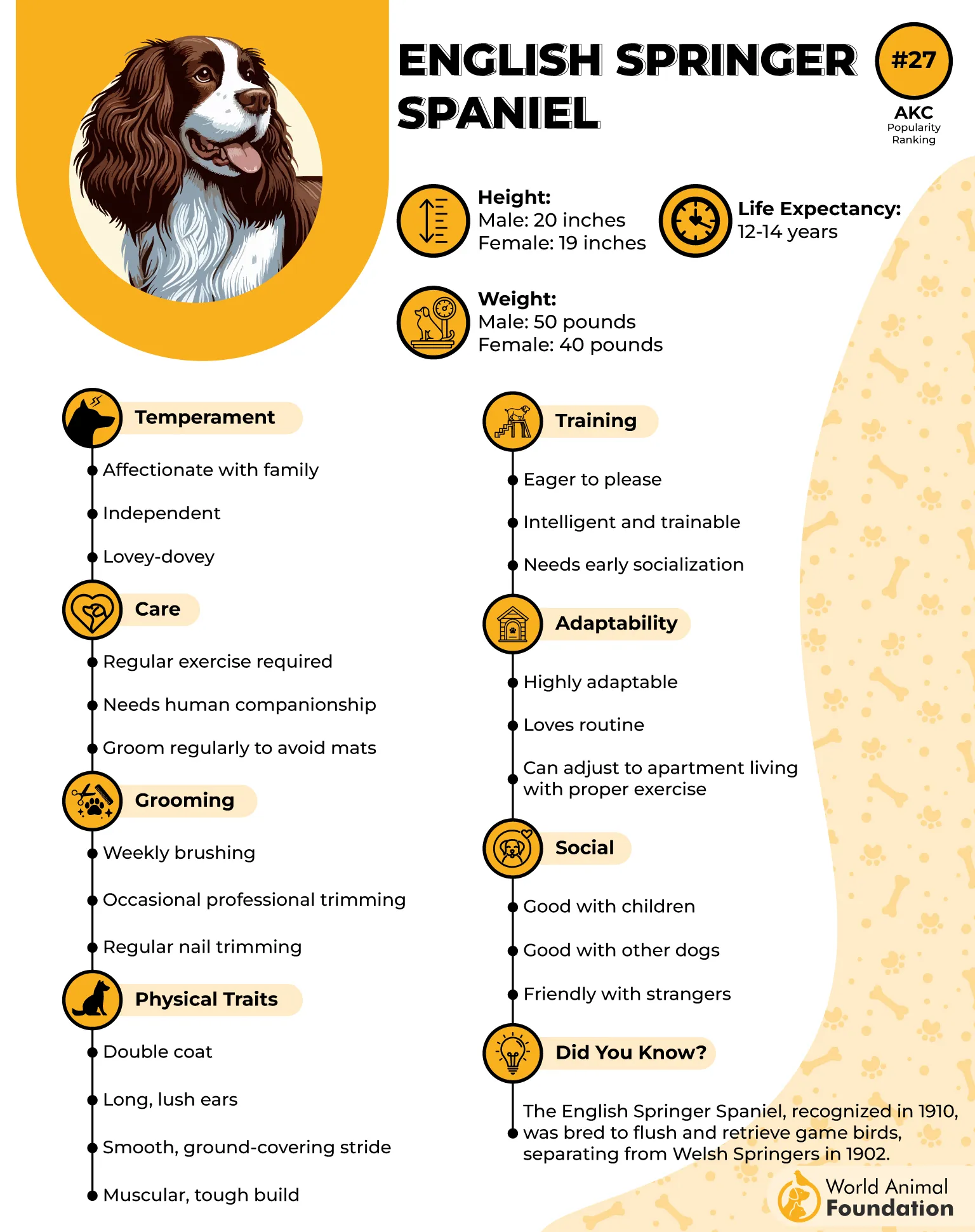
The English Springer Spaniel, often simply called the Springer Spaniel, is a sporting gun dog from England known for its long feathered ears, athletic build, and sharp nose.
Originally bred for flushing and retrieving game birds, this energetic breed combines intelligence, loyalty, and an eagerness to work alongside humans.
A Rugged Outdoor Dog Trusted for Precision Tracking in Tough Terrain
English Springer Spaniels possess an ability to detect both fresh and older scent trails. Whether tracking through wet vegetation, dry ground, or windy conditions, they can follow odors with remarkable accuracy and determination.
Their muscular frame and efficient movement help them cover challenging terrain with ease. These dogs are equally comfortable navigating dense brush, open fields, and woodland trails, making them dependable partners for hunters and outdoor enthusiasts.
Beyond wildlife tracking, their exceptional scenting skills have been used in detection work. Friendly, trainable, and eager to please, they thrive when given regular exercise, mental challenges, and opportunities to put their nose to work.
7. Bluetick Coonhound
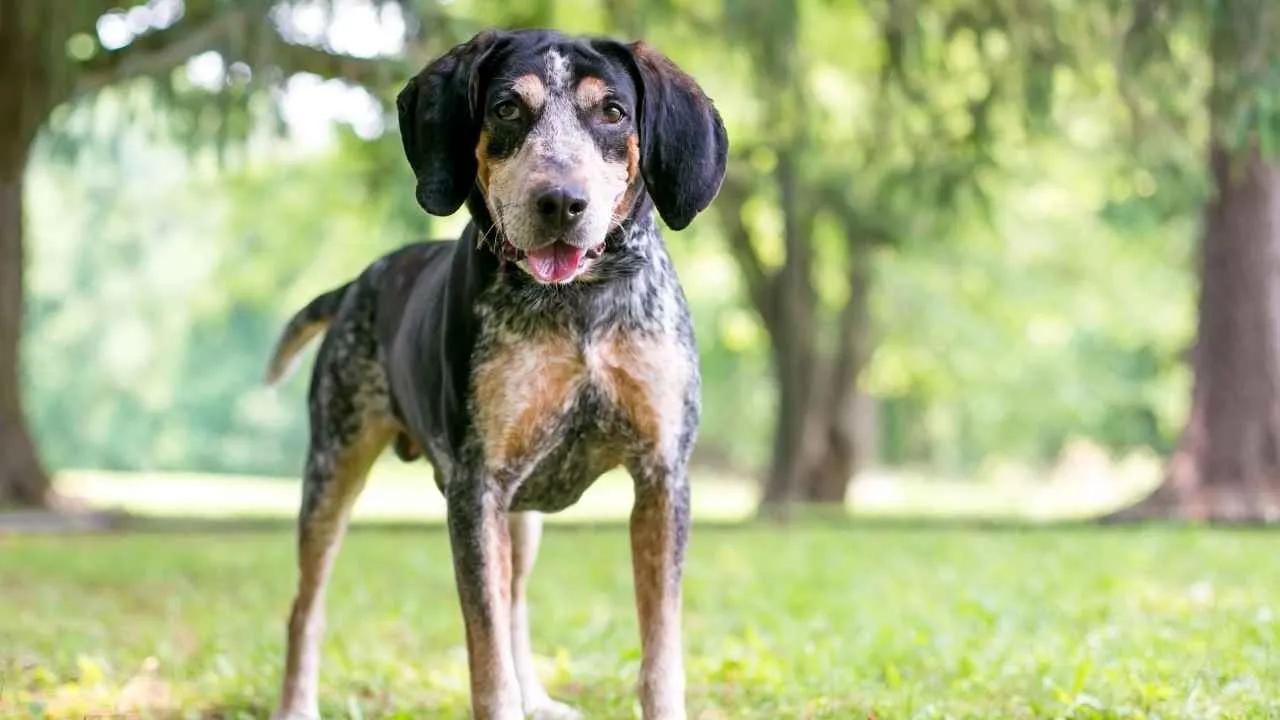
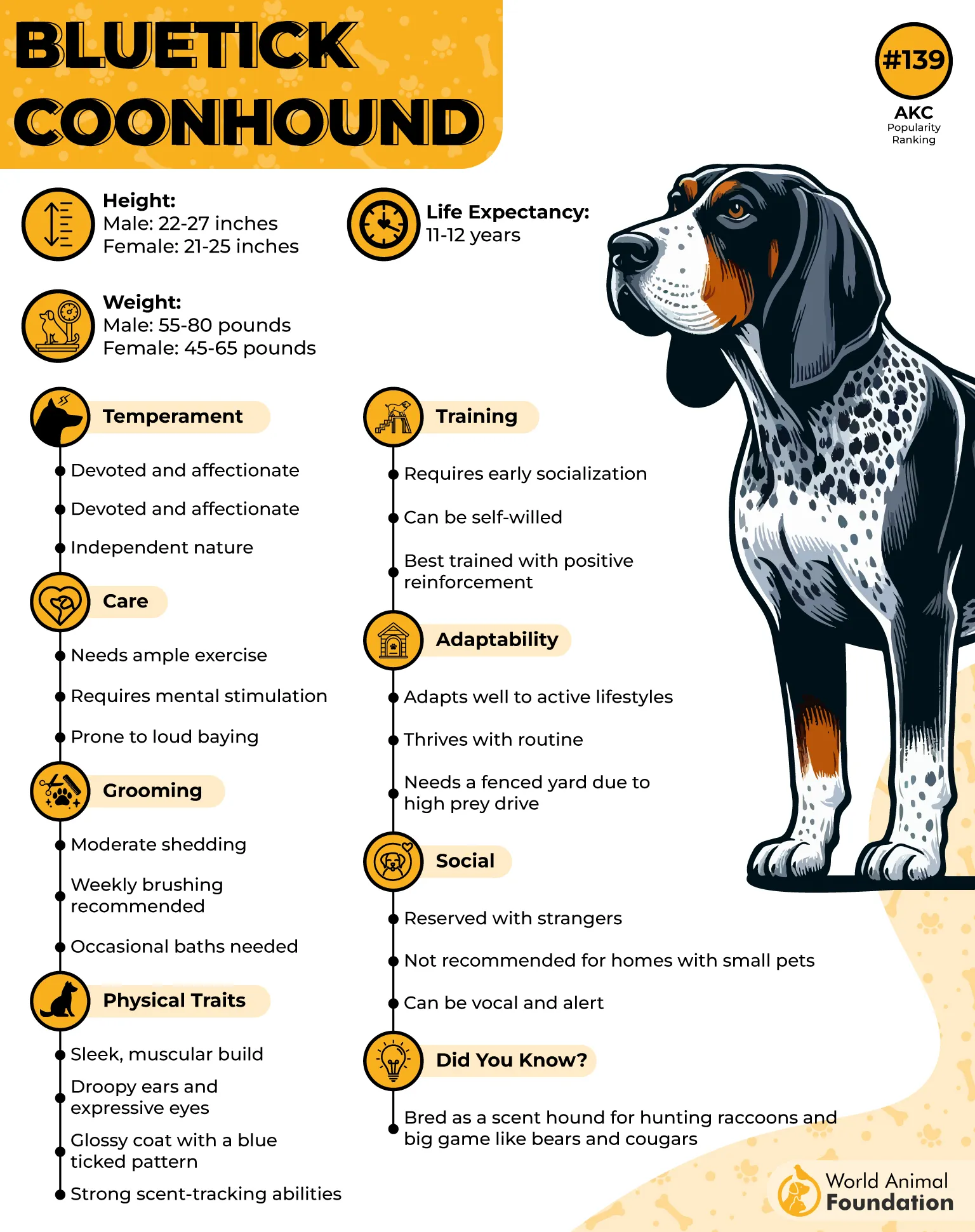
The Bluetick Coonhound, a close relative of the American English Coonhound, is easily recognized by its striking blue-speckled coat and powerful scenting abilities. Developed from American hunting hounds with French influences, this energetic breed was built to follow game across challenging terrain.
The Ultimate Wildlife Tracking Specialist with Outstanding Scenting Instincts
Bluetick Coonhounds excel at scent tracking wildlife thanks to their ability to stay focused on complicated trails for extended periods. Their keen nose can follow faint scent paths, making them highly effective when tracking small game through forests and rugged landscapes.
Originally bred as hunting dogs, these dogs thrive when given jobs that challenge both mind and body. Activities such as tracking exercises, field trials, and scent-based games help channel their instincts while keeping them mentally engaged.
Their determination and strong prey drive make them enthusiastic wildlife trackers, though reliable training and secure handling are essential. Once these scent dogs pick up an interesting scent, they are known for pursuing it with remarkable persistence and confidence.
Conclusion
Wildlife scent tracking showcases some of the most remarkable abilities found in the canine world. These dogs combine determination, intelligence, endurance, and an extraordinary sense of smell that allows them to follow trails across challenging environments.
Many of these breeds were originally developed for hunting and tracking work, giving them the focus and persistence needed to stay committed to a scent. Their instincts make them valuable partners for outdoor adventures and scent-based activities.
Successful tracking dogs also benefit from proper training, socialization, and regular mental stimulation. Positive reinforcement, patience, and opportunities to use their noses help them develop confidence while strengthening their natural talents.
Whether following fresh trails or detecting faint scents left behind, these remarkable breeds demonstrate why they remain among the most respected scent hounds. With the right guidance and plenty of opportunities to explore, they can turn every outdoor journey into an impressive display of tracking skill.
