




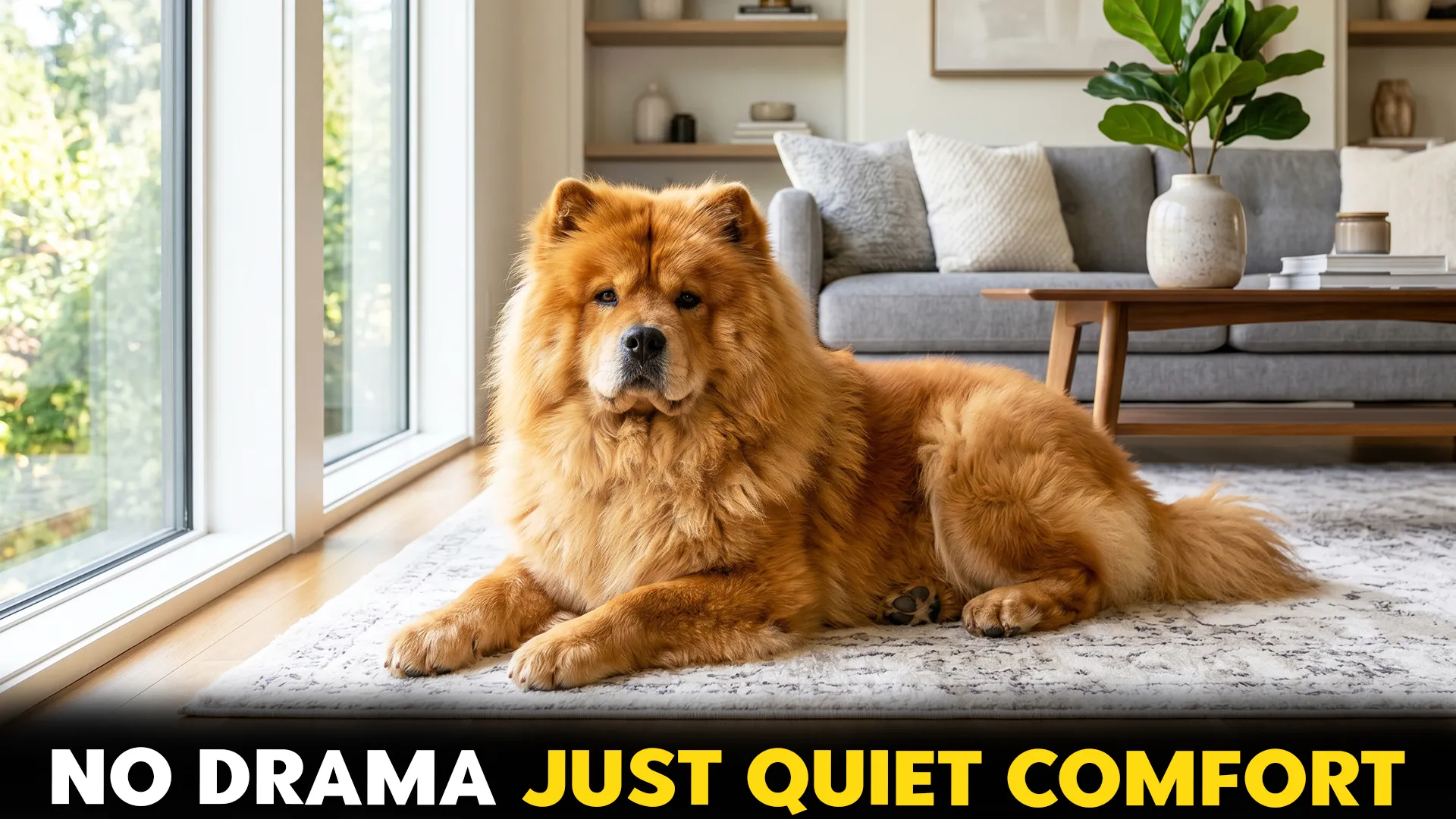
Let’s be honest: not every dog owner is looking for a furry life coach that follows them from room to room like a shadow. Some people want a calm companion that can entertain itself, enjoy some personal space, and avoid turning every passing squirrel into a full-blown neighborhood announcement.
That’s where quiet and independent dog breeds come in. These dogs tend to be more reserved, less vocal, and often more comfortable spending moderate amounts of time alone compared to highly social breeds that thrive on constant interaction.
NOTE: A quick reality check before we dive in. No dog should be left alone all day, every day, and even the most independent breeds need exercise, mental stimulation, affection, and proper training to stay happy and healthy.
What makes the breeds on this list special is their history. Many were originally bred to hunt, guard, or work independently, which helped develop personalities that are confident, self-reliant, and less likely to panic whenever their humans leave the house.
If your dream dog is more “calm roommate” than “professional attention seeker,” these breeds deserve a closer look.
Quiet Dog Breeds That Can Comfortably Stay Alone
1. Chow Chow
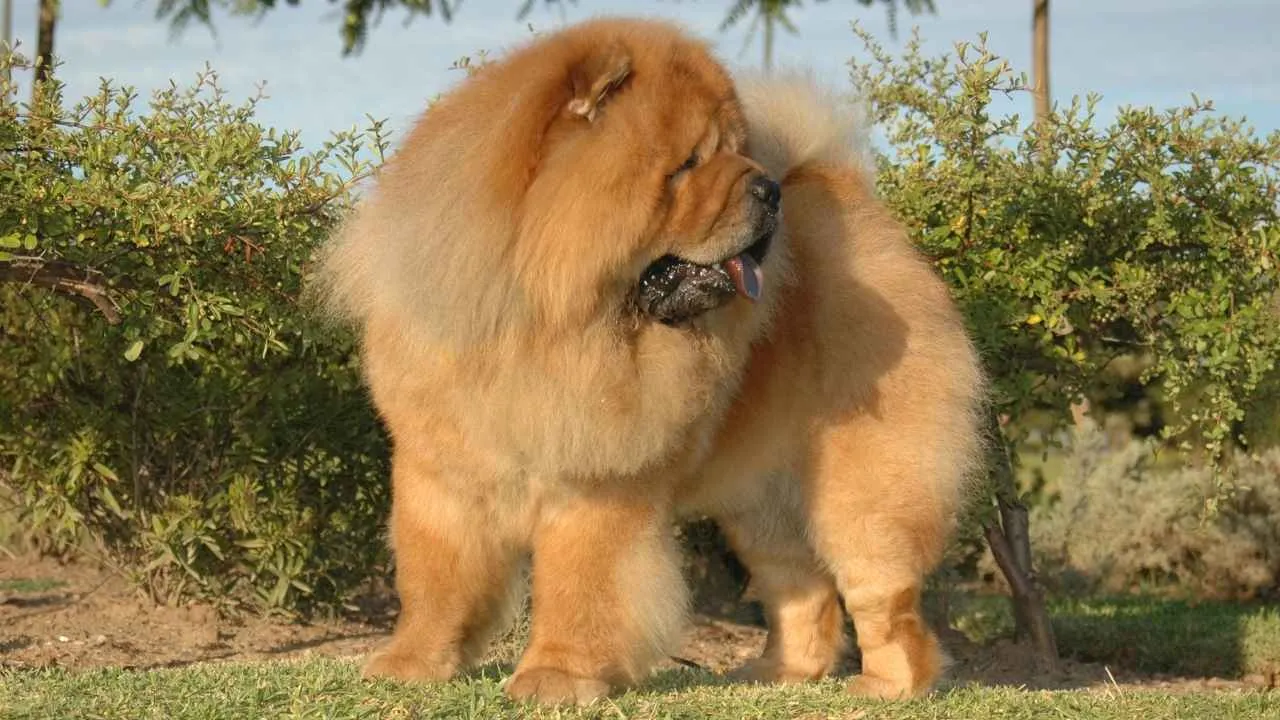
The Chow Chow is basically the canine equivalent of that mysterious person who sits quietly in the corner of the coffee shop, reading a book and somehow becomes everyone’s favorite character.
Purina says that, unlike many companion breeds that constantly seek affection, they tend to value their personal space and prefer meaningful interactions over endless cuddling sessions.
One reason they are often recommended for people who appreciate independent dogs is their naturally reserved temperament. While they form incredibly strong bonds with their families, they rarely feel the need to constantly check in with their humans every few minutes for validation or entertainment.
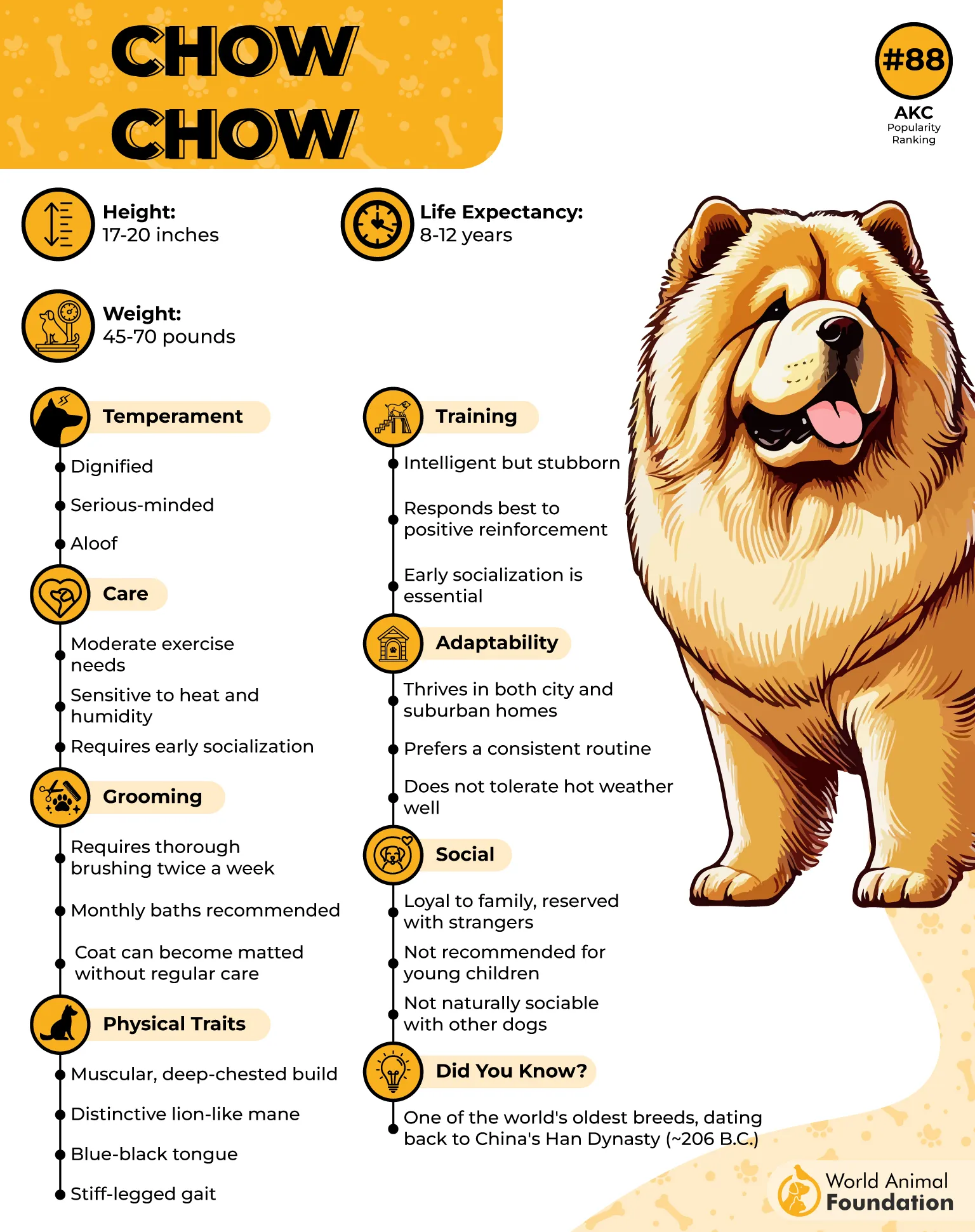
They are also known for being surprisingly clean and easy to house-train. Many owners compare their habits to cats because they often keep themselves tidy and maintain predictable routines throughout the day.
Their quiet nature makes them appealing for households that value peace and calm. Unlike breeds that bark at every passing leaf, many Chows prefer to observe situations before deciding whether something actually deserves a response.
When they choose to show affection, it feels meaningful because it comes from genuine trust rather than constant dependence.
2. Chinese Shar-Pei
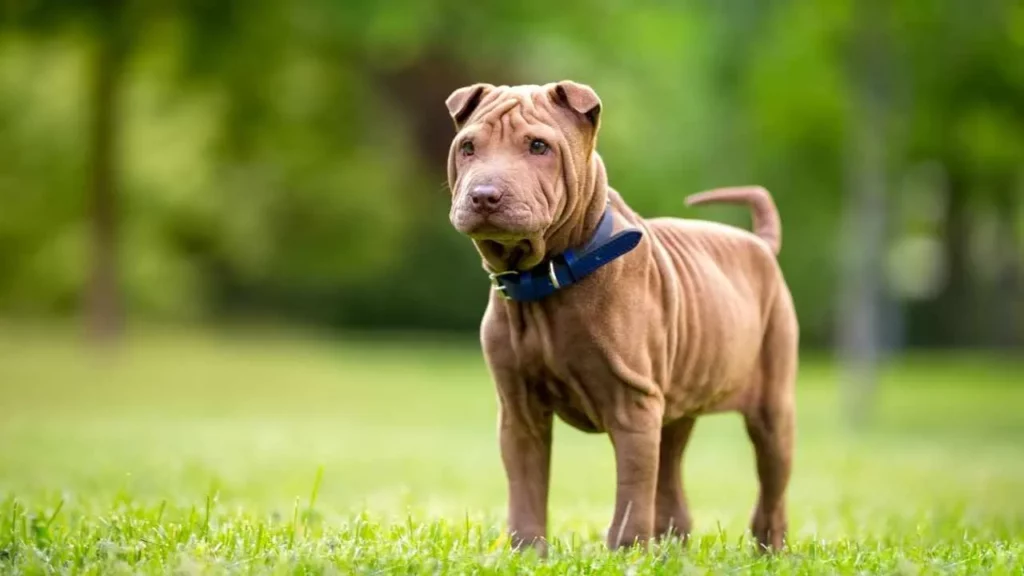
The Chinese Shar-Pei may be famous for its adorable wrinkles, but beneath those folds is a remarkably self-contained and thoughtful dog.
Originally developed as a multipurpose farm dog in China, the breed was expected to guard property, hunt, and assist with daily tasks while making many decisions independently.
These dogs are known for being calm and relatively quiet around the home. Instead of reacting dramatically to every sound or visitor, they often take a moment to assess the situation before deciding how to respond.
One thing that stands out about the breed is its confidence. Well-socialized Shar-Peis tend to move through life with a steady, deliberate attitude that helps them remain composed even when routines change or visitors arrive.
Unlike highly energetic breeds that demand hours of activity, Shar-Peis are often satisfied with moderate daily exercise. A few walks, some mental enrichment, and quality time with their family are usually enough to keep them content.
Many owners appreciate the breed’s ability to relax independently without becoming destructive. While they are deeply loyal to their family, they generally don’t require constant interaction to feel secure and fulfilled.
3. Basenji
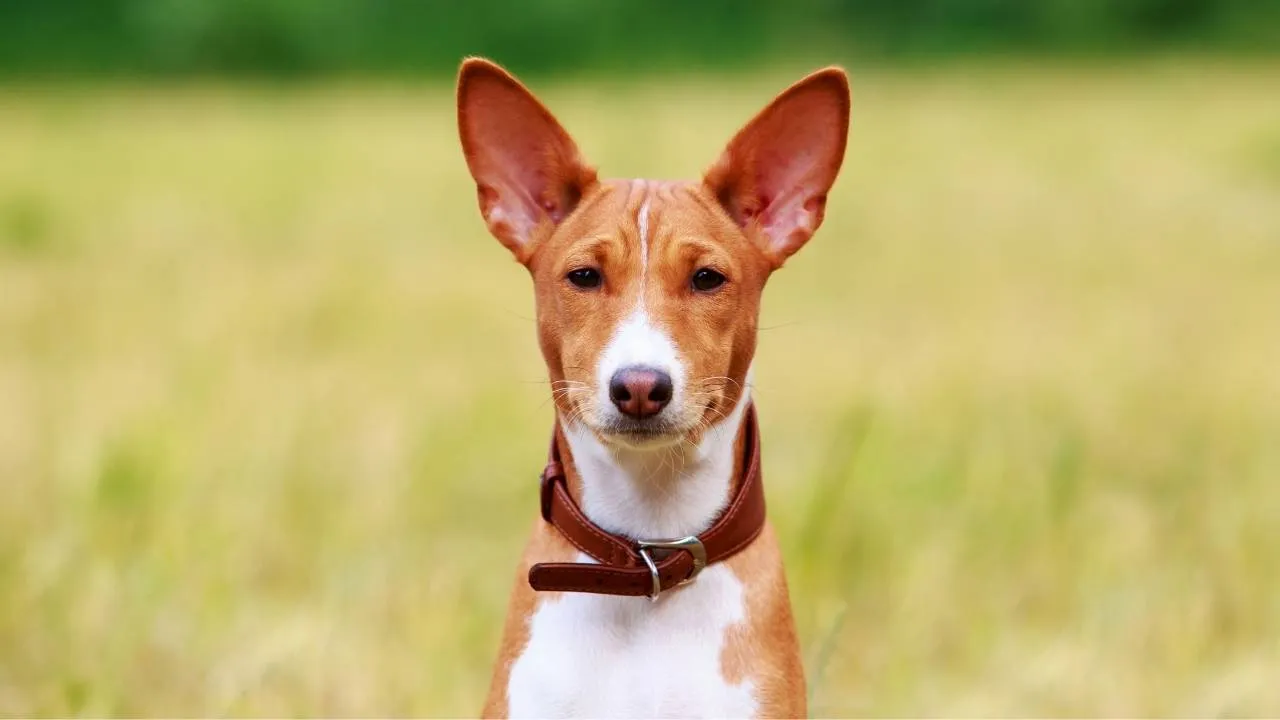
If dogs had a category called “main character energy,” the Basenji would definitely be nominated. This fascinating breed is famous for being one of the few dogs that do not bark in the traditional sense. However, owners quickly learn that silence doesn’t necessarily mean quiet because the Basenji’s signature yodel can be surprisingly memorable.
Originally developed in Central Africa, Basenjis worked alongside hunters in dense forests where stealth was essential. Their ability to move quietly and avoid alerting prey helped make them incredibly effective hunting companions.
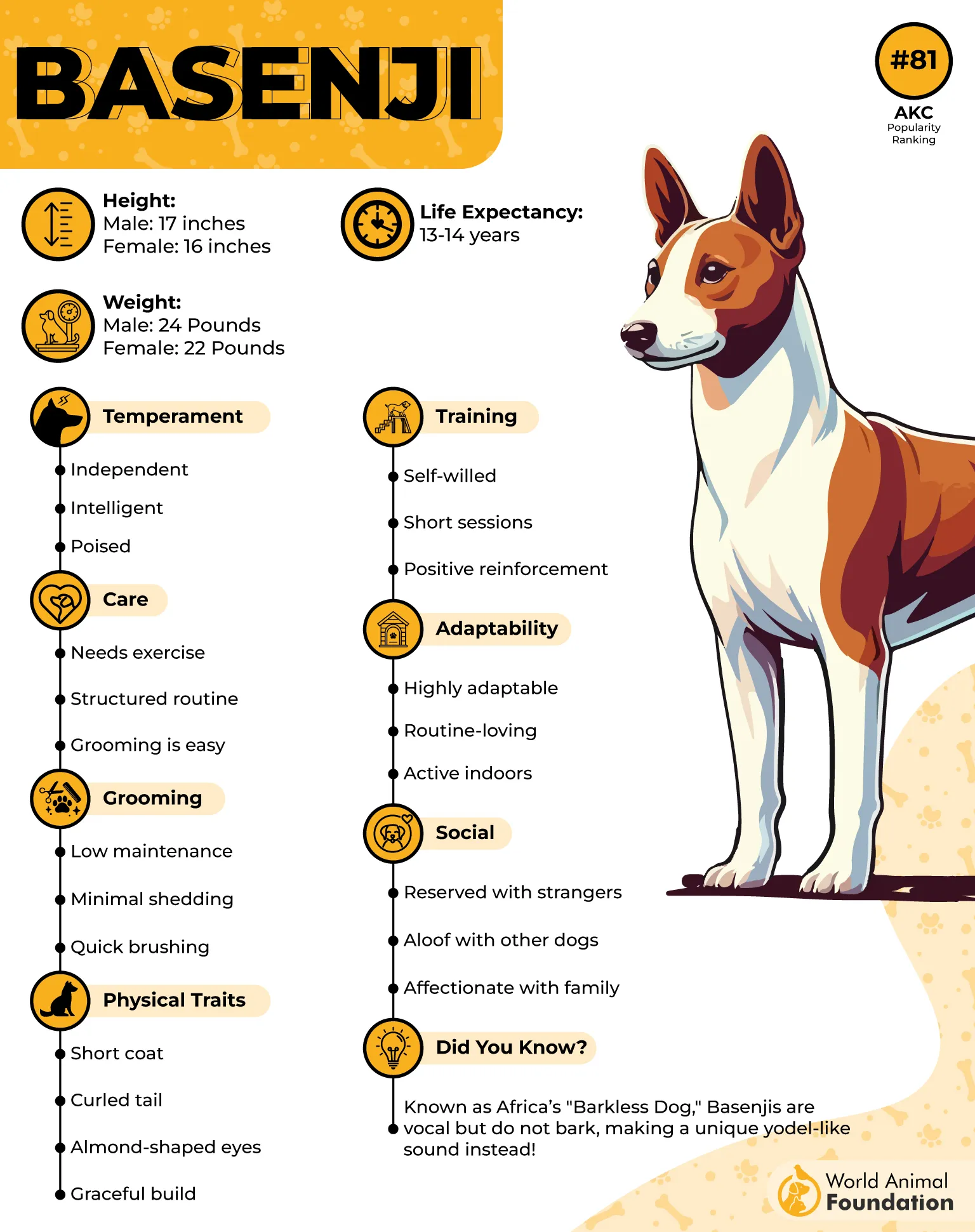
The breed’s cat-like reputation isn’t just internet hype. Basenjis groom themselves frequently, enjoy high vantage points, and often display an independent streak that feels very different from many people-oriented dog breeds.
According to PetMD, mental stimulation is especially important because these dogs are exceptionally intelligent. When boredom strikes, they can become creative problem-solvers, and their solutions don’t always align with what their owners had in mind.
People who love Basenjis often describe them as equal parts comedian, philosopher, and escape artist. Their unique blend of intelligence, curiosity, and self-sufficiency makes them one of the most distinctive breeds in the canine world.
4. Akita
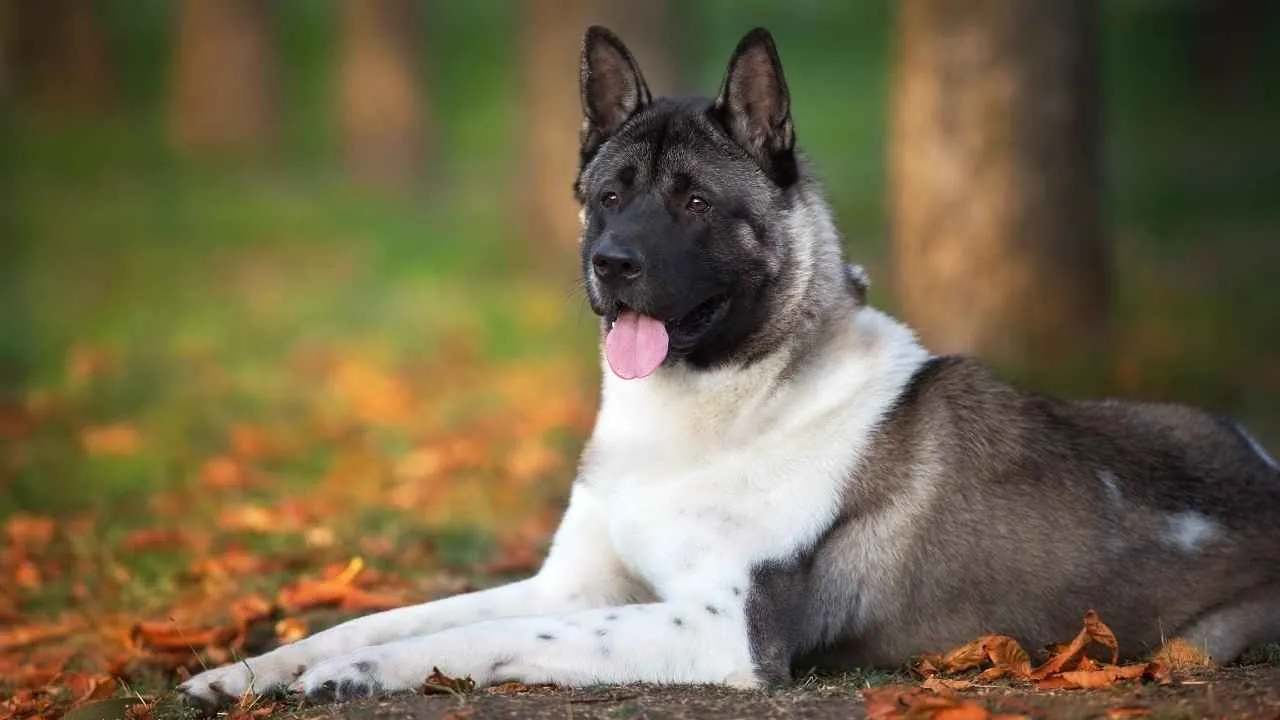
The Akita carries itself with the confidence of a dog that knows exactly who it is. Originating in Japan, this powerful breed has long been admired for its loyalty, dignity, and calm presence.
One of the most famous examples of Akita devotion is the story of the legendary dog Hachikō, whose loyalty became so celebrated that a statue was erected in his honor in Tokyo. Even today, Akitas are often viewed as symbols of faithfulness and perseverance throughout Japan.
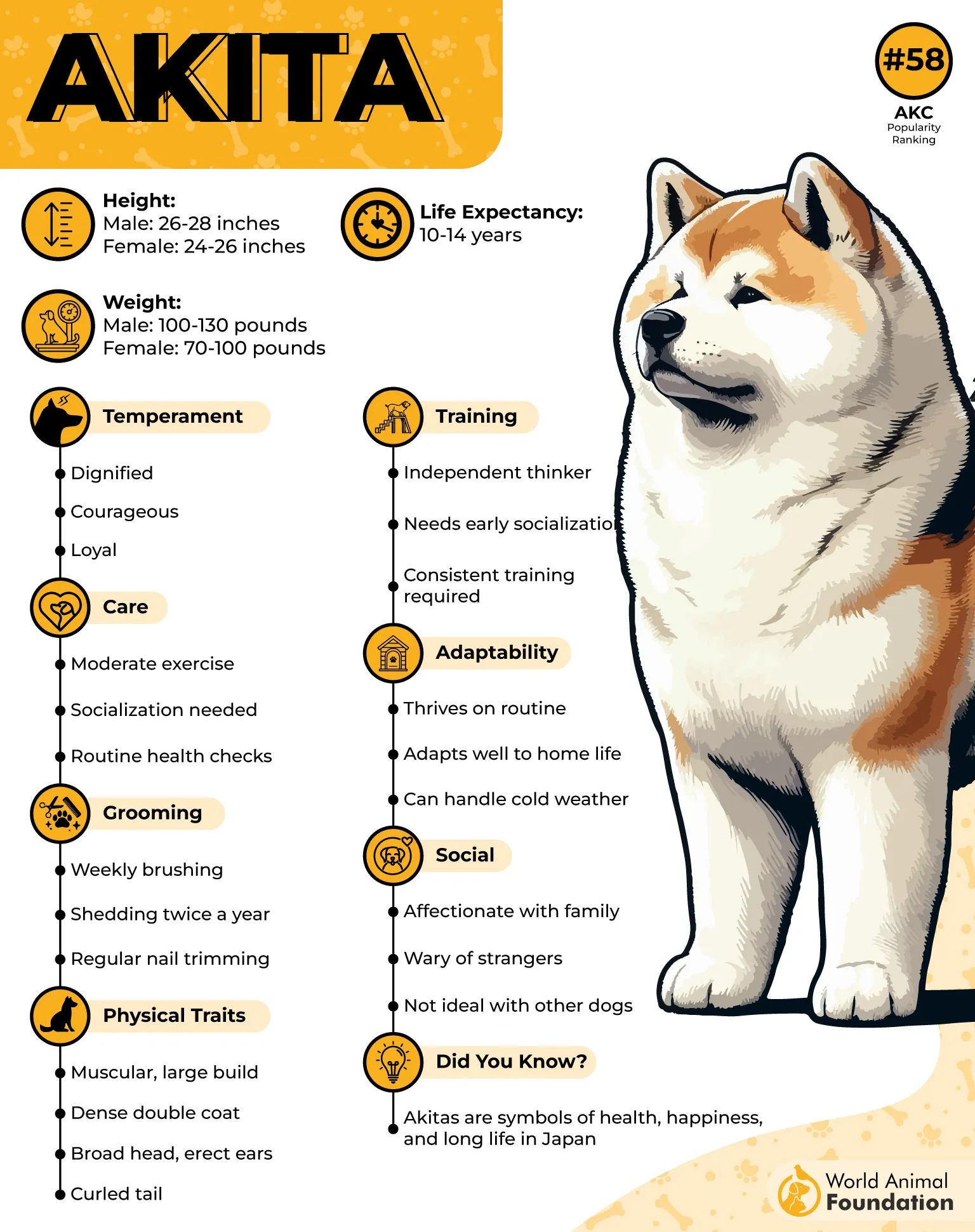
Despite their deep attachment to family members, these gentle giants are not typically attention-seeking dogs. They often enjoy being near their people without constantly demanding interaction, making them a good match for owners who appreciate a more balanced relationship.
Their naturally reserved personality also contributes to their quiet reputation. Akitas generally prefer observing strangers from a distance before deciding whether someone has earned their trust.
Experienced owners often describe them as thoughtful and emotionally intelligent companions. Rather than reacting impulsively, many Akitas carefully assess situations before deciding how to respond, which contributes to their calm and composed demeanor.
5. Irish Wolfhound
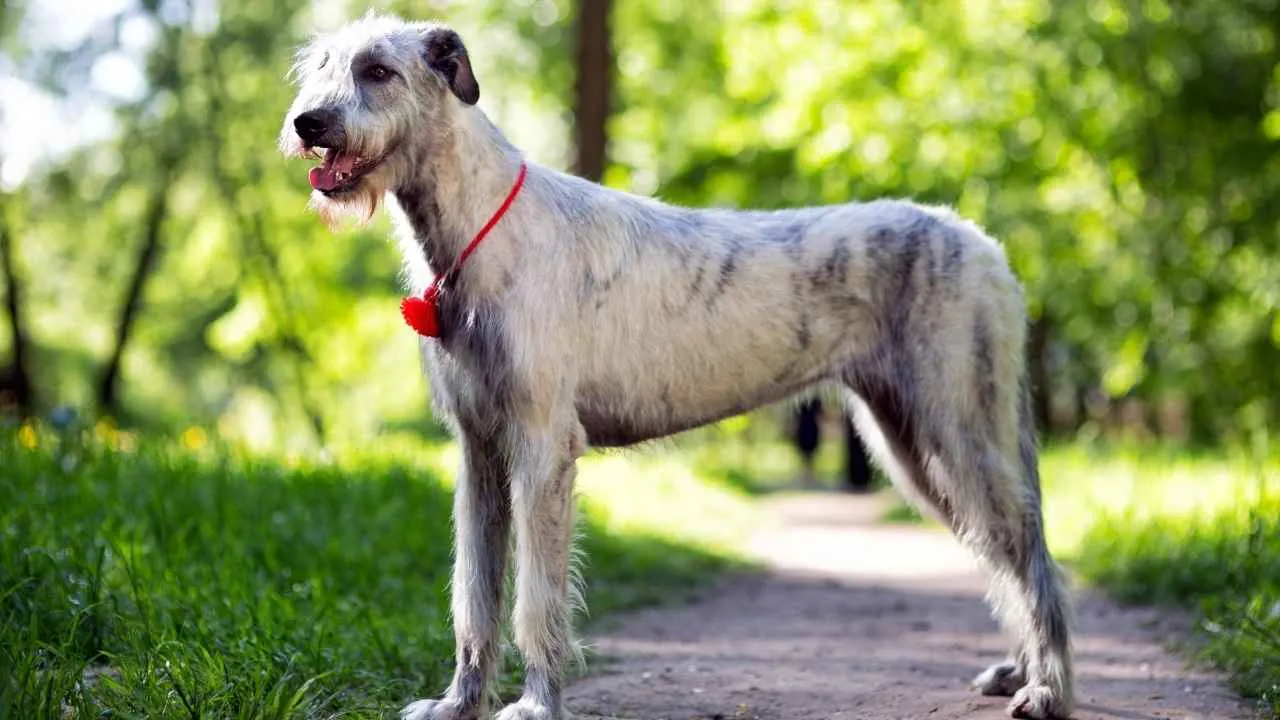
The Irish Wolfhound is one of those breeds that destroys expectations. Standing as one of the tallest dogs in the world, they look like mythical warriors straight out of a fantasy movie, yet their actual personality is closer to that of a gentle therapist who wants everyone to get along.
Despite their impressive size, Irish Wolfhounds are remarkably calm and soft-natured. Most owners describe them as easygoing companions that prefer peaceful environments over chaos, making them a surprisingly good fit for quieter households.
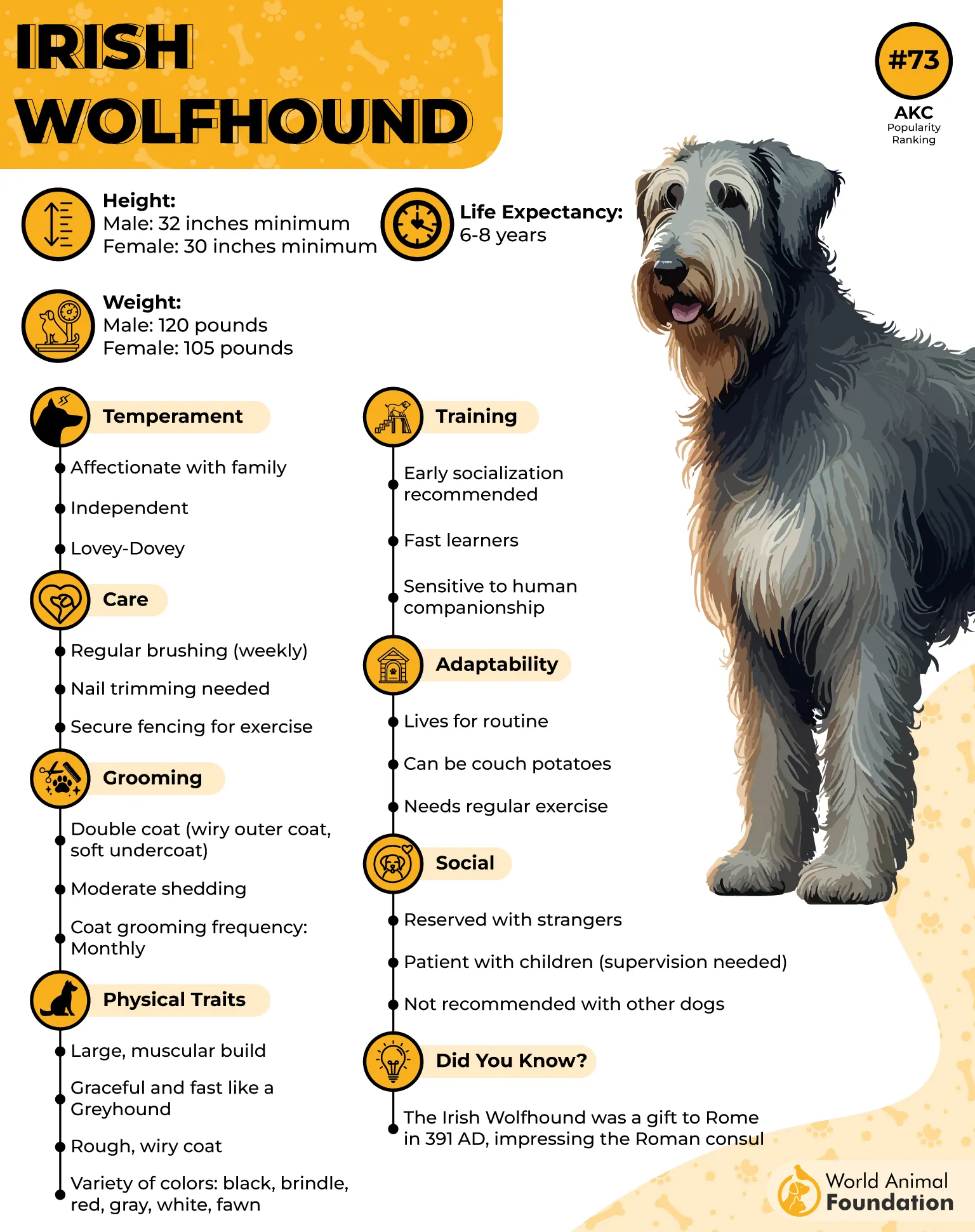
One reason they often handle alone time better than many large breeds is their laid-back disposition. They enjoy spending time with their families, but they are not constantly demanding attention, entertainment, or reassurance throughout the day.
These affectionate dogs also tend to be relatively quiet. While they will alert their owners if something unusual happens, they are not known for excessive barking or creating unnecessary drama around the house.
Their emotional balance is one of their most attractive qualities. Many Reddit owners report that once their exercise needs are met, these giant dogs are perfectly content to stretch out on a comfortable surface and spend hours relaxing in complete peace.
6. Great Pyrenees
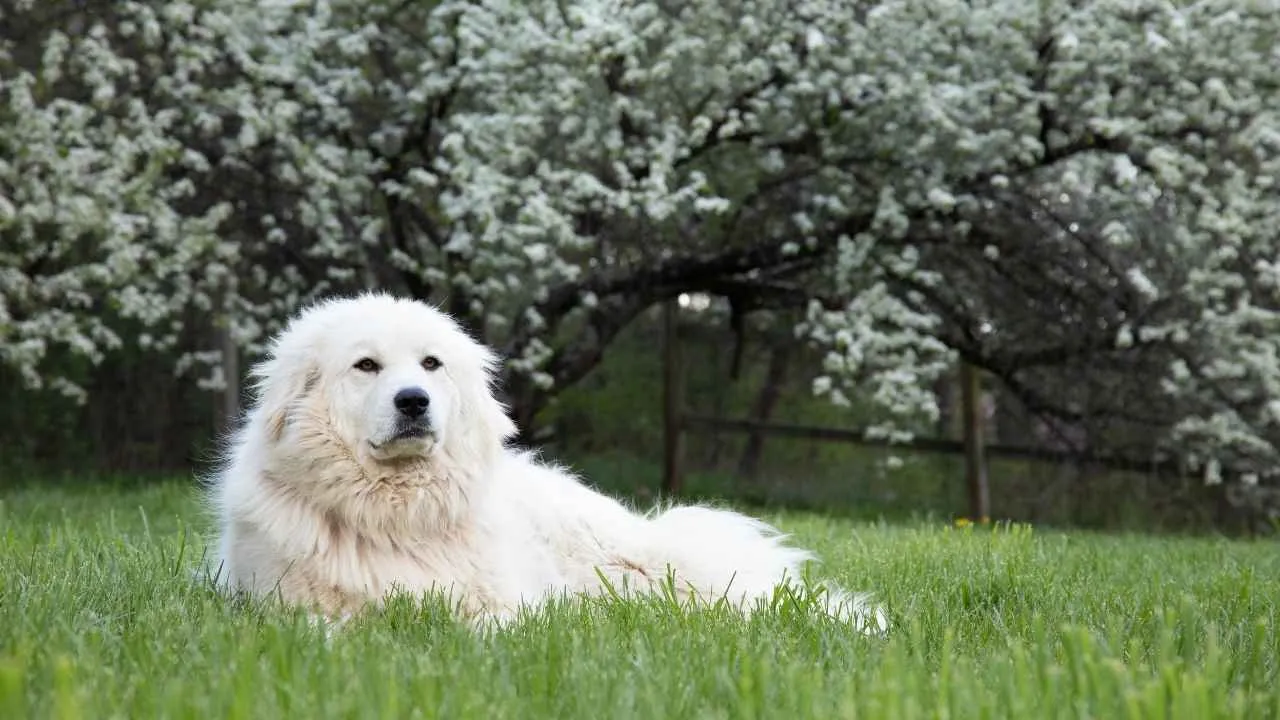
The Great Pyrenees has been quietly guarding livestock for centuries, and honestly, that energy still shows today. This breed radiates calm confidence and often behaves as if it has already assessed every possible situation before anyone else even notices something has happened.
Originally developed in the Pyrenees Mountains between France and Spain, these dogs spent long hours protecting sheep from predators. Their job required patience, independent thinking, and the ability to make decisions without waiting for instructions from humans.
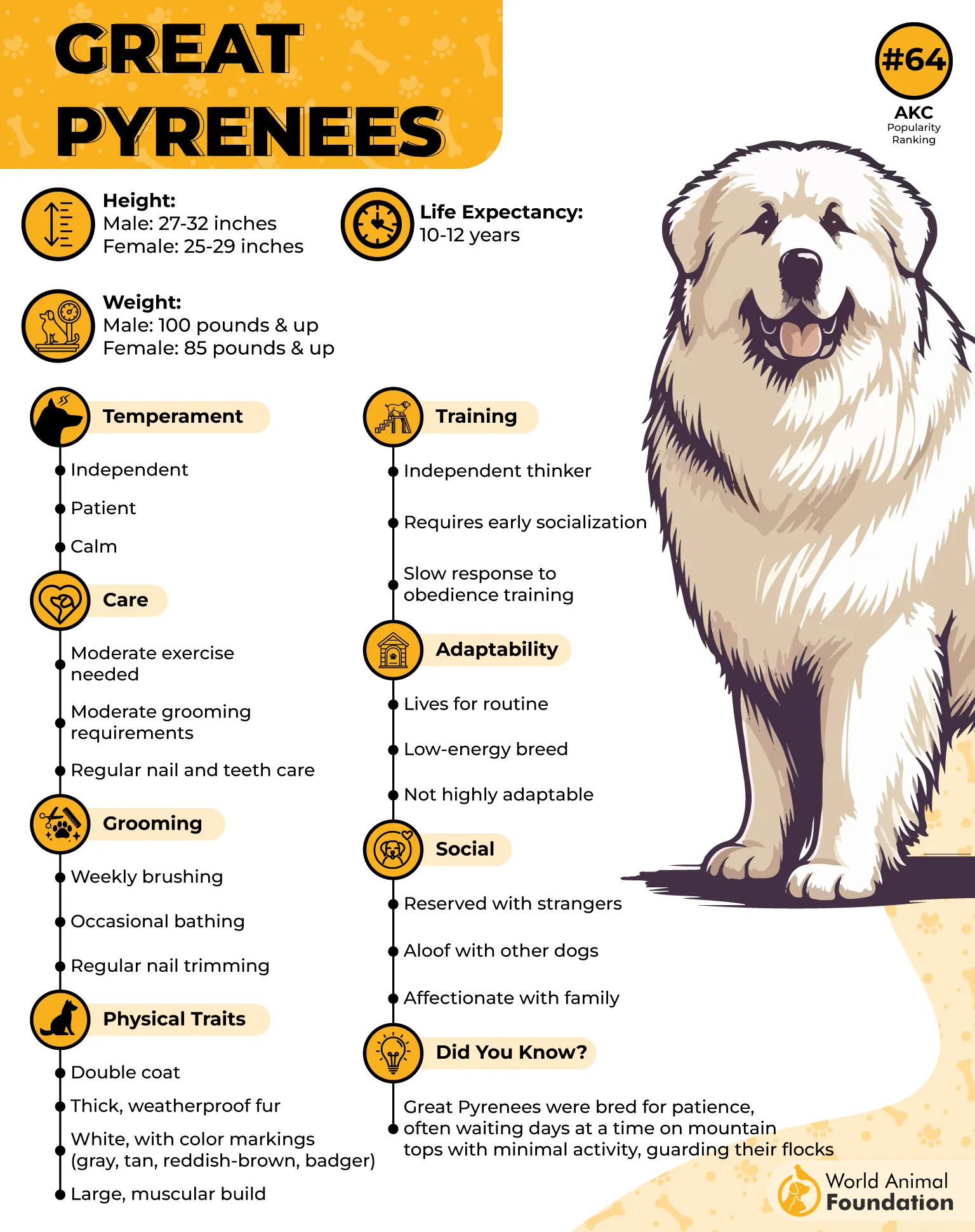
That guardian background helps explain why Great Pyrenees dogs are generally comfortable spending time on their own. They were literally bred to watch over large areas independently, so a little personal space rarely bothers them.
While they are affectionate with family members, they are not usually clingy. Many owners describe them as loving companions who enjoy being nearby rather than directly involved in every household activity.
One thing future pet parents should know is that the Great Pyrenees may not bark often indoors, but they take their watchdog responsibilities seriously. If they believe something unusual is happening outside, they may decide the entire neighborhood deserves an update.
7. Greyhound
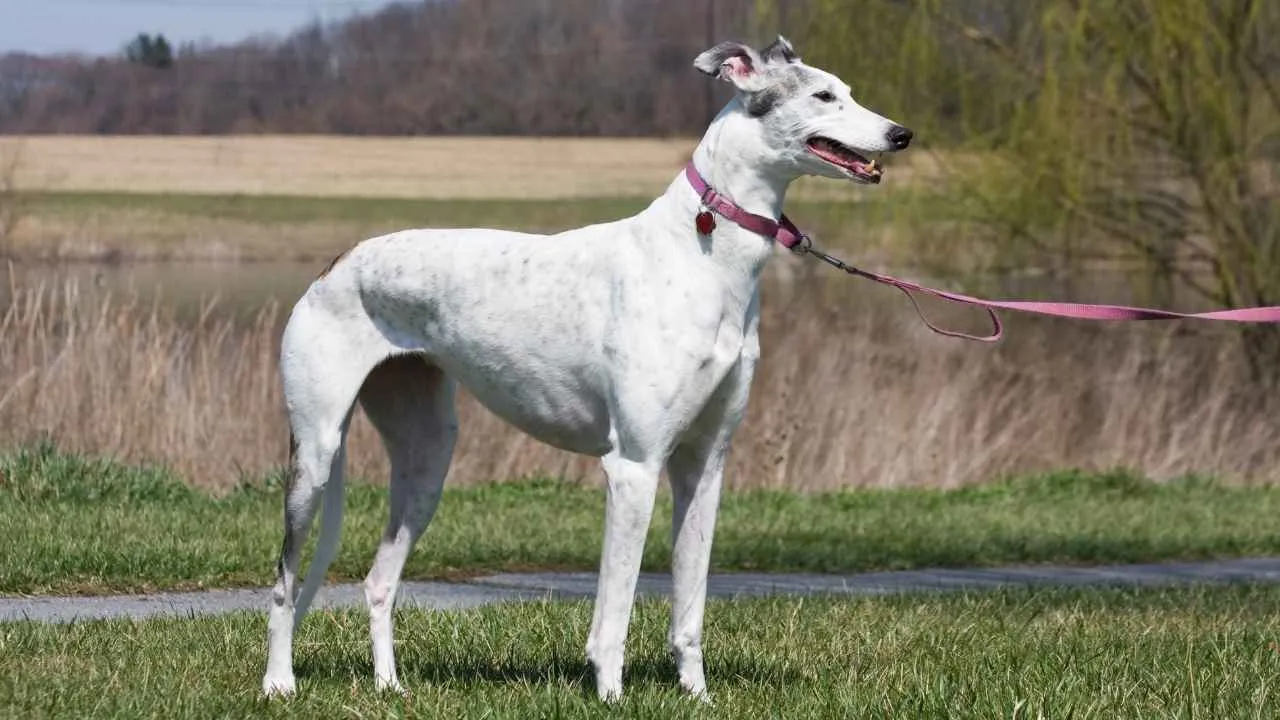
When most people hear the word Greyhound, they immediately picture a racing dog moving at incredible speeds. What surprises many new owners is that once the race is over, Greyhounds often transform into some of the calmest and quietest dogs you will ever meet.
This dog breed is frequently referred to as a “45-mile-per-hour couch potato because it spends so much of its time relaxing.
Many retired racers happily sleep for sixteen to eighteen hours per day when given a comfortable place to rest.
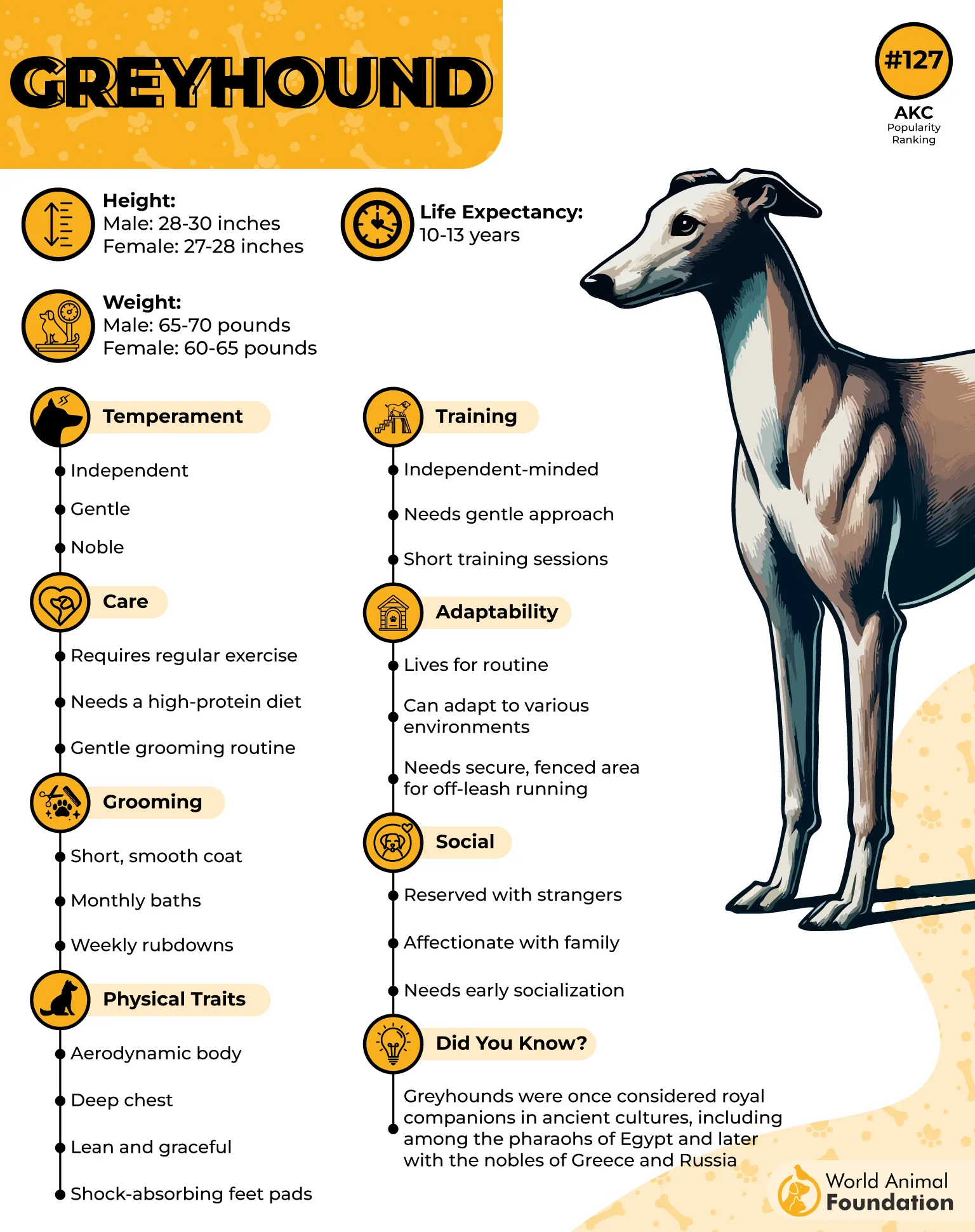
Their quiet personality is one reason they adapt so well to apartment living. Unlike some high-energy breeds that constantly look for excitement, Greyhounds are usually content to enjoy a walk, a short burst of exercise, and then return to their favorite nap location.
Another factor that makes these dogs appealing to busy owners is their low-maintenance indoor behavior. They are generally clean, polite, and not prone to excessive barking, which helps create a peaceful atmosphere inside the home.
Many Greyhound adopters are shocked by how affectionate these dogs become once they settle into family life. Beneath their athletic exterior lies a sensitive, gentle companion who values comfort, routine, and quiet company.
Conclusion
Finding a quiet dog that can comfortably handle periods of alone time is not about finding a dog that doesn’t love people. It’s about finding a breed whose personality naturally leans toward independence, emotional stability, and confidence rather than constant social interaction.
Some of these dogs were guardians trusted to make decisions independently, some were hunters that worked without constant direction, and others developed calm temperaments that allowed them to relax without requiring nonstop attention.
That said, even the most self-sufficient dog still needs companionship, exercise, enrichment, and proper training. Independence should never be confused with neglect, and every breed benefits from quality time with the people they trust.
