




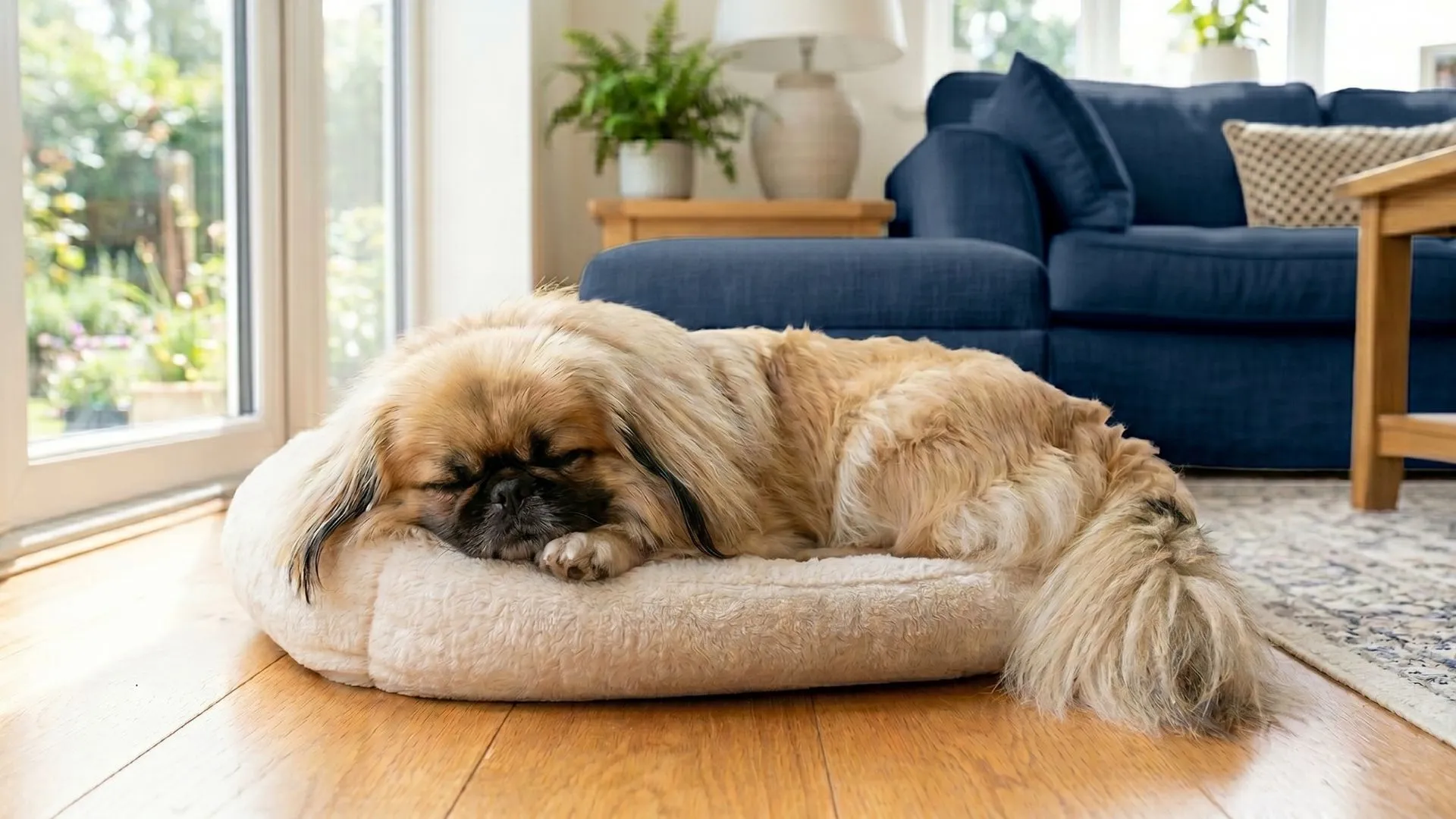
Few dog breeds carry reputations as strong as the Great Pyrenees and the Rottweiler. One is often imagined as a calm, snowy guardian watching over the hills, while the other is too often judged by its powerful build and misunderstood as overly aggressive.
But dogs are rarely as simple as the labels people place on them.
In reality, both breeds have loyal hearts, protective instincts, and very different ways of showing devotion.
The Great Pyrenees is known for its steady, watchful nature, while the Rottweiler is often admired for confidence, strength, and deep attachment to family. Still, myths can make it hard for future owners to see the truth clearly.
This article looks beyond fear, stereotypes, and surface impressions. By comparing the Great Pyrenees and Rottweiler honestly, we can better understand their real personalities, needs, and the kind of homes where each breed can truly thrive.
Key Takeaways
Quiet dog breeds can bring a peaceful, comforting rhythm to the home.
Long resting times do not mean these dogs need no care or attention.
Many calm breeds still require daily walks, light exercise, and mental stimulation.
Some quiet dogs are ideal for apartments, while others need more space due to their size.
Gentle temperaments often make these breeds loyal and affectionate companions.
Quietest Dog Breeds With the Longest Resting Times
1. Newfoundland
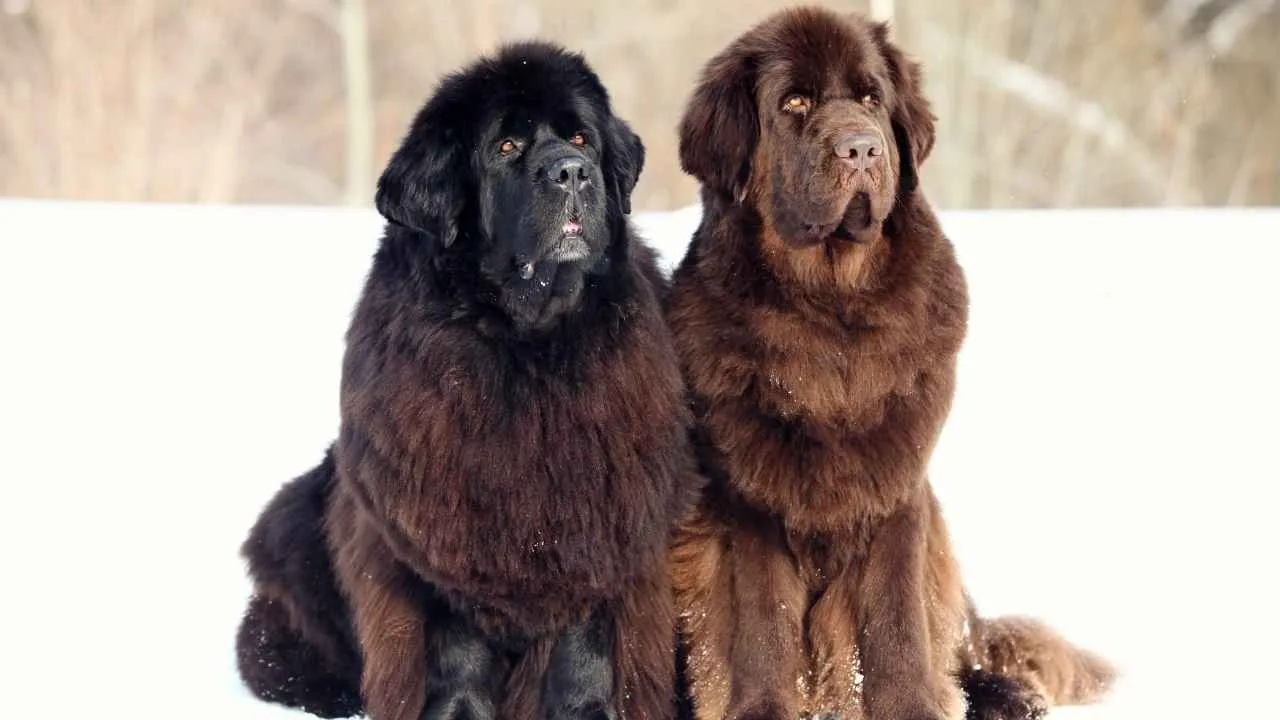
The Newfoundland may be enormous, but beneath that powerful frame is a remarkably gentle soul.
Known for its calm nature and deep devotion, this “nanny dog” has long been loved for its patience with children and steady presence at home.
While females are usually smaller but still impressively built. Their soft, soulful expression and thick coat, seen in black, brown, gray, or black-and-white, add to their noble charm.
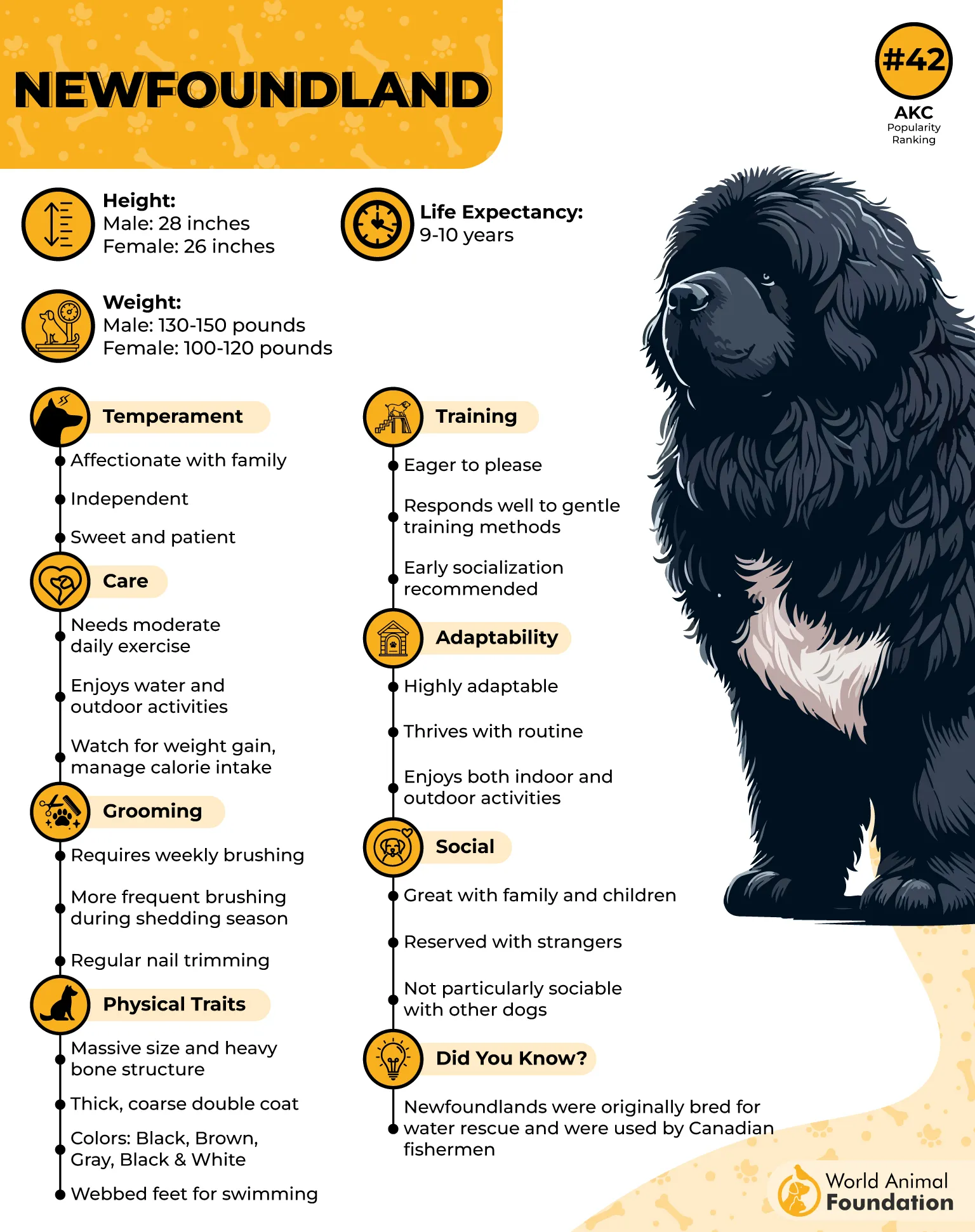
Despite their size, Newfoundlands are trusting, trainable, and eager to please, responding best to kind, gentle guidance, according to the American Kennel Club.
They enjoy moderate daily exercise, especially swimming, walks, or even carting, but they are just as happy relaxing indoors with their family. Their heavy coat needs regular brushing, especially during shedding seasons, and routine care is important.
With early training, proper diet, and responsible health screening, the Newfoundland becomes a loving, watchful, and wonderfully peaceful companion.
2. Pekingese
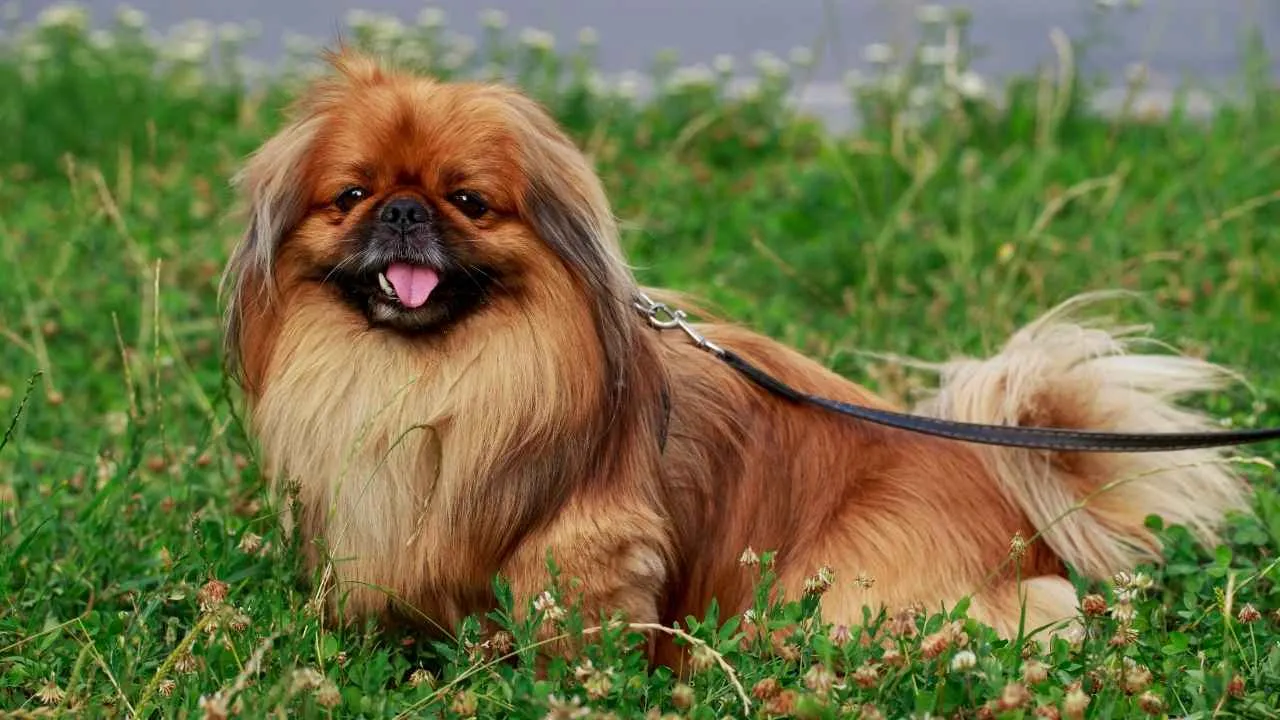
The Pekingese may be small enough to curl up on a lap, but its personality fills the room. Regal, confident, and wonderfully self-important, this little “lion dog” carries its royal past with pride.
Pekes are deeply loyal to their chosen people, often forming strong bonds with one or two family members, and they bring a quiet, watchful presence to the home.

For an article on calm breeds with long resting times, the Pekingese fits beautifully.
Bred as a companion rather than a worker, this dog is happiest in a peaceful household, lounging on the sofa, enjoying gentle indoor play, or taking short daily walks.
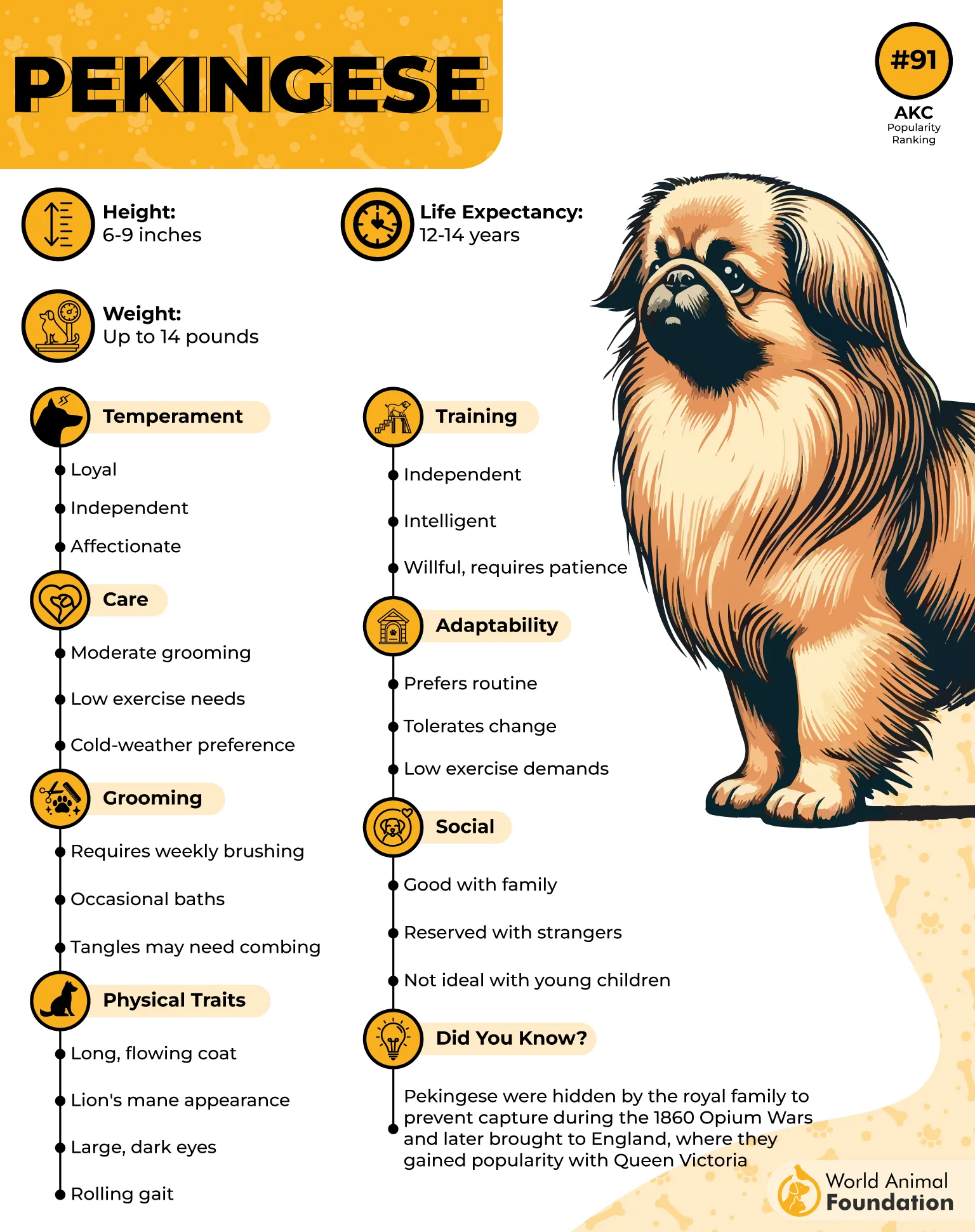
Their flat faces can make breathing harder, so light exercise and cool, calm surroundings suit them best.
Though affectionate, they can be stubborn, aloof with strangers, and sensitive to noise. With patient training, early socialization, and respectful care, the Pekingese becomes a devoted, dignified, slow-paced companion.
3. Clumber Spaniel
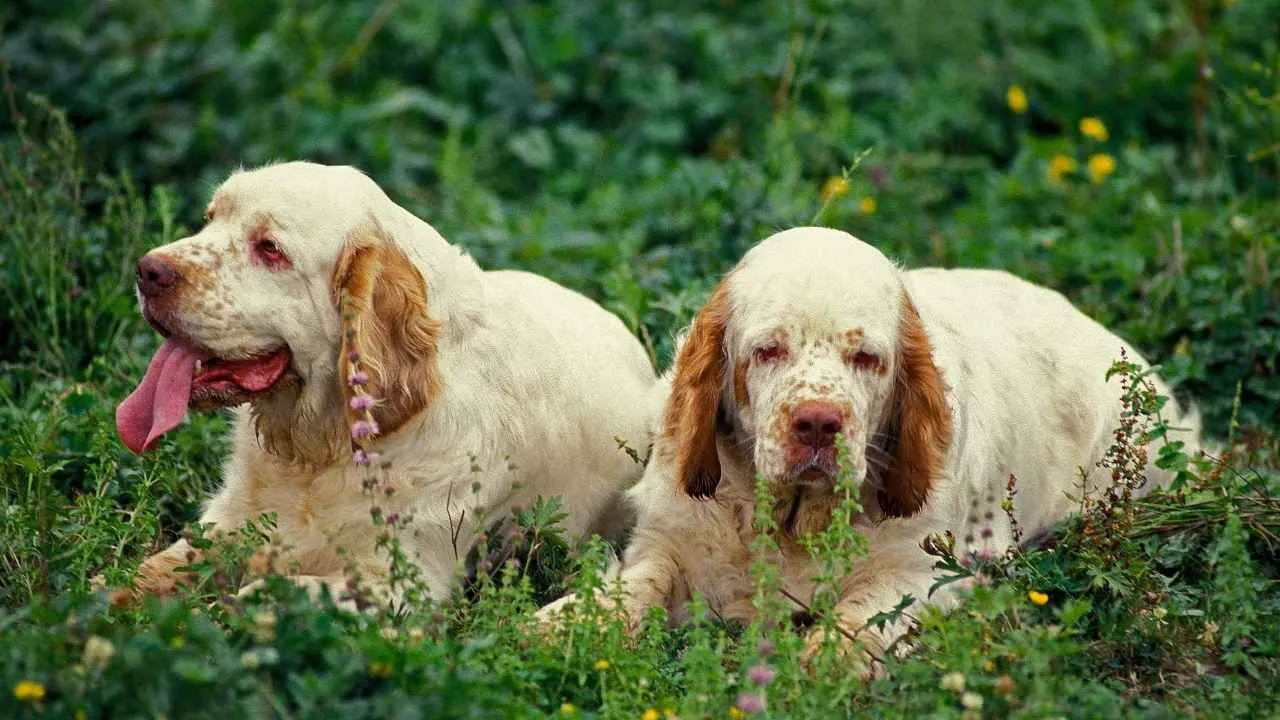
The Clumber Spaniel brings a quiet kind of strength to the dog world. Solid, sturdy, and calm by nature, this old hunting breed is not the restless type that constantly demands attention.
Instead, it moves through life with patience, purpose, and a gentle confidence that makes it especially appealing for families who enjoy a slower rhythm.
Though bred for retrieving and flushing game, the Clumber is more reserved than many other Spaniels, as stated by Zooplus.
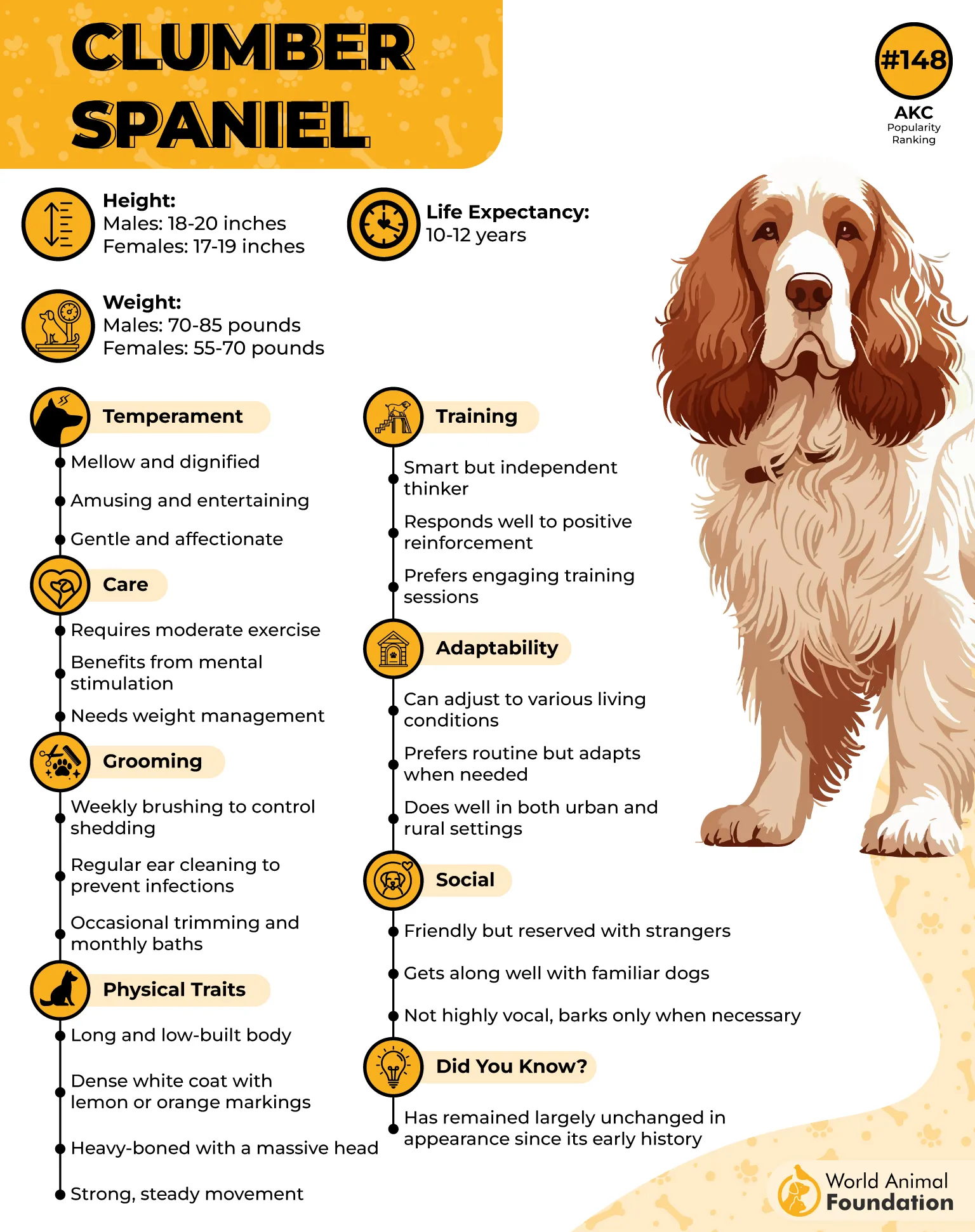
It enjoys outdoor time, nature walks, and meaningful activities, but it also knows how to settle peacefully at home. Its calm temperament, loyalty, and affectionate bond with its main person make it a comforting companion after an active day.
This breed does need regular exercise, mental stimulation, and careful weight management, as it can be prone to obesity. With consistent training, grooming, and patient guidance, the Clumber Spaniel becomes a steady, thoughtful, and quietly devoted family dog.
4. Pug

The Pug is a small dog with a big heart, a soft spot for people, and a talent for turning ordinary moments into comedy.
Bred for companionship, this affectionate little shadow loves being close to its family, whether curled on a lap, following someone from room to room, or settling in for a long, satisfied nap.
For quieter homes and longer resting times, Pugs can be a natural fit.
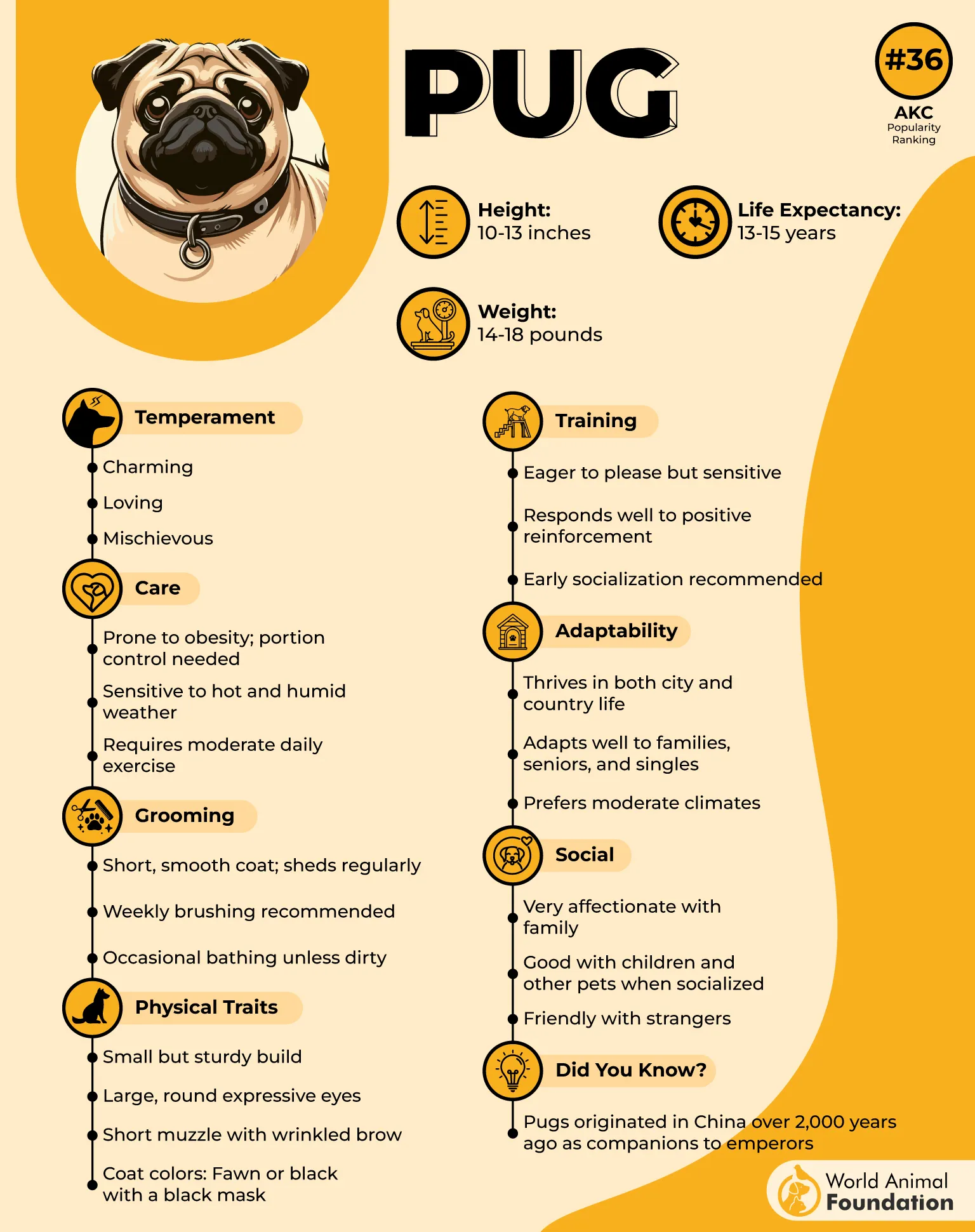
They enjoy short walks, gentle play, and plenty of company, but they are often just as happy relaxing in their favourite chair.
Because they are flat-faced, care is needed during exercise, especially in warm weather, as breathing difficulties and overheating can become serious concerns.
Pugs can also gain weight easily, so controlled meals and light activity matter. With patient training, regular grooming, and close attention to health, the Pug becomes a loving, funny, and deeply devoted companion.
5. French Bulldog
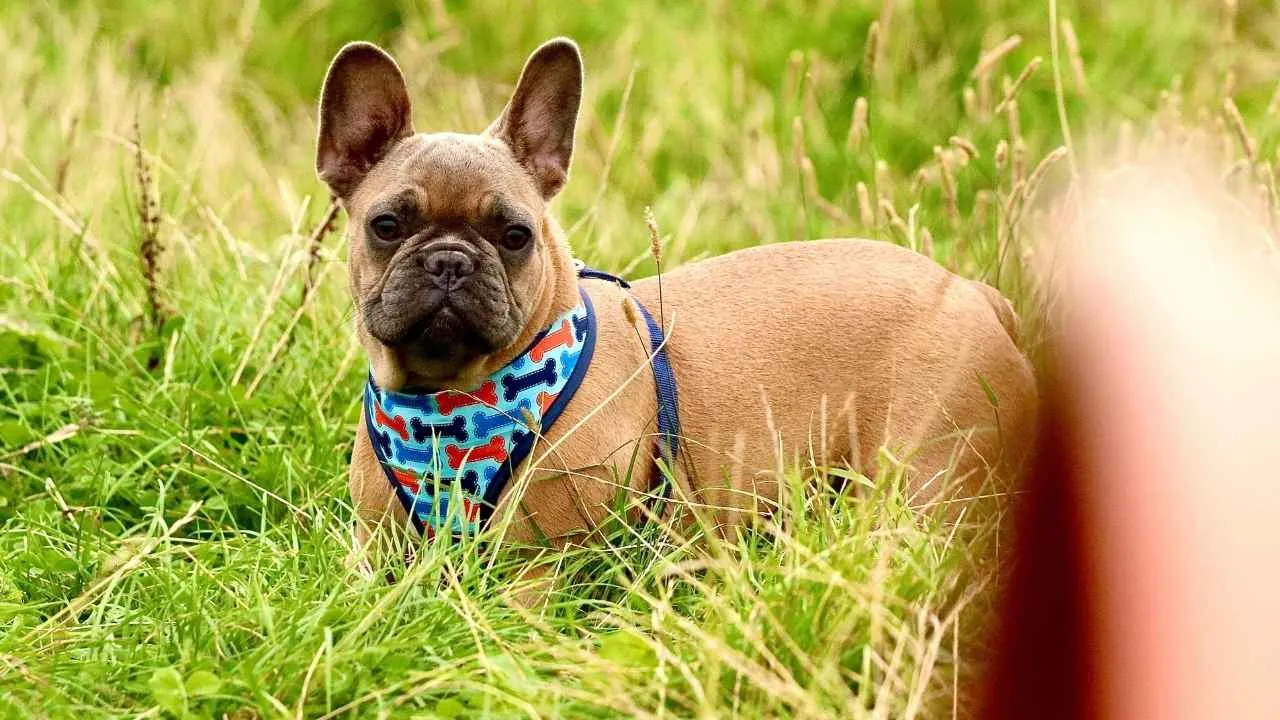
The French Bulldog has a way of making a home feel warmer. With its bat-like ears, wrinkled face, and playful little personality, this compact companion brings charm without needing constant action.
Frenchies are known for being affectionate, quirky, and people-focused, often happiest when relaxing near their family rather than racing through the day.
For an article on quiet breeds with long resting times, the French Bulldog fits naturally.
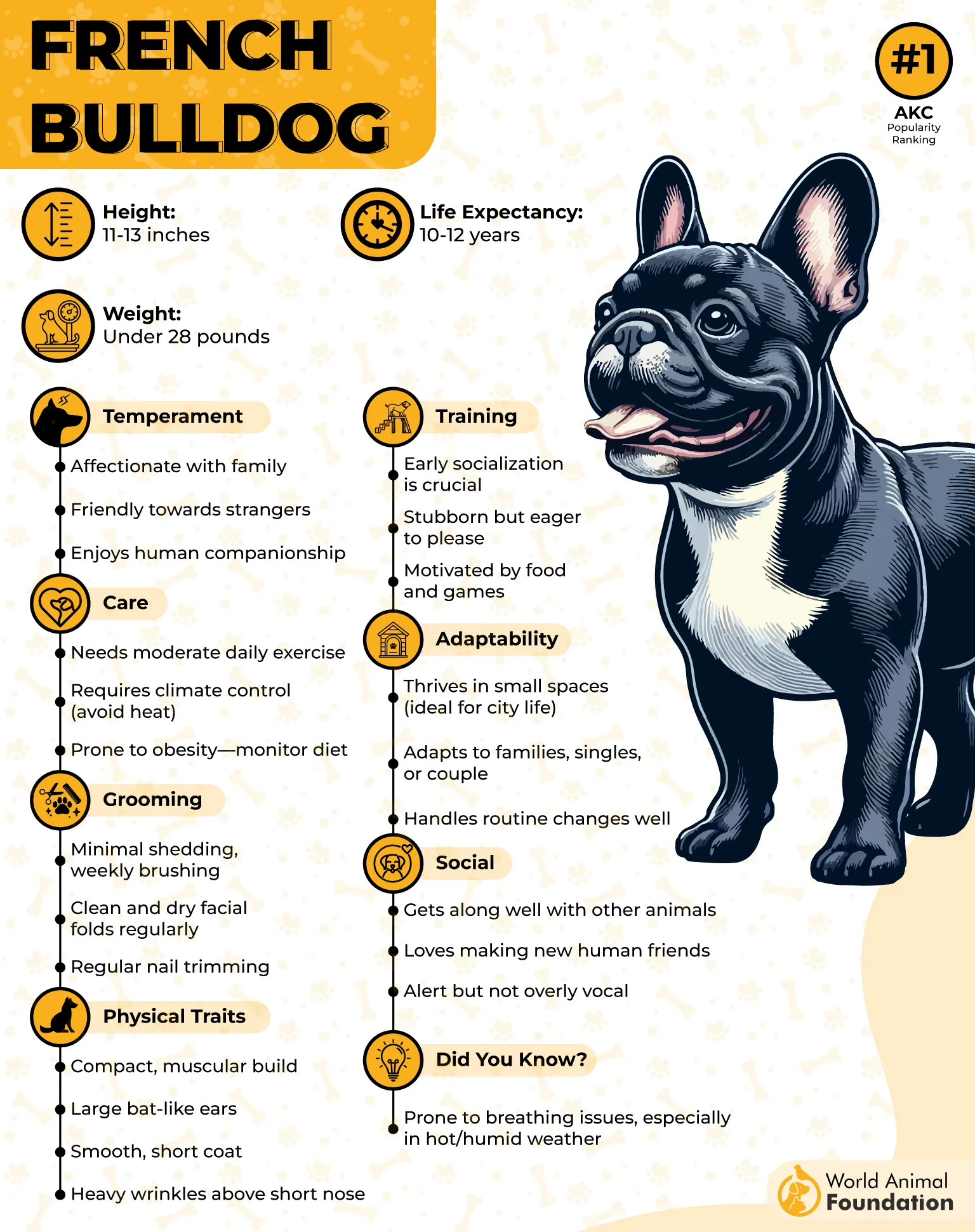
It rarely barks, needs only moderate daily activity, and often does well in smaller homes or city living. Short walks, gentle play, and mental stimulation are usually enough to keep it content, as explained by PetPlan.
Because Frenchies are flat-faced, owners must be careful with heat, overexertion, and breathing difficulties. They can also be prone to obesity, skin fold issues, allergies, and spine or joint problems.
With patient training, careful grooming, healthy portions, and close companionship, the French Bulldog becomes a sweet, calm, and deeply lovable household friend.
6. Neapolitan Mastiff
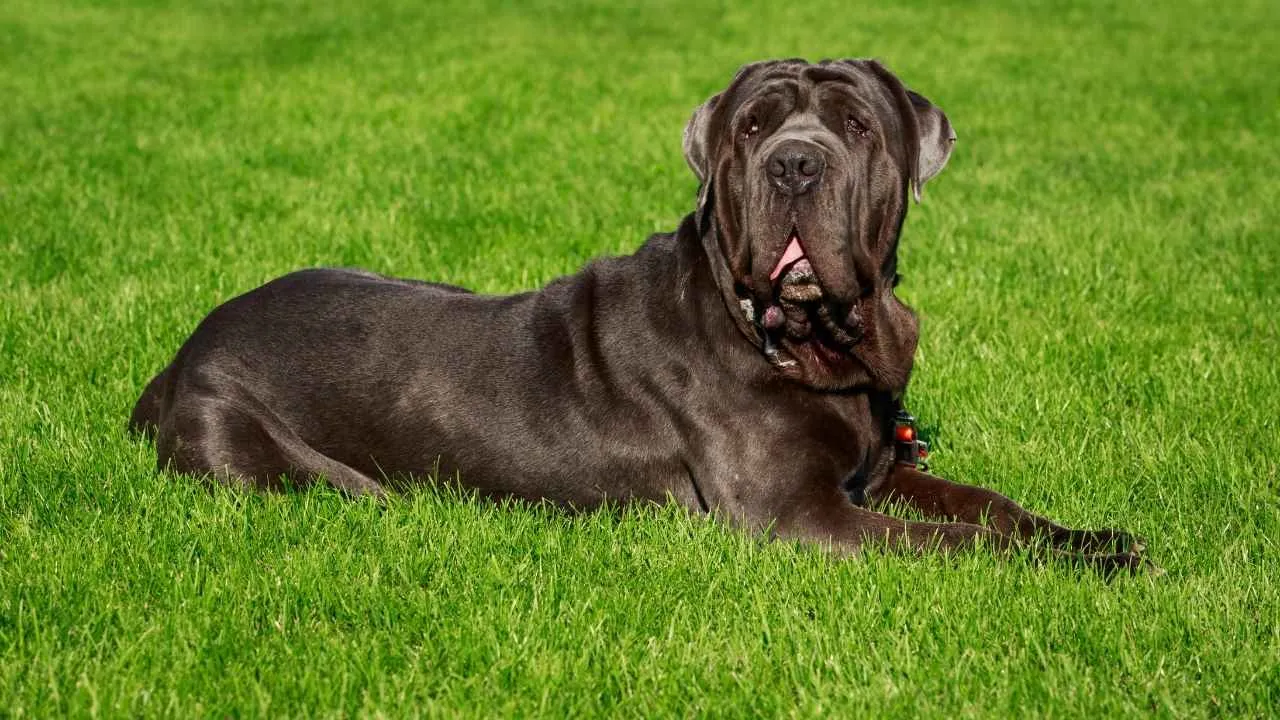
The Neapolitan Mastiff may look imposing, but behind those deep wrinkles and massive frame is a calm, loyal dog that loves being close to family.
Known for its watchful nature, this ancient guardian is naturally protective, yet usually gentle and even-tempered with the people it trusts.
For an article on quiet breeds with long resting times, the Neo earns its place with ease.
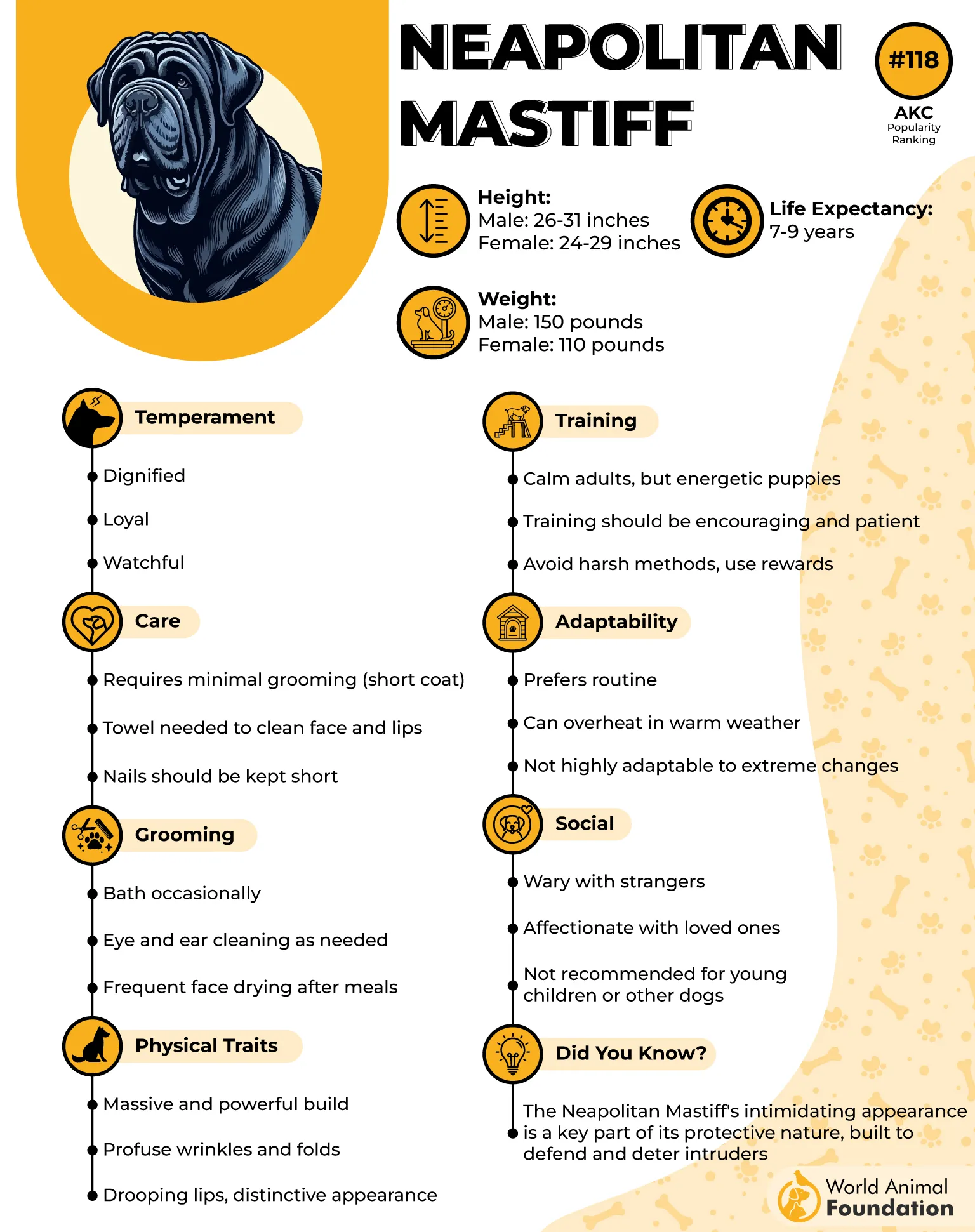
This is not a restless dog that needs constant activity. While it benefits from daily walks and regular movement to prevent laziness and weight gain, its favorite moments are often spent relaxing at home, stretching out in the yard, or simply staying near its people.
Neapolitan Mastiffs need experienced owners, firm boundaries, and early training because they can be stubborn and independent.
They also require wrinkle care, room to move, and companionship. With patient handling, this giant becomes a devoted, peaceful, and deeply protective family presence.
7. Irish Wolfhound
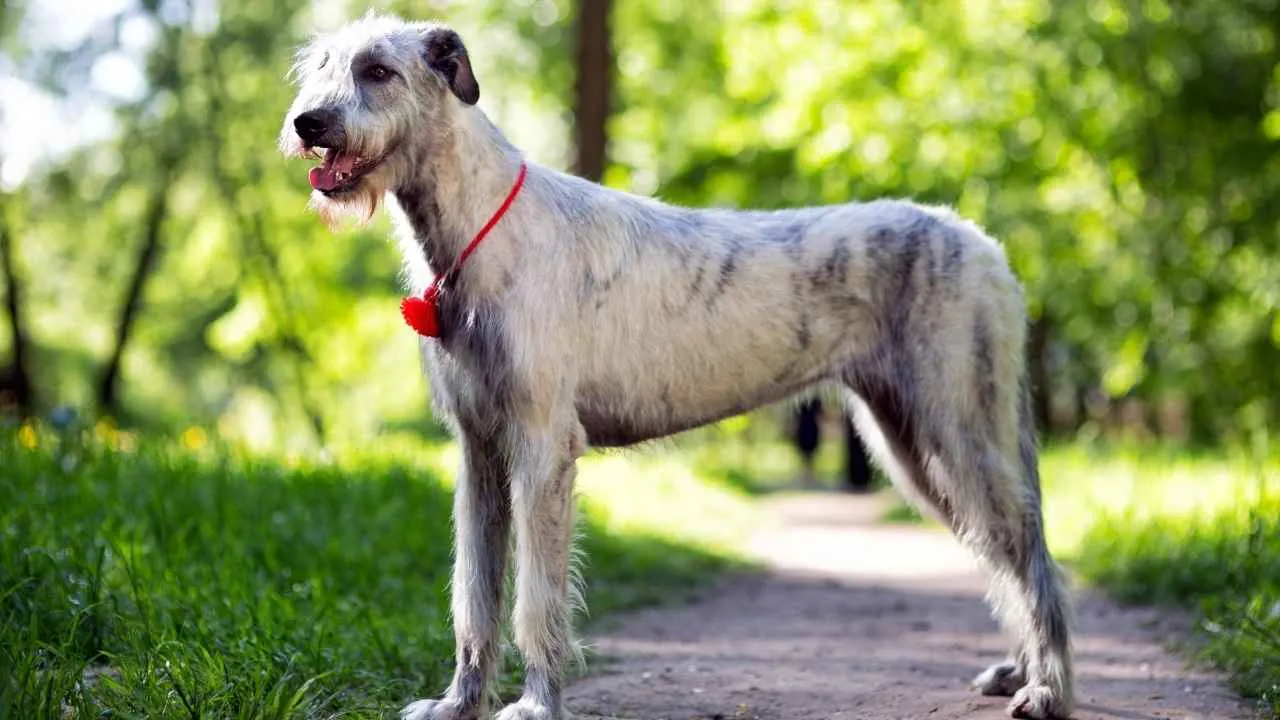
The Irish Wolfhound carries its size with a quiet grace. Towering, gentle, and dignified, this ancient breed may look powerful at first glance, but its heart is soft, sensitive, and deeply attached to family.
Once bred for hunting wolves, today’s Irish Wolfhound is far more likely to offer calm companionship than constant noise or restless energy.
For an article on quiet dogs with long resting times, this gentle giant belongs naturally.
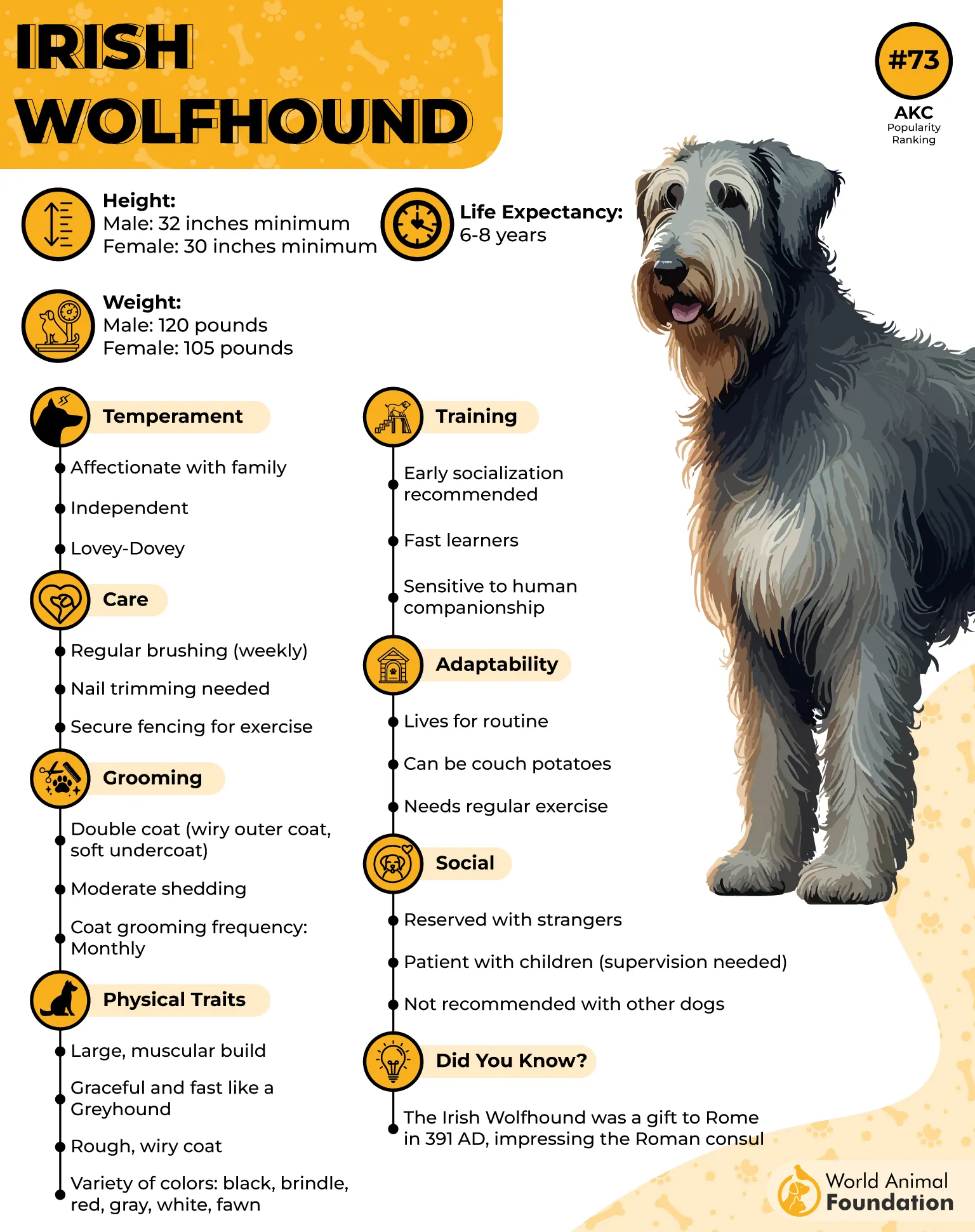
Irish Wolfhounds are generally calm, easygoing, and not known for excessive barking, though they will alert their family when something feels wrong. They enjoy regular walks and room to stretch, but they also adapt well to peaceful home life when their needs are met.
Because of their giant size, early training, socialization, and secure outdoor space are important. Their shorter lifespan and potential health concerns require attentive care. With love and structure, the Irish Wolfhound becomes a serene, loyal, and tender-hearted companion.
Conclusion
Quiet dog breeds have a special way of making a home feel calmer. They are not always the dogs that rush to fill every room with noise or endless movement; often, they are the ones resting nearby, watching softly, and offering comfort without asking for much in return.
Their longer resting times make them wonderful companions for people who enjoy a slower, more peaceful daily rhythm.
But calm does not mean careless ownership. Even the most relaxed breeds need proper exercise, healthy meals, grooming, training, and regular attention to their wellbeing. Some may have special health needs, while others require space, patience, or gentle socialization to truly thrive.
The best quiet dog is not simply the one that sleeps the most, but the one whose temperament fits your home, habits, and heart. With the right care, these peaceful companions can bring deep loyalty, warmth, and quiet joy.
