




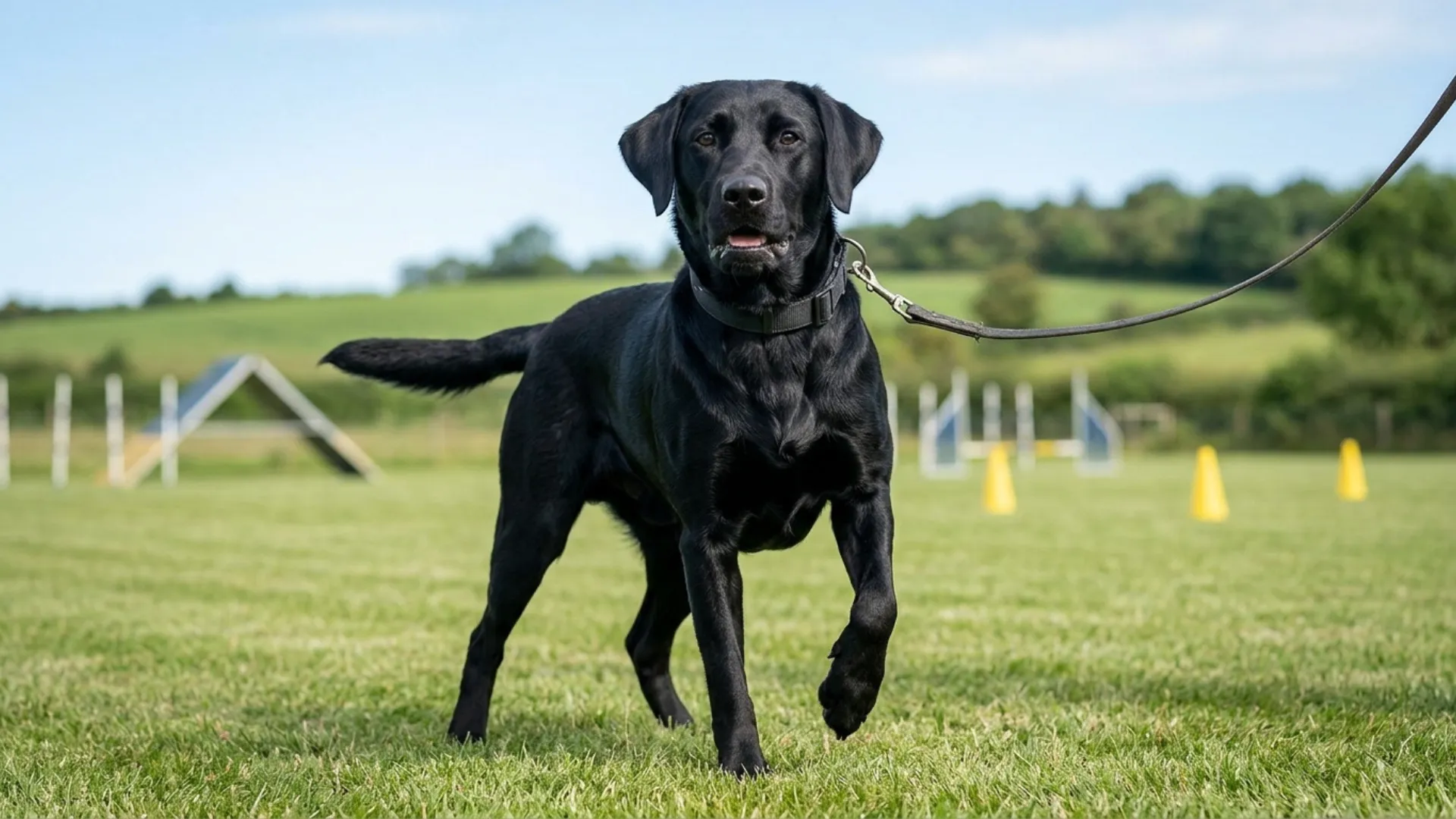
One of the most fascinating things about intelligent dogs is how differently they experience the world around them. While some simply react to what happens, others seem determined to understand it.
They notice routines, remember details, and quickly connect actions with outcomes. This ability often changes the way owners interact with them, creating a relationship built on communication rather than repetition. Intelligence influences everything from training and adaptability to problem-solving and decision-making.
It shapes how a dog approaches challenges and how effectively it responds to unfamiliar situations. The most intelligent breeds often possess a natural curiosity that keeps their minds active and engaged throughout their lives. They thrive when given opportunities to think, learn, and participate in meaningful activities.
Coming up are striking breeds whose remarkable mental abilities, quick learning capacity, and impressive awareness have earned them recognition as some of the brightest dogs in the canine world.
Key Takeaways
Intelligence in dogs often shows up in small moments, when they pause, observe, and choose their response instead of reacting blindly.
Border Collie and Poodle stand out immediately, with one built for intense focus and the other known for learning patterns faster than most breeds ever could
German Shepherd and Doberman Pinscher bring a different kind of intelligence, shaped by protection work, where reading situations matters as much as learning commands
What follows is a closer look at nine breeds whose intelligence shapes everything they do, from problem-solving to everyday awareness
Striking Dog Breeds with Unmatched Intelligence
1. Border Collie
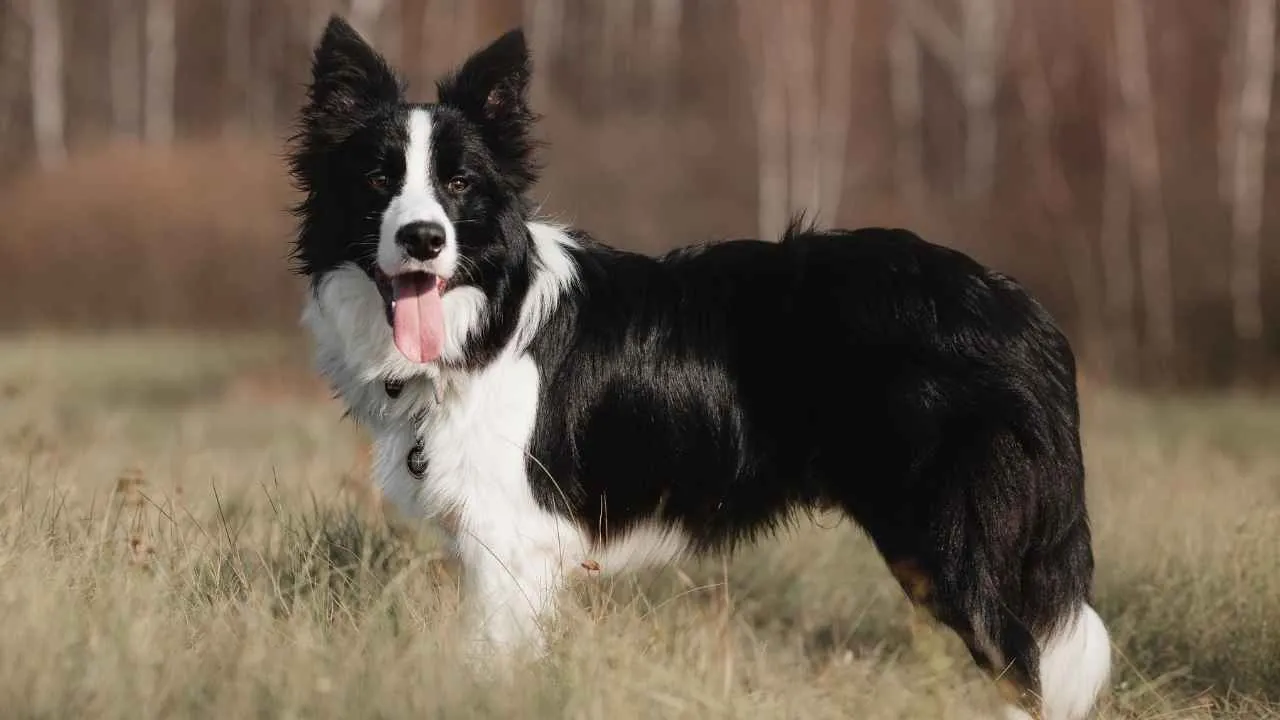
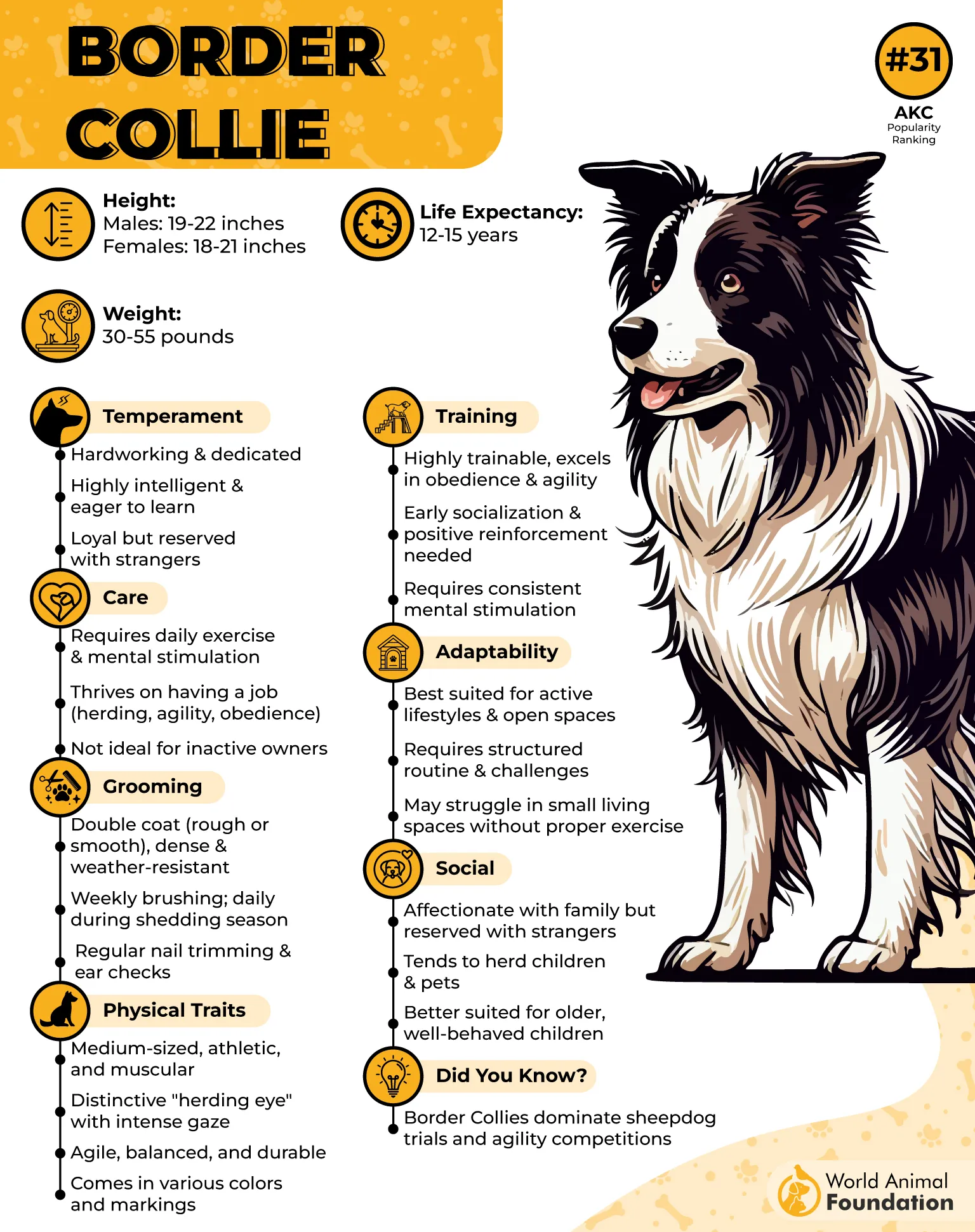
The Border Collie is known for an intense focus that rarely switches off, shaped by centuries of working livestock with precision. Its reputation as one of the most intelligent dog breeds comes from this constant problem-solving drive. Every movement reflects a mind built for control and accuracy.
Work-Driven Intelligence
The Border Collie responds best when given structured tasks that challenge both body and mind. The breed’s natural herding instinct often extends beyond sheep, influencing how it interacts in everyday environments.
A few patterns help explain its working nature:
Strong instinct to herd moving objects
High responsiveness to training tasks
Needs frequent mental stimulation
Focus and Loyalty
This smartest dog breed builds a strong connection with its handler, often anticipating actions before commands are given, as Purina noted. This sensitivity makes it highly dependable in organized activities like agility or herding sports. Even in calm moments, alert attention remains part of its nature.
2. German Shepherd
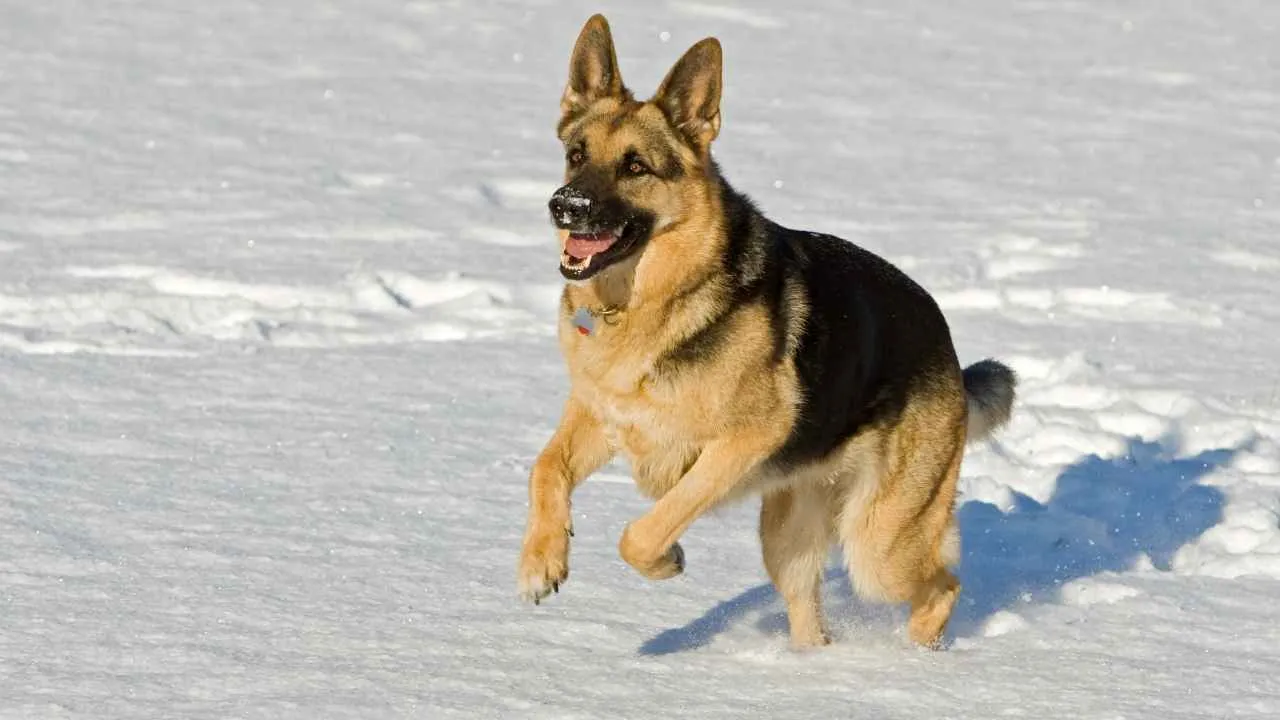
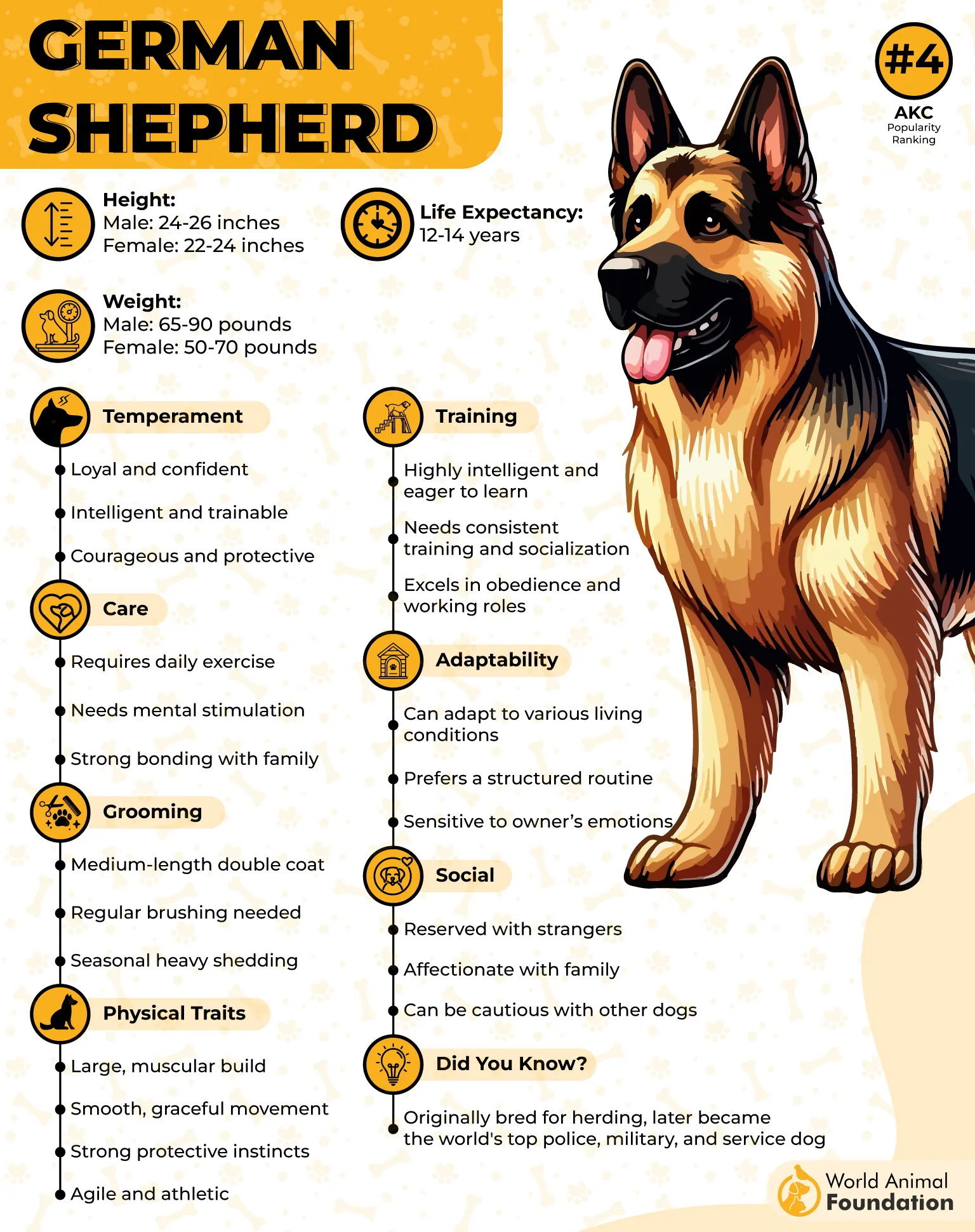
The German Shepherd carries a legacy shaped through careful selection for herding and guarding roles in Germany, later refined for intelligence and courage.
Its athletic build pairs with sharp awareness, giving it a strong working presence in demanding situations. Loyalty and focus remain central to its character.
Training Focus and Drive
This canine companion responds strongly to structured guidance and thrives when mental engagement is part of daily life. A lack of direction can lead to restless behavior, so consistent challenges help channel its energy, as PetMD writes.
A short link to its working nature explains its needs:
Learns advanced commands quickly
Requires regular mental challenges
Benefits of structured leadership
Family and Protection Balance
The German Shepherd forms a close bond with its primary handler while still fitting into broader family life. Its protective nature extends to home and loved ones, yet early social exposure helps shape balanced behavior. Children and familiar pets are generally accepted within its circle.
3. Golden Retriever
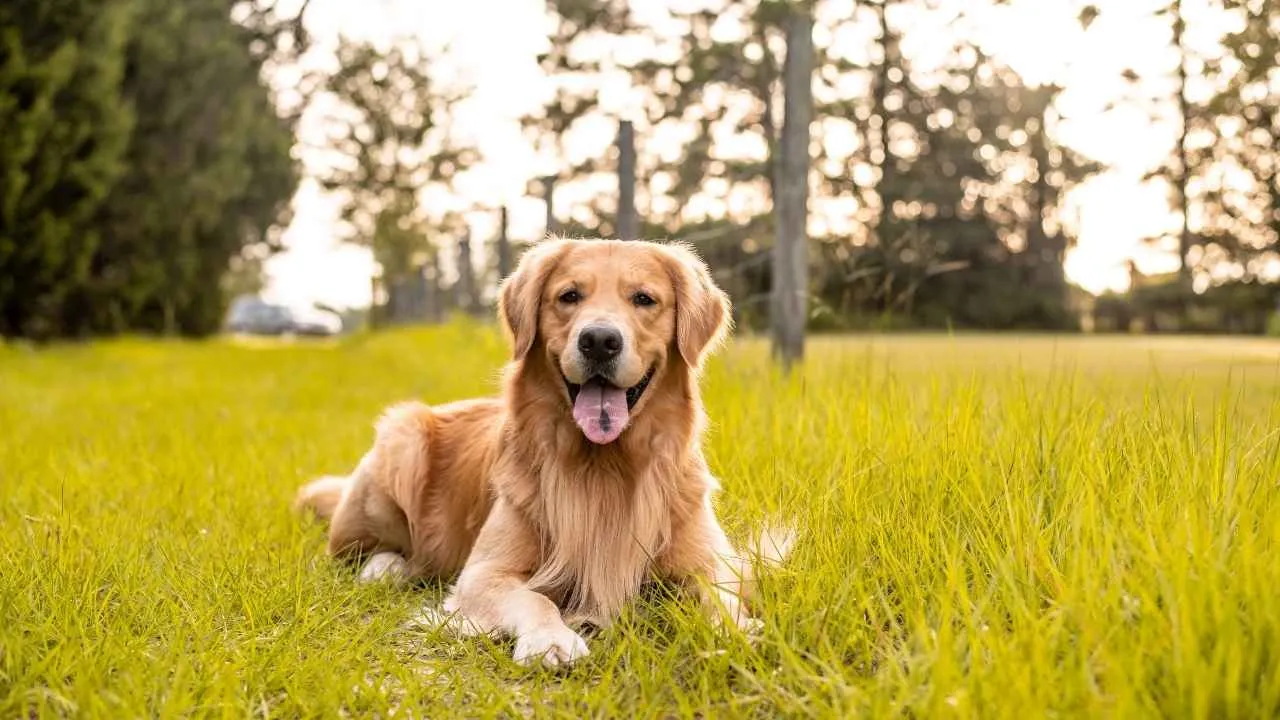
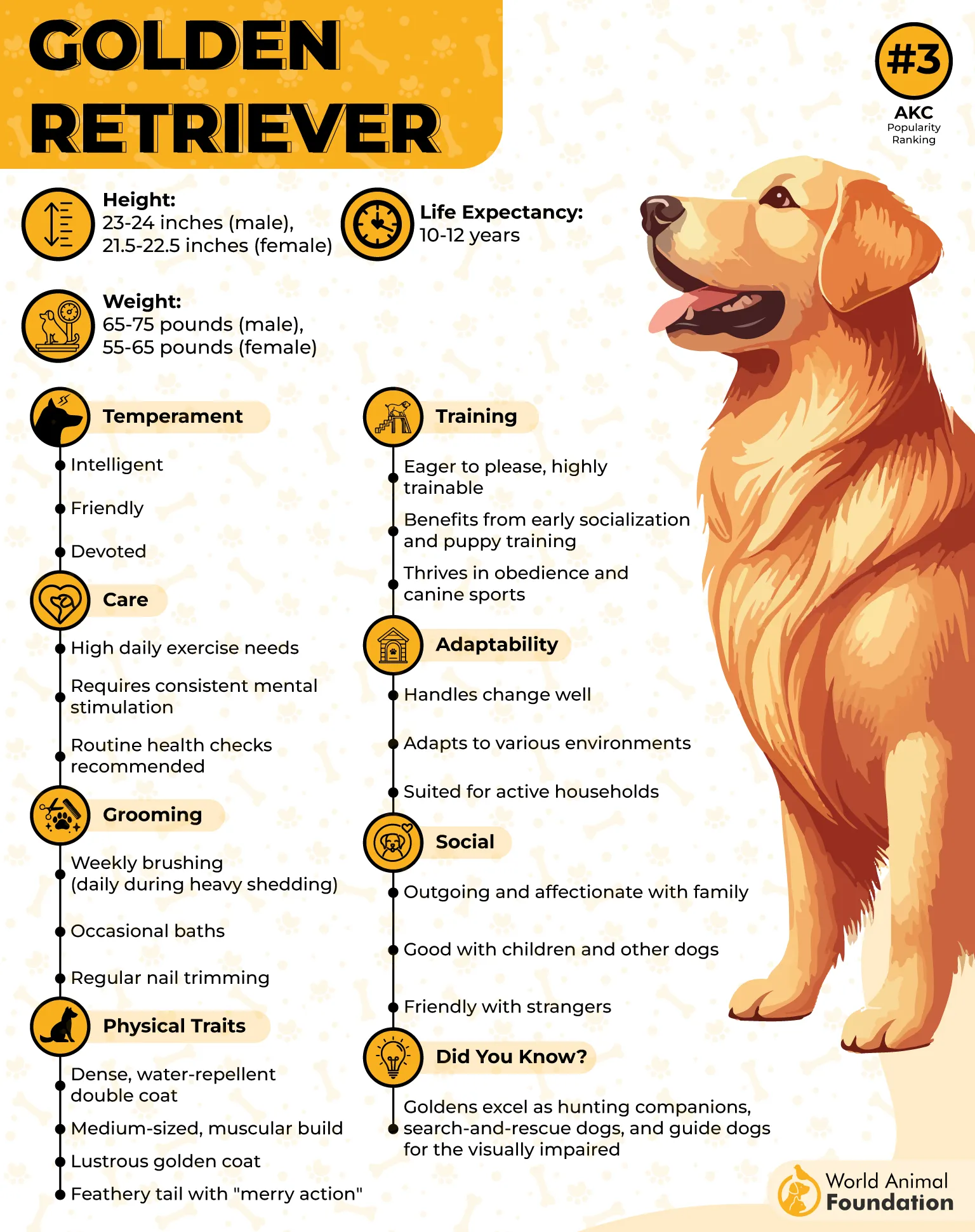
The Golden Retriever began as a purpose-built retriever in 19th-century Scotland, shaped through careful crossing of working water and field dogs under Lord Tweedmouth.
Dense terrain retrieval needs influenced its strong, balanced build and steady focus. Over time, its working ability blended with an exceptionally cooperative nature.
Highly Trainable Mindset
A strong desire to work alongside people makes training smooth and engaging, with a quick response to structured tasks, as per Omlet. This breed’s intelligence places it among the most capable learners in canine groups, often excelling in organized activities.
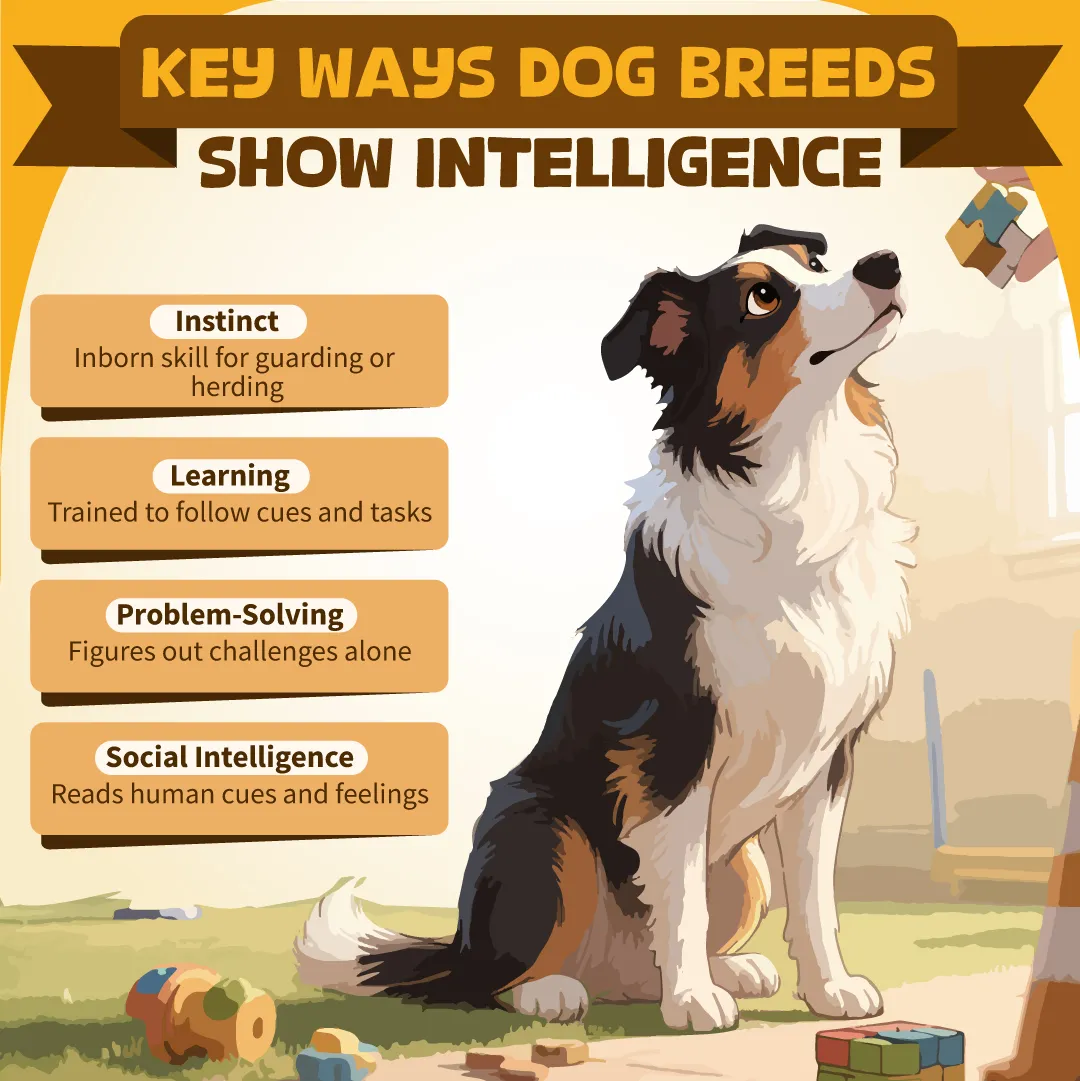
These traits highlight how this ability appears in action:
Quick response to instructions
Strong focus during learning tasks
Enjoys structured interactive games
Social and Gentle Nature
The Golden Retriever interacts with a calm, approachable temperament that blends easily into family settings. It forms strong connections across all age groups and remains steady around other animals. Playful moments often balance its calm and patient behavior.
4. Labrador Retriever
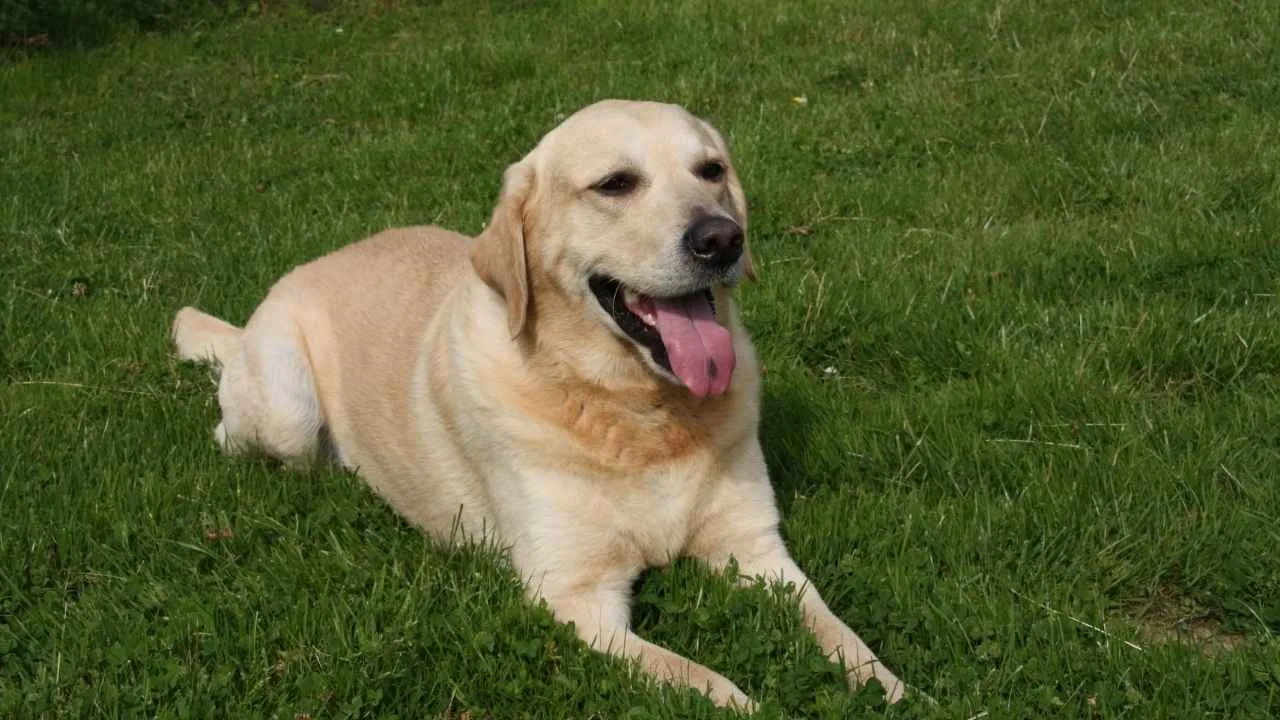
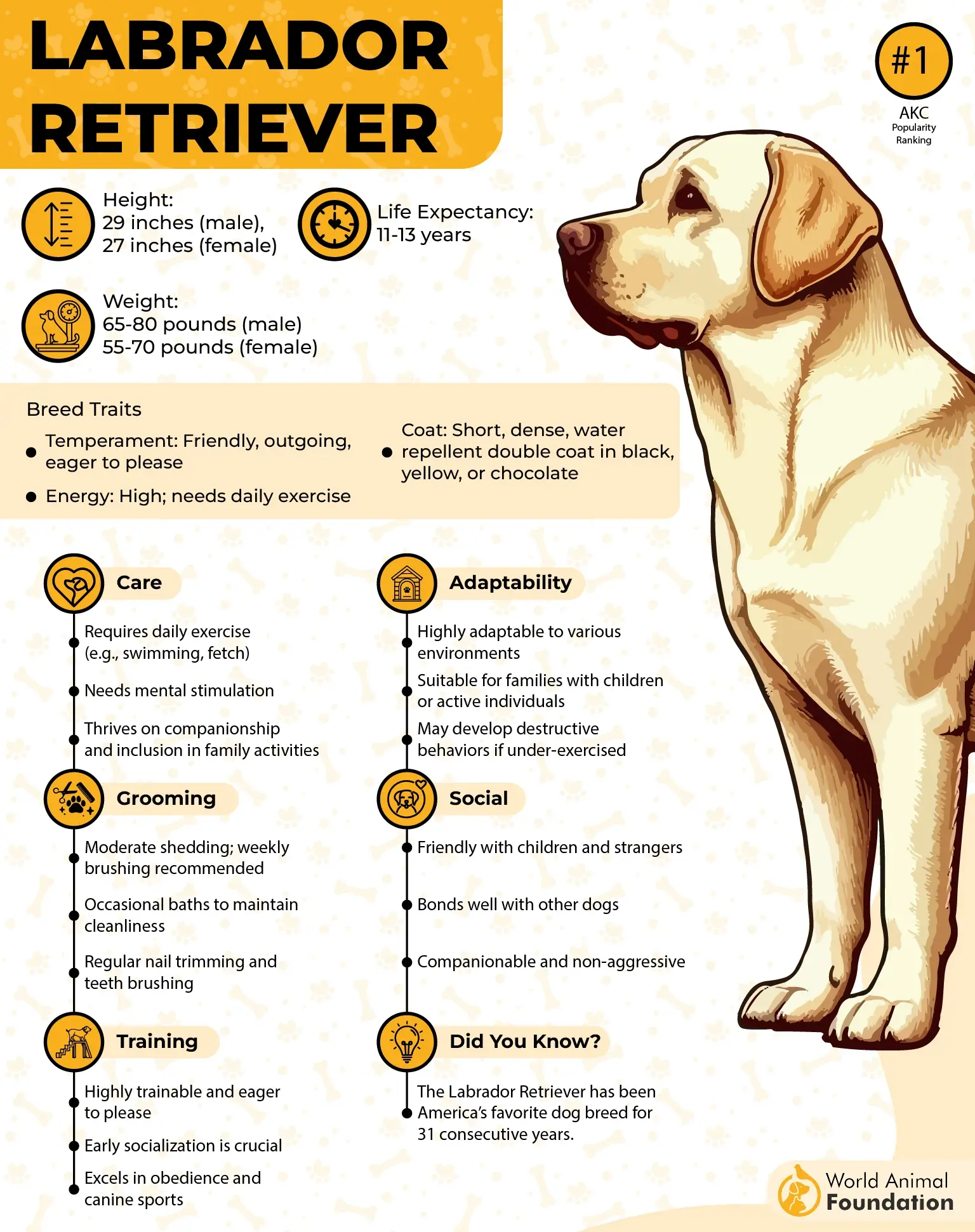
The Labrador Retriever carries a natural ease around water, shaped by early working roles that involved retrieving game, fish, and pulling small boats across cold lakes. Its athletic build reflects that steady working background without losing its gentle expression.
Highly Trainable Nature
Ranked at 7th in canine intelligence, they are widely valued for their quick learning ability and steady obedience, making them suitable for structured training from an early age. Their cooperative mindset supports work in assistance, detection, and therapy roles.
A closer look highlights how this intelligence translates into action.
Learns commands with consistency
Responds well to structured training
Adapts easily to varied roles
Social and Family-Oriented Behavior
The Labrador Retriever interacts easily with people, children, and other dogs, often forming close daily bonds within the household. Its patient temperament keeps interactions smooth, even in active environments. This social ease reflects a strong need for companionship.
5. Doberman Pinscher
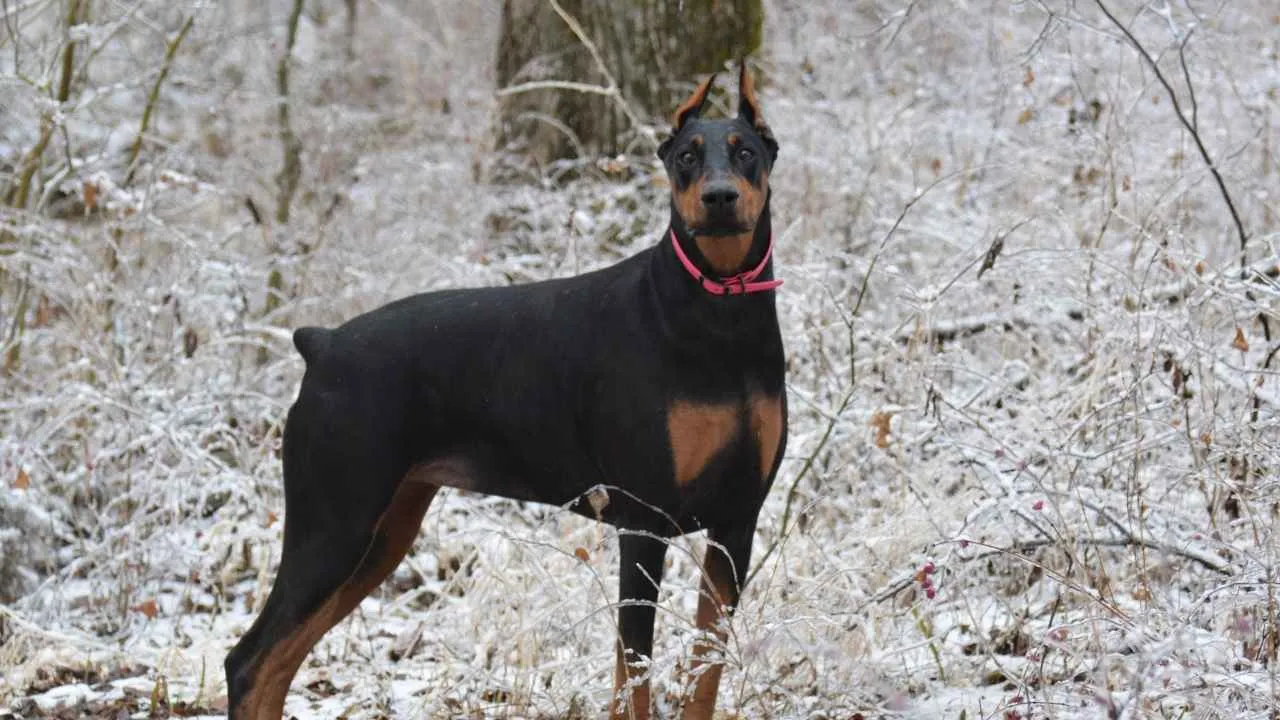
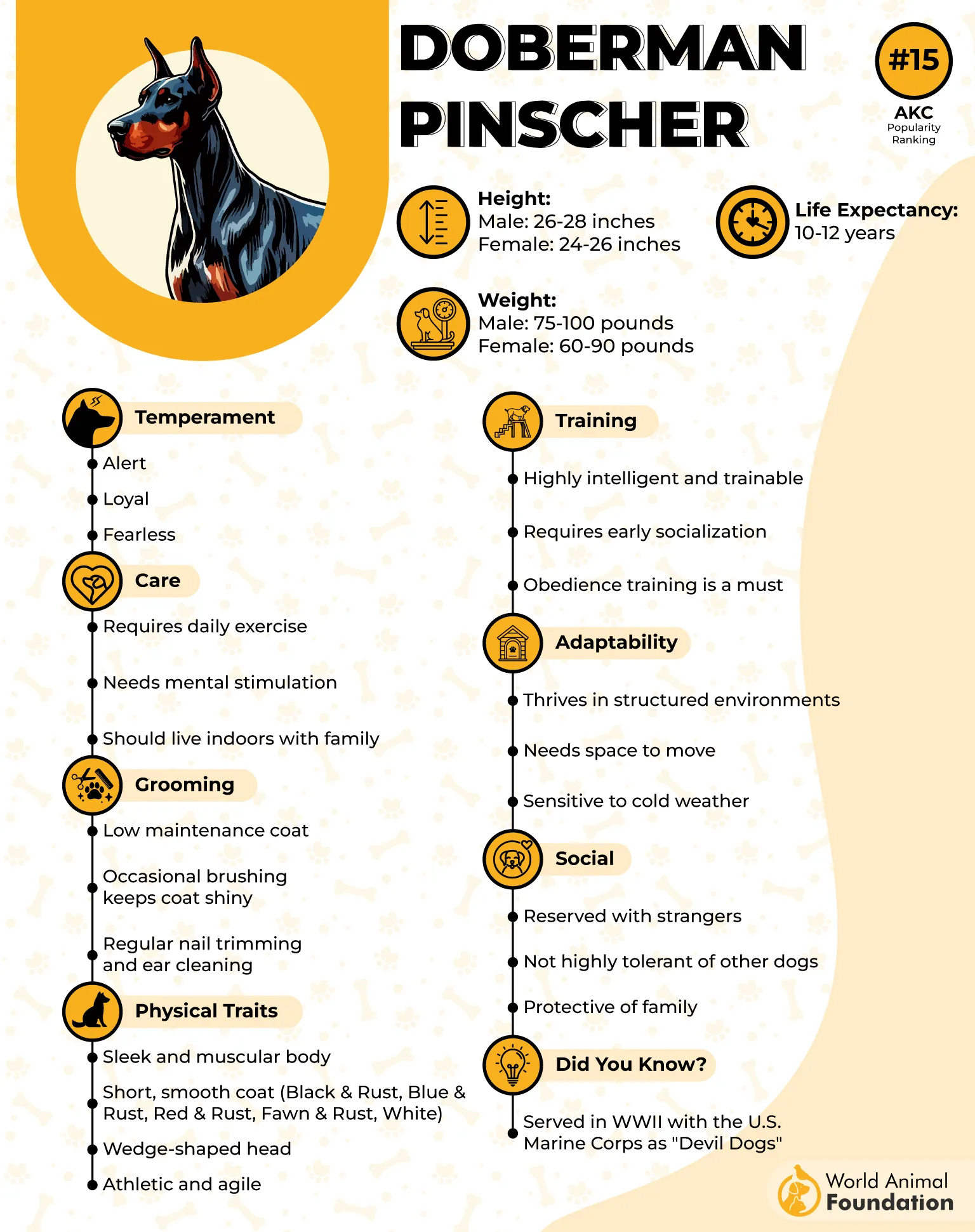
The Doberman Pinscher has a streamlined build suited for protection work, first developed in Germany by Louis Dobermann in his role as a tax collector.
The breed later found roles in police work and wartime service, valued for control and alert response. Its sharp presence reflects a purpose-driven working background.
Focused Intelligence
It is widely regarded for advanced problem-solving ability, ranking among the top 5 in working and obedience intelligence groups. Mental engagement plays a central role in its routine, along with structured training that channels its sharp learning speed.
A few core traits explain its working mindset:
Highly responsive to obedience training
Strong protective awareness
Quick learning under guidance
Alert and Loyal Temperament
The Doberman Pinscher builds a strong attachment with its family, often staying close and observant in its daily surroundings. Around unfamiliar people or dogs, it becomes cautious and measured in its reactions. Within familiar spaces, its affectionate side appears more clearly.
6. Poodle
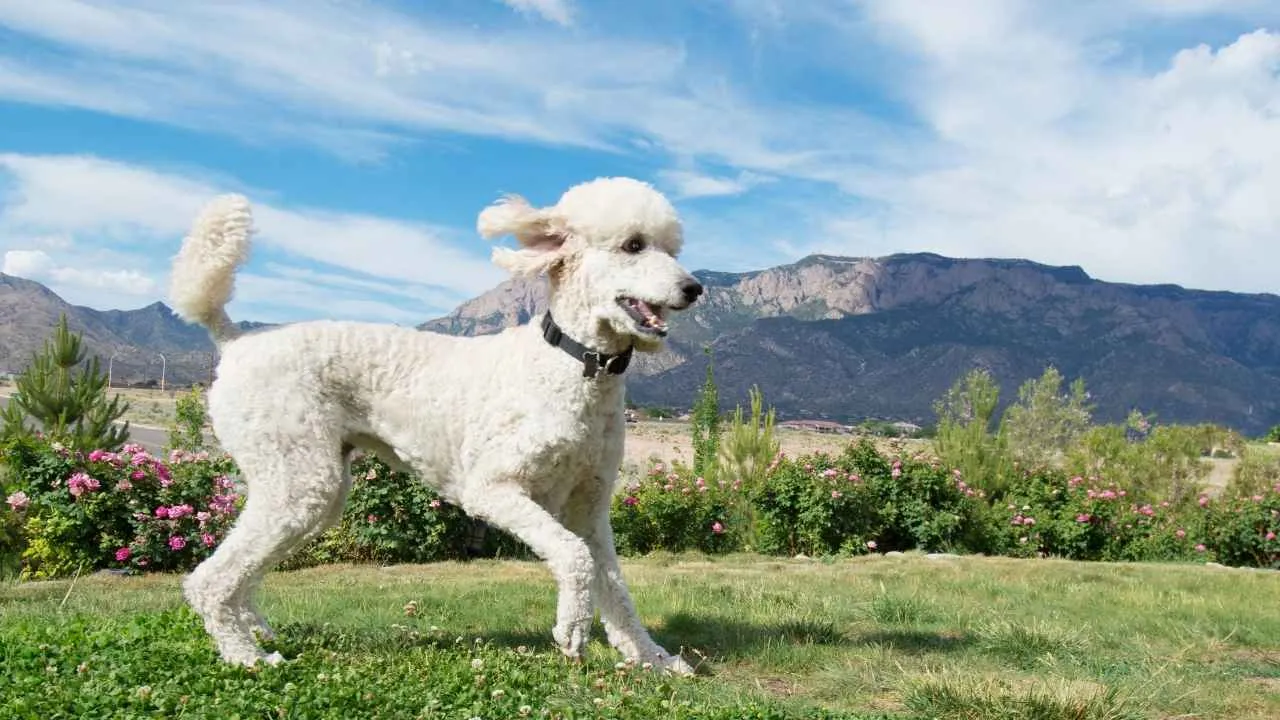
The Poodle is widely ranked as the second most intelligent dog breed, a reputation earned through quick learning and sharp problem-solving.
Its mind works fast enough that lessons often require only a few repetitions before becoming familiar. This eagerness to learn has shaped the breed’s reputation across generations.
Built to Learn
Intelligence becomes most noticeable when a dog can apply it in different roles, and the Poodle excels in that area. From herding and hunting to water work, it approaches tasks with enthusiasm and focus.
Their versatility is shown in these habits:
Learns commands quickly
Enjoys structured training
Eager to earn praise
Social and Independent
Poodles enjoy close interaction and generally fit well with other pets when socialized early. They can appear reserved around unfamiliar people at first, though friendliness often follows once trust forms. Their independent thinking means clear guidance and consistency are important from the beginning.
7. Shetland Sheepdog
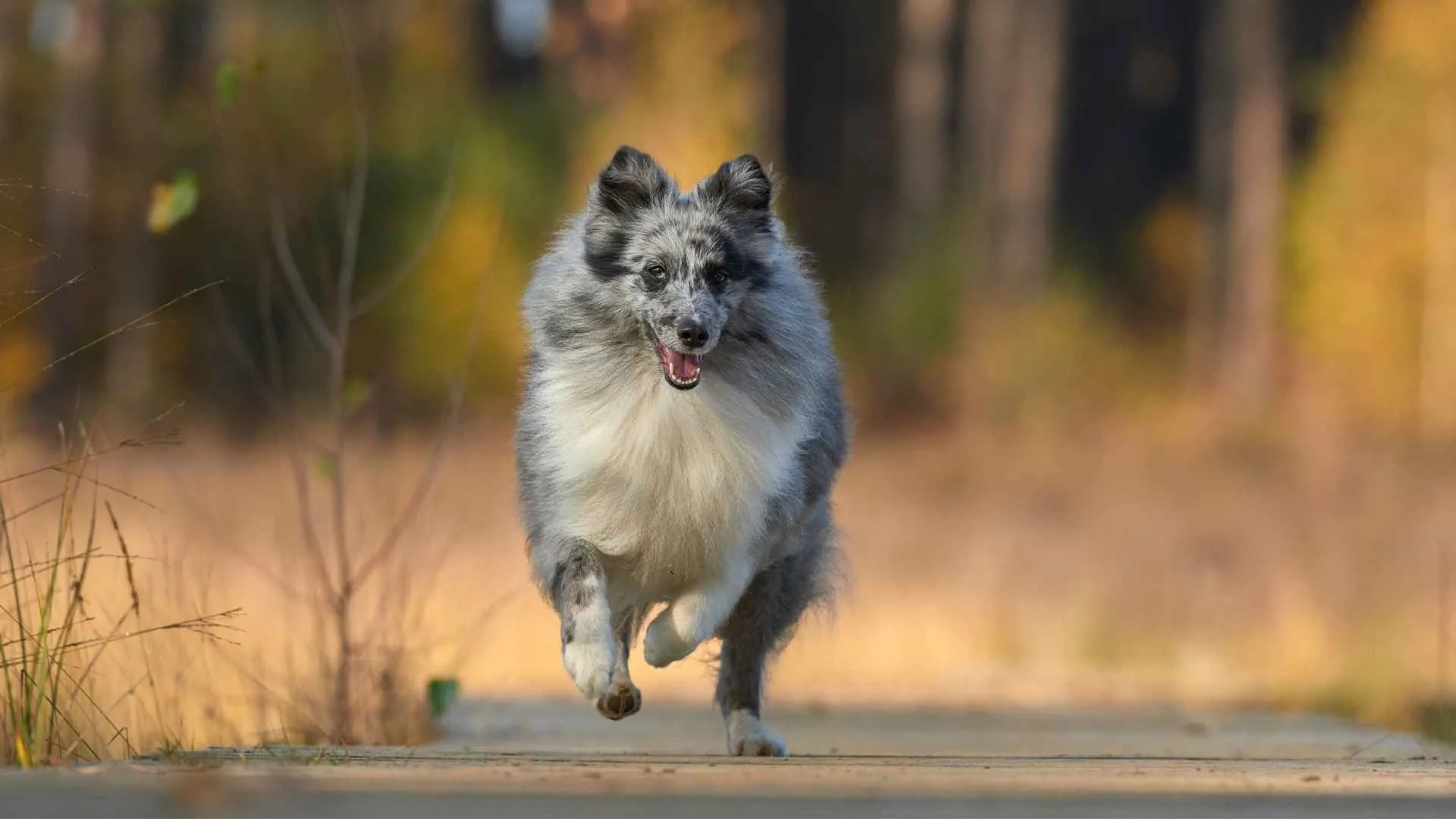
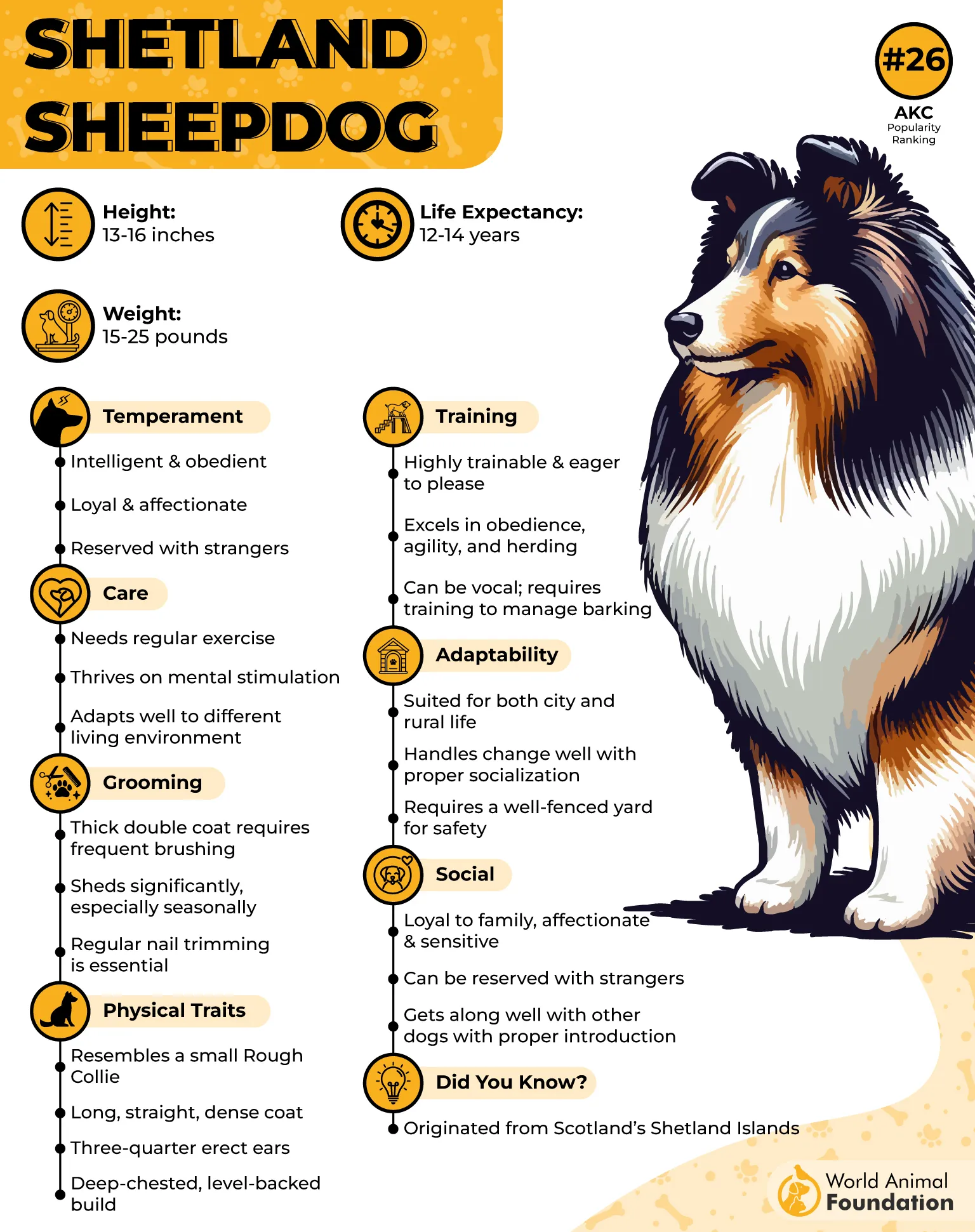
The Shetland Sheepdog earned a reputation as one of the world’s brightest breeds while working with livestock on Scotland’s rugged islands. Limited grazing land favored smaller animals, and the dogs working alongside them followed the same practical path.
Built to Learn
Ranking sixth among the smartest dog breeds, the Sheltie excels when given tasks that challenge both focus and problem-solving. Learning comes naturally, and the breed enjoys working closely with its people.
These qualities help explain that reputation:
Quick to learn commands
Excels in agility and obedience
Enjoys mental challenges
Always Aware
Shetland Sheepdog rarely misses activity happening around the home, whether it is a visitor at the door or movement outside. Their alert nature keeps them engaged with their surroundings, and curiosity often leads them from room to room. Even rest periods rarely dull that awareness.
8. Rottweiler
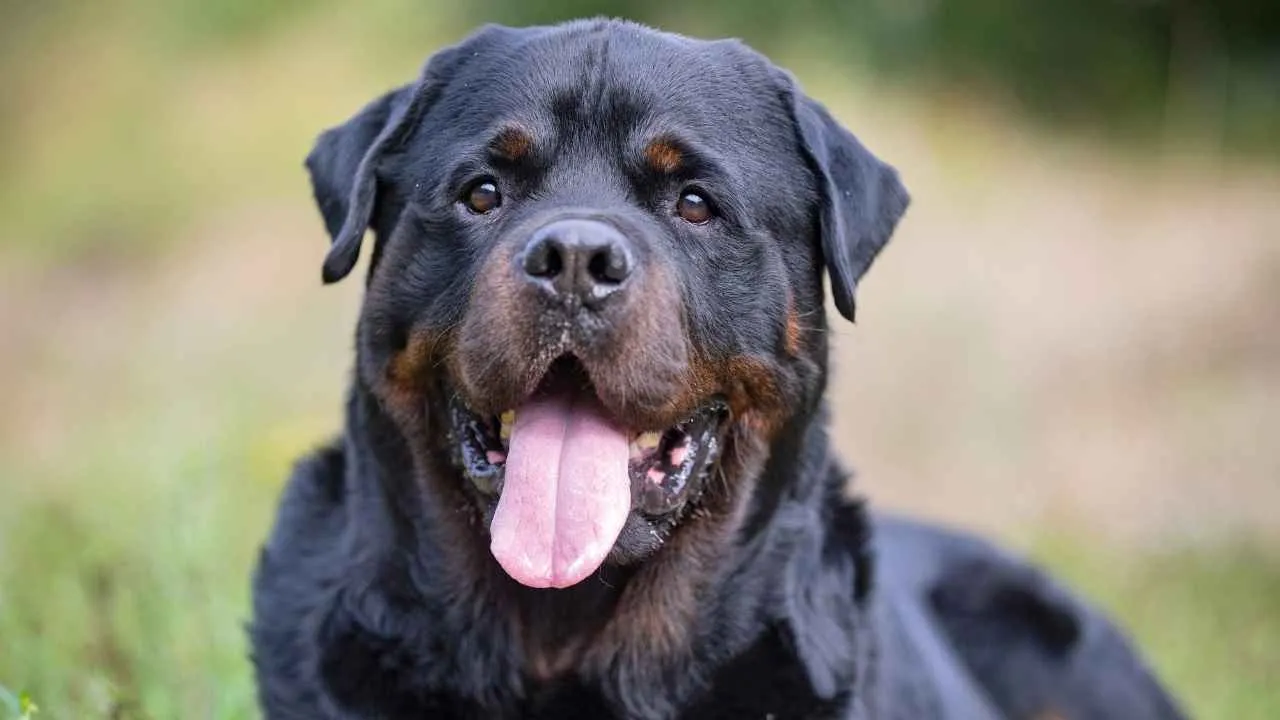
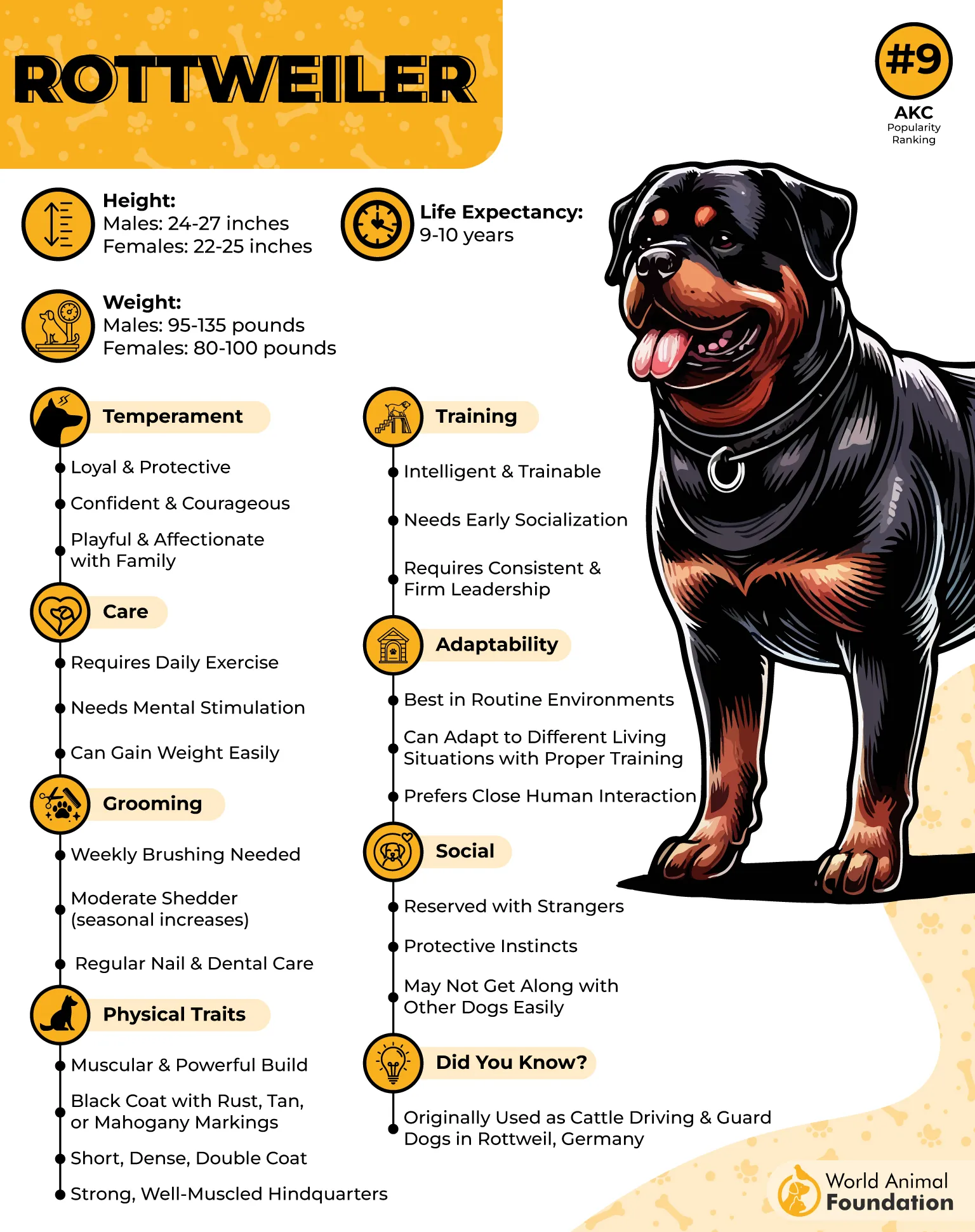
The Rottweiler earned a place among the highest-ranked canine thinkers, placed ninth overall in Stanley Coren’s intelligence research. Long before modern companionship, this breed handled cattle, pulled butchers’ carts, and protected valuable goods in southern Germany.
Thinking Beyond Commands
Intelligence in a Rottweiler goes beyond learning cues and extends into reading situations with care. Their thoughtful nature often appears in how they assess people and surroundings before reacting.
A few traits help explain this reputation.
Quick problem-solving ability
Strong situational awareness
Learns with consistency
Purposeful Learning
A powerful dog with a confident temperament, the Rottweiler benefits from firm and consistent guidance from the beginning. Training helps channel protective instincts appropriately while reinforcing self-control. Their willingness to learn works best when expectations remain clear and structured.
9. Miniature Schnauzer
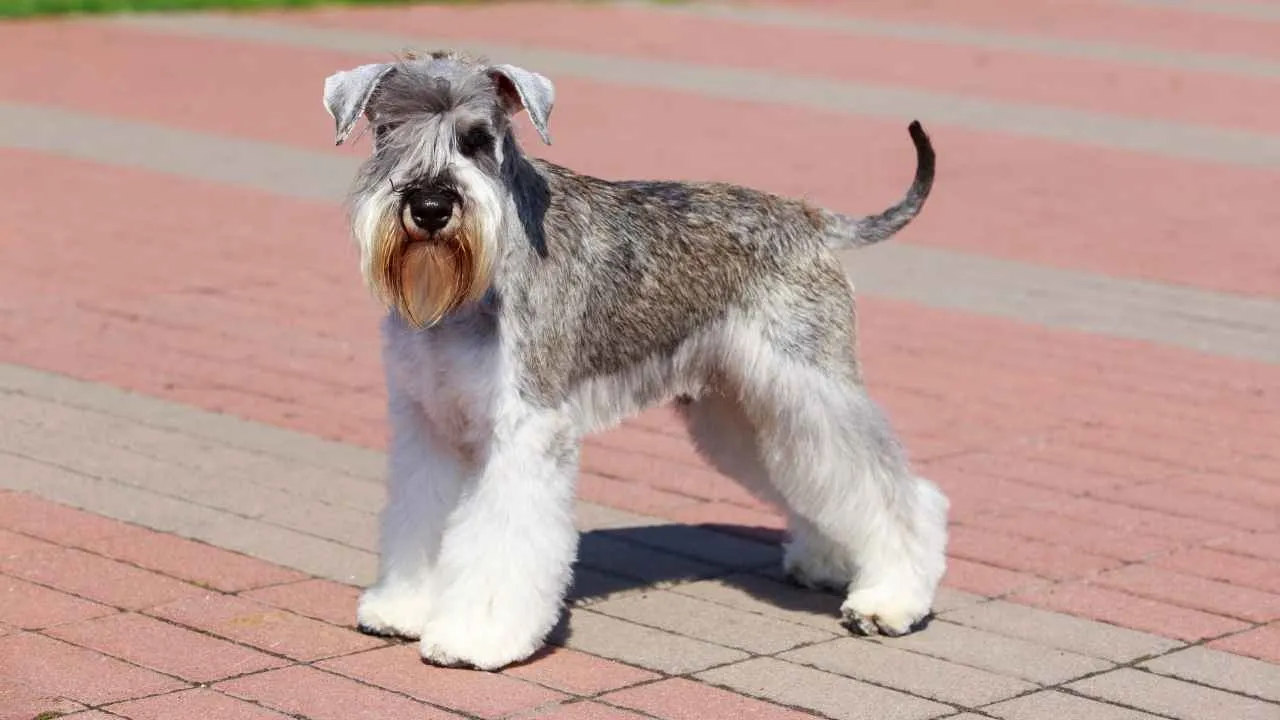
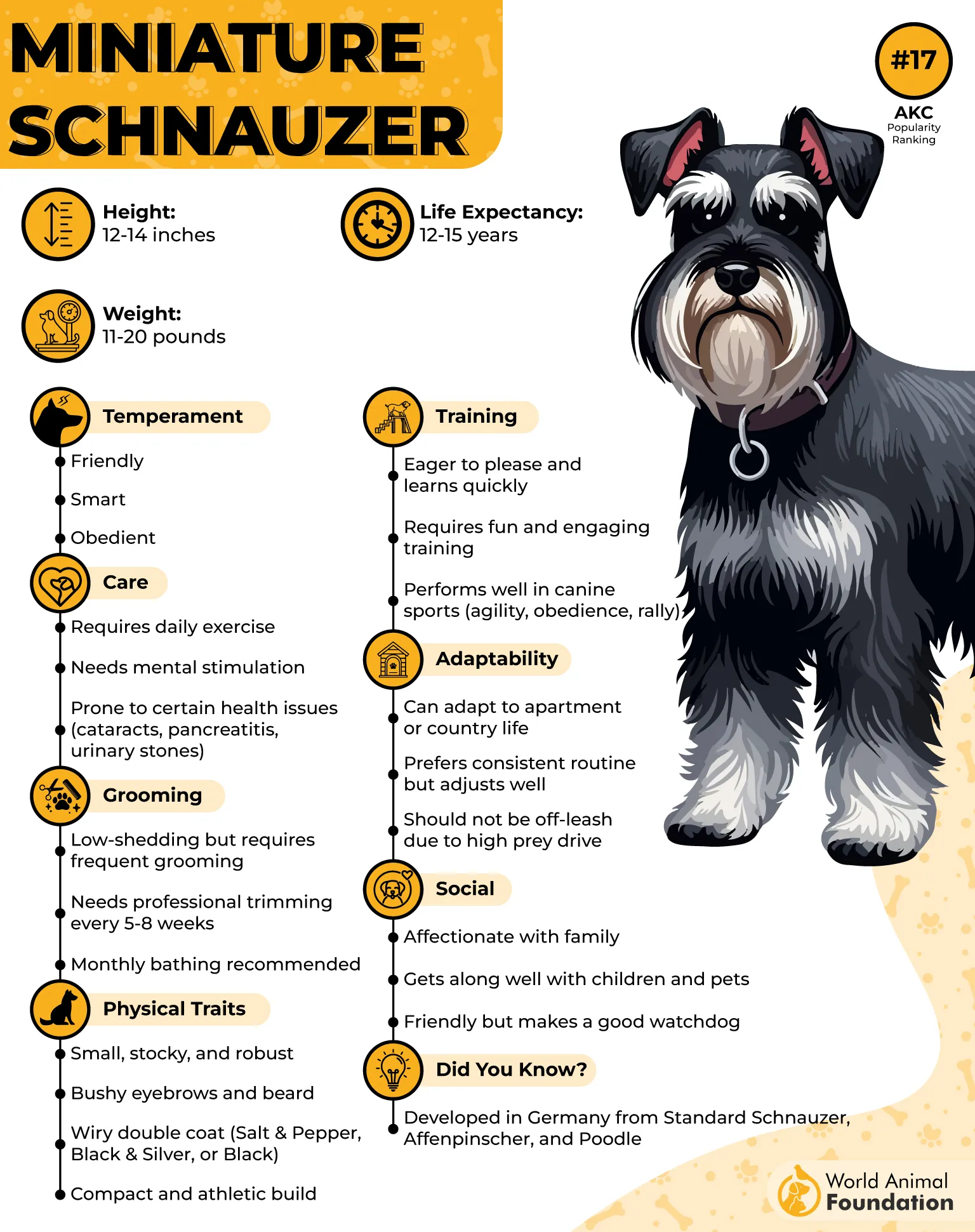
The Miniature Schnauzer was originally bred in Germany to hunt rats and keep watch around farms. That practical purpose demanded quick decisions, constant awareness, and a willingness to tackle tasks larger than its size. Intelligence remains one of the breed’s defining strengths.
Learning Ability
Among more than 130 breeds evaluated for working and obedience intelligence, the Miniature Schnauzer ranks 12th overall. This impressive placement reflects how quickly it understands and responds to training.
Their reputation is enhanced by these qualities:
Learns commands quickly
Highly alert to surroundings
Responds well to training
Problem-Solving Nature
Miniature Schnauzers rarely ignore activity around them and often react immediately to unfamiliar sounds. Their determination also appears during walks, where they eagerly investigate small animals and interesting scents. That curiosity keeps their mind constantly engaged.
Conclusion
Intelligence in dogs is not measured only by how many commands they can learn. It also appears in their ability to observe, adapt, and respond thoughtfully to the world around them. A highly intelligent dog often combines learning ability with awareness, curiosity, and a willingness to engage with people, even recognizing human emotions during everyday interactions.
These qualities create companions that often seem one step ahead, noticing details others miss and approaching complex tasks with confidence. For owners willing to provide guidance, enrichment, and meaningful training sessions, intelligence becomes one of the most rewarding aspects of daily life together.
