




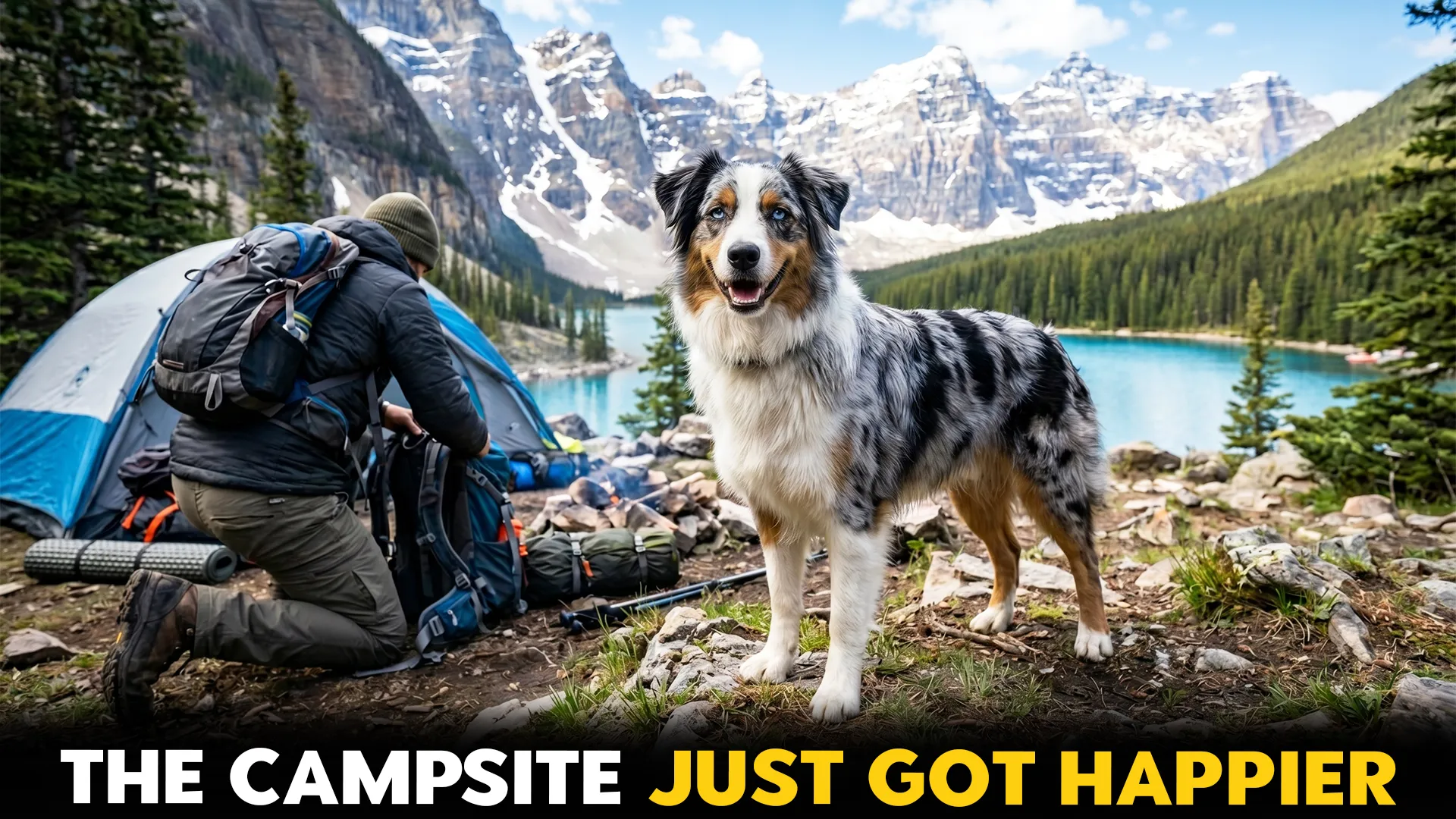
There are two types of dogs in this world.
The first group hears the word “walk” and gets excited. The second group hears a zipper on a hiking backpack from three rooms away and immediately starts planning an expedition.
This article is dedicated to the second category—the outdoor legends who treat every camping trip like the greatest adventure ever created.
Camping with a dog isn’t just about bringing your pet along for the ride. Studies from organizations such as the American Kennel Club and outdoor recreation groups consistently show that active dogs thrive when they have opportunities to explore, exercise, and engage their senses in natural environments. For many breeds, spending time outdoors isn’t simply enjoyable—it’s part of their DNA.
If you’re looking for a canine adventure companion that will eagerly join every road trip, hiking expedition, and camping getaway, these breeds deserve serious consideration. Grab your hiking boots, pack some treats, and let’s meet the dogs that were practically born for life under the stars.
Outdoor Dog Breeds That Excel on Camping Trips
1. Labrador Retriever
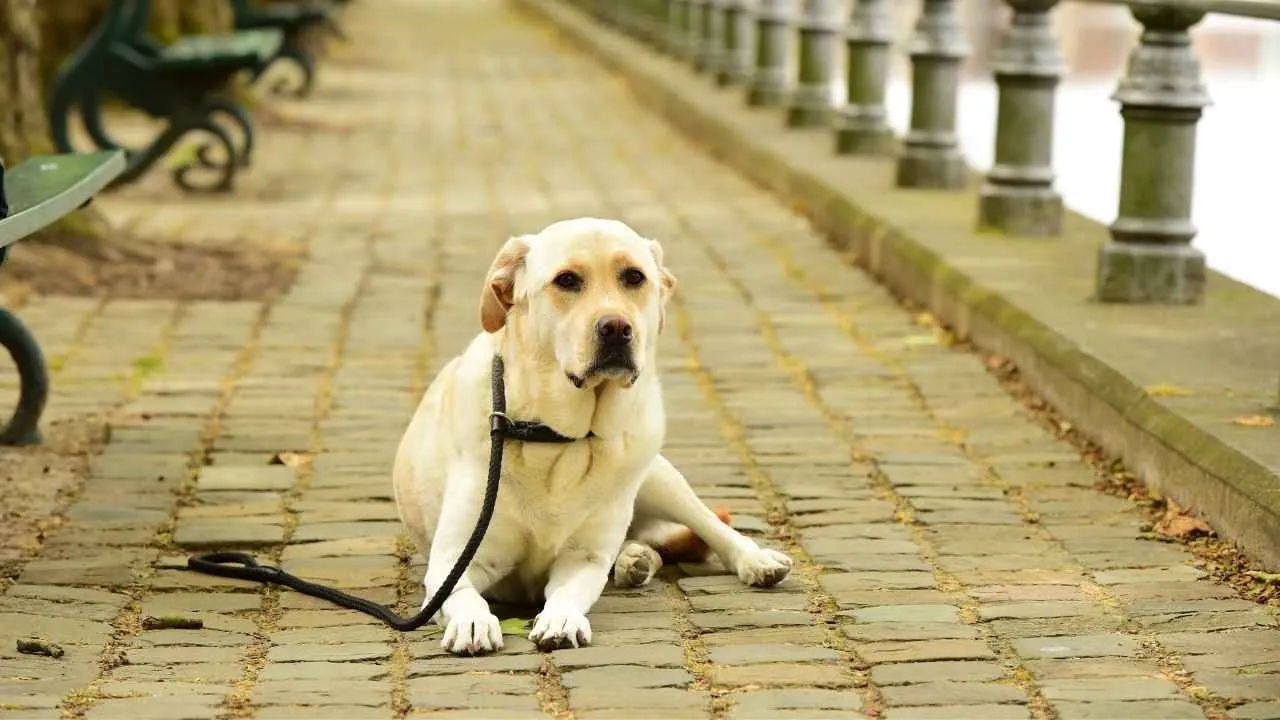
The Labrador Retriever has spent decades ranking among the world’s most popular dog breeds, and camping enthusiasts quickly understand why. Labs combine friendliness, athleticism, trainability, and adaptability in a package that feels almost unfairly perfect.
Whether you’re hiking through forests or setting up camp beside a lake, a Labrador is usually having the best day ever.
Many outdoor owners report that their Labs can spend hours exploring trails and still have enough energy left to investigate every stick along the way. Water-loving behavior remains one of the breed’s most recognizable traits.
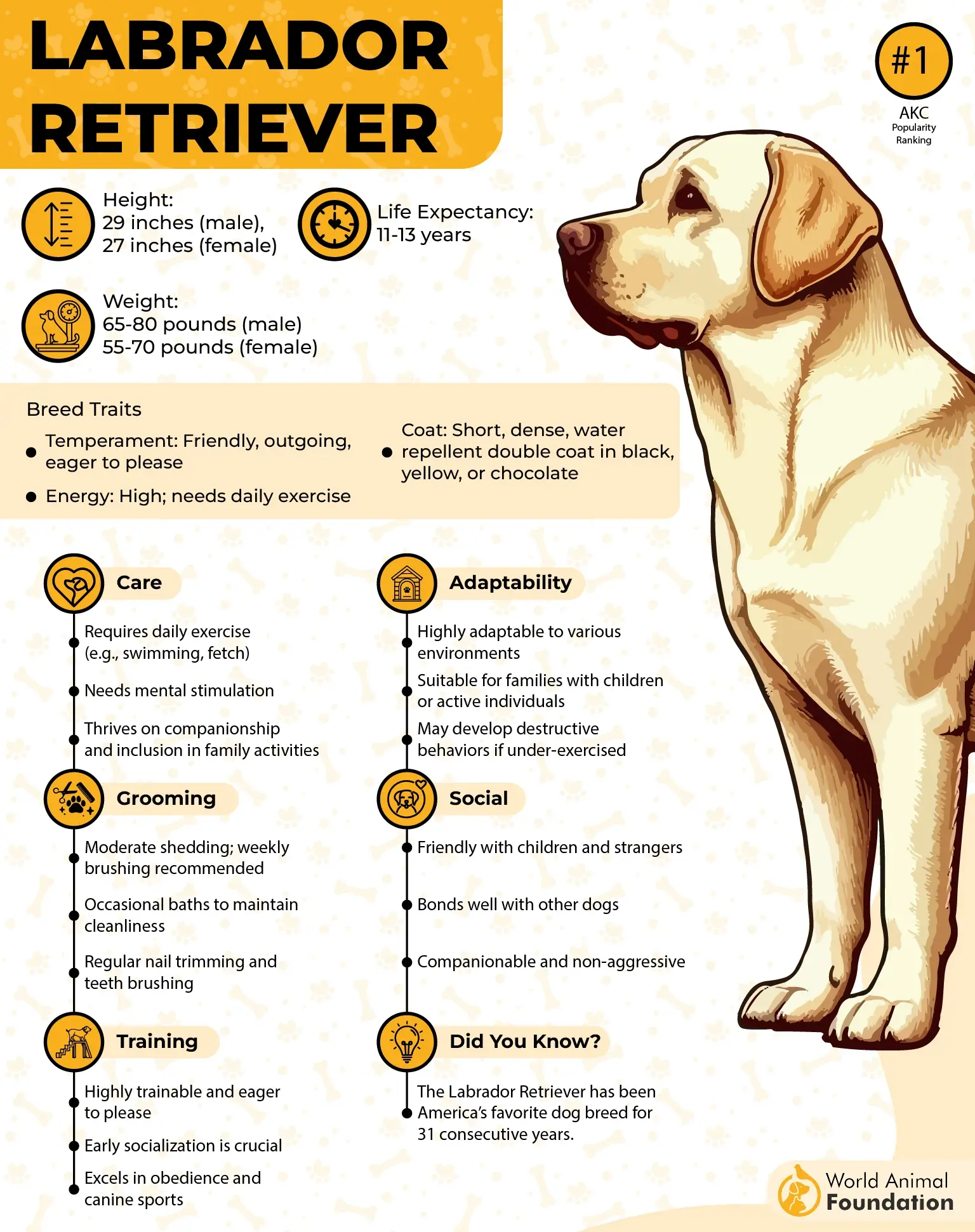
One reason Labradors excel on camping trips is their versatility. They can comfortably accompany families, solo hikers, fishing enthusiasts, and weekend adventurers alike. Their friendly nature also helps them remain approachable around other campers and dogs.
Training tends to be straightforward because Labs genuinely enjoy working with people. They consistently rank among the easiest breeds to train according to many professional trainers and canine behavior experts.
Perhaps the greatest advantage of camping is its emphasis on shared experiences. Labradors don’t care whether the activity involves kayaking, hiking, fishing, or simply sitting beside a campfire.
What To Pack For The Camping Trip?
A floating retrieval toy helps satisfy the Labrador’s natural love of water.
Portable hydration equipment is essential because active Labs can drink surprisingly large amounts during long hikes.
A durable outdoor sleeping mat provides comfort after a day of nonstop exploration.
2. Australian Shepherd
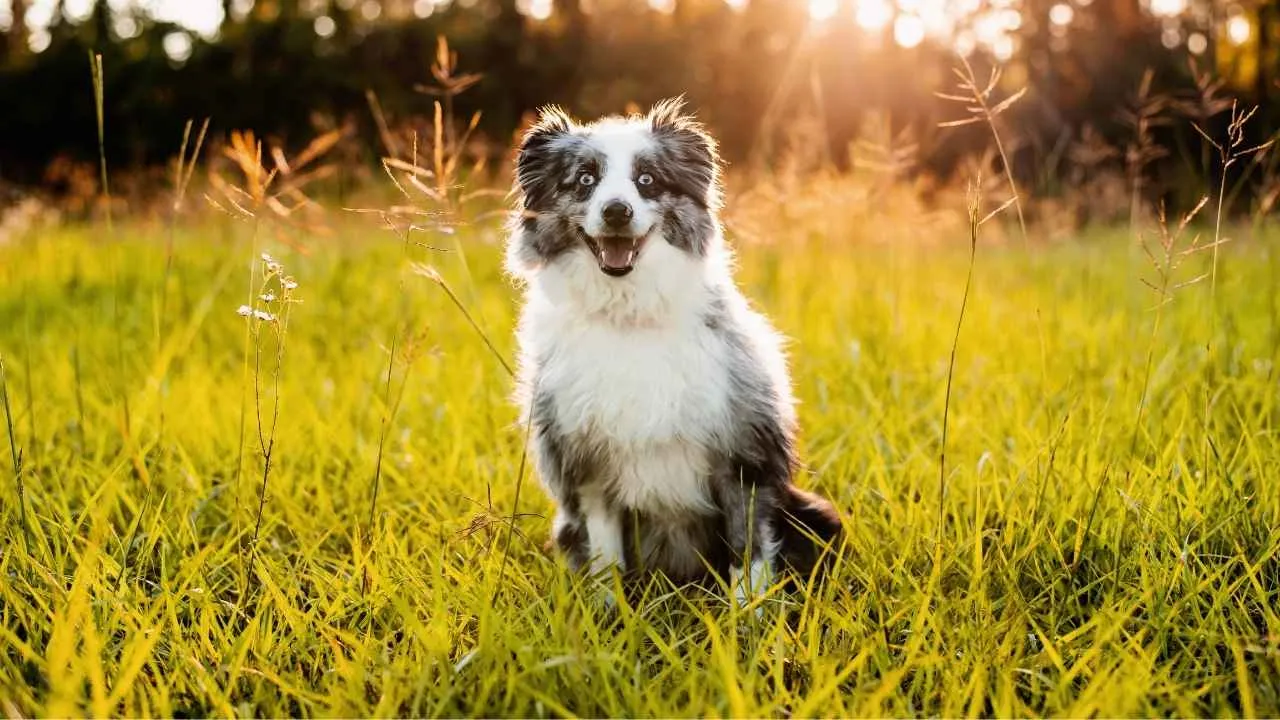
Australian Shepherds approach camping the same way some people approach music festivals—with maximum enthusiasm and zero intention of slowing down. These highly intelligent herding dogs thrive when they have a job to do and a landscape to explore. A camping trip provides both in abundance.
Despite their name, they were largely developed in the United States and became famous for working alongside ranchers. Their history as hardworking livestock managers created incredible endurance and problem-solving abilities.
Those traits translate beautifully to outdoor adventures, making them among the best hiking dogs out there.
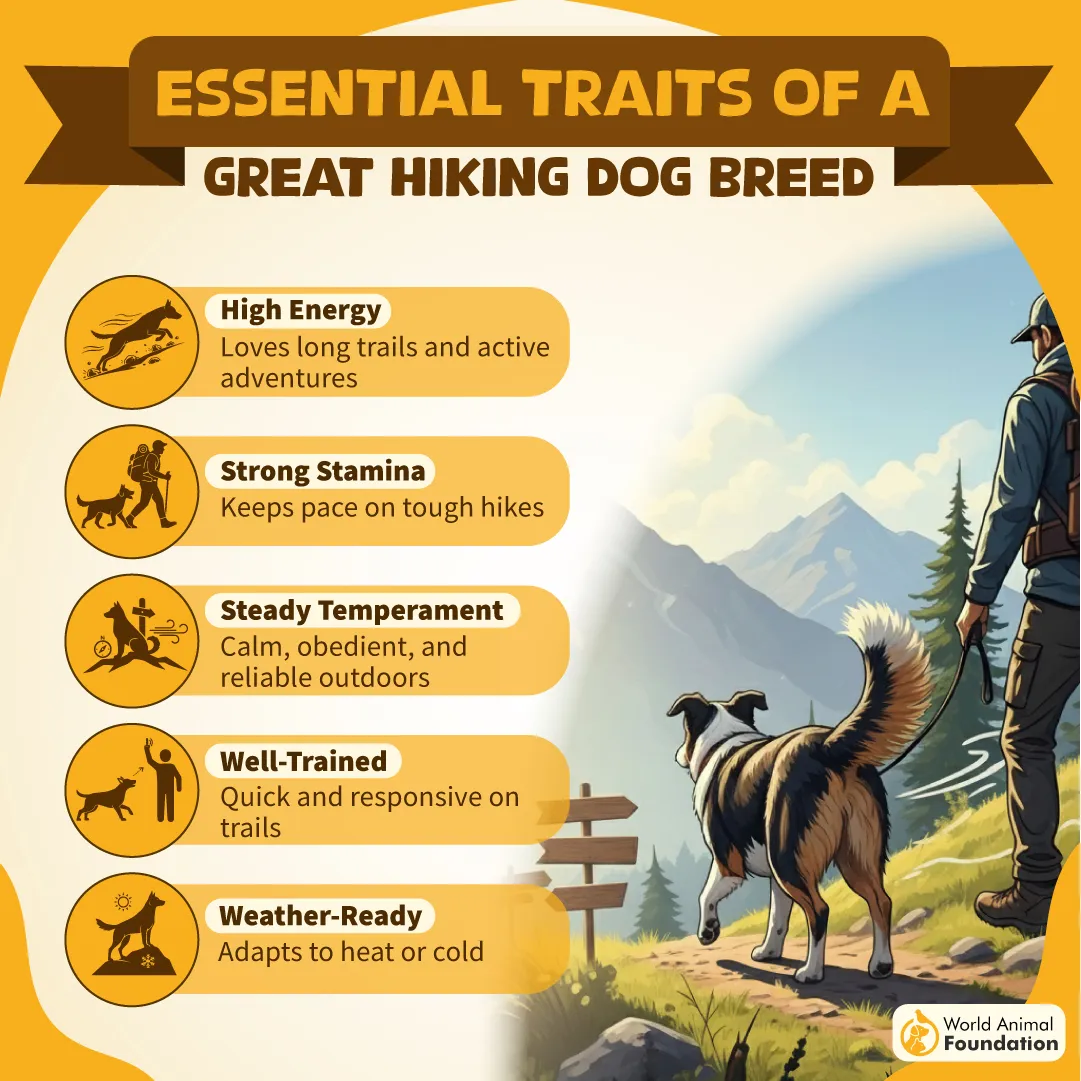
Aussies excel on trails because they remain highly aware of their surroundings. Owners often describe them as constantly checking in with their people while simultaneously monitoring everything happening around them. This attentiveness can be extremely valuable in unfamiliar environments.
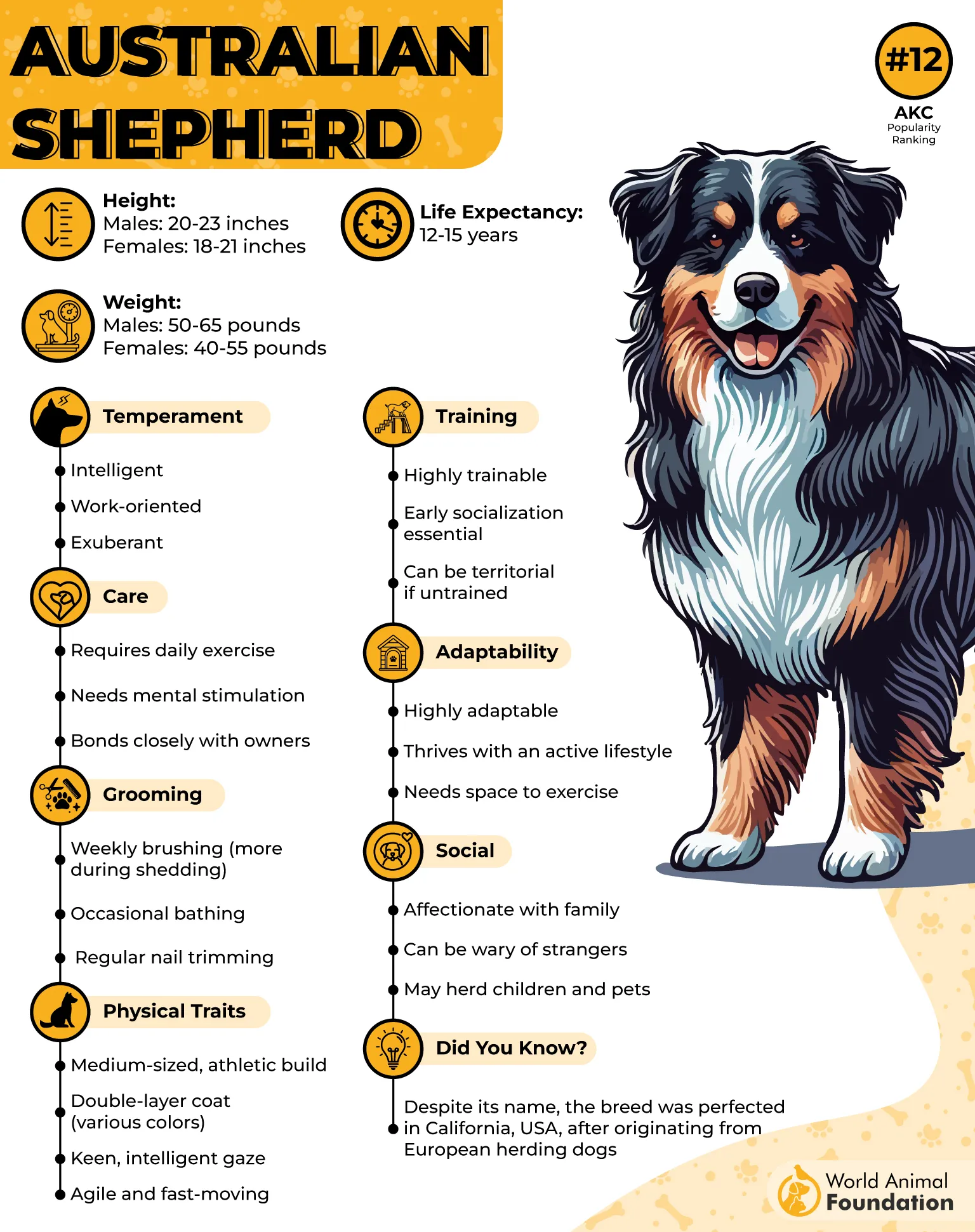
Mental stimulation is just as important as physical exercise for this breed. Hiking new routes, navigating obstacles, and experiencing unfamiliar environments help satisfy their need for intellectual engagement. A camping trip often provides more enrichment than weeks of routine neighborhood walks.
One thing experienced owners quickly learn is that they rarely enjoy inactivity. They’re happiest when participating in activities, solving problems, and sharing adventures with their families. For active outdoor enthusiasts, that level of enthusiasm can be incredibly rewarding.
What To Pack For The Camping Trip?
Interactive trail toys can provide mental stimulation during rest breaks.
A reflective harness improves visibility during early morning and evening walks.
High-protein snacks help fuel long days of hiking and exploration.
3. Siberian Husky
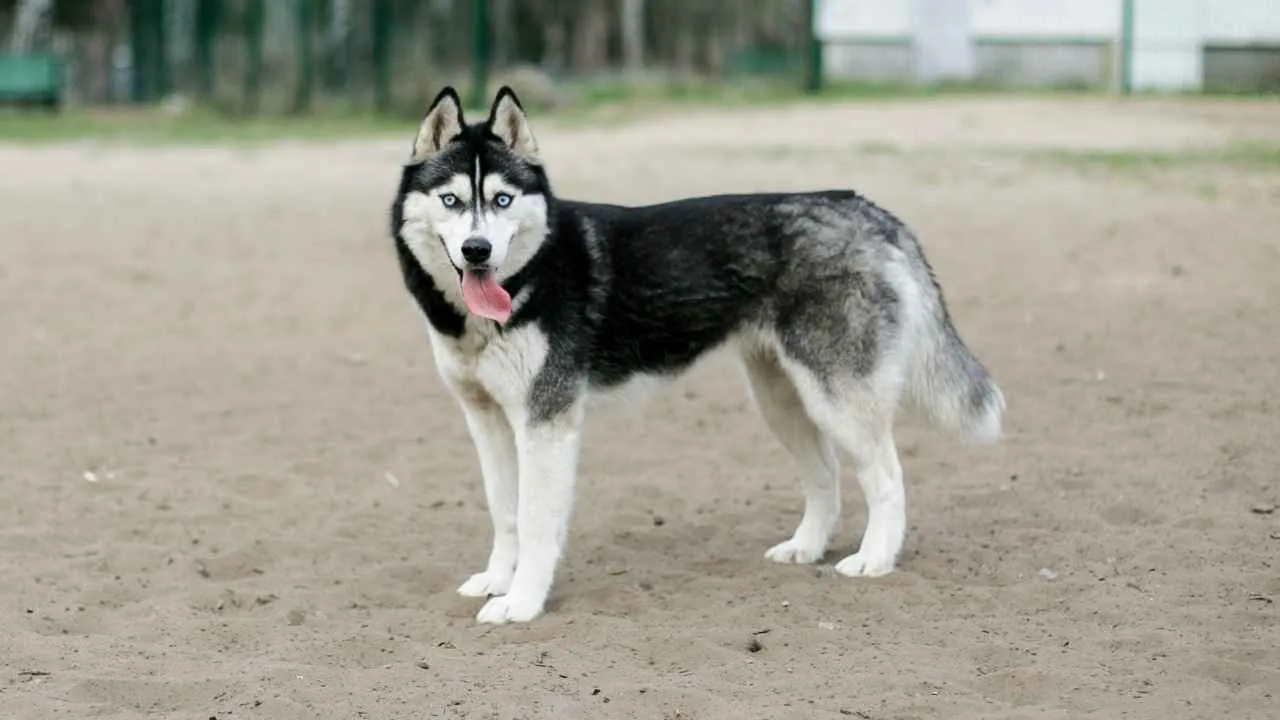
If any breed was genetically programmed for outdoor adventure, it might be the Siberian Husky. Developed by the Chukchi people of northeastern Asia to pull sleds across vast frozen landscapes, Huskies possess remarkable endurance and resilience. They often treat outdoor excursions as if they were participating in an ancient expedition.
Huskies are famous for their ability to travel long distances with impressive efficiency. Many owners are amazed by how much energy these dogs seem to have, even after demanding hikes. Their athletic capabilities are the result of generations of purposeful breeding for endurance.
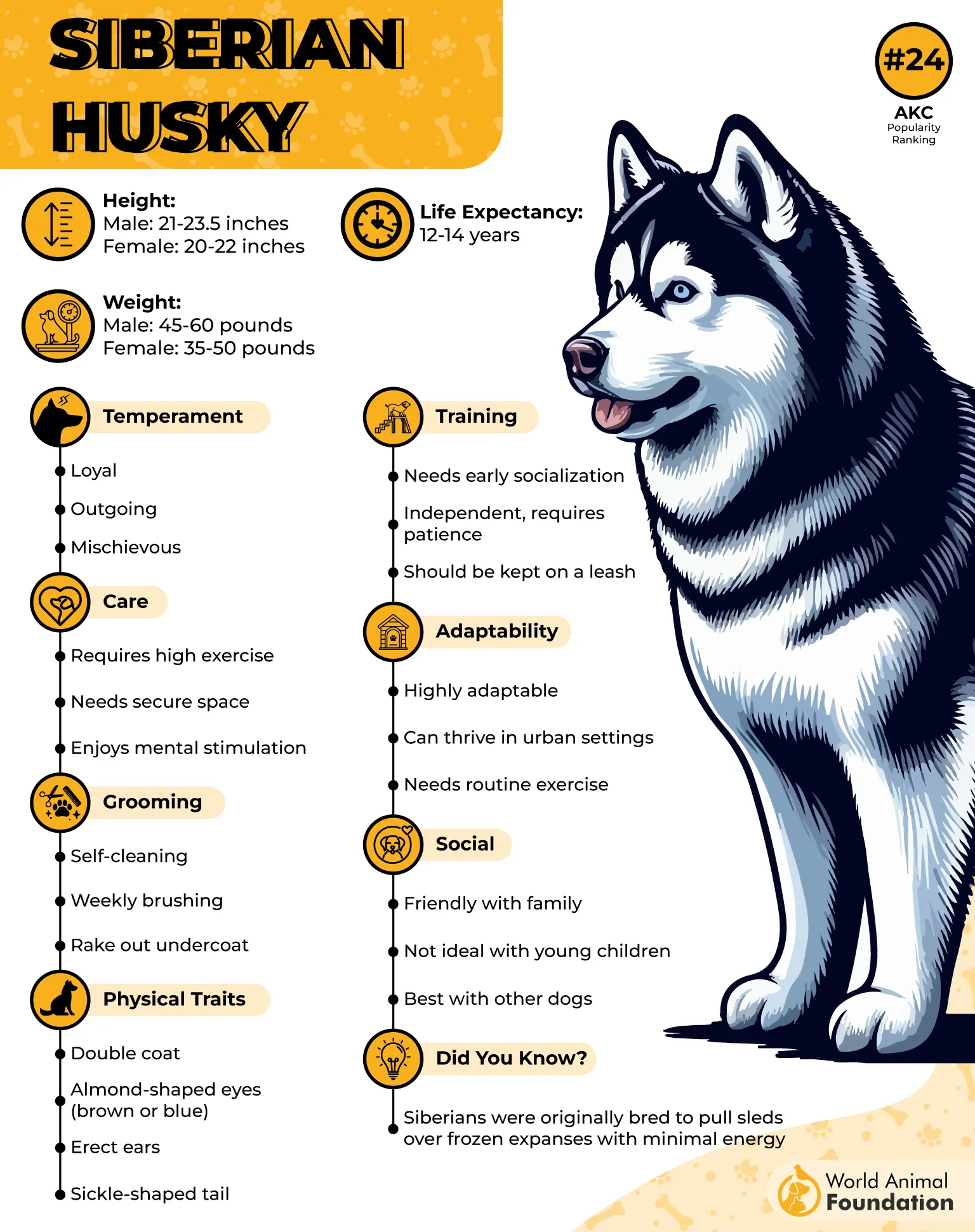
One of the most fascinating aspects of Huskies is their independent nature, according to Purina. While they form strong bonds with their families, they also possess a strong sense of curiosity and a drive for exploration. This trait makes reliable recall training especially important before venturing into wilderness areas.
Their thick double coat offers excellent protection in cooler temperatures. Camping during autumn, winter, or mild spring conditions often suits them particularly well. Hot summer camping trips, however, require extra planning to prevent overheating.
They also bring a sense of fun to outdoor adventures. Their playful personalities, dramatic vocalizations, and constant curiosity make every trip memorable. Camping with a Husky often feels less like a vacation and more like starring in your own wilderness documentary.
What To Pack For The Camping Trip?
Cooling accessories become essential during warmer weather excursions.
Long training leads provide safe freedom in open outdoor spaces.
Extra-calorie food supplies help support their naturally active lifestyle.
4. Rhodesian Ridgeback
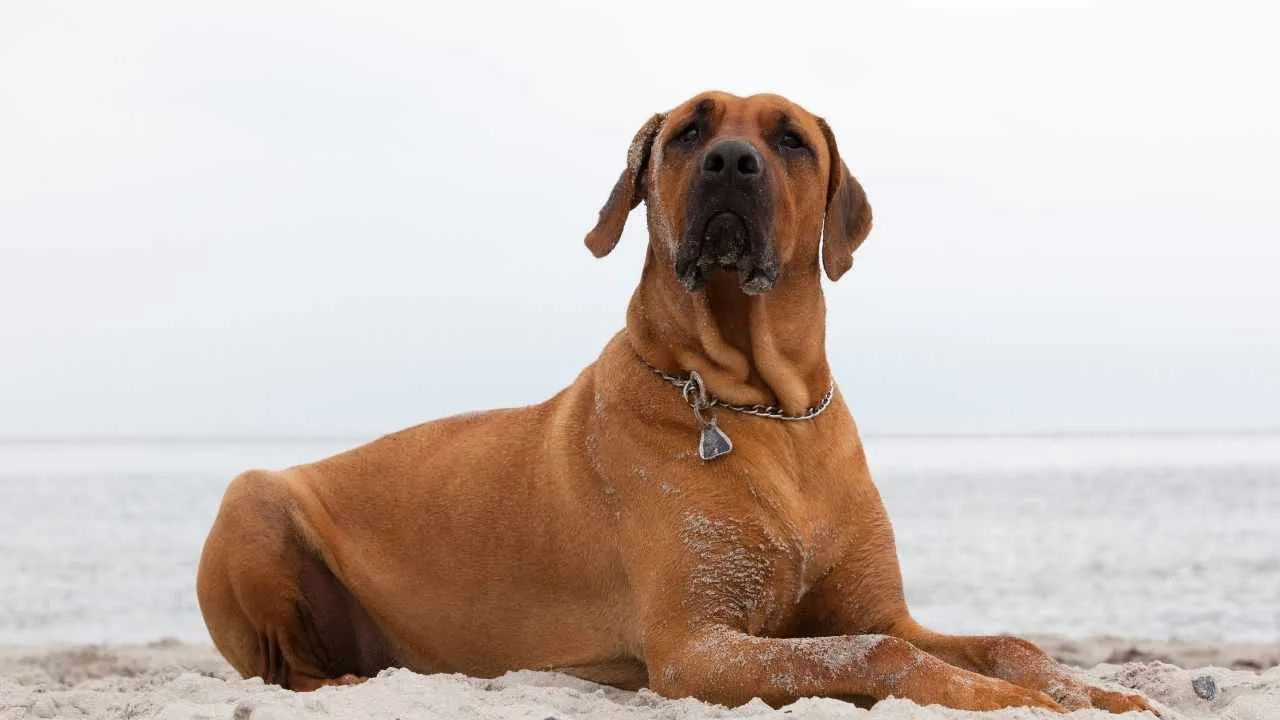
The Rhodesian Ridgeback is basically the adventure athlete of the dog world. Originally developed in Southern Africa, these powerful dogs were bred to accompany hunters across challenging terrain and were famous for their courage, stamina, and remarkable endurance.
Their distinctive ridge of hair running along their back makes them instantly recognizable, but it’s their outdoor abilities that truly set them apart.
One of the breed’s greatest strengths on camping trips is its ability to handle long distances. Ridgebacks were developed to travel across rugged landscapes in hot climates, giving them impressive physical resilience. Omlet says that these dogs remain energetic and focused even after covering miles of trails.
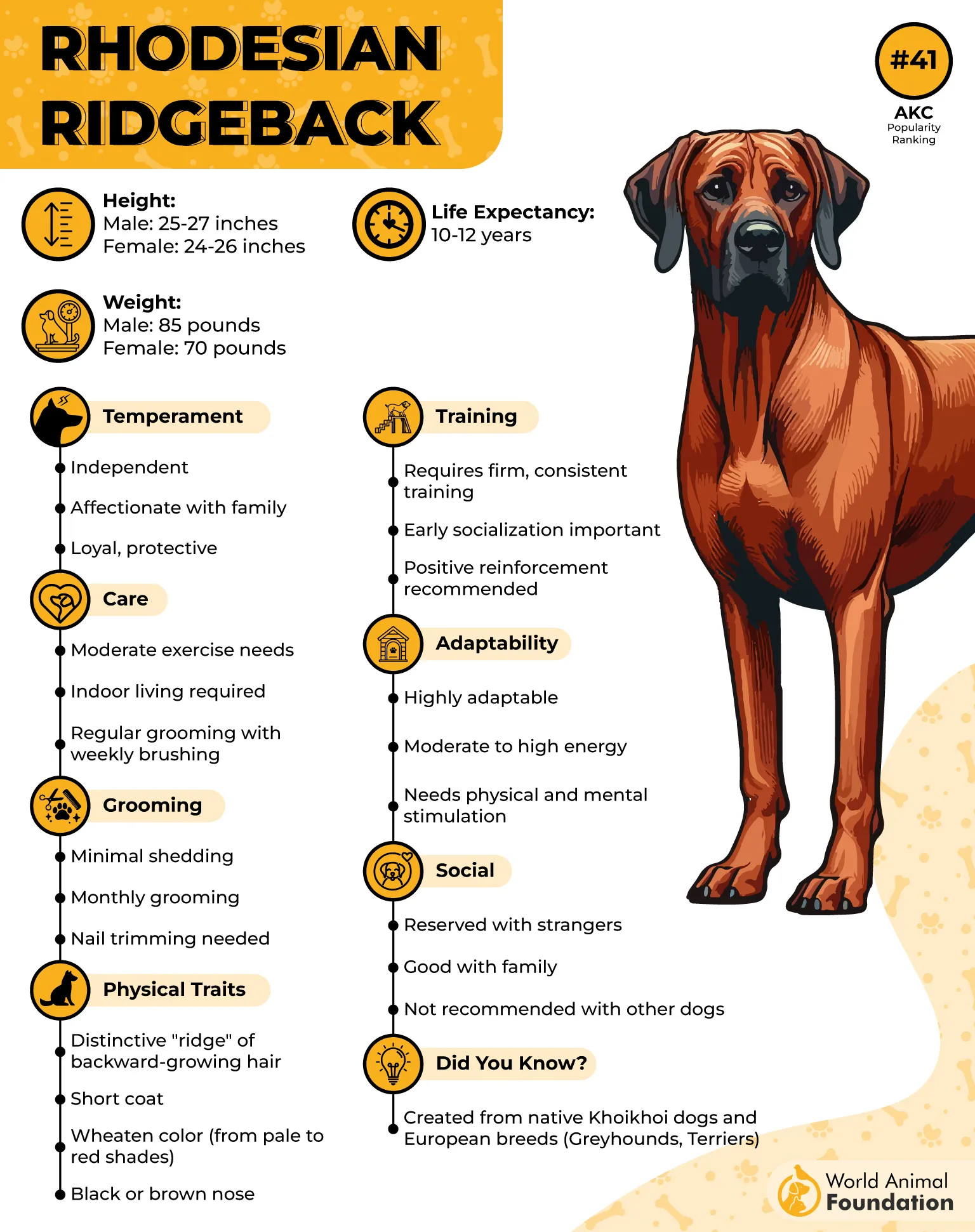
Unlike some highly excitable breeds, Ridgebacks tend to have a calm, confident demeanor. Around camp, they often settle comfortably once the day’s adventures are complete. This balance between activity and relaxation makes them enjoyable companions during extended outdoor stays.
Their intelligence and independence can be both a strength and a challenge. Ridgebacks are capable thinkers who often evaluate situations before reacting, which contributes to their reputation as composed outdoor partners. However, consistent training and socialization are essential to develop reliable recall and trail manners.
What To Pack For The Camping Trip?
A durable all-terrain leash helps manage their strength on challenging trails.
Collapsible water containers are vital during long-distance hikes in warm weather.
A padded camping bed provides comfortable recovery after a full day of adventure.
5. German Shorthaired Pointer
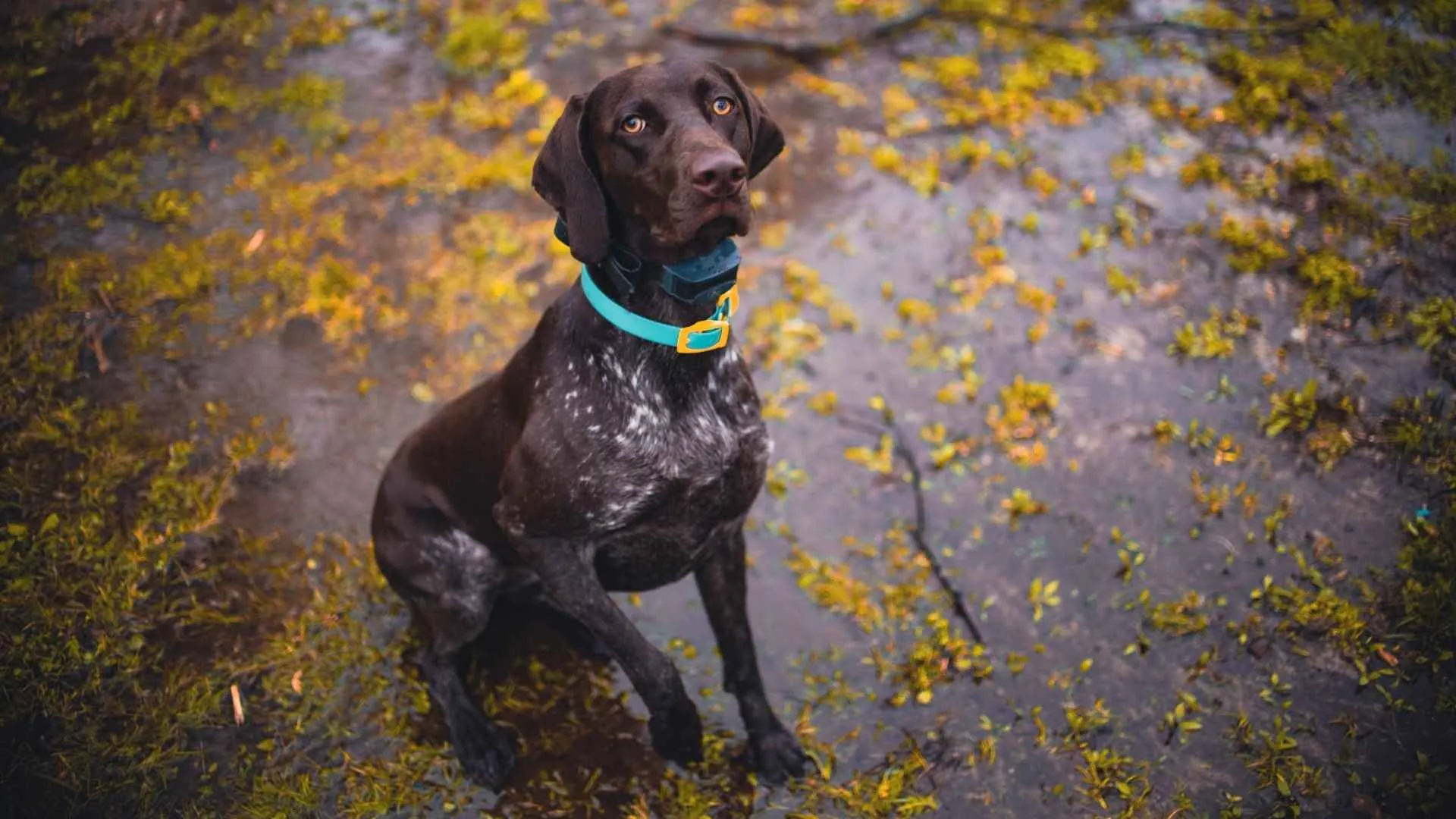
If camping had an official mascot, the German Shorthaired Pointer would be a strong contender for the title. These athletic sporting dogs seem to possess endless enthusiasm for outdoor activities. Whether the plan involves hiking, swimming, trail running, or exploring new terrain, the GSP is usually the first one ready to go.
Developed in Germany as versatile hunting companions, German Shorthaired Pointers were bred to work across a variety of environments. They can track scents, retrieve game, and cover large distances with remarkable efficiency. Those same qualities make them outstanding companions for modern outdoor enthusiasts.
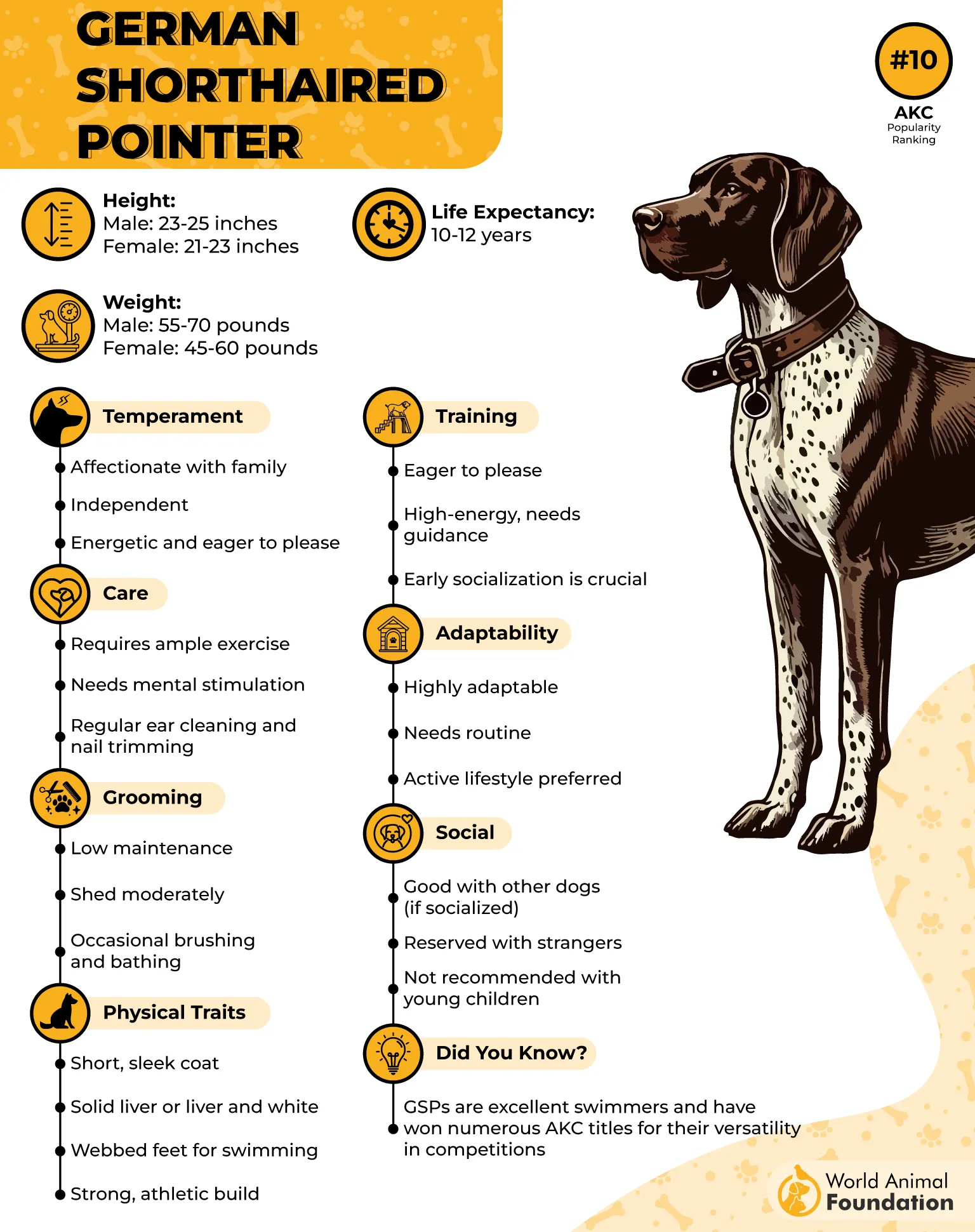
One of the breed’s most impressive characteristics is its versatility. A GSP can spend the morning hiking steep trails, the afternoon swimming in a lake, and the evening relaxing near camp without missing a beat. Their adaptability allows them to excel in many different outdoor scenarios.
These Pointer dogs are highly intelligent and thrive when given both physical exercise and mental stimulation. New environments provide endless opportunities for scent exploration and problem-solving. Camping trips often satisfy their need for adventure far more effectively than routine daily walks.
Owners frequently describe German Shorthaired Pointers as enthusiastic partners rather than passive companions. They actively engage with their surroundings and genuinely seem to enjoy every moment of an outdoor excursion. For active individuals or families who love nature, few breeds match the GSP’s combination of athleticism, intelligence, and excitement.
What To Pack For The Camping Trip?
Portable fetch toys are perfect for burning off extra energy around camp.
A canine first-aid kit is useful for a breed that loves exploring rough terrain.
High-energy food portions help support their active metabolism during multi-day adventures.
6. Bernese Mountain Dog
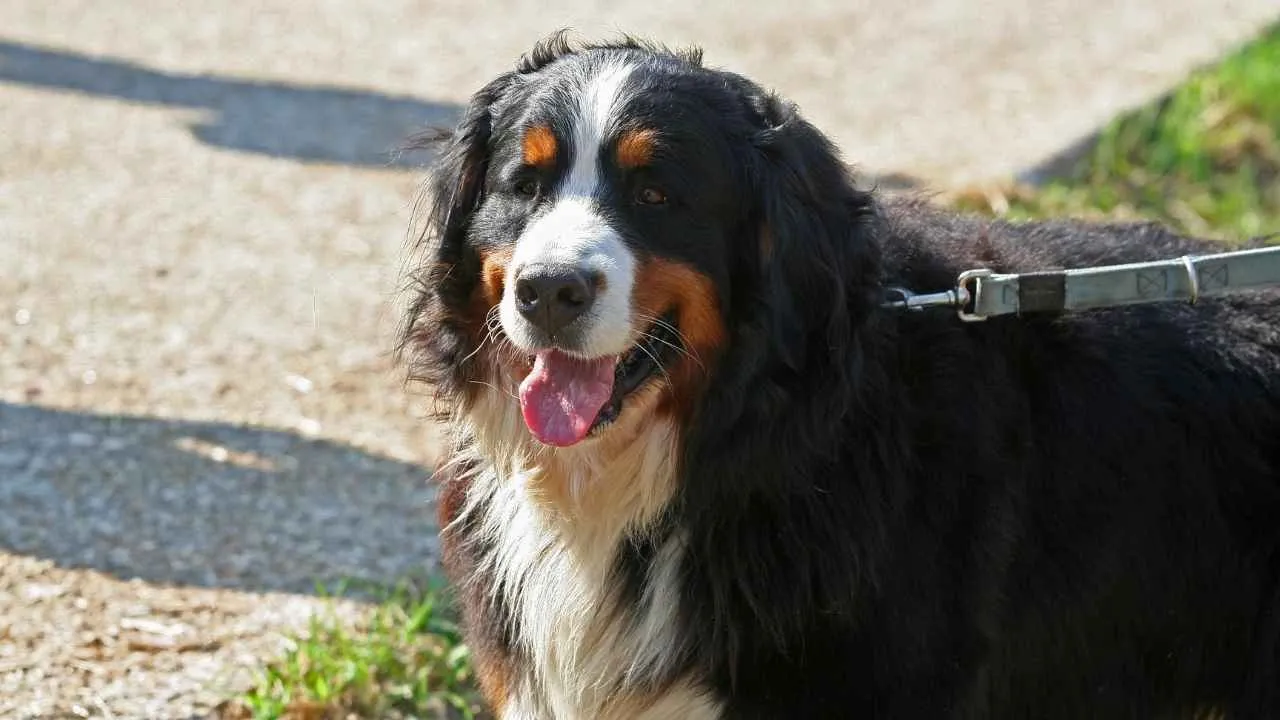
The Bernese Mountain Dog might look like a giant fluffy teddy bear, but don’t underestimate its outdoor credentials. Originating in the Swiss Alps, these hardworking dogs spent generations helping farmers pull carts, herd livestock, and navigate mountainous terrain. That heritage created a breed that feels right at home in the great outdoors.
One of the Bernese Mountain Dog’s biggest advantages on camping trips is its calm and steady temperament. While some breeds spend every waking moment bouncing off the walls, Berners often approach adventures with a relaxed confidence.
Britannica claims that they enjoy exploring trails but are equally content lounging beside a campfire while the family roasts marshmallows.
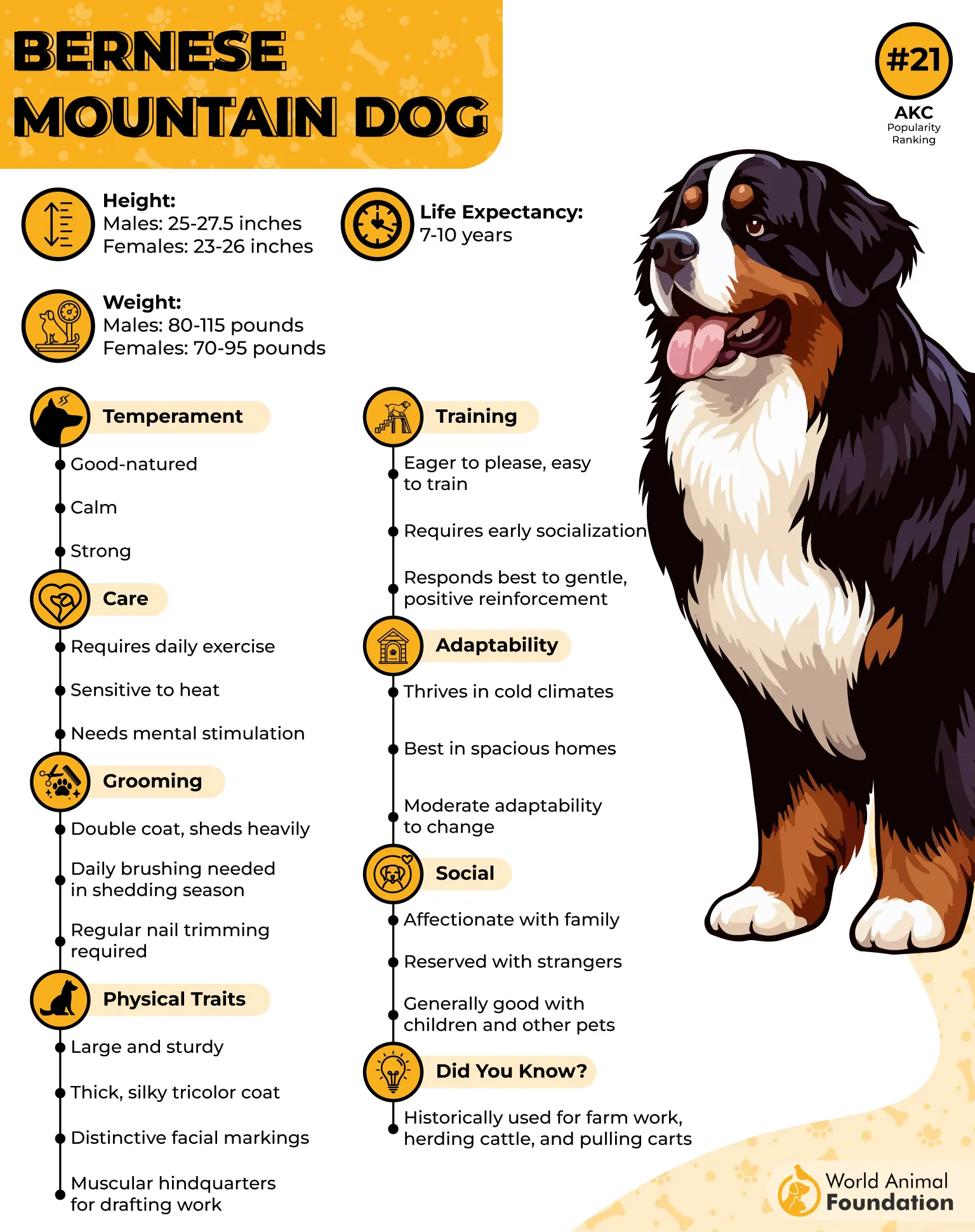
Their thick double coat provides excellent insulation in cool weather. Autumn camping trips, mountain excursions, and chilly mornings are often where this breed truly shines. Owners frequently joke that while everyone else is reaching for extra blankets, the Bernese is perfectly comfortable enjoying the crisp air.
These mountain dogs are also known for their strong bonds with family members. They tend to stay close to their people and genuinely enjoy being involved in group activities. This companion-focused personality makes them wonderful camping partners for families who want a dog that participates in every part of the adventure.
What To Pack For The Camping Trip?
A large insulated sleeping pad helps cushion their joints on uneven ground.
Extra grooming supplies can help manage dirt, burrs, and debris in their thick coat.
Access to cooling water is important during warmer weather because heavily coated dogs can overheat more easily.
7. Vizsla
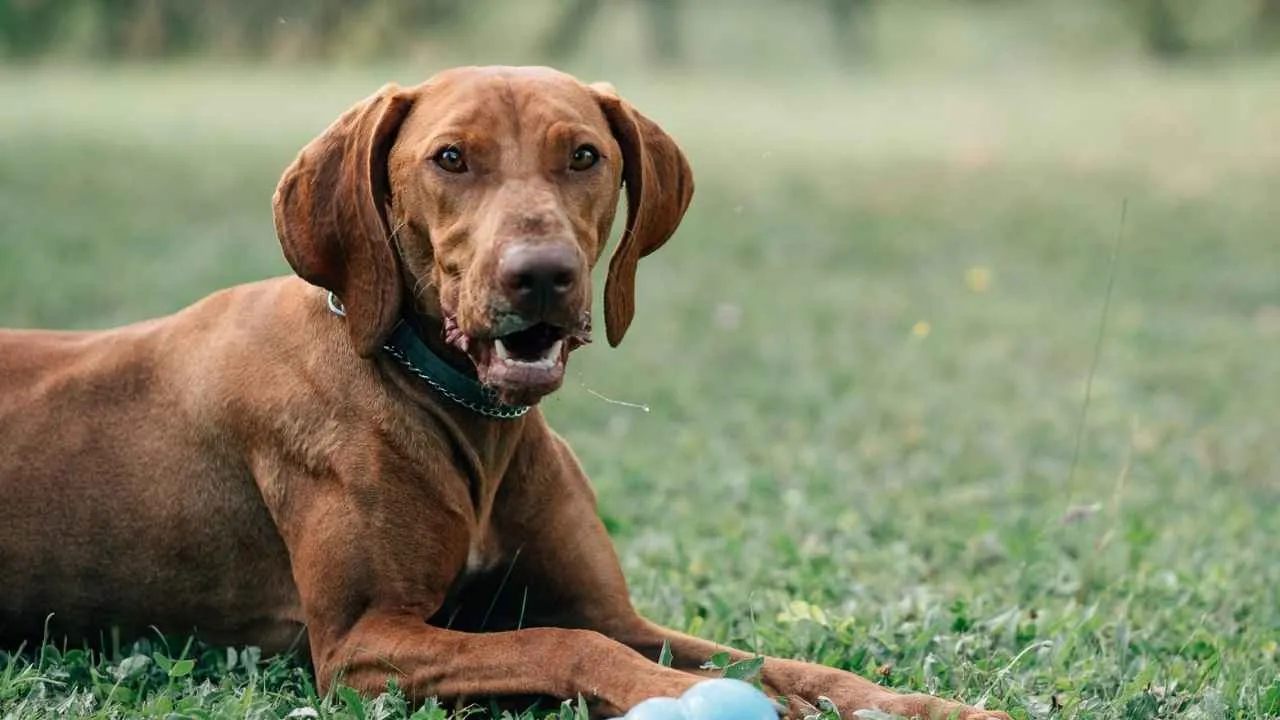
If enthusiasm could be bottled, it would probably look like a Vizsla. These sleek Hungarian sporting dogs are famous for their athleticism, affection, and seemingly endless desire to participate in whatever their humans are doing. Camping, hiking, backpacking, and trail running all fit perfectly into their idea of a great day.
Originally developed as hunting companions, Vizslas were bred to work closely alongside people across vast distances. That history created a dog that combines endurance with an exceptional desire to stay connected to its owner.
Many outdoor enthusiasts appreciate how naturally attentive Vizslas remain during adventures.
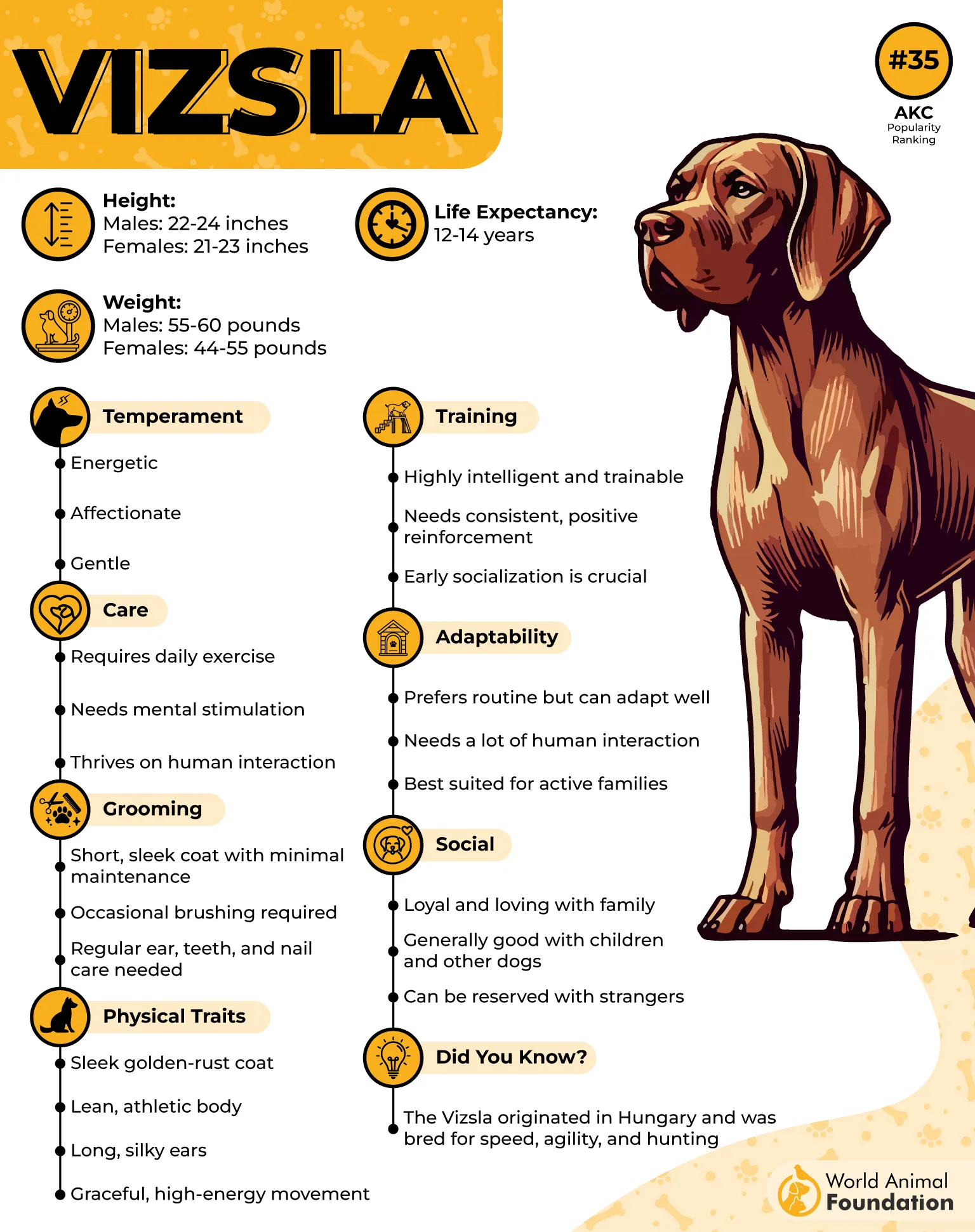
One of the breed’s standout traits is versatility. A Vizsla can comfortably handle long hikes, challenging terrain, and active outdoor lifestyles while still being affectionate and gentle around camp. Their lean, athletic build allows them to move efficiently across a wide range of environments.
Mental stimulation is just as important as physical exercise for this intelligent hiking dog breed. New trails, changing scenery, and scent-rich environments provide exactly the kind of enrichment they crave. Camping trips often deliver a perfect combination of physical challenges and mental engagement.
Around camp, that often means sitting beside you while you cook, relaxing near your chair, or joining every excursion. For adventurers seeking a loyal outdoor companion, the Vizsla is incredibly difficult to beat.
What To Pack For The Camping Trip?
Lightweight dog jackets can provide warmth during cool nights because Vizslas have short coats.
High-visibility gear improves safety on heavily wooded trails and low-light excursions.
Portable enrichment toys help satisfy their curiosity and intelligence during downtime.
Conclusion
Camping becomes infinitely more rewarding when you have the right canine companion by your side. The breeds featured in this guide weren’t selected simply because they enjoy being outdoors.
They earned their place because they possess the physical abilities, mental resilience, adaptability, and qualities of companionship that make wilderness adventures safer, more enjoyable, and significantly more memorable.
Australian Cattle Dogs, Jack Russell Terriers, Alaskan Malamutes, Treeing Walker Coonhounds, and Border Collies are other dogs for camping trips.
At the end of the day, the best camping dog is one that loves sharing adventures with you. Whether you’re hiking mountain trails, paddling across a quiet lake, sleeping beneath the stars, or simply enjoying the peace of nature, these outdoor-loving breeds remind us that some of life’s greatest memories are made with muddy paws, wagging tails, and a loyal friend by our side.
