




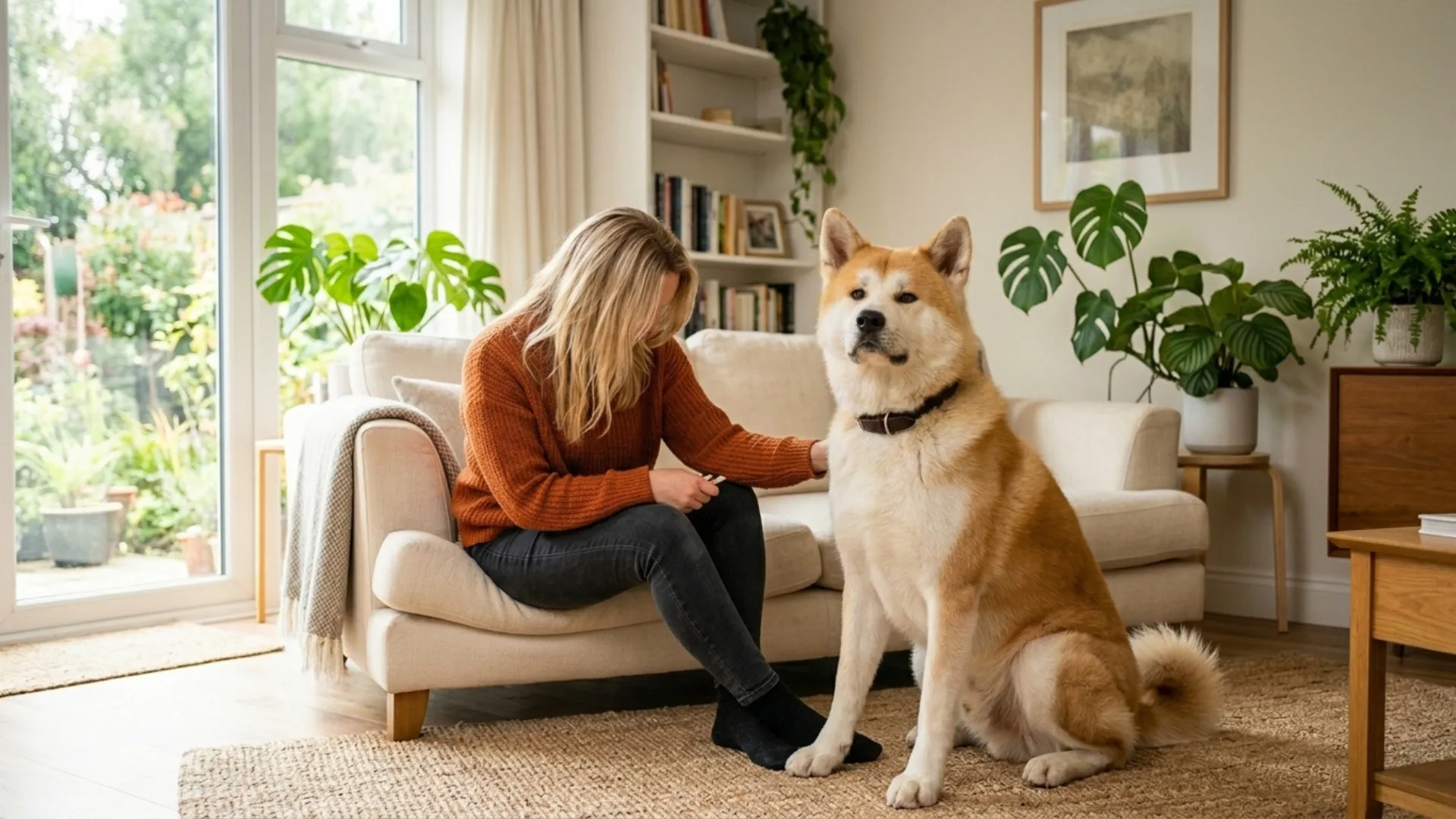
Home security is a serious concern for people living alone. Guard dogs can be an excellent choice for single owners, offering both protection and companionship under one roof.
Guardian breeds are incredibly loyal and affectionate. They have a natural instinct to protect their property and the people they love, making them reliable partners for solo living. Beyond security, many guard dog breeds also provide genuine emotional support, warmth, and a deep bond that lasts a lifetime.
Good guard dogs tend to be highly alert and in tune with their surroundings. They can pick up on potentially threatening situations early and respond accordingly, bringing both safety and a sense of calm to single-person households.
Here’s a look at the 7 best guard dog breeds for single owners and home security.
Best Guard Dog Breeds for Single Owners and Home Security
1. German Shepherd
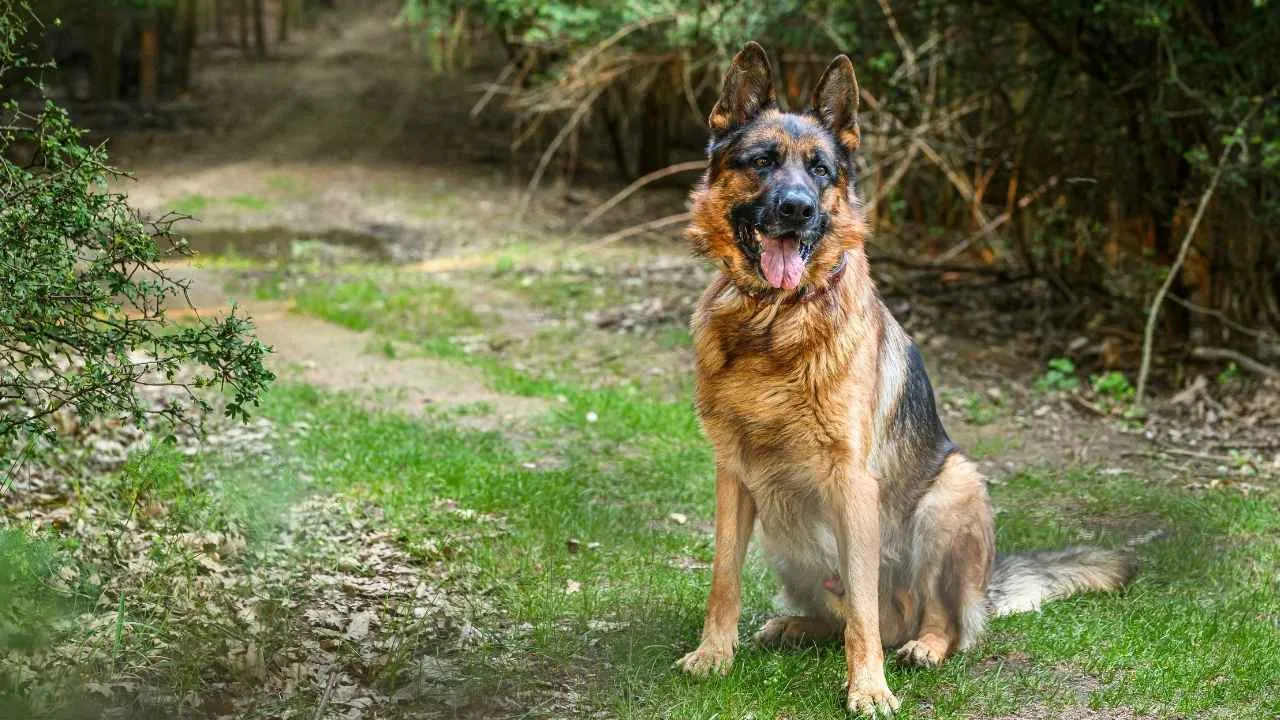
German Shepherds are large, muscular, and agile dogs: courageous, loyal, and confident enough to put themselves in harm’s way to protect their owners. Their intelligence, trainability, and physical strength make them one of the best guard dog breeds around.
GSDs form strong bonds with their humans, which also means they can suffer from separation anxiety when left alone for too long. These athletic, eager-to-please dogs need at least two hours of physical activity and mental stimulation daily, according to PetPlan.

They’re ideal for active single owners who can keep up with their energy. Naturally wary of strangers and equipped with strong protective instincts, German Shepherds are excellent for home security, though proper socialization and early training are essential to raising a well-mannered companion.
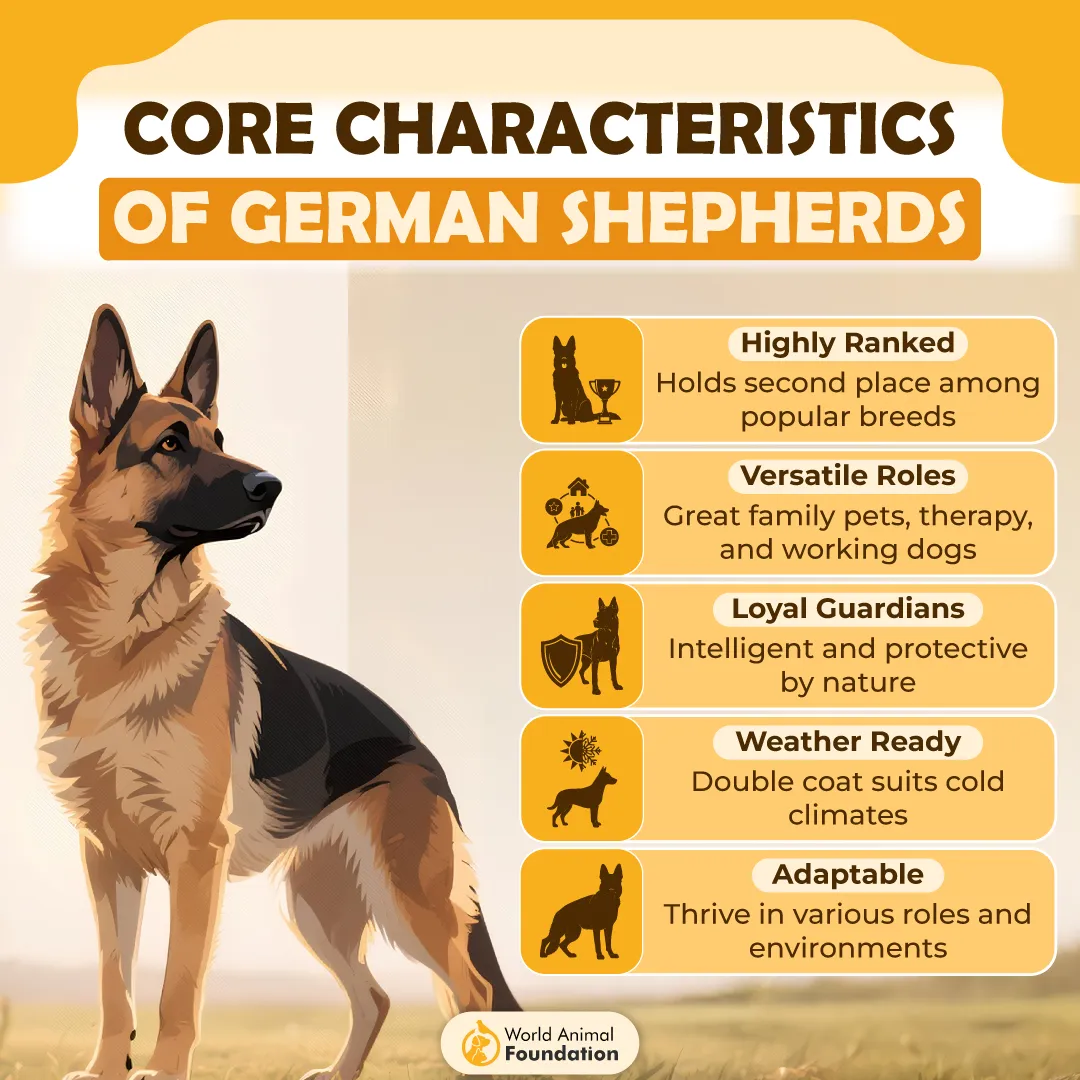
Outside of guard duty, GSDs make great jogging and walking partners and love canine sports like agility, herding, tracking, and dock diving. Often nicknamed “German Shedders,” they blow their heavy double coat twice a year and need frequent brushing to stay on top of the shedding.
2. Doberman Pinscher
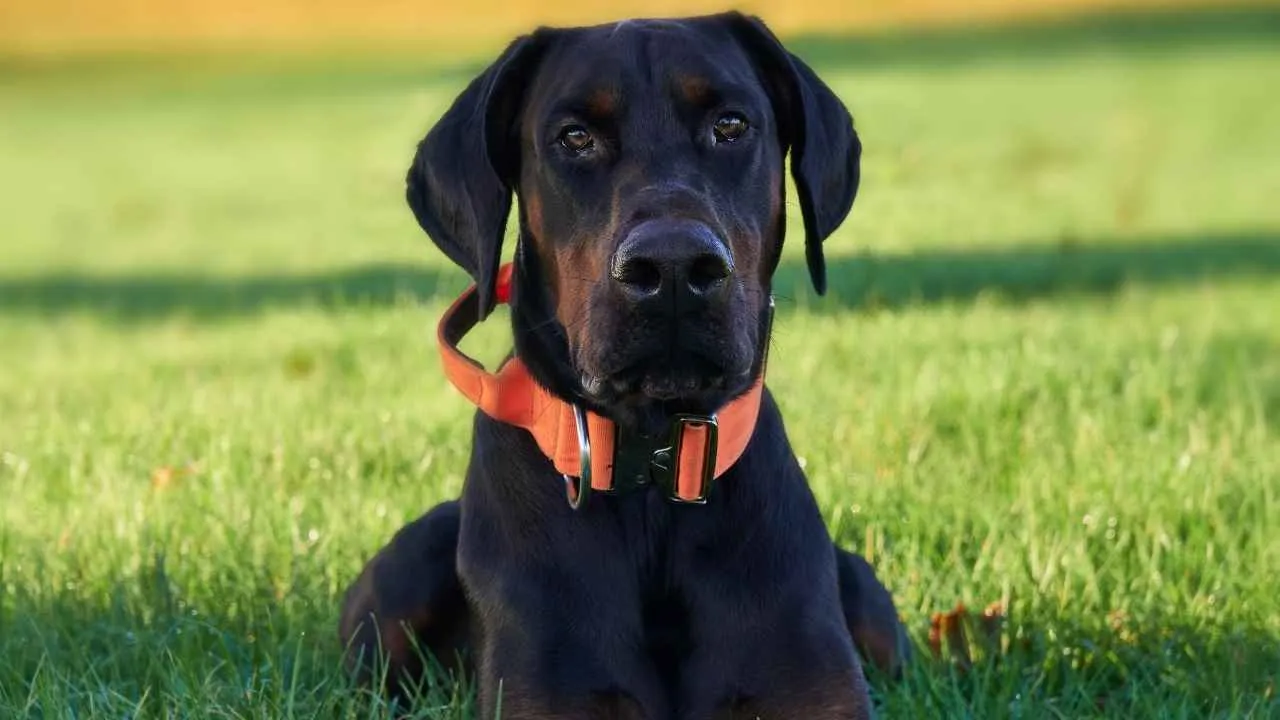
Originally bred by a German tax collector named Louis Dobermann, Doberman Pinschers were purpose-built as guard dogs from day one. With a muscular build and laser-like focus, Dobies can deter potential threats through their intimidating presence alone.
Their stamina, territorial nature, and natural suspicion of strangers make them highly effective for home protection, yet they’re warm and affectionate with the people they love. Dobermans are famously known as “one-man dogs,” often forming an especially deep bond with one person, which also makes them excellent for personal protection.
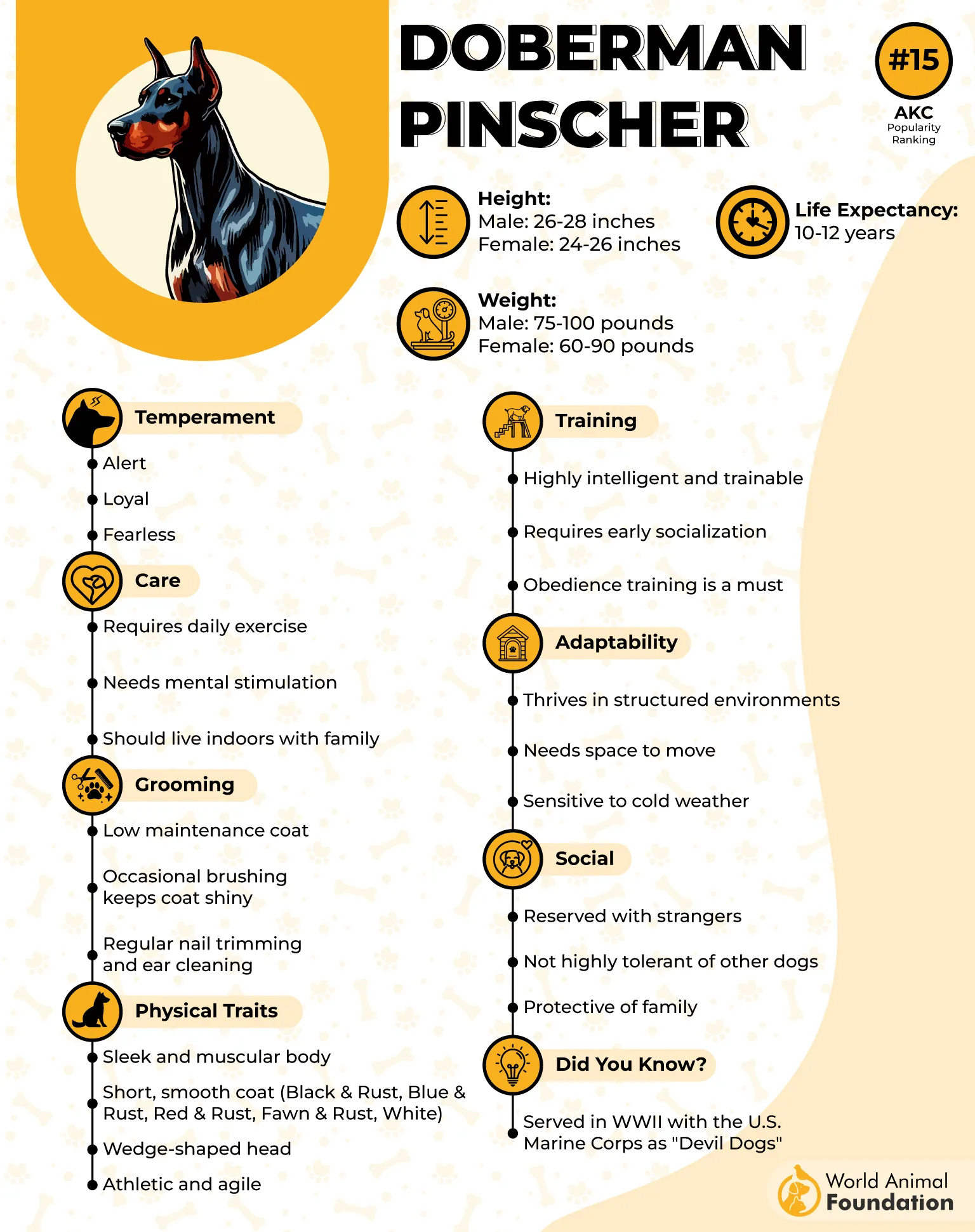
Dobies thrive when they’re part of a pack, as long as they’re getting enough exercise and mental stimulation. Daily walks and hikes work well, and WebMD recommends regular training sessions covering obedience, agility, and tracking to keep them sharp and well-behaved.
That said, their strength and tendency toward aggression if poorly trained make them a poor fit for first-time dog owners. Their large, powerful build also makes them less ideal for households with young children.
3. Rottweiler
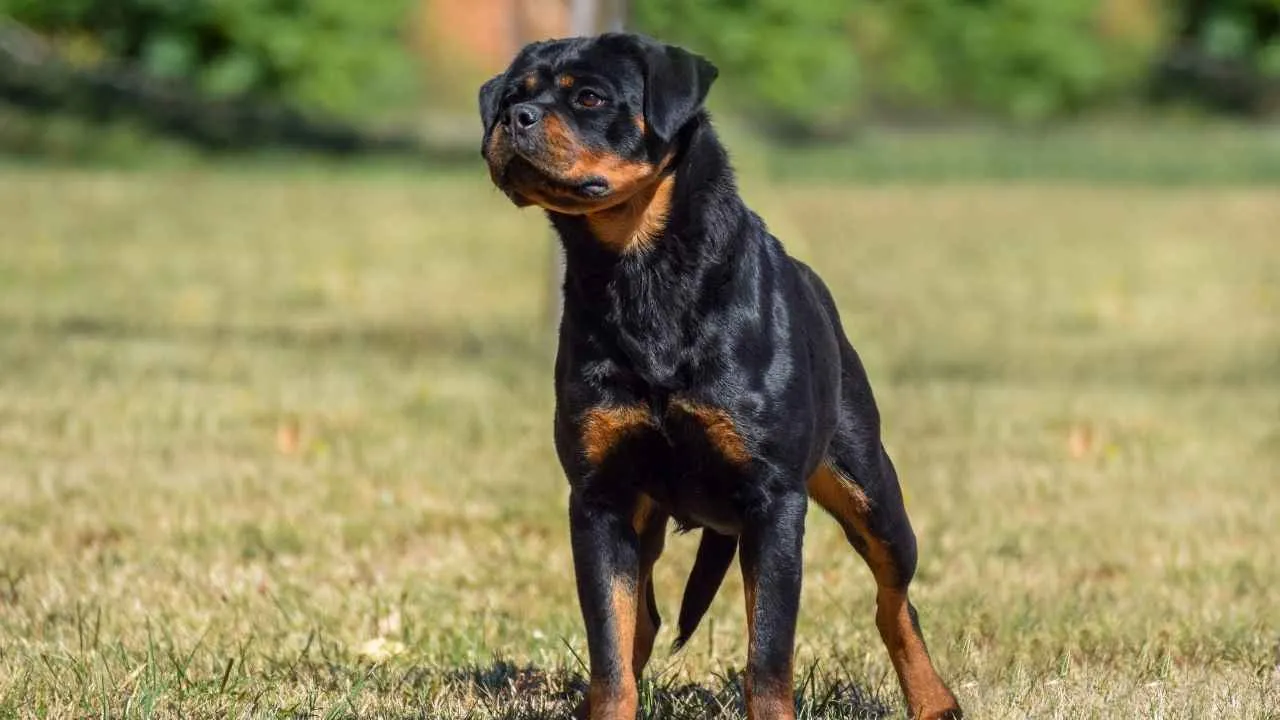
Rottweilers are large, instantly recognizable dogs with their signature black and tan coats. Often misread as aggressive, they’re actually extremely loyal companions; playful, protective, and deeply devoted to their families.
For single owners, Rotties make gentle yet vigilant companions. They bond closely with their humans, stay wary of strangers, and have a natural territorial instinct that makes them well-suited for home security and personal protection.
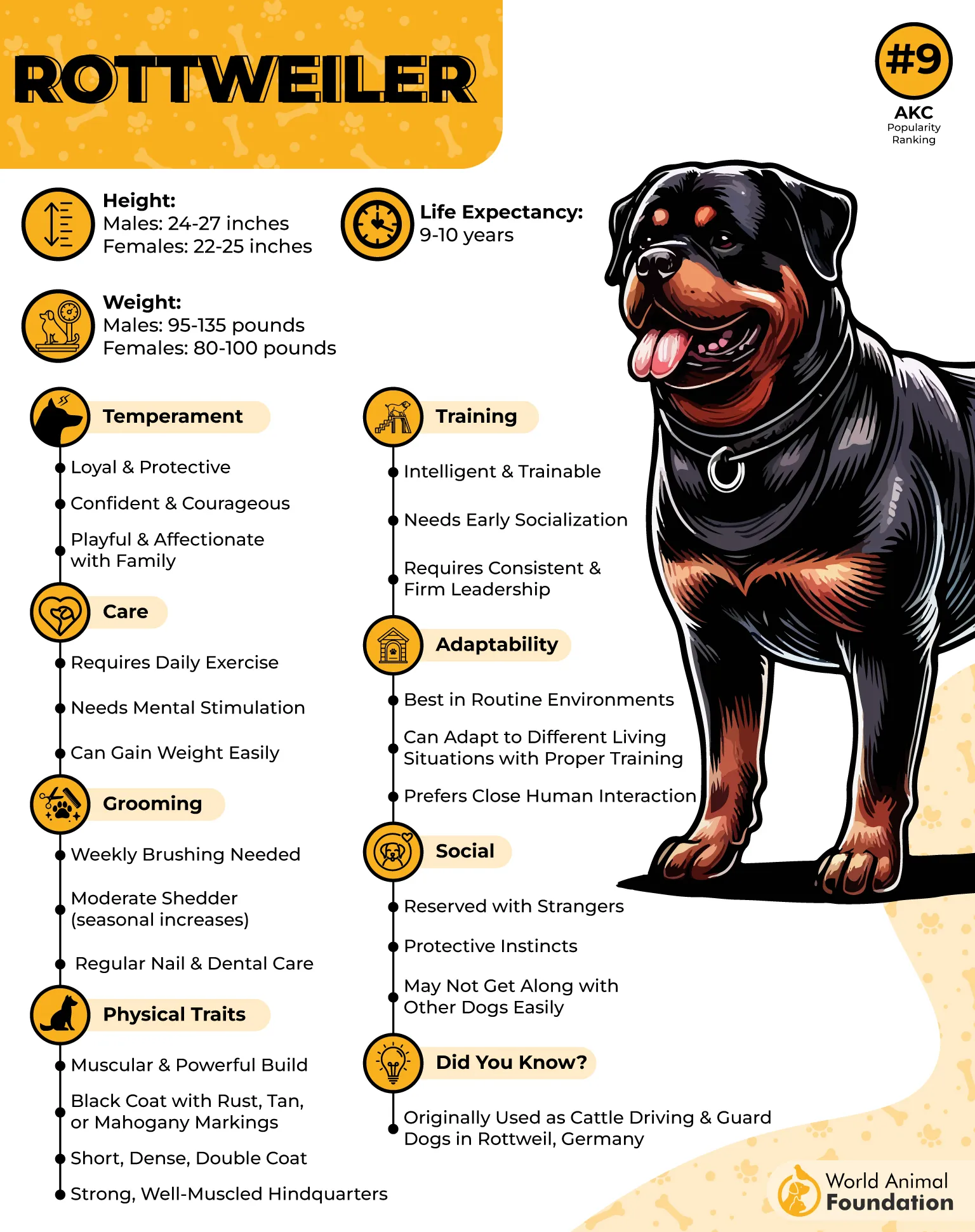
Rottweilers are smart, eager to please, and tend to be calm and quiet at home, but they’re better suited for experienced owners who know how to handle a strong-willed dog. Consistent training and early socialization are key to helping them settle comfortably into family life.
When it comes to protection, these muscular dogs are quick to assess threats and act decisively. They possess impressive strength and stamina and are capable of working calmly under pressure. One thing to keep in mind: Rotties can easily weigh over 100 pounds, so they may unintentionally knock over small children when they get boisterous.
4. Cane Corso
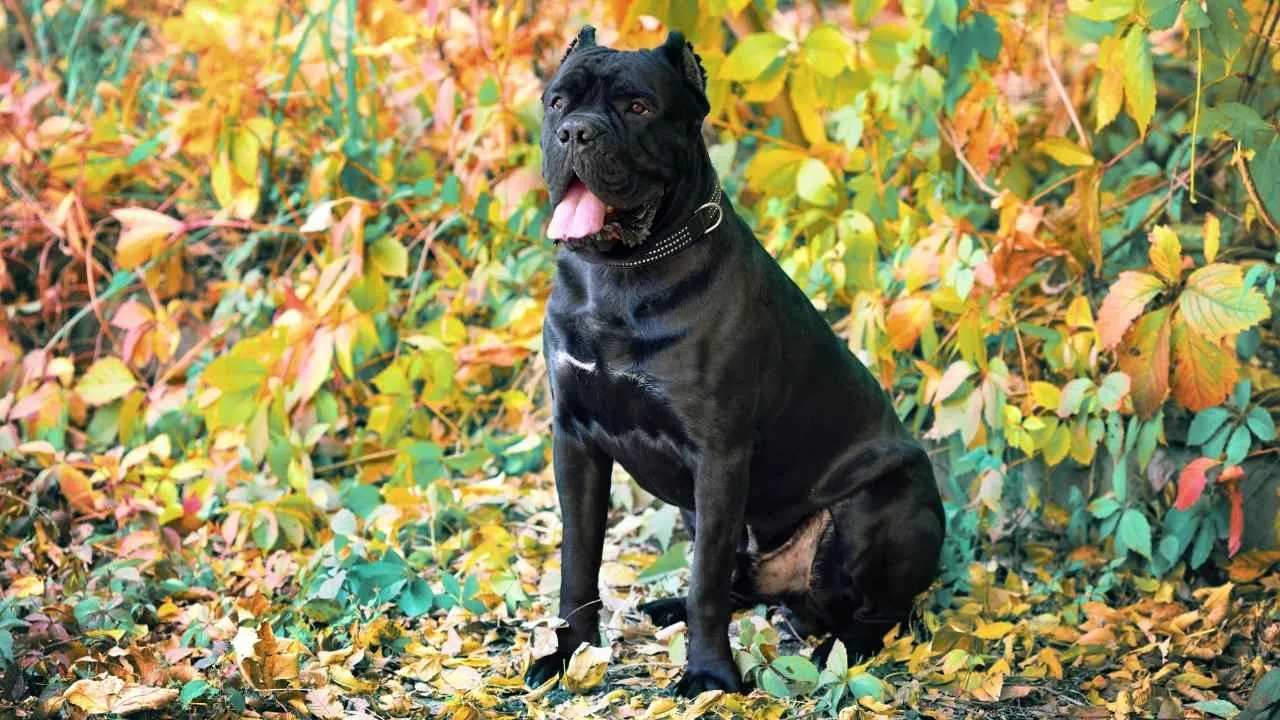
Also known as Italian Mastiffs, Cane Corsos are among the smartest dog breeds out there. Their imposing presence alone acts as a first line of defense against potential intruders, while their deep loyalty makes them devoted companions to their owners.
Bred to guard homes, families, and livestock, Cane Corsi have held onto those protective instincts to this day. They tend to be suspicious of strangers and, as Orvis explains, will bark to alert their owners when something feels off.
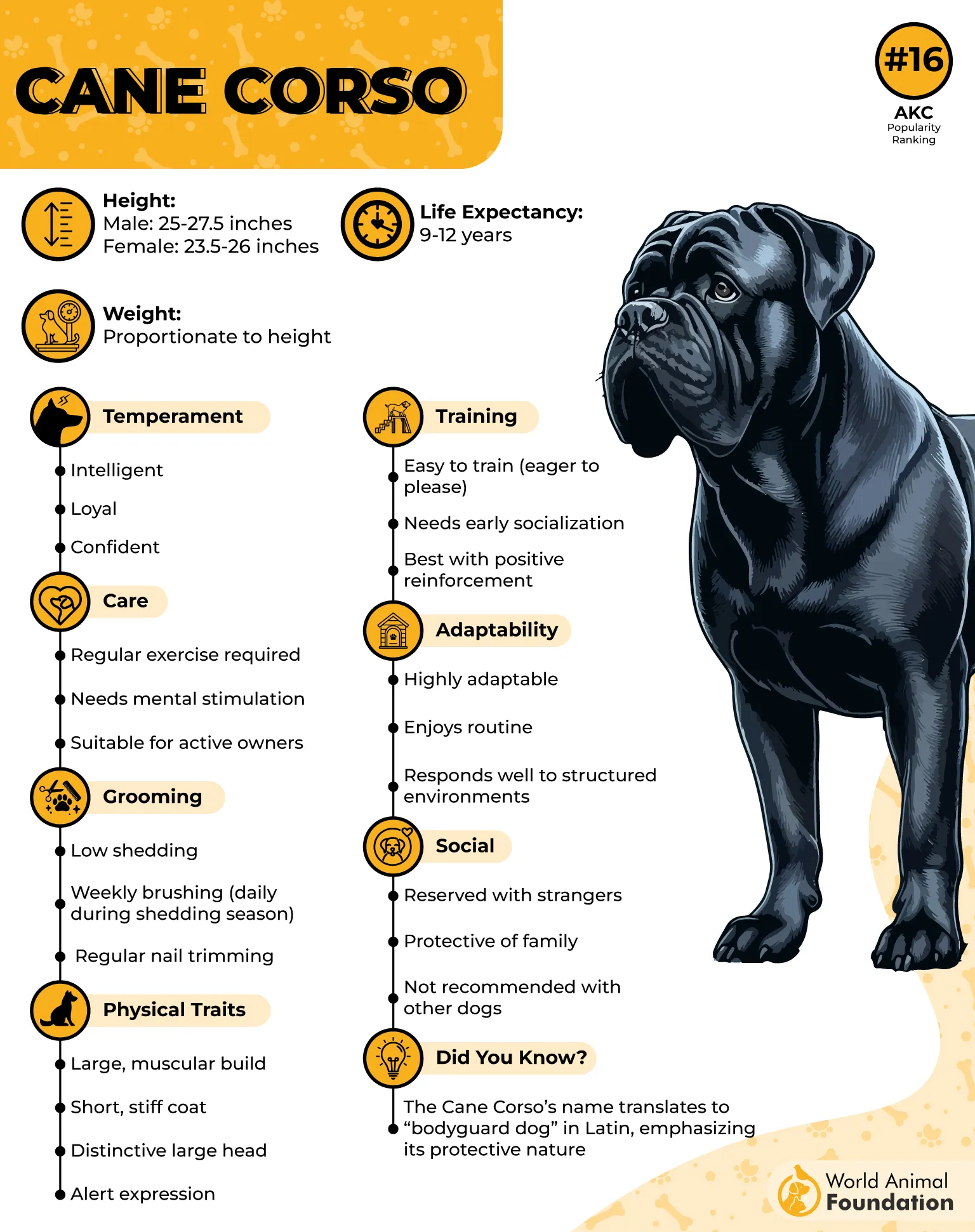
Cane Corsi do best with active single owners who spend most of their day at home, and don’t mind a little drool. Their intelligence, eagerness to please, and versatility make them excellent guard dogs and rewarding companions.
As high-energy dogs, they need plenty of daily exercise for both physical and mental stimulation. With proper training and early socialization, they make wonderful family pets. Cane Corsos typically live 9–12 years, which is actually on the longer end for a giant breed. They can adapt to various climates but generally do better in warmer weather.
5. Akita
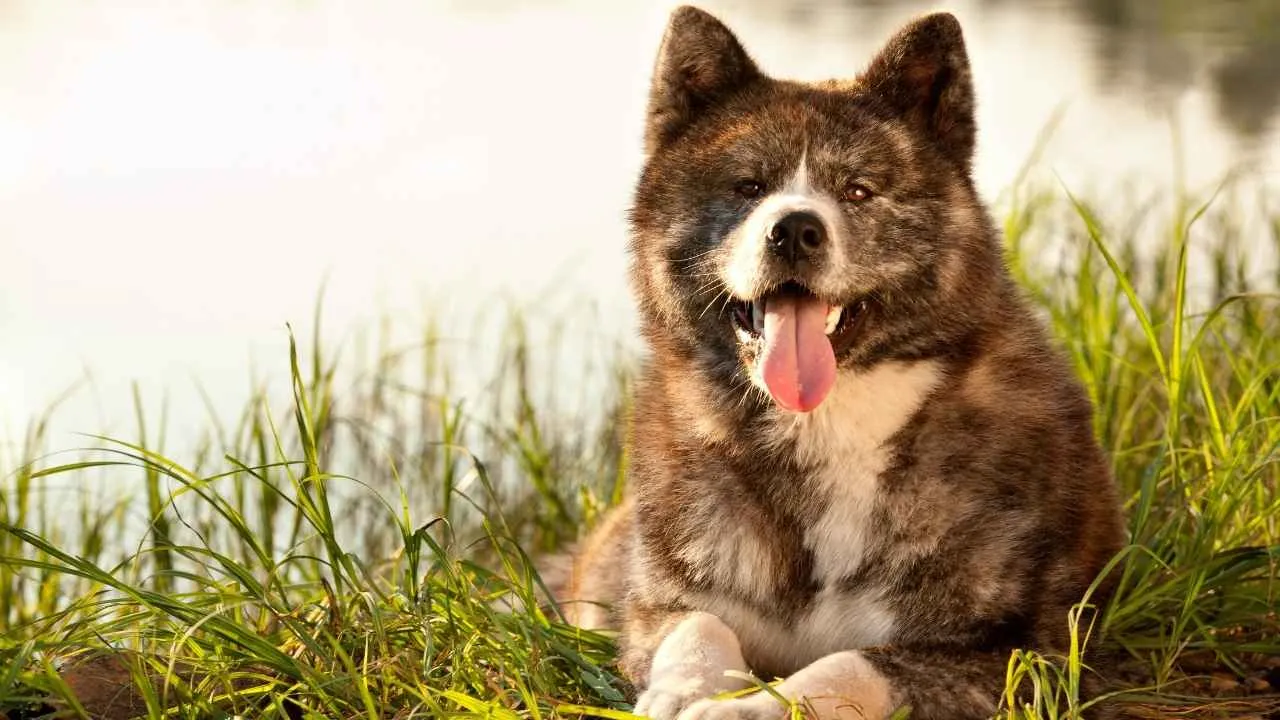
Akitas are dignified, courageous working dogs hailing from Japan. Hardwired to protect the people they love, they tend to bond most deeply with one person in the household and show them complete devotion.
With proper training and early socialization, Akitas make loving companions and calm family dogs. They’re naturally suspicious of strangers and don’t take kindly to uninvited guests on their territory, making them excellent watchdogs and formidable guard dogs.
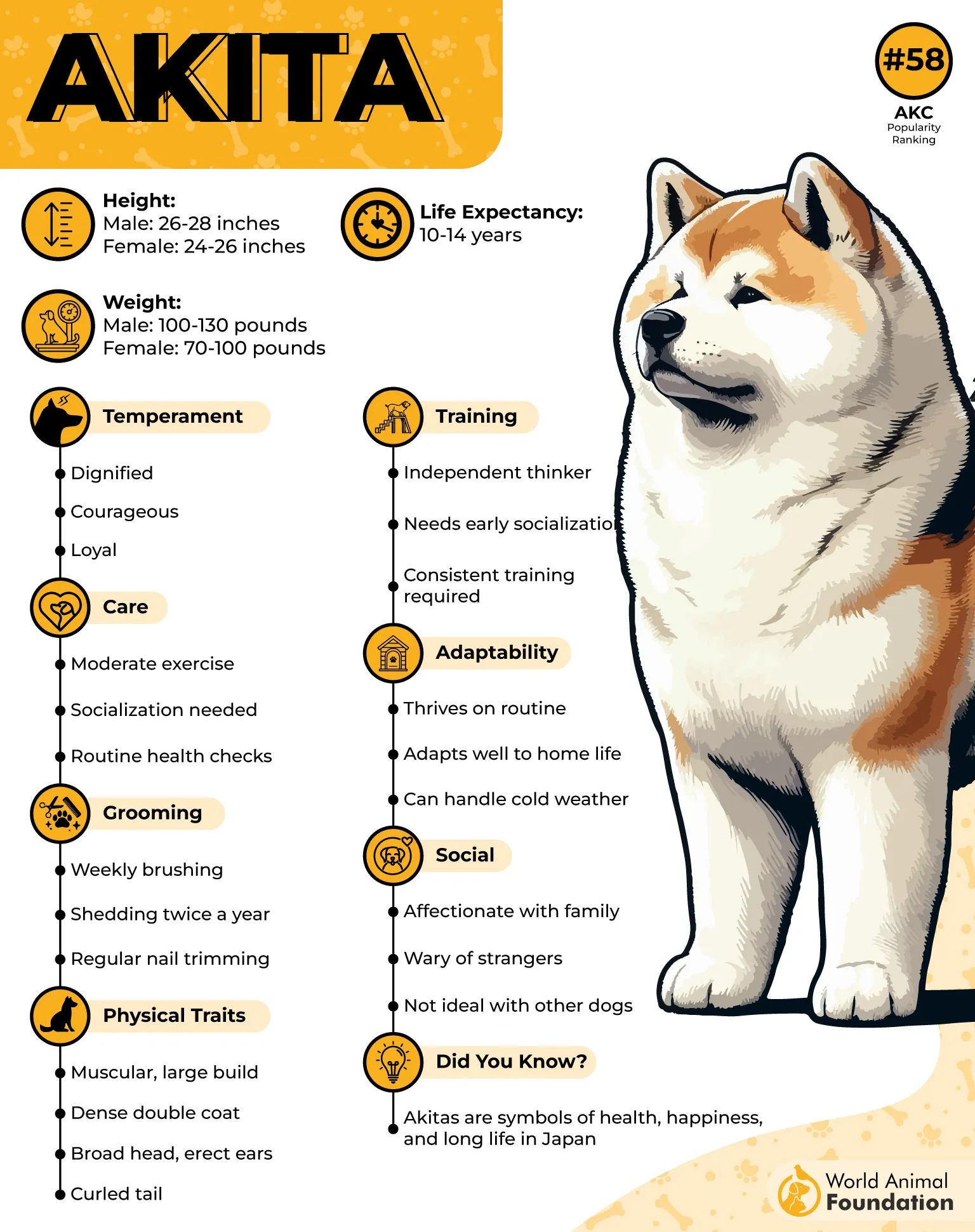
Akitas are intelligent, but their independent and strong-willed personality can make training a challenge. They also have a strong hunting instinct, so they shouldn’t be trusted off-leash or kept alongside smaller pets like cats or rabbits.
Despite their working-dog roots, Akitas aren’t overly active. They need moderate daily exercise and mental stimulation to stay healthy and content. As Spitz dogs, they’re remarkably fastidious, produce very little odor, and their luxurious double coat doesn’t require extensive grooming.
6. Bullmastiff
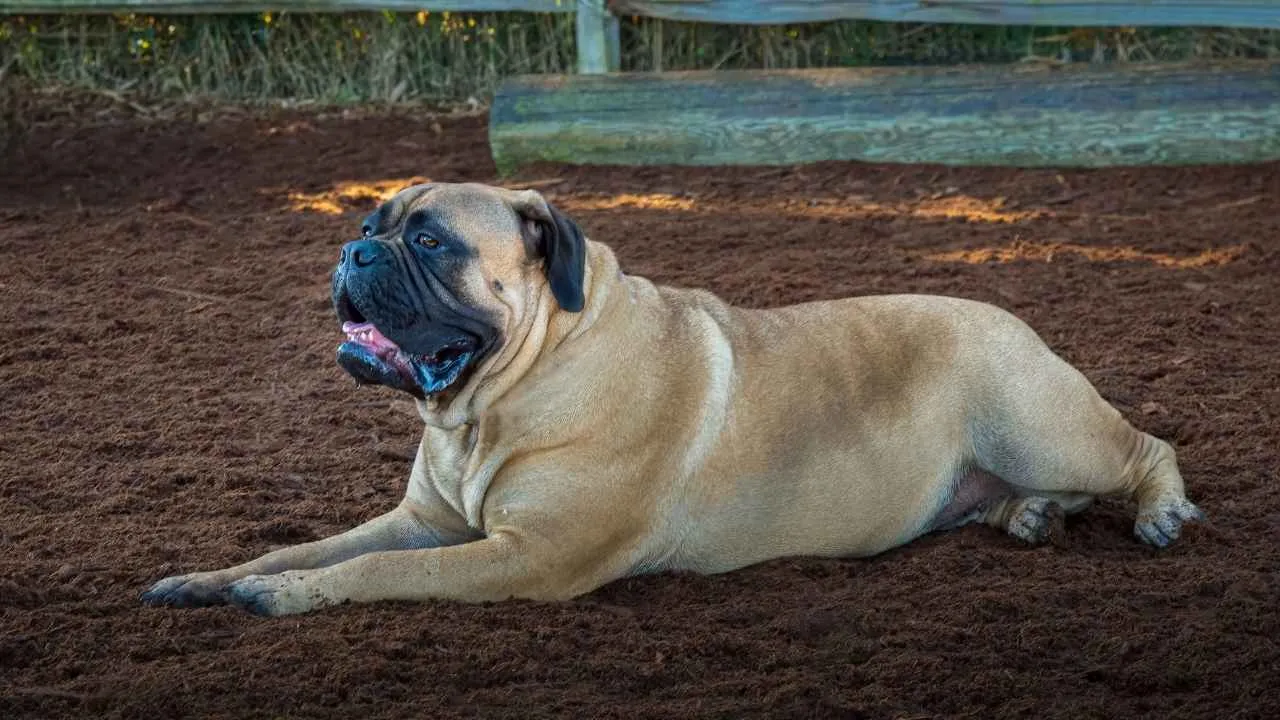
Originally bred to guard estates from poachers, Bullmastiffs are trustworthy, playful, and surprisingly approachable with strangers. What makes them great guard dogs isn’t aggression; it’s their strong vigilance and commanding presence, which alone is often enough to deter intruders.
Bullmastiffs are naturally protective of their humans and form strong, lasting bonds with them. With proper training and early socialization, they grow into reliable long-term companions, and thanks to their mellow nature, they’re particularly well-suited for single pet parents looking for a calm, quiet dog.
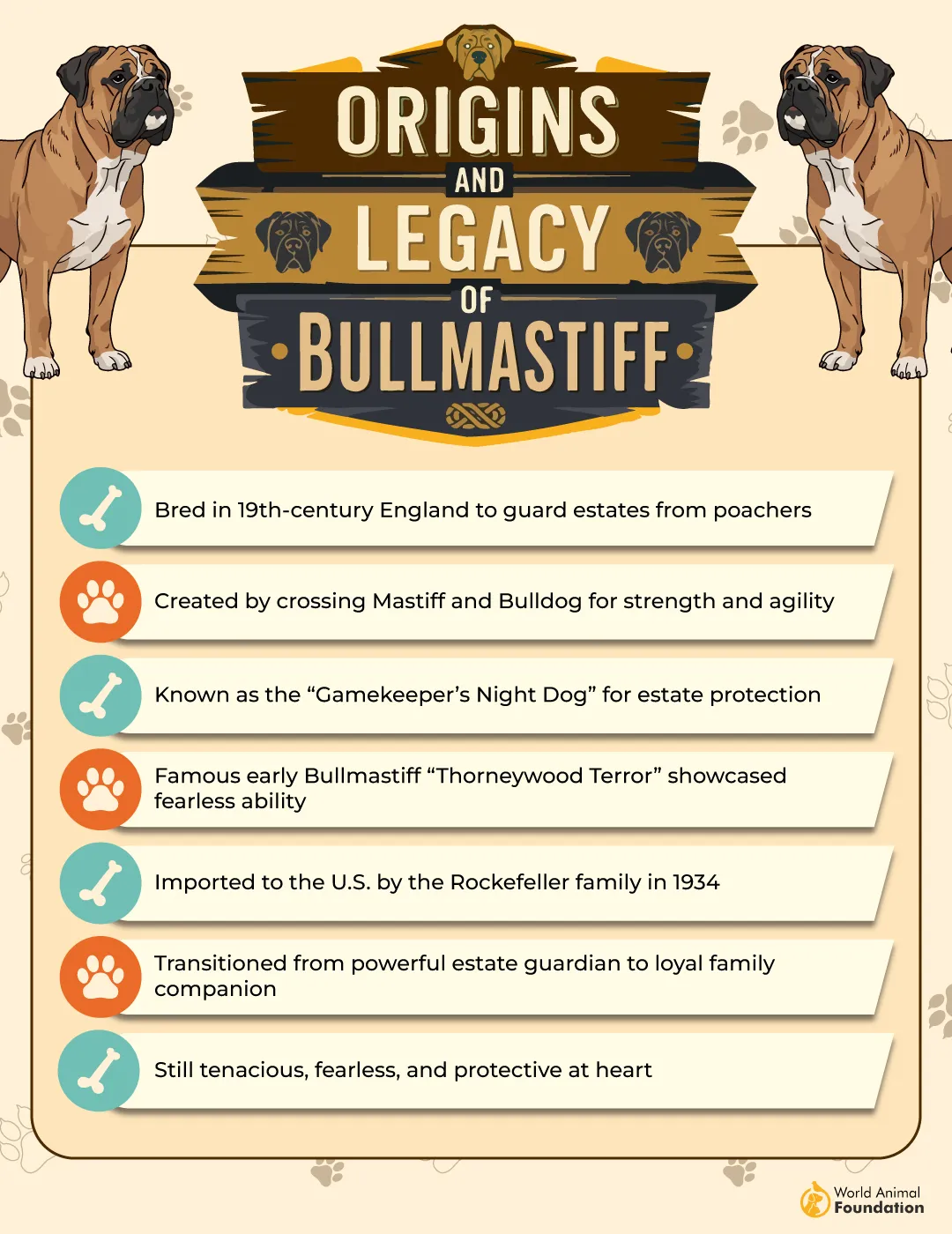
They’re a great pick for first-time owners too. Bullmastiffs are low-maintenance dogs that don’t require intense exercise or extensive grooming, and they adapt well to both large homes and smaller apartments. Daily walks and some outdoor games are enough to keep them happy and healthy.
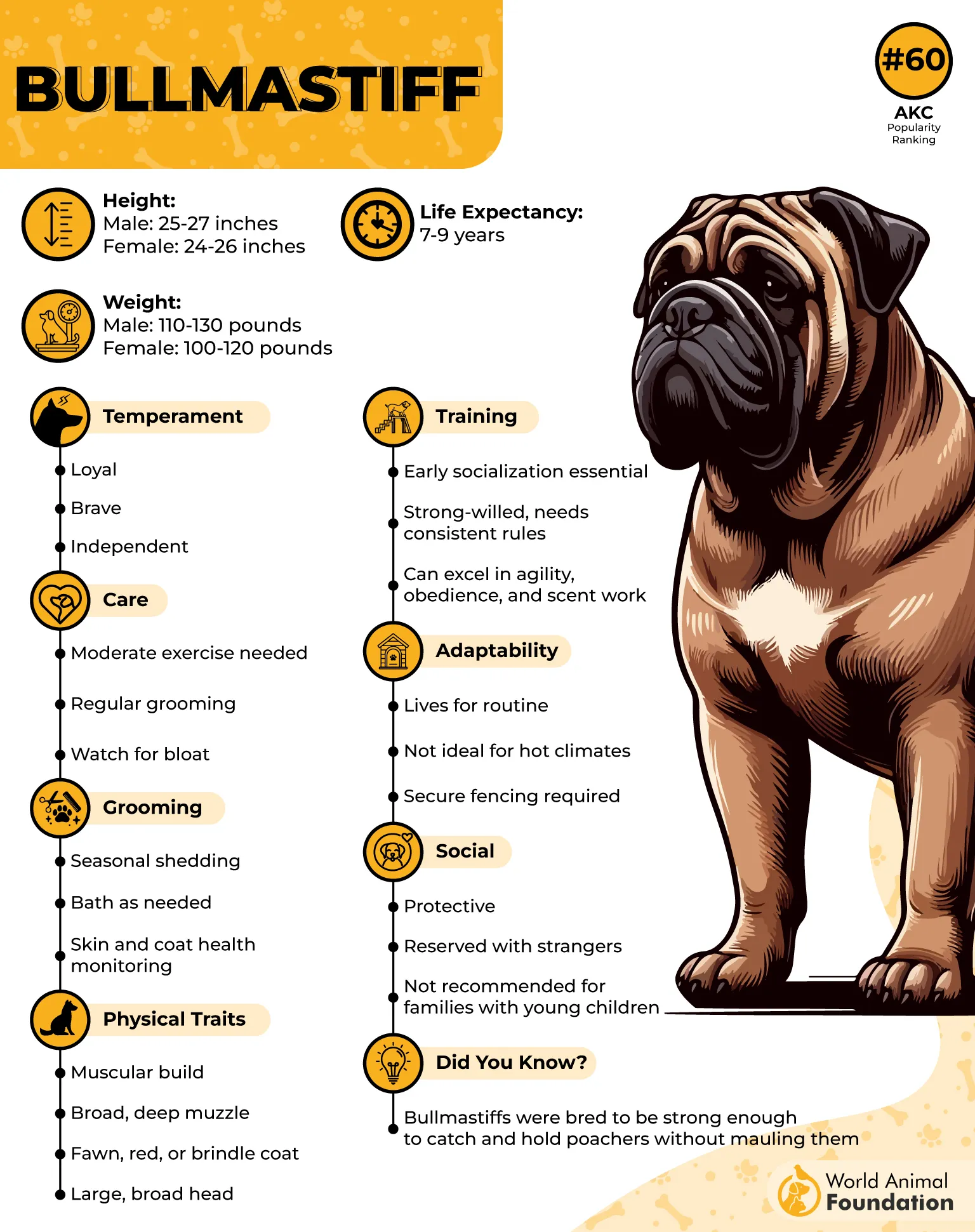
True to their poacher-catching roots, Bullmastiffs don’t bark much; they were bred to be silent and stealthy, which makes them all the more effective as guard dogs.
7. Great Dane
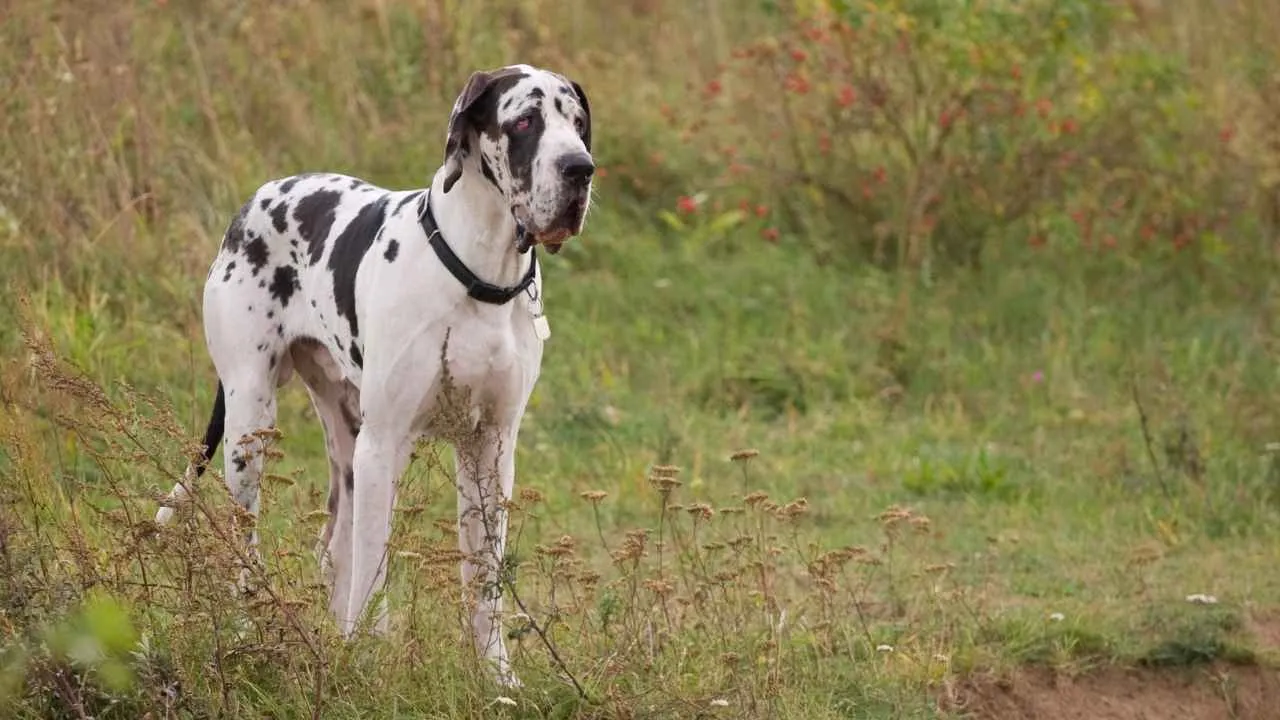
Often called the “Apollo of Dogs,” Great Danes are a total joy to live with. Their sheer size and intimidating appearance can deter potential intruders, yet behind that imposing exterior is a gentle, affectionate dog that’s deeply loyal to its owners.
Danes truly live up to the “gentle giant” title. They’re highly intelligent, observant, and quietly alert, quick to notify their owners the moment something seems off, which makes them great guard dogs for single pet parents. They also get along wonderfully with kids, making them a fantastic all-around companion.
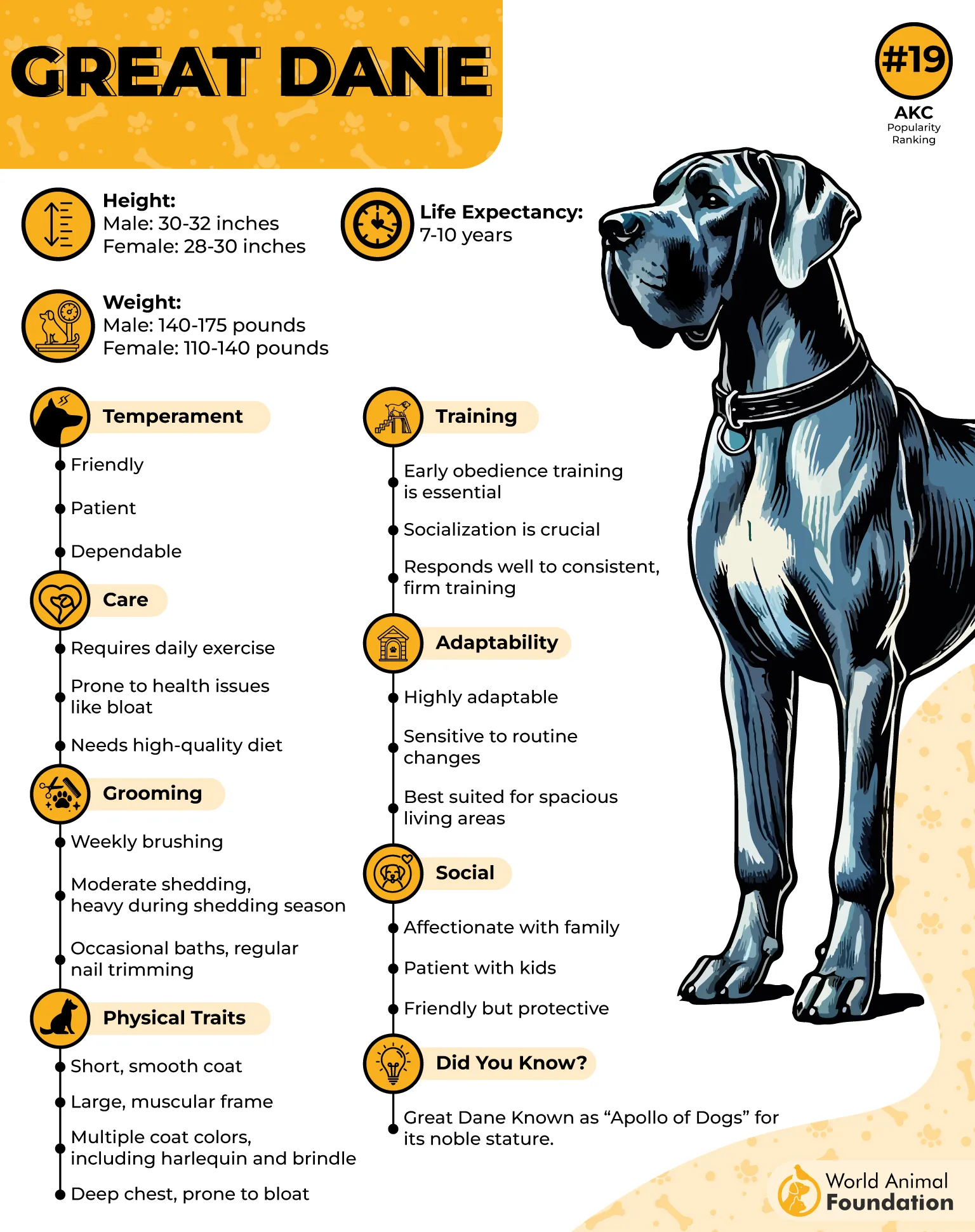
Despite being one of the tallest dog breeds in the world, Great Danes have fairly low energy levels and only need moderate exercise and mental stimulation to stay happy and healthy.
One thing to keep in mind: Great Danes that aren’t well-socialized can develop anxiety or become overly fearful in unfamiliar situations. Early exposure to new environments, people, and positive experiences goes a long way in raising a confident, well-adjusted dog.
Conclusion
Best protection dogs are incredibly loyal to their humans and form strong bonds with them. They possess natural protective instincts and tend to be wary of strangers. Good guard dogs have a territorial nature and do not like anyone to enter their property.
Some protective dog breeds offer peaceful companionship and bring a sense of calm and comfort to single households. With proper training, regular exercise, and early socialization, these wonderful dogs make loving family pets.
