




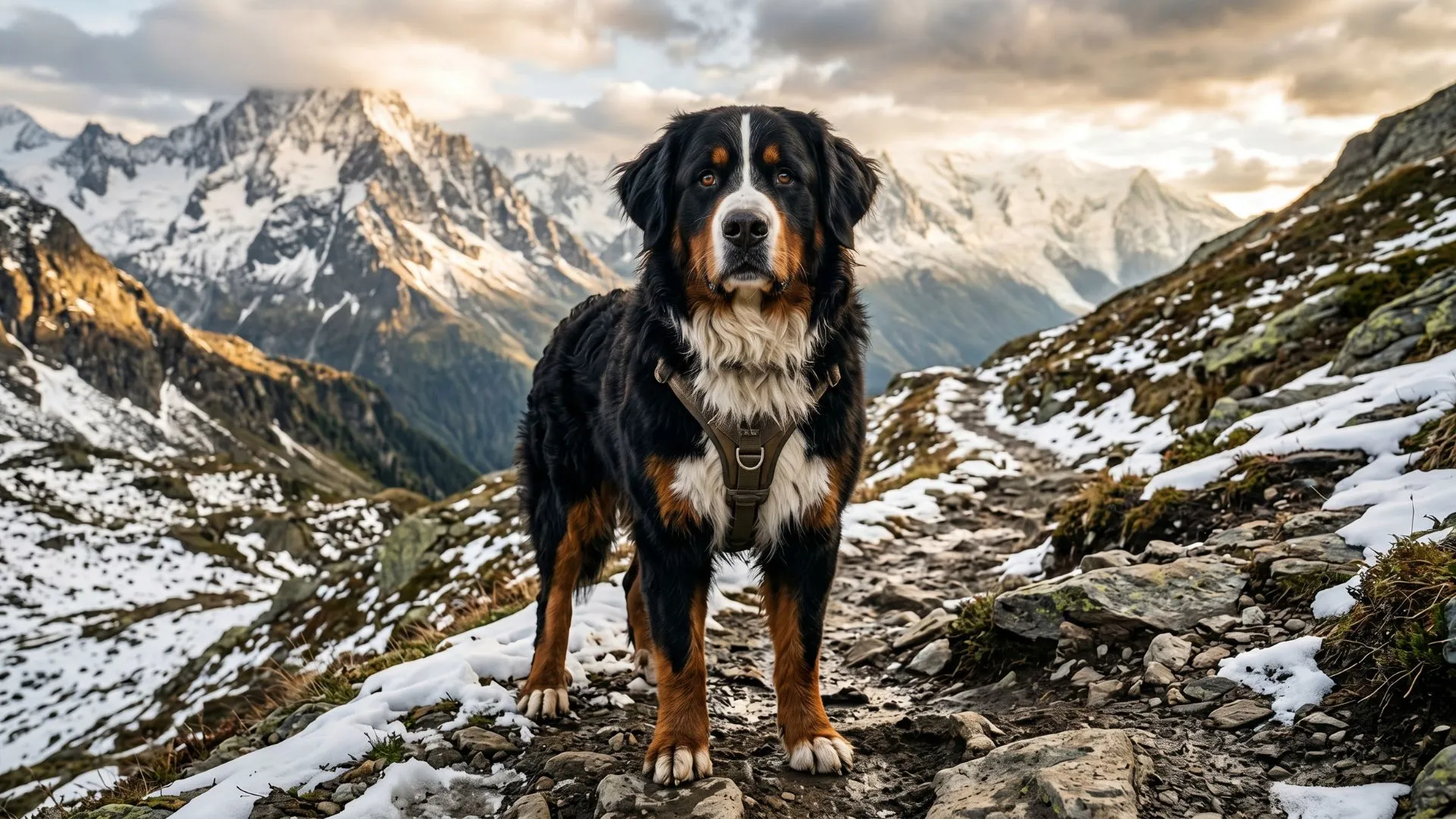
The definition of a great working dog has changed very little over time. Regardless of the task or environment, the qualities people value most remain remarkably consistent.
Reliability, endurance, adaptability, and mental toughness continue to separate exceptional dogs from average ones. These traits become even more important when work takes place in challenging conditions. Harsh weather, difficult terrain, and long hours create situations where weaknesses quickly become apparent.
Under those circumstances, resilience becomes one of the most valuable characteristics a dog can possess. It allows the animal to stay focused, recover from physical demands, and continue performing effectively despite obstacles. Some breeds have spent generations developing exactly these qualities through purposeful work in demanding environments.
The dogs featured ahead stand out because they repeatedly demonstrate the ability to handle pressure, making them some of the most dependable working companions in the world.
Key Takeaways
Working in harsh conditions demands more than strength. It takes focus, patience, and the ability to adapt when things get tough.
Siberian Huskies and Alaskan Malamutes carry generations of endurance, where pulling strength and stamina mattered more than anything else.
Akitas and Anatolian Shepherd Dogs add another layer with calm judgment and protective instincts that stay sharp even under pressure.
As you move through the full list, each breed reveals why resilience is not just strength but the ability to keep going when conditions get harsh.
Most Resilient Dog Breeds for Extreme Working Conditions
1. Siberian Husky
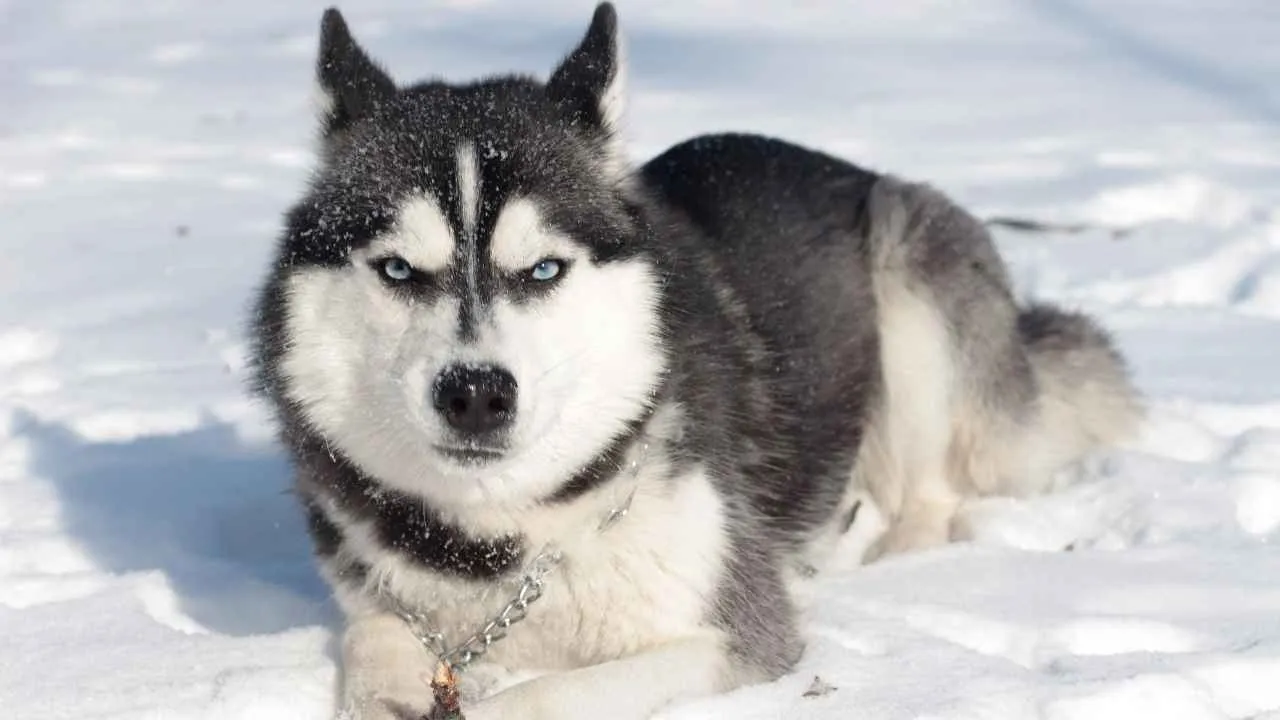
Siberian Huskies built their name across vast icy landscapes, where teams of dogs pulled loads over long distances with remarkable efficiency. Their compact frames, dense coats, and natural stamina were shaped by work that demanded consistency rather than brute force.
Built Around Purpose
Activity is part of their nature, though they also appreciate tasks that give their energy a purpose. Life in harsh conditions required more than endurance alone.
These few characteristics explain why:
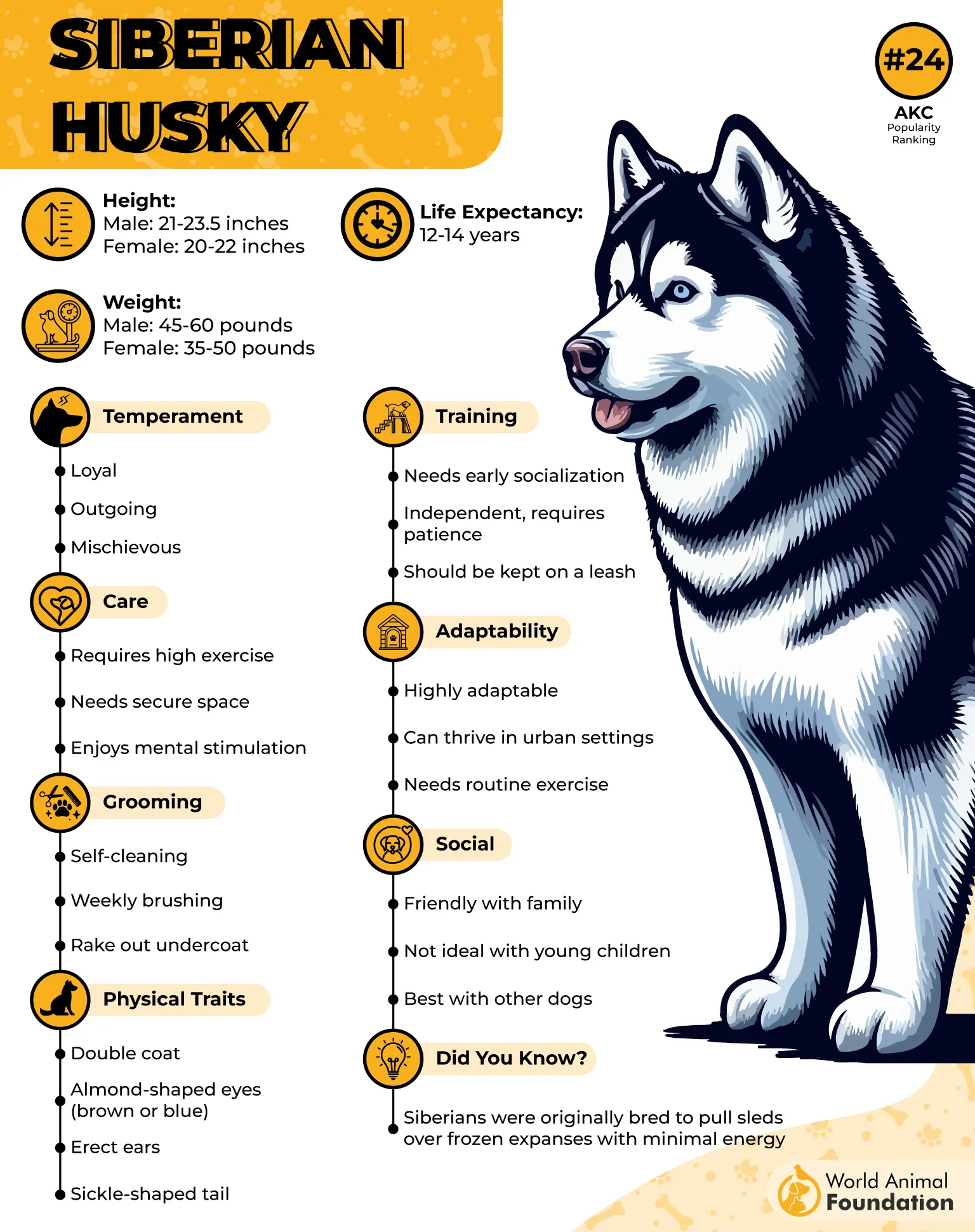
Thick double coat for severe cold
An efficient gait suited to long travel
Strong pack-oriented working instinct
Adaptable Yet Task-Oriented
Despite its roots in remote frozen regions, the Siberian Husky adjusts surprisingly well to different living environments when daily activity remains part of the routine.
According to the AKC, Rally, agility, obedience, walks, and group play provide productive ways to engage a dog that was created for movement and teamwork.
2. Alaskan Malamute
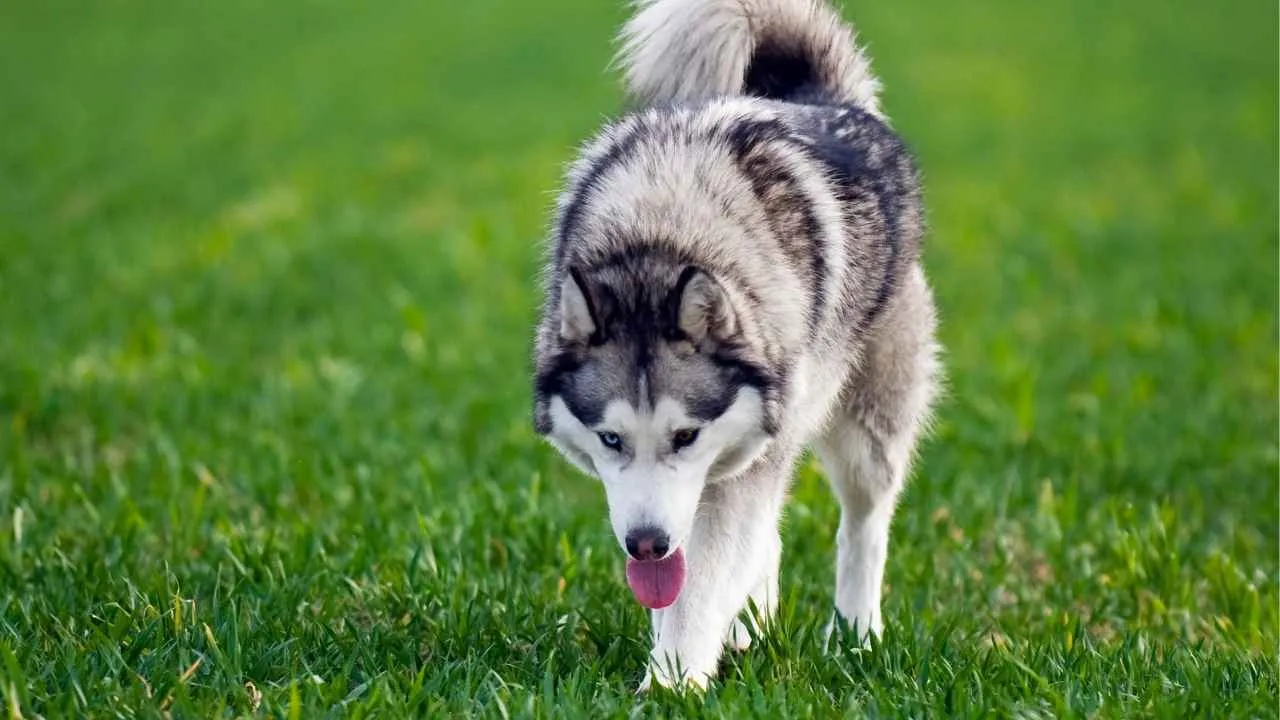
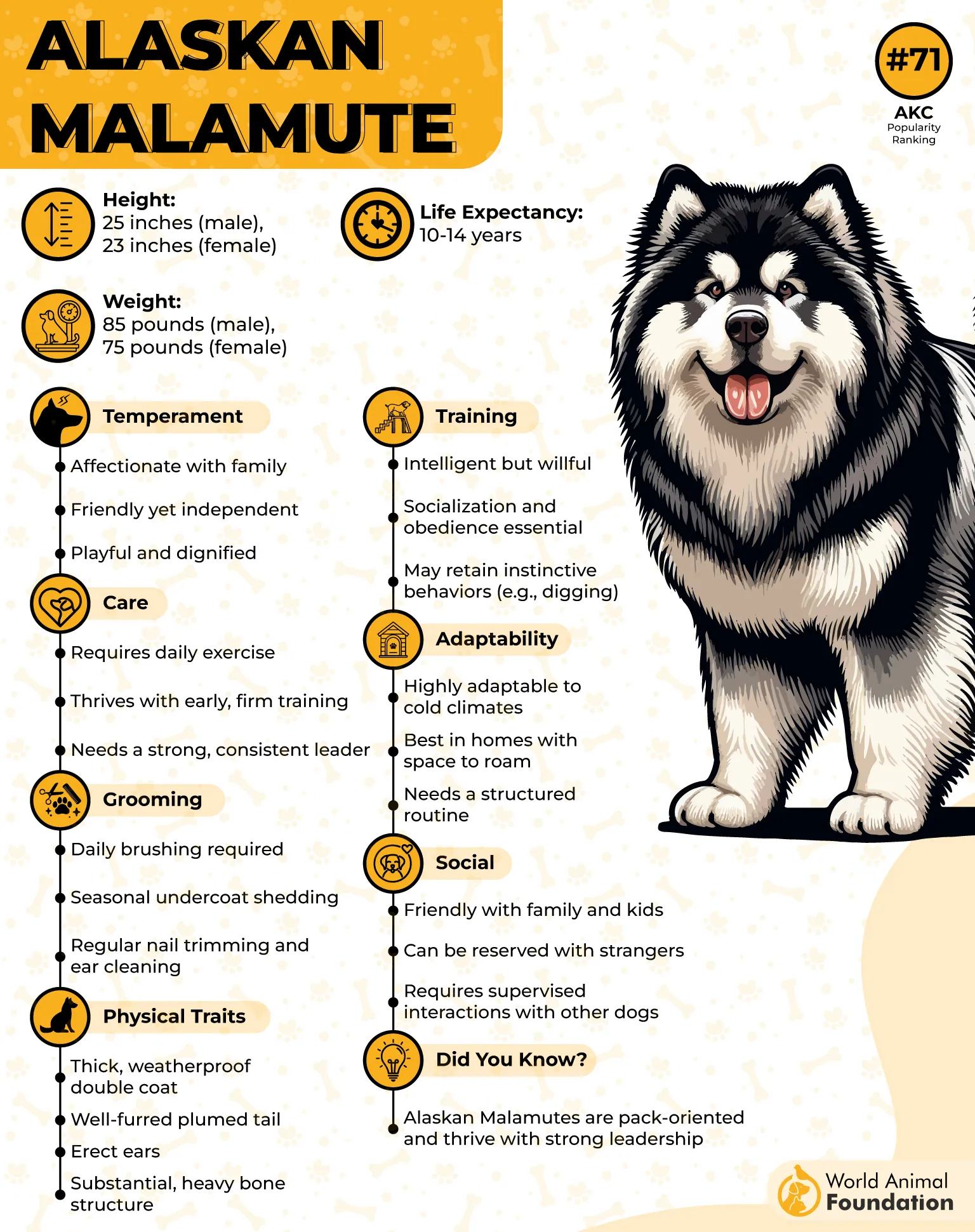
The Alaskan Malamute was originally bred for demanding sled work, where strength mattered more than speed across harsh northern terrain.
Heavy bone, a deep chest, and powerful shoulders reflect a dog built to pull substantial loads. Even its dense weatherproof coat speaks to a life spent facing severe conditions.
Built To Endure
This working dog breed brings together strength and endurance, traits that once helped it handle physically challenging tasks over extended periods.
Several features contribute to that capability:
Deep, powerful chest
Dense weatherproof coat
Strong shoulders and bone
A True Working Partner
The Alaskan Malamute thrives when given meaningful activity, whether that involves hiking, backpacking, sledding, or weight-pulling events, as PetMD writes. Racing was never the breed’s purpose. Endurance, pulling strength, and the ability to keep going under demanding workloads shaped its reputation.
3. Akita
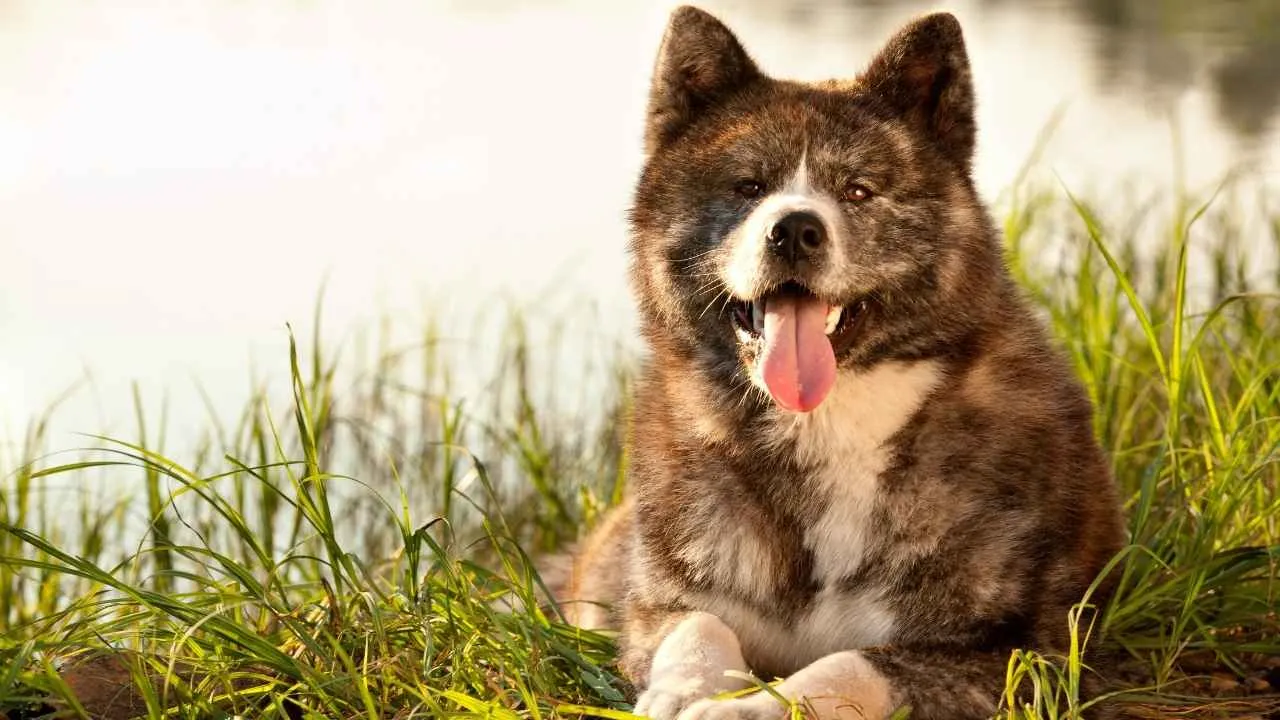
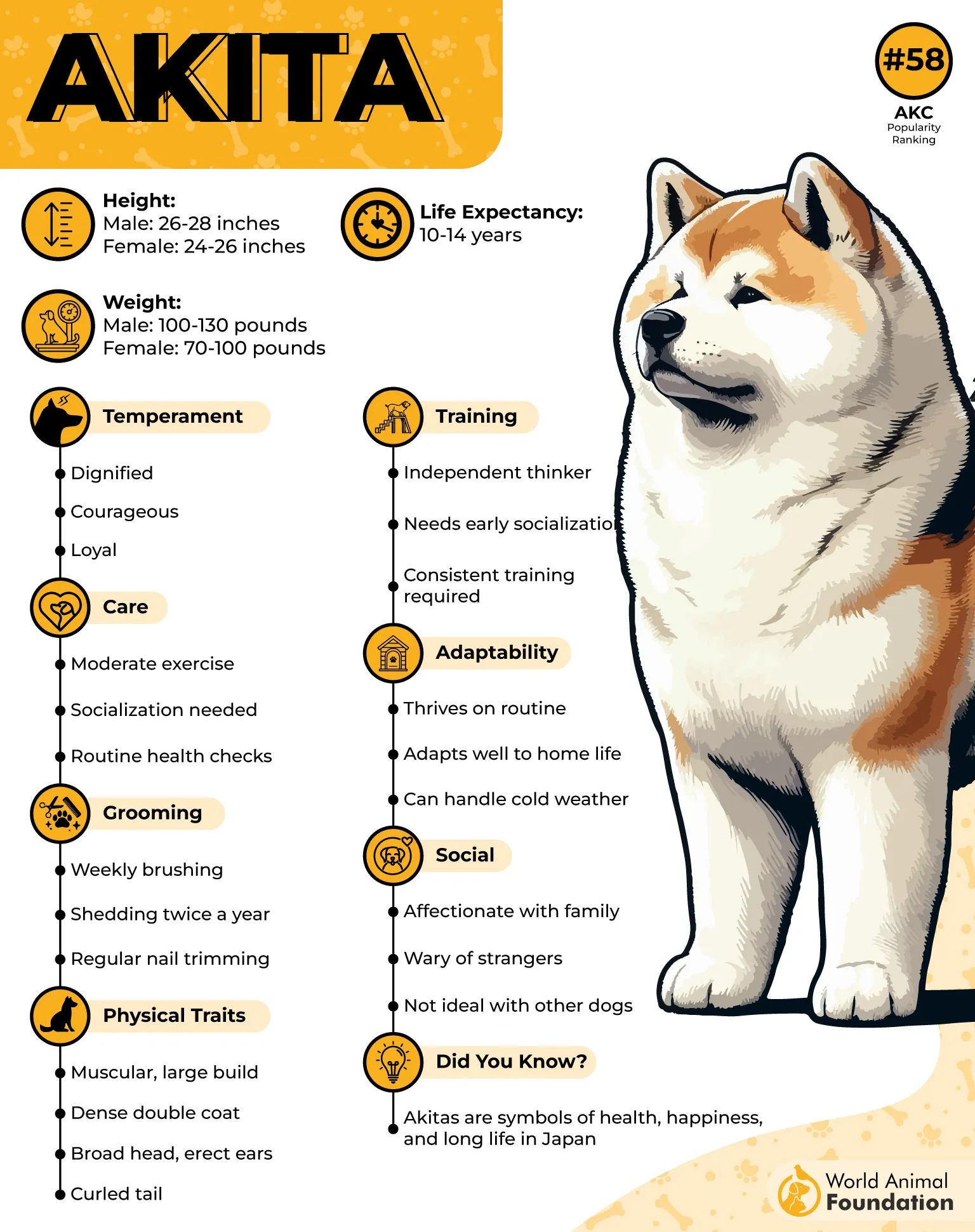
The Akita has long been honored in Japan as a symbol of good health, happiness, and long life, a distinction few breeds can claim. Beneath its thick double coat is a powerful dog shaped for harsh northern conditions. Dignity, courage, and loyalty remain closely tied to its identity.
Built for Demanding Roles
This guard dog combines physical toughness with a strong protective instinct, qualities valued in challenging environments. Its quiet nature keeps attention focused, while its independent mind allows confident decision-making.
Here’s what helps it handle demanding responsibilities:
Hardy in severe weather
Naturally protective
Strong independent judgment
Alert and Composed
A broad head, erect ears, and dark, watchful eyes create an expression of constant awareness. Around unfamiliar people, Akitas tend to be reserved and observant rather than immediately welcoming, as noted by Britannica. Family and close friends often see a more playful and affectionate side.
4. Newfoundland
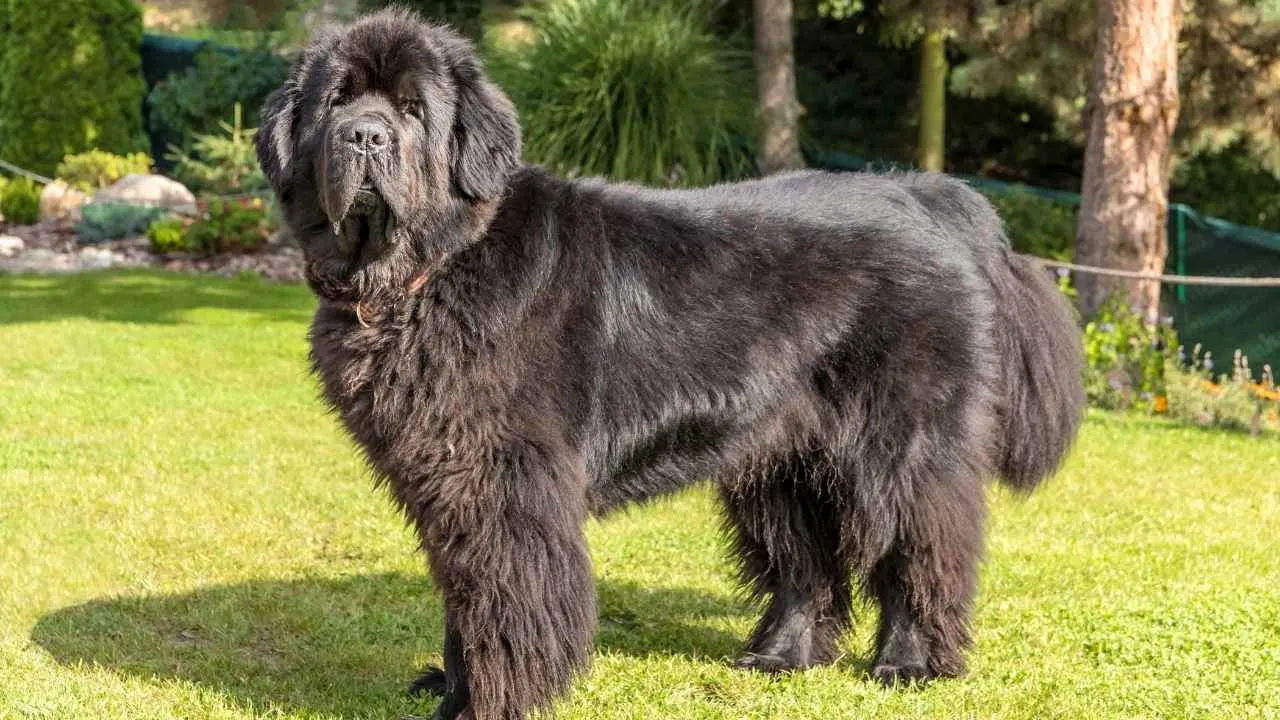
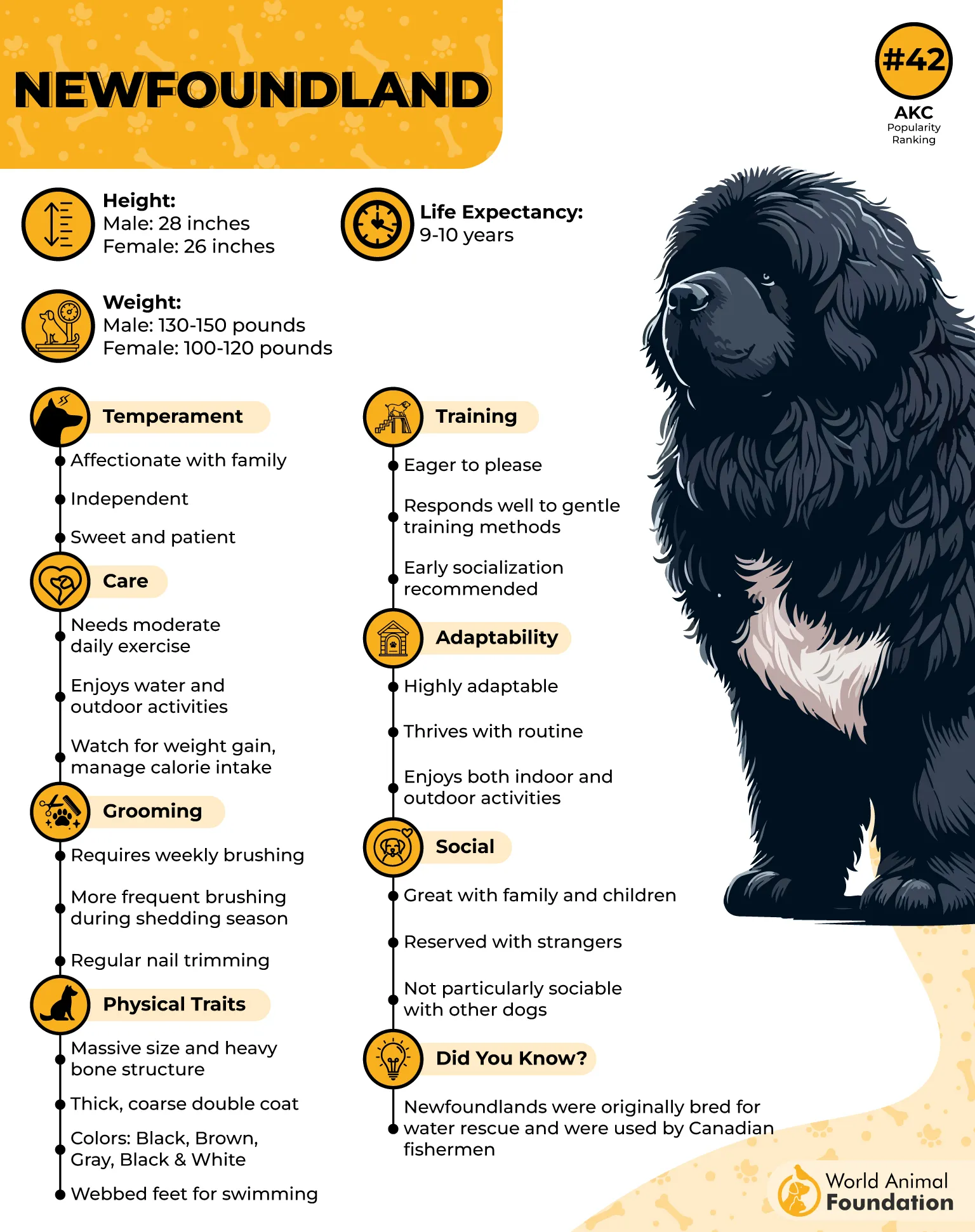
The Newfoundland is recognized for its immense strength paired with a calm, steady temperament that feels almost effortless in motion. Built with heavy bone and a wide frame, it is equally at ease on land or in water. Its soft, soulful expression reflects a naturally patient working nature.
Strength with Practical Roles
The breed’s physical power supports demanding tasks, from pulling work to lifesaving activity in water environments. Its steady temperament allows reliable response under guidance, especially in structured routines.
A quick look at its working ability highlights key traits:
Strong swimming capability
Reliable draft strength
Calm response under direction
Calm Around Family Life
A gentle nature makes Newfoundland especially comfortable in close family spaces, where it forms steady bonds with children. Its patience is often noted in everyday interactions that require tolerance and care. This balance of size and softness shapes its role at home.
5. Anatolian Shepherd Dog
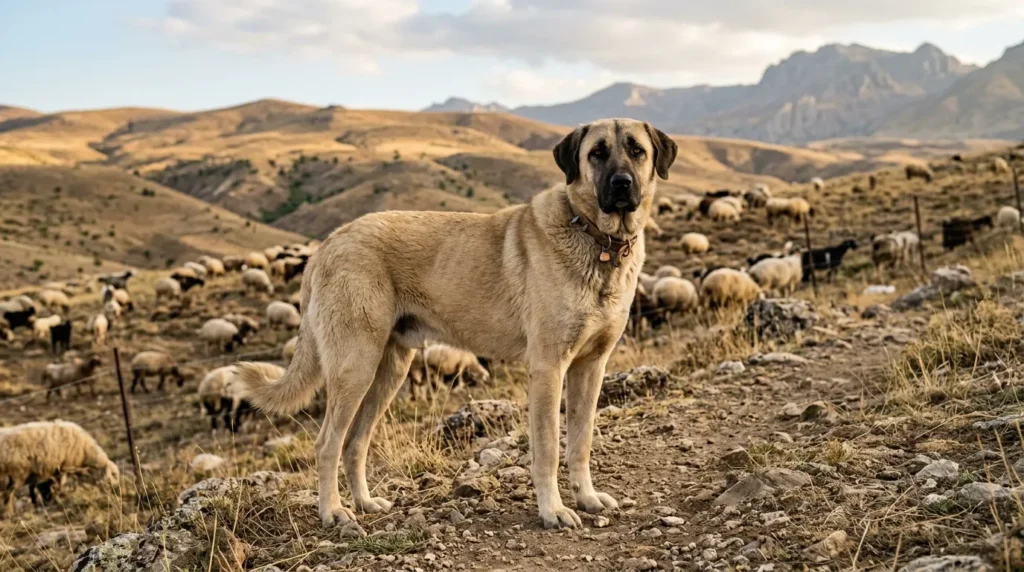
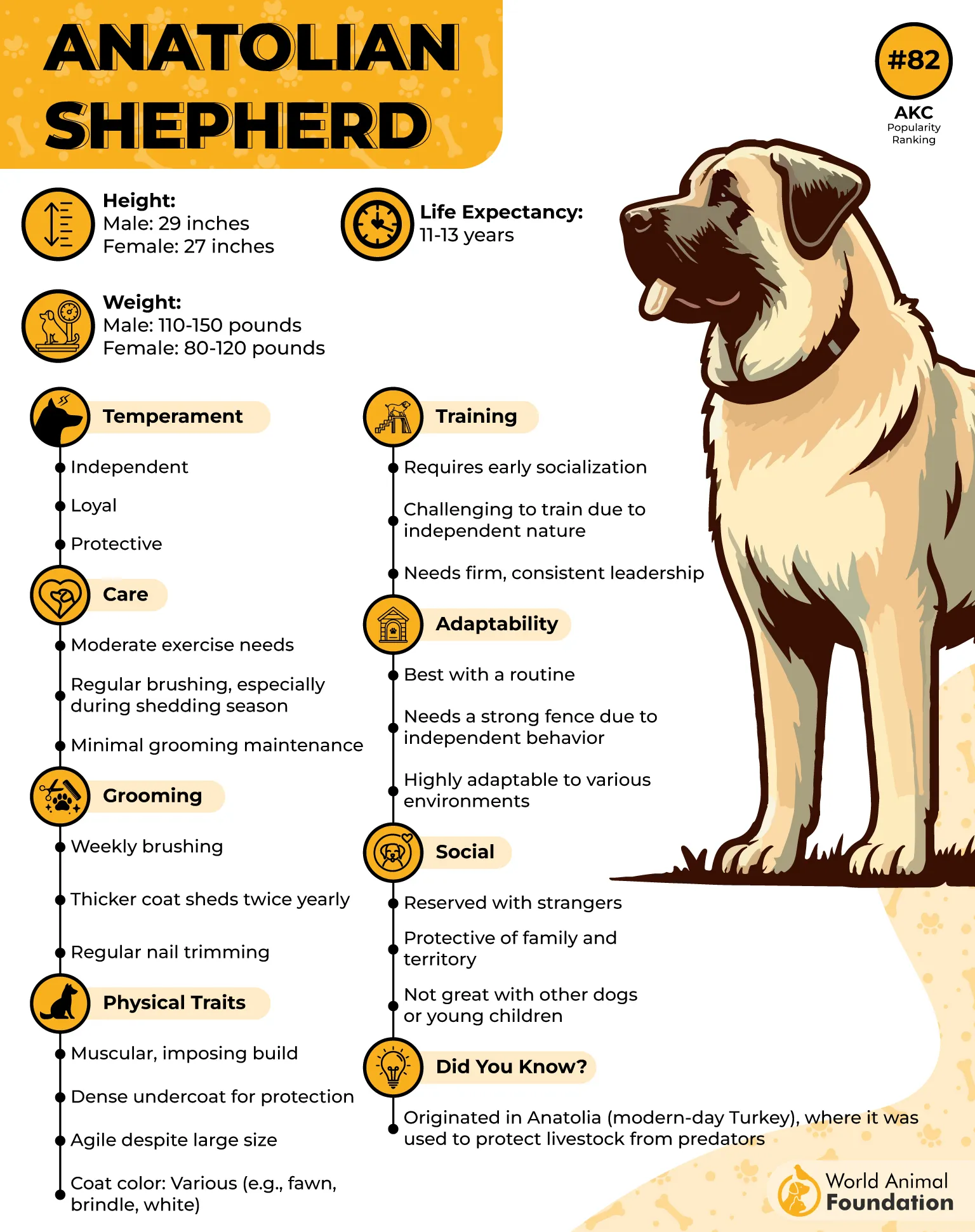
The Anatolian Shepherd Dog carries one of the oldest guardian lineages, shaped over thousands of years for protecting livestock in Turkey’s demanding landscapes. Its role expanded globally, even being used in Namibia to guard endangered cheetahs.
Independent Working Strength
Its ability to make decisions without constant direction suits long hours of guarding under tough conditions. The breed responds best when responsibilities are clear and structured.
These core traits explain its working mindset:
Strong territorial awareness
Calm decision-making under pressure
Highly independent guarding instinct
Consistent Training and Lifestyle Needs
They are fiercely loyal and require patient handling since independent thinking can make guidance more complex than usual working breeds. Routine mental stimulation and proper training help shape reliable behavior over time. Even moderate outdoor activity supports balance in daily life.
6. Saint Bernard
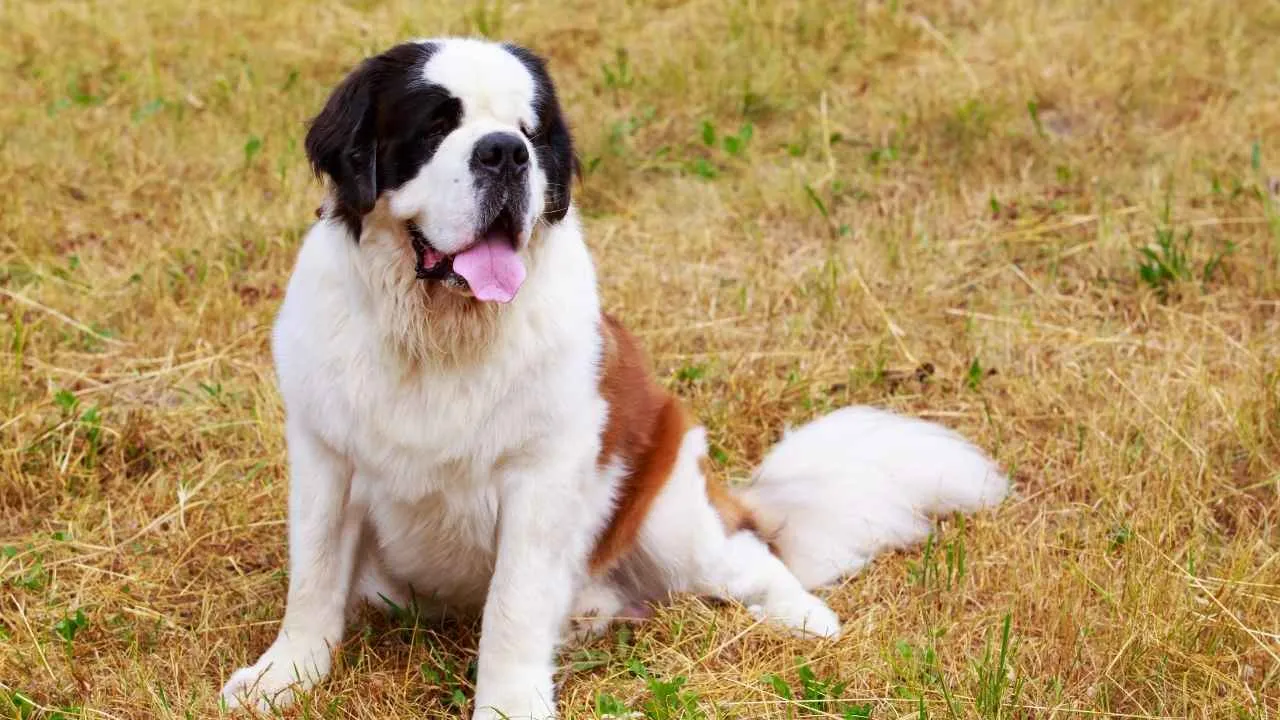
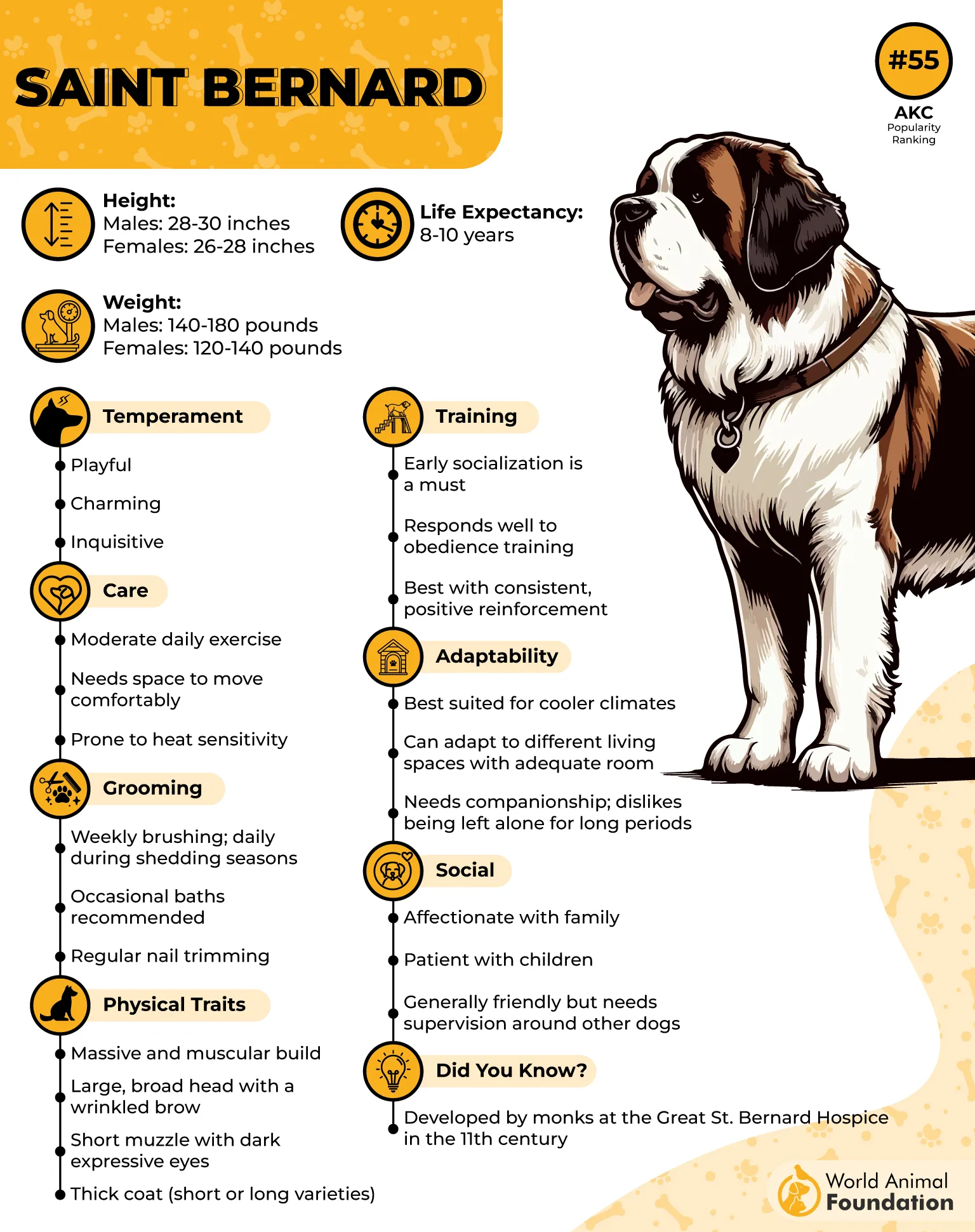
The Saint Bernard earned its reputation in the Swiss Alps, where monks relied on these giant dogs to locate people trapped beneath avalanches. That demanding work required physical strength, sound judgment, and the ability to function in severe mountain conditions.
Built for Tough Tasks
Its combination of size, composure, and willingness to work explains why the breed succeeded in challenging environments. Beyond rescue duties, Saint Bernards readily participate in a variety of outdoor activities and dog sports.
These few examples highlight that versatility:
Carting and drafting
Nose work activities
Hiking and camping
Calm Around Family
This companion dog is widely valued for a gentle temperament that fits naturally into family life. Around children, the breed is typically patient and easygoing, making daily interactions more predictable. Time spent playing or simply being near loved ones is often a preferred activity.
7. Norwegian Elkhound
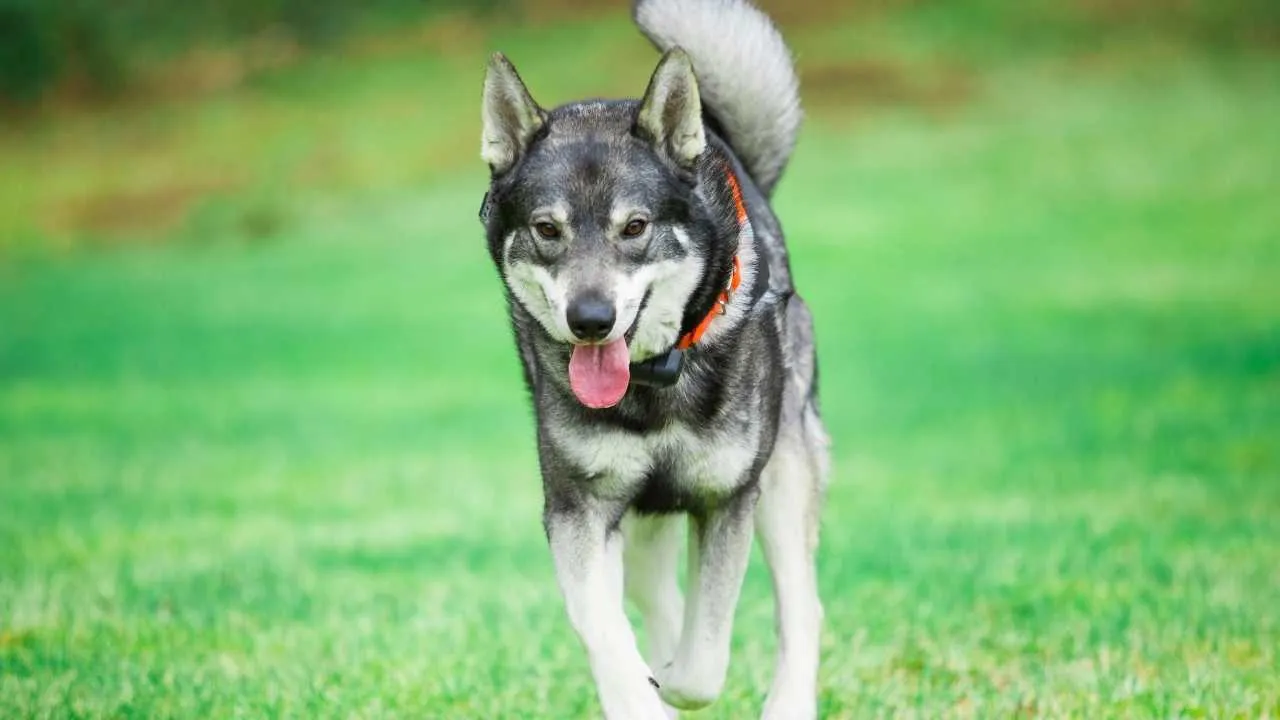
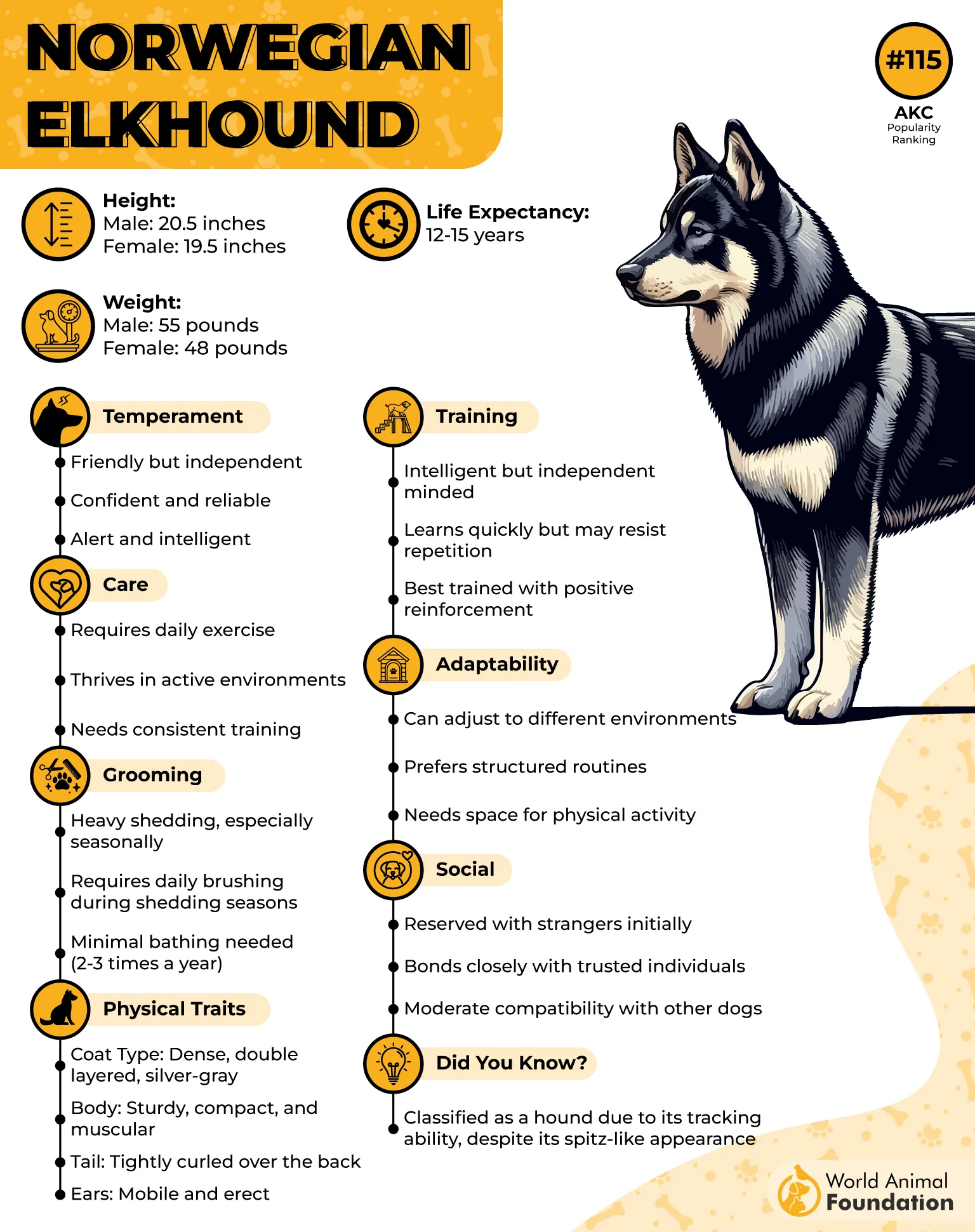
The Norwegian Elkhound spent centuries alongside Viking communities, earning a reputation for loyalty and dependable partnership. Beneath its fluffy coat is an energetic hunting dog known for determination and enthusiasm. That enduring relationship with people still shapes the breed today.
Ready for Adventure
It brings the stamina and enthusiasm needed for demanding outdoor work and long active days. Its combination of energy and devotion makes it well-suited to challenging environments.
Characteristics that help explain that reputation:
Strong daily endurance
Eager outdoor partner
Energetic working attitude
Family Connection
Elkies balance their working drive with an affectionate nature that enjoys close interaction with people. Their friendly nature makes them a comfortable fit around children when interactions are properly supervised. Attention and companionship remain important parts of their daily routine.
8. Bernese Mountain Dog
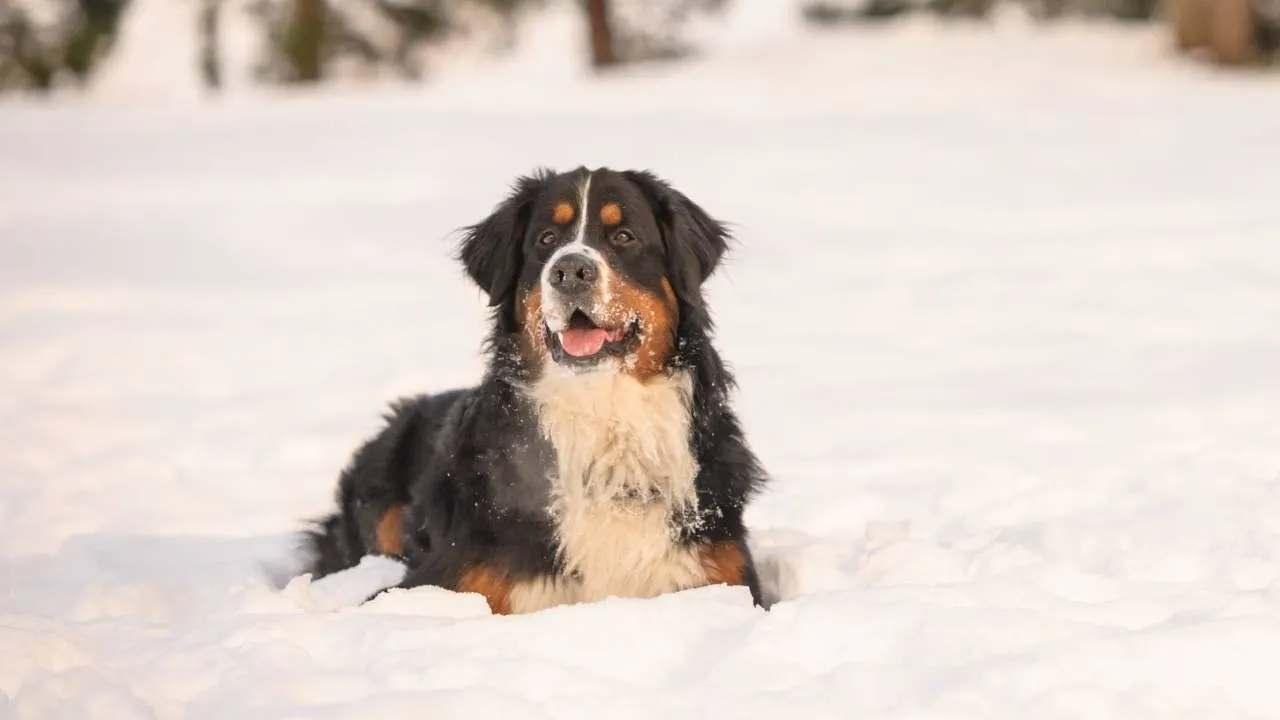
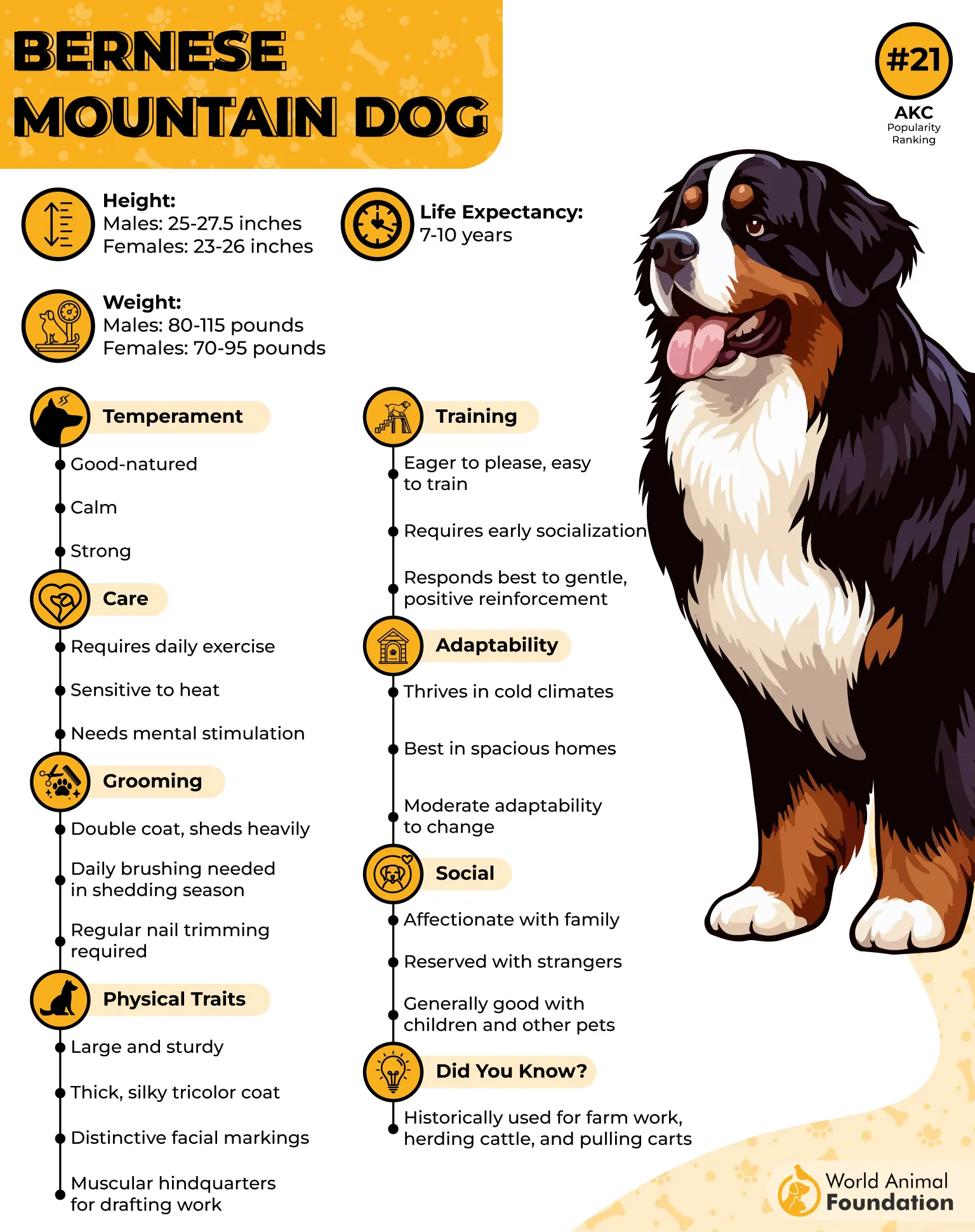
The Bernese Mountain Dog earned its reputation working across Swiss farms, where strength and dependability were part of everyday life.
Beneath its impressive size is a notably gentle nature that became just as valued as its working ability. Affection and patience remain central to the breed’s character.
Balanced Worker
These best dog breeds combine physical capability with an easygoing temperament, making them well-suited for demanding tasks and family life alike. Their willingness to cooperate contributes greatly to their versatility.
Several qualities support that reputation:
Eager to learn
Patient with children
Comfortable with other pets
Purposeful Activities
Berners enjoy having meaningful outlets that engage both mind and body throughout the day. Activities such as obedience work, nose work, hiking, cart pulling, and neighborhood walks suit their intelligence and working roots. Quiet downtime is equally appealing to this large companion.
9. Great Pyrenees
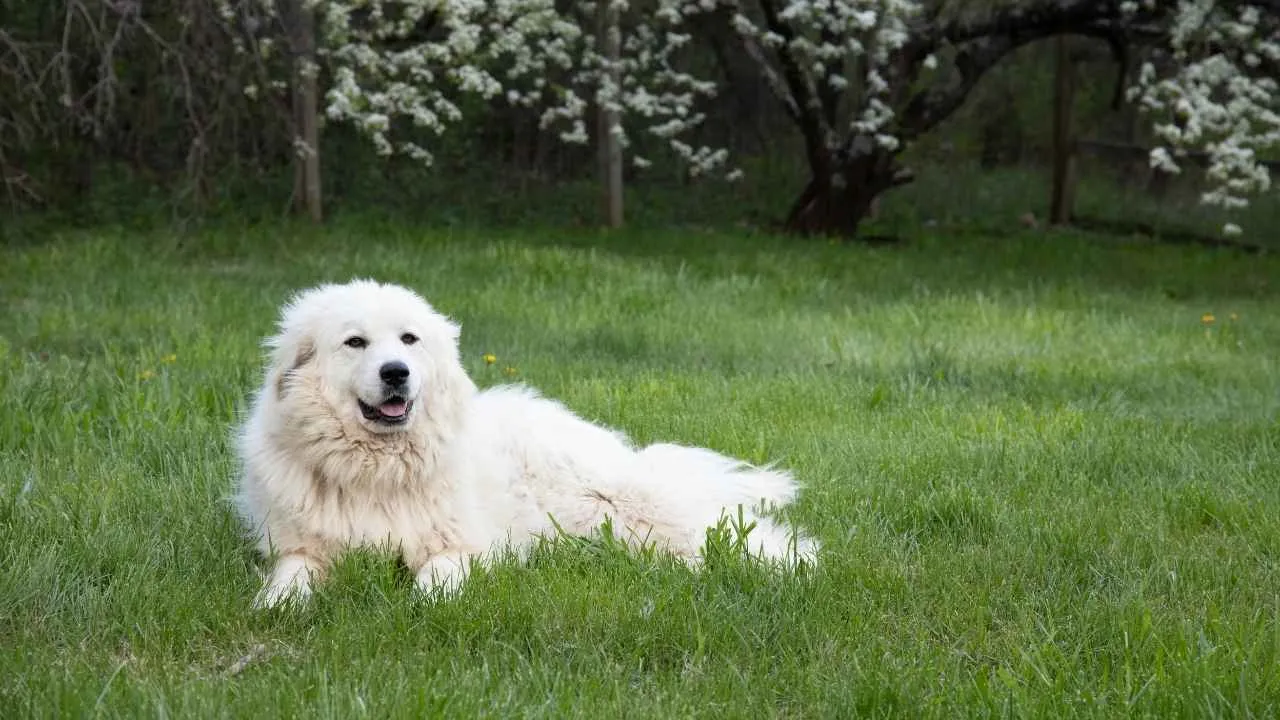
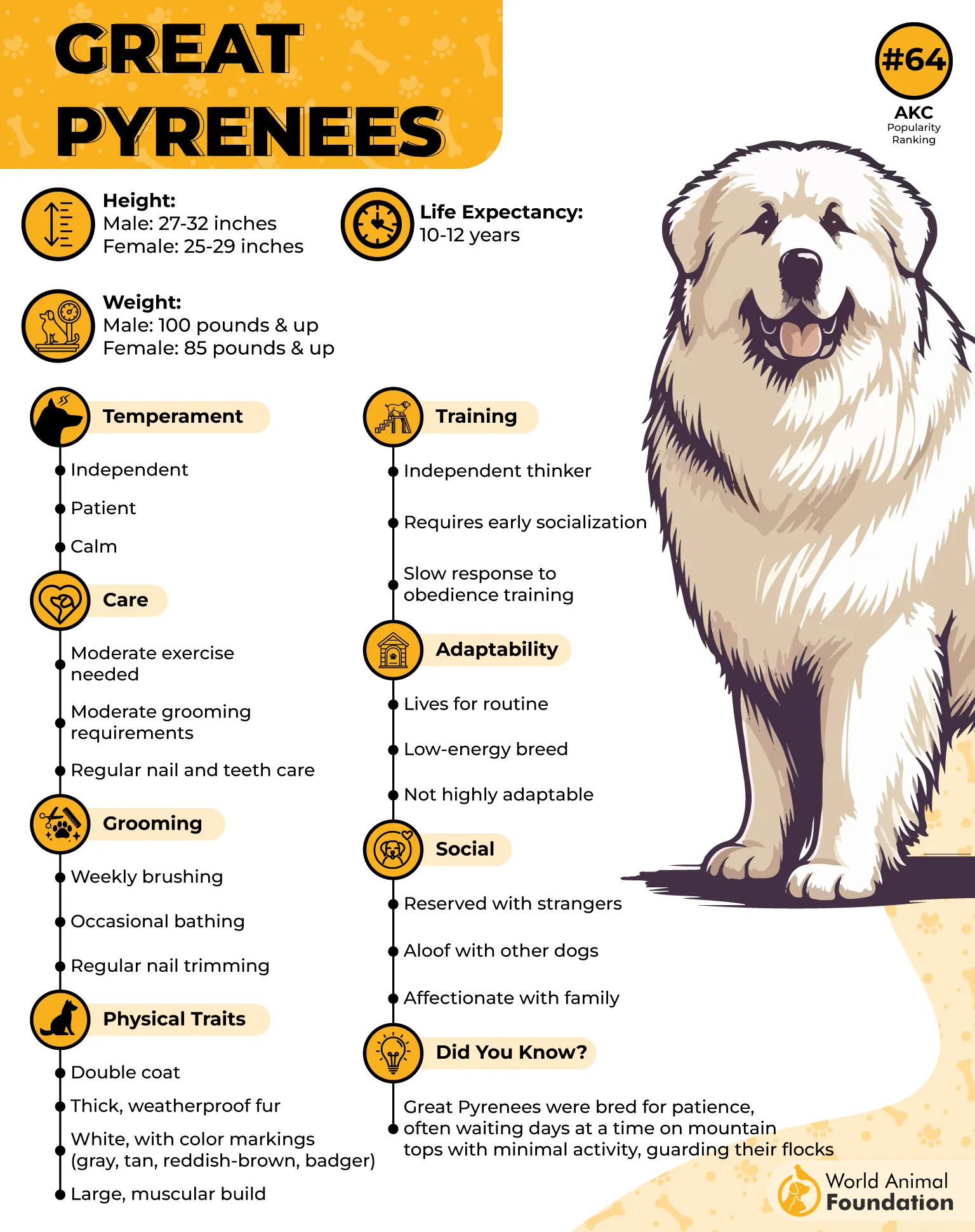
The Great Pyrenees spent generations watching over sheep in the rugged Pyrenees Mountains, where a thick white coat blended naturally into snowy surroundings.
Bears and wolves were among the threats these dogs faced while working alone. That demanding role shaped a calm and self-reliant temperament.
Built for Tough Conditions
These gentle giants conserve energy rather than waste it, a practical trait for dogs expected to remain alert for long periods. Their combination of strength, patience, and independence proved valuable in remote mountain regions.
A few traits explain that capability:
Comfortable in harsh weather
Independent decision-maker
Powerful livestock guardian
Work and Daily Life
Great Pyrenees enjoy purposeful outdoor activities such as hiking, farm work, cart-pulling, and long family walks. They also appreciate having space to wander safely, reflecting instincts shaped by years of working across open landscapes. Time alone is often valued just as much as companionship.
Conclusion
The toughest working environments reveal qualities that cannot be measured by appearance alone. Endurance and adaptability often determine whether a dog succeeds when weather, terrain, and long hours create constant challenges. These dogs developed these traits through generations of work, and a few breeds remain respected for their strong work ethic and highly intelligent nature.
Some excelled in freezing temperatures, while others worked around other animals, guarded livestock, or handled demanding tasks with a keen sense of awareness. What connects them is their reliability under pressure. That determination continues to make them excellent companions and trusted working partners around the world today.
