




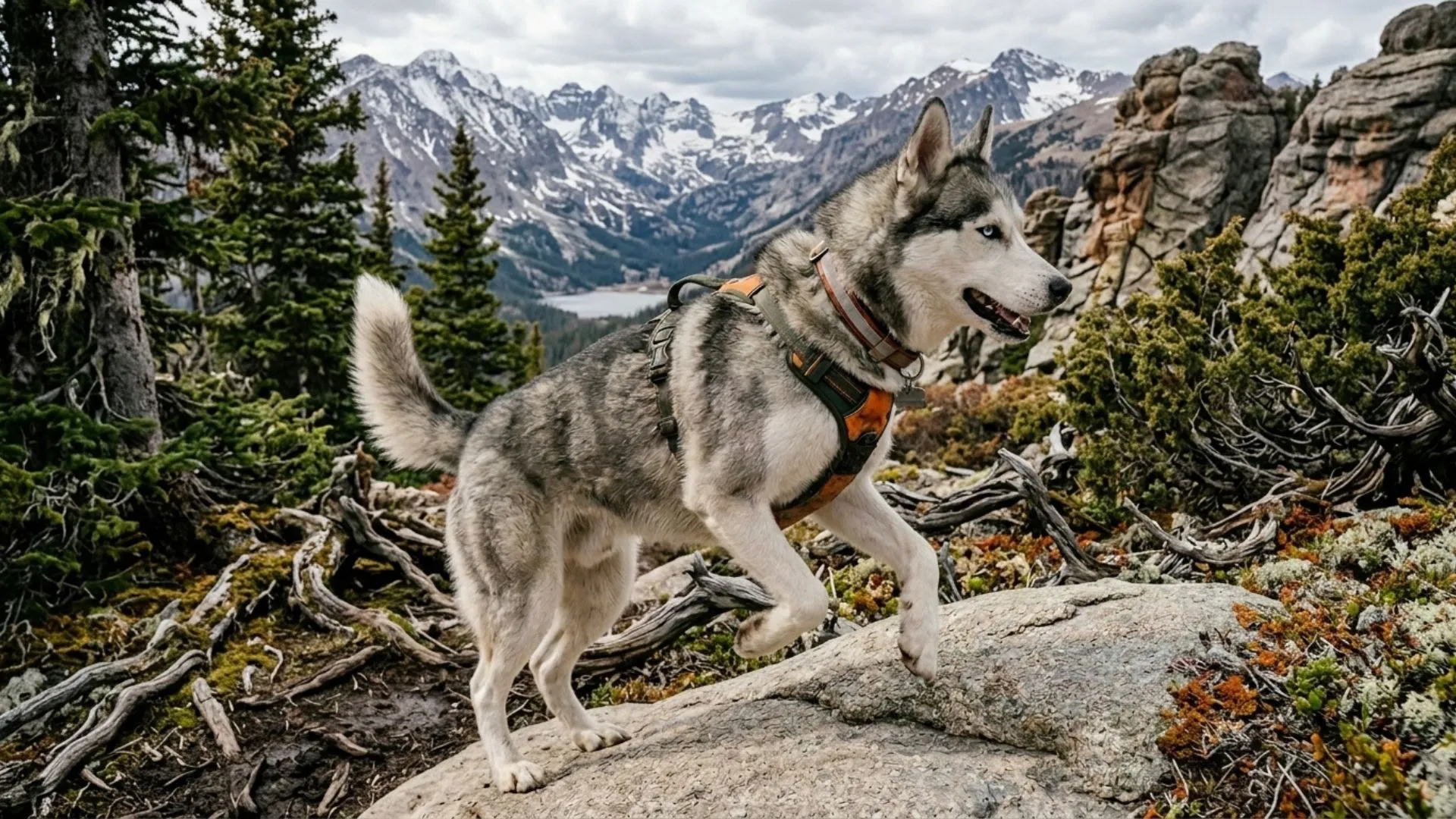
Ever wondered what it takes to survive harsh wilderness with a dog by your side?
Outdoor adventures demand more than courage. They need the right canine companion. Some dogs are built for rugged trails, frozen distances, and extreme outdoor conditions.
They stay strong even in harsh climates where others struggle. These dogs are not just pets. They are true outdoor partners with stamina, endurance, and weather resistance.
In this guide on 7 resilient dog breeds to take on any wilderness, you will discover dogs that thrive in nature’s toughest places.
It is made for hikers, campers, and outdoor families who love exploring wild spaces. These breeds can handle mountains, forests, and open land with ease. They bring strength and loyalty on every journey.
Next, let’s explore what makes each of these remarkable dogs truly built for survival and adventure in the wild.
Resilient Dog Breeds to Take on Any Wilderness
1. Alaskan Malamute
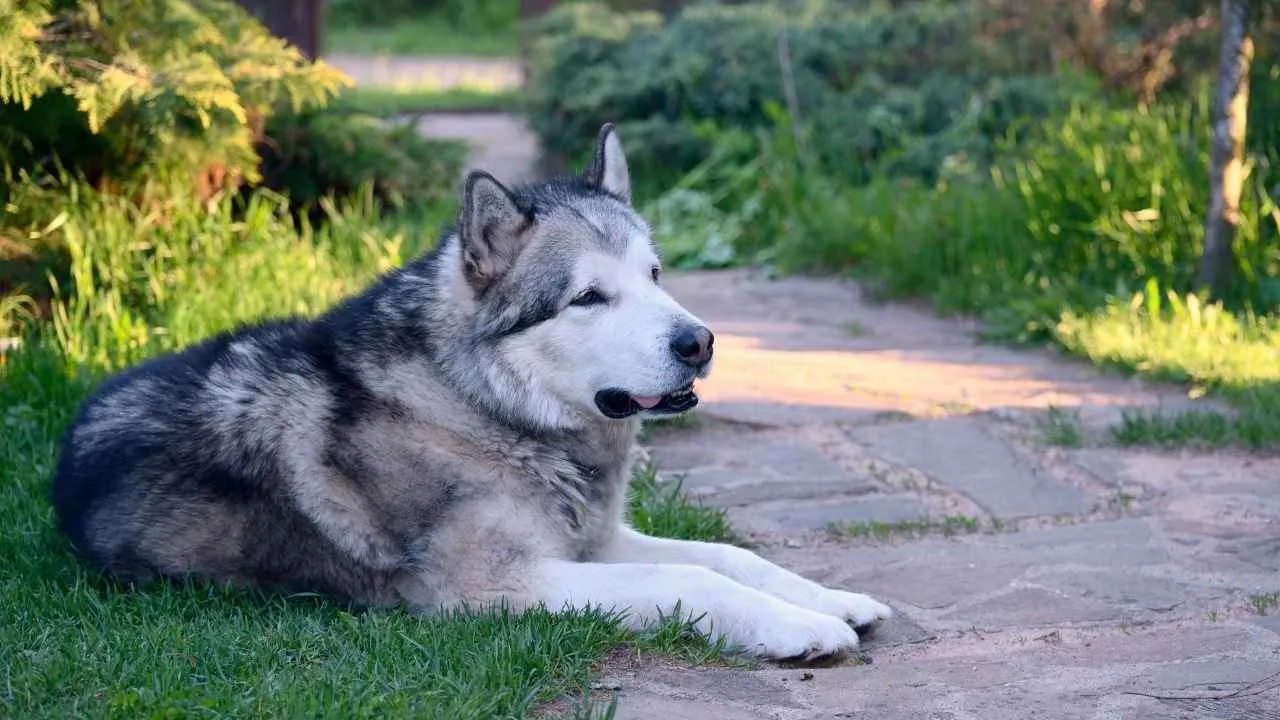
The Alaskan Malamute is a powerful, large dog breed built for strength and endurance. It was originally bred to pull sleds and move heavy loads across icy and rough terrain. Unlike faster breeds, this dog focuses on steady power.
Its strong body and instinct make it perfect for long Arctic journeys. These dogs enjoy human company and love being part of a family. With proper socialization, they stay friendly and welcoming. This makes them great for pet parents who enjoy outdoor life and active routines.
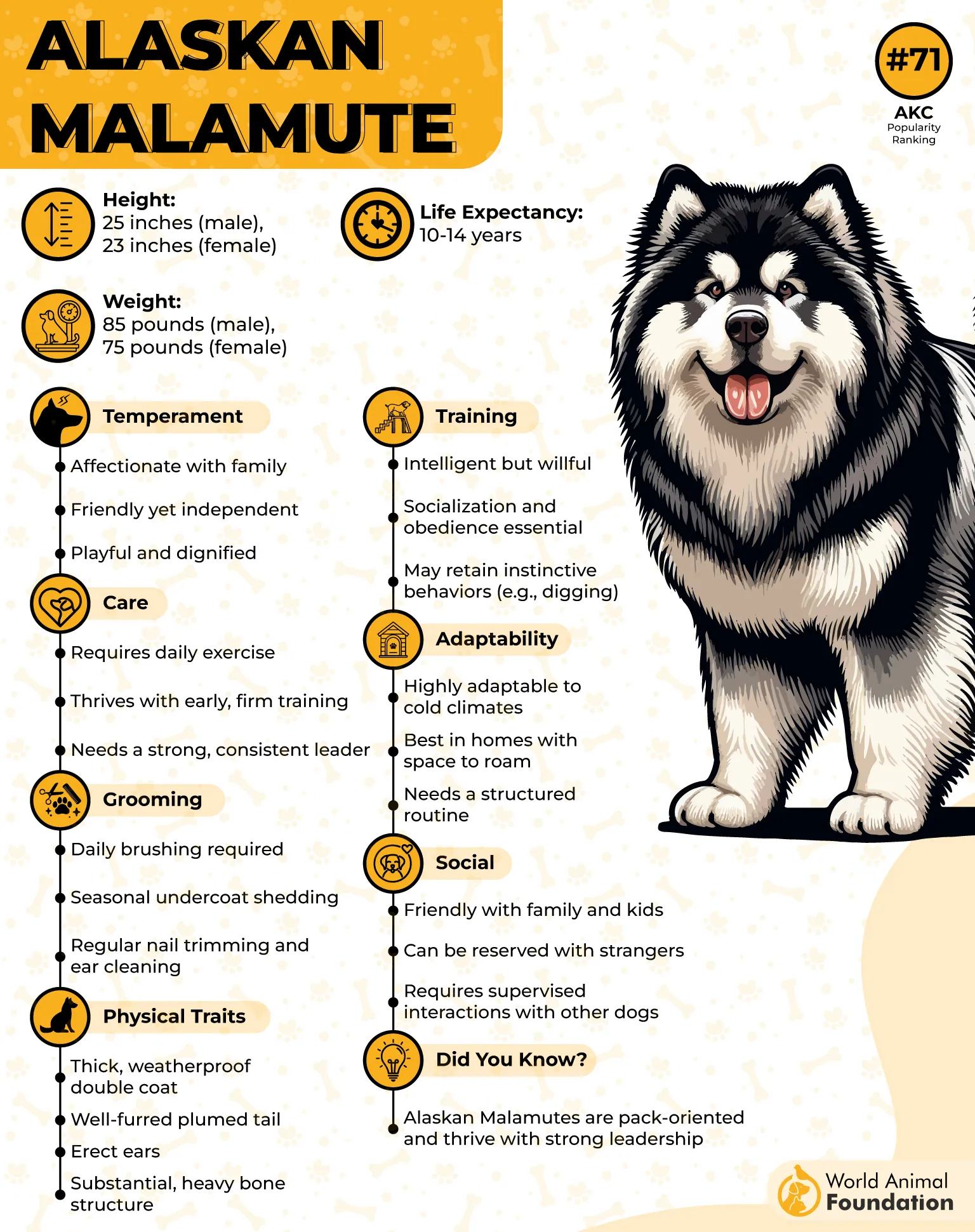
The Malamute has high energy, but it is controlled and focused. It is also intelligent, which helps in training for work tasks. Their protective nature makes them alert to their surroundings.
At the same time, they can be playful with their owners when relaxed. Compared to other working dogs, they rely more on strength than speed, making them true heavy-load champions.
2. Siberian Husky
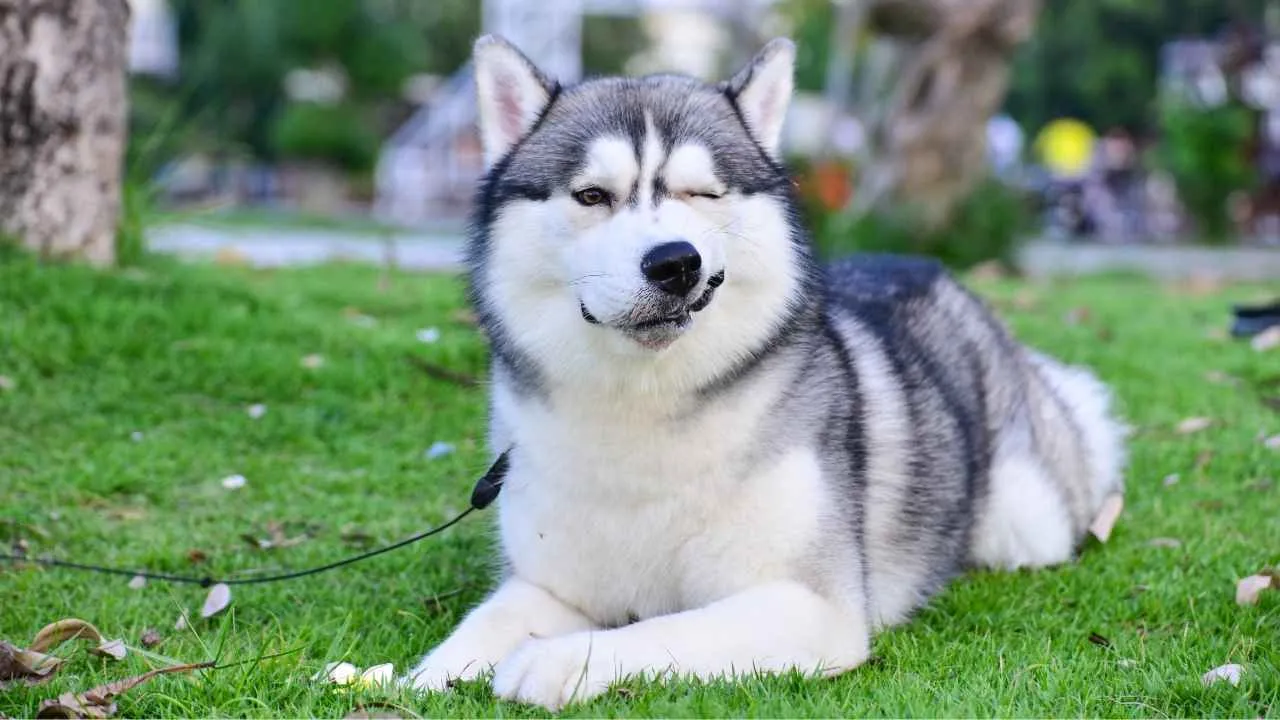
The Siberian Husky is a strong sled dog. According to Wikipedia, it is a medium-sized working sled dog. It was originally bred by the Chukchi people. They used them for sled pulling and companionship. This breed shows strong cold-weather survival skills. Its thick coat protects it from extreme cold.
The Siberian Husky has high energy levels. It needs daily training and mental exercise. Strong intelligence helps it learn commands quickly. They are often compared with other dogs in endurance. Some police dogs also share similar discipline traits.
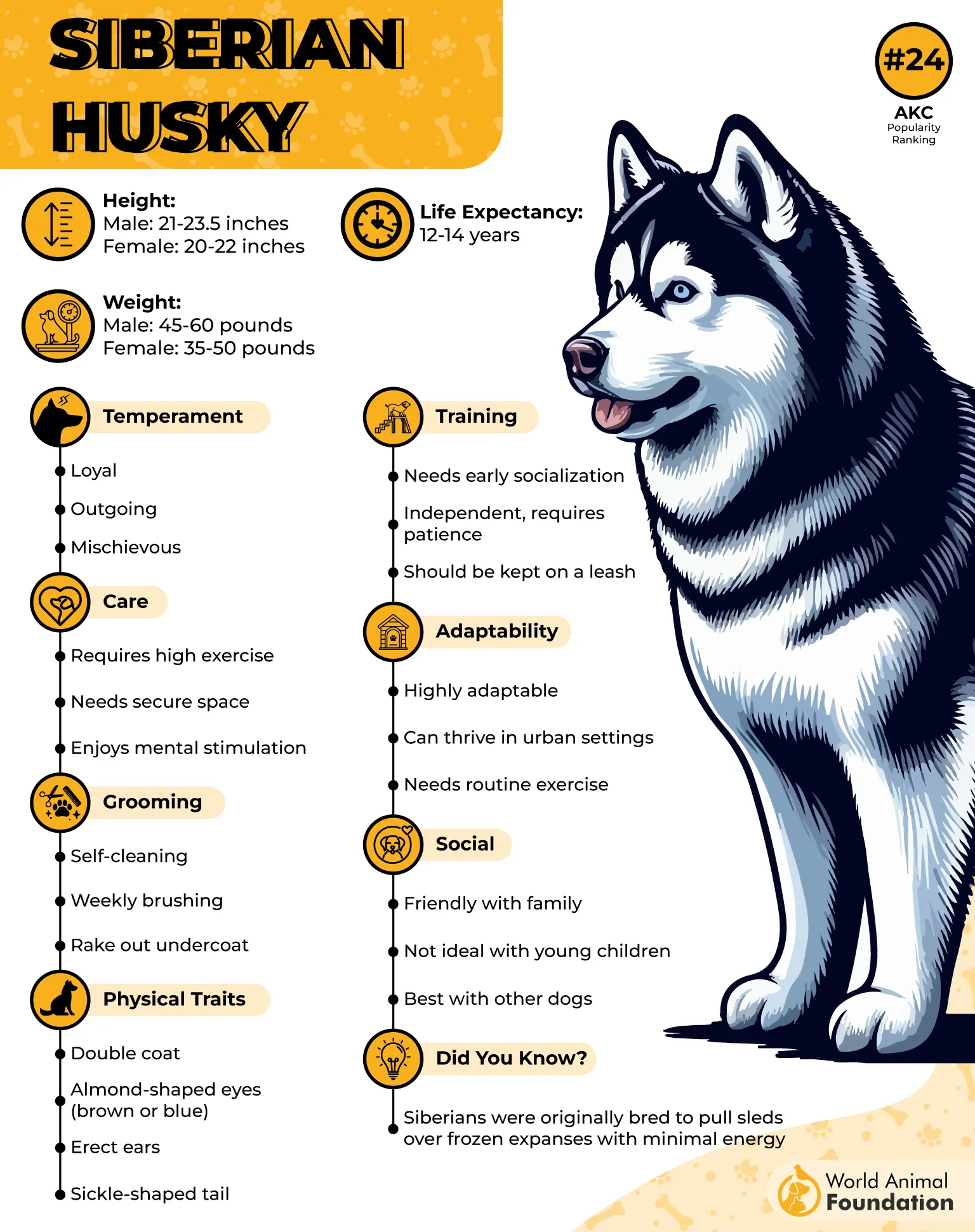
Their body weight supports long-distance pulling strength. This makes Huskies excellent Arctic working companions. Their intelligence and energy make training very important. The Chukchi people valued them for harsh, cold survival.
They remain one of the best sled dogs today. Their thick double coat and intelligence help them thrive in extreme conditions. They are strong, loyal, and built for cold wilderness life. Perfect for long snowy expeditions.
3. Bernese Mountain Dog
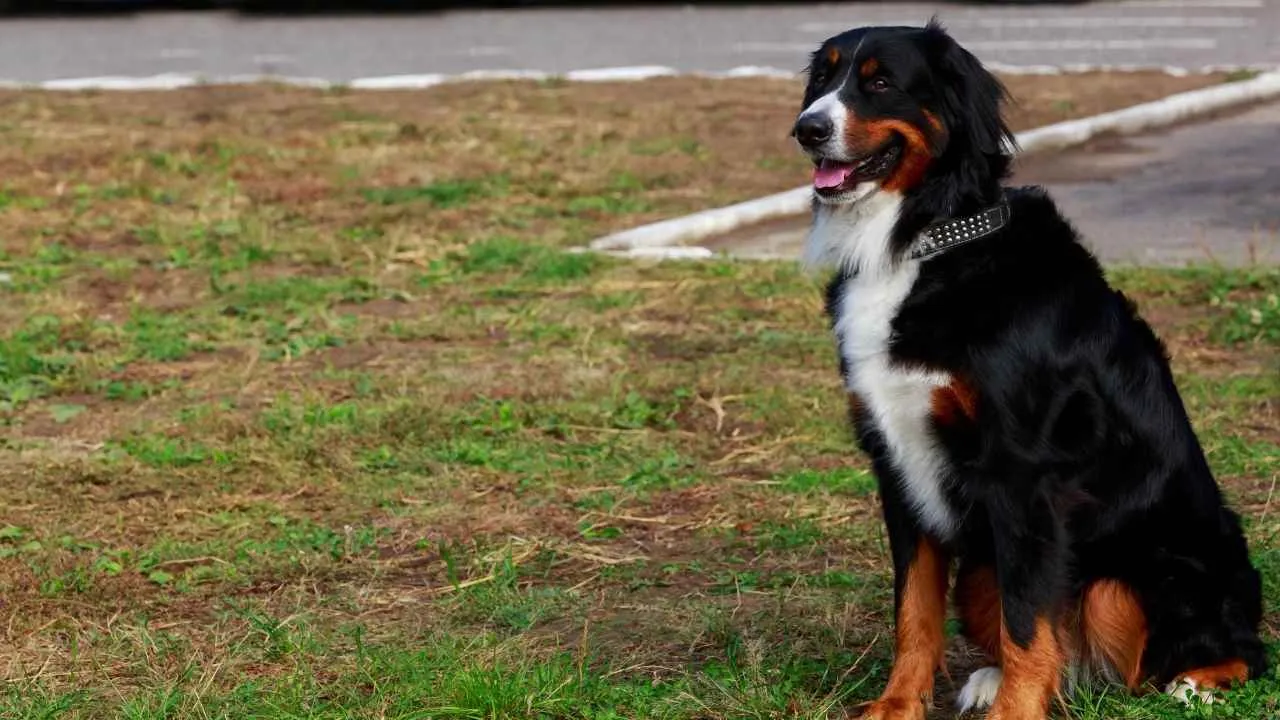
The Bernese Mountain Dog has deep roots in the farms and pastures of Switzerland. For generations, it helped farmers pull carts and move supplies across the mountain region. This hardworking breed combined power with reliability, making daily farm tasks easier.
According to the American Kennel Club, the Bernese Mountain Dog thrives in cold climates, where its sturdy build and thick coat help it handle challenging weather with ease. Despite its impressive strength, the Bernese Mountain Dog is known for its warm and loving personality.
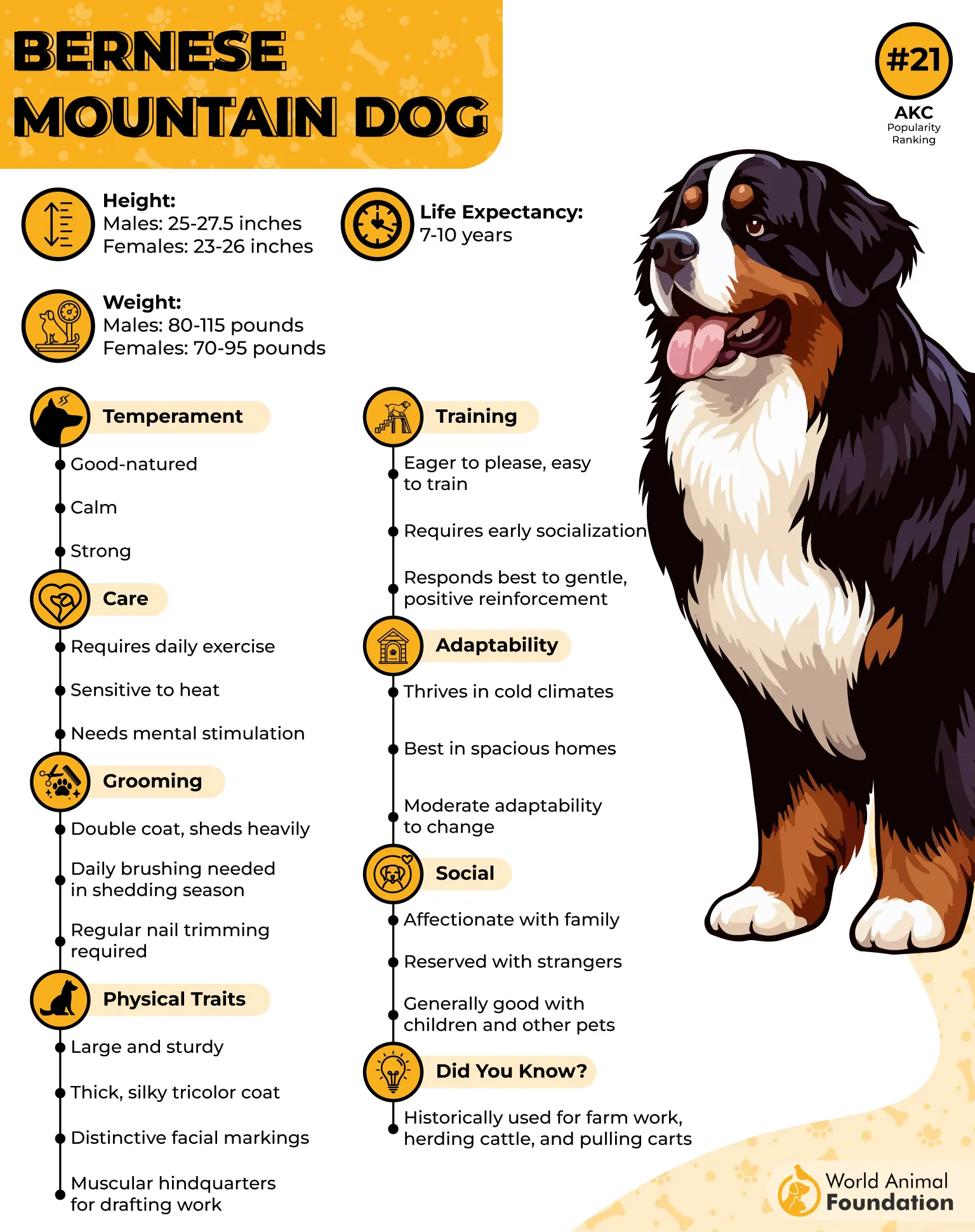
It is especially gentle with children and enjoys spending time with family members. This calm nature makes it easy to live with, even though it is a large and capable worker. Its sure-footed movement also helps when navigating uneven ground, whether on snowy paths or rugged hillsides.
For owners with outdoor experience, the Bernese Mountain Dog offers a wonderful mix of strength, patience, and companionship. Its ability to work in cold conditions while remaining friendly and dependable makes it a natural fit for snowy regions and family adventures alike.
4. Rhodesian Ridgeback
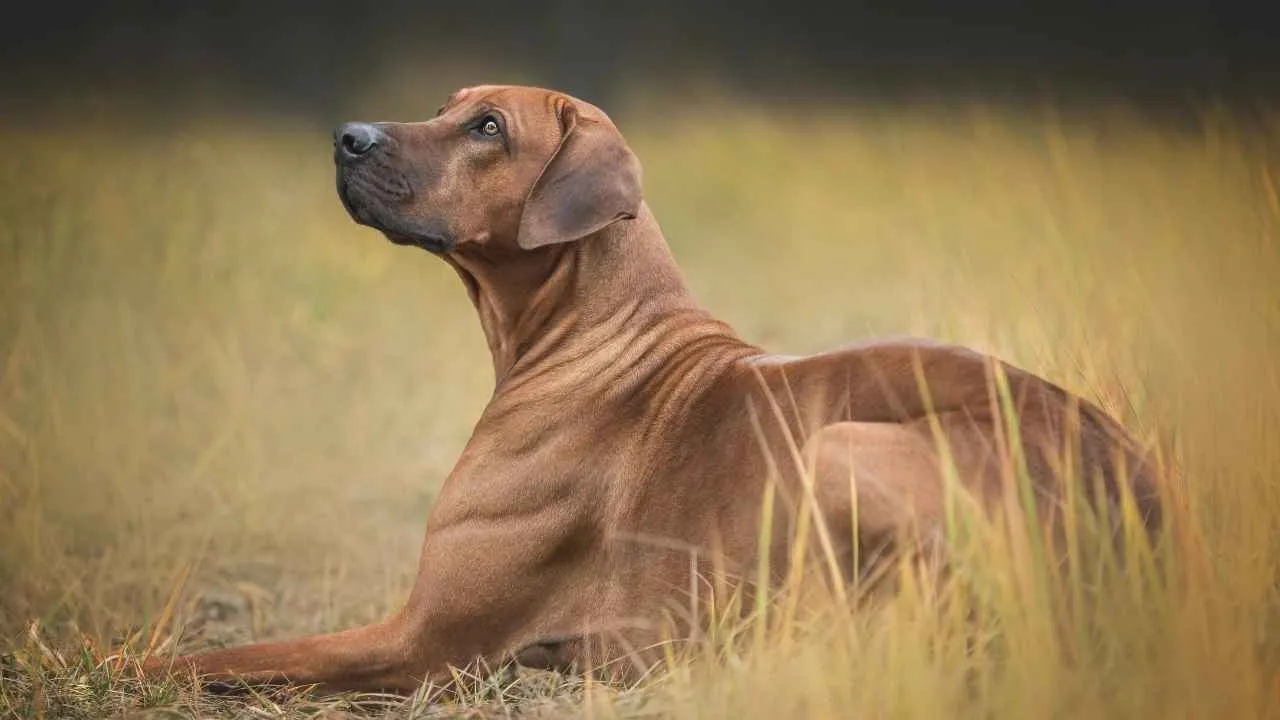
The Rhodesian Ridgeback is a remarkable hunting dog breed developed to work in the harsh landscapes of southern Africa. According to PetMD, these dogs originated as hunters that could track and flush large predators, including lions.
Their history in desert and savanna regions helped shape a dog that is perfectly suited for hot days and cool nights. Unlike many other breeds, the Ridgeback can stay comfortable in changing temperatures while covering long distances across rough terrain.
This breed is known for its independent nature, which helped it make decisions while tracking game in remote outdoor environments. At the same time, it forms strong bonds with its family and is a deeply loyal dog.
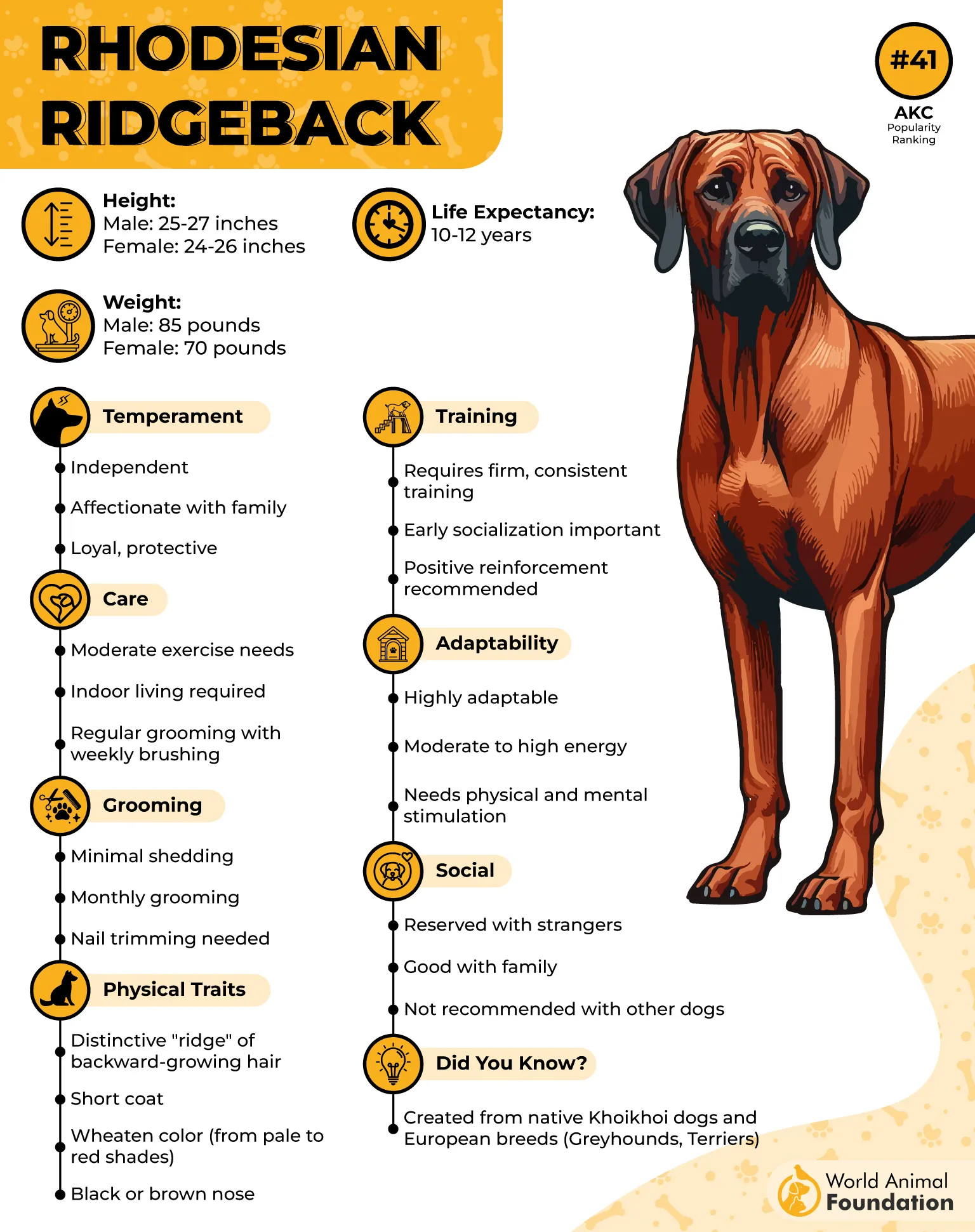
Its natural protective instinct keeps it watchful and alert when exploring unfamiliar areas. The Ridgeback also has moderate but lasting energy, allowing it to stay active without becoming restless.
With its short coat, strong build, and famous strong prey drive, this protective breed remains a dependable companion for people who enjoy challenging wilderness adventures beyond the typical mountainous region trails.
5. Australian Cattle Dog
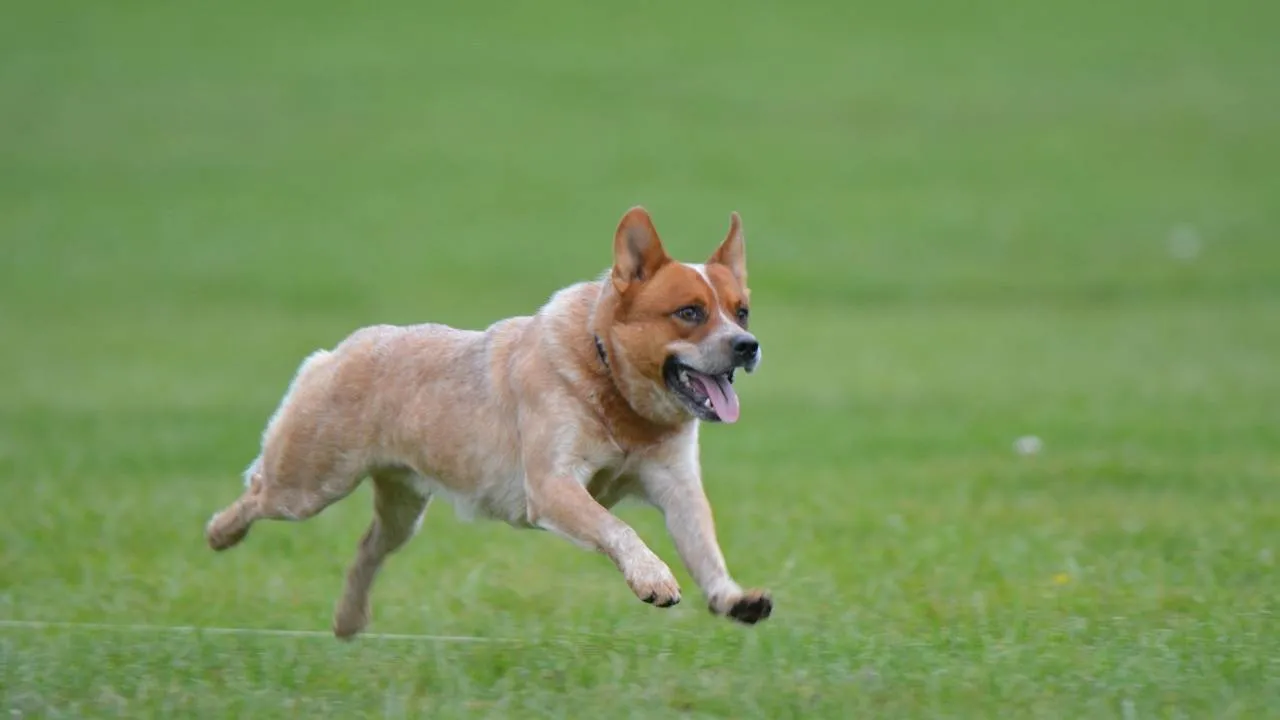
The Australian Cattle Dog is a hardworking herding dog breed developed to move cattle across vast stretches of tough terrain. Ranchers depended on these dogs to handle demanding jobs over long distances without losing focus.
Their working background helped create a breed known for endurance, determination, and reliability. The breed’s short coat is practical for active outdoor work and requires relatively simple care.
According to Purina, Australian Cattle Dogs are naturally wary of strangers and are quick to guard and alert their owners through barking. Because of this, they benefit from consistent training and an experienced owner who can guide their strong working instincts.
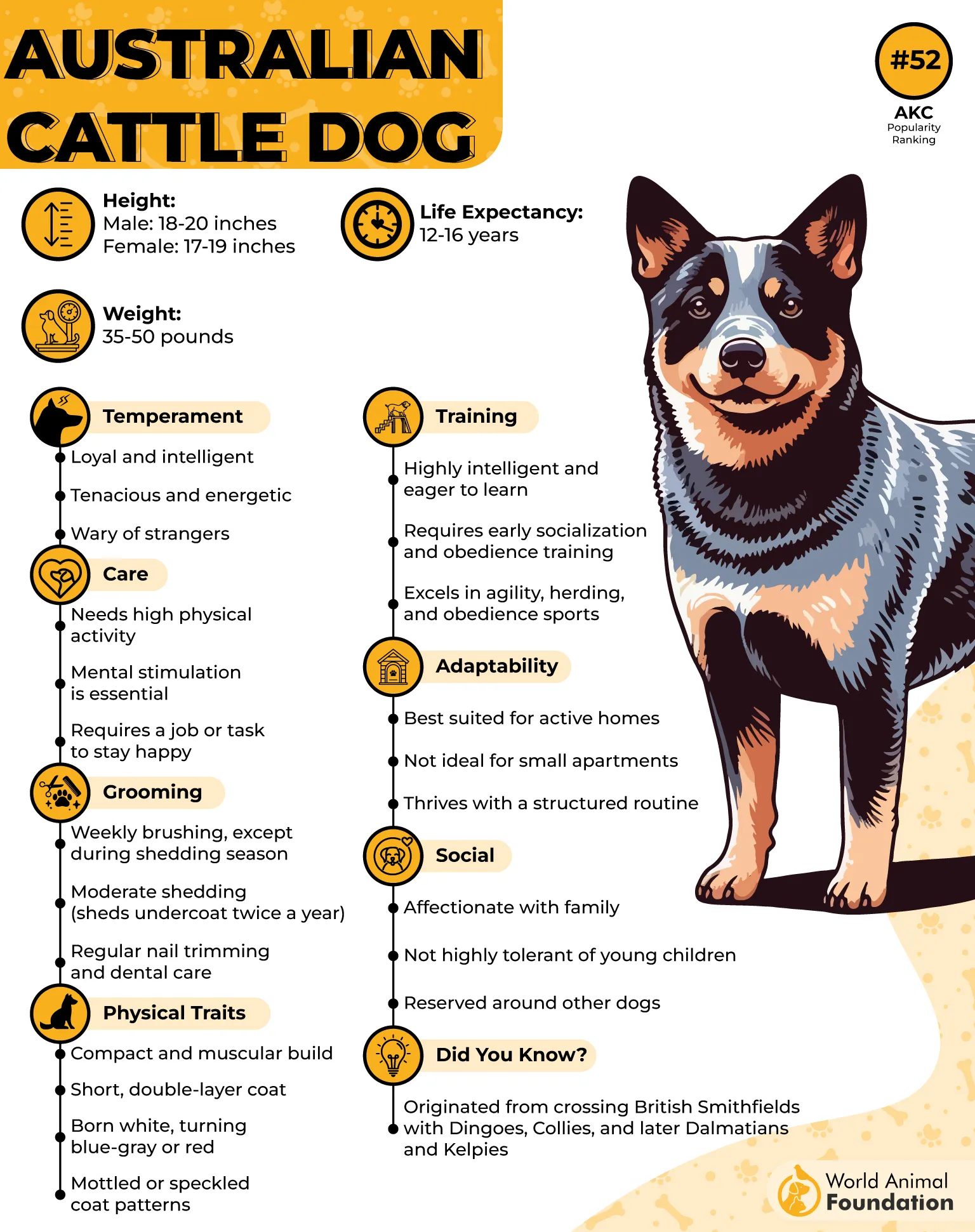
Their sharp minds love challenges, and they excel at problem-solving tasks. When under-stimulated, they may chase balls, herd household pets, or look for their own jobs to do. They enjoy an outdoor adventure lifestyle and prefer to stay close to their people.
Their steady energy can tend to shine when given purposeful work, making them loyal companions throughout life. While they may never herd beavers, they are always ready for the next challenge.
6. German Shorthaired Pointer
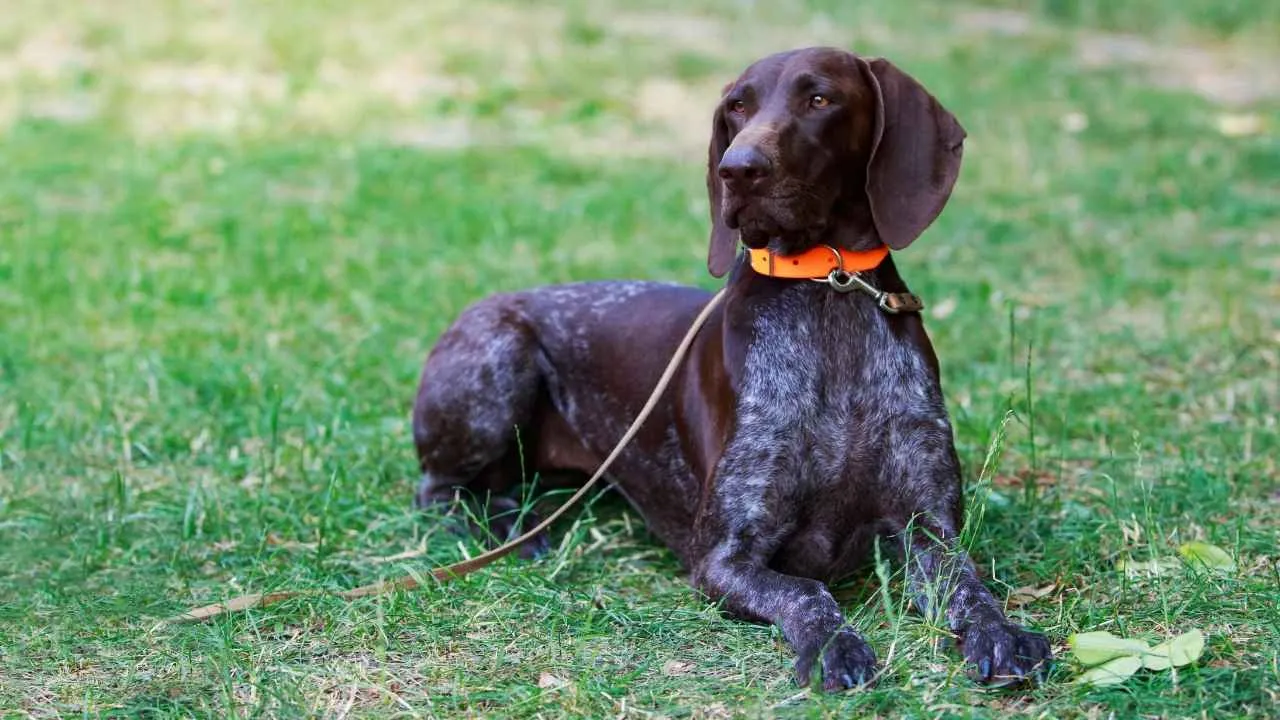
The German Shorthaired Pointer is an athletic and versatile dog that thrives in demanding outdoor settings. It originated in Germany and was historically developed as an all-purpose hunting companion. This breed could track, point, and retrieve game on both land and water.
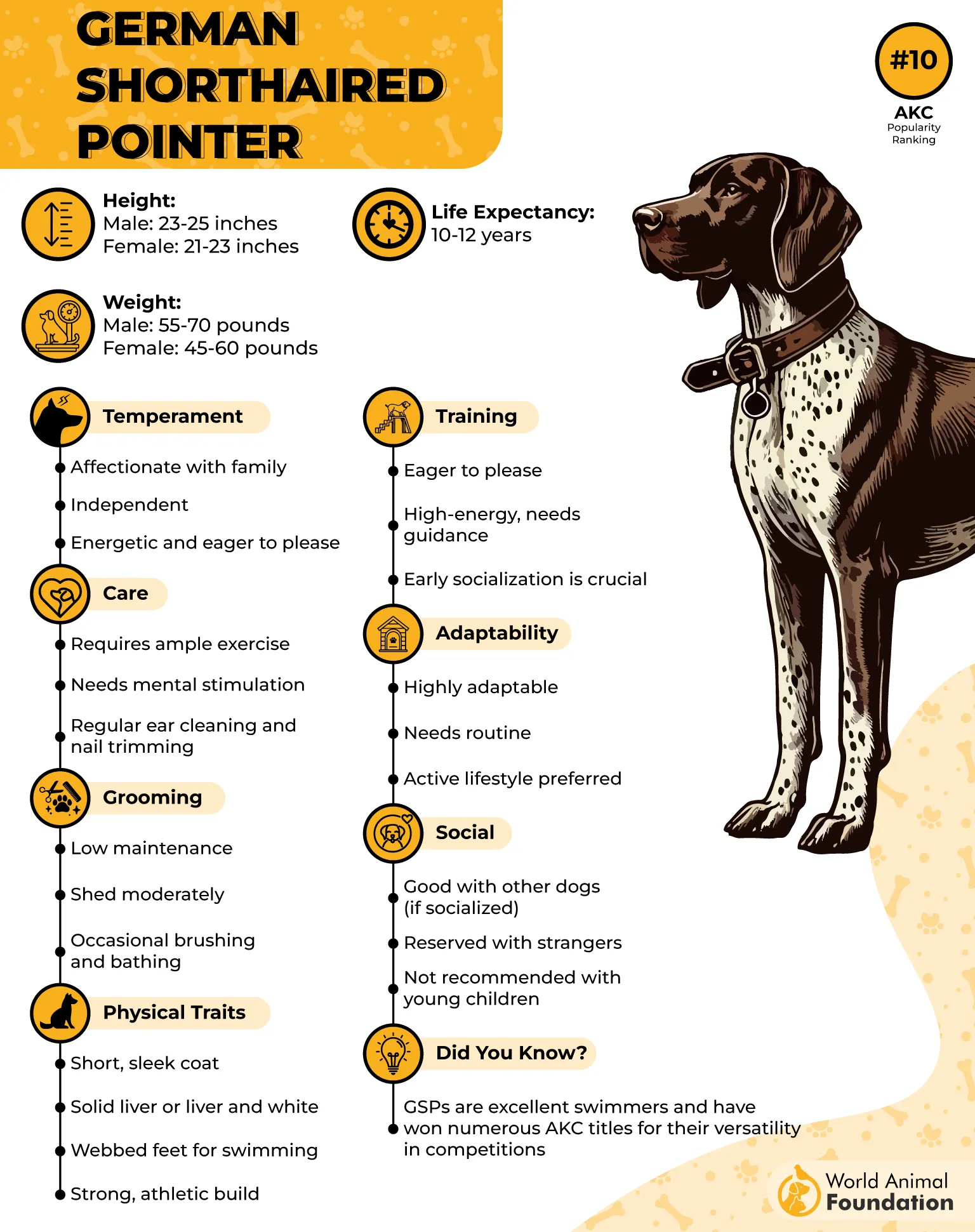
Its medium weight, lean build, and short coat allow it to move quickly through fields, forests, and rugged landscapes. Whether crossing an open space or following a rocky trail, the German Shorthaired Pointer shows remarkable agility and endurance.
According to WebMD, these dogs are loyal, loving, and highly intelligent. They are also extremely energetic, which means they need plenty of daily activity to stay happy. Long sessions of running, hiking, and even climbing are perfect outlets for their active minds and bodies.
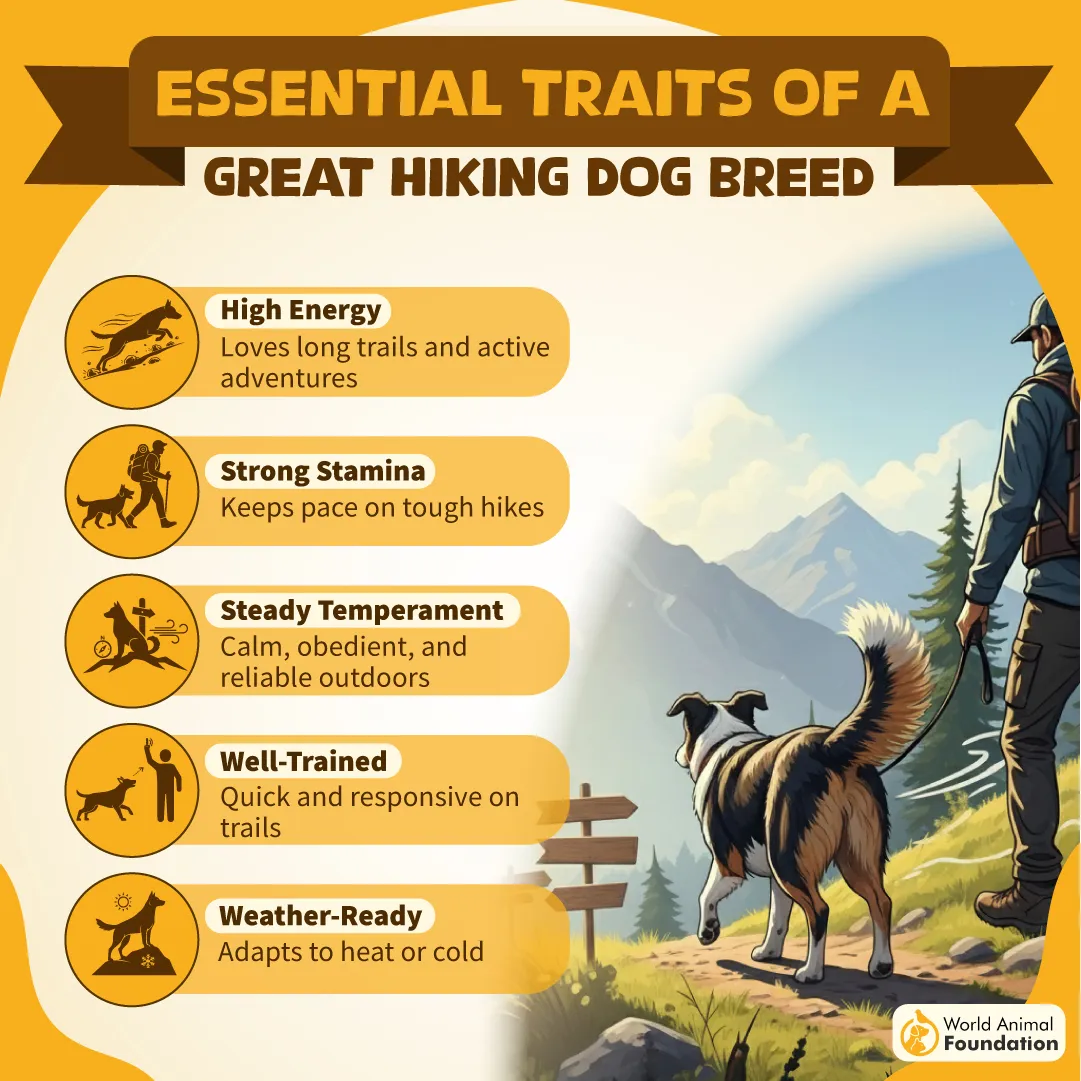
While naturally confident and somewhat independent, they also like to stay close to their families. Their playful personality makes them wonderful companions for children, pets, and active households.
For people who enjoy an adventurous life exploring every mountain path and wilderness trail, this breed is a loyal partner that rarely slows down. Puppies grow into hardworking dogs that combine enthusiasm with a surprisingly calm and affectionate side at home.
7. Anatolian Shepherd
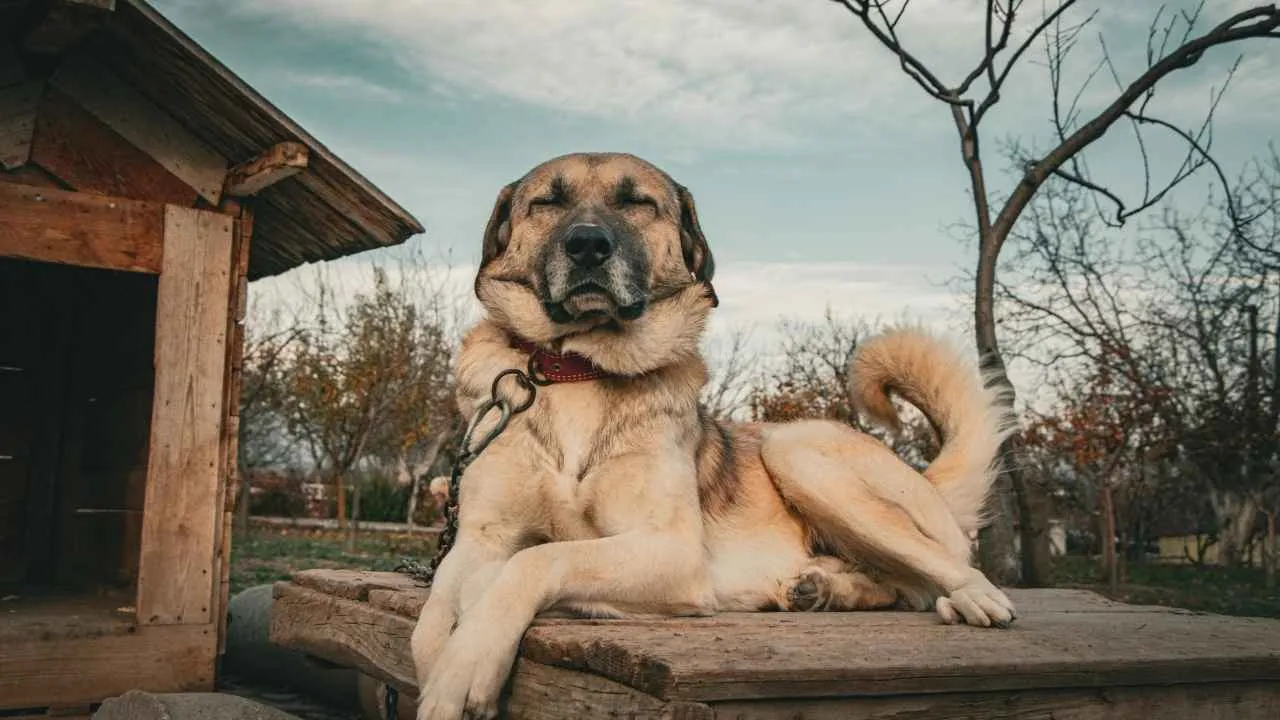
The Anatolian Shepherd is a rugged guardian with a history that stretches back more than 4,000 years to the Anatolian region of central Turkey. Known as a great guard dog breed, it was developed to guard livestock across vast grazing lands.
According to Omlet, these sturdy dogs protected flocks from predators such as wolves and bears, often working independently without direct human guidance. Rather than herding sheep, they patrolled around the flock and actively searched for threats before danger arrived.
This breed has a powerful build, impressive weight, and remarkable stamina. Despite their size, they are surprisingly athletic and capable of running long distances across challenging landscapes. Their weather-resistant coat helps them adapt to different conditions, from open plains to remote areas near mountains.
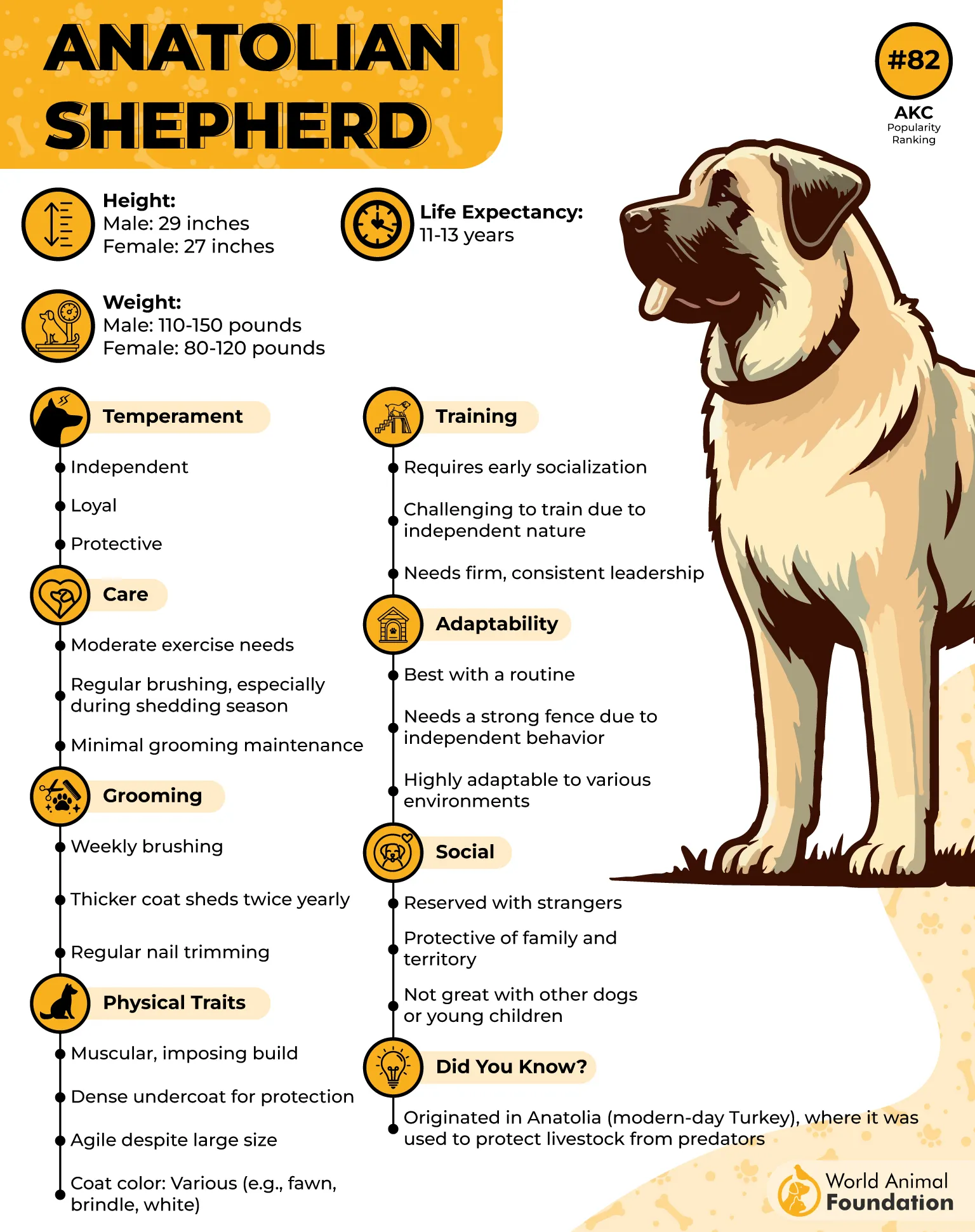
They are also highly intelligent, allowing them to make quick decisions while protecting livestock and other animals. For owners who enjoy the great outdoors, the Anatolian Shepherd is well-suited to active rural living.
While not typically a hiking companion like some sporting breeds, it can certainly suit experienced owners who appreciate a loyal and deeply protective guardian. Today, this ancient breed remains respected around the world for its courage, independence, and dedication to its flock.
Conclusion
The seven breeds on this list prove that different dogs excel in different environments. Some thrive in cold regions, while others handle heat, mountains, open land, and rugged wildlife areas with ease.
From the hardworking Alaskan Malamute to the watchful Anatolian Shepherd, each breed offers unique strengths, capabilities, and trainability. No single dog is the best fit for everyone, and even the most breed-specific traits should be matched to your lifestyle and activity level.
With proper training and positive reinforcement, these dogs can become a trusted companion for years. While they are far from a toy breed, they still form strong family bonds. Some are naturally resourceful, while others work hard to complete demanding tasks.
Whether you choose a male or a female, start training as a puppy whenever possible. The right dog can handle even difficult adventures, stay practically obedient, and bring endless joy to outdoor activities like hiking and exploration.
