




Ever locked your door twice and still felt like something didn’t feel quite “checked”? That tiny moment of doubt at night is exactly where the idea of a true four-legged protector starts to make sense.
Some dogs don’t just live in your home—they quietly take over the role of watchful guardian, always tuned in to the smallest sound, the faintest movement, the slightest change in energy. It’s not just about size or appearance. What really sets elite guard dogs apart is their sharp awareness, calm confidence, and deep-rooted instinct to protect their people without hesitation.
Of course, not every breed is built for this kind of responsibility. The best guard dogs bring together discipline, intelligence, and emotional balance, reacting only when it truly matters. If you’ve ever wondered what it feels like to have a loyal protector that never really “switches off,” these elite breeds are exactly where that answer begins.
Elite Dog Breeds That Stand Guard Around the Clock
1. Bullmastiff
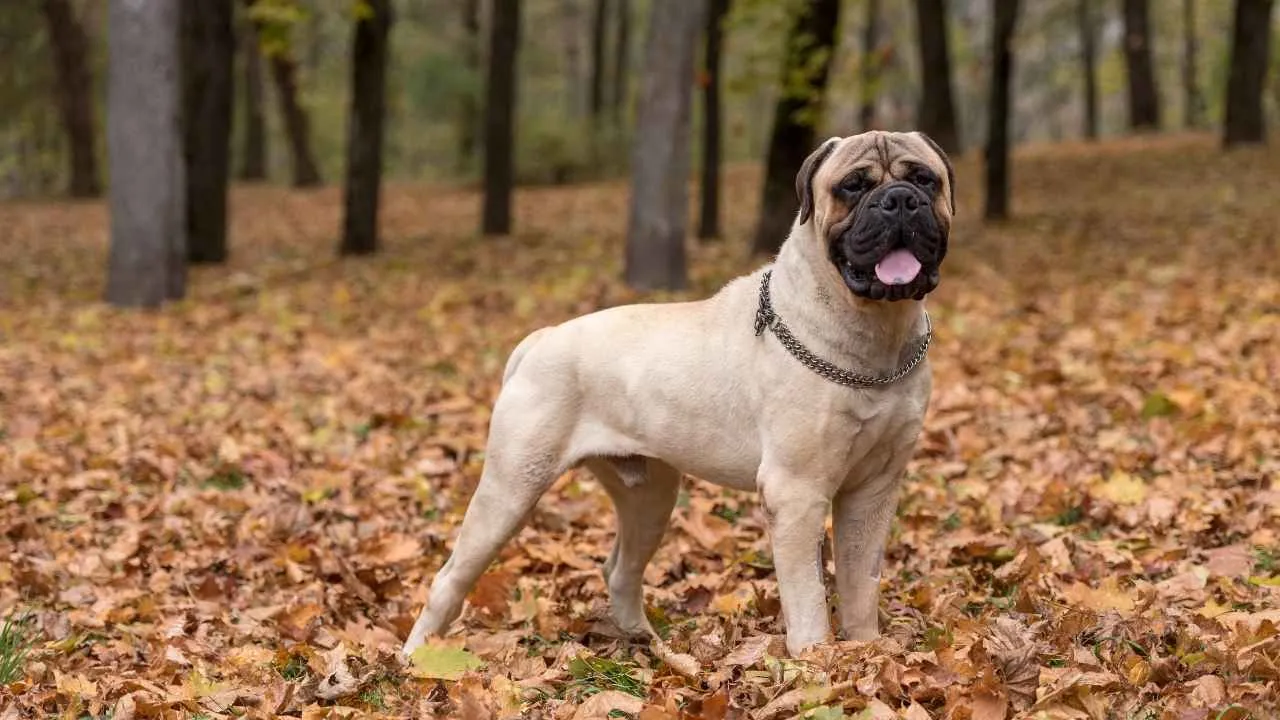
Ever notice how some dogs don’t wait for trouble—they seem to quietly control the space so trouble never settles in? That’s the Bullmastiff, a steady guardian built for constant home protection rather than reactive behavior.
Originally developed in the 1860s by crossing Bulldogs with Mastiffs, this breed was purpose-built to patrol estates and stop intruders in real-time. That working foundation is still visible today in the way it naturally monitors a home environment without needing constant direction.
Around the clock, a Bullmastiff tends to stay close to high-activity zones like entry points and passage areas, quietly tracking movement and changes in sound or routine. It doesn’t rely on frequent barking—instead, it uses stillness, awareness, and controlled positioning to maintain silent home security.
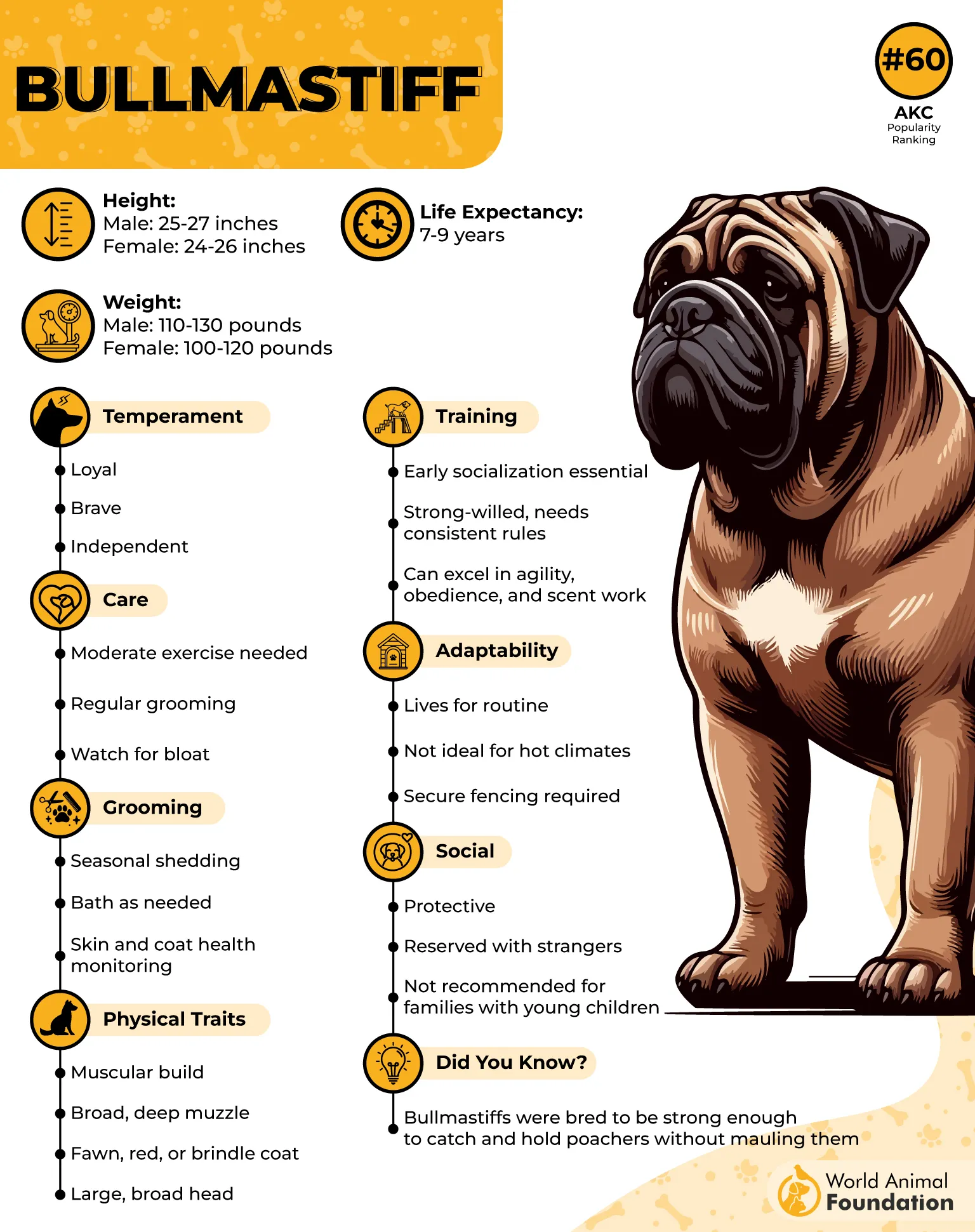
Training Focus
As per PetMD, Bullmastiffs are quick learners, but their strength and independent mindset mean obedience training must begin early to shape reliable protection behavior. Without structure, they can become harder to manage as adults, so consistency is key from puppyhood.
For best protection performance
Building early control around entry points so the dog understands boundaries in real home security situations
Reinforcing calm alert behavior so it can distinguish normal activity from genuine threats without overreacting
2. Belgian Malinois
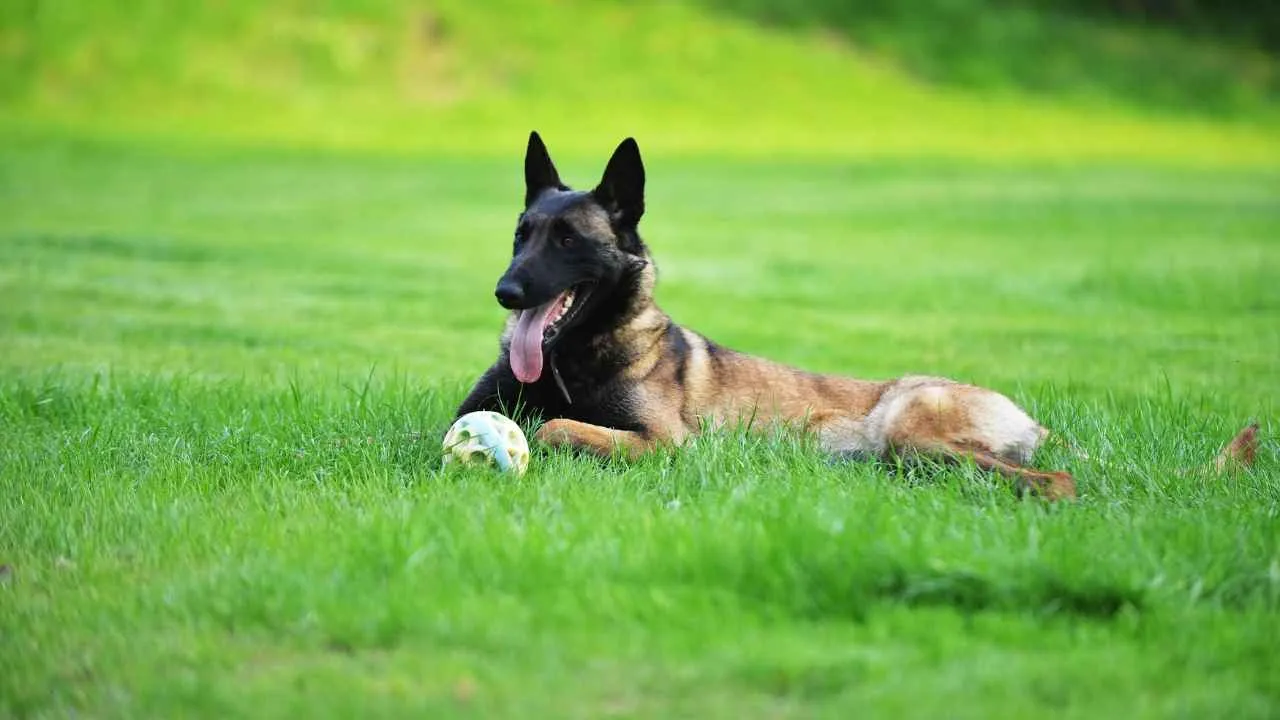
Ever get the feeling a dog is quietly reading the room before anyone else even notices what’s going on? That’s the Belgian Malinois—a sharp, quick-thinking working breed built for focus, speed, and serious protection roles.
With roots in Belgium’s herding fields, this breed earned its reputation through discipline, intelligence, and an impressive ability to respond instantly to direction. Over time, those traits made it a top choice for demanding security and protection work where natural instincts and precision matter more than size alone.
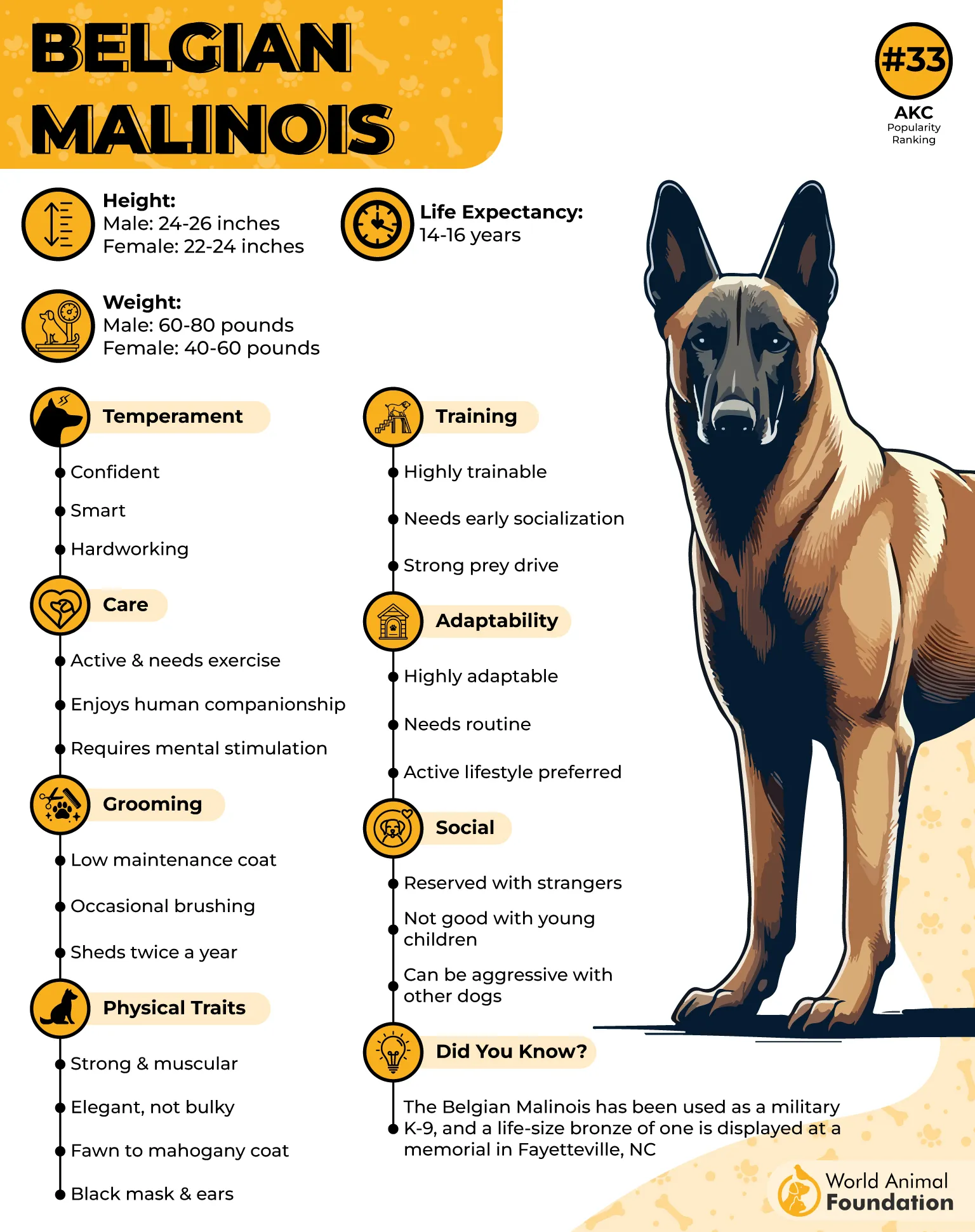
In everyday life, the Malinois rarely appears relaxed in a casual sense. It stays mentally engaged with its environment, picking up on movement, sound shifts, and changes in routine. Whether indoors or outdoors, it naturally keeps close to its handler, maintaining a strong sense of connection and control over its surroundings without needing constant commands.
Training Focus
This breed needs early, structured, and rigorous training to stay balanced and reliable in a home environment.
For best protection performance
Converts high energy and alertness into controlled guarding behavior, improving real-world protection response
Requires daily mental and physical stimulation to maintain focus, discipline, and stable around-the-clock security performance
3. German Shepherd
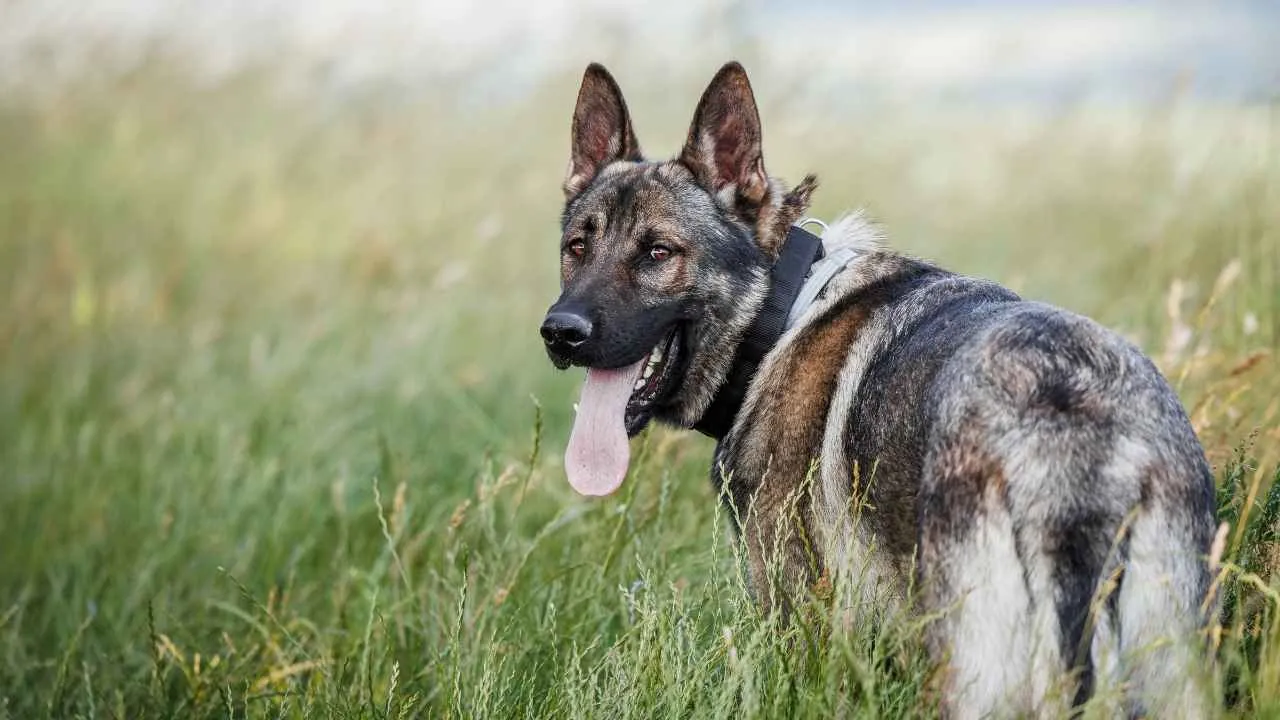
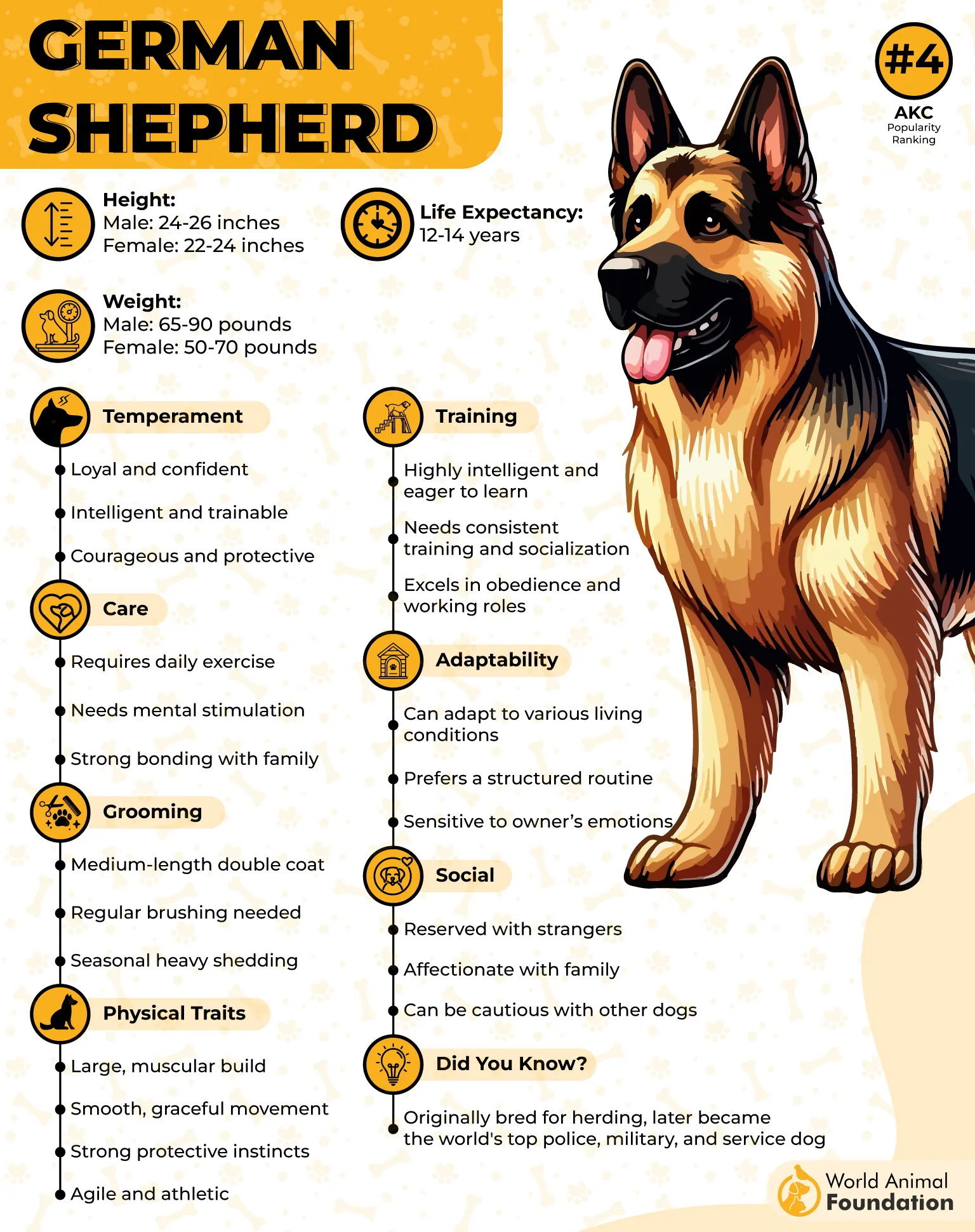
Ever notice a dog that doesn’t just follow commands—but seems to understand situations before they fully unfold? That’s the German Shepherd, a powerful working breed.
As per the AKC, originally bred as a herding dog and later shaped for demanding working roles, this breed evolved into one of the most reliable choices for security tasks. Its physical power, agility, and sharp thinking allow it to handle complex situations with ease, making it highly valued as both personal protection dogs and service dogs.
In daily life, the German Shepherd stays highly aware of its surroundings, often observing movement patterns and reacting calmly but decisively when something feels unusual. It bonds closely with its handler, showing deep loyalty while maintaining a naturally alert presence that suits both home and professional protection environments.
Training Focus
Structured activity is essential for this breed’s balance and reliability.
For best protection performance
Early socialization and puppy training help shape an adaptable, well-mannered adult dog with reliable behavior in different environments
Engaging in activities like agility, tracking, herding, and dock diving provides essential mental and physical stimulation while strengthening obedience and handler connection
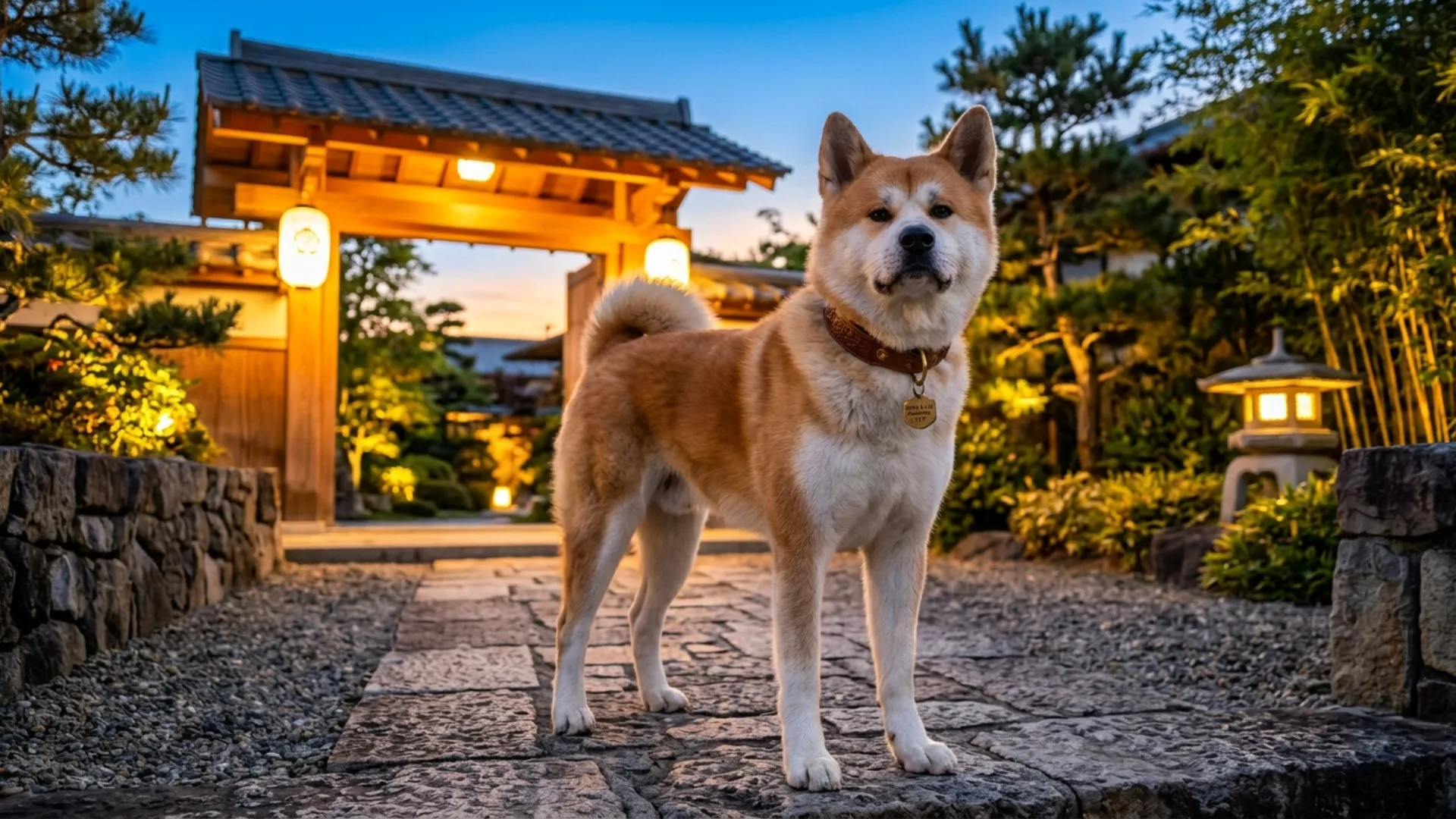
4. Akita
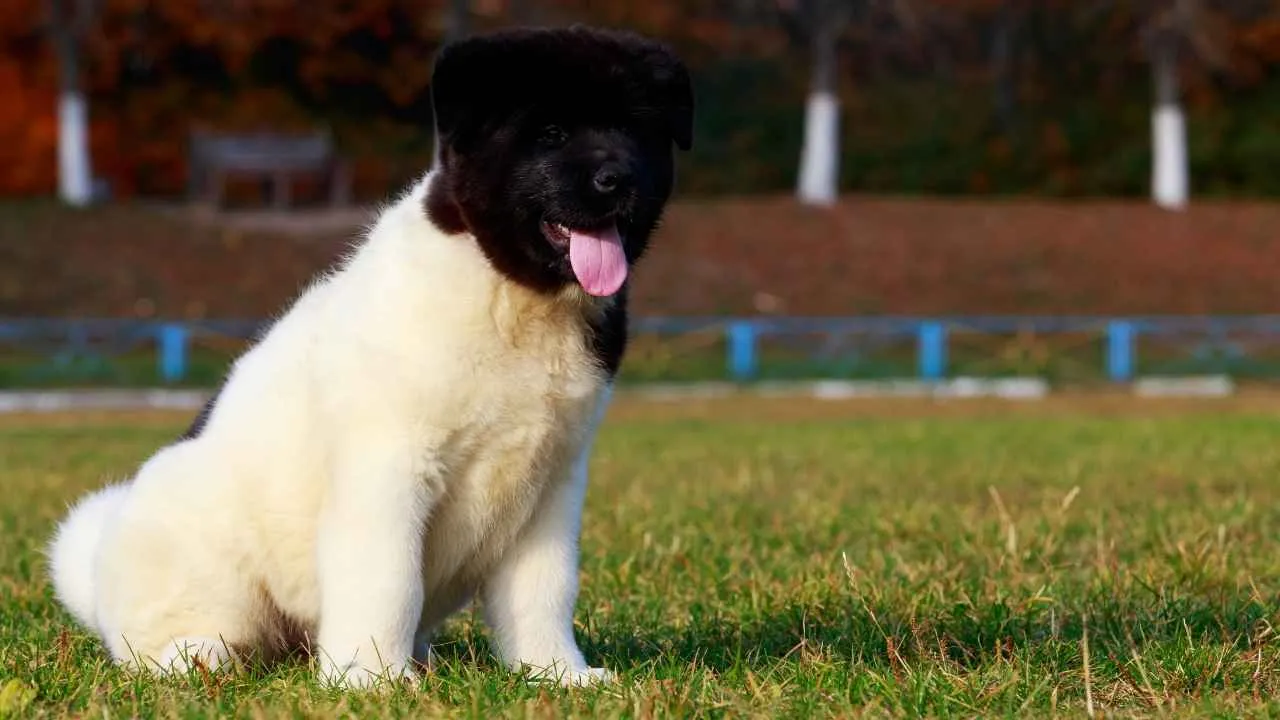
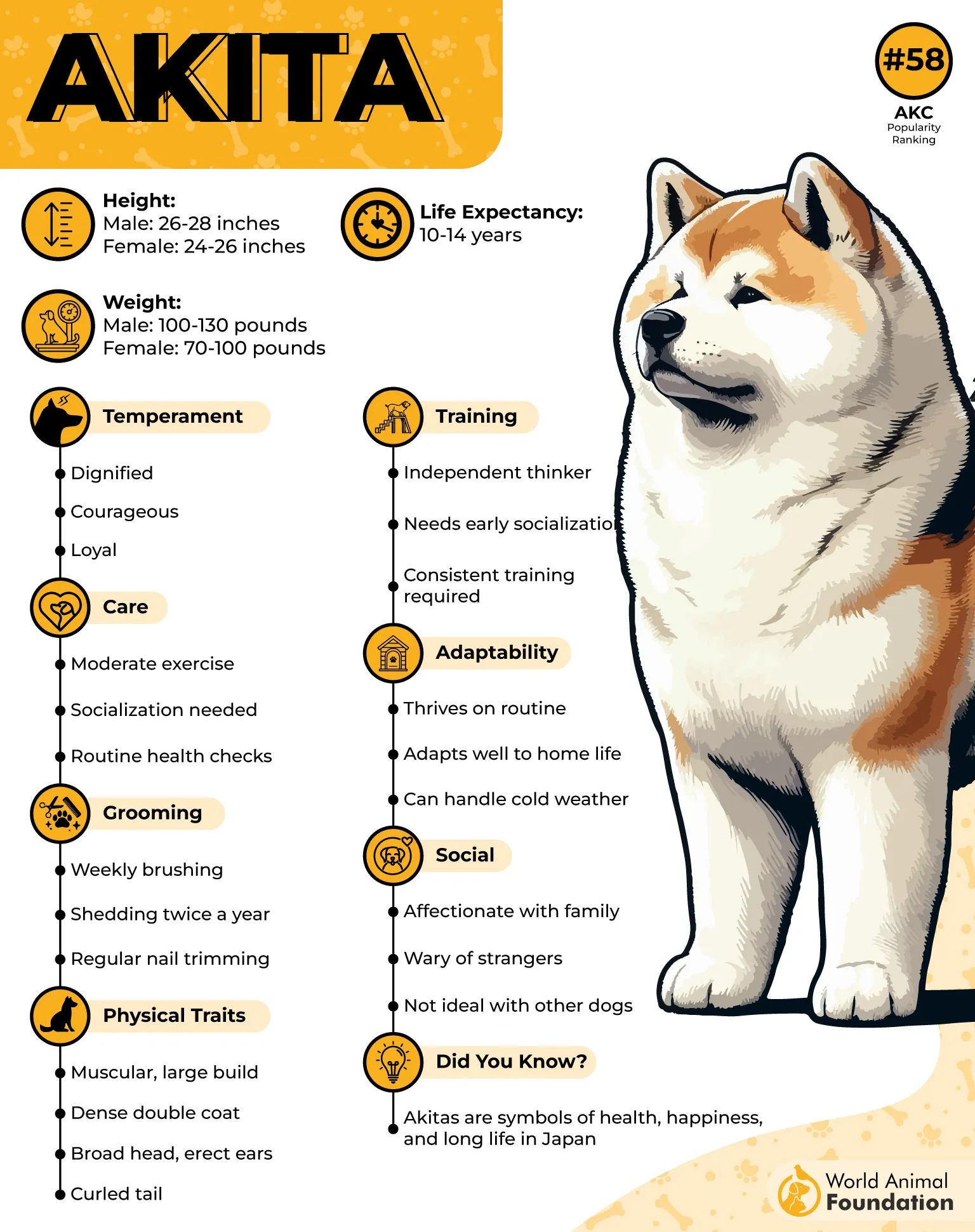
There’s something quietly commanding about a dog that doesn’t feel the need to announce its strength. The Akita carries that presence naturally—calm, composed, and always observing its surroundings with steady attention.
As per Orvis, originating from Japan’s Akita Prefecture, this large working breed was once trusted to guard royalty and hunt in rugged terrain. Over centuries, it developed a reputation for loyalty, emotional restraint, and a strong sense of responsibility toward its household. Even today, it tends to form deep bonds with its family while remaining cautious and composed around unfamiliar people.
In everyday life, the Akita behaves like a silent perimeter guard. It watches entry points, monitors movement, and reacts only when it senses some danger. Rather than being noisy or reactive, it relies on presence and timing—stepping in only when needed, especially in situations involving its family.
Training Focus
Consistency and respect-based training are essential for shaping this smart breed’s protective instincts into balanced behavior.
For best protection performance
Best results come from varied, engaging training sessions, as mental stimulation and individual attention help maintain focus and prevent stubborn behavior
With the right approach, they can excel in advanced obedience work and even service-related roles due to their loyalty and attentiveness
5. Rottweiler
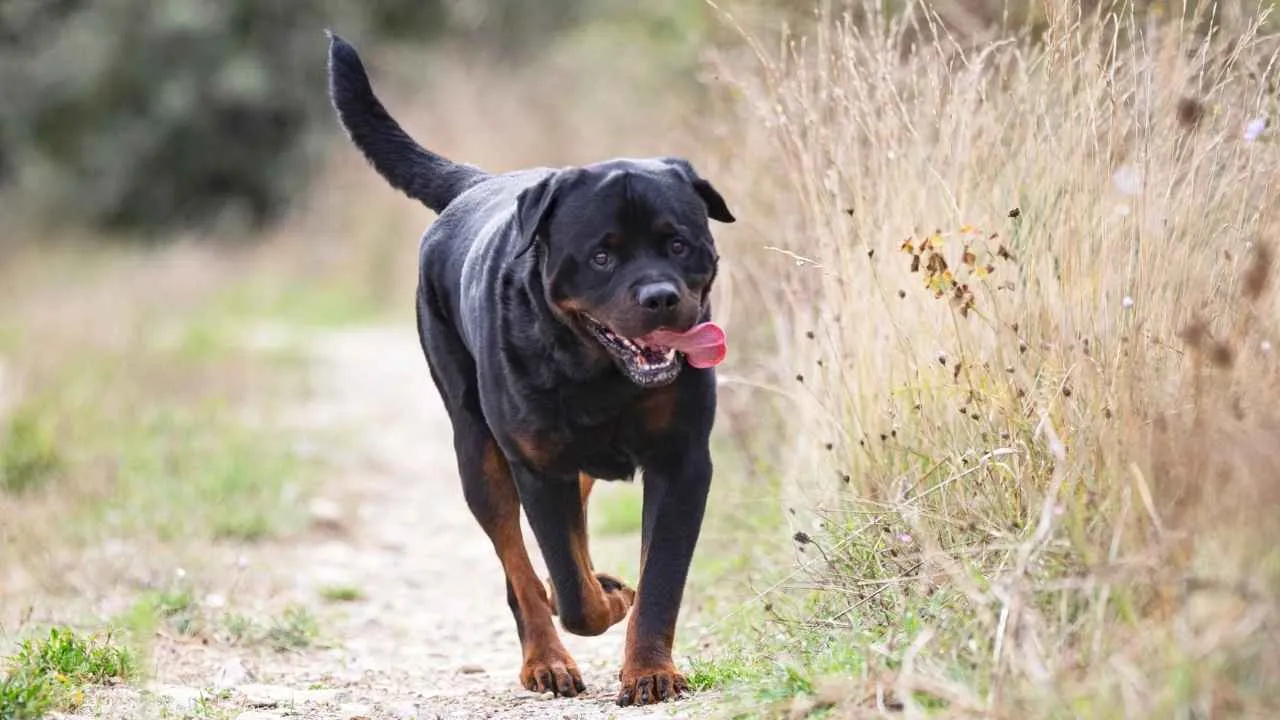
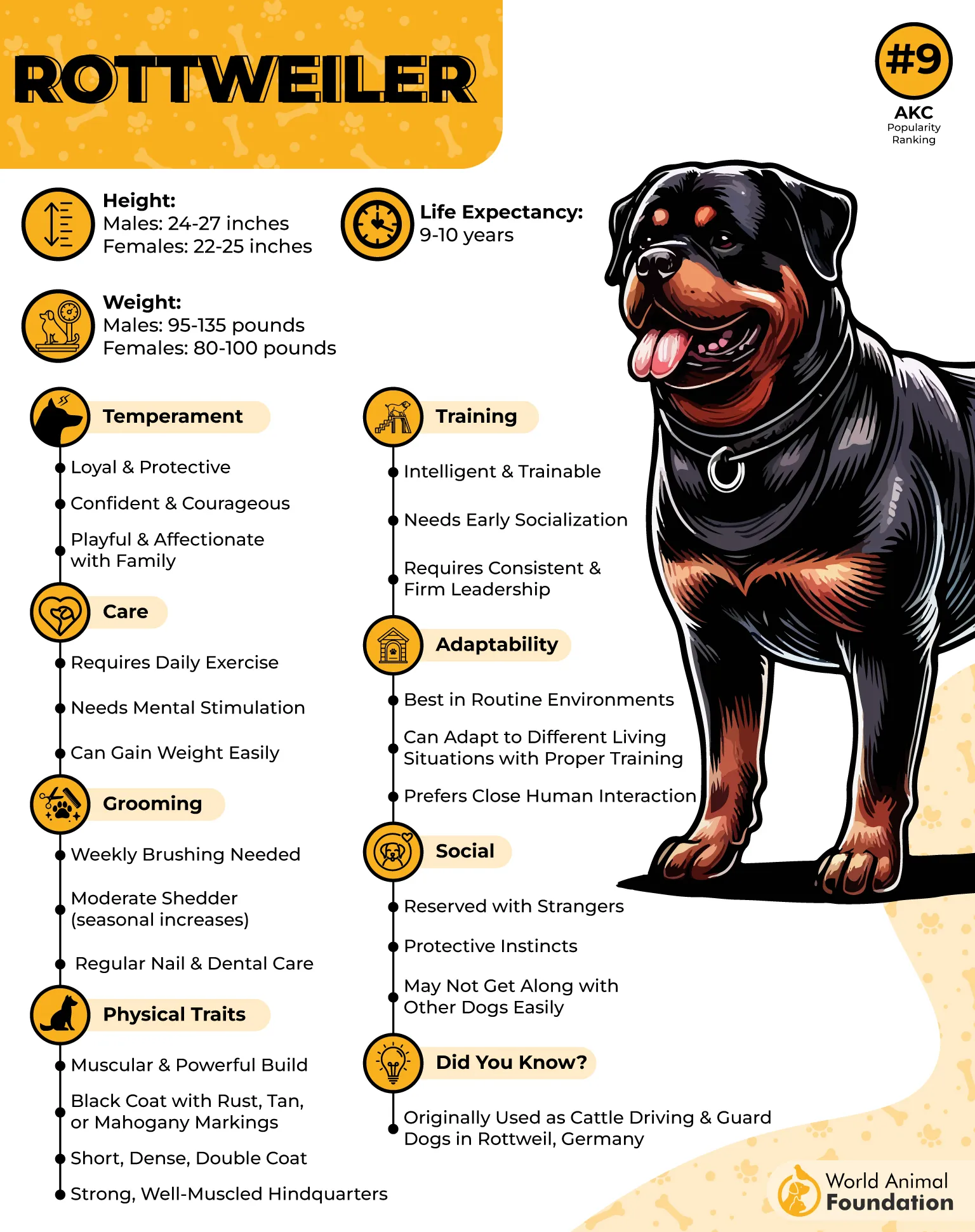
Strong, confident, and naturally alert, the Rottweiler is a breed that often gives off a calm but powerful sense of control. Behind that solid build and steady presence is a dog deeply tuned into its surroundings, always aware of what belongs and what doesn’t.
Originally developed as a working dog for farmers and butchers, this breed learned early how to guard property, manage livestock, and stay reliable under pressure. That background still shows today in its natural guarding instinct and strong connection with its family.
As per PetPlan, in a home environment, Rottweilers are affectionate with their people and can be playful with children when properly socialized. However, they are also watchful, often staying close to family members and positioning themselves where they can observe activity, making them one of the more dependable protection dogs when trained correctly.
Training Focus
Early structure is essential to shape their strength into control and balance.
For best protection performance:
Maintain firm, consistent leadership to control strong guarding instincts without encouraging unnecessary aggression
Provide structured exercise and mental tasks to keep focus sharp, stable, and responsive in real protection situations
6. Cane Corso
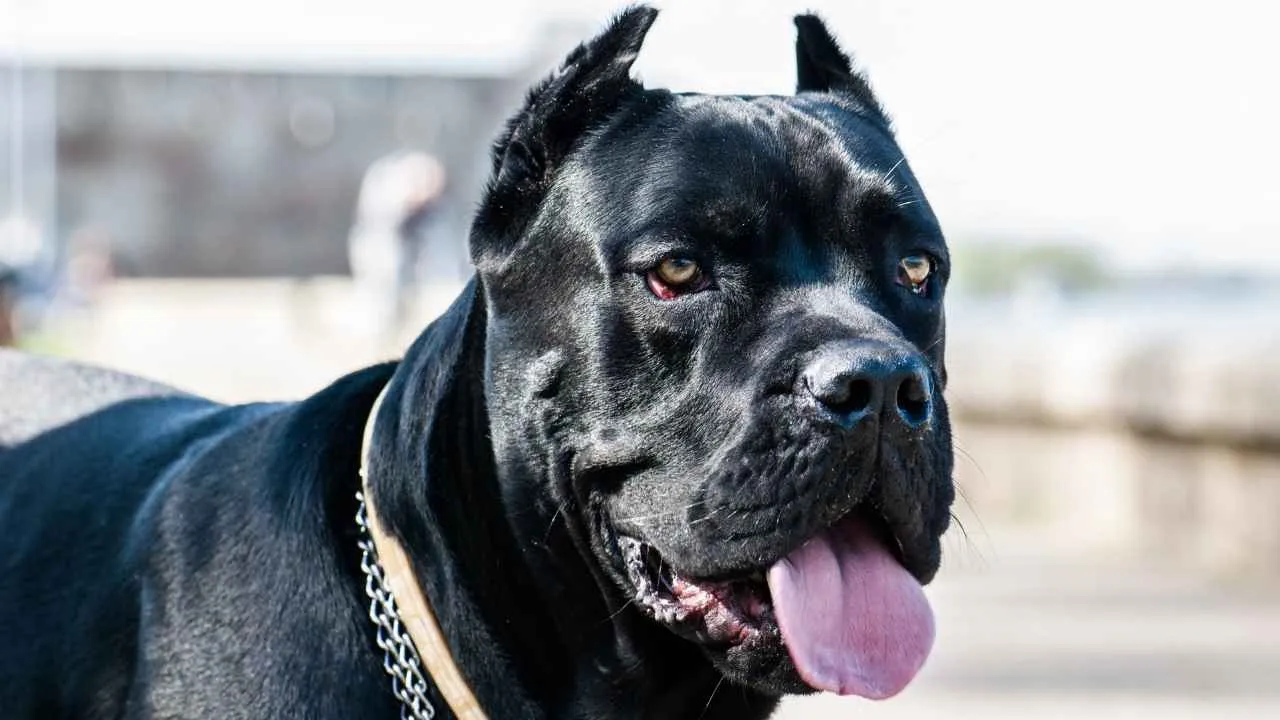
Ever notice a dog that doesn’t just watch your home—but feels like it owns the perimeter of it? That’s the Cane Corso, an excellent guard dog breed built for control, awareness, and serious protection presence.
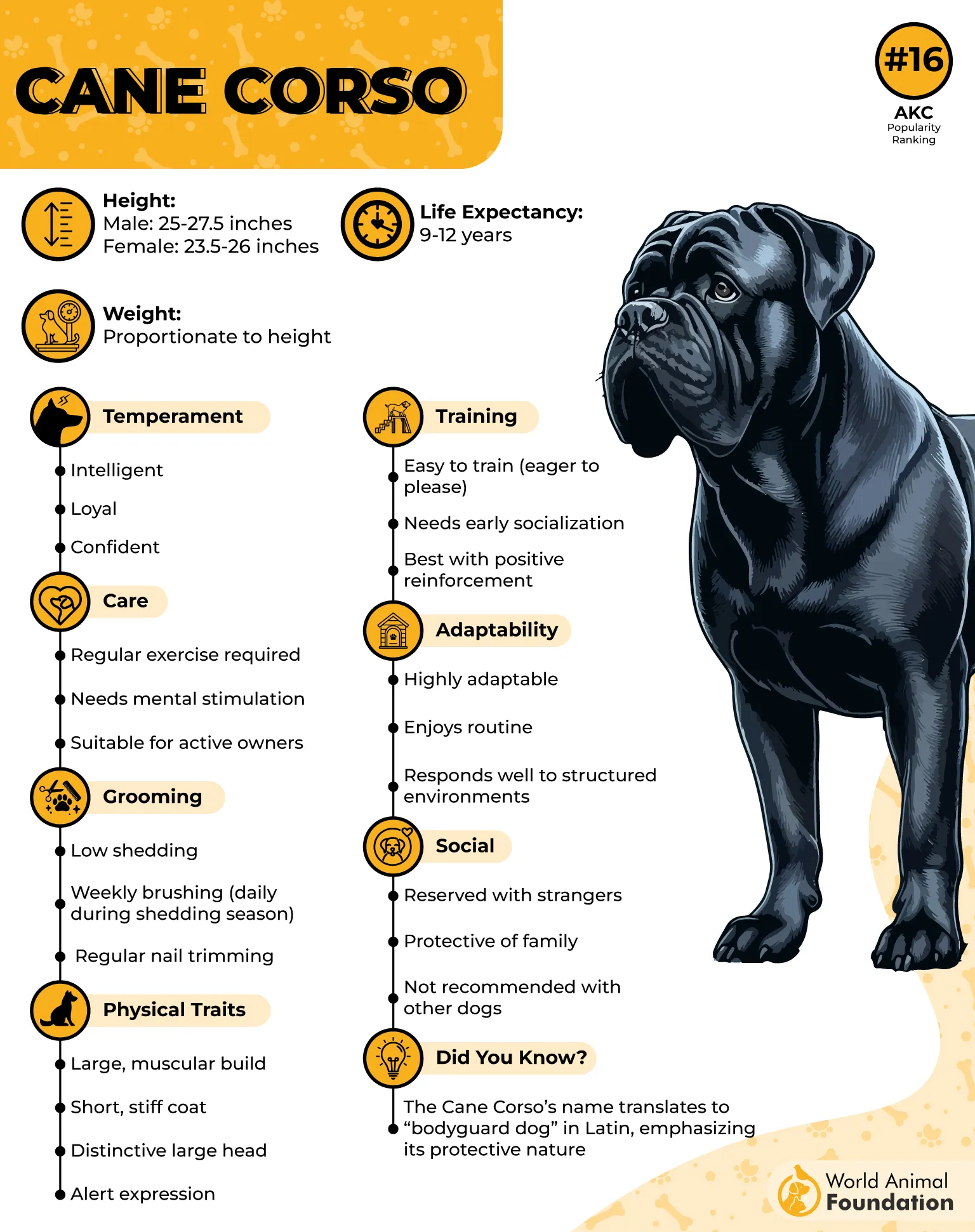
As per Britannica, tracing its roots back to ancient Roman war dogs and later Italian farm guardians, this breed was designed for demanding roles like livestock control and estate protection. Its name itself translates closely to “bodyguard dog,” which perfectly reflects its natural working purpose and steady guarding mindset.
In daily life, the Cane Corso stays highly observant of its environment. It tends to remain close to its home base, quietly scanning movement and responding only when something feels unfamiliar or out of place. Instead of constant activity, it relies on controlled presence and strong awareness to maintain security around family and property.
Training Focus
This large breed needs early structure and confident handling to guide its protective instincts effectively.
For best protection performance:
Start early socialization to reduce over-suspicion and build controlled responses toward strangers and new environments
Maintain proper obedience training to ensure the dog responds instantly and correctly under real security situations
7. Giant Schnauzer
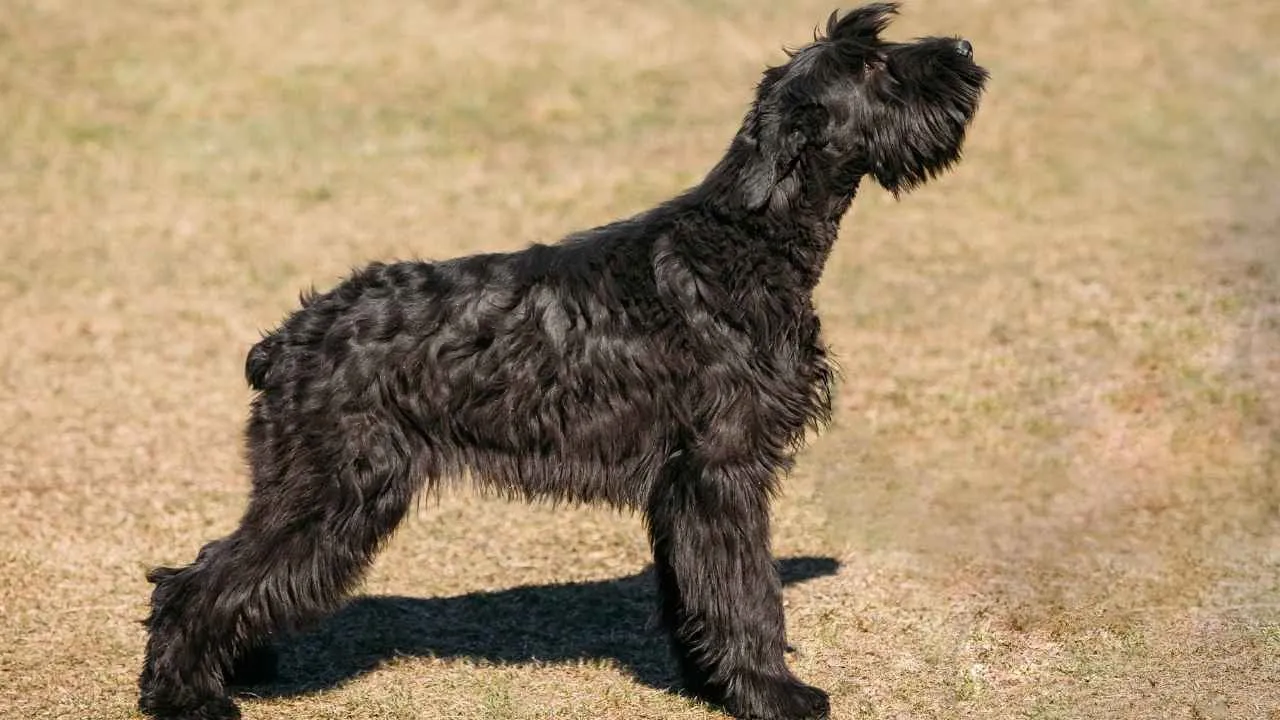
Ever noticed a dog that seems calm on the surface—but is quietly calculating everything happening around it? That’s the Giant Schnauzer, a powerful working breed built for constant awareness, discipline, and serious protection duties.
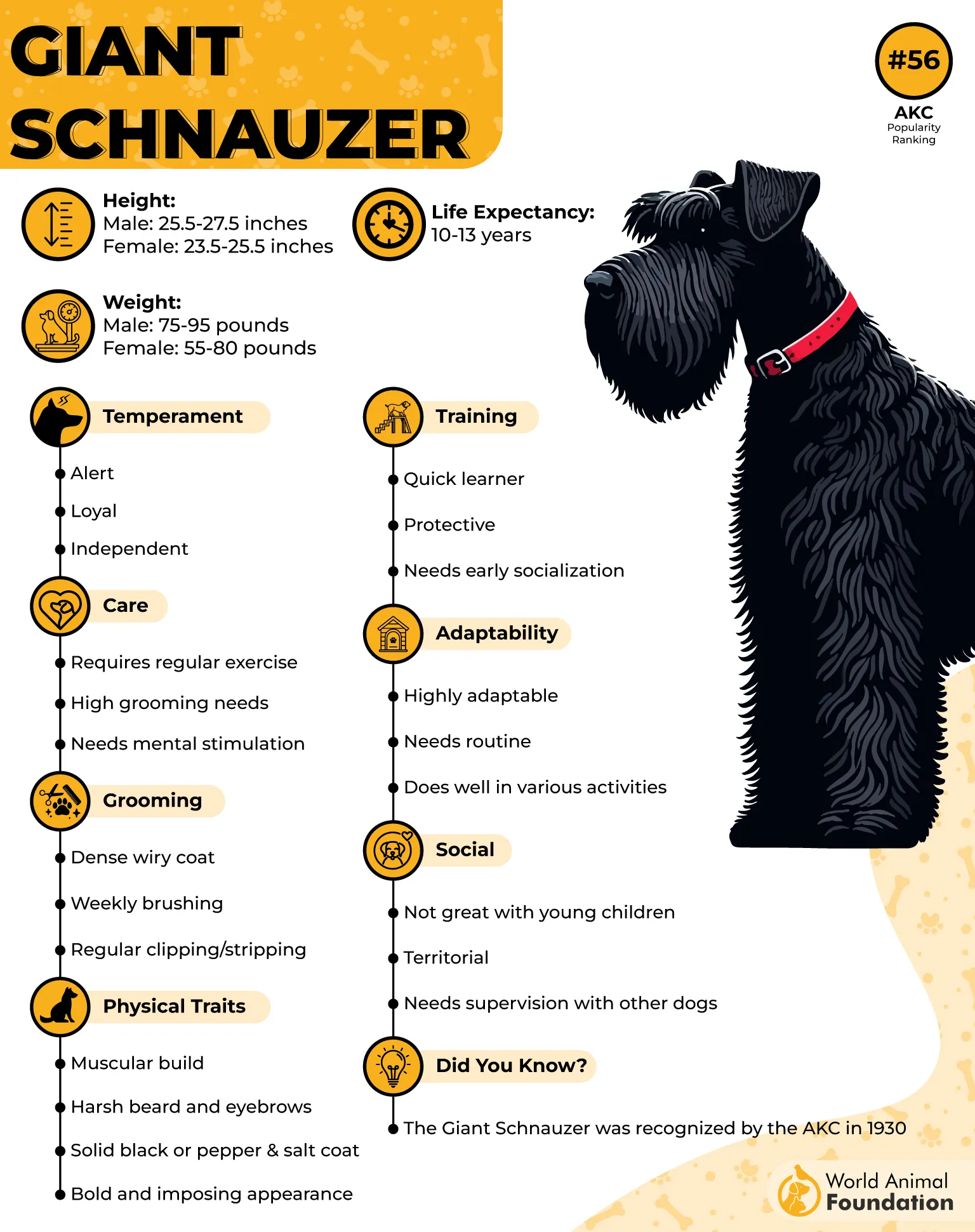
Originating in Germany’s Bavaria region during the 1700s, this breed was developed from strong working lines to guard farms, drive cattle, and later assist in police and military roles. Over time, it became known as a dependable security dog, valued for its focus, endurance, and sharp judgment in high-responsibility environments.
In everyday life, the Giant Schnauzer stays alert and highly observant. It naturally monitors movement around the home, remains cautious with unfamiliar people, and often positions itself where it can oversee activity. While calm with its family, it maintains a strong protective mindset that makes it a reliable watchdog and guardian.
Training Focus
This breed needs structured leadership and daily mental engagement to stay balanced and responsive.
For best protection performance:
Requires firm, ongoing training to channel intelligence and independence into controlled protection behavior without stubborn or reactive responses
Benefits from task-based exercise (tracking, agility, obedience work) that strengthens discipline while keeping its protective instincts sharp and stable
Conclusion
When it comes to true security at home, elite guard dog breeds stand out not just for strength, but for awareness, loyalty, and the ability to stay alert when it matters most. From calm observers to highly driven working dogs, each breed brings its own style of protection—some rely on presence, some on intelligence, and others on speed and precision.
But the real difference isn’t just the breed—it’s the training, structure, and commitment behind it. A well-guided protection dog doesn’t just guard a space; it becomes a steady part of the household, learning when to relax and when to stay watchful.
If you’re considering adding a protection dog to your life, focus on temperament, training needs, and your ability to provide consistency. Because the right match isn’t just about security—it’s about building trust that quietly watches over your world, even when you’re not paying attention.
