




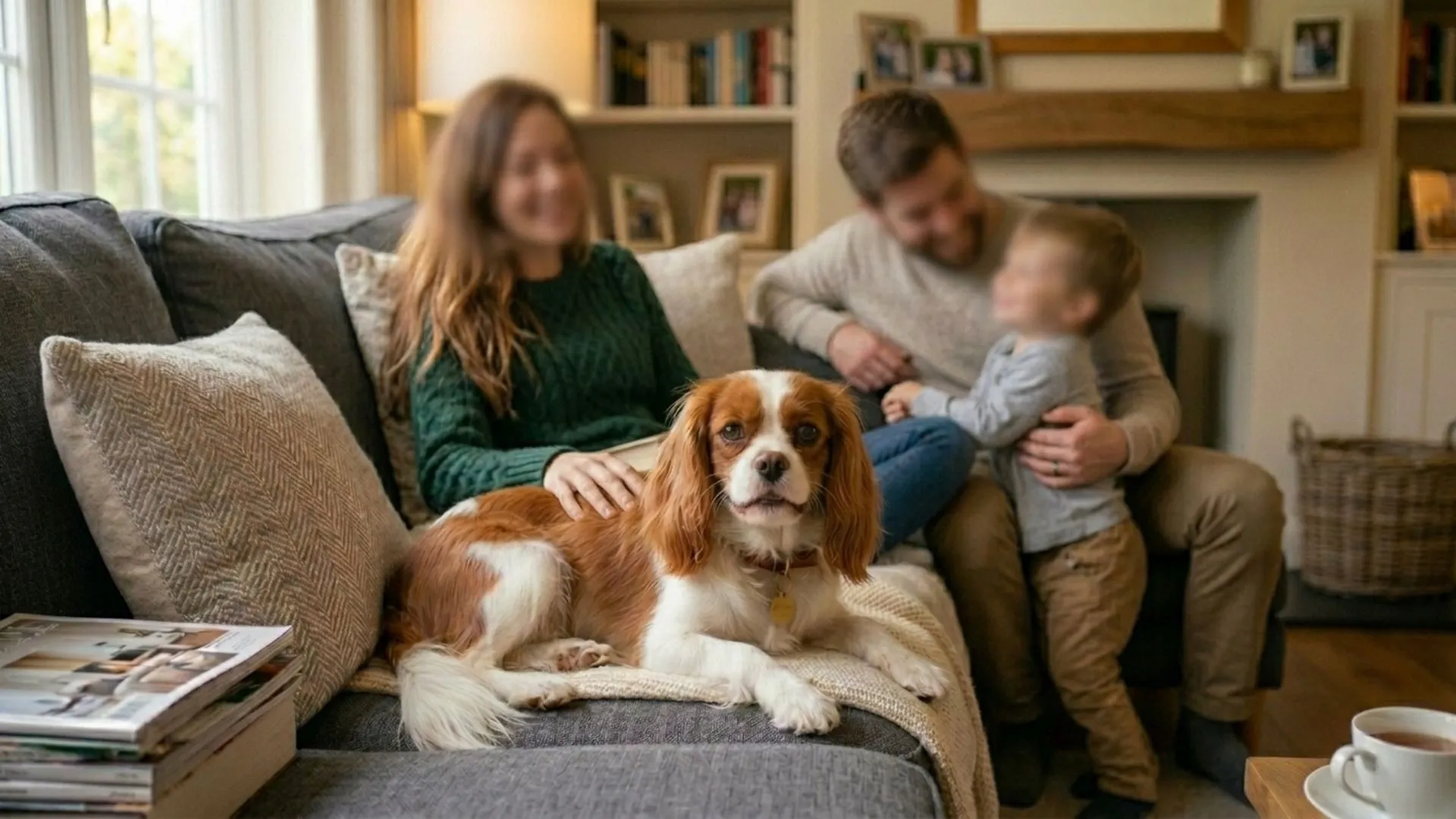
Families are becoming more thoughtful about what they want from a dog. Instead of focusing only on appearance or popularity, many are paying closer attention to how a breed fits into everyday life. This shift makes sense.
A dog becomes part of the household routine, and that routine often revolves around simple moments spent together. For families who enjoy quiet evenings, casual weekends, and plenty of time on the couch, choosing a dog with a naturally relaxed temperament can make all the difference.
These companions tend to adapt well to slower-paced homes and often seem happiest when they are close to the people they love. Their presence adds comfort without creating constant demands. That balance is one reason they continue to appeal to pet parents seeking a calmer lifestyle.
Ahead, you will meet the breeds that have mastered the art of taking life a little slower while remaining devoted family companions.
Key Takeaways
Some dogs do not rush into life; they settle into it, matching pet owners where calm evenings matter more than constant movement.
Basset Hound and Pug settle into that rhythm naturally, bringing quiet presence that fits homes built around calm routines.
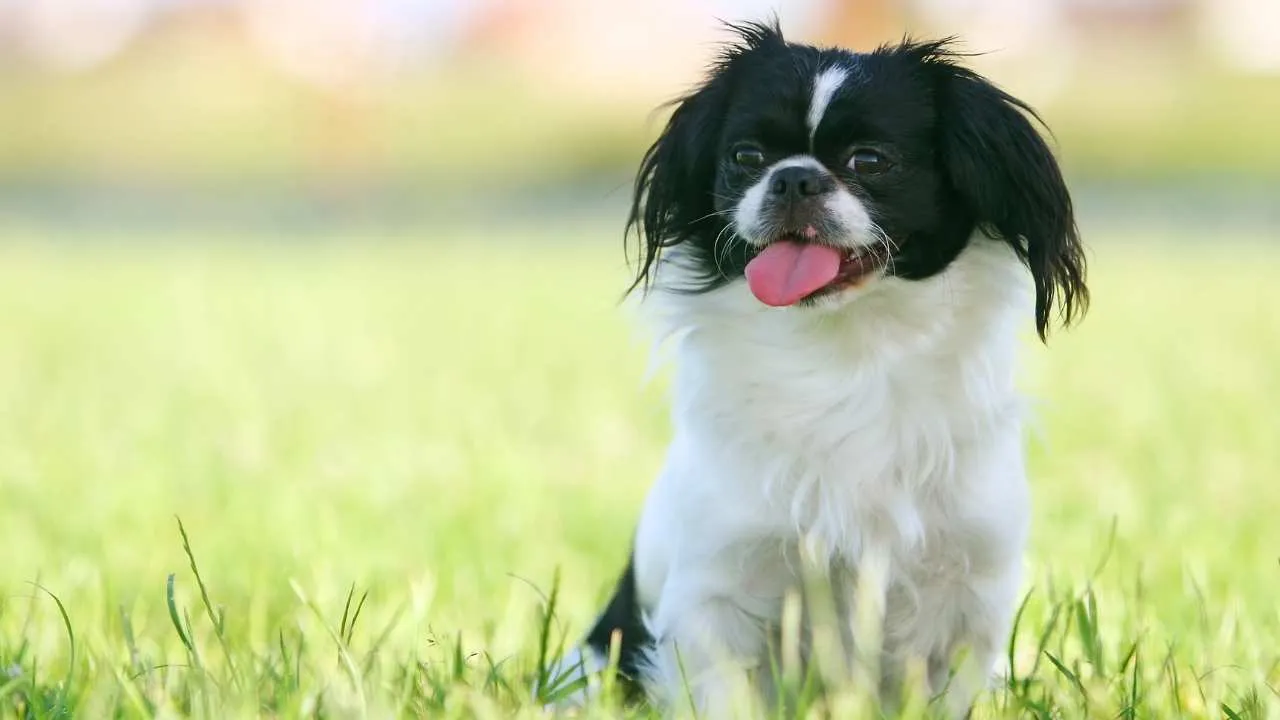
Cavalier King Charles Spaniel and Japanese Chin add gentle companionship, moving between light play and long resting hours without disrupting the peace.
By the time you reach the end, you will see which relaxed breeds turn everyday couch time into something families genuinely look forward to.
Most Relaxed Dog Breeds for Families Who Love Couch Time
1. Basset Hound
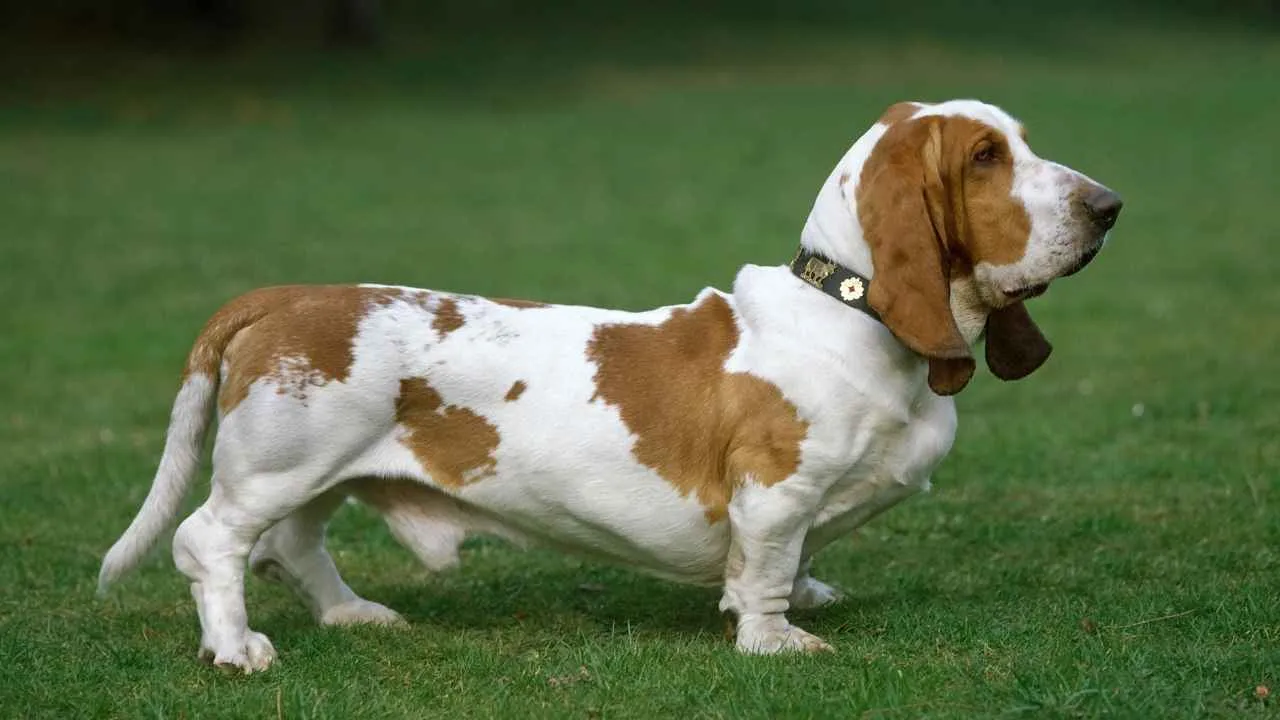
Basset Hound is instantly recognized by its low-set frame, long ears, and slow, deliberate movement that reflects a naturally relaxed pace.
Its heavy bone structure and sturdy paws give it surprising strength despite its calm appearance. The expression often reads as thoughtful, shaped by loose skin and deep-set eyes.
Calm Household Companion
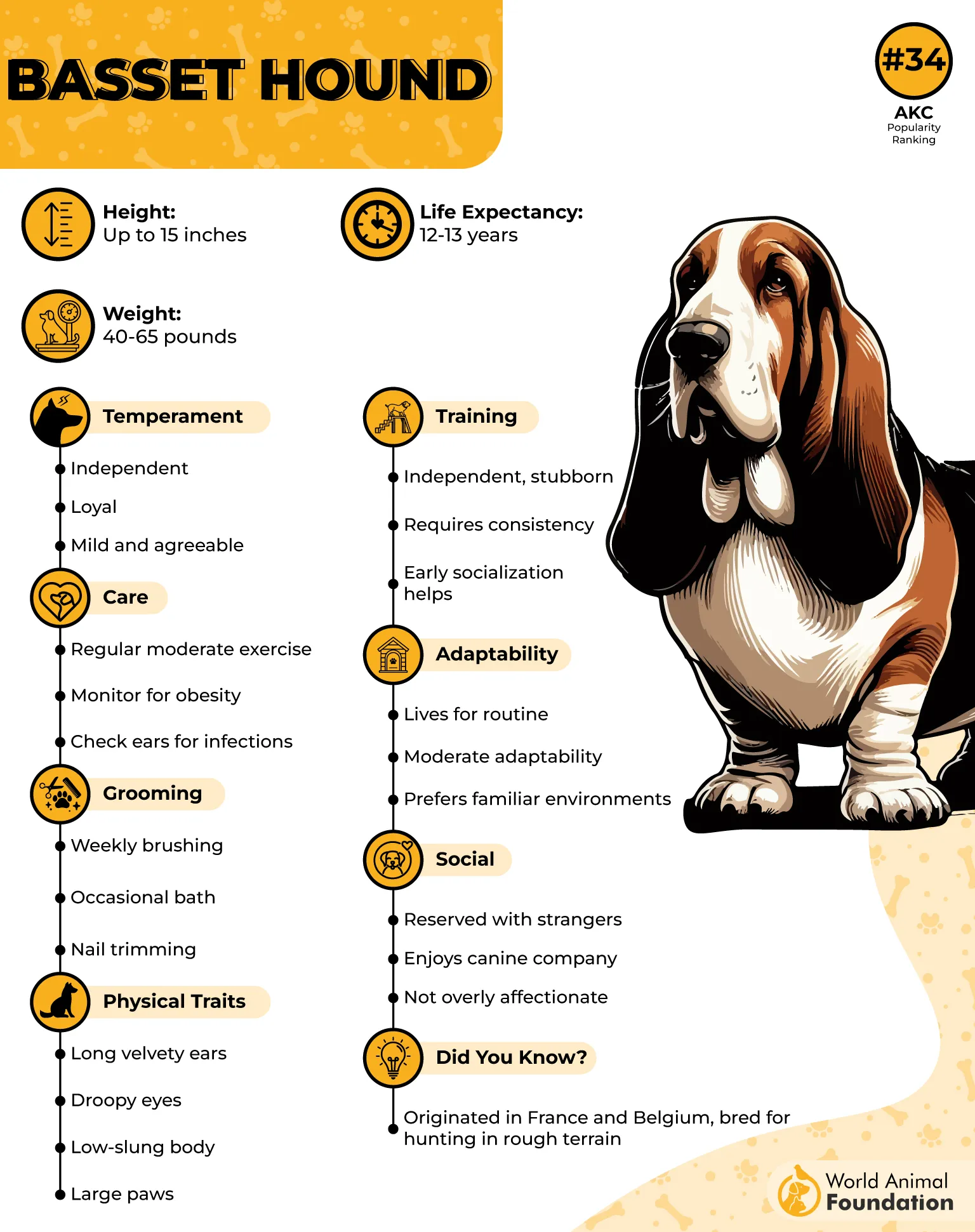
Life around a Basset Hound feels unhurried, fitting well into homes that value quiet routines and steady company. Its scent-driven focus can occasionally pull attention outdoors, but indoor behavior remains easygoing and steady.
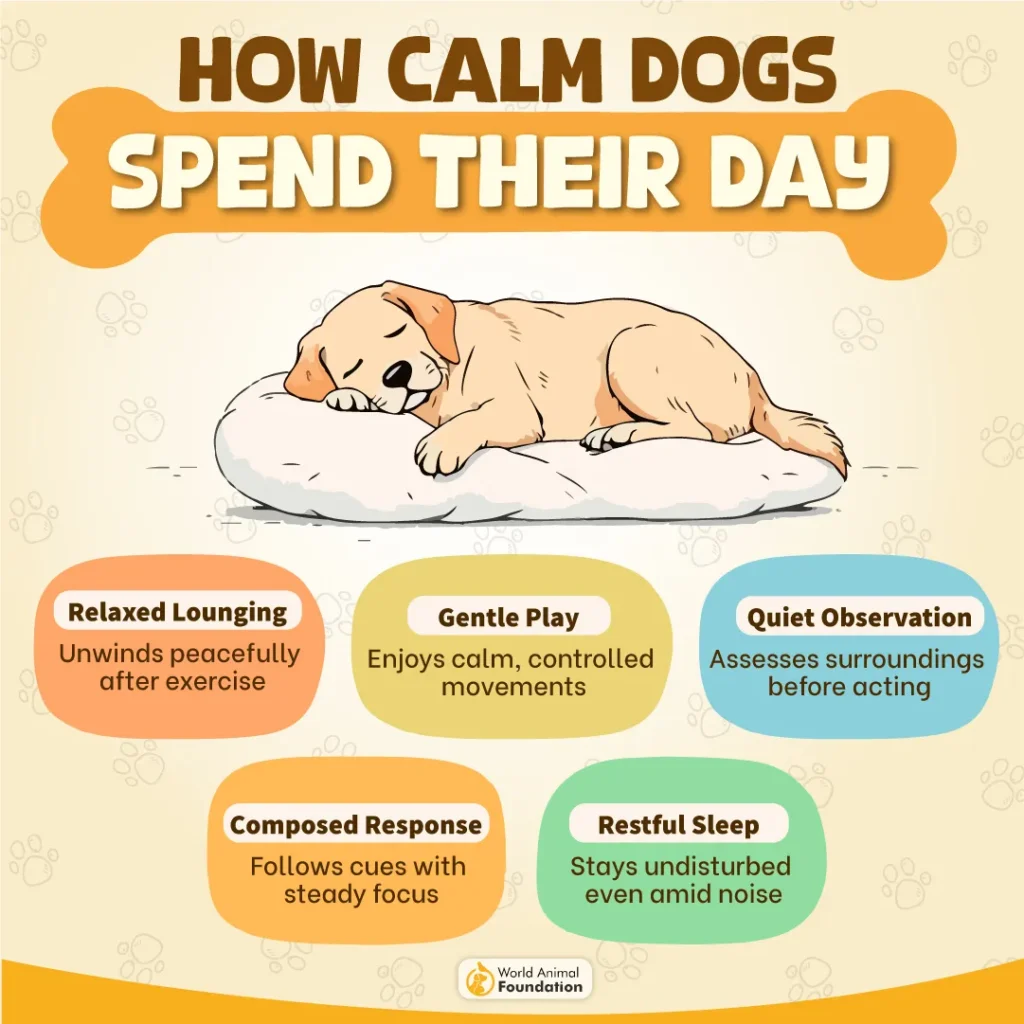
A simple rhythm helps keep daily life balanced:
Steady and relaxed indoors
Strong scent-driven focus outdoors
Comfortable with moderate daily walks
Scent-Driven Mindset
A powerful nose defines how this calm dog engages with its surroundings, often prioritizing tracking over speed or excitement, as per the AKC. On walks, persistence replaces urgency, creating a slow but focused pace of exploration. At home, that intensity softens into a calm, settled presence.
2. Cavalier King Charles Spaniel

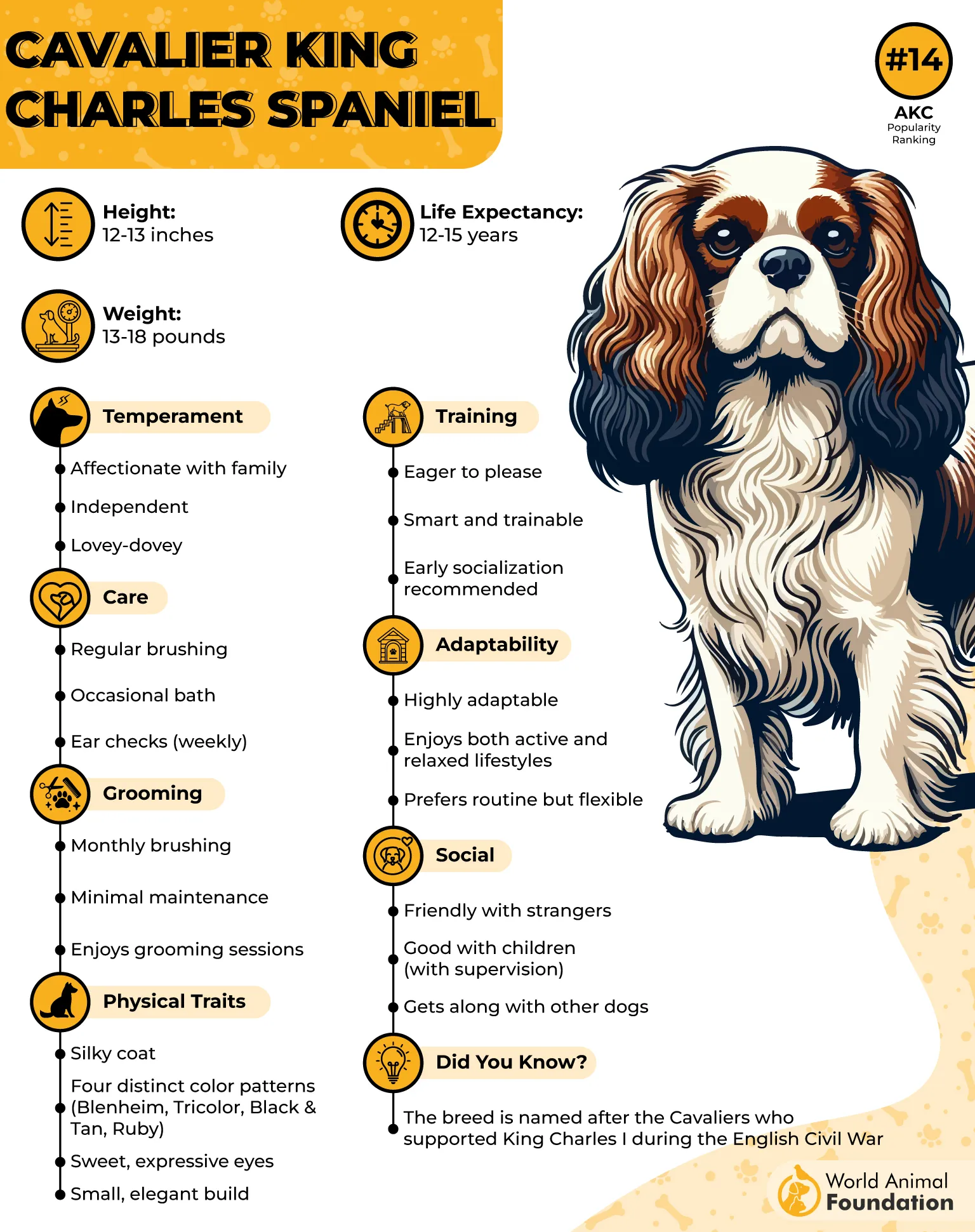
Cavalier King Charles Spaniel is known for its calm, affectionate way of settling close to people, preferring soft corners and steady company over constant movement. Its British lineage is tied to royal households, shaping a companion bred for closeness rather than distance.
Easygoing Family Companion
This calm dog breed fits comfortably into households that enjoy quiet routines and relaxed time together. Its balance of toy-breed gentleness and spaniel energy allows flexible living, from short outdoor walks to long indoor rest periods, as PetMD noted
These everyday traits explain this smooth adaptability:
Comfortable with children and other dogs
Adjusts easily to calm or active homes
Enjoys short, relaxed outdoor walks
Balanced Gentle Temperament
This companion dog often shifts between light activity and extended rest without tension or restlessness. Friendly interaction comes naturally, especially within familiar surroundings where one feels secure. Its spaniel lineage brings just enough liveliness to keep daily routines lightly engaging.
3. Pekingese
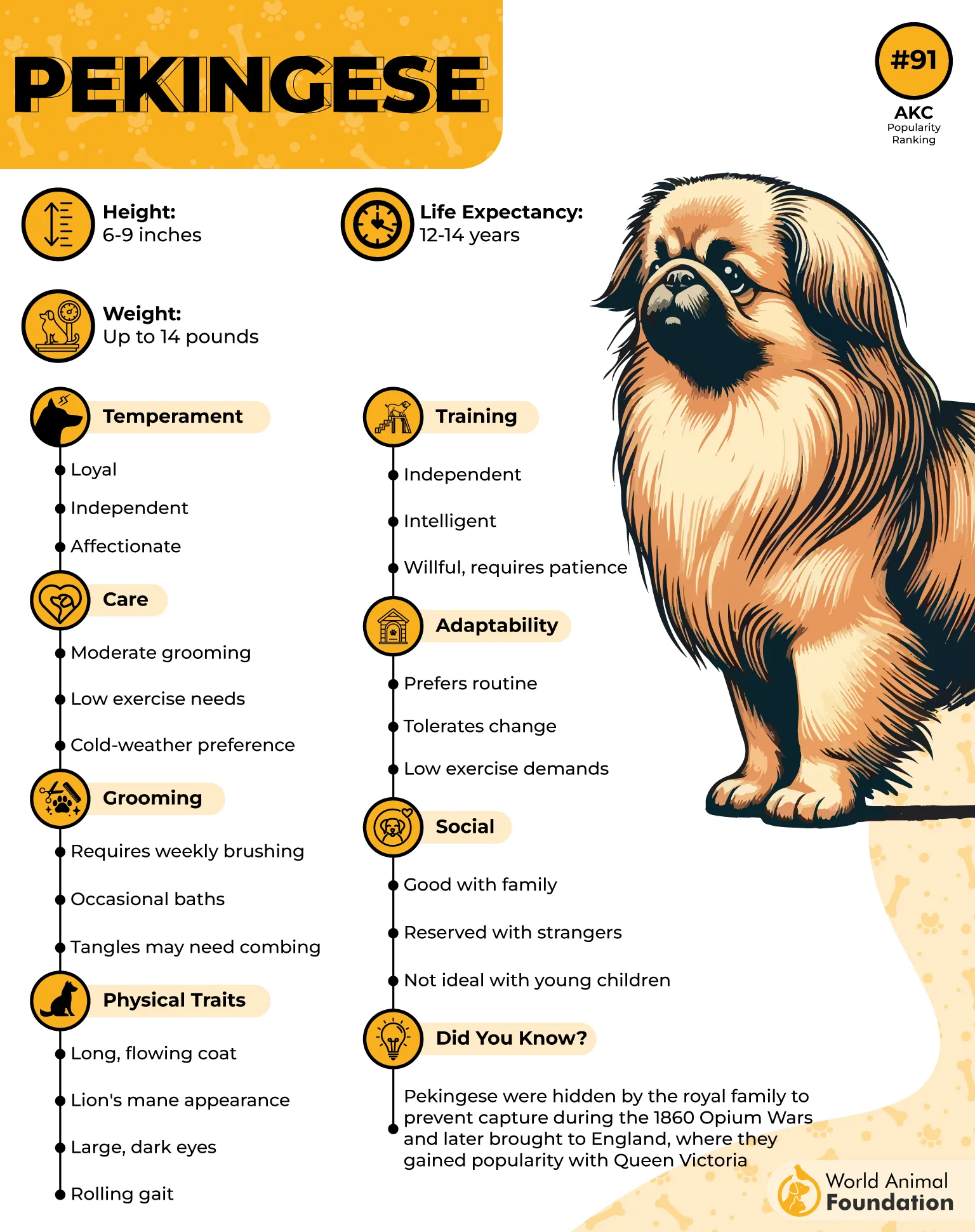
Pekingese carries an unmistakable palace-bred charm, shaped for life beside ancient Chinese royalty. Its compact frame and confident expression reflect a dog that prefers close, steady companionship over constant activity. Quiet attachment to familiar people defines much of its daily behavior.
Gentle Home Companion
This laid-back breed settles easily into relaxed indoor routines, making it suitable for calm family environments. Short bursts of activity are enough before it returns to resting close by.
These points help understand its home behavior more clearly:
Strong attachment to familiar people
Prefers short, gentle activity
Sensitive to heat and overexertion
Personality at Home
Pekingese shows a mix of affection and independence, often choosing when to engage and when to rest. Training responds best when turned into simple, rewarding interactions rather than repeated commands. Its steady presence suits slower household rhythms.
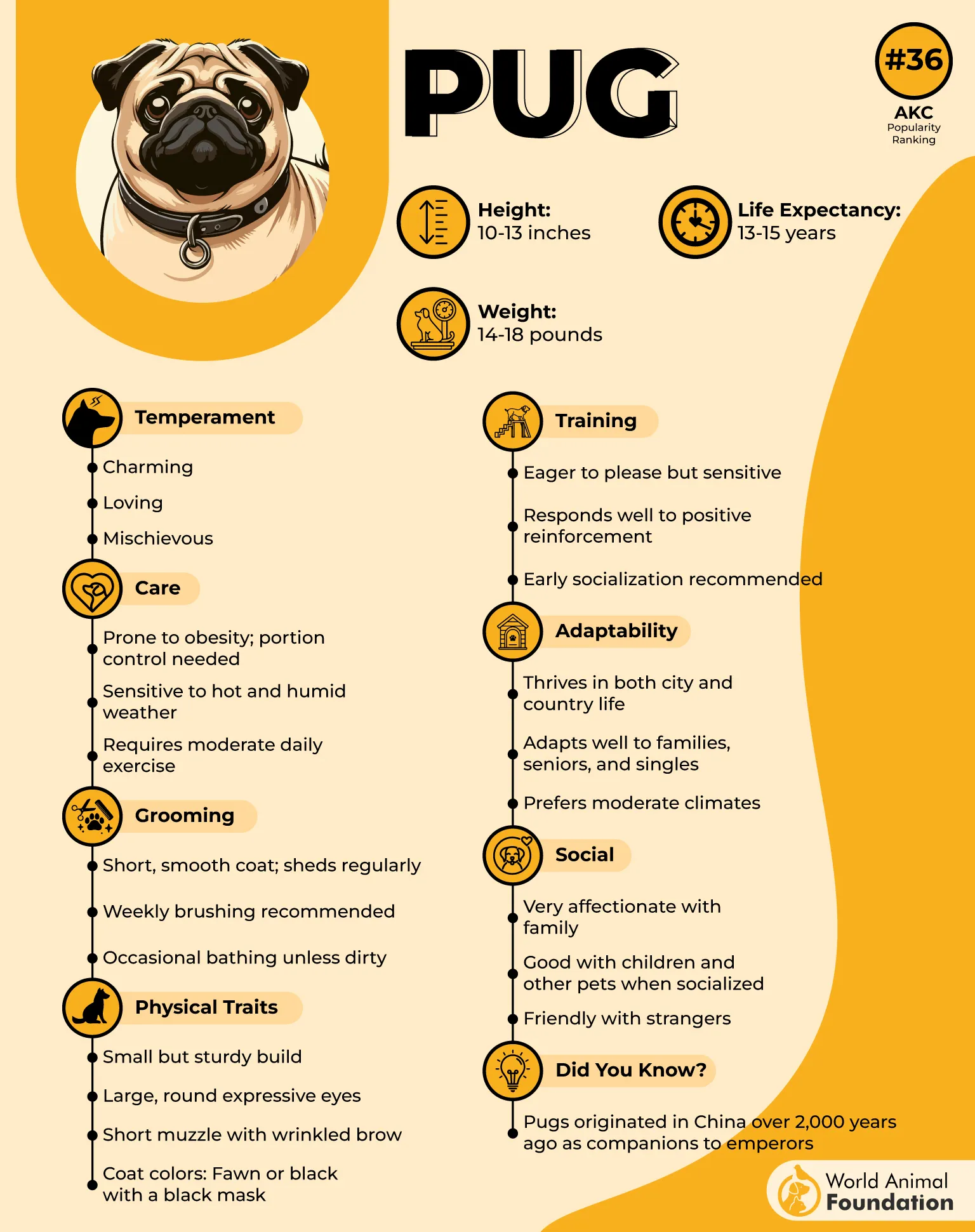
4. Pug
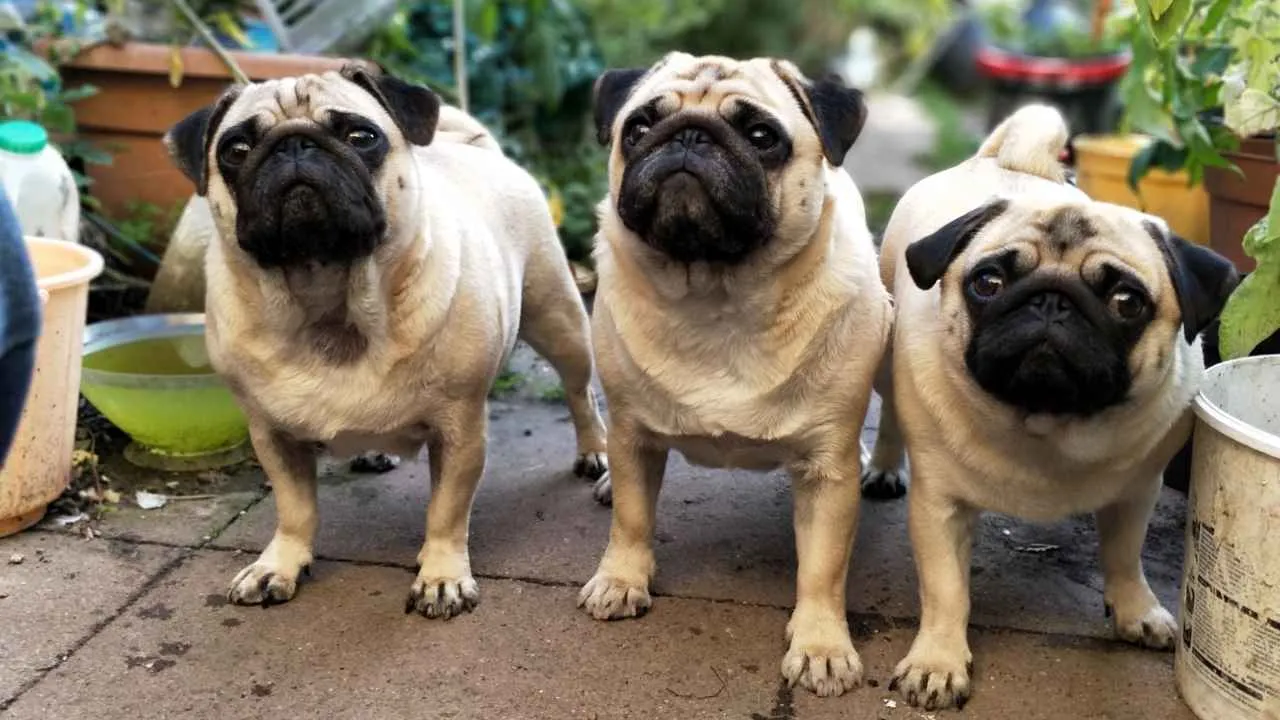
Pug charms instantly with its compact build and expressive face, once favored in imperial Chinese courts and later admired by Dutch royalty.
Beneath its small frame lies a sturdy body shaped for close human companionship. Its personality leans strongly toward warmth, attention, and constant closeness.
Comfort-Focused Companion
This lazy dog breed naturally gravitates toward relaxed indoor life, often choosing soft spaces and steady company over constant activity. Its easygoing nature fits homes where calm routines and shared downtime matter most.
A few everyday habits reflect this gentle pace:
Enjoys extended resting periods
Prefers close human proximity
Responds well to gentle routines
Social and Adaptable Nature
Pugs adjust smoothly to different household settings, whether with children, seniors, or other pets, as Greencross Vets mentioned. Its friendly approach makes interactions predictable and easygoing once comfortable. Food motivation and affection shape much of its daily behavior.
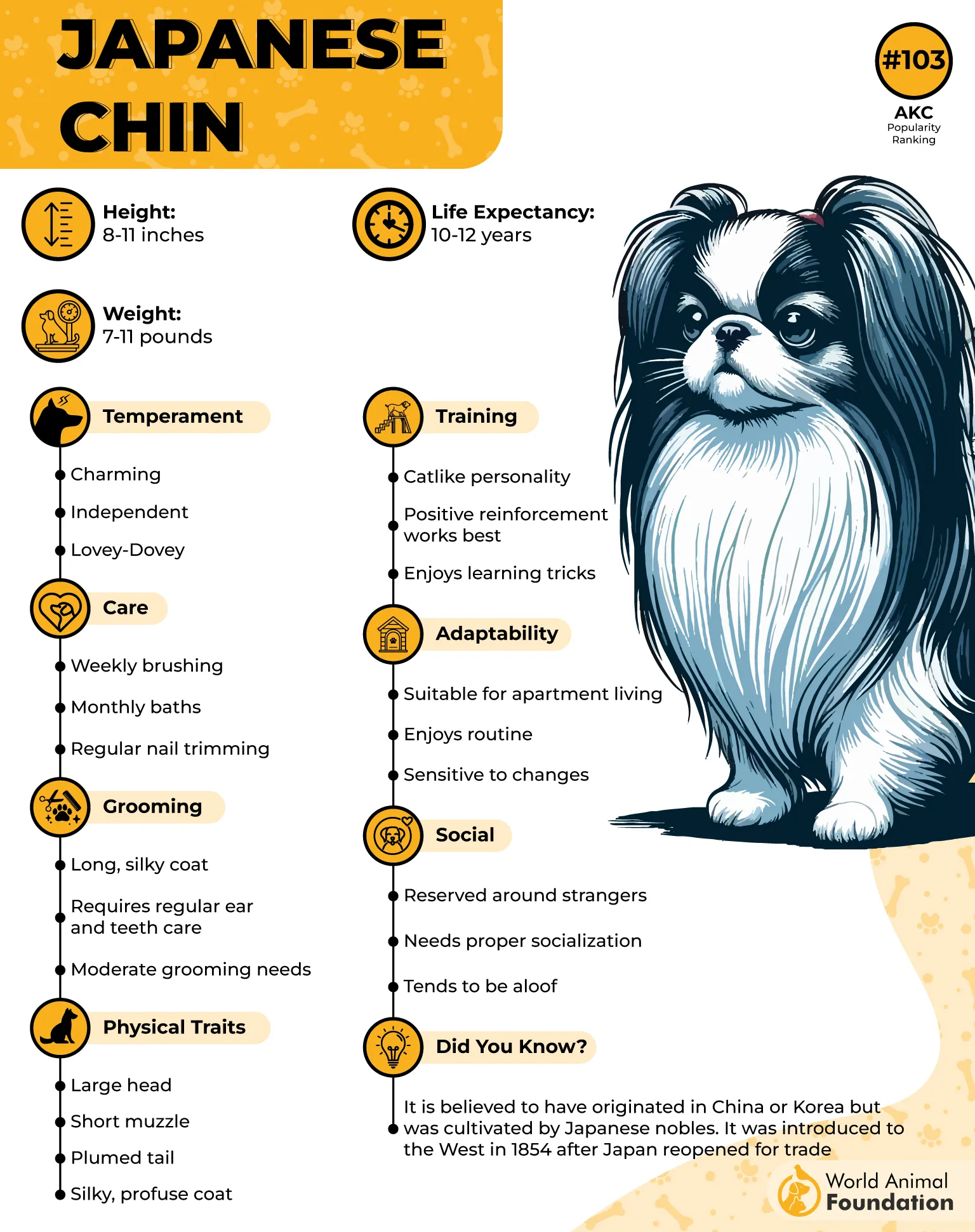
5. Japanese Chin
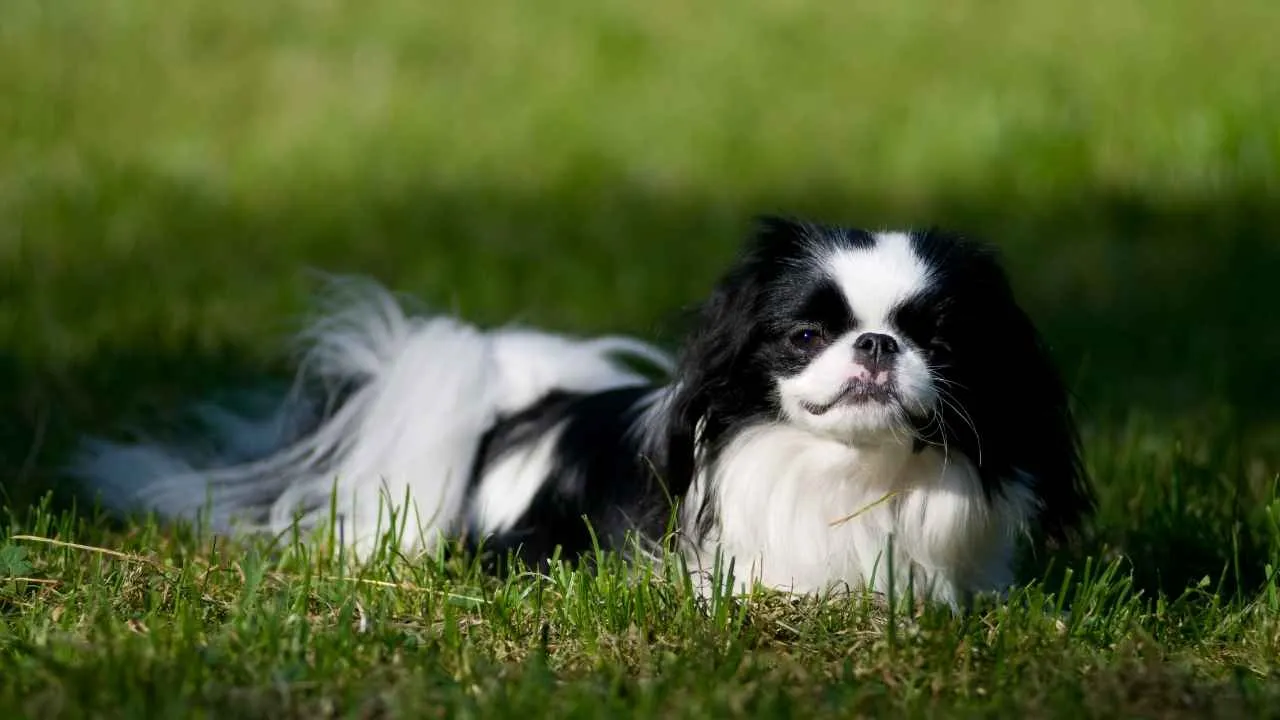
Japanese Chin is often noticed for its delicate, silky coat and compact facial structure that gives it a refined, almost ornamental presence. Ancient connections place the breed in imperial courts and monastic circles, where it was valued as a relaxed canine companion.
Gentle Home Personality
Comfortable in close-knit family settings, this breed enjoys interactive time indoors and light play sessions. It responds best when activities feel engaging rather than repetitive, making daily interaction important.
Here’s what represents their calm life:
Enjoys close human interaction
Responds better to playful training
Comfortable with familiar pets
Cat-Like Behavior
Japanese Chin often climbs onto elevated spots like shelves or furniture to observe its surroundings from above. Its grooming habits resemble feline behavior, including paw-based face cleaning. Around guests, it remains polite and generally open, adjusting quickly to new faces.
6. Newfoundland
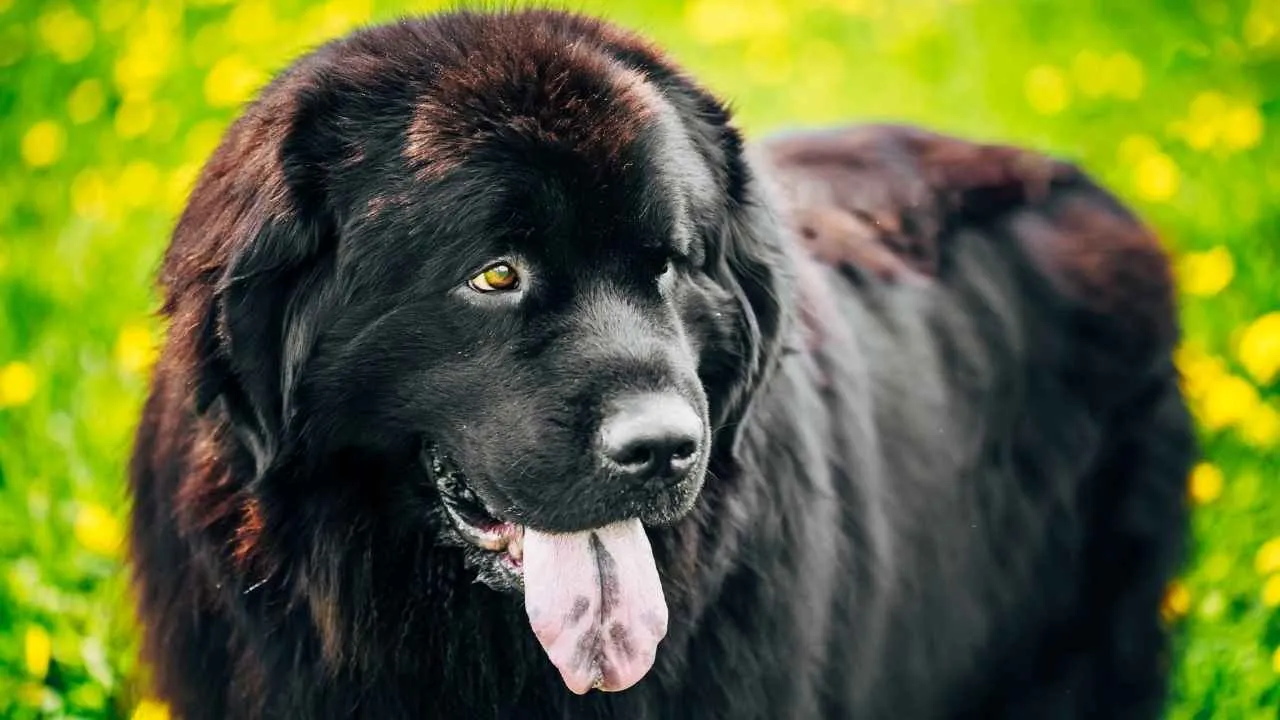
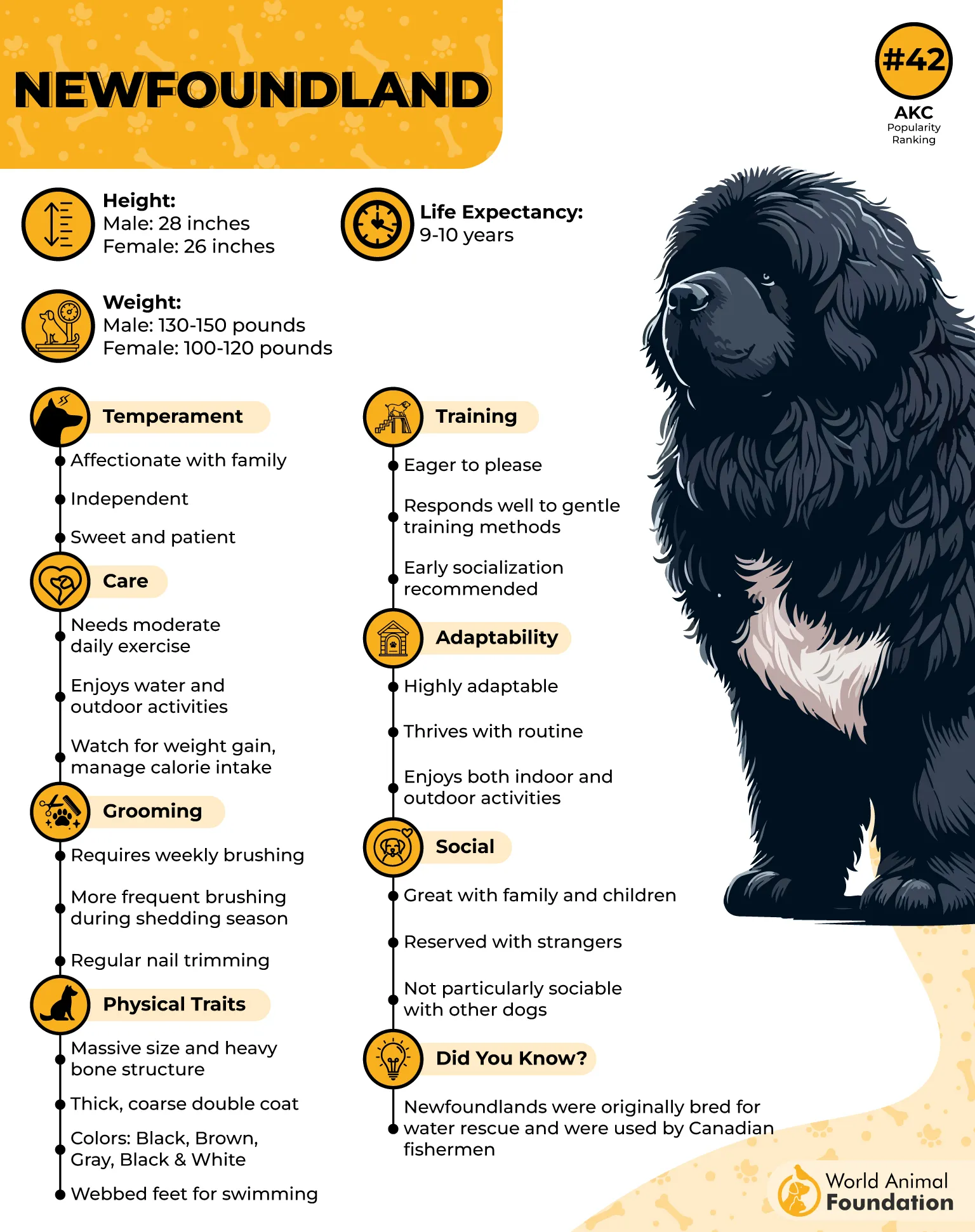
Newfoundland is hard to miss with its massive structure, webbed feet, and thick insulating coat made for cold water work. The breed’s natural comfort around lakes and rivers connects closely to its history of rescue work in icy conditions. Calm confidence runs through its movement both on land and in water.
Gentle Giant Nature
Life with this breed often revolves around quiet companionship and steady interaction within the home. Its size may be imposing, yet its behavior leans toward patience and ease around familiar people.
A few everyday traits shape this easygoing presence.
Strong swimming ability
Calm family-oriented behavior
Naturally patient temperament
Home Adaptability
Early training plays a key role due to rapid growth and considerable strength by the time it reaches young adulthood. Despite its size, the breed responds well to steady guidance and enjoys close family interaction. Its affectionate nature makes shared living spaces comfortable when space is managed well.
7. Irish Wolfhound
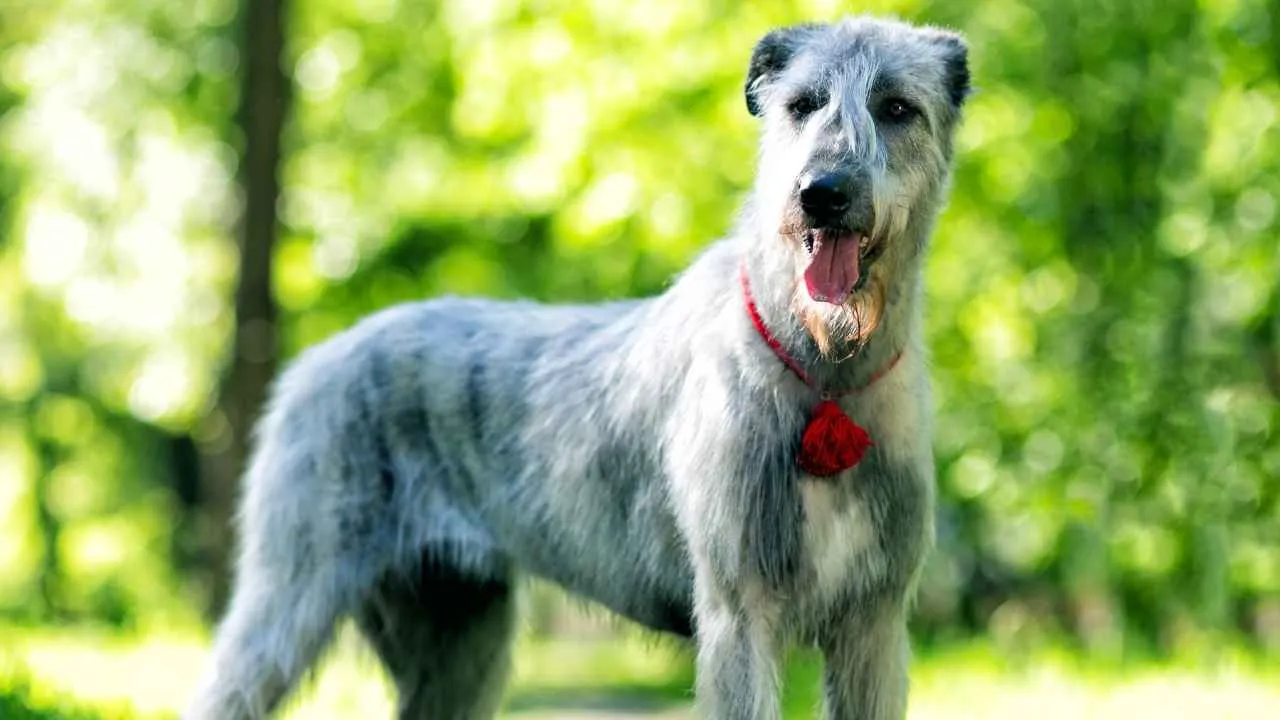
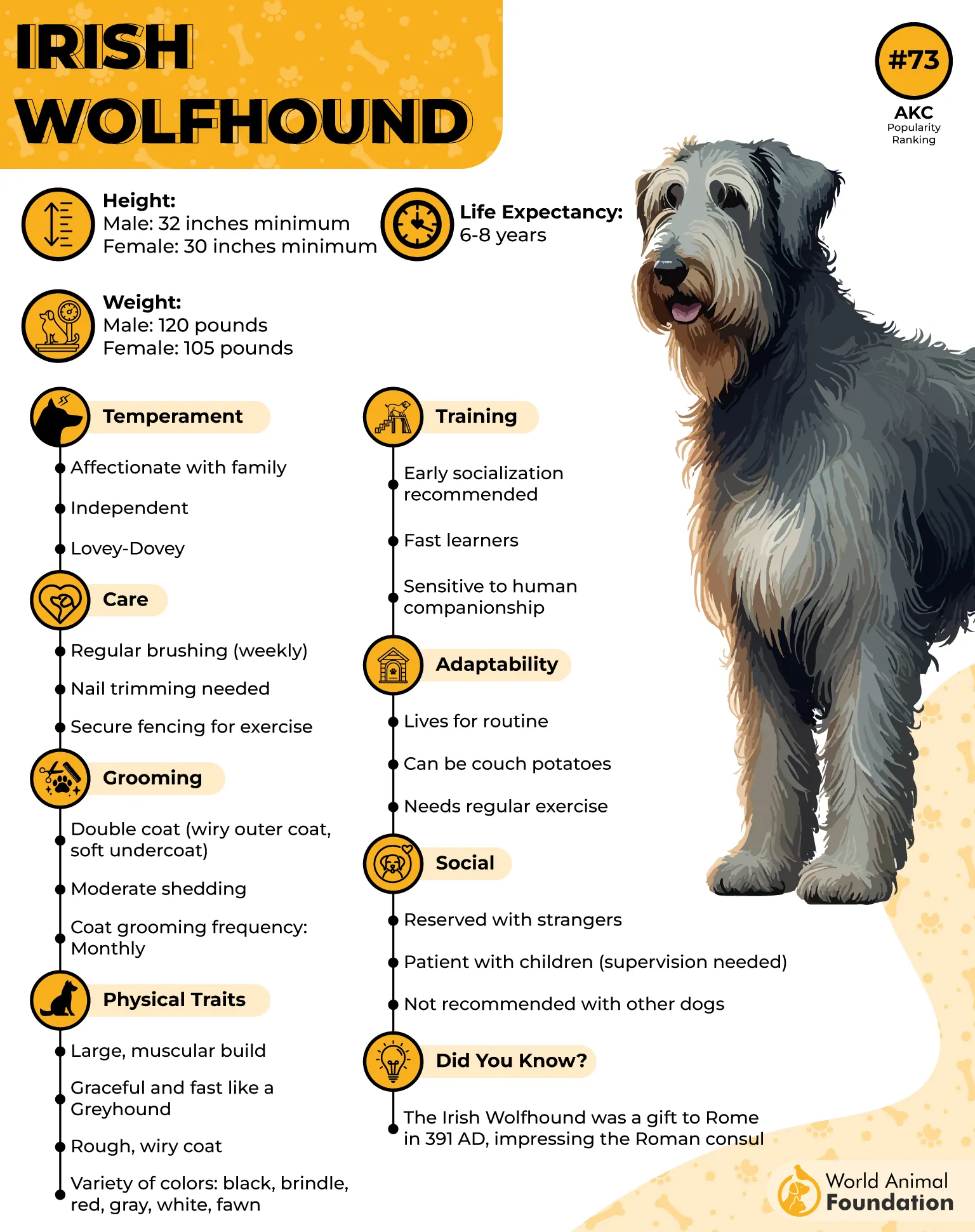
Irish Wolfhound draws the eye with its impressive height, yet indoors it settles into a calm and composed rhythm. Once used alongside hunters in Ireland and even seen in Roman arenas around 400AD, its presence was valued for strength and composure.
Calm Household Nature
Life indoors feels steady with this breed, as it often settles into long periods of rest when given space and comfort. Its connection to people is steady rather than demanding, blending affection with independence.
Here’s a closer look at their behavior:
Comfortable with quiet indoor routines
Prefers space for stretching and resting
Forms steady bonds with family members
Outdoor Instincts
Outside the home, alertness increases sharply due to strong sight-driven instincts that respond quickly to movement. This can lead to sudden bursts of speed when something catches attention during walks. Early guidance helps shape safer outdoor habits.
Conclusion
A peaceful home often feels even more inviting when a calm, dependable dog becomes part of the family. These low-energy dog breeds blend naturally into slower routines, offering affection without demanding constant activity or attention. Their calm demeanor adds comfort to quiet evenings, lazy weekends, and everyday moments shared together, often requiring only minimal exercise.
Although personalities vary, each one brings a balance of companionship and relaxation that suits family life. Many are excellent choices for first-time dog owners seeking charming companions that fit comfortably into a gentler pace of living. In the end, the right dog becomes more than a pet. It becomes a trusted companion who makes the home feel a little more comfortable every day.
