




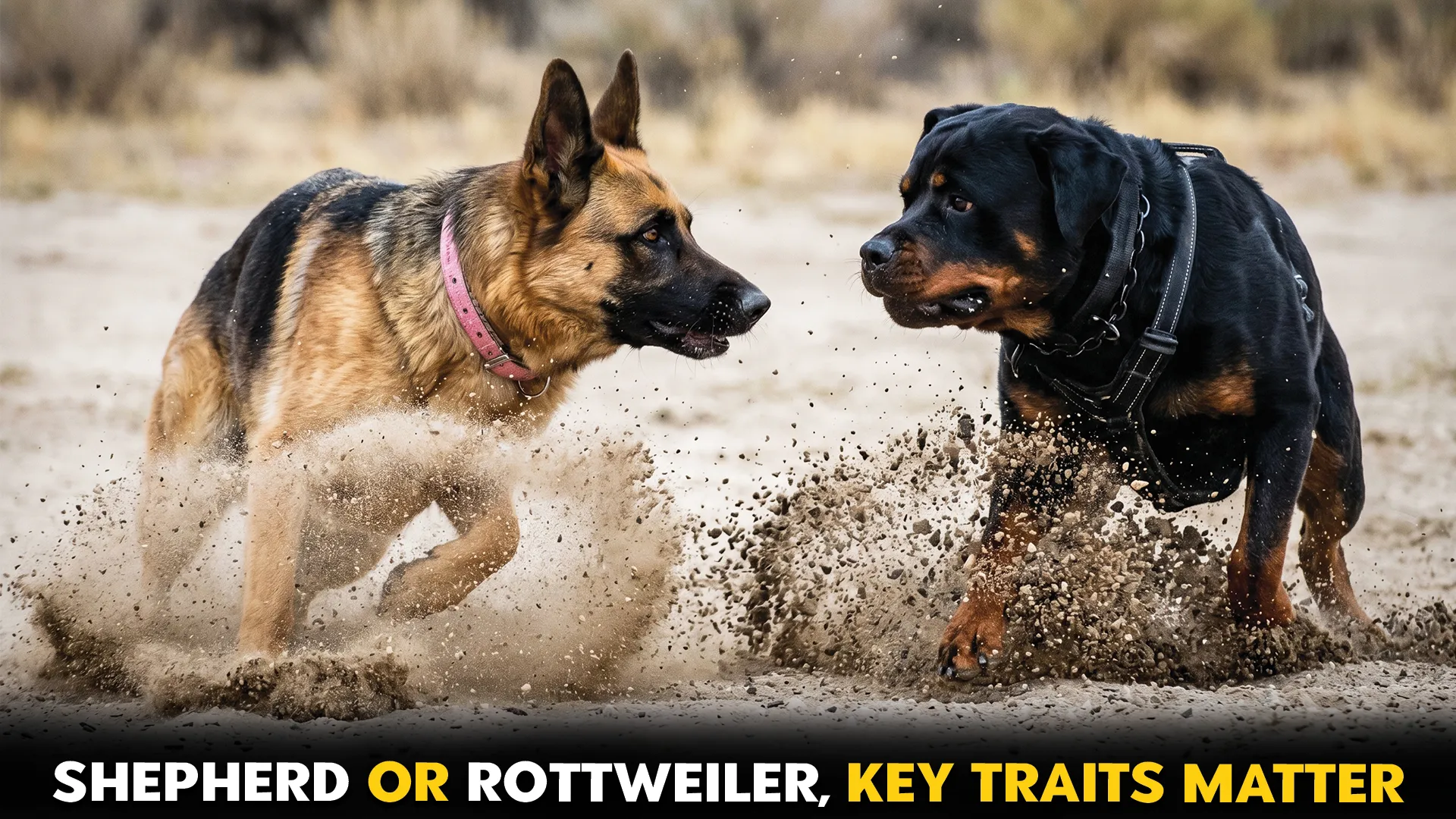
Choosing between a German Shepherd and a Rottweiler involves more than size and strength—it’s about understanding each breed’s personality, intelligence, and energy levels.
German Shepherds are agile, highly trainable, and extremely intelligent, often excelling in police, military, and service roles. Rottweilers, on the other hand, are muscular, powerful, and confident, with a strong protective instinct that makes them natural guard dogs.
Understanding these distinctions—strength, energy, intelligence, temperament, and suitability for families—can help potential owners match a dog to their lifestyle.
Whether you prefer the agile, intelligent German Shepherd or the powerful, steadfast Rottweiler, both breeds offer unmatched loyalty and companionship for those prepared to meet their unique needs.
Key Takeaways
German Shepherd is smart, agile, loyal, and great for active families and versatile as guard dogs
Rottweiler is strong, confident, protective, and thrives with firm training and close family bonds
GSDs need high activity, while Rotties need regular exercise and mental tasks
Early, consistent training is essential for both breeds to ensure they grow into well-behaved companions.
German Shepherd vs. Rottweiler Dog Breeds: Key Traits
History & Purpose
German Shepherd
The German Shepherd originated in Germany in the late 1800s. Developed by Captain Max von Stephanitz, the goal was to create the ideal working and herding dog.
Known for their intelligence, versatility, and strong work ethic, German Shepherds quickly gained recognition for their ability to perform a variety of roles, according to the AKC.
Key Roles & Traits:
Herding livestock efficiently and safely
Police, military, and search-and-rescue work
Service dog and assistance roles
Highly trainable and quick learners
German Shepherds are confident, fearless, and agile, making them natural protectors. Their loyalty and gentle nature with family members complement their working abilities, which is why they remain one of the most popular working breeds worldwide.
Rottweiler
Rottweilers trace their ancestry to ancient Rome, where their predecessors worked as drover dogs, herding livestock and guarding supplies.
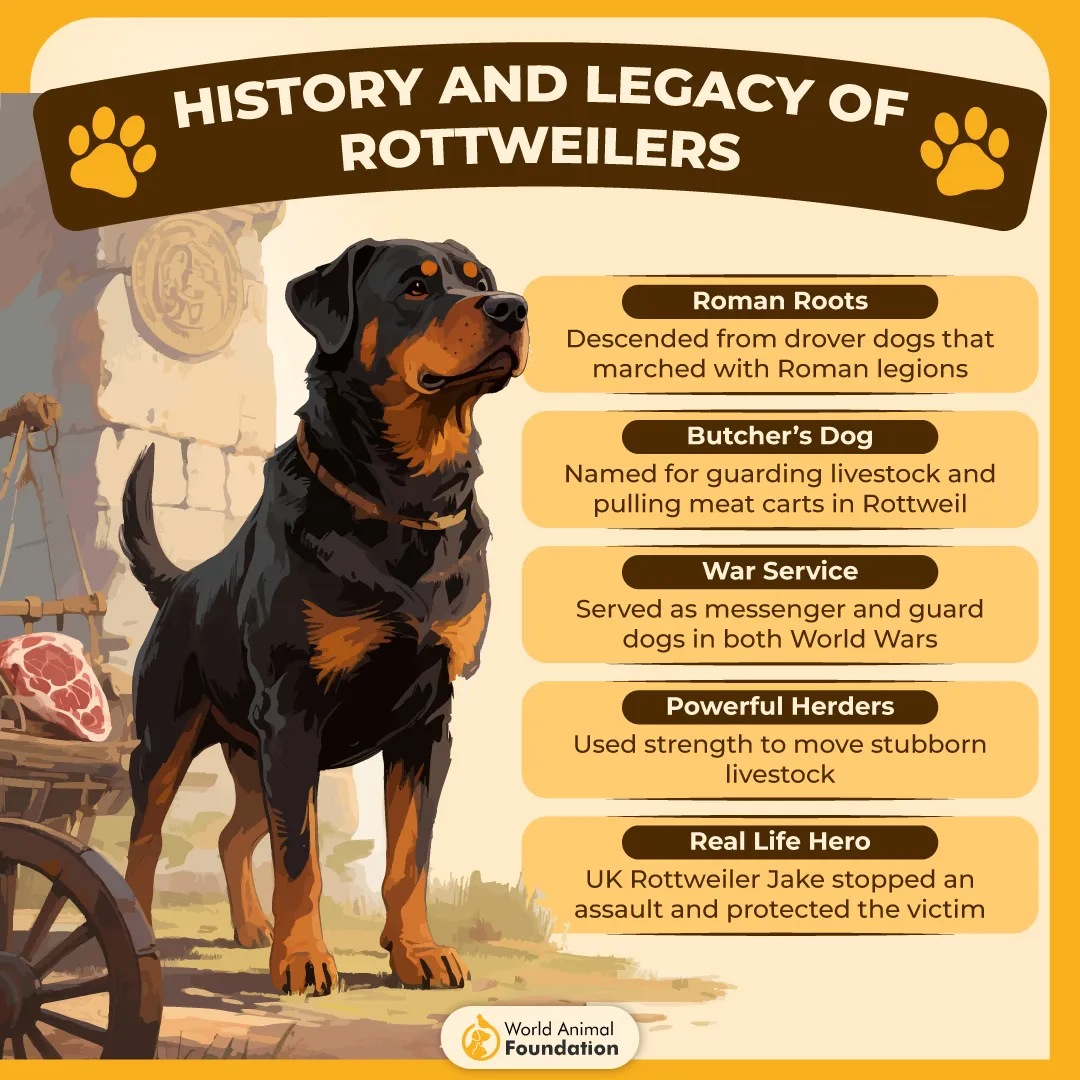
As Roman legions expanded into Germany, these dogs were bred with local herding dogs in the town of Rottweil. Over generations, this produced the distinct Rottweiler breed we know today.
Key Roles & Traits:
Guard dogs with strong territorial instincts
Working alongside butchers and cattle handlers
Service, police, and search-and-rescue roles
Muscular, powerful, yet affectionate with family
Despite their imposing appearance, Rottweilers are playful, loyal, and gentle with loved ones. Their strength, confidence, and versatility have made them a valued companion and protector for centuries.
🎧 Dogcast
Episode 37 — Why Dogs Stay Close without Touching
If you don’t hear sound, tap the button above to enable audio.
Size & Physical Build
German Shepherd
German Shepherds are large, agile, and muscular dogs with a well-proportioned frame. Males typically stand 24–26 inches at the shoulder and weigh 65–90 pounds, while females are slightly smaller at 22–24 inches and 50–70 pounds.
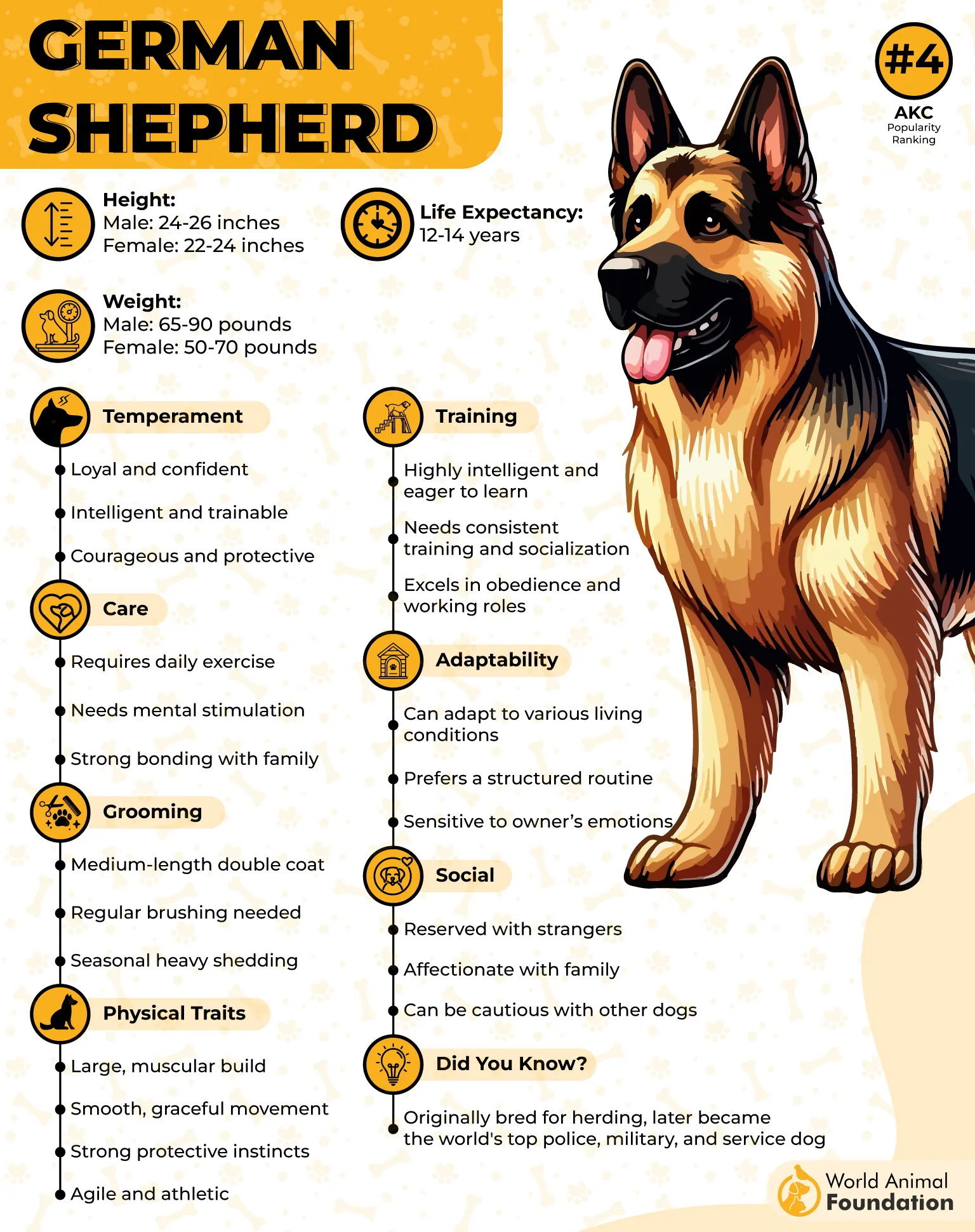
Physical Characteristics:
Straight back with a body length proportional to height
Long, bushy tail carried level with the back in motion
Wedge-shaped head with a wide forehead and long, narrow snout
Large, erect ears with soft points at the tips
Double coat: medium or long on the neck/body, short on head/legs
Colors: black, tan, cream, silver, gray, red; disqualified if fully white
German Shepherds combine strength and agility, built for speed and endurance, which suits their high-energy and working-dog background.
Rottweiler
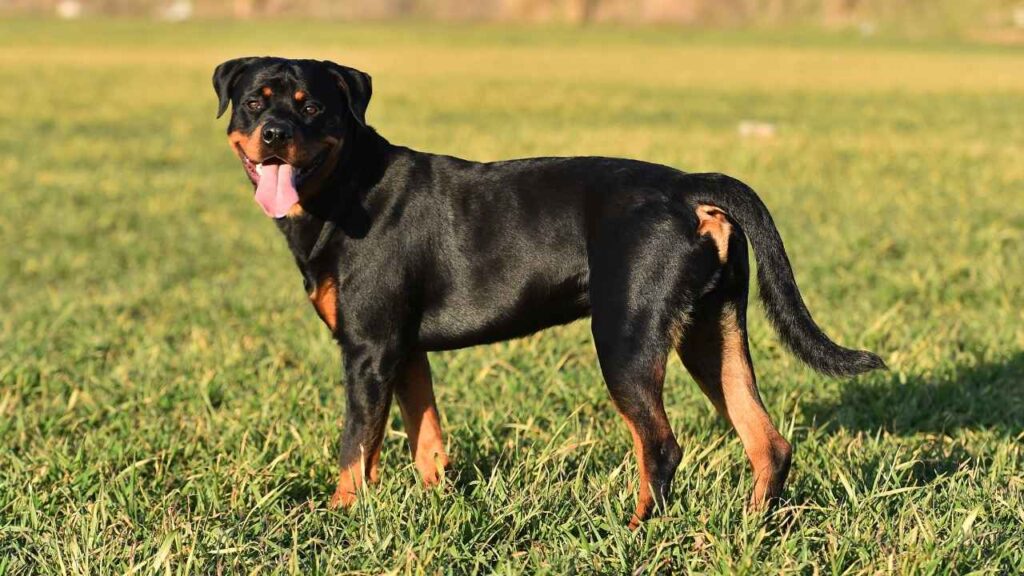
Rottweilers are large, heavily muscled dogs with a broad head and powerful build. Males generally reach 22–27 inches in height and weigh 80–135 pounds, while females are smaller. They mature slowly, often reaching full size around 2–3 years of age.
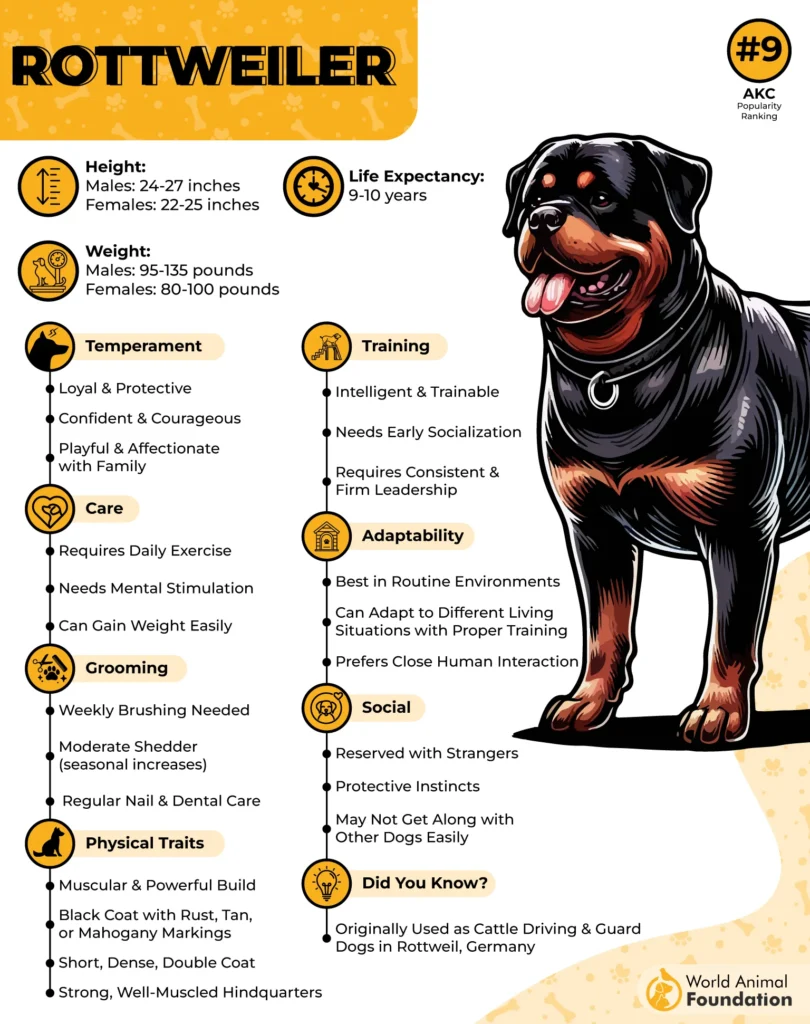
Physical Characteristics:
Broad, strong skull with wide-set eyes
Short, dense coat that highlights muscular physique
Solid, powerful body designed for strength and endurance
Newborns weigh around 500 grams, growing steadily over 2–3 years
Rottweilers’ robust, powerful build makes them natural protectors, combining strength and confidence with a surprisingly agile frame for their size.
Temperament & Personality
German Shepherd
German Shepherds are loyal, alert, and confident dogs with a natural guarding instinct. Their herding and working background makes them protective yet gentle with family members. They may be reserved around strangers, reflecting their instinct to assess unfamiliar situations.
With Children:
Generally excellent with kids if well-socialized and trained
Supervised interactions are essential
Children should learn proper ways to interact with dogs
Training and Activities:
Thrive with consistent, positive reinforcement training
Enjoy mentally and physically engaging activities such as herding, agility, tracking, hiking, nose work, and dock diving
High energy and intelligence make them best suited for experienced dog owners
Poor socialization or breeding can lead to nervousness or over-guarding
Rottweiler
Rottweilers are strong, confident, and affectionate, ranging from playful “clowns” to reserved, one-person dogs. Petplan adds that their history as working and guardian dogs gives them natural protective instincts, which may include barking at new people or unfamiliar situations.
With Children:
Generally gentle and protective with kids
Early socialization and training are critical
Kids should be taught proper engagement with the dog
Training and Activities:
Intelligent and eager to please, respond well to positive reinforcement
Enjoy running, hiking, camping, dock diving, agility, tracking, and obedience training
Require daily exercise and mental stimulation
Excel in tasks or jobs, making them ideal working and family companions
Both breeds benefit from early socialization, structured training, and plenty of physical and mental activity to develop into well-rounded, confident adults.
Exercise & Energy Levels
German Shepherd
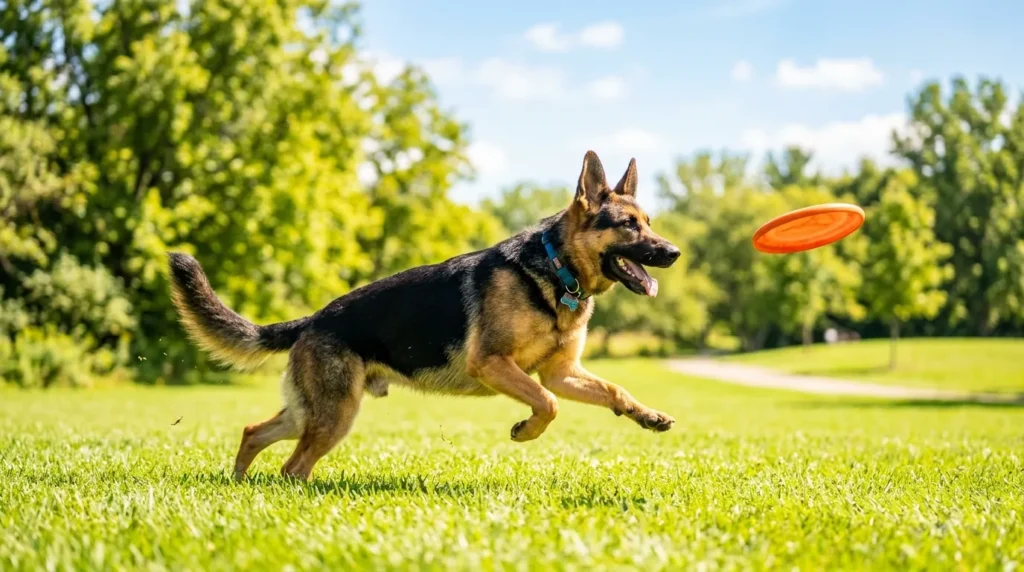
German Shepherds are a highly energetic and athletic breed that thrive on both physical and mental stimulation. As herding dogs, they enjoy having a “job” or purpose, making activities like running, hiking, agility, tracking, and interactive play ideal for them.
They require 1–2 hours of daily exercise to stay healthy and happy, and without proper outlets, they may develop restlessness, irritability, or destructive behaviors. Early socialization and consistent training are essential to help channel their energy positively.
Rottweiler
Rottweilers, while also active, have a more moderate energy level compared to German Shepherds. They enjoy daily walks, runs, swimming, hiking, and structured activities like obedience, agility, or tracking. These dogs thrive when given tasks or jobs that engage both their mind and body.
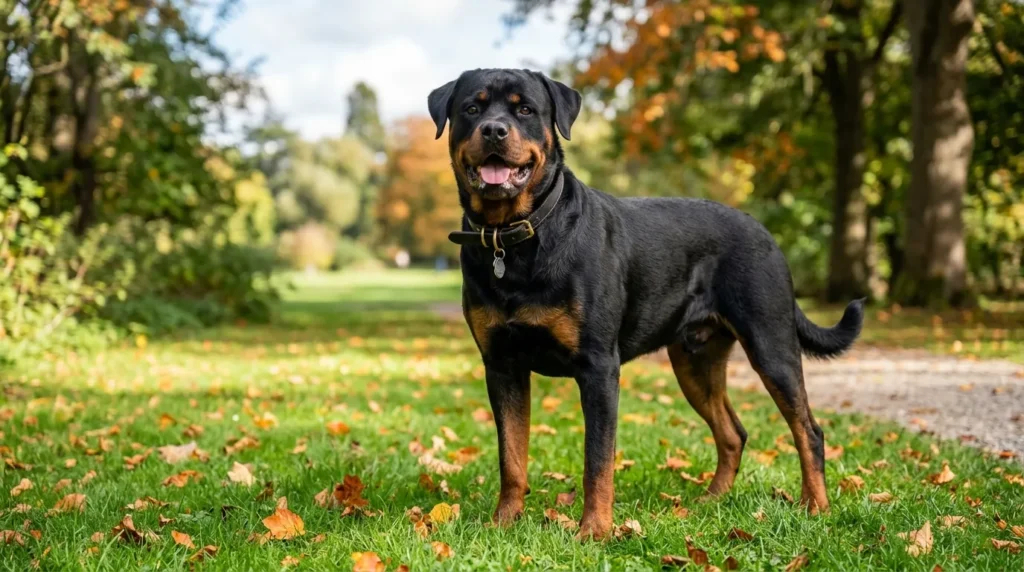
Regular exercise helps Rottweilers maintain their strength, agility, and calm demeanor, while insufficient activity can lead to boredom or minor behavioral issues. They are best suited for owners who can provide consistent activity and mental challenges.
Training & Intelligence
German Shepherd
German Shepherds are widely recognized as one of the most intelligent and trainable dog breeds. Originating as herding dogs, they excel in obedience, protection work, search and rescue, and various canine sports.
Their intelligence and eagerness to learn make them highly responsive to consistent, structured training. German Shepherds thrive under clear communication, positive reinforcement, and a strong leader who provides guidance and mental stimulation.
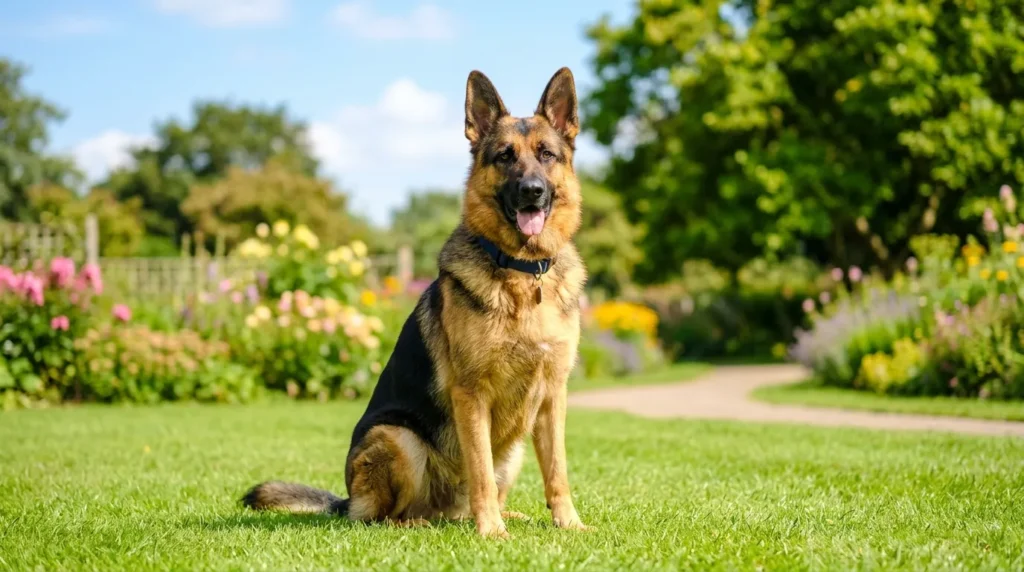
They enjoy having a “job” or purpose, and training sessions that challenge their mind help prevent boredom and undesirable behaviors. While highly trainable, their strong-willed nature requires an experienced, patient owner to fully develop their potential.
Rottweiler
Rottweilers are also highly intelligent and eager to please, but they require early and consistent socialization to bring out their best traits. Training begins even before the puppy comes home, with breeders handling and exposing puppies to gentle social interactions from birth.
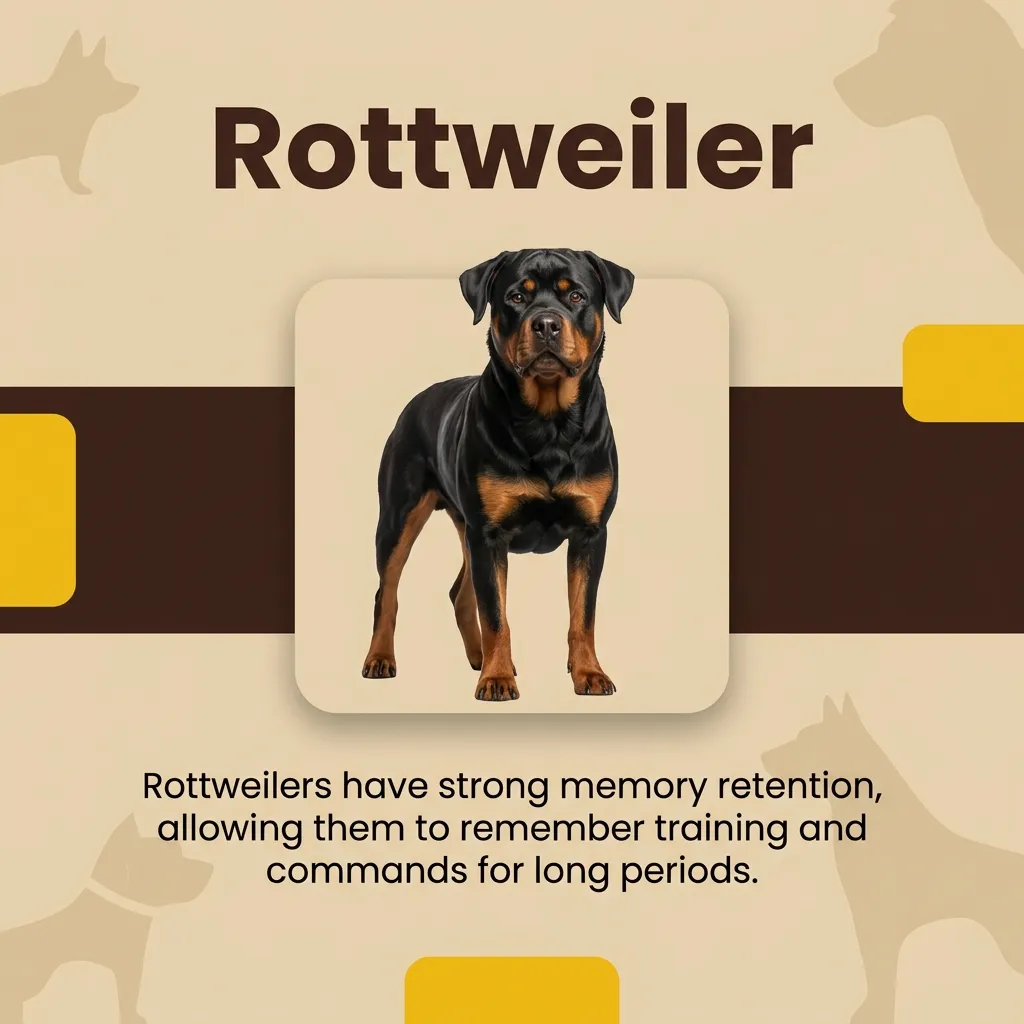
Once home, Rottweiler puppies respond well to short, frequent sessions using positive reinforcement to teach basic commands, leash walking, potty training, and appropriate behavior.
Their natural guarding and herding instincts mean some behaviors, like nipping or chasing, must be addressed early. With structured guidance, Rottweilers excel in obedience, tracking, agility, and other mentally stimulating activities, making them both loyal companions and capable working dogs.
Grooming Frequency
German Shepherd
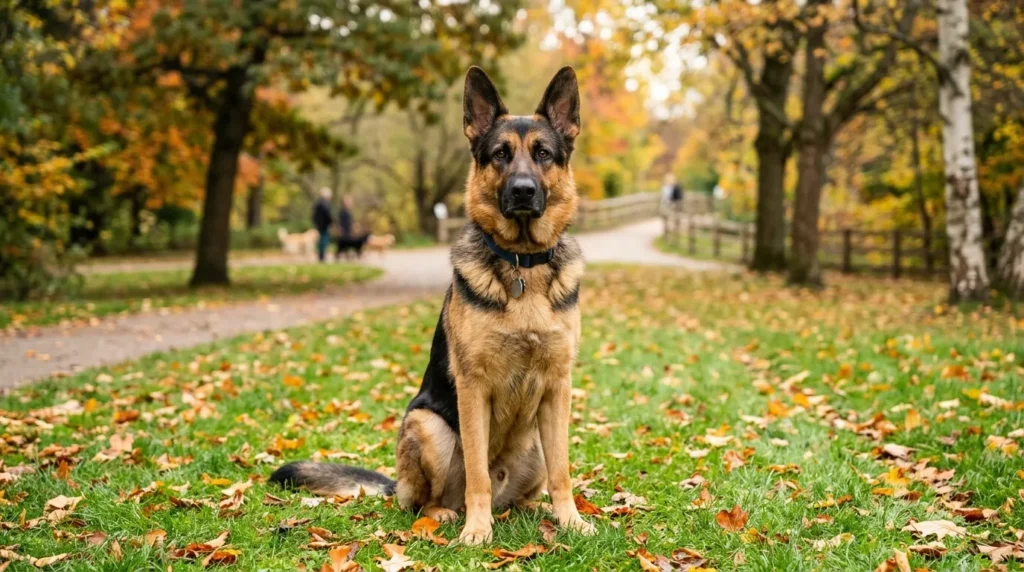
German Shepherds have a dense double coat that can be medium to long, with shorter fur on the head, face, and legs. Their coat sheds year-round, with heavier shedding periods in spring and fall.
To keep their coat healthy and reduce loose hair, brushing 2–3 times per week is recommended, and daily brushing is ideal during shedding season.
Occasional baths, ear cleaning, and nail trimming complete their grooming routine. Regular grooming also helps monitor skin health and keeps their coat shiny and clean.
Rottweiler
Rottweilers have a short, dense, and coarse coat that is relatively low-maintenance compared to longer-haired breeds. Brushing once a week is usually sufficient to remove loose hair and keep their coat healthy. During seasonal shedding, extra brushing may be needed.
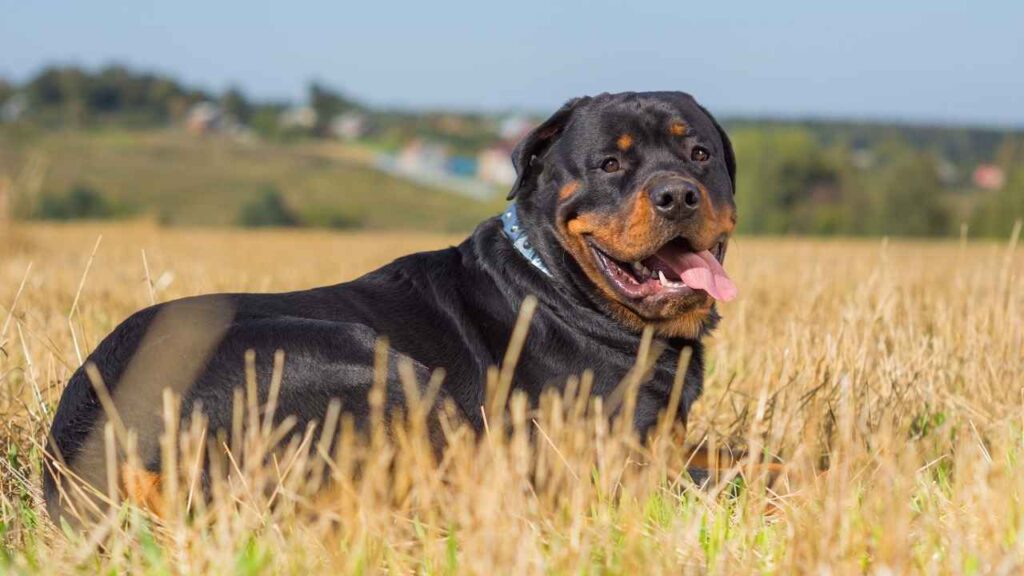
Routine grooming includes occasional baths, nail trimming, ear checks, and dental care. While Rottweilers are easier to groom than German Shepherds, consistent attention ensures they remain clean, comfortable, and healthy.
Health & Lifespan
German Shepherds: (7–10 years)
PetMD states that they are prone to several health issues, making routine veterinary care essential. Key concerns include:
Hip and elbow dysplasia: Degenerative joint diseases causing pain, lameness, and arthritis
Degenerative myelopathy: Spinal cord disorder leading to hind leg weakness and paralysis
Bloat/Gastric Dilatation-Volvulus (GDV): Life-threatening stomach twisting; gastropexy can helpprevent it
Cancer: Common types include hemangiosarcoma, bone, lung, and intestinal cancers
Allergies: Itchy skin, ear infections, digestive upset
Heart disease: Includes dilated cardiomyopathy, heart murmurs, valvular disease
Exocrine pancreatic insufficiency (EPI): Digestive enzyme deficiency
Pannus: Eye condition affecting vision in some dogs
Preventive care, genetic screening, age-appropriate diet, joint supplements, and regular checkups can help manage these risks and extend quality of life.
Rottweilers: (9–10 years)
They also face several breed-specific health concerns:
Hip and elbow dysplasia: Leading to lameness, arthritis, and mobility issues
Cranial cruciate ligament (CCL) rupture: Often requires surgery and physical therapy
Osteosarcoma: Aggressive bone cancer
Bloat/Gastric Dilatation-Volvulus (GDV): Life-threatening condition requiring immediate care
Entropion: Eyelid condition causing irritation and eye infections
Subaortic stenosis (SAS): Heart murmur that may require lifelong medication
Obesity: Can worsen joint and heart problems
Maintaining a healthy weight, low-impact exercise, early socialization, preventive surgeries like gastropexy, and regular veterinary care are essential for keeping Rottweilers healthy and active.
German Shepherd vs. Rottweiler Suitability as Family Pets vs. Guard Dogs
German Shepherds
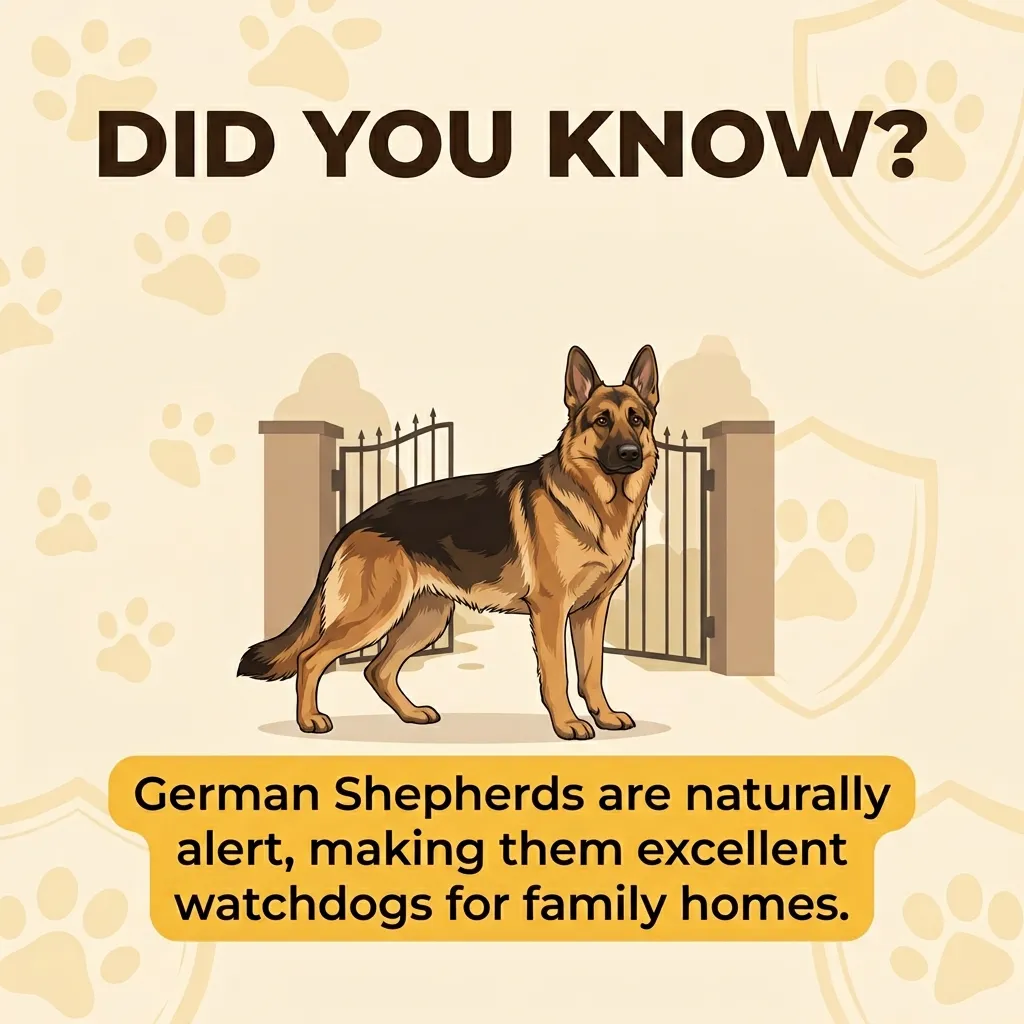
German Shepherds strike a balance between being loyal family companions and capable guard dogs. Their intelligence, trainability, and protective instincts make them attentive to both family members and potential threats.
As Family Pets:
Gentle and affectionate with children if properly socialized
Bond closely with family members and thrive on interaction
Require consistent training and mental stimulation to prevent boredom
Best suited for active households that can match their energy levels
As Guard Dogs:
Naturally alert and strategic, quickly assessing potential threats
Highly trainable for protection, police, or military roles
Use their intelligence and agility to respond appropriately, rather than relying solely on intimidation
Rottweilers
Rottweilers lean more toward natural guardianship, though they can also be excellent family pets with the right environment. Britannica notes that their confidence and protective nature make them particularly effective as deterrents, while their loyalty and affectionate side make them devoted family members.
As Family Pets:
Calm, affectionate, and playful with children when socialized early
Form strong bonds with owners and enjoy close companionship
Require structured training and consistent leadership to manage their strength and instincts
As Guard Dogs:
Naturally territorial and intimidating due to size and strength
Confident and assertive, ideal for property protection
Excel in guard, police, or service roles but need a firm, experienced handler
Conclusion
Choosing between a German Shepherd and a Rottweiler depends on your lifestyle, experience, and what you want in a dog. German Shepherds offer a combination of intelligence, agility, and loyalty, making them excellent family pets while also excelling as working or guard dogs.
Their high energy and need for mental stimulation mean they thrive in active households with experienced owners who can provide consistent training and socialization.
Rottweilers are strong, confident, and naturally protective, making them excellent guardians while also forming deep bonds with their families. They require early socialization, structured training, and daily exercise to ensure their protective instincts are balanced with affection and obedience.
Ultimately, both breeds can be loving companions and effective protectors, but understanding their unique traits, energy levels, and care requirements is key to choosing the right dog for your home.
🐕 German Shepherd vs. Rottweiler: Can You Score 6/6 Like a True Dog Expert?
Who developed the German Shepherd breed in the late 1800s?
Which breed traces its ancestry back to ancient Roman drover dogs?
How much daily exercise does a German Shepherd typically require?
Which breed usually has a short, dense, low-maintenance coat?
Which health condition is listed as a risk for both German Shepherds and Rottweilers?
Which breed is especially known for excelling in police, military, and service work?
