




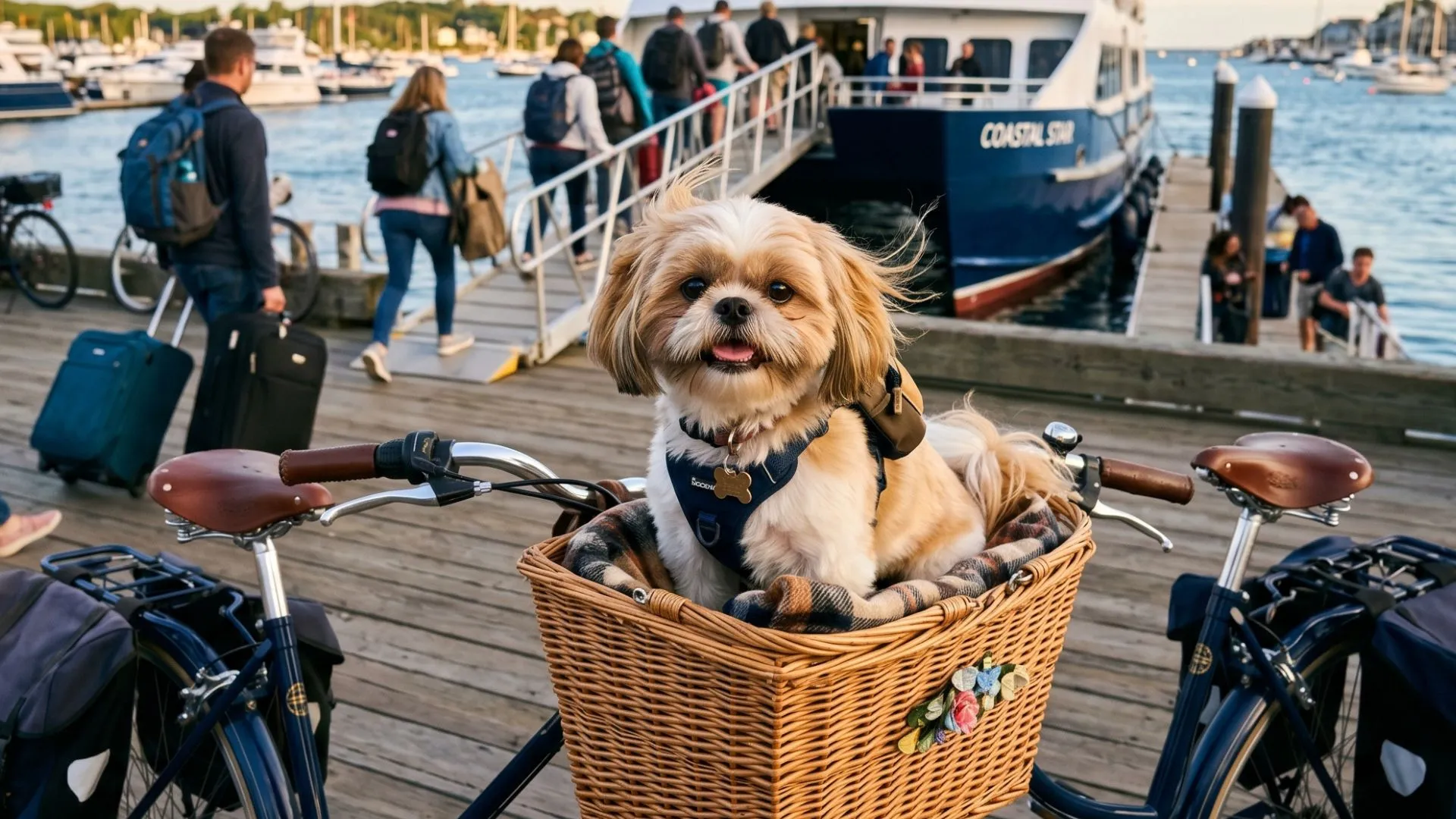
The plan was simple: pack the car, head toward the mountains, and spend the weekend exploring unfamiliar trails. Everything seemed perfect until the dog became restless halfway through the drive. Stops became more frequent, schedules changed, and the trip slowly turned into a series of adjustments.
A year later, the same traveler tried again with a different canine companion. The experience felt completely different. Long drives were easier, new environments sparked excitement rather than hesitation, and outdoor adventures became something both looked forward to equally.
That contrast revealed an important lesson. A love for travel is not only about the owner’s lifestyle. It is also about choosing a dog that naturally enjoys movement, exploration, and change. The right dog breed can make spontaneous trips feel effortless and memorable.
In the sections ahead, you’ll meet the breeds that fit naturally into active travel routines and outdoor-focused lifestyles.
Key Takeaways
Travel feels easy at first until a restless companion changes the pace of the entire trip, making even short drives feel longer than expected.
Toy Poodle and Cavalier King Charles Spaniel often show how differently travel feels when intelligence and calm affection shape the journey instead of stress.
Pug, Shih Tzu, and Maltese add their own rhythm, shifting between comfort, curiosity, and gentle attachment that keeps movement surprisingly balanced.
By the time you reach the last breed, the difference between a difficult trip and a seamless one becomes hard to ignore.
Best Dog Breeds Choices for Active Travel Lifestyles
1. Toy Poodle
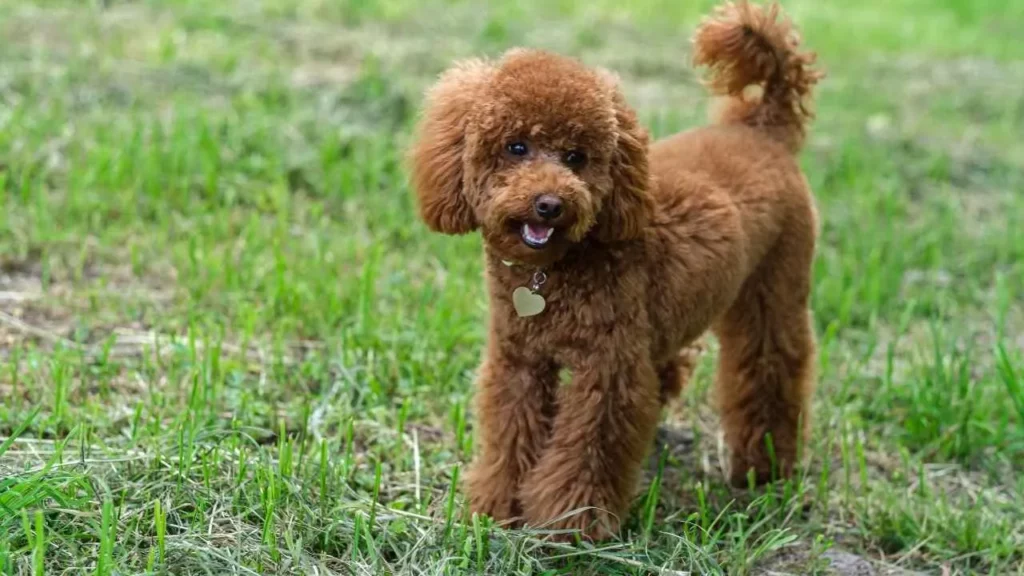
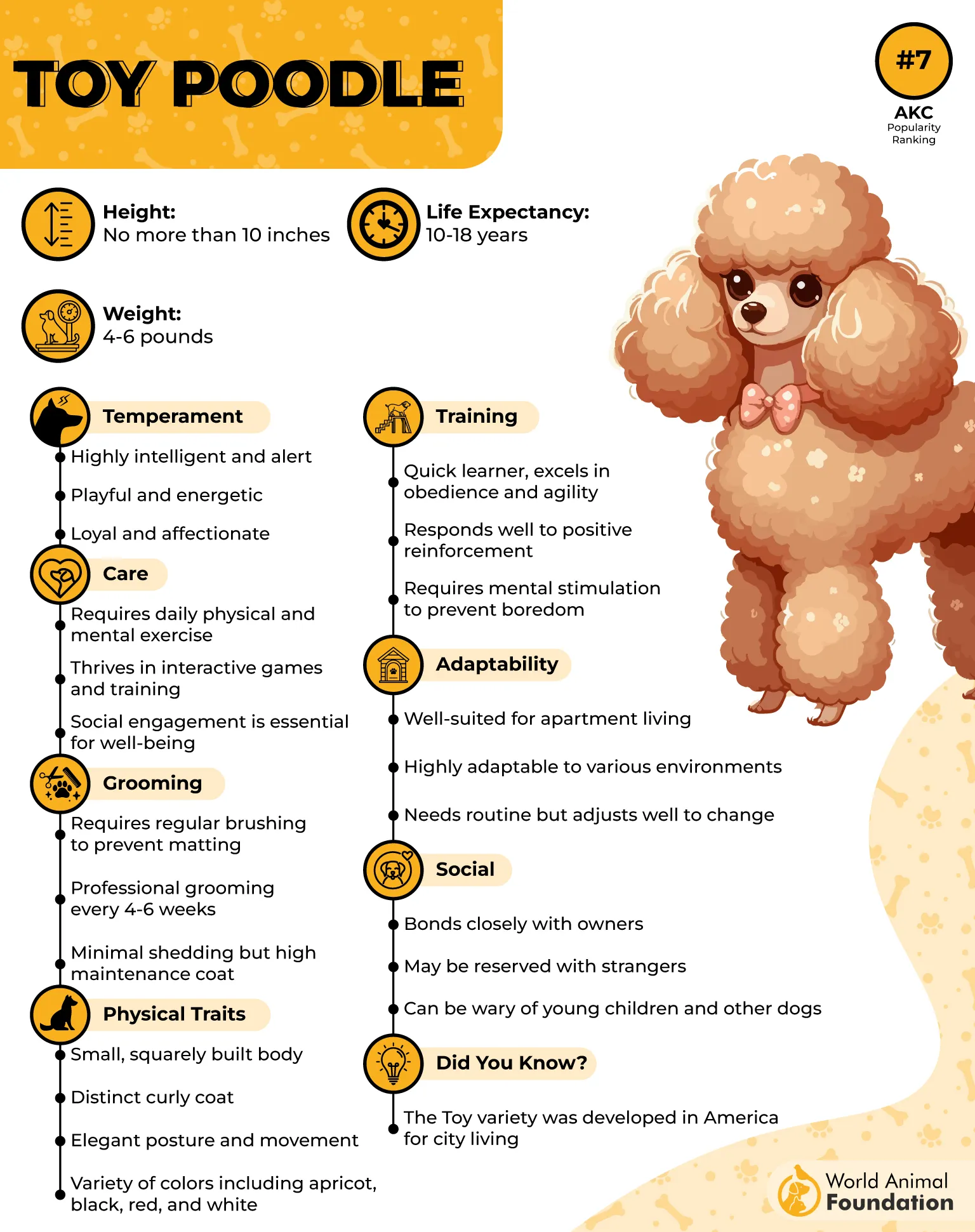
The Toy Poodle is shaped by sharp intelligence paired with a refined, compact build that fits easily into varied living environments. Its history is tied to adaptable travel companionship, valued for both alertness and responsiveness. Sensitivity and quick learning define how it interacts with its surroundings.
Travel-Friendly Companion
The Toy Poodle adjusts well to changing environments when routines are kept familiar and structured. Comfort during movement depends on thoughtful preparation, especially in confined travel spaces.
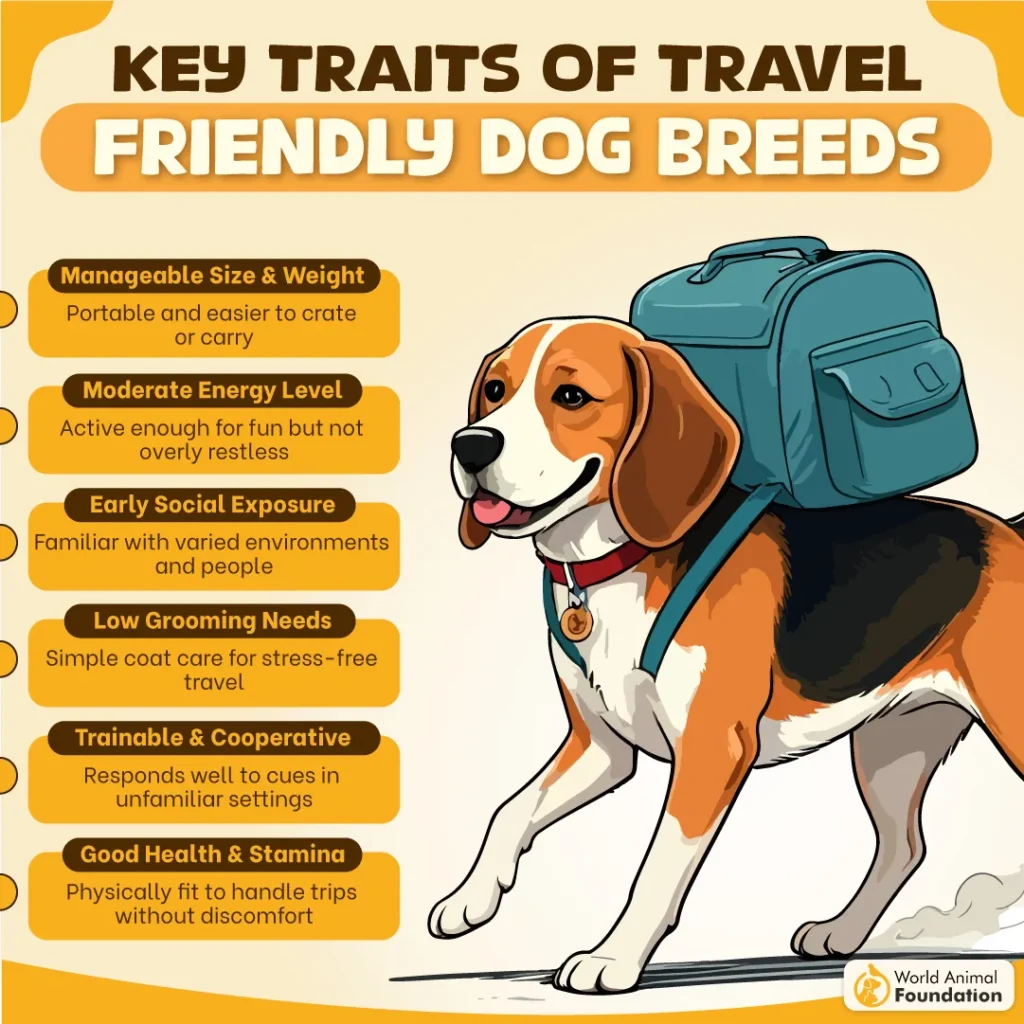
These qualities support smoother experiences on the go:
Needs a secure, well-ventilated space during travel
Benefits from familiar food and a steady feeding routine
Responds well to interactive engagement breaks
Active Dog for Active Families
A naturally active mindset keeps this breed engaged through both physical movement and mental tasks, as Purina noted. Long periods without stimulation can affect focus, making structured activity useful throughout the day. Interaction and light activity help maintain balance in daily life.
2. Cavalier King Charles Spaniel
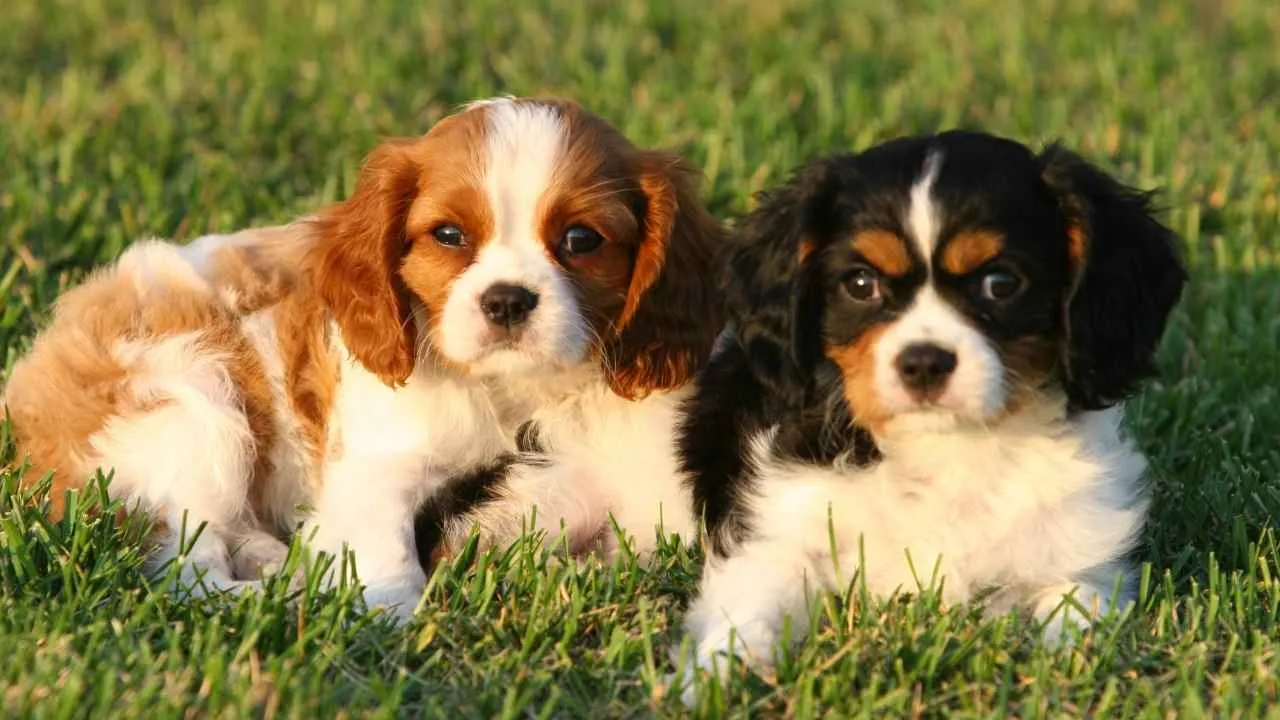
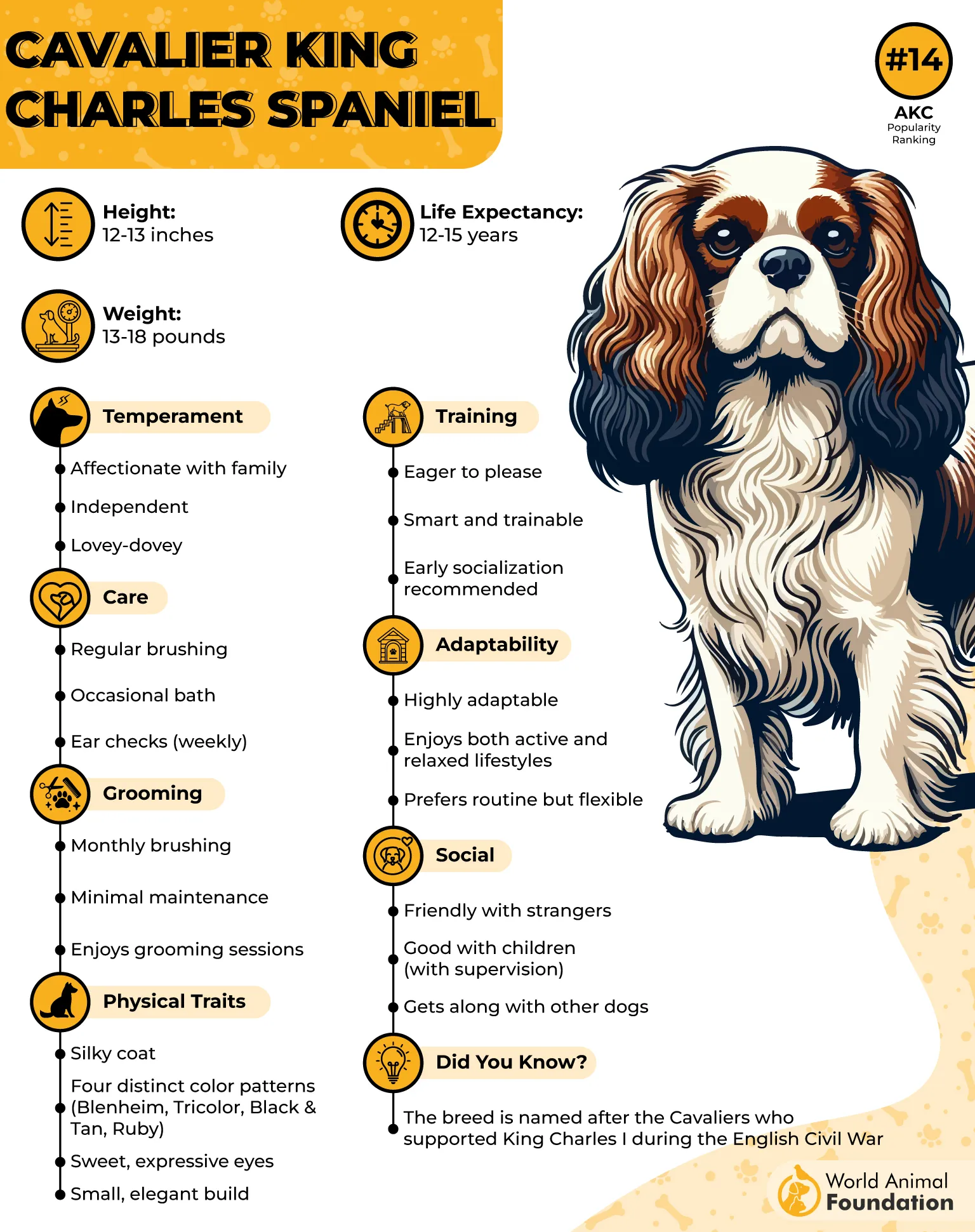
The Cavalier King Charles Spaniel is known for its soft, affectionate nature, once cherished for warming laps in chilly castle halls and carriage rides.
Its small frame and silky coat match a personality built around closeness and calm interaction. A naturally people-focused temperament shapes how it fits into daily life.
Travel-Friendly Nature
This great companion adapts easily to movement and changing surroundings, making shared travel routines smoother. Its size and gentle disposition help it settle quickly in new places when comfort is maintained.
These practical traits support this travel-friendly behavior:
Comfortable in close human contact
Adapts quickly to new environments
Enjoys calm, steady companionship
Care and Travel Awareness
The Cavalier King Charles Spaniel requires thoughtful care during travel due to its short snout structure, which makes temperature and airflow important considerations.
Short practice trips and gradual exposure help it adjust to longer journeys. Its affectionate nature responds best when travel feels calm and structured rather than rushed.
3. Pug
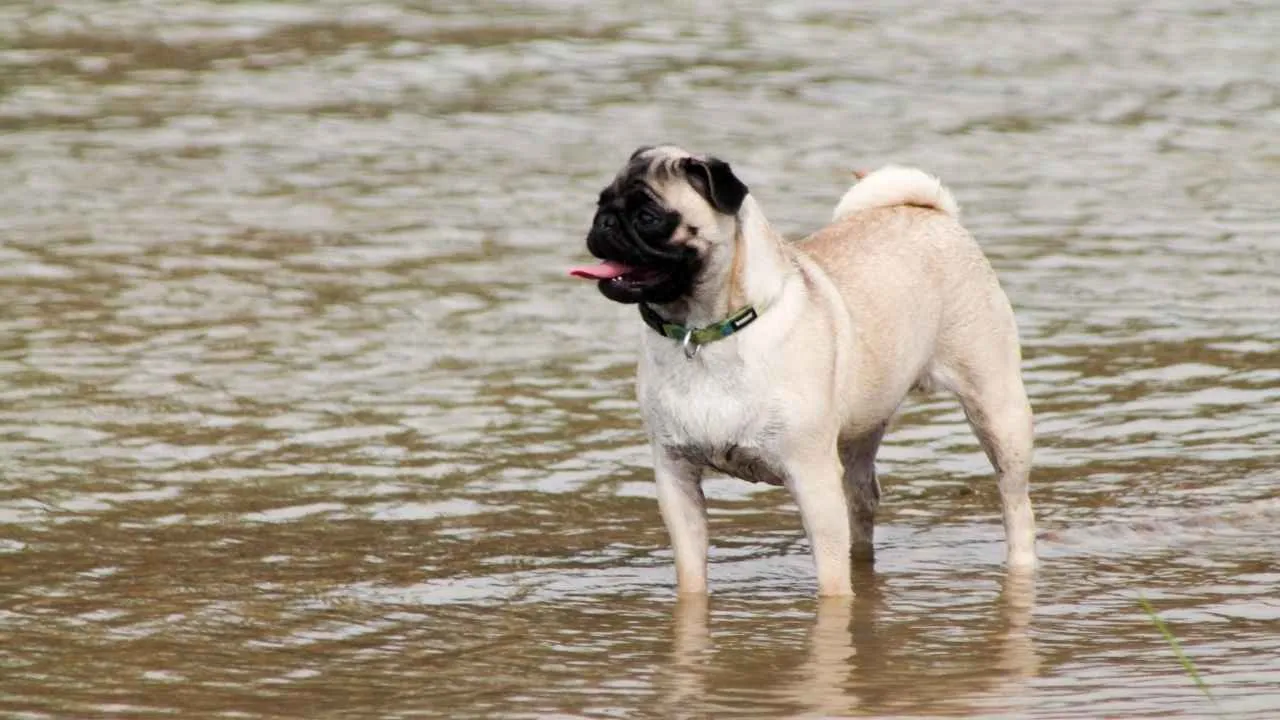
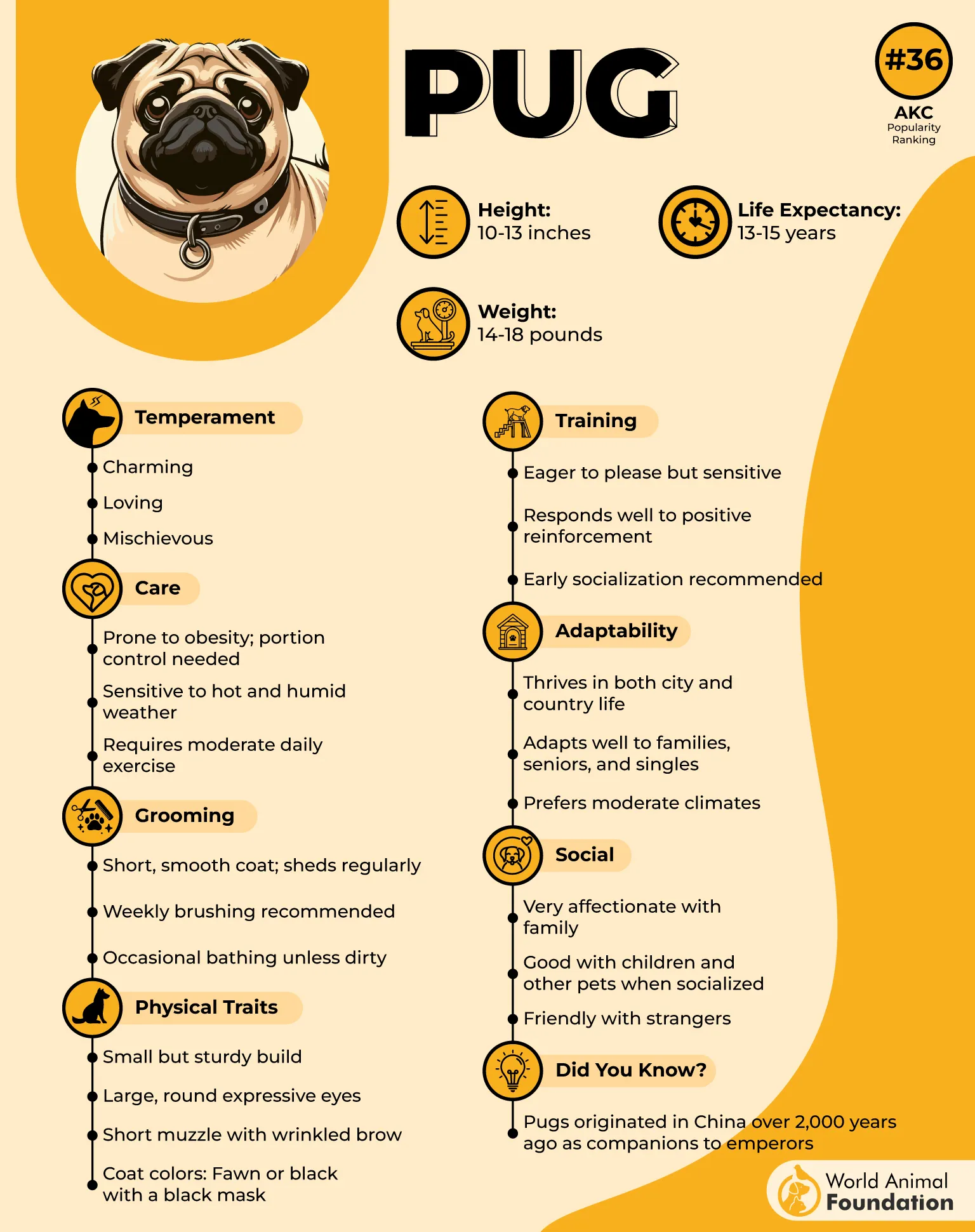
The Pug has a naturally affectionate nature that makes close contact and shared spaces part of its everyday rhythm. Its expressive face and steady temperament help it settle into new surroundings with ease. This calm adaptability often shapes how it responds to travel routines.
Comfort in Movement
Travel planning with this breed often revolves around gradual familiarization with carriers, vehicles, and changing environments. Short practice trips help build confidence before longer journeys take place.
These practical elements make movement smoother:
Comfortable, ventilated carrier setup
Gradual exposure to travel motion
Regular hydration during trips
Balanced Energy Moments
The Pug tends to alternate between relaxed rest and brief bursts of activity, creating a steady pace during travel breaks. Short walks and simple play keep its energy regulated without overwhelming stimulation, as per the AKC. Familiar toys often help maintain a sense of comfort in unfamiliar places.
4. Shih Tzu
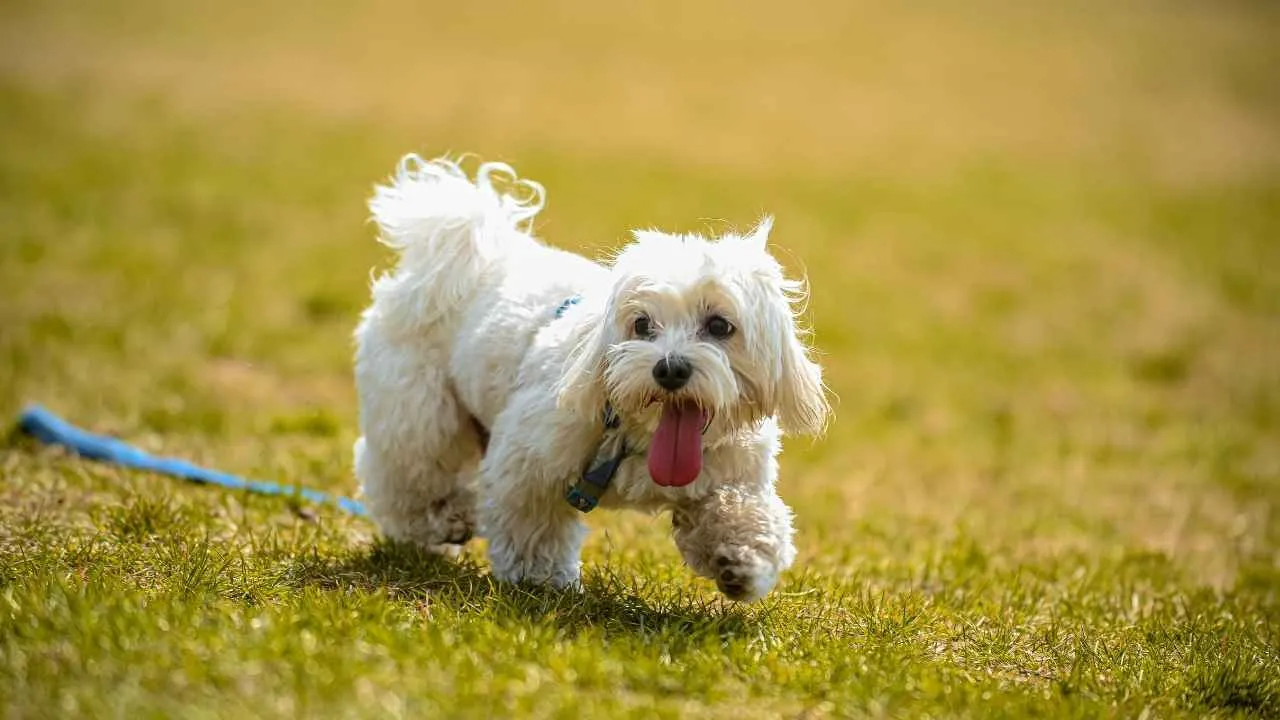
The Shih Tzu carries a centuries-old identity as a small Tibetan companion, originally bred to resemble lions in form and presence. Rooted in palace life and linked with Buddhist tradition, the breed was valued for its alert nature and close human connection, as PetMD claims.
Everyday Travel Comfort
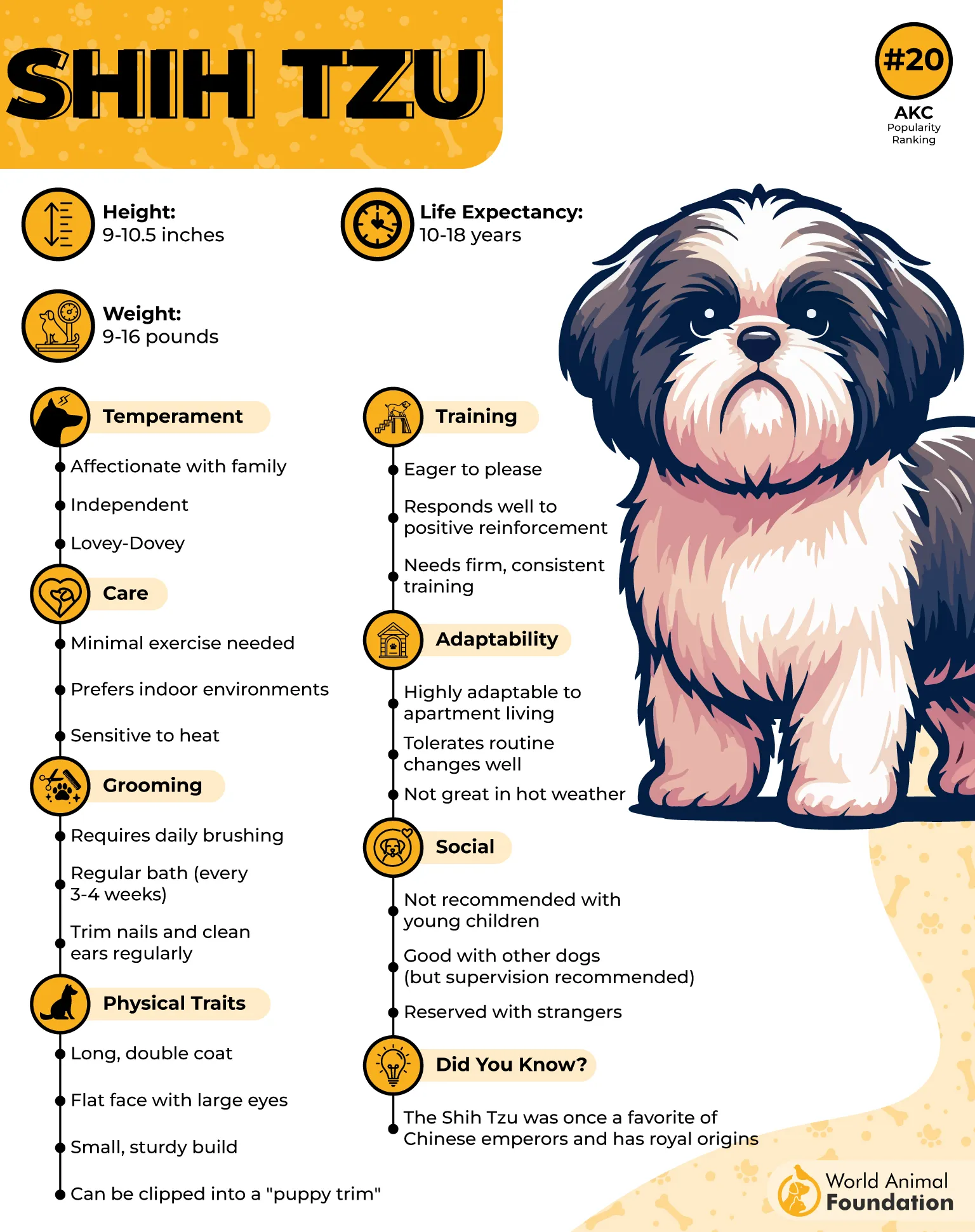
This small dog likes steady movement and shared routines, making short walks and indoor play enough to keep its rhythm balanced. Its alert personality often reacts to new sounds or arrivals with a quick bark, reflecting its original role near imperial households.
This is how their energy aligns with travel-friendly living:
Comfortable with short daily walks
Enjoys indoor play sessions
Responsive to new surroundings
Social and Calm Nature
The Shih Tzu builds comfort through close interaction and prefers not to be left alone for long periods. It remains sociable with people and other animals, keeping its behavior steady in varied environments. This steady temperament fits well into shared living and travel settings.
5. Maltese
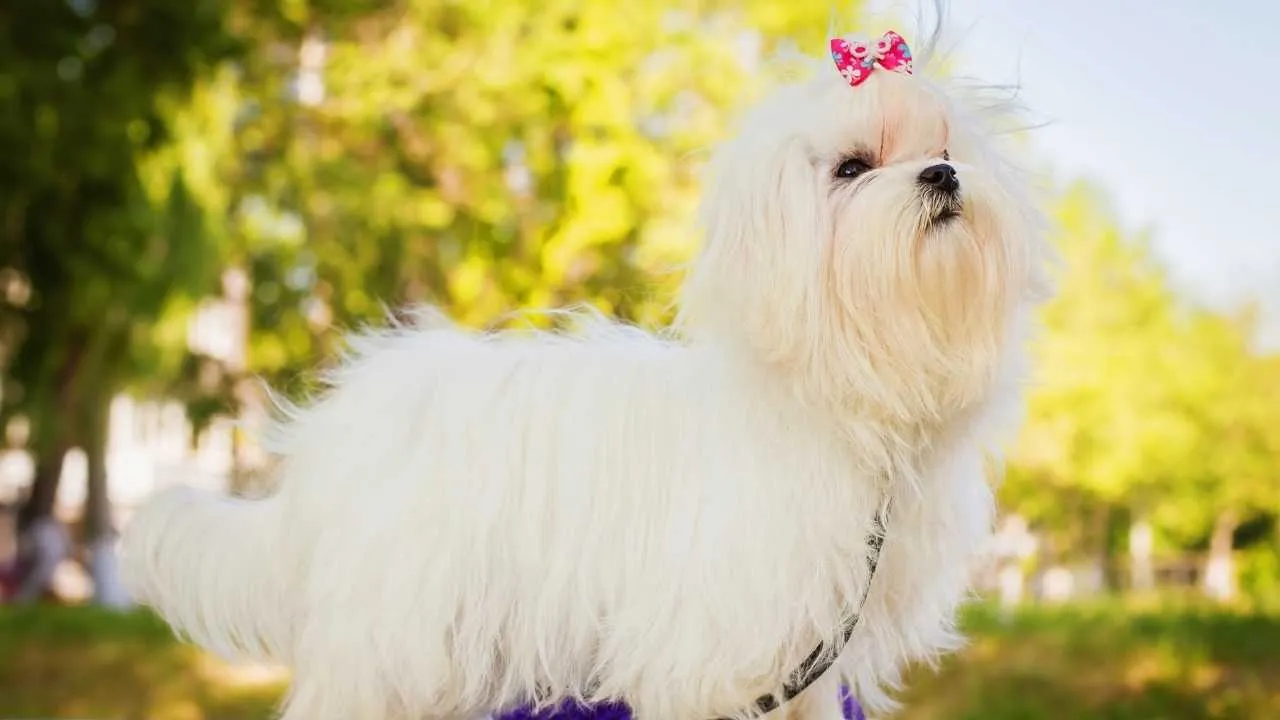
The Maltese is recognized for its flowing white coat and compact build that pairs easily with constant movement between places. Rooted in Mediterranean companionship culture, the breed has been valued for long-standing human connection across centuries.
Adaptable Travel Traits
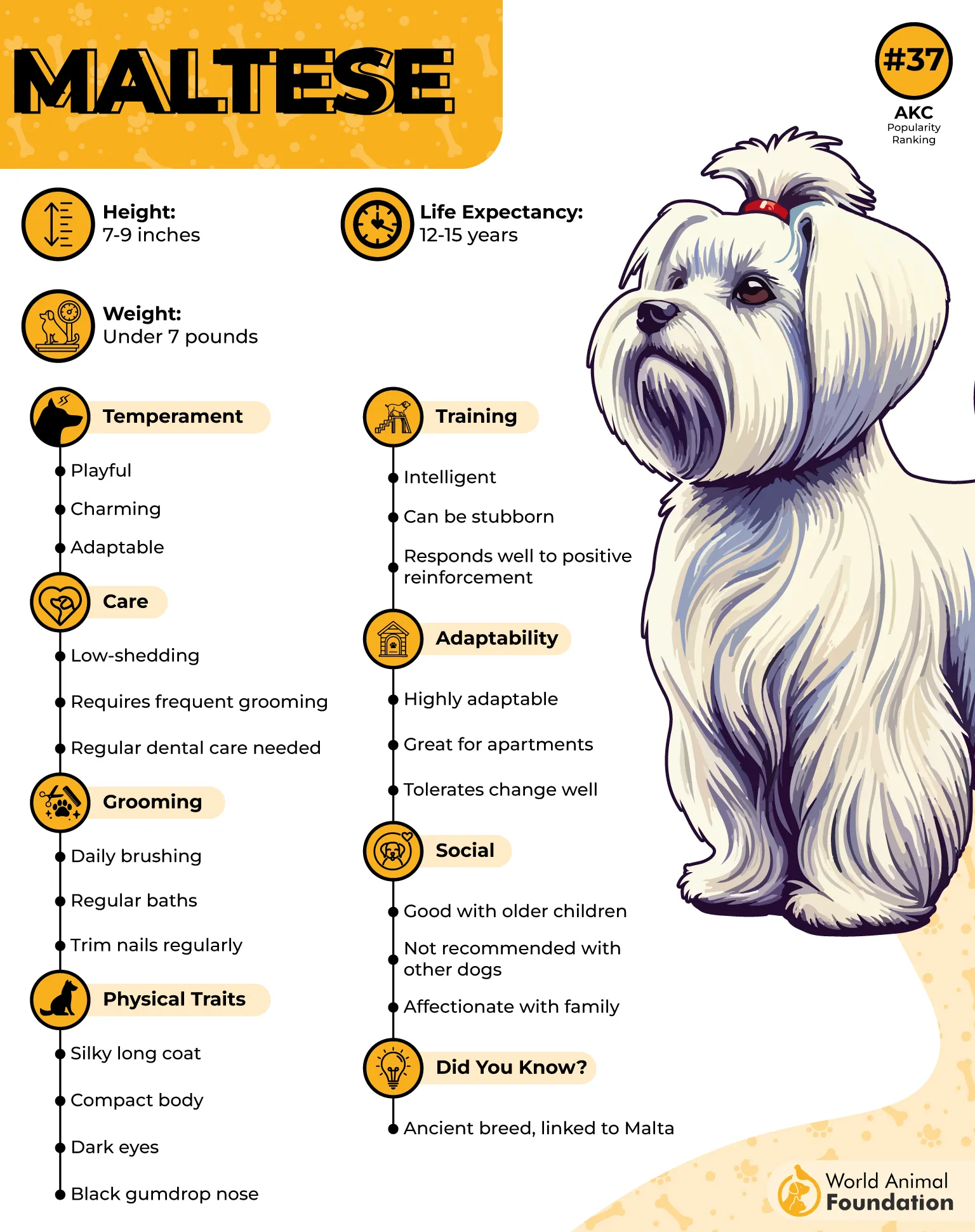
A naturally friendly attitude helps Maltese adjust to changing surroundings during trips, whether indoors or outdoors. Its size and temperament make it suitable for varied travel activities without overwhelming handling needs.
These aspects highlight its travel comfort:
Fits easily in small travel spaces
Responds well to basic training routines
Enjoys short walks and light activity
Care and Travel Routine
Regular coat upkeep plays a central role in keeping the Maltese comfortable during frequent trips. Short grooming sessions and planned breaks help manage its silky coat in active schedules. Its adaptability allows it to remain composed even with shifting environments and travel routines.
6. Havanese
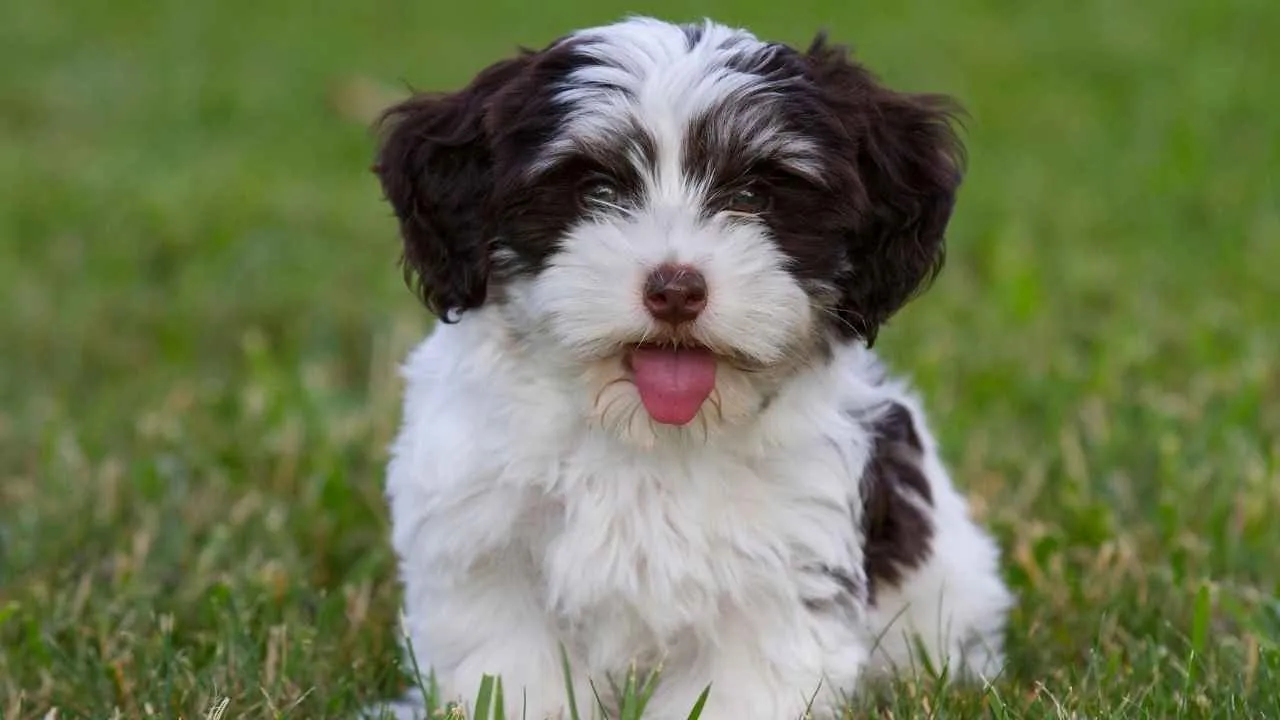
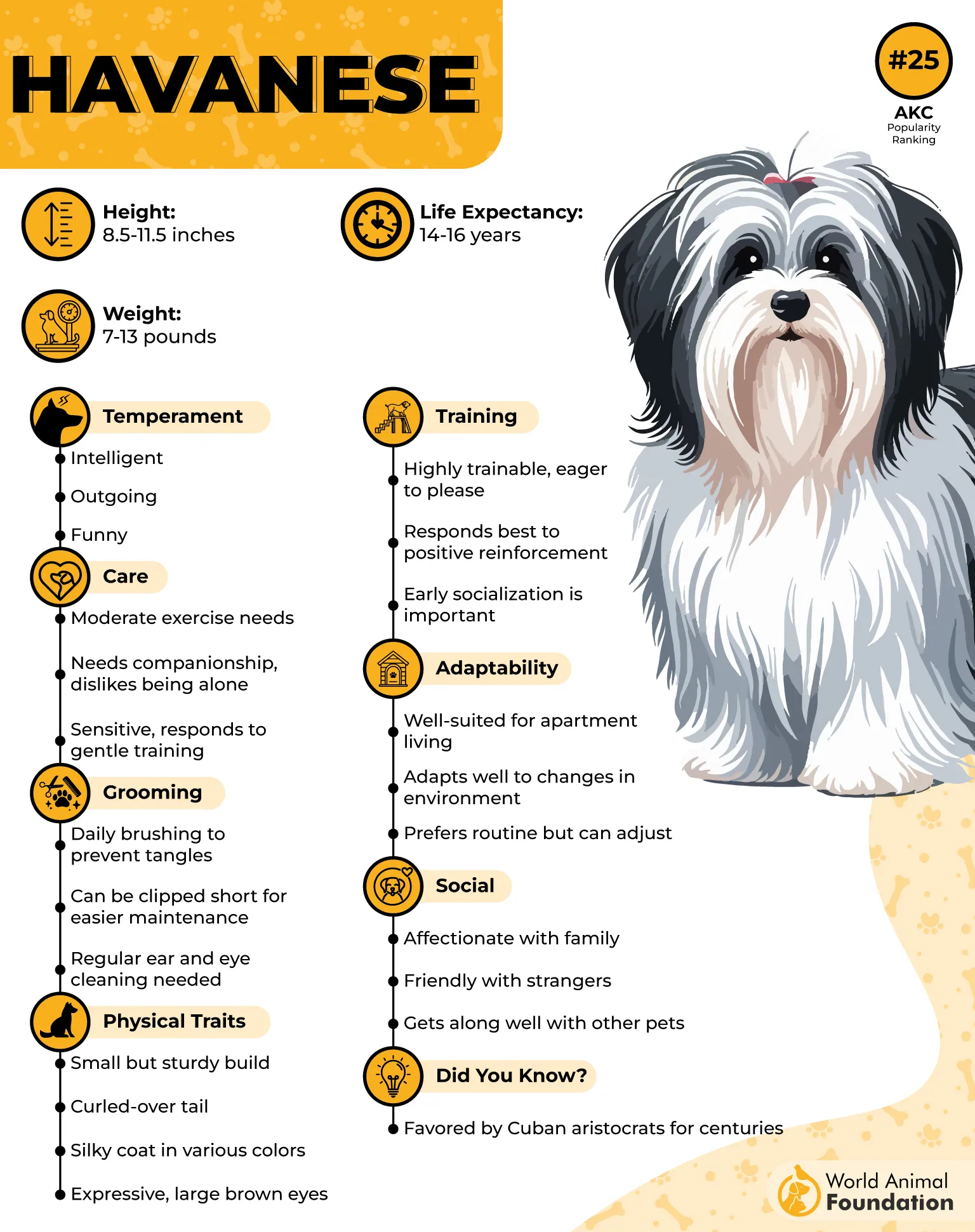
The Havanese is known for a compact build paired with a lively, people-focused nature that fits well into constant movement and changing surroundings. Originating from Cuba and belonging to the Bichon family, it carries a soft, silky coat along with a naturally sociable temperament.
Travel-Friendly Temperament
Life on the road suits this breed when routines are kept steady, especially with short breaks for movement and interaction. Early exposure to travel helps it adjust better to shifting environments and new faces.
This is how this breed handles active schedules:
Adapts well to guided travel routines
Benefits from short, regular activity breaks
Forms a strong attachment to familiar handlers
Social Awareness and Behavior
The Havanese often prefers staying close to trusted people and may take time before warming up to unfamiliar surroundings. This sensitivity shapes how it reacts during new experiences, especially in busy or unpredictable settings. Familiar voices and routines help it settle faster in shared spaces.
7. Yorkshire Terrier
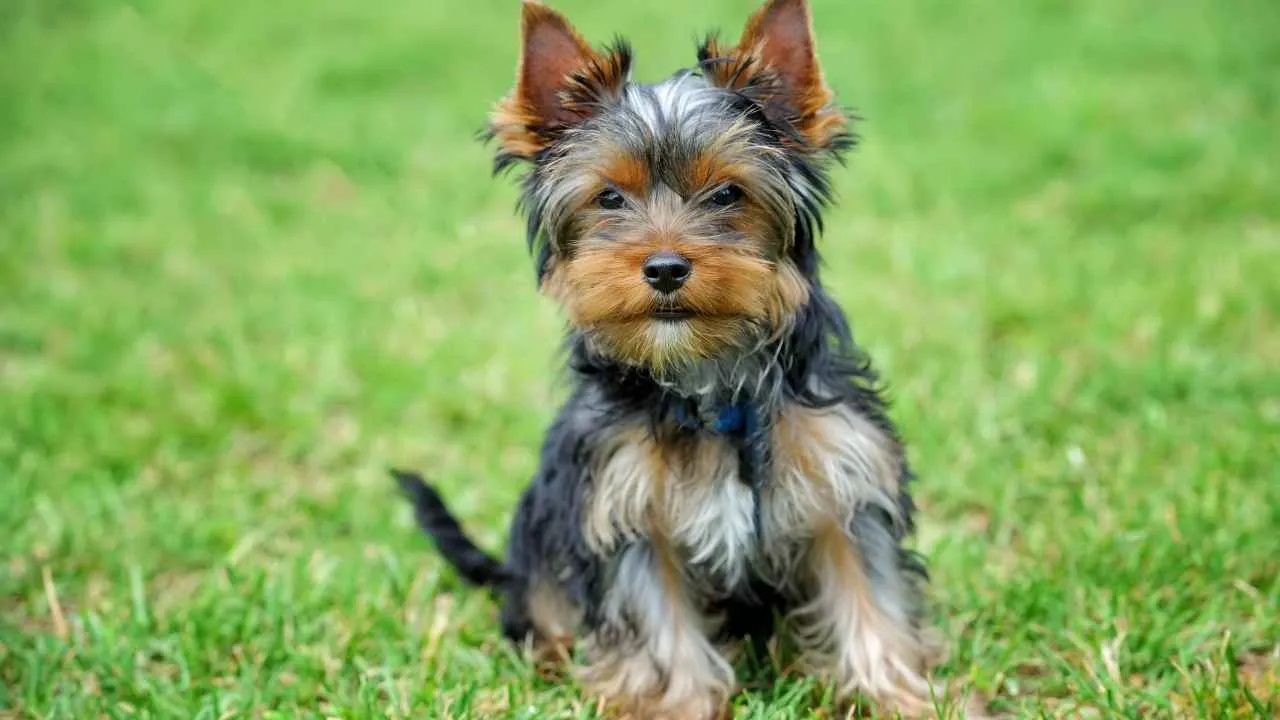
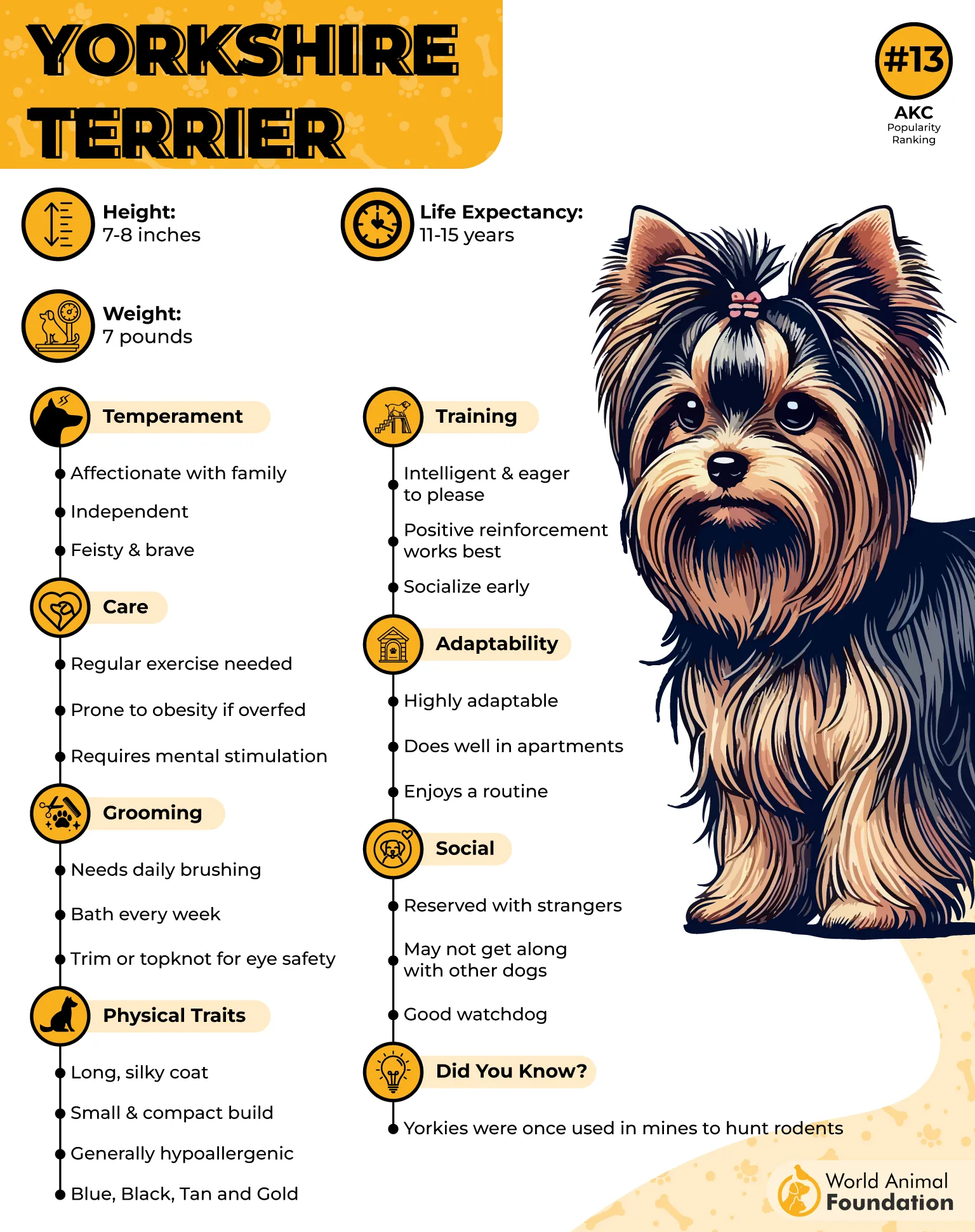
The Yorkshire Terrier relies on a small frame paired with a lively, alert personality that fits easily into travel routines. Its presence feels energetic even in limited spaces, adapting quickly when surrounded by changing environments. Careful handling becomes important due to its delicate build.
Prepared for Travel Life
The Yorkshire Terrier adjusts better when routines like feeding and comfort items remain consistent during trips. Familiar food and simple portable bowls help reduce unnecessary stress during movement.
These habits help keep its energy balanced on the road
Sensitive to diet changes
Benefits from consistent feeding times
Prefers familiar food during travel
Alert and Responsive Nature
This active breed carries an energetic and affectionate disposition that stays active even in unfamiliar surroundings. New places can trigger hesitation, so gradual exposure supports smoother adjustment. Its interaction style remains closely tied to the person it trusts.
Conclusion
Travel has a way of revealing whether a dog truly fits an active lifestyle. Some companions struggle with constant change, while others welcome every new road, trail, and destination with enthusiasm. Many dog breeds for active owners enjoy dog sports, love outdoor adventures, and bring a fearless nature to new experiences, whether they are muscular dogs or smaller breeds.
When those qualities align with an owner’s routine, travel becomes far less complicated and far more rewarding. Shared adventures feel smoother, daily adjustments become easier, and new experiences turn into lasting memories. Whether a muscular dog or a smaller breed, the right companion becomes one of life’s most excellent companions on the journey.
