




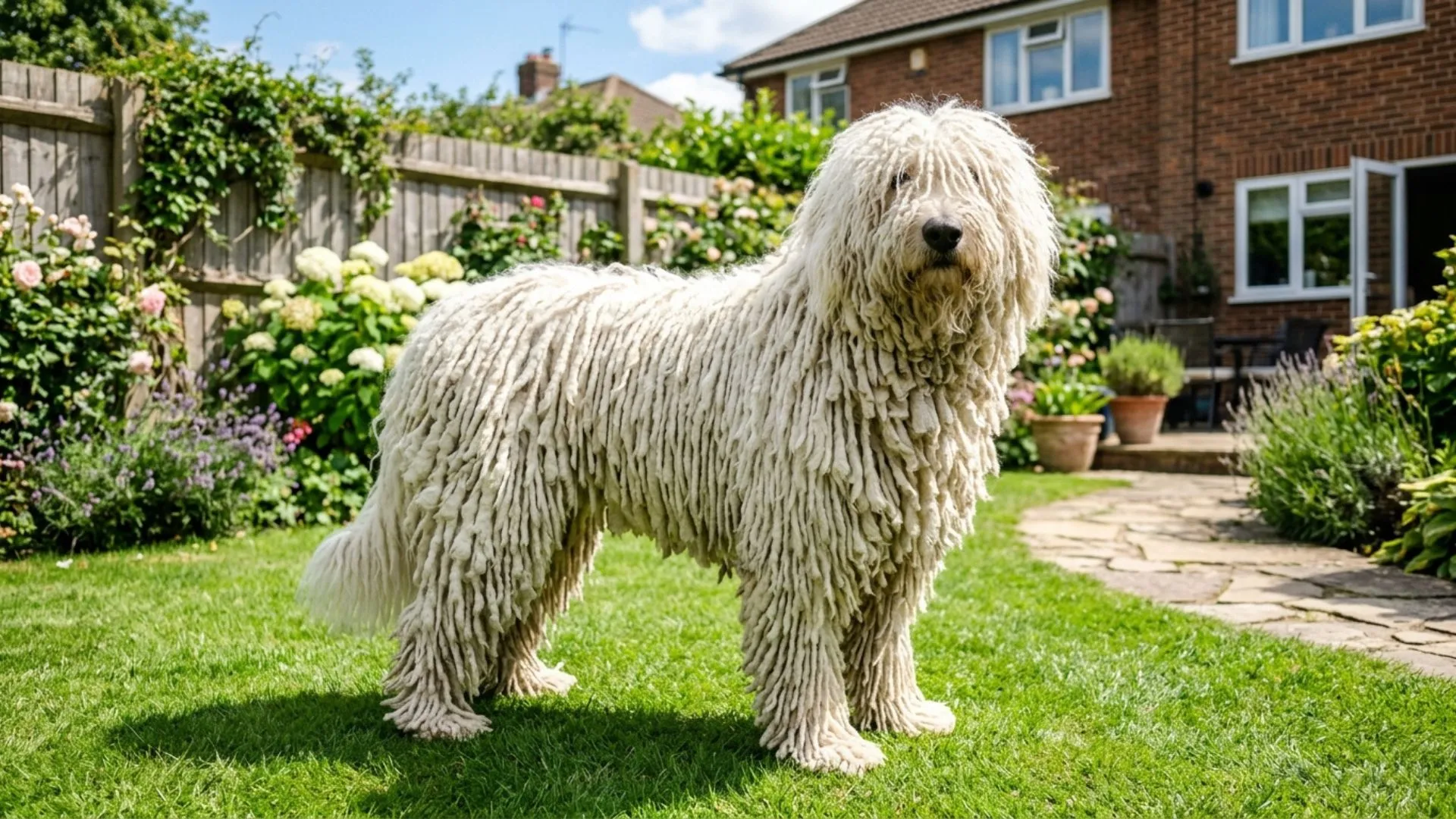
A visitor at a local dog event stopped in front of an enormous dog and immediately began guessing its breed. One guess turned into another, then another, yet none were correct.
Before long, several people joined the conversation, equally puzzled by the dog’s appearance. It looked familiar enough to spark recognition, yet different enough to leave everyone uncertain. That moment highlights something many dog lovers rarely consider. While a handful of large breeds dominate public awareness, countless others exist far outside the spotlight.
Some have spent centuries guarding livestock, protecting remote communities, or working in environments where only the toughest dogs could succeed. Others remained largely confined to their countries of origin, known only to dedicated enthusiasts. Despite their impressive size and fascinating backgrounds, they are often overlooked in favor of more recognizable breeds.
The dogs featured ahead prove that the world of large breeds is far more diverse, surprising, and interesting than most people realize.
Key Takeaways
A crowd gathers around a giant dog, and the confusion grows as no one can confidently name the breed standing in front of them.
That moment is a reminder that breeds like the Azawakh and Otterhound exist far outside the spotlight, even with centuries of working history behind them.
From corded guardians like the Komondor to powerful protectors like the Black Russian Terrier, each one carries size with a purpose most people rarely see.
Stay till the end to discover how these uncommon large dogs reveal a side of canine history that most people never hear about.
Uncommon Large Dog Breeds You Probably Haven’t Heard Of
1. Azawakh
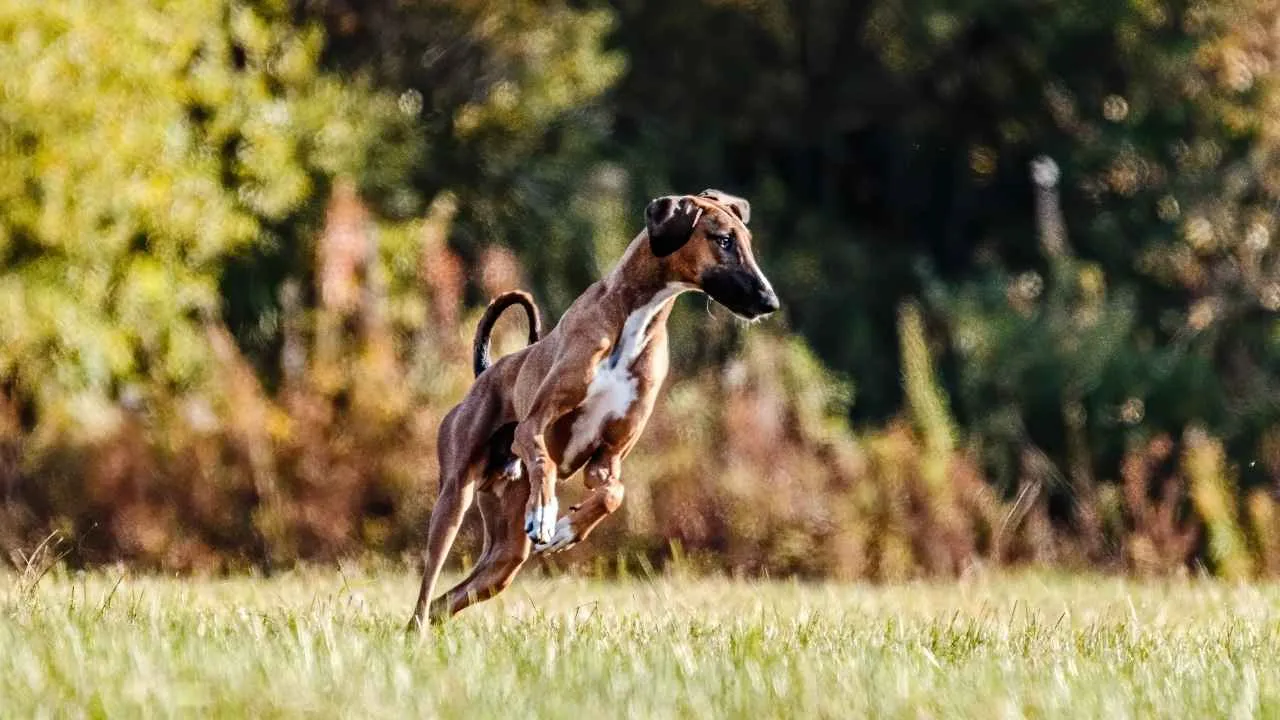
The Azawakh is a rare sighthound shaped in the Sahel region, where it served as both hunter and guardian for communities across Mali, Niger, and Burkina Faso.
Its slim, athletic frame is built for speed across open land, paired with sharp awareness. Energy and intelligence guide most of its movement in demanding terrain.
Work Readiness and Drive
In active roles, this athletic dog responds best when its mind and body stay engaged through structured activity and purpose-driven tasks. Without direction, its energy can turn unfocused, which is why consistent stimulation matters.
A closer look highlights how it fits demanding environments:
Strong sprinting ability over distance
Highly alert and observant nature
Performs best with structured activity
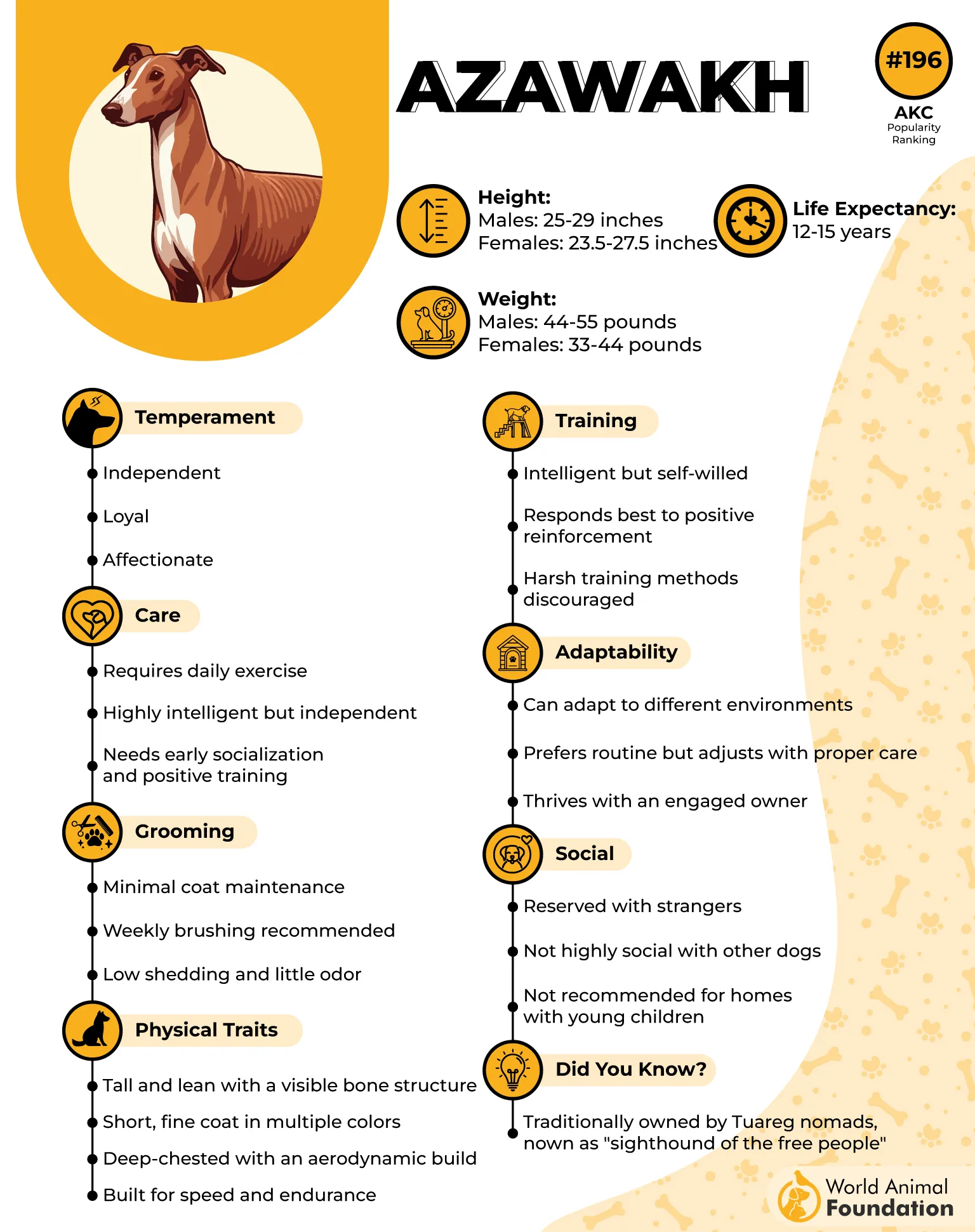
Calm Indoors, Alert Outdoors
This rare dog breed carries a quiet presence indoors, often settling into a calm and low-noise routine after activity, as mentioned by PetMD.
Around small animals, its strong chase instinct becomes noticeable, requiring careful management. Early social exposure shapes more balanced interactions in shared spaces.
2. Otterhound
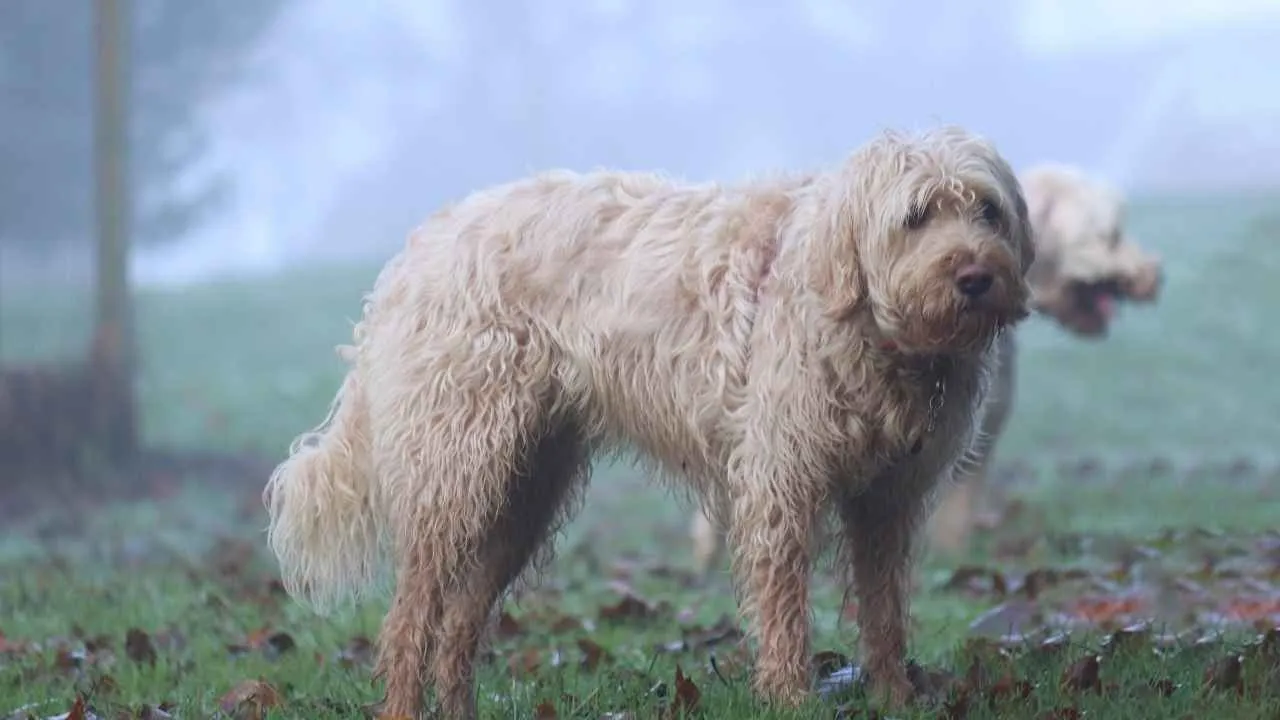
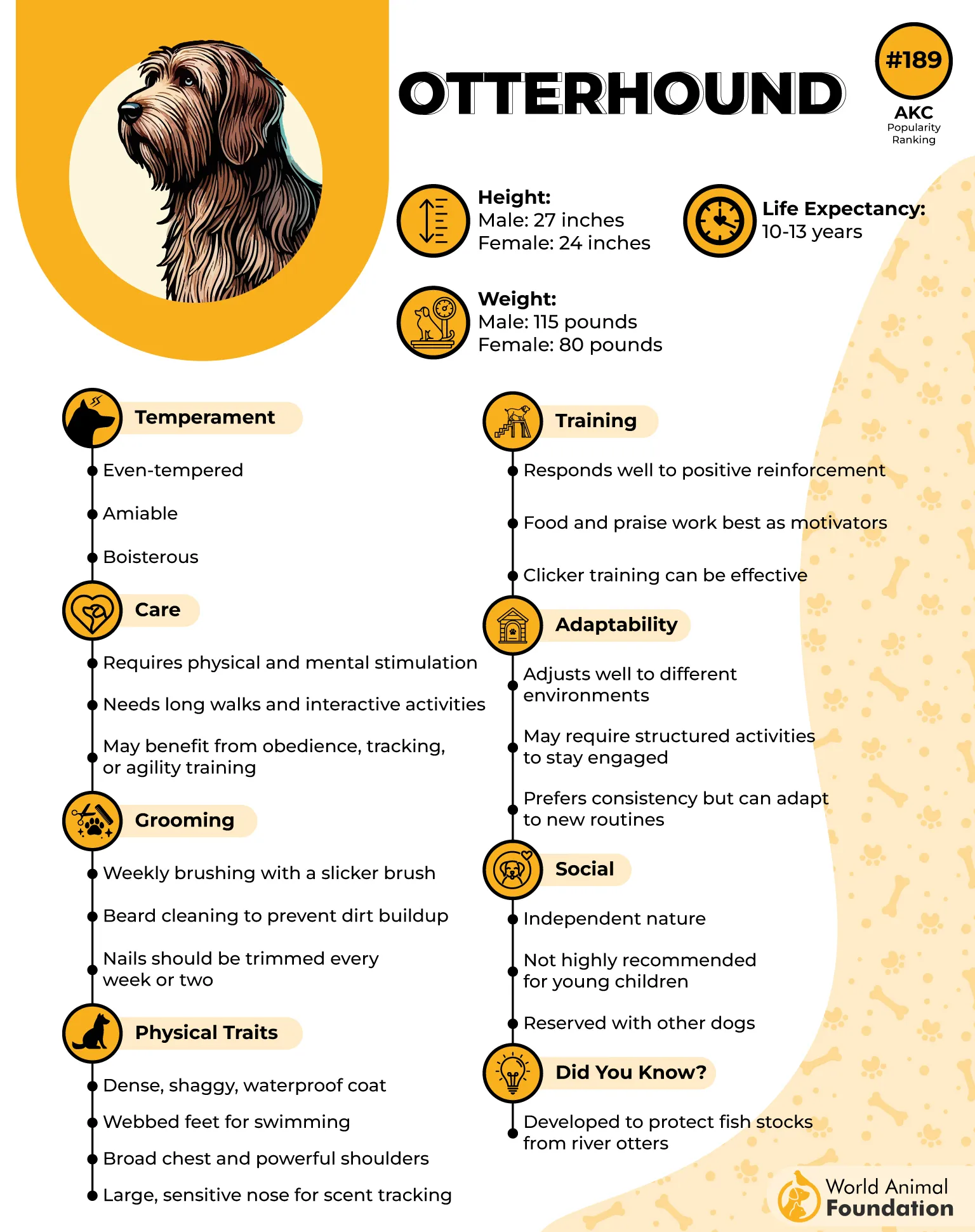
The Otterhound is instantly recognized by its shaggy waterproof coat and webbed feet built for long hours in water. Originally bred to hunt otters and follow scent trails through rivers and wetlands, it combines stamina with a strong sense of direction. Its build reflects endurance for demanding outdoor work.
Working Traits in Action
This ancient breed performs best in active environments where swimming, walking, and scent-based tasks keep its energy focused. Training works well when paired with motivation and consistency, especially during the early stages.
These core traits explain its working style clearly:
Strong swimming ability over distance
Responds well to reward-based training
Needs structured activity for energy control
Energetic and Friendly Nature
The Otterhound carries a lively and friendly temperament that fits well in family settings when guided properly, as noted by Purina. Its playful strength can sometimes lead to accidental bumps, especially in earlier stages. Early social exposure helps it adjust better to people and pets.
3. Komondor
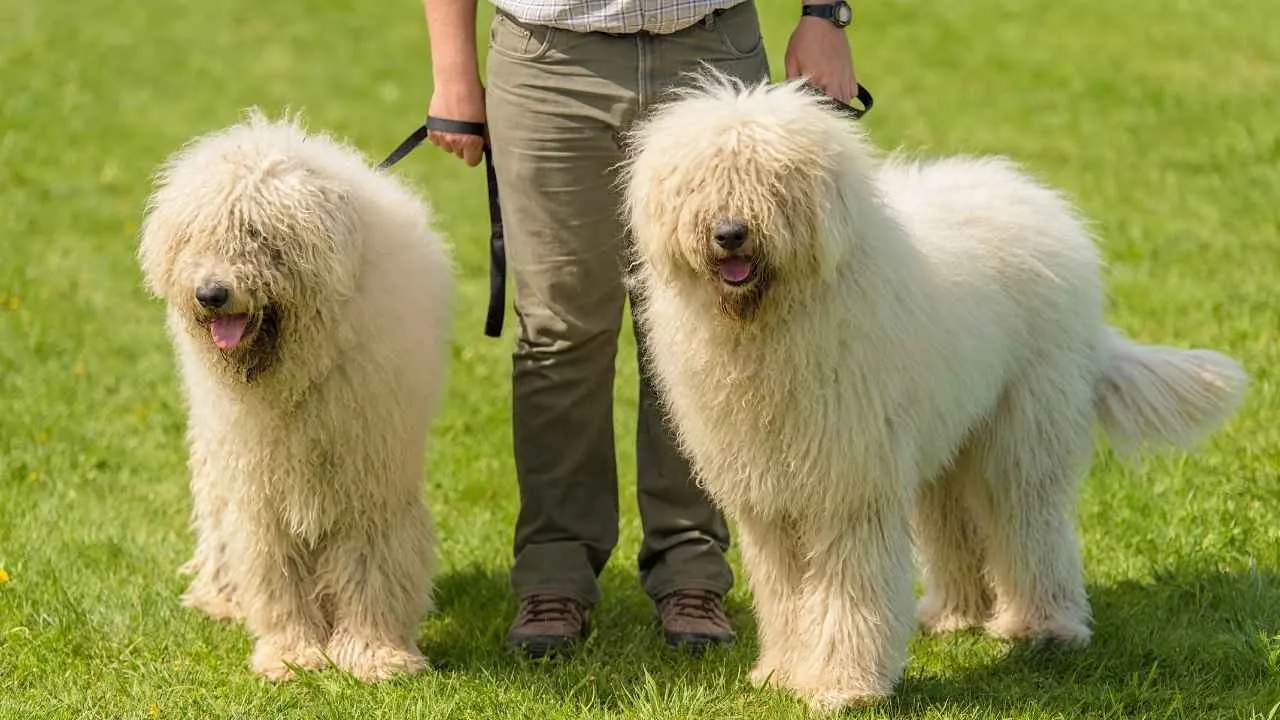
The Komondor is instantly recognized by its dense white corded coat that forms long natural “dreadlock” strands. In Hungary, this coat helped it blend into sheep flocks while guarding livestock in open fields. Its appearance reflects a working purpose shaped around protection in a wide rural terrain.
Guardian Instincts in Action
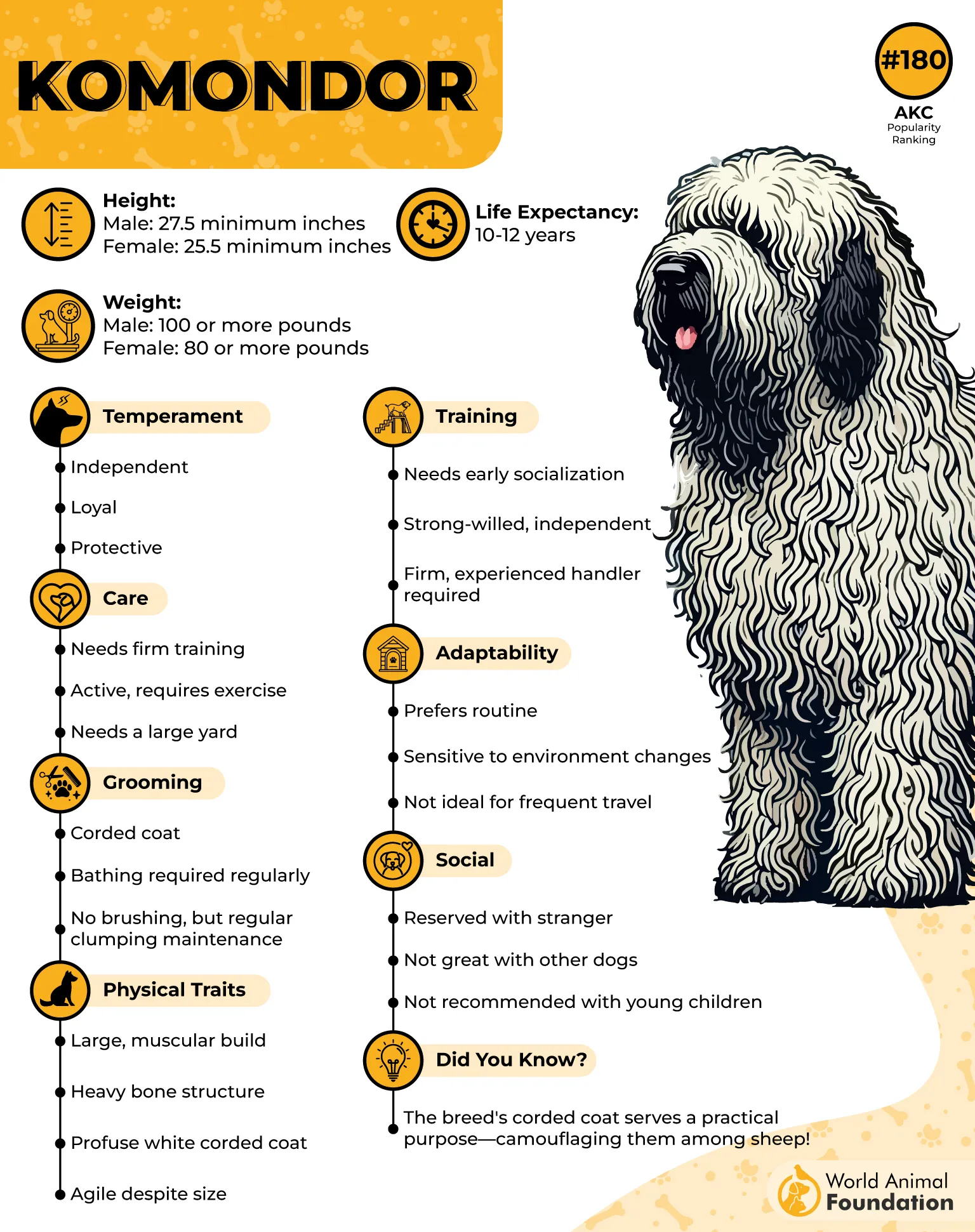
That heavy coat pairs with a calm, controlled nature built for steady livestock guarding under pressure. Komondor remains observant in unpredictable environments, relying on instinct rather than constant movement, as per the American Kennel Club (AKC).
Its qualities reflect usefulness in demanding work:
Calm under field stress
Strong protective awareness
Works independently in open spaces
Composed Working Temperament
This unusual dog breed usually handles situations with patience, responding only when necessary instead of reacting quickly. Intelligence and steadiness help it adapt when managing flocks or unfamiliar surroundings. Early guidance shapes balanced behavior around people and other animals.
4. Chinook
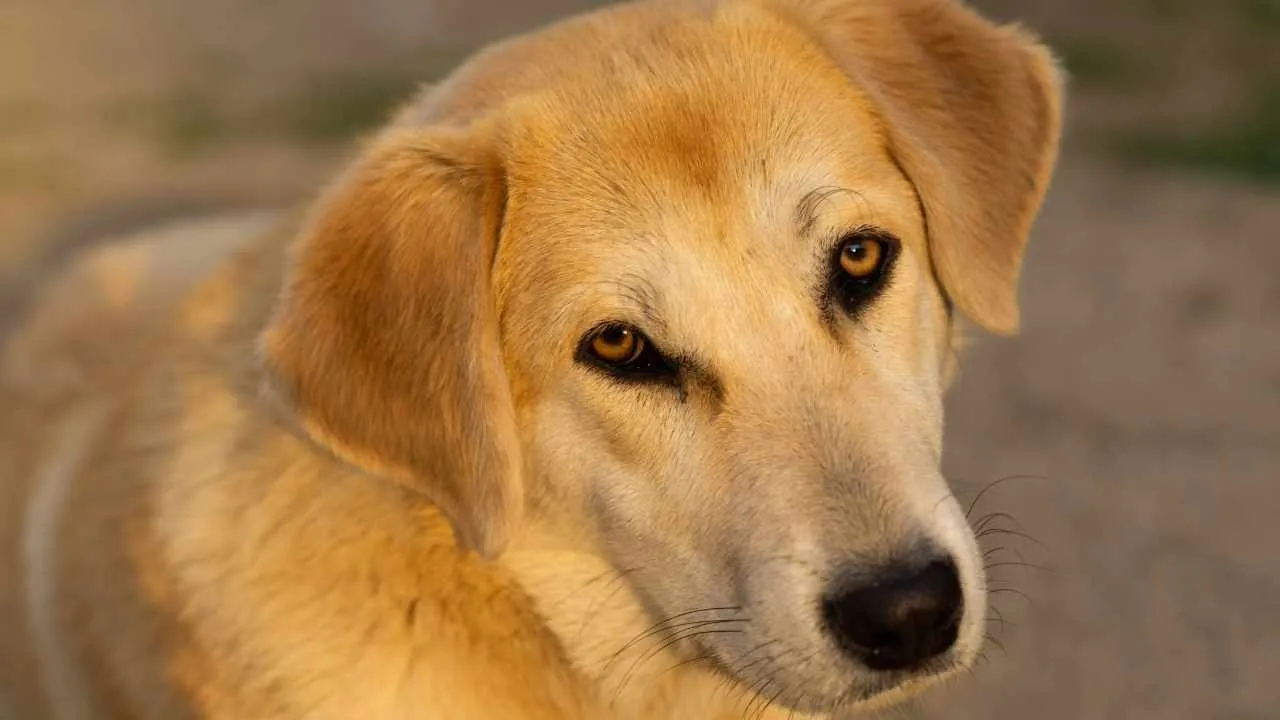
The Chinook reflects a working sled dog foundation shaped in the early 1900s in New Hampshire by Arthur Walden, combining Husky agility with Mastiff-type power.
A dense double coat and muscular build help it handle cold environments with ease. Webbed paws and a strong, saber-like tail support steady movement across demanding terrain.
Performance and Drive
This calm dog works best when given purposeful activity that channels its stamina and focus into structured tasks. Its athletic frame supports long-distance effort, while its steady temperament helps it stay engaged in continuous work.
These core strengths define its working rhythm.
High endurance for long activity
Strong response to training tasks
Natural coordination in teamwork
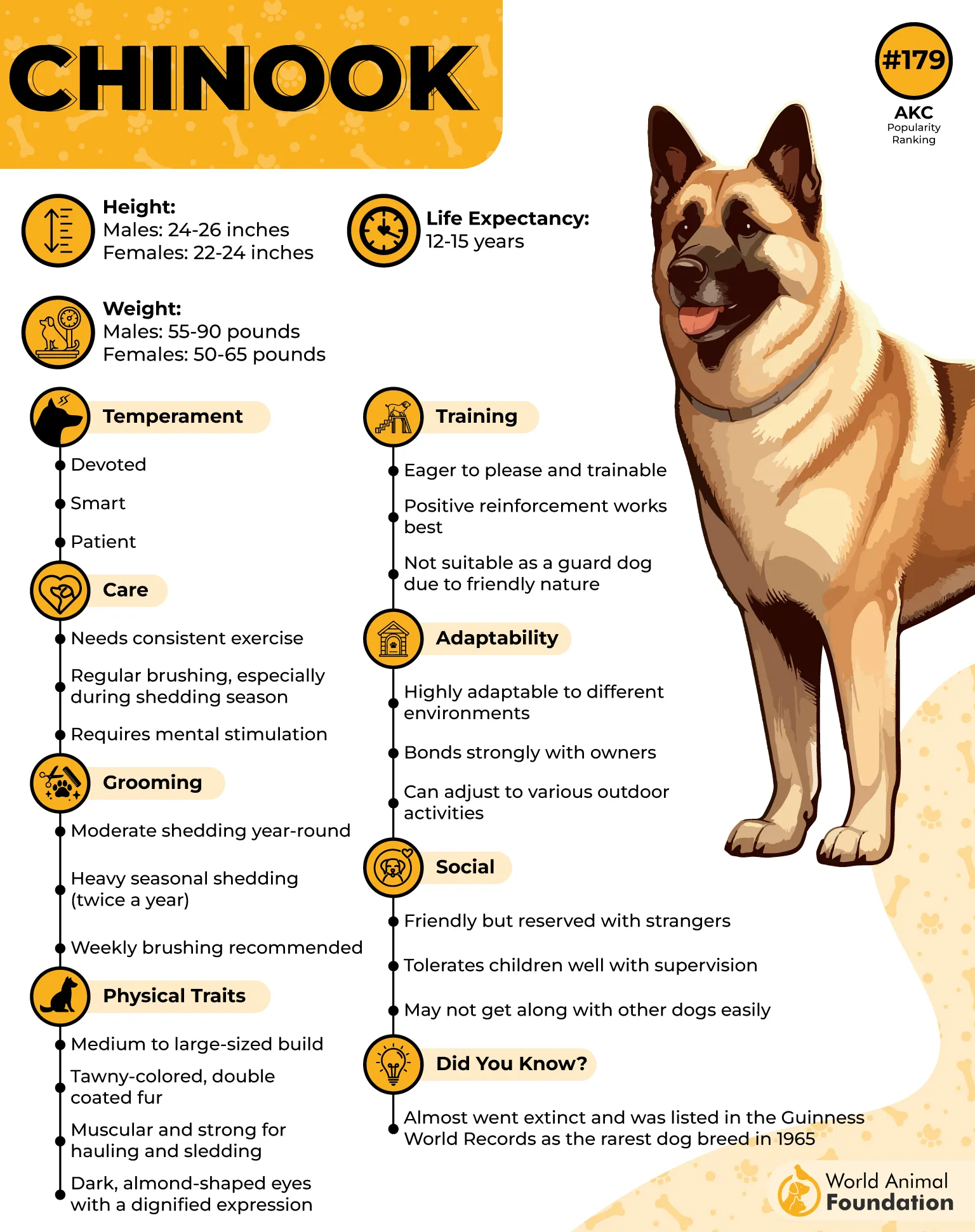
Energy and Daily Balance
The Chinook responds well to active routines like hiking, running, pulling tasks, or structured dog sports that challenge both mind and body. Continuous stimulation keeps its behavior balanced and focused. Extended inactivity can lead to unwanted behaviors such as digging or escape attempts.
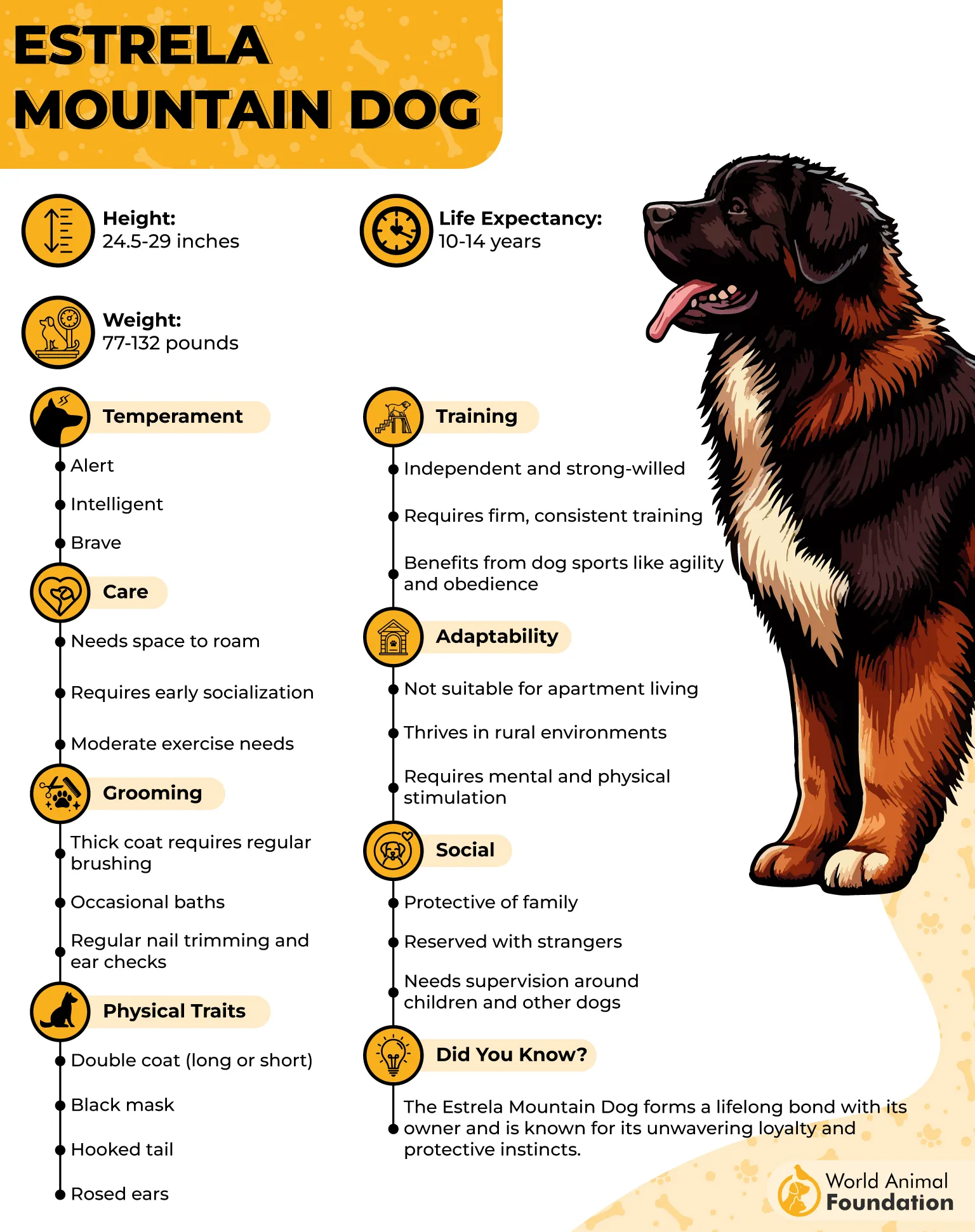
5. Estrela Mountain Dog
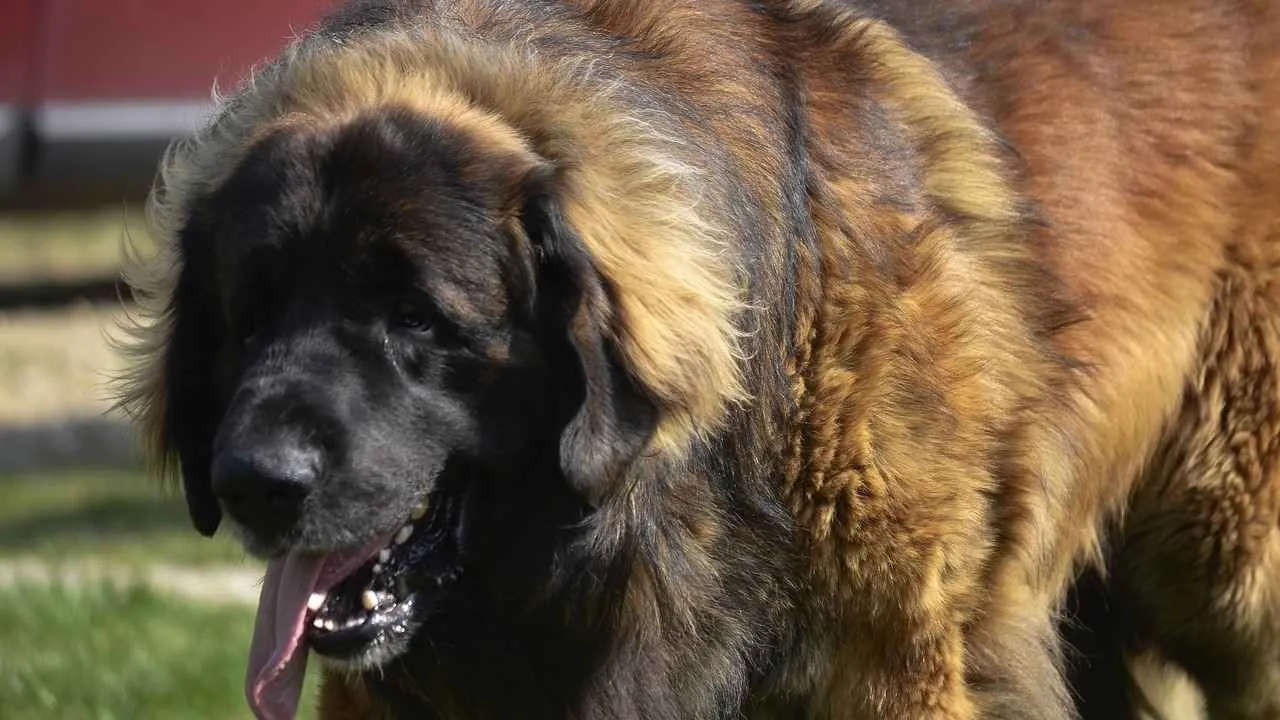
The Estrela Mountain Dog is one of the oldest mastiff-type dogs from the Iberian Peninsula, long trusted for guarding flocks and family life. Its strong build reflects years of work in rugged mountain environments. Loyalty and alertness remain deeply tied to its role in daily protection.
Working Mindset and Traits
Its guarding nature shapes how it responds to unfamiliar situations, often with careful observation before trust is given. This instinct also brings a natural tendency to alert its surroundings through vocal warning.
This is how they operate in an active environment:
Reserved around new people
Strong alert barking instinct
Responds to steady training
Family Interaction Pattern
When settled into familiar surroundings, this best dog breed becomes calm and attentive with its household. It can show surprising gentleness, especially around children it recognizes as part of its circle. Early guidance helps balance its protective instincts with social comfort.
6. Kuvasz
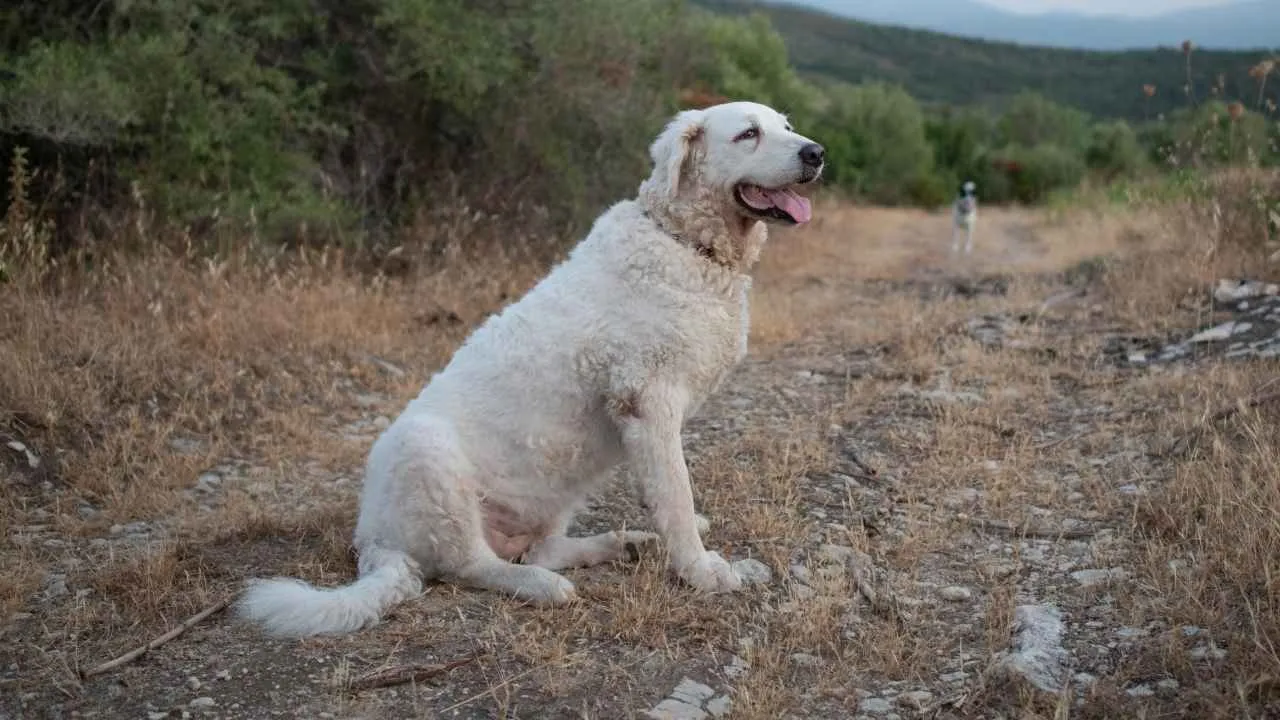
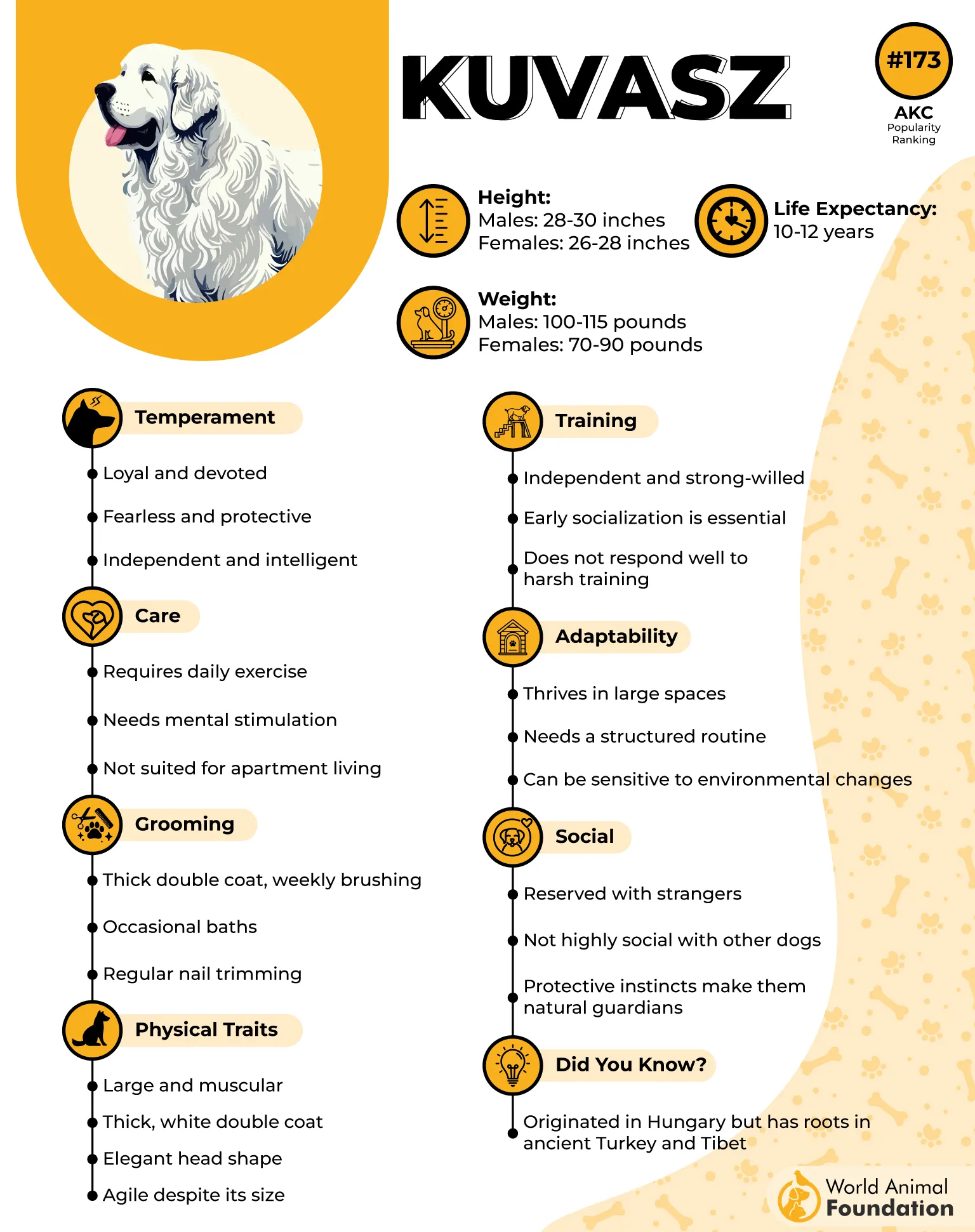
The Kuvasz is a large, white-coated guardian linked to early migrations from the Ural Mountains into the Carpathian region. Its role with herders centers on watching livestock across open terrain and offering protection during long working stretches.
Built for Livestock Work
This herding dog performs best when given a structured purpose, especially in outdoor or task-driven environments where decision-making matters. Independent thinking helps the breed handle situations without constant direction.
Here’s the breed’s suitability for demanding roles.
Strong livestock guarding instinct
Independent decision-making ability
Adaptable to active outdoor tasks
Behavior in Active Settings
The Kuvasz approaches its surroundings with calm awareness, balancing patience with readiness when needed. Early social exposure plays an important role in shaping how a dog responds to children and other dogs. Its gentle side becomes more visible within familiar environments.
7. Black Russian Terrier
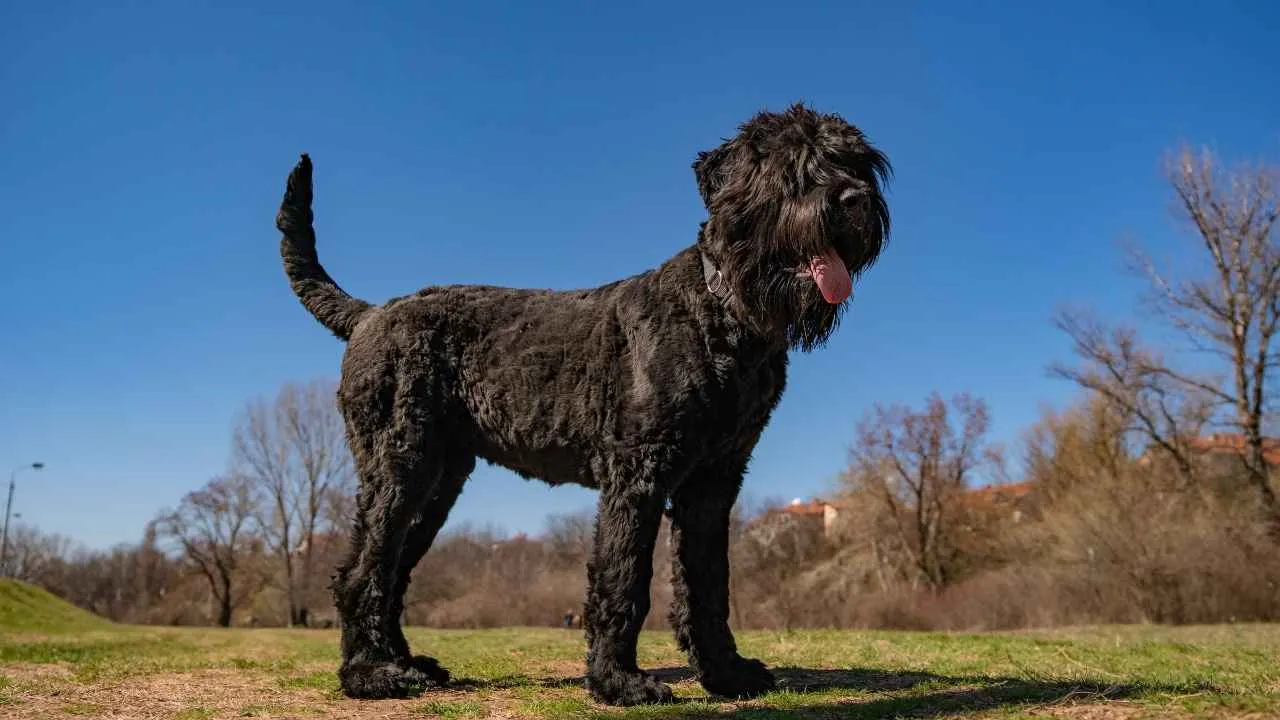
The Black Russian Terrier is instantly recognized for its massive frame and dense coat that reflect strength designed for demanding work.
The breed emerged from structured breeding programs using large working dogs. Its purpose centered on creating a capable and steady working companion for challenging roles.
Training and Control
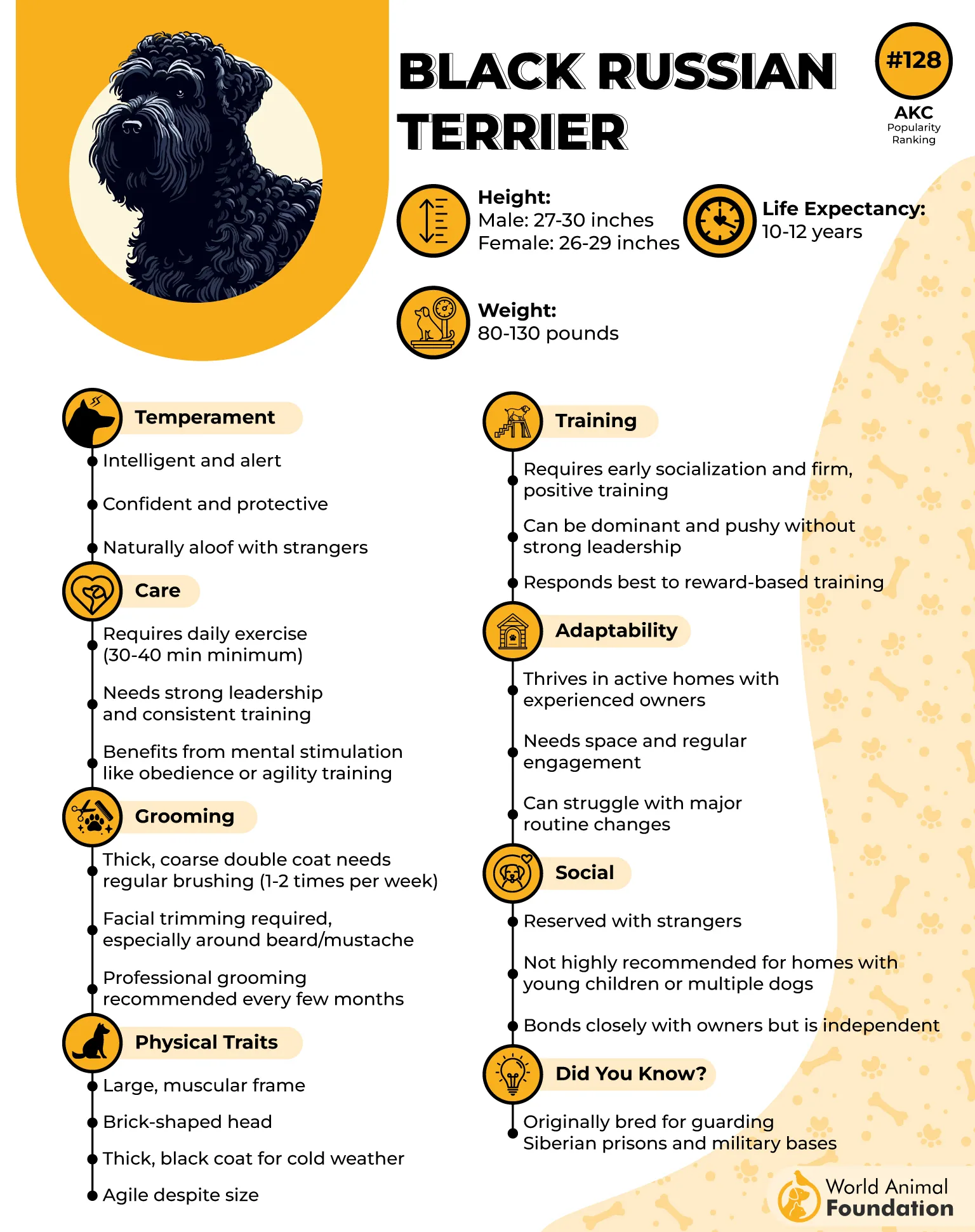
BRT responds best to consistent structure and early social exposure, shaping its behavior around stability and discipline. Clear guidance helps it adapt to unfamiliar surroundings and varied working demands.
Their training needs explain their working reliability.
Learns well through consistent reinforcement
Benefits from early social exposure
Adapts to structured environments
Temperament in Action
The Black Russian Terrier carries a calm and confident mindset, often observing before engaging in new situations. Around familiar people and small children, it forms deep bonds and shows strong loyalty. With strangers, its reserved attitude reflects a natural guarding instinct.
Conclusion
Sometimes the most fascinating dogs are the ones few people recognize. Beyond the familiar faces seen among the most popular dog breeds exists a world of remarkable companions shaped by unique histories and specialized roles. Some protected livestock across remote mountains, while others worked across vast landscapes, often requiring consistent training and a distinct appearance suited to their tasks.
Their stories reveal how diverse the canine world truly is. Size alone never explains what makes these dogs memorable. Temperament, purpose, and heritage often leave the strongest impression. Exploring lesser-known breeds offers a reminder that some of the most extraordinary dogs, including a few among the smartest dog breeds, remain hidden just outside the spotlight and can thrive with active families.
