




Popular giant dog breeds receive so much attention that many people assume there is nothing left to discover beyond them. That assumption could not be further from reality.
Some of the most fascinating giant dogs are the ones rarely discussed in mainstream articles or social media conversations. They were not bred to become trendy companions or recognizable status symbols. Many developed through hard work, isolation, and survival in environments that demanded strength, resilience, and intelligence.
Because of that background, these breeds often carry a presence that feels very different from the giants most people already know. Their personalities can be more reserved, their appearance more unusual, and their history far more layered than expected. That hidden depth is exactly why they continue to attract dedicated admirers despite remaining outside the spotlight.
In this article, you’ll discover giant dog breeds that deserve attention not because they are famous, but because they are genuinely unforgettable.
Key Takeaways
Giant dogs often get grouped, but a closer look reveals completely different histories and working roles.
Irish Wolfhound and Scottish Deerhound carry ancient hunting roots, yet move with surprising ease despite their towering frames
Great Pyrenees and Leonberger bring quiet strength and steady presence, shaped by mountain work and historic rescue roles
Keep reading till the end to see how each of these giant breeds hides traits that go far beyond their size
Unique Giant Dog Breeds with Impressive Size and Personality
1. Irish Wolfhound
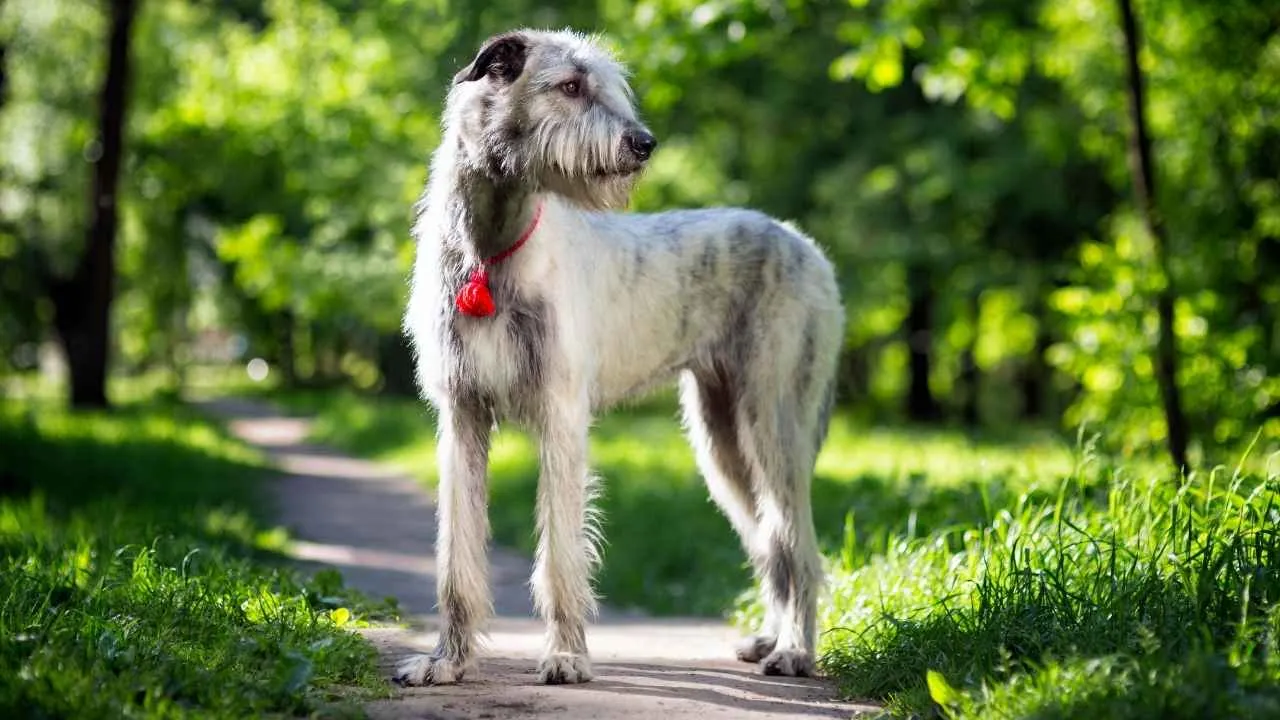
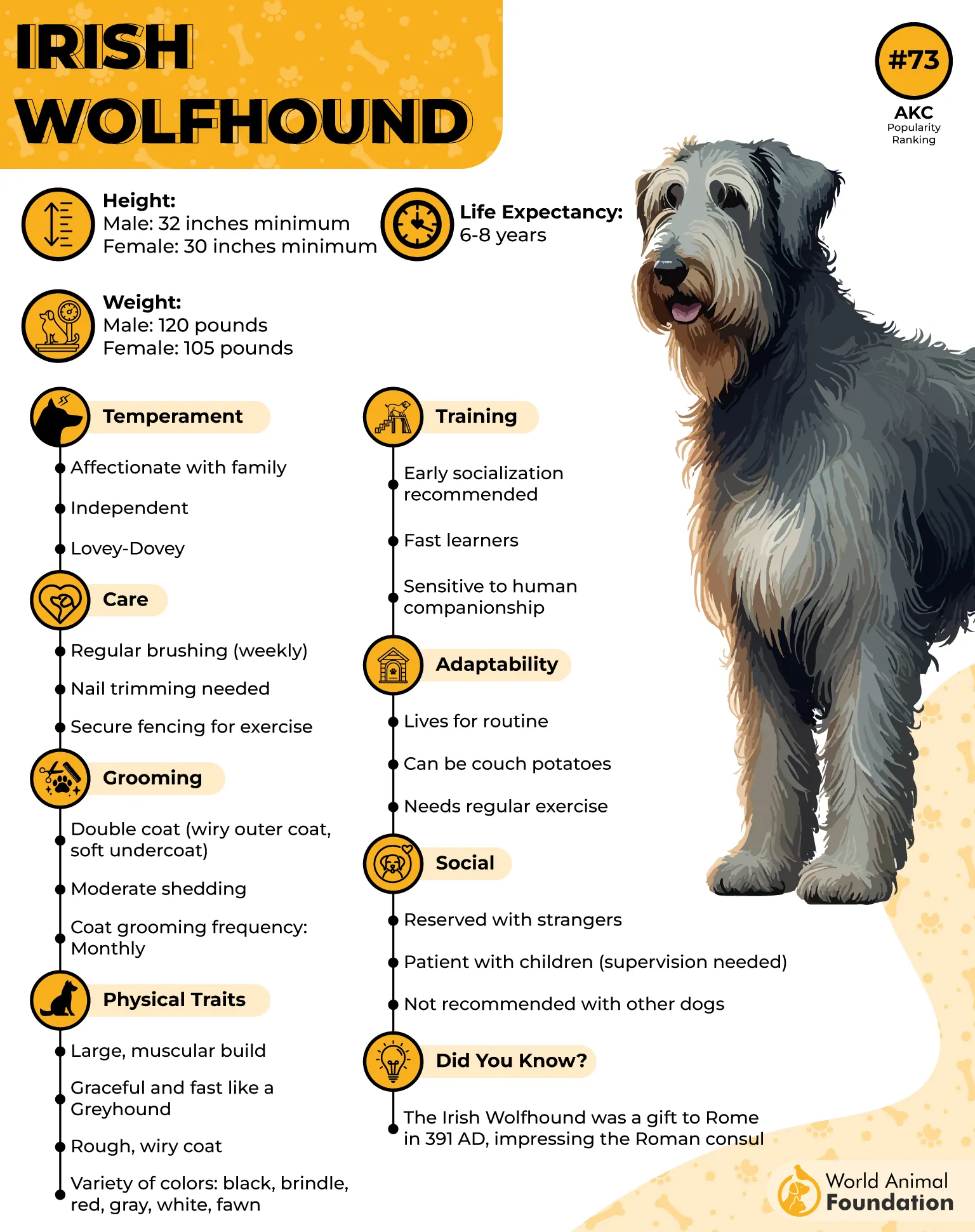
Irish Wolfhound was originally bred in Ireland centuries ago for hunting wolves and the massive Irish elk alongside hunters. Historical records trace the breed back to Roman arenas in 391 AD, where these giant breeds were used in combat spectacles, as stated by PetMD.
Structure shaped for speed and giant stature
IW stands among the tallest dog breeds, built with long legs and a powerful frame suited for fast pursuit work. Even with its huge build, the breed moves with surprising ease.
That giant structure appears clearly in key traits:
Long legs support a fast running speed
Deep chest supports a strong movement range
Large frame suits open outdoor spaces
Daily behavior and interaction style
Even as a large dog breed, it stays calm indoors and usually prefers quiet rest when enough space is available around it.
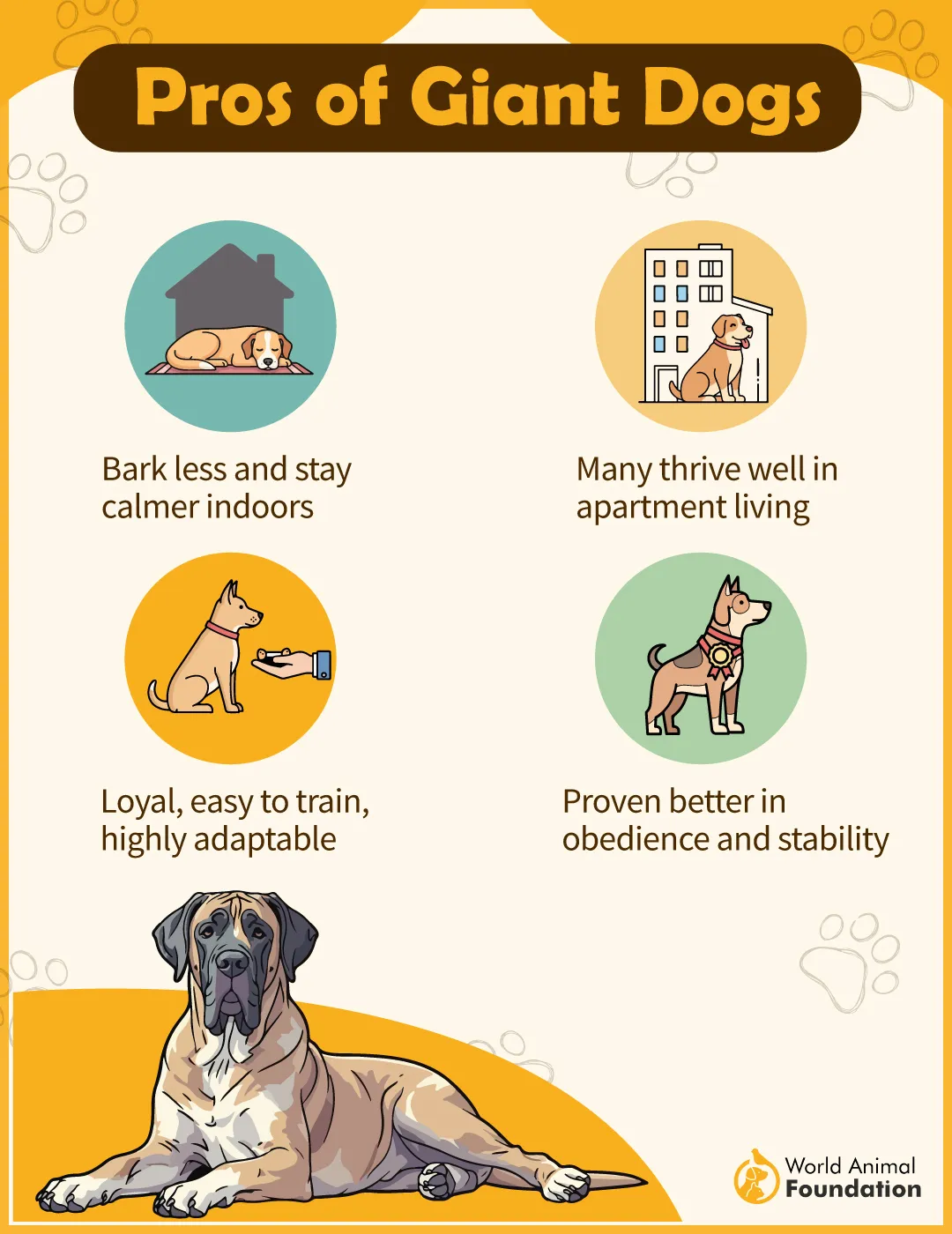
It enjoys staying near familiar people without constantly demanding attention or physical affection. Early leash training matters because movement outdoors can quickly trigger chasing behavior.
2. Scottish Deerhound
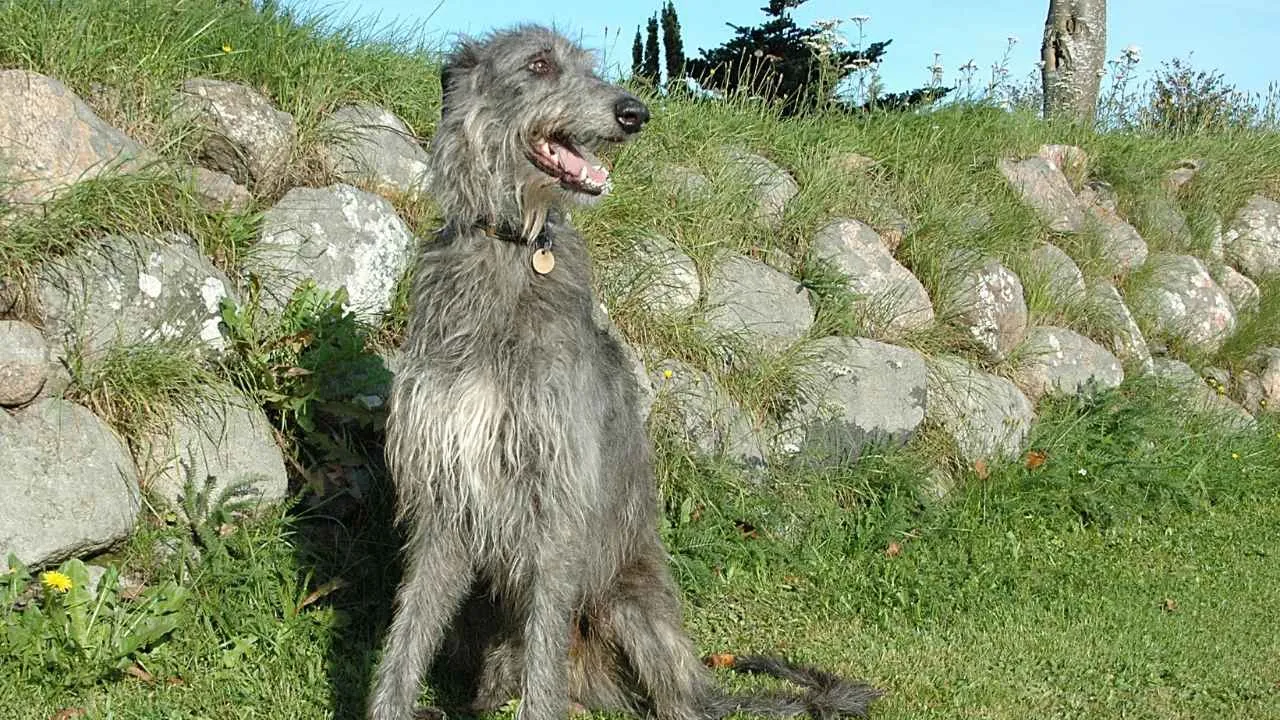
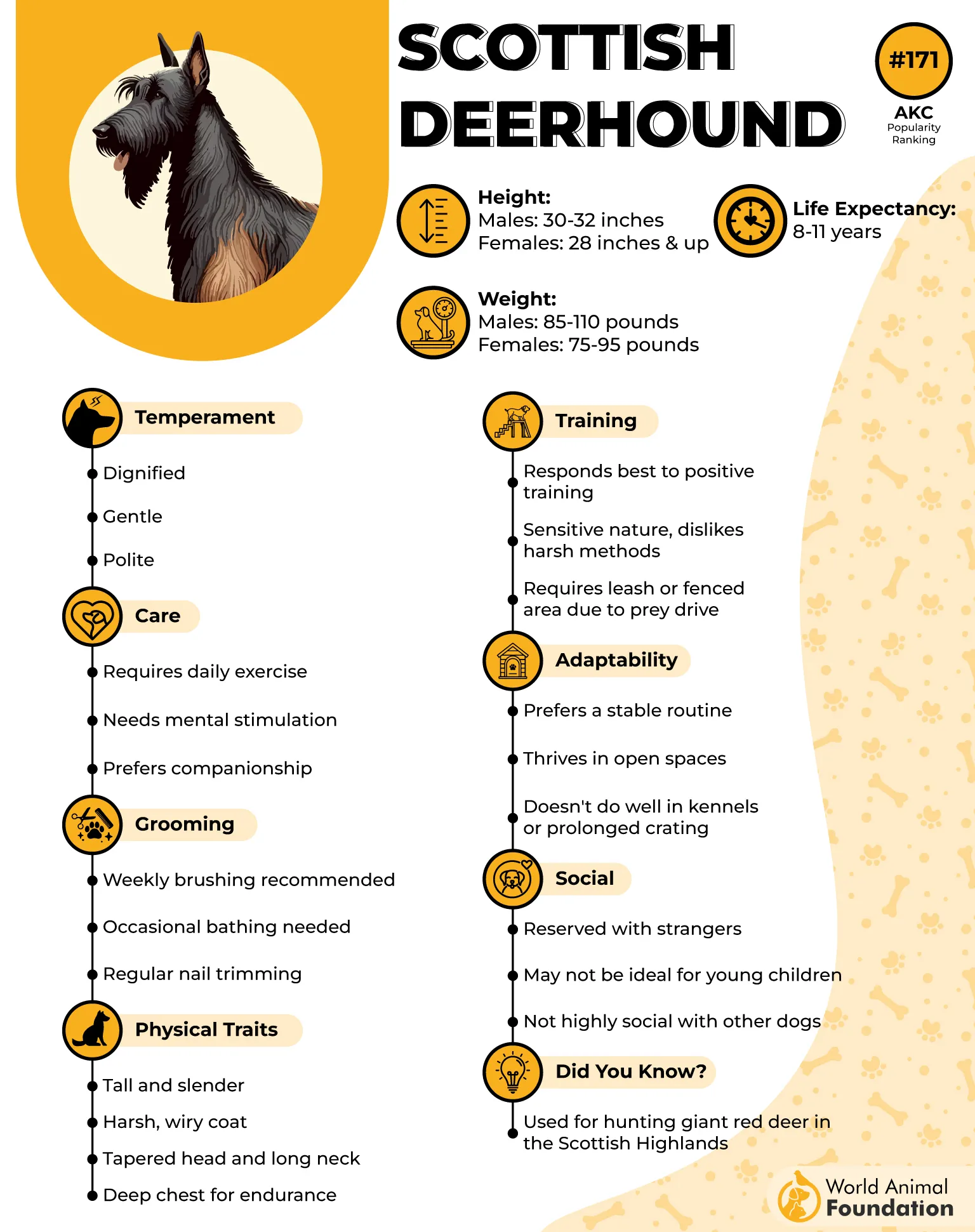
Scottish Deerhound comes from ancient Scotland, where it was developed to stalk and pursue wild red deer across rough ground.
Its tall frame and rough coat give it a striking presence that stands out from other large breeds. This rare breed still reflects the classic outline of early coursing hounds.
Structure shaped for distance and pursuit
According to the AKC, the Scottish Deerhound uses a long-legged, athletic build designed for speed, balance, and open-field movement. Its body structure follows the old Greyhound style, but with a more substantial frame.
That physical design appears clearly in key traits:
Tall frame supports long running sessions
Rough coat suits cooler outdoor conditions
Lean structure aids fast field movement
Activity needs and lifestyle suitability
As a big dog breed, they fit homes where regular movement and outdoor activity remain part of the daily routine. Running, lure coursing, nose work, and long walks match its natural movement style well. Pet parents usually need enough open space to support their large athletic frames.
3. Great Pyrenees
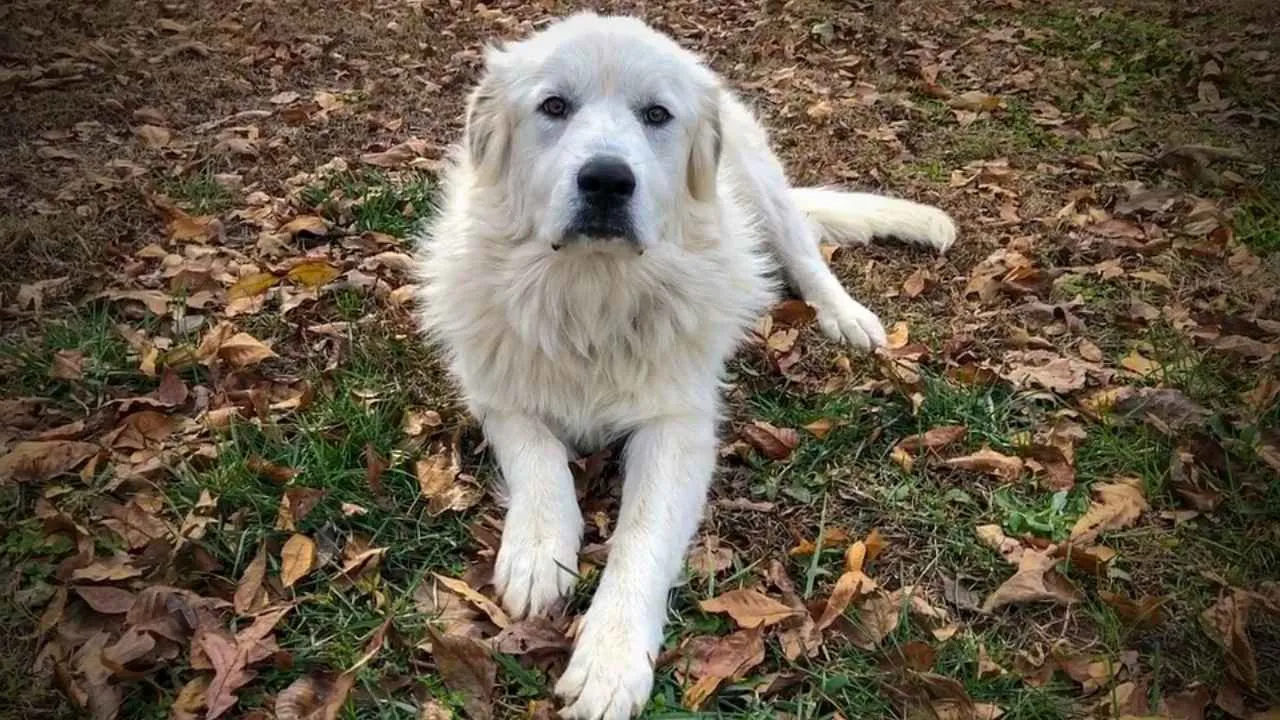
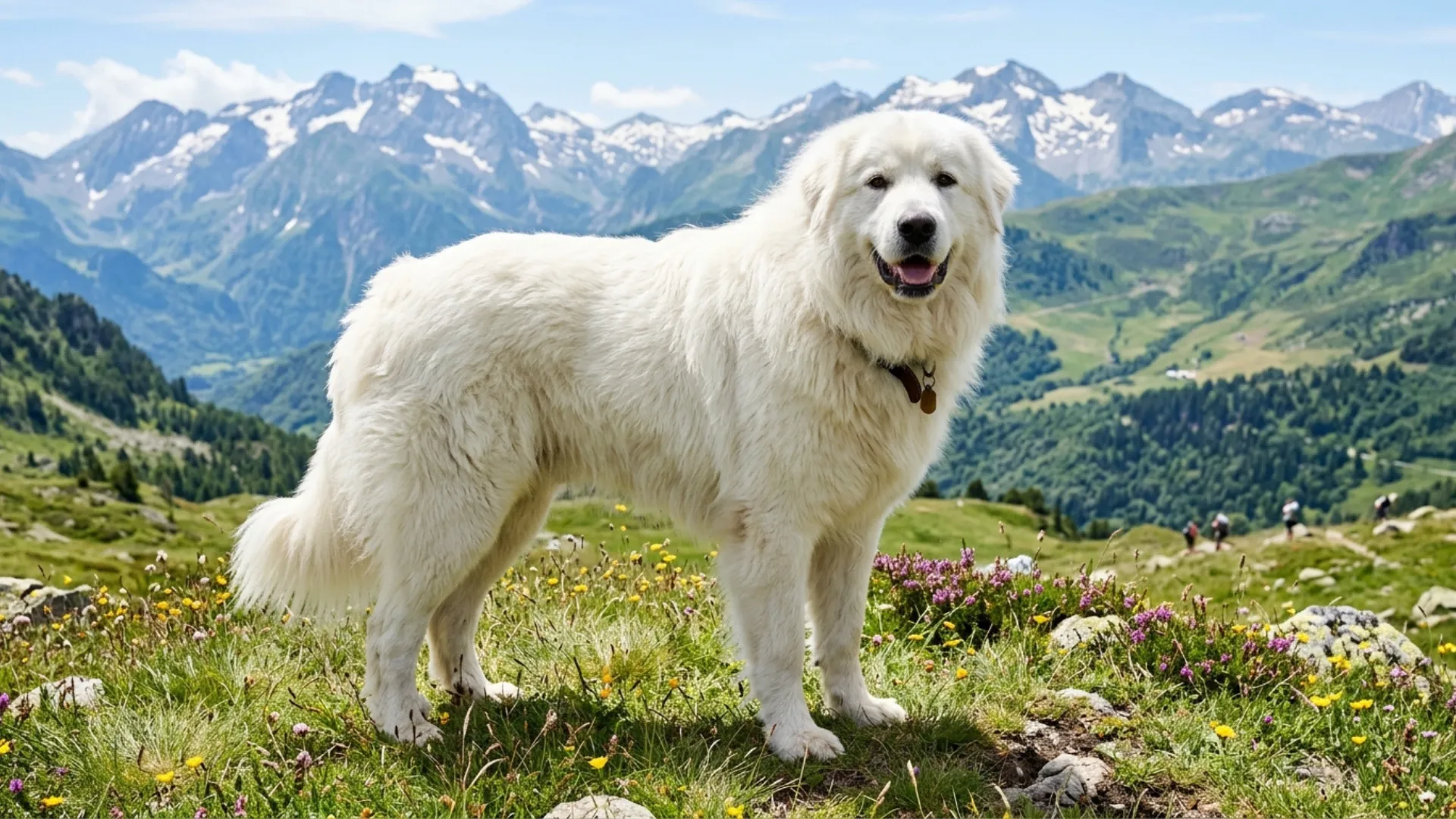
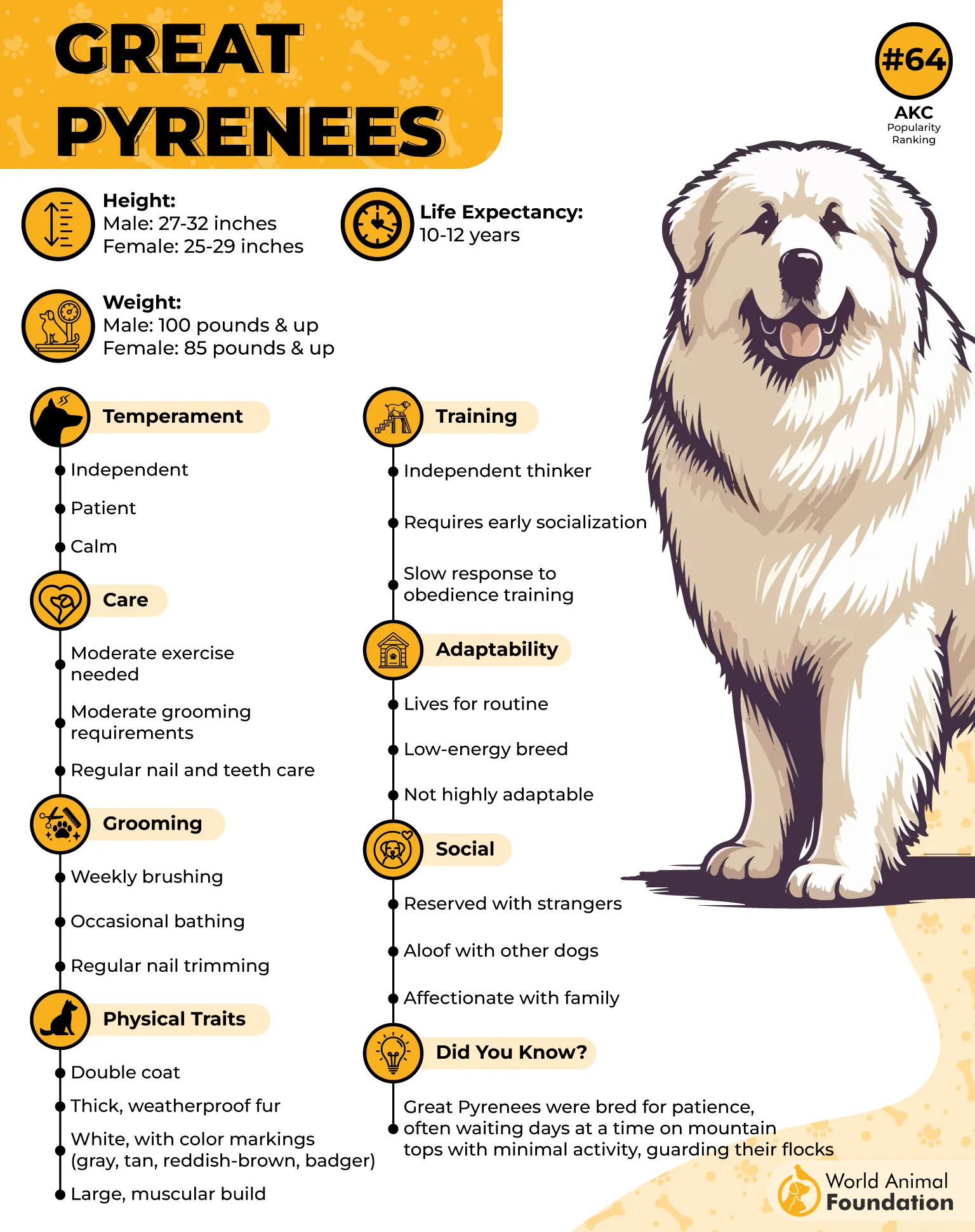
The Great Pyrenees developed as a mountain guardian used to protect livestock from predators in snowy regions. Its massive frame, weatherproof coat, and calm watchfulness gave it a strong presence around isolated flocks. The breed later became known for its quiet but dependable home behavior.
Physical presence shaped for mountain work
They combine heavy strength with smooth movement, allowing them to react quickly when facing threats in rough terrain. The thick white coat helped it blend into snowy surroundings while working outdoors for long periods, as noted by Chewy.
That mountain background still appears in key traits:
Thick coat handles cold weather well
Powerful build supports pulling activities
Calm posture suits guarding work
Practical lifestyle suitability
As a gentle giant, they fit homes that prefer calm companionship mixed with dependable guardian instincts around property or outdoor spaces.
Activities like hiking, farm work, cart-pulling, and long family walks suit its natural pace well. Independent decision-making remains part of its long working history.
4. Leonberger
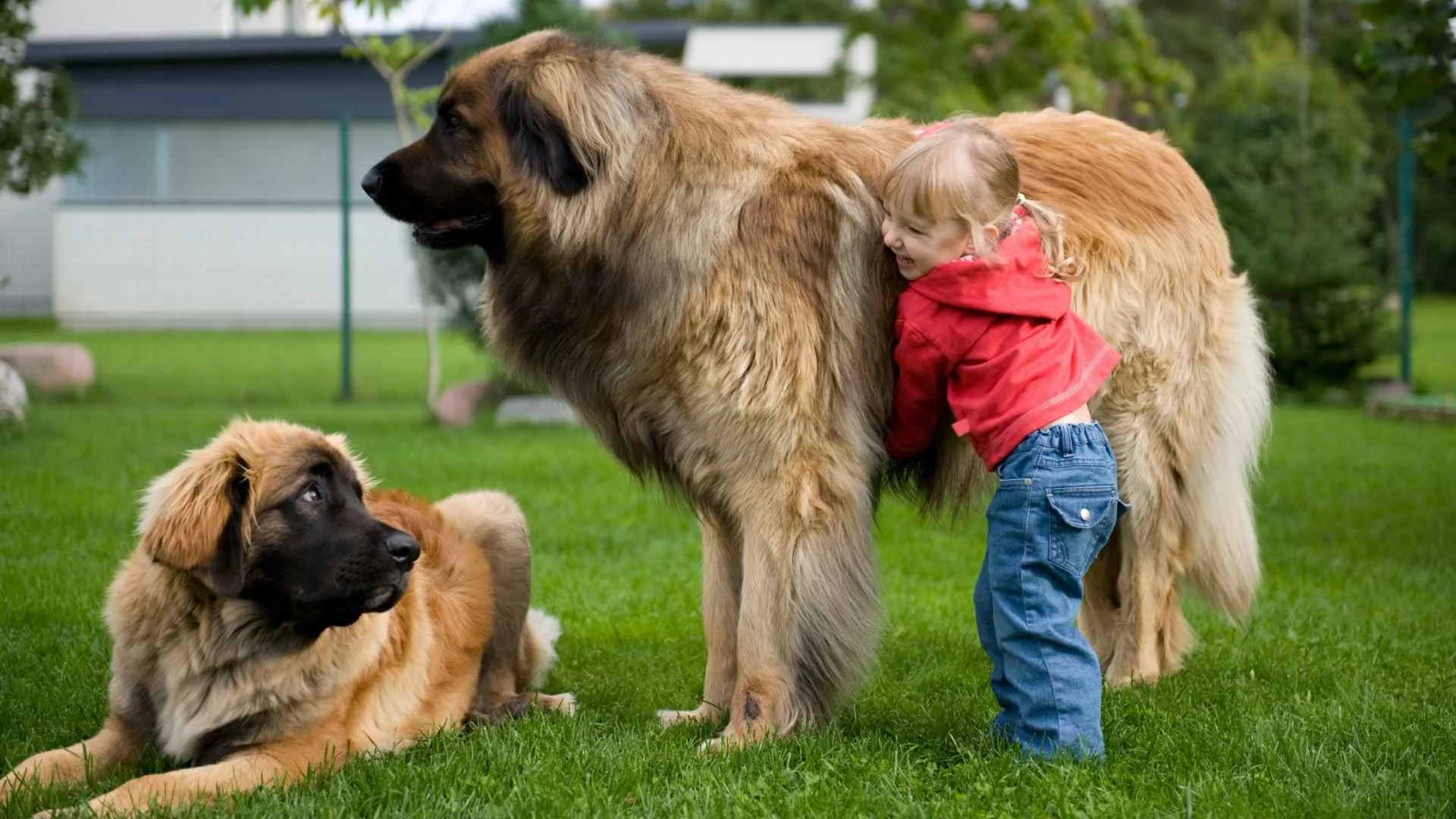
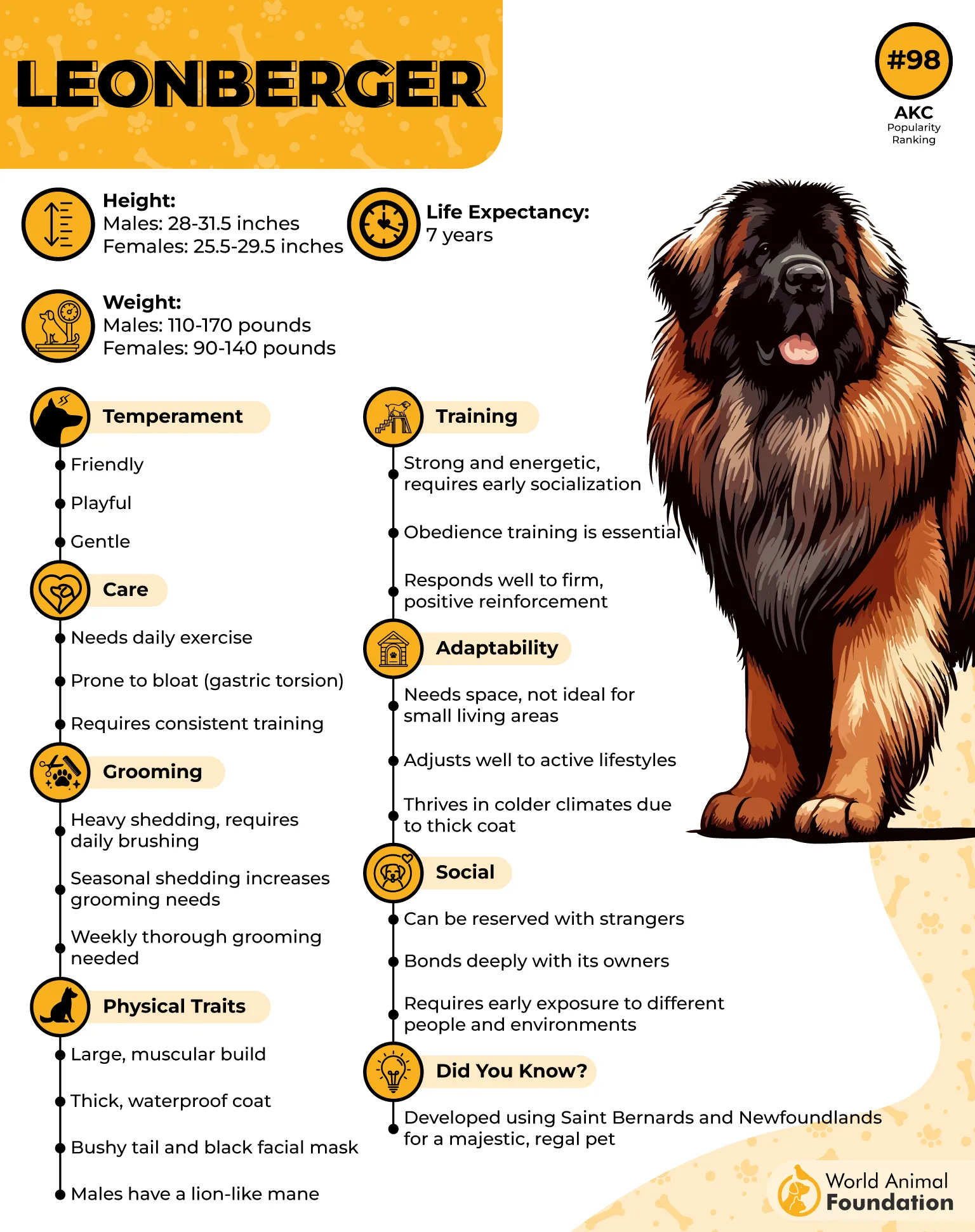
The Leonberger takes its name from Leonberg, Germany, where breeders developed this giant dog to resemble the lion on the town’s coat of arms. Early crosses involving Newfoundland, Saint Bernard, and Great Pyrenees shaped its massive frame and long reddish-gold coat.
Structure shaped for strength and steady movement
Leos combine heavy musculature with a broad frame built for demanding physical work and outdoor movement. Its size supported farm duties in earlier years and later proved useful in activities like cart-pulling, hiking, and water work.
That physical makeup stands out in clear ways:
A dense coat requires regular upkeep
Large frame supports pulling activities
Balanced build aids steady movement
Real-world roles and lifestyle suitability
The Leonberger later appeared as a search-and-rescue dog after nearly disappearing during the world wars of the 20th century. It also fits active routines involving swimming, walking trails, and outdoor group activities. Quiet indoor time usually follows naturally once daily activity slows down.
5. Neapolitan Mastiff
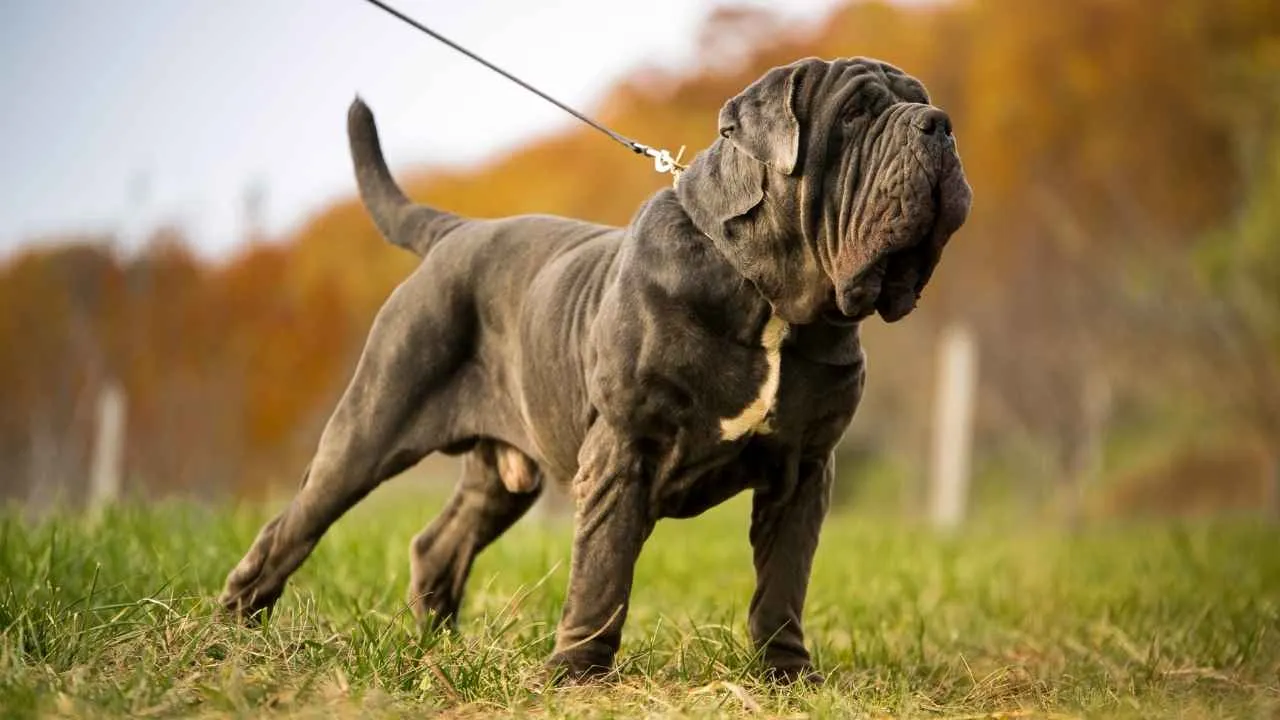
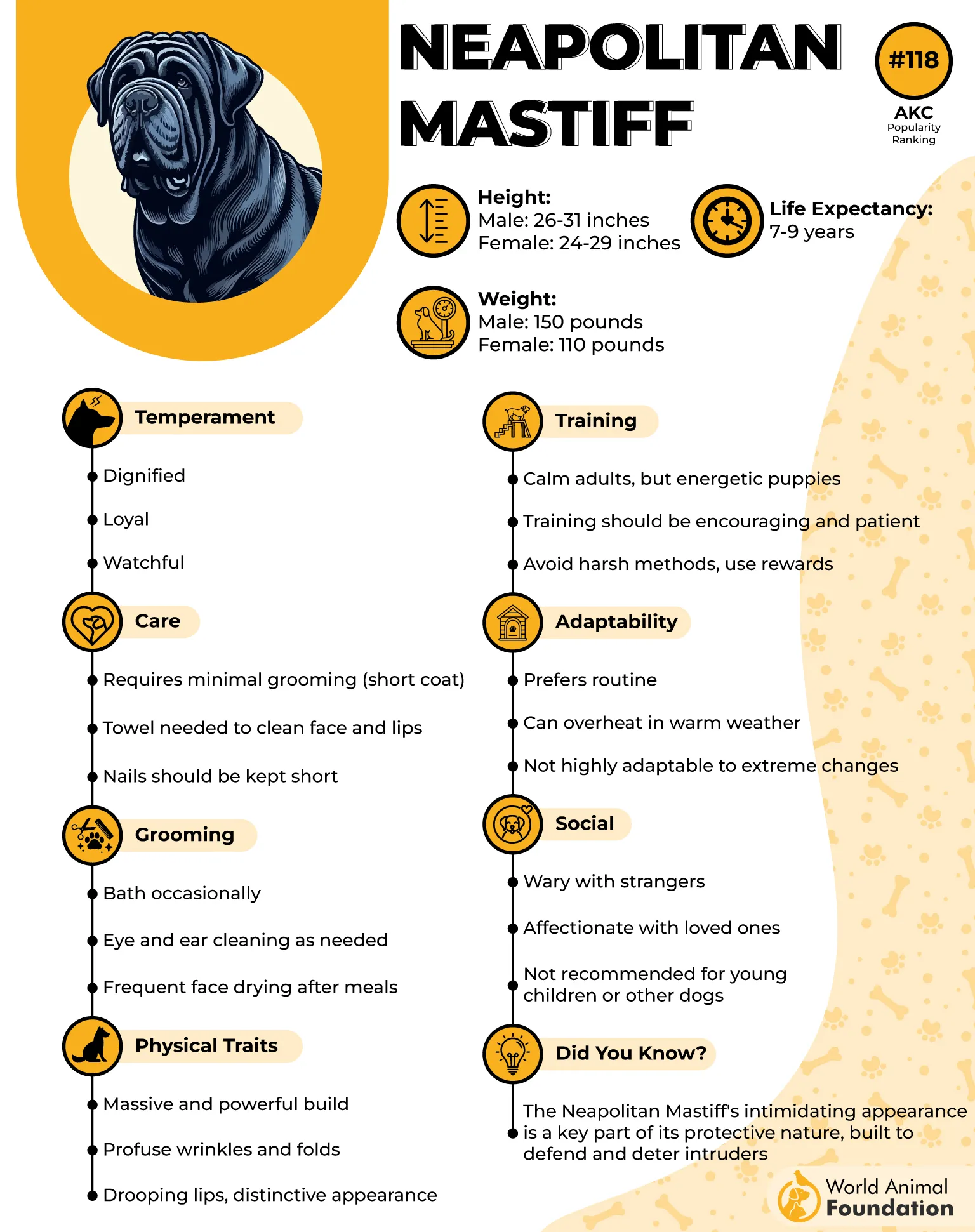
The Neapolitan Mastiff traces back to ancient Roman war dogs once used in battle and later trusted as estate guardians in Italy.
Its massive frame, loose skin, and heavy movement make the breed instantly recognizable among giant dogs. Modern Neapolitans spend far more time relaxing at home than working in the field.
Physical presence shaped for guarding roles
This guard dog uses sheer size and imposing structure to create a strong guarding presence without constant movement or noise. Its broad body and heavy build reflect generations of protection work around property and family spaces.
That distinctive build stands out through key traits:
Massive frame built for guarding presence
Loose skin creates a rugged appearance
Heavy movement suits calm home living
Household behavior and interaction style
In family life, this mastiff stays deeply attached to familiar people and usually prefers quiet indoor routines over constant activity.
Around children and family members, it often behaves with patience and steady affection. New people usually receive a more cautious and reserved response.
6. Pyrenean Mastiff
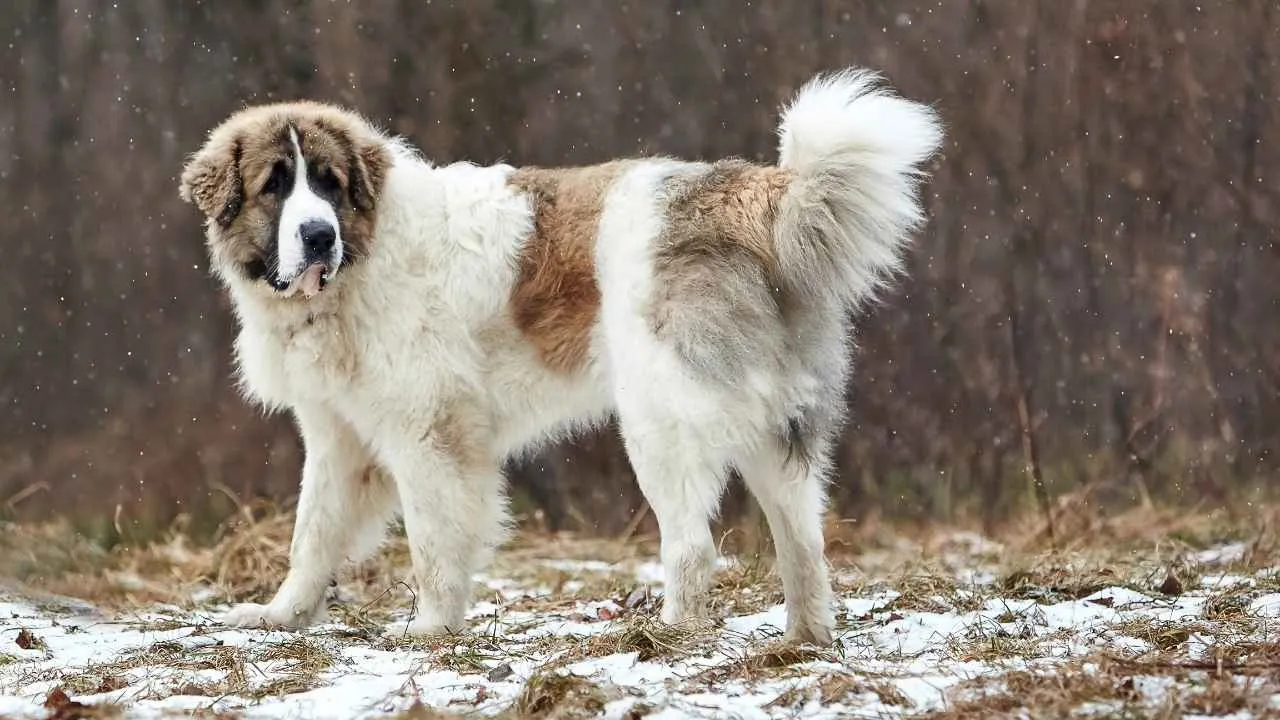
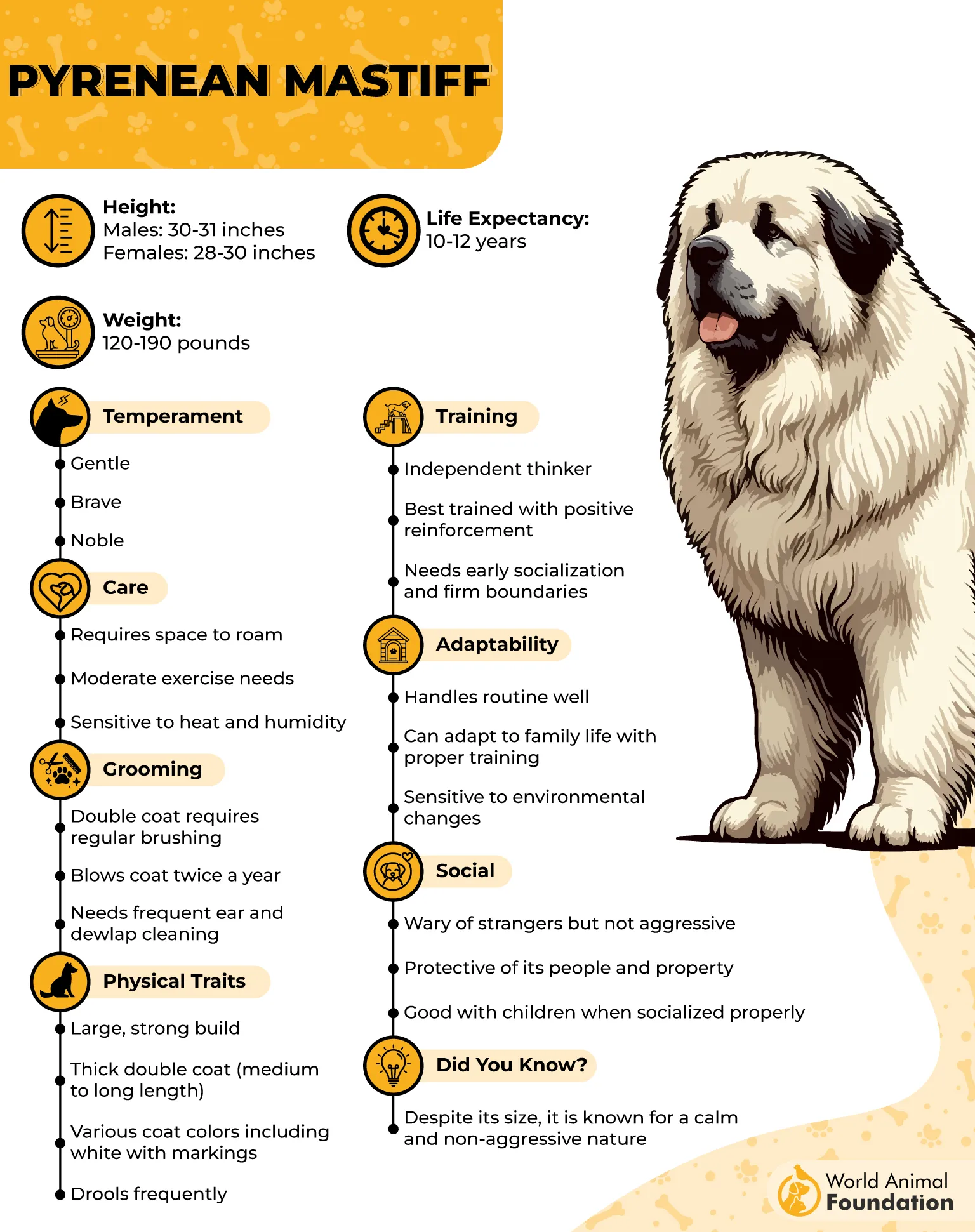
The Pyrenean Mastiff comes from the Spanish Pyrenees, where it guarded livestock against wolves, bears, and thieves across mountain regions.
As predator threats declined, the breed gradually shifted into property guarding and companion roles. Its large size and calm presence still reflect that old guardian background.
Physical presence shaped for guarding work
With its huge build and steady presence, this breed keeps an eye on its surroundings without creating tension. It stays observant around unfamiliar activity while remaining controlled in normal daily settings.
That guardian role appears clearly in key traits:
Large frame supports protective presence
Deep bark alerts against unusual activity
Low prey drive suits livestock environments
Daily temperament and social behavior
The Pyrenean Mastiff shows a calm nature around family life and usually responds gently toward children and familiar visitors.
It recognizes the difference between friendly interaction and situations that require attention or caution. Around other dogs, it often reacts with measured awareness instead of immediate confrontation.
7. Newfoundland
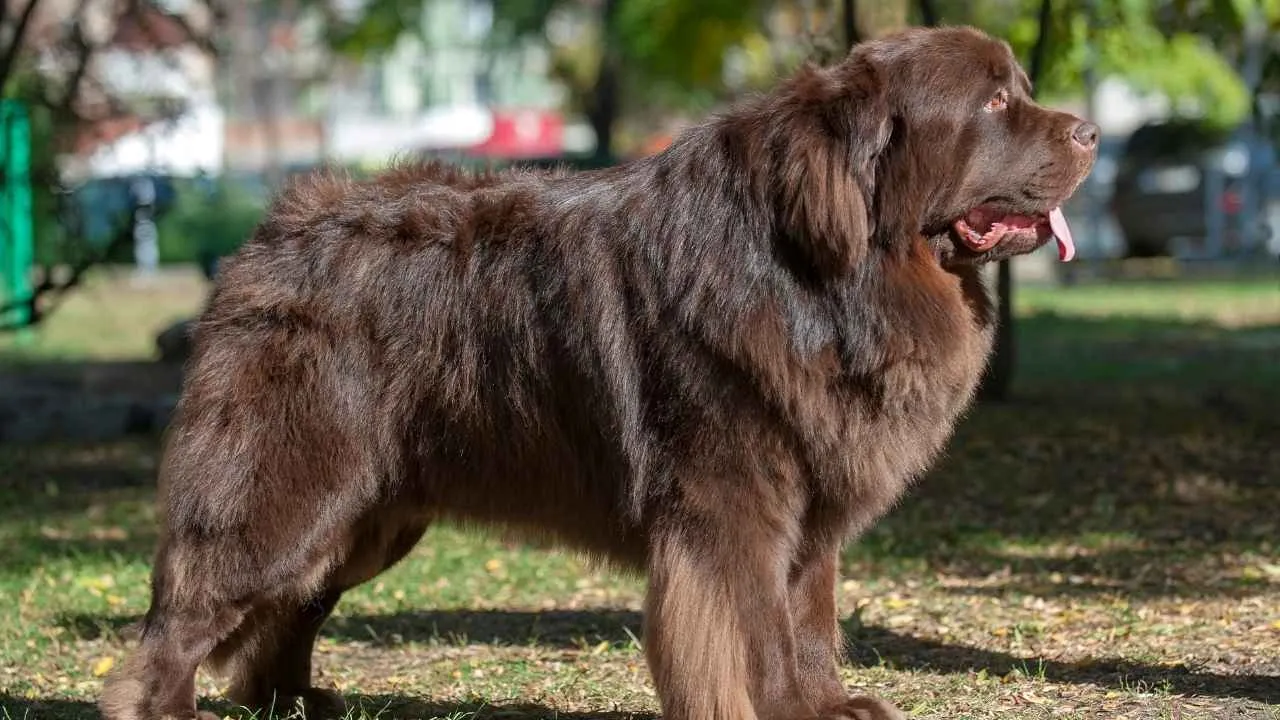
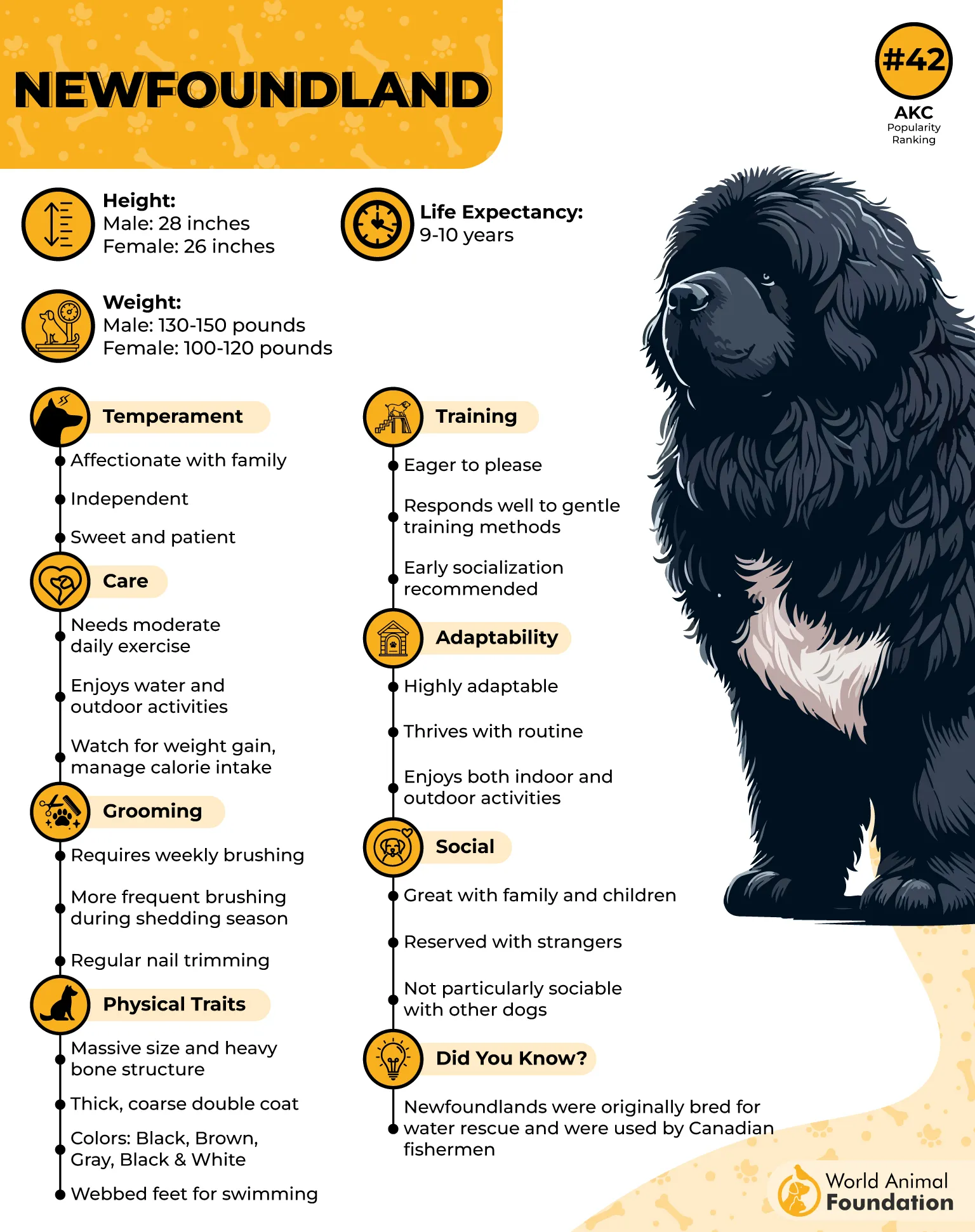
Newfoundland stands out as a massive working dog known for its heavy bone structure, calm expression, and famously gentle nature. Its history connects closely with water work and dependable companionship in physically demanding environments.
Structure built for strength and water activity
Their powerful and broad body structure supports activities like carting, drafting, swimming, and long-distance walking without appearing restless. Gentle guidance works especially well because of its trainable and trusting nature.
That working background appears in practical qualities:
Powerful frame supports drafting activities
Strong swimming ability suits water work
Heavy build handles pulling tasks well
Activity strengths and practical lifestyle fit
Newfies enjoy outdoor routines that mix swimming, hiking, tracking, and purposeful pulling work. It also participates successfully in dock jumping, rally, obedience, and agility-based events. Indoor family living paired with outdoor movement suits the breed best.
Conclusion
Some giant dogs become famous because they are seen everywhere, while others stay hidden behind quieter histories and lesser-known roles in the dog world. That difference is exactly what makes these breeds so memorable once you look closer. From mountain guardians to ancient hunting companions, each one carries traits shaped by real purpose rather than popularity alone.
What stands out most is not only the size but the individuality behind it. Some remain calm and observant, others athletic and driven, yet all bring a presence that feels impossible to overlook. For the right owner, these giant breeds offer far more than appearance, including the steady nature many seek in a family dog.
