




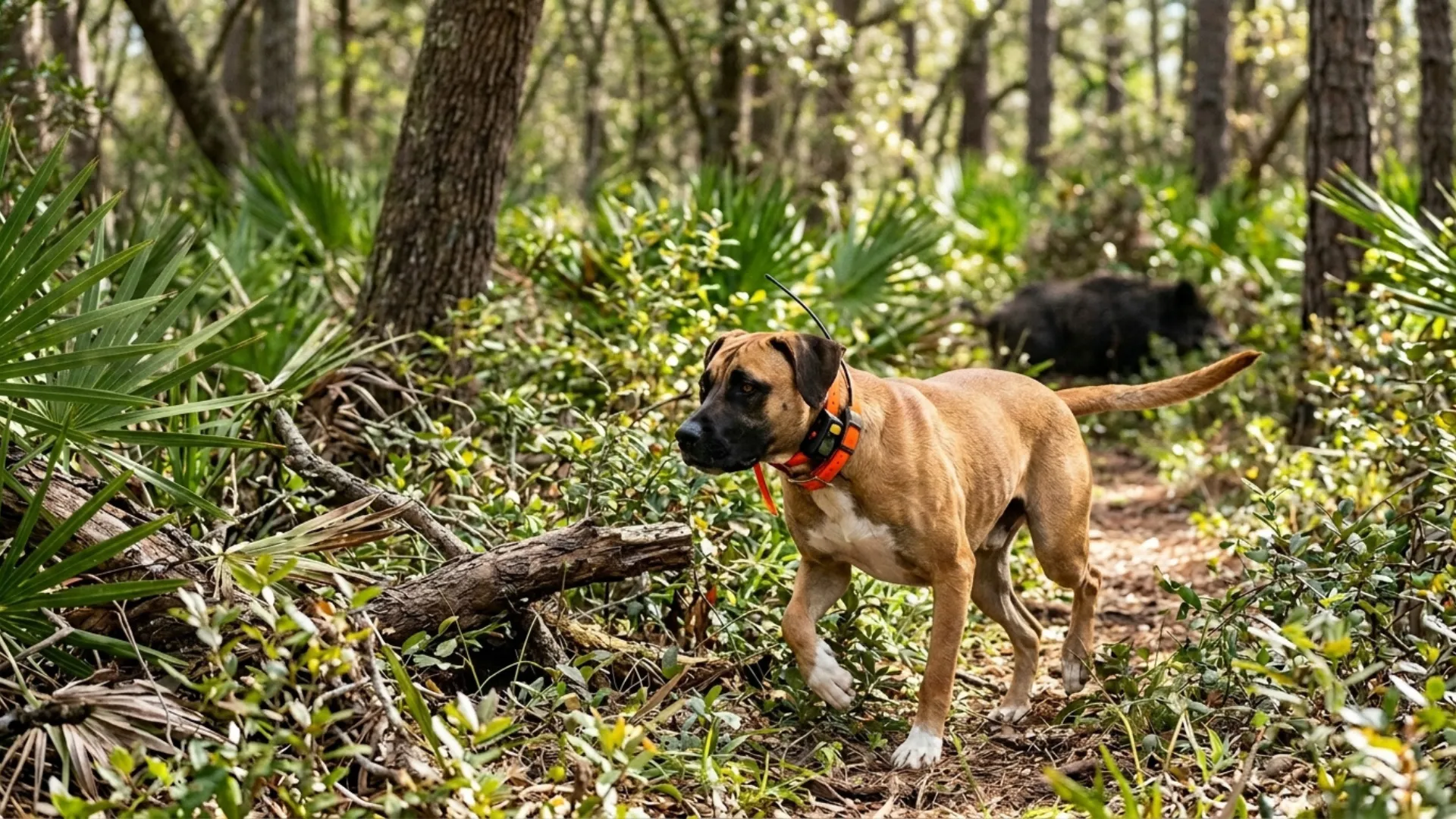
Wild boar hunting is one of the most demanding field activities a working dog can undertake, relying heavily on the natural tracking abilities of highly specialised breeds. These dogs are selected for their powerful sense of smell, exceptional endurance, and the ability to follow complex scent trails across forests, hills, and dense vegetation.
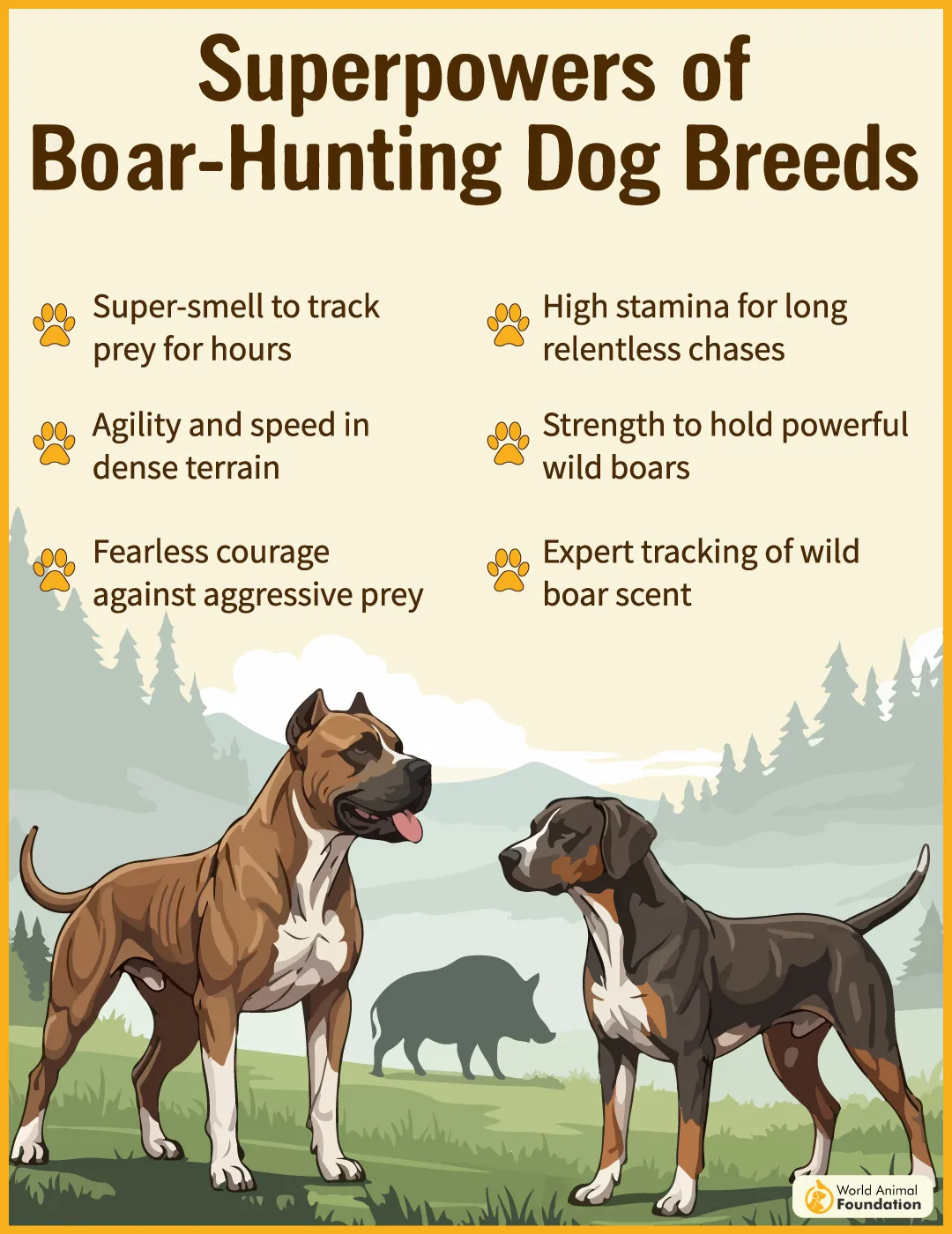
Working dogs in this field are generally divided into two categories: bay dogs and catch dogs. Bay dogs locate the target using their nose, then bark persistently to hold the boar in place without making direct contact. Catch dogs, by contrast, engage and physically restrain the boar until the hunter arrives.
These canines can work for hours without losing focus, making them dependable and disciplined partners in the field. The coordinated teamwork between scent-driven tracking and physical control makes hunting more efficient and organised across even the most difficult terrain.
Together, bay dogs and catch dogs form a highly effective system that remains central to both traditional and modern wild boar hunting practices. Now, let’s explore the best ones.
Best Dog Breeds to Hunt Wild Boar: Proven Tracking Abilities
1. Catahoula Leopard Dog
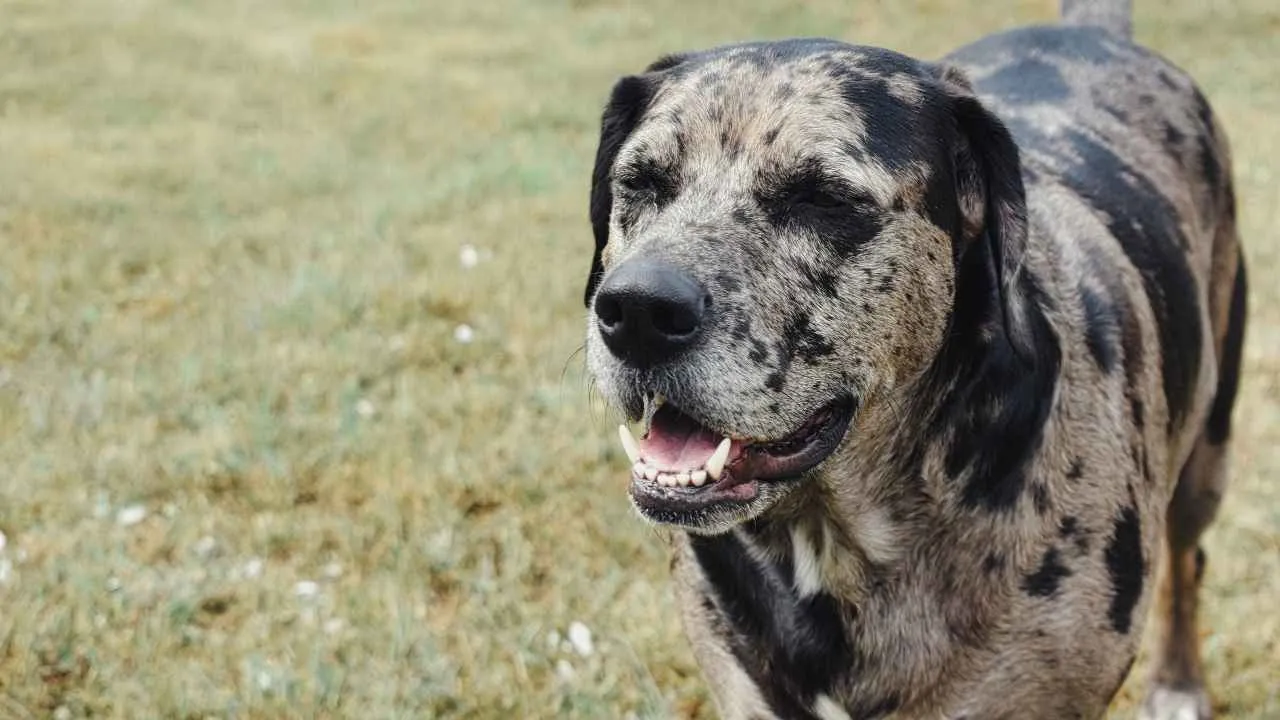
Also known as the Catahoula Cur or Catahoula Hog Dog, this breed was originally developed in the southeastern United States for wild boar hunting and cattle driving. It holds the distinction of being the official state dog of Louisiana, where it built its reputation as an exceptional hog hunter across both large and small game.
Today, the Catahoula Leopard Dog has proven equally capable as a scent tracker and herding dog. These muscular, athletic dogs carry an alert and high-energy temperament that demands an experienced, confident owner; this is not a breed for everyone.
Their short coat comes in a striking range of colours and patterns, with the distinctive leopard-like markings making them one of the more visually striking working breeds around.
Affectionate with their families but naturally reserved around strangers, Catahoulas remain a favourite among hunters for their ability to track blood trails and bay wild hogs with precision. Their versatility extends well beyond the hunt; they are equally capable as catch dogs, stock dogs, and protection dogs, making them one of the most well-rounded working breeds in the field.
2. Plott Hound
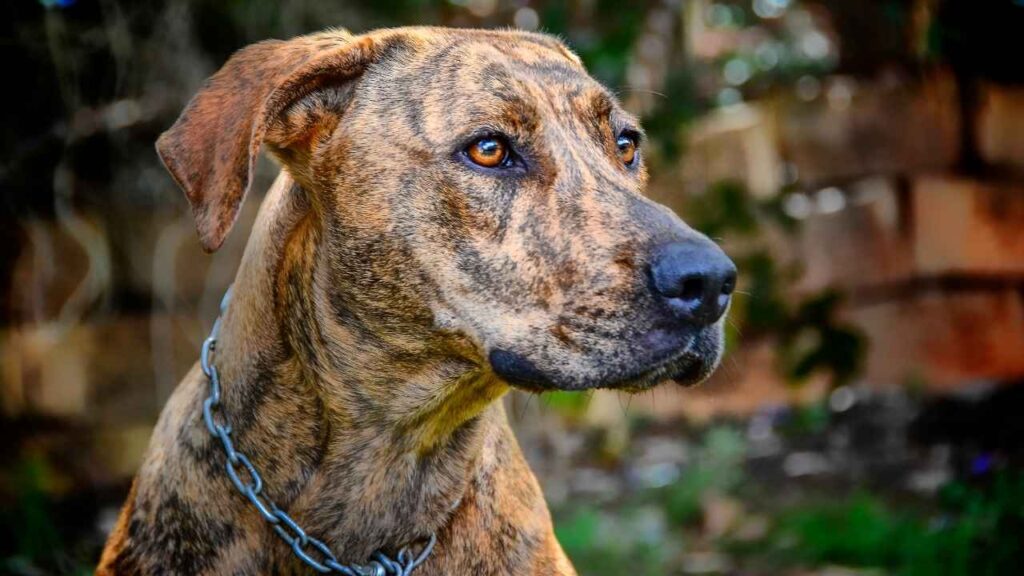
Quiet and mellow at home, the Plott Hound reveals a determined and fearless side the moment it steps into the field. Built for endurance and distance, this breed is an exceptional hunting dog capable of pursuing a wide range of big game, including bear, deer, mountain lion, and wild boar.
The Plott Hound excels as both a bay dog and a scent hound, tracking cold and fresh trails with equal determination. Its keen nose and distinctive, musical bay make it a reliable and communicative partner in the field, confidently holding its target in place until the hunter arrives.
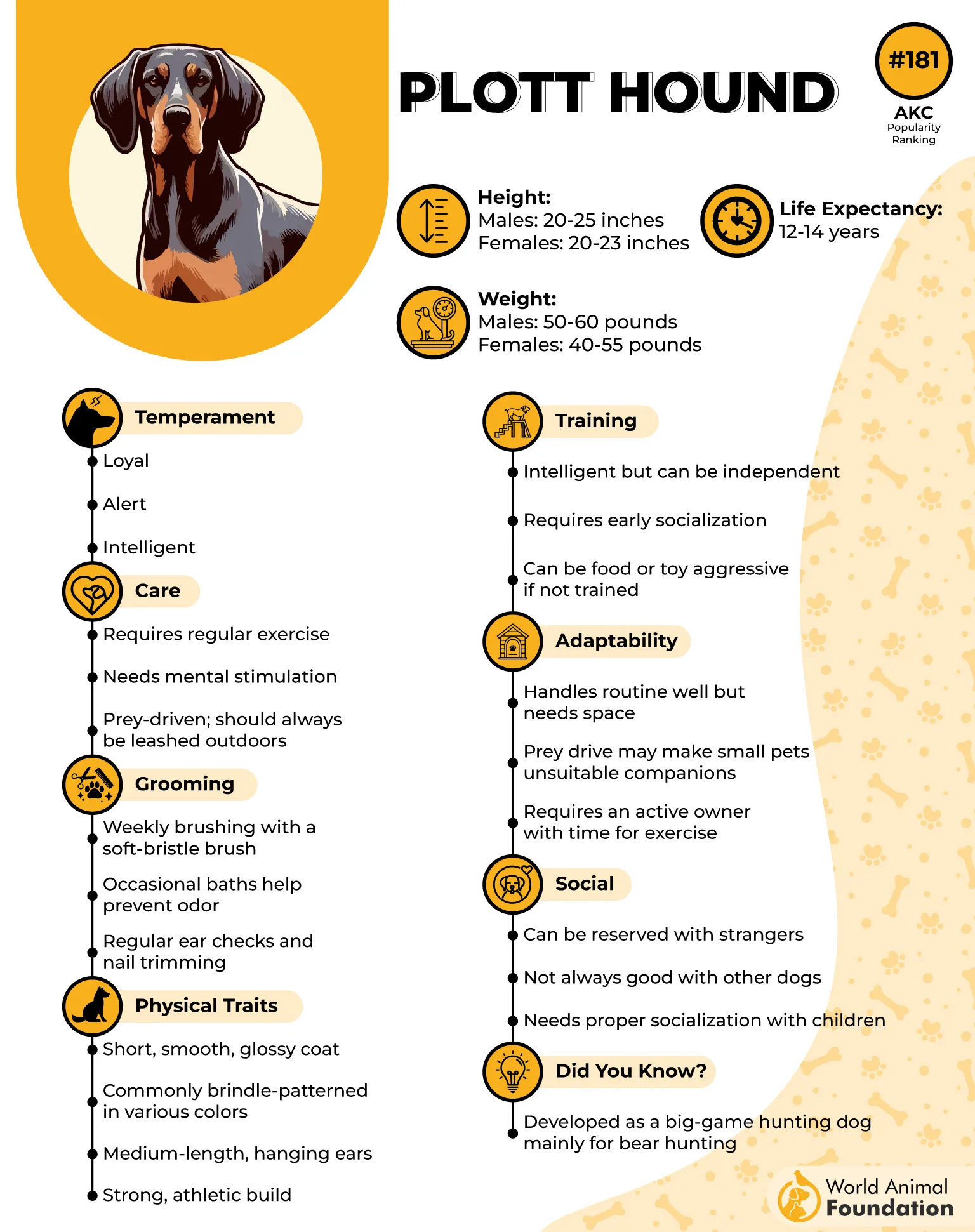
At home, this breed needs ample exercise and consistent mental stimulation to stay balanced and content. Its courage, curiosity, and strong prey drive mean it will readily chase smaller animals such as cats, rabbits, and squirrels, making leash training and securely fenced yards essential parts of responsible ownership.
3. Dogo Argentino
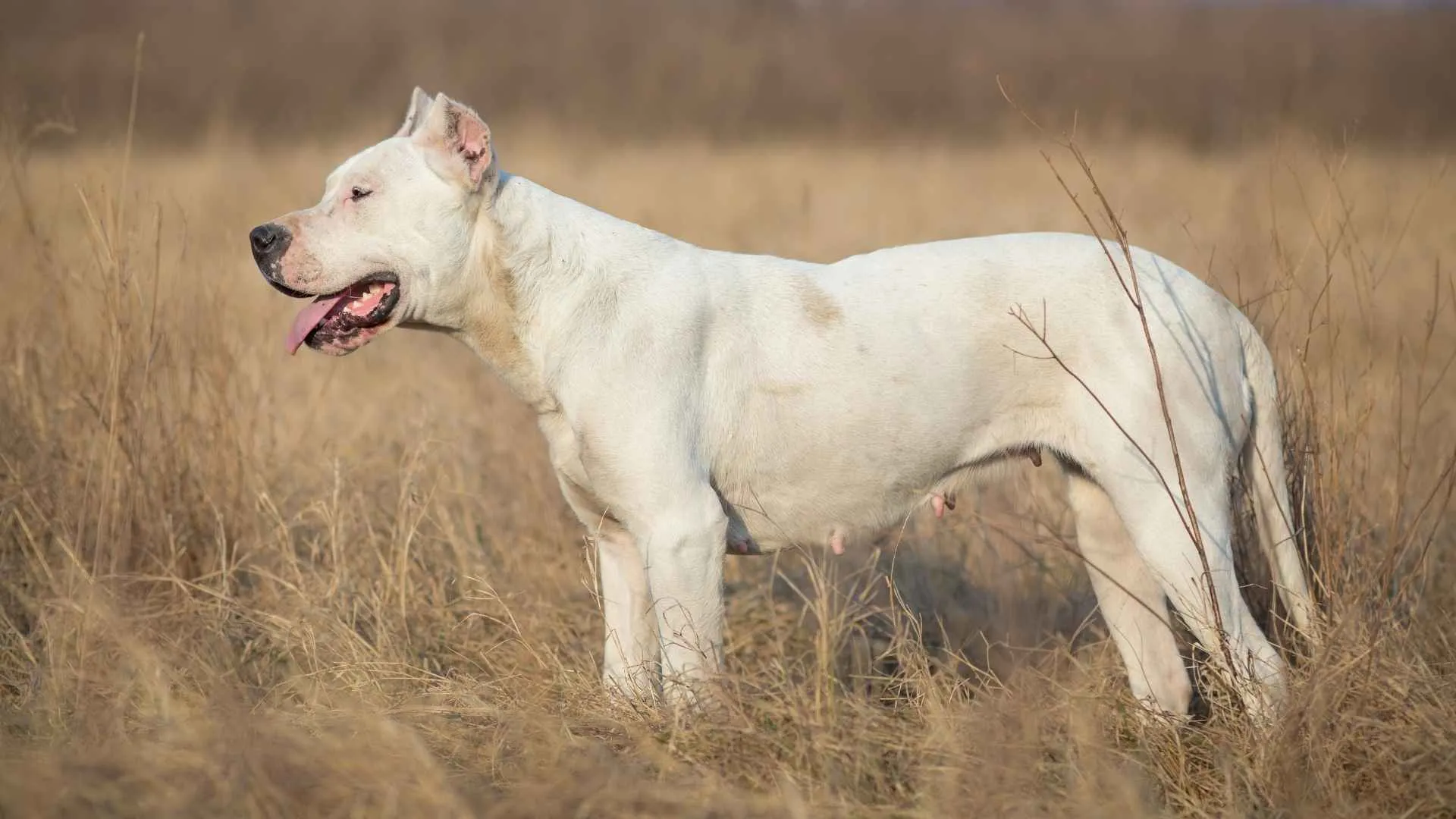
The Dogo Argentino was specifically developed for wild boar hunting; a demanding role that shaped it into a hardy, powerful breed with a formidable bite force. Originally bred in Argentina in the 1920s to pursue big game, it remains relatively rare across the United States but has found a strong following in Texas.
What sets the Dogo Argentino apart in the field is its precise hunting method. It locates hogs using its powerful sense of smell, then moves in to catch the boar by the ear, immobilising it and preventing the dangerous swinging motion that poses serious injury risk to hunters. This controlled hold gives hunters the opportunity to move in safely and make the final dispatch.
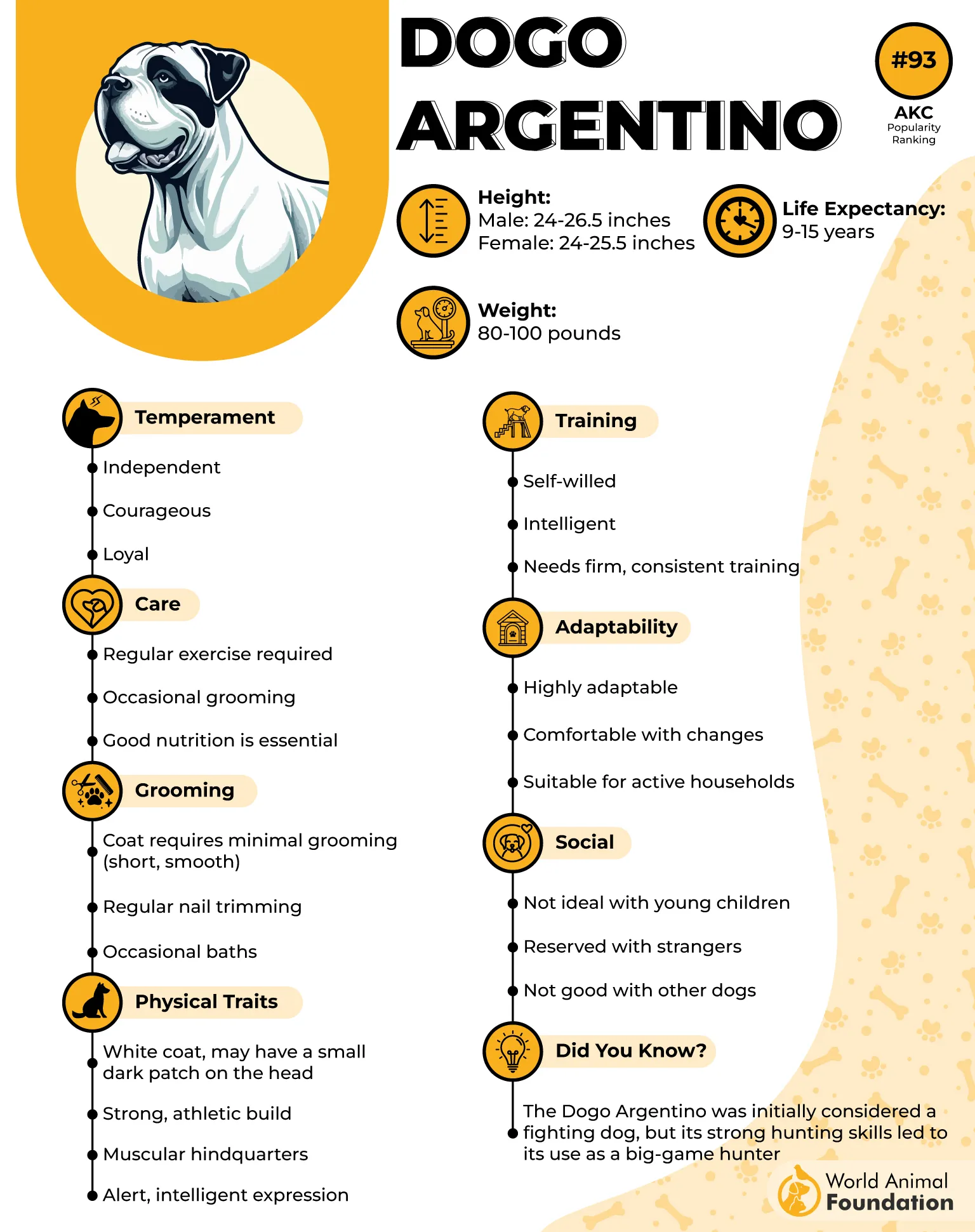
Beyond the field, the Dogo Argentino is a deeply loyal companion with high energy levels that need consistent, purposeful outlets. Regular physical activity and outdoor adventure are essential for this breed, making it best suited to active households that can match its drive and dedication.
4. Bloodhound
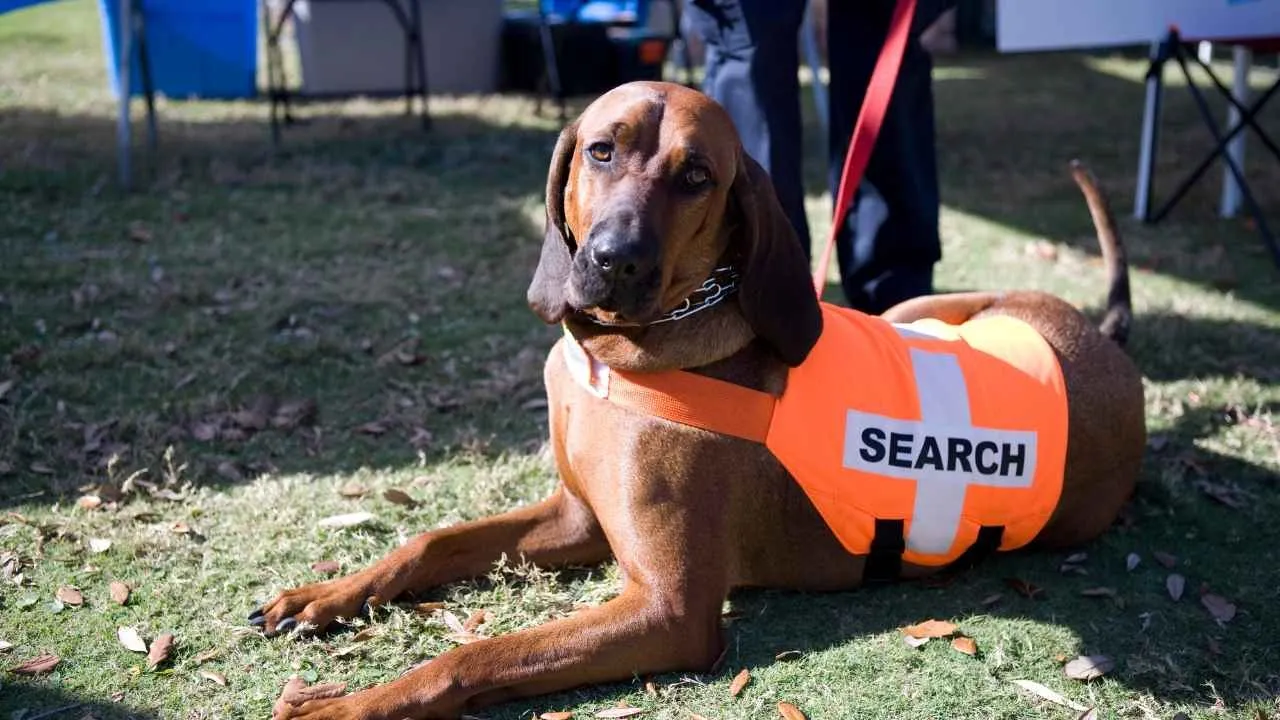
The Bloodhound’s history stretches back to Medieval times, when its ancestors were prized for their hunting skills across wild boar, deer, and even human tracking. That legacy of precision and persistence has carried forward; today, the Bloodhound holds a well-earned reputation among law enforcement agencies and search and rescue teams worldwide.
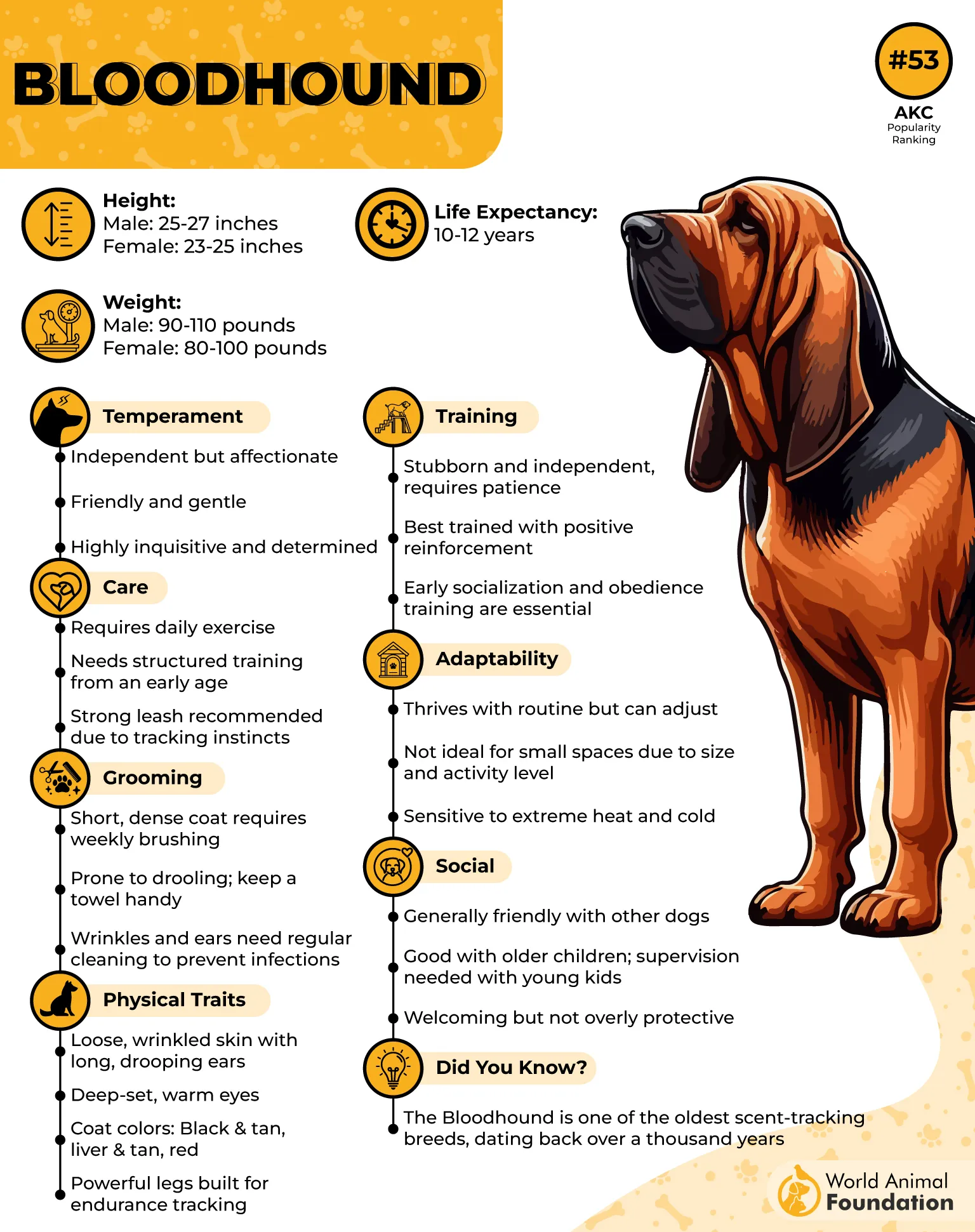
According to PetMD, the Bloodhound’s exceptional tracking ability is as powerful at home as it is in the field, meaning any interesting scent can send it into full pursuit mode without warning. Without proper outlets for that energy and instinct, this breed can become significantly destructive.
As a bay dog, the Bloodhound comes equipped with a naturally loud, carrying bark and a deeply ingrained chase instinct, making secure fencing and attentive supervision essential at home. Its large frame also means it needs generous space to move and rest comfortably, making it a poor fit for apartments or compact living situations.
5. Black Mouth Cur
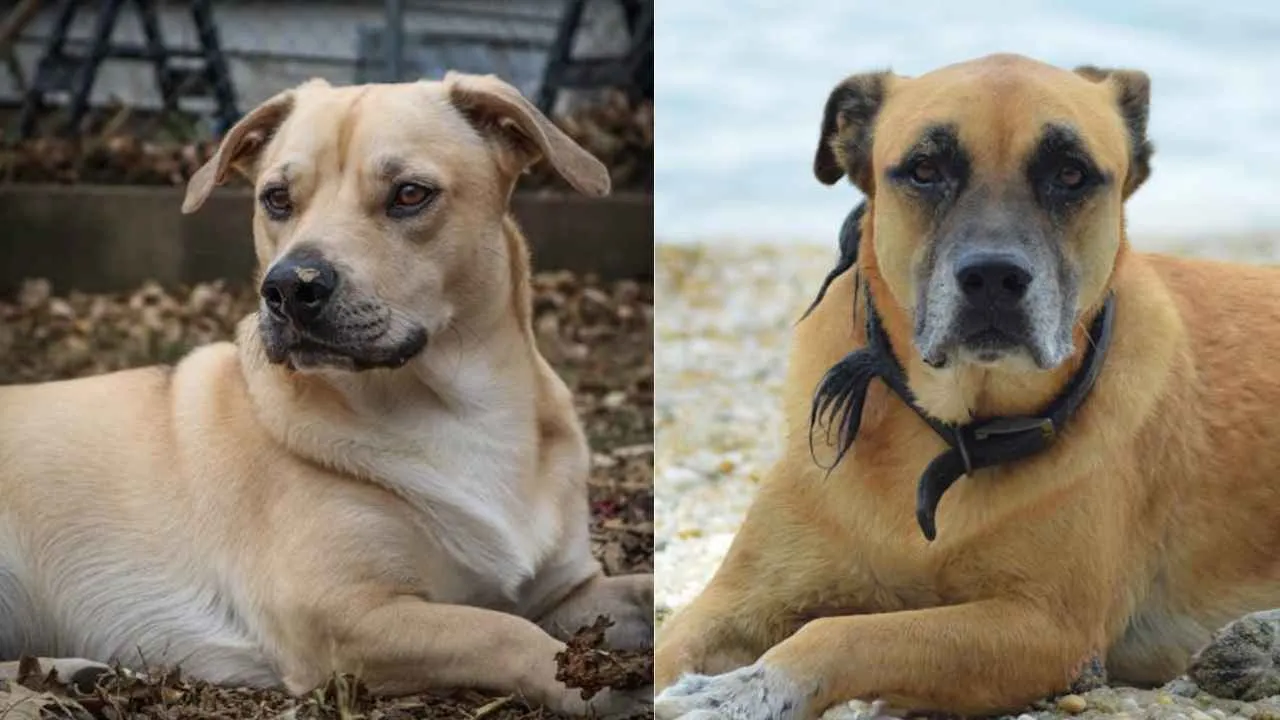
The Black Mouth Cur has a long history as a versatile working dog, used extensively for wild boar hunting, livestock herding, and the protection of its owners. The term “Cur” itself refers to a breed carrying the genes of multiple dog types rather than a single purebred lineage, a background that has produced a hardy, capable, and adaptable working animal.
Beyond their reputation as reliable hog dogs and hunting dogs, Black Mouth Curs are gaining recognition as family companions, particularly in active households where movement and outdoor engagement are part of daily life. In the field, they are capable catch dogs, and if hunters do not arrive in time, they will not hesitate to dispatch the target themselves.
According to CKCUSA, the breed’s short coat requires minimal grooming and is straightforward to maintain. With high endurance and a natural drive to work tirelessly, the Black Mouth Cur is an excellent match for people who enjoy outdoor pursuits such as hiking, hunting, running, and swimming.
6. Weimaraner
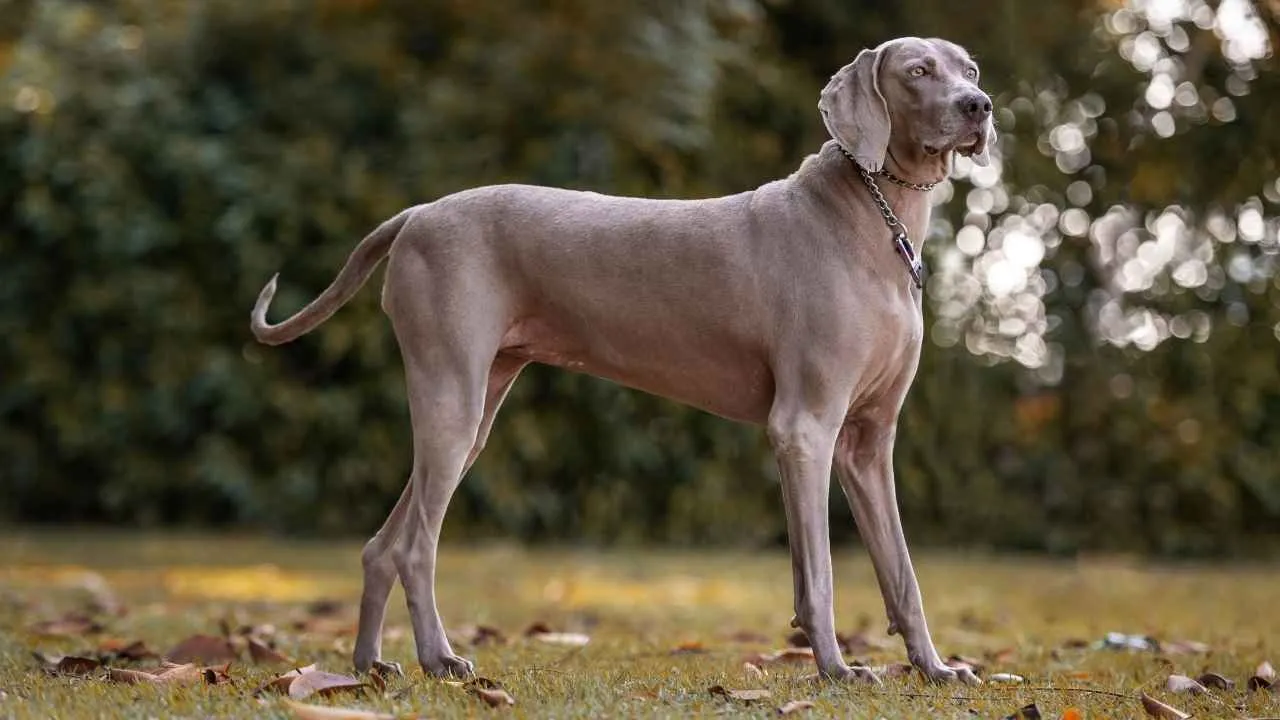
Originating from the dense forests of Germany, the Weimaraner was initially developed to hunt large game such as deer and bear. Its natural instincts, combined with a courageous and driven personality, make it one of the most capable and intelligent hunting breeds on this list.
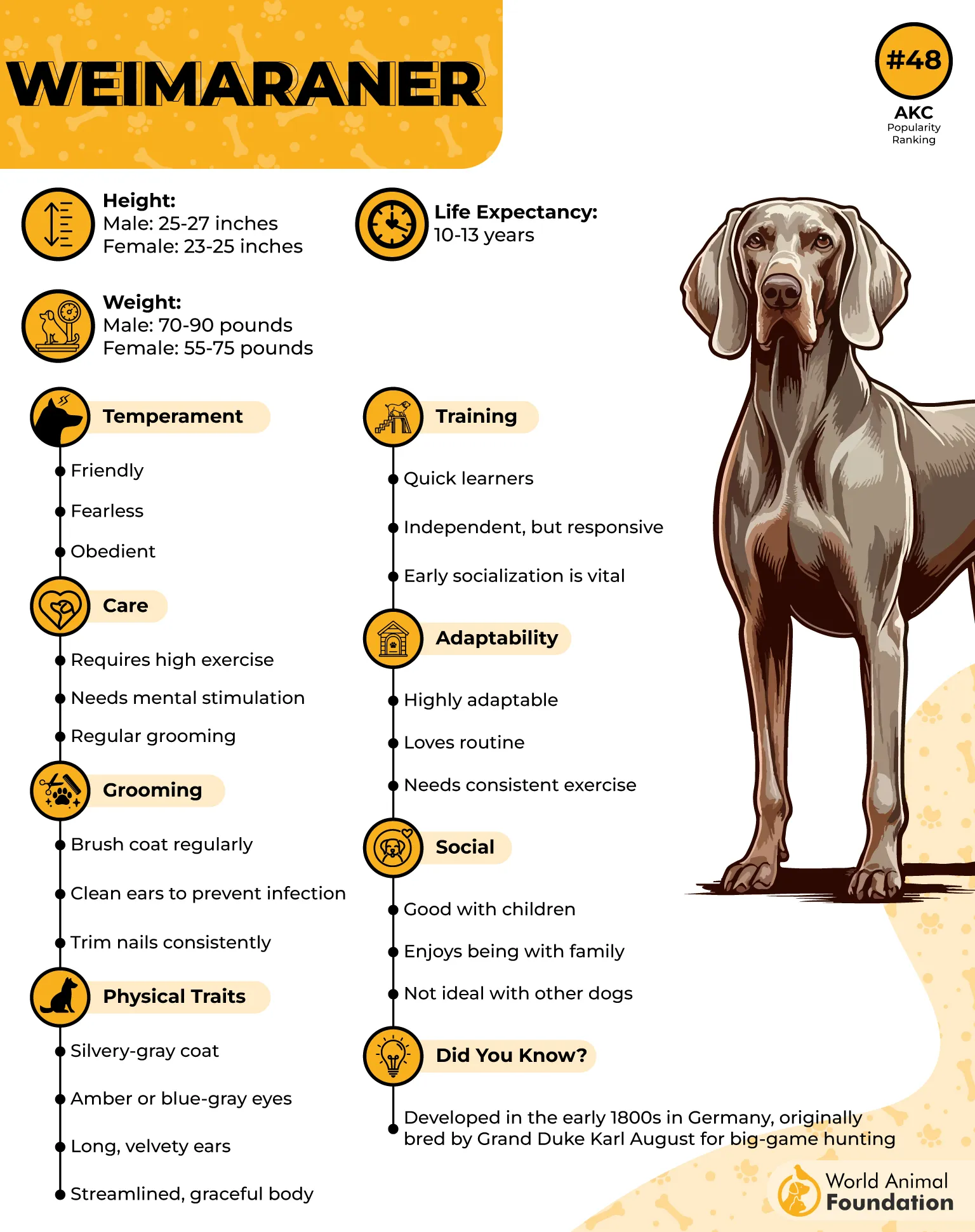
Often called the “Grey Ghost” for its striking silver-grey coat, remarkable speed, and fluid agility, the Weimaraner is as elegant as it is effective in the field. Despite being a tireless worker outdoors, it is deeply affectionate with its family at home, and according to the AKC, it can develop significant separation anxiety when left alone for extended periods.
Today the Weimaraner is more commonly used for tracking and pointing small game than for wild boar hunting. Smart and eager to please, it responds well to training, but its high energy levels and independent streak make it a challenging fit for first-time dog owners.
7. Bluetick Coonhounds

The Bluetick Coonhound combines a powerful nose, impressive endurance, and sharp tracking intelligence to make it one of the most effective bay dogs in wild boar hunting. That said, because of the speed and strength required to physically catch feral hogs, hunters typically work Blueticks alongside catch dogs better suited to that role.
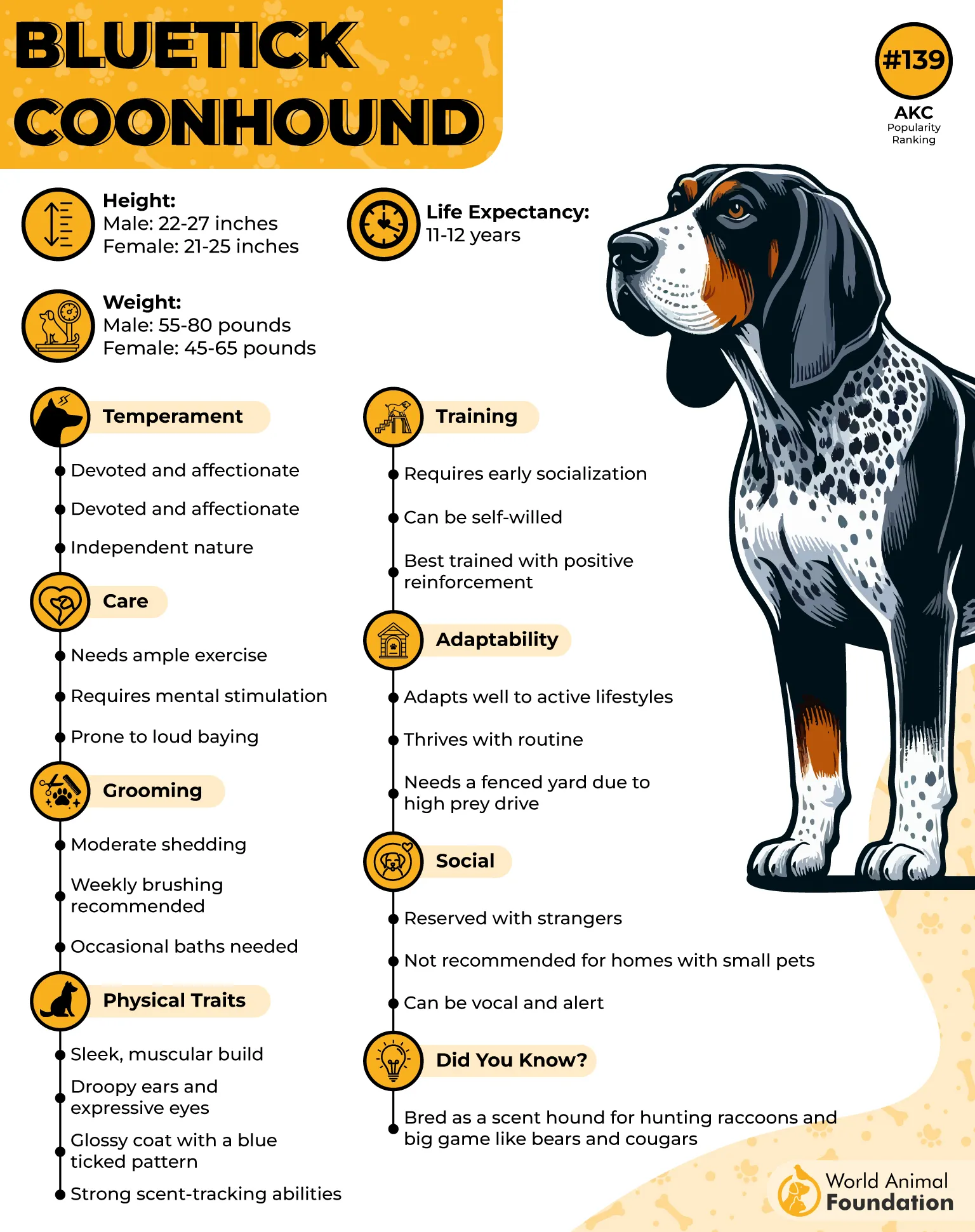
Bluetick Coonhound enthusiasts are fiercely devoted to the breed, but it is not an easy dog to handle. Given sufficient space, consistent physical activity, and regular mental stimulation, it is a wonderful home companion. Early training and socialisation are essential, however, and should not be overlooked.
Like most hounds, the Bluetick is hardwired to follow its nose the moment an interesting scent crosses its path, making reliable leash training a necessity. It is also prone to loud, persistent baying; a trait that makes it a poor fit for apartment living or densely populated neighbourhoods where noise is a concern.
Conclusion
Dog breeds with strong tracking abilities play a vital role in wild hog hunting, where precision and persistence are everything. Using their highly developed sense of smell, the best hog dogs can locate a target even when scent trails are faint or days old.
Combined with exceptional stamina and focused drive, they become indispensable working partners in the field and a critical part of managing wild boar populations effectively.
