




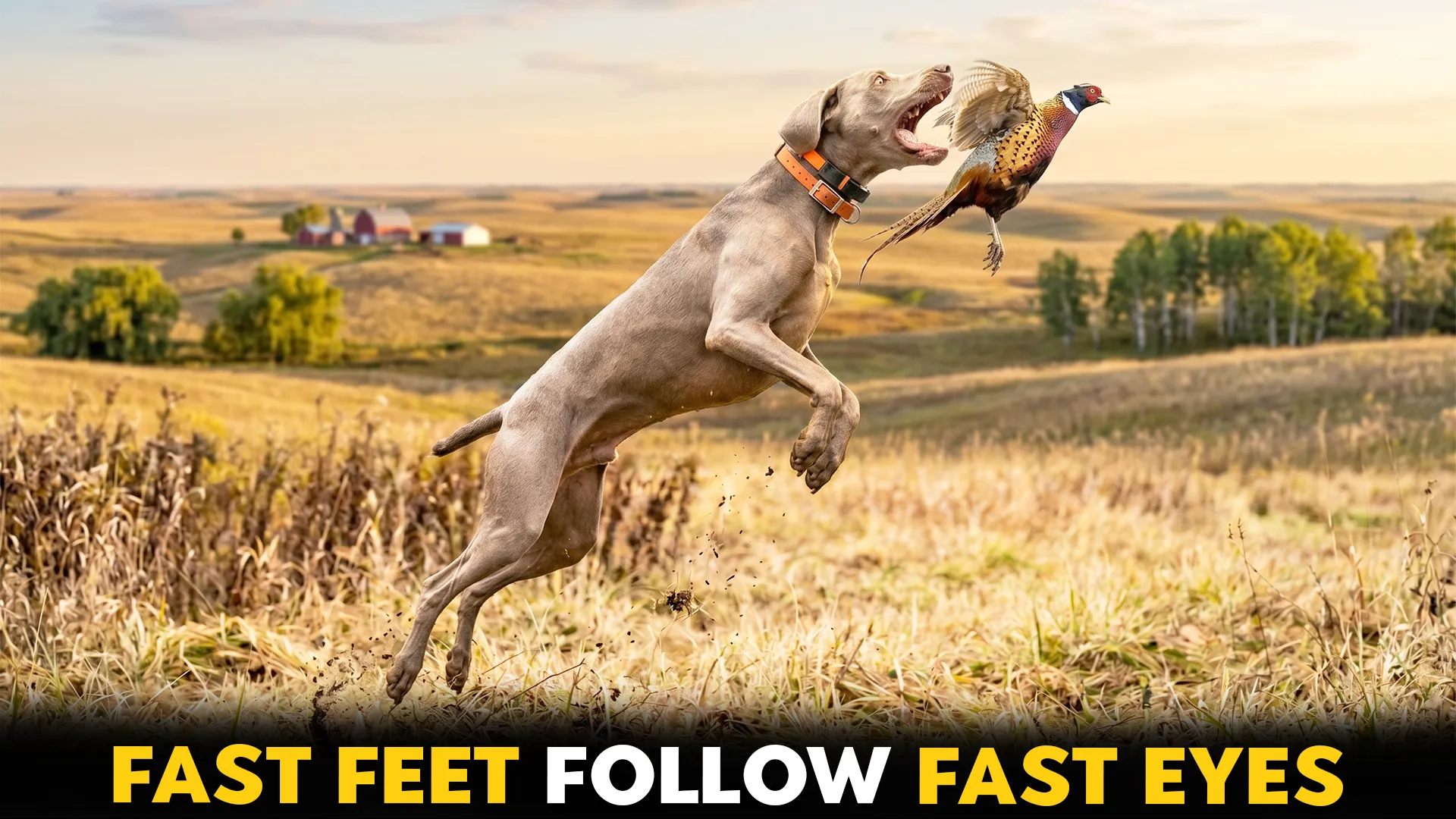
Why chase?
Why sprint?
Why lock eyes and run?
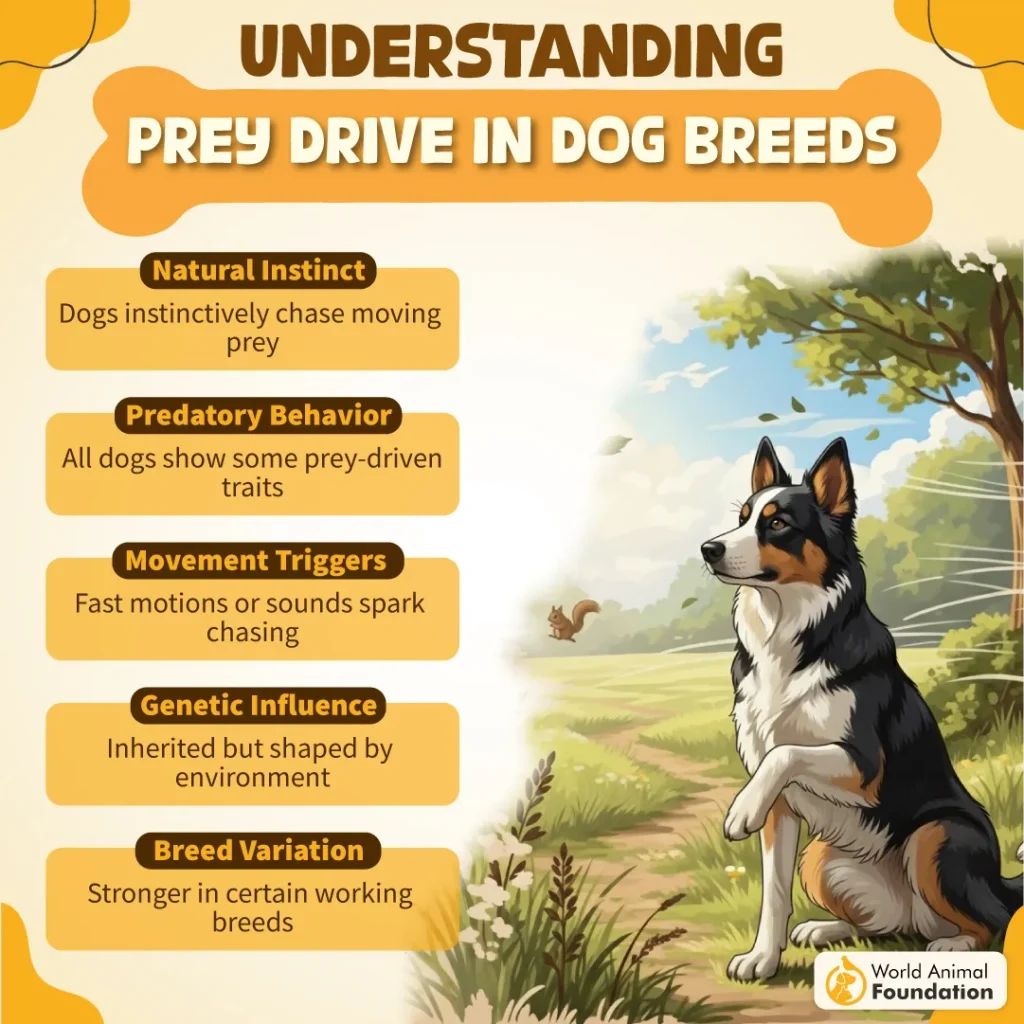
Dogs do this for a reason—it’s instinct. Many hunting-driven breeds experience it every day. They spot movement, freeze, and then chase. This natural sequence is called prey drive. It comes from their wild ancestors and was essential for survival.
The prey drive follows a simple pattern: Spot → Stalk → Chase → Catch. Sometimes it may include a grab bite or a kill bite. You might notice your dog chasing squirrels, birds, or fast-moving toys. These are all normal prey drive behaviors.
According to the American Kennel Club, prey drive is natural in all dogs. It isn’t learned—it’s bred into domesticated breeds. Some dogs have a strong prey drive, while others remain calm around small animals or cats.
This instinct can lead to playful and exciting moments—but it can also create risky situations. So how can you manage it safely? Let’s explore.
Dog Breeds Driven to Hunt – High Prey Drive Explained
Here we go, one by one.
1. Vizsla
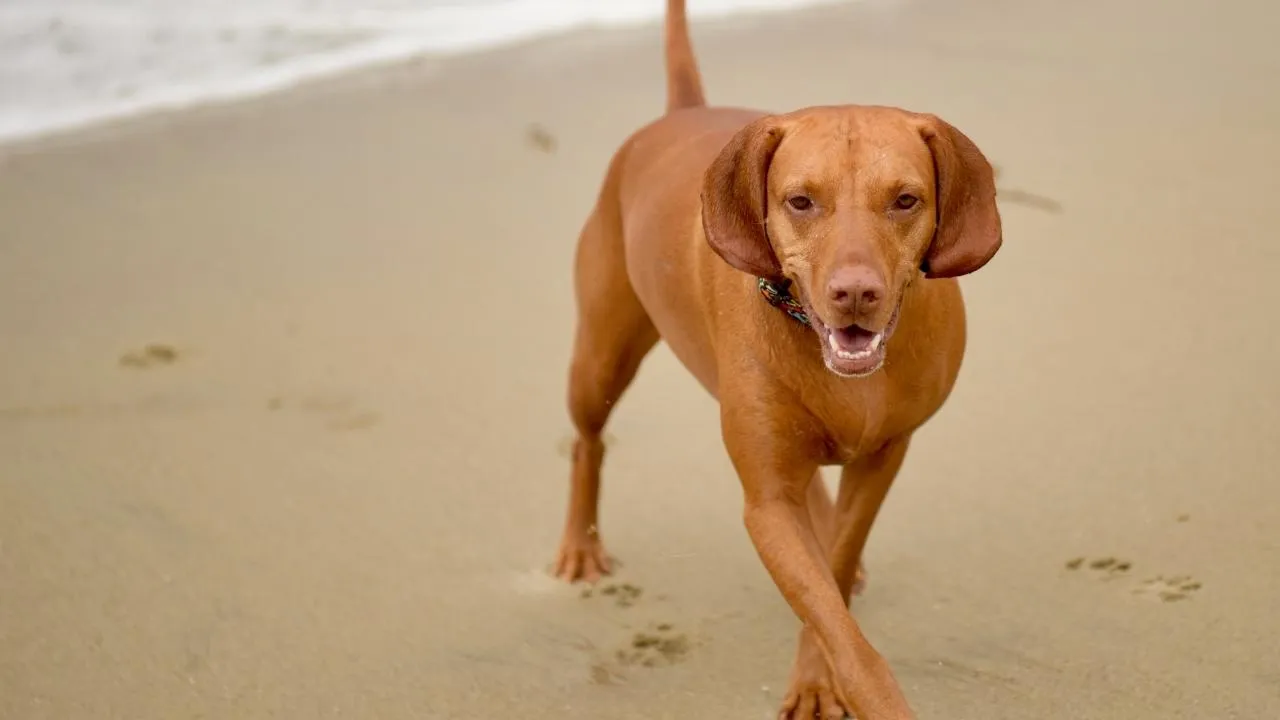
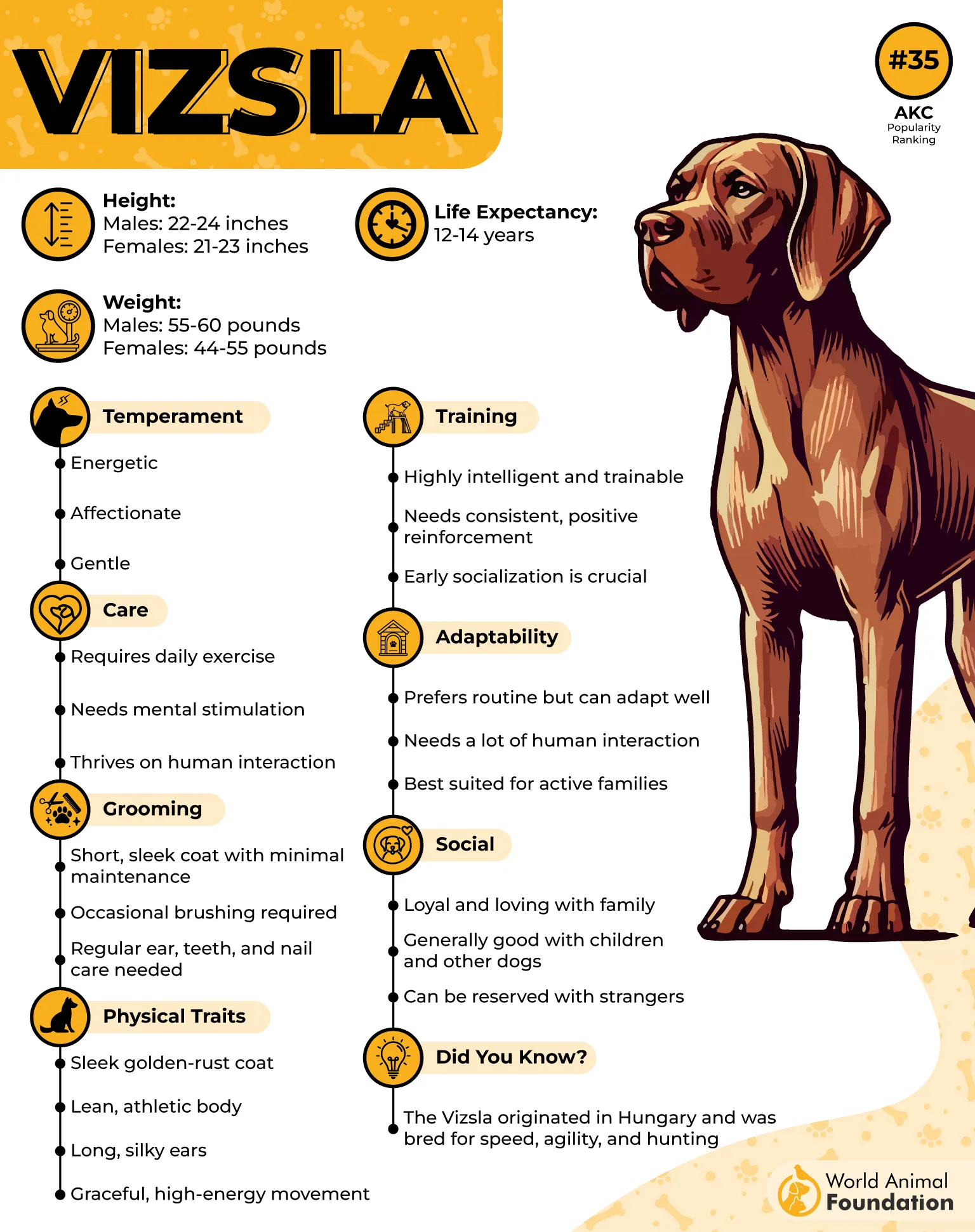
The Vizsla stands out among high-prey-drive dogs for its endless energy and strong work ethic. This Hungarian gun dog was built for action in the field. It thrives when given a job to do. According to PetMD, Vizslas are one of the oldest hunting breeds, which explains their deep-rooted instincts.
Their sharp noses support strong tracking abilities, helping them follow scent with focus. When they notice moving animals, their bodies react fast. This makes them quick to respond to small prey in outdoor spaces.
Needs daily outdoor work, like running or field exercises
Benefits from structured routines to stay balanced
Enjoys activities that challenge both body and mind
Should spend time in safely enclosed, open spaces
Responds well to guided tasks that use natural instincts
Without enough activity, this breed may develop strong chase behavior at home. It may react to fast movement, even from toys or shadows. That is why mental stimulation matters just as much as exercise.
Owners should play games like fetch or scent trails to keep focus steady. These safe outlets help control energy and reduce risk. With the right routine, the Vizsla becomes a focused and reliable hunting companion.
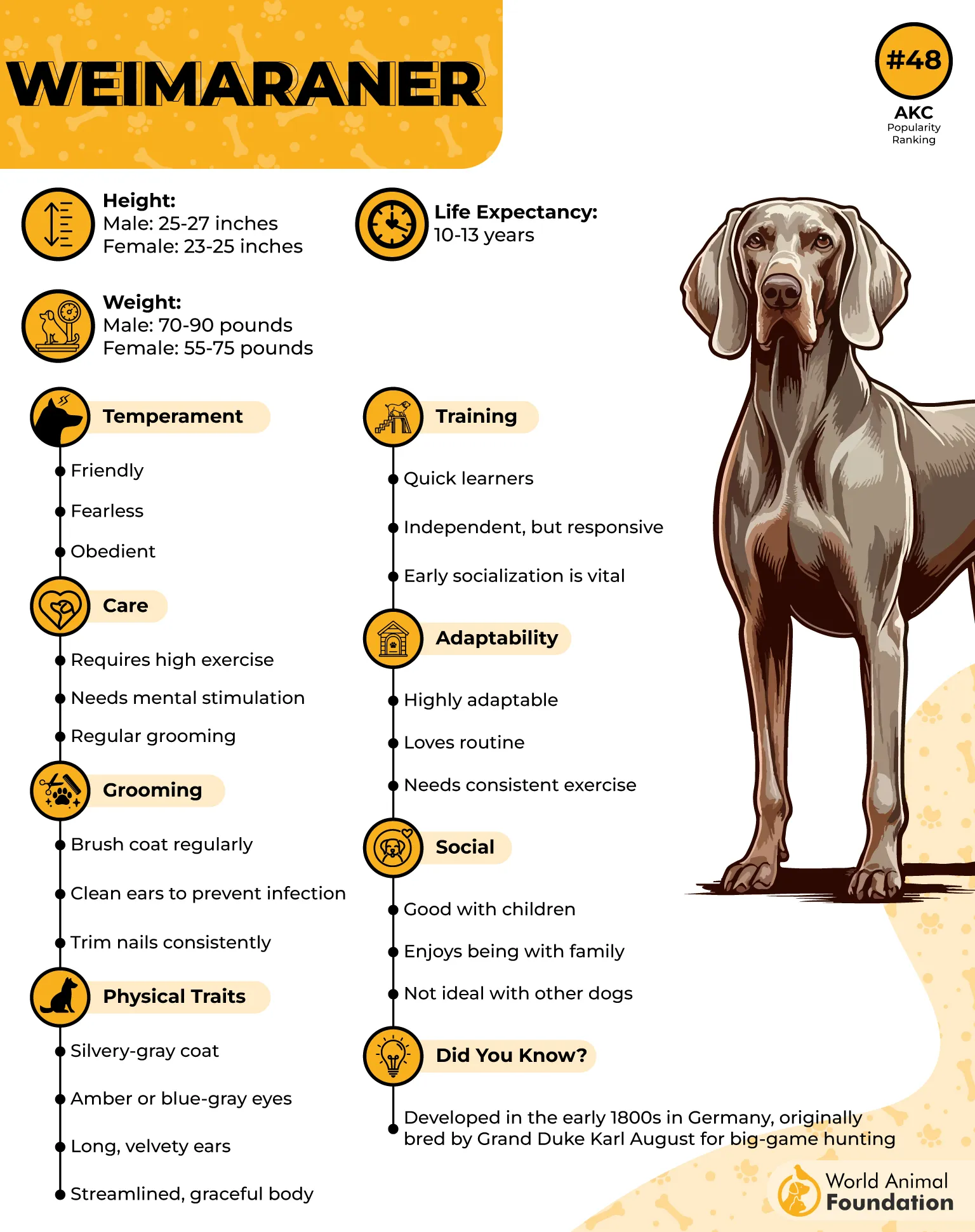
2. Weimaraner
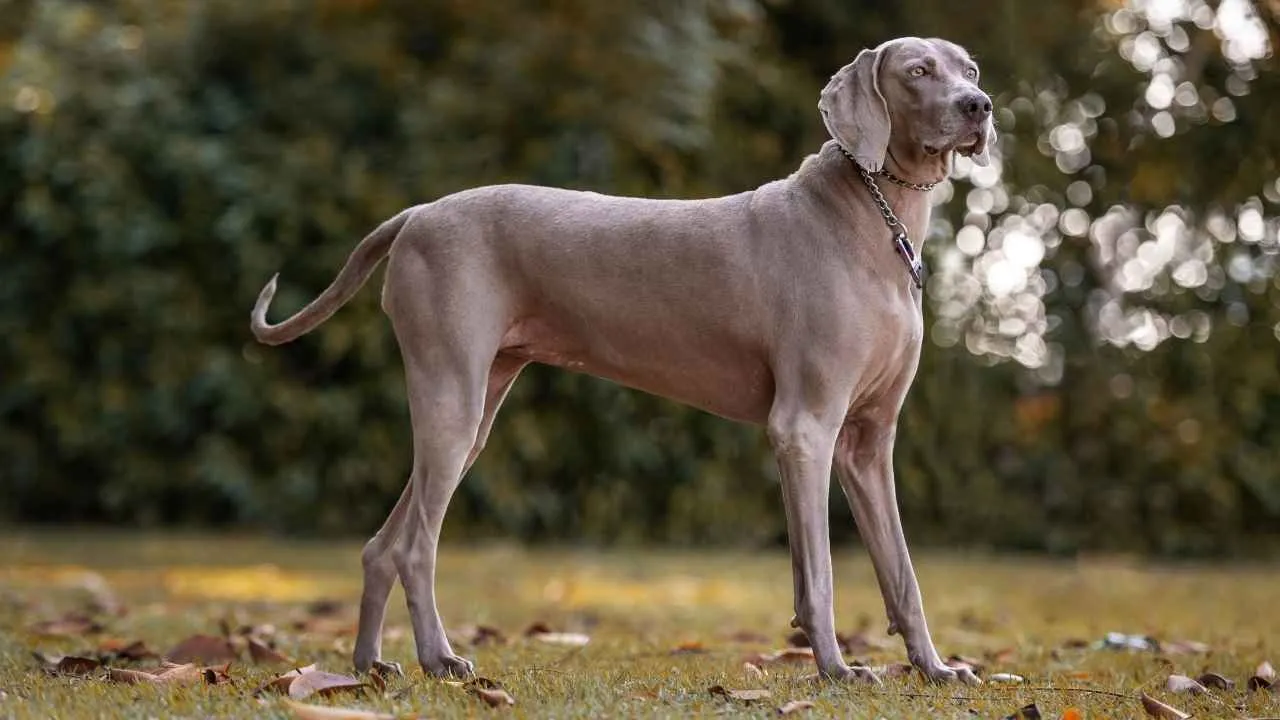
The Weimaraner has a rich past shaped by hunting work and purpose. This German breed was developed to hunt both large and small animals with skill and control. According to Wikipedia, it is an all-purpose gun dog of medium to large size.
Hunters valued these dogs for their sharp vision and steady focus in the field. Their sleek gray coat and loyal nature also made them popular for other uses beyond hunting. With an intense prey drive, they stay locked into the predatory sequence from the moment they spot movement.
Bred to assist hunters in tracking and retrieving game
Known for spotting motion quickly during outdoor work
Performs best when given structured tasks with clear direction
Needs controlled environments for safe exploration
Requires early guidance to stay focused on distractions
These instincts often appear in daily dog behavior, especially during walks or outdoor time. A sudden movement can trigger the full sequence, leading to fast reactions. This can pose risks to nearby wildlife or smaller animals.
That is why using a leash is important in open spaces. Owners should also rely on securely fenced areas to allow safe activity. With proper control and training, this breed stays balanced while still honoring its hunting roots.
3. Greyhound
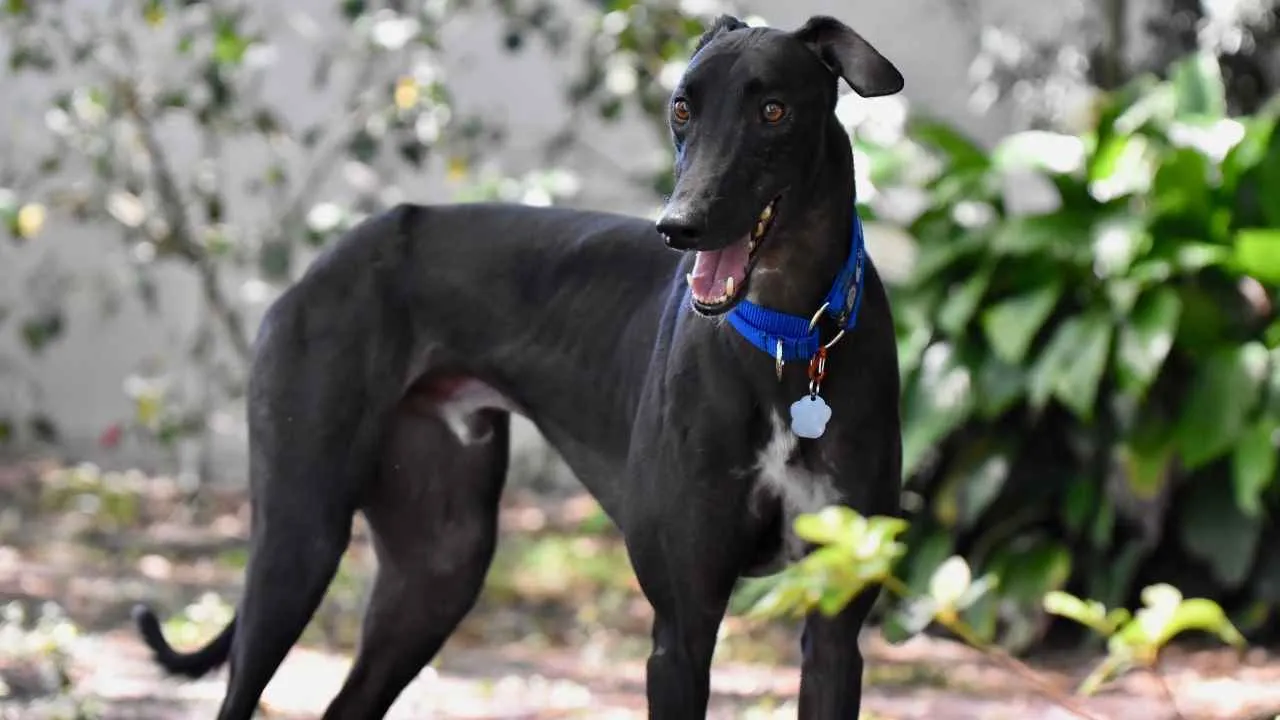
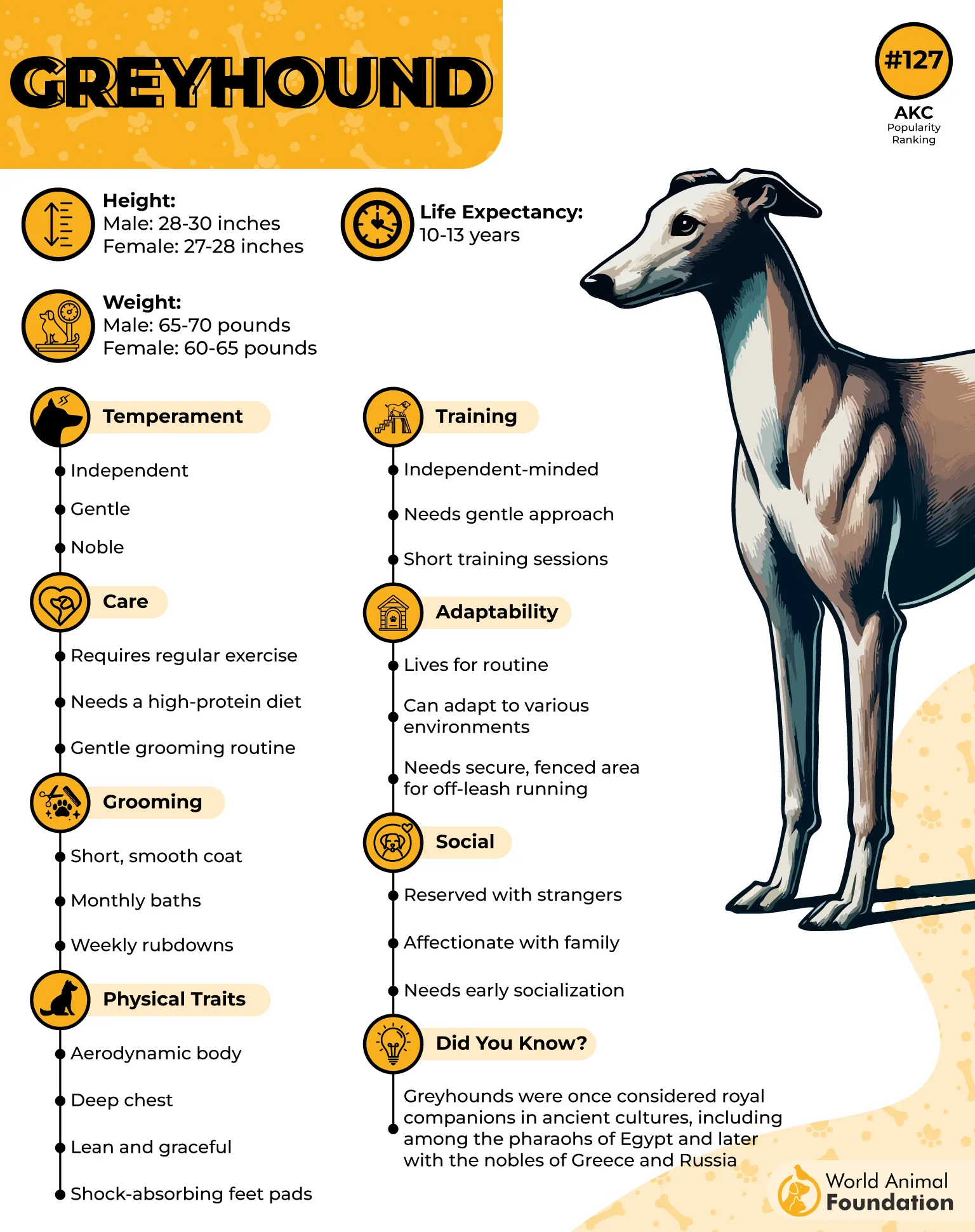
The Greyhound is built for speed and sharp sight, making it a true example of prey drive in dogs. This ancient and noble breed has long worked in the field, using its vision to track fast-moving targets.
According to Britannica, Greyhounds were used to pursue hares and later became known for racing, chasing a mechanical rabbit. Their role in lure coursing shows how strong their instincts remain today.
As a high-prey-drive breed, they react quickly to motion and often lock into the hunting sequence within seconds.
Competes in organized sports
Uses eyesight instead of scent to follow fast targets
Reacts instantly to movement in open environments
Needs controlled outlets to channel natural instincts
Performs best with structured training and guidance
This strong instinct can lead to sudden chase behavior, especially around small creatures or fast-moving objects. During a chase, they may ignore commands and focus only on the target.
This can pose risks to other animals in public spaces. Owners should use a long line during outdoor time and stick to fenced areas for safety. With the right balance, Greyhounds’ speed and grace become a joy to watch while staying under control.
4. Rhodesian Ridgeback
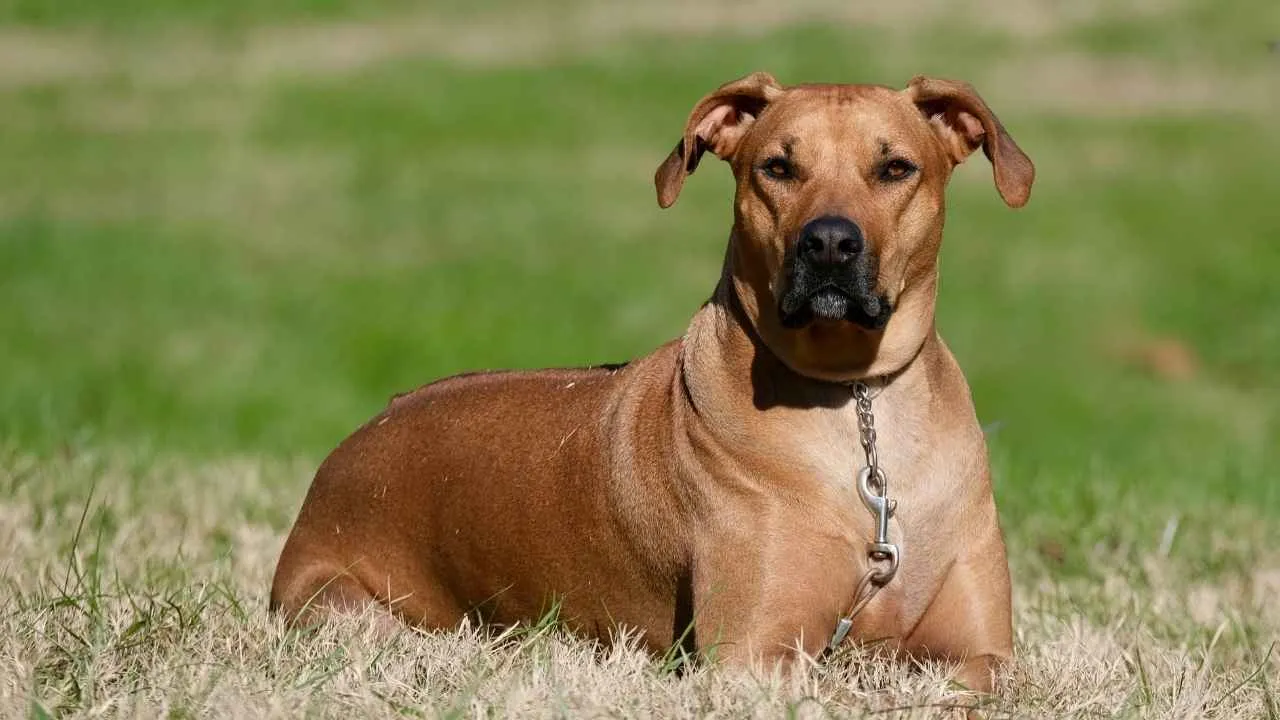
The Rhodesian Ridgeback stands among powerful, high-prey drive breeds known for strength and protection. This athletic dog was developed to hunt large prey and guard homes with confidence.
According to Hill’s Pet Nutrition, it was bred to hunt and also serve as a loyal family protector. Its unique ridge and bold nature reflect its deep working roots. A strong prey drive in dogs makes them quickly spot prey and act on their natural instincts.
Bred to track and confront large, dangerous animals
Shows confidence when facing unfamiliar situations
Needs firm leadership to guide strong decision-making
Requires early structure to build control and balance
Responds best to consistent routines and direction
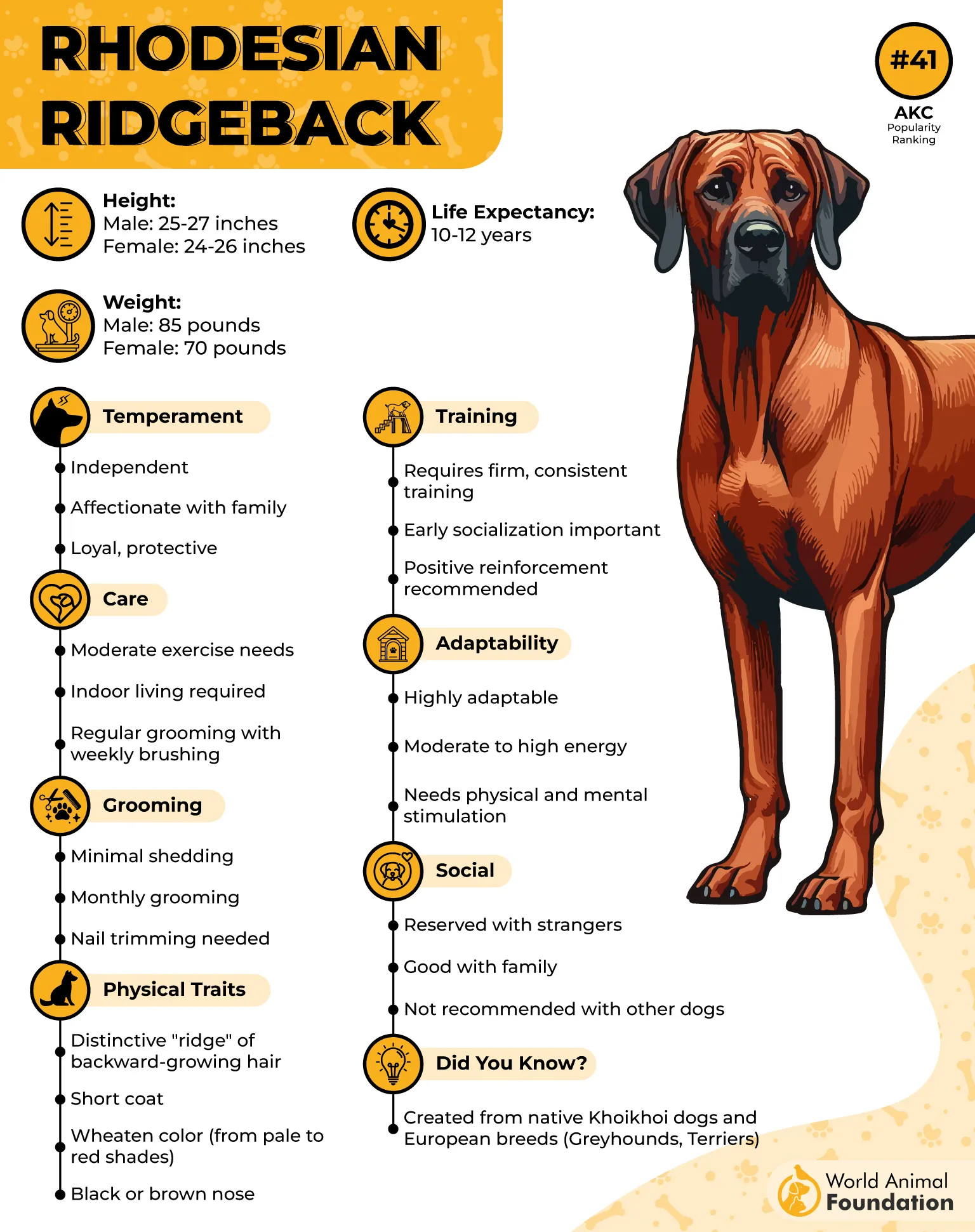
This breed’s natural ability can lead to fast chase reactions, especially around cats or unfamiliar animals. It may also show dominance toward other dogs if not guided early.
Once it locks into the hunting sequence, it becomes highly focused and hard to interrupt. That is why owners must learn to manage behavior in open or uncontrolled spaces. With proper training and leadership, these dogs become both strong protectors and steady companions.
5. Borzoi
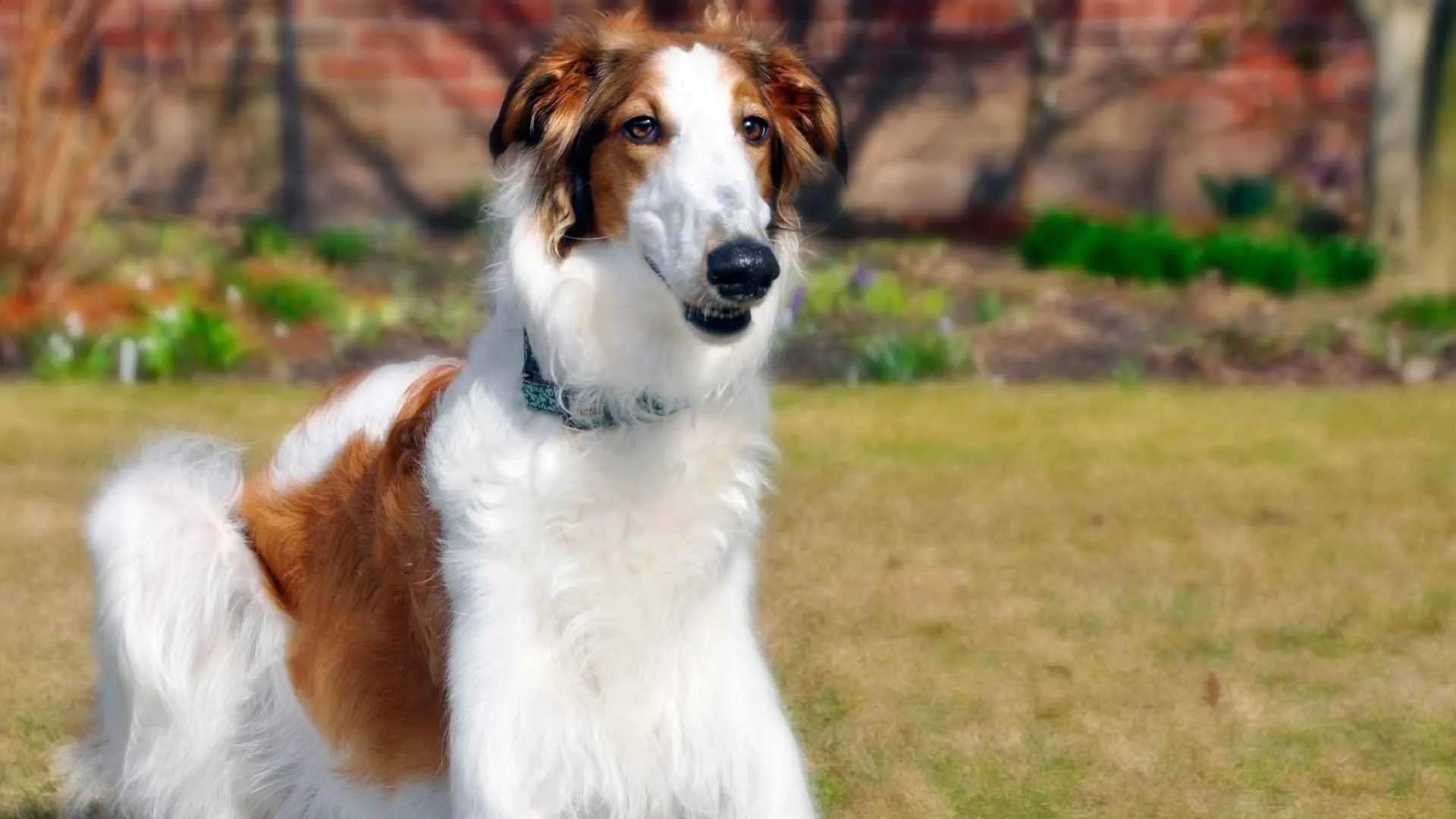
The Borzoi is a calm yet powerful sight-hunting breed built for speed and focus. This elegant breed relies more on vision than on scent, making it a true high prey-drive breed shaped by both instinct and control. It can quietly stalk before bursting into a run when it spots prey from a distance.
Historically, it was even used for wolf hunting and was known as the Russian Wolfhound until 1936. The dog’s prey drive is evident when it locks onto potential prey, such as moving objects in open space.
Keep walks on a secure leash in open areas
Use long lines for safer outdoor freedom
Avoid off-leash time near squirrels or birds
Practice recall training in quiet environments
Reward calm behavior during movement triggers
Redirect attention before the chase begins
Use fenced areas for safe running time
Provide structured exercise to reduce chase urges
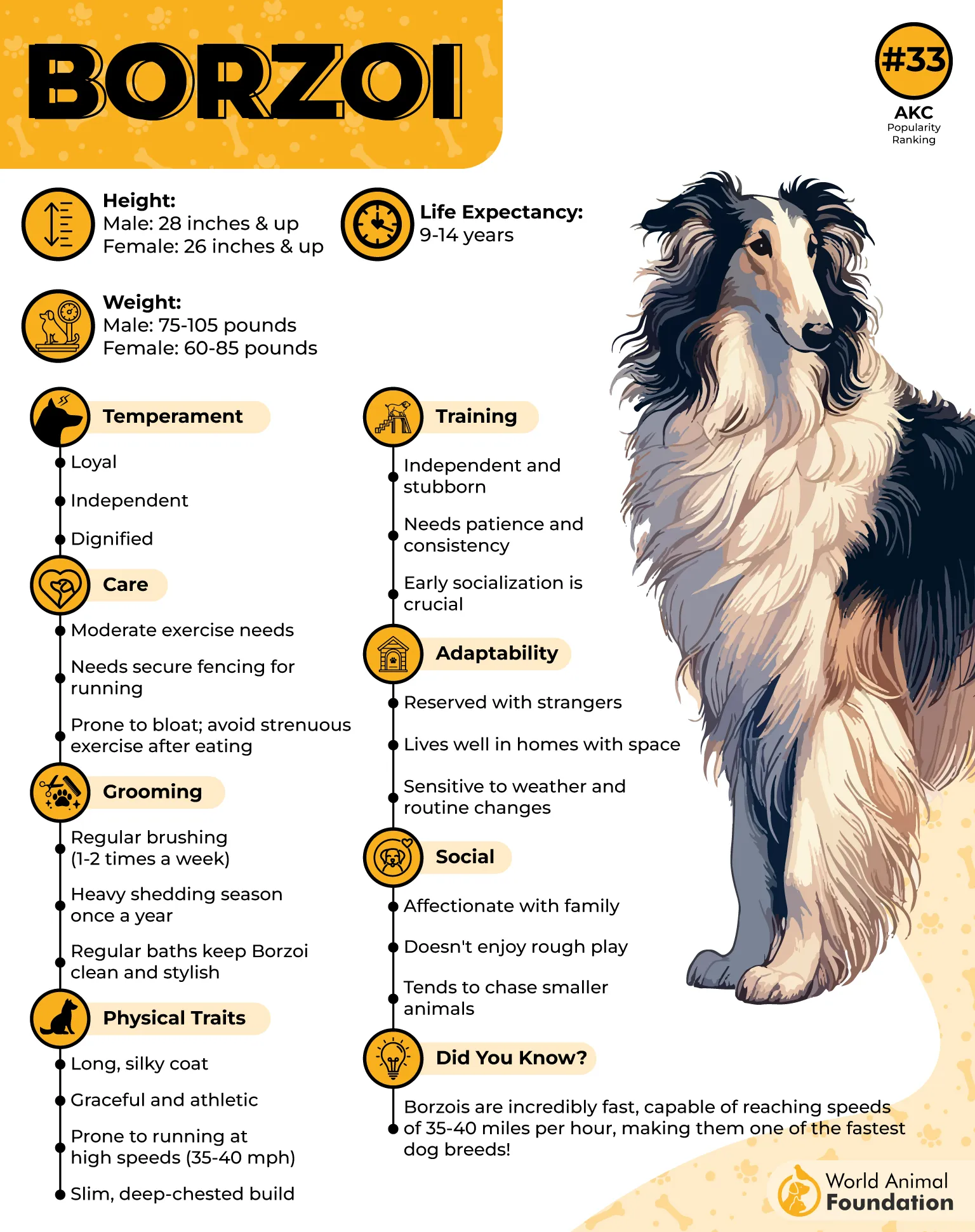
According to Purina, Borzois can live peacefully with kids and even small dogs they see as family. However, they remain naturally drawn to chase fast-moving furry other pets or wildlife. Their desire to follow movement is strong, especially when birds or squirrels appear.
Once the sequence begins, they may shift quickly from calm to chase mode. This reaction can lead them to try to catch moving targets, especially in open fields or uncontrolled spaces. That is why managing their instincts in a structured behavior box of training, space, and control is essential.
6. Pharaoh Hound
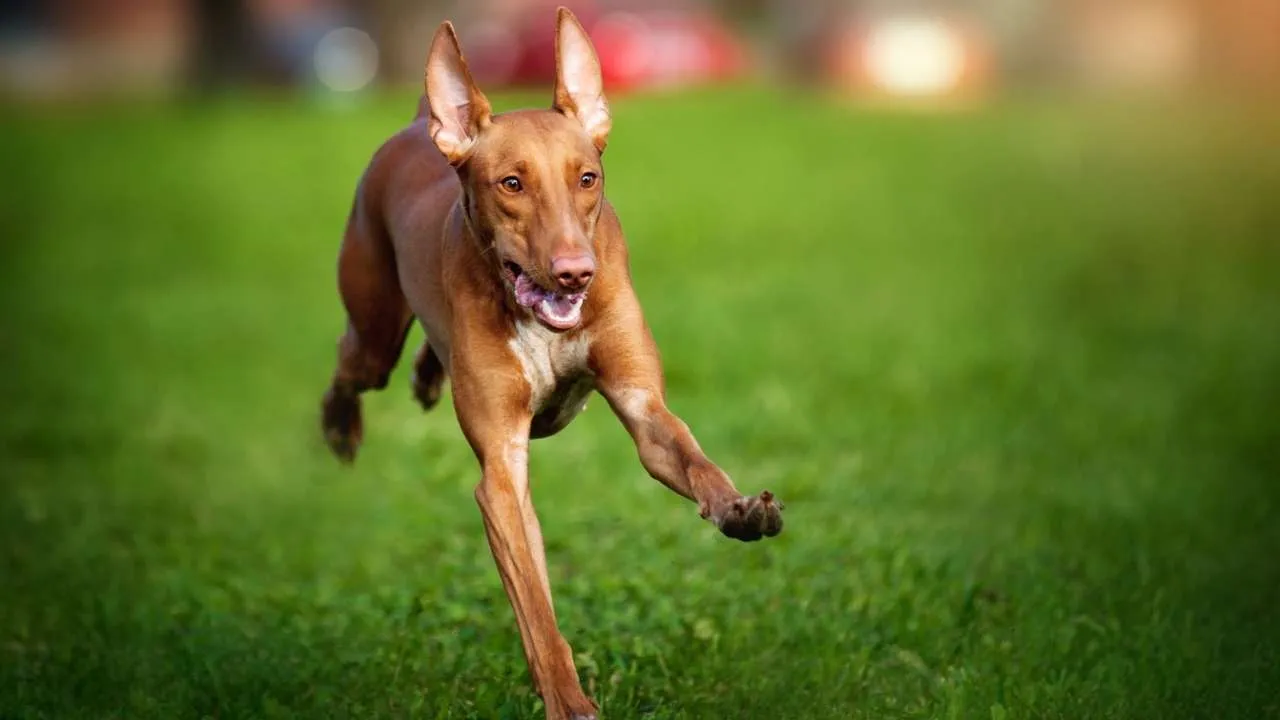
The Pharaoh Hound is an alert and highly intelligent hound known for its sharp senses and quick reactions. This elegant, high prey drive dog can detect movement through sight, scent, and even sound at close range.
When it notices prey, it instantly shifts into a focused predatory sequence, starting with a silent stalk followed by a strong desire to chase. Its attention becomes fixed, especially when other animals move nearby, showing how deeply its instincts are wired.
Needs daily walk routines in controlled spaces
Benefits from structured training and brain games
Responds well to toys that simulate chase movement
Should have safe outlets for energy
Requires early guidance around distractions outdoors
May vocalize when alert or sensing wild predators
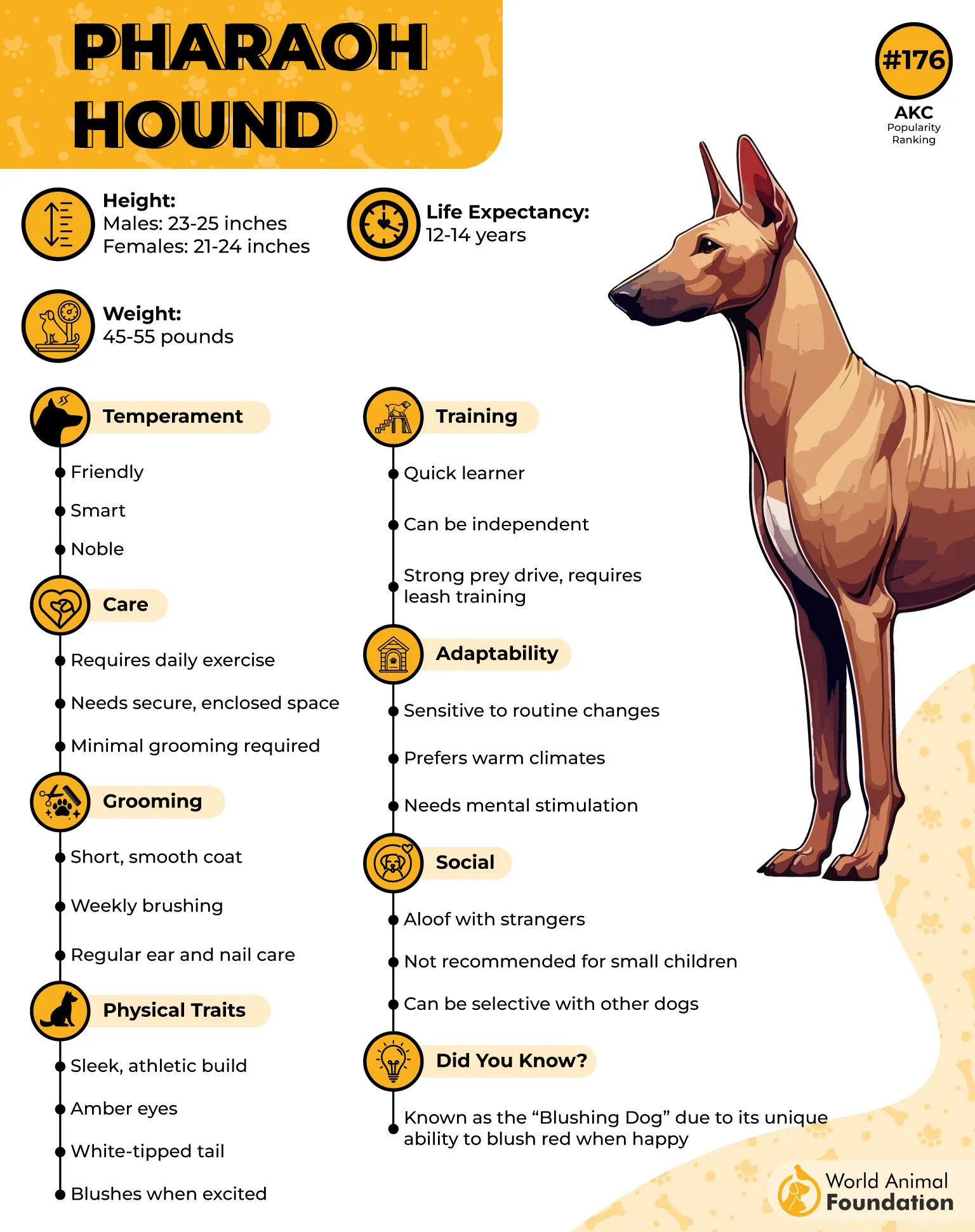
According to Royal Canin, the Pharaoh Hound is an ancient “blushing dog” of Malta, admired for its elegance, intelligence, and vigilance. It hunts using both scent and sight, and its hearing is highly tuned for short-range detection.
During excitement, it may even show a light bite instinct when engaging with fast movement or play. While some dogs may have a low prey drive, this breed stays highly responsive to motion and behavior changes around it.
Without appropriate outlets, its energy can build quickly, leading to unwanted chase reactions. Controlled training helps balance its natural instincts while keeping the dog’s prey drive focused and safe.
7. American Foxhound
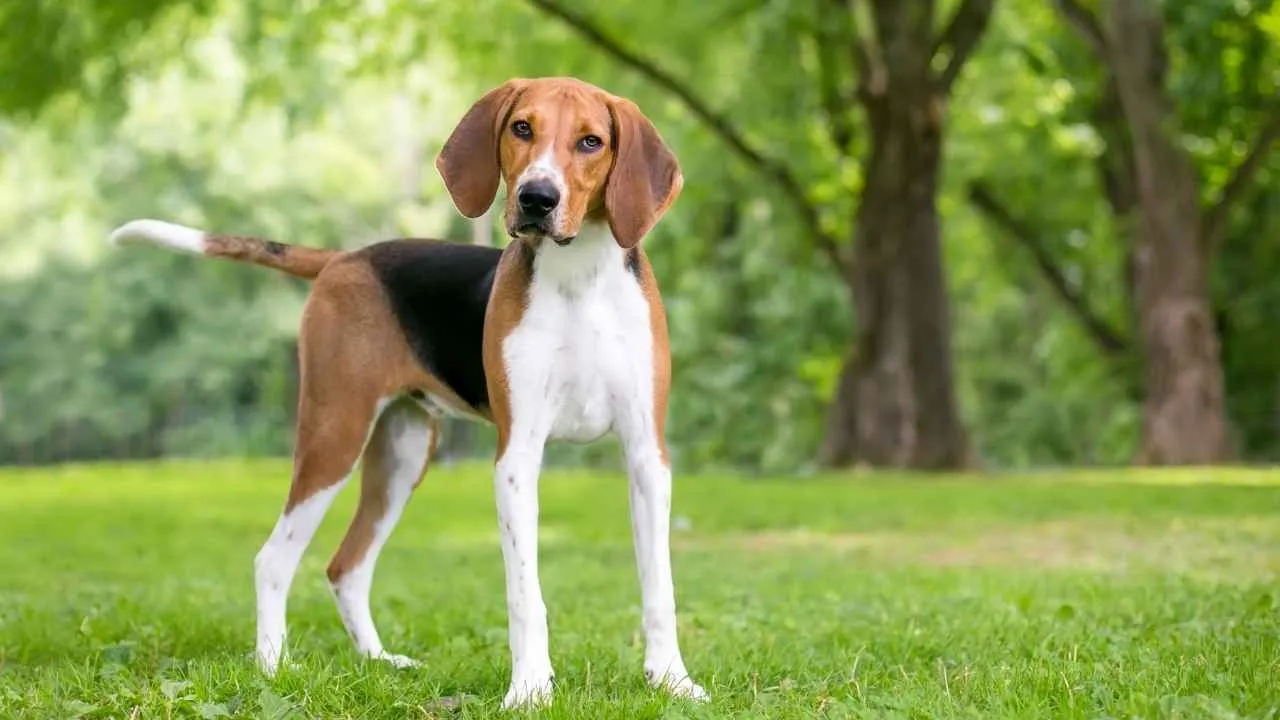
The American Foxhound is a classic scent-tracking dog breed built for endurance and teamwork. This high-prey-drive breed is known for following scent trails over long distances with incredible focus.
As part of domestic dogs developed for hunting, it often works in packs, using its nose to track prey such as deer across wide-open land.
The strong prey drive in dogs shows clearly when it locks onto a scent and refuses to break focus. This makes it useful in hunting, tracking, and even pest control work on farms, but it also requires careful management in everyday life.
Needs consistent training from the puppy stage
Benefits from structured scent-based games and exercises
Must have secure space or fenced “box” areas outdoors
Should always be supervised near kids
Requires strong recall commands for safe control
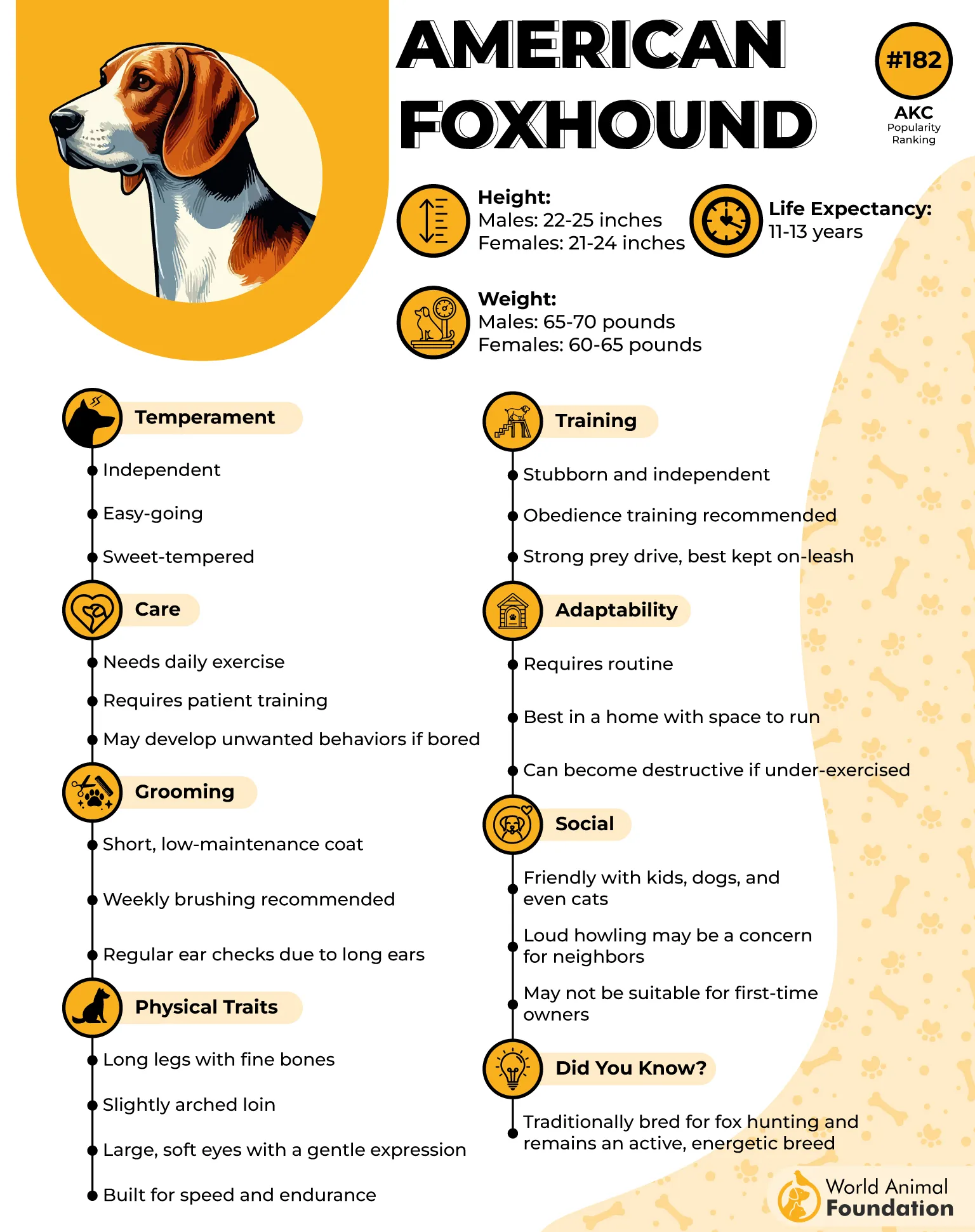
According to WebMD, Foxhounds can be stubborn and highly independent, which is why early training is a top priority. Without guidance, their strong behavior and desire to follow scent trails may lead them into dangerous situations.
Once they detect a scent, their instinct to catch or follow prey can override distraction, especially in active environments. This is why owners must focus on control during walks and outdoor time.
While they can get along with children, cats, and other animals, they should never be left unsupervised due to their strong instincts. With proper structure, these dogs with high prey instincts become reliable working companions.
Conclusion
Understanding dogs’ prey drive helps owners make better choices in daily life. In certain breeds, strong prey drive in dogs shows through clear behaviors, especially during walks or play.
A herding breed may channel instinct into control, while high-prey-drive dogs often need closer guidance. Owners must learn to manage prey drive early through structure and training. At the same time, some pets show low prey drive behavior, making them easier around food, children, and other animals.
Different dogs also react to other forms of stimulation depending on instinct and environment. With patience, training, and consistency, behavior can improve and stay balanced.
Clear rules and supervision help reduce risk and support safe living with kids and other pets every day.
