




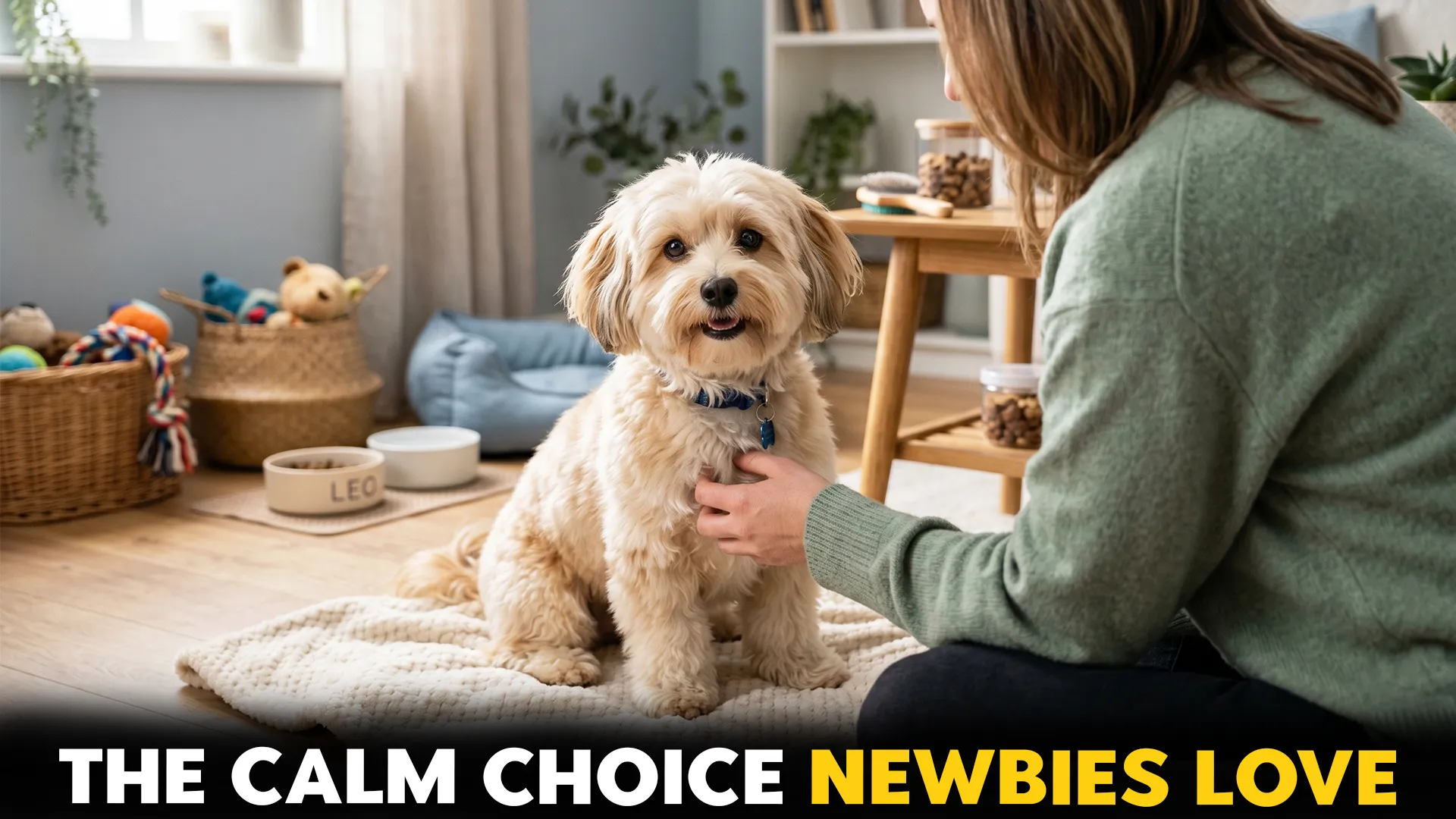
What if the best first dog for you isn’t the breed everyone keeps recommending?
It is easy to get caught up in the excitement of a playful puppy, a cute face, and a quick decision. It sounds simple enough, but bringing home your first dog can quickly become an overwhelming experience.
Many people mistakenly assume that beginner-friendly dogs are boring, low-energy pets with very little personality. In reality, some of the easiest dogs to raise are also the most loving, loyal, and fun companions you could ever ask for.
The secret to success isn’t finding a universally “perfect” dog; it is about finding the right breed to match your specific lifestyle. Making the correct choice from the start can make all the difference in your pet-parenting journey.
If you are ready to take the exciting leap into dog ownership, here are some wonderful, beginner-friendly dog breeds that are perfect for novice pet parents.
Wonderful Dog Breeds for Beginner Pet Parents
1. Pug

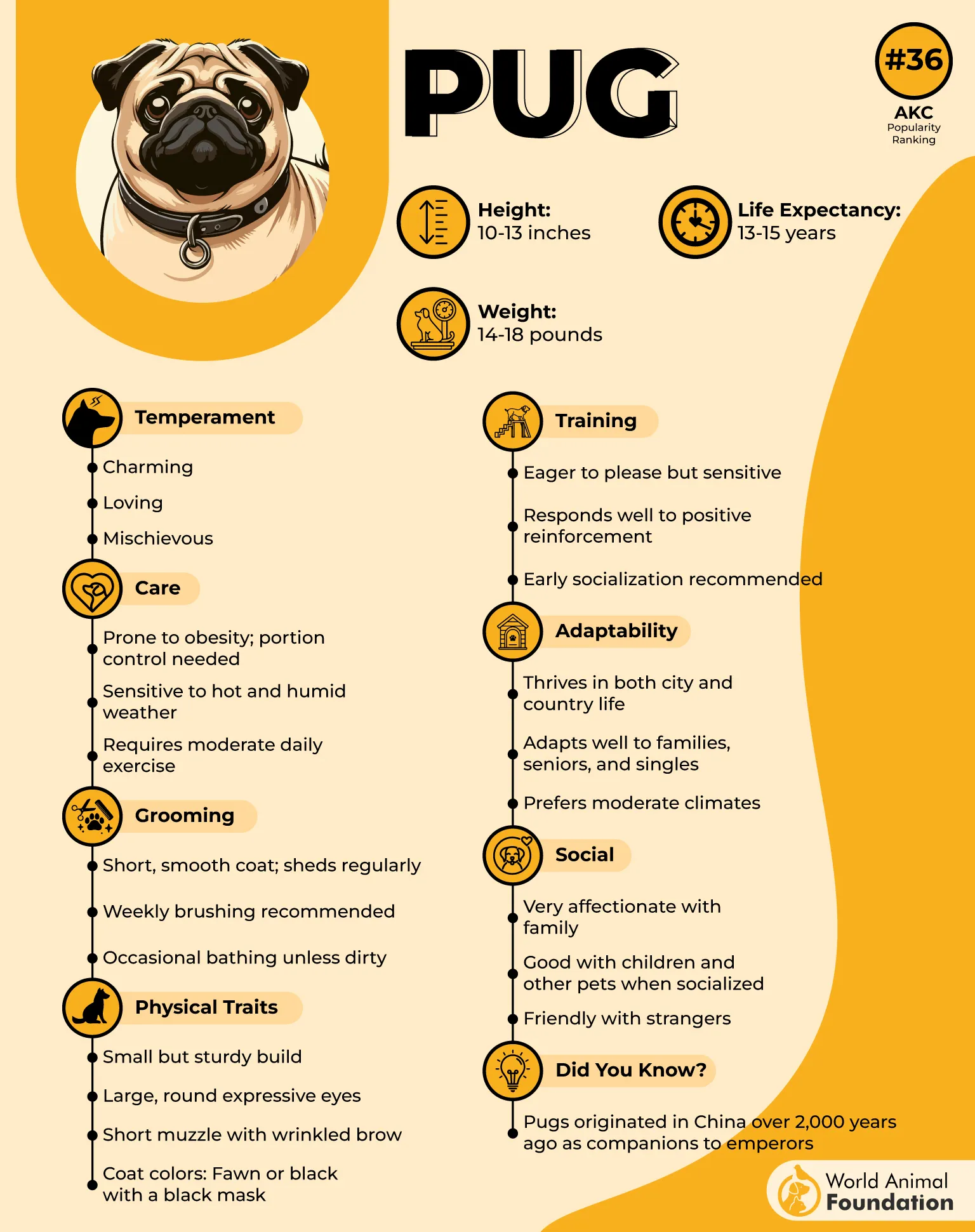
Pugs are often a better fit for first-time pet parents than many high-energy breeds that require constant exercise and advanced training. They were originally bred in ancient China to be companion dogs, and that people-focused nature remains strong today.
While some beginner-friendly dogs need large yards or long daily adventures, Pugs are usually happy with short walks, indoor play, and plenty of family interaction. This makes them well-suited for apartment living and households with a relaxed routine, as noted by PetMD.
One of the breed’s most recognizable qualities is its wrinkled face paired with its signature snorting and snuffling sounds. Many owners find these quirky traits part of the Pug’s charm and personality.
Pugs thrive when they feel included in everyday activities. Whether you are working from home, watching television, or moving around the house, a Pug will likely want to stay close.
Pugs are also known for their charming personalities and low exercise needs, making them excellent companions for apartment dwellers.
Their affectionate temperament, eagerness to please, and adaptable lifestyle can make the transition into dog ownership feel much less overwhelming for beginners who want a devoted companion.
2. Havanese
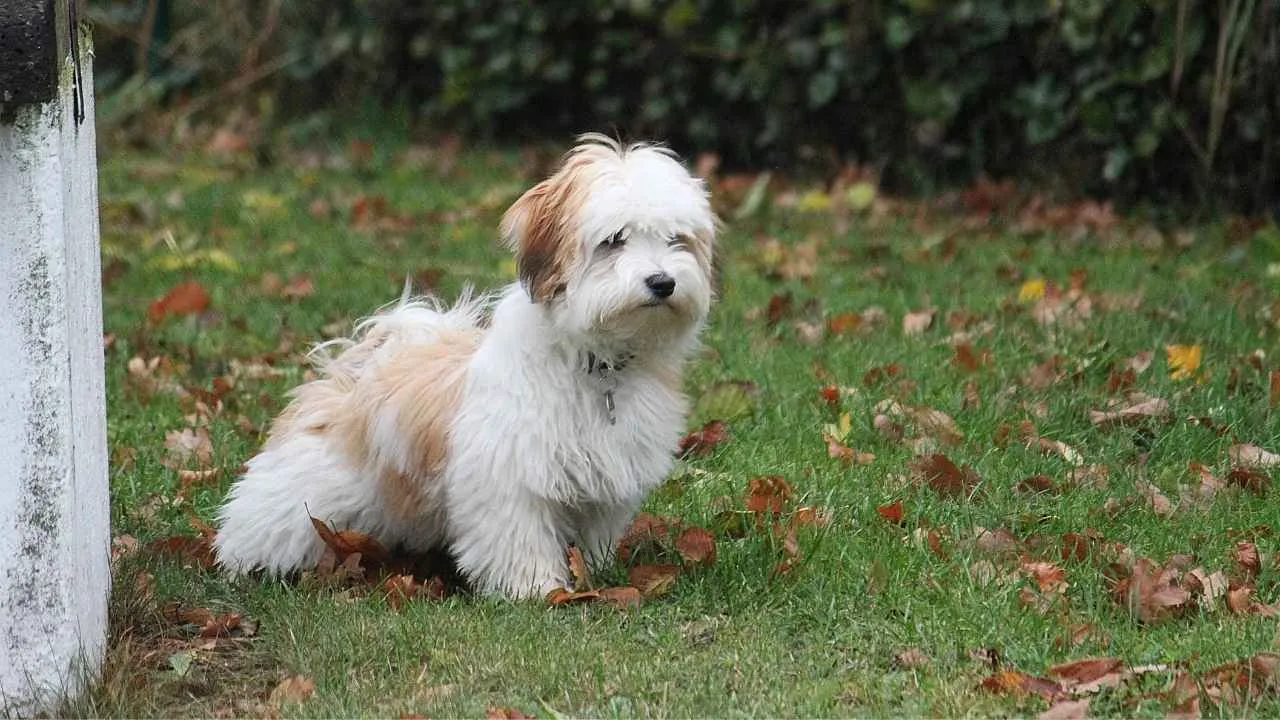
Havanese can be an easier choice for first-time pet parents than many small breeds known for being stubborn or overly independent. This cheerful furry friend enjoys learning, responds well to positive training, and genuinely likes spending time with people.
While some beginner owners struggle with dogs that prefer doing things their own way, the Havanese often looks to its family for guidance.
That willingness to engage can make basic commands, household manners, and daily routines easier to establish.
The breed is especially suited to homes where someone is around for much of the day. Whether you are working from a home office, helping children with homework, or relaxing in the living room, a Havanese usually wants to be part of the action.
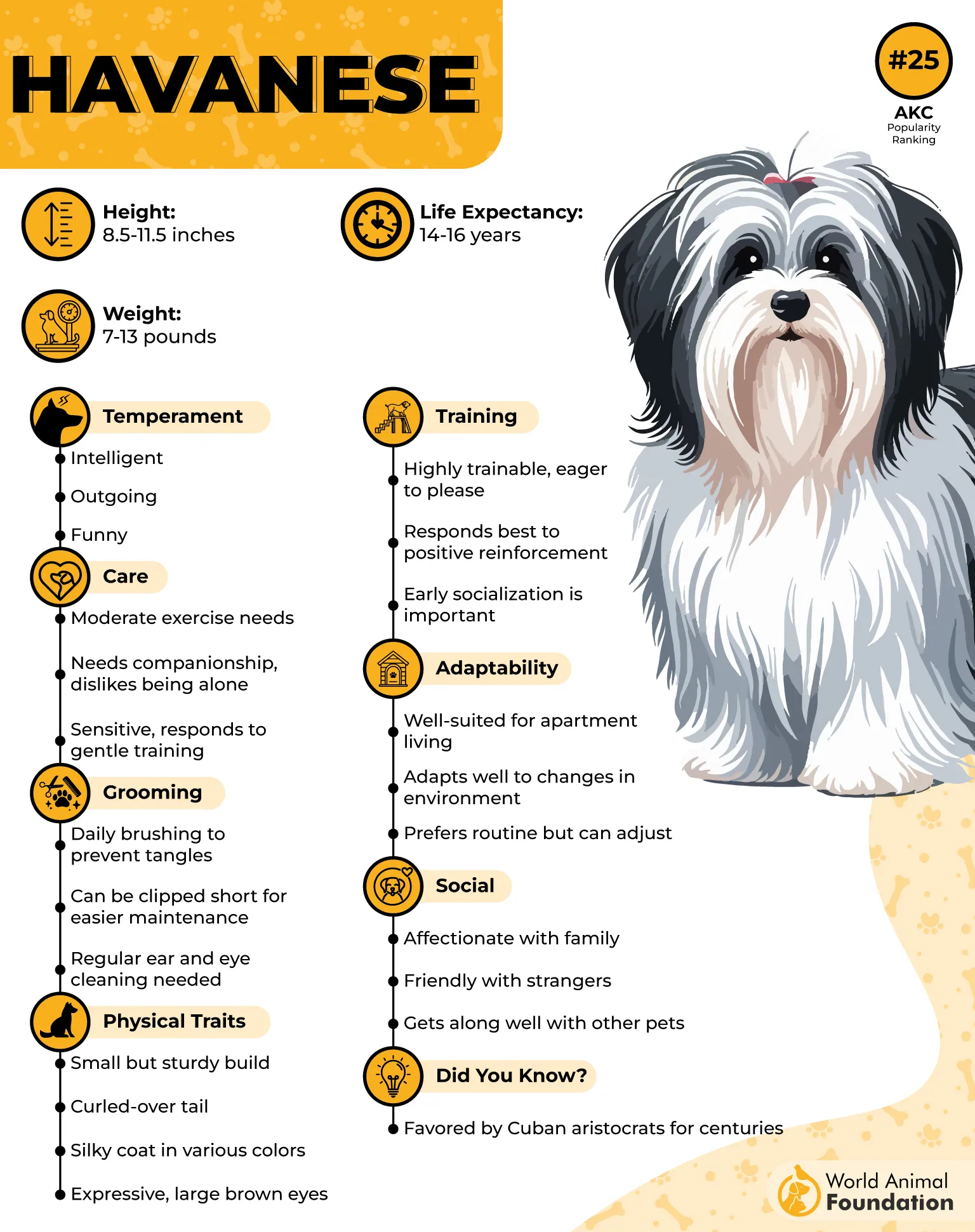
One thing that sets the breed apart is its naturally springy, bouncing gait, which gives it a lively and playful presence even during a simple walk across the room.
Combined with its expressive eyes and flowing silky coat, it has a charm that is hard to ignore.
Friendly, bright, and eager to connect, the Havanese offers the kind of companionship that helps many new dog owners gain confidence from day one.
3. Cavalier King Charles Spaniel
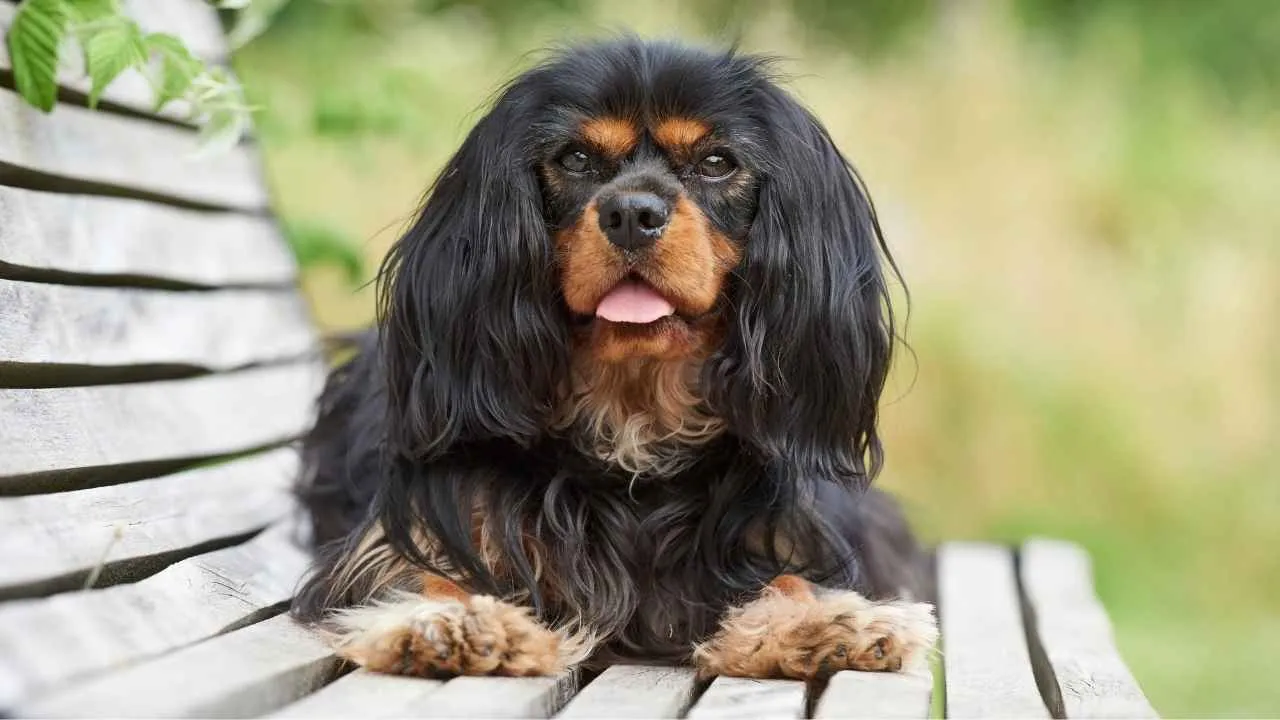
Cavalier King Charles Spaniels are often easier for first-time dog owners than other breeds that are highly independent or require constant mental challenges. They were developed as companion dogs, and their favorite place is usually right beside the people they love.
While certain breeds bond with one person, Cavalier breeds tend to spread their affection throughout the household. They are known for getting along well with children, other dogs, and even cats, making life simpler for families introducing a pet into a busy home.
One of the breed’s most charming qualities is its history of accompanying British kings wherever they went. That deep-rooted desire for close companionship is still visible today, as many Cavaliers happily follow their owners from room to room.
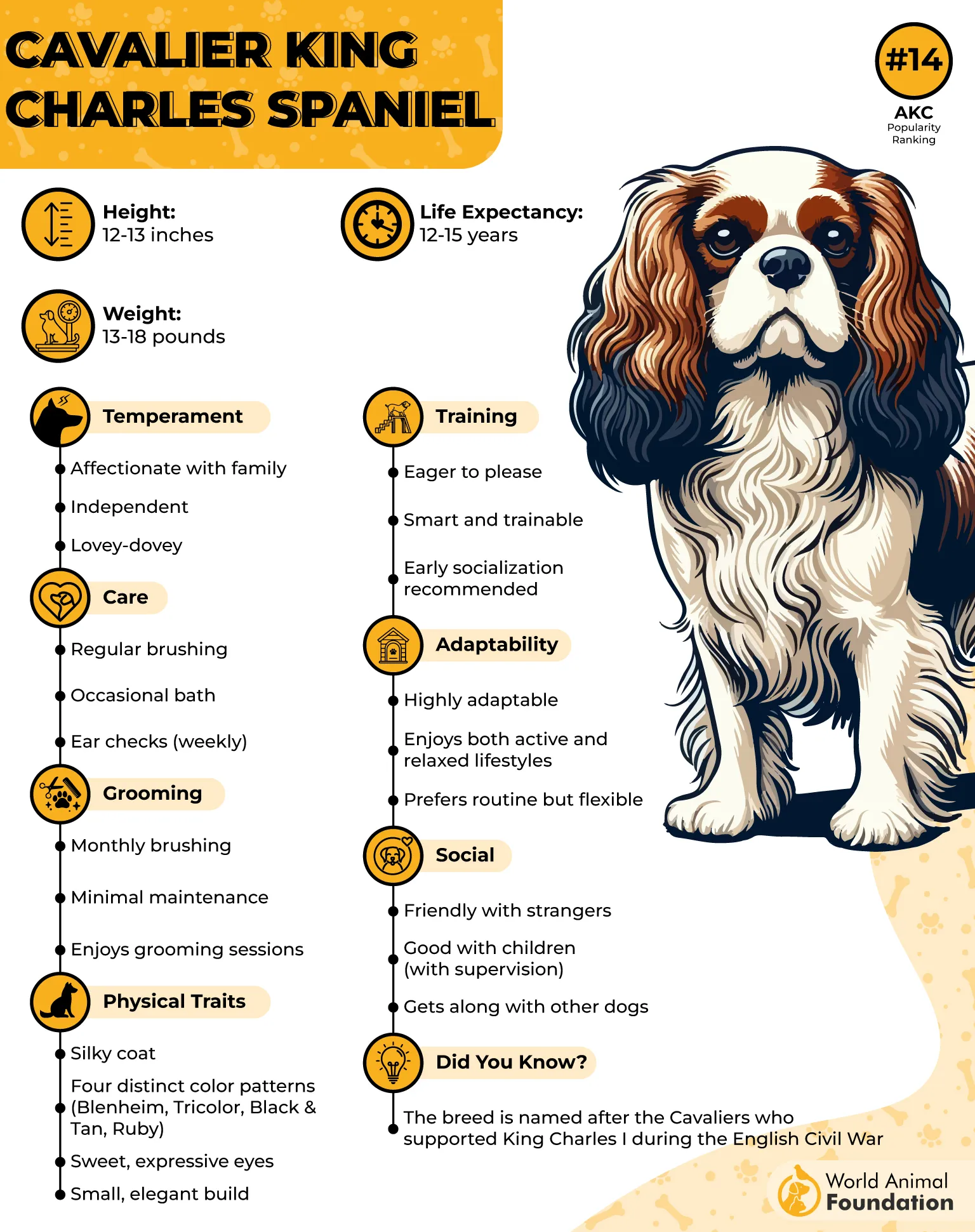
Despite their reputation as lap dogs, these charming companions are not couch potatoes. Unlike some companion breeds that prefer staying indoors, Cavaliers enjoy daily walks, backyard games, and outdoor adventures while remaining manageable for novice owners.
Cavalier King Charles Spaniels are well-suited for apartments because of their moderate energy levels and adaptability to smaller living spaces.
Their eagerness to please also gives them an advantage over more stubborn breeds. Many pick up basic commands quickly when training is kept positive and rewarding.
For someone looking for a gentle, people-oriented and adaptable dog companion, the Cavalier King Charles Spaniel is a welcoming introduction to dog ownership.
4. Brussels Griffon
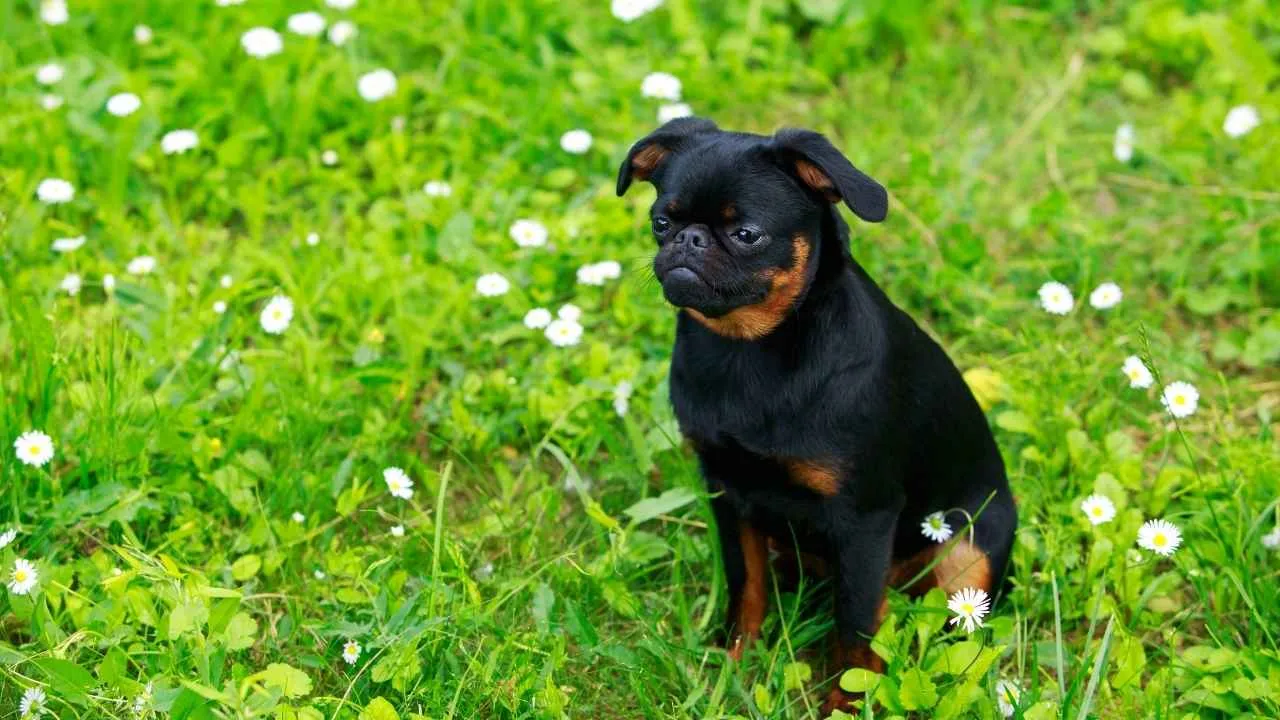
Brussels Griffons are often overlooked in favor of more popular toy breeds, but for the right first-time pet parent, they can be a surprisingly rewarding companion. Unlike some small dogs that bond loosely with their families, this breed forms an exceptionally close connection with its favorite person.
Living with a Brussels Griffon often feels less like owning a dog and more like sharing your home with a tiny shadow. They prefer staying close, whether you are working at a desk, reading on the couch, or moving from room to room throughout the day, as noted by the AKC.
Compared to highly independent breeds, Brussels Griffons are usually eager to interact and respond well to positive training.
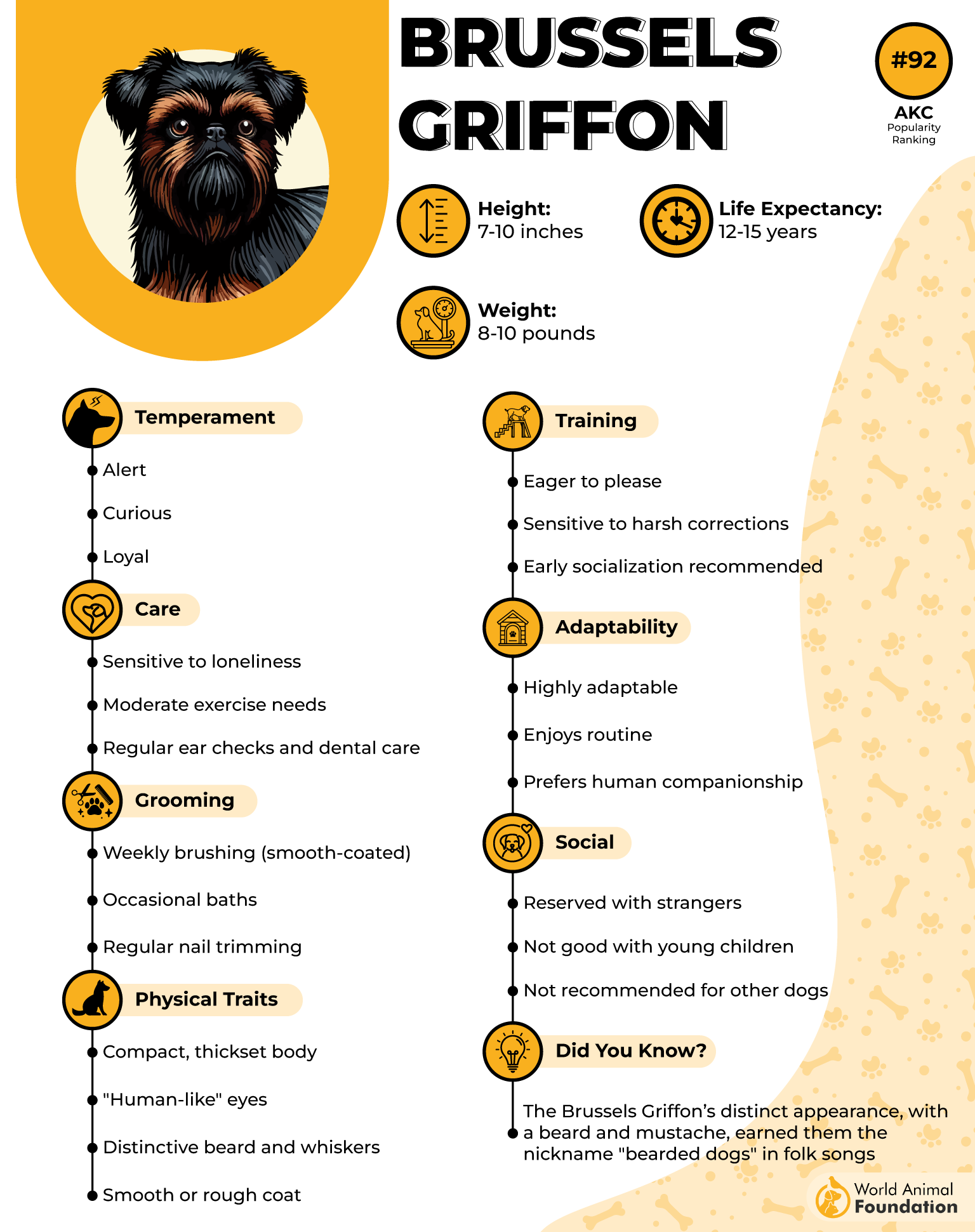
Their intelligence and desire for attention can make learning household routines easier for beginners willing to spend time with them.
What captures most people immediately are the breed’s remarkably human-like eyes and expressive facial expressions. Many owners swear their Griff seems to communicate emotions with a single look.
While energetic and playful, these intelligent dogs are generally better suited to calm households than homes with rough play. For beginners seeking a loyal, entertaining, and deeply devoted companion, the Brussels Griffon offers a personality that feels far bigger than its small size.
5. Border Terrier
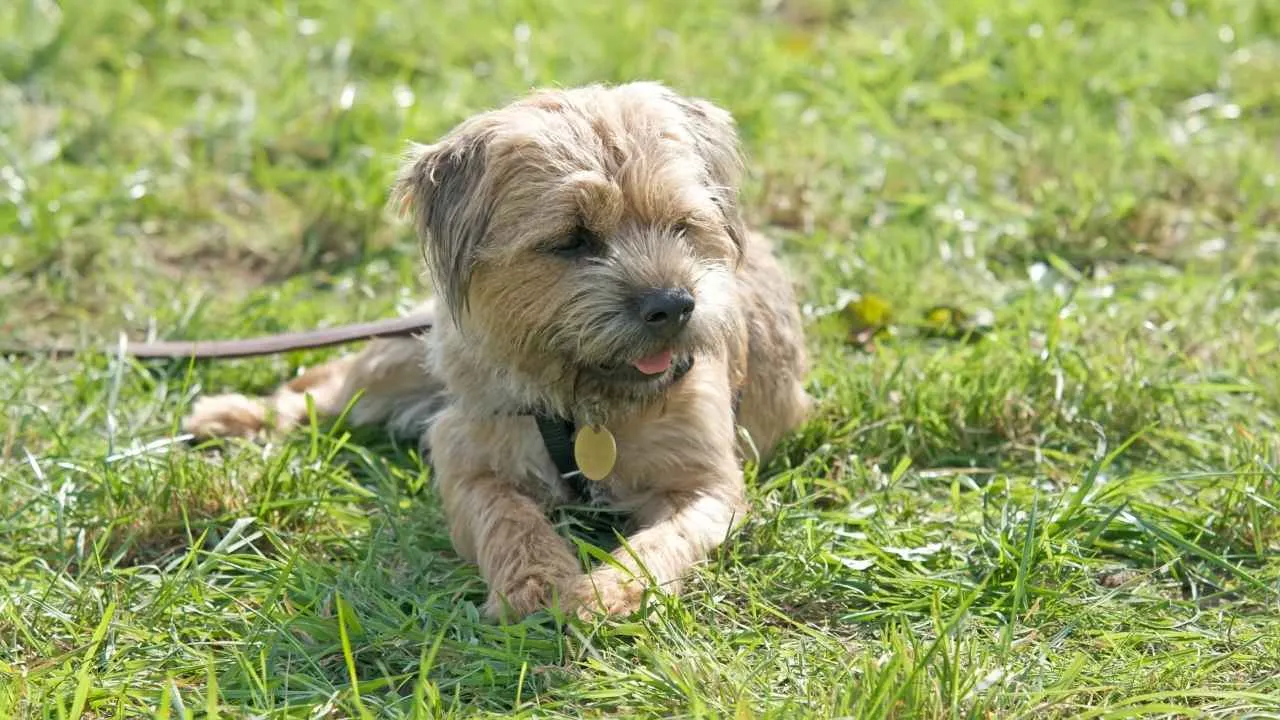
Border Terriers can be a great match for first-time owners who want a small dog with more stamina and confidence than many companion breeds. While some terriers are known for being challenging, Borders are often considered one of the more adaptable and manageable members of the terrier group.
Compared to dogs that require extensive grooming appointments, the Border Terrier’s weather-resistant coat is relatively practical. Dirt tends to brush off easily, and routine maintenance is usually straightforward for busy owners.
This breed thrives in homes where daily walks, play sessions, and outdoor activities are part of the routine. A Border Terrier is just as happy exploring a hiking trail as it is joining its family on neighborhood walks, provided it gets enough daily exercise.
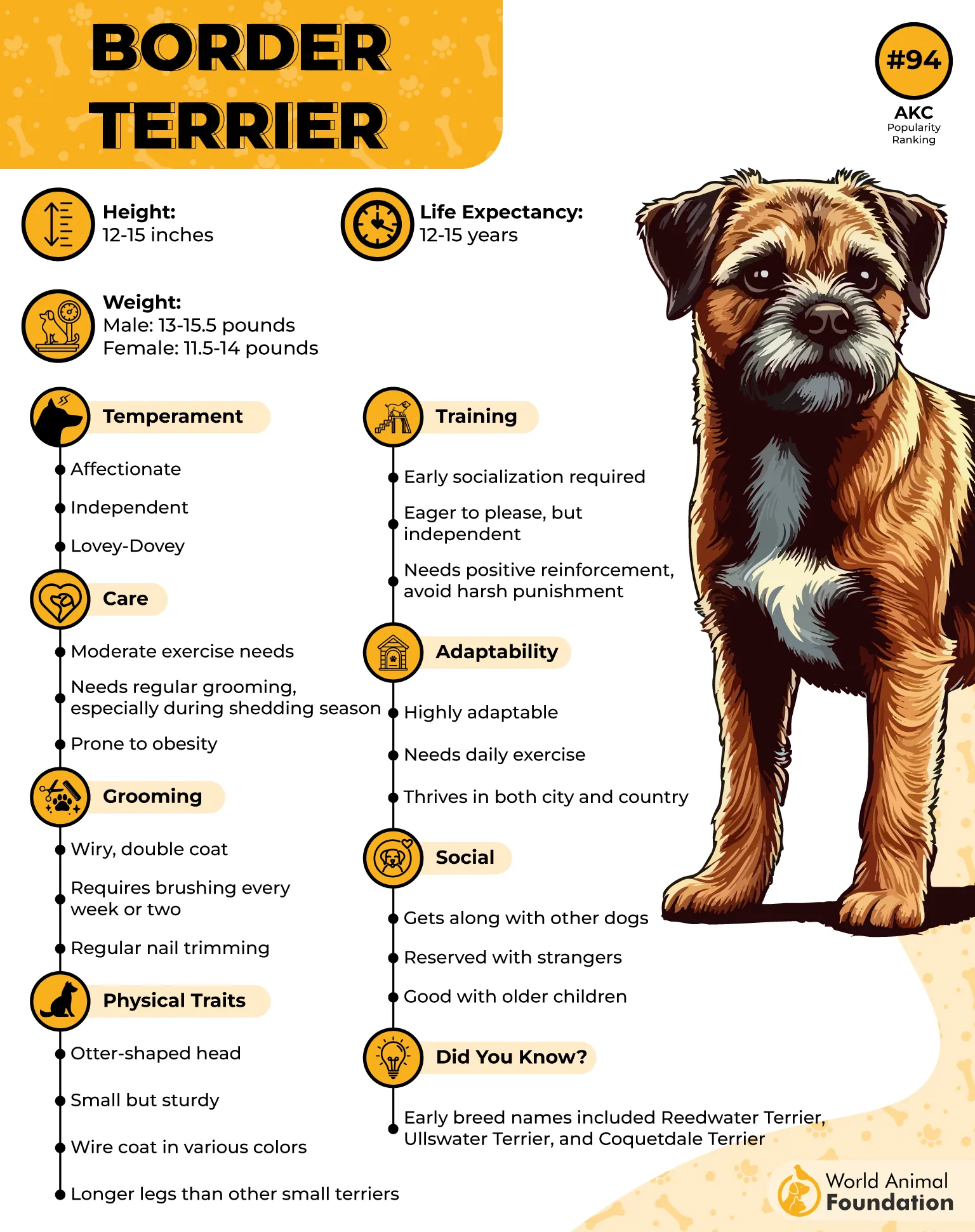
One quality that has made the breed famous is its “otter-shaped” head, a feature rarely seen in other dog breeds. Combined with its alert expression, it gives the Border a look that is instantly recognizable.
New owners should remember that Borders retain strong hunting instincts. Unlike many small companion dogs, they may quickly chase squirrels, rabbits, or other fast-moving animals if given the opportunity.
For active beginners seeking a sturdy, affectionate, and versatile companion, the Border Terrier offers an appealing balance of energy, adaptability, and family devotion.
6. Bolognese
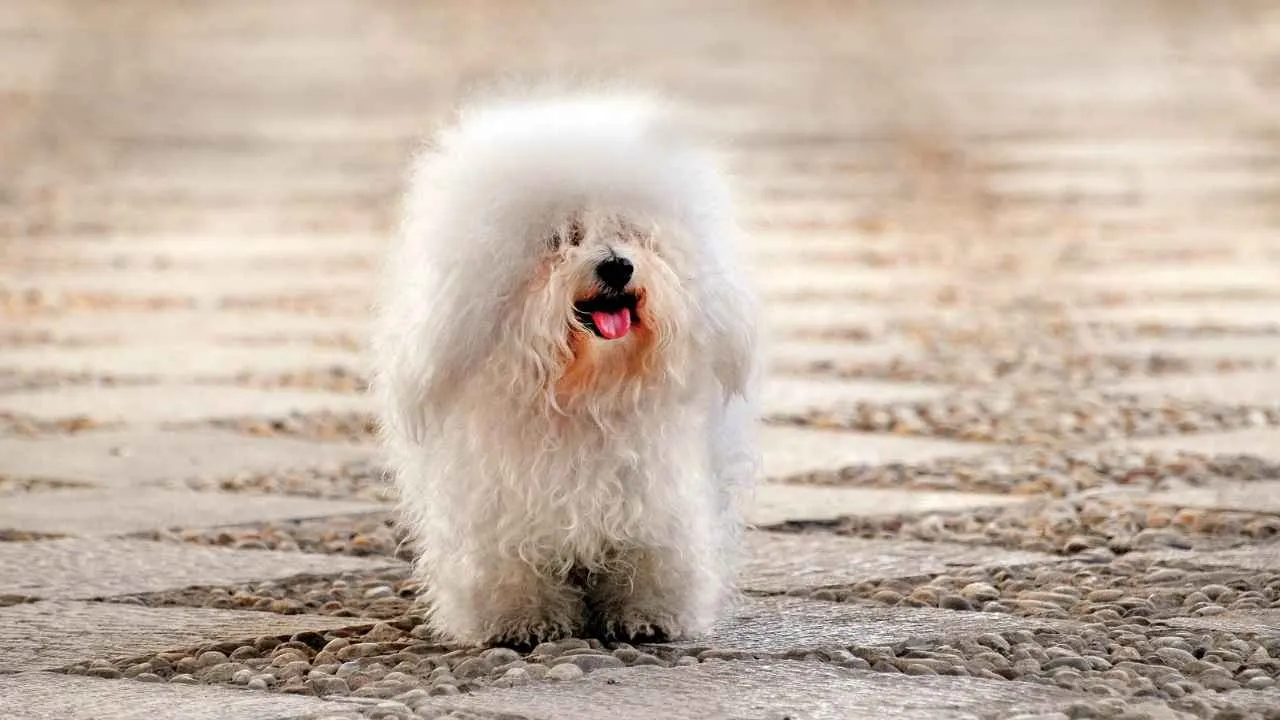
Bolognese dogs are one of the best dog breeds for first-time pet parents. Calm, affectionate, and people-focused, they are happiest when spending time close to their family rather than seeking adventure on their own.
While some companion breeds demand endless activity, the Bolognese is usually content with a couple of daily walks and interactive play indoors. This makes the breed well-suited to apartment living, retirees, or owners who want a relaxed canine companion.
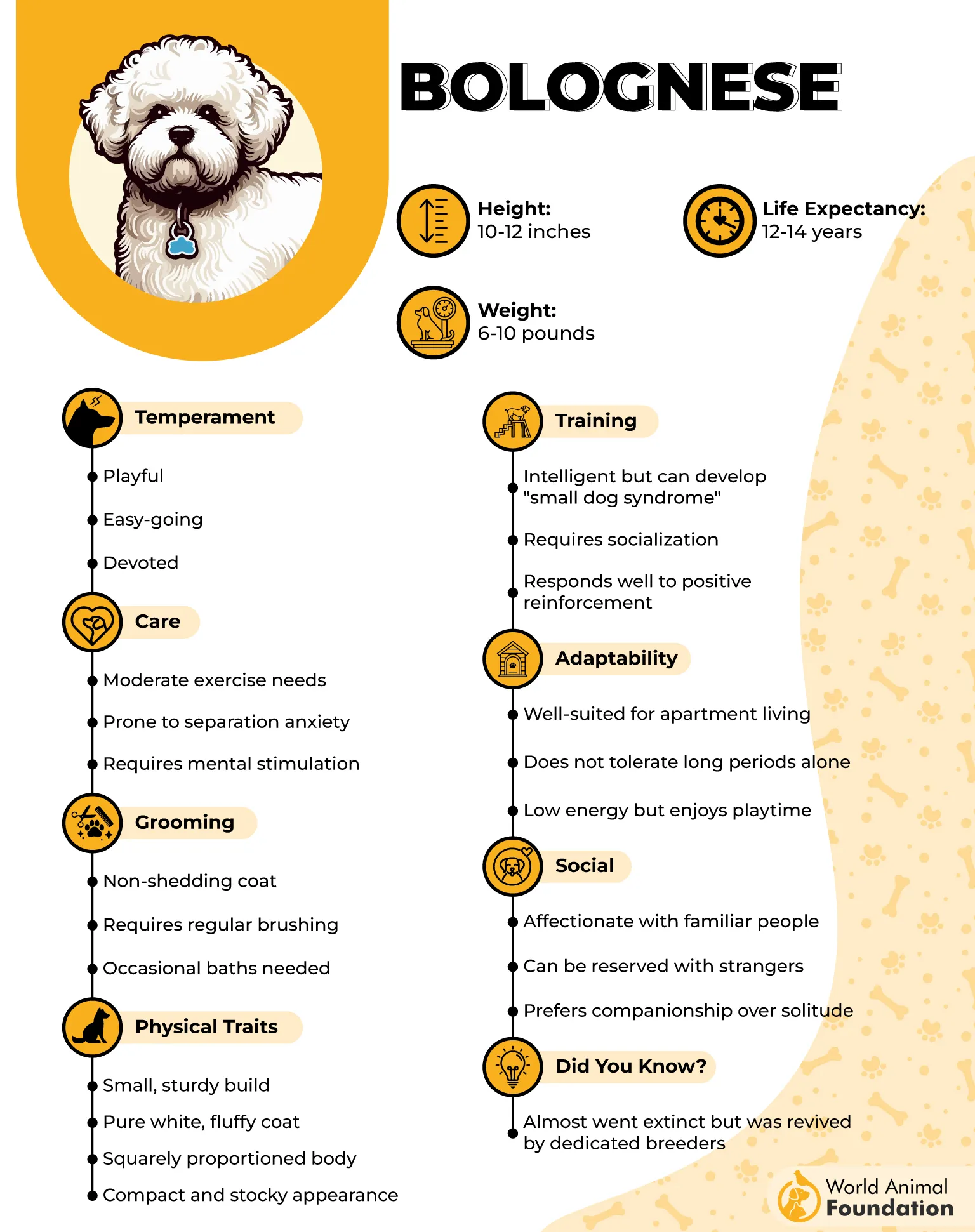
One charming habit frequently associated with the breed is its uncanny ability to locate the softest spot in the house and claim it as a favorite resting place. Whether it is a pile of blankets or a cozy couch cushion, comfort is serious business for a Bolognese.
Compared to more independent dogs, they form strong emotional bonds and prefer being involved in everyday routines. Many will happily follow their owners from room to room before settling into a warm lap for a nap, as mentioned by Omlet UK.
Their eagerness to please can make training smoother for beginners, especially when positive reinforcement is used. For those seeking a gentle, devoted, and low-key companion, the Bolognese offers a welcoming introduction to dog ownership.
7. Lowchen
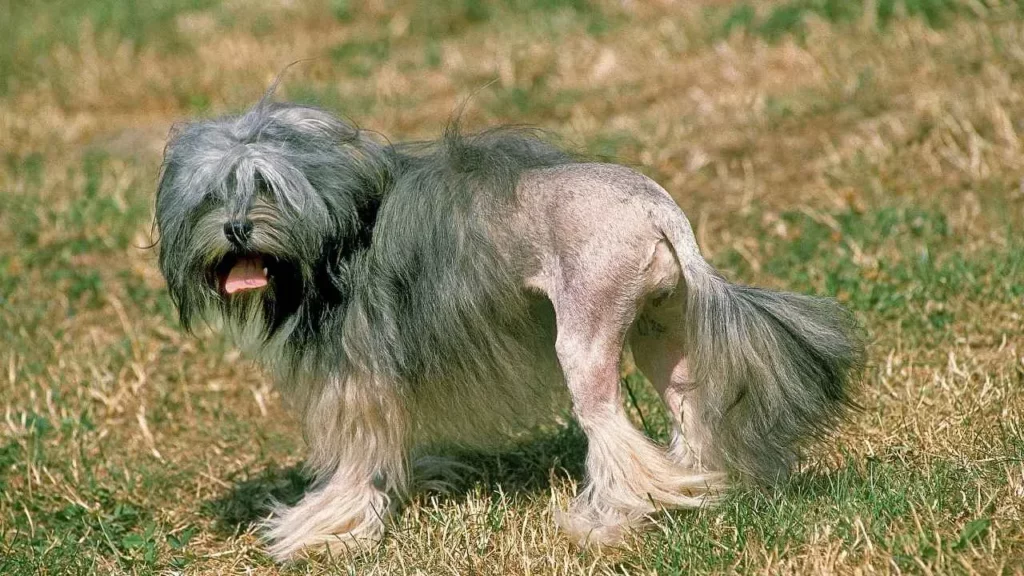
Löwchens are often a more relaxed option for first-time pet parents than many other small breeds known for nonstop activity or demanding exercise needs. Bred for companionship centuries ago, they are happiest when sharing everyday life with the people they love.
While some dogs are constantly searching for the next adventure, the Löwchen is usually content with a couple of daily walks and plenty of family time. Whether you are reading, watching television, or working from home, this breed is typically happy to settle nearby and keep you company.
The breed’s name means “little lion,” and its traditional lion-style trim has made it one of the most recognizable companion dogs in history.
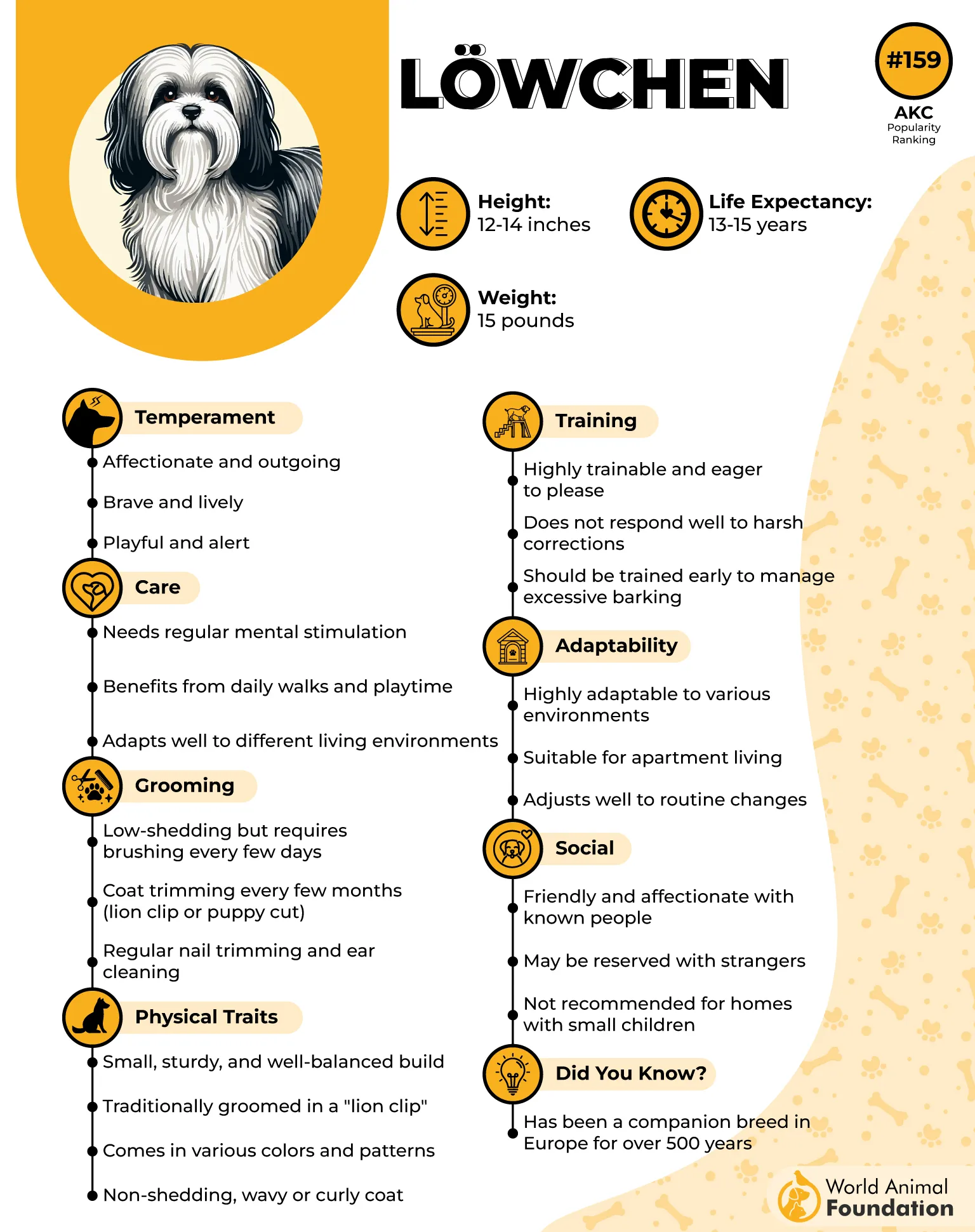
During the Renaissance, these dogs lived in European castles, where they served as affectionate lap companions and alert watchdogs.
Compared to more reserved breeds, Löwchens tend to adapt easily to visitors, children, and other pets once introductions are made. Their friendly and gentle temperament can make life easier for owners still learning the basics of dog care and training.
They are intelligent without being overwhelming, playful without being overly demanding, and calm enough to fit into many lifestyles. For beginners seeking a cheerful, easygoing companion, the Löwchen offers a wonderful balance of affection, charm, and adaptability.
Conclusion
Choosing your first dog is about much more than looks, popularity, or size. The right companion should fit naturally into your daily routine, activity level, and living situation.
Some dogs thrive on constant companionship, while others bring a balance of playfulness, adaptability, and easygoing charm.
By focusing on temperament, trainability, and lifestyle compatibility, new pet parents can set themselves up for a rewarding experience.
A well-matched canine companion can turn the challenges of first-time ownership into years of loyalty, laughter, comfort, and unforgettable memories.
