




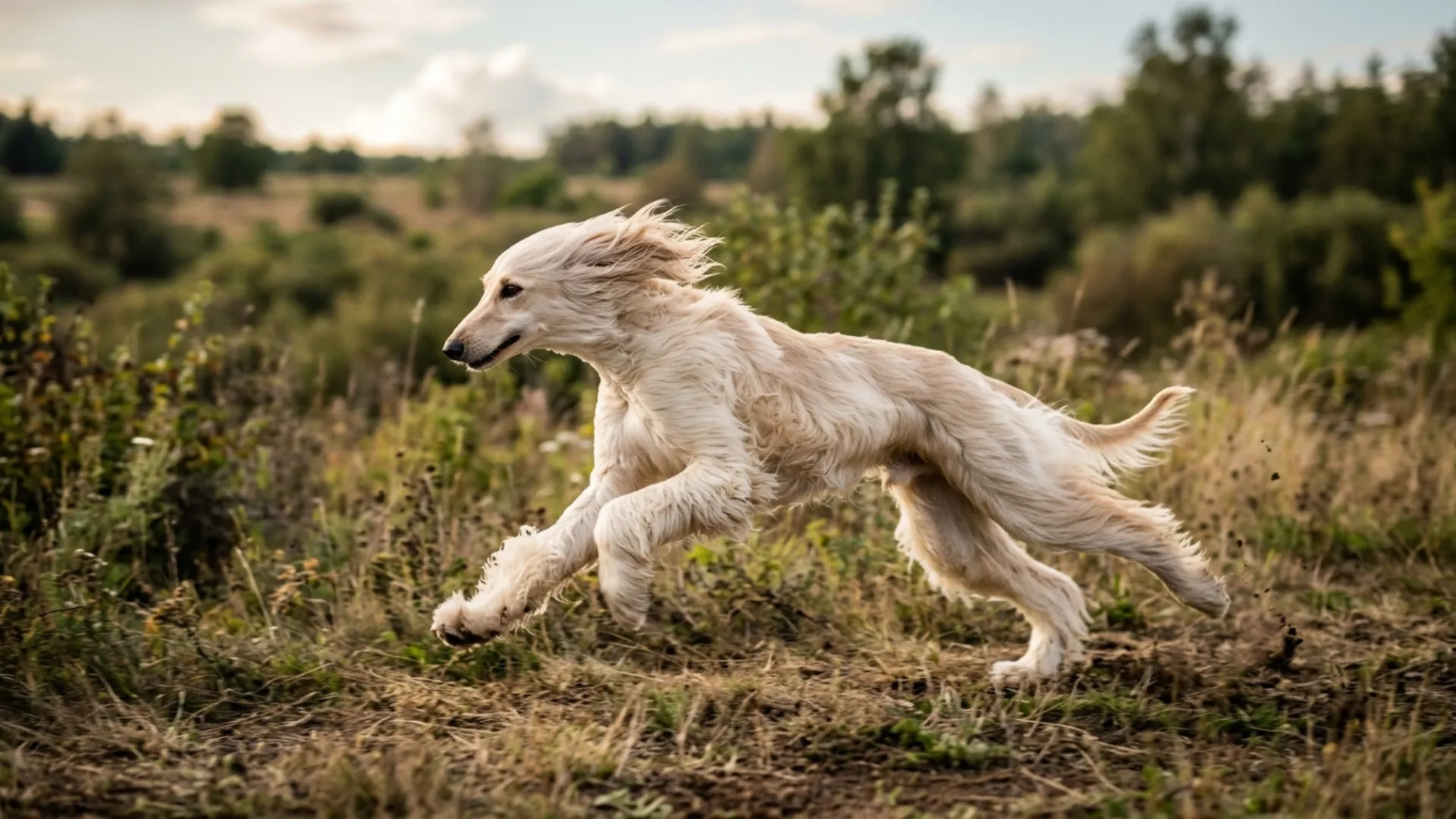
Some dogs notice every little movement outside the window without missing a beat. A bird flying low, a squirrel darting across the yard, or even leaves drifting in the wind can instantly trigger full alert mode, as if the instinct simply cannot help itself.
That deep urge to chase is known as prey drive, and in many dog breeds it remains a powerfully stubborn ancestral trait that shows up clearly even today.
Living with a high prey drive dog can feel equal parts fun, oddly hilarious, and occasionally exhausting. These lively, sharp-minded companions typically need consistent mental and physical stimulation, structured play, and early training to stay balanced and settled indoors. Understanding prey drive makes an enormous difference, helping owners and dogs build a safer, happier relationship, especially in homes that include small pets, young children, or other animals nearby.
Let’s get to know them.
Fun Fact: Many high prey drive breeds were originally developed for hunting, herding, guarding livestock, or chasing fast-moving animals across vast open landscapes. Even a dog that appears perfectly calm indoors can suddenly react sharply to small sounds, moving animals, or an unexpected chase game, because those deep working instincts never truly disappear.
Dog Breeds That Thrill at the Chase – Prey Drive
1. Border Collie
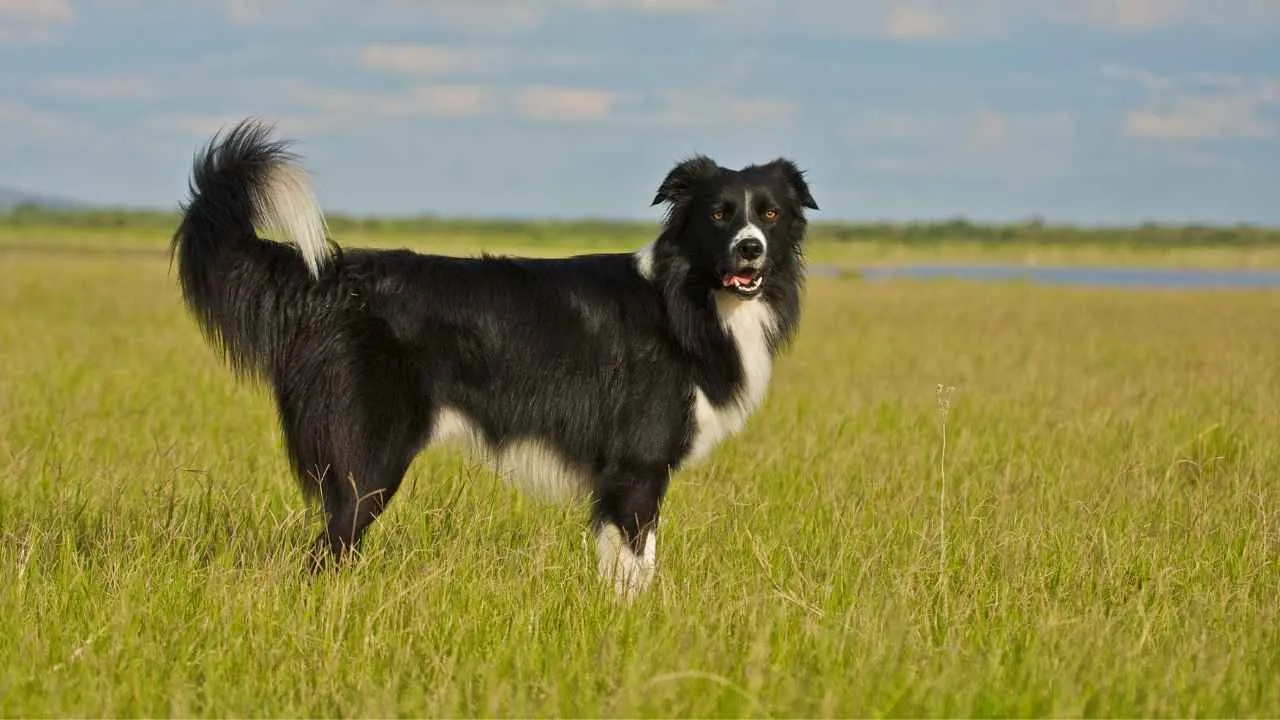
The Border Collie is widely regarded as one of the most intelligent herding breeds in the canine world. Originally bred to herd sheep across rugged terrain while maintaining intense focus for long stretches, this remarkable working dog brings exceptional drive and mental sharpness to everything it does.
According to the American Kennel Club, the Border Collie’s sharp mind and legendary intensity make it particularly outstanding in obedience and agility activities.
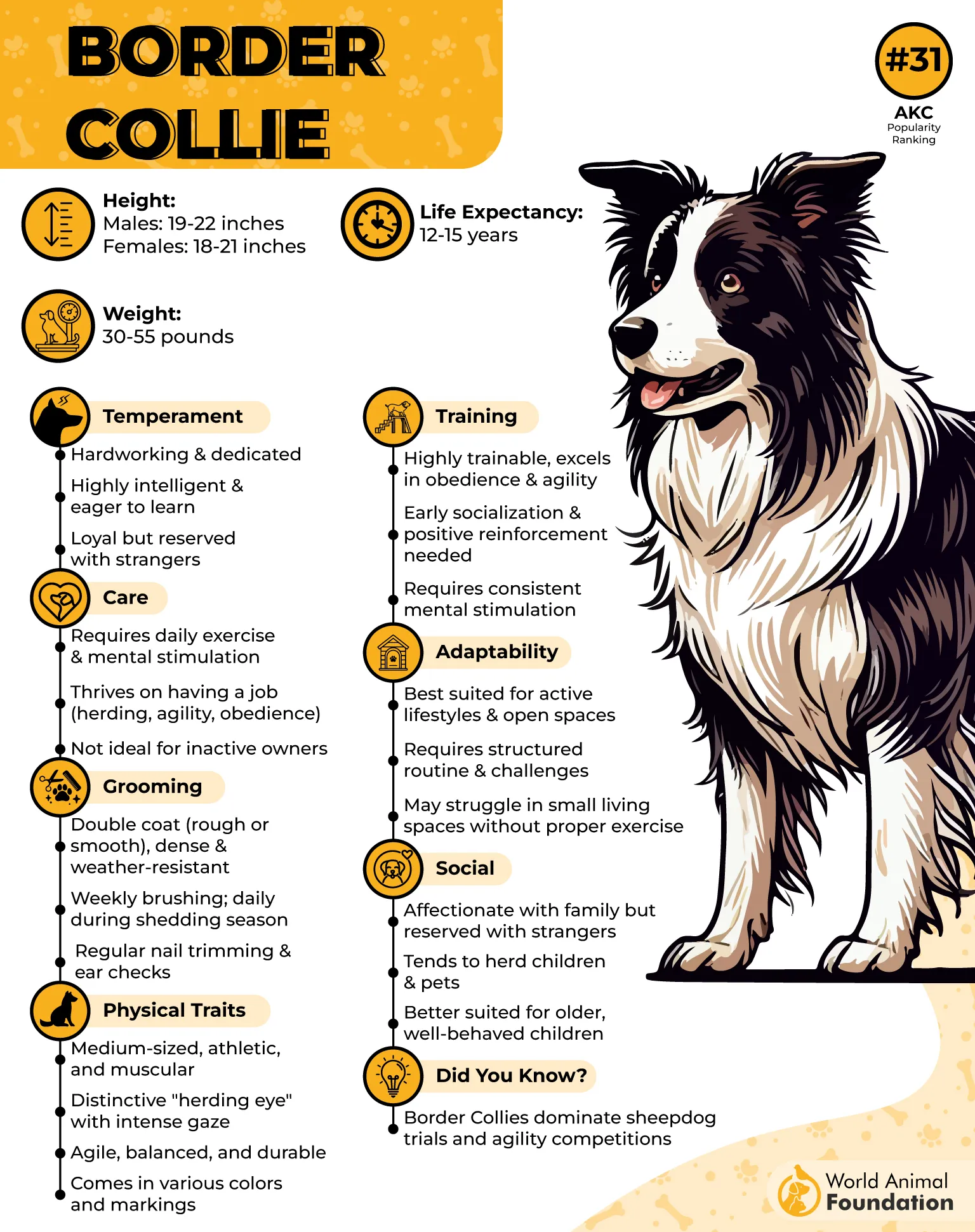
Border Collies notice movement almost instantly. Bikes, squirrels, children running through the backyard, or even fluttering birds can trigger a strong and immediate prey drive response. Without sufficient ongoing engagement and structured training, unmet prey instincts can gradually develop into destructive behavior both inside and around the home.

This high-energy breed thrives in active households that offer outdoor play, flirt poles, puzzle games, and consistent training sessions. Early socialization and impulse control exercises are equally important for managing protective tendencies around strangers, other pets, and smaller animals.
A securely fenced yard also provides a safer environment for both the dog and its owner during those inevitable high-energy chase moments.
2. Afghan Hound
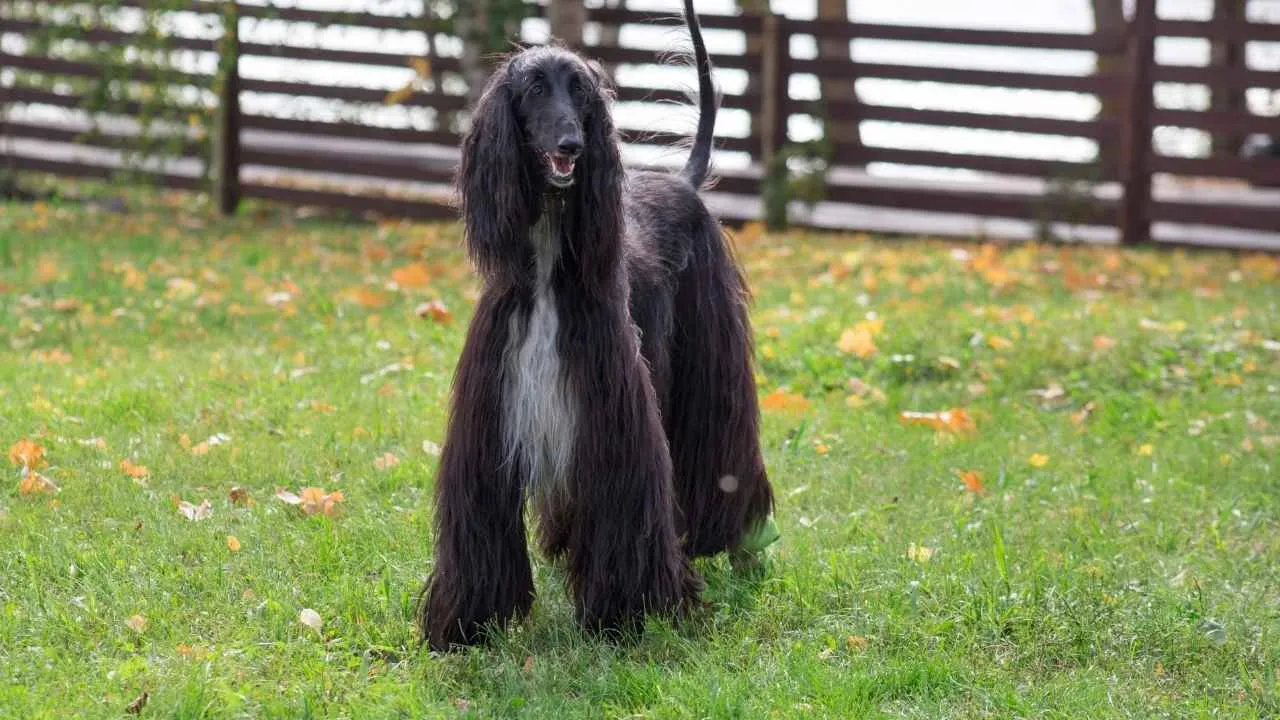
The Afghan Hound carries a graceful, almost regal appearance that makes it easy to forget this breed was once a highly skilled hunter navigating rough mountain terrain. With long silky fur, elegant movement, and a naturally poised posture, the Afghan Hound is as visually striking as it is athletically capable.
Afghan nomads deeply valued these fast and agile runners for chasing prey across some of the most challenging landscapes imaginable.
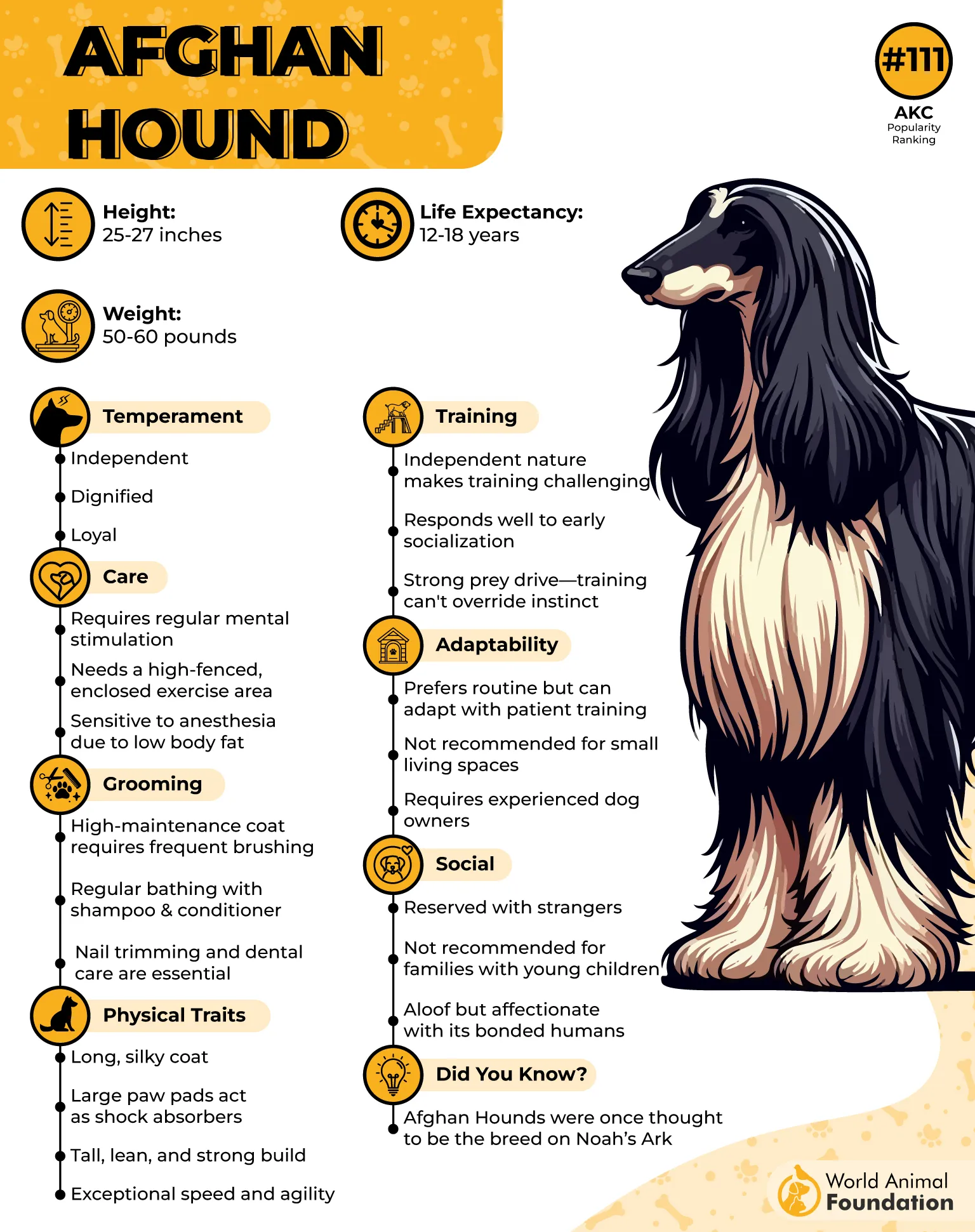
Beneath all that beauty lies a strong prey drive that still surfaces reliably around moving animals outdoors. Cats, rabbits, and birds can quickly capture attention during walks, making leash control and situational awareness genuinely important for owners.
While deeply loyal within the family, Afghan Hounds can appear reserved around strangers and tend to lose focus during training without patient, consistent handling.
This sensitive and independent breed benefits greatly from early socialization, steady guidance, and daily physical stimulation to stay emotionally balanced and content. Structured play and gentle training help build trust over time while gradually reducing unwanted chasing behavior.
Regular grooming is also essential to keep the beautiful feathered coat clean, healthy, and ready for active outdoor adventures.
3. Jack Russell Terrier
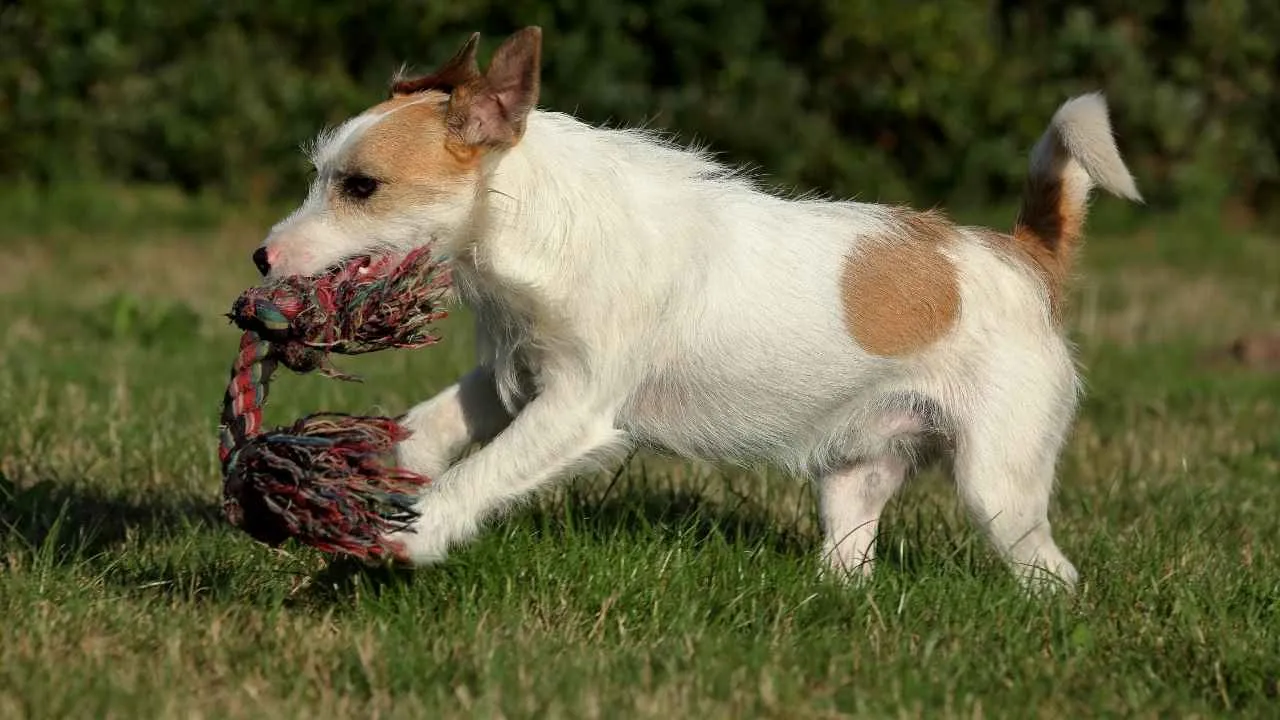
The Jack Russell Terrier never really seems to know the meaning of fear. This lively little companion carries an almost nonstop supply of energy, curiosity, and bold self-belief; all packed impressively into one compact body.
As Petplan notes, these terriers were originally developed to hunt foxes, which is why a strong prey drive around small, fast-moving things remains so visible in the breed today.
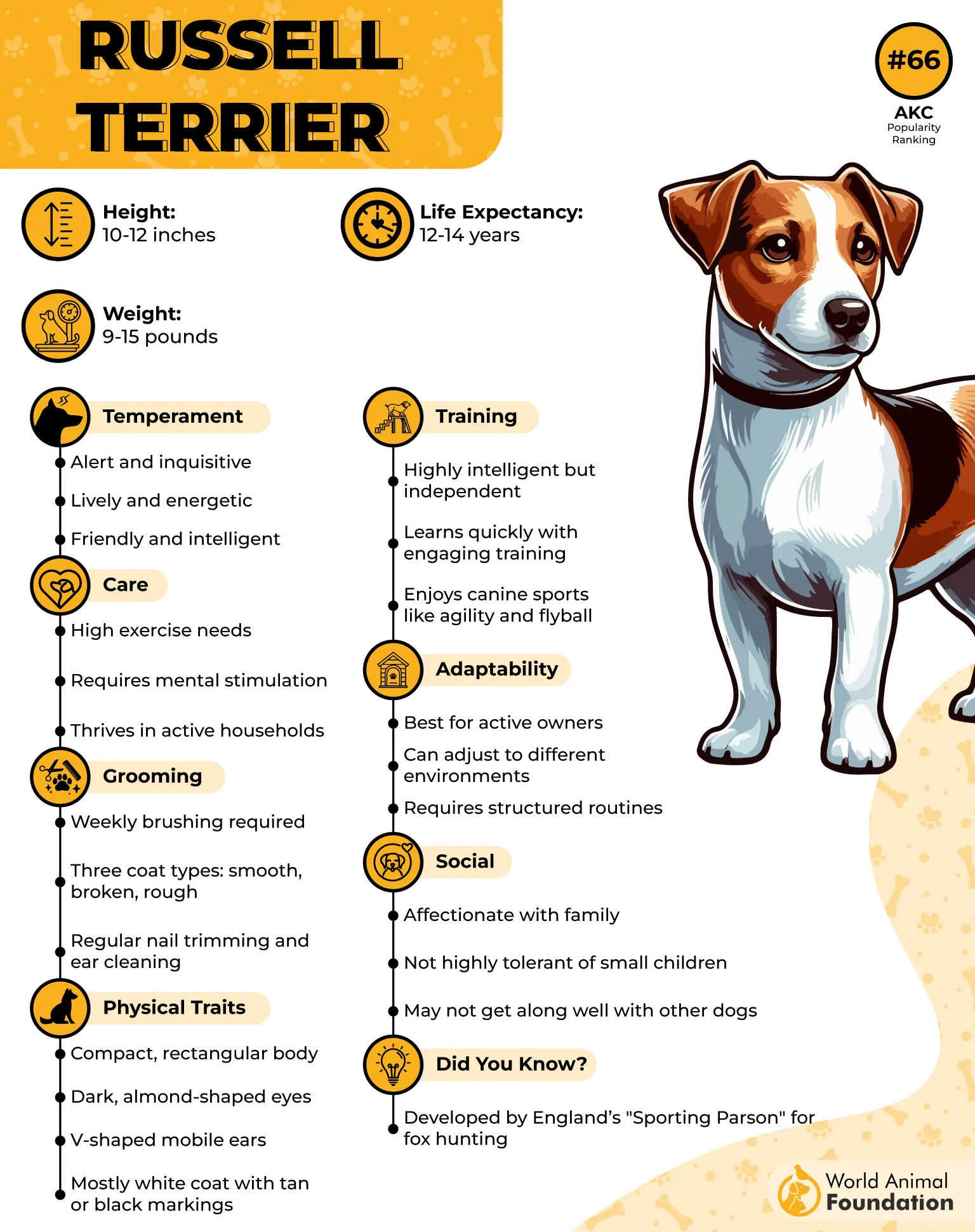
Many Jack Russells will chase squirrels, birds, and other small animals without a moment’s hesitation. When mental stimulation fades from the daily routine, this breed can quickly turn noisy, restless, or outright mischievous. Chase games, short, focused training sessions, and interactive toys generally keep destructive behavior at bay indoors.
This playful and spirited breed naturally suits active families far better than calm, low-key households. Early training, consistent positive management routines, and regular social exposure around other dogs all help behavior settle and improve steadily over time.
Since prey drive can trigger reactions quickly and unexpectedly, keeping a close eye on small pets and young children during outdoor moments remains genuinely important.
4. Greyhound
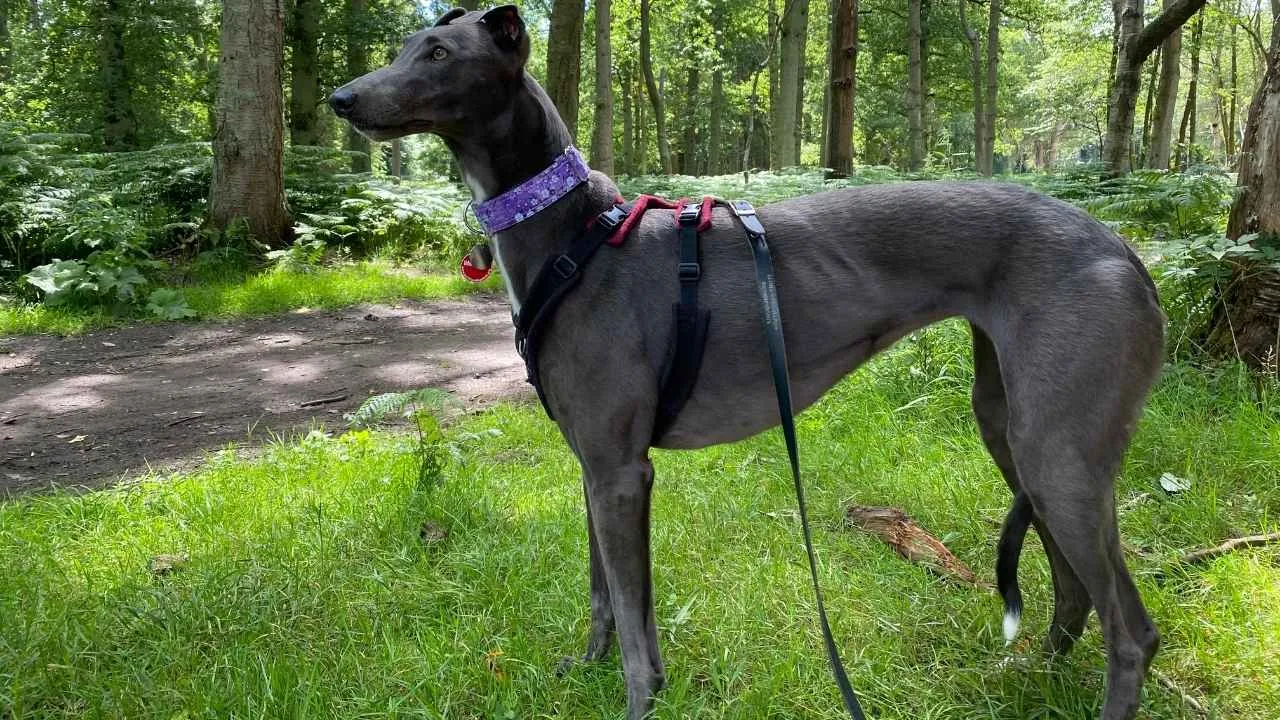
The Greyhound may appear perfectly peaceful indoors, but the moment something moves quickly past them, the chasing instinct activates like a flash. These refined speedsters were originally bred for speed and hunting, which neatly explains the intense, laser-sharp focus they display the moment they are in motion.
As Purina describes, Greyhounds are affectionate companions that love to rest deeply and unwind once their exercise needs have been met.
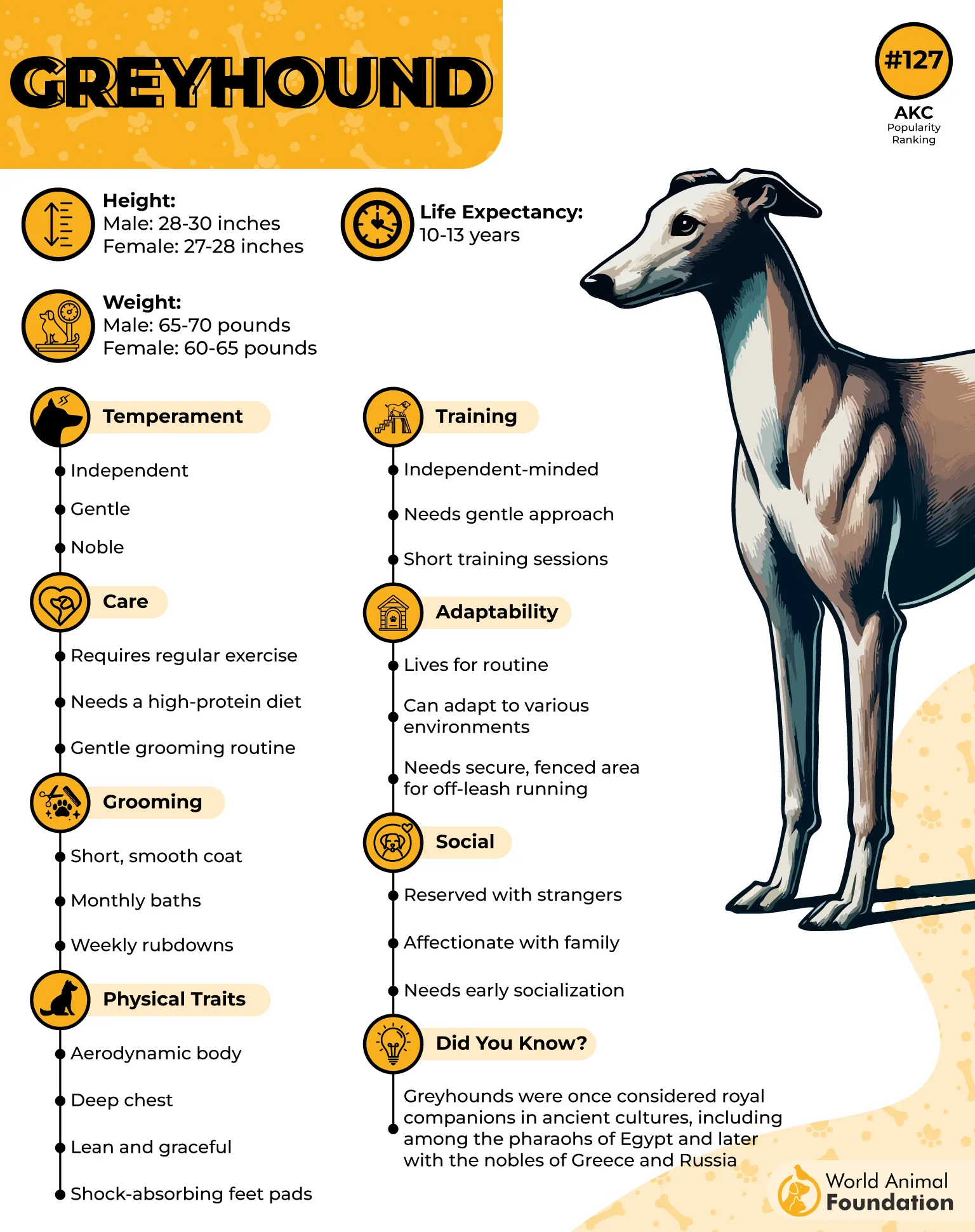
Despite their impressive athletic build, most Greyhounds are genuinely content spending peaceful evenings beside family members after outdoor activity. However, even a single moving animal can instantly activate that watchful, reactive instinct outdoors, making attentive handling always important.
Their exceptional eyesight and explosive sprinting ability make safe, secure leash handling particularly essential during walks in busy or open environments.
Greyhounds generally thrive in quiet homes with soft resting spaces and calm, gentle daily routines. Early socialization around other pets and clear, structured training support safer behavior near smaller animals over time. A securely fenced yard, regular daily walks, and controlled chase play typically provide sufficient physical exercise without pushing this sensitive and elegant companion beyond its comfort zone.
5. Saluki
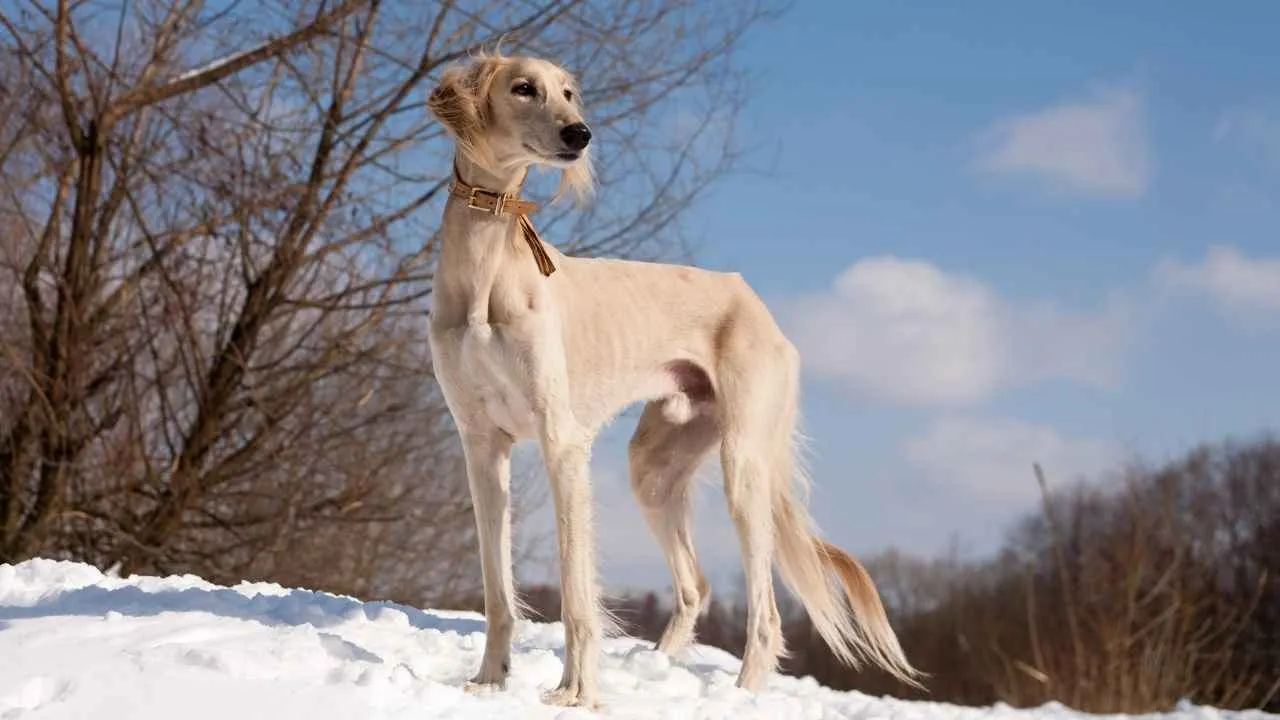
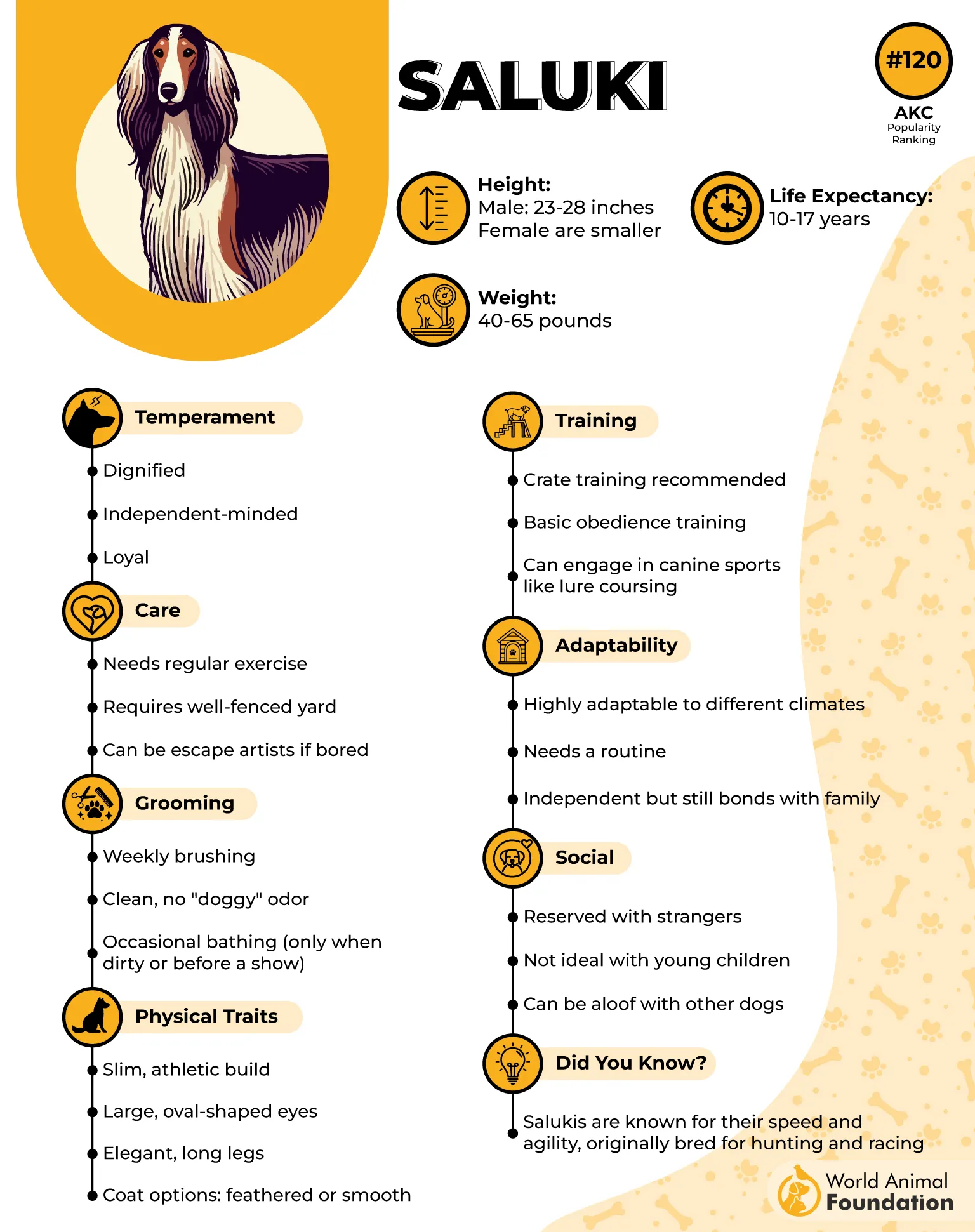
The Saluki comes from an ancient line of dogs long admired for exceptional speed, natural poise, and remarkable endurance. Long before modern times, these hunters pursued prey across vast sandy deserts while maintaining sharp focus under genuinely harsh conditions. That deep hunting heritage still shapes the strong pursuit instinct and lightning-fast reactions visible in the breed today.
At home, Salukis often carry a soft, careful temperament. Loud environments, rough handling, or chaotic surroundings can create stress relatively quickly for this sensitive breed. Outdoors, however, the experience shifts entirely, particularly when fast-moving animals appear nearby.
The combination of quick explosive movement and intense focus can genuinely surprise owners unfamiliar with high prey drive breeds.
Daily exercise and a strong emotional bond are both essential for this graceful runner. Steady handling, early training, and calm socialization help the dog develop better self-control during exciting or stimulating moments. The feathered coat also requires frequent brushing, as outdoor adventures can easily lead to tangles and uncomfortable matting without regular attention.
6. Australian Cattle Dog
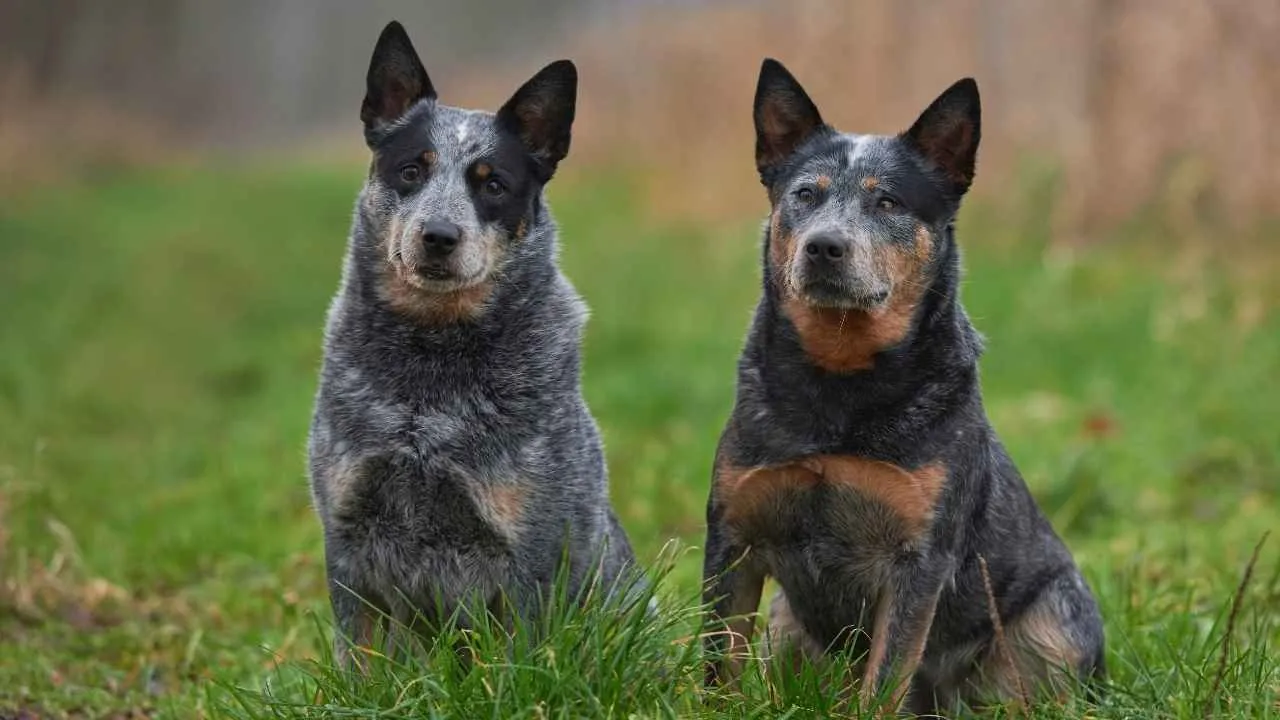
The Australian Cattle Dog was built for tough labor, long working days, and near-constant movement. Strong muscles, sharp instincts, and a fearless natural drive helped this breed guide livestock across vast farms with remarkable efficiency. As Hill’s Pet notes, these intelligent companions stay at their best when both mind and body remain consistently active and engaged.
Without sufficient daily activity, many Australian Cattle Dogs may begin corralling children, chasing bikes, barking excessively, or becoming noticeably irritable indoors.
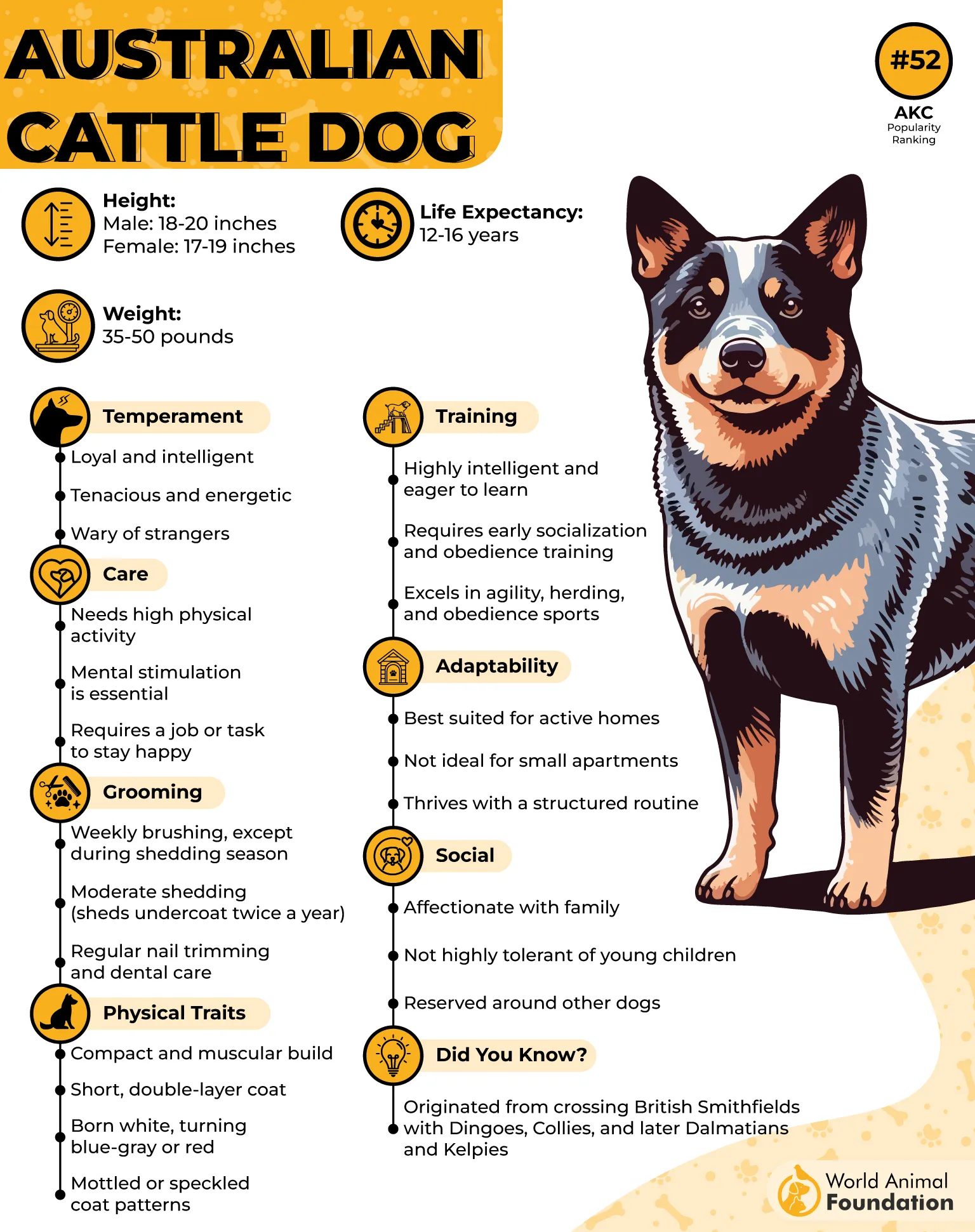
The prey drive in this breed expresses itself somewhat differently than in others, because controlling motion is deeply tied to the original herding role rather than pure pursuit. Clear, consistent routines help support steadier and calmer behavior around the family, not just outdoors.
This dependable working breed requires physical stimulation, puzzle games, and active daily participation to stay balanced and content. Early socialization with other animals and older children supports better responses during hectic or high-energy moments.
Positive reinforcement combined with impulse control exercises can also reduce rough or pushy herding patterns when excitement builds during outdoor play.
7. Siberian Husky
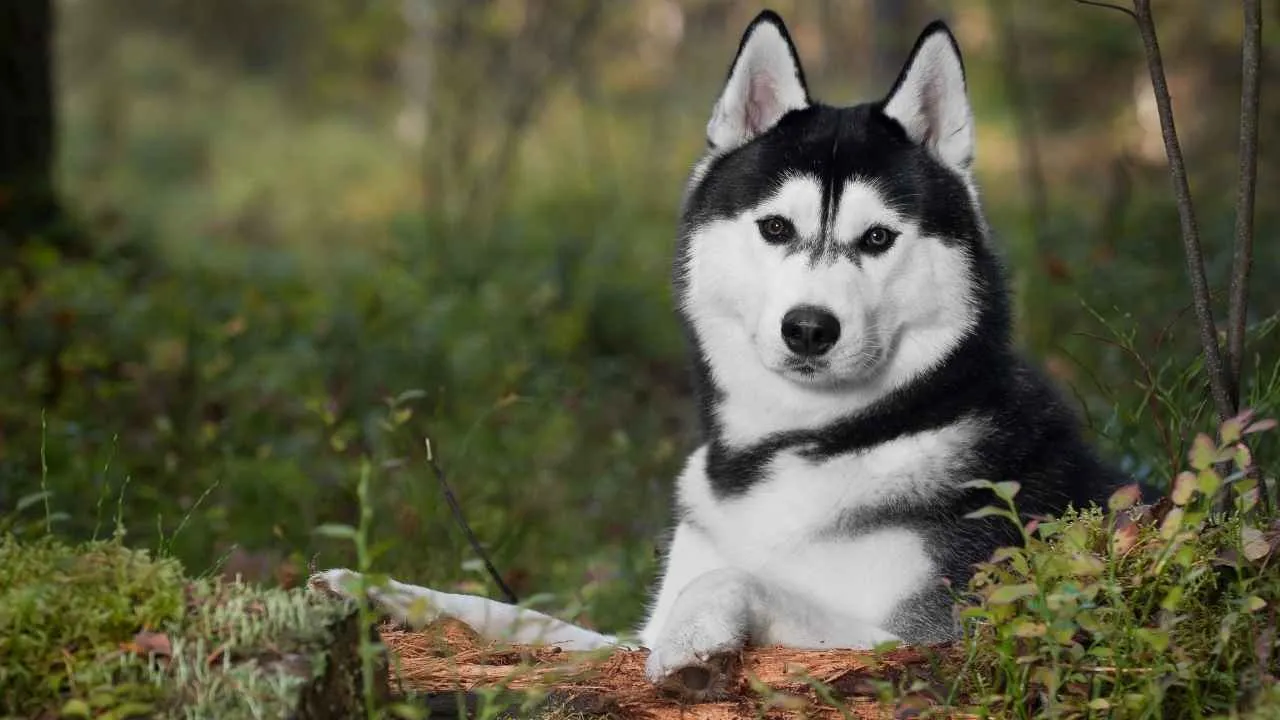
The Siberian Husky brings playful energy, a striking appearance, and boundless curiosity into everyday life. Originally bred to pull heavy loads across icy terrain while working closely within a pack, this breed’s rich history explains why Huskies consistently crave togetherness, movement, and active outdoor adventure.
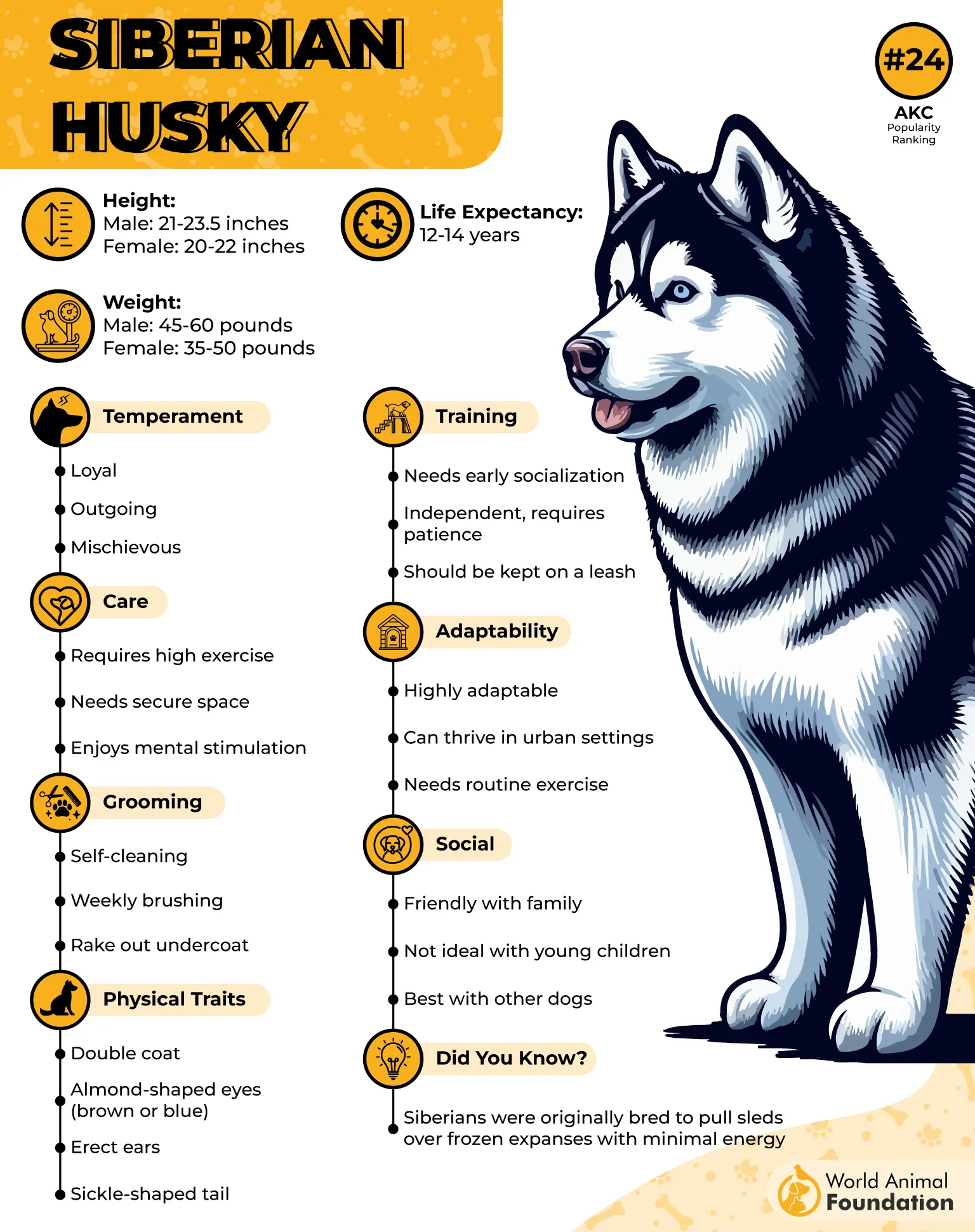
Strong prey instincts remain very much present in this energetic breed. Small pets, birds, and fast movements can trigger immediate excitement during walks or backyard time. Even a well-trained Husky may suddenly give chase if the surrounding environment becomes sufficiently stimulating; a tendency that requires consistent awareness from owners at all times.
This friendly companion does best with long walks, outdoor activities, and structured play rather than extended time indoors. Early training and a securely fenced yard are both important for keeping interactions with moving animals safe and controlled.
Mental stimulation matters just as much as physical exercise for this breed; without it, boredom can quickly lead to digging, escape attempts, or the Husky’s famously loud and expressive vocal outbursts.
8. Belgian Malinois
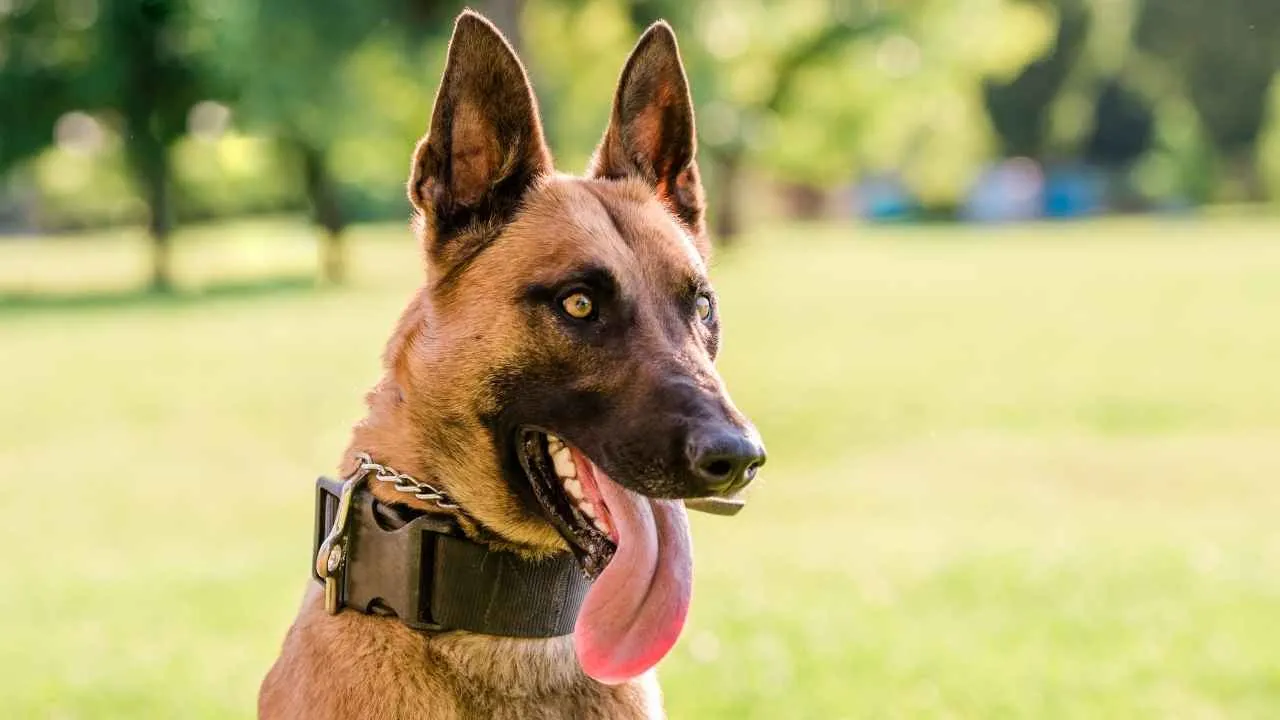
The Belgian Malinois carries one of the strongest working drives found in any modern dog breed. Sure-footed and fiercely capable, these dogs excel in police work, search and rescue missions, and advanced training programs, bringing exceptional intelligence, genuine bravery, and an eager willingness to learn to every task they take on.
As WebMD notes, Malinois dogs tend to form close bonds with their families and remain deeply attached to consistent daily routines.
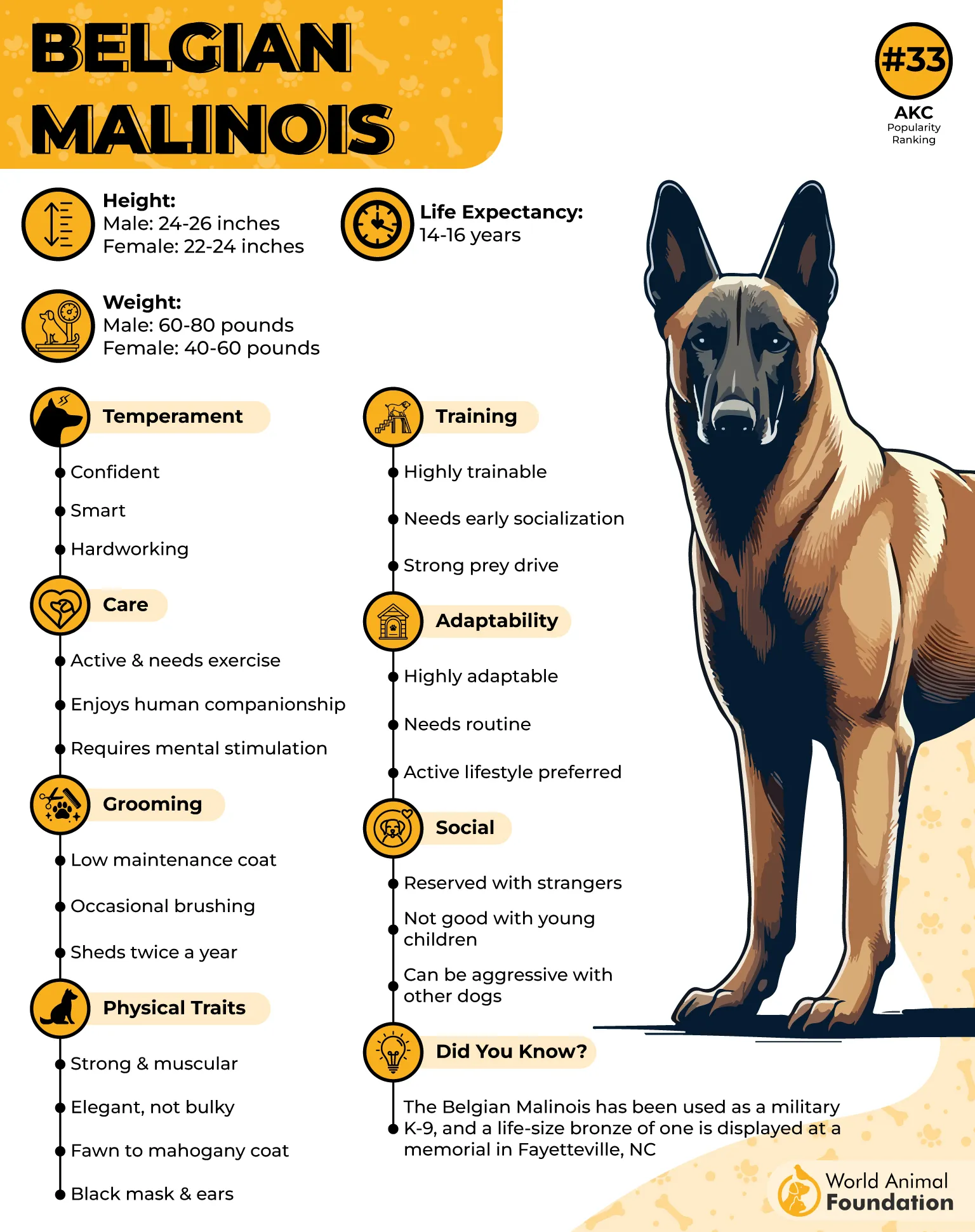
This guard dog also carries a high prey drive, sharp focus, and lightning-fast reactions. Toys, running animals, bikes, and fast-moving objects can quickly trigger chase behavior. Without a clear training plan and steady, confident leadership, that level of intensity can feel genuinely overwhelming in smaller or less active households.
The Belgian Malinois needs consistent guidance, early socialization, and serious mental exercise from the very beginning. Families that stay active and spend meaningful time outdoors generally manage this working breed far more smoothly.
Since protective instincts develop strongly over time, training should emphasize calm responses, quiet self-assurance, and healthy impulse control throughout every stage of the dog’s development.
9. Borzoi
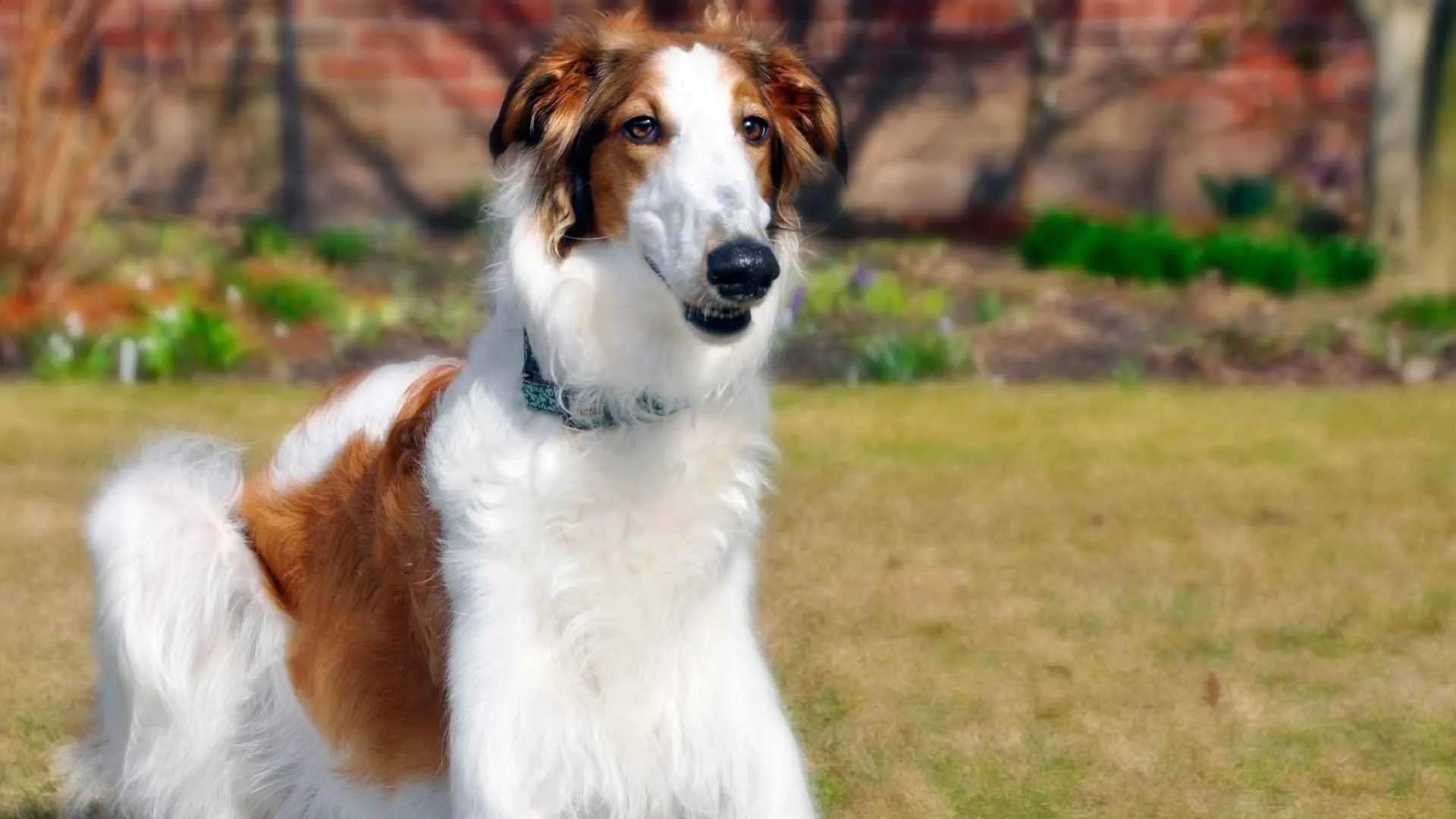
The Borzoi carries a naturally refined elegance deeply rooted in old royal hunting tradition. Long legs and a flowing coat that moves with effortless grace give this breed an unmistakably aristocratic presence, but beneath that beauty lies a fast, capable hunter originally bred to pursue prey across vast open spaces. That sighthound heritage still surfaces in everyday behavior in surprisingly consistent ways.
Many Borzois are calm and genuinely affectionate with family members indoors, yet the chase impulse can activate almost instantly once they step outside. Quick-moving creatures or even sudden, unexpected motion can grab their attention immediately, particularly during walks in open areas.
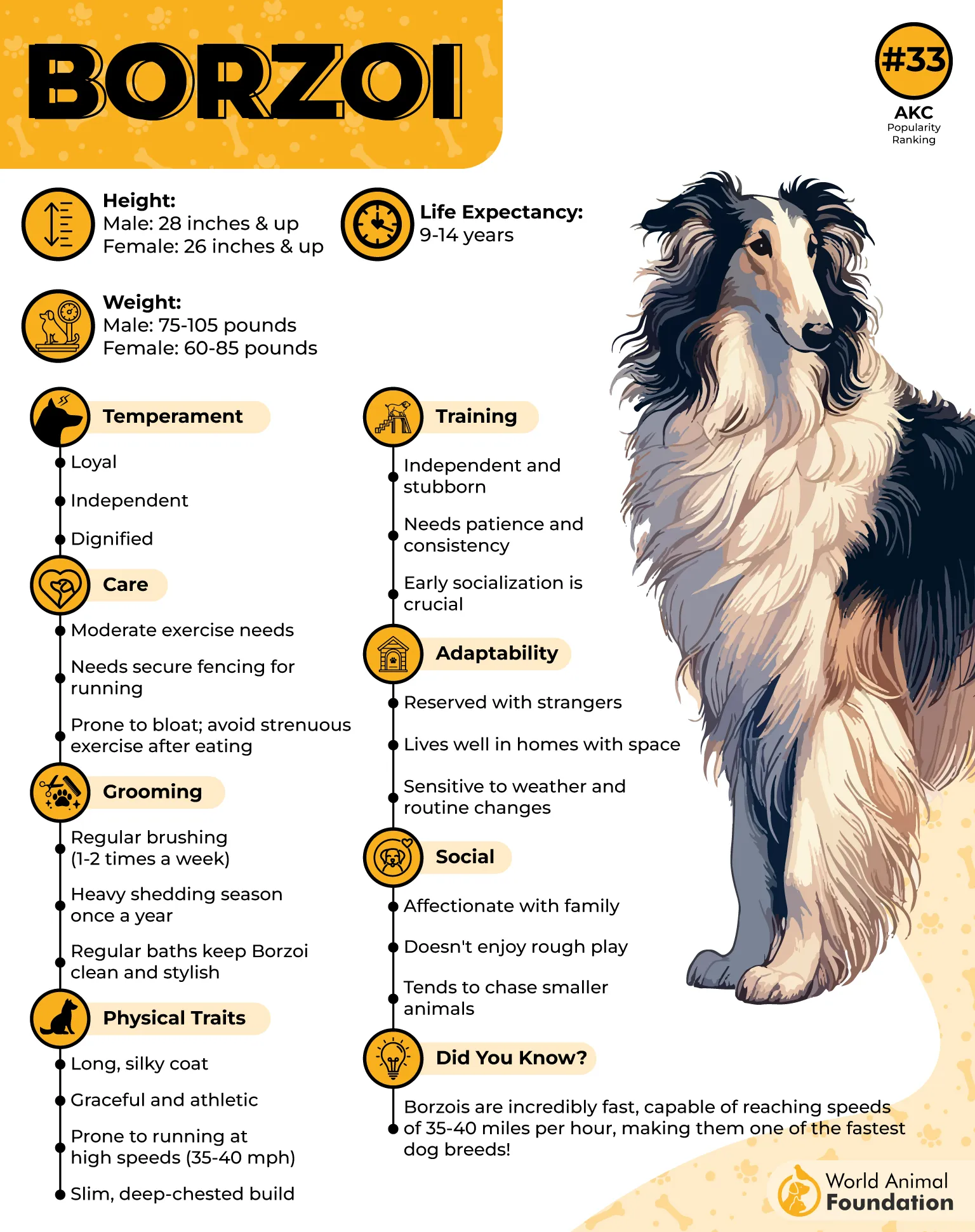
Their quiet, composed temperament can give the impression of a gentle, unhurried dog, when in reality the prey drive runs considerably stronger than most people initially expect.
This graceful companion responds well to calm, patient training sessions, emotional consistency, and outdoor time in safe, secure environments. Early social contact with other dogs helps build the confidence needed for public settings. As a breed that often displays independent thinking, positive reinforcement and gentle guidance consistently produce better results than harsh correction ever will.
Conclusion
Dogs with high prey drive are full of natural energy, sharp instincts, and remarkable focus, qualities that trace directly back to their rich working history. Certain breeds are not difficult or troublesome by nature. They simply need the right guidance, sensible training, and consistent daily activity to stay genuinely balanced and happy within a home environment.
When owners take the time to truly understand what those instincts mean, life becomes noticeably easier and far more enjoyable for both dog and owner alike. With enough patience, clear structure, and the right combination of mental and physical stimulation, these breeds often develop into deeply loyal, impressively intelligent, and wonderfully affectionate companions.
At their core, they are simply looking for a safe and healthy outlet to express what nature so purposefully built into them.
