




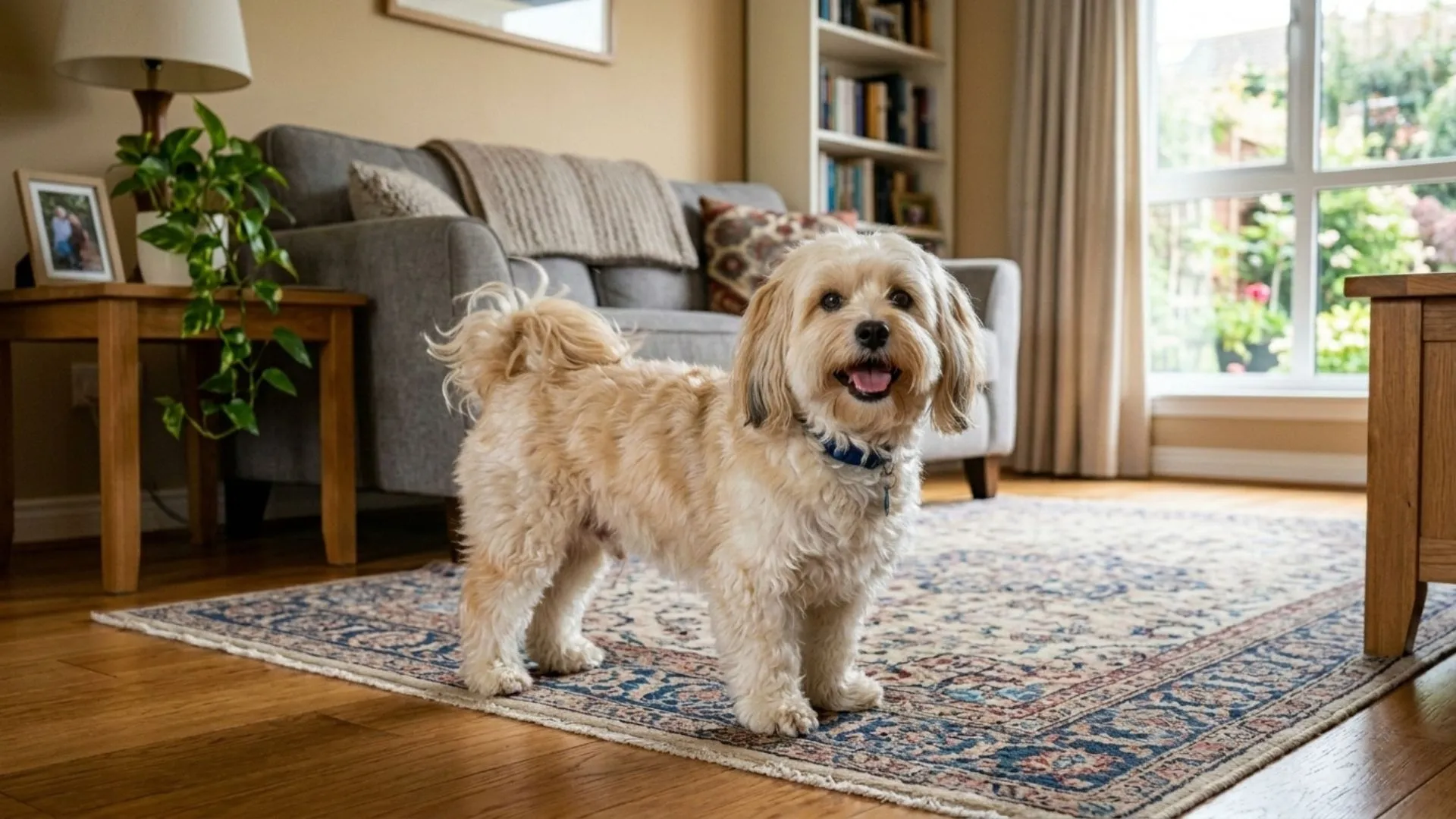
A friend once described the search for a dog as surprisingly similar to finding the right roommate. At first, appearance seemed like the most important factor. After all, a cute face is usually what captures attention.
The more research that followed, however, the clearer it became that personality, habits, and lifestyle compatibility mattered far more than expected. That realization completely changed the search. Instead of focusing on looks alone, attention shifted toward finding a companion that would naturally fit into daily life.
Pocket dog breeds quickly entered the conversation because they offered a combination of convenience, companionship, and adaptability. Yet it soon became obvious that they were not all alike. Some brought calm confidence into a home, while others carried enough enthusiasm to keep an entire household entertained.
Ahead, you will explore pocket-sized companions whose unique qualities may make one feel like the perfect match.
Key Takeaways
A small dog can completely change the rhythm of a home, especially when its personality feels perfectly matched to the people around it.
Shih Tzus and Maltese bring a calm, people-loving nature into smaller homes, while still carrying enough personality to keep every room feeling alive.
Yorkshire Terriers and Pomeranians may be tiny, yet their sharp curiosity and constant need to stay involved make them impossible to ignore.
Somewhere in this list is the kind of pocket companion that changes the feel of a home without ever taking up much space.
Fantastic Pocket Dog Breeds: Finding Your Ideal Match
1. Shih Tzu
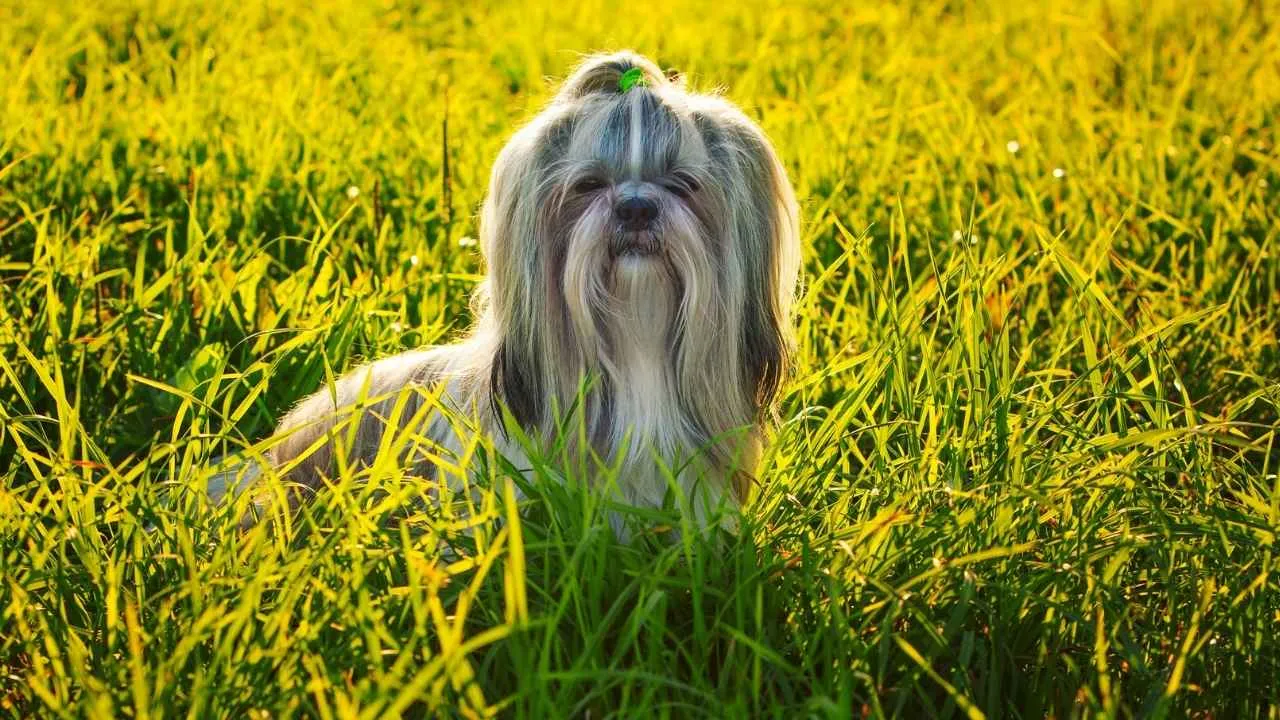
The Shih Tzu once sat beside Chinese royalty and held close ties with Buddhist culture, earning the name “Lion Dog” for its symbolic presence, as noted by PetMD.
Its resemblance to the Lhasa Apso and Tibetan Terrier reflects shared roots linked to Tibet. That regal association still shapes the breed’s composed yet people-focused nature indoors.
Small Space Favorite
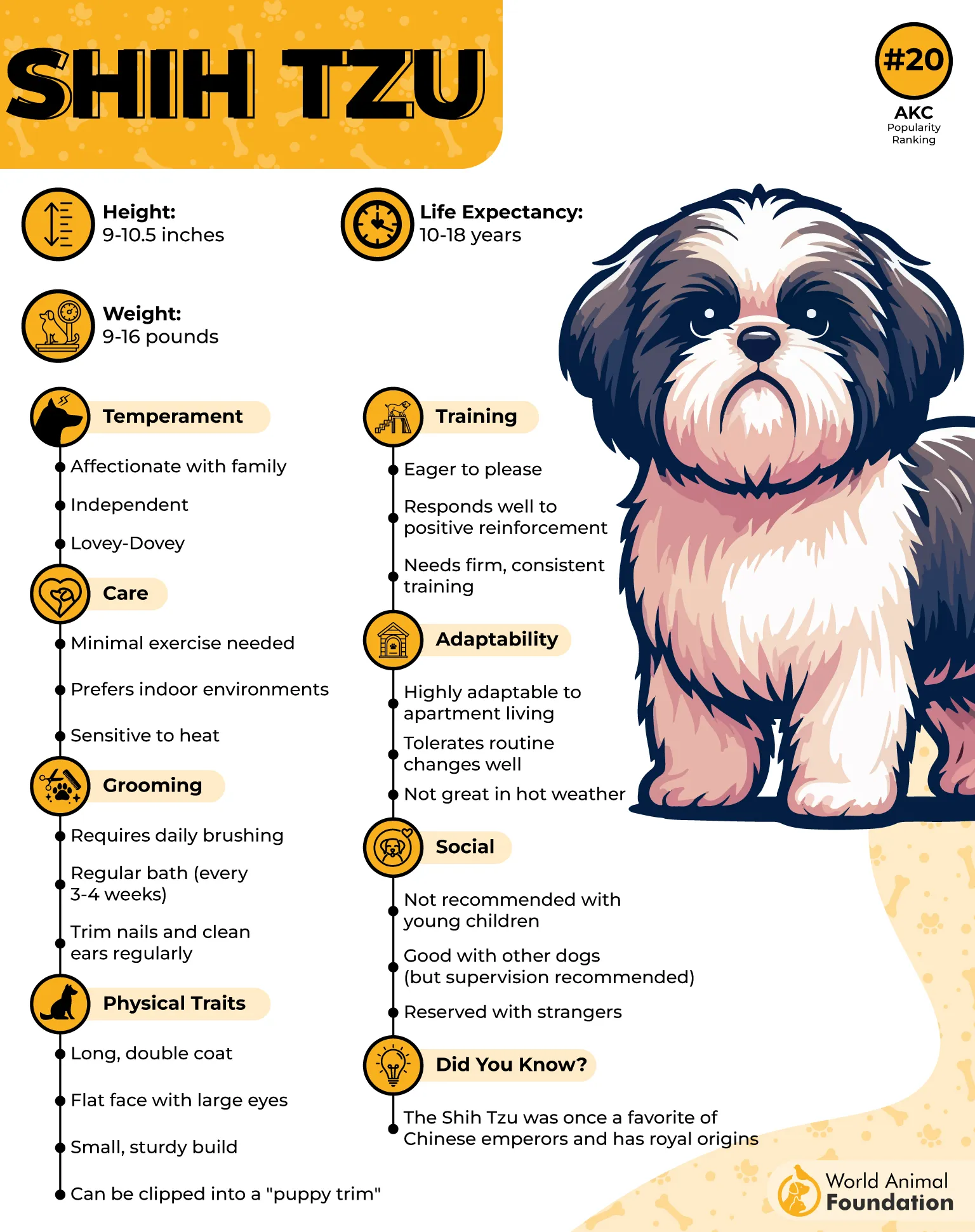
This small breed settles comfortably into flats and smaller homes, preferring soft cushions, familiar company, and short daily outings over demanding routines.

A few traits explain that balance well:
Comfortable in compact homes
Enjoys gentle daily walks
Social with guests and other pets
Companionship First
The Shih Tzu pays close attention to household activity, often reacting to footsteps or door sounds simply from excitement about greeting someone new.
They enjoy constant closeness and may become noisy or restless when left alone too often. Warm weather also requires caution since heat can quickly tire this compact companion.
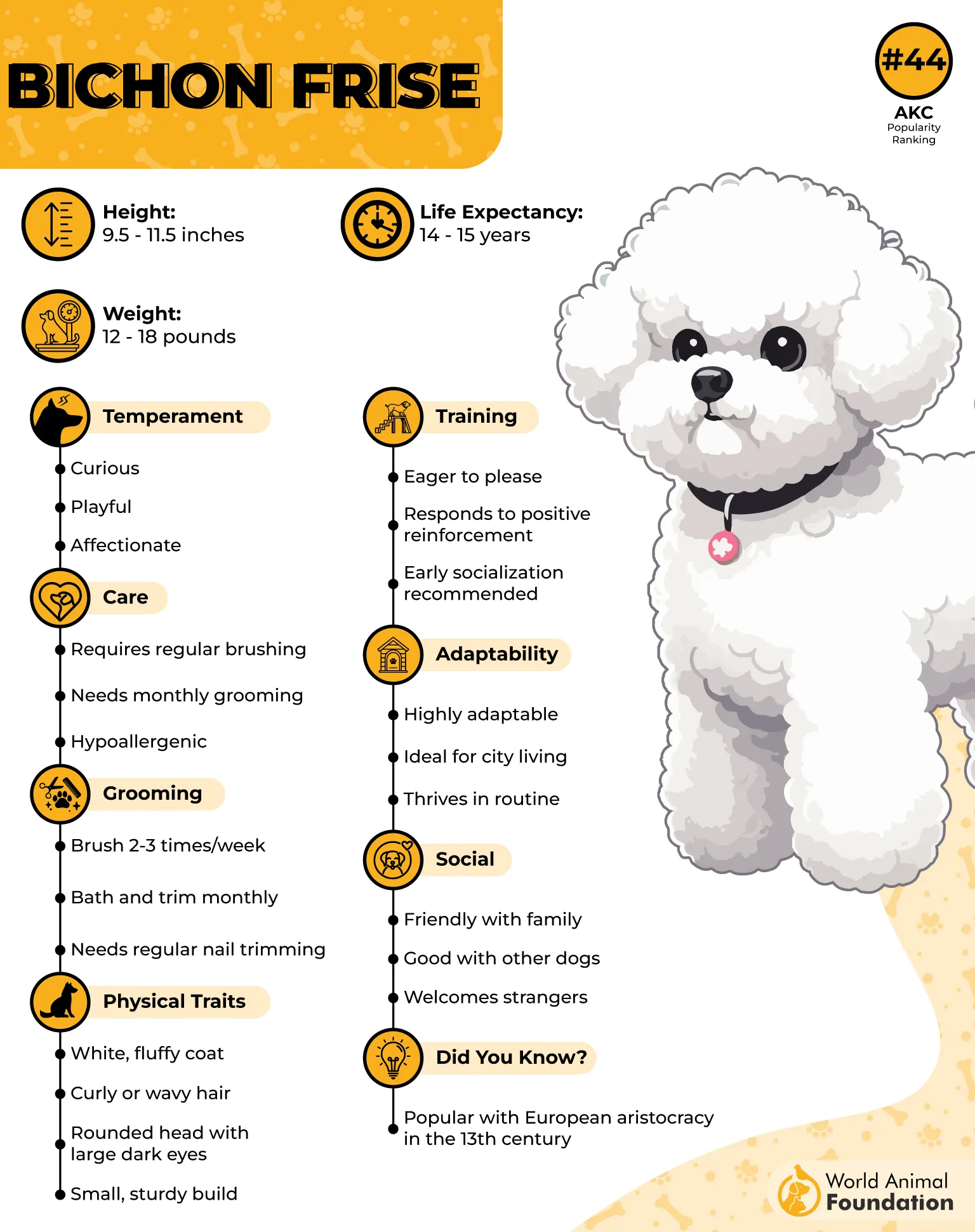
2. Bichon Frise
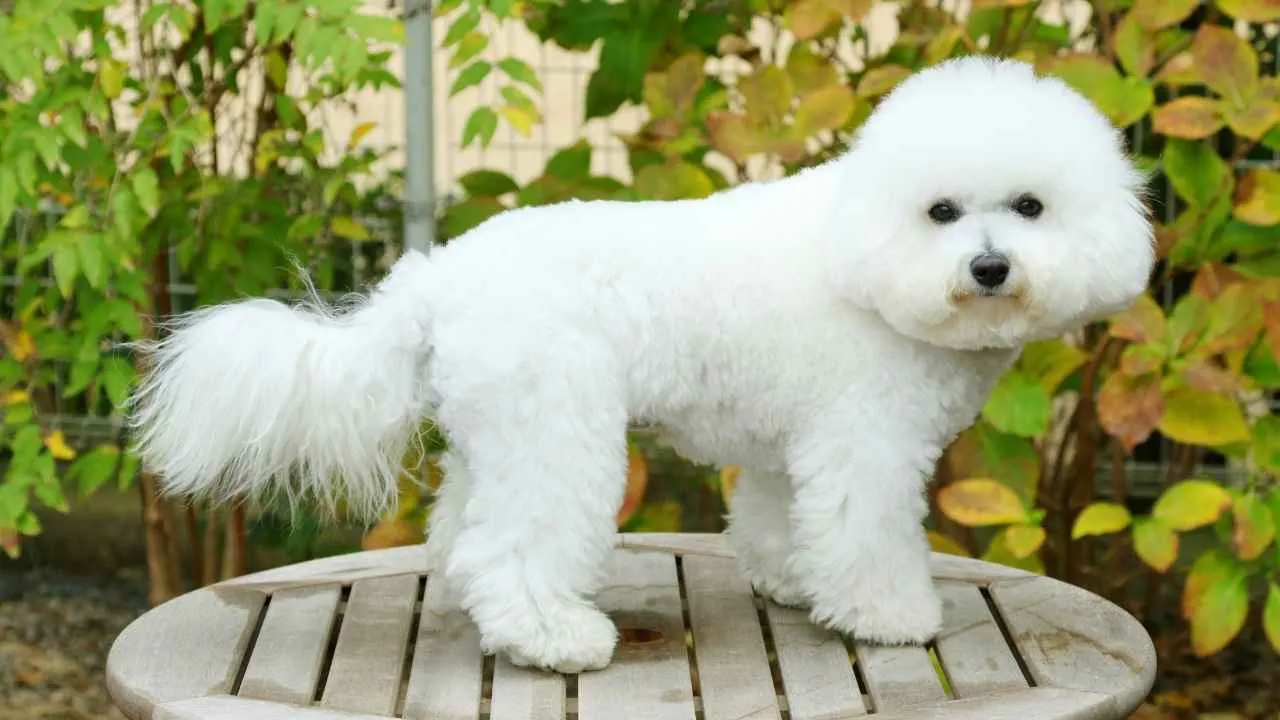
The Bichon Frise first gained popularity around the Mediterranean, where small white companion dogs were crossed with water dogs to create the Barbichon family.
Street performers later valued the breed for its quick learning and lively personality. That cheerful nature still shapes the breed’s close attachment to people today.
Always Near You
They prefer being involved in everyday routines, whether riding in the car, walking through shops, or curling up beside someone on the sofa, as Omlet writes. Their social personality appears in small but noticeable ways.
This companionship often includes:
Following people from room to room
Barking quickly at unfamiliar sounds
Seeking physical closeness often
Small Dog, Constant Presence
The Bichon Frise fits naturally into homes where someone is around for most of the day, since long periods alone can lead to destructive habits.
Their moderate exercise needs suit apartment living, though they still enjoy short outdoor outings. Even after activity, this breed usually settles close beside its favorite person.
3. Maltese
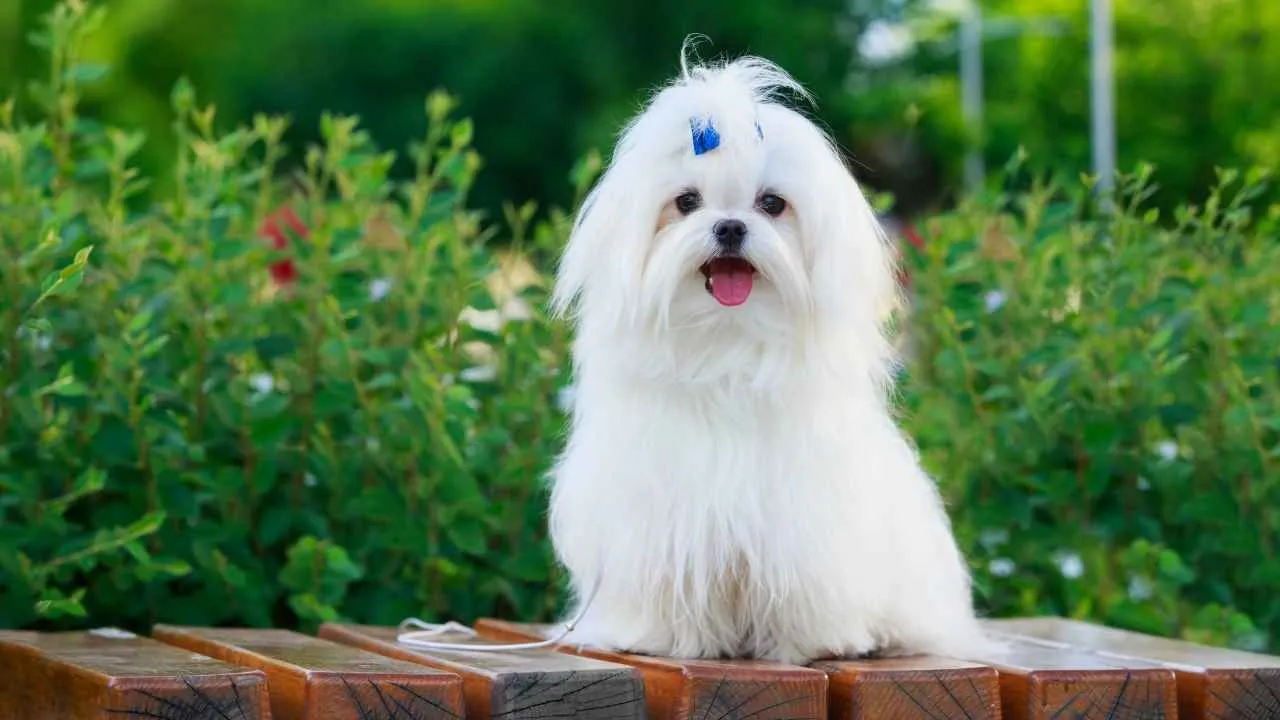
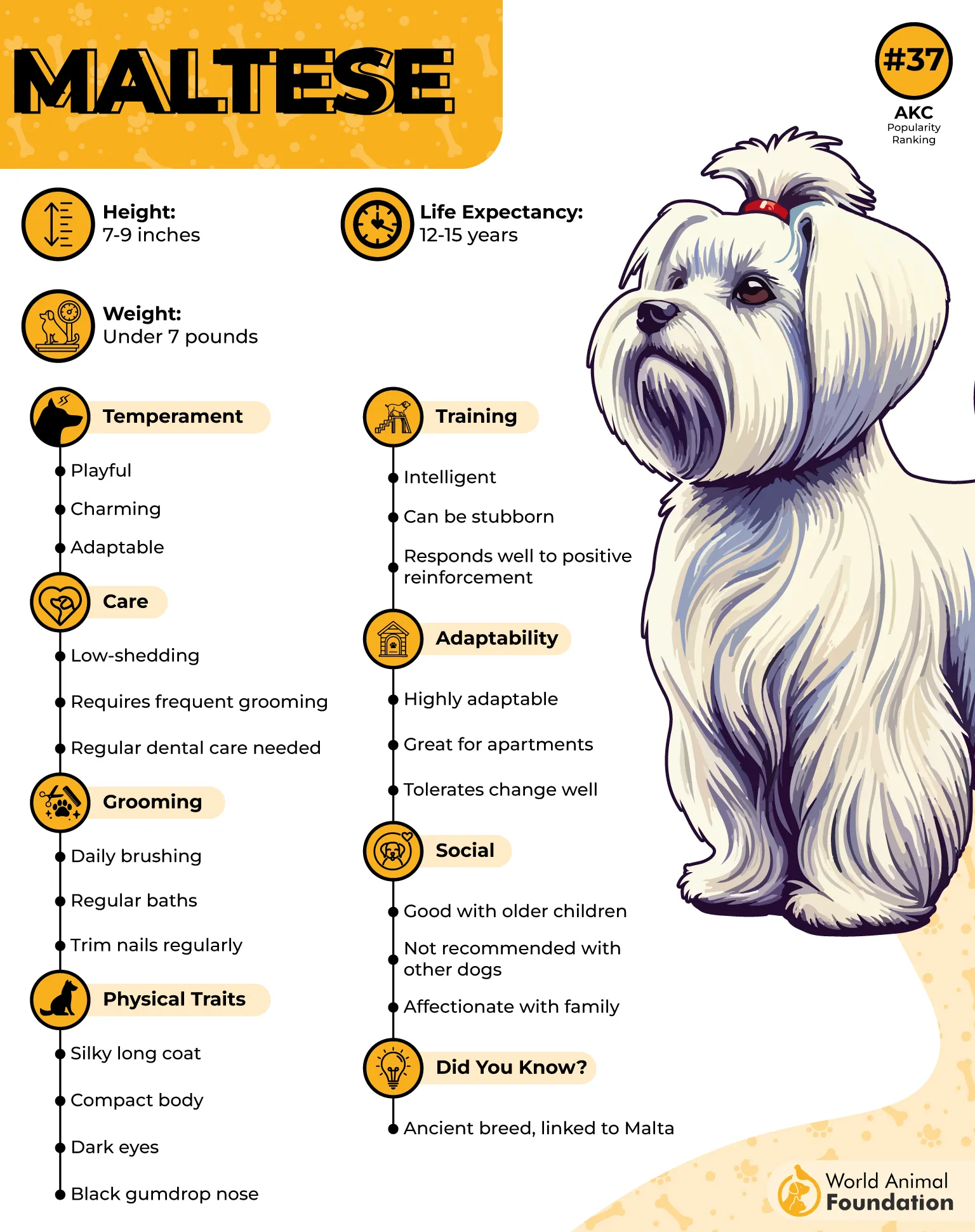
The Maltese appears in records dating back to 300 BC, linked to trading routes that connected Asia with Central Europe. Its silky white coat and compact frame shaped a companion that remained close to people rather than distant from household life, as mentioned by Purina.
Small Dog, Constant Company
They rarely drift far from their favorite person and happily curl into laps, sofas, or quiet corners beside the family. Constant affection and playful behavior still define the breed today.
That attachment shapes much of its personality:
Quick to greet visitors
Enjoys gentle indoor play
Learns routines surprisingly fast
Playful Past Puppyhood
Maltese keeps an almost puppy-like attitude well into adulthood, often turning ordinary moments into attention-seeking games and affectionate cuddles.
They fit homes looking for companionship more than independence, especially where someone is around for most of the day. Respectful children and calm handling suit its social nature best.
4. Pug
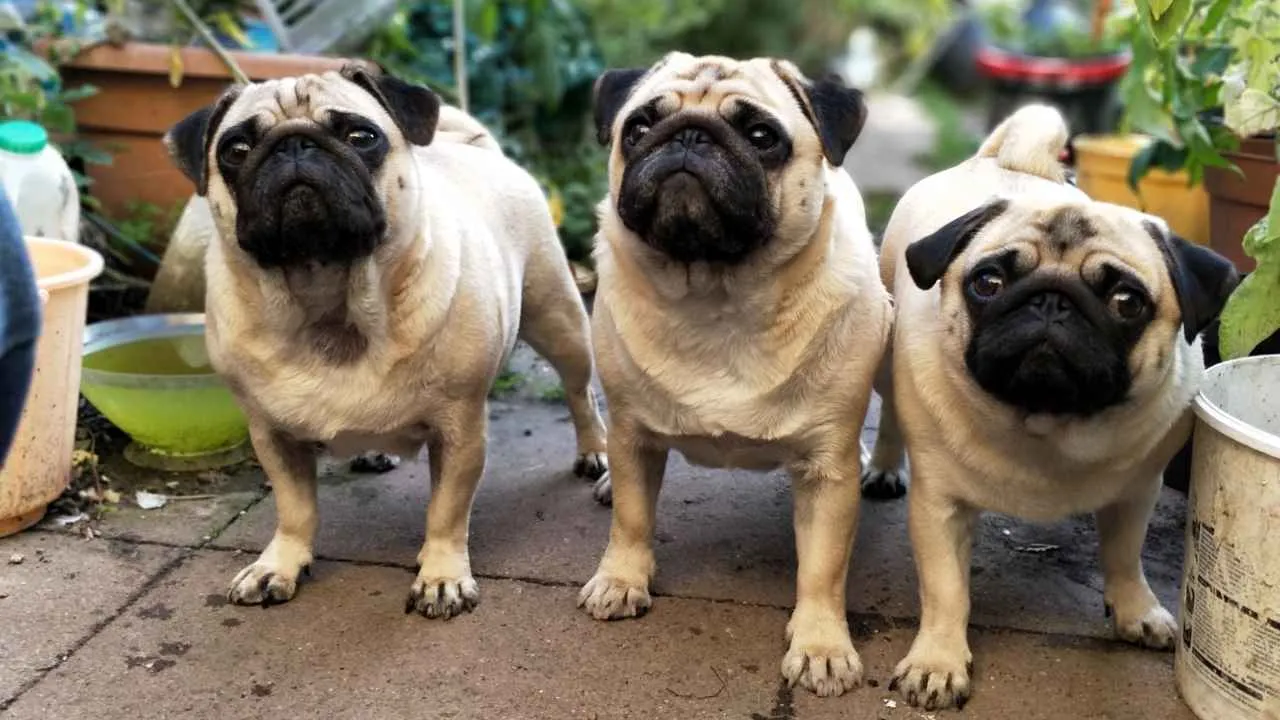
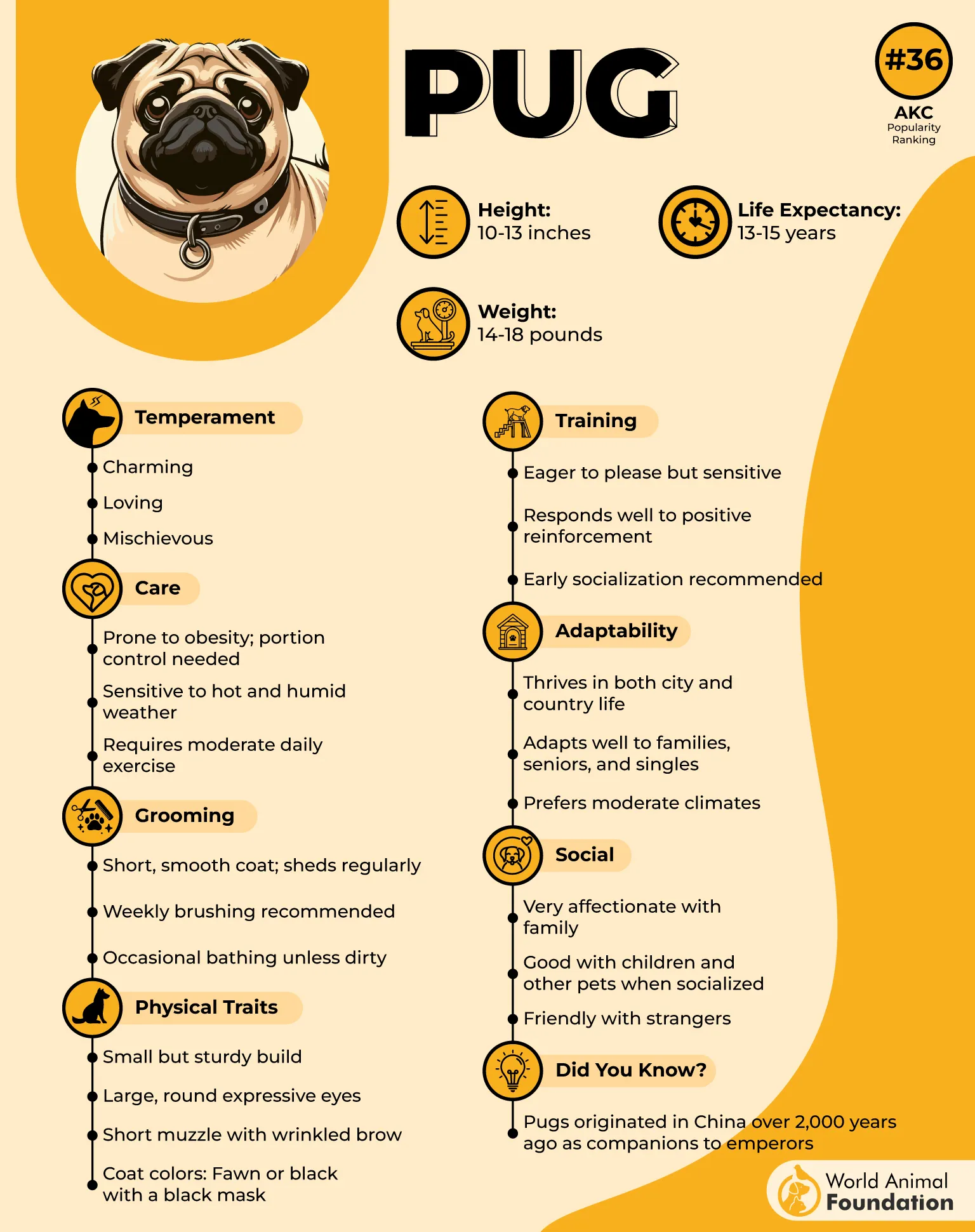
The Pug first won admiration inside Chinese royal courts, later becoming closely linked with Holland’s House of Orange through its lively and affectionate personality.
The breed’s compact, muscular body reflects the old Latin phrase “a lot in a little.” Large eyes and a wrinkled brow create expressions that feel strikingly human.
Everyday Companion
Pugs settle easily into different homes, whether surrounded by children, older adults, or other pets in a busy household. Time on the sofa often sounds perfect to this breed, though regular walks and playful yard sessions help prevent unwanted weight gain.
These characteristics shape daily life naturally:
Compact yet surprisingly sturdy build
Short glossy coat with regular shedding
Comfortable in moderate weather conditions
Easygoing but Not Fragile
They balance relaxed habits with bursts of playful energy, making short games or dog sports and moderate activity enough for most days. The smooth coat stays fairly simple to manage, adding convenience for people wanting companionship without demanding grooming sessions.
5. Yorkshire Terrier
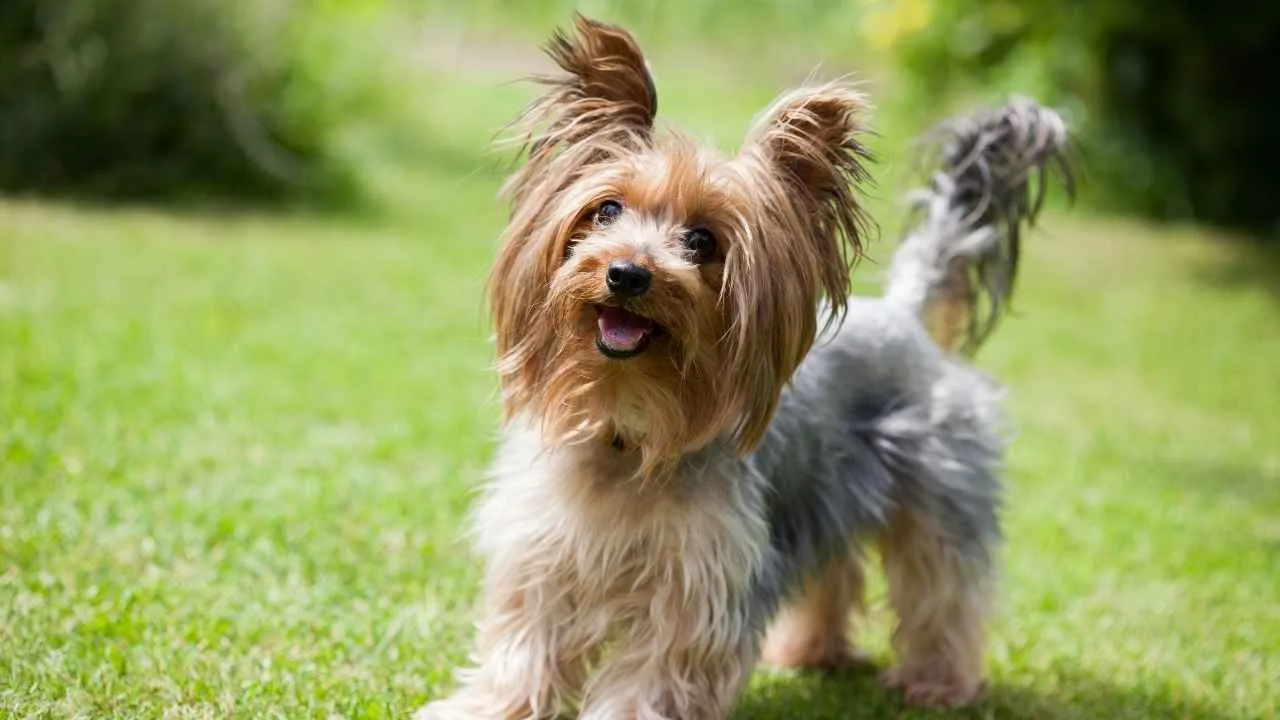
The Yorkshire Terrier first earned its place inside Yorkshire cotton mills, where Scottish workers relied on these tiny terriers to clear rats from tight spaces.
That working instinct still shapes the breed’s sharp reactions and constant curiosity. Beneath the silky coat sits a dog that notices movement, sound, and unfamiliar activity quickly.
Small Dog, Busy Mind
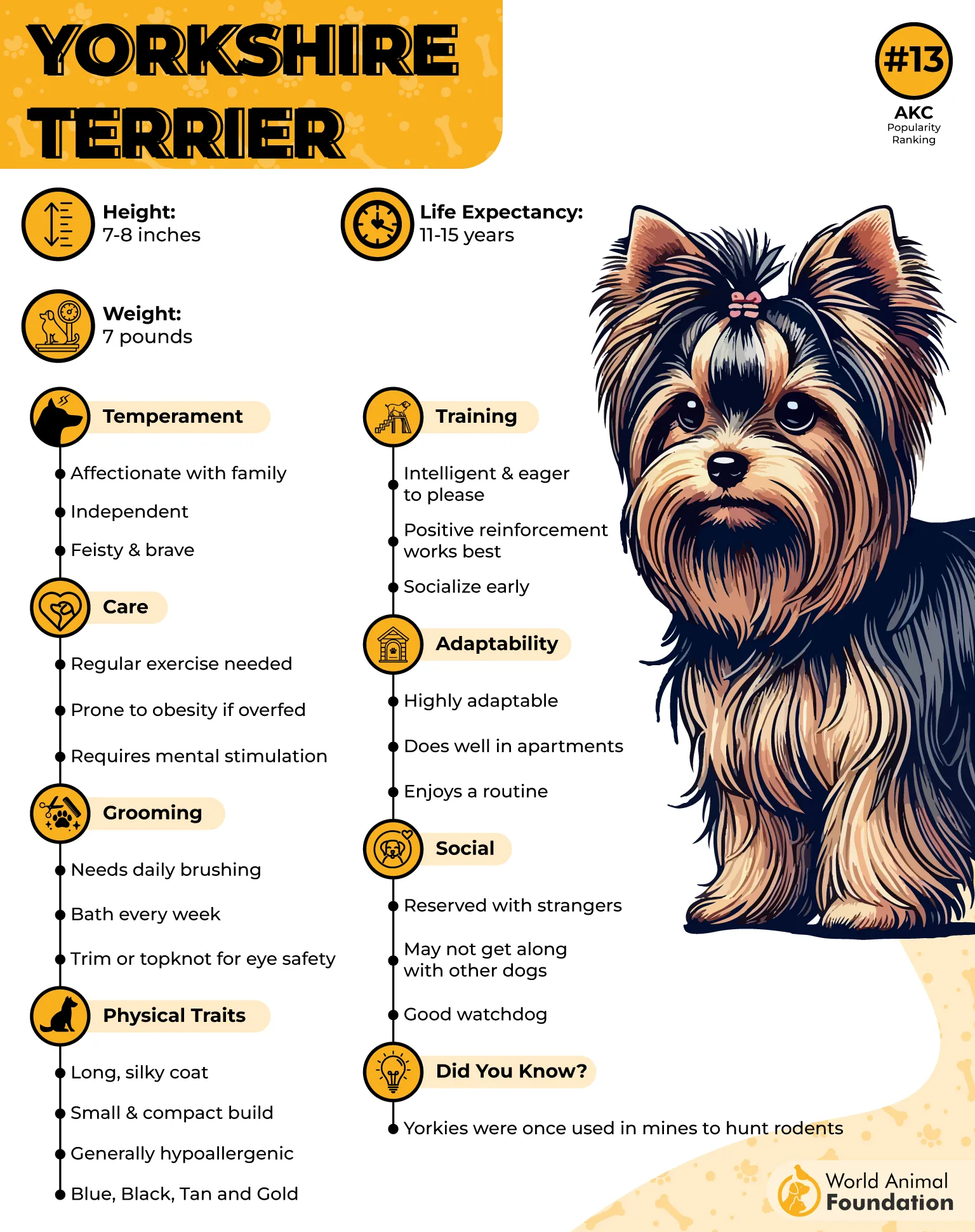
Yorkies rarely settle into a passive routine because they prefer interaction, games, and activity around the house. Their lively temperament becomes easier to manage when structure enters daily life.
A few traits shape that experience:
Fast learner during training
They may bark at visitors
Enjoys indoor fetch and short walks
Attention With Attachment
Yorkshire Terriers form close attachments and prefer being involved rather than left alone for long stretches. Early puppy classes and regular introductions to strangers help reduce overprotective behavior later on. Their affectionate side balances well with a playful, independent streak.
6. Havanese
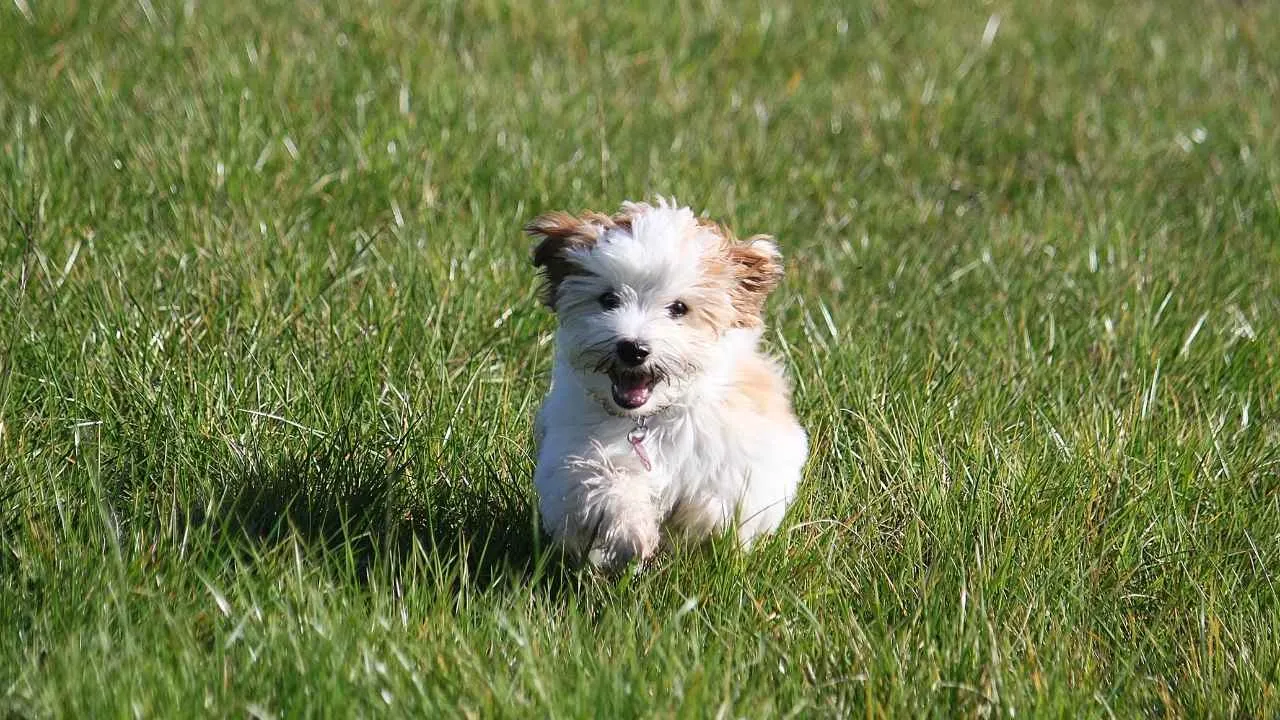
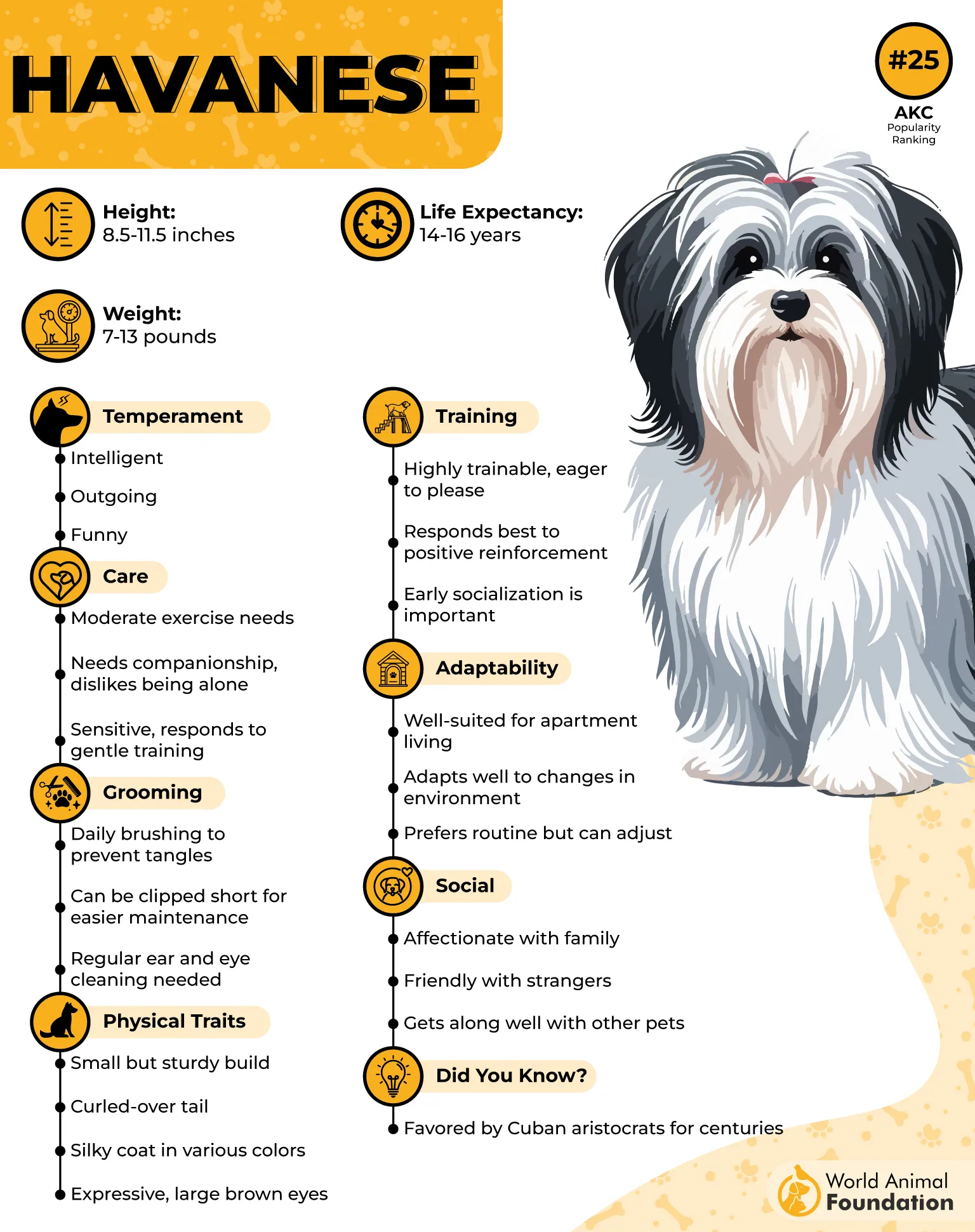
Havanese first gained popularity in Cuba after Spanish traders brought these small Bichon dogs as gifts during trading visits.
Their lively curiosity and constant interest in household activities quickly made them favorites among wealthy families. Attention matters deeply to this breed, which prefers being close to people throughout the day.
Always Nearby
Havanese follow family members from room to room and often settle beside them on the sofa whenever possible. Daily companionship shapes much of this breed’s personality and behavior.
The following qualities explain attachment well:
Deeply people-focused nature
Friendly with strangers and pets
Affectionate “velcro dog” behavior
Quick To Learn
Havanese enjoys learning tricks and responds well to steady, consistent guidance that keeps training engaging without becoming harsh.
Their sharp mind and playful antics can easily charm people into bending rules if limits are inconsistent. This eager attitude also explains why the breed performs well in agility and therapy settings.
7. Pomeranian
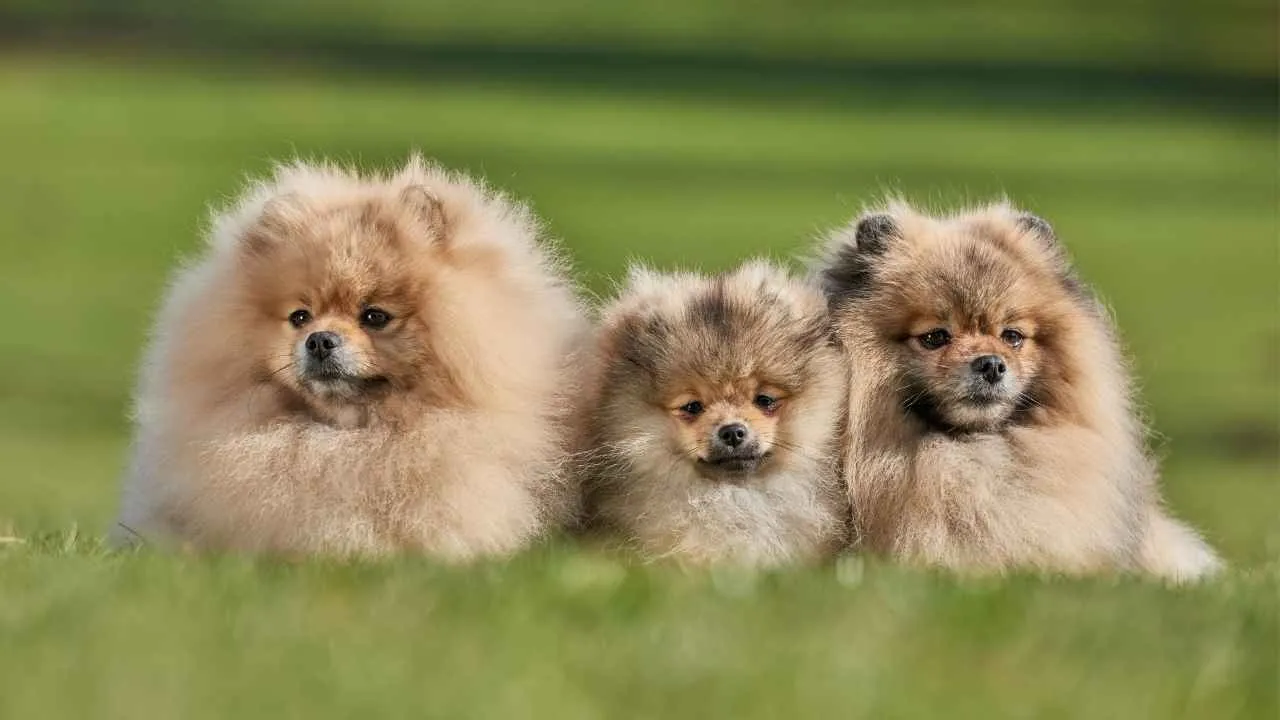
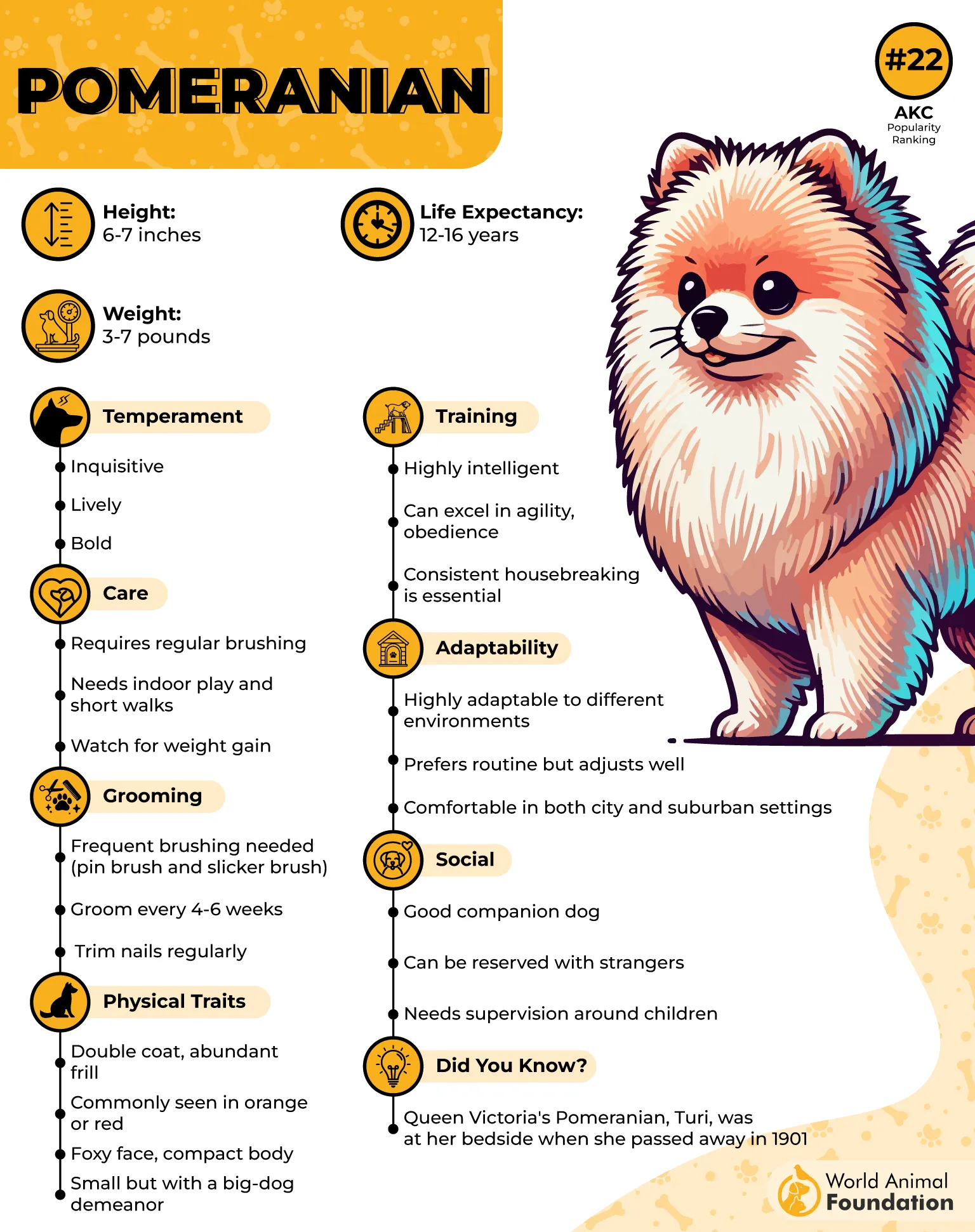
Pomeranians come from the Pomerania region of Poland and Germany, descending from larger German Spitz dogs gradually bred into a much smaller companion. Its fox-like face, thick coat, and lively curiosity give this tiny breed a surprisingly commanding presence.
Small Size, Big Opinions
Poms quickly turn ordinary routines into interaction, often following people from room to room while seeking attention and involvement. Their intelligence keeps them mentally alert, which is why games and learning tasks suit this ideal dog so naturally.
Their daily life is shaped by these characteristics:
Highly responsive to tricks and games
Protective when strangers enter
Confident around larger spaces
Clever and Social
They enjoy affection from nearly everyone rather than attaching themselves to only one person, though early social exposure matters greatly around other dogs.
Their bold personality can sometimes push them into situations bigger than their size suggests. Proper training helps channel that sharp mind before stubborn habits begin taking over the household.
Conclusion
A pocket-sized dog may occupy very little space, yet its influence on daily life can be surprisingly large. The breeds explored here demonstrate that small companions are far more diverse than many people expect. Some prefer quiet routines and close companionship, while others approach each day with enthusiasm, curiosity, and a need for mental stimulation.
Understanding those differences often leads to better decisions and stronger long-term relationships. Whether choosing a first dog or searching for the perfect breed that enjoys a trip to the dog park, the goal is finding one that naturally complements your household and lifestyle. When that happens, companionship feels effortless and rewarding.
