




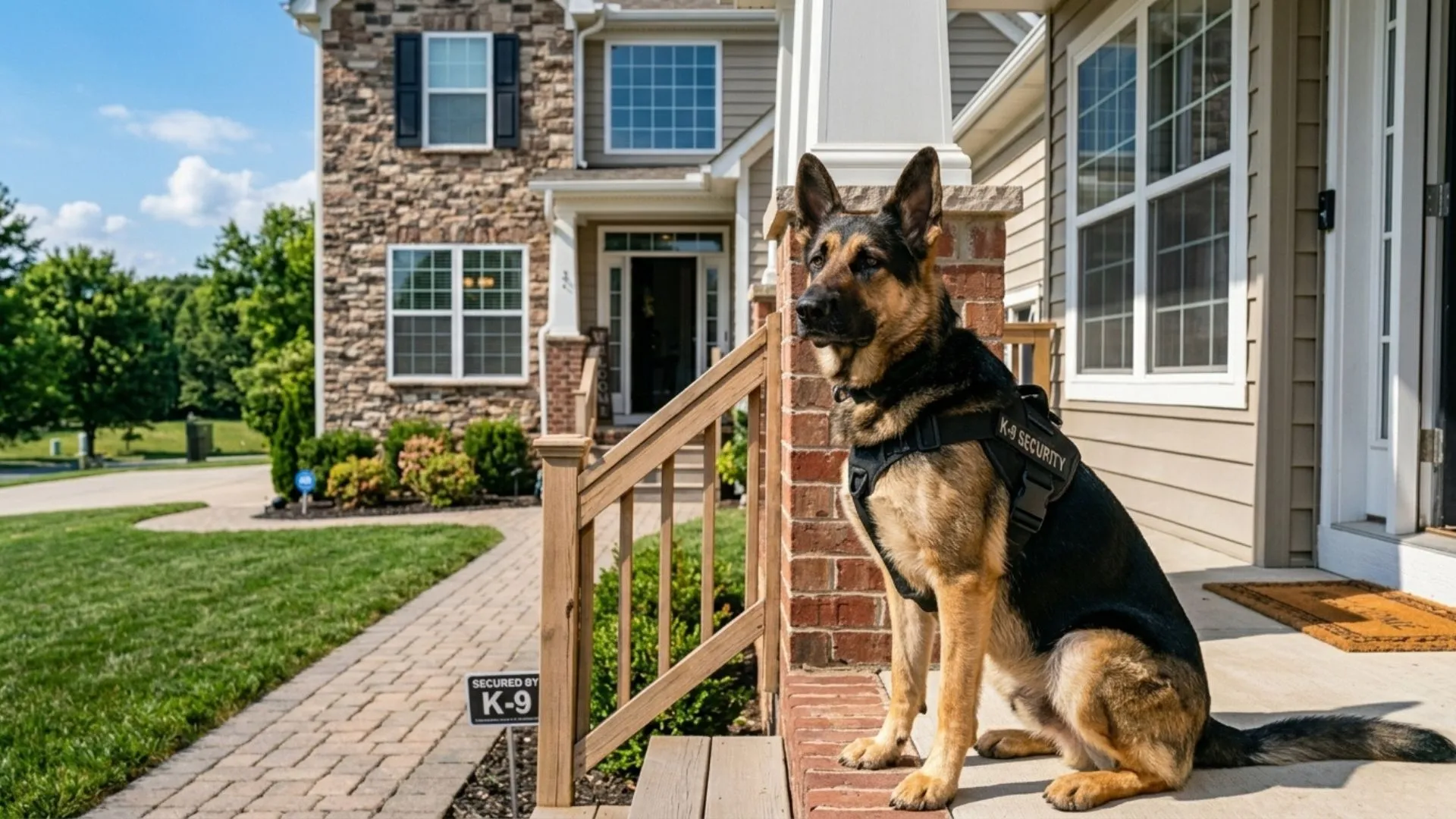
Most people search “best guard dog breeds” and get the same recycled list with the same surface-level descriptions. What they don’t get is the neuroscience behind their alertness, the centuries of selective breeding that shape their instincts, or the specific behavioral traits that separate a dog that looks intimidating from one that actually protects.
According to the FBI’s 2022 crime data, robbery showed an estimated increase of 1.3% nationally in the United States. That is not a scare tactic: that is context. A trained, well-matched protection dog is not a luxury. For many families, it is a legitimate, relationship-based security layer that no camera or alarm system can replicate.
Here is a look at the breeds genuinely built for this role, and exactly what makes each of them different.
Reliable Dog Breeds for Home Protection and Security
1. Doberman Pinscher
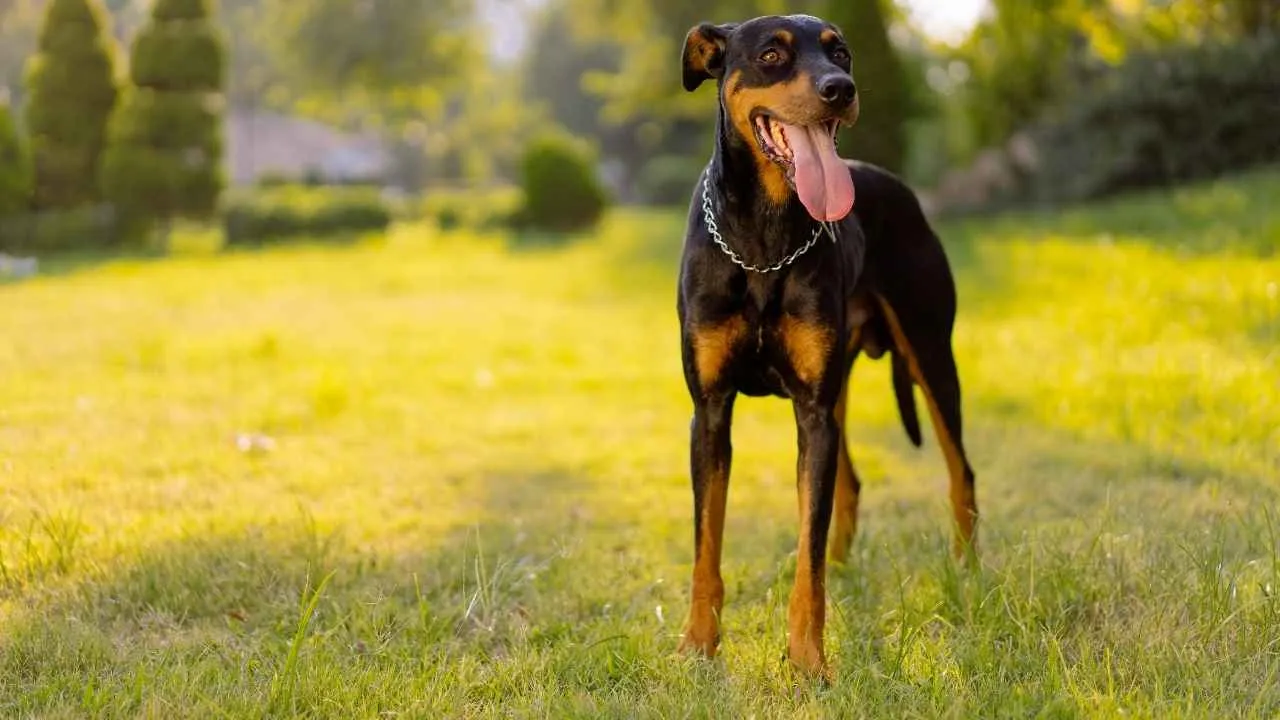
Louis Dobermann, a German tax collector, crossbred the German Pinscher, Weimaraner, and Greyhound in the late 1800s to develop a breed that could protect him on dangerous collection routes. The result was a fearless, intelligent, fast, and loyal companion known today as the Doberman Pinscher.
These excellent guard dogs form strong bonds with their owner’s family and tend to follow them from room to room. Among the smartest dog breeds, the Doberman Pinscher is capable of anticipating a potential threat before it materializes.
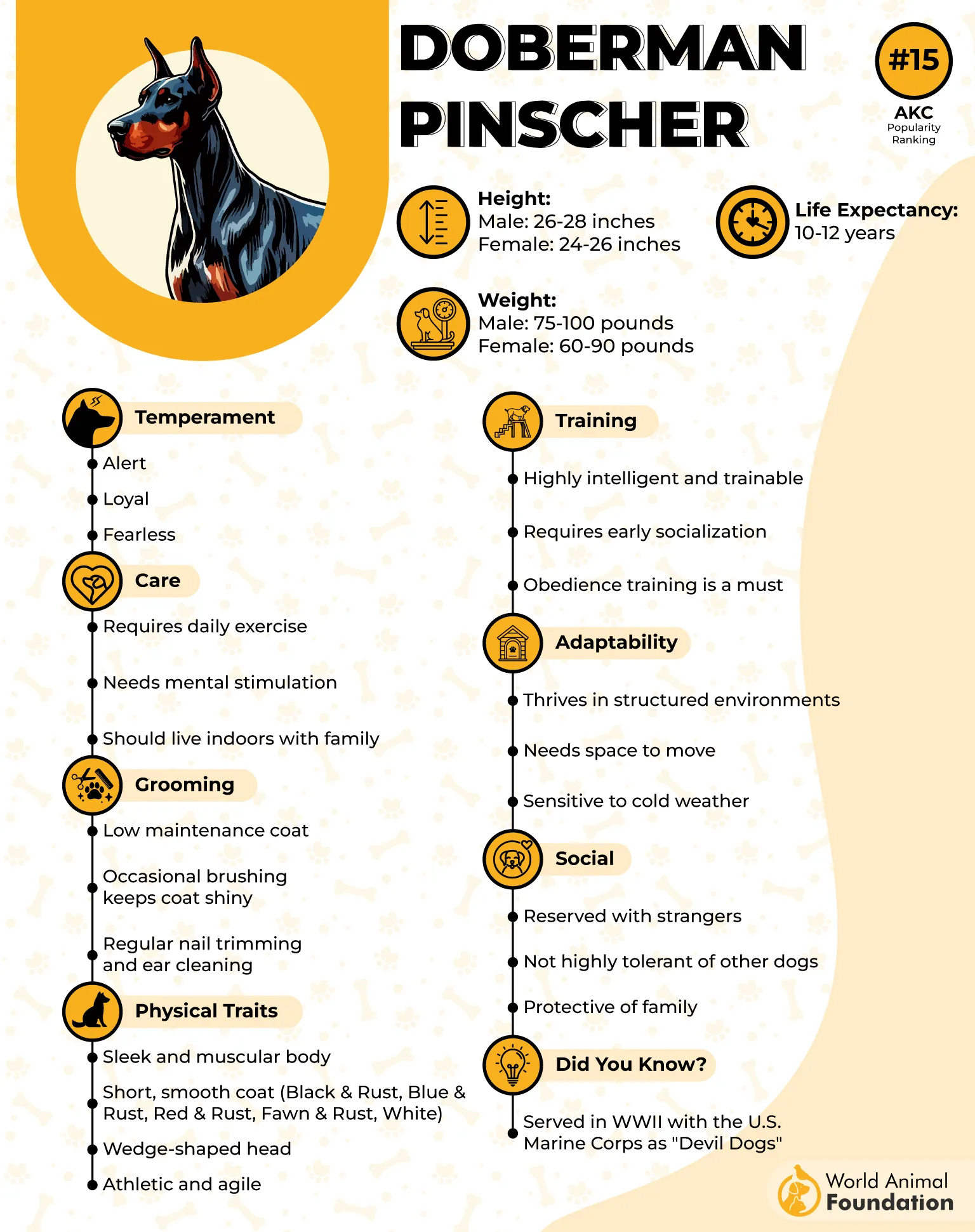
Their alert posture, muscular build, and confident stride alone are enough to intimidate an attacker. They maintain a balanced temperament: alert and suspicious around strangers, yet affectionate and deeply loyal to family members.
Indoors, they monitor focus points such as doors and windows, while outdoors they patrol within a self-defined radius around the home. They lock eyes with strangers and bark to alert their owner, often displaying piloerection as a sign of heightened alertness. If deterrence fails, these naturally nocturnal dogs target the attacker’s arm to neutralize the threat with minimal harm.
2. German Shepherd
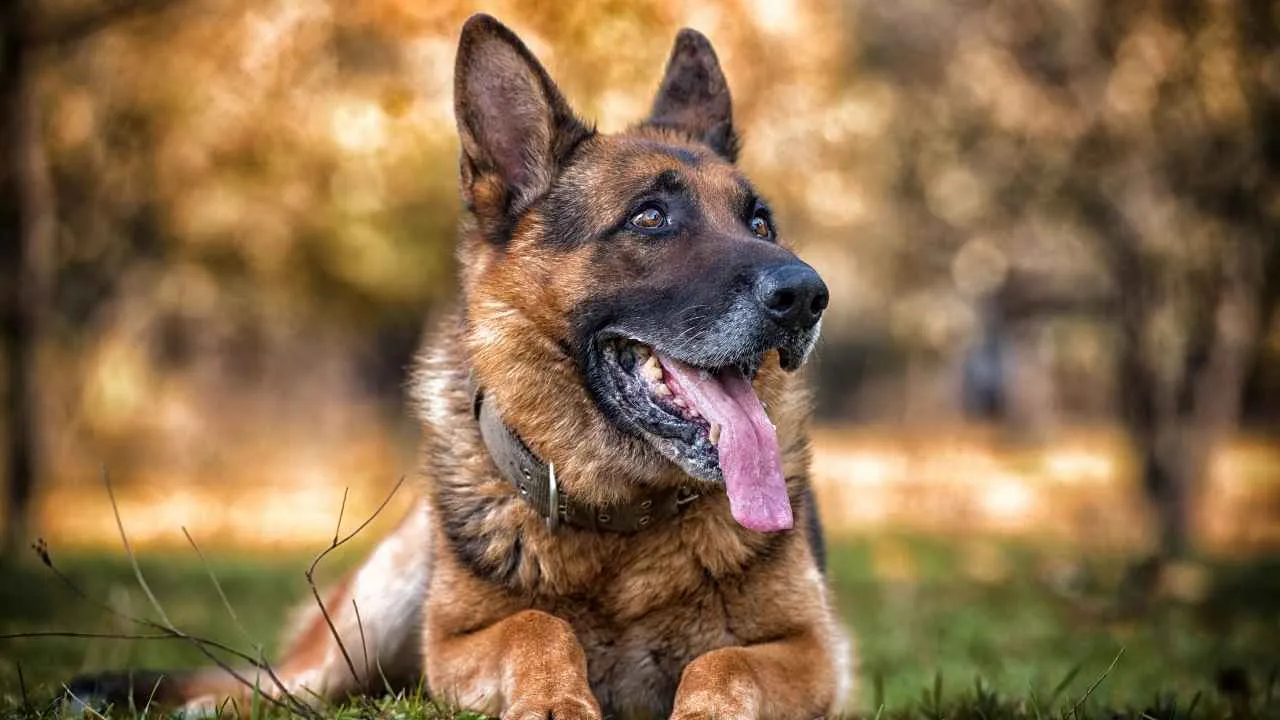
“Utility is the true criterion of beauty.” This was the philosophy Captain Max von Stephanitz adopted when he purchased a dog named Hector Linksrhein at a German dog show in 1899. So impressed by the animal’s loyalty, intelligence, and physical capability, he founded the Society for German Shepherd Dogs and dedicated his life to standardizing the breed for working utility.
The German Shepherd ranks among the top three smartest dog breeds in the world, allowing them to learn complex tasks quickly and making them ideal candidates for home security. They observe their surroundings with remarkable sharpness and can act within half a second of detecting a threat.

With the natural instincts of both a protection dog and a watchdog, the German Shepherd remains calm under stress and copes effectively with traumatic events, qualities rarely found in breeds like the Labrador Retriever.
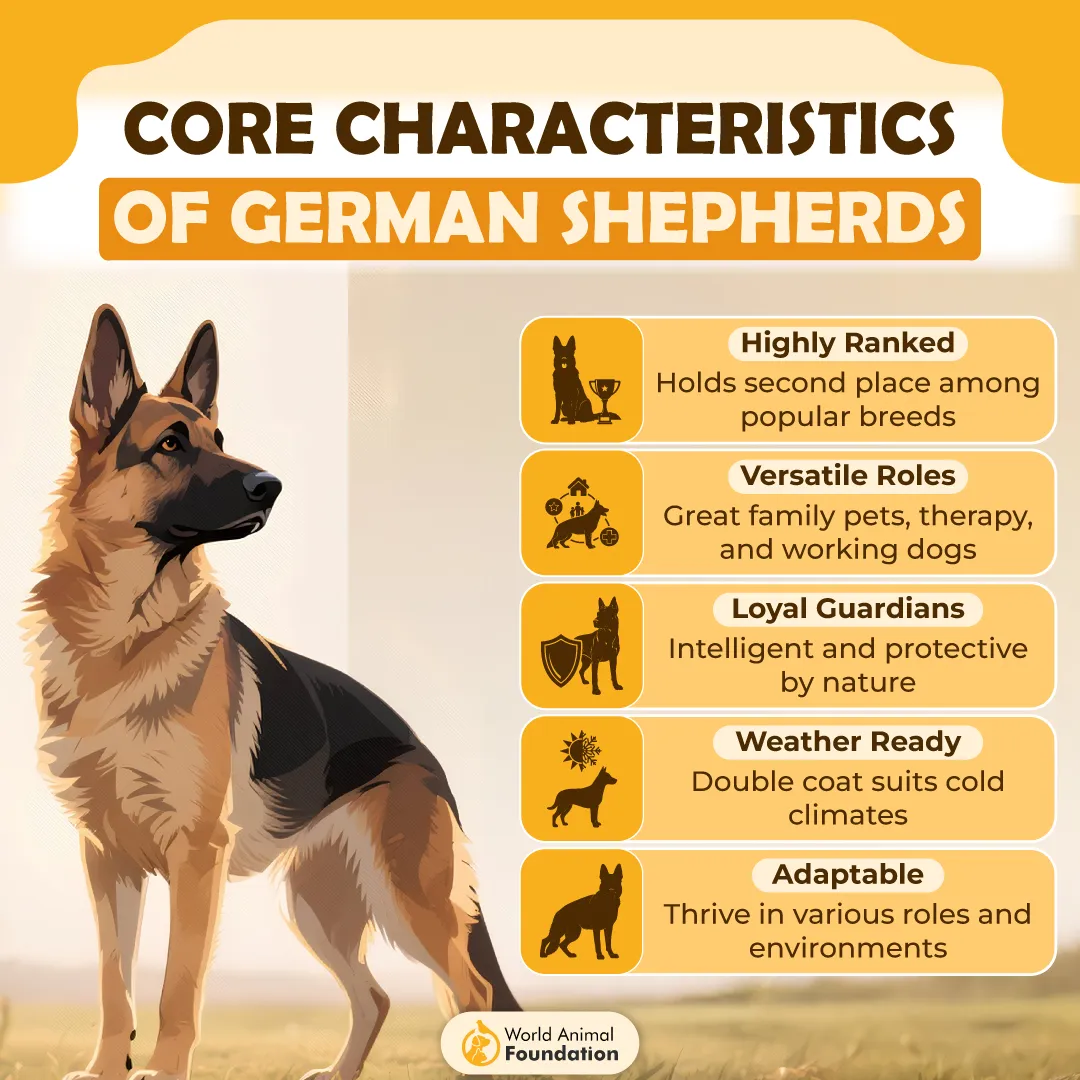
Their exceptional sense of smell allows them to quickly identify unfamiliar scents within a territory and detect even minor changes in the arrangement of objects. When a threat is perceived, they instantly position themselves between the owner and any danger, using their stare to unsettle the attacker.
A bark follows as a warning, with the dog looking to its owner for commands. Their final line of defense is a bite-and-hold technique, restraining the intruder until the owner arrives.
3. Giant Schnauzer
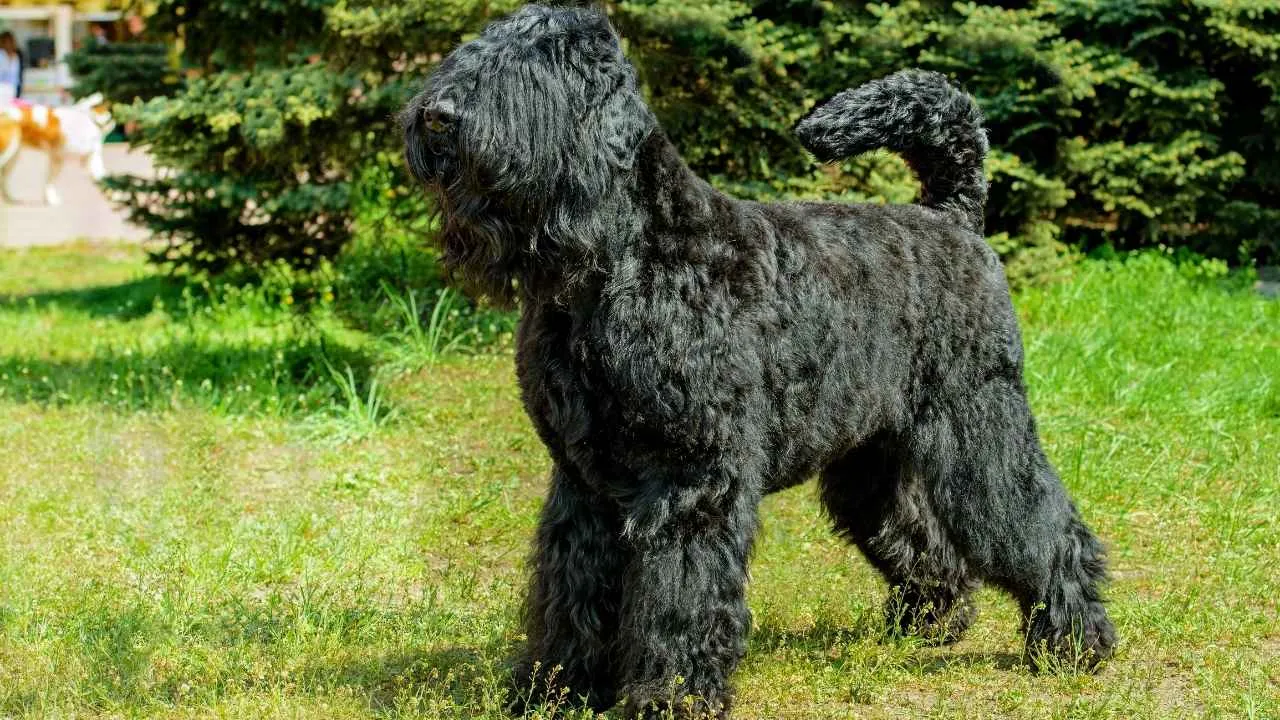
Originally bred in Bavaria in the 17th century to drive cattle between farms and guard brewery premises overnight, the Giant Schnauzer was later adopted by the German military and police during World War I, serving as a messenger dog and guard animal in field conditions.
This breed is particularly well suited for quiet homes. Rather than barking unnecessarily, they observe their surroundings with calm composure. As a fiercely loyal companion, they cherish their family and will risk their own lives to protect them.
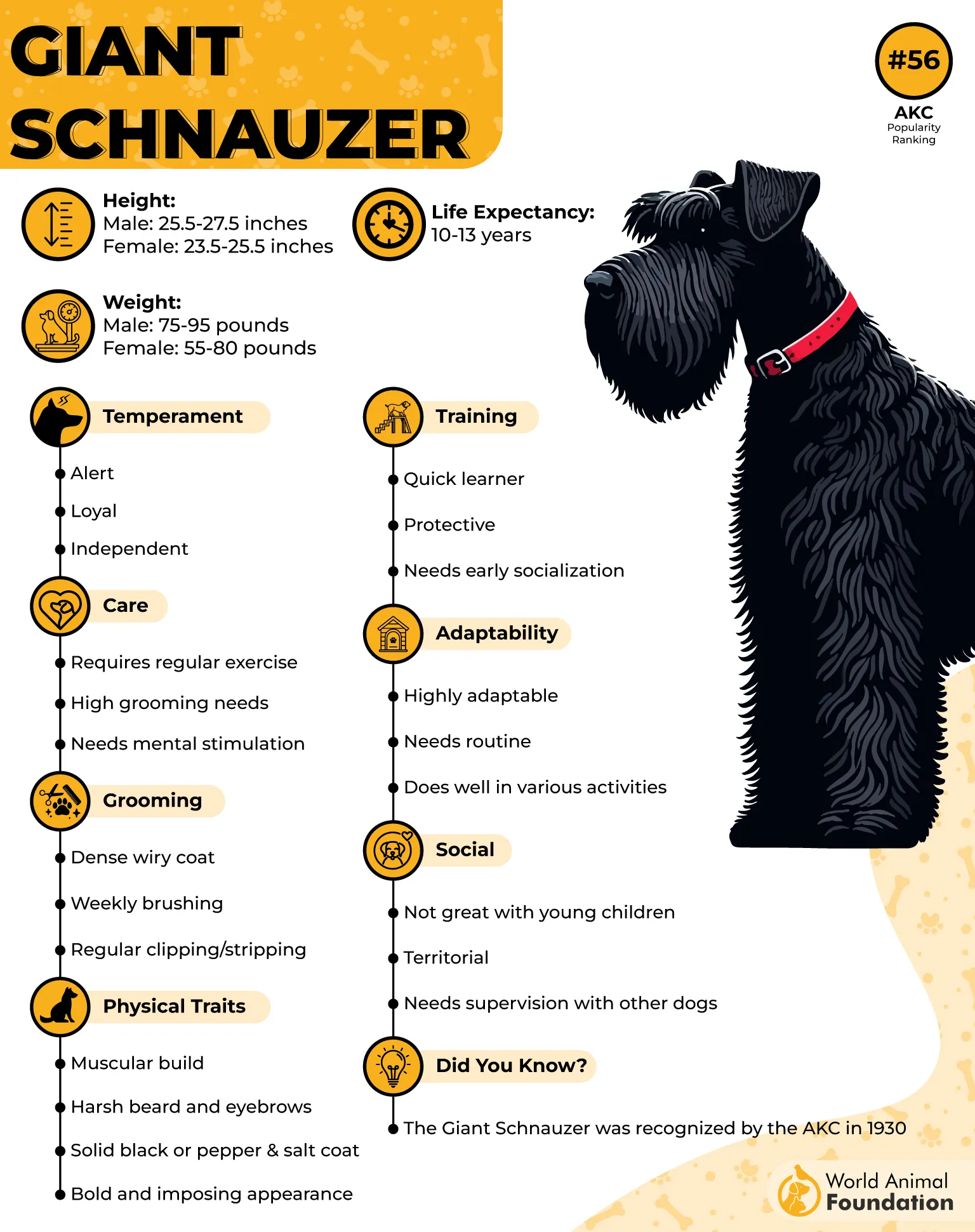
Their territorial instincts are matched by a commanding presence: signature eyebrows, a distinctive beard, an alert and intelligent expression, and a frame exceeding 100 pounds. They have high exercise needs and thrive in Schutzhund training for both physical activity and mental stimulation.
Their protective strategy begins with observation. They position themselves where they have a clear view of the home, memorize the household’s normal routine, and bark only when something abnormal is detected. A bark from a Giant Schnauzer is a final warning before action. They bite and hold the intruder, waiting for the owner to arrive, and once the threat is resolved, they return seamlessly to their calm and composed state.
4. Bullmastiff
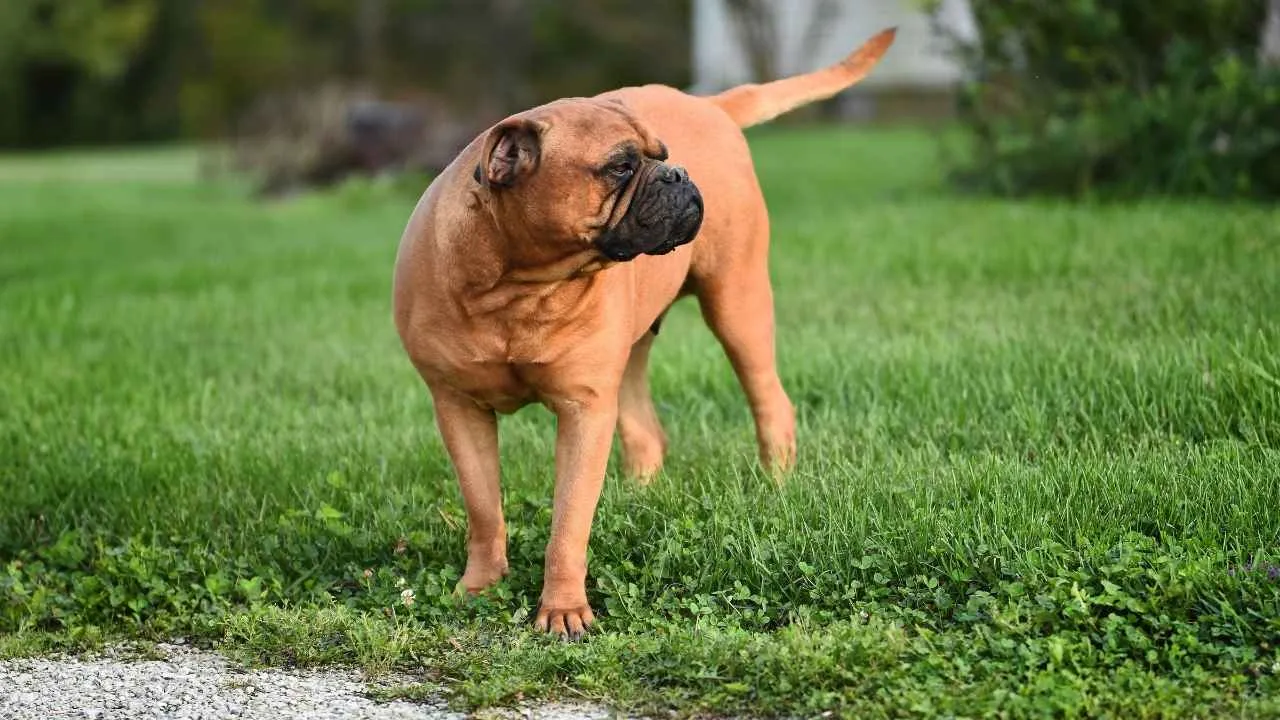
Developed in 19th century England, where catching poachers proved a difficult task, this breed was engineered specifically for gamekeepers, silently tracking and physically detaining a human without killing them. Crossing the Old English Mastiff with the Old English Bulldog resulted in a large, powerful dog combining massive size, strength, speed, and agility.
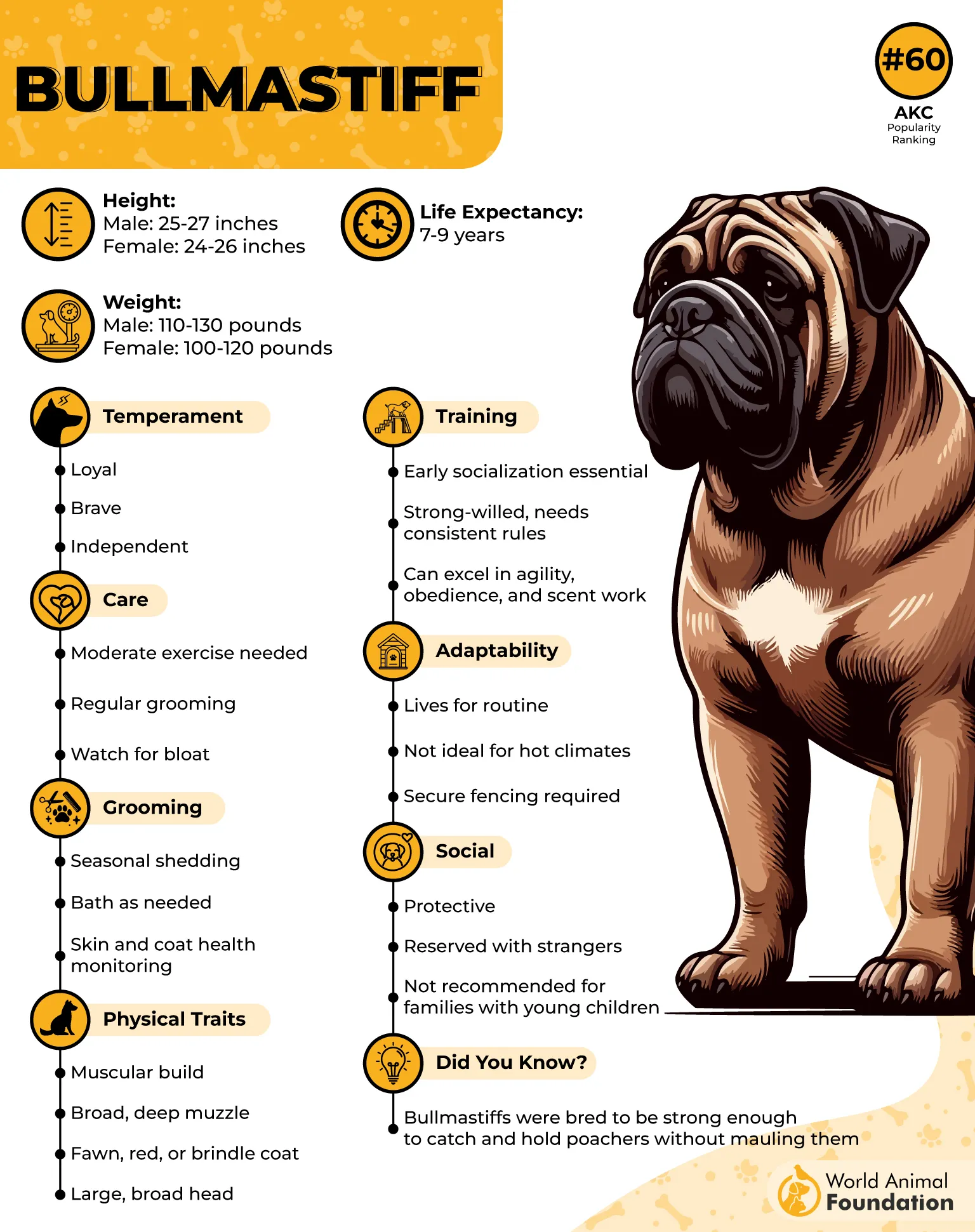
These nocturnal dogs maintain a calm demeanor, silently following an attacker before acting instantly. While naturally wary of strangers, Bullmastiffs are highly devoted to their families, children, and other pets, as per PDSA. Their high intelligence and curiosity make them excellent watchdogs, always keen to learn.
They patrol both indoors and outdoors for anything suspicious, and can sniff visitors’ shoes to distinguish familiar faces from newcomers. Once a stranger has been allowed inside, they are not easily permitted to leave. Rather than biting, the Bullmastiff neutralizes threats by knocking the attacker down and pinning them in place until the owner arrives.
5. Belgian Malinois
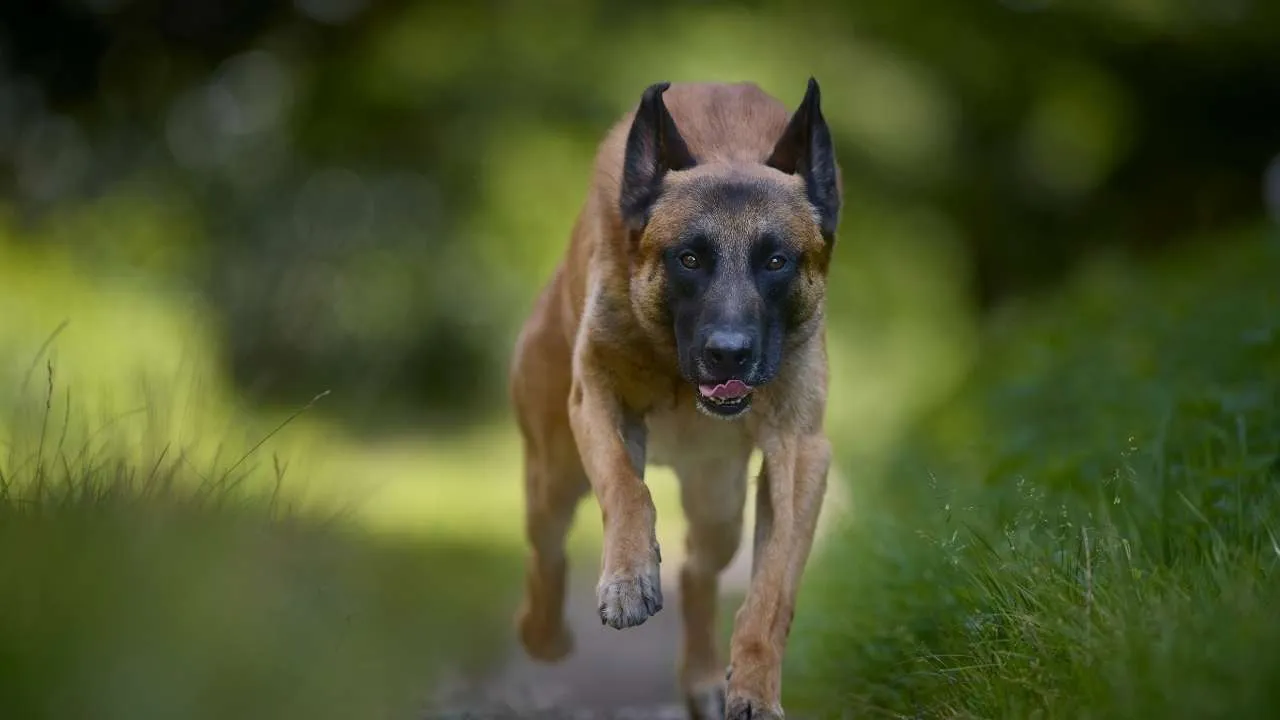
When U.S. Navy SEALs raided Osama Bin Laden’s compound in Abbottabad in 2011, a Belgian Malinois named Cairo was part of the team. The U.S. Department of Defense deploys more Belgian Malinois than any other breed for special operations, bomb detection, patrol, and police and military work.
Their powerful senses of smell and sight allow them to detect a threat before humans can. Exceptional reflexes enable them to move from a resting position to a full protective state within seconds.
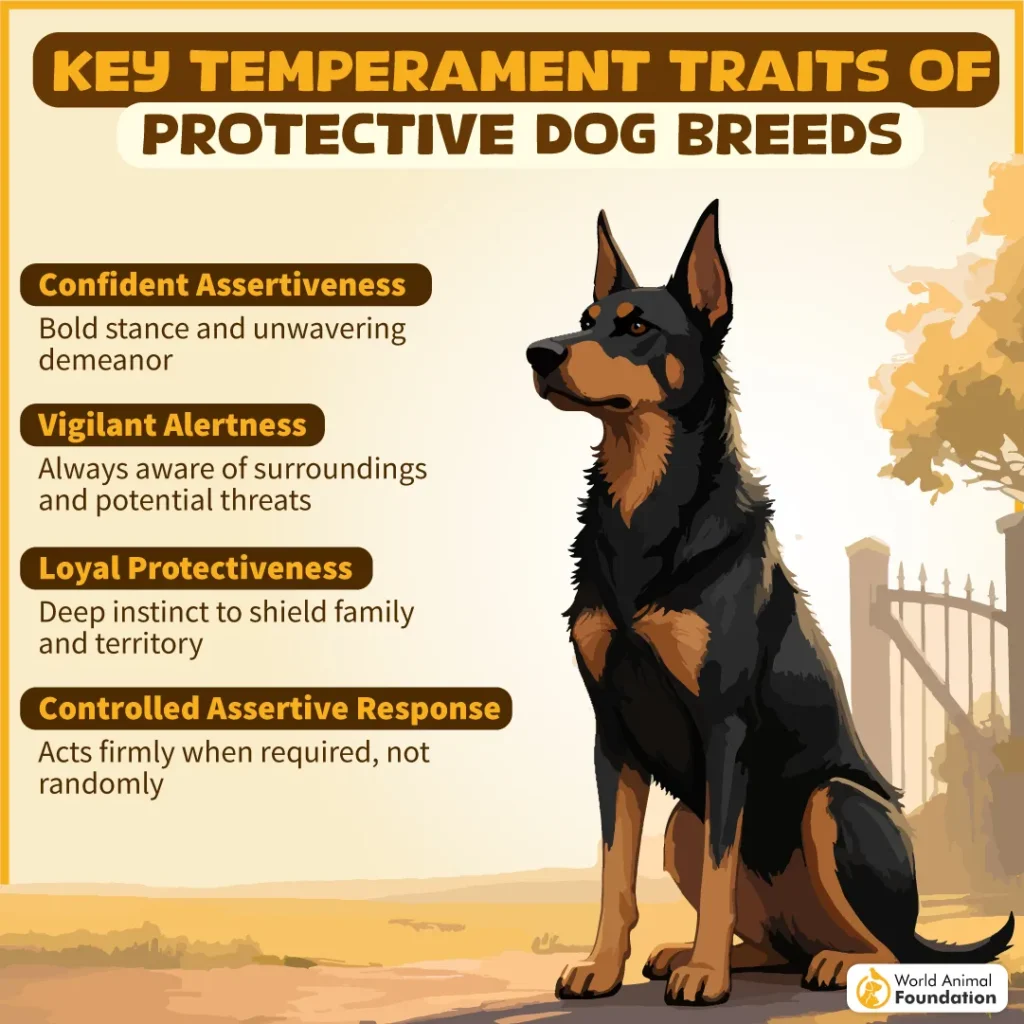
Among the most trainable breeds, they perform exceptionally well with early socialization and proper training from a young age. As natural guardians deeply devoted to their pack, they are capable of providing protection even without formal training.
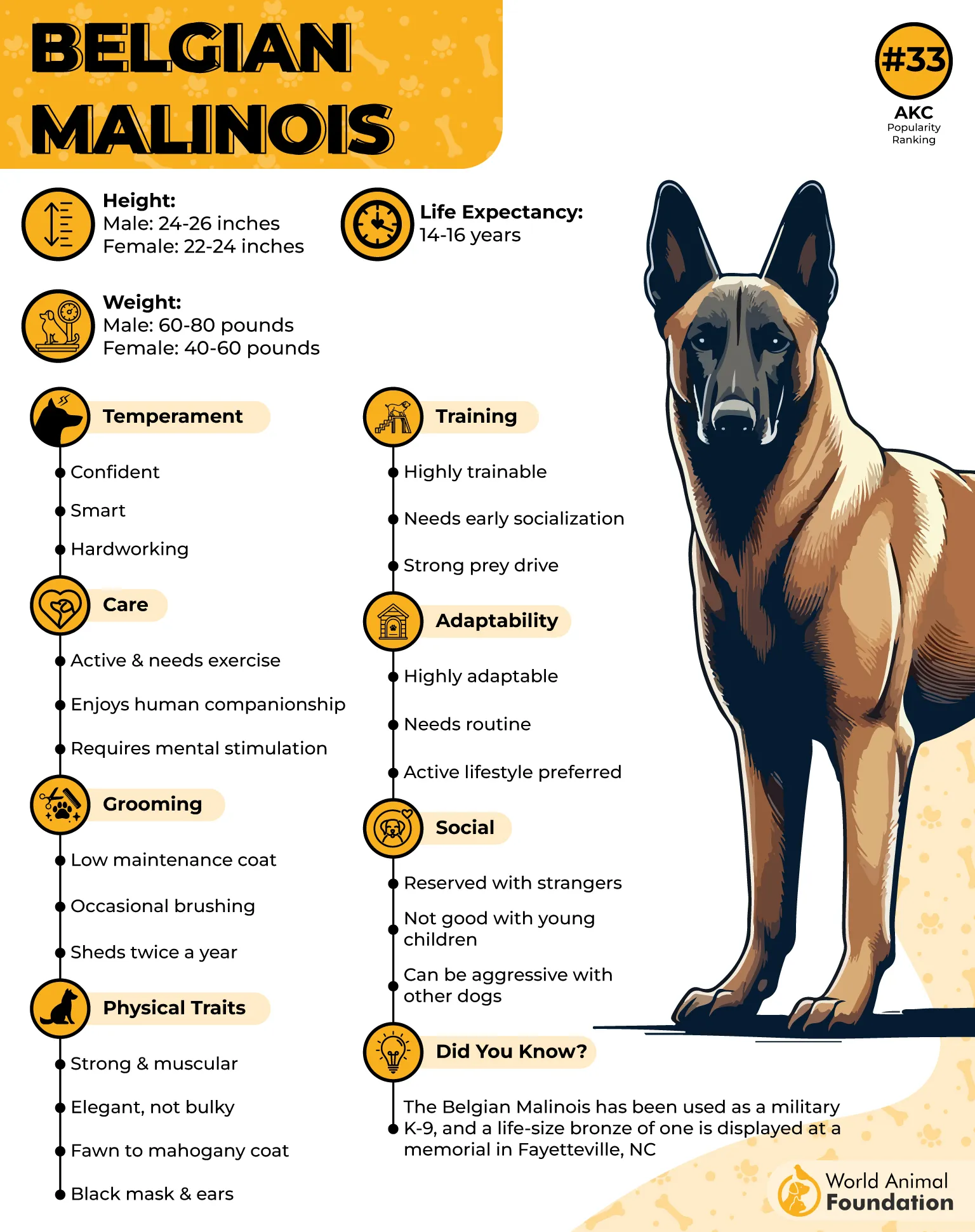
Their strong work ethic sustains their alertness over extended periods. When a threat is identified, they first use their intimidating presence to deter the intruder. If that proves ineffective, they deploy their speed to pursue the attacker, biting and holding until the owner arrives.
6. Cane Corso
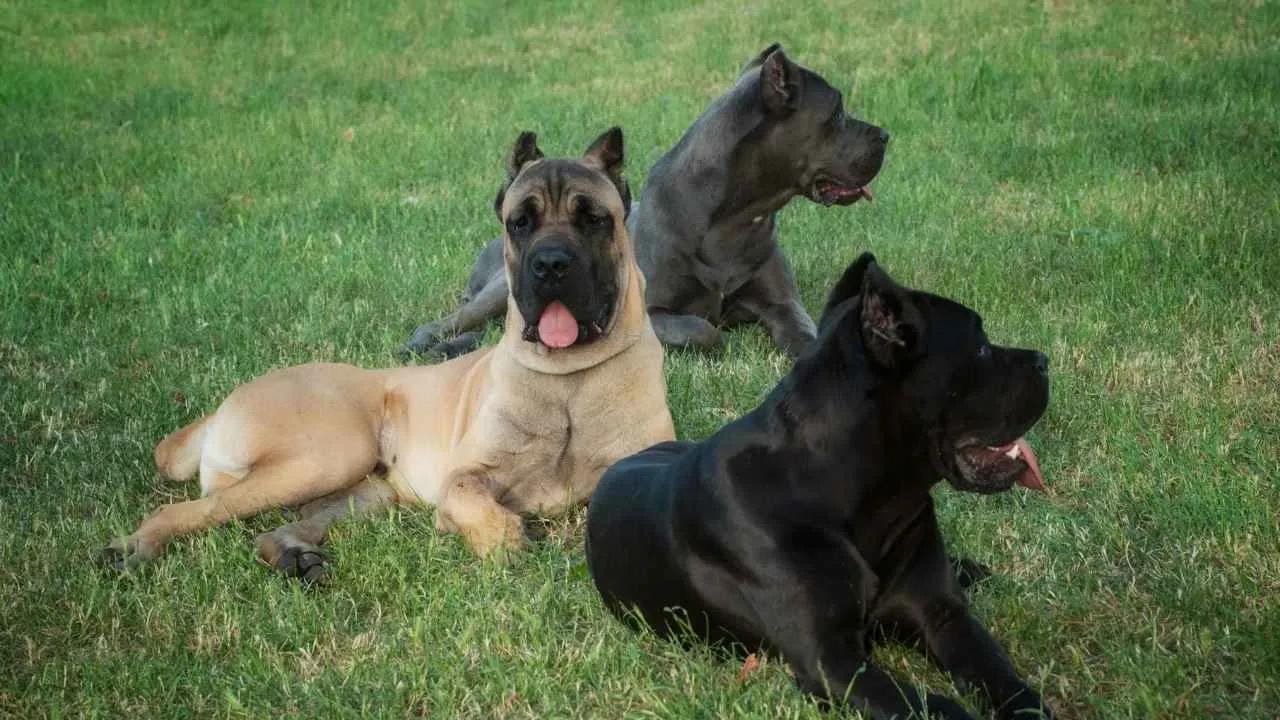
The Cane Corso’s lineage traces back to Canis Pugnax, the war dogs of ancient Rome, who were deployed in military campaigns equipped with armor and spiked collars. After the fall of the Roman Empire, the descendants of Canis Pugnax were reintroduced across Italian provinces as livestock protectors and hunting dogs, used to pursue large game such as wild boar.
These fierce protectors form deep connections with their families. With a powerful, athletic build, they can easily corner an attacker. Their bite force of 700 PSI surpasses even that of a lion at 691 PSI.
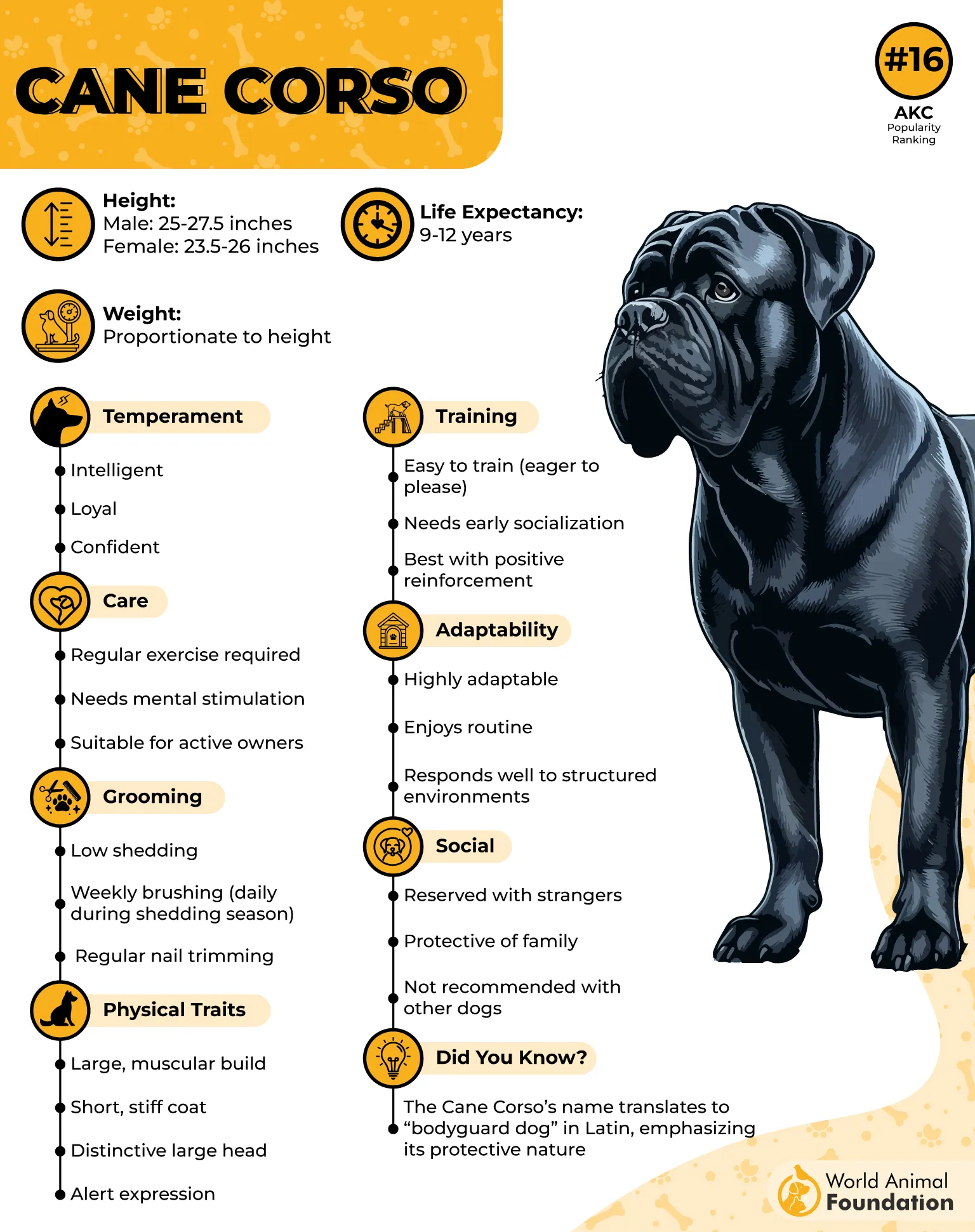
Despite their energy, the Cane Corso remains calm and does not act until a threat is confirmed. Early training and regular exercise are essential to keep them sharp and engaged.
They monitor vantage points to keep watch over their families and are adept at distinguishing normal household sounds such as cars or television from unusual ones. A deep bark serves as the first alert to the family. If that fails to deter the threat, they resort to pushing or nudging the attacker. Biting is reserved strictly for life-threatening situations, after which they return calmly to a relaxed state.
7. Great Pyrenees
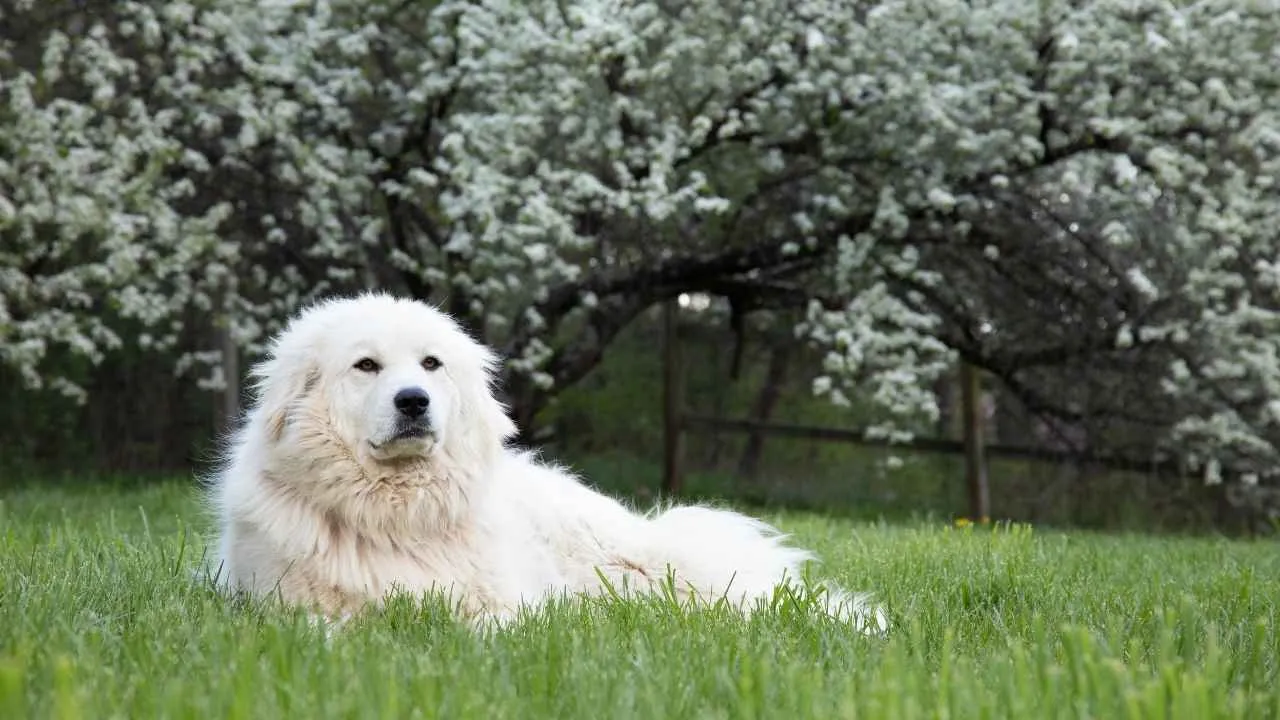
With ancestors that guarded livestock in the Pyrenean mountains between France and Spain for at least 3,000 years, the Great Pyrenees was built to work alone in sub-zero temperatures against large predators. It is among the few breeds developed specifically to make autonomous decisions without human direction.
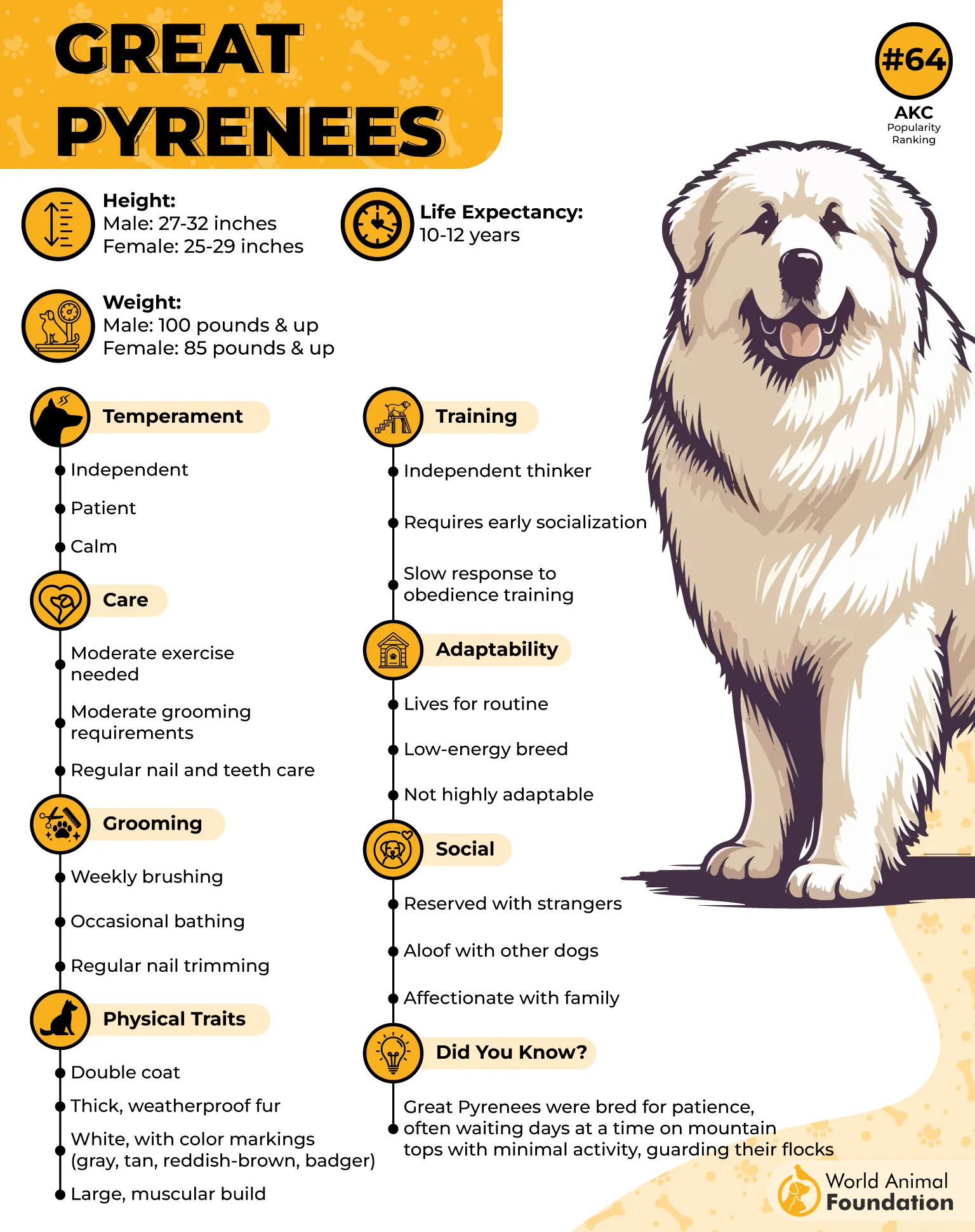
As the AKC notes, this breed was designed to work at night. Their strong-willed history means they are not naturally inclined to take commands, yet they remain incredibly loyal and will instinctively place themselves between any threat and those they protect. These gentle giants are calm by nature, becoming aggressive only when the situation demands it.
They map their home and surrounding area as their territory, patrolling day and night to monitor for threats. A loud, resonant bark serves as their primary alert to the family. Treating their human family and children as their flock, they respond to danger by physically positioning themselves as a barrier between the threat and those in their care.
Conclusion
What this list makes clear is that a great “guard dog” is not a single category; it is a spectrum of behavioral strategies, physical capabilities, and temperament profiles. None of these dogs is a passive security tool you install and forget. Every one of them requires genuine commitment: consistent training, appropriate socialization, regular exercise, and a strong bond with the dog owner.
Choose the best dog breed for your lifestyle, not just your property. The dog that fits your home and your routine will naturally become its most reliable defender. That is how it works. Because at the end of the day, what you need is an active security system with strong protective instincts that can also curl up beside you when the coast is clear.
