




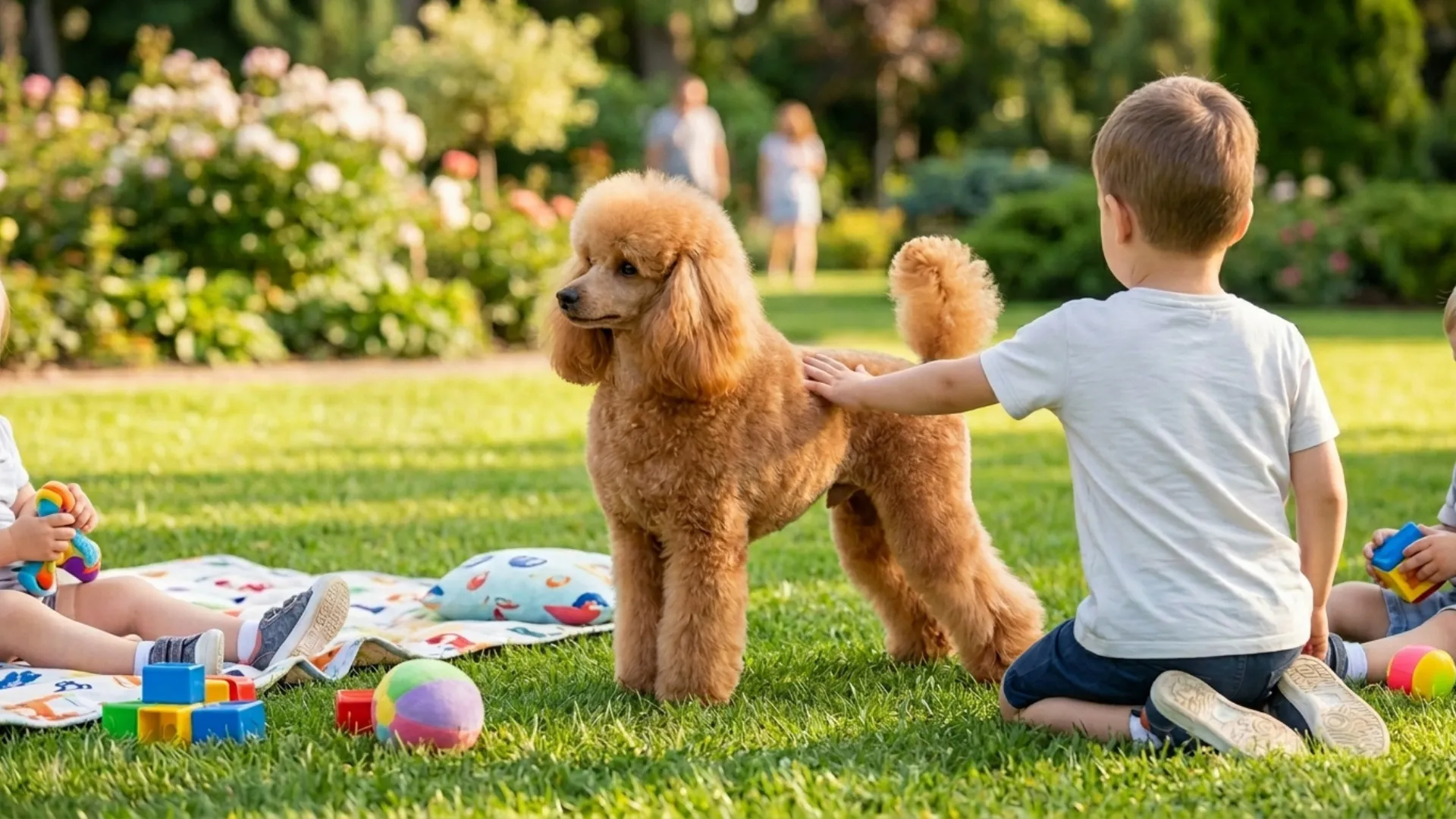
What if the perfect family dog fits comfortably in your lap but carries enough love to win your child’s heart completely and forever?
That is the quiet magic of teacup dog breeds — tiny in size, enormous in personality, and surprisingly full of everything families actually need in a loyal companion.
Most people assume teacup dogs are simply too delicate for homes with young children. Too fragile. Too nervous. Too high-maintenance for the beautiful chaos that comes with raising a family. But the reality is often far more encouraging than that assumption suggests.
Many teacup breeds are genuinely affectionate, naturally playful, and deeply eager to be part of everyday family life. Their size may be small, but their loyalty, patience, and capacity for love feel anything but.
And that is exactly the point worth remembering — the best teacup dog for a family with young children is rarely just the cutest breed or the most popular one on social media. It is the breed whose temperament genuinely matches the energy, excitement, and wonderful unpredictability of real family life.
Let’s explore the best teacup dog breeds for families with young children — and find the one that fits your home perfectly.
Best Teacup Dog Breeds for Families with Young Children
1. Yorkshire Terrier
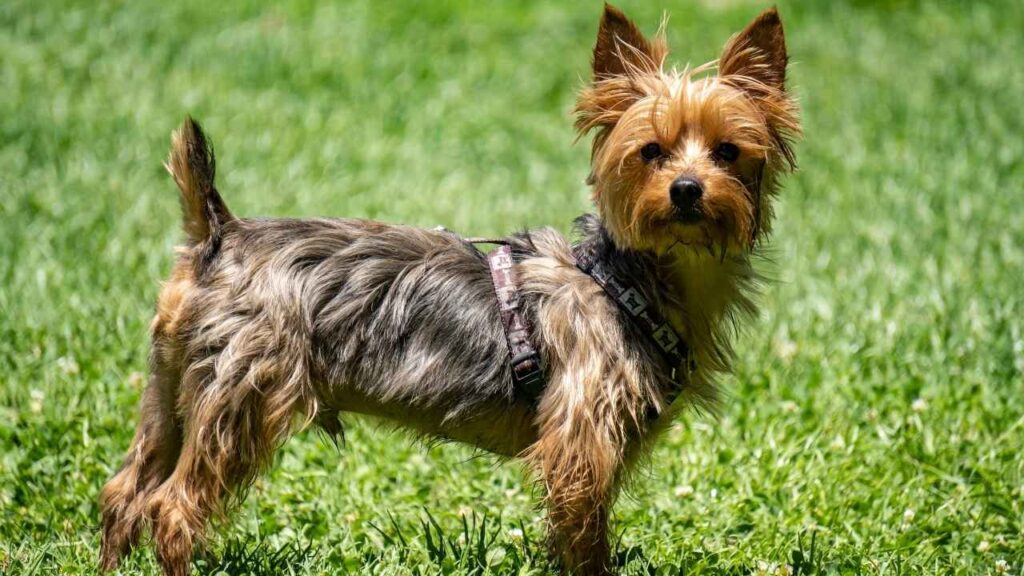
Yorkshire Terriers often catch the attention of families looking for a tiny companion with a surprisingly big personality, as noted by PetMD.
Small enough for apartment living yet full of confidence, this breed brings much more energy and curiosity than many people expect from a teacup-sized dog.
Compared to some small breeds that prefer a quieter lifestyle, Yorkies enjoy being involved in daily family activities. They often follow their favorite people from room to room and like being part of the action.
Families with very young children should be cautious, however. Their delicate build means rough play, accidental falls, or improper handling can easily result in injuries.
For this reason, Yorkies are usually a better fit for households with older children who understand how to interact gently with small dogs.
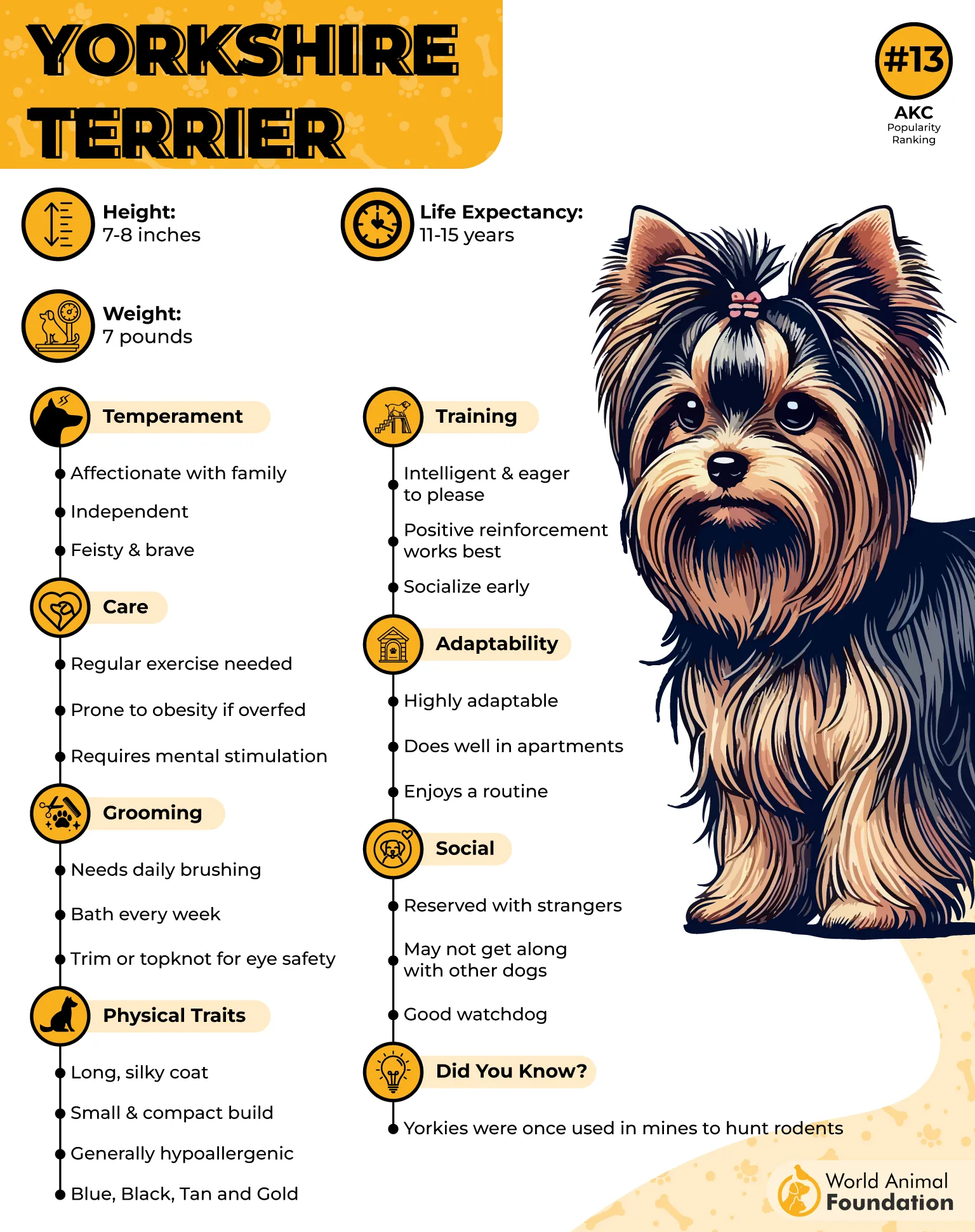
Their long, silky coat closely resembles human hair rather than traditional dog fur. It sheds less than many other breeds and gives the Yorkie its elegant appearance.
Yorkshire Terriers, including the teacup variety, can be a bit stubborn and may not always follow commands immediately, requiring patience in training.
Despite their glamorous look, these little dogs have a surprisingly bold background. Originally bred to hunt rodents in textile mills, they still carry the fearless, determined attitude that made them such effective workers.
2. Poodle (Toy)
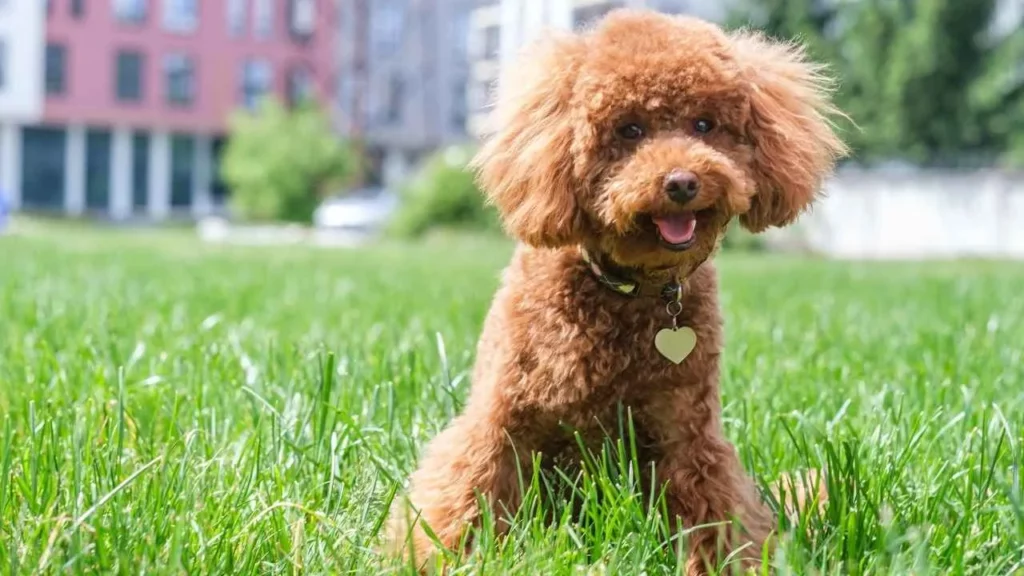
Toy Poodles are one of the best small dog breeds for families looking for a small dog that can keep up with daily activities while still being happy to curl up on a lap afterward.
Compared to some small breeds that are content spending most of the day relaxing, Toy Poodles love being involved in family activities.
Whether it’s a game in the living room, a walk around the neighborhood, or learning a new trick with the kids, they enjoy having a job to do and people to interact with.
Their remarkable ability to learn words, routines, and commands makes them one of the easiest small dogs for families to train. Many owners find that Toy Poodles quickly pick up household rules and respond well to positive reinforcement.
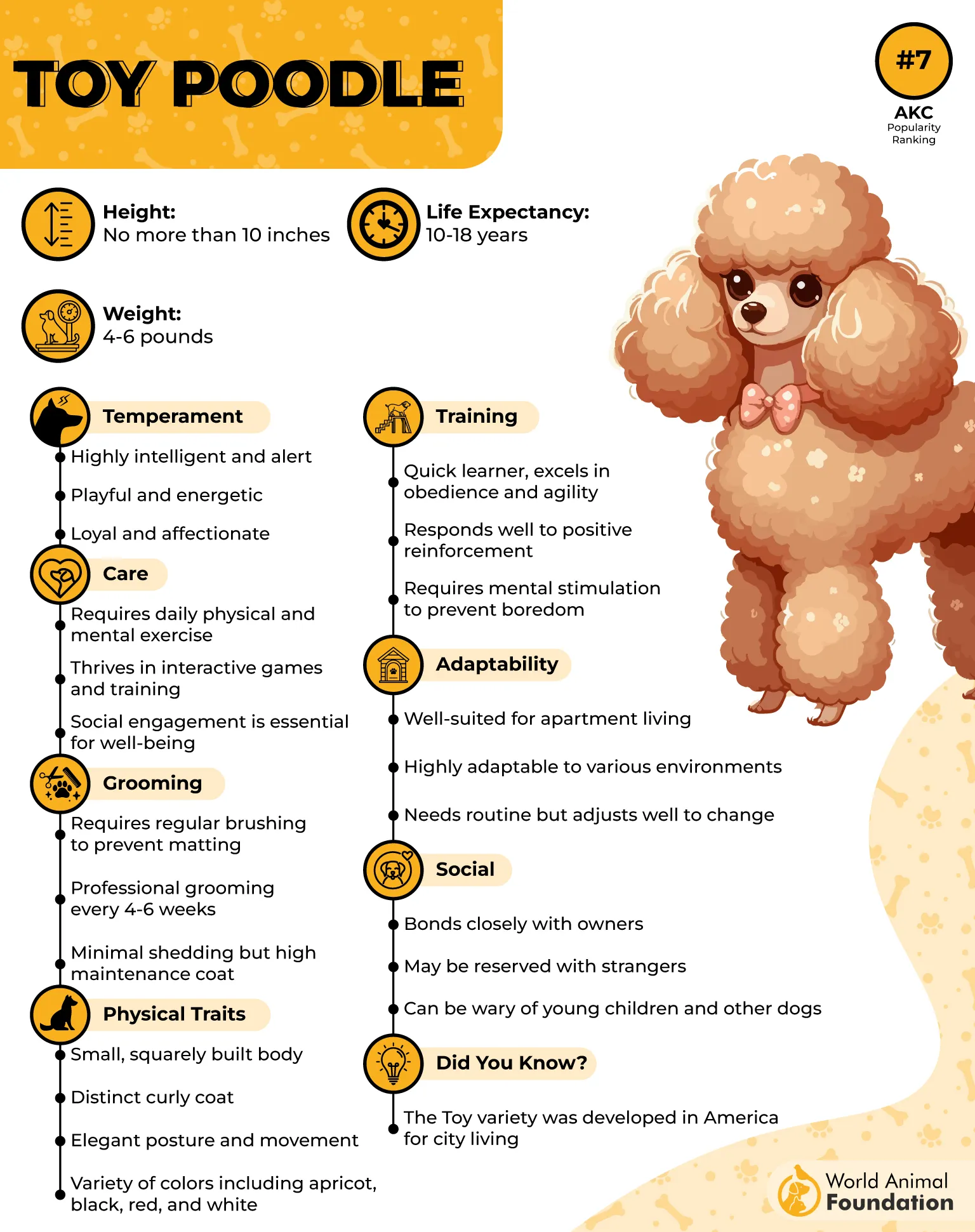
For homes with children, early socialization is important. A well-socialized Toy Poodle is usually gentle, friendly, and comfortable around respectful kids and other pets. However, because of its small size, supervised play is still essential to prevent accidental injuries.
One thing that makes this breed especially appealing is its tightly curled coat, which sheds very little compared to many other dogs.
Combined with its sharp mind, playful nature, and family-oriented personality, the Toy Poodle is often a favorite among parents looking for a small but highly interactive companion.
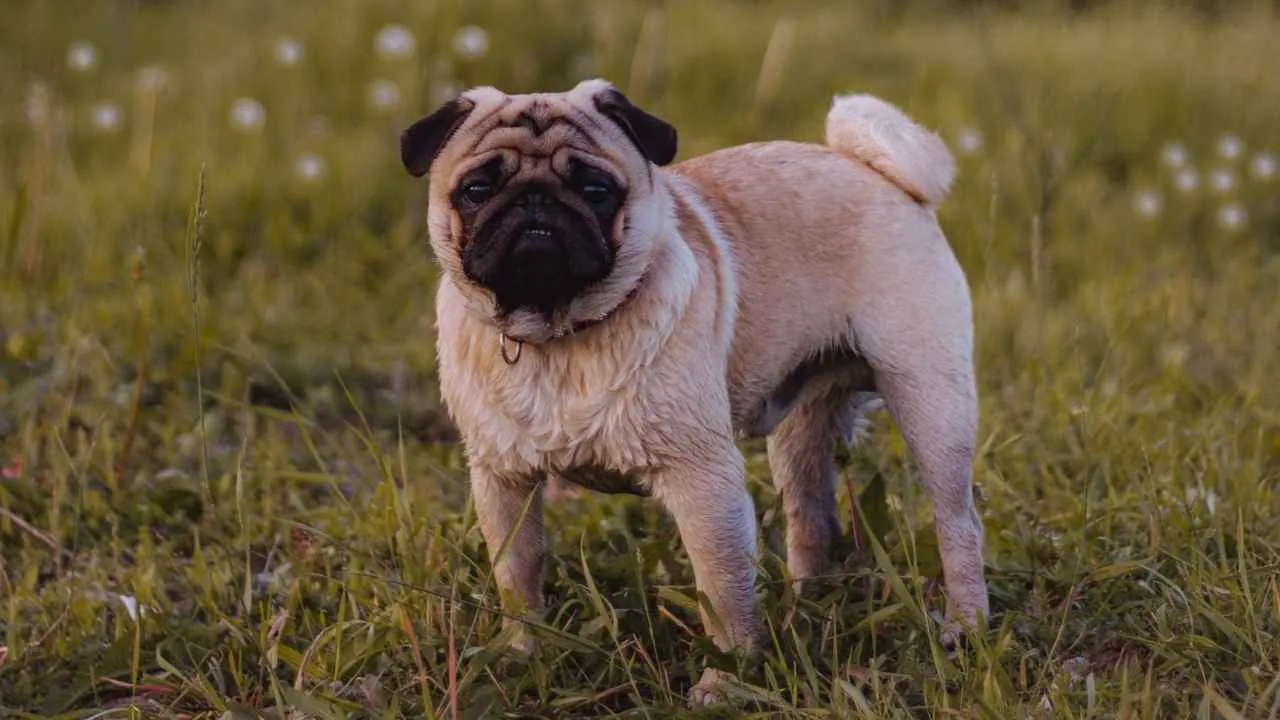
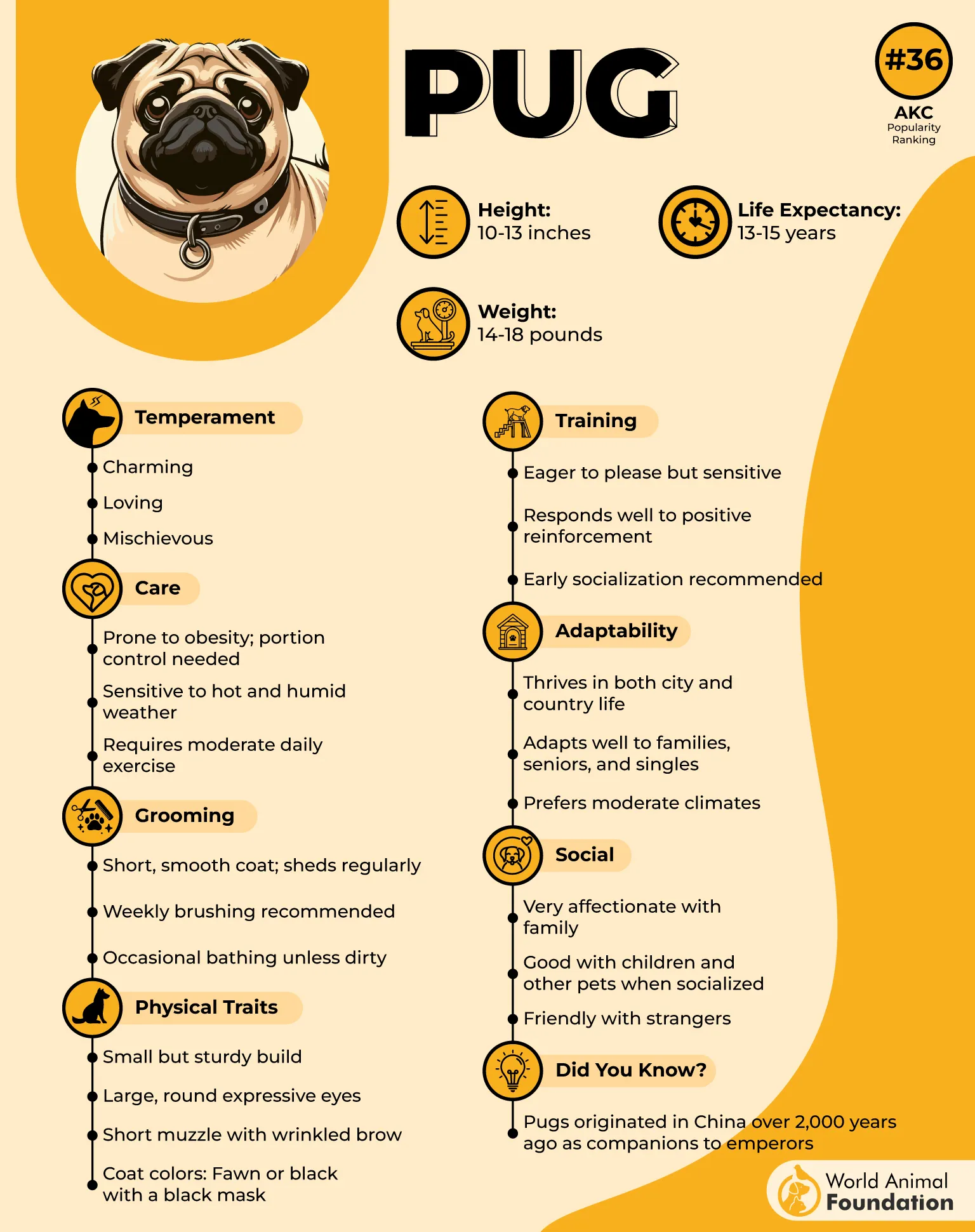
3. Pug
Toy Poodles are often the breed parents choose when they want a small dog that is both affectionate and easy to train, as noted by Purina.
Unlike some toy breeds that prefer lounging for hours, Toy Poodles enjoy being involved in family activities. They love interactive games, short walks, and learning new tricks alongside their favorite people.
Their exceptional intelligence helps them pick up commands and household routines quickly. Many families find them easier to train than other small companion dogs.
For homes with young children, early socialization makes a big difference. Well-socialized Toy Poodles are typically gentle, friendly, and comfortable around respectful kids and other pets.
Because these easy-to-train breeds are small and delicate, supervised play is important. Young children should be taught how to handle them carefully to avoid accidental injuries.
One of this smart breed’s most recognizable qualities is its dense, curly coat. Unlike the long, silky hair of breeds such as the Maltese or Yorkshire Terrier, the Toy Poodle’s coat sheds very little.
Families willing to keep up with regular grooming are rewarded with a playful, people-oriented companion that thrives on attention, learning, and daily interaction.
4. Shih Tzu
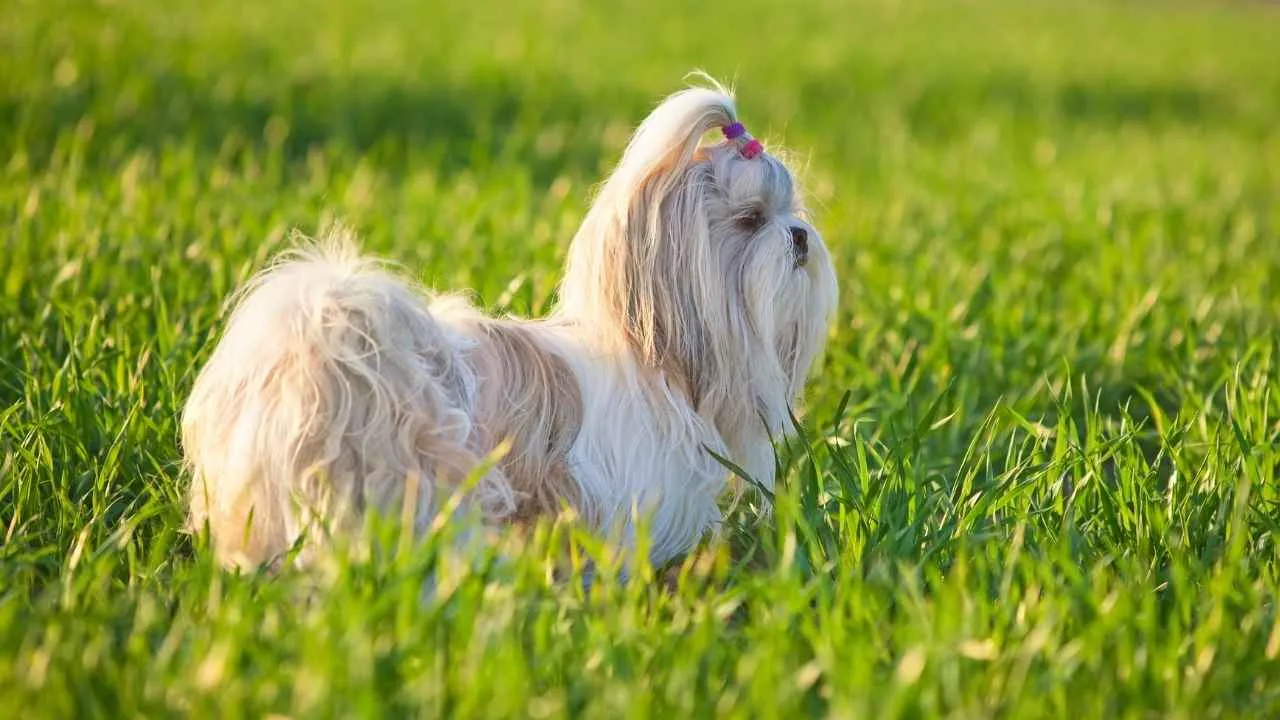
Shih Tzus have been charming families for centuries, and it’s easy to see why. Those large, expressive eyes and affectionate nature make them natural companions for both parents and children.
Compared to more energetic small breeds that constantly look for adventure, Shih Tzus are usually content staying close to their people. They enjoy gentle play sessions with children but are just as happy relaxing beside the family during a movie night.
This easygoing attitude makes them especially appealing for families living in apartments or homes without large yards. They do not require endless activity to stay happy and often adapt well to indoor living.
When properly socialized, Shih Tzus are known for being affectionate and patient with respectful children. Their sturdy build also gives them a slight advantage over some more fragile toy breeds during supervised play.
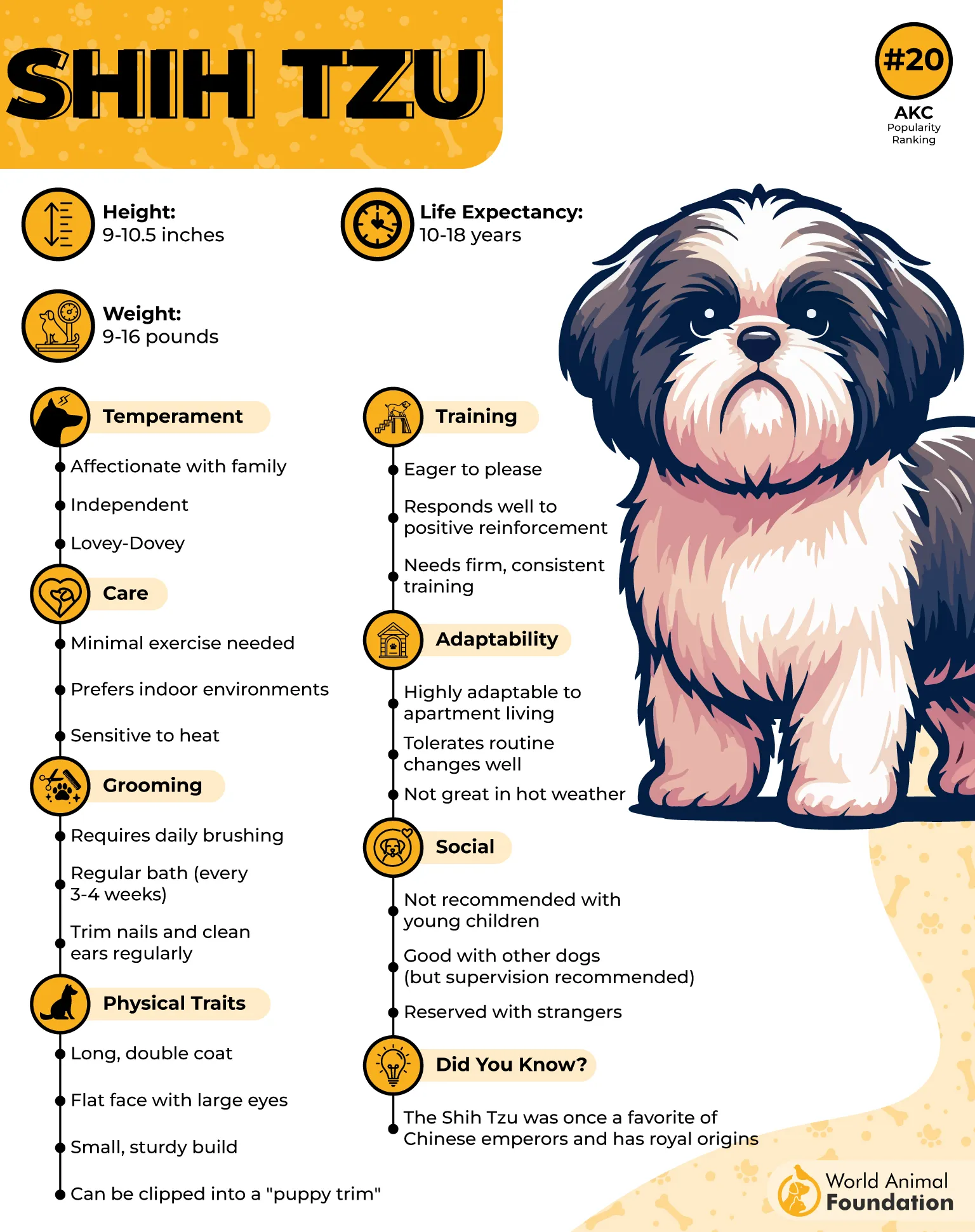
Shih Tzus have a long, flowing coat that requires regular grooming and trimming to stay manageable, as their hair grows quickly and can become tangled.
One of this toy dog breed’s most recognizable qualities is its face framed by long, flowing hair that grows continuously, much like human hair. Regular grooming keeps that signature look looking its best.
Originally bred as companion dogs for Chinese royalty, Shih Tzus still excel at their historic role today. Loving, people-oriented, and happiest when surrounded by family, they are wonderful companions for households seeking a gentle and devoted lap dog.
5. Havanese

Havanese dogs have a special talent for making every family member feel like their favorite person.
Unlike some small breeds that bond strongly with just one owner, Havanese are known for spreading their affection throughout the household. This quality often makes them a great match for families with children who want an interactive and friendly companion.
They are playful without being overly demanding and usually enjoy joining kids for games, short walks, and everyday activities. Their cheerful personality helps them fit naturally into busy family routines.
Compared to more independent toy breeds, Havanese thrive on companionship and generally prefer being where the family is. Because of this, they can become unhappy if left alone for long periods.
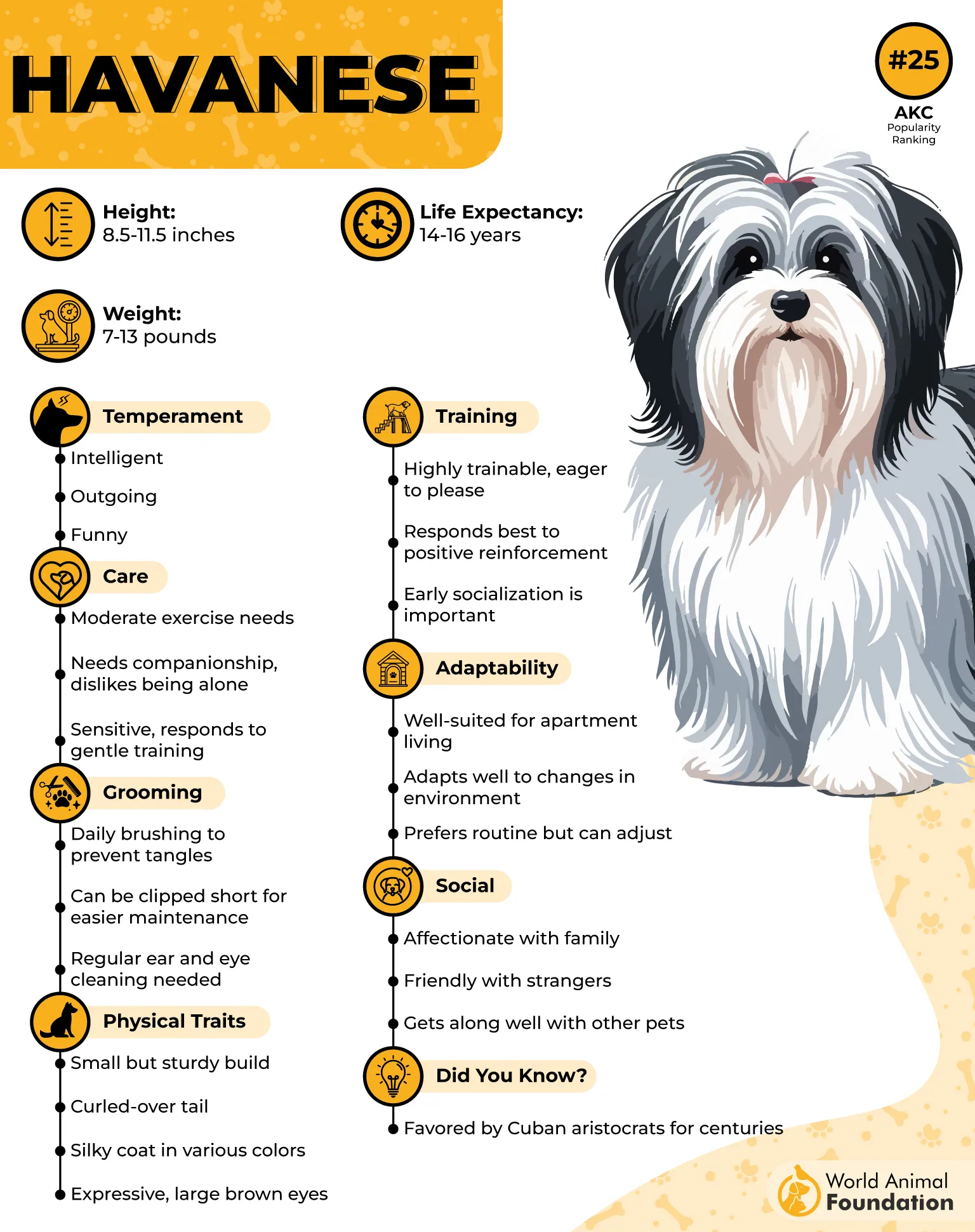
Their intelligence also works in a family’s favor. Havanese tend to learn commands quickly and often respond well to positive reinforcement, training games, and reward-based learning.
One of their most recognizable qualities is the silky coat that can grow into soft waves and moves almost effortlessly as they walk. Regular brushing is necessary to keep it free from tangles.
When properly socialized from puppyhood, Havanese are typically gentle with children, friendly toward guests, and adaptable to different living situations. Their affectionate nature, trainability, and love of family interaction make them a standout choice for households with young kids.
6. Pomeranian
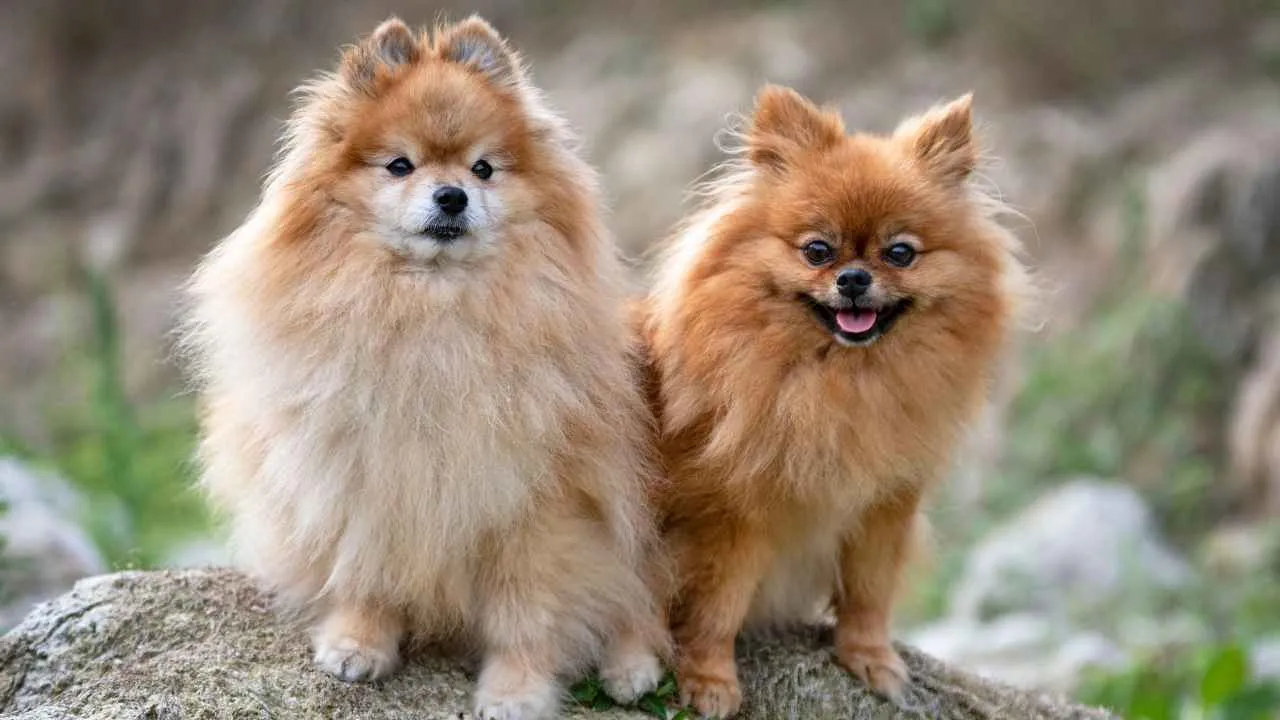
Pomeranians may be tiny, but they often behave as if they are the biggest dog in the house.
Pomeranians are known for their affectionate nature and bold personalities, making them great companions for families, especially those with older children who can handle their energetic behavior.
This lively personality can be entertaining for families with children. Many Pomeranians enjoy interactive games and spending time with their people, but they are not usually as tolerant of rough handling as some other family-oriented toy breeds, as mentioned by Orvis.
Because of this, supervision is especially important around younger children. Kids should understand how to gently pick up, hold, and interact with a small dog to avoid accidental injuries.
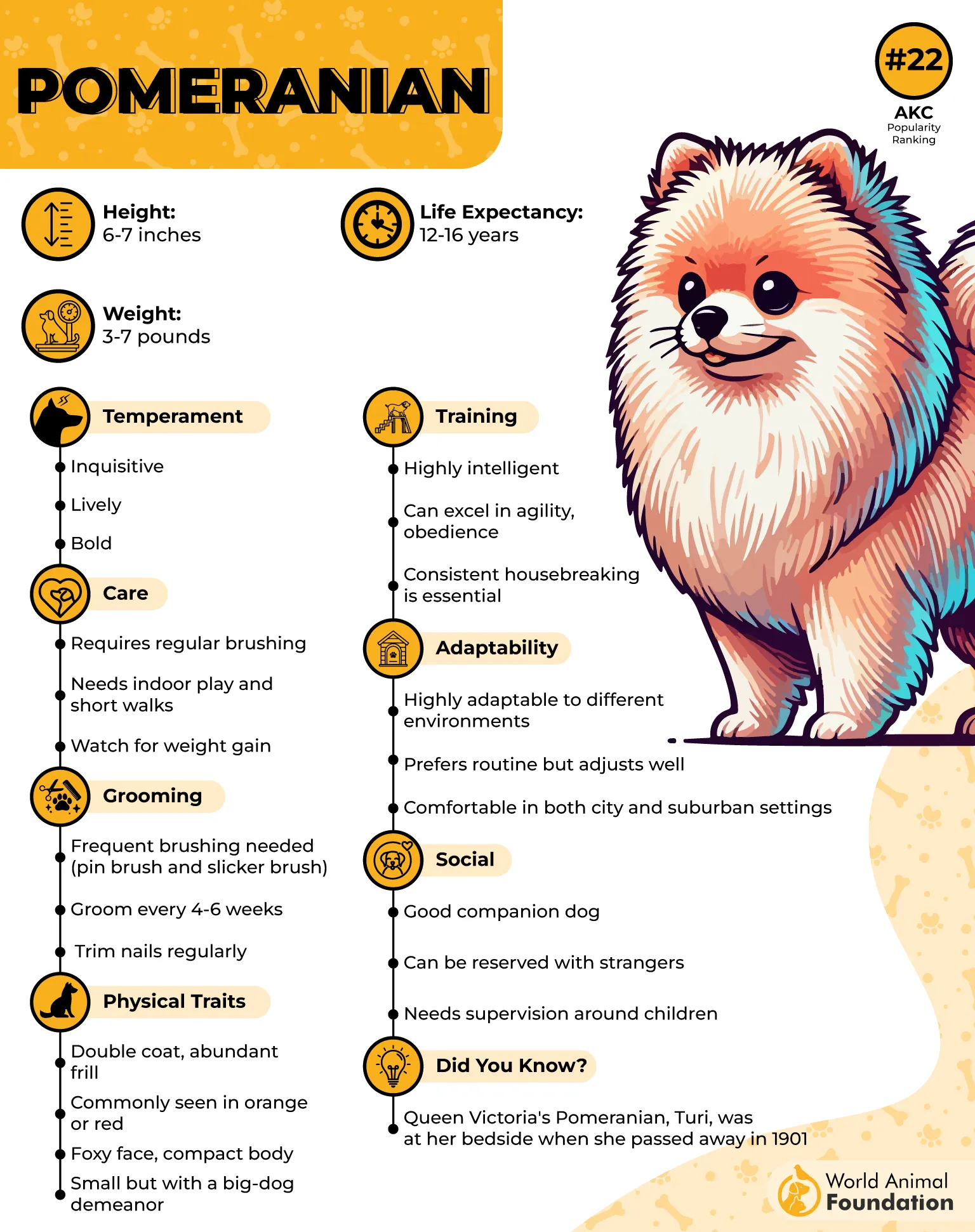
Pomeranians are also intelligent and quick learners. However, they can have an independent streak, which means consistent training is often needed to encourage good manners and reduce excessive barking.
One of the breed’s most recognizable qualities is its abundant double coat that forms a dramatic ruff around the neck, giving it a lion-like appearance.
For families with respectful children and a willingness to provide training, the Pomeranian offers a combination of charm, confidence, and nonstop entertainment packed into a remarkably small companion.
7. Bichon Frise
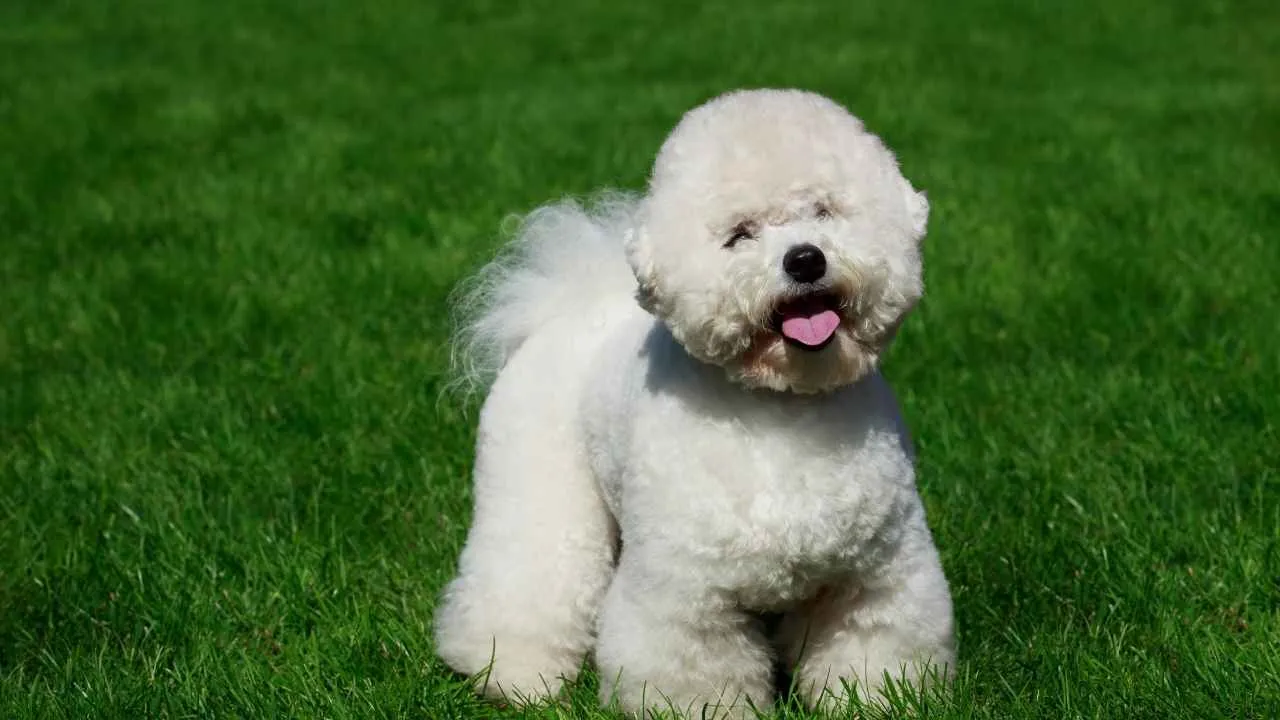
Bichon Frises have a way of turning ordinary family moments into something a little more fun.
Compared to some small breeds that can be reserved around strangers, Bichons are typically cheerful, social, and eager to make new friends. Their outgoing nature often makes them a natural fit for households filled with activity and laughter.
Families with young children frequently appreciate that the breed is sturdier than many other toy-sized companions. While gentle handling is still important, Bichons can be more resilient during supervised play than some of the more delicate breeds in this category.
They also love attention and often seem happiest when they are part of whatever the family is doing. Whether children are playing in the living room or parents are relaxing at home, a Bichon usually wants to be nearby.
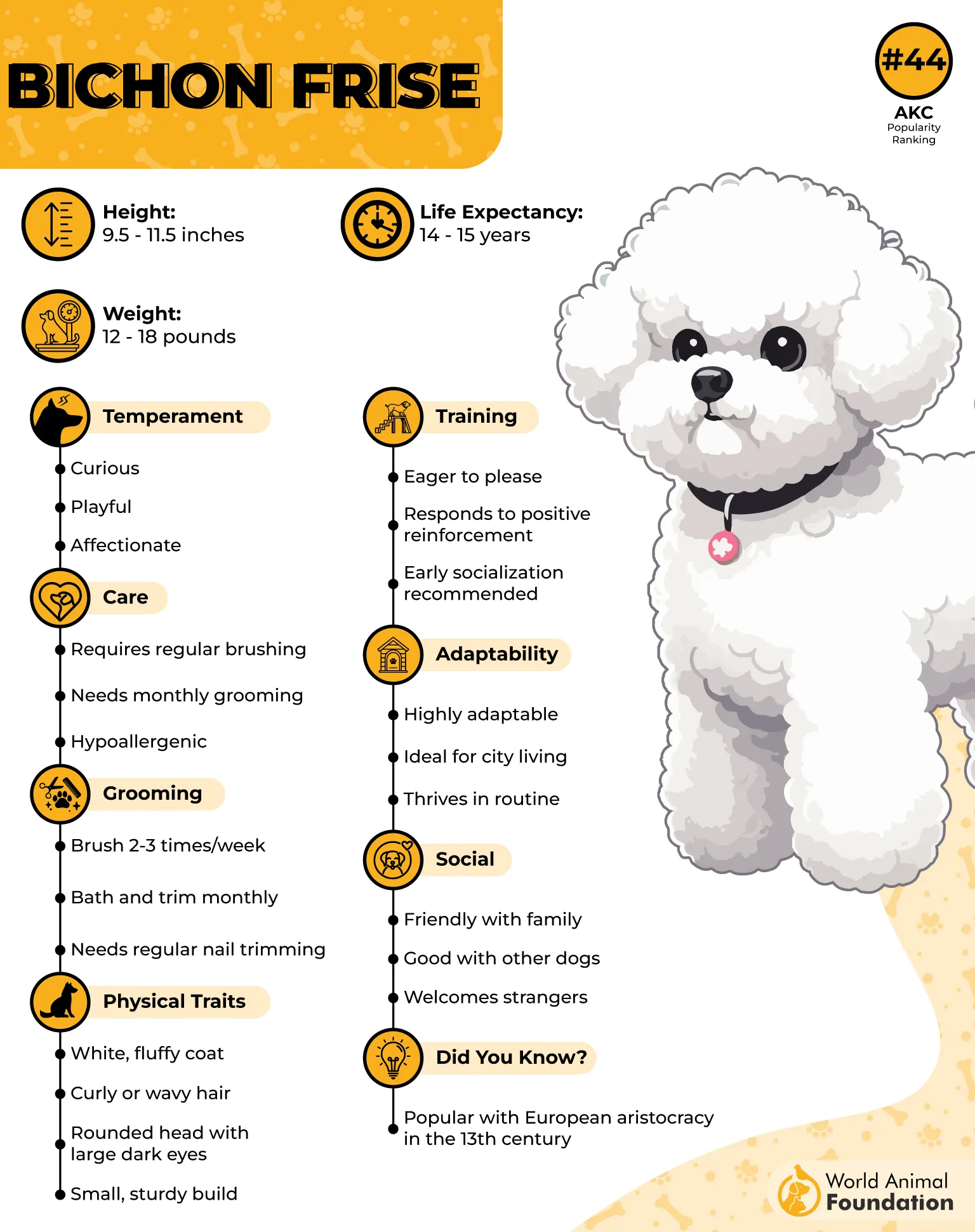
Training is often enjoyable because these dogs respond well to praise, rewards, and positive interaction. Early socialization helps develop the confident, friendly personality for which the breed is known.
One of their most recognizable qualities is the soft, cloud-like white coat that gives them the appearance of a fluffy cotton ball.
Playful, affectionate, and people-focused, the Bichon Frise is a charming companion for families seeking a small dog with a happy and sociable temperament.
Conclusion
Finding the right small companion for a family with young children is about much more than size or appearance.
The best choice is one that matches your household’s energy level, living space, and ability to provide proper care, training, and supervision. While some tiny dogs thrive in busy homes filled with laughter and play, others do better with older, gentler children.
Taking time to understand a dog’s temperament, exercise needs, and grooming requirements can help create a happy relationship that lasts for years. With the right match, even the smallest pup can become a cherished member of the family.
