




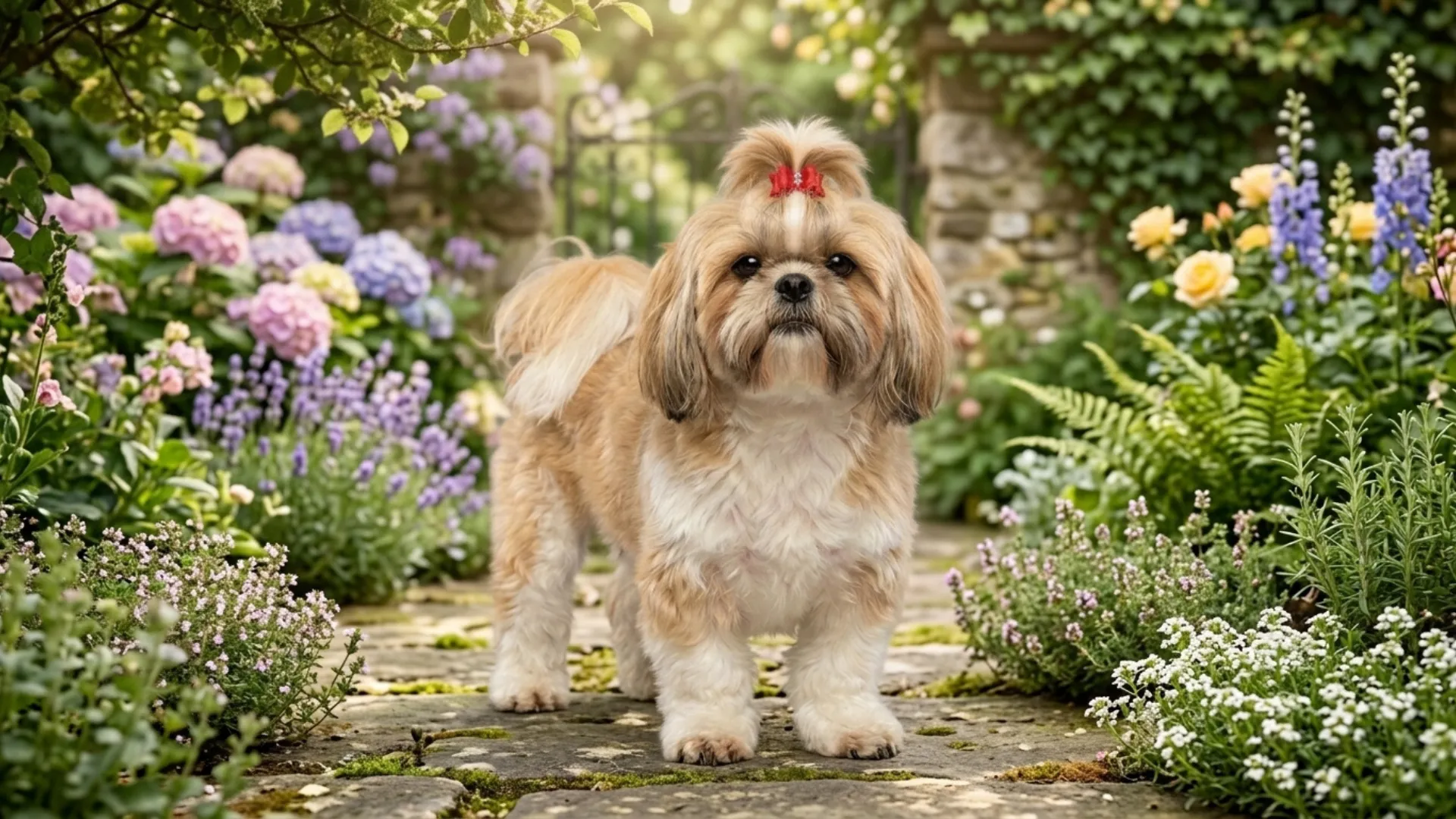
The puppy barely occupied half the cushion when it first came home, and everyone assumed that would change within months. Friends warned about the growing phase, the extra space that would eventually be needed, and the adjustments that usually come with raising a dog.
But those changes never really arrived. The dog stayed tiny, easy to carry, comfortable in small spaces, and surprisingly simple to manage even years later. That experience completely changed the way its owner viewed small dog breeds.
Something was refreshing about having a companion that fit naturally into everyday life without creating constant physical demands. Diminutive breeds that remain miniature forever offer a kind of practicality many people only appreciate after living with one.
Coming up are the miniature breeds that stay wonderfully compact for life instead of only during puppyhood.
Key Takeaways
Tiny dogs have a way of fitting into daily life so naturally that people often stop noticing how convenient they really are.
Havanese and Papillons may stay miniature forever, but their playful energy keeps homes lively from morning to night.
Maltese and Pomeranians carry huge personalities inside tiny frames, always alert to movement, sounds, and every bit of attention around them.
Somewhere in this list, there’s a breed that feels less like a pet and more like a compact little shadow that follows life everywhere you go.
Ideal Small Dog Breeds That Stay Miniature Forever
1. Havanese
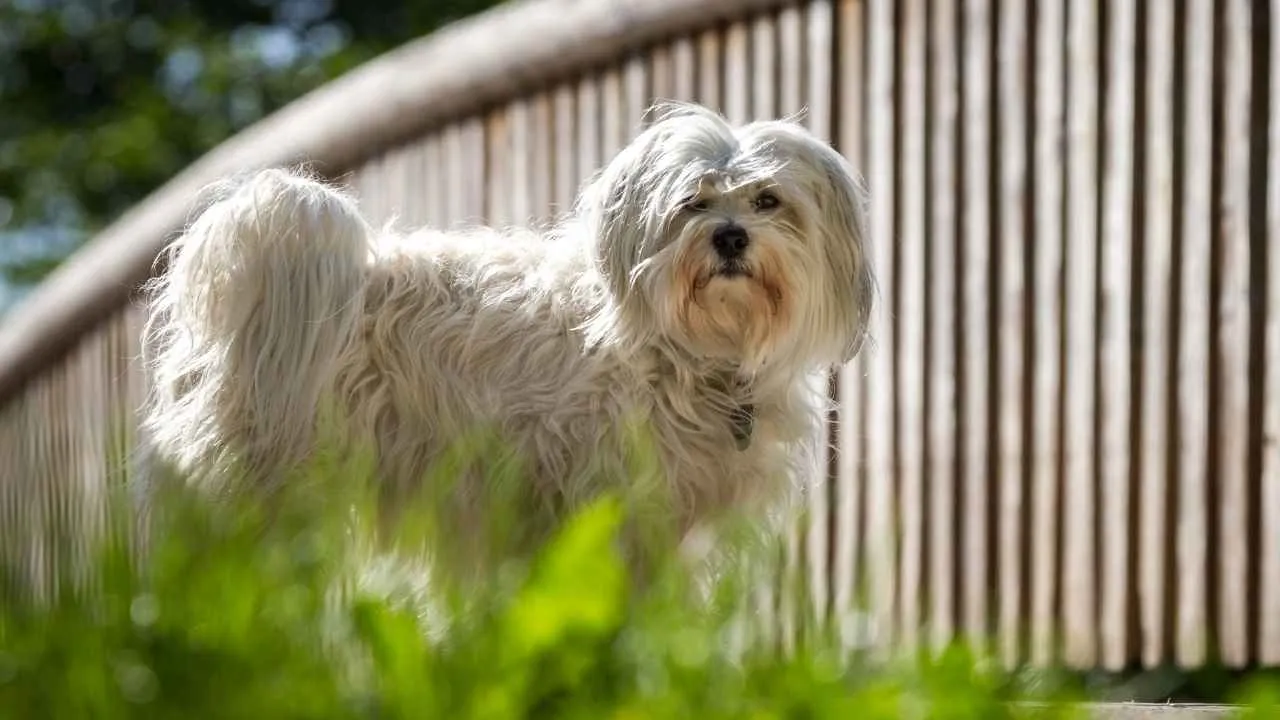
The Havanese brings lively energy into a tiny, sturdy body, paired with bright eyes and a light, springy gait. As the only dog breed native to Cuba, it became closely associated with companionship and social interaction, as noted by the AKC. Its curled tail and flowing silky coat give it a playful, attention-seeking appearance.
Personality is built around interaction
It forms connections quickly, often inserting itself into household activities with a humorous and expressive attitude. Its clown-like behavior and quick learning ability make interaction feel active rather than passive.
That personality appears in familiar ways:
Picks up tricks with surprising speed
Uses expression and behavior for attention
Keeps alert without excessive barking
City life with adaptable habits
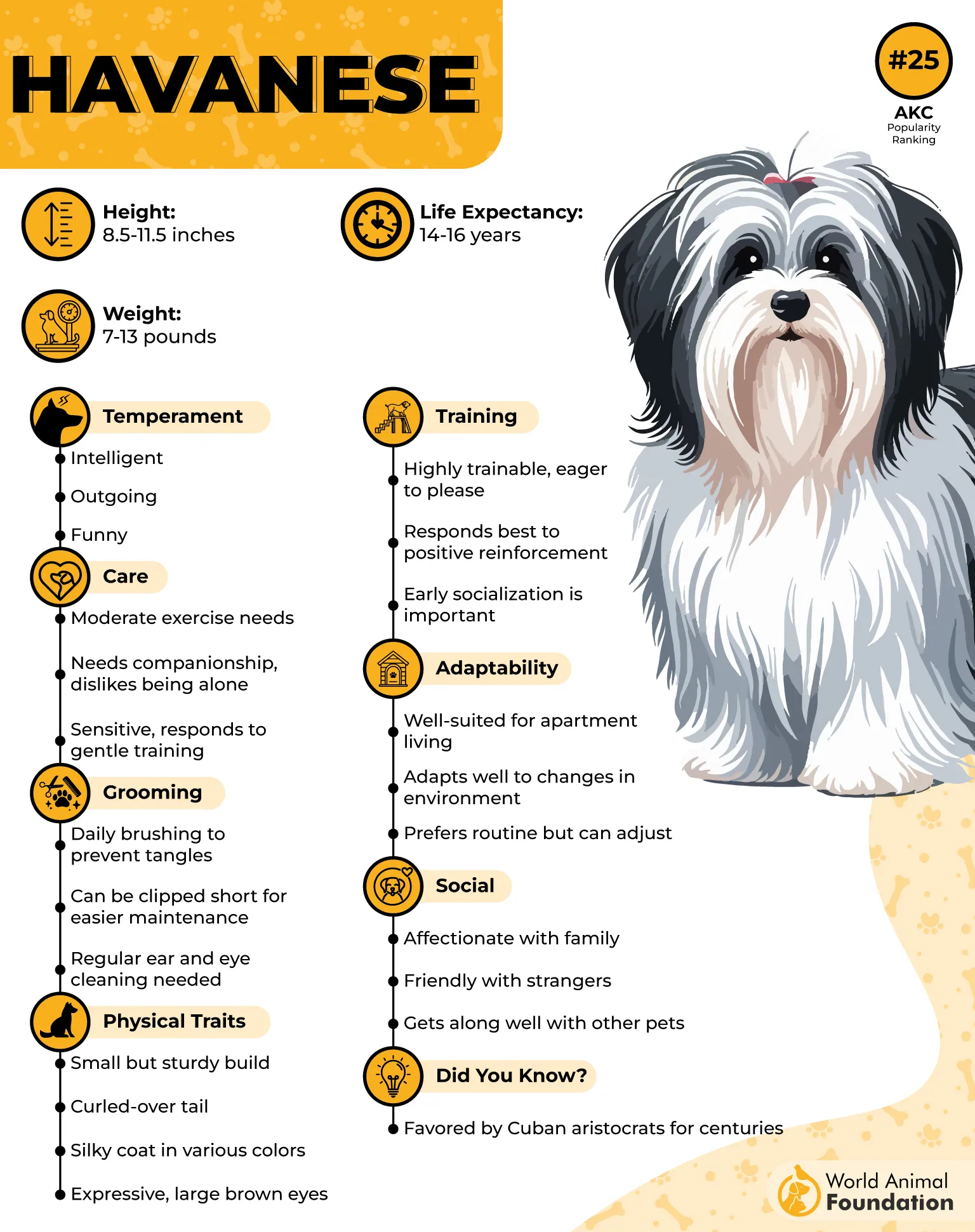
The Havanese fits naturally into smaller living spaces, especially where daily interaction remains part of the routine. Short walks and playful activity satisfy its physical needs without demanding constant outdoor time. Its sociable temperament blends easily into busy home environments.
2. Maltese
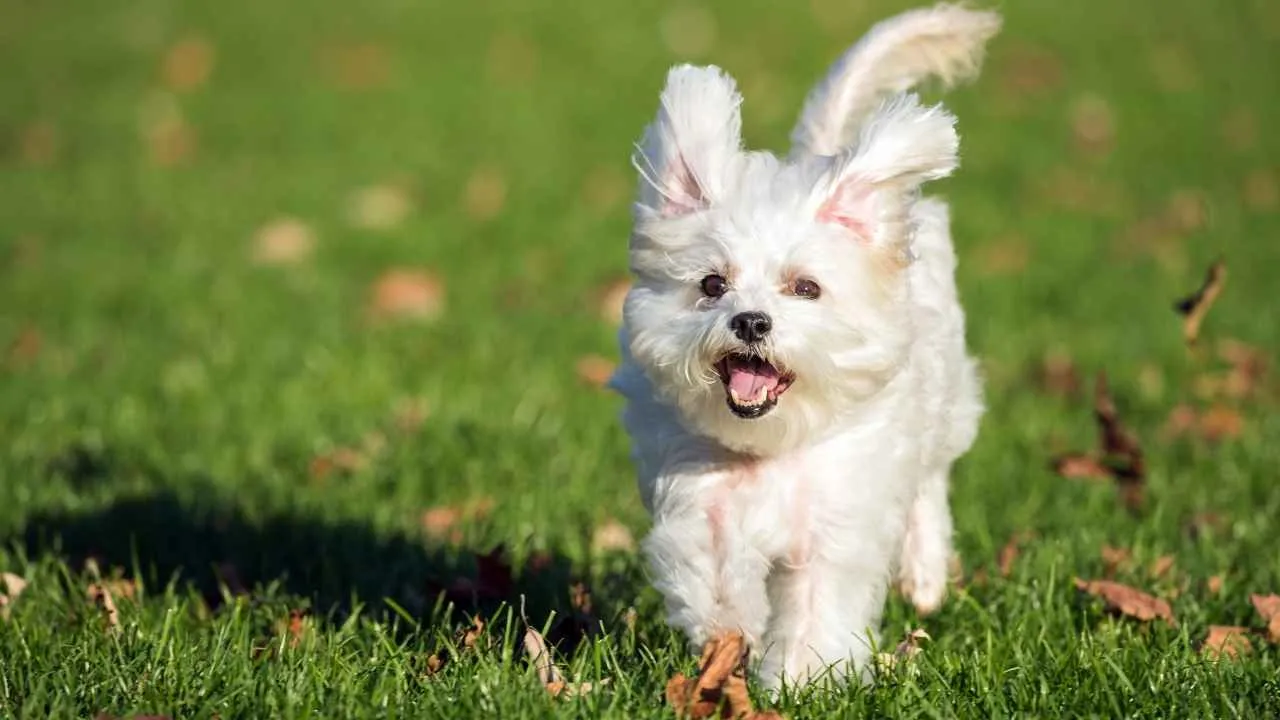
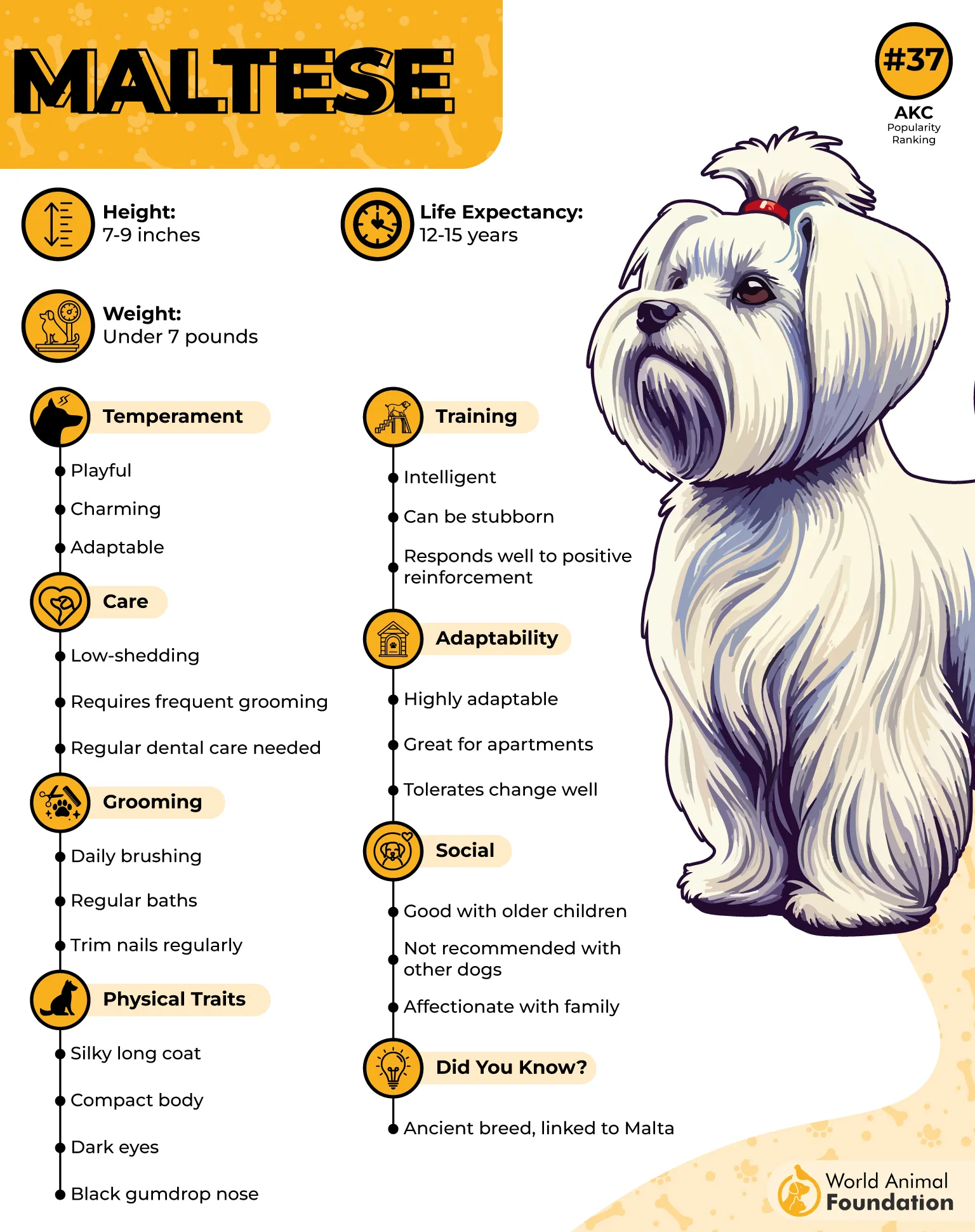
The Maltese earned admiration long before modern toy breeds became fashionable, often associated with luxury and close companionship.
Its flowing white coat frames a compact frame that walks with light, balanced motion. Large dark eyes and the rounded black nose give the breed an unusually expressive face.
Small size with lively awareness
This little dog quickly responds to surrounding activity, often noticing visitors or unfamiliar sounds, as noted by Britannica. Its personality blends playful interaction with a surprisingly fearless attitude in unfamiliar moments.

That personality appears through clear little habits:
Greets people with immediate curiosity
Responds quickly to indoor activity
Approaches agility tasks with enthusiasm
Personality shaped through companionship
The Maltese forms close attachments through daily interaction and responds best to reward-focused guidance during training. A stubborn streak can appear when routines become inconsistent or repetitive. Its social nature extends easily across different age groups and visiting guests.
3. Papillon
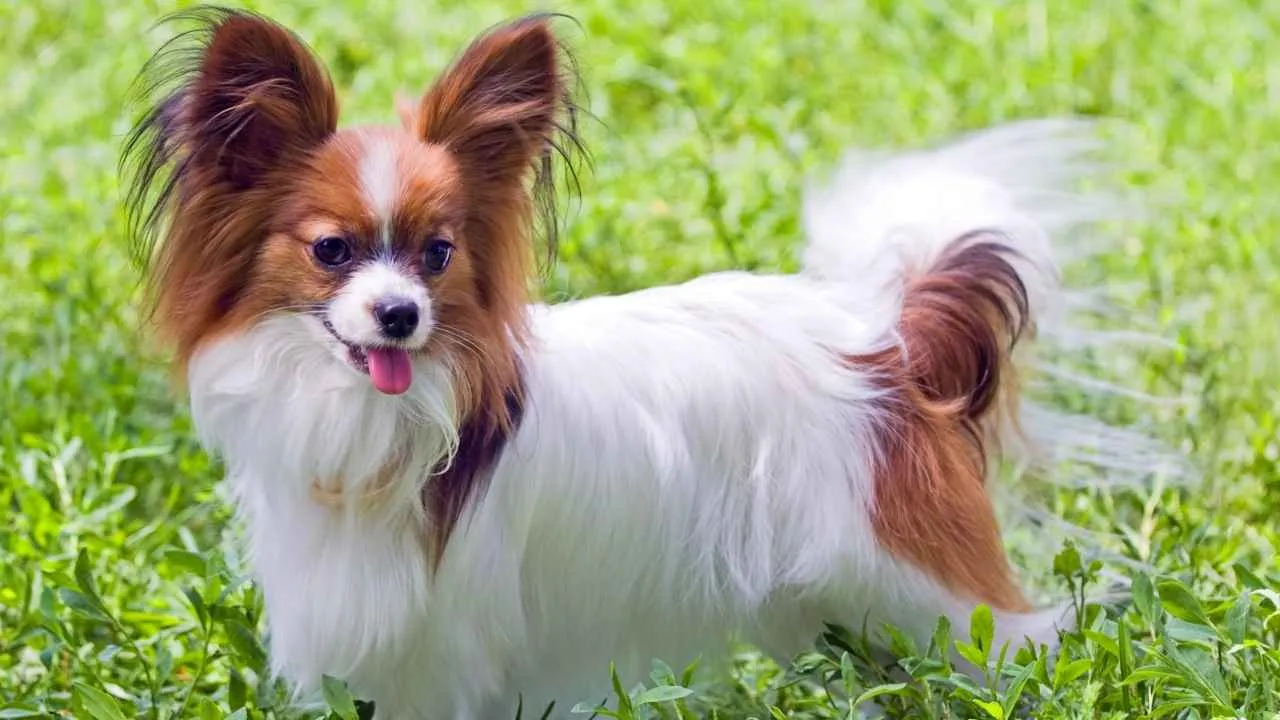
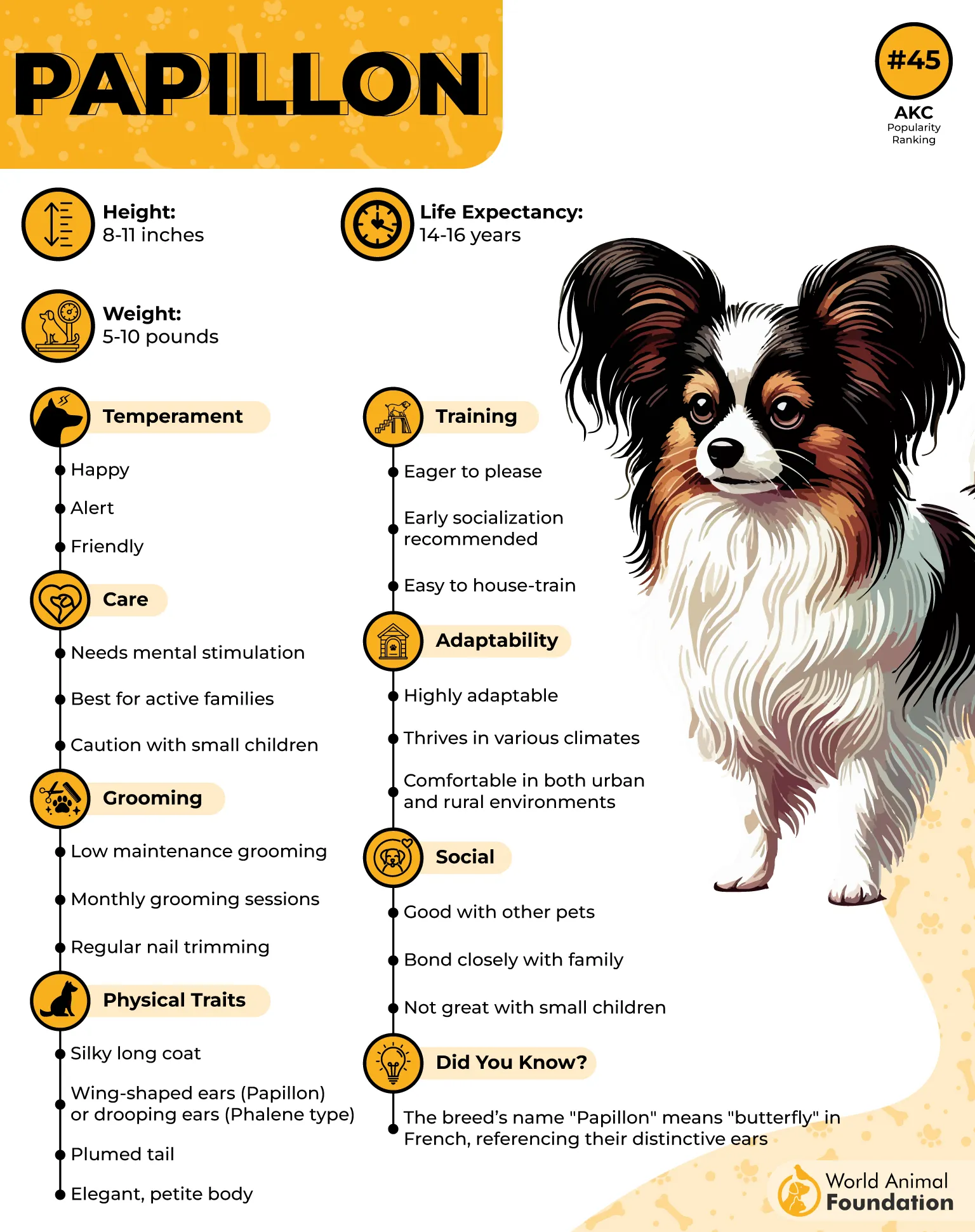
The Papillon catches attention through its butterfly-shaped ears, a feature that inspired the breed’s French name centuries ago.
Beneath the silky white coat and feathered tail sits a lively toy dog with surprising athletic ability. Papillons stay deeply involved in household activity and quickly notice changes around them.
Small frame, quick mind
This butterfly dog learns patterns fast and stays mentally engaged through games, movement, and interaction inside the home. Its energy feels purposeful rather than chaotic, which keeps daily routines lively without becoming overwhelming.
A few details shape that experience:
Butterfly-shaped upright or dropped ears
Long, silky coat with white base coloring
Strong agility and trick-learning ability
Always ready to join in
The Papillon rarely settles for simply sitting beside people when something interesting is happening nearby. Indoor fetch, chasing small toys, and repeated interaction keep this breed mentally satisfied throughout the day. As compact dogs, they are also well-suited for apartment life.
4. Shih Tzu
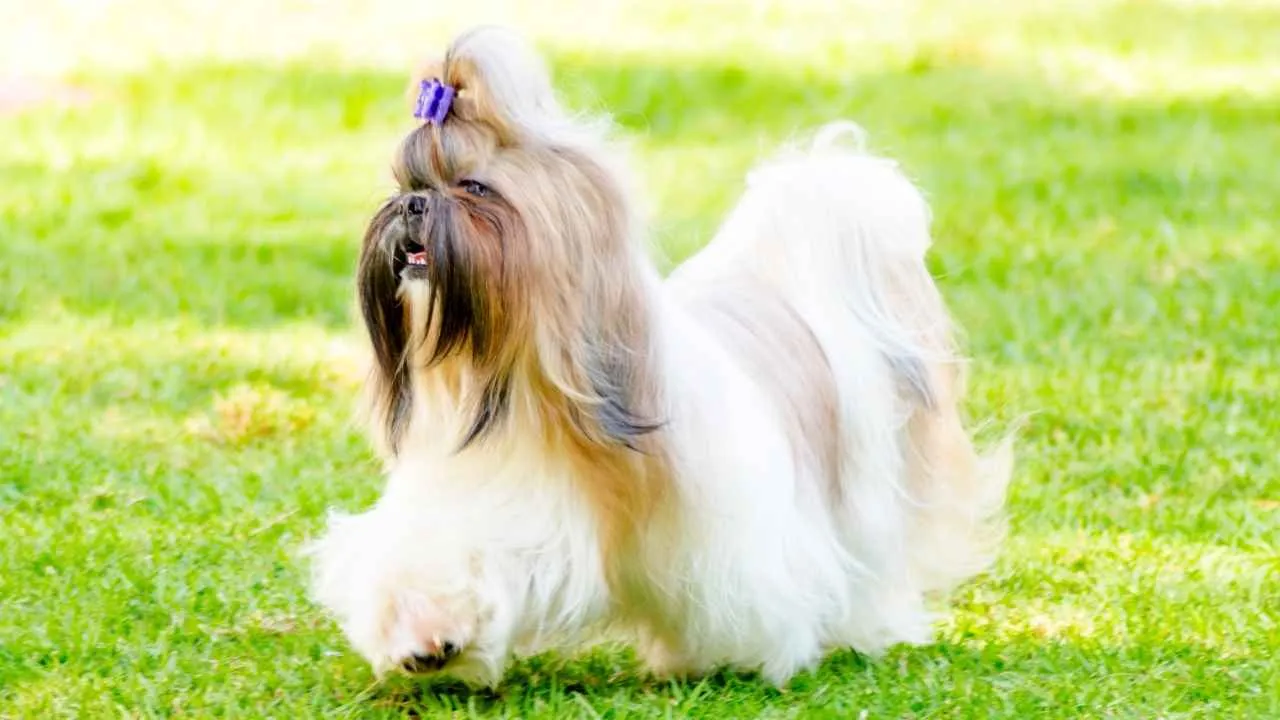
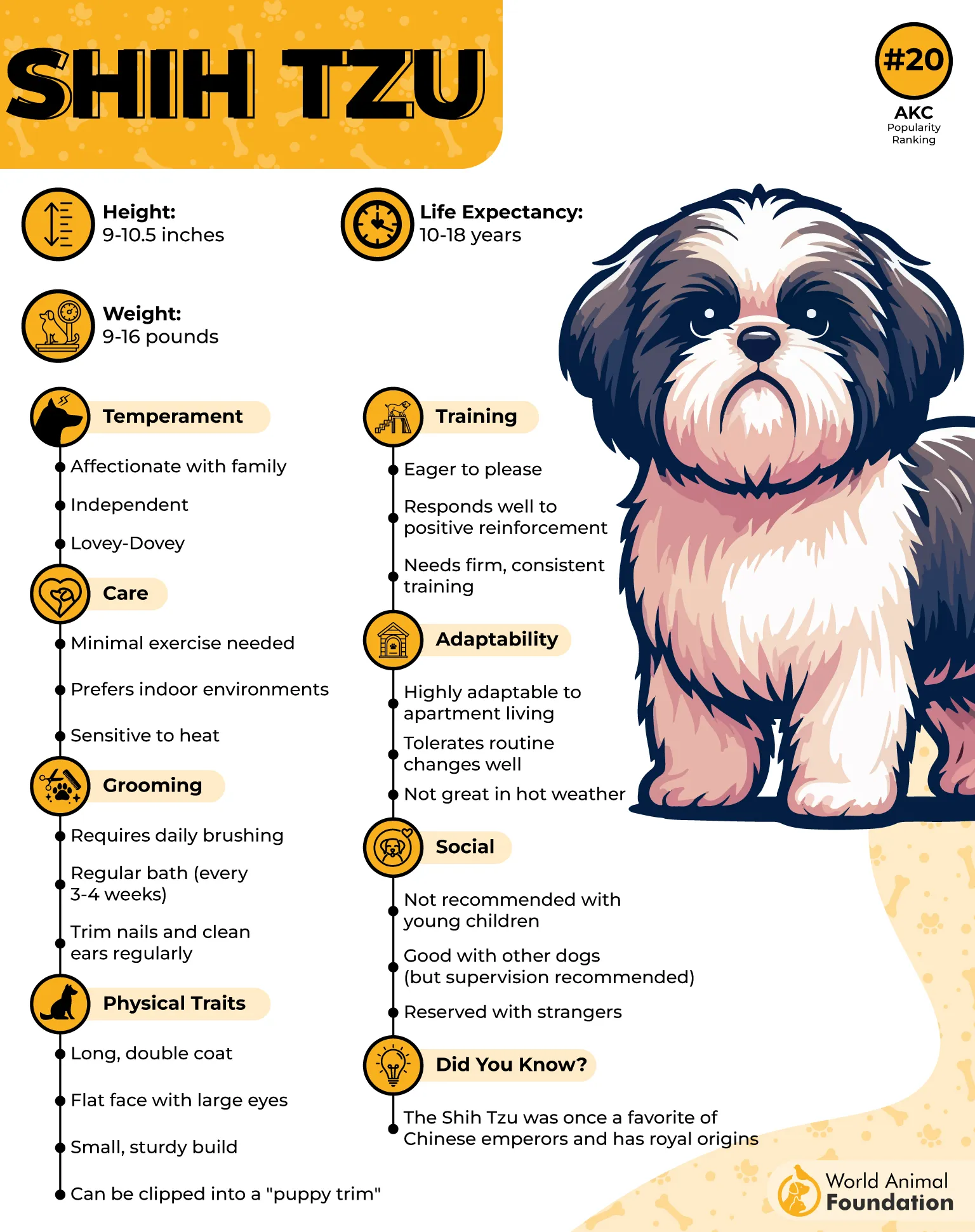
The Shih Tzu spent centuries inside royal palaces, shaping a companion deeply connected to indoor living and human attention, as mentioned by WebMD. Its large dark eyes and expressive face create the playful look that made the “Lion Dog” beloved for generations. Mischief and affection often appear together in this little breed.
Built for close companionship
The Shih Tzu prefers shared spaces and quiet interaction over constant activity, often choosing laps, couches, or nearby cushions during the day. Apartment living suits this breed naturally because its entertainment revolves around people rather than territory.
Small habits reveal that personality clearly:
Chooses cuddling over rough play
Enjoys indoor games and short walks
Seeks attention through playful behavior
Gentle rhythm inside the home
This small companion dog fits comfortably into smaller homes because its activity needs remain fairly modest throughout the day. Short-legged and compact, it finds satisfaction in brief walks followed by relaxed indoor time. This rhythm creates an easy balance between companionship and routine living.
5. Pomeranian
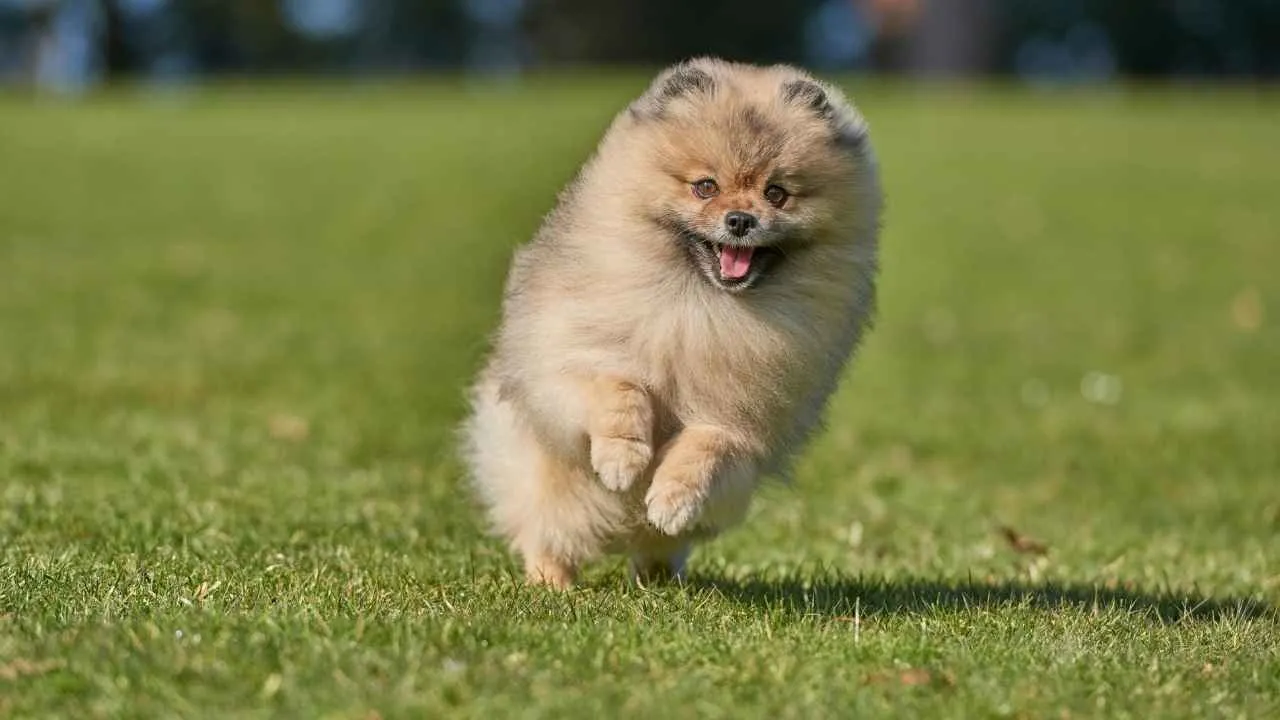
Pomeranians became a favorite among both royal households and everyday companions through their lively personality, packed into a remarkably small frame.
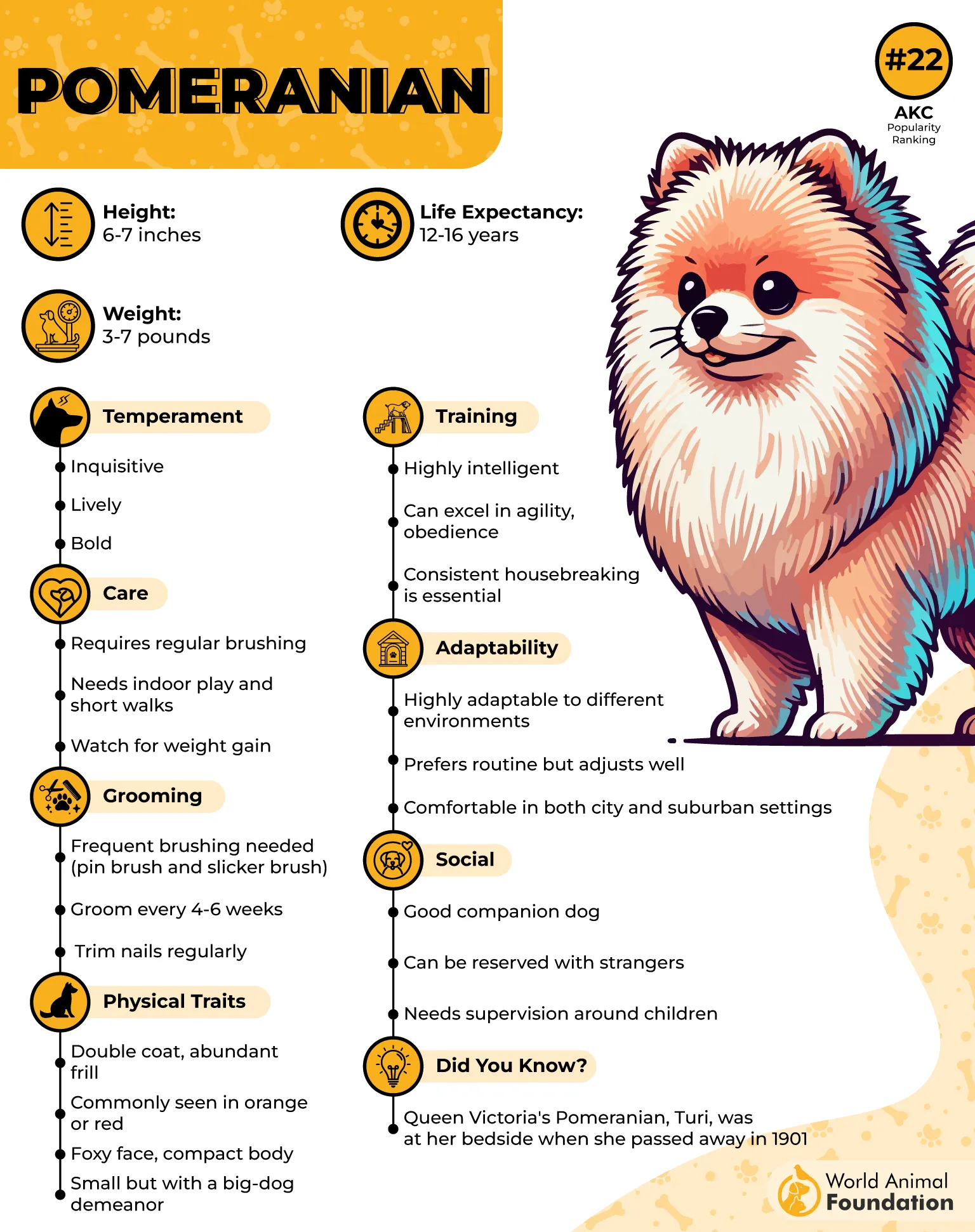
The thick coat, bright eyes, and fox-like face create an expressive appearance that constantly draws attention. Their tiny size feels paired with the confidence of a much larger dog.
Clever and quick
This lap dog responds eagerly to games, routines, and trick-based interaction, often learning patterns faster than expected from such a compact breed. Its alert nature also makes it highly aware of sounds and activity around the home.
That personality comes through in familiar ways:
Learns tricks and games rapidly
Reacts quickly to household activity
Enjoys constant interaction and amusement
Small size, active nature
Poms fit comfortably into apartments and smaller homes because their activity needs can be managed through indoor play and shorter outings.
Even with its miniature frame, it enjoys opportunities to run and explore outdoor spaces. Curiosity often leads it toward narrow gaps or low fencing during exploration.
6. Chihuahua
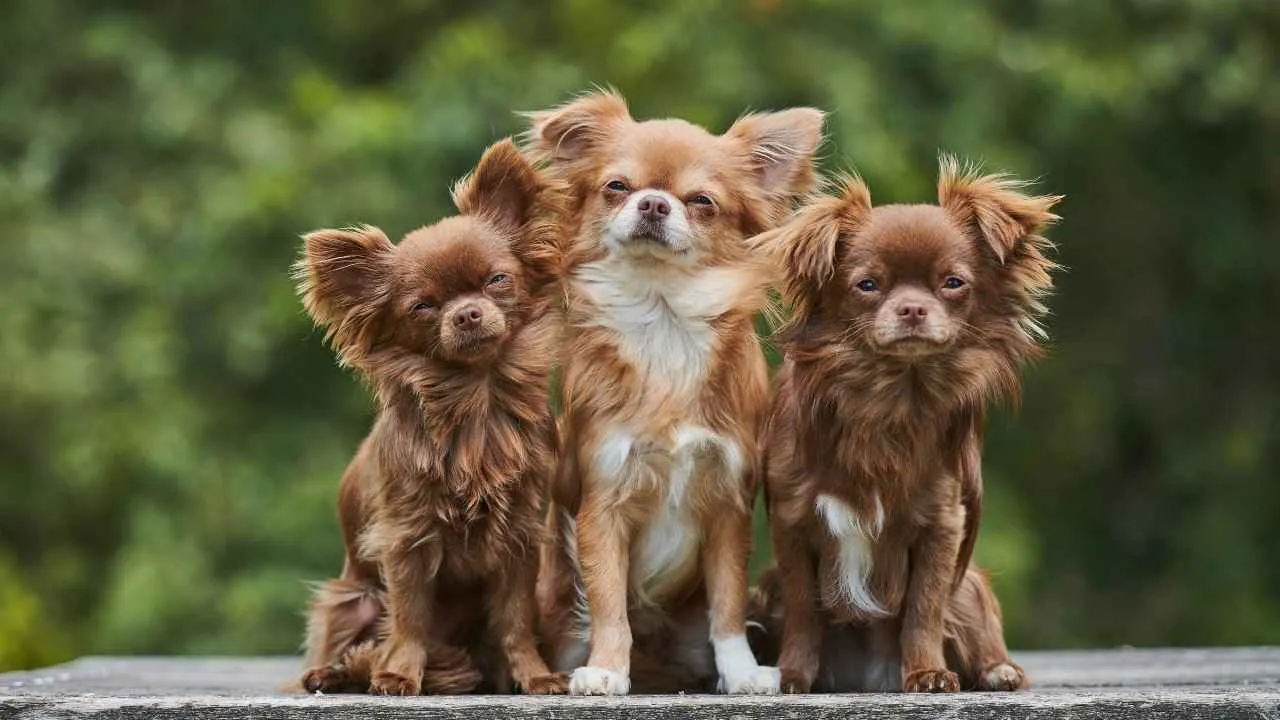
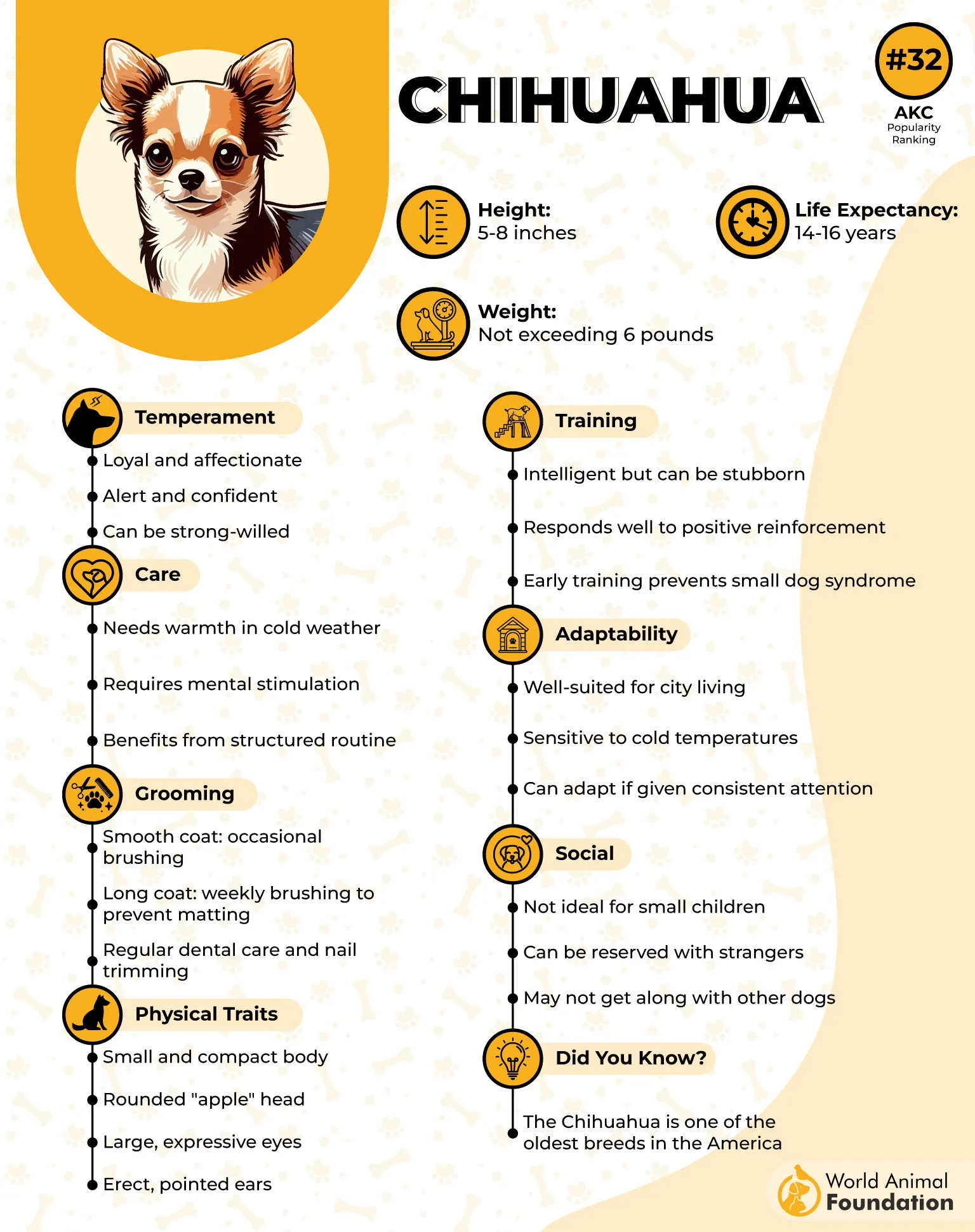
The Chihuahua holds deep cultural roots in Mexico, where its tiny frame became linked with some of the oldest companion dogs in the Americas.
The rounded apple-shaped head, upright ears, and bright eyes give every reaction unusual clarity. Its small size never softens the bold, self-important attitude attached to the breed.
City-sized energy
The Chihuahua fits naturally into compact living spaces, often burning energy simply by following people from room to room. Short walks and indoor play usually satisfy its activity needs without demanding large outdoor routines.
A few traits shape that daily rhythm:
Comfortable in small apartments
Quick bursts of playful energy
Closely attached to favorite people
Clever but opinionated
They are highly trainable companion dogs and learn household patterns quickly, and often push limits when structure disappears too early.
Its sharp awareness and terrier-like demeanor can turn stubborn in homes without consistent boundaries. Early training helps channel confidence before controlling habits settle in.
7. Toy Poodle

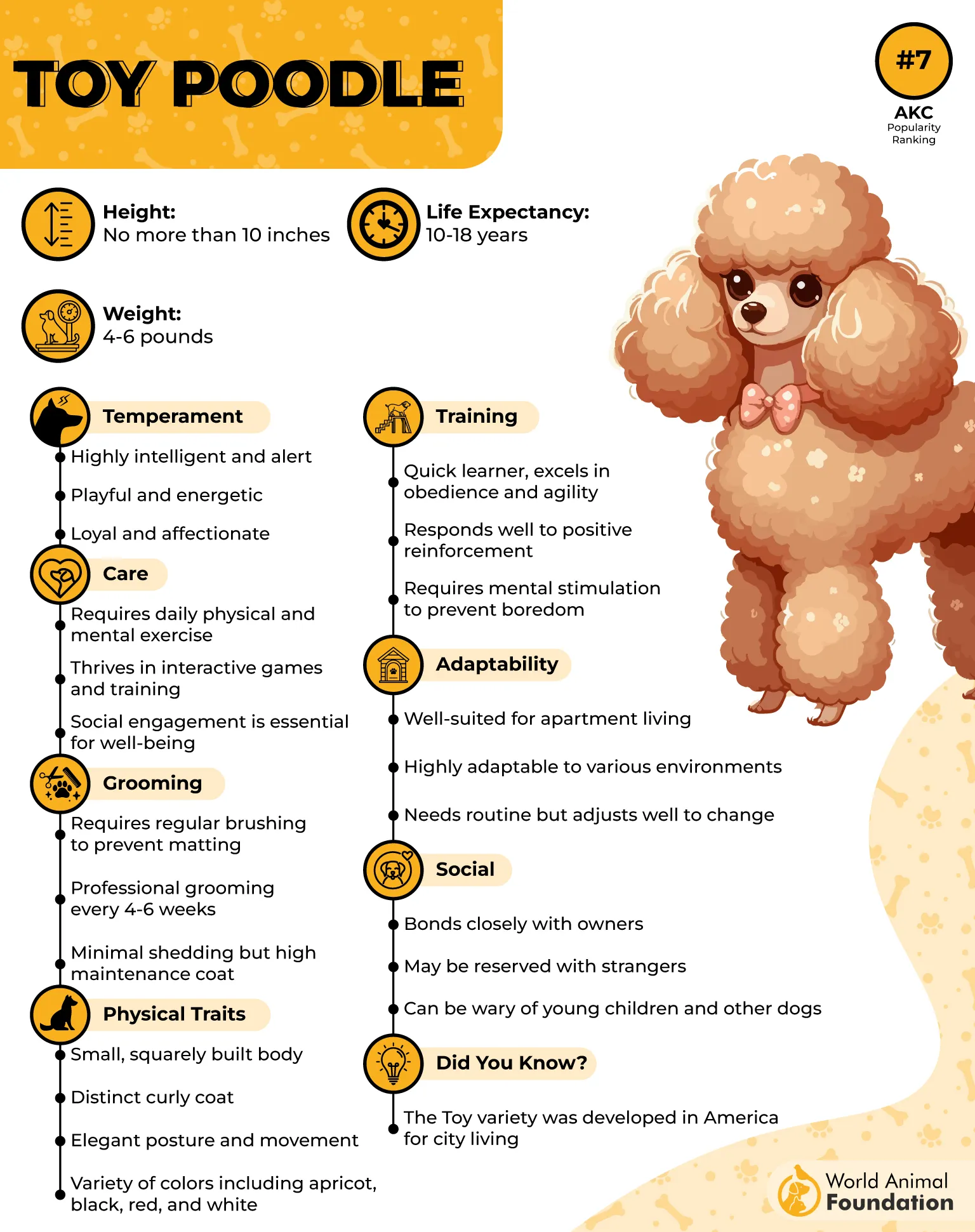
Toy Poodles descend from energetic water dogs once valued for swimming and duck retrieval, long before circus rings made them famous. The tight curly coat originally protected them in cold water, while their quick thinking helped them adapt to demanding work.
Quick minds, fast reactions
They learn routines unusually fast and quickly notice patterns inside the home, which explains why consistent structure matters early. Their love for games, tricks, and interaction comes from a breed long associated with performance and close teamwork.
These traits shape their daily life:
Learns commands rapidly
Enjoys frequent short play sessions
Responds well to reward-based training
More than a lap companion
Toy Poodles rarely settle into a passive household role because the breed constantly looks for interaction, movement, and mental engagement. They mix well with children, other pets, and other dogs, though boredom can quickly turn into mischievous behavior around the house.
Conclusion
A dog does not need impressive size to leave a strong presence inside a home. These miniature companions prove that personality, loyalty, and constant interaction matter more than physical space. Their compact bodies fit naturally into apartments, travel routines, and quieter lifestyles, yet their behavior rarely feels small or forgettable, especially as a family dog.
Some stay playful from morning until night, while others become calm shadows that follow familiar people everywhere they go. Over time, that closeness becomes one of the biggest reasons owners grow attached to these gentle and affectionate companions. Life feels lighter and more entertaining with their curious temperament always nearby.
