




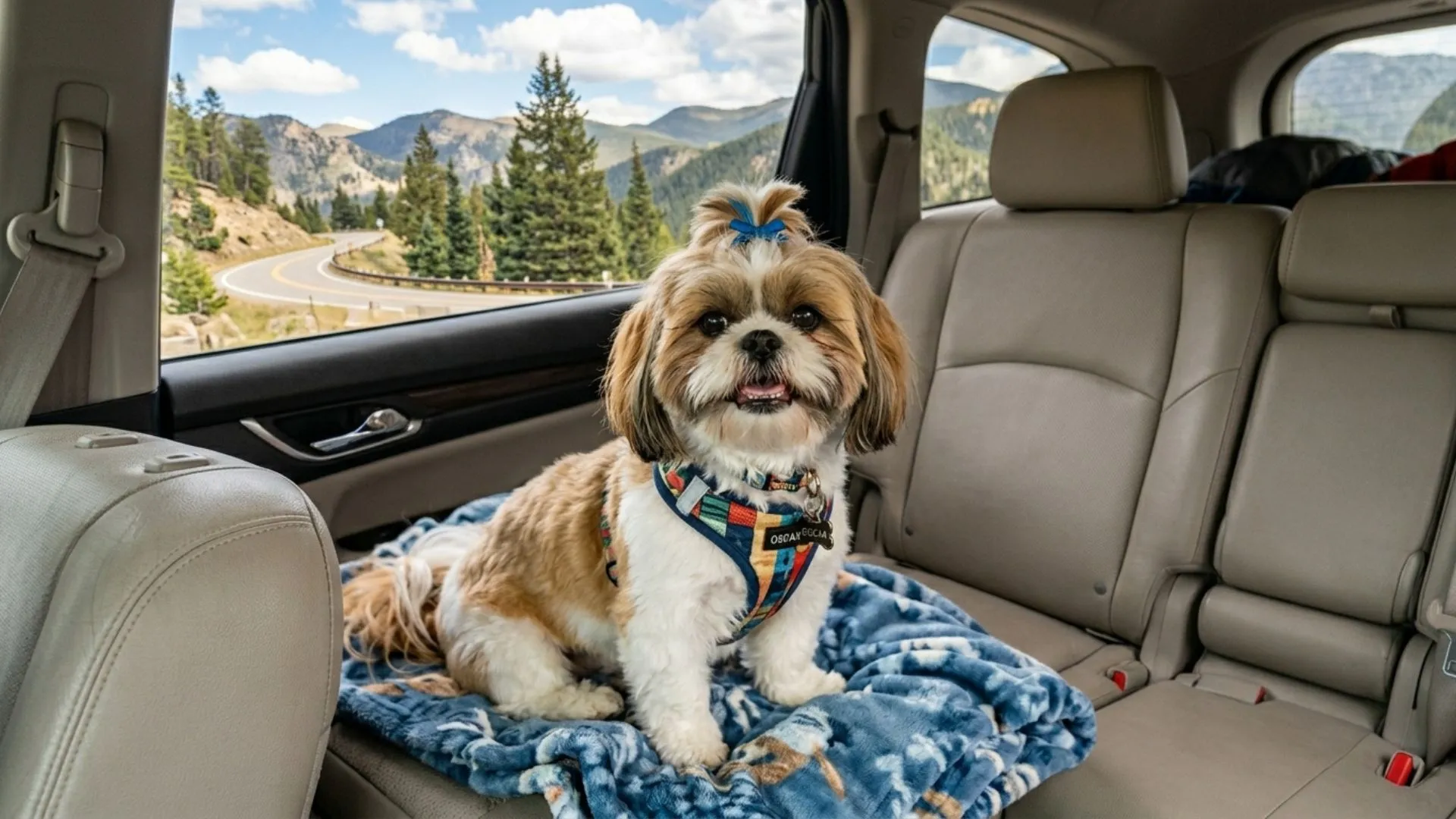
If your family loves road trips, weekend getaways, beach vacations, or even chaotic airport adventures, choosing the right travel-friendly dog breed can seriously change the experience.
The best travel dogs are adaptable, social, compact enough for easy transportation, and emotionally chill when routines change. Think of them like the friend who can sleep anywhere, survive on snacks, and still wake up excited for the next stop.
Small and medium companion breeds often do especially well because many airlines allow them in cabin carriers, hotels are more likely to welcome them, and they fit comfortably into busy family lifestyles. But personality matters as much as size.
According to the American Pet Products Association, over 78% of U.S. pet owners travel with their pets each year. That number keeps growing thanks to pet-friendly hotels, dog cafés, travel gear, and social media, making “dog “arent vacations basically a lifestyle category now.
Below are some of the best dog breeds for families who love traveling, exploring, and creating memories with a four-legged co-pilot.
Excellent Dog Breeds for Traveling Families
1. Pomeranian
Quick Facts
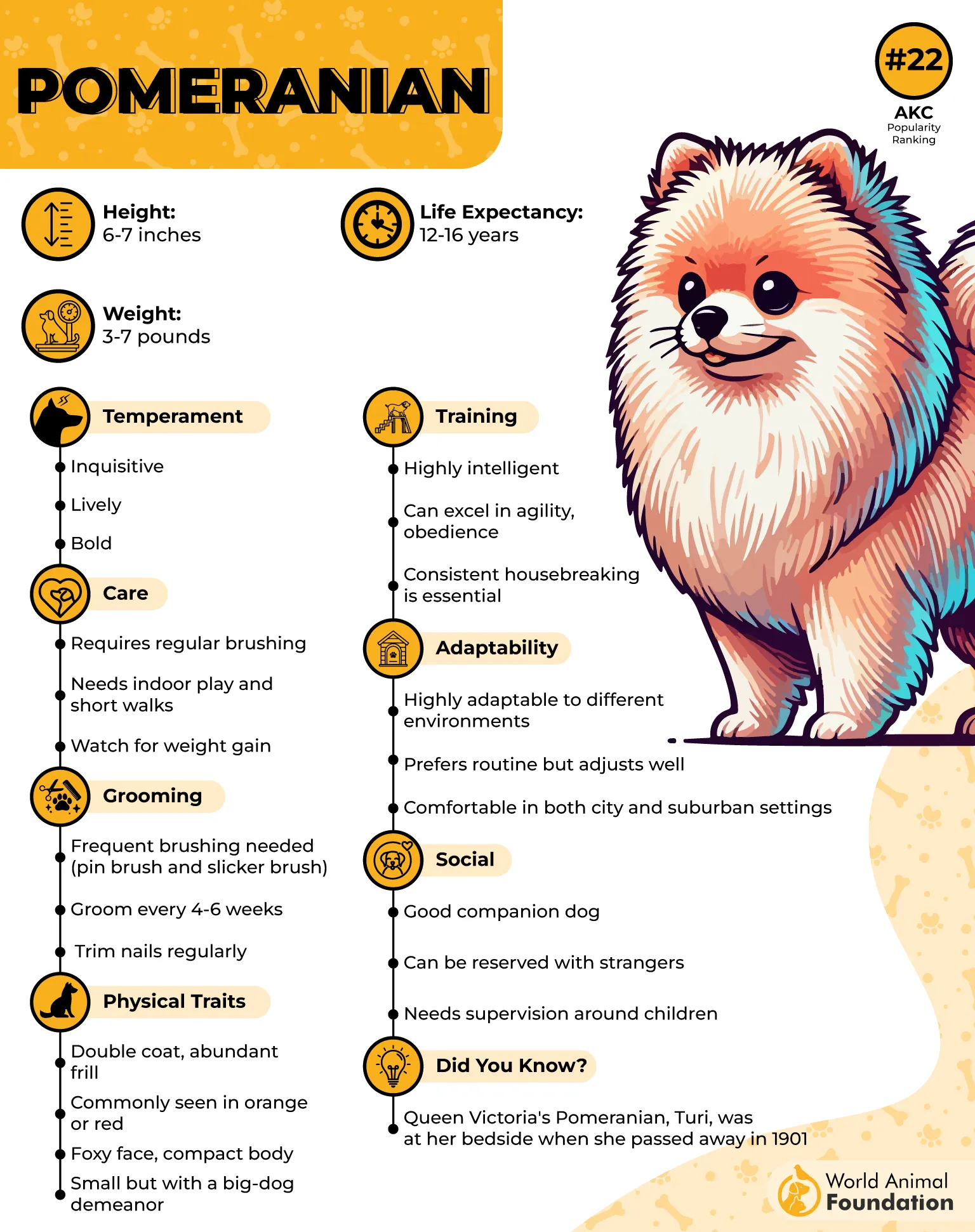
Airline-friendly: Usually yes
Energy level: Moderate to high
Family compatibility: Excellent with calm children
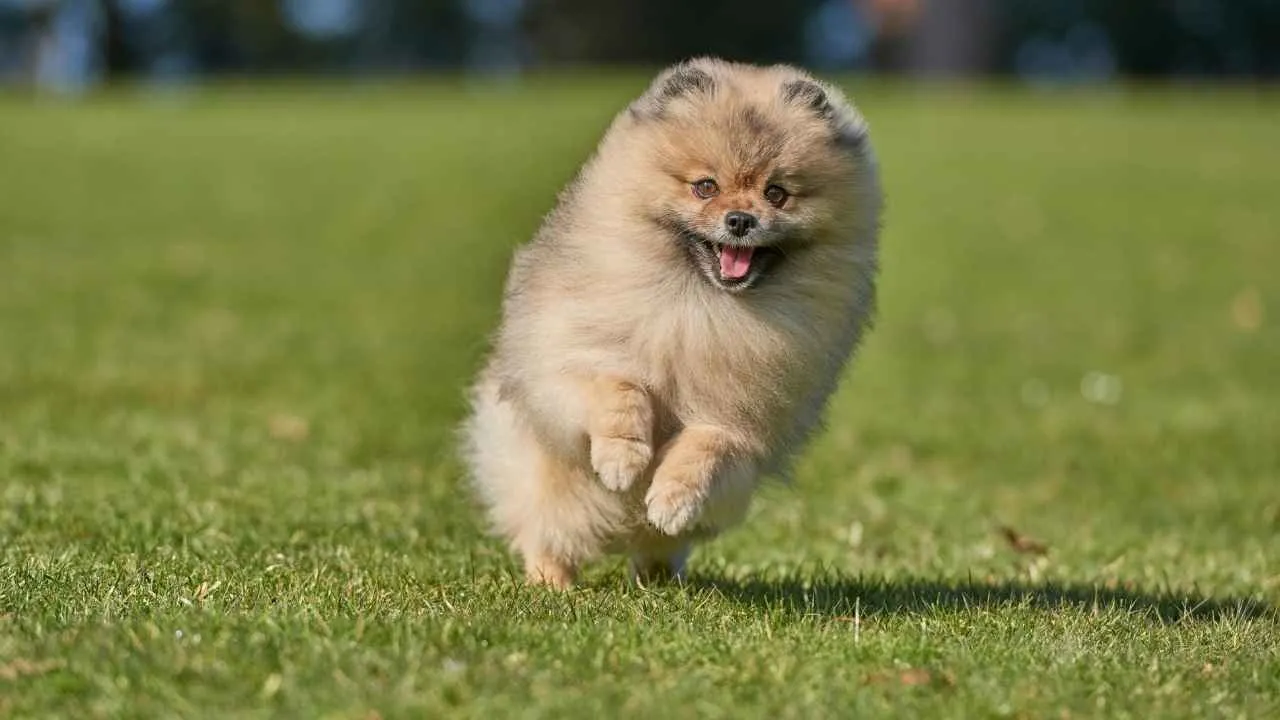
Pomeranians are basically fluffy little influencers. They’re photogenic, adaptable, and somehow always ready to be involved in everyone’s business.
Most airlines allow small dogs to ride in an under-seat carrier, which works perfectly for Pomeranians. Just remember that airline policies change constantly, so always check size and weight restrictions before booking. Nothing ruins vacation vibes faster than airport drama at check-in.
They can also become anxious during loud flights or long drives. Motion sickness is fairly common in toy breeds. Many owners use gradual car training, short practice rides, and familiar blankets to help reduce stress.
These small dogs are playful without needing marathon exercise sessions for traveling families staying in hotels or apartments, that’s what we win. Indoor play sessions often tire them out enough to keep them happy.
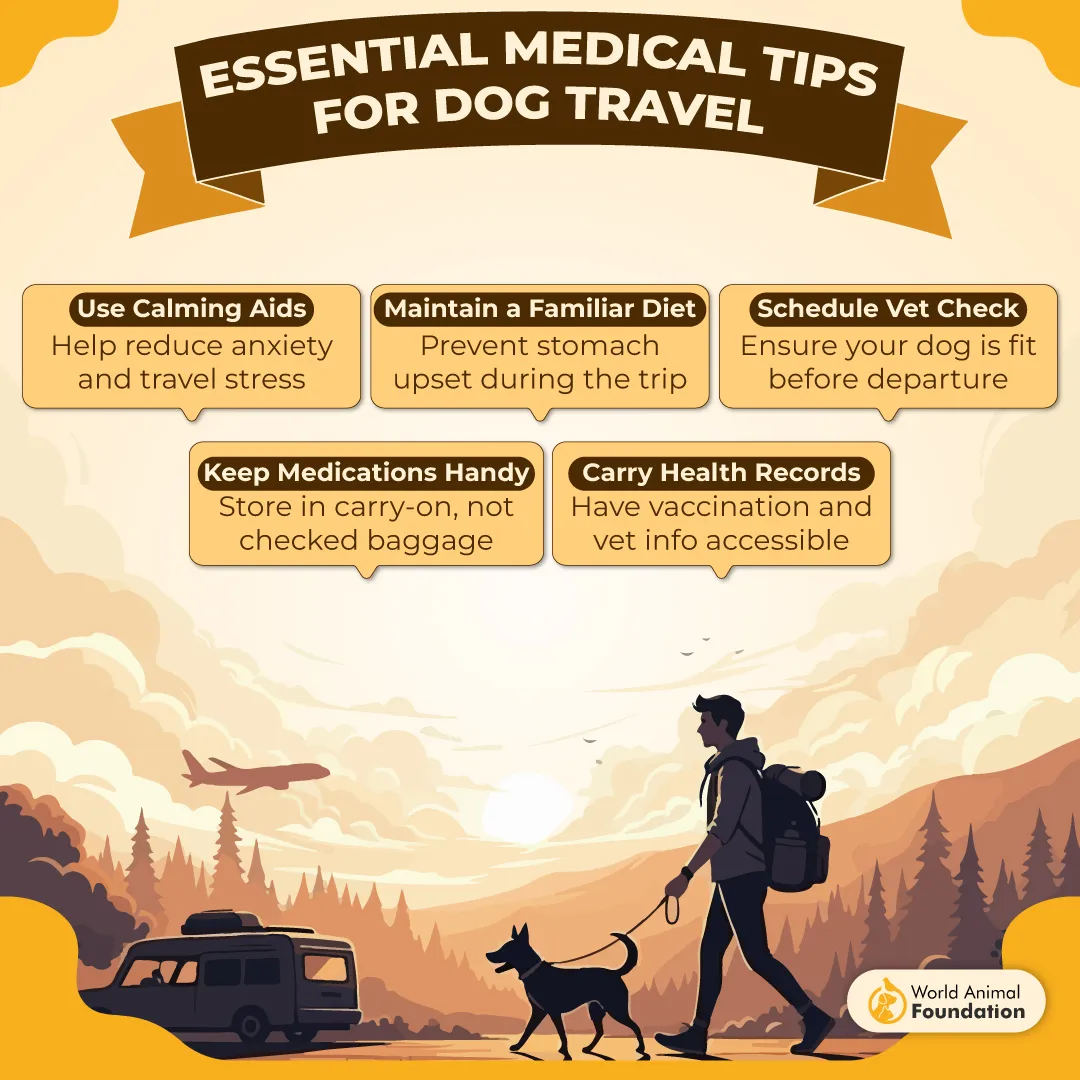
Before long trips, visit the vet, update vaccines, pack ID tags and microchip info, and bring familiar toys and exercise before travel.
Pomeranians thrive in affectionate homes where they’re treated like part of the group. They’re for families who enjoy slower sightseeing, café hopping, or cozy weekend trips rather than hardcore hiking adventures.
2. Beagle

Quick Facts
Grooming needs: Low
Temperament: Friendly and curious
Great for road trips: Absolutely
If Pomeranians are influencers, Beagles are chaotic travel vloggers. They’re outgoing, energetic, social, and always ready to investigate absolutely everything. They are one of the most family-friendly breeds on earth, especially for active households.
Beagles’ health is manageable for both road trips and some pet-friendly train travel. Their sturdy build also makes them more resilient than fragile toy breeds.
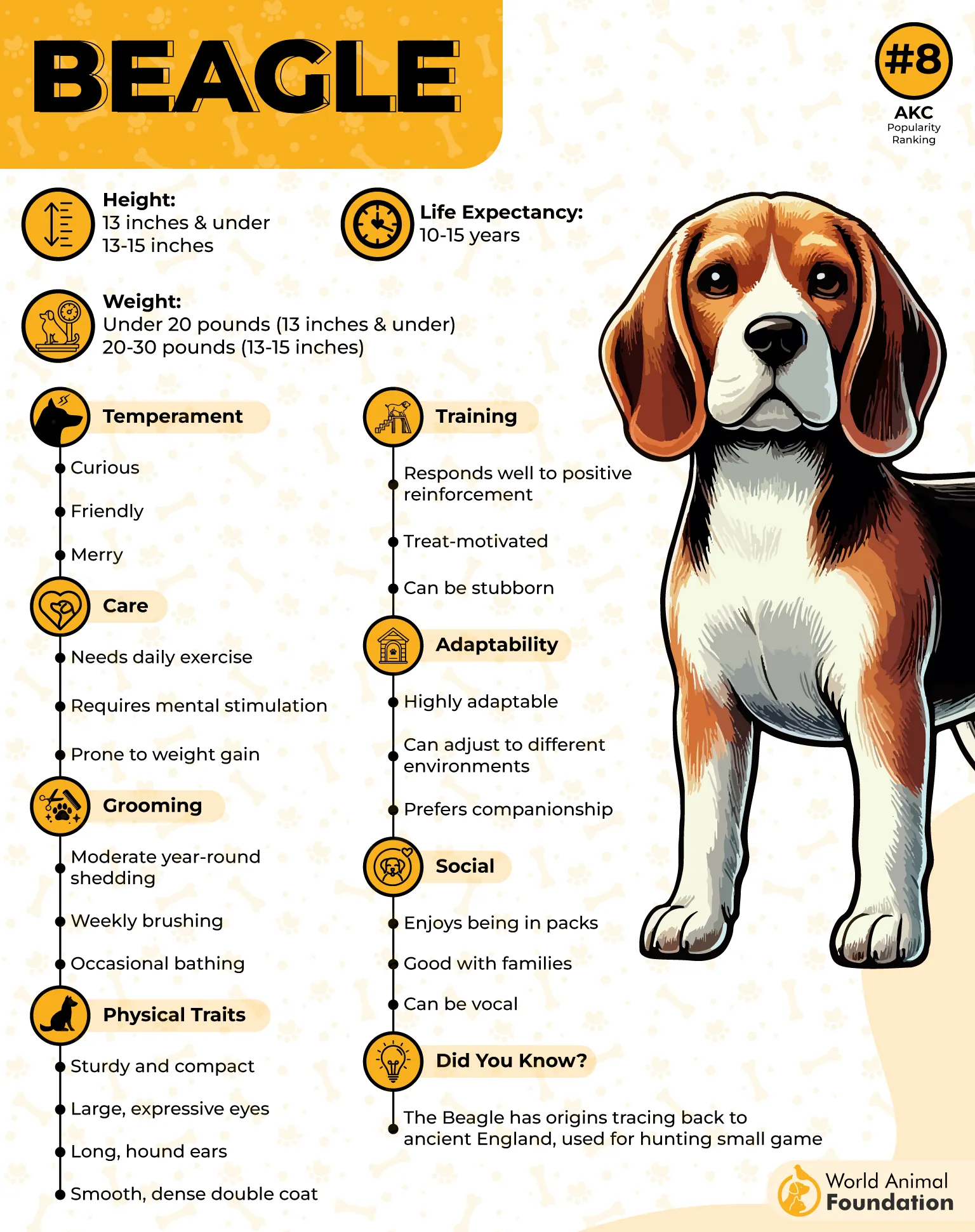
They were originally bred as scent hounds, meaning exploration is basically coded into their DNA. New smells, hiking trails, parks, and outdoor stops are like a dopamine overload for them. Families love Beagles because they’re full without being intimidating. They usually get along well with children, other dogs, and even cats when socialized early.
They are smart but distractible. If they catch an interesting scent at a rest stop, your peaceful bathroom break can suddenly turn into an action-movie chase scene.
Secure harnesses and leashes are essential. Many owners also recommend crate training before major trips because it creates a safe “homely” feeling during travel.
For long drives, stop every 2–3 hours, keep water available, use seatbelt restraints, avoid feeding right before travel, and keep the temperature cool. Surprisingly, soft music helps some Beagles relax. Apparently, dogs also appreciate chill playlists after overstimulation.
3. Cavalier King Charles Spaniel

Quick Facts
Best feature: Adaptability
Family friendliness: Elite tier
Airline compatibility: Often yes
Some dogs treat travel like a battle royale. Cavaliers treat it like a spa weekend.
These dogs are emotionally flexible, deeply affectionate, and surprisingly adaptable in new environments. That calm temperament makes them one of the easiest travel breeds for families who prefer relaxed vacations.
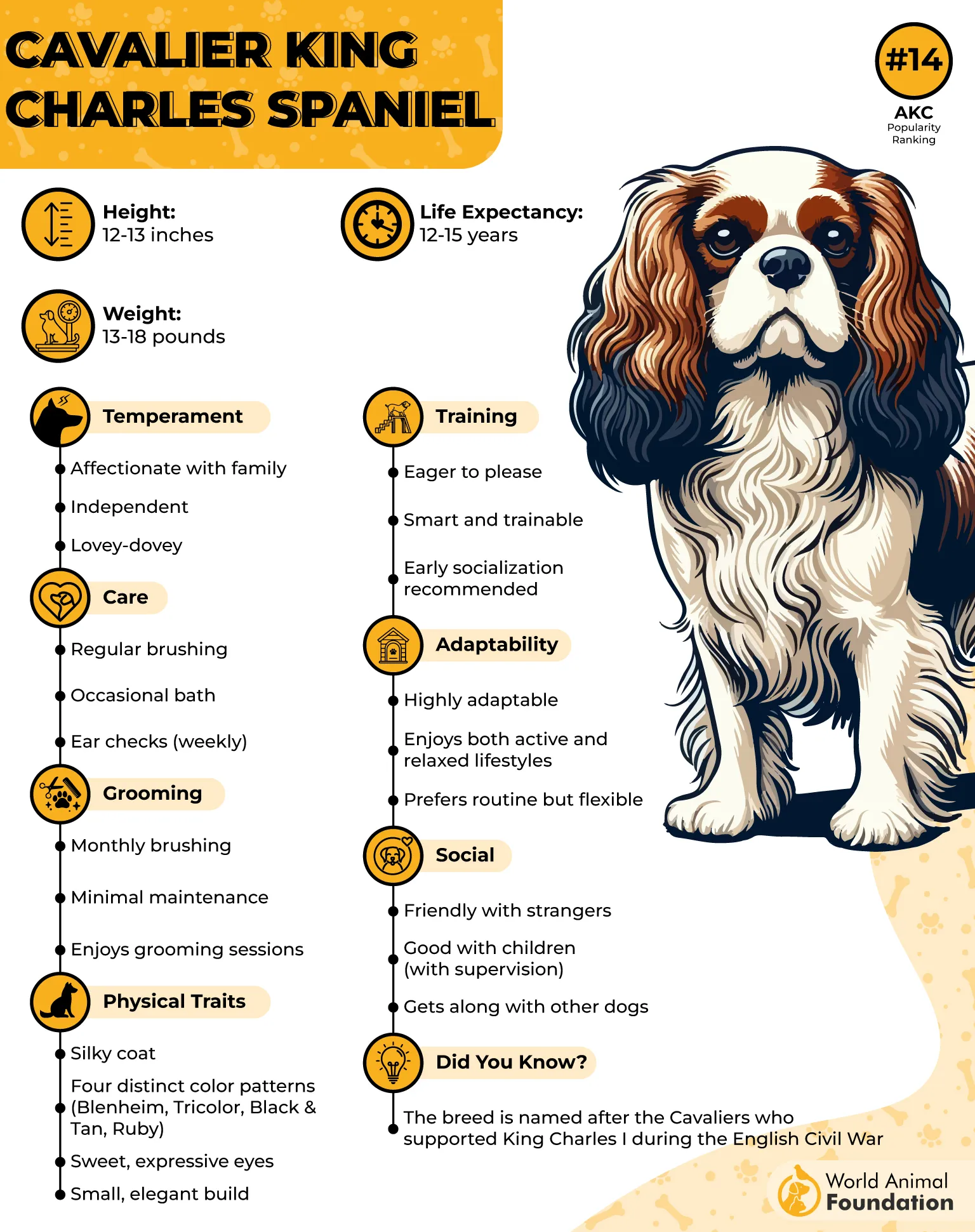
Cavaliers aren’t very territorial, so new places don’t stress them out the way they stress other breeds. Crate training matters a lot with Cavaliers. Dogs that already associate carriers with comfort tend to travel much better than dogs suddenly forced into confinement.
Many families use airline carriers, soft bedding, puppy pads, and favorite toys and light meals before flights. They are famous for wanting constant companionship. For slower-paced families who enjoy sightseeing, cafés, or quiet vacations, Cavaliers are almost unfairly perfect.
These dogs crave human attention. Leaving them alone in hotel rooms for long periods can lead to anxiety. They’re at their best when they’re part of the trip.
They genuinely enjoy being included. They don’t do luxury; they want participation. If your kids love outdoor activities, park visits, or camping weekends, this dog often fits naturally into that lifestyle.
4. Dachshund

Quick Facts
Personality: Bold and curious
Best travel type: Road trips
Biggest concern: Back health
Dachshunds travel with the confidence of dogs three times their size. These curious little explorers love staying close to their people and often become surprisingly good travel companions.
Mini Dachshunds are especially well-suited to airline cabin requirements thanks to their compact size.
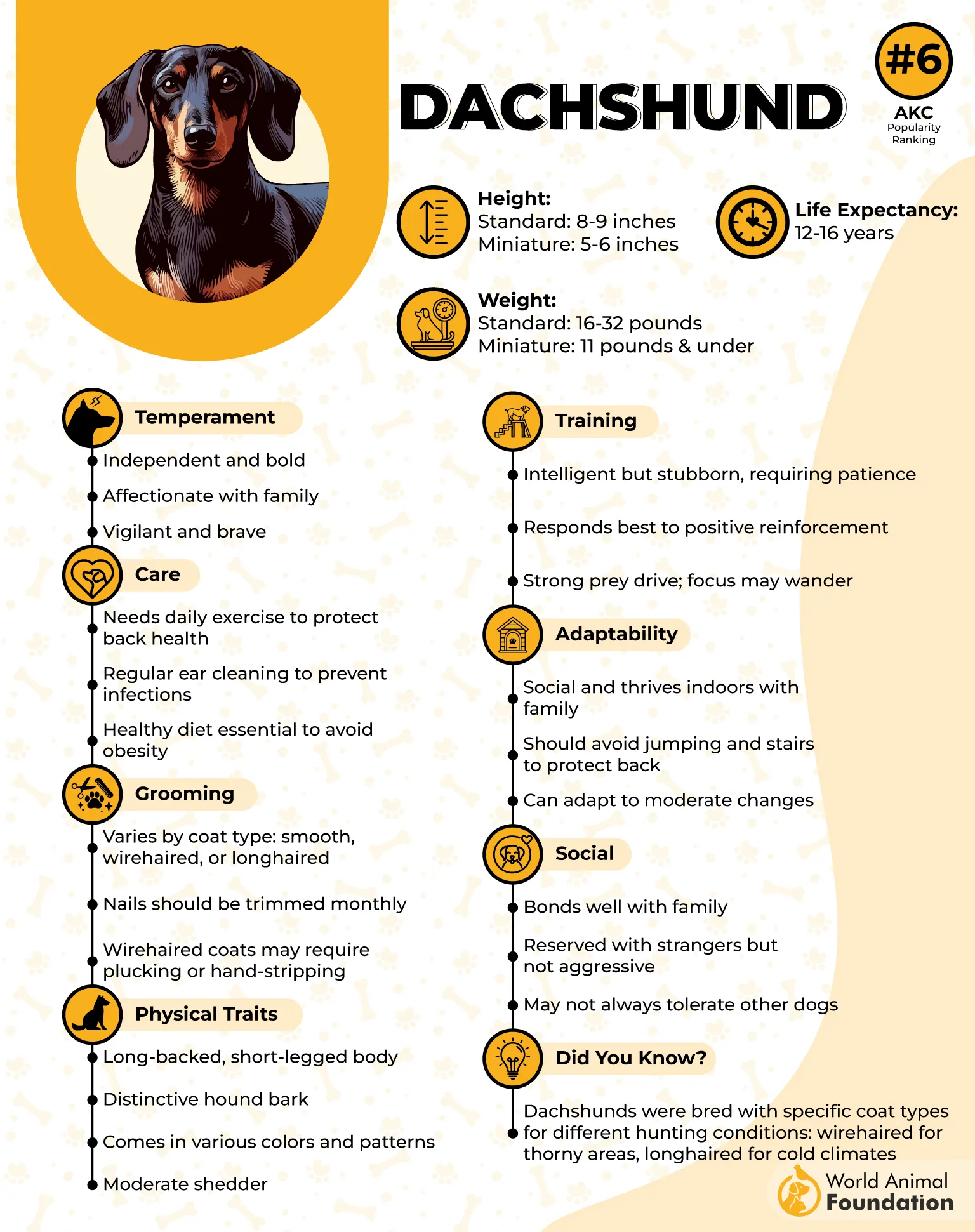
Because of their long backs, they need extra care during travel. Jumping off beds, car seats, or furniture can increase the risk of spinal injuries.
Smart travel families use dog ramps, soft carriers, harnesses instead of collars, and secure car restraints. They bond deeply with routines and scents. Bringing familiar blankets or toys helps reduce stress dramatically in new environments.
Think of it like bringing your favorite hoodie on vacation—same emotional support energy.
They’re enough for easy transport but energetic enough to enjoy sightseeing walks. However, they require frequent potty breaks due to their small bladders.
Families should plan stops every 2–3 hours during long drives.
5. Yorkshire Terrier

Quick Facts
Energy level: Moderate
Shedding: Very low
Personality: Confident and attached
Yorkies are among the most portable dog breeds in the world. Most weigh under 7 pounds, making them ideal for airline cabin travel and compact accommodations.
But don’t let the size fool you. Yorkies carry themselves like celebrity bodyguards.
Small dogs are especially vulnerable during car accidents. A loose Yorkie in a moving vehicle can suffer severe injuries even during low-speed crashes.
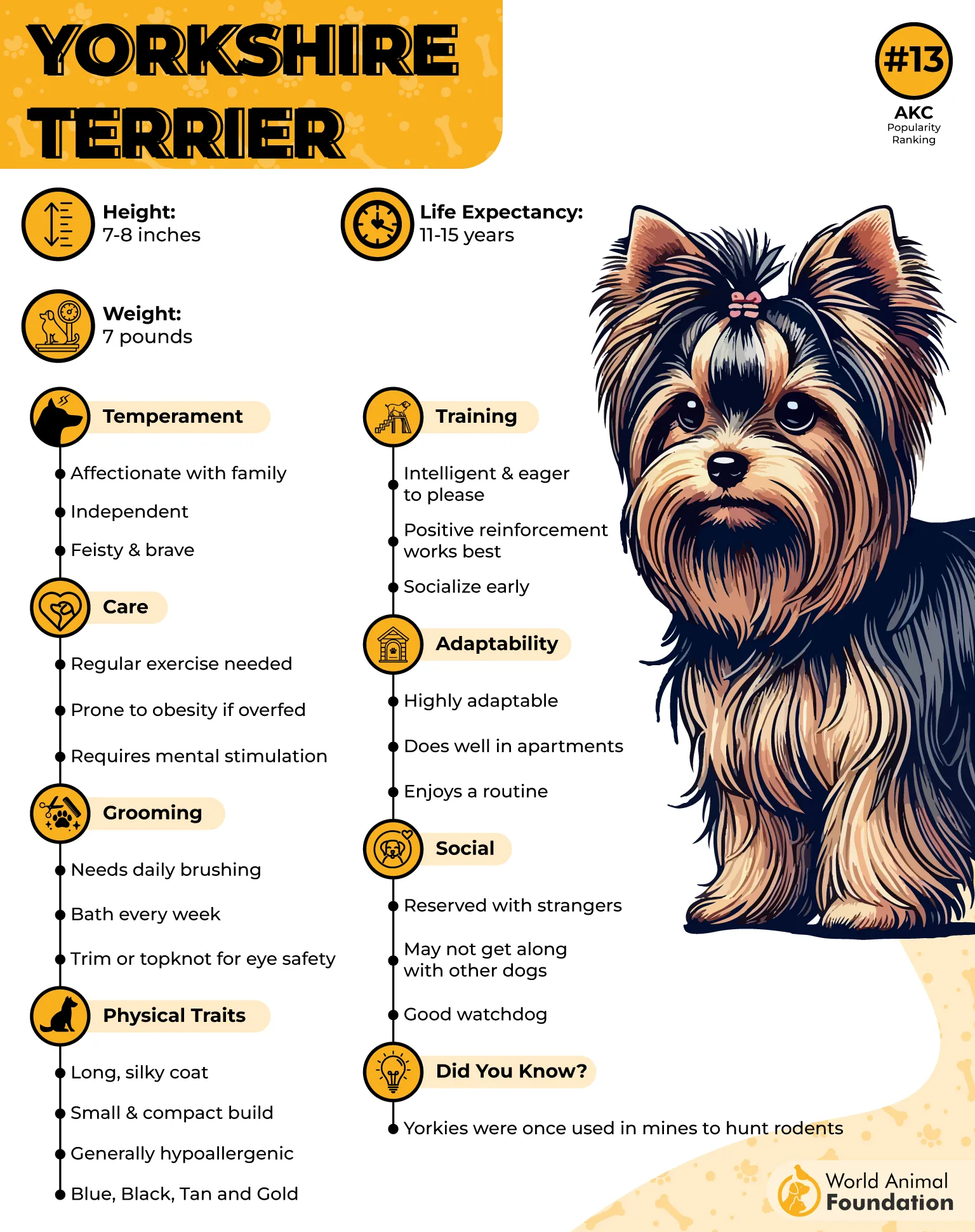
Travel safety essentials include booster seats, harness restraints, cooling airflow, and motion sickness management. Many Yorkies dislike car rides because they associate vehicles with nausea. Desensitization training helps a lot.
Short positive rides paired with rewards can slowly rebuild confidence. Basically, exposure therapy, but make it dog-friendly.
They fit almost anywhere, claims PetMD. Small hotel rooms, airplane cabins, road trips, tiny apartments — they adapt surprisingly well when close to their owners.
They’re extremely affectionate and often bond deeply with children. Flying is faster but often more stressful due to airport noise and delays. Many Yorkie owners prefer road trips because they allow frequent potty breaks and more control over the environment.
6. Shih Tzu
Quick Facts
Travel style: Relaxed
Family friendliness: Excellent
Biggest concern: Heat sensitivity
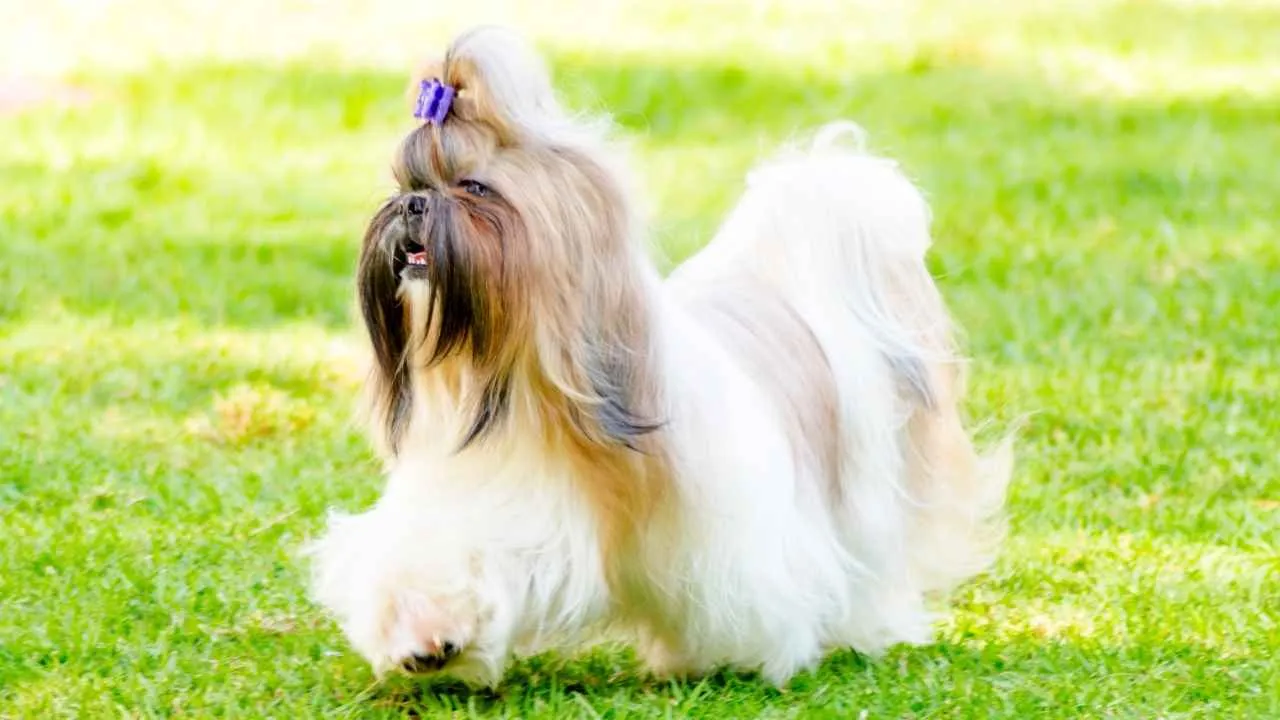
Shih Tzus are basically the chill friend who somehow naps through every road trip. They’re affectionate, adaptable, and usually happy as long as they stay close to their family.
Because they’re cephalic (flat-faced), they require special care during travel, especially on flights.
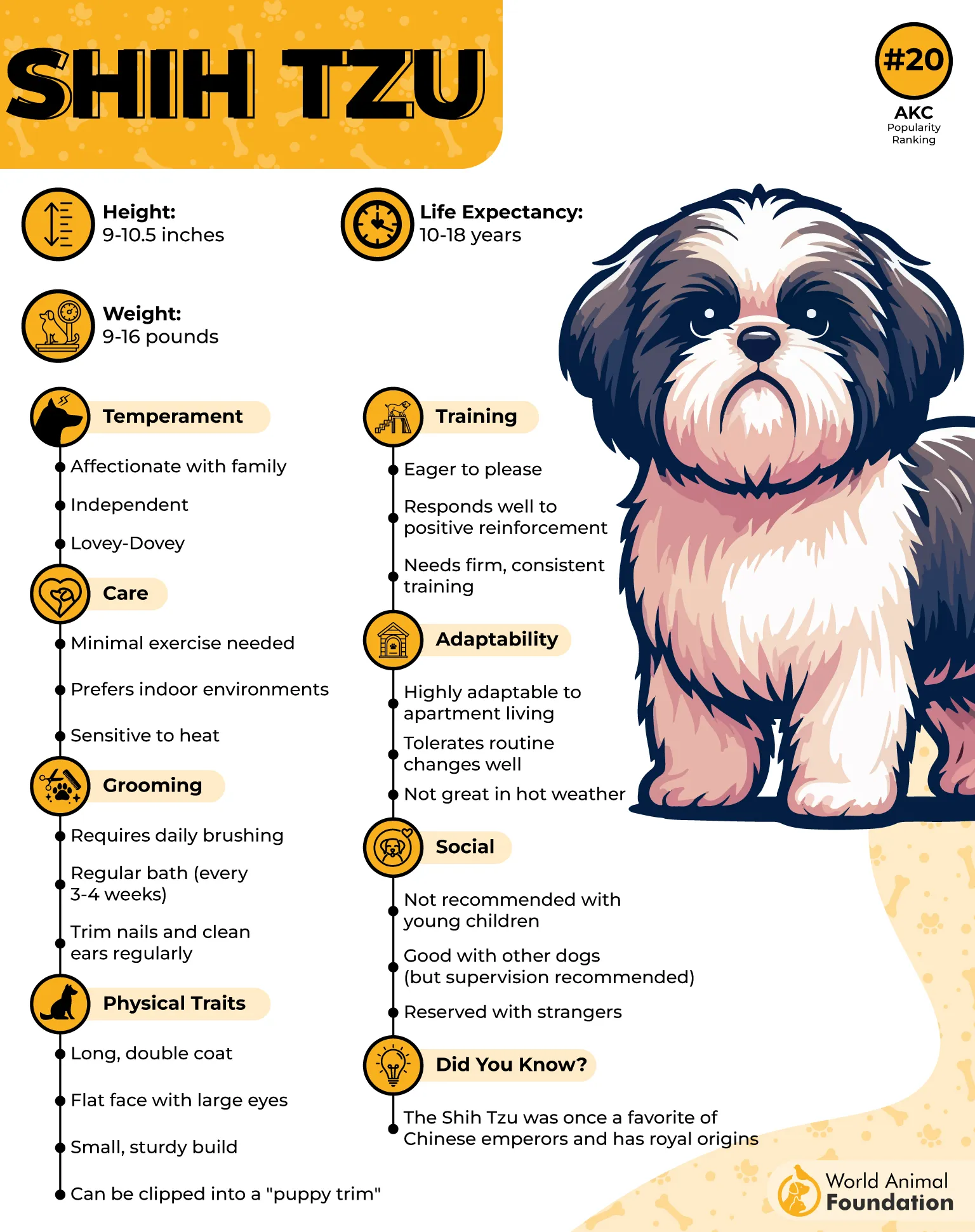
Experts strongly recommend keeping them in cabin carriers instead of cargo holds. Their breathing can become compromised in stressful or poorly ventilated conditions.
Most airlines allow them in soft-sided under-seat carriers as long as they meet size limits.
Successful Shih Tzu travel starts weeks before departure. Carrier training, short practice rides, and familiar bedding all significantly reduce anxiety. Many owners also use calming supplements recommended by vets.
They care deeply about comfort. Cooling airflow, soft blankets, regular breaks, and calm environments make a huge difference.
Think luxury traveler energy. They’re affectionate, gentle, and usually patient with children. Plus, their moderate exercise needs make them ideal for hotel stays or city vacations.
7. Maltese
Quick Facts
Best travel type: Air and car
Personality: Sweet and attached
Exercise needs: Low
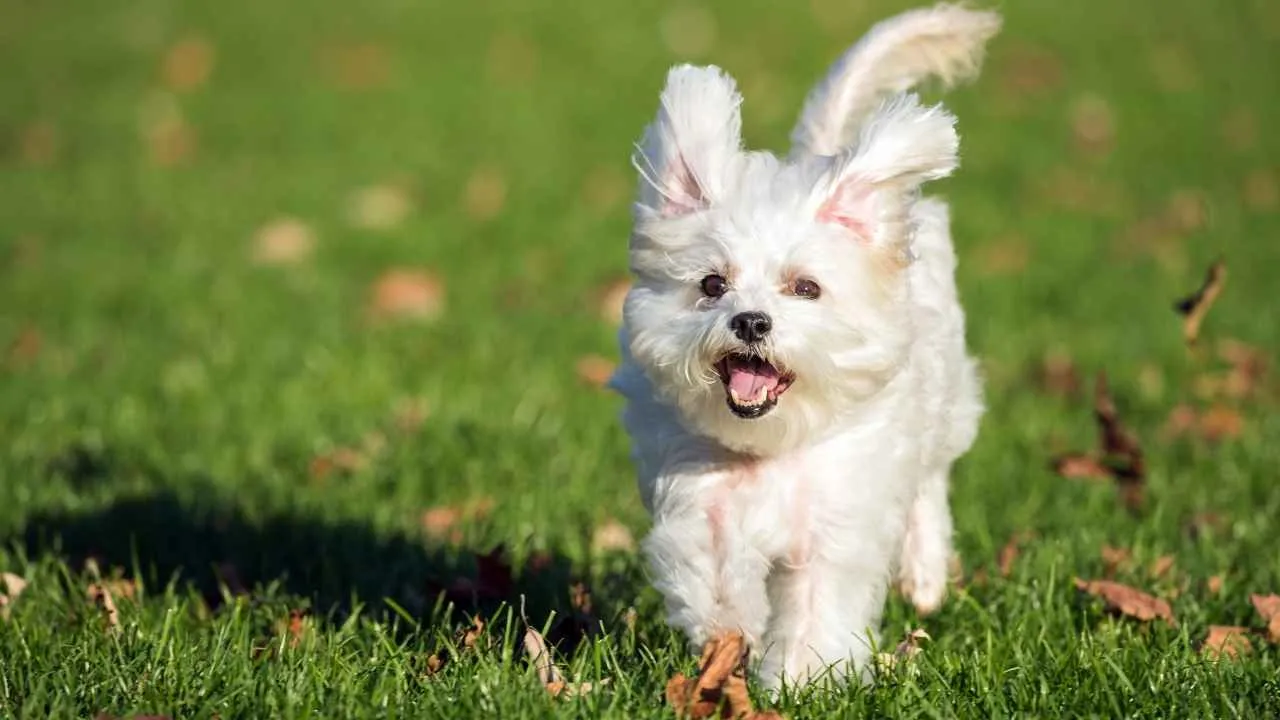
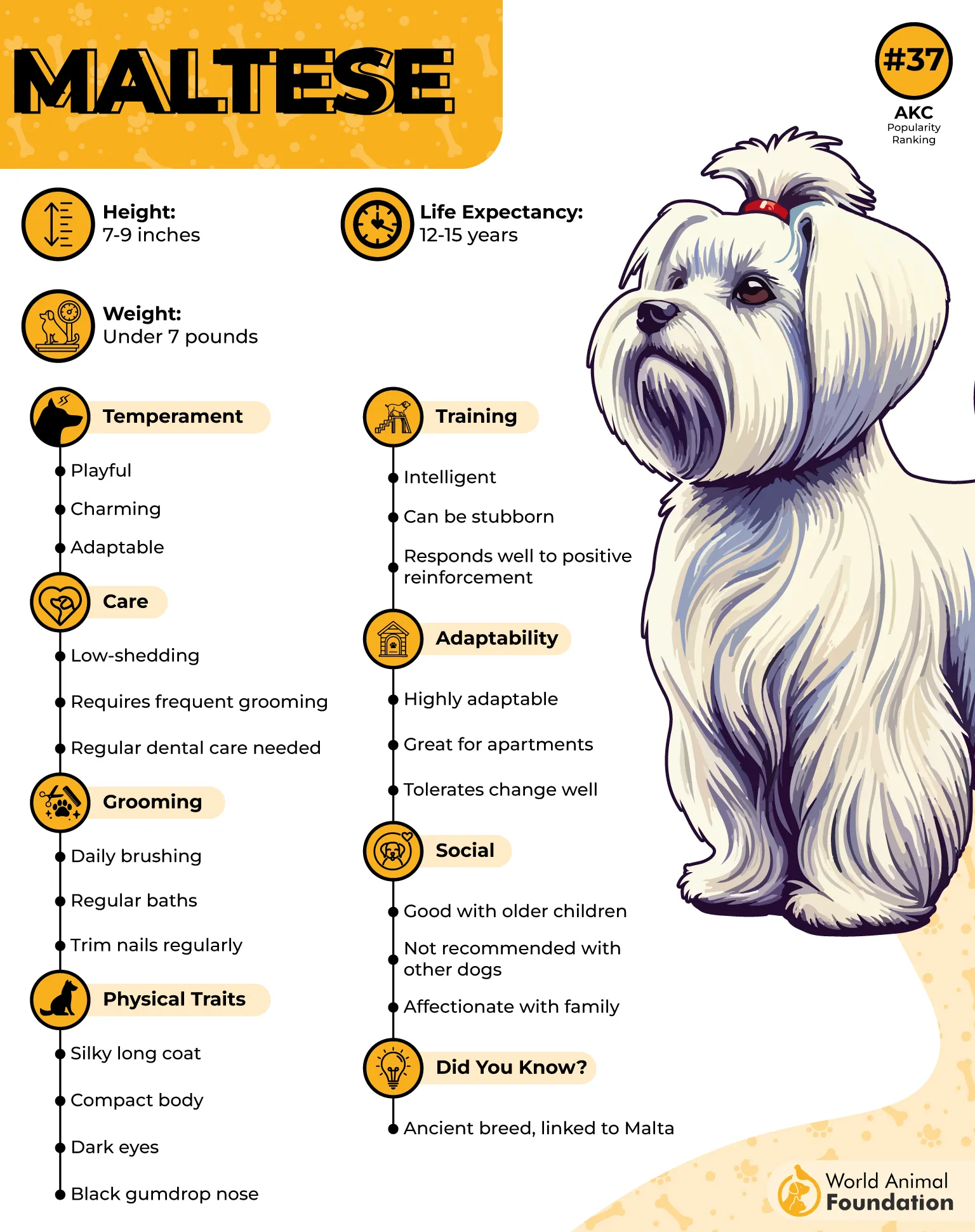
Maltese dogs are among the easiest breeds to transport. Their tiny size makes them ideal for flights, hotel stays, and road trips. They’re also deeply people-oriented, meaning many genuinely enjoy staying close to family during travel.
Booster seats work especially well for Maltese dogs because they reduce motion sickness, improve visibility, stabilize movement, and increase airflow.
Harness attachments are safer than collars because tiny necks are vulnerable during sudden stops.
Toy breeds fatigue quickly during long drives. Many Maltese owners stop every 20–30 minutes during extended road trips to avoid stress buildup.
Yes, it sounds excessive. Yes, your dog will absolutely appreciate it.
Maltese dogs thrive in affectionate homes with predictable routines, as per the Royal Kennel Club. They’re less suited for rough outdoor adventures and more suited for relaxed vacations and family visits.
Light snacks, fresh airflow, calming supplements, and gradual travel conditioning often help reduce nausea naturally.
8. Chihuahua
Quick Facts
Energy level: Moderate
Personality: Loyal and alert
Best trait: Portability
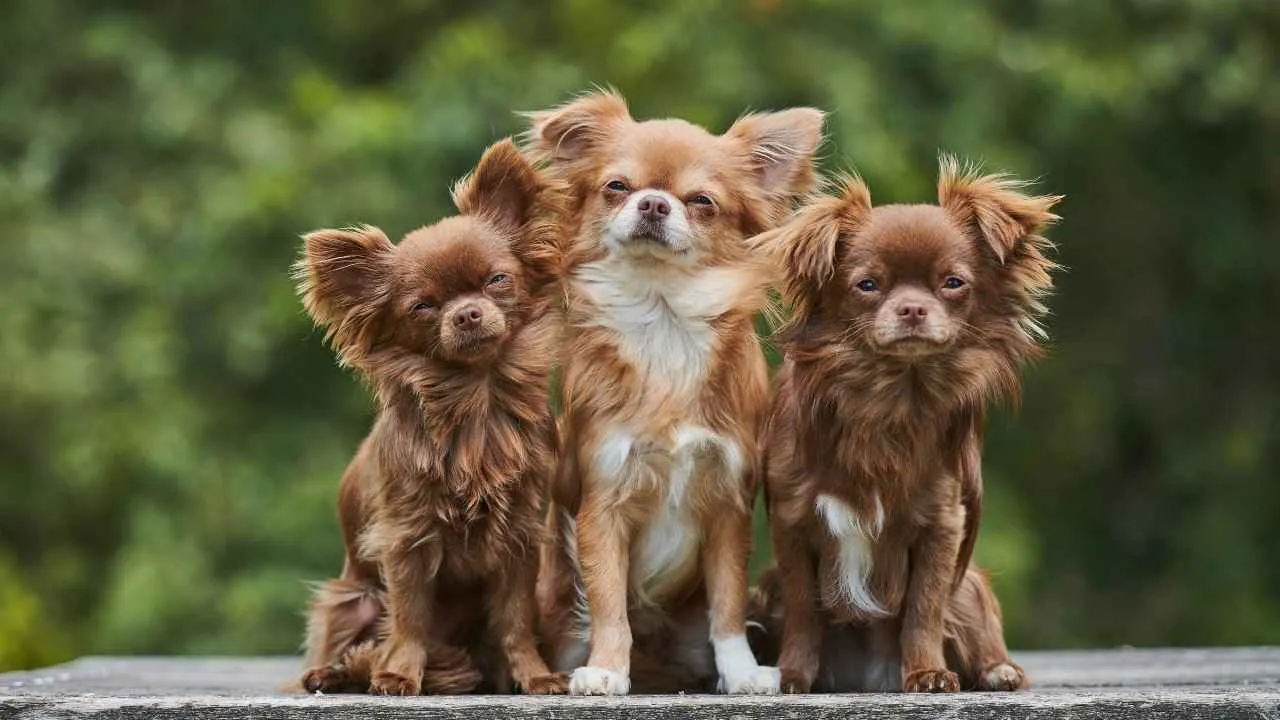
Chihuahuas act like they’re leading military operations despite being smaller than some cats. Their tiny size makes them easy travel companions, especially for flights.
Most airlines allow Chihuahuas inside the cabin with approved carriers.
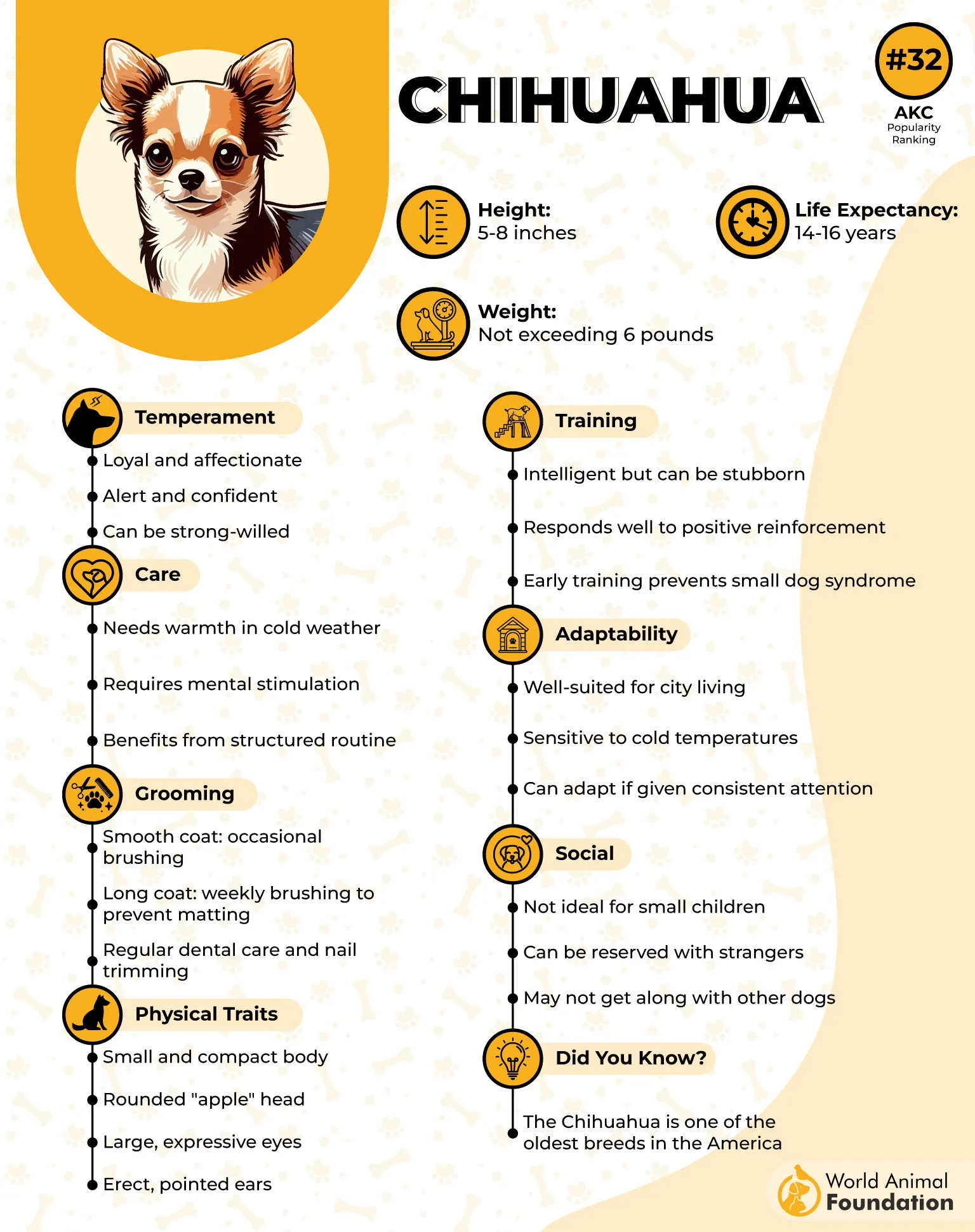
Traveling with this dog requires you to verify hotel policies, pack vaccination records, bring cleaning supplies, prepare for motion sickness, and confirm airline restrictions.
Because they’re so small, temperature control is especially important.
They often become extremely attached to one person. Staying close to their favorite human usually matters more than location.
Experts generally discourage cargo travel for tiny breeds. Loud noises, extreme temperatures, and separation stress can overwhelm small dogs.
Cabin travel is almost always safer. Well-socialized Chihuahuas can thrive in traveling families, especially older children who understand gentle handling.
9. Bichon Frise
Quick Facts
Shedding: Minimal
Family compatibility: Excellent
Best travel style: Flexible
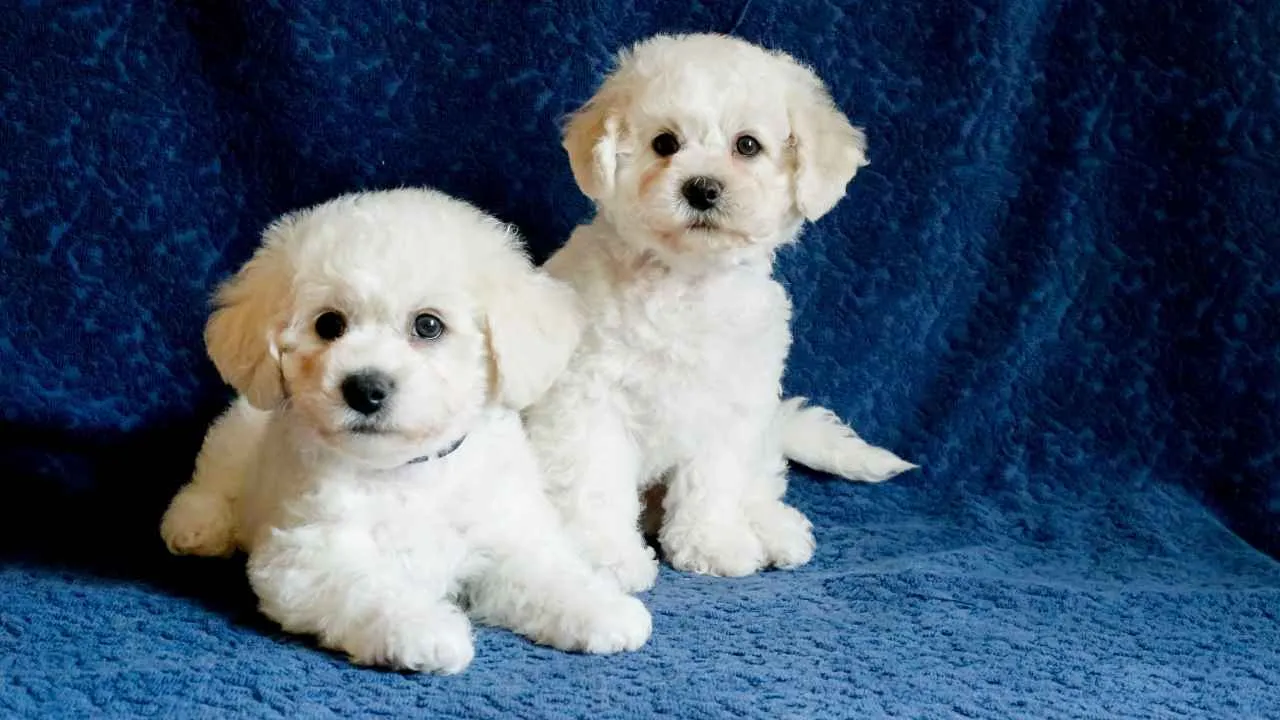
Bichon Frises were practically designed for attention. Historically, they performed in traveling shows and circuses, which honestly explains a lot about their personality.
The AKC says that these cheerful little dogs usually love being where the action is.
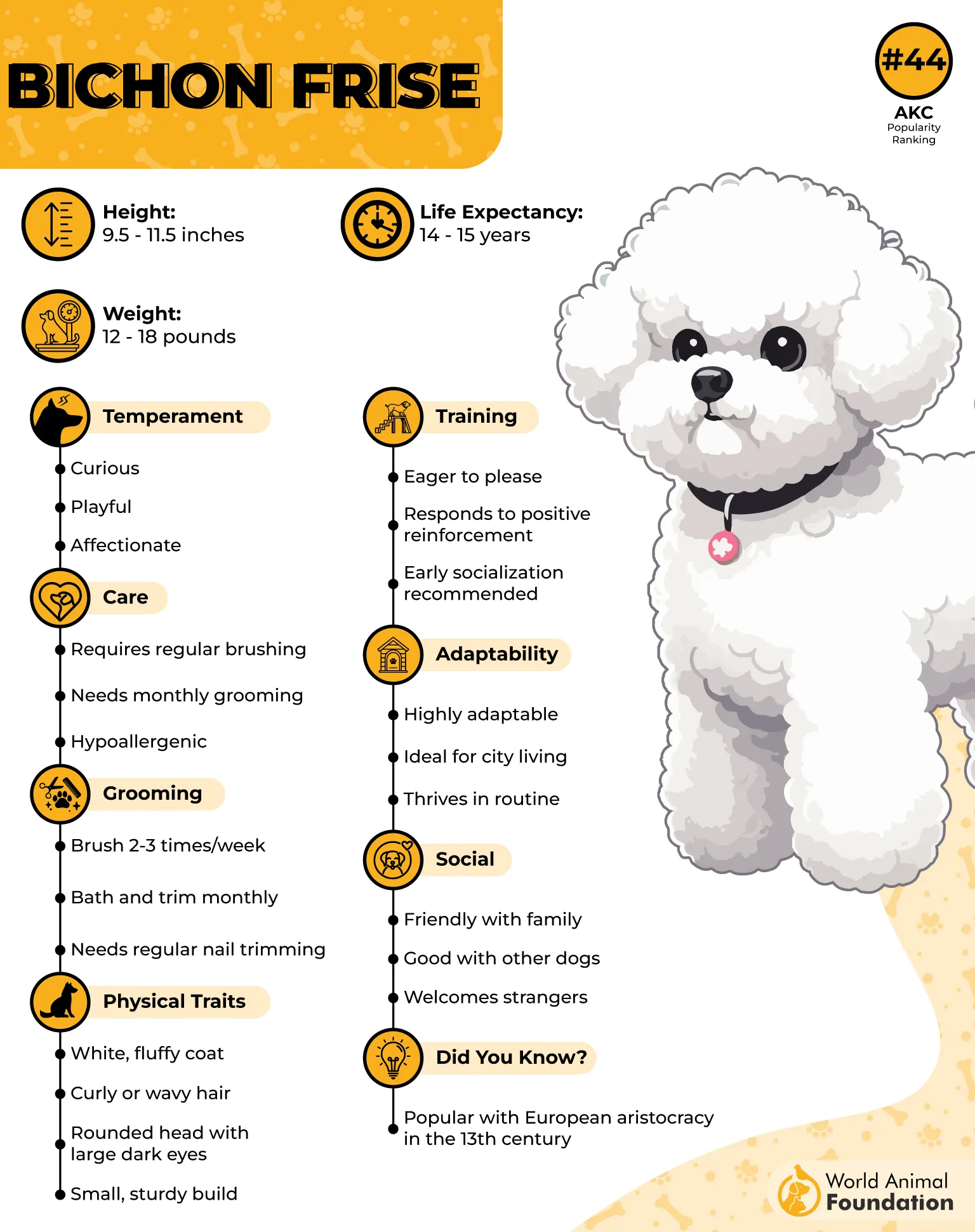
They thrive in active households with constant interaction. New places, new people, and exciting routines often energize them rather than stress them.
That social confidence makes them excellent travel companions.
Many Bichons can travel in airline-approved carriers depending on size restrictions. For larger individuals, cargo may become necessary, though many owners avoid it when possible. Health certificates and vaccination records are commonly required.
Because Bichons are so social, proper training helps them behave politely around strangers, hotels, and crowded areas. Nobody wants their dog acting like an unmuted microphone during check-in.
Bichons combine playfulness, friendliness, and adaptability in one fluffy package. They’re especially good for families wanting a dog that enjoys participating in daily activities.
Conclusion
Traveling with dogs is rarely smooth. There will be bathroom emergencies, unexpected barking, dramatic airport moments, and at least one situation where your dog somehow takes over the entire hotel.
But the right breed makes the experience infinitely easier.
Pomeranians, Beagles, Cavaliers, Dachshunds, Yorkies, Shih Tzus, Maltese, Chihuahuas, and Bichon Frises all bring different strengths to traveling families. Some are calm cuddlers. Some are energetic explorers. Others are tiny emotional support celebrities in fur form.
Labrador Retriever, Golden Retriever, German Shorthaired Pointer, Great Dane, Poodle, and French Bulldog are some other affectionate breeds that you can take along while traveling.
Because honestly, the best vacations are the ones where every family member — including the furry one — gets to enjoy the ride.
