




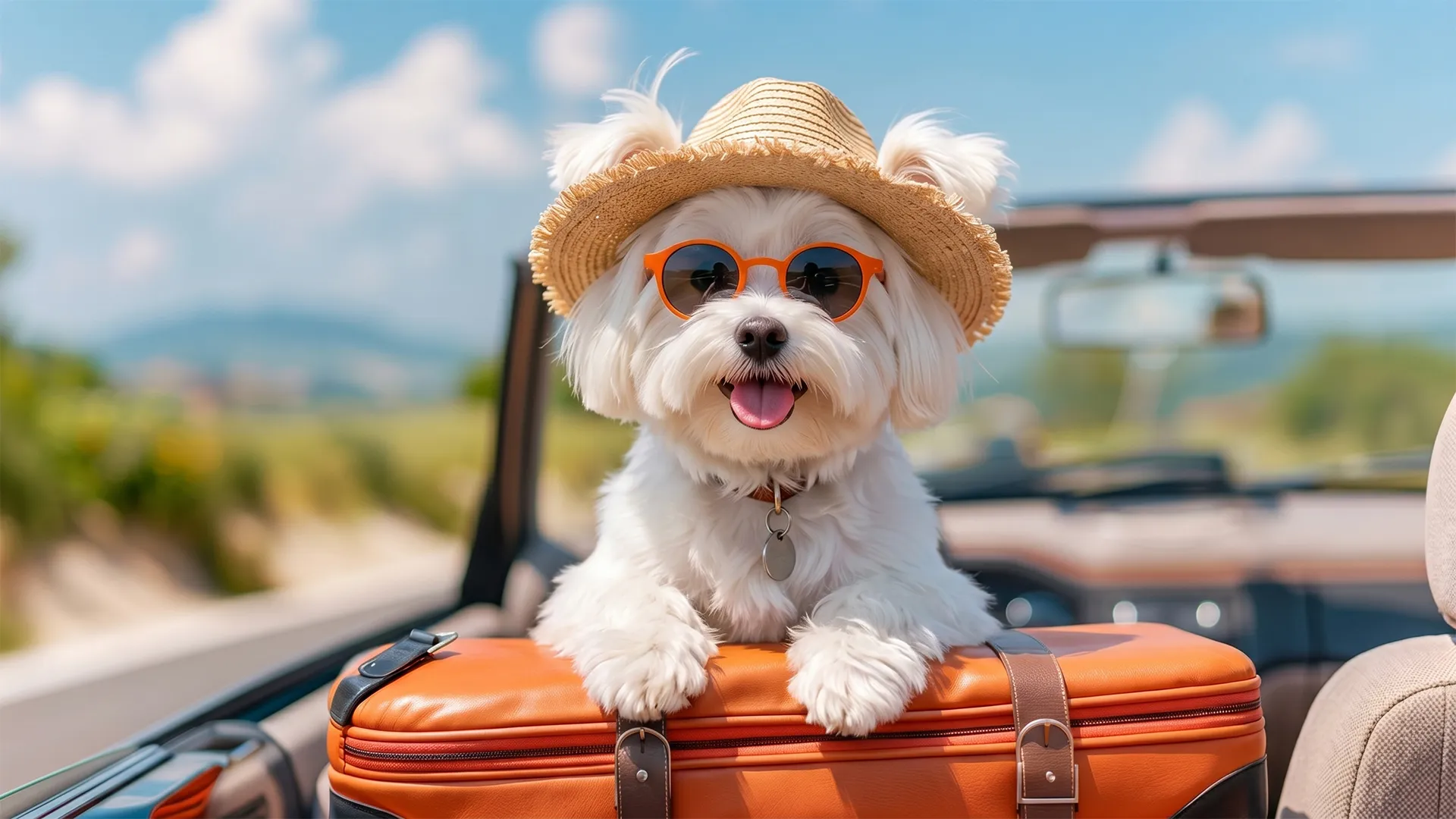
The trip was supposed to be a simple weekend escape. Bags were packed, routes were planned, and every detail seemed ready. The only uncertainty involved the dog.
Nobody knew how it would react to hours on the road, unfamiliar surroundings, and a completely different routine. Surprisingly, the adjustment happened almost immediately. New places sparked curiosity rather than hesitation. Busy environments were met with confidence instead of nervousness.
By the end of the weekend, it felt less like managing a pet and more like traveling with a willing companion who genuinely enjoyed the experience. Moments like these often reveal how much a dog’s natural temperament influences travel. Some dogs treat every new place as a chance to explore, making adventures easier and more enjoyable.
The breeds featured ahead are recognized for bringing that spirit of adaptability and enthusiasm wherever the journey leads.
Key Takeaways
A weekend getaway becomes far less stressful when your dog treats every new place with curiosity instead of hesitation.
Cavalier King Charles Spaniels and Shih Tzus stay closely connected to their humans, turning hotel rooms, cafés, and long drives into something that feels familiar and easy.
Pugs and Pomeranians react quickly to the mood around them, which is why steady routines and a little preparation can completely change the travel experience.
Somewhere between road stops, soft blankets, and dogs quietly watching the world beside their favorite person, this list reveals which breeds truly enjoy the journey itself.
Top Dog Breeds for Easy Travel and New Experiences
1. Cavalier King Charles Spaniel
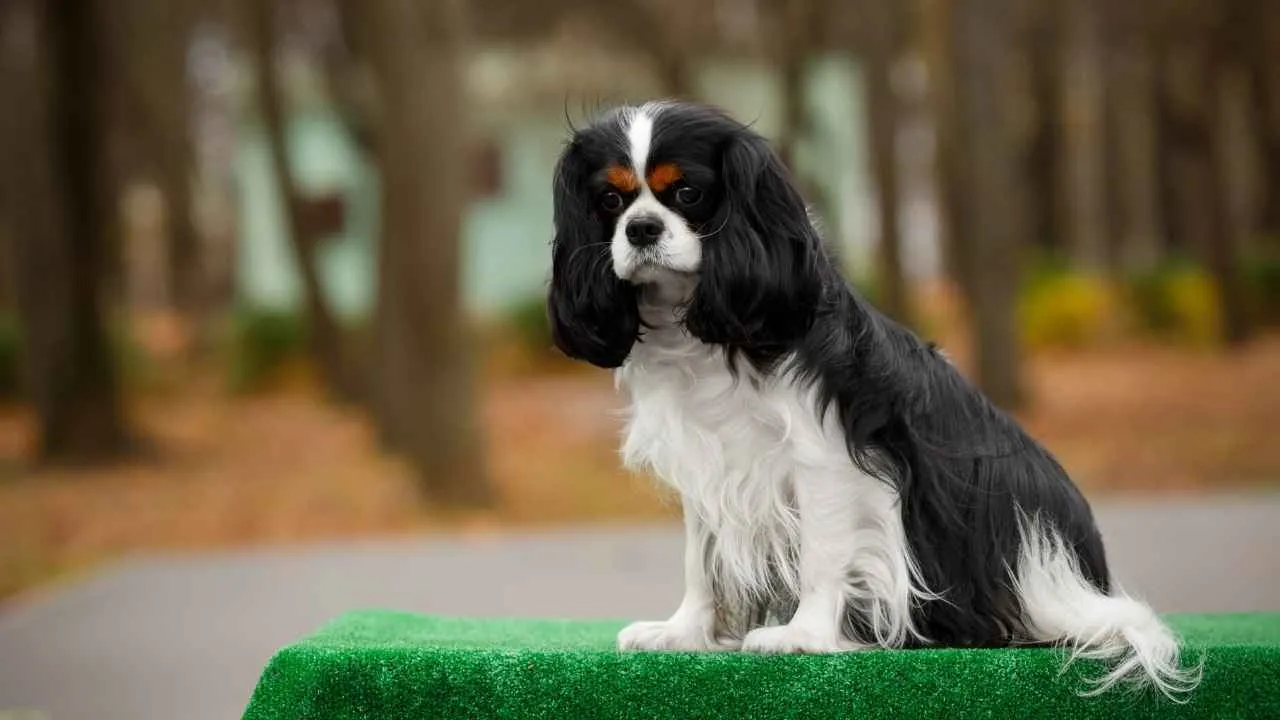
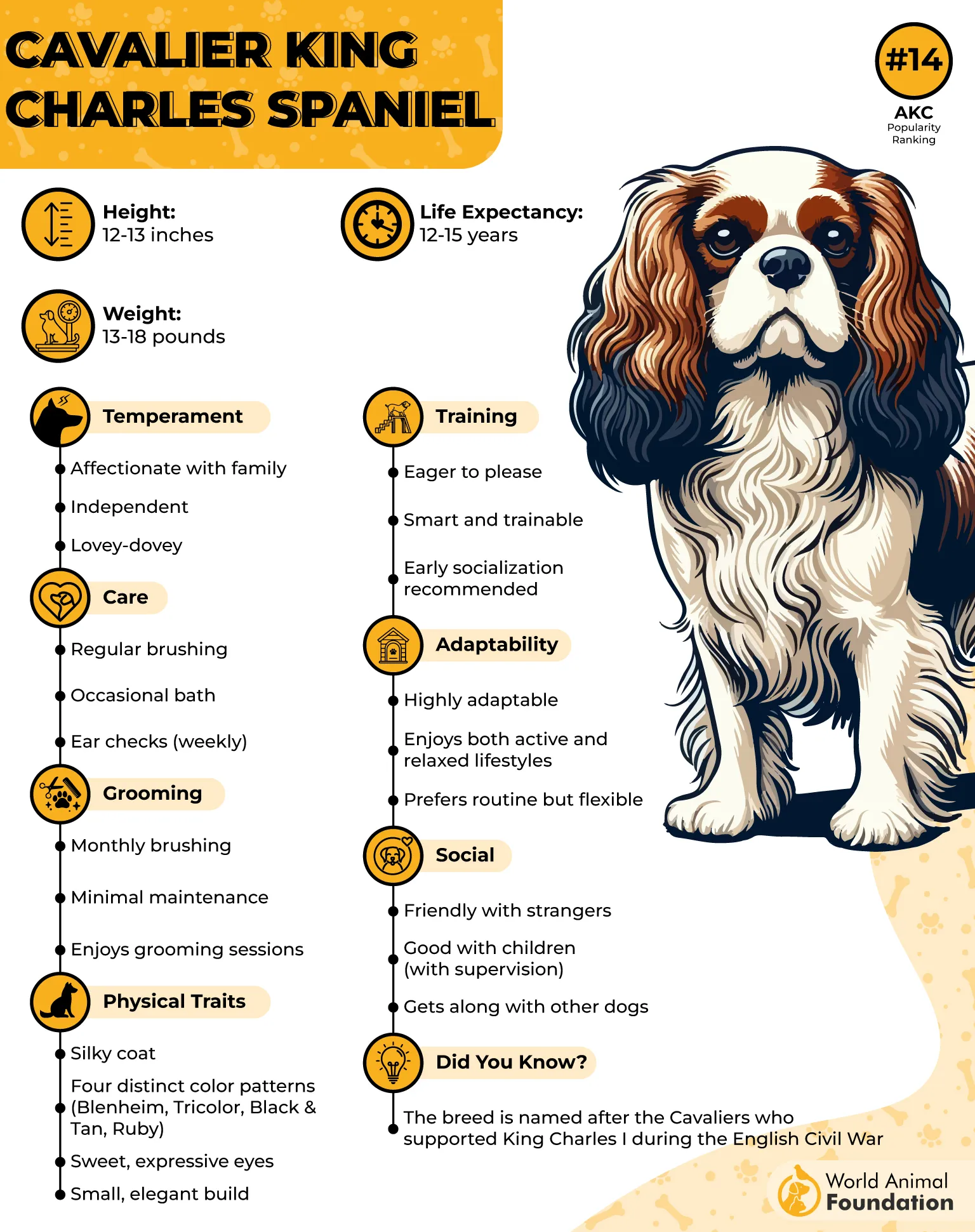
The Cavalier King Charles Spaniel fits naturally into travel routines through its portable size, easy grooming needs, and people-oriented temperament, as per the VCA Hospital. The breed settles comfortably beside human activity, whether inside a car, hotel room, or unfamiliar indoor space.
Travel habits that reduce disruption
This companion dog adjusts more smoothly when familiar objects and routines remain part of the trip experience. Familiar bedding, toys, and feeding schedules help reduce uncertainty in changing environments.
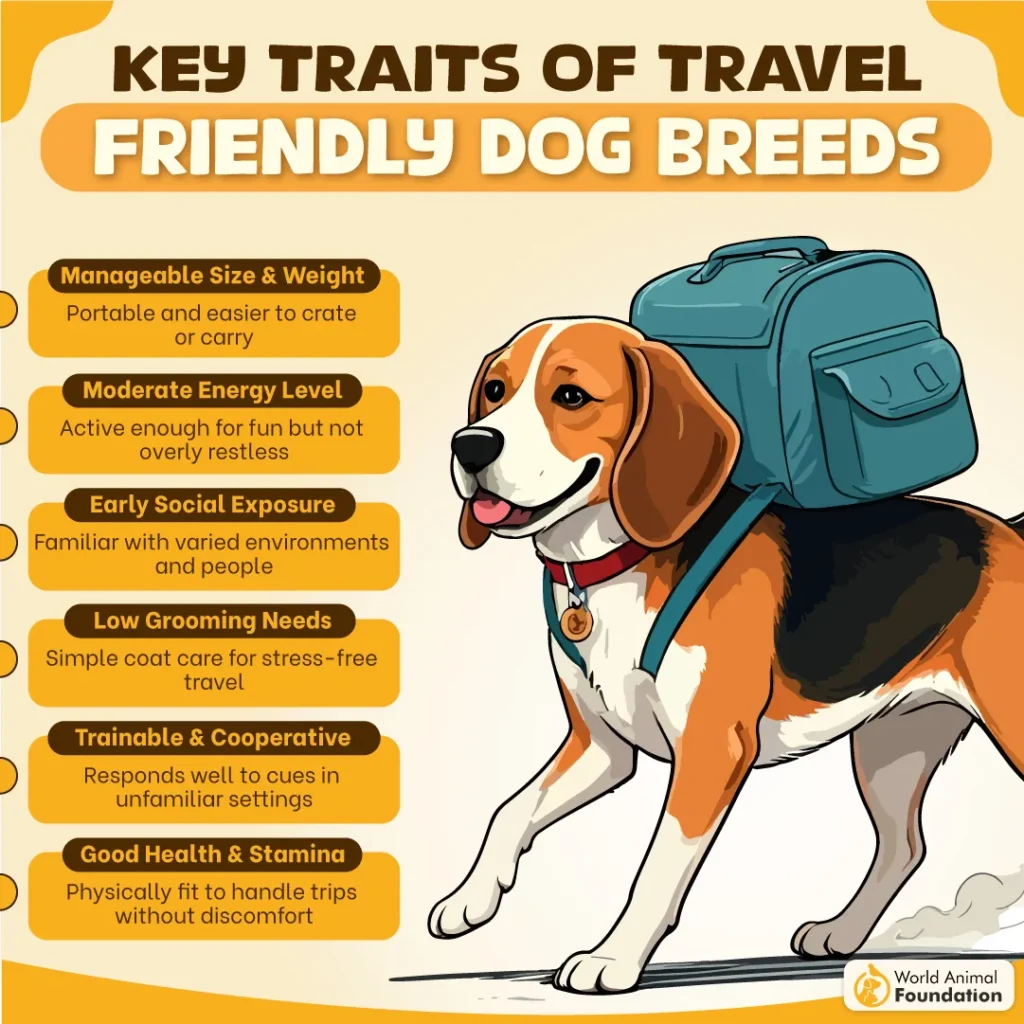
Small preparations make a noticeable difference:
Crate space should allow easy turning and sitting
Familiar toys create reassurance during transport
Regular walking and meal timing ease transitions
Transportation comfort and planning
The Cavalier King Charles Spaniel fits well into cabin travel and secured car setups due to its manageable size and calm indoor behavior.
Airline preparation often includes updated vaccinations and veterinary clearance before departure. Pet relief areas and accommodation rules become important parts of trip planning.
2. Shih Tzu
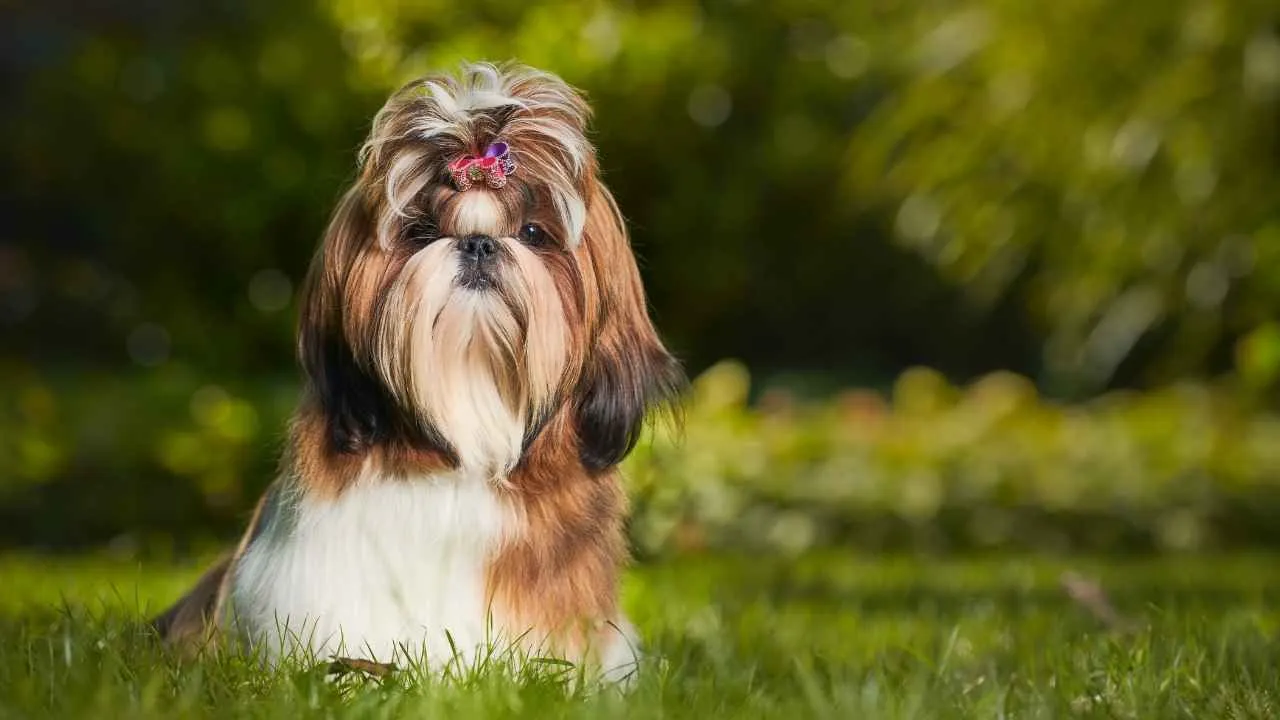
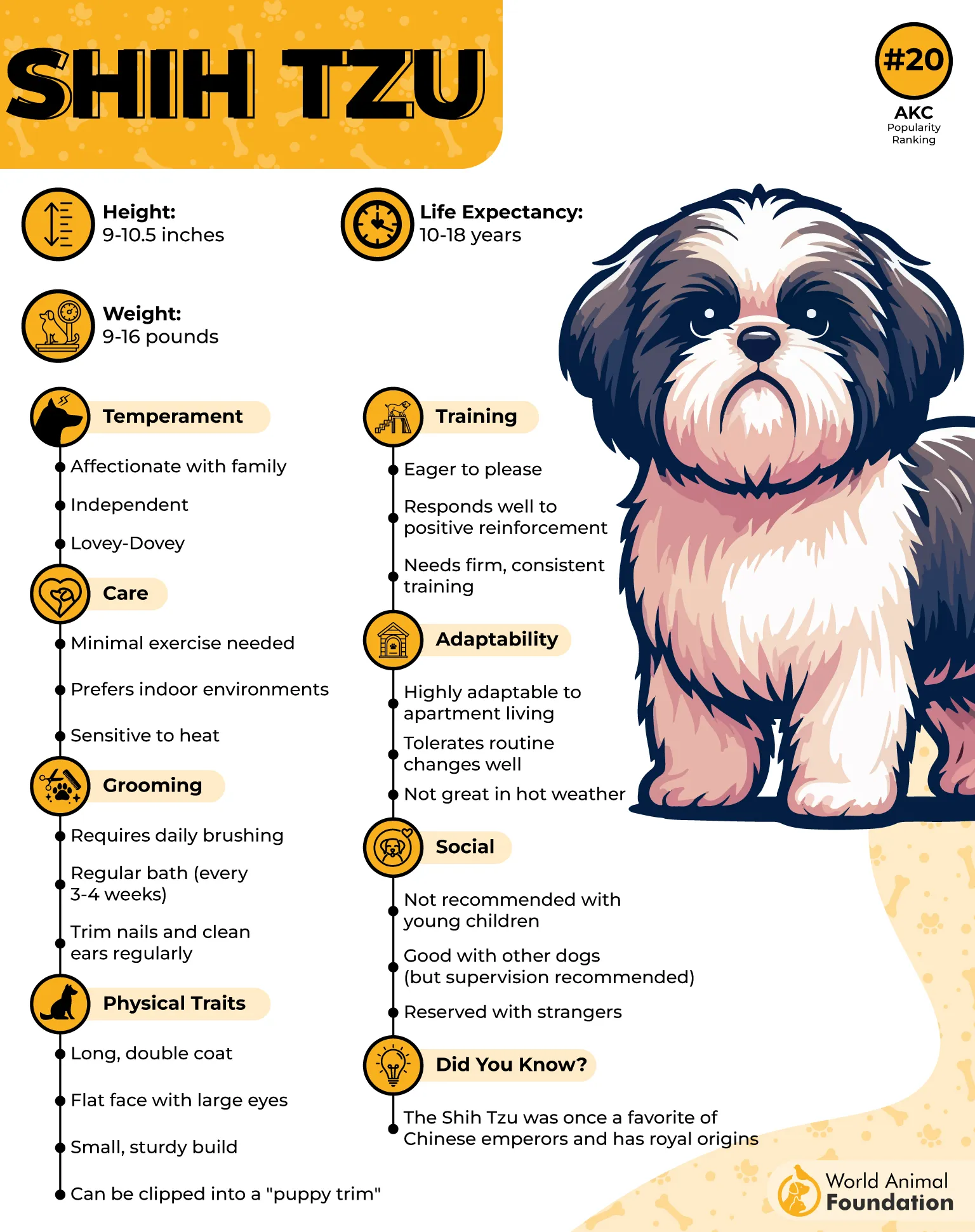
The Shih Tzu settles into travel routines best when the environment feels familiar and unhurried. Originally treasured as a close companion dog, this breed stays emotionally connected to its person even during busy airports, hotel check-ins, or long drives.
Compact and companion-focused
This travel partner fits comfortably into travel plans because of its manageable size and people-focused nature. New places feel less overwhelming once trust and routine are already established.
A few details shape smoother trips:
Soft-sided carrier for flights
Short practice drives before long travel
Blanket or toy with a familiar scent
Built around familiarity
It responds better when the carrier becomes part of everyday life before the actual journey begins. Exploring it inside the home first often creates a sense of security that reduces restlessness during travel. Calm transitions help this breed adjust to changing surroundings without unnecessary stress.
3. Maltese

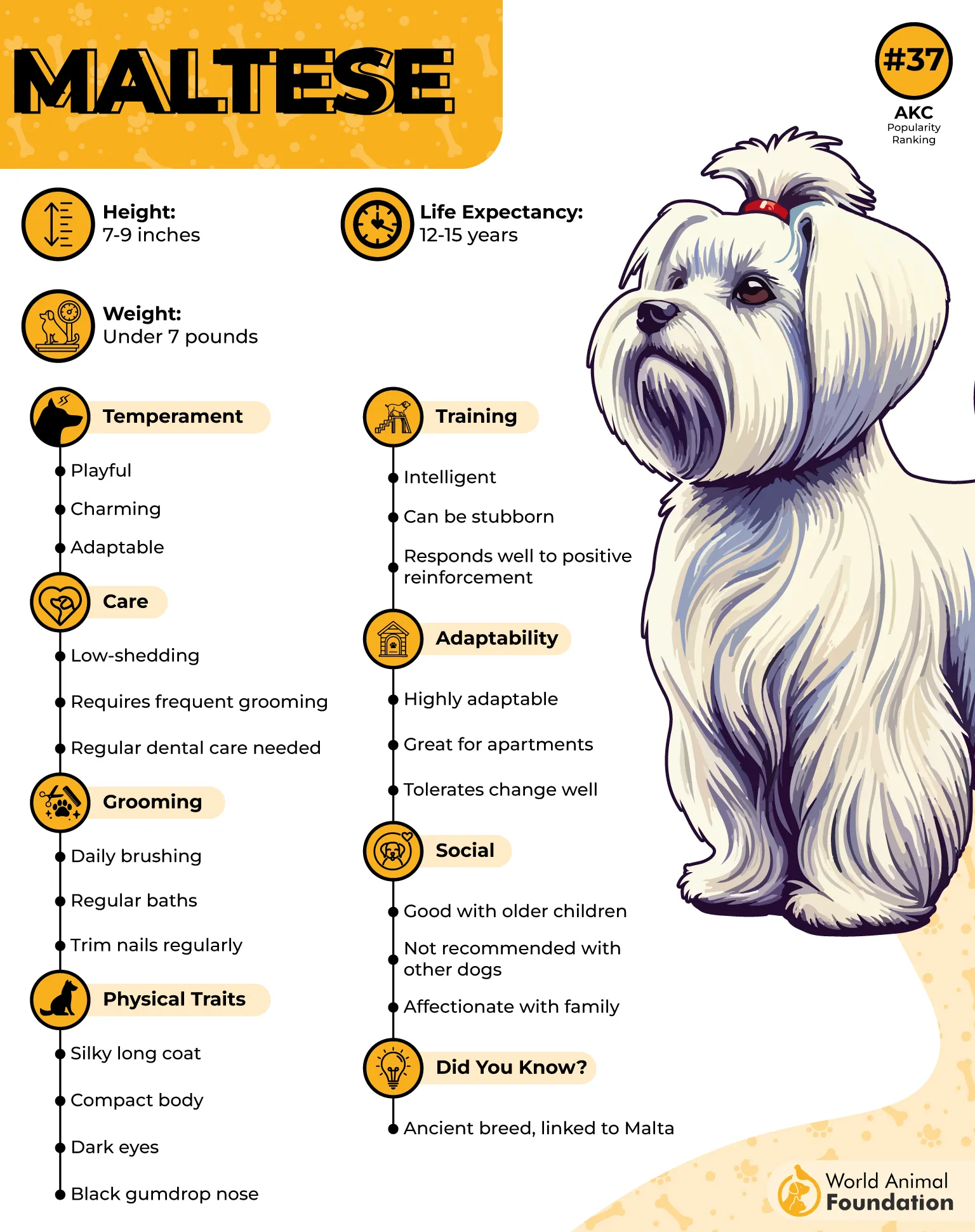
The Maltese settles into unfamiliar settings with surprising ease, helped by its small size, gentle temperament, and close attachment to human companionship.
The silky white coat and bright, expressive eyes often draw attention, yet this breed stays most focused on remaining near its person, as noted by Pawlicy Advisor.
Packing with purpose
This small dog benefits from thoughtful preparation before long drives, train rides, or flights, especially since sudden temperature shifts and crowded environments can create stress. A few familiar items often help the breed relax faster in transit.
Helpful travel essentials include:
Soft blanket with a familiar scent
Secure carrier with airflow
Sweater for colder conditions
Sensitive but adaptable temperament
It adjusts well to cabin travel and smaller travel spaces when routines stay predictable and calm. Familiar toys, regular mealtimes, and quiet reassurance help reduce nervous behavior during longer journeys. This breed notices emotional changes around it, making a relaxed travel environment especially important.
4. Havanese
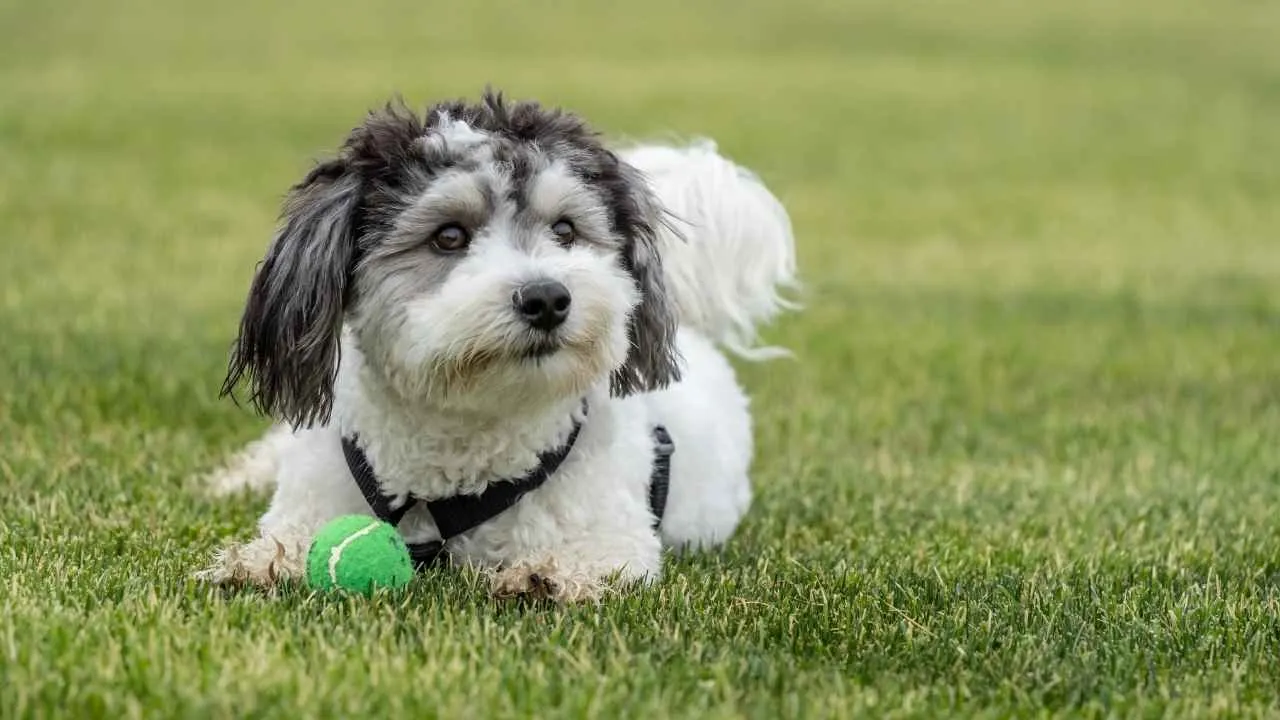
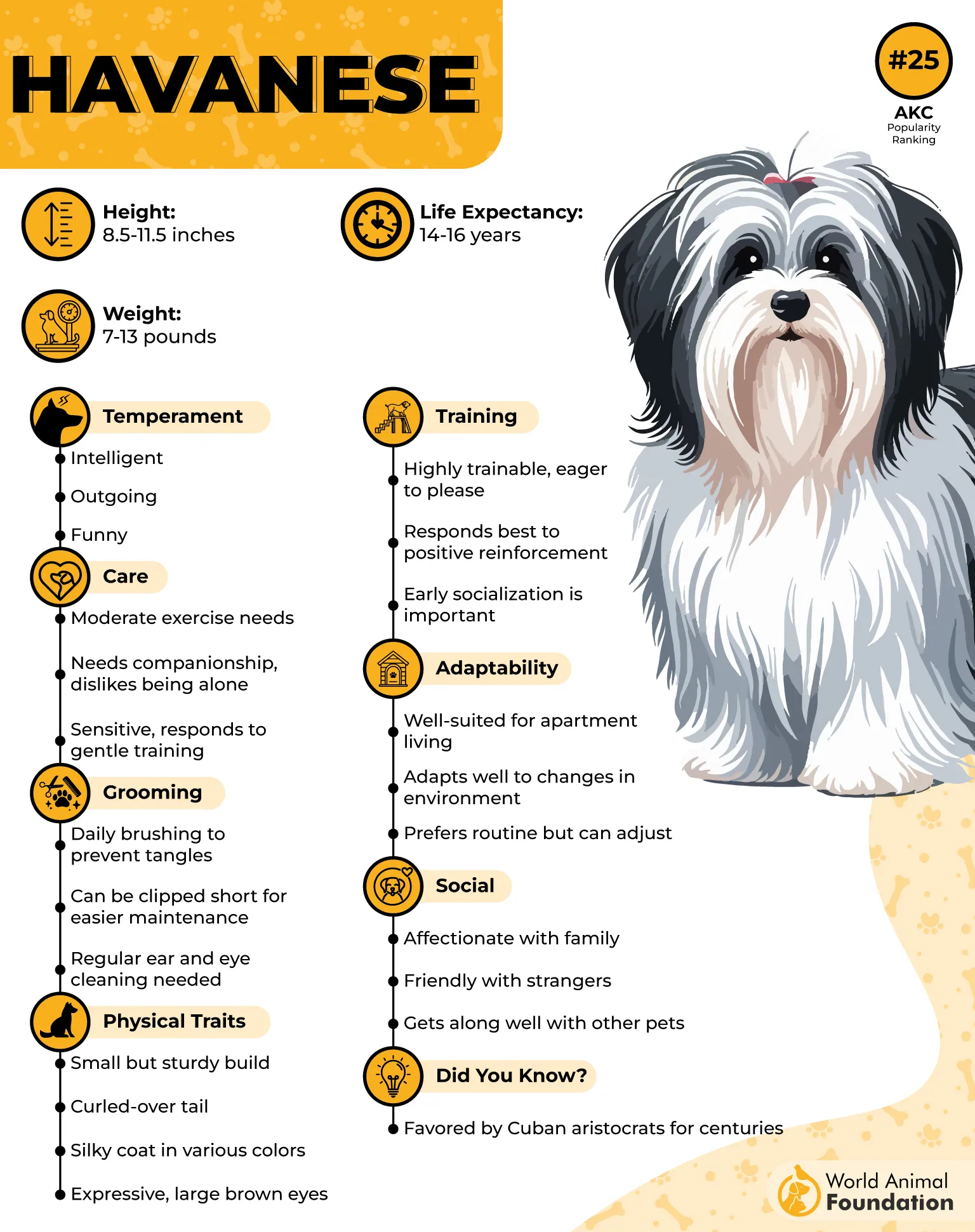
The Havanese comes from Cuba, belonging to the Bichon family, recognized for a soft, flowing coat and naturally sociable temperament.
It’s a small but sturdy build that supports close human connection, often forming strong attachments in daily settings. This creates a companion that responds closely to interaction and routine.
Preparation that shapes smooth travel
This dog adjusts better to travel when introduced gradually through short journeys and familiar handling tools like crates or harnesses. Health checks and vaccination updates form part of safe movement planning before longer trips.
These small steps are often arranged in advance:
Short exposure rides before longer travel
Familiar crate or harness introduction
Essential travel supplies are kept ready
Activity balance during journeys
The Havanese manage energy through short walks and play breaks during travel stops, helping prevent restlessness in confined spaces.
Its size allows easier movement management, but routine activity still plays a role in comfort. These brief engagements help maintain steady behavior during trips.
5. Bichon Frise
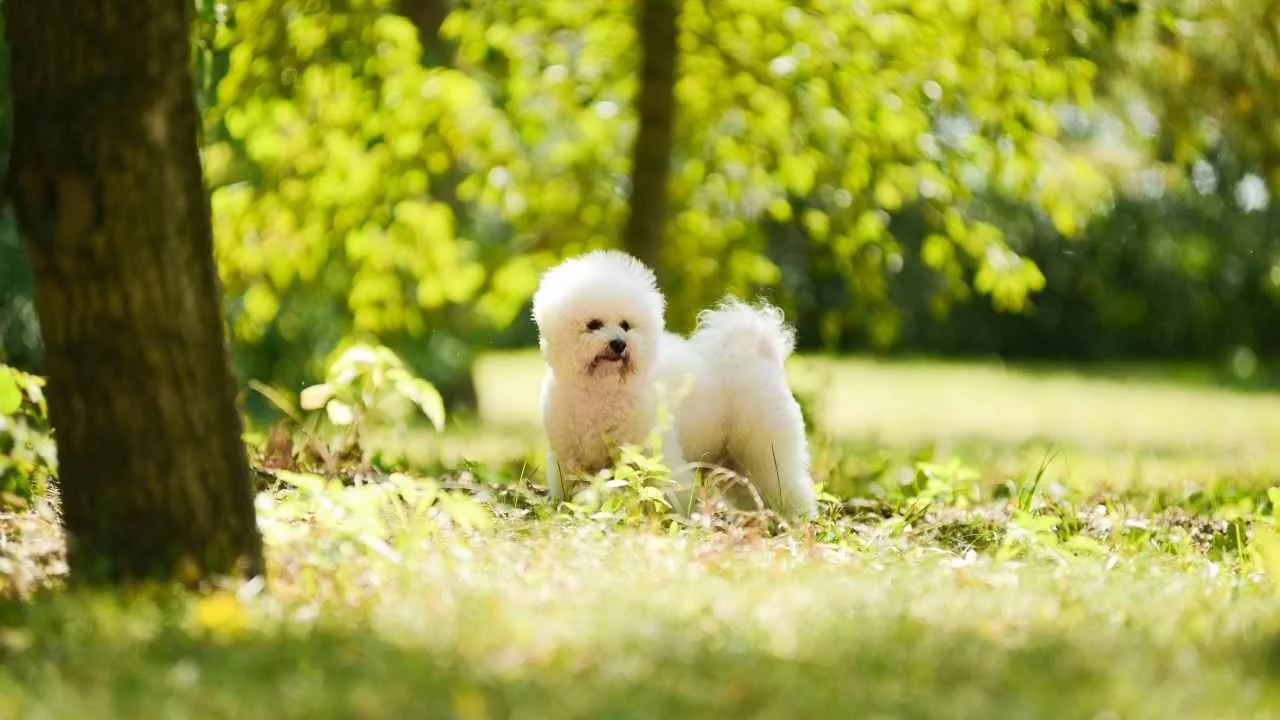
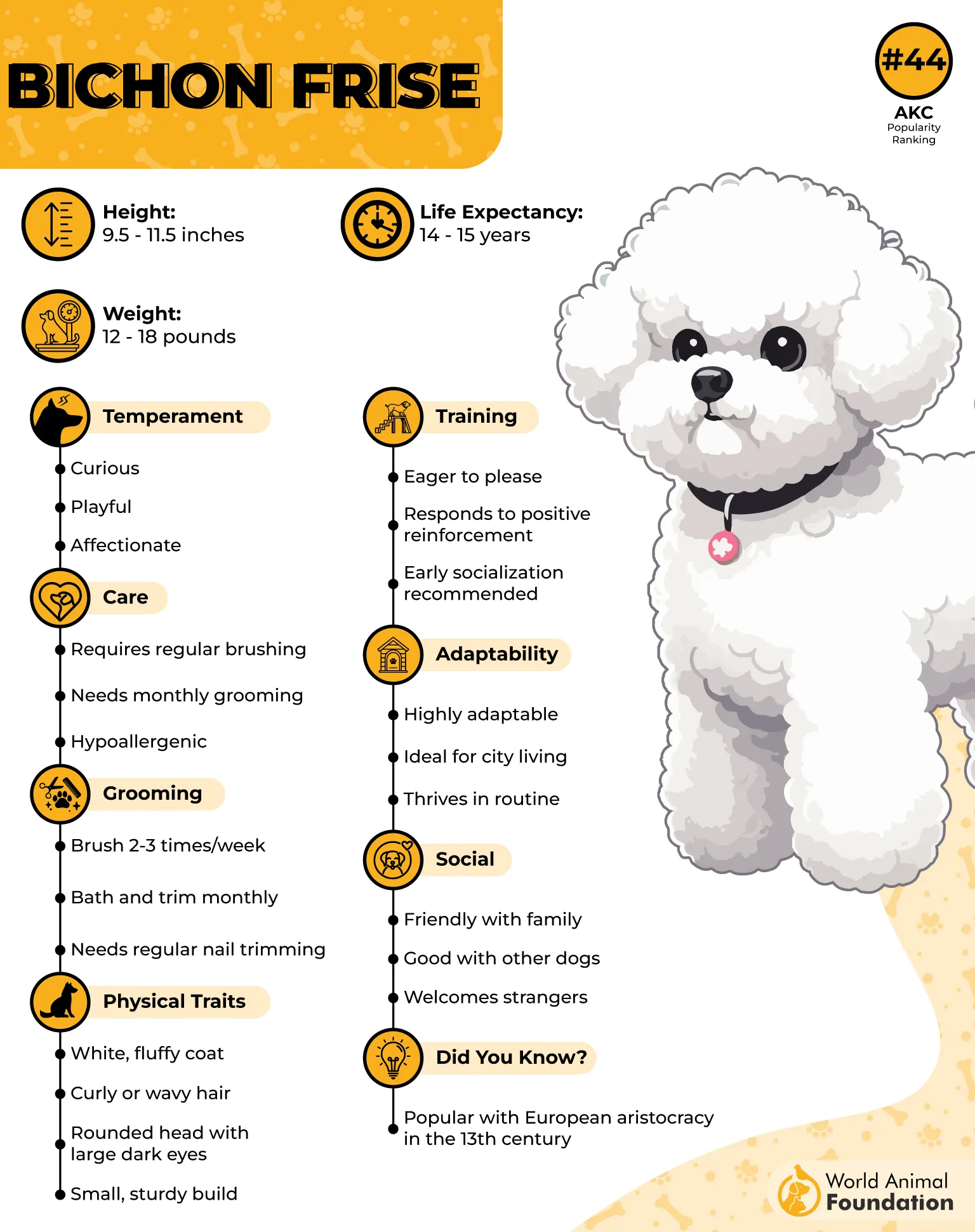
The Bichon Frise takes on new surroundings with curiosity and close social attachment, which helps it adjust quickly during trips, as PetMD claims.
Its compact size and people-focused temperament fit naturally into shared travel routines. The fluffy white coat and lively personality often draw interaction rather than hesitation in public spaces.
Travel preparation and routine
This small travel dog responds better to travel when introduced gradually to crates, harnesses, and short rides before longer journeys. Familiar routines around food and rest help reduce stress during changing environments.
Small preparations make a noticeable difference:
Uses collapsible bowls during road stops
Adjusts faster with familiar toys nearby
Responds calmly to crate familiarity
Activity needs during trips
The Bichon Frise benefits from regular breaks during long drives, using short walks and play sessions to release energy. Mental engagement remains important even in quieter travel settings. Consistent interaction helps prevent restlessness during extended indoor or vehicle time.
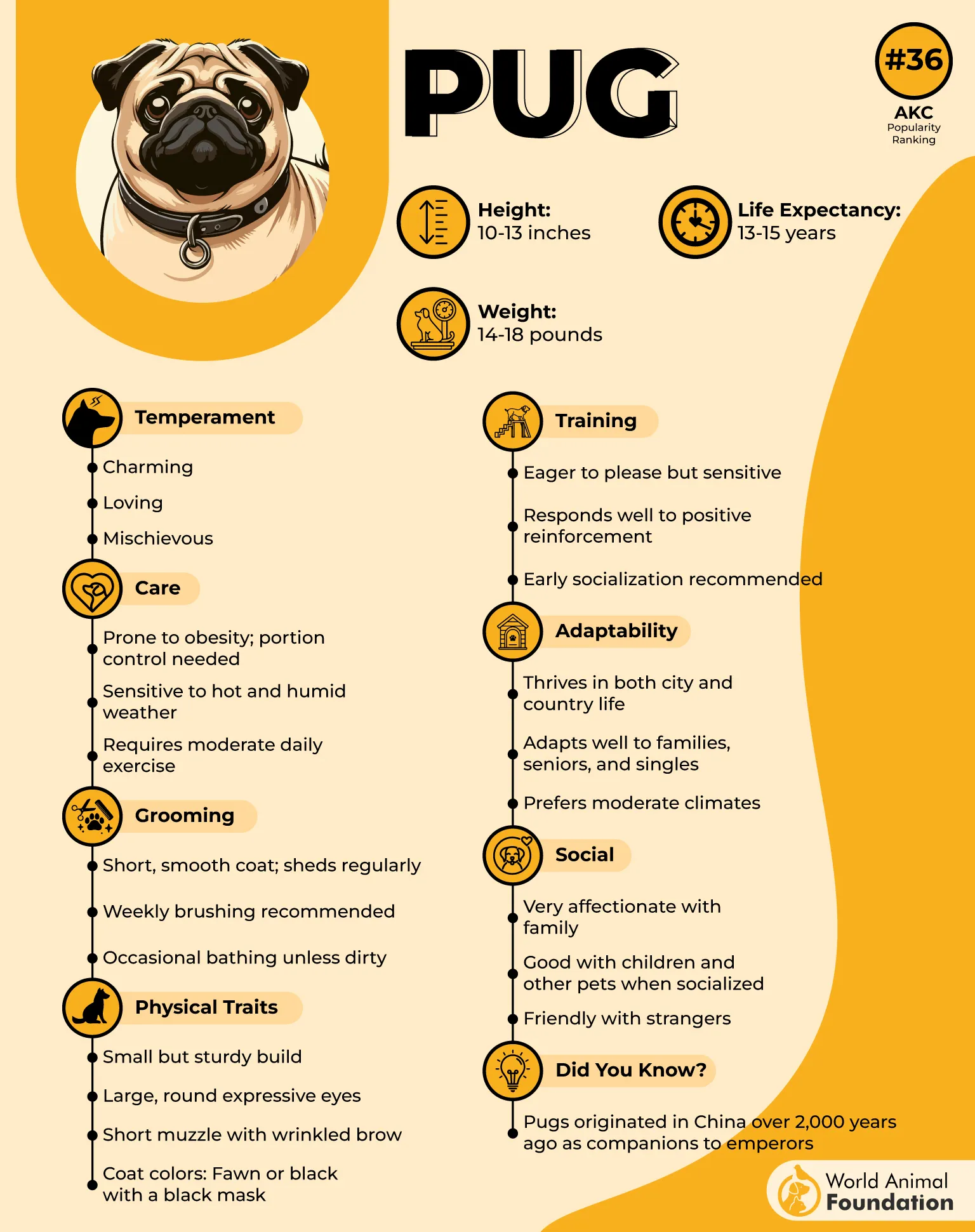
6. Pug
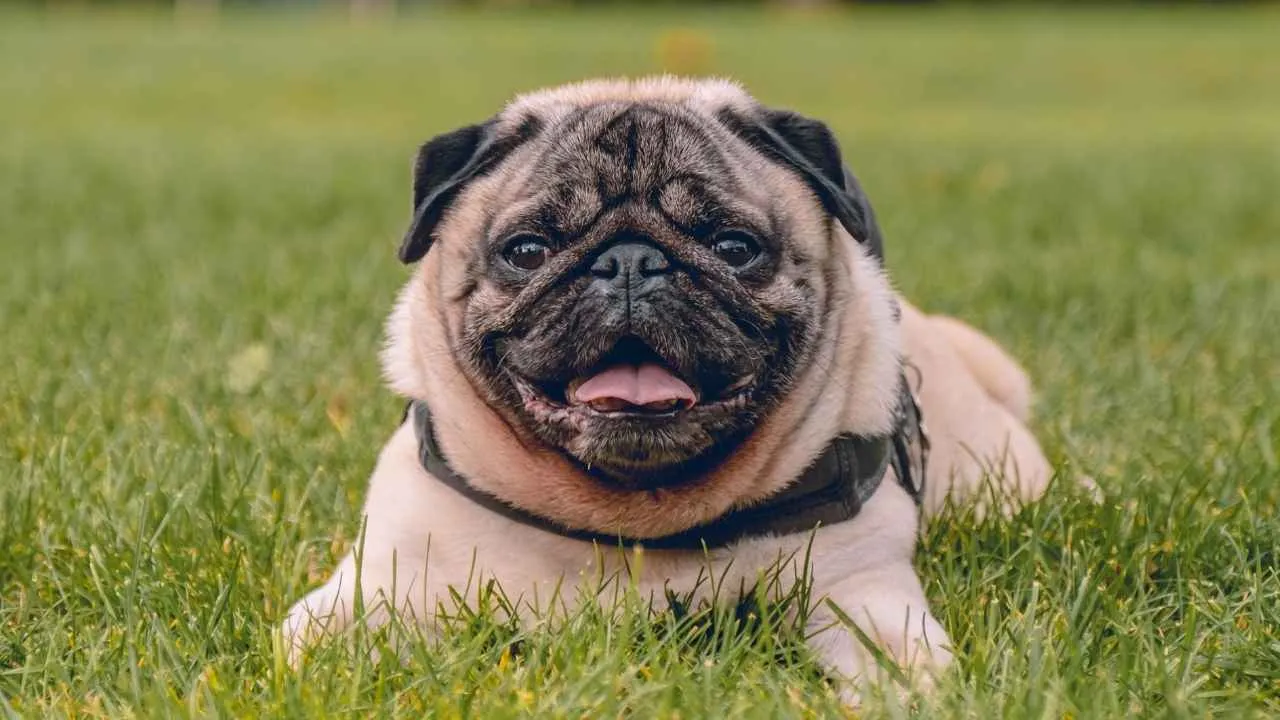
Pugs bring an easygoing social nature into unfamiliar places, often treating new surroundings as part of their daily routine rather than a disruption.
Its expressive face and affectionate behavior create quick interaction during travel stops and public settings. This closeness to people shapes much of its travel behavior.
Travel adjustment through familiarity
This low-maintenance dog responds better to trips introduced gradually, especially during car rides or crate use inside the home before departure. Familiar routines reduce stress and help the breed settle more comfortably during longer outings.
A few details matter more than expected:
Ventilated carriers improve airflow comfort
Short practice drives reduce motion sensitivity
Consistent feeding helps avoid stomach issues
Temperature awareness during trips
Pugs’ short-nosed structure requires extra attention in warm or heavily humid conditions, especially during outdoor pauses or crowded travel spaces, as noted by the AKC.
Regular hydration becomes important because heat buildup affects this breed more quickly. Cooler environments and shaded breaks help regulate comfort during travel periods.
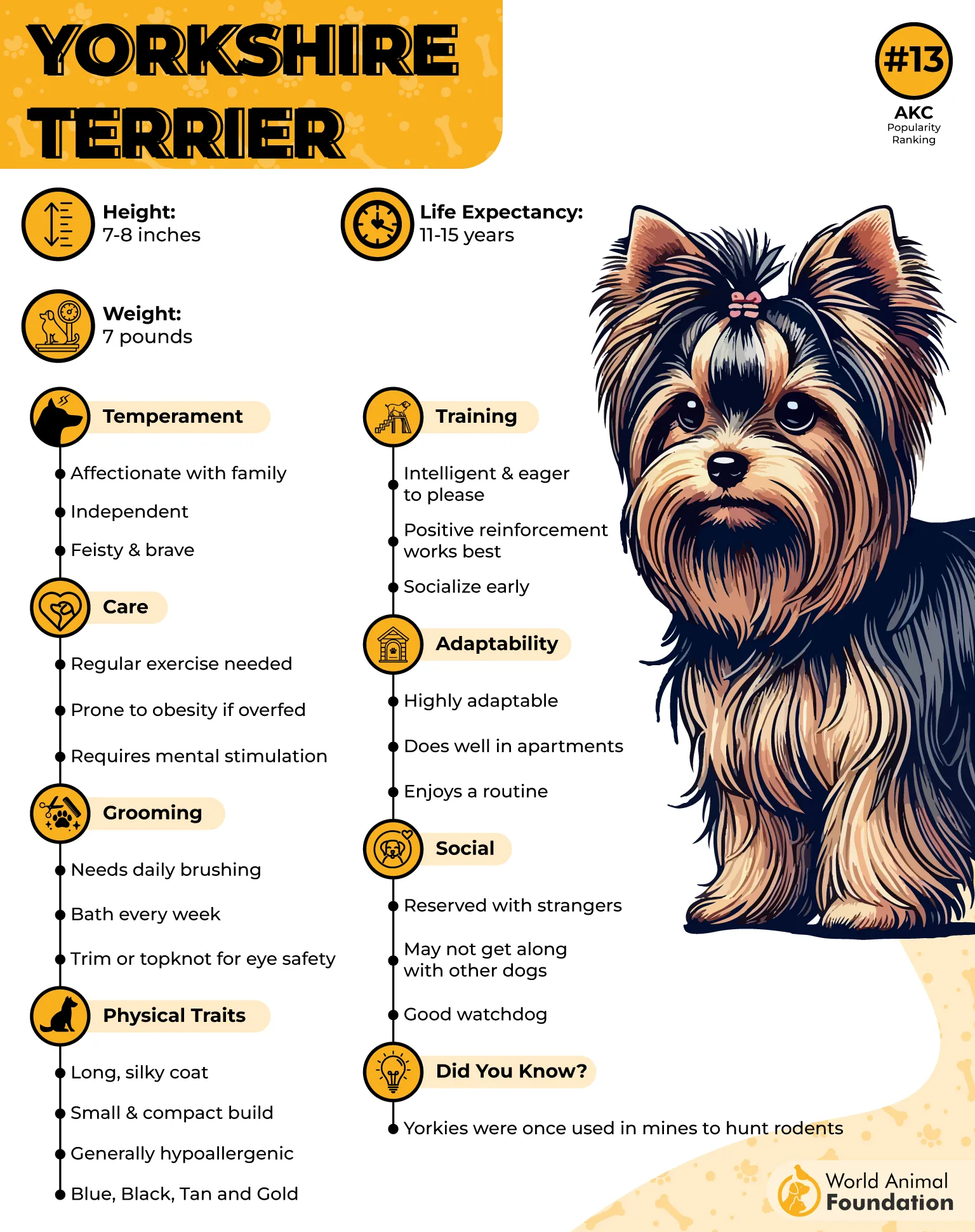
7. Yorkshire Terrier
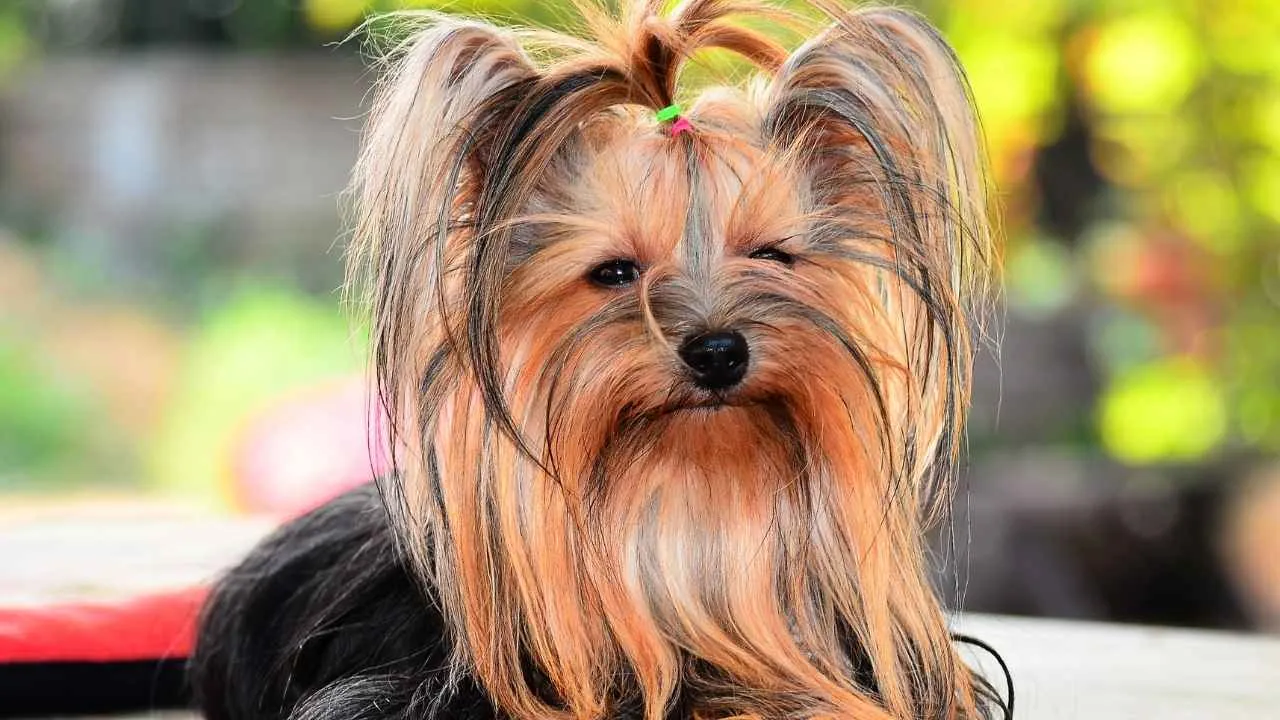
The Yorkshire Terrier approaches new places with alert curiosity, often reacting quickly to changing surroundings and unfamiliar activity.
Its compact size makes transportation easier across flights, road trips, and crowded public spaces. That energetic temperament keeps the breed mentally engaged during changing routines.
Travel comfort depends on familiarity
The Yorkshire Terrier responds better to travel when familiar objects and routines remain part of the experience. Sudden environmental changes can create stress, especially during longer journeys or unfamiliar overnight settings.
These practical details make transitions smoother:
Familiar blankets help reduce travel anxiety
Compact carriers improve security during transport
Regular feeding prevents digestive disruption
Adaptation through gradual exposure
Yorkies benefit from short practice trips before extended travel plans, helping them adjust to motion and confined spaces. Gradual introduction to carriers builds confidence during flights or car rides. This process reduces nervous reactions linked to unfamiliar environments.
8. Pomeranian
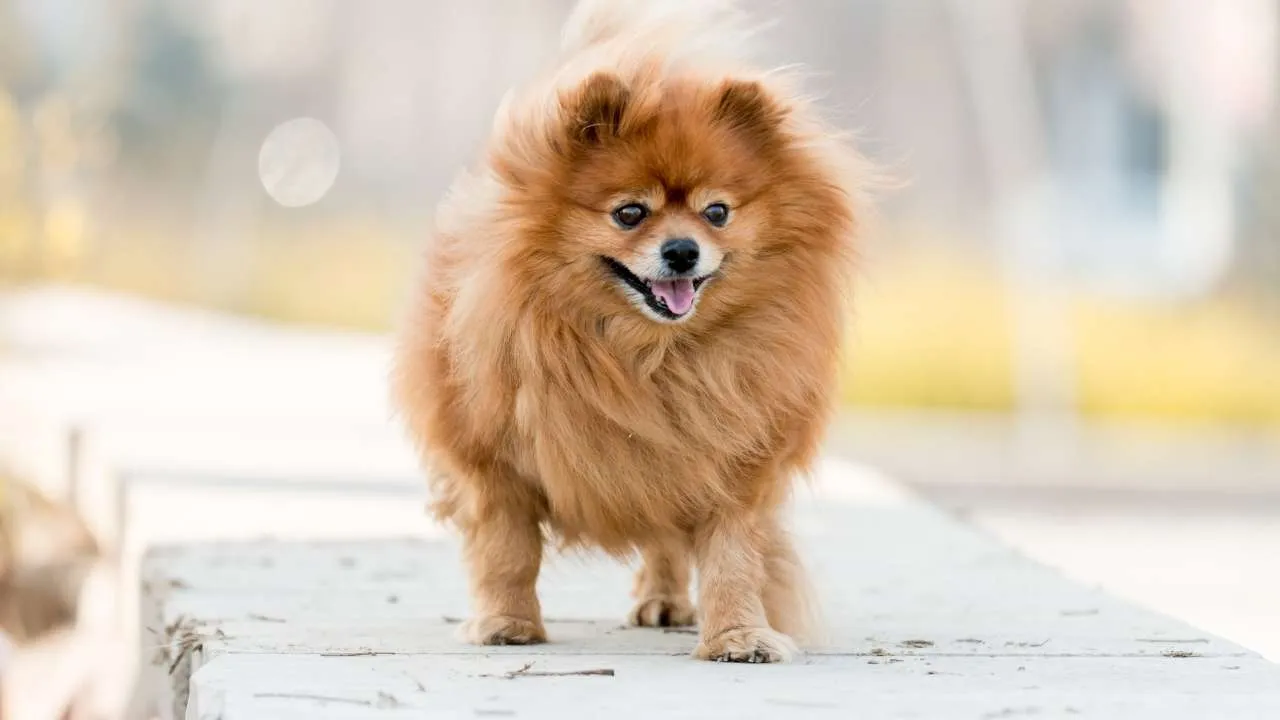
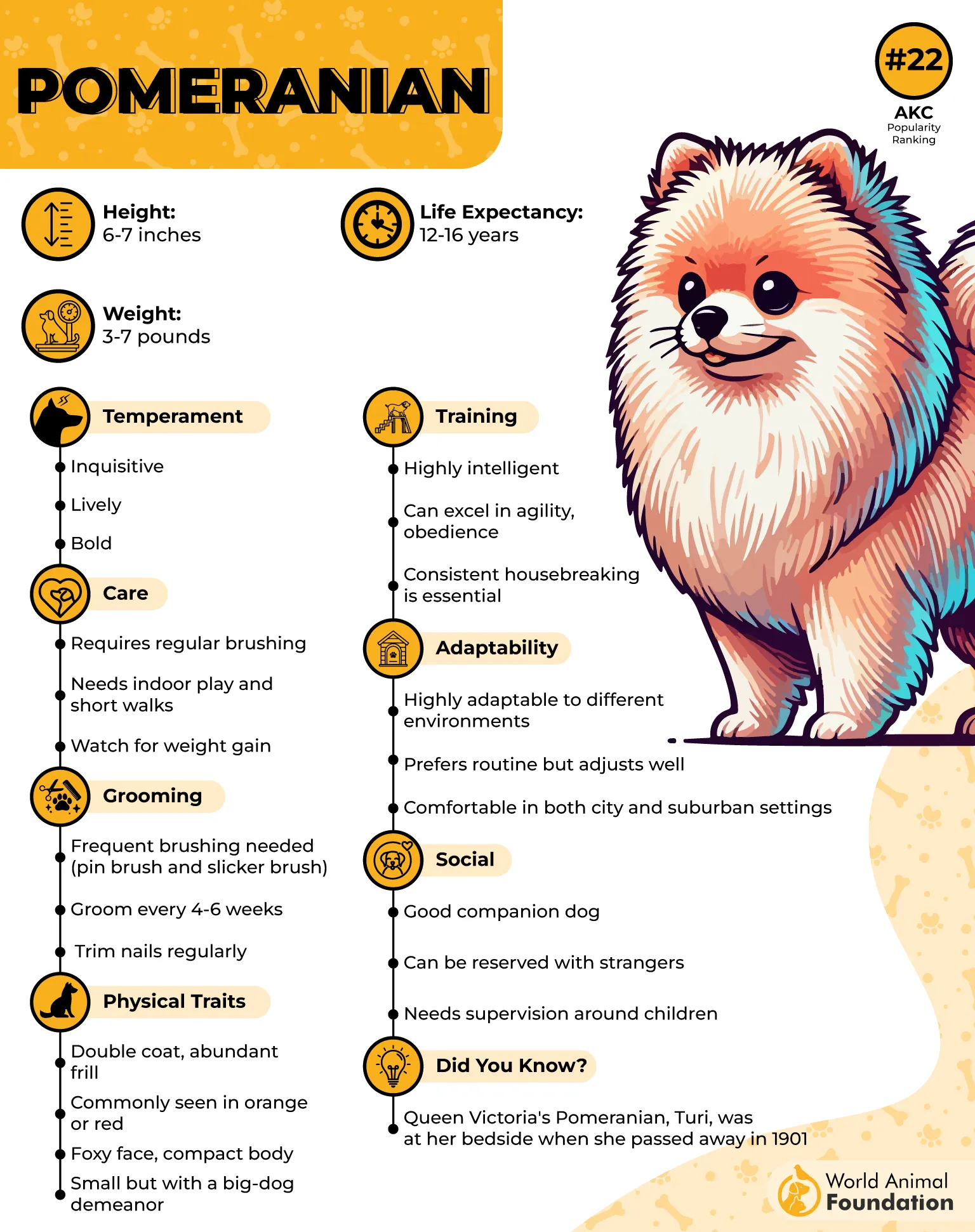
Pomeranians fit naturally into changing environments through their compact size and people-focused temperament.
Its expressive eyes and thick coat create a lively presence that adjusts well across different travel settings. Familiar interaction plays a major role in how comfortably it settles during trips.
Comfort is linked to familiarity
Poms respond better during travel when routines and familiar objects remain consistent across different locations. Soft items from home often help reduce uncertainty in unfamiliar surroundings.
These points make a noticeable difference:
Familiar blankets create reassurance
Regular feeding timing reduces stomach issues
Secure carriers help limit nervous behavior
Sensitivity in unfamiliar surroundings
The Pomeranian reacts quickly to shifts in atmosphere, especially in crowded or unfamiliar places where stimulation changes frequently. Calm handling and steady interaction help reduce anxious behavior during long outings. Its response often reflects the emotional tone surrounding it.
9. Chihuahua
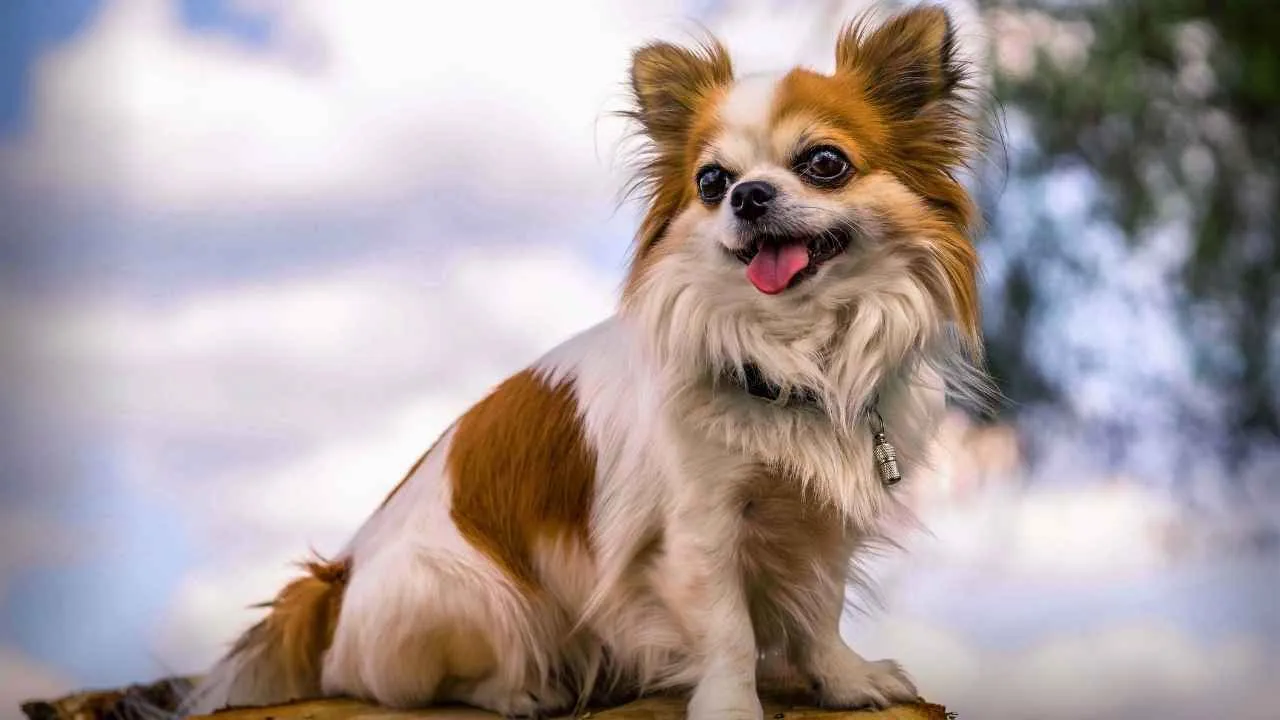
The Chihuahua slips easily into travel routines thanks to its tiny size and naturally alert personality. Its strong attachment to people creates a dog that stays highly engaged during unfamiliar situations and changing surroundings. This closeness makes preparation and comfort especially important during trips.
Travel habits that need planning
It responds better when travel spaces feel familiar, especially during flights or long car rides. A secure, ventilated setup helps reduce restlessness while giving the dog a defined resting area.
Small adjustments make a noticeable difference:
Soft blankets help regulate warmth
Frequent stops reduce travel tension
Familiar carriers ease flight preparation
Cabin travel and transportation comfort
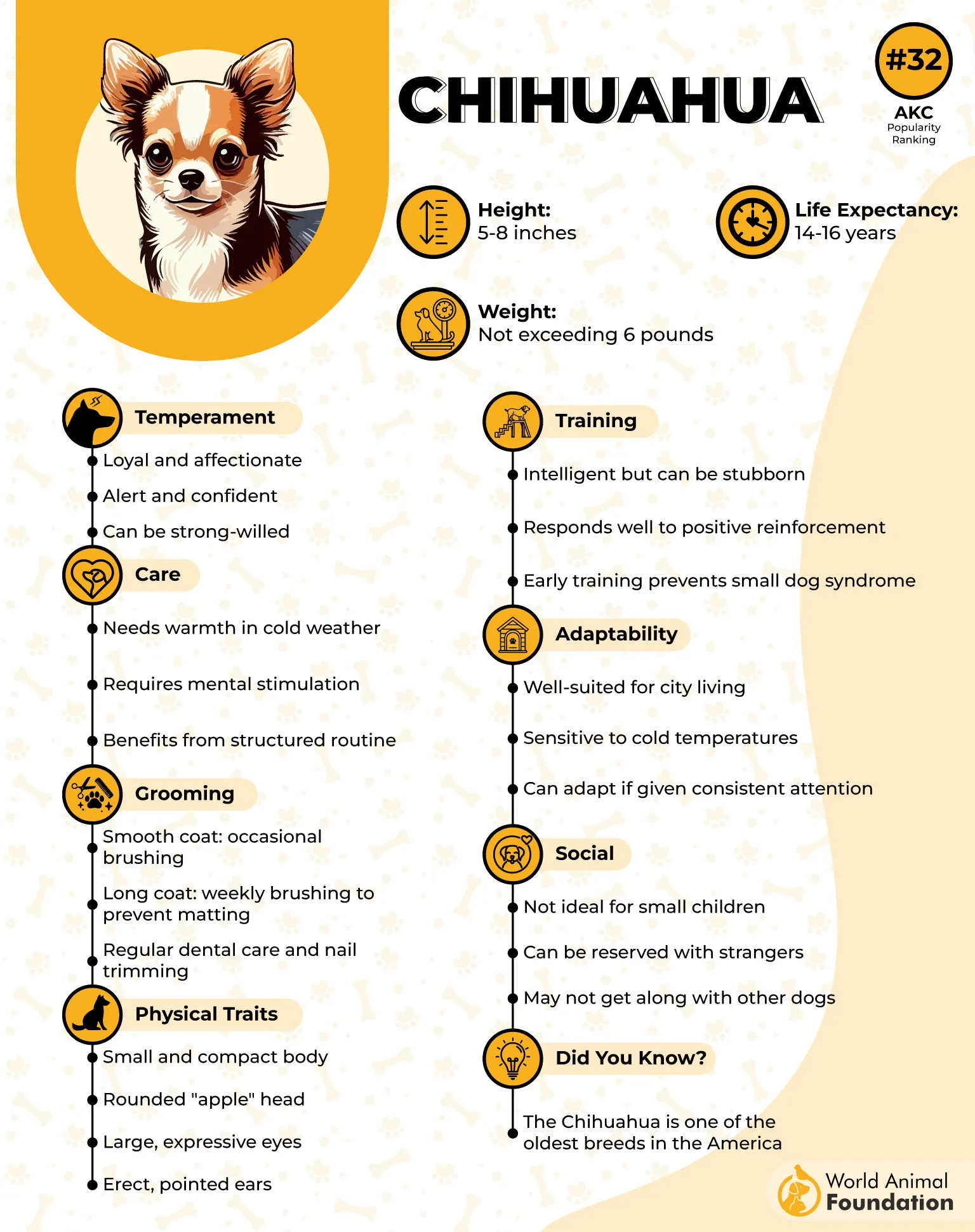
The Chihuahua adapts well to cabin travel because most airlines permit small dogs inside approved carriers. Early exposure to the carrier helps the dog settle more easily before longer trips begin. In vehicles, secured harnesses or enclosed spaces help prevent sudden movement during travel.
Conclusion
A successful trip involves more than packing the right supplies or choosing the perfect destination. The personality of the dog traveling beside you often shapes the experience just as much as the route itself. Selecting the right breed can make all the difference.
Dogs that remain calm, curious, and adaptable tend to handle changing environments with far less difficulty. They adjust to unfamiliar surroundings, settle into temporary routines, and stay focused on the people they trust most.
That combination creates a travel companion who feels comfortable almost anywhere. For those who enjoy exploring beyond their everyday routine, the right dog can turn ordinary trips into experiences that feel effortless, memorable, and enjoyable.
