




Living with a disobedient dog can quietly drain the joy out of ownership faster than most people expect. It starts with small frustrations that seem harmless in the beginning.
Ignored commands during walks, constant pulling on the leash, selective listening at home, and the exhausting feeling of repeating the same instructions every single day. Over time, those moments begin shaping the entire relationship between owner and dog. That is why loyalty and obedience matter far beyond simple training.
A dog that listens well creates a sense of trust that makes everyday life smoother, calmer, and far more rewarding. These dogs pay attention naturally, respond with consistency, and stay emotionally connected to the people they trust most. Their willingness to follow guidance often comes from genuine attachment rather than fear or pressure.
Coming up are the loyal dog breeds known for remarkable obedience, dependable behavior, and the kind of companionship that feels steady through every stage of life.
Key Takeaways:
A dog that listens well changes the entire rhythm of a home, making walks easier, routines calmer, and trust much stronger over time.
Golden Retrievers and German Shepherds stand out for this reason, turning everyday training into a bond that feels steady and natural.
Miniature Poodles and Shetland Sheepdogs bring sharp intelligence into the mix, learning commands so quickly that even simple lessons become impressive to watch.
Somewhere in this list is the kind of companion that makes life calmer, smoother, and far more connected than most owners expect.
Loyal Dog Breeds That Exhibit Outstanding Obedience
1. Golden Retriever
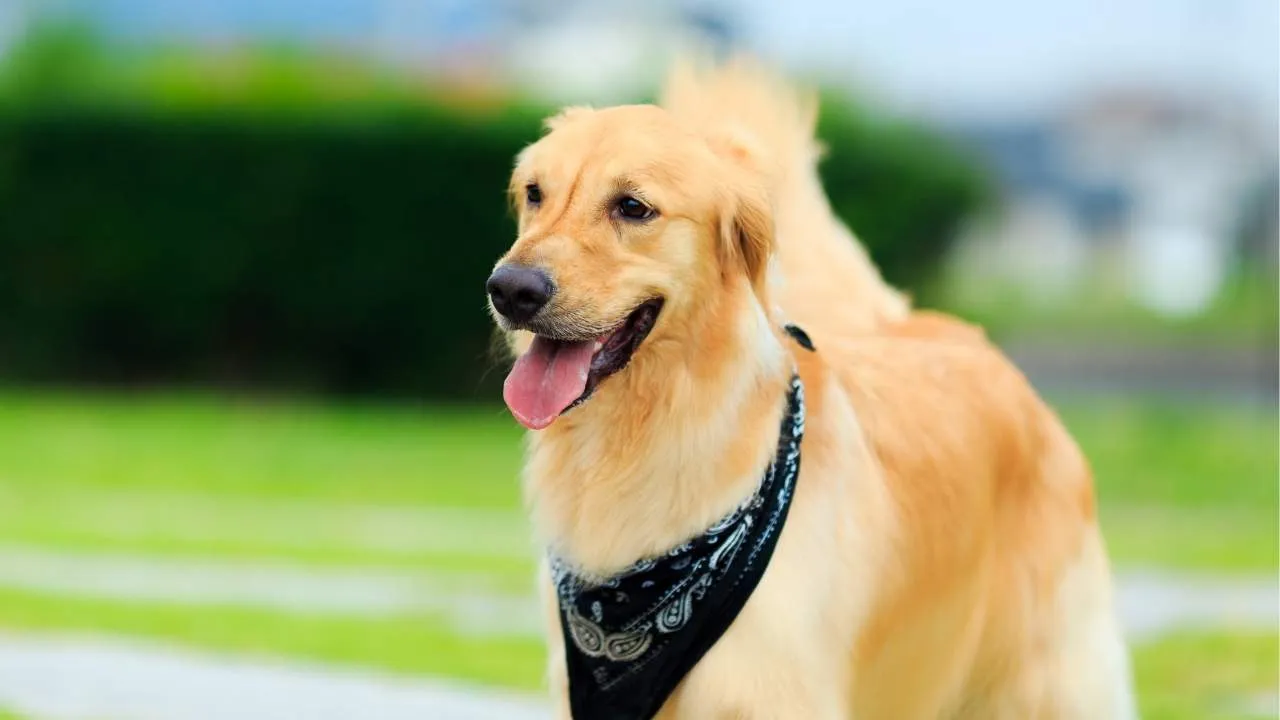
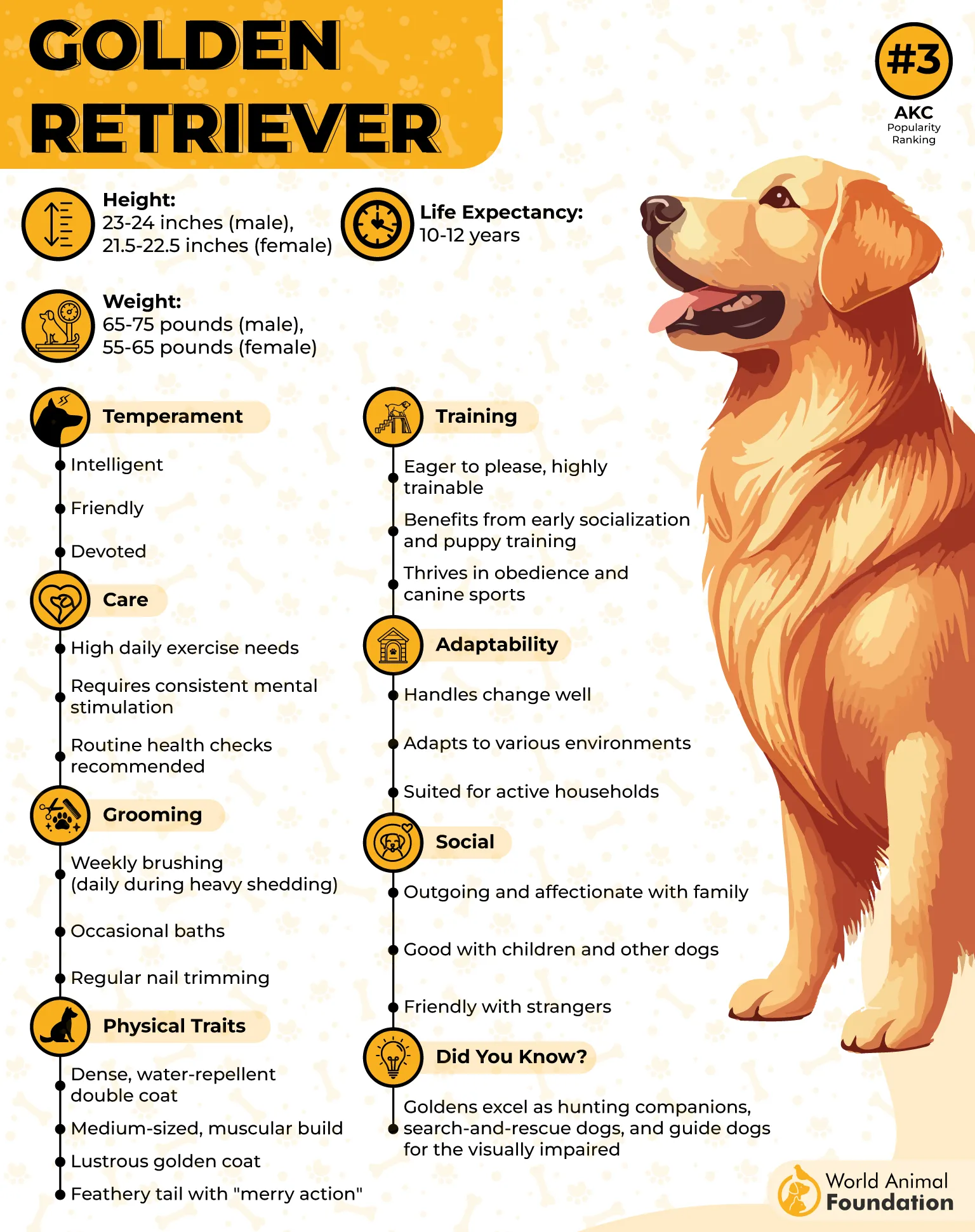
The Golden Retriever reads human emotion with unusual sensitivity, often reacting to tone, praise, and disappointment faster than expected. This emotional awareness shapes this obedient dog breed that genuinely tries to understand instructions instead of simply repeating commands.
Learning through praise
They connect obedience with encouragement, making reward-based teaching especially effective from puppyhood. Their intelligence also needs direction, since boredom quickly turns into chewing, grabbing objects, or restless behavior.
A few patterns become especially useful here:
Recall training with high-value treats
“Leave it” for unsafe objects
Sit command as a training base
Intelligent but easily bored
Golden Retrievers rarely treat training like a chore, especially when lessons include praise, movement, and variety. Mental engagement matters just as much as outdoor activity because this breed constantly looks for something to solve or interact with.
Quick Note: Doing the same things every day without stimulation can leave it unfocused and restless indoors.
2. German Shepherd
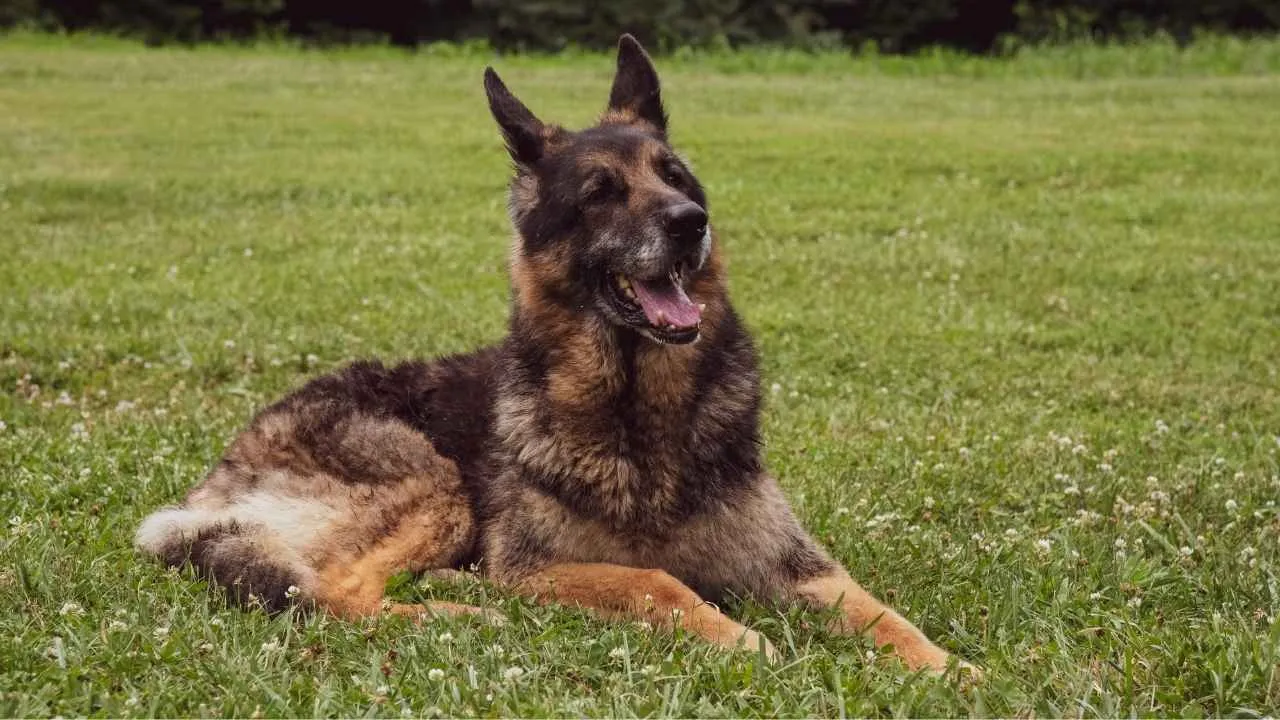
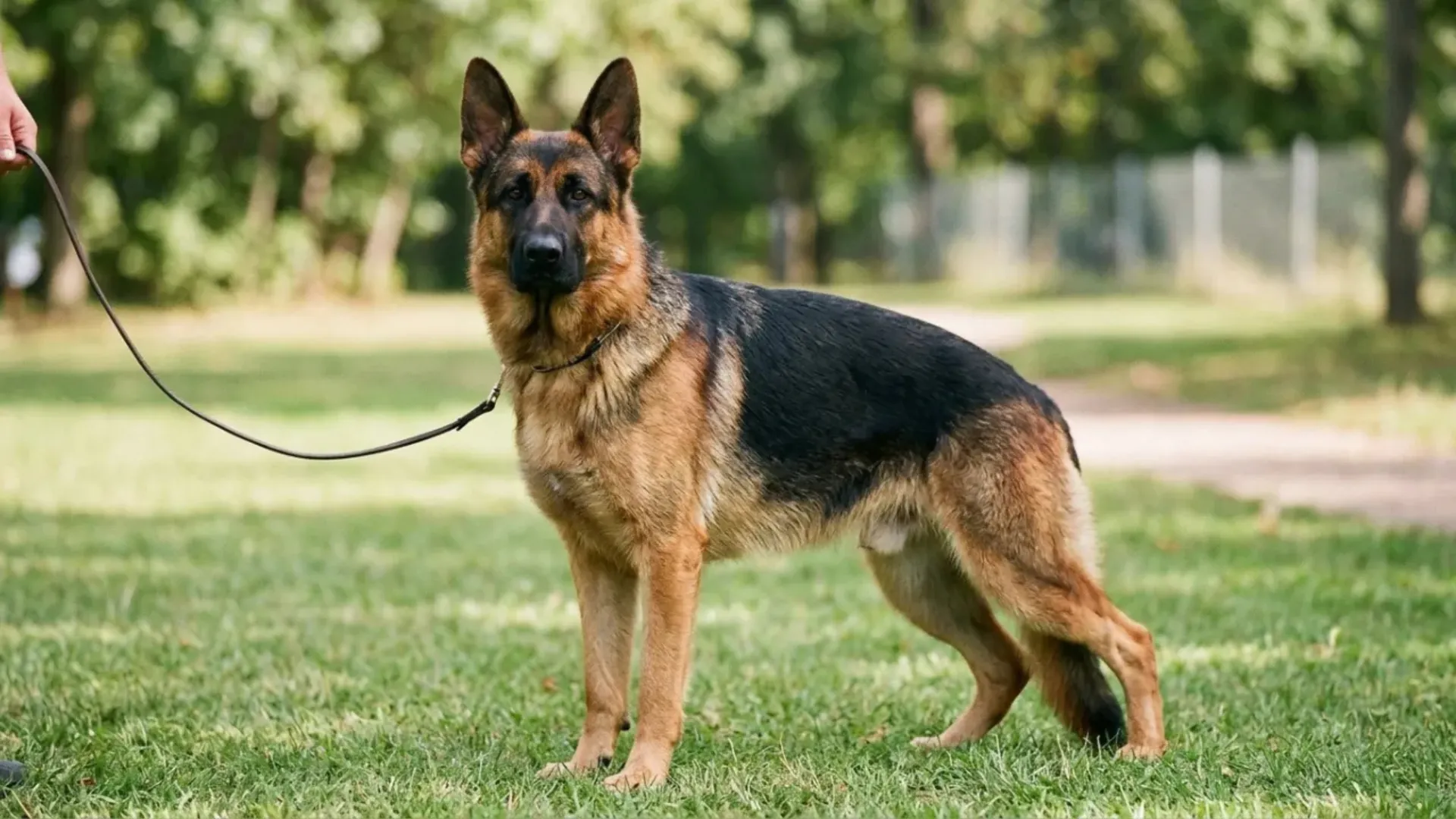
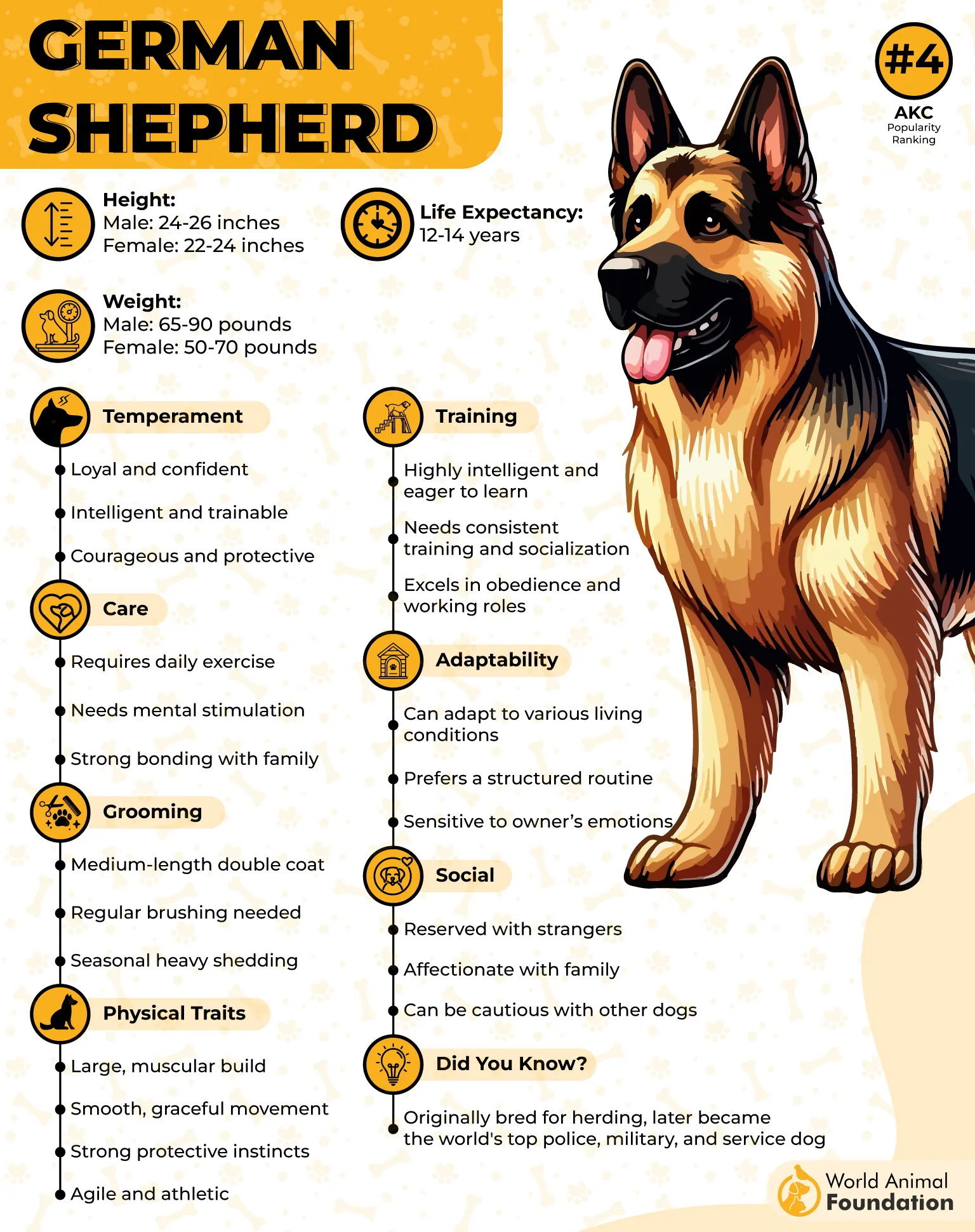
The German Shepherd enters training conversations for one reason repeatedly: its ability to absorb structure early and apply it with remarkable consistency.
Between 8 and 16 weeks, social exposure shapes how this naturally protective breed reads unfamiliar people, other dogs, and daily situations. Calm introductions during this stage influence confidence far more than forceful corrections later.
Built around direction
This obedient breed responds best when guidance becomes part of everyday routines instead of isolated lessons. Small training habits create long-term discipline surprisingly fast, as per the AKC.
A few examples include:
Sitting before meals or toys
Loose-leash walking from puppyhood
Early focus exercises during distractions
Driven to learn
As a guard dog, they approach obedience with unusual seriousness, especially once commands become mentally engaging instead of repetitive. Basic cues like sit, down, and recall quickly expand into advanced drills because the breed enjoys purposeful interaction with its handler.
3. Miniature Poodle
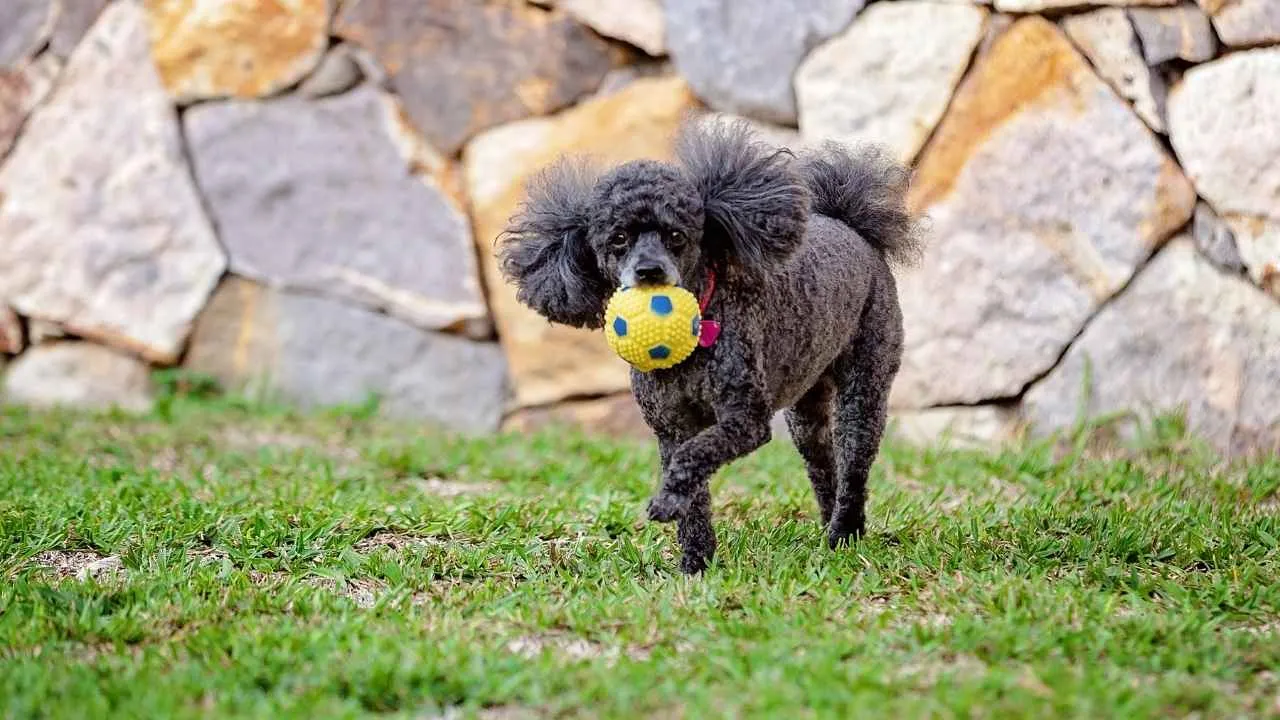
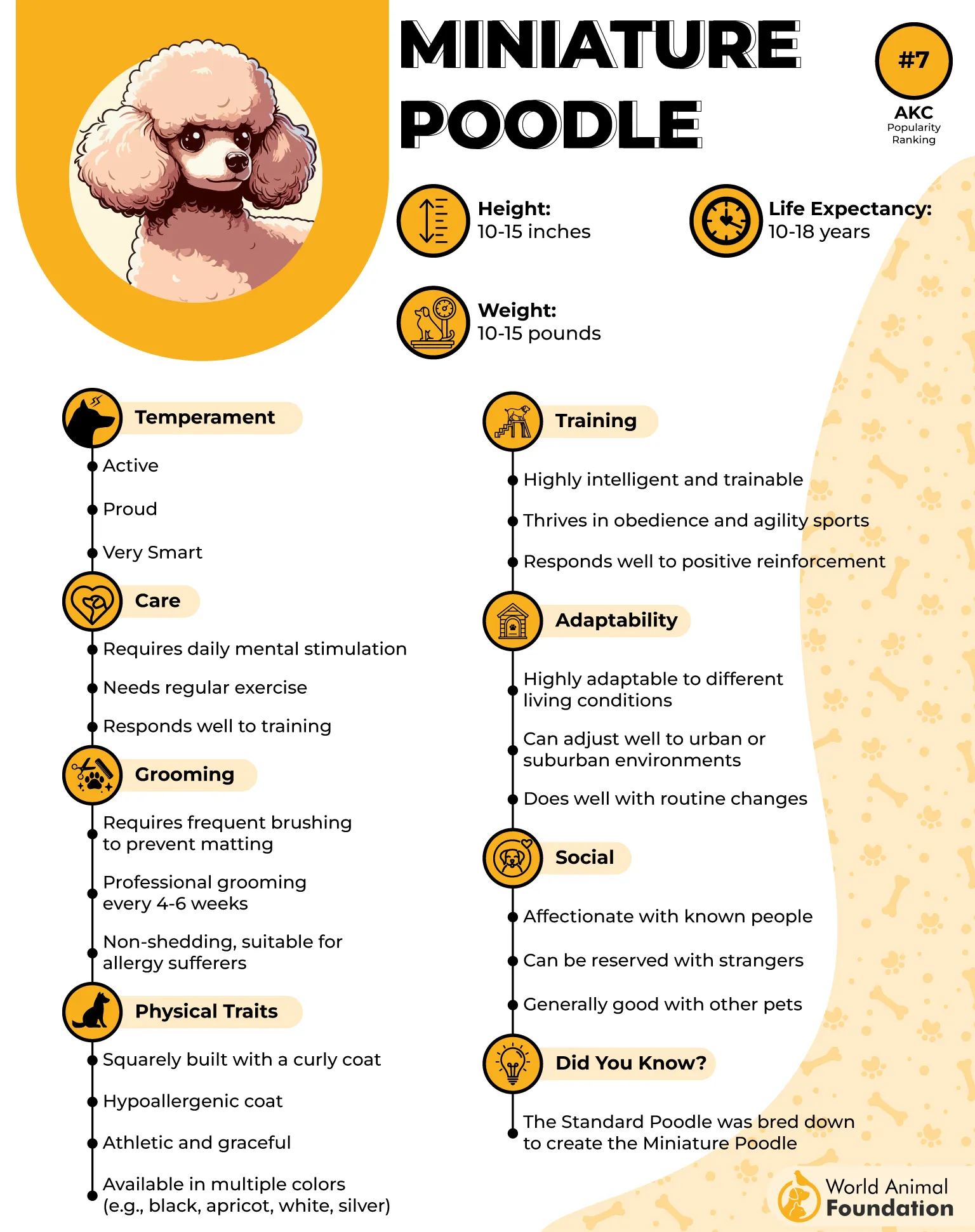
The Miniature Poodle reads human reactions with unusual precision, which explains why obedience work often clicks faster with this breed.
Beneath the curly coat sits a dog that enjoys problem-solving, interaction, and routines that feel mentally engaging. Its playful personality keeps training lively instead of repetitive.
Training with purpose
Mini Poodles respond best when lessons feel rewarding rather than forced, especially because stubborn habits can surface through boredom or overstimulation, as Petplan noted. A thoughtful approach usually works better than constant correction.
Small adjustments often help most:
Click sounds paired with treats
Calm exposure during grooming
Toys used as training rewards
Structure builds cooperation
Miniature Poodles tend to respond well to organized sessions using practical tools that reinforce focus and communication. No-pull leashes help channel enthusiasm during walks, while treat pouches and clickers improve timing during lessons. Their eagerness for interaction keeps obedience training active and engaging.
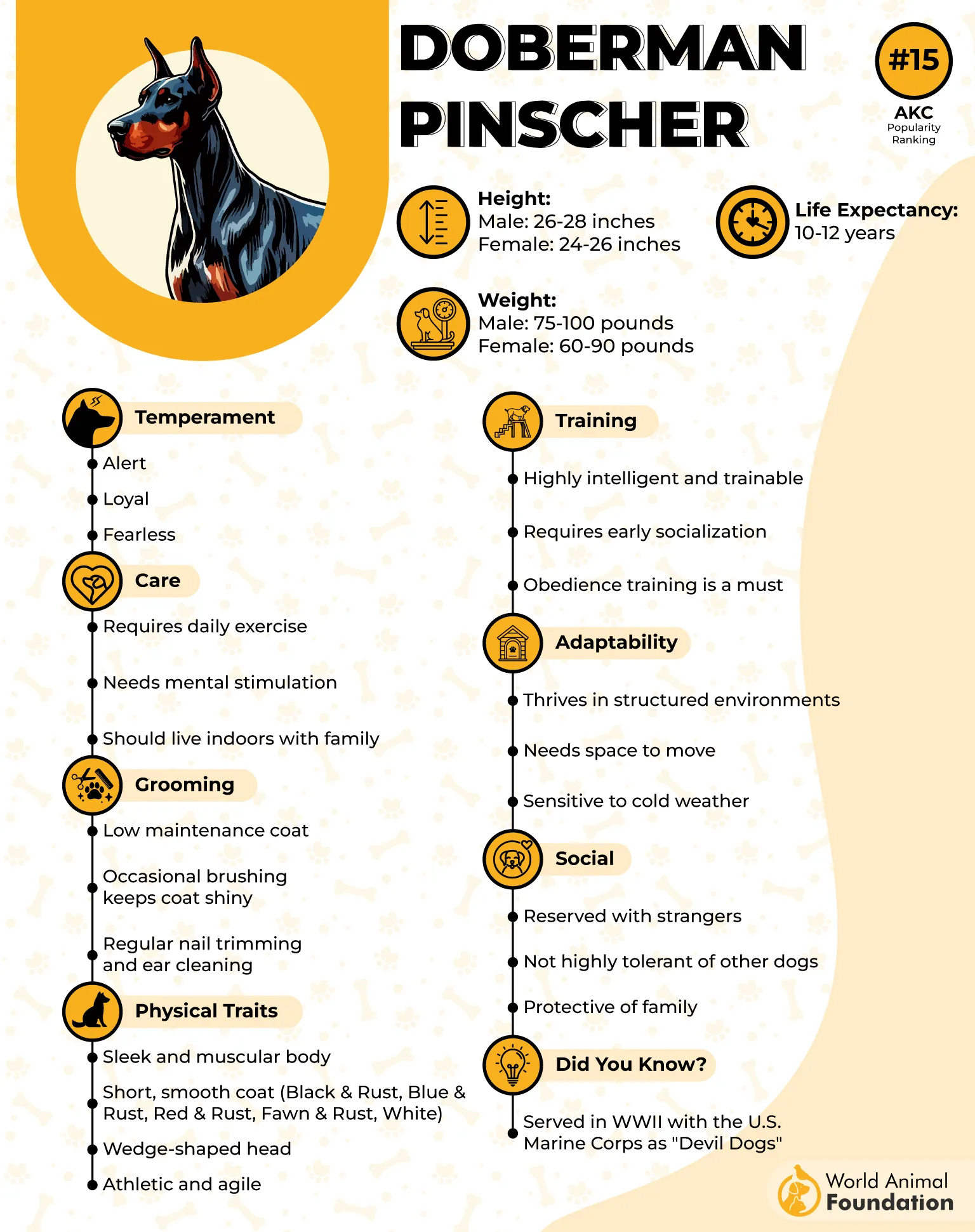
4. Doberman Pinscher
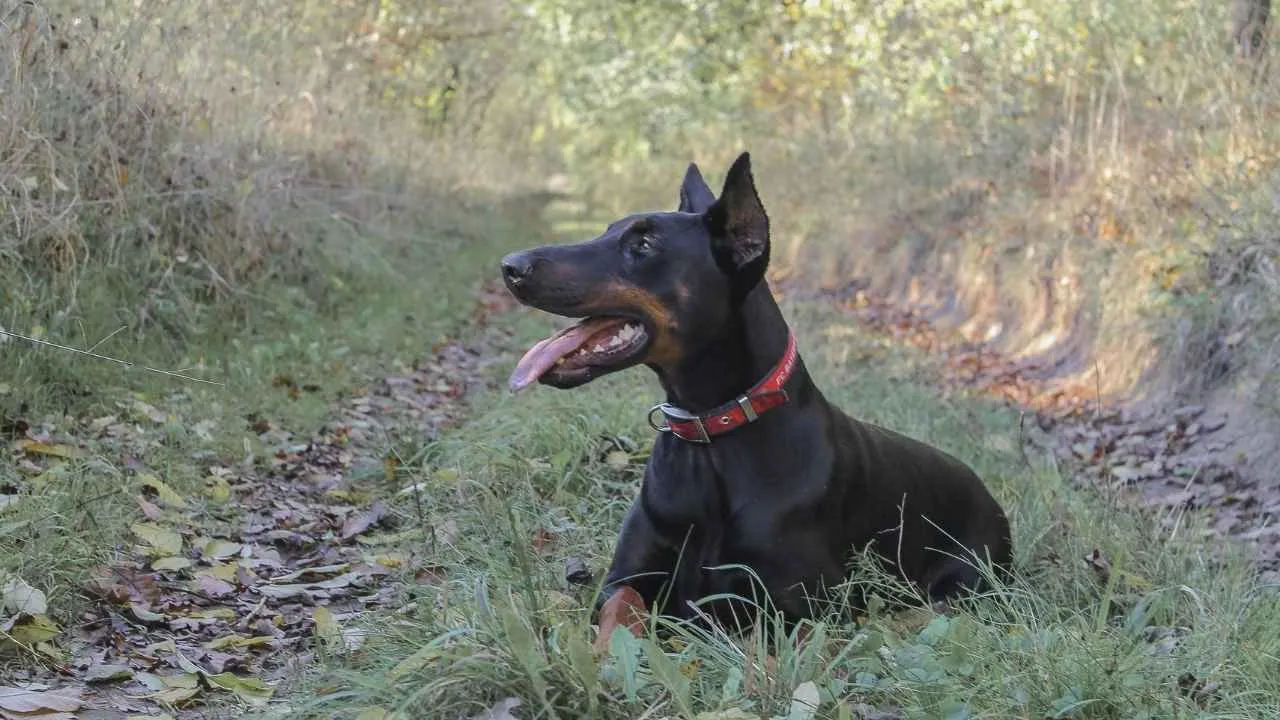
The Doberman Pinscher enters work with quick decision-making and a high level of alert awareness, traits that shaped its role in security and rescue tasks.
Its attention shifts rapidly toward commands, surroundings, and handler direction. This mental sharpness influences nearly every part of daily interaction and training.
Driven by structured training
This trainable breed responds strongly to consistent routines, especially when training begins early and remains engaging. Obedience work channels its energy into controlled behavior instead of restless reactions toward unfamiliar sounds or situations.
That working focus appears in several ways:
Excels in advanced obedience tasks
Responds quickly during agility exercises
Adapts well to protection-based sports
Energy with direction
The Doberman Pinscher requires regular outlets that involve both movement and concentration, rather than repetitive physical activity alone. Tasks involving precision, timing, or coordination keep their attention engaged longer. Dock diving and agility work often suit this mentally active temperament.
5. Shetland Sheepdog
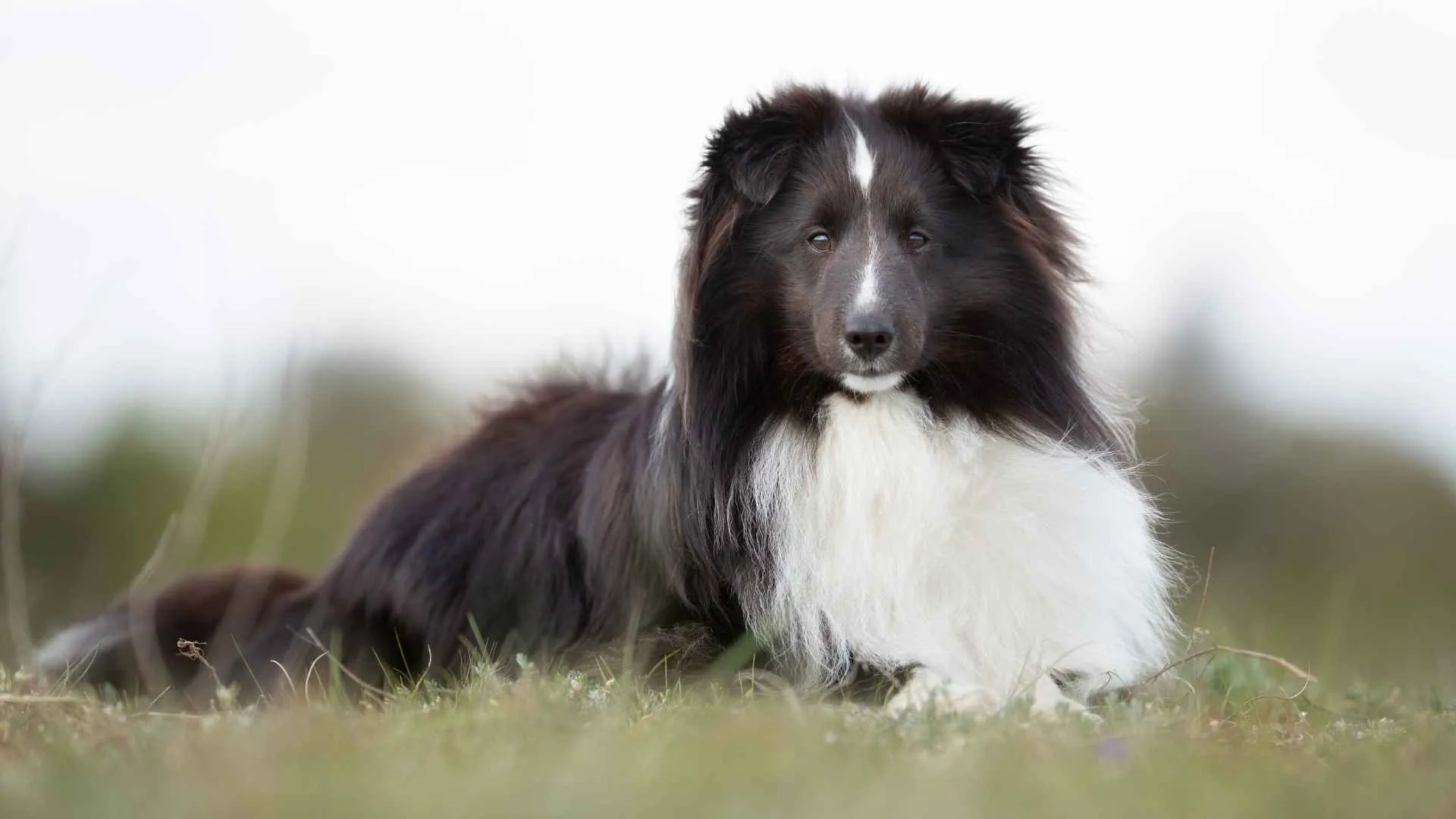
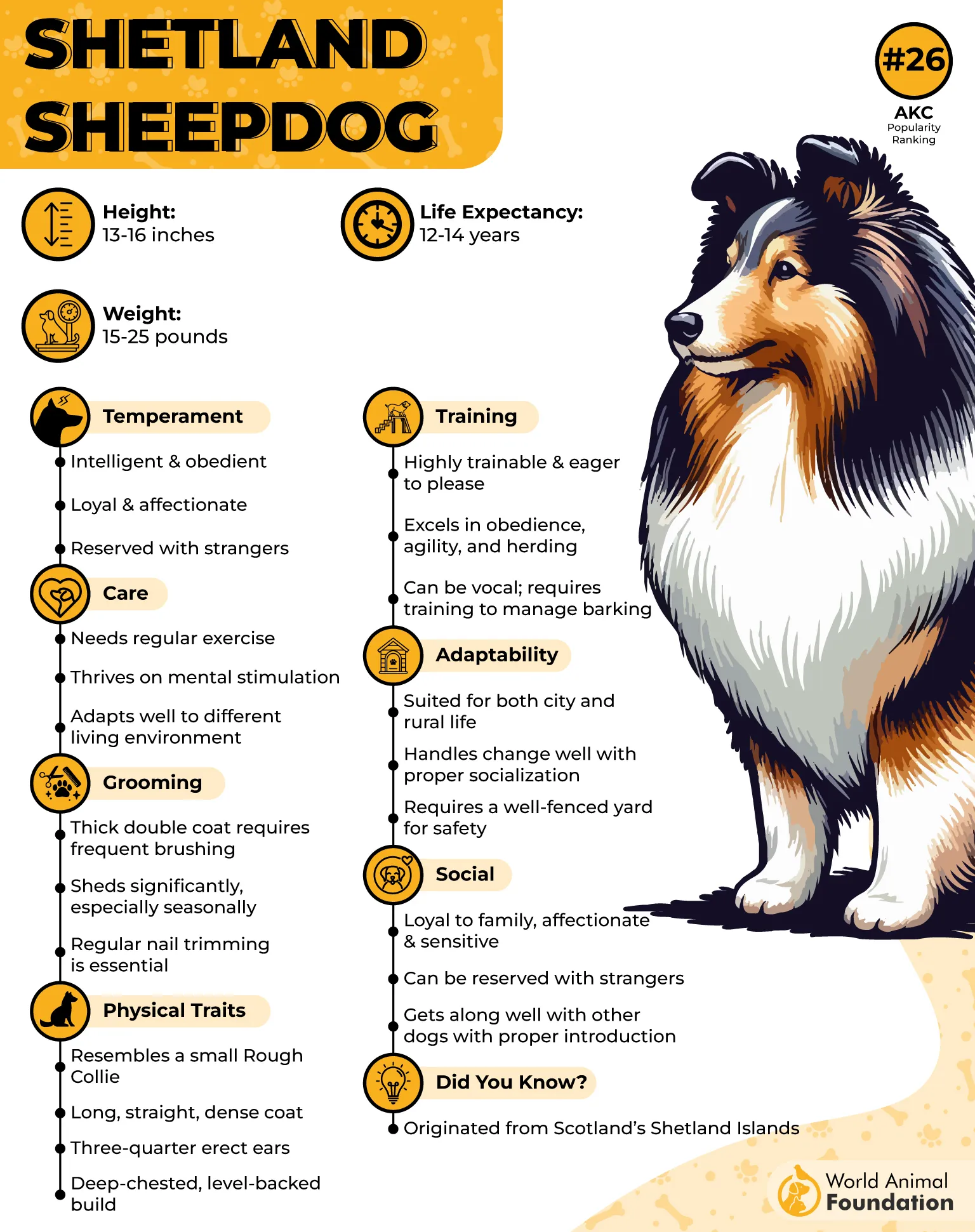
The Shetland Sheepdog comes from Scotland’s rugged Shetland Islands, where quick decisions and close attention to direction shaped its working nature. Ranked among the world’s smartest breeds, the Sheltie responds rapidly to instruction and reads household emotions with unusual accuracy.
Built to learn
Shelties process commands with impressive speed and often excel in structured training environments. Their eagerness to cooperate makes obedience work feel natural rather than forced.
These qualities explain this consistency:
Exceptionally responsive to positive reinforcement
Excels in agility and obedience competitions
Naturally attentive to human cues and routines
Sensitive yet focused
The Shetland Sheepdog reacts strongly to tone, mood, and daily rhythm inside the home, creating a companion that feels deeply connected to its people, as Omlet writes.
This sensitivity also explains why harsh handling affects confidence more quickly in this obedient breed. Early guidance helps channel its intelligence without creating nervous habits or excessive barking.
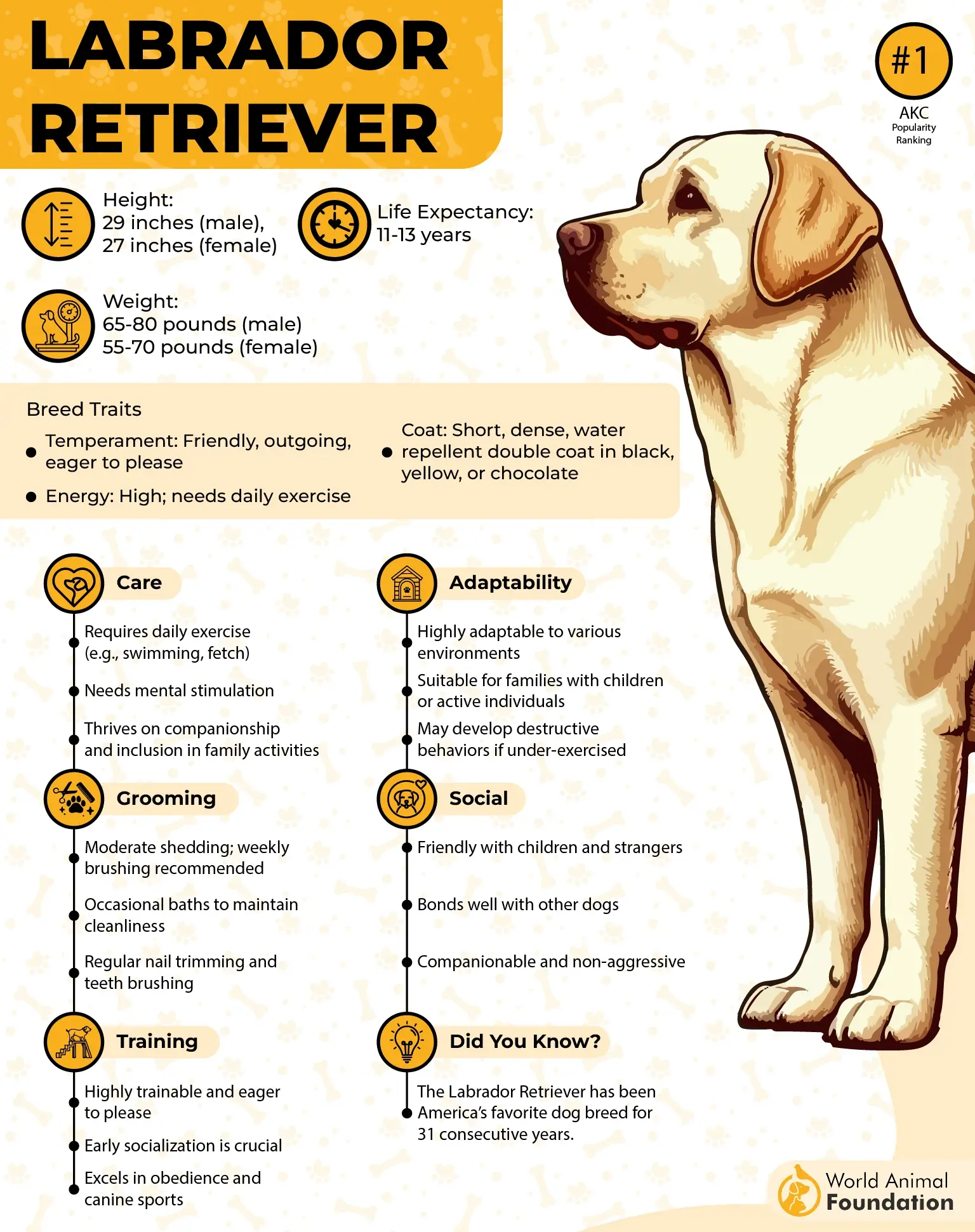
6. Labrador Retriever
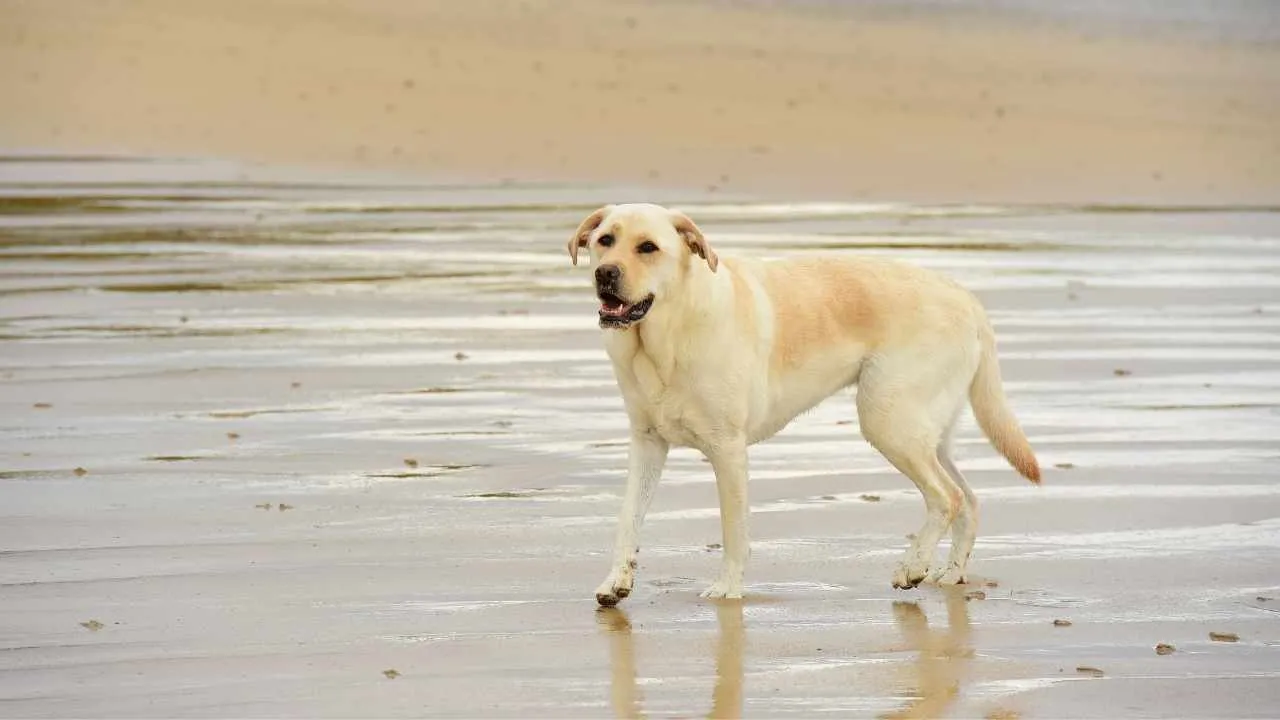
The Labrador Retriever responds to training with unusual speed, often understanding new commands after only a few repetitions. That sharp comprehension, paired with a people-focused nature, explains why the breed consistently succeeds in obedience work.
Built around partnership
This famous family dog bonds closely with the entire household and naturally involve themselves in daily activities. Their enthusiasm feels purposeful, especially in homes that enjoy outdoor routines and structured interaction.
The following characteristics shape that experience:
Quick response to verbal cues
Strong focus during training sessions
Comfortable around people and dogs
Social intelligence
Labs read human emotion remarkably well and respond closely to tone, routine, and interaction within the home. Puppy classes and steady social exposure help shape the confident temperament people often associate with the breed. Their devotion grows strongest when treated as an active part of family life.
7. Australian Cattle Dog
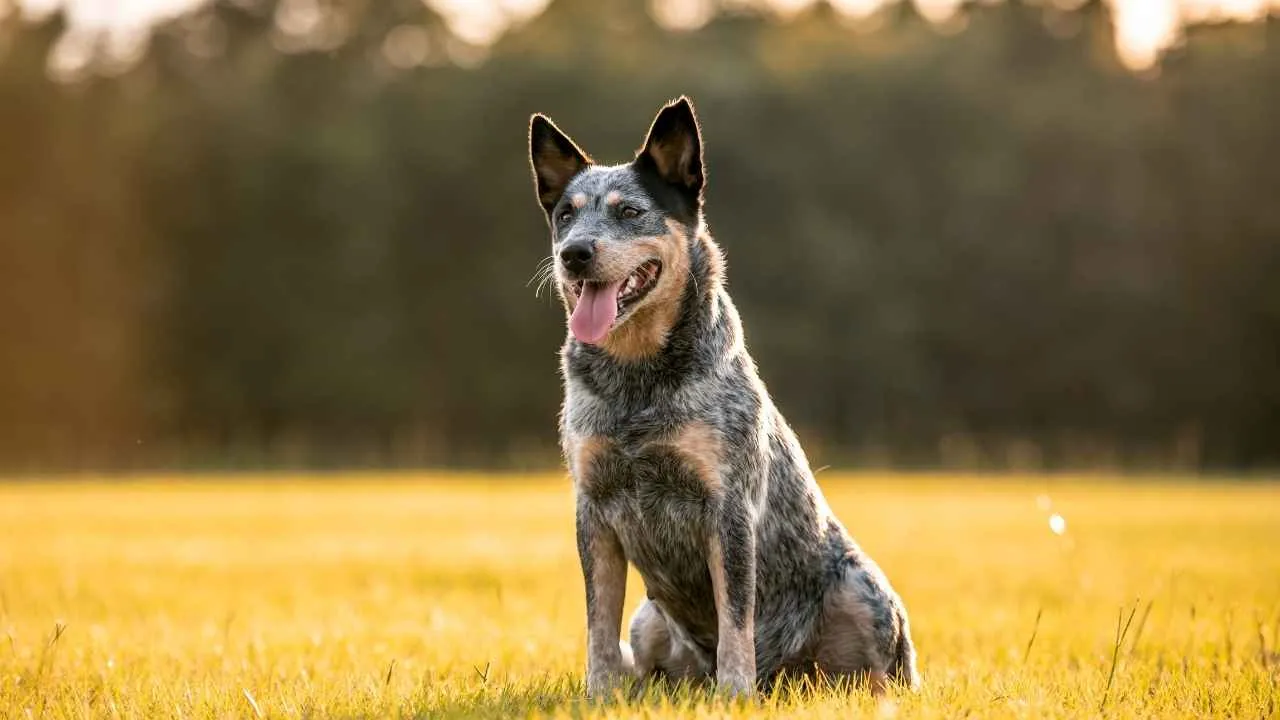
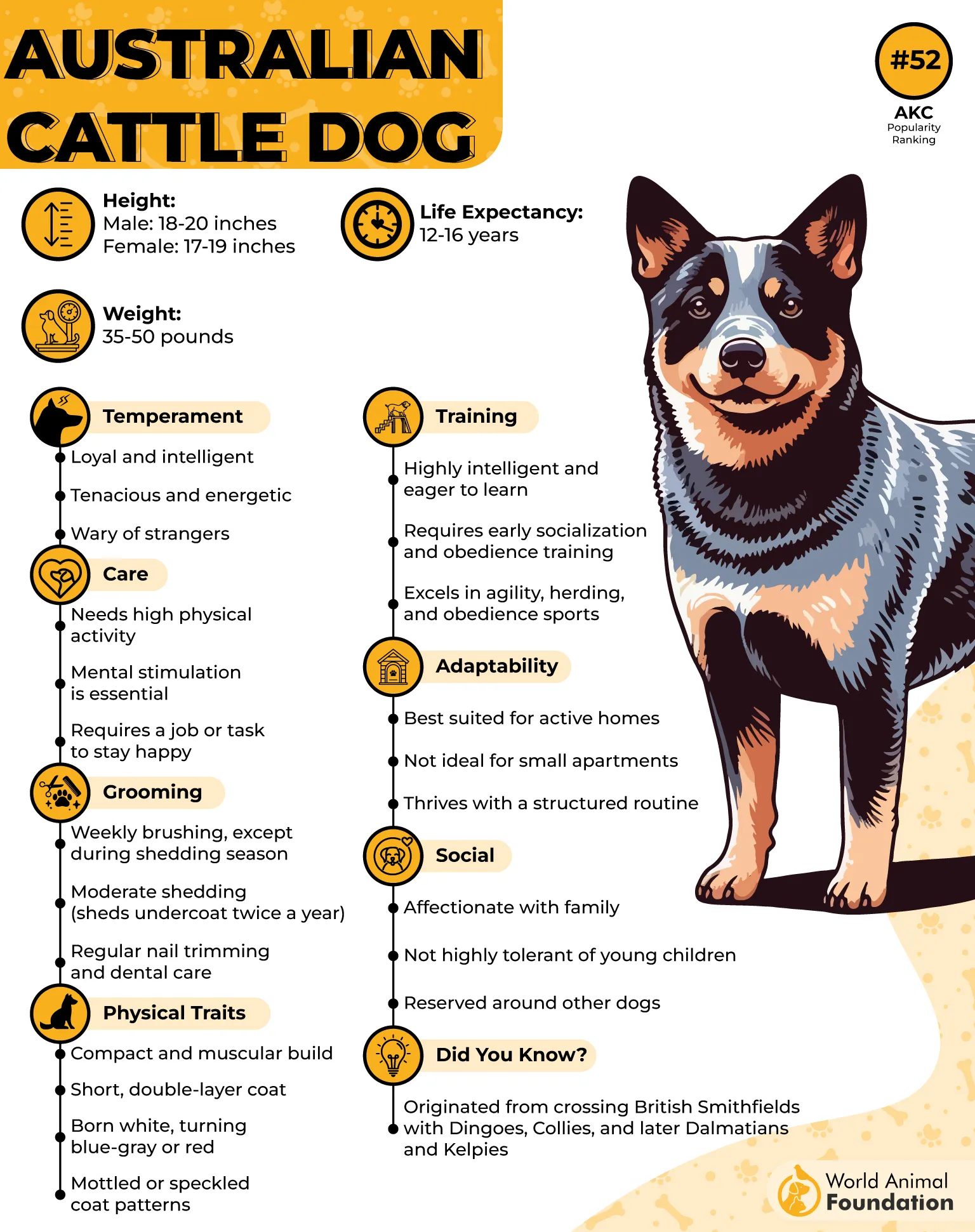
The Australian Cattle Dog descends from hardy Australian herders linked to the Dingo, reflected in its sharp decision-making and resilient nature. Its compact muscular frame supports quick directional control around livestock. This breed often thinks through situations before responding to commands.
Obedience tied to working instinct
This highly obedient breed responds best when training connects with purpose, especially tasks involving control, direction, or problem-solving. Its loyalty strengthens through participation and structured activity rather than passive companionship.

That mindset appears clearly in daily behavior:
Excels in herding and agility tasks
Learns commands through repetition and challenge
Reacts quickly to the handler’s direction
Alert nature and social response
ACD keeps a watchful attitude around unfamiliar people while remaining deeply attached to its inner circle. Early social exposure plays an important role in shaping balanced responses during adulthood. Mental engagement influences this breed as strongly as physical activity.
Conclusion
A loyal and obedient companion brings a different energy into the home. Every day routines feel steadier, commands stop turning into arguments, and simple activities like walks or visitors become easier to manage. That consistency is why many of the most obedient dog breeds remain so valued by owners.
The dogs known for outstanding obedience usually combine intelligence with emotional awareness, creating a stronger connection over time. These intelligent and loyal animals respond not only to commands but also to tone, routine, and trust built through regular interaction.
Life feels smoother beside companions from the most trainable breeds that genuinely want to listen, cooperate, and stay connected every day.
