




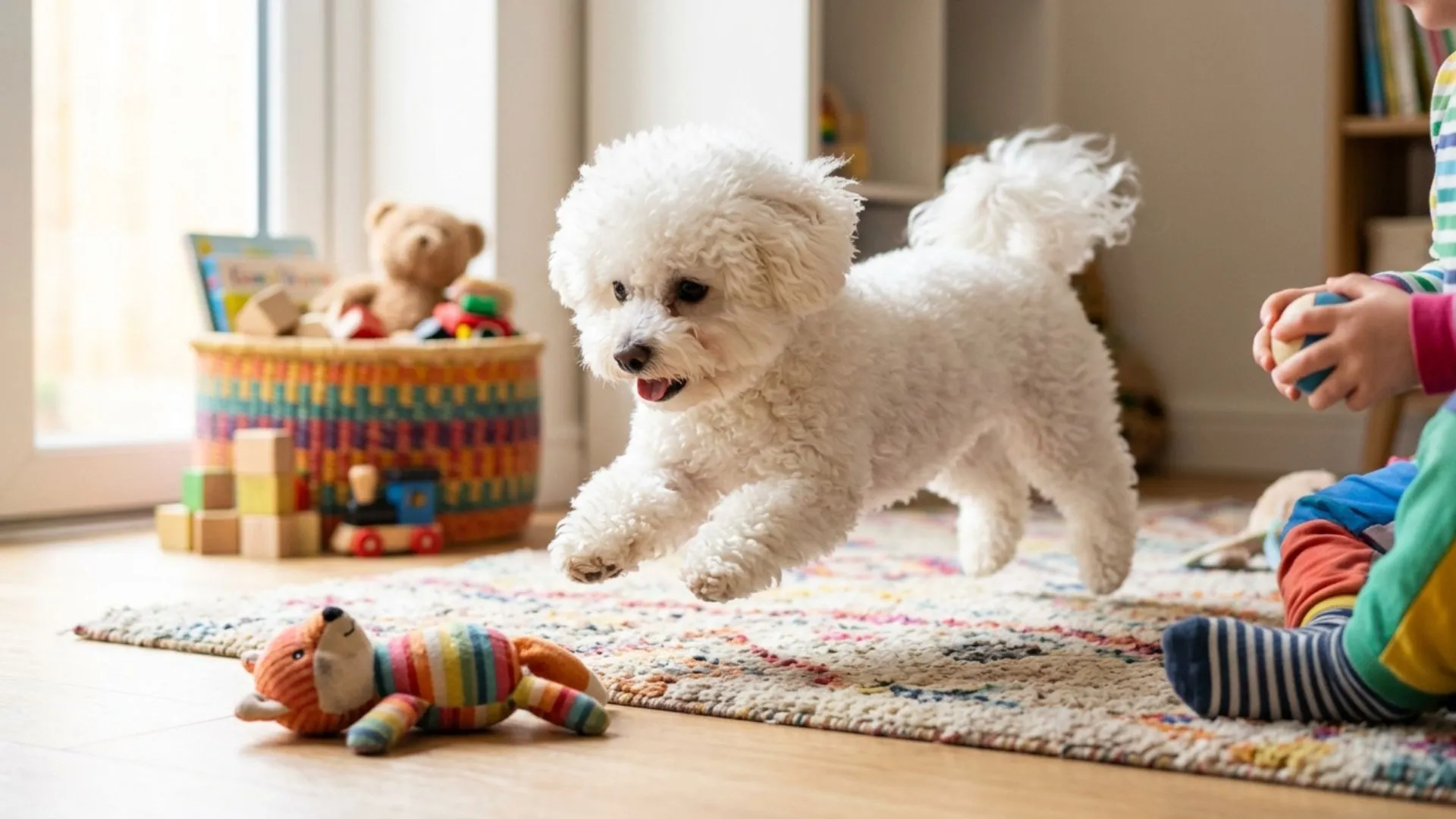
Finding a small dog that loves kids as much as kids love it can feel like scrolling through a streaming app with too many options—you want one that’s energetic, fun, and perfectly compatible with family chaos. Small dog breeds aren’t just cute faces; many are playful, intelligent, and love interactive time with kids.
Some can even keep up with energetic school-age kids on a backyard obstacle course or curl up for calm reading sessions after a day of play.
In this guide, we’ll break down seven small dog breeds that are naturally playful, smart, and affectionate, and show you exactly how kids can spend time with them while building lifelong bonds.
Irresistibly Playful Small Dog Breeds for Kids
1. Yorkshire Terrier
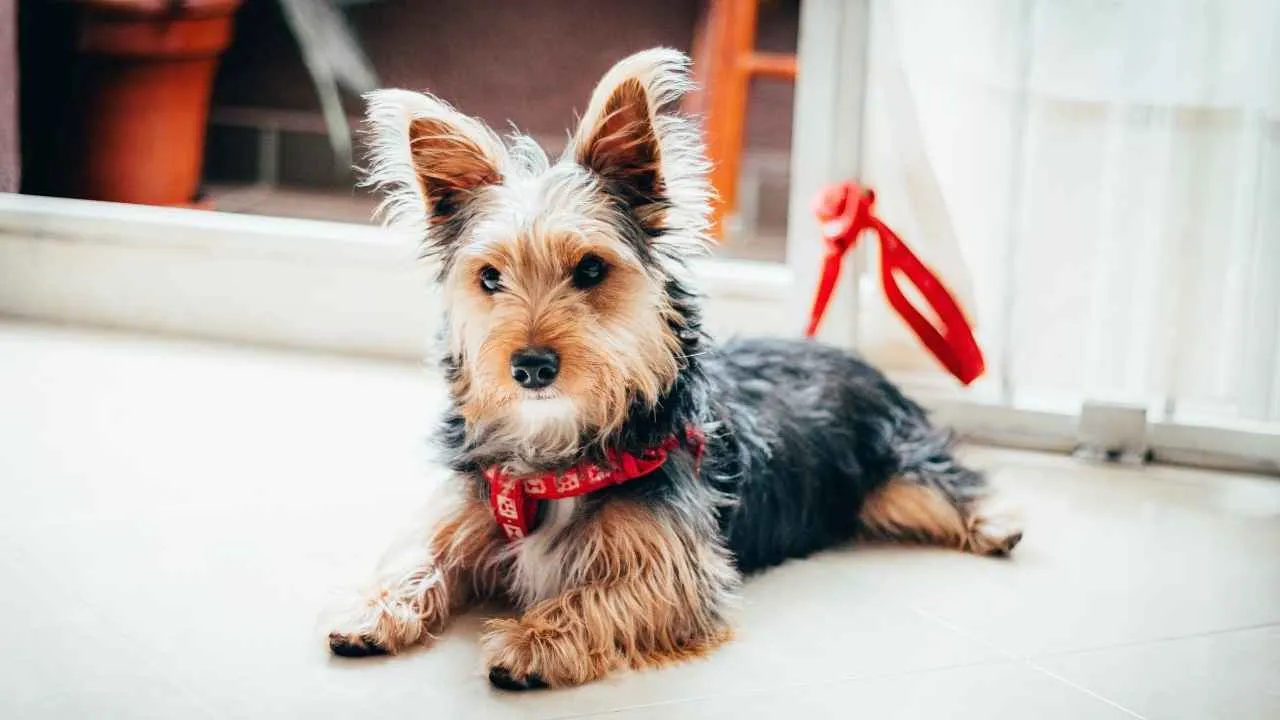
Yorkies might look delicate, but they are tiny dynamos with endless curiosity and energy. Kids can engage them in all sorts of indoor games like mini hide-and-seek, obstacle courses with household items, or gentle fetch with soft toys.
Their intelligence makes them quick learners, so teaching tricks like “spin,” “jump,” or “paw shake” becomes a fun interactive project.
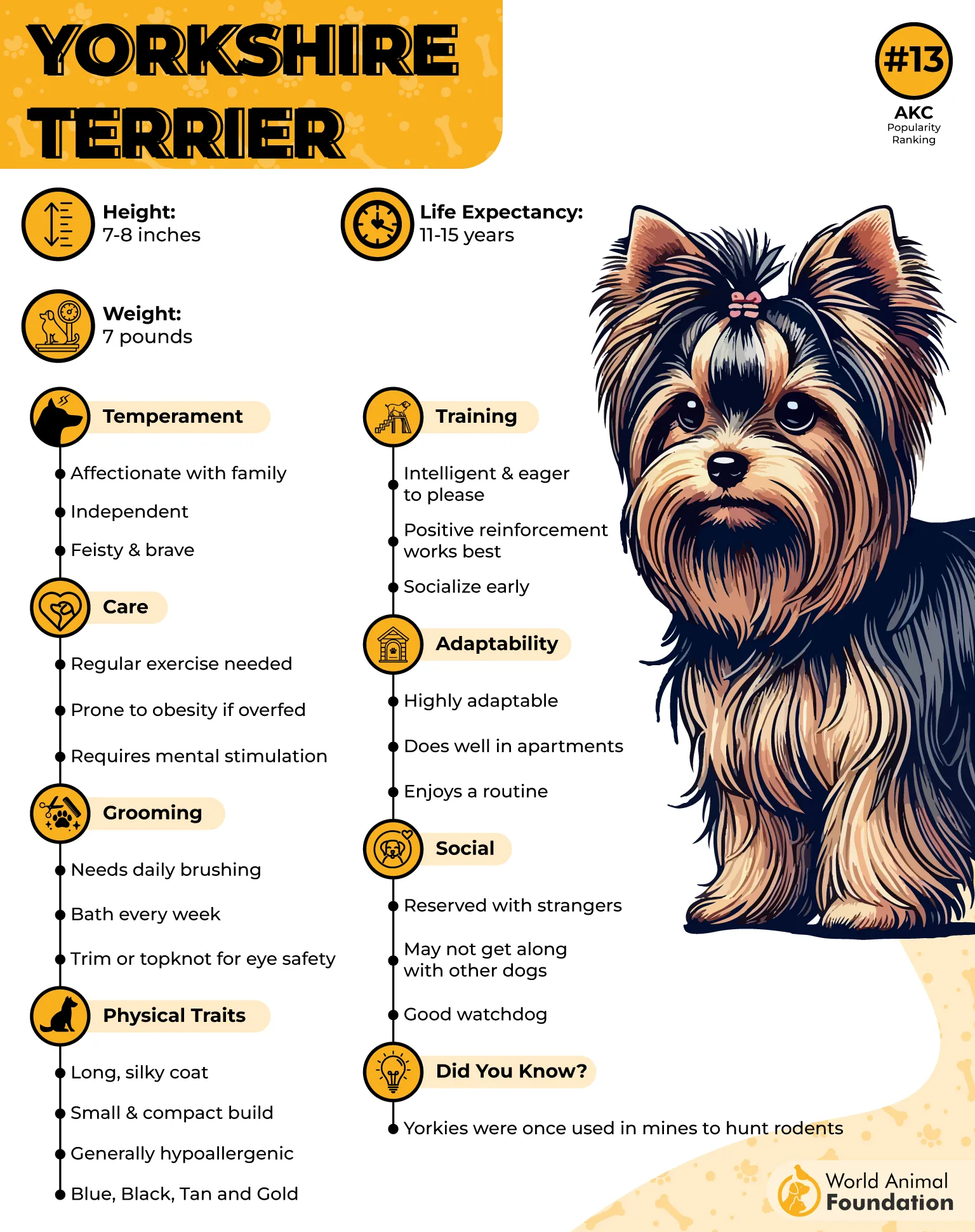
Despite their small size, Yorkies have bold personalities, which kids find hilarious. They love being the “tiny hero” of playtime, darting around corners, and jumping into action as if they’re on a secret mission.
Older kids can even create little agility courses in the backyard, which helps burn off their high energy while teaching coordination and patience.
The Yorkie Times says that parents report Yorkies often follow kids around like a loyal shadow, sometimes “riding” on shoulders or laps during imaginative games.
Their fearless, playful nature encourages children to be gentle yet active, teaching responsibility without dampening the fun. Yorkies also love interactive puzzle toys, so kids can work together to hide treats or solve challenges, keeping both child and pup entertained.
2. Bichon Frise
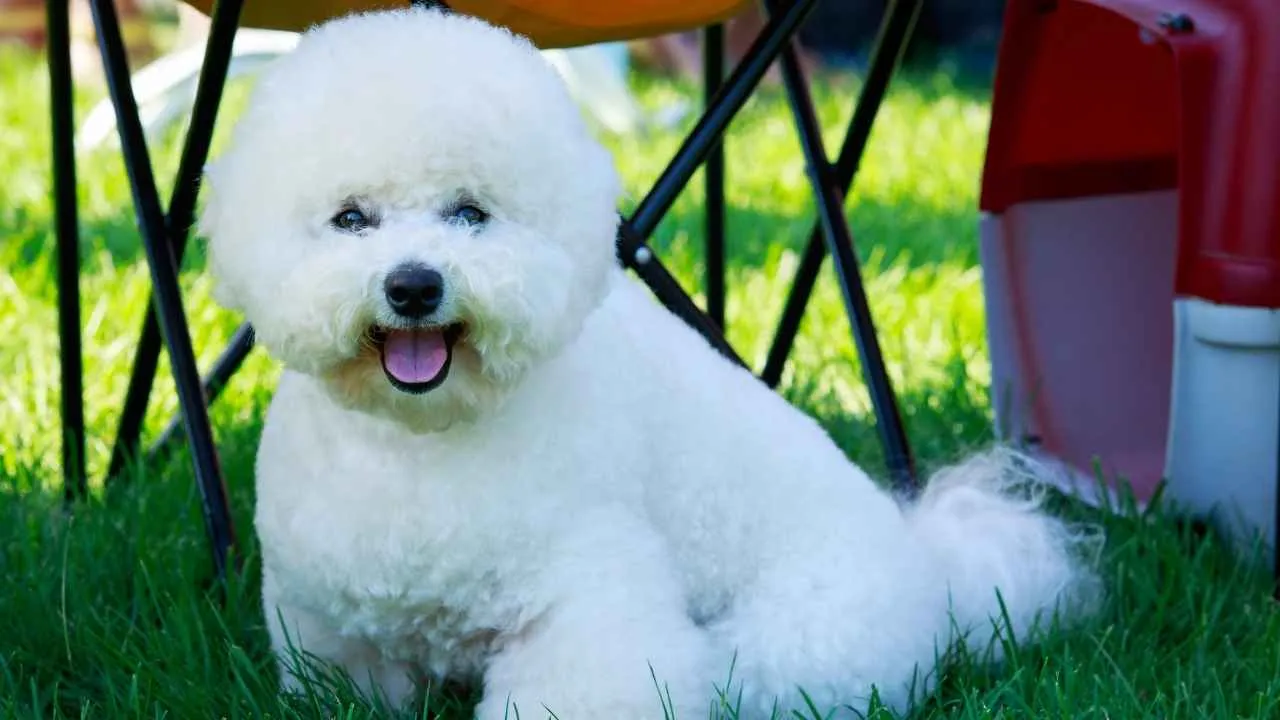
Bichons are like fluffy little clouds that bounce through your child’s world.
Their cheerful disposition makes them perfect play partners for younger kids who enjoy chasing, tag, and soft toy tug-of-war. They thrive when kids involve them in pretend games, like “tea parties” or “doggy adventures,” where the pup is a central character.
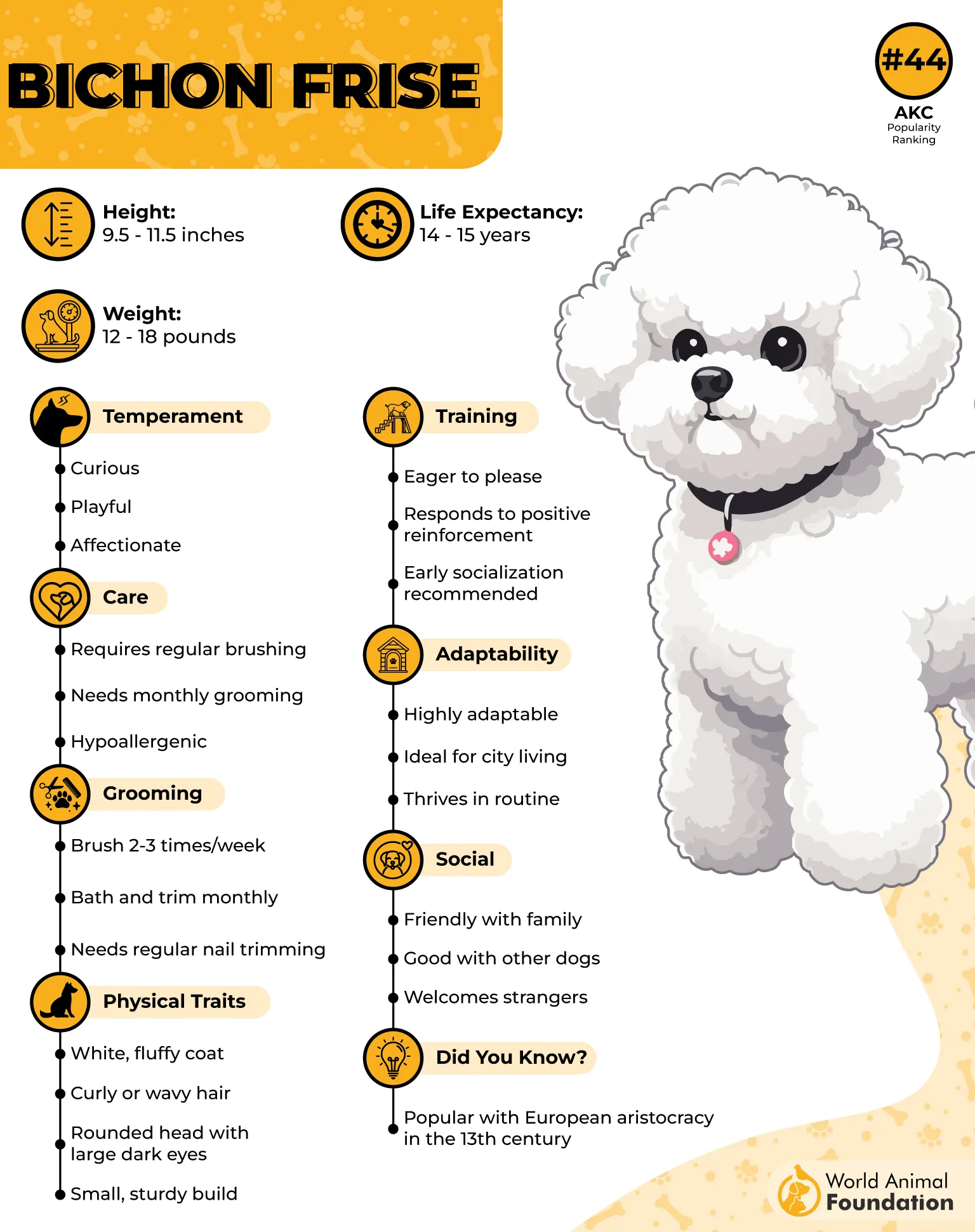
Their intelligence means they can also learn short-trick routines, as noted by the AKC. Children can teach them to roll over, fetch specific toys, or even “dance” on their hind legs, turning every training session into an exciting bonding activity.
Beyond indoor play, these dogs love gentle walks and backyard romps where kids can toss balls, run relay races, or explore small agility setups.
Bichons also have a knack for social play. They enjoy calm cuddle sessions after active play, which is perfect for teaching kids how to balance energetic activities with downtime.
Owner insight: Families often describe their Bichons as “part comedian, part snug-buddy,” showing up at playtime to chase a toy and then snuggling in for storytime. This dual personality keeps children engaged in both active and quiet activities, providing a full spectrum of companionship.
3. Boston Terrier
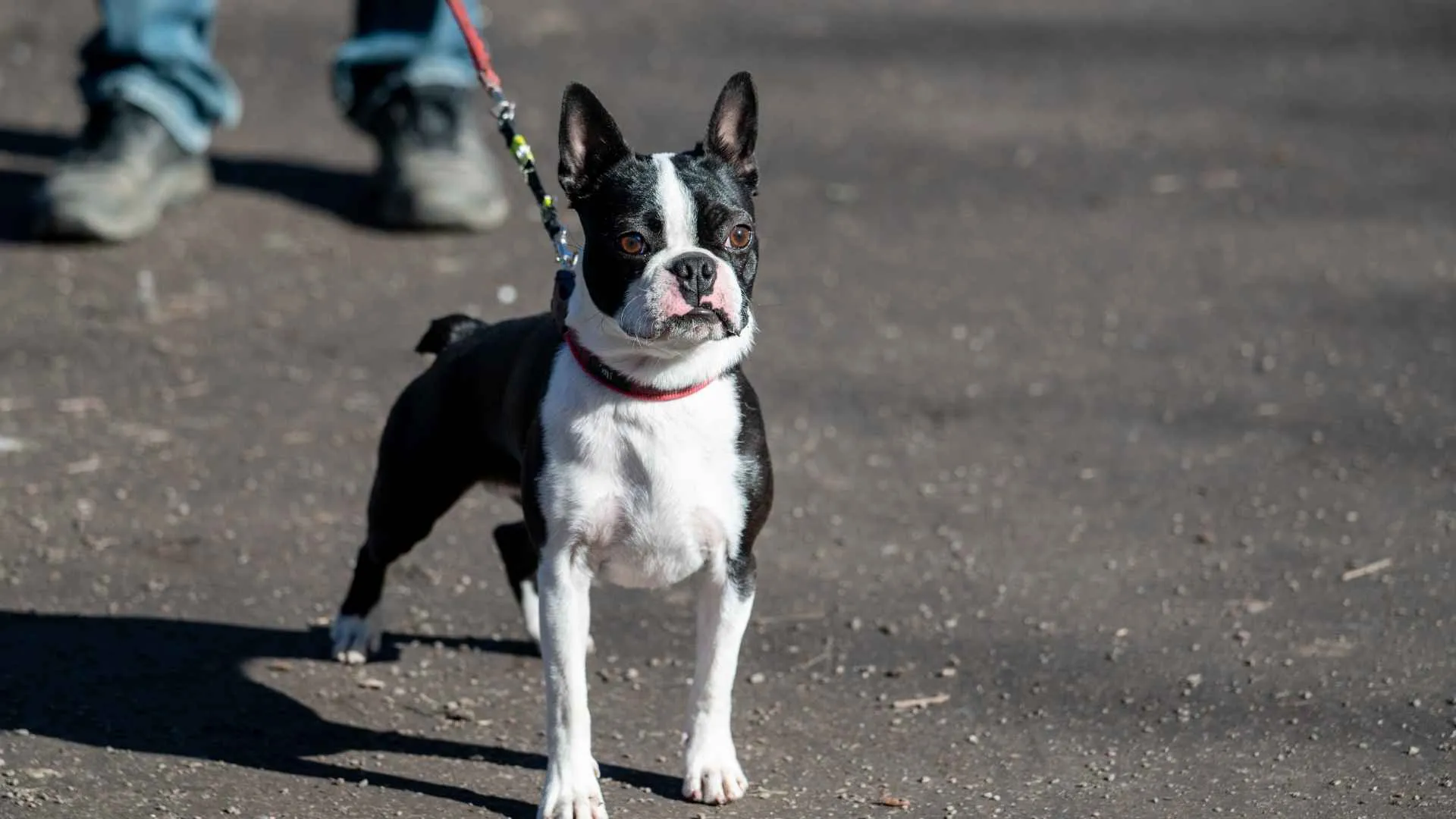
Boston Terriers are little clowns in tuxedos, bringing energy and goofy expressions that make kids laugh nonstop.
They love chasing games indoors, running around small backyard obstacle courses, and participating in fetch marathons with lightweight balls or toys. Their sturdy build makes them perfect for playful wrestling sessions with children—without the risk of injury that might come from more fragile breeds.
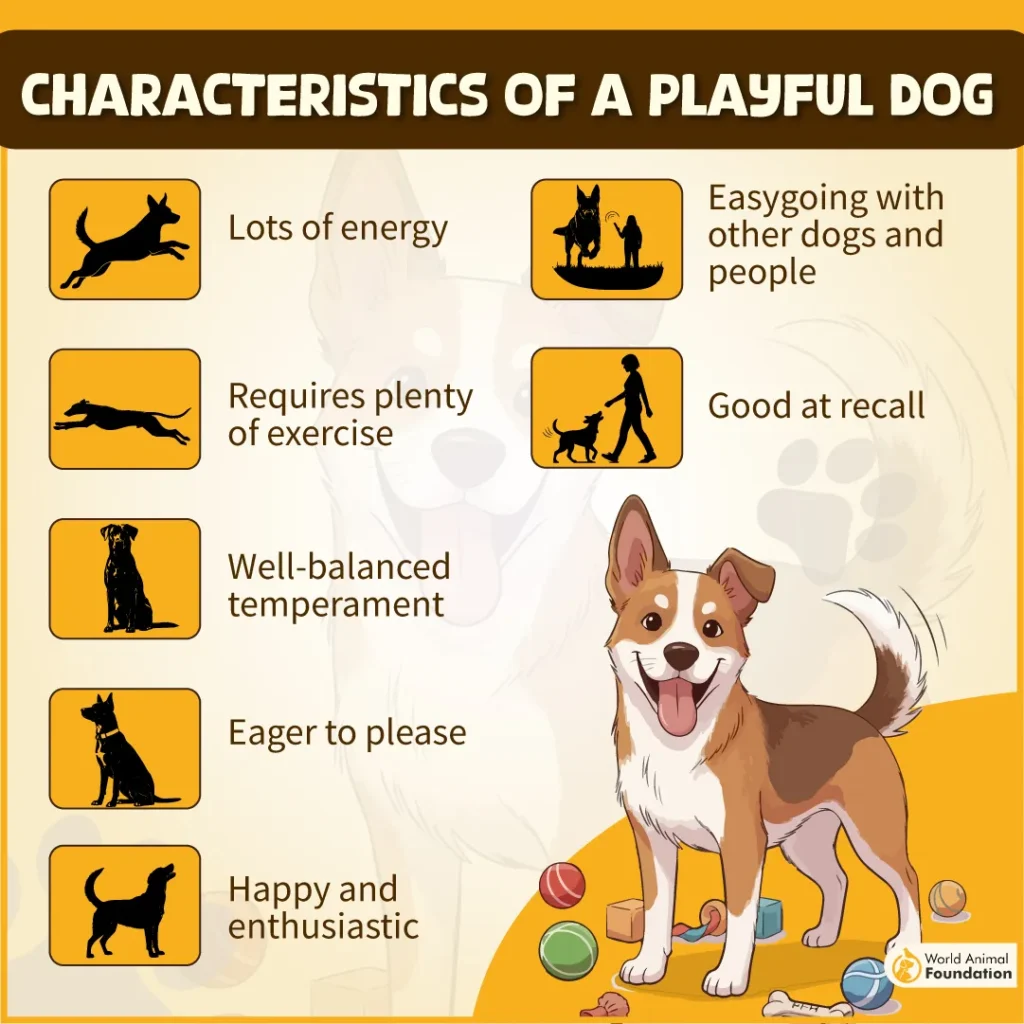
These terriers are quick learners, so kids can create small “training challenges” to teach commands or new tricks. Think of it like gamifying dog training: points for the pup successfully sitting, rolling over, or jumping through a hoop. This teaches children about patience, consistency, and celebrating small wins.
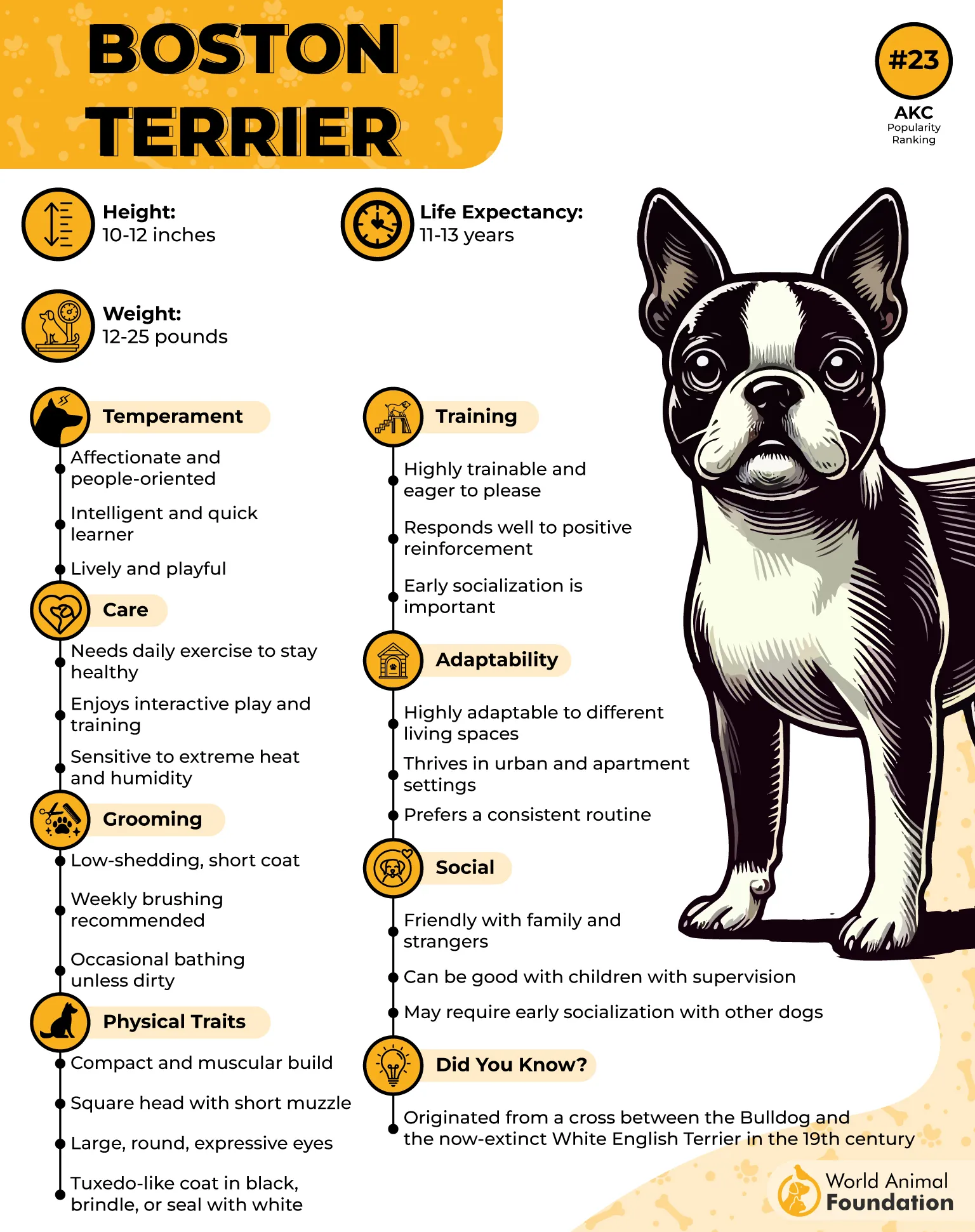
Boston Terriers are also affectionate and social. After high-energy play, kids can spend time grooming, brushing, or learning to understand the dog’s body language.
Parents report that these dogs often “perform” for kids, doing silly spins, head tilts, and even playful barks to show off their intelligence. The result is a playful and mutually rewarding relationship that keeps kids moving, thinking, and laughing.
4. English Toy Spaniel
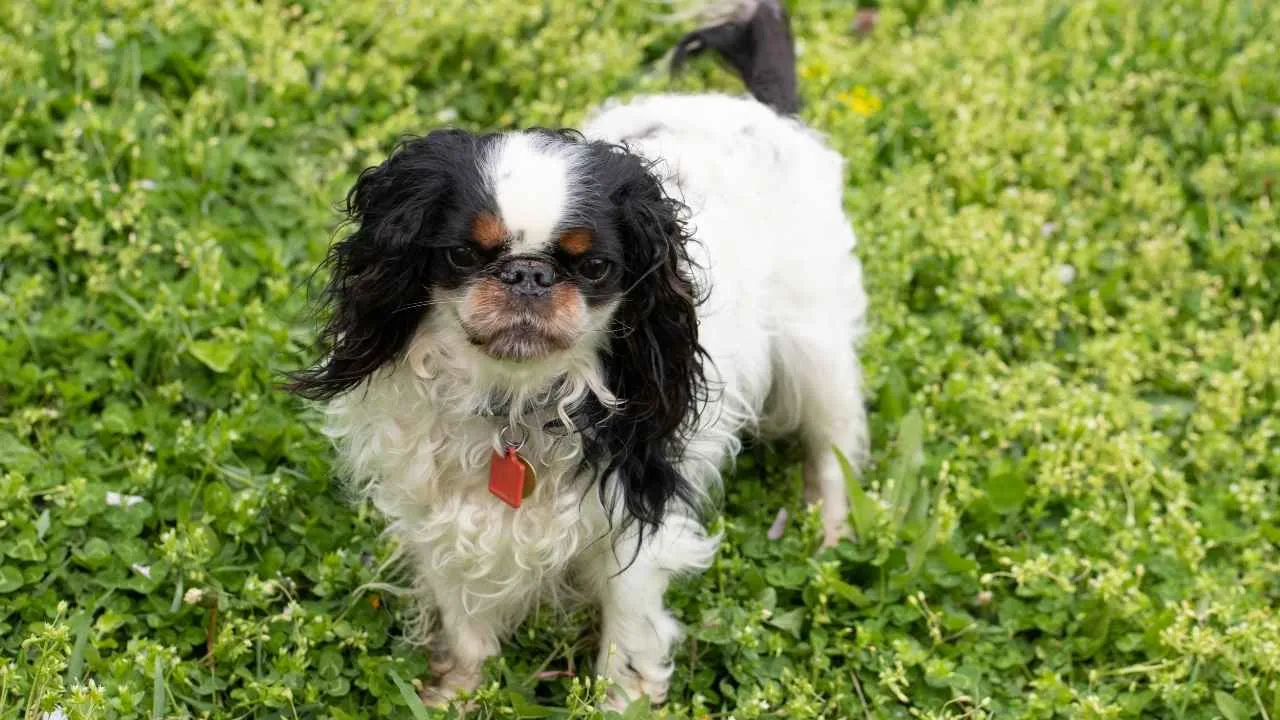
English Toy Spaniels are gentle yet curious, ideal for families with younger children.
Kids can play indoor games like rolling soft balls across the floor, using tunnels or pillows for gentle obstacle courses, or even teaching them to fetch lightweight toys. Their calm demeanor is perfect for supervised play with toddlers, helping teach patience, empathy, and gentle touch.
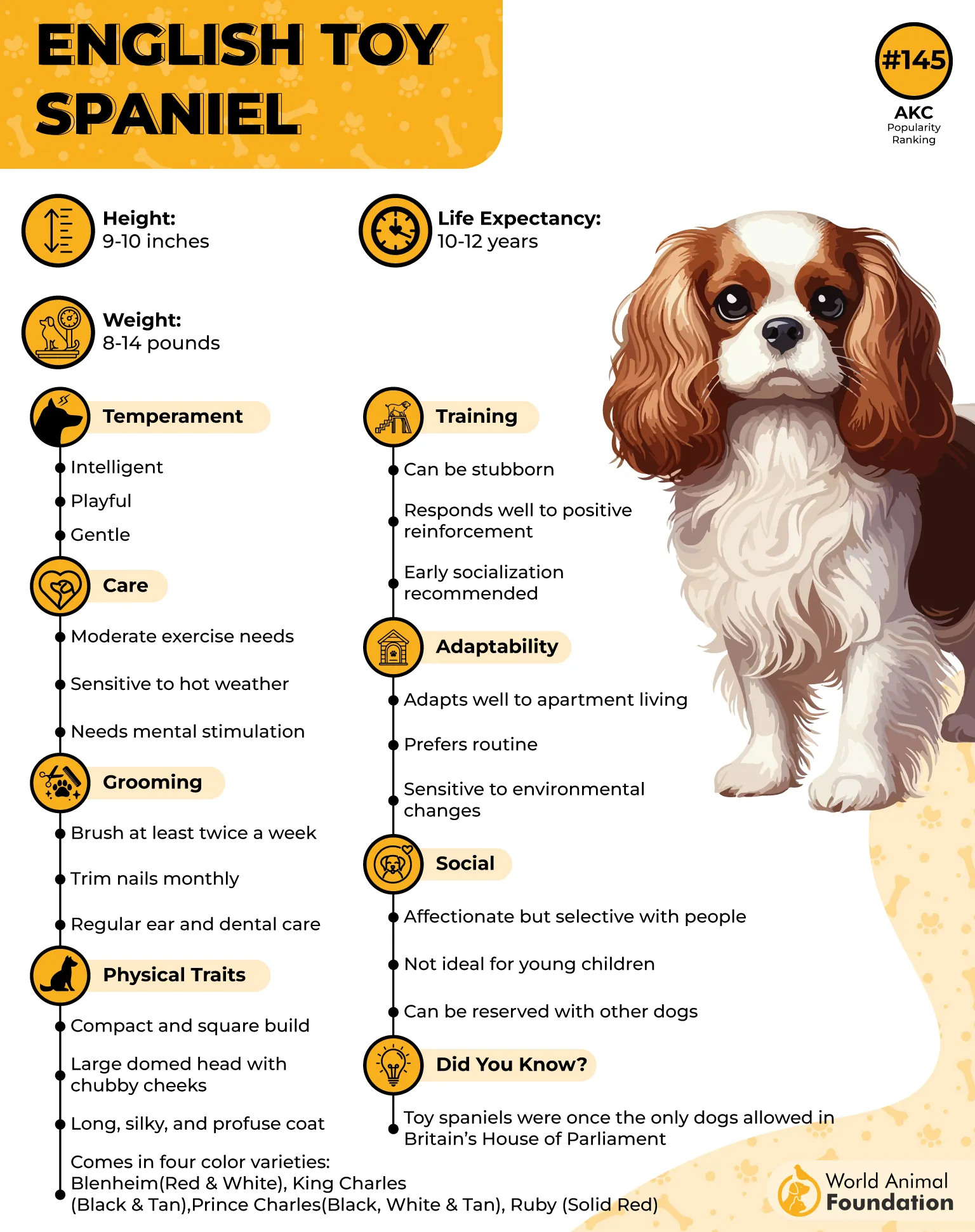
Spaniels thrive on social interaction, says PetMD, so storytime or homework breaks can be enhanced by having the dog nearby. Kids can brush their silky coat, practice gentle handling, and enjoy quiet bonding sessions, which foster responsibility without feeling like a chore.
Despite its calm nature, this easy-to-train breed has playful bursts that delight children—often joining in with tail wags and nips at toys.
Owners share that these family dogs often become “mini therapy dogs” for their children, calming pre-bedtime anxieties and even helping during solo play sessions. The Spaniel’s versatility means kids can enjoy both active games and calm companionship, providing a well-rounded relationship with their pet.
5. Poodle (Toy)
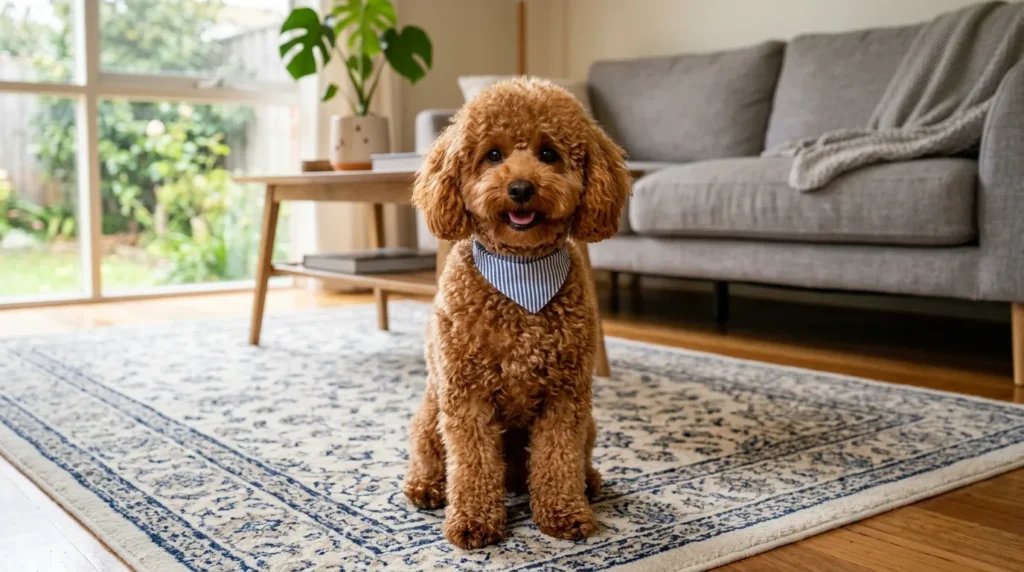
Toy Poodles are like the brainiacs of the small dog world—they are clever, agile, and endlessly entertaining.
Kids can engage them in brain games such as hiding treats around the room, teaching them tricks like “high five” or “fetch your slippers,” and even setting up mini agility courses using chairs, pillows, and tunnels.
Their intelligence thrives on interactive play, giving children an outlet to teach, strategize, and cheer for their furry friend.
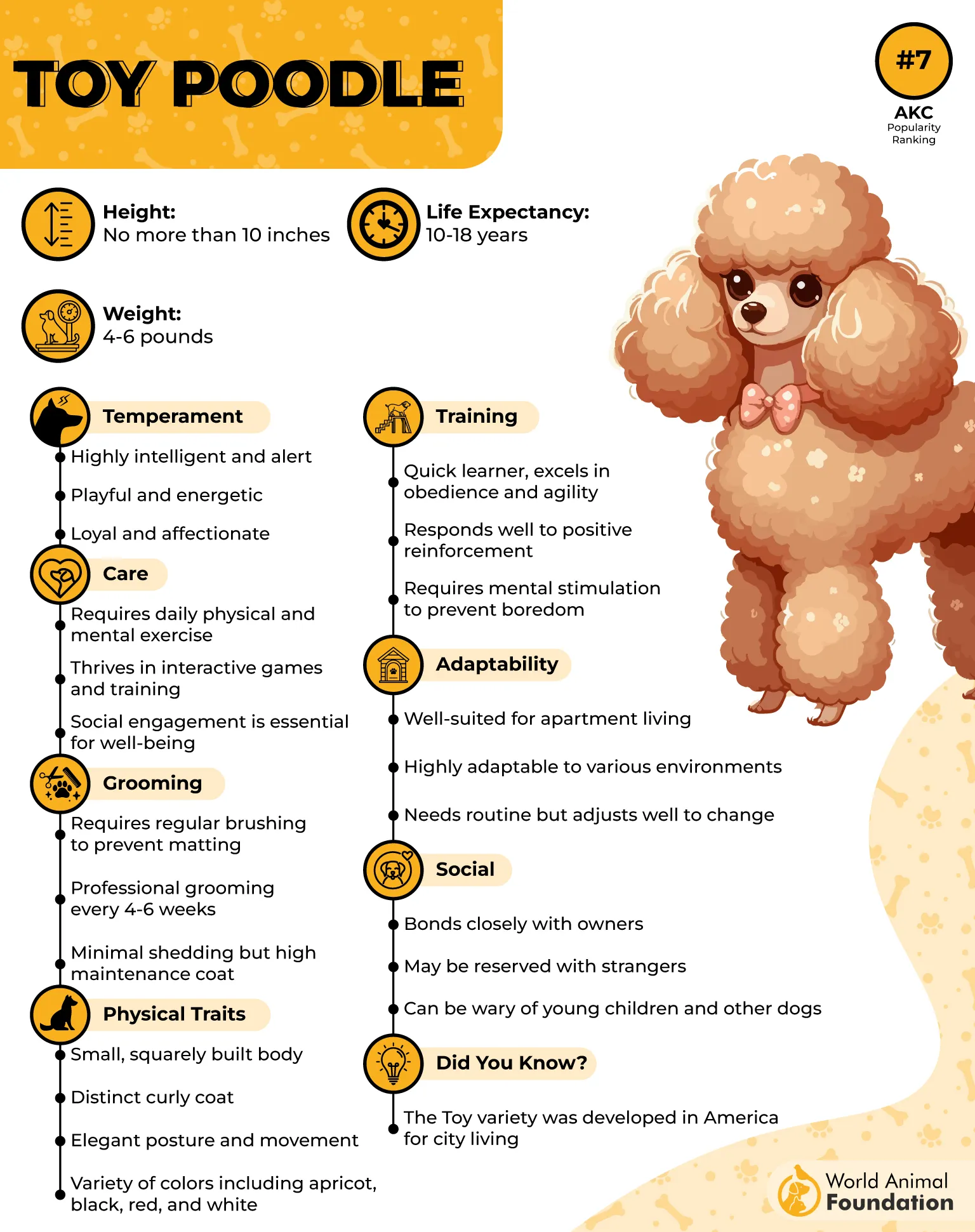
These fiercely loyal dogs also love outdoor play. Running tag, fetch, and short backyard obstacle races are perfect ways for kids to burn off energy together with their pup. Beyond play, grooming becomes a daily ritual that teaches kids responsibility and attentiveness.
They quickly learn to brush, clean ears, and care for their pup’s coat, strengthening their bond and teaching empathy.
Real owner insight: Many families say that their Toy Poodles are like “tiny coaches,” motivating children to stay active and engaged, while also providing comfort and affection during downtime.
Just make sure to keep them close, as they tend to develop separation anxiety pretty fast!
Their playful personality keeps kids entertained while teaching valuable life skills like patience, kindness, and teamwork.
6. Havanese
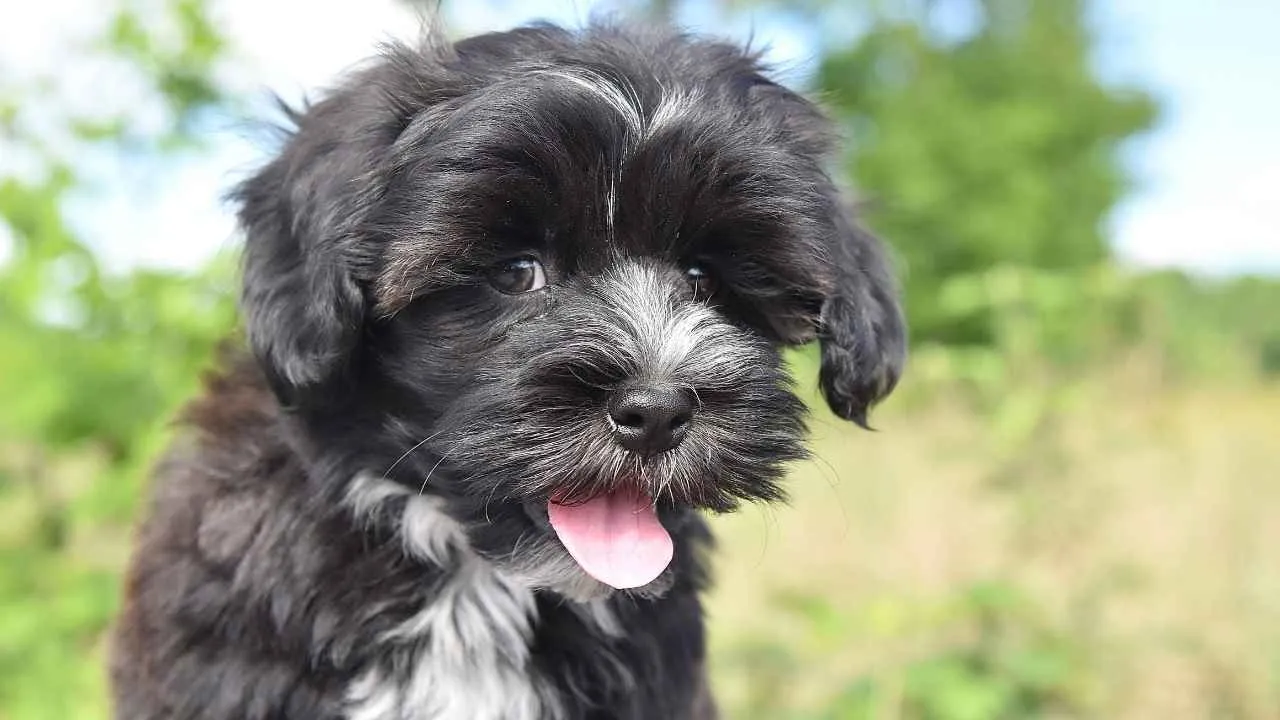
Havanese dogs are like a living sunshine machine—they are happy, bouncy, and endlessly curious.
Kids can play interactive games such as fetch with soft toys, hide-and-seek around furniture, or even create small backyard obstacle courses using cones, tunnels, or hoops. Their social and affectionate nature ensures they are always eager to participate.
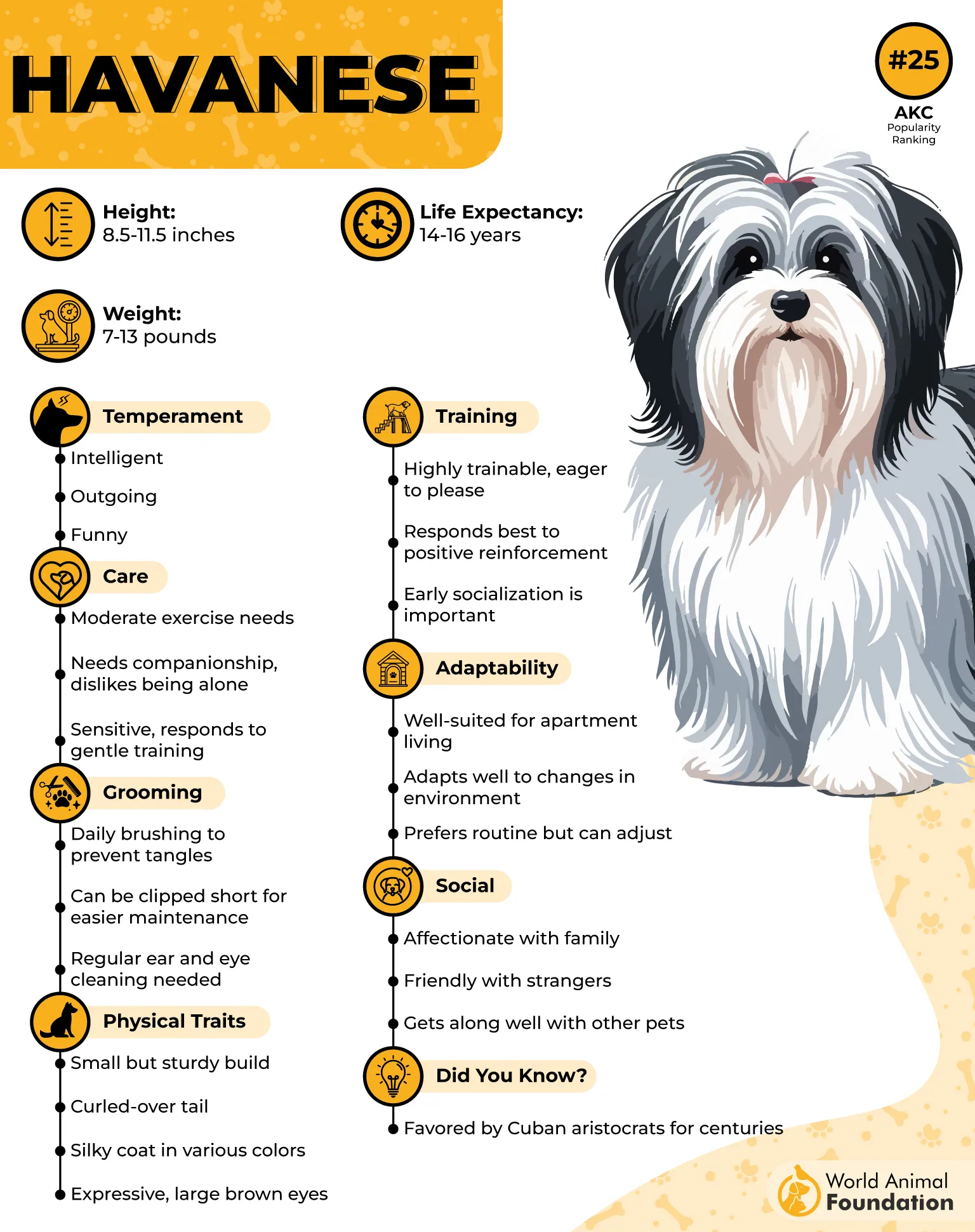
These even-tempered dogs also enjoy imaginative play, such as pretend tea parties or dress-up games, where the dog becomes a character in the story. They are highly adaptable and can adjust their energy to match the child’s mood—calm and snuggly after school or playful during a weekend backyard adventure.
Purina reports that they are expert companions for siblings—they can keep up with multiple children of active families at once and often mediate minor disagreements through sheer joy and attention.
These apartment-living dogs easily integrate into a new family’s lifestyle and mingle with other pets quickly!
Their versatile energy levels mean families with kids learn to balance active and calm moments, creating a harmonious environment for both the dog and the family.
7. Border Terrier
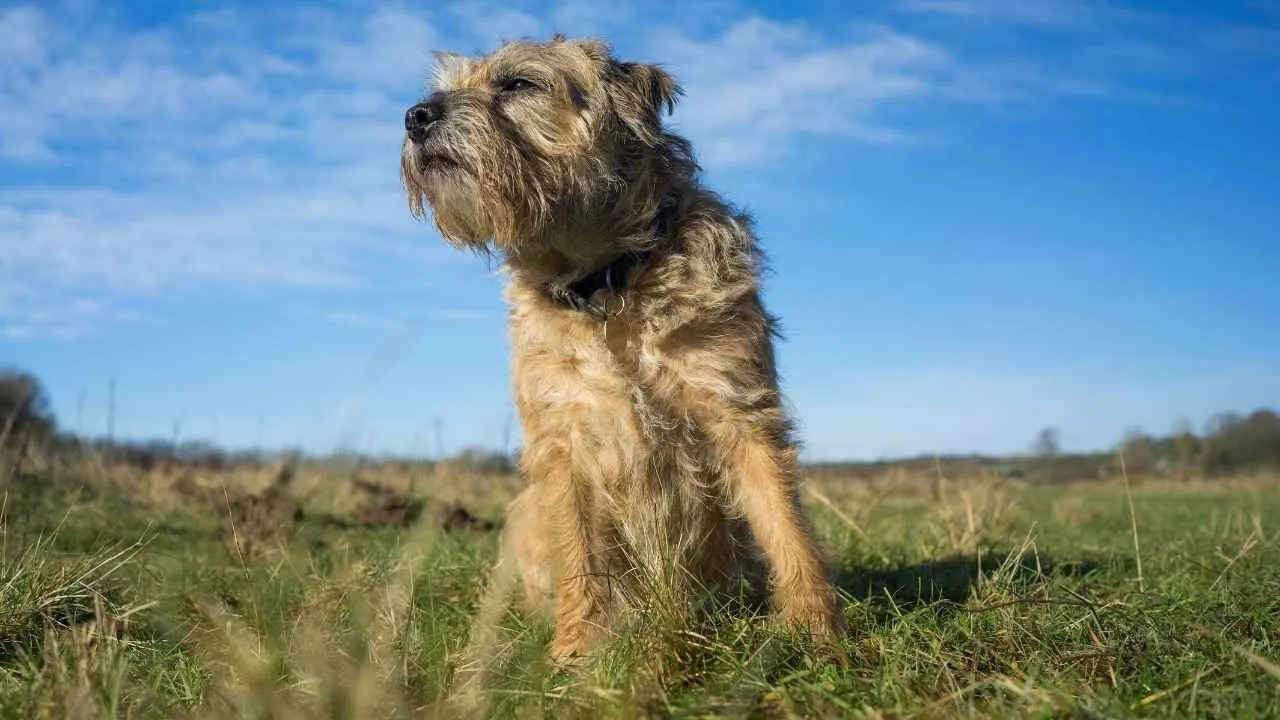
Border Terriers are small, spunky, and full of life. They love to chase, dig, and explore, which makes them perfect for backyard adventures, hiking trips, or obstacle courses created by children.
Their boundless energy and curiosity inspire kids to be inventive in play, often turning ordinary spaces into imaginative adventure zones.
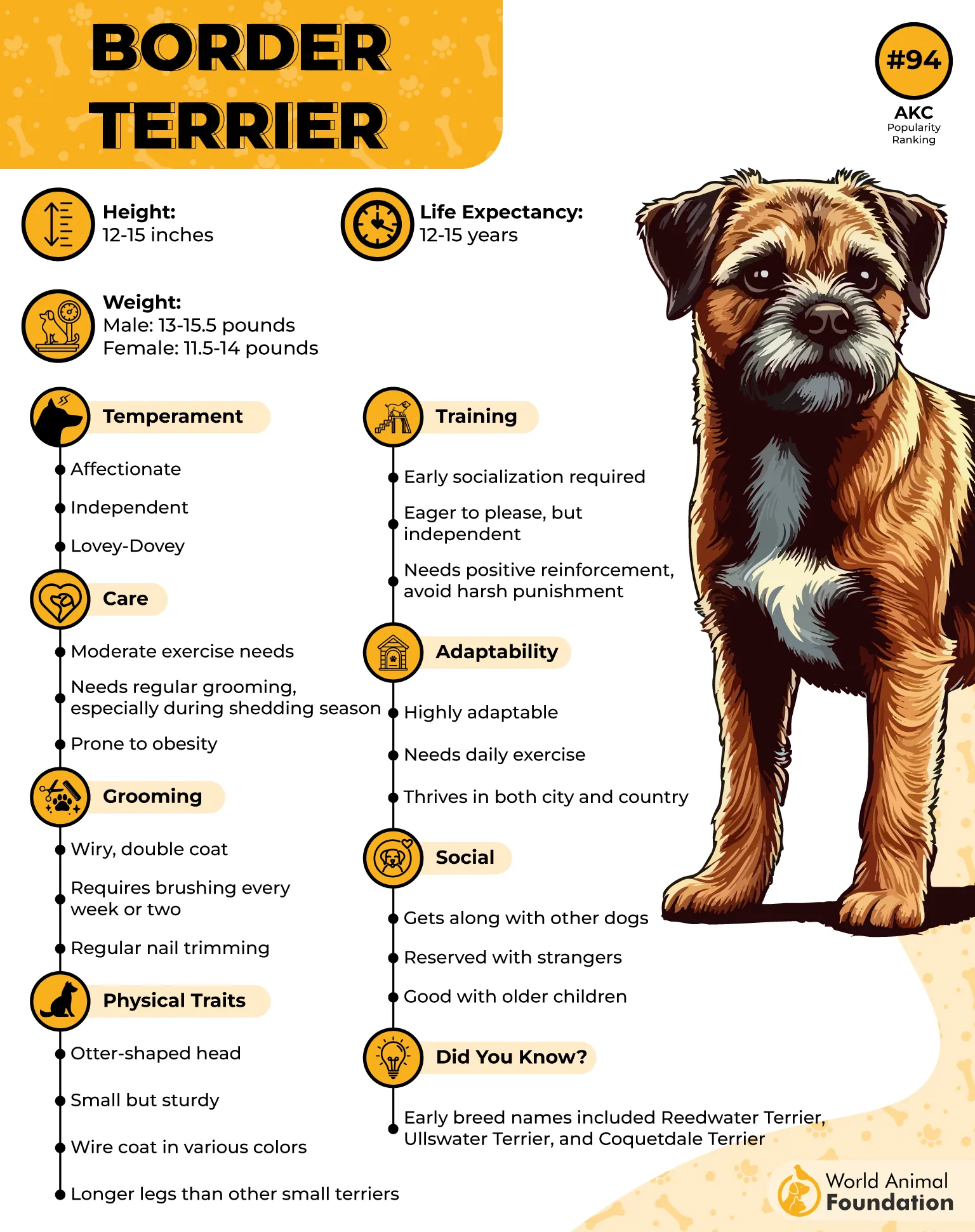
Some of the best dog breeds are easy to train, so kids can work together to teach tricks, practice recall commands, or participate in fun competitions with rewards like small treats or praise. Their playful personality encourages physical activity, problem-solving, and teamwork.
Children can also enjoy puzzle toys, hiding snacks, and creating games that stimulate both mind and body.
Owners frequently describe their Border Terriers as “endless energy in a small body.” They’re loyal, attentive, and affectionate, often acting as a tiny companion during both playtime and quieter moments, such as reading or snack breaks.
Border Terriers’ combination of energy, intelligence, and affection makes them an ideal partner for children who want an active, engaging, and loving pup.
Conclusion
Small dogs can bring big joy into a child’s life. From the fearless Yorkshire Terrier to the playful and loyal Border Terrier, these breeds are full of energy, personality, and affection. They teach kids responsibility, empathy, and patience while providing endless fun and companionship.
Whether it’s teaching tricks, creating backyard obstacle courses, playing hide-and-seek, or simply snuggling after a long day, each breed has a unique way of bonding with kids.
Cavalier King Charles Spaniel, French Bulldog, West Highland White Terrier, Shih Tzu, Miniature Schnauzer, Jack Russell Terrier, Cairn Terrier, Miniature Pinscher, and Italian Greyhound are also some great dogs for kids.
Interactive play, combined with gentle handling and consistent attention, creates a lifelong partnership between child and dog. These small breeds may be tiny in size, but they have huge hearts and limitless energy, proving that the best companions come in small, playful packages.
The laughter, lessons, and love these dogs bring are invaluable additions to any family.
