




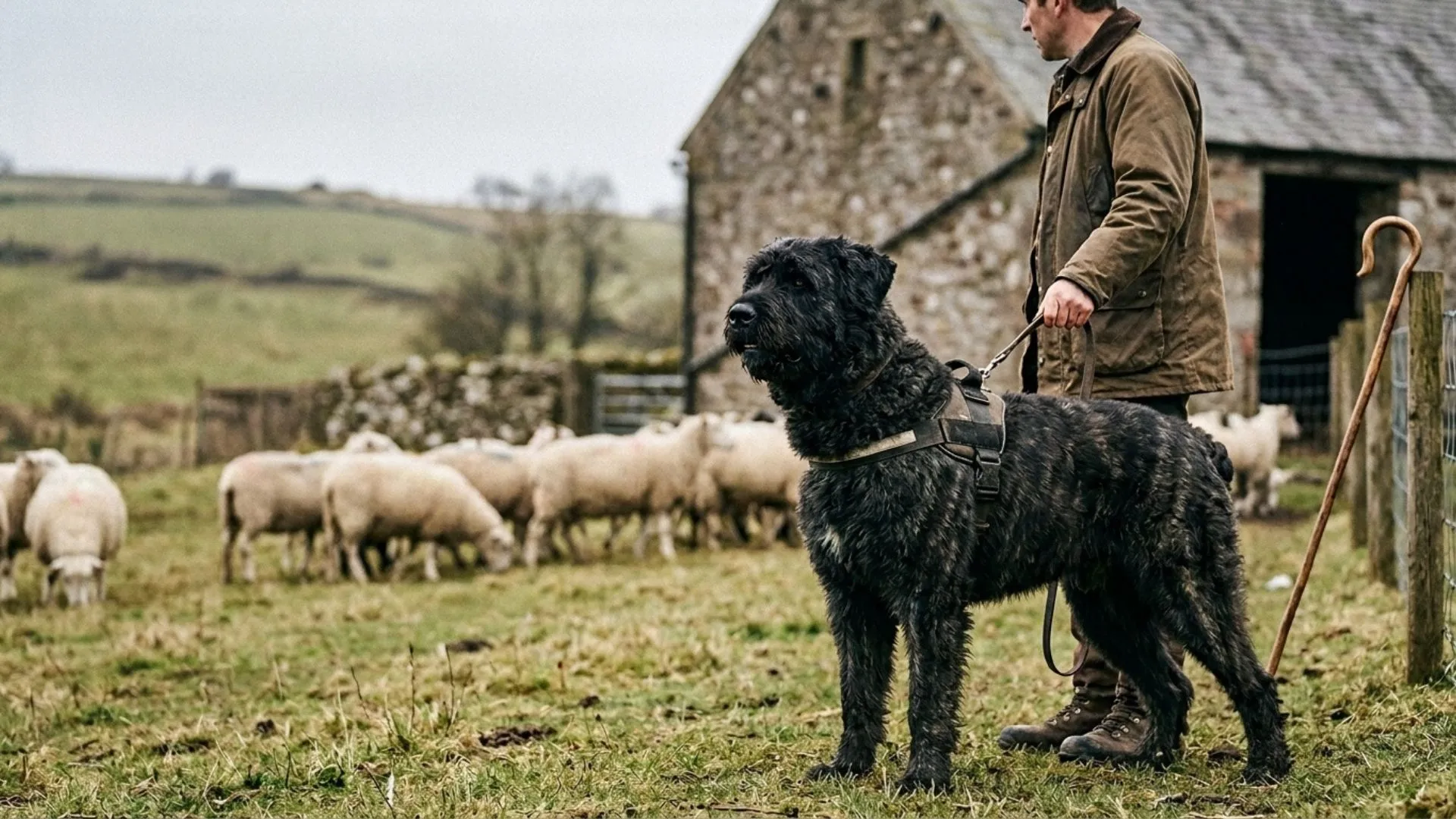
Many people assume a good protection dog only needs to look intimidating. Size, deep barking, and physical strength usually get most of the attention.
In reality, the dogs that excel at protection and herding offer far more than appearance alone. Their real advantage comes from awareness, discipline, and the ability to stay focused under pressure. A dog with strong working instincts pays attention constantly, reacts with purpose, and learns responsibilities with surprising precision.
That is exactly why herding and protection breeds have remained valuable for generations rather than fading with popularity trends. They were developed to think, respond, and work closely alongside humans in demanding situations. Because of that, they often form intense loyalty toward their families while remaining highly alert around unfamiliar activity.
Up ahead are powerhouse dog breeds known for intelligence, courage, endurance, protective instincts, and remarkable working ability, which continues to make them respected around the world today.
Key Takeaways
Loyalty means more when a dog protects livestock outdoors and stays gentle with family indoors.
The Anatolian Shepherd Dog built that reputation across rugged land where quick judgment mattered more than noise or aggression.
Breeds like the Bergamasco Sheepdog and Great Pyrenees were shaped by real work for generations, carrying instincts that still show in the way they watch, protect, and respond today.
The deeper you get into these seven breeds, the easier it becomes to understand why working dogs continue to earn respect around the world.
Powerhouse Dog Breeds Ideal for Protection and Herding
1. Anatolian Shepherd Dog
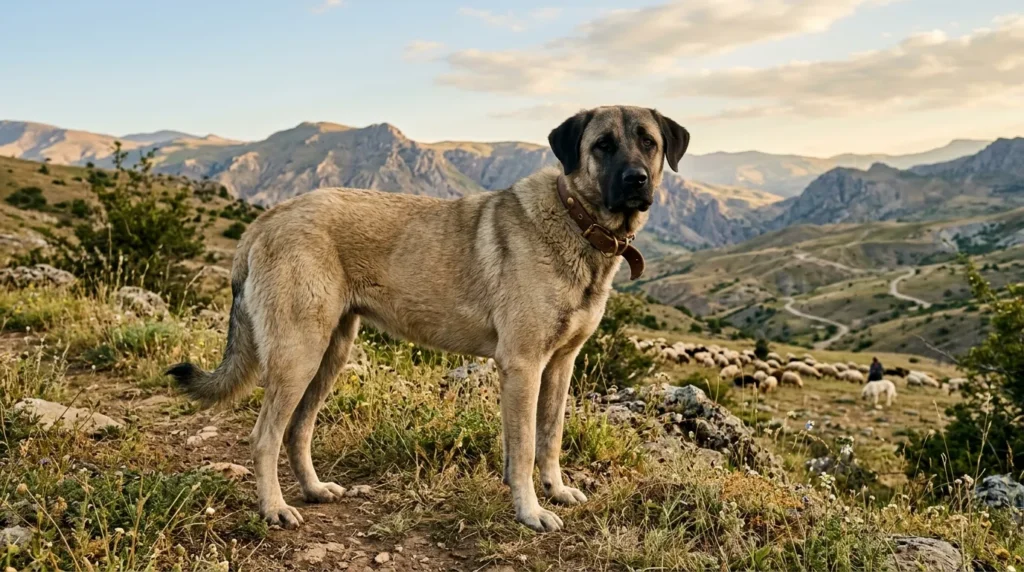
The Anatolian Shepherd Dog breed originated from some of the oldest domestic canine lines, shaped across harsh lands where survival depended on endurance and judgment, as per PetMD. Its imposing frame and heavily muscled body reflect a guardian built for confronting predators directly.
Guardian instincts
As livestock guardian dogs, they approach protection with territorial awareness and measured patience, guarding livestock, smaller animals, and family members with equal seriousness. Its reactions rely more on assessment than noise or restless behavior.
That instinct appears through working traits such as:
Broad territorial awareness around the property
Strong response toward perceived threats
Calm interaction within familiar groups
Power with agility
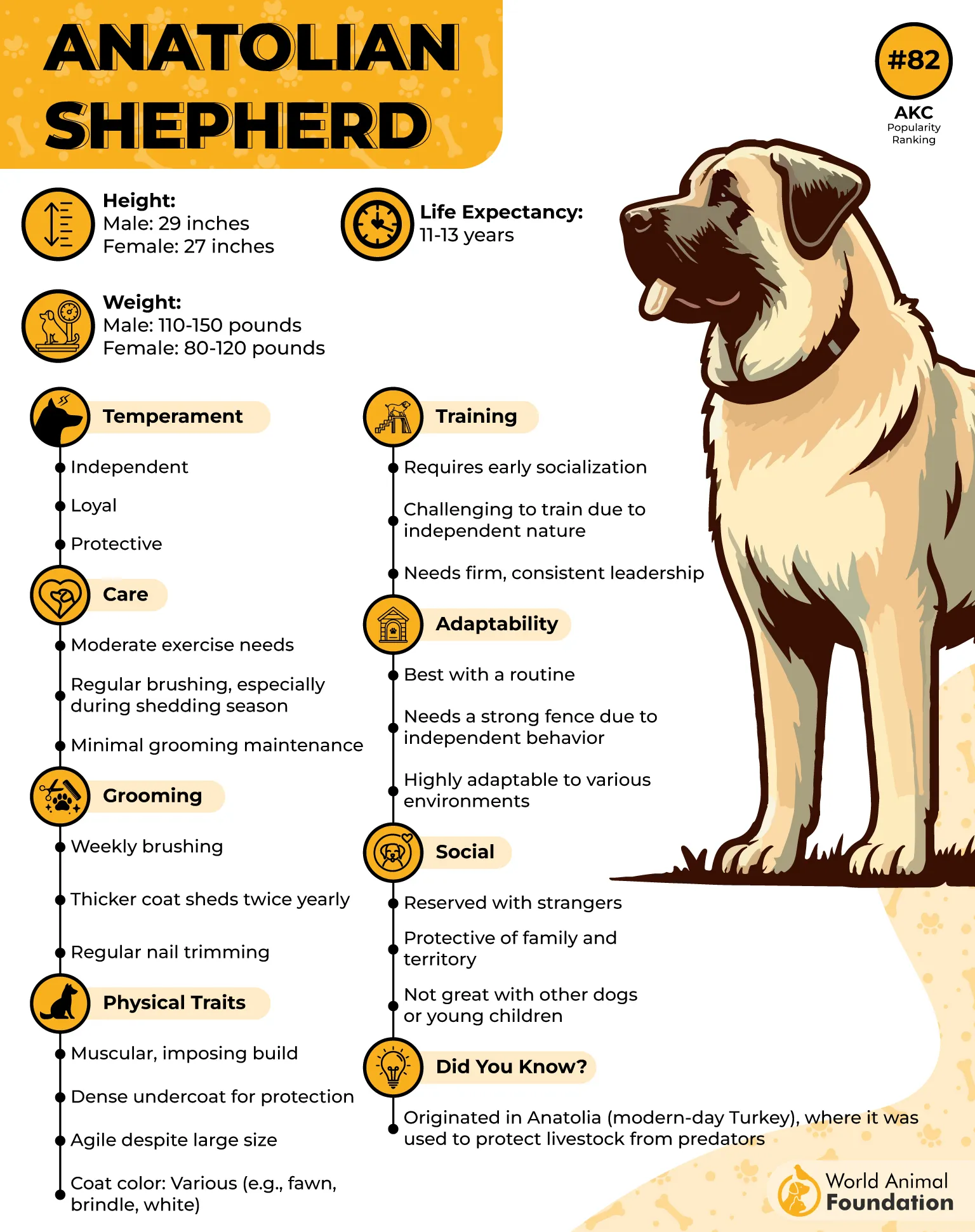
They combine physical mass with nimble footwork, allowing them to navigate rough terrain without losing control or balance.
Harsh weather and isolated landscapes shaped a dog capable of long outdoor responsibility. A tall, secure fence and leash control remain essential because of its independent decision-making.
2. Bergamasco Sheepdog
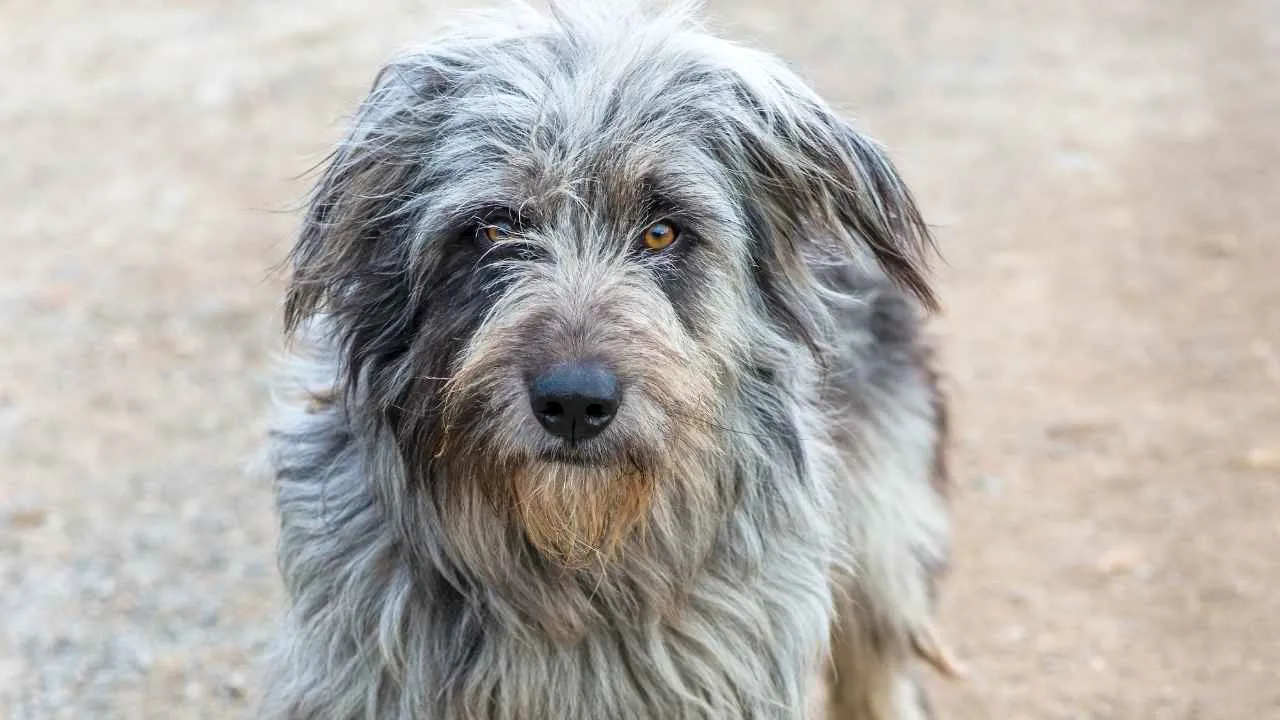
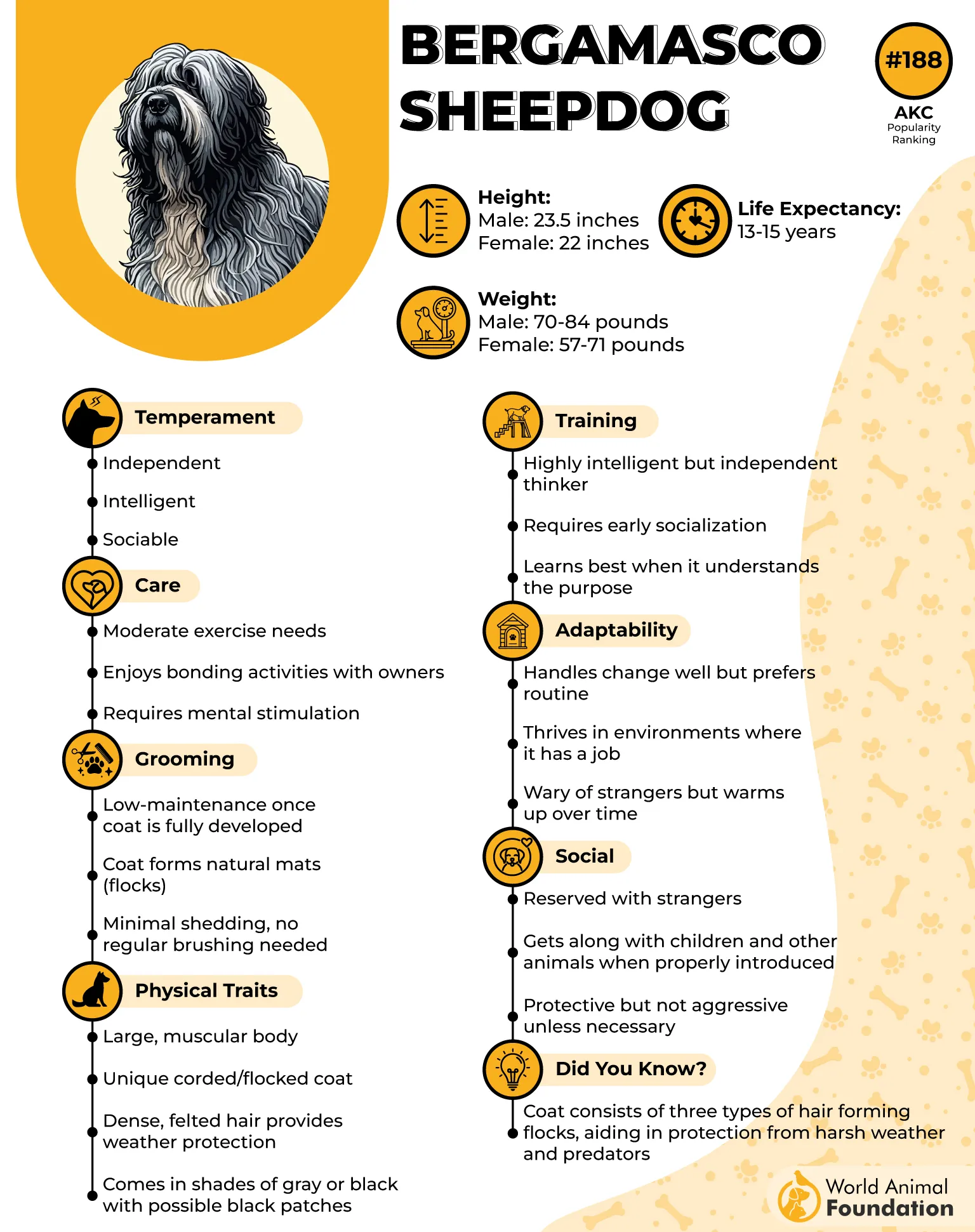
Bergamasco Sheepdog worked alongside nomadic shepherds long before modern herding systems existed, guiding livestock across harsh mountain regions with little direction. In Switzerland and Italy, the breed still handles sheep and cattle through instinctive decision-making.
Coat with purpose
According to the American Kennel Club (AKC), three distinct hair textures weave together into dense flocks that shield the breed from freezing alpine weather and predators. Beneath that unusual coat sits a muscular shepherd built for endurance and control.
Several details shape this rugged worker:
Naturally forming protective flocks
Broad, muscular working frame
Strong instinct for unaided herding
Calm around family
Bergamascos settle easily into family life, responding warmly to children and other animals without losing their alert nature.
Their patience feels measured rather than passive, especially when unfamiliar people enter the environment. Proper introductions matter because the breed studies situations carefully before accepting them.
3. Bouvier Des Flandres
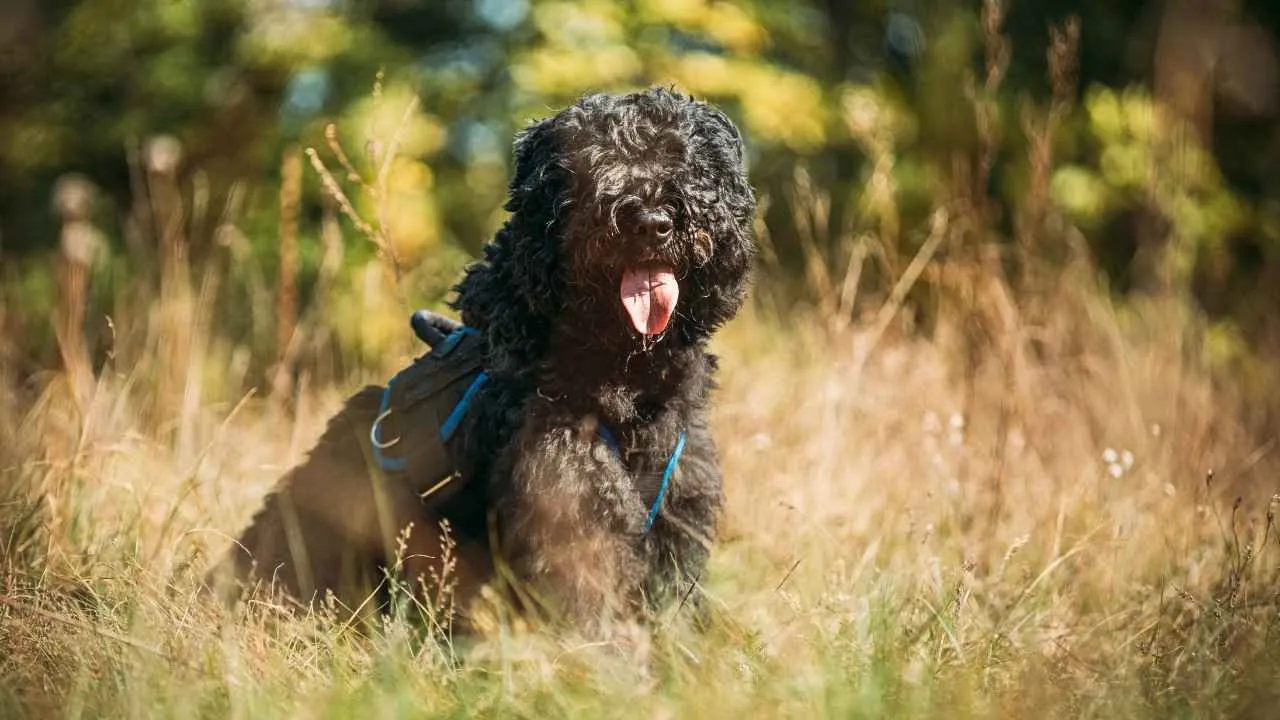
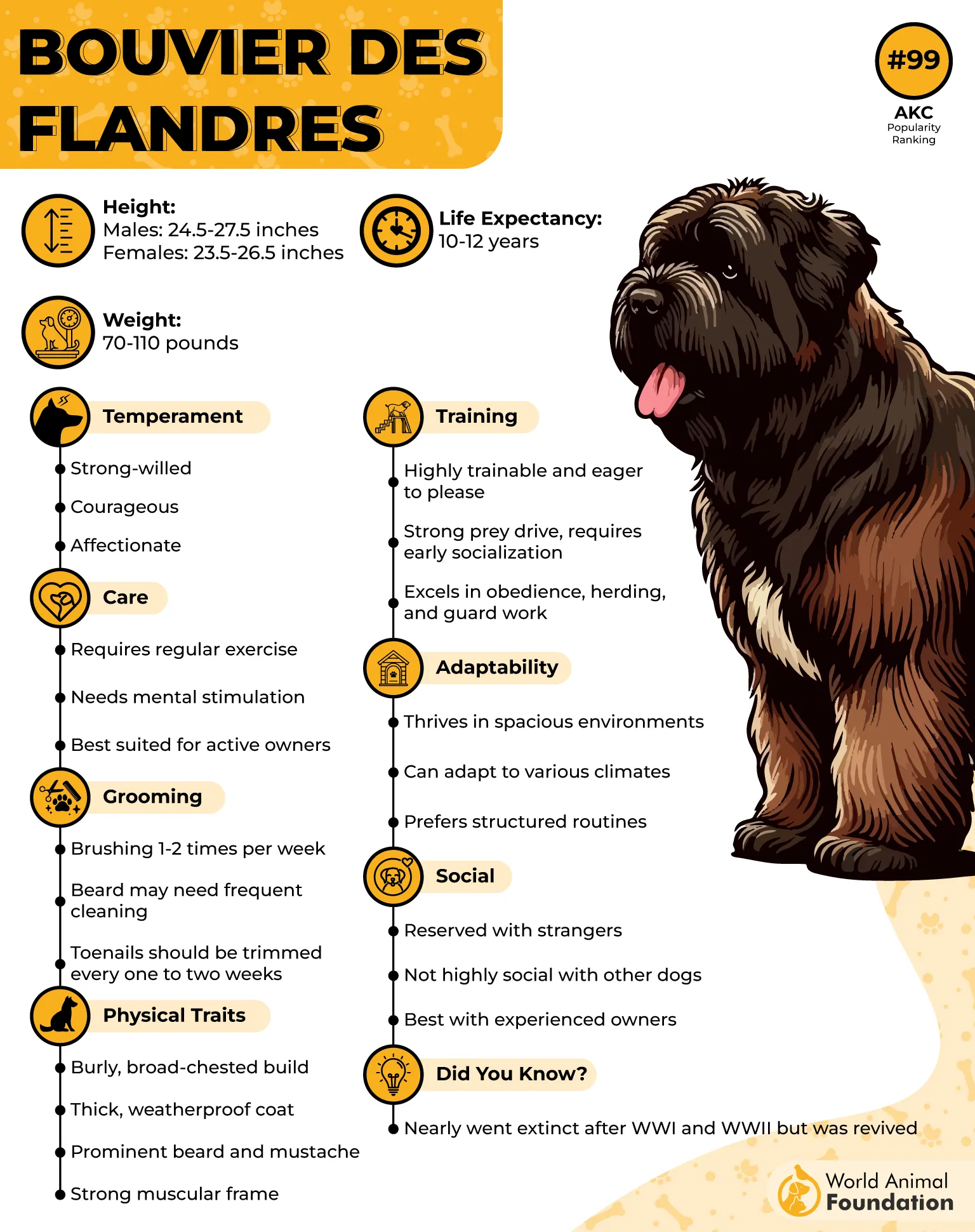
Bouvier des Flandres entered farm life as a cattle driver and cart-pulling dog, handling heavy milk loads across demanding rural terrain. Its large frame and physical force came from practical labor rather than appearance alone. Herding work shaped a dog built for pressure, endurance, and direction.
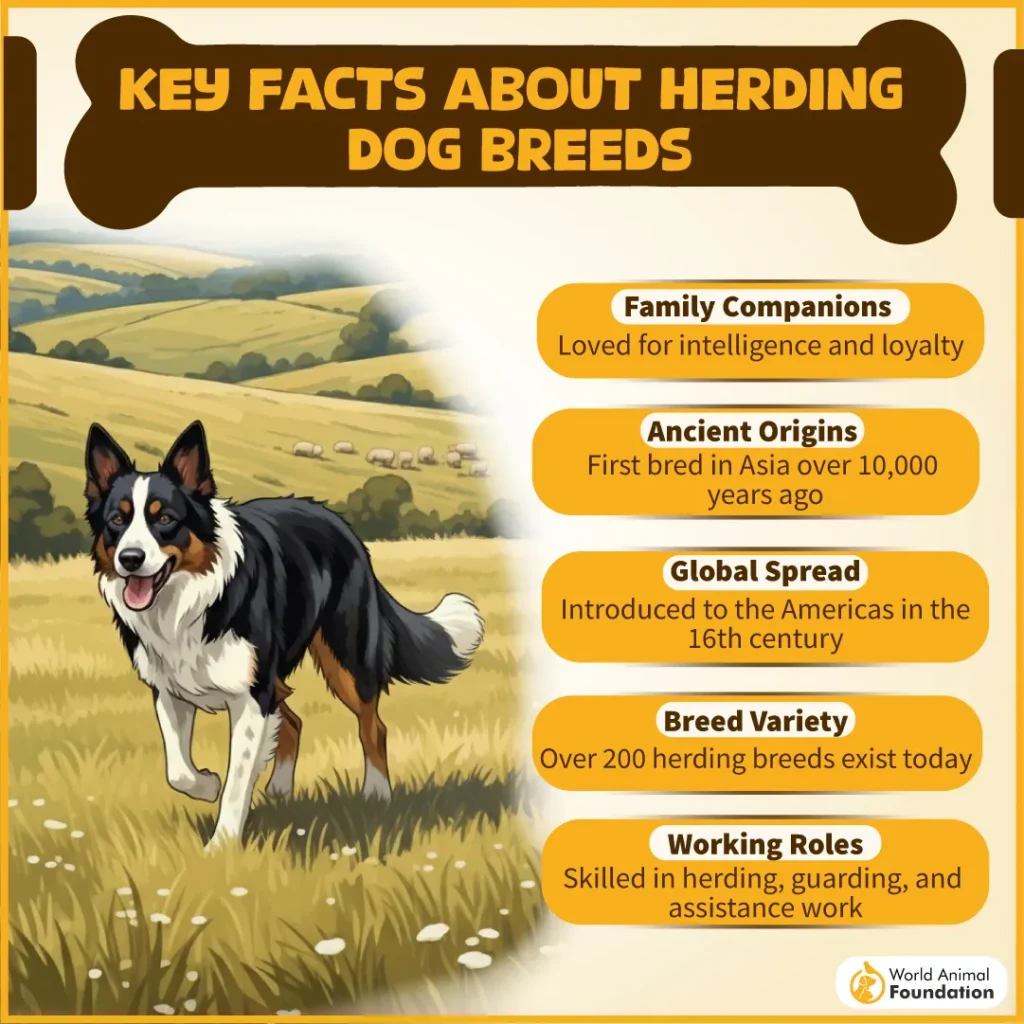
Energy tied to responsibility
This herding dog responds best when daily activity includes structured tasks that engage both body and focus. Without enough engagement, its intelligence and energy often shift toward destructive habits indoors.
That working nature appears through routines such as:
Herding trials and obedience work
Long-distance hiking and running
Tracking across outdoor terrain
Guidance during early development
Bouvier des Flandres learns through firm and consistent instruction, particularly during puppyhood when behavior patterns form quickly. Its strong-willed nature requires boundaries that remain clear from the beginning. Early exposure to people and pets shapes how calmly it responds in social settings.
4. Maremma Sheepdog
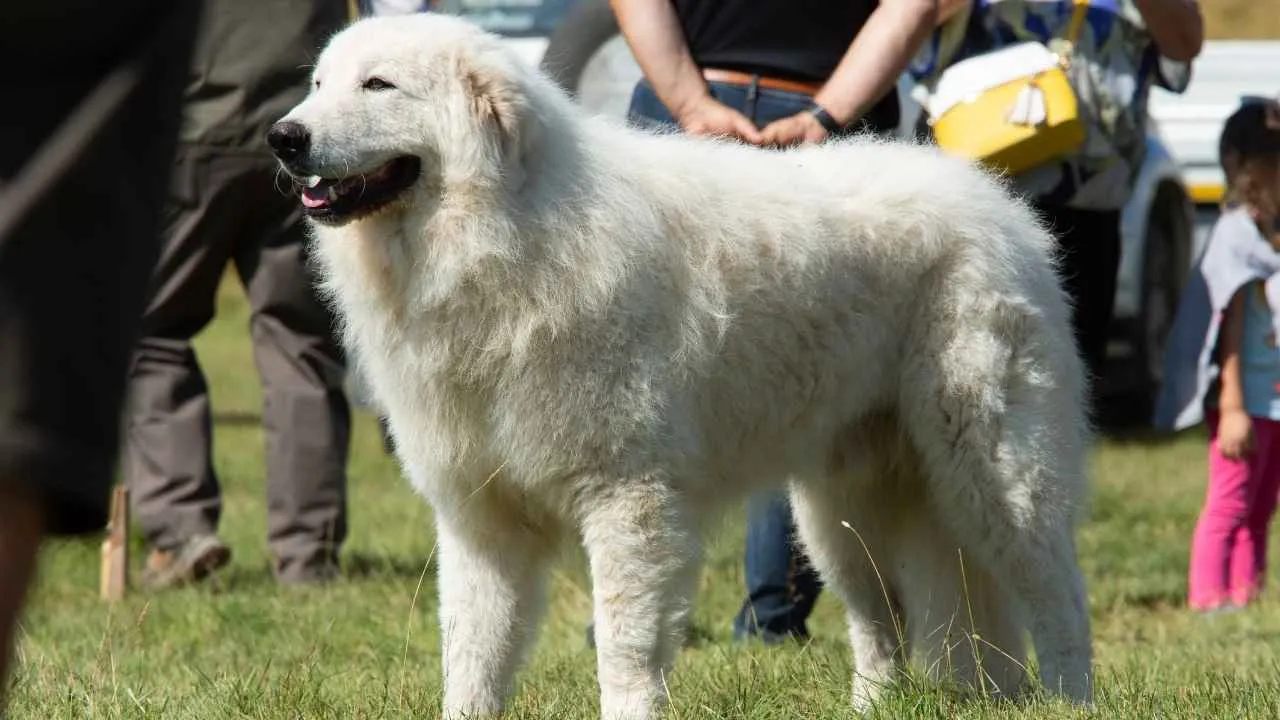
Maremma Sheepdog spent centuries beside Italian shepherds, guarding flocks against wolves across the rugged Abruzzo countryside, as Omlet describes.
It’s calm patience around family contrasts with the constant vigilance directed toward unfamiliar activity. Even after thousands of years, this breed still works farms where predators remain a daily threat.
Protection with purpose
They watch everything within their space, whether sheep, chickens, goats, or children playing nearby. Its alert nature rarely switches off, especially when unfamiliar people approach the property.
A few traits shape this constant awareness:
Deep territorial instinct
Loud warning bark
Independent decision-making
Always observing
Maremma Sheepdog often studies strangers carefully, even during calm household moments, quietly assessing changes around the home. Early social exposure helps, though the breed naturally approaches unfamiliar situations with caution rather than instant acceptance.
5. Pyrenean Shepherd
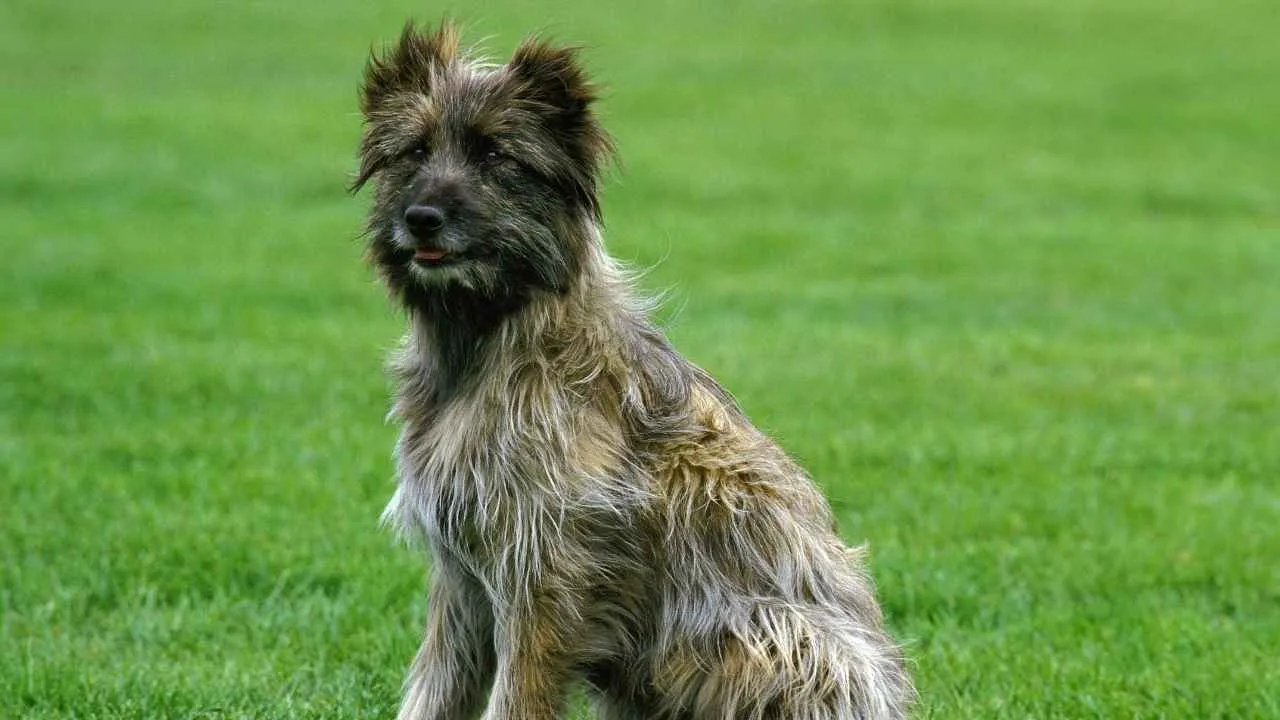
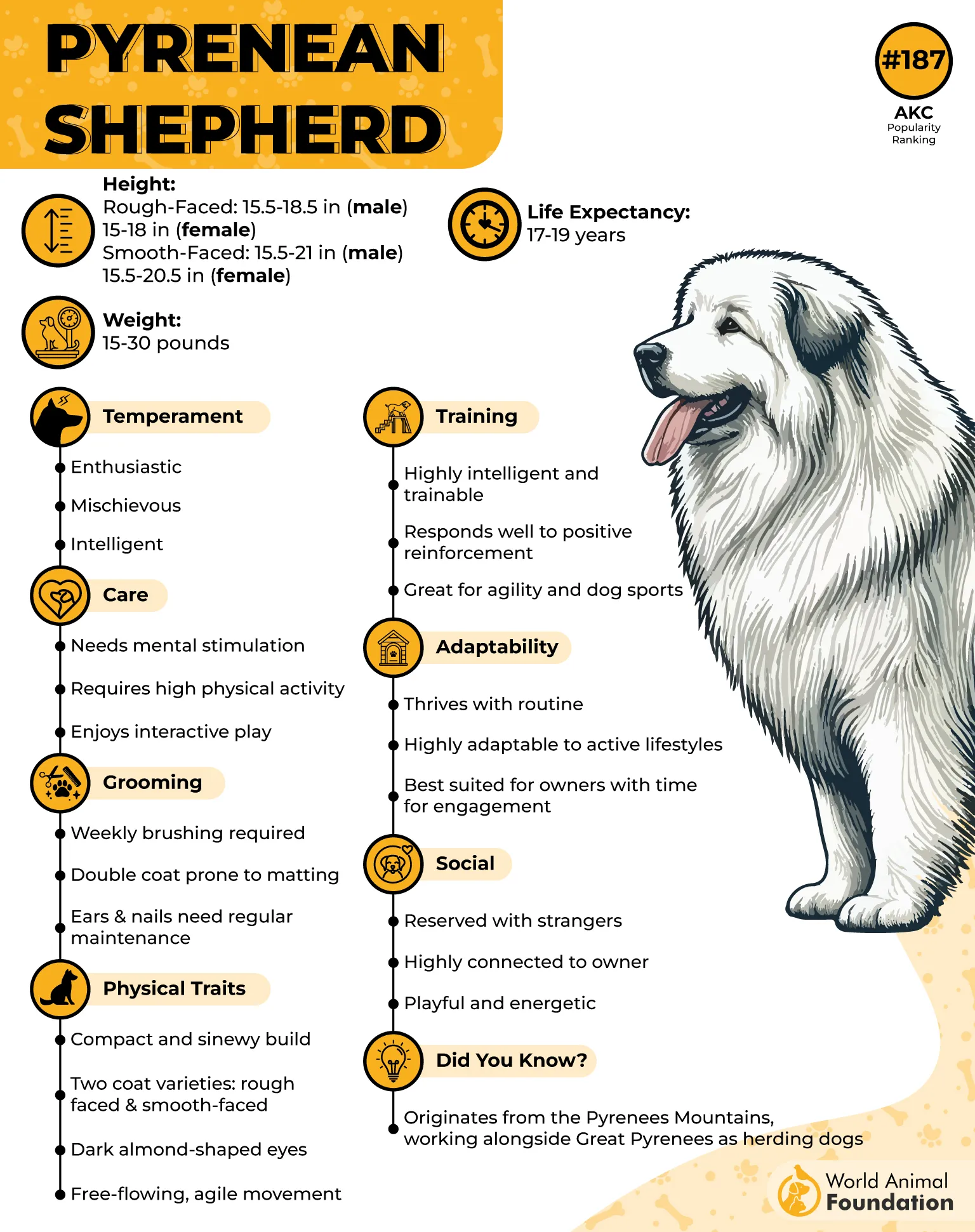
The Pyrenean Shepherd comes from the rugged Pyrenees mountains, where quick thinking and constant responsiveness shaped its role around livestock.
Dark almond-shaped eyes and a lean rectangular frame give the breed a sharp, calculating expression. Every part of its structure reflects speed, awareness, and endurance across rough terrain.
Built around constant activity
This herding breed approach works with relentless enthusiasm, often shifting instantly from observation to action. Its free-flowing movement and quick reactions suit demanding herding situations where hesitation creates problems.
That working style appears through distinct traits:
Vigorous movement across uneven ground
Fast response to sudden livestock changes
Strong interest in task-based activity
Intelligence that seeks engagement
They react poorly to inactivity, often searching for challenges when left without direction or stimulation. Herding instincts remain deeply connected to their daily behavior, even outside livestock work. Structured activity channels its mischievous nature into focused engagement rather than restless behavior.
6. Great Pyrenees
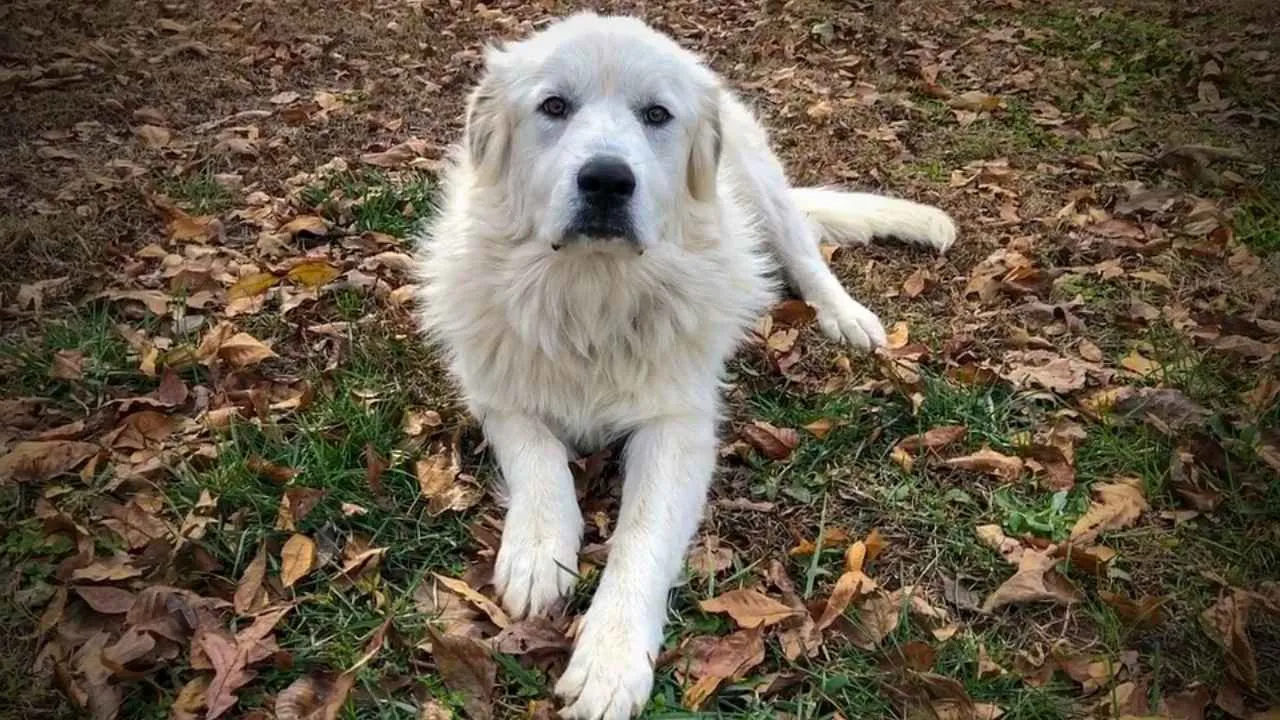
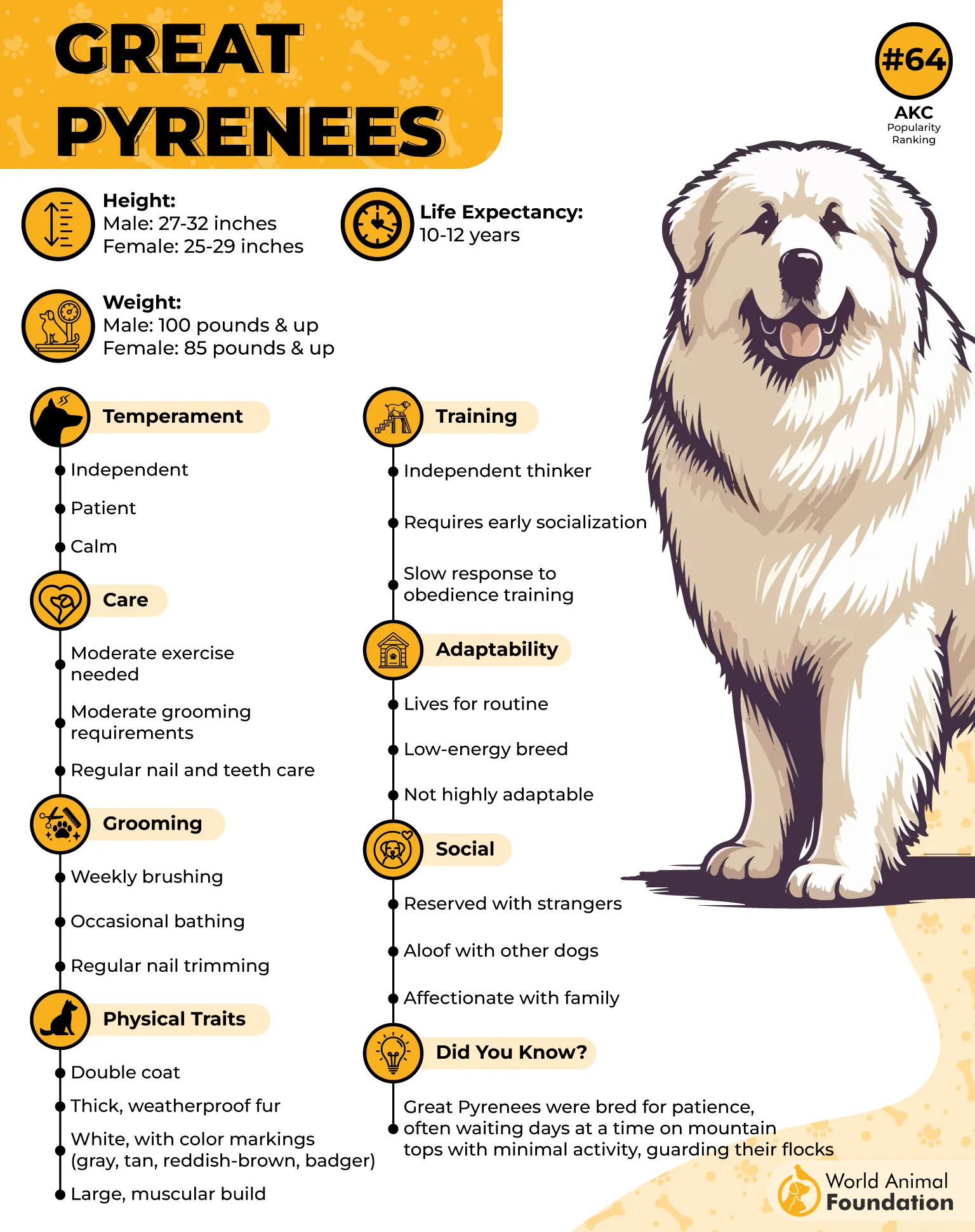
Great Pyrenees dogs guarded sheep across snowy mountain ranges between France and Spain, where their thick white coat blended into the landscape around the flock. Bears and wolves were part of the terrain it worked in regularly. This setting shaped a dog trusted to operate far from human direction.
Independence tied to flock duty
Great Pyrenees handle guarding with patience and self-reliance, conserving energy until a genuine threat enters its space. Its working role required long hours alone in remote valleys with livestock under its responsibility.
That purpose appears through defining traits:
Thick white coat suited for snowy terrain
Calm energy use during long guarding periods
Independent decision-making around livestock
Household rhythm and training style
They adapt to quieter home routines more naturally than to constant high-intensity activity. Its preference for space and alone time can create a strong-willed training response when structure lacks consistency. Positive reinforcement produces steadier behavioral progress than forceful correction.
7. Kuvasz
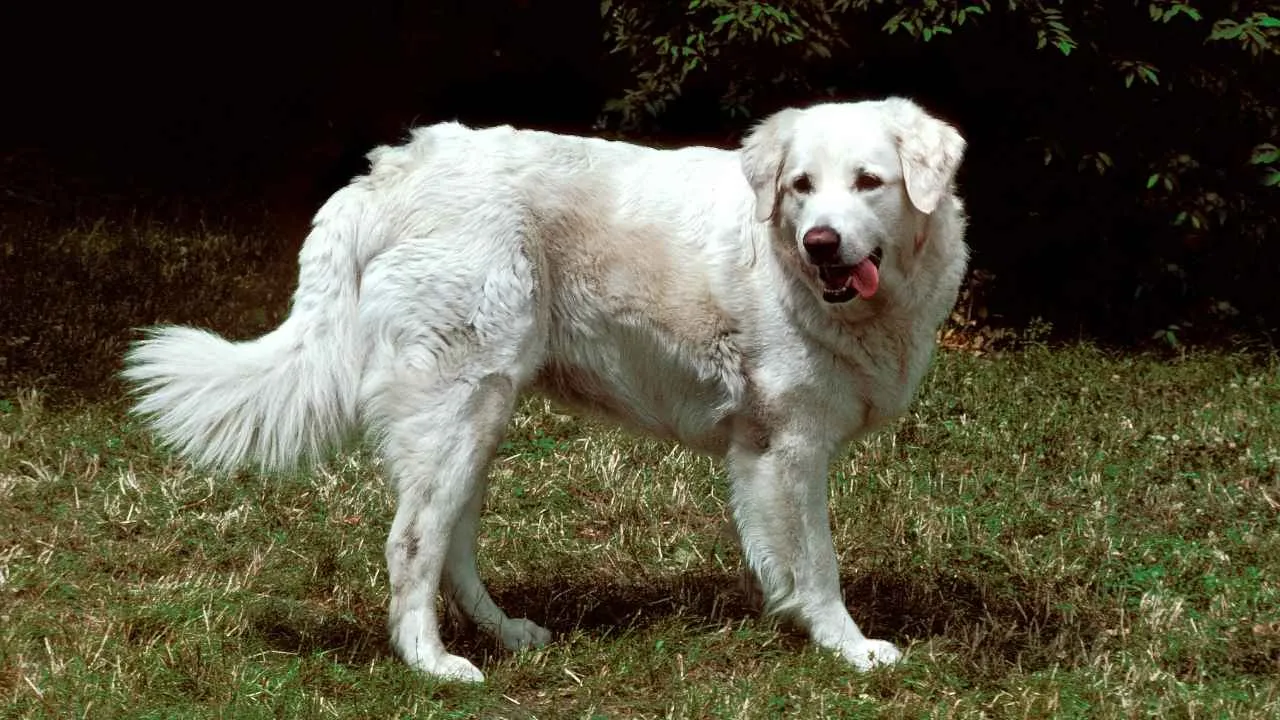
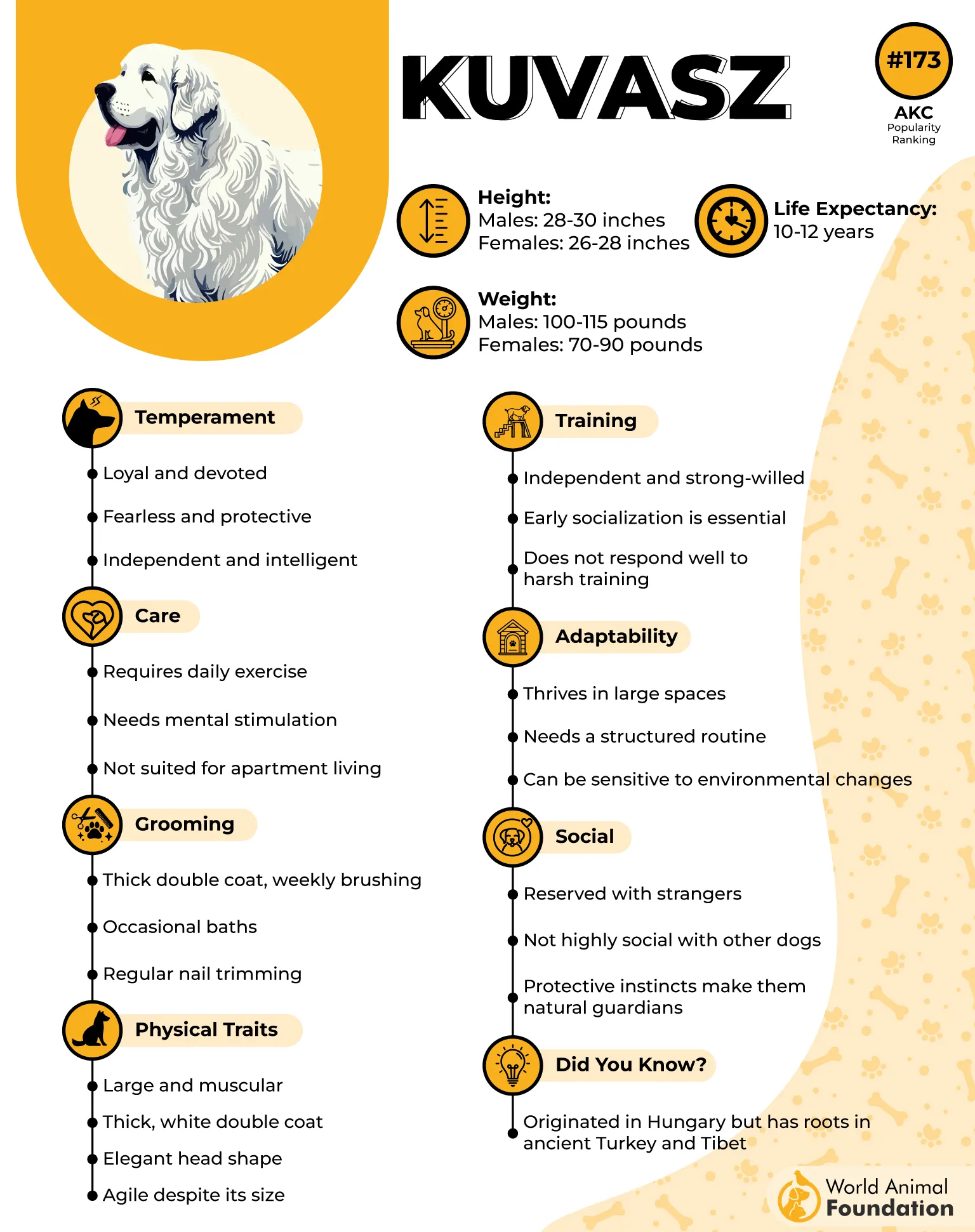
Kuvasz accompanied migrating Magyar herders from Siberia into Hungary, earning trust as a livestock guardian, hunting partner, and household protector. Its large frame and thick white coat suited open land where harsh weather and predators tested endurance daily.
Built with purpose
Kuvaszok were valued for reliability in isolated terrain where independent judgment mattered as much as strength. Their physical structure also reflects demanding outdoor work.
A few traits define that capability:
Large-boned frame with muscular endurance
Dense white coat suited for rough climates
Strong roaming instinct across wide spaces
Loyal Yet Demanding
Kuvasz forms deep attachments with family and can be notably gentle around children and livestock after proper socialization.
Beneath that nurturing side sits a working temperament that expects direction, consistency, and meaningful activity. Loose routines and unclear boundaries may create stubborn behavior patterns.
Conclusion
There is something different about dogs built around real working instincts. They notice small changes quickly, stay mentally engaged with their surroundings, and carry a level of focus that feels steady instead of chaotic. That mix of protection, intelligence, and loyalty explains why these farm dogs and guard dogs still earn respect long after their livestock guarding roots.
Some remain calm and observant while others approach every task with relentless drive, yet each one brings a sense of dependability difficult to replace. Living with a dog like this means sharing life with a companion that values purpose, awareness, and connection, especially with proper training guiding that instinct over time.
