




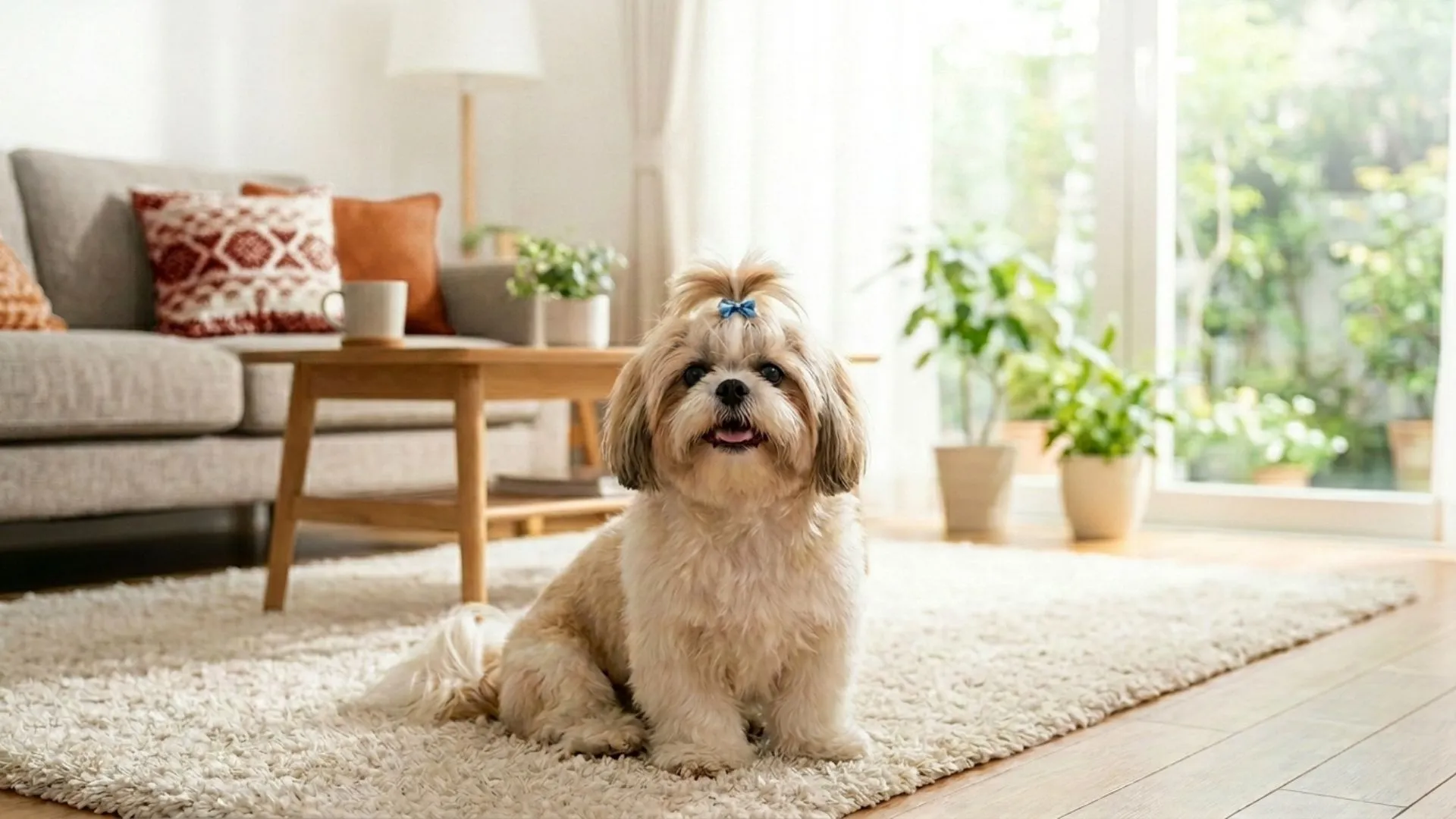
Bringing a dog home for the first time feels exciting until reality starts to set in. Training is where most new owners quietly struggle.
Simple commands take longer than expected, routines feel inconsistent, and small mistakes turn into repeated habits that are hard to fix later. What looked easy in theory becomes a daily learning curve in practice. Many first-time owners do not realize that not all dogs respond the same way to guidance.
Some pick up patterns quickly and adjust with minimal effort, while others require far more patience, structure, and experience. This difference often decides whether the early months feel smooth or overwhelming. That is why choosing a dog that is naturally easier to train can completely change the experience.
In this guide, you will explore what makes certain dogs more responsive, how training becomes simpler with the right match, and what to expect when building a well-behaved companion from the start.
Key Takeaways
First-time dog ownership feels exciting until training starts, testing your patience in ways you never expected.
Golden Retrievers and Miniature Poodles make that learning curve feel lighter because they respond quickly and genuinely enjoy working with people.
Bichon Frise and Cavalier King Charles Spaniels bring the same easygoing energy into everyday life, turning routines into something far less stressful for new owners.
Keep going, and you may find the one breed that makes dog ownership feel natural right from the start.
Easy-to-Train Dog Breeds Perfect for First-Time Owners
1. Golden Retriever
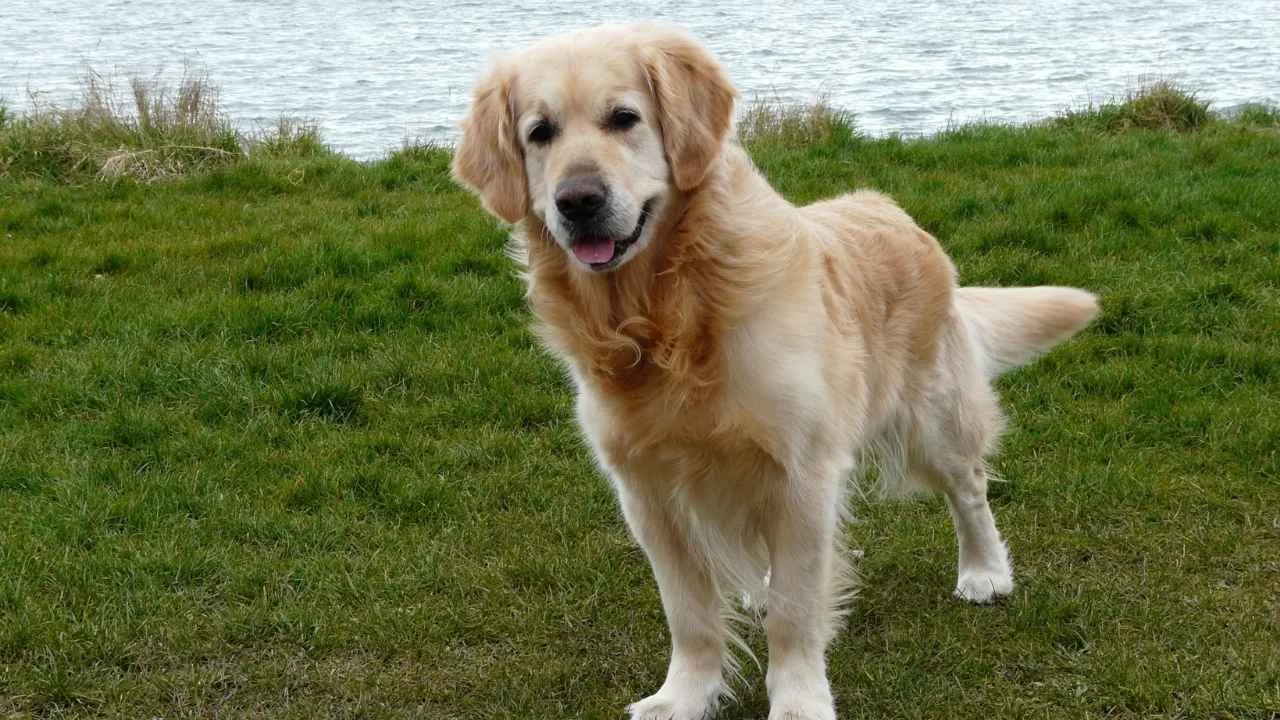
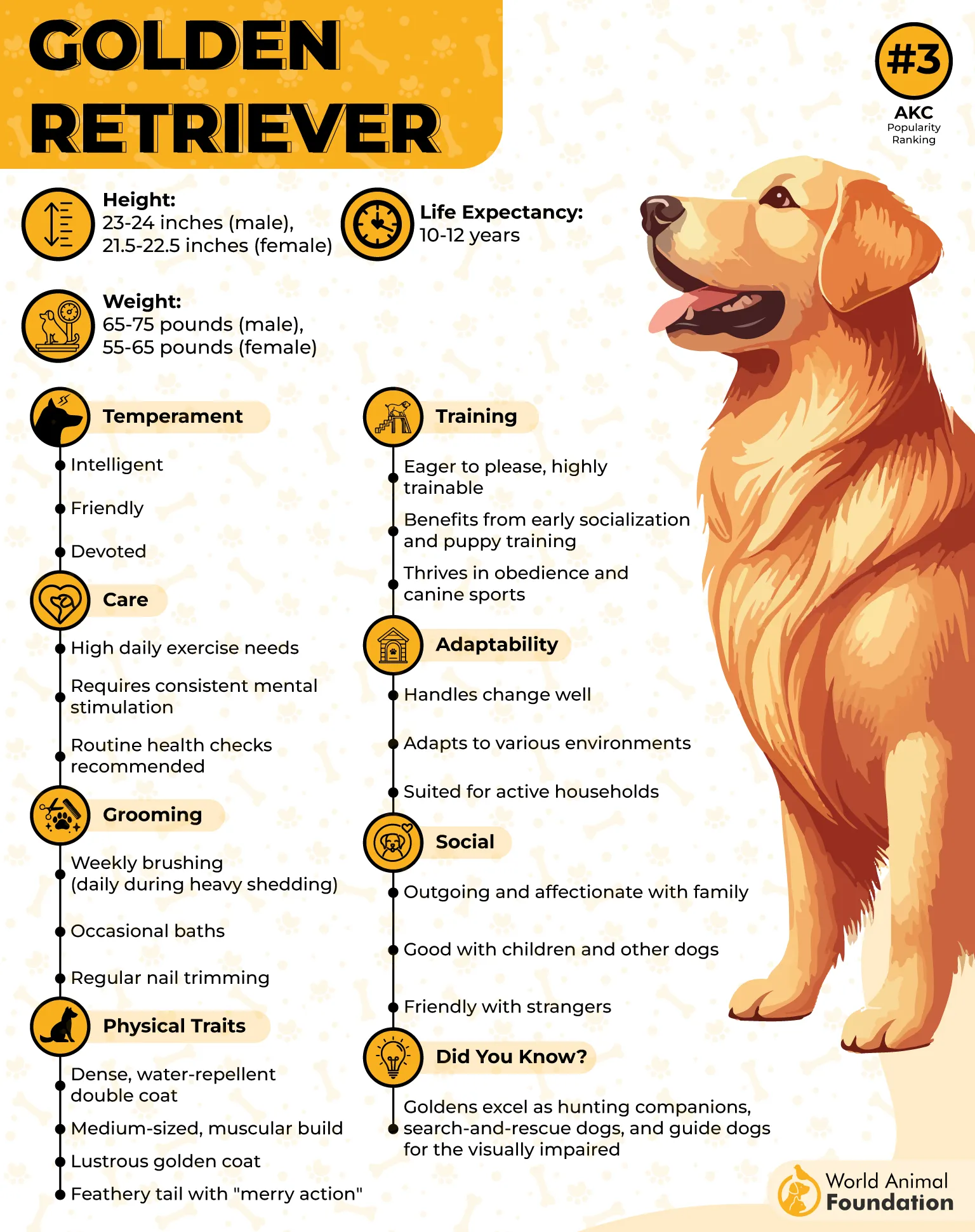
The Golden Retriever began with Lord Tweedmouth’s search for a dog capable of retrieving game through thick Scottish undergrowth, shaping a breed closely tied to cooperation and task work. Its gentle expression and people-oriented temperament quickly turned it into a trusted household companion.
Learning through interaction
This intelligent dog responds eagerly during training, especially when activities involve retrieving, problem-solving, or direct engagement with people. Its willingness to participate explains why the breed appears in guide work, water rescue, and search teams.
That learning style appears through familiar patterns:
Retrieves objects repeatedly without losing interest
Responds quickly during short training sessions
Enjoys structured games like agility and Flyball
Social temperament at home
They form easy bonds with children, visitors, and other pets, often treating newcomers with the same warmth as family members, as PDSA describes.
Its affectionate personality leans heavily toward companionship rather than territorial behavior. Playfulness continues well into adulthood, especially during family interaction and shared routines.
2. Miniature Poodle
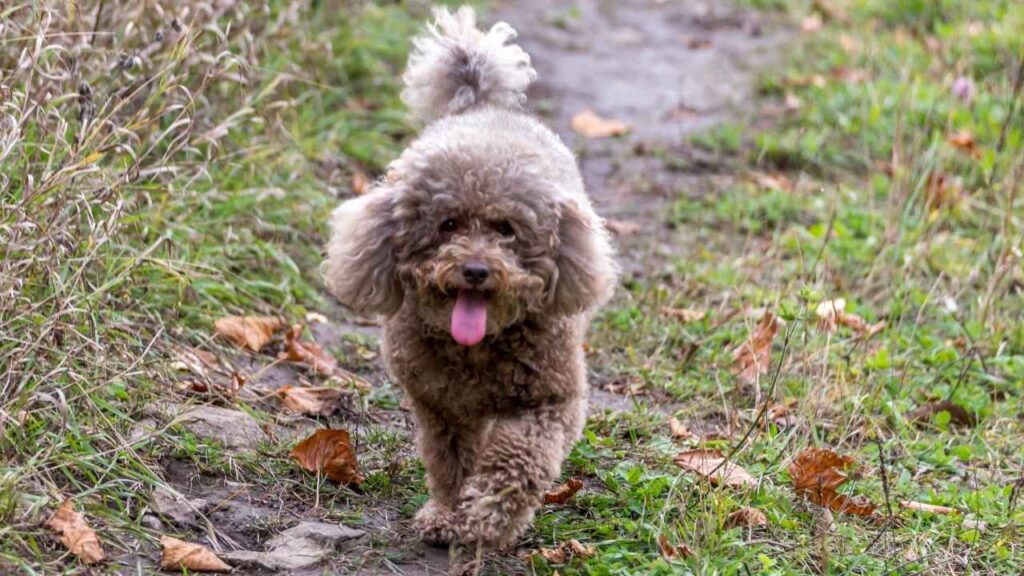
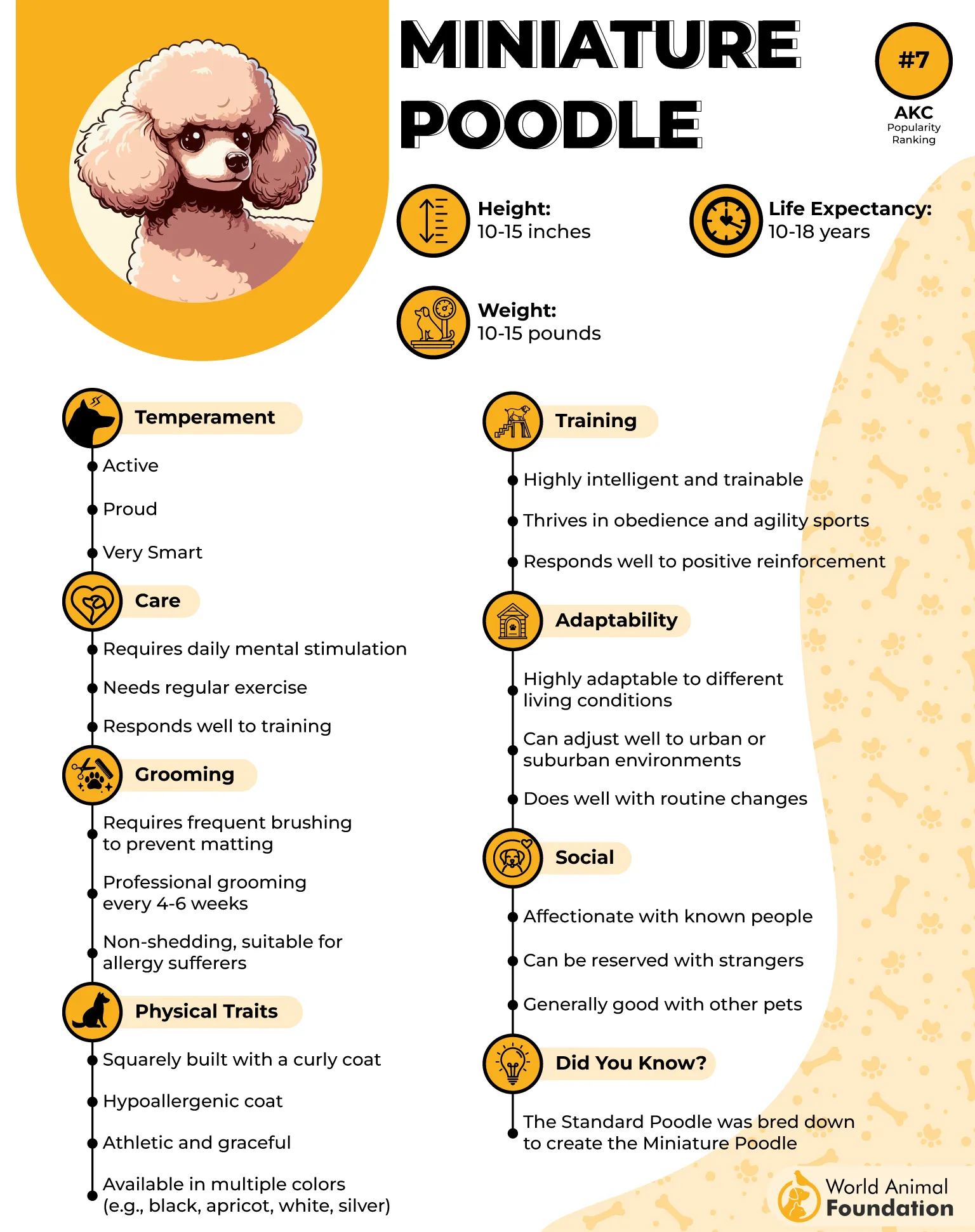
Miniature Poodle likely entered Europe alongside herders, blending sharp thinking with strong working ability in water and field tasks. Among the trainable dog breeds, their quick mental processing becomes obvious during learning, often understanding routines after only a few repetitions.
Learning style and interaction
Mini Poodle responds enthusiastically to praise, often seeking new tasks once basic commands become familiar, as Omlet noted. Its social nature connects closely with cooperation, especially during structured play and training sessions.
That learning pattern appears in several ways:
Picks up commands after limited repetition
Seeks interaction during training exercises
Responds strongly to praise-based guidance
Personality inside the home
Miniature Poodle approaches household life with playful energy while remaining highly aware of how people interact around it. Respectful handling matters, especially with children, as rough treatment or excessive noise may trigger defensive reactions.
3. Bichon Frise
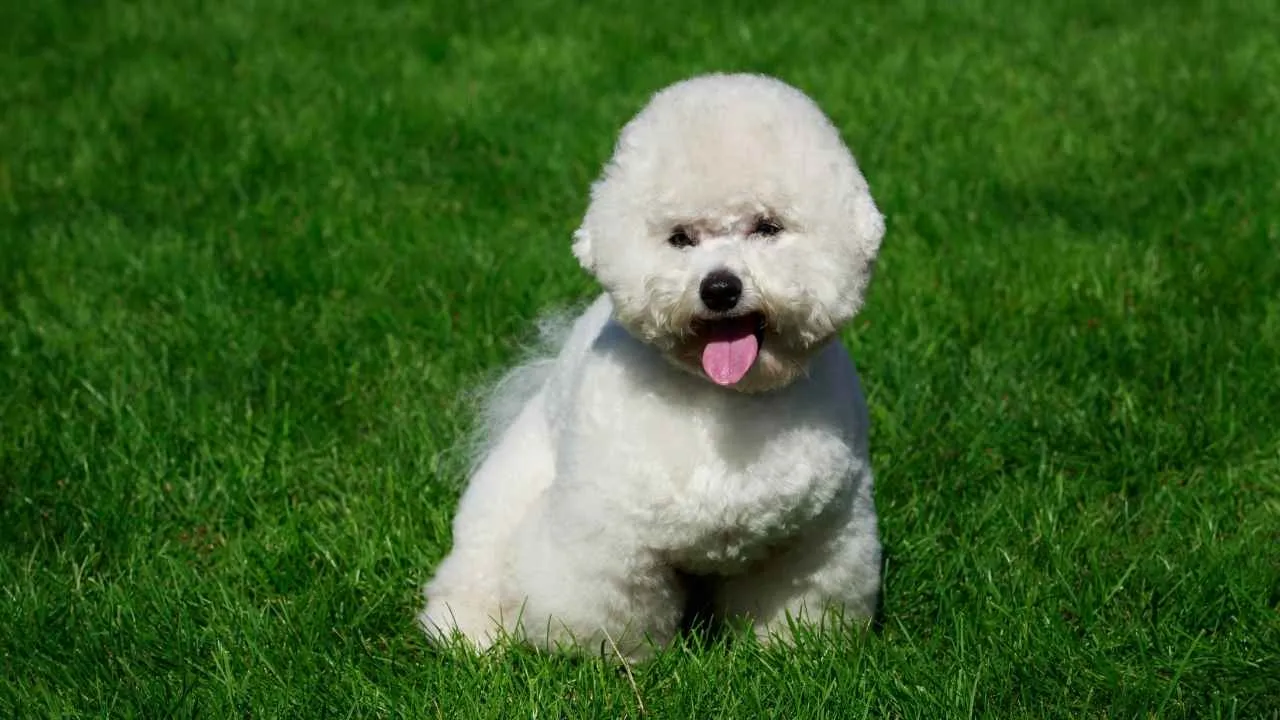
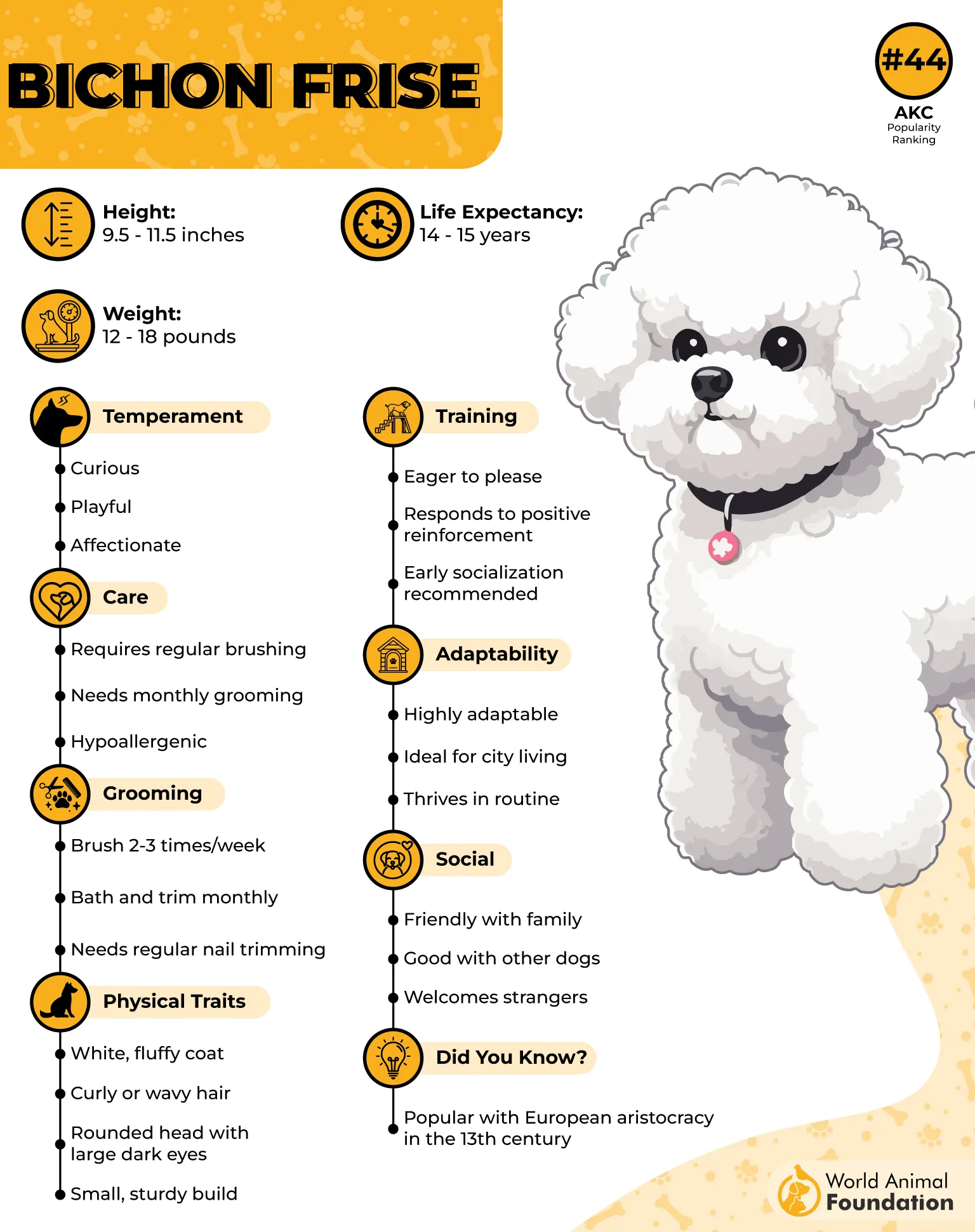
Bichon Frise built its reputation through charm and emotional connection, winning affection across generations with an expressive face and quick-witted personality. This small companion reads household energy well and responds with playful curiosity rather than nervousness.
Quick Learner
This small dog responds eagerly to praise and interaction, which helps first-time dog owners build routines without constant resistance. Training sessions feel more engaging when the dog treats attention like part of the reward itself.
A few traits shape that experience clearly:
Enjoys learning through playful interaction
Adapts comfortably as apartment dwellers
Naturally social with children and other dogs
Energy in Short Bursts
Bichon Frise spends much of the day relaxed indoors, then suddenly races through the house with brief playful excitement before settling again. That rhythm suits people who want an interactive dog without nonstop intensity. Daily walks and dedicated playtime help channel curiosity in a productive direction.
4. Cavalier King Charles Spaniel
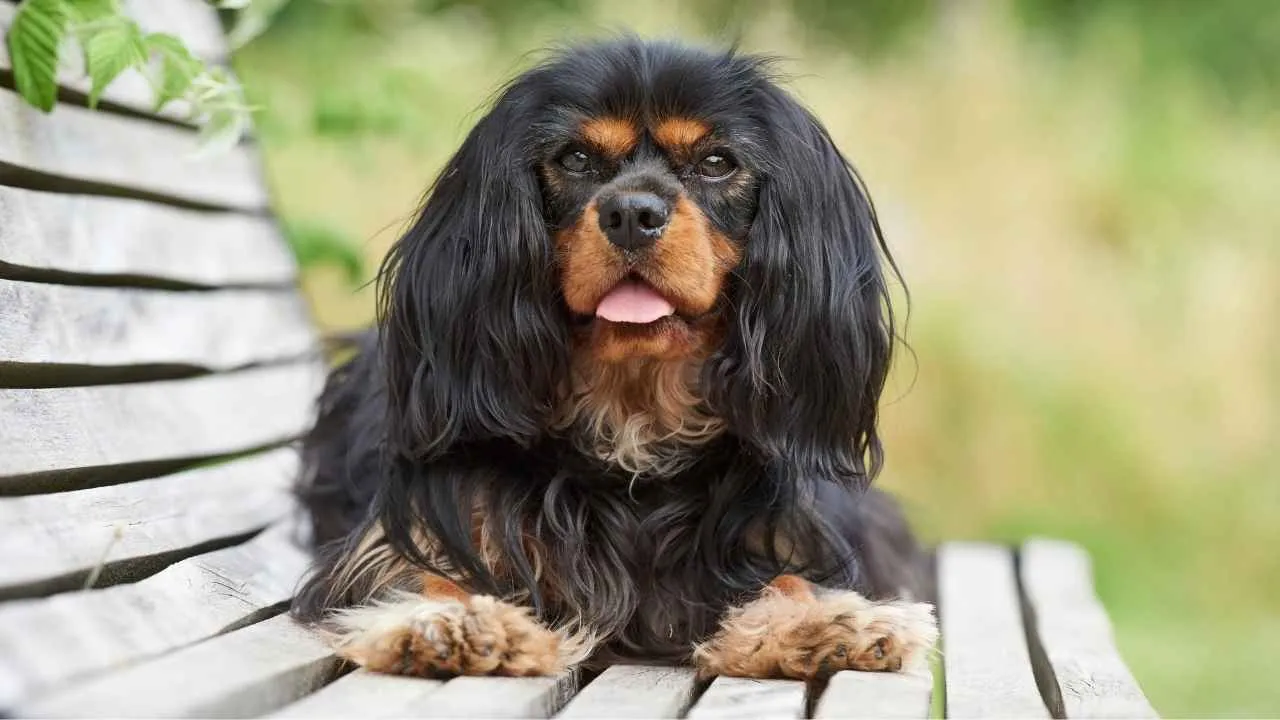
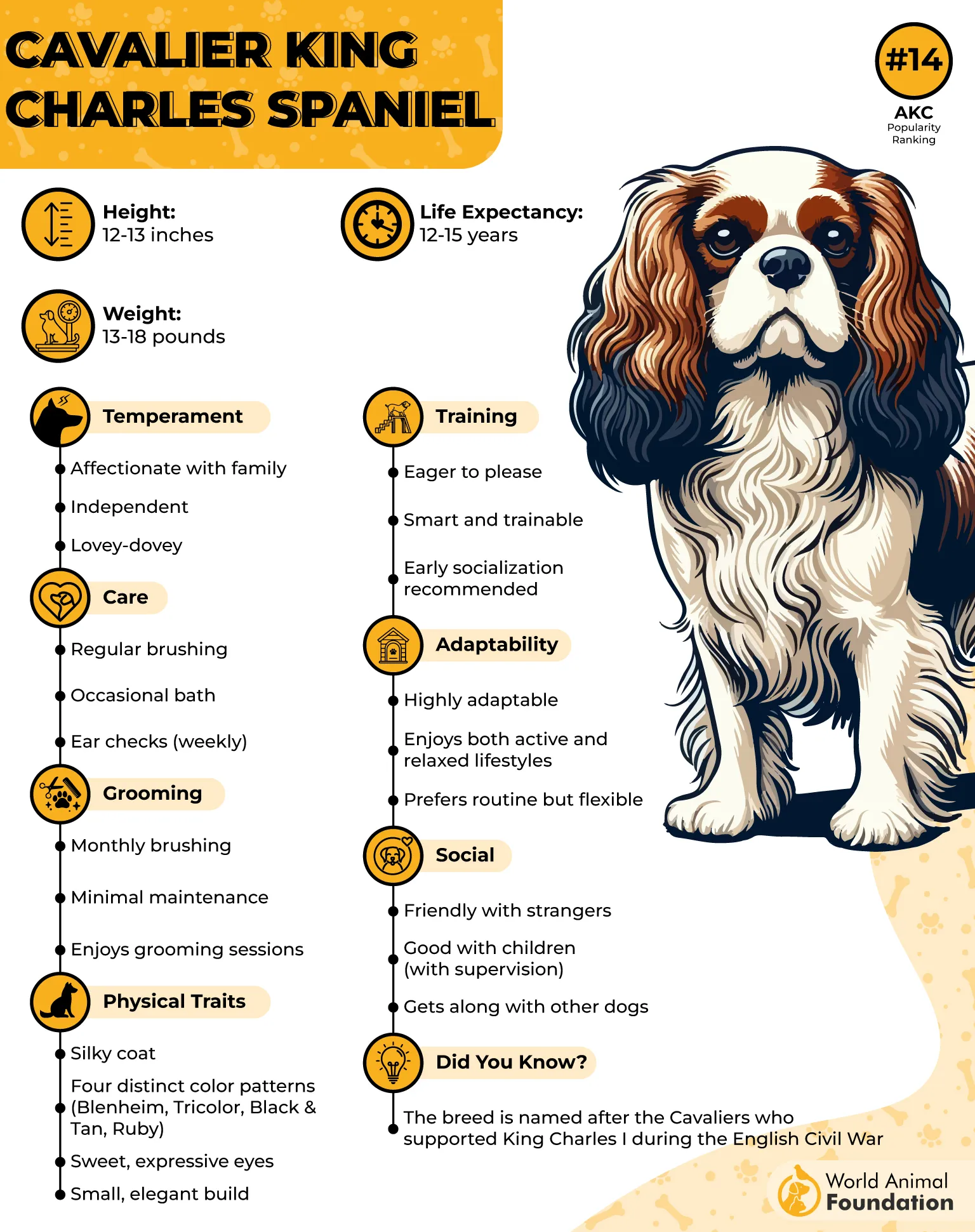
Cavalier King Charles Spaniel takes its name from British royalty, blending the refined manners of a companion dog with the lively nature of a sporting spaniel. Its expression feels attentive and warm, shaped by close interaction with people over generations.
Quick To Learn
Cavaliers respond eagerly during training, often picking up routines through praise, repetition, and human interaction, as per the AKC. Its interest in people helps lessons feel engaging rather than forced, especially during early obedience work.
That willingness appears in several ways:
Responds quickly to positive reinforcement
Adjusts comfortably in new social settings
Participates enthusiastically in agility activities
Adaptable By Nature
This best dog breed shifts easily between relaxed indoor living and more active routines outdoors. One day may involve a quiet afternoon on the sofa, while another includes chasing squirrels across the yard. This flexibility makes routines easier for people still learning dog ownership.
5. Papillon
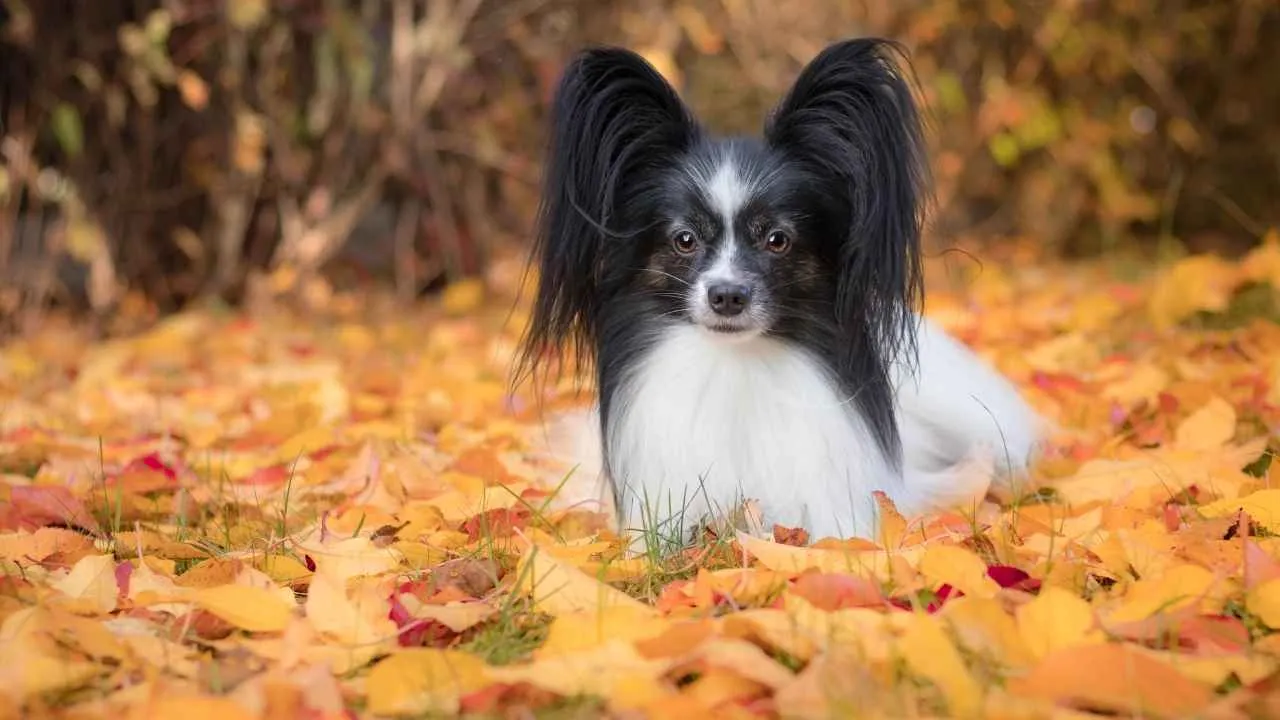
Papillon earned its name from the butterfly-shaped ears that frame an always-curious expression. Beneath that refined appearance sits a sturdy little companion known for quick reactions, sharp observation, and constant interest in whatever the household is doing.
Quick on the Uptake
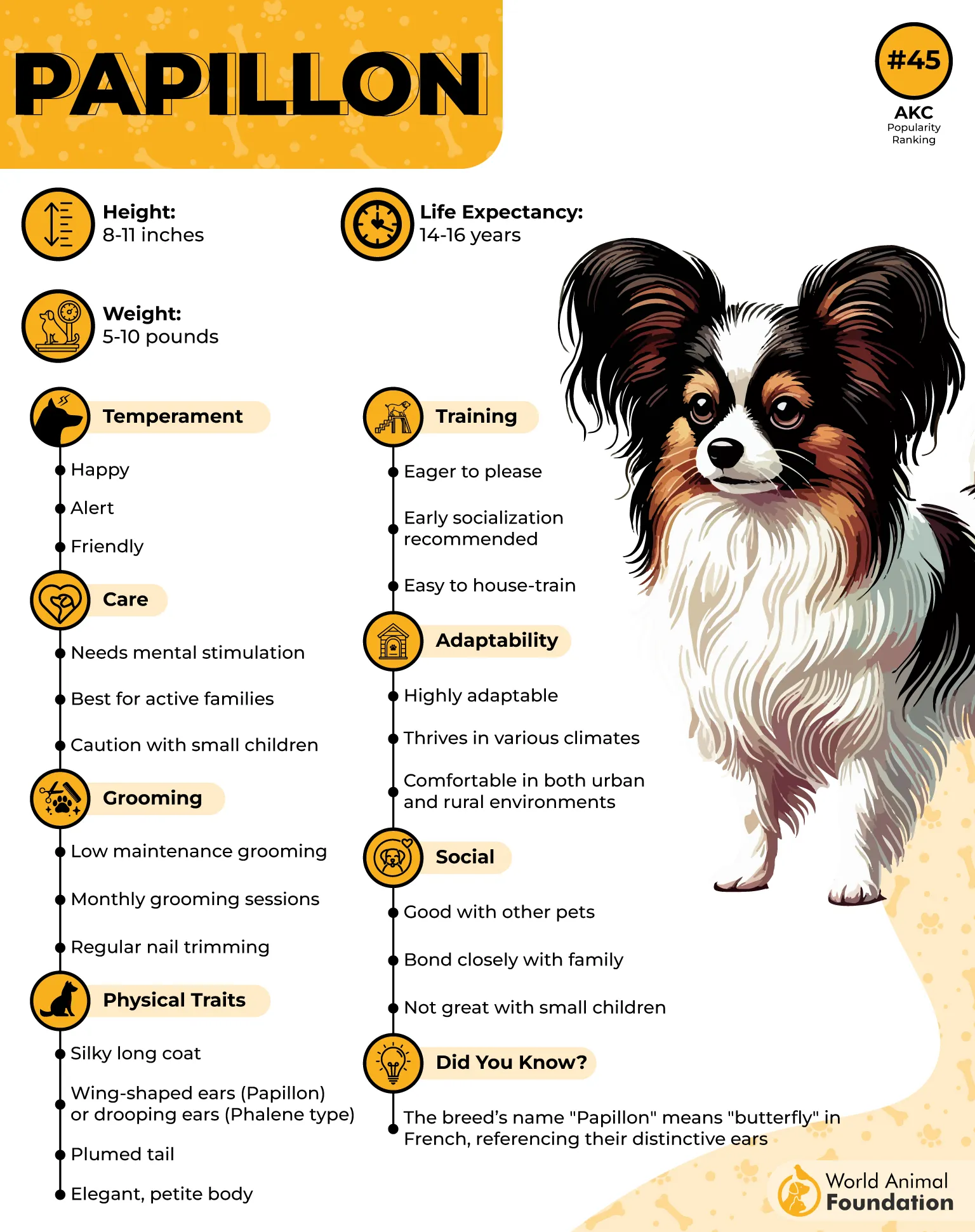
This little sweet dog responds eagerly during training sessions and often picks up routines faster than expected for a toy breed. Their active minds keep them engaged with interactive games and structured learning.
A few traits shape that experience well:
Strong recall during toy games
Excellent agility performance
Responsive to obedience practice
Small Frame, Busy Mind
Papillons adapt comfortably to both city apartments and country homes while remaining energetic in either setting. Indoor fetch, trick training, and family activities suit them well, especially since this breed enjoys repeating games that reward focus and participation.
6. Shih Tzu
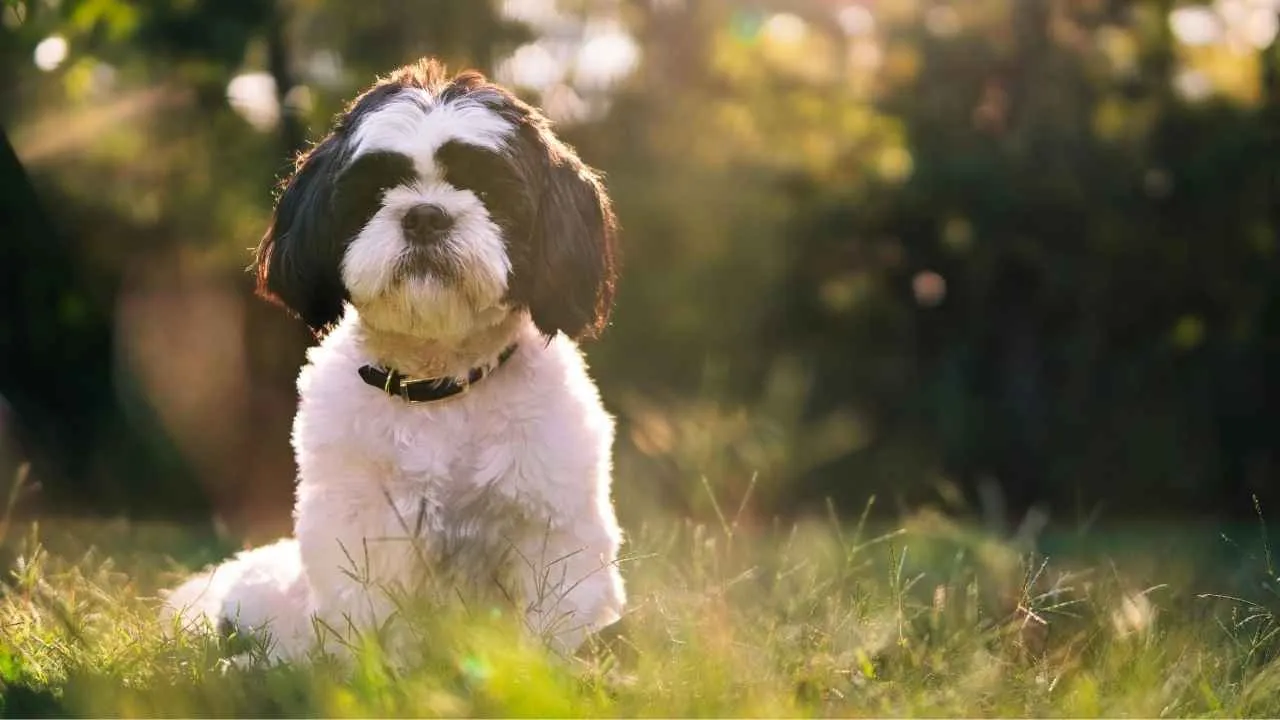
Shih Tzu earned admiration inside royal palaces long before becoming a familiar lap companion, with its expressive eyes and playful antics shaping daily life around people.
This little “Lion Dog” prefers human attention over independent adventures. Its affectionate personality often connects quickly with children and guests alike.
Learning Through Connection
This furry companion responds best when training feels encouraging rather than strict, especially because this breed quickly learns how to charm its way out of routines. A gentle but consistent approach matters here.
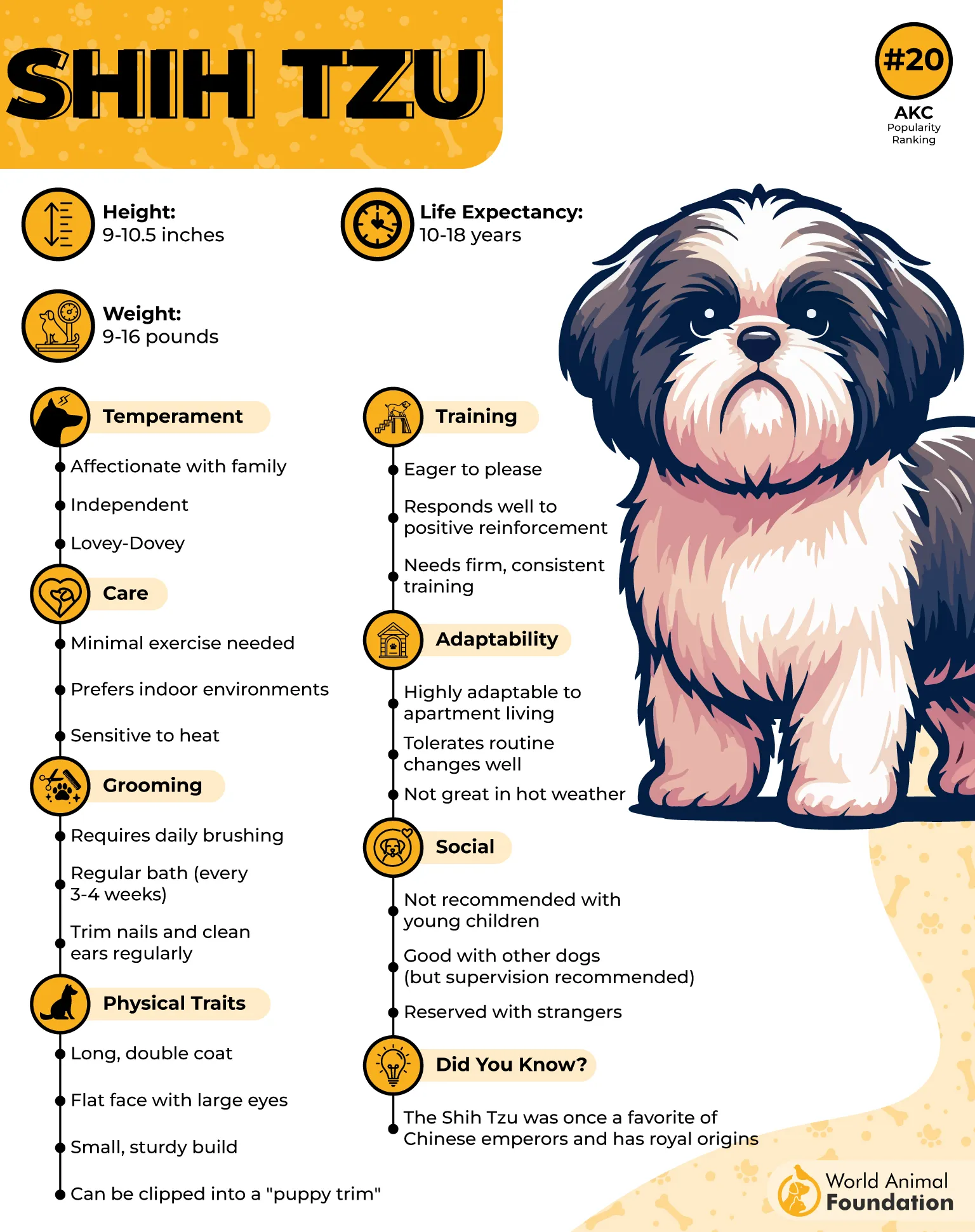
A few details shape the experience:
Praise-based lessons work best
Puppy classes improve manners
Firm routines prevent stubborn habits
Small Spaces, Big Presence
The Shih Tzu fits naturally into apartments and quieter homes because its daily needs remain fairly modest. Short walks, indoor games, and time beside its favorite person usually satisfy this companion. Even relaxation becomes interactive when the breed climbs into your lap during quiet evenings.
7. Pug
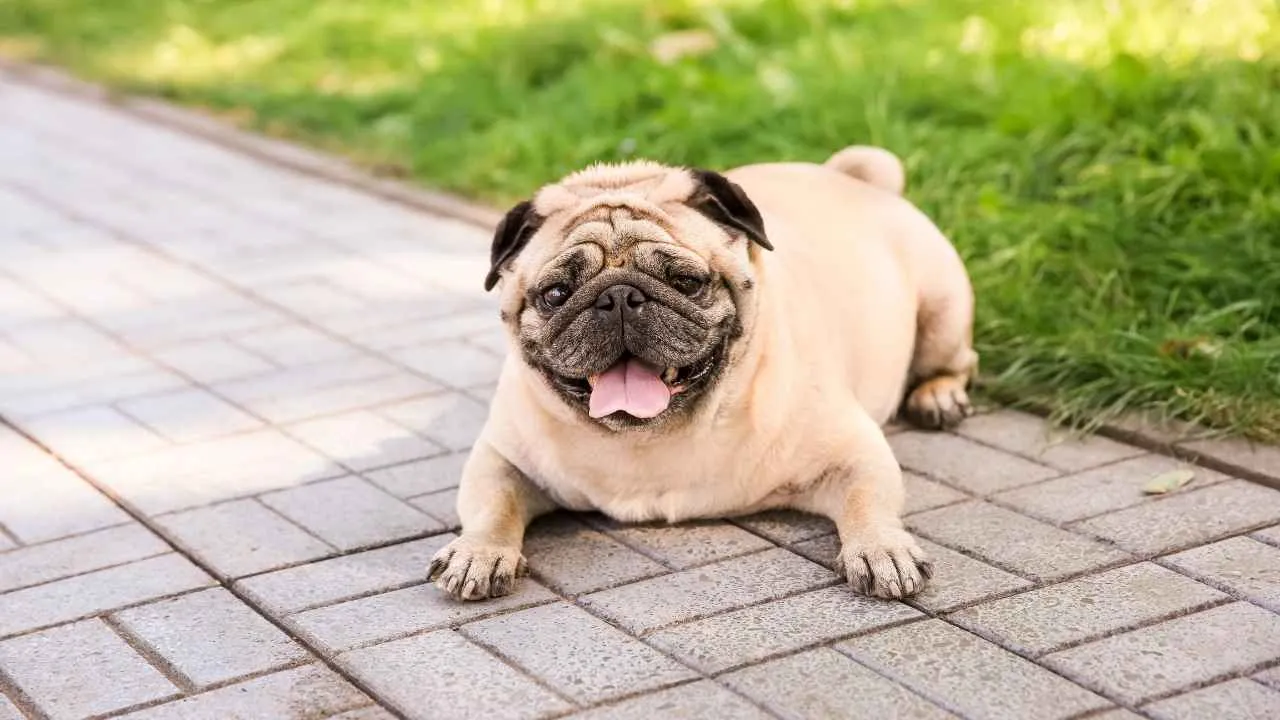
Pugs first earned affection inside Chinese royal courts, later becoming linked with Holland’s House of Orange through its playful and people-focused nature. Beneath the wrinkled face and round eyes sits a sturdy little dog that prefers human company over independence.
Learns Through Connection
They respond best to gentle guidance because this breed is emotionally sensitive and strongly attached to family routines. Training succeeds faster when praise, repetition, and companionship are part of the process.
These characteristics shape the experience of new dog owners:
Eager to please people
Responds poorly to harsh correction
Benefits from early social exposure
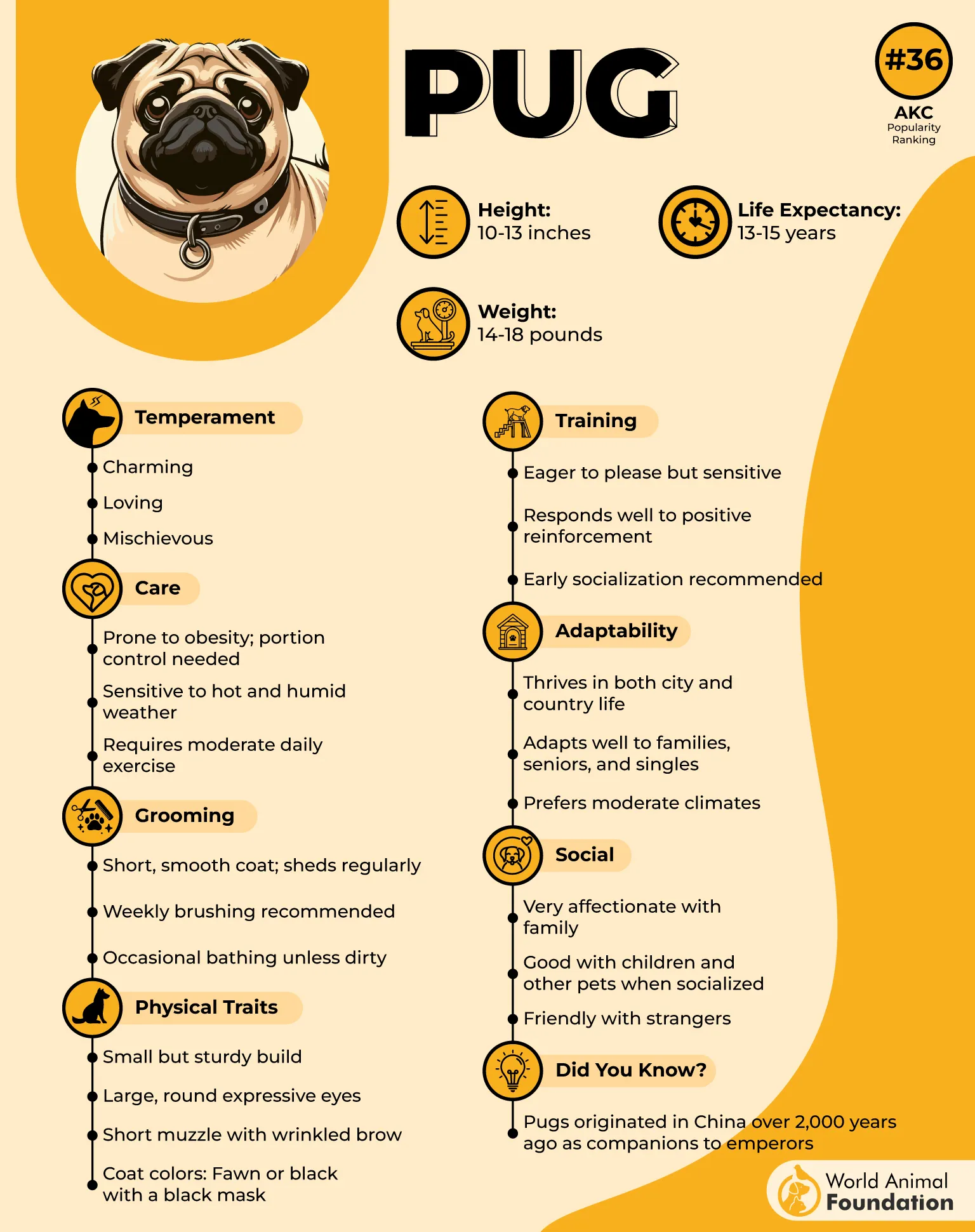
Comfortable in Any Home
These low-maintenance dog breeds adjust easily between apartment living, larger homes, busy households, and quieter spaces with older adults. This flexibility explains why the breed is often recommended to first-time pet owners looking for adaptable dogs with manageable daily needs.
Conclusion
The first months with a dog often shape how enjoyable ownership feels long term. When training becomes easier, daily routines settle faster, communication improves naturally, and small challenges stop feeling overwhelming. That difference often comes from choosing the easiest dog breed with a gentle temperament instead of one that resists structure.
Some dogs naturally enjoy learning, staying close to people, and understanding routines with little repetition. For a first-time pet parent, that creates a calmer experience inside the home. The right breed match makes training, walks, quiet evenings, and even basic grooming feel natural instead of frustrating.
