




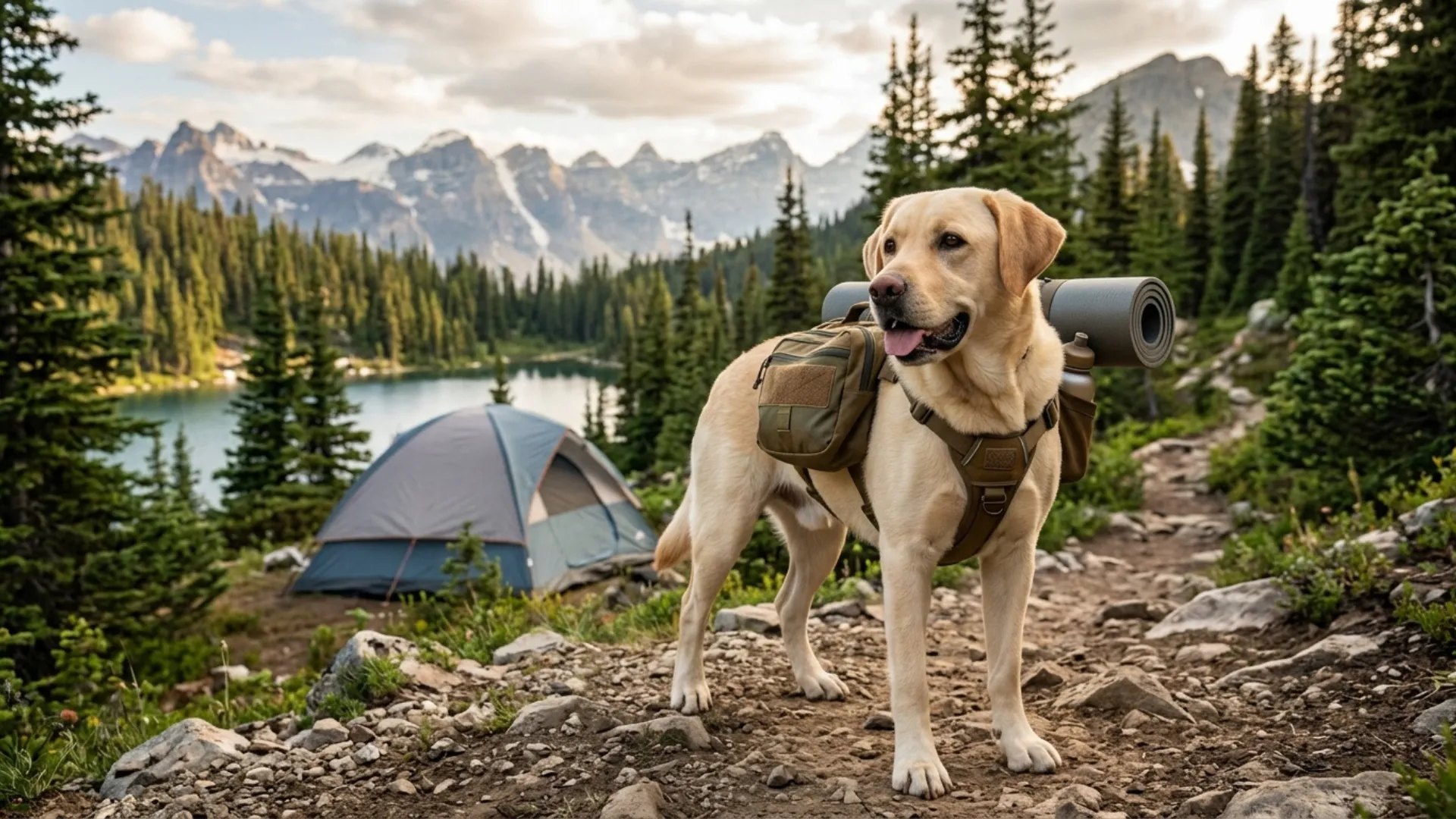
Some of the best moments during remote wilderness camping happen when everything becomes completely quiet. No traffic, no crowded spaces, no constant noise filling the background. Just distant wind through the trees, a small fire nearby, and a dependable dog resting beside you after a long day on the trail.
Experiences like that create a different kind of connection between people and their dogs because difficult environments naturally build trust over time. But those moments depend heavily on having a companion capable of handling the demands of remote outdoor life.
Deep wilderness camping places pressure on endurance, awareness, confidence, and adaptability in ways ordinary adventures never do. The wrong dog can turn isolation into stress very quickly, especially once exhaustion and rough conditions begin setting in.
Ahead are the dog breeds best suited for remote wilderness camping trips where loyalty, resilience, and steady instincts become part of the journey itself.
Key Takeaways
Deep wilderness camping puts pressure on everything, including endurance, focus, and the ability to stay calm once conditions become unpredictable.
Siberian Huskies were built for endless movement across snow-covered ground, while Alaskan Malamutes earned their reputation hauling heavy loads through brutal conditions.
Then come breeds like the Labrador Retriever and Vizsla that stay closely connected to their people, making long hikes and isolated camps feel far less exhausting.
By the end of this list, a few of these wilderness dogs might feel less like pets and more like true outdoor partners.
Dog Breeds Ideal for Remote Wilderness Camping Trips
1. Rhodesian Ridgeback
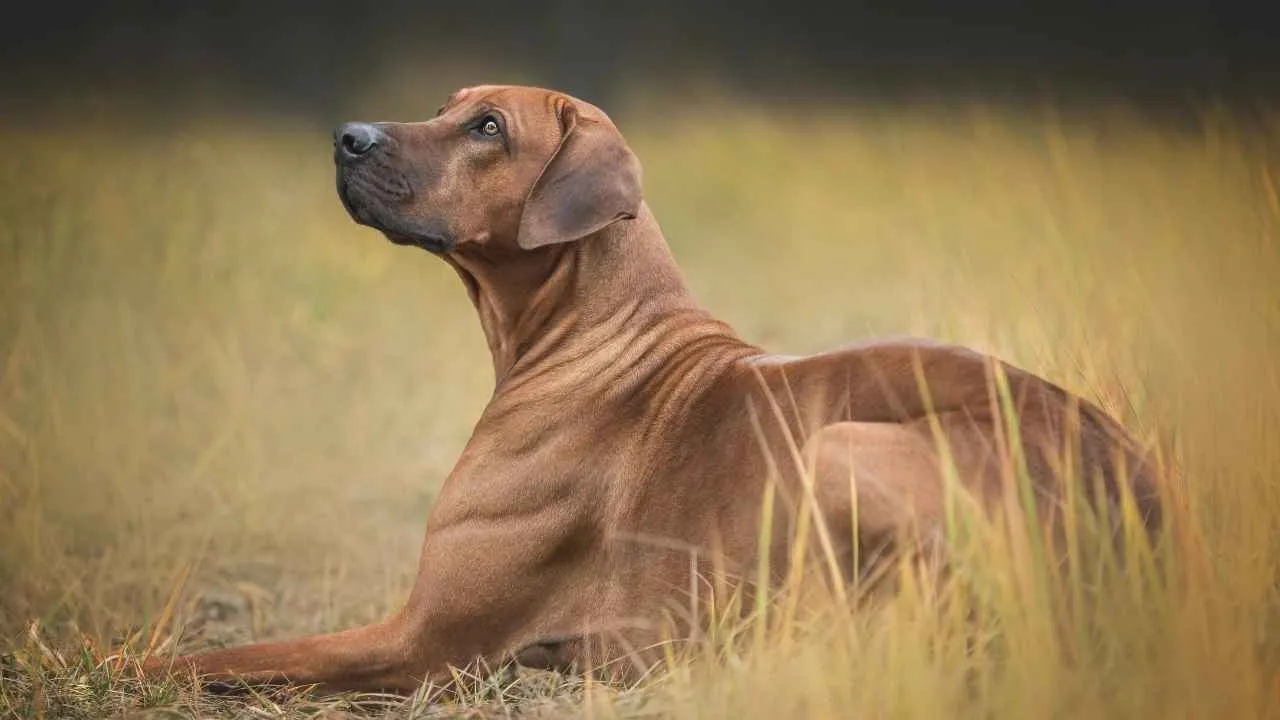
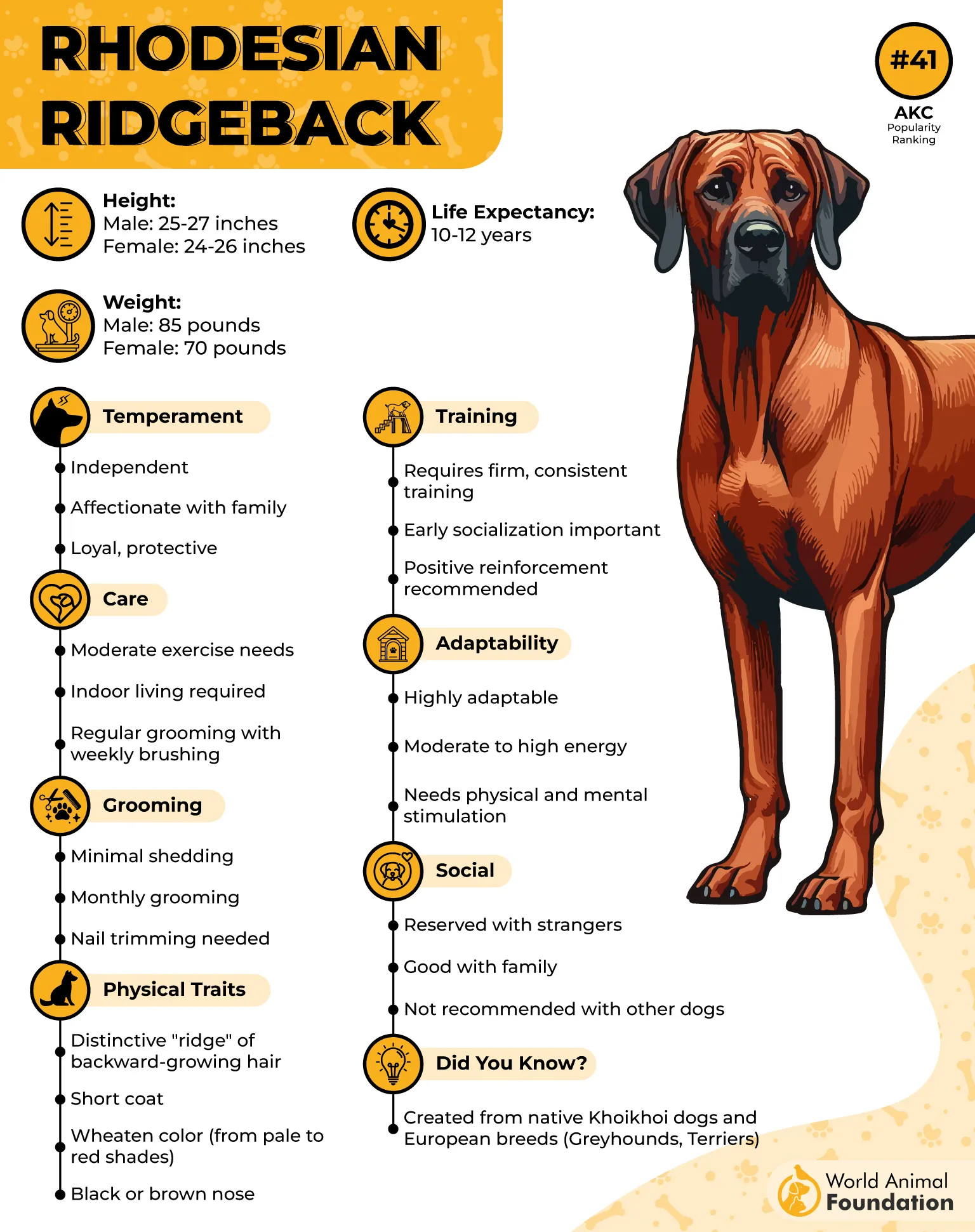
Rhodesian Ridgeback draws immediate attention through the narrow strip of backward-growing hair running along its spine, a feature tied closely to its African roots. Hunters valued this powerful hound for tracking and cornering lions without attacking them directly.
Built for Distance
They handle rough outdoor conditions with athletic power, deep endurance, and a strong prey focus that benefits experienced handlers, as Purina notes. Long hikes and physically demanding outings suit this breed far better than inactive routines.
These traits explain that rugged versatility:
Strong legs built for long ground coverage
Sharp tracking instincts during outdoor activity
Athletic frame suited for rugged terrain
Energy with purpose
Rhodesian Ridgeback enjoys activities that challenge both endurance and focus, especially tracking games, lure coursing, jogging, and hiking through open land. Its strong physical drive pairs naturally with outdoor lifestyles where movement becomes part of the daily routine.
2. Siberian Husky
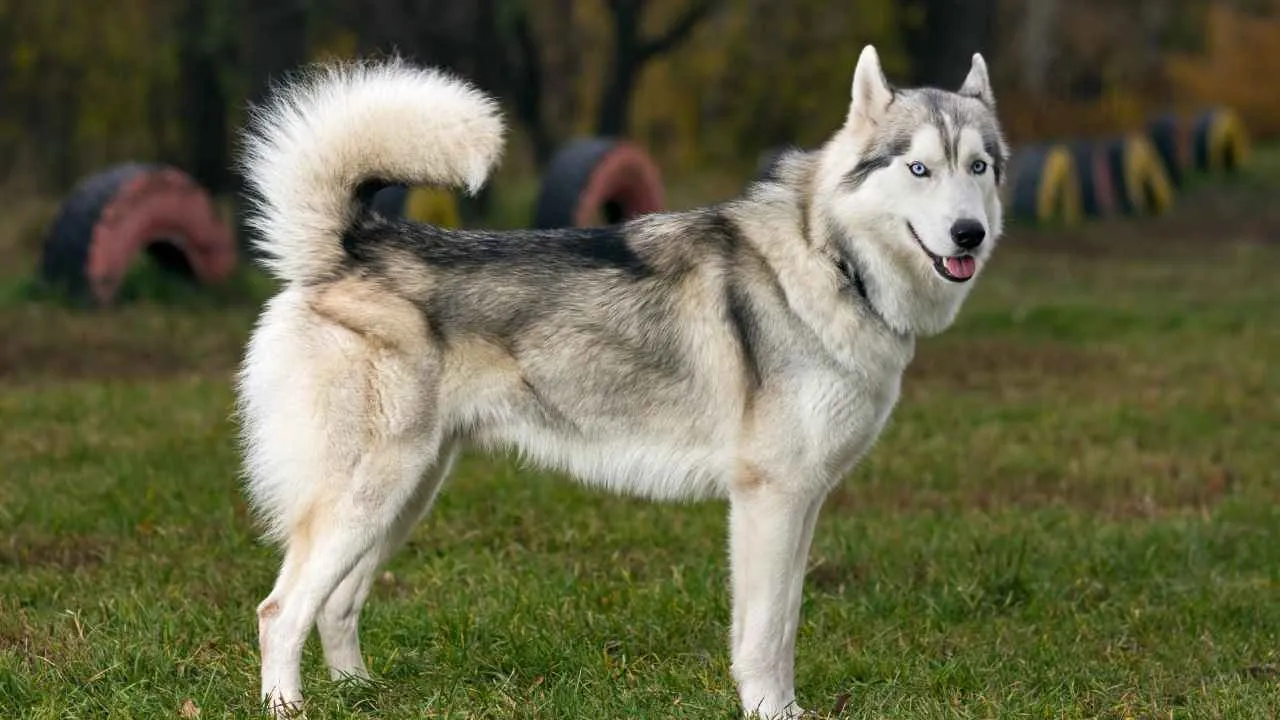
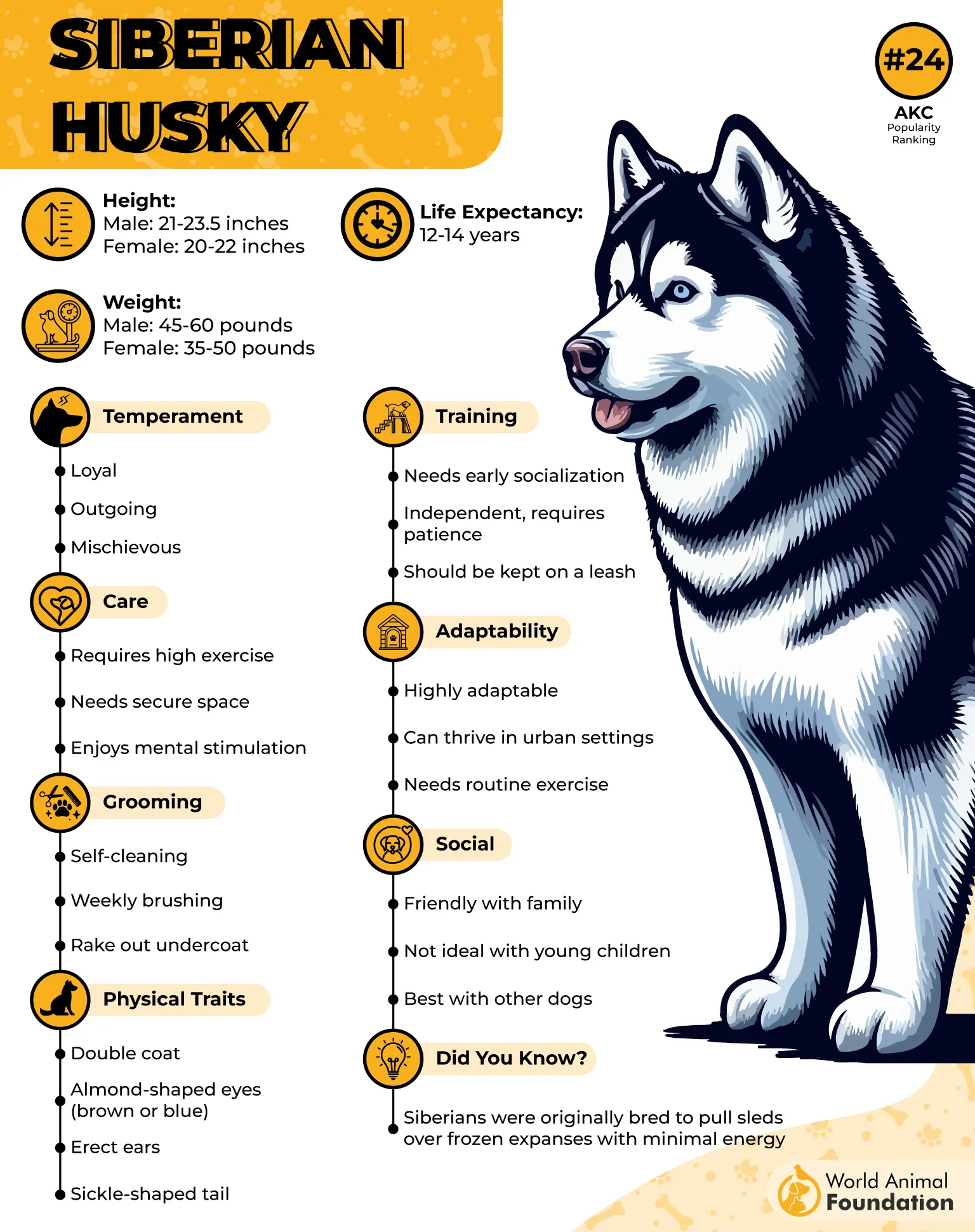
Siberian Huskies come from sled-pulling pack dogs shaped for long travel across frozen terrain at steady speeds. Its compact frame and thick coat balance endurance with efficiency instead of brute size. The light-footed gait gives the breed a smooth rhythm over difficult ground.
Pack rhythm and outdoor instinct
This big dog connects naturally with group activity, often responding best in environments involving shared movement and open space. Its quick reactions and agile footing suit changing terrain during long outdoor routes.
That working nature appears through clear traits:
Pulls efficiently over long distances
Adjusts quickly across uneven terrain
Responds comfortably within group settings
Clean habits and social nature
Siberian Husky fits closely into family-style living through its pack-oriented temperament and ease around other dogs, as mentioned in the AKC.
It also remains naturally clean, with very little odor compared to heavier-coated working breeds. Activities like sledding, running, and rally work align closely with its physical rhythm.
3. Labrador Retriever
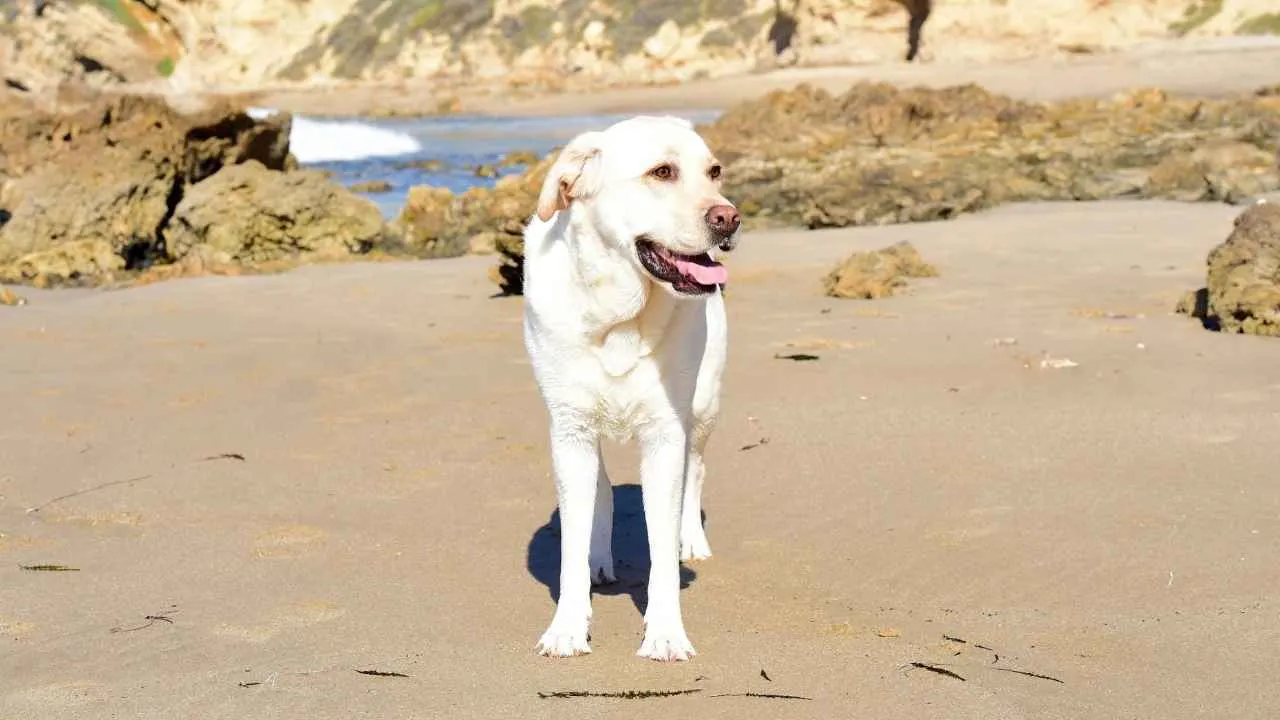
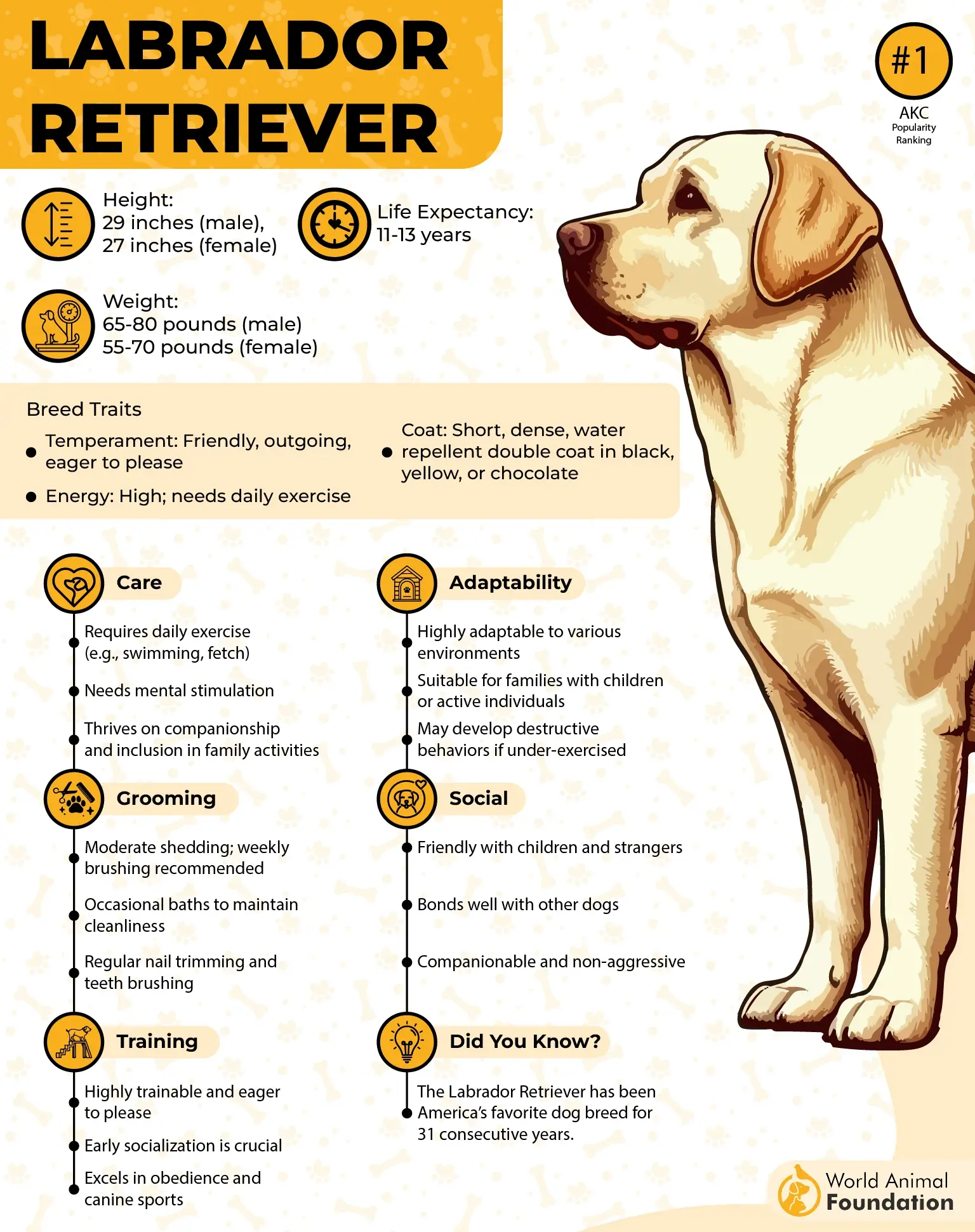
Labrador Retriever entered sporting life as a water-focused working dog, recognized for its comfort around lakes, rivers, and rough terrain.
Its sturdy frame, broad head, and thick tail suit long days spent beside people in changing outdoor conditions. That dependable nature fits naturally into outdoor adventures and remote campsites.
Built around activity
They are incredibly intelligent and respond enthusiastically to physical tasks, especially those involving scent trails, retrieval work, or water-based games. Its eagerness to participate keeps it closely engaged during long hikes and physically demanding routines, as PetMD noted.
That working style appears through activities like:
Dock diving and swimming
Tracking and scent work
Running and hiking trips
Social nature in isolated settings
As an extremely loyal companion, they interact openly with people, other dogs, and unfamiliar environments, making shared camping spaces easier to manage. Its affectionate temperament also contributes to smoother dog ownership for people balancing companionship with active travel.
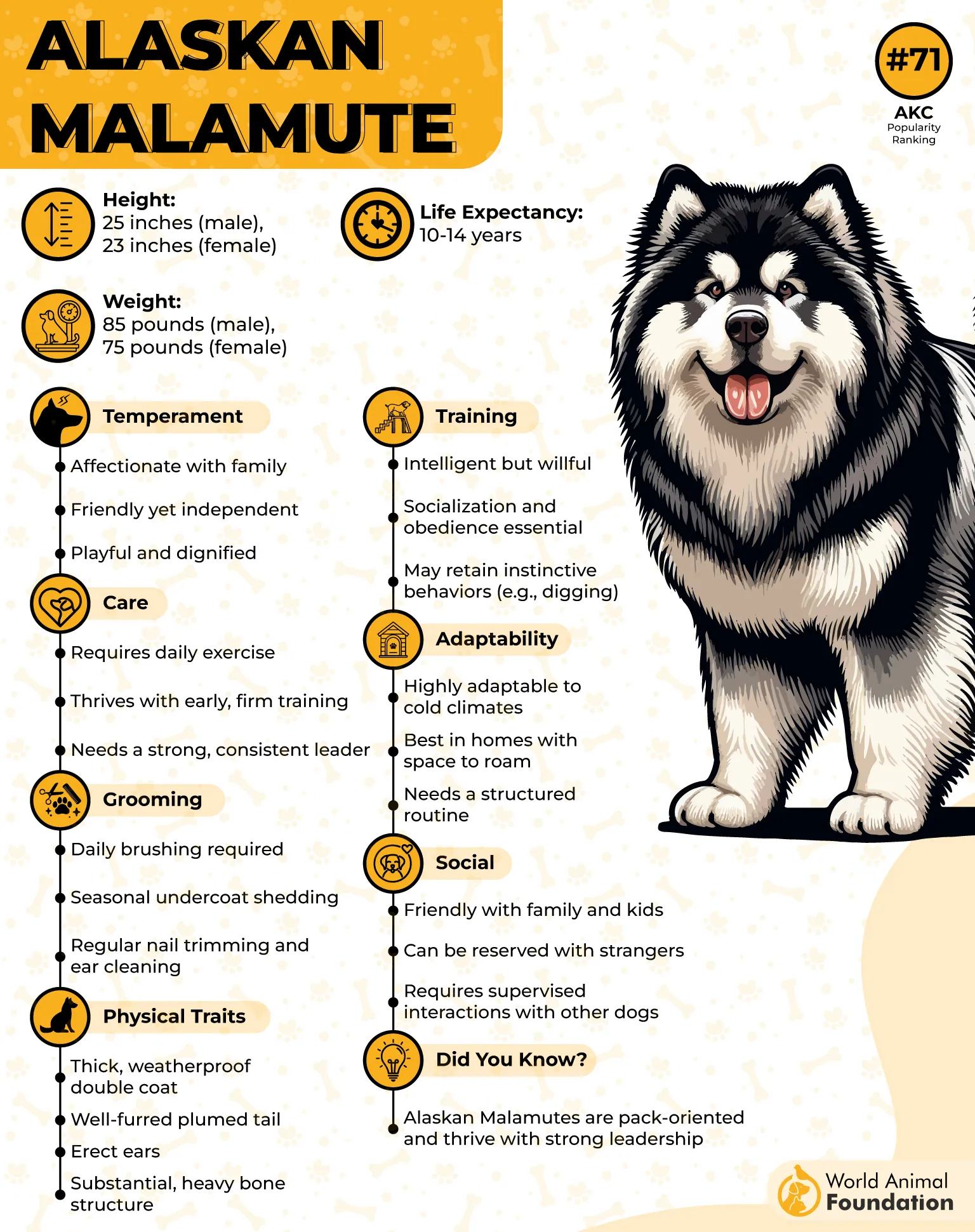
4. Alaskan Malamute
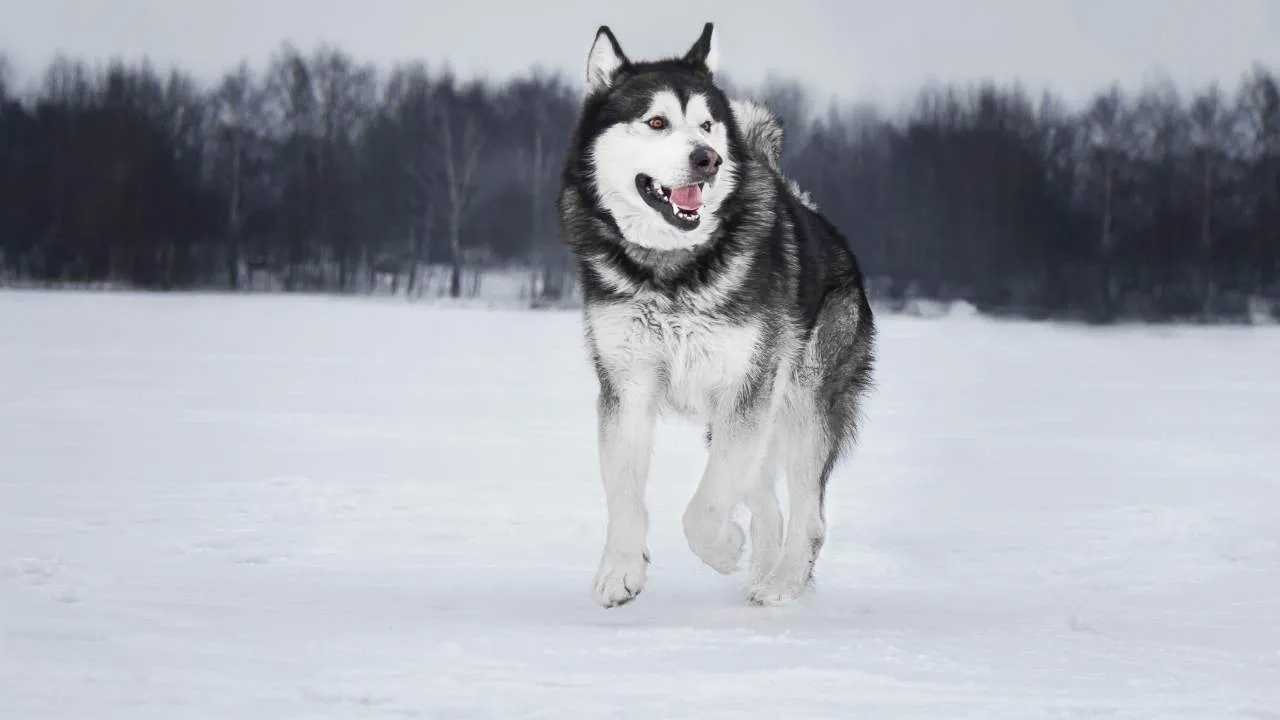
The Alaskan Malamute was originally bred from heavy-duty working stock, recognized through substantial bone, erect ears, and a thick plumed tail resting over the back.
Its physical structure reflects a dog built for hauling weight across difficult terrain. The overall impression feels powerful yet composed rather than restless.
Pack instincts and working mindset
Malamutes respond strongly to social hierarchy, expecting clear direction within their family group from an early stage. Firm guidance paired with steady interaction influences how respectfully it behaves inside the home.
That working mindset appears through recognizable traits:
Reads the pack structure quickly
Responds best to confident handling
Prefers shared activity over isolation
Outdoor rhythm and physical purpose
They connect naturally with physically demanding routines, especially long-distance hiking, pulling tasks, and backpacking activities.
Its endurance comes from hauling heavy loads instead of short bursts of speed. Enclosed outdoor areas help channel that energy into structured movement.
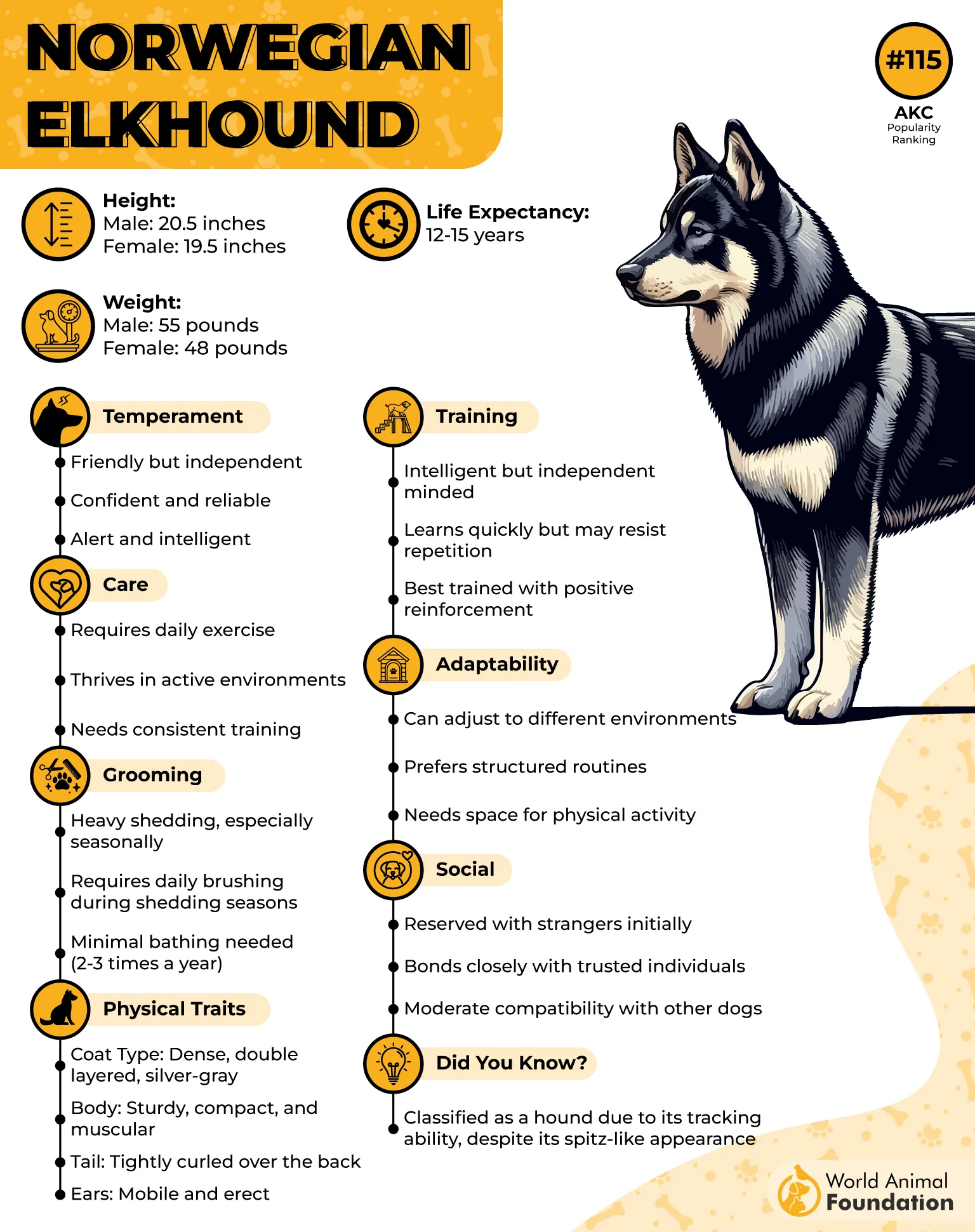
5. Norwegian Elkhound
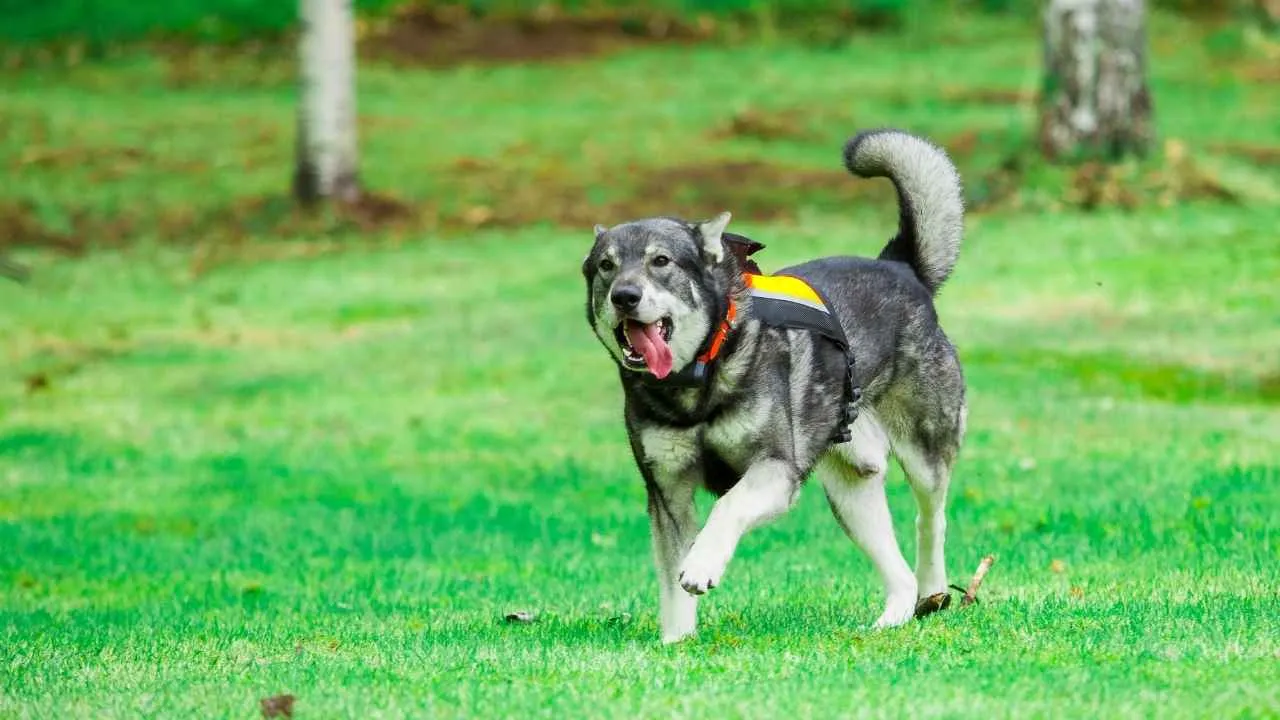
Norwegian Elkhound sailed beside Vikings, earning recognition through endurance, sharp awareness, and cold-weather resilience.
Its silver-gray coat, deep chest, and muscular thighs reflect a dog shaped for rough northern terrain. The sturdy frame and alert expression fit naturally into remote outdoor settings.
Built for demanding terrain
Norwegian Elkhound handles uneven ground with balance and athletic control, making long treks and wilderness routes easier to navigate. Agility work, hiking paths, and herding tasks align closely with its natural working instincts.
That rugged ability comes through in practical traits:
Dense coat suited for cold climates
Strong legs built for rough footing
Compact body supporting endurance travel
Independent but connected
This great hiking buddy forms close bonds with familiar people while remaining reserved during first introductions. Its sensitive temperament responds well to companionship, though a streak of hound-like independence appears once scent trails take over.
6. Vizsla
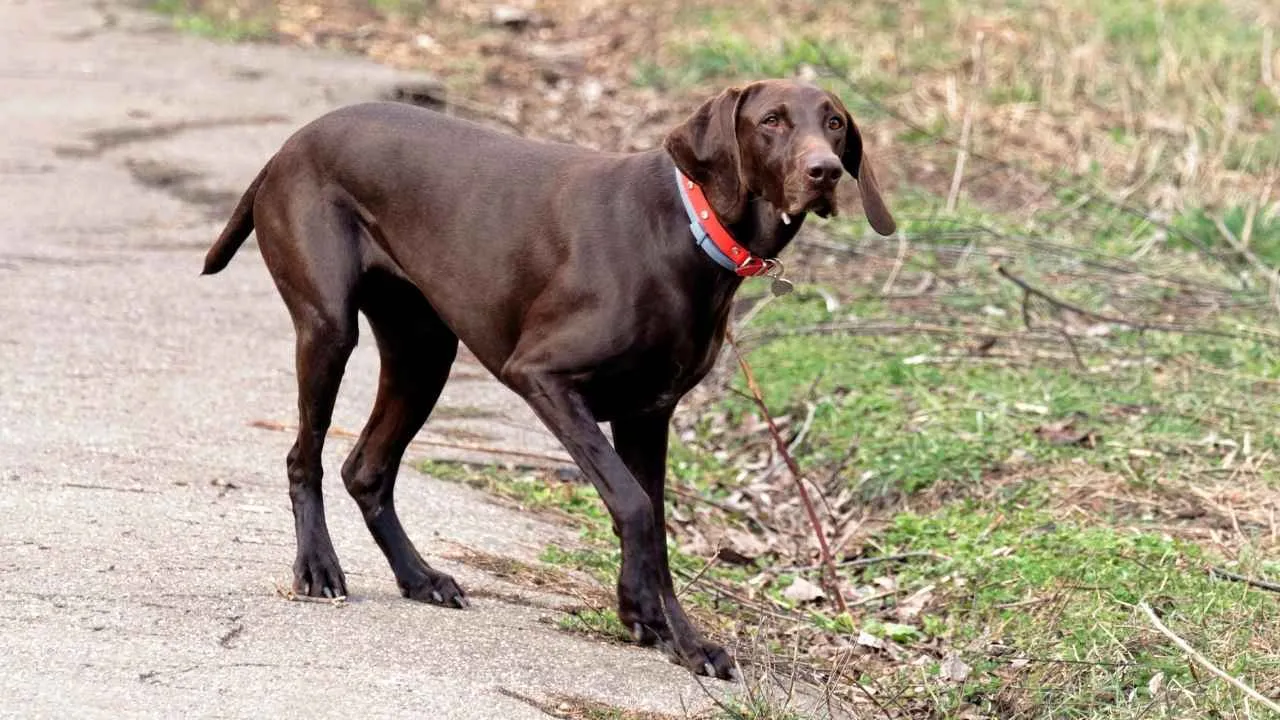
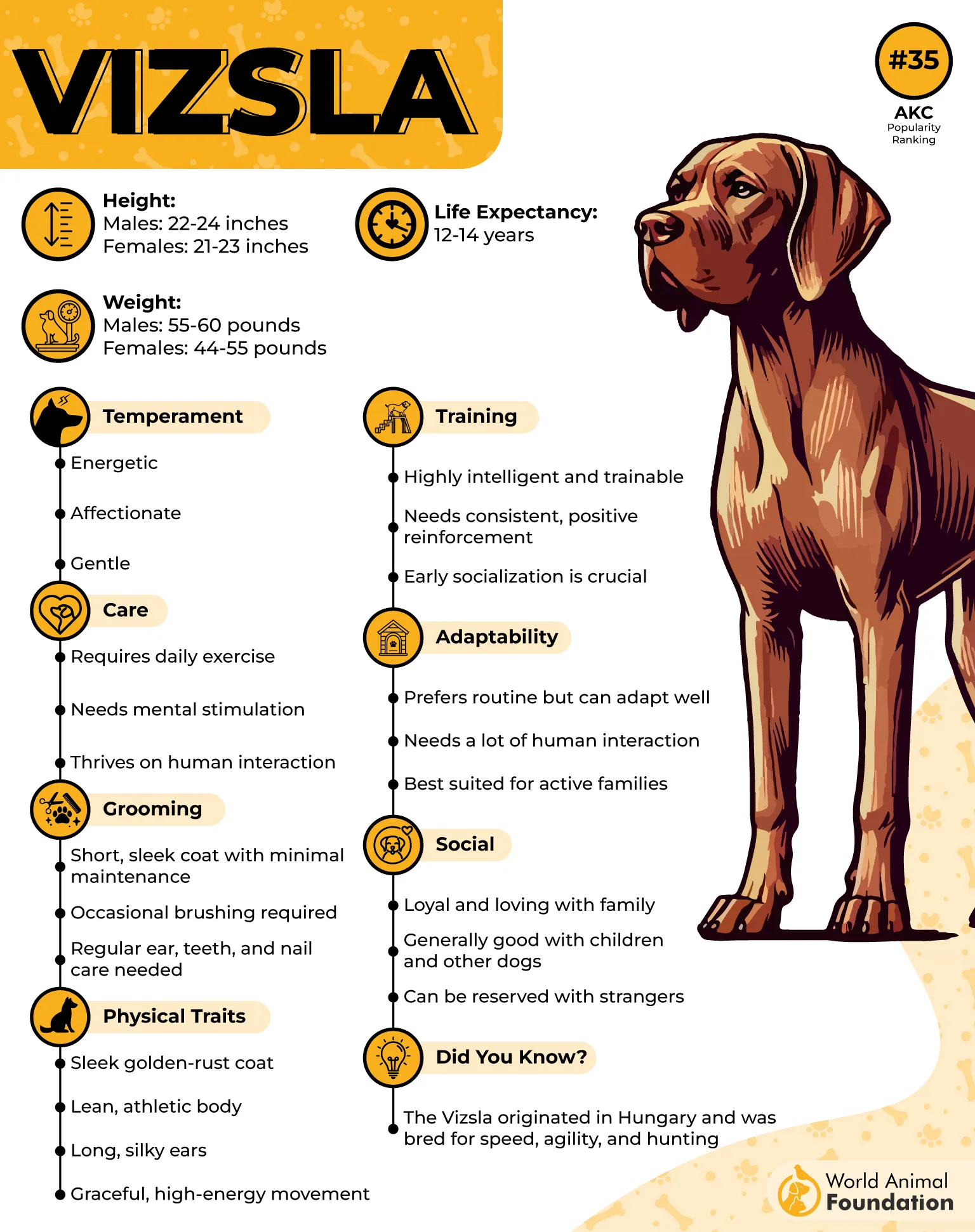
Vizsla earned recognition among Hungarian sportsmen through its ability to handle extended field days with speed and endurance.
Its lean frame and red coat reflect a gundog shaped for open terrain and constant activity. The breed works closely beside people rather than drifting independently across distance.
Close-working outdoor partner
This hiking dog forms unusually tight attachments with their people, often seeking involvement in whatever activity is happening nearby. That connection becomes especially noticeable during long outdoor routines where cooperation matters continuously.
That partnership appears through practical traits:
Keeps a close awareness of the handler’s direction
Handles long-distance outings with stamina
Adapts quickly to changing terrain work
Energy paired with mental engagement
Vizslas respond best when physical activity includes thinking tasks, especially in environments filled with scent, movement, and changing surroundings.
Activities like tracking, dock diving, lure coursing, and scent work fit naturally into its abilities. Idle routines often create frustration in a breed wired for involvement.
7. Weimarner
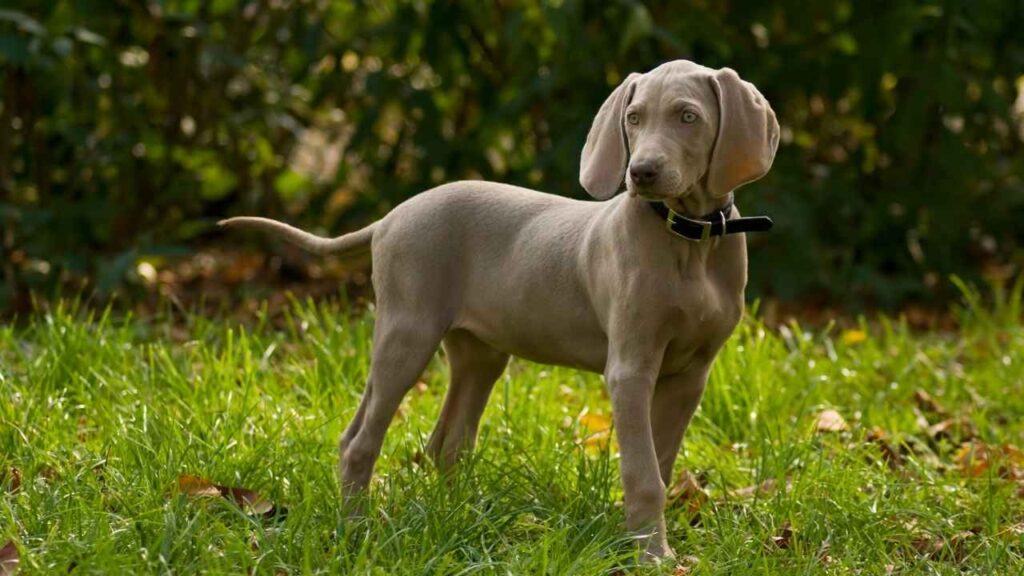
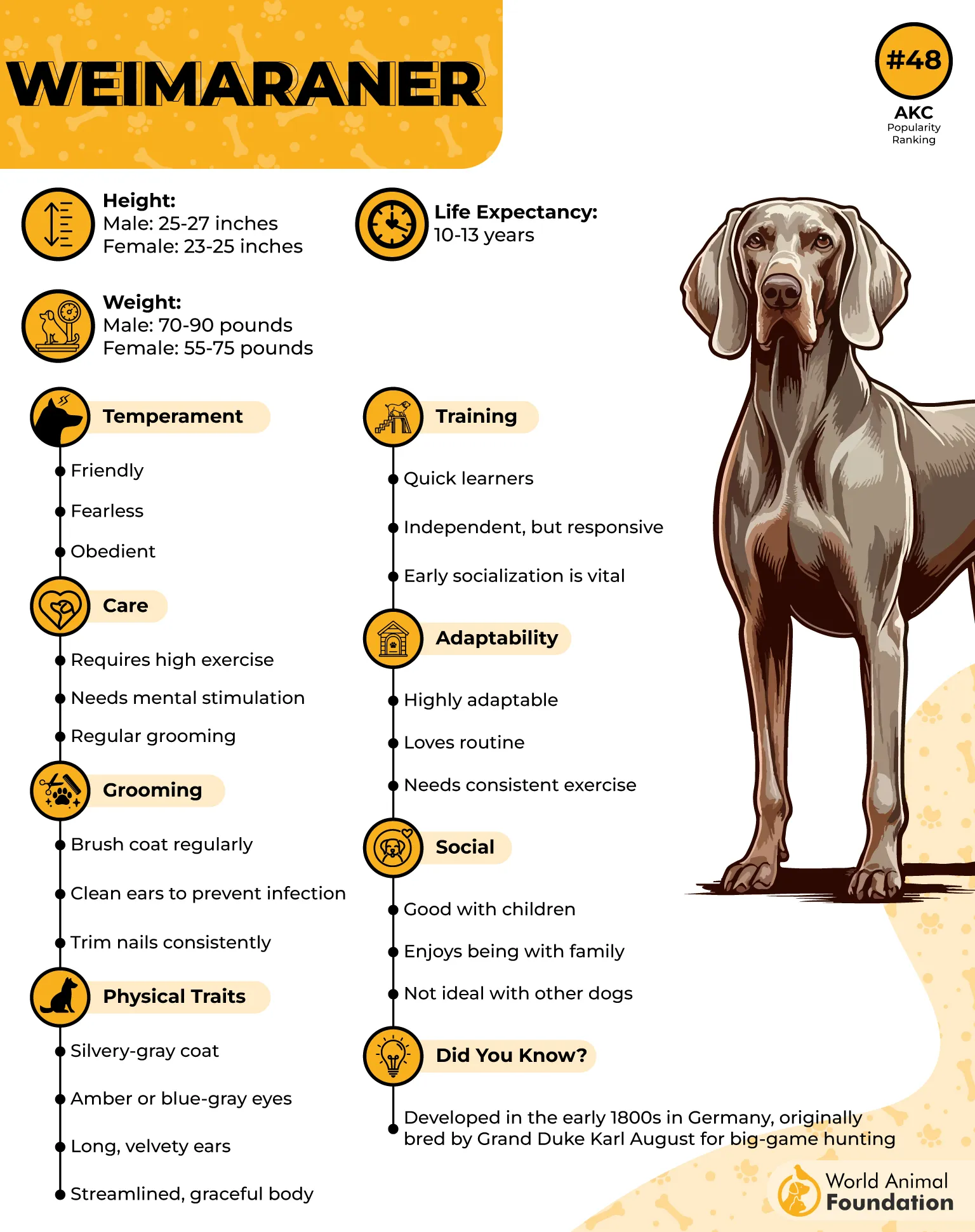
Weimaraner earned the nickname “Gray Ghost” through its sleek silver coat, swift pace, and fluid presence in the field. German hunters valued the breed for obedience paired with fearless pursuit across difficult terrain. Its streamlined structure gives every action a sense of balance and athletic precision.
Energy tied to exploration
As active dogs, they connect naturally with long outdoor routines, often seeking physical tasks that involve distance, scent, and coordination. Hiking trails, hunting paths, and water-based activities fit closely with its working instincts.
That drive appears through favorite outlets like:
Dock diving and lure coursing
Running beside human companions
Fetch and agility-based games
Responsive mind with physical stamina
They react quickly to proper training and benefit from activities that challenge both focus and their incredible endurance.
Puzzle toys, obedience work, and task-oriented play help direct its active mindset productively. A well-conditioned Weimaraner on point creates a striking image of control and concentration.
Conclusion
Remote camping changes the relationship between people and dogs in subtle ways. Long trails, quiet campsites, and difficult terrain create situations where trust, awareness, and steady companionship matter more than appearance or popularity, especially among the best dog breeds for outdoor life.
Some durable dogs naturally handle those conditions better than others. They stay balanced during exhausting hikes, adjust calmly to unfamiliar environments, and remain dependable even once weather and fatigue begin testing everyone involved. Their high energy stays controlled through mental and physical stimulation outdoors.
The right canine companion rarely feels like extra responsibility deep in the wilderness. Instead, it becomes part of what makes the experience memorable in the first place.
