




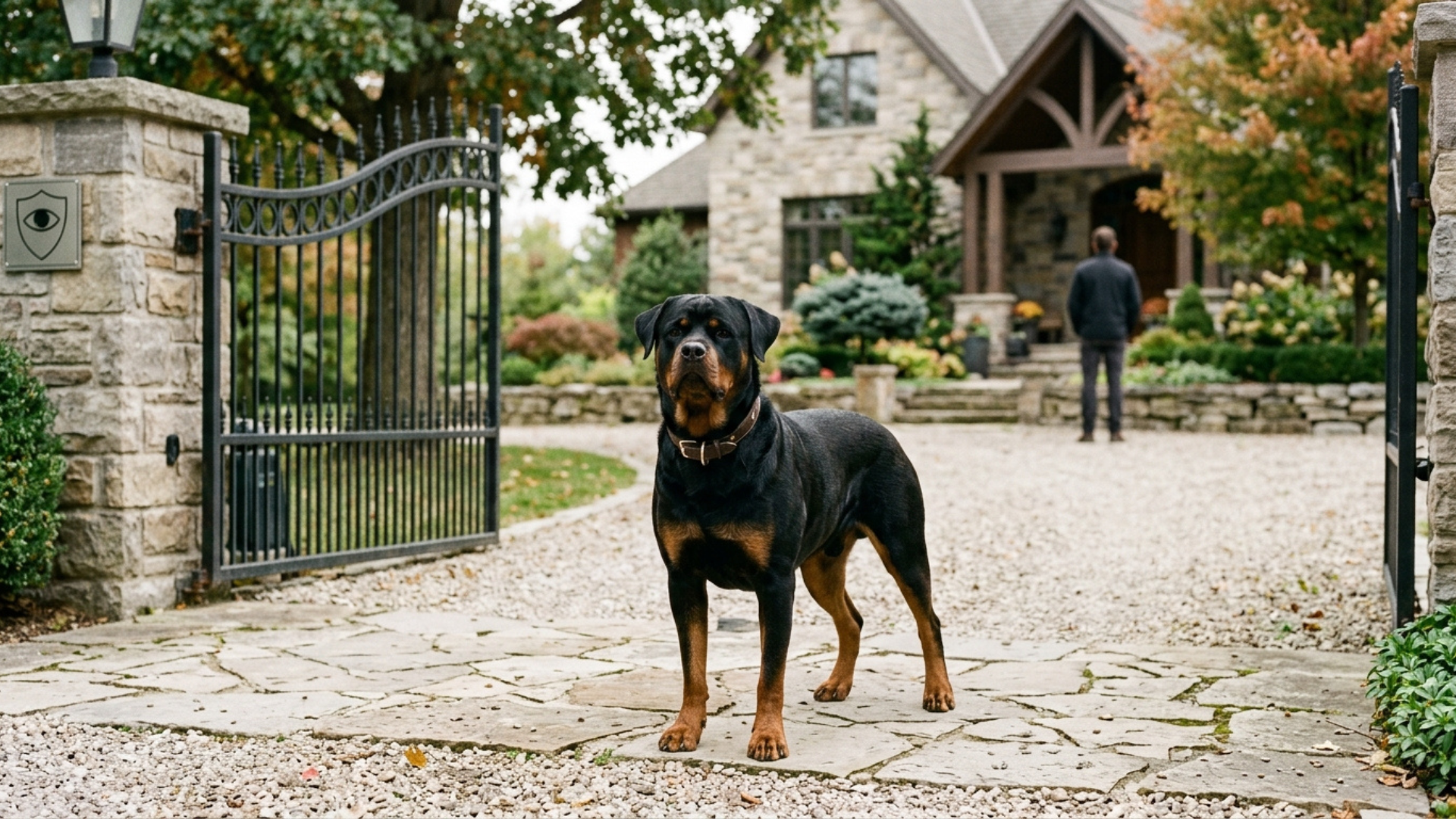
There is much more to selecting the most effective protective dog breed as guardians of property and people than simply selecting the most threatening dog breed. The real protection dogs are a combination of intelligence, emotional control, loyalty, and trainability, which enables them to react suitably instead of being aggressive.
An obedient guard dog breed is utilized for three significant purposes: deterrence, detection, and defense. It is worth noting that even the most instinctively protective dog requires proper training, early socialization, and responsible ownership to hone their protective instincts.
Here are 10 of the best guard dogs that will do a good job at keeping your house and family safe.
Best Dog Breeds for Protecting Property and People
1. German Shepherd
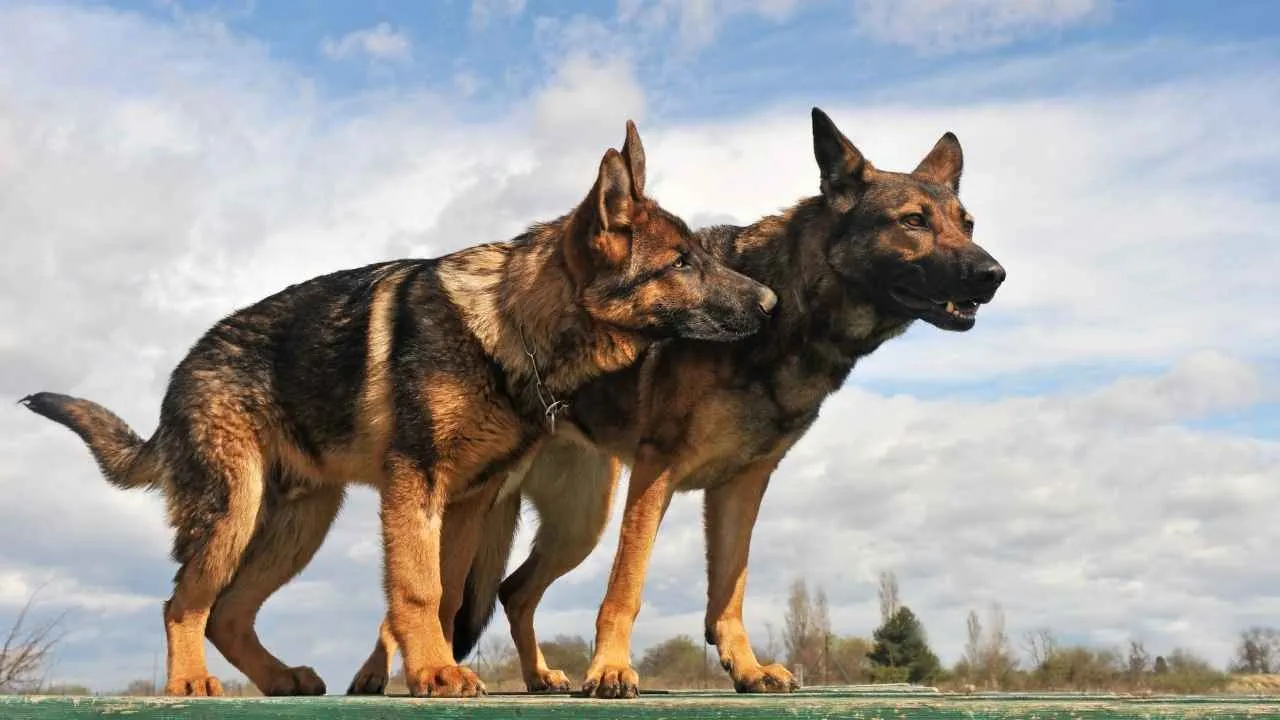
The German Shepherd is generally regarded as the ultimate protection dog because it is one of the most versatile dogs.
Why They Stand Out:
Intelligent and one of the smartest breeds
Commonly applied in police work, military work, and search-and-rescue
Aggression is suppressed, and there is a stronger level of loyalty
Deeper Insights:
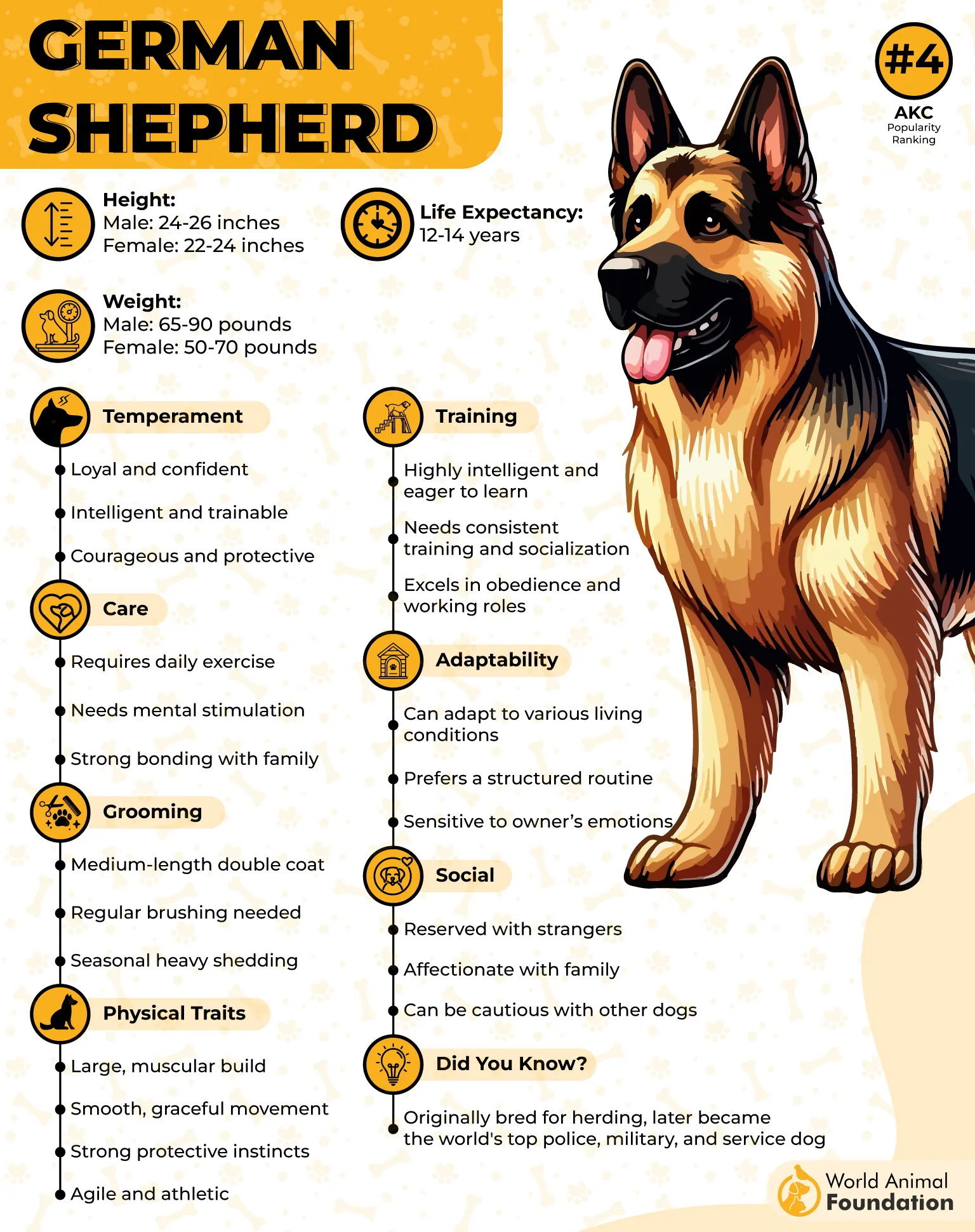
German Shepherds have the reputation of being able to evaluate danger, as opposed to acting on impulse. This renders them suitable for families that desire safety and stability. They are highly trainable and able to acquire complex protection exercises.
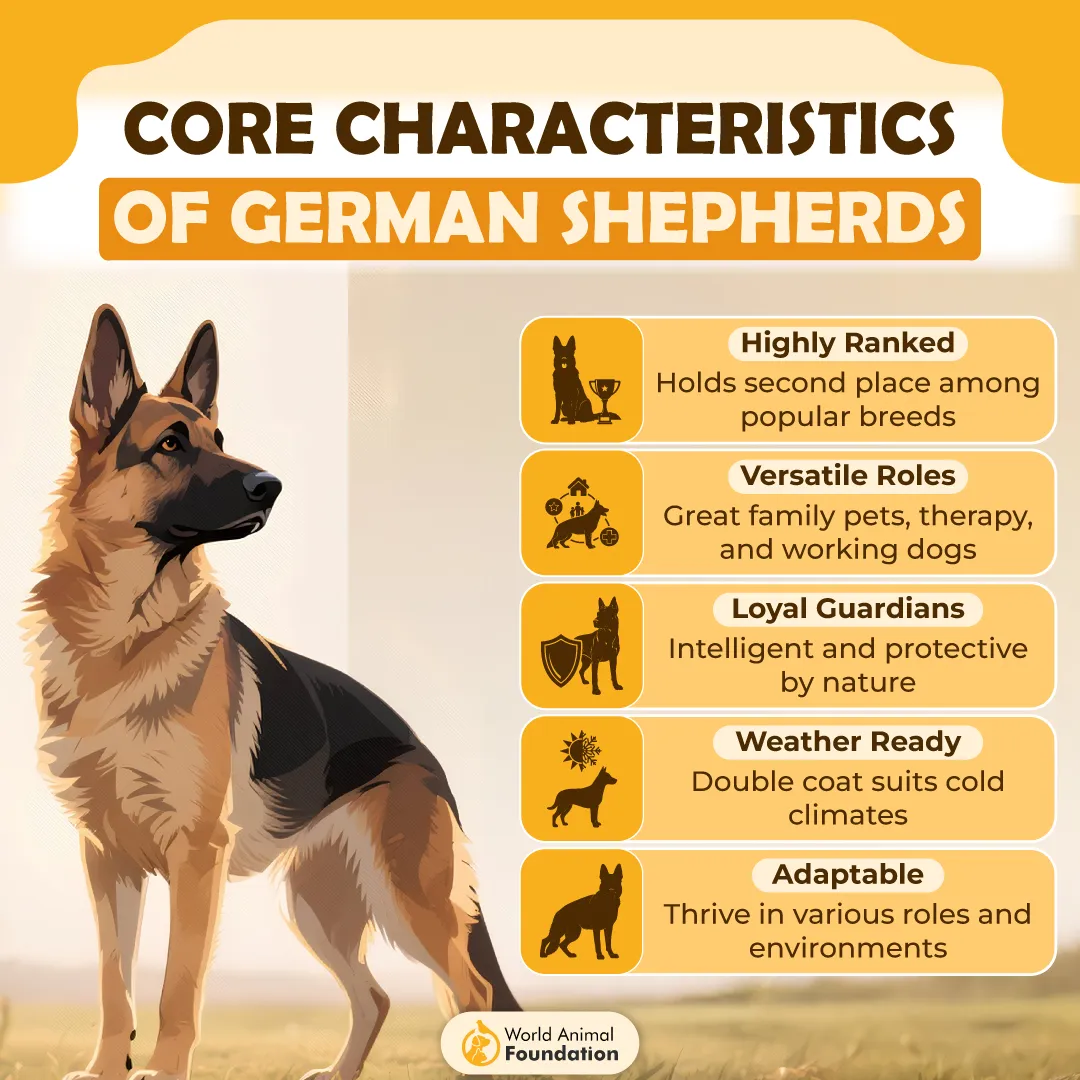
But their cleverness requires them to be provided with proper mental and physical challenges at all times. They can be anxious or destroy themselves without exercise, daily training, or mental stimulation.
Training & Care Tips:
Needs 60-90 minutes per day of exercise
Needs consistent training from a young age
Grows well in spacious and structured homes
Best use: Active households, security position, experienced owners.
2. Rottweiler
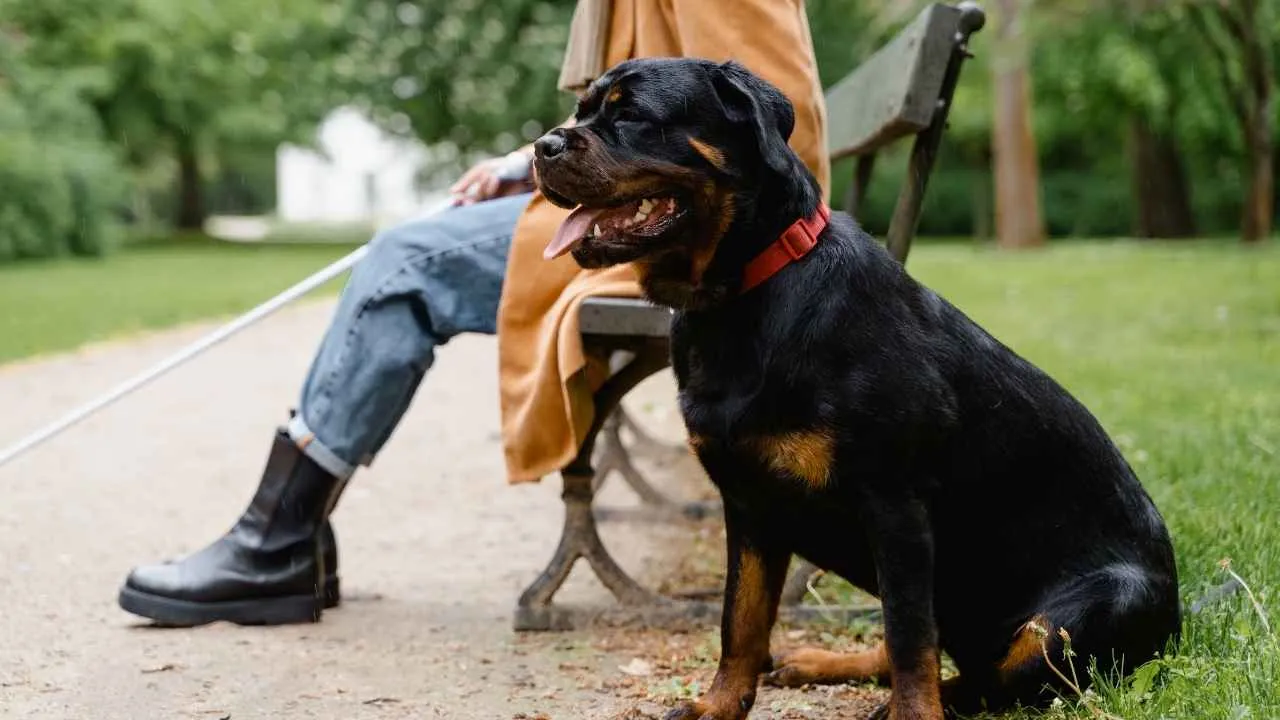
Rottweilers are strong, assertive dogs that use their commanding presence due to their history as livestock protection dogs. Rottweilers thrive when there is a job to do, as stated by Orvis.
Why They Stand Out:
Strong territorial awareness
Composed yet courageous character
Naturally guarding without overbearing yells
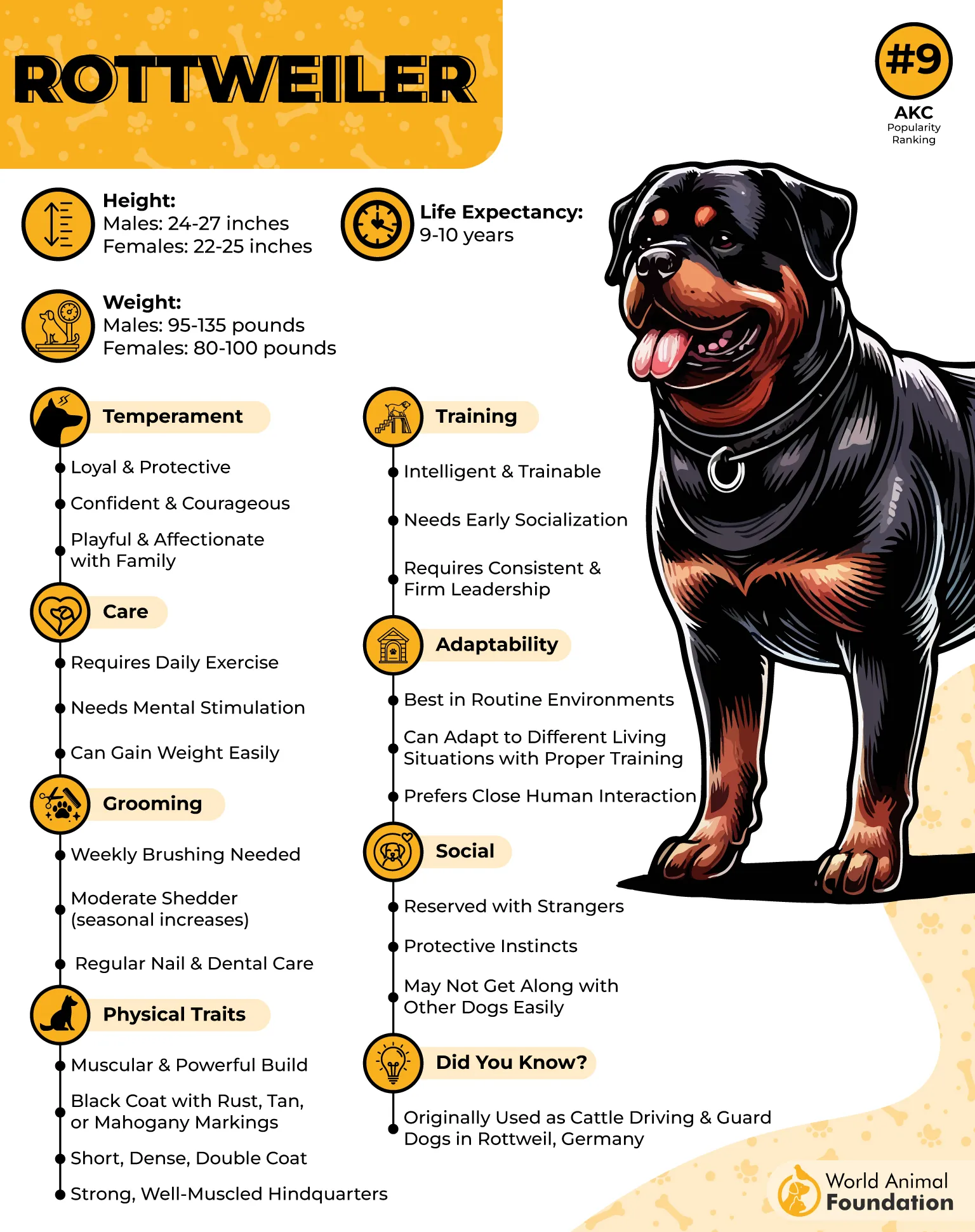
Deeper Insights:
Rottweilers are not always aggressive – they are guardians. They take note of things and do not intervene unless they have to. This makes them great in securing the house where there is a need to control behavior.
They tend to attach themselves to a single dog owner, yet are protective of the whole house in family life.
Training & Care Tips:
Requires strong, stable leadership
Over-guarding should be avoided by means of early socialization to handle their protective instincts
Moderate exercise requirements
Best Uses: Confident owners, families that require a guard dog that can deter intruders.
3. Doberman Pinscher
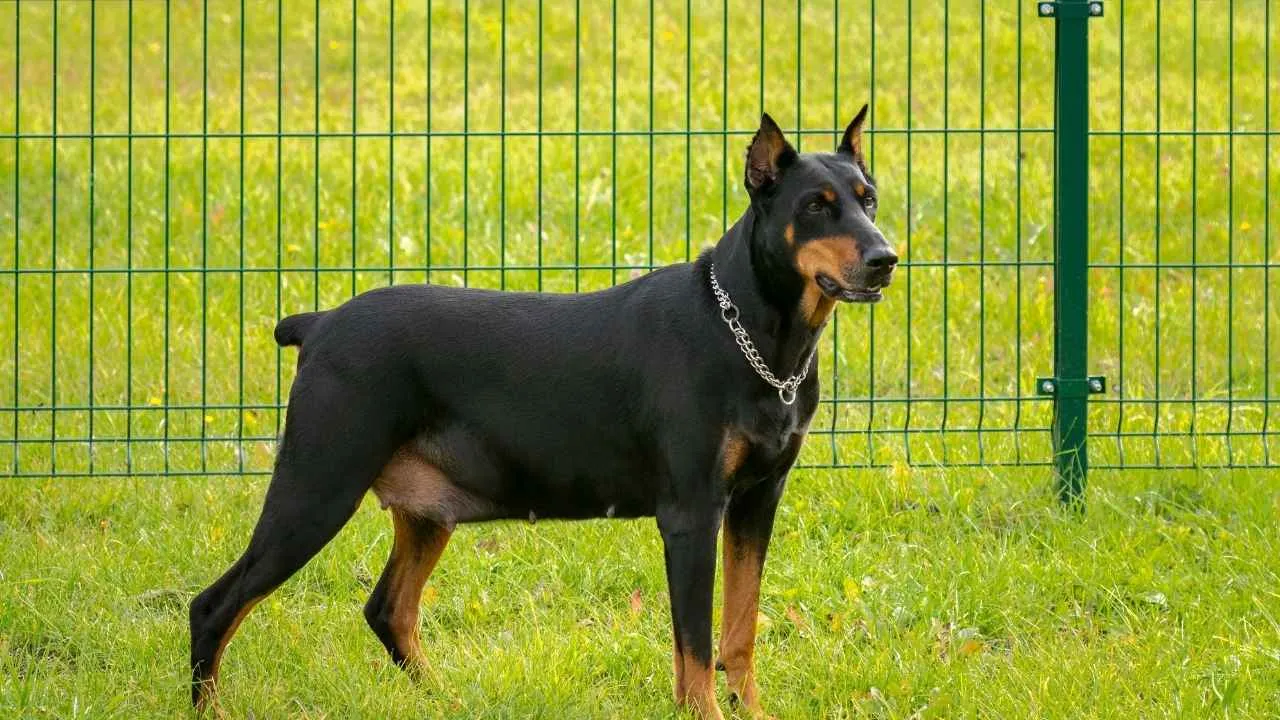
Dobermans are a slim, athletic, and very alert breed, making them one of the most efficient guard dogs.
Why They Stand Out:
Quick response and great agility
Very loyal and sociable
Very good obedience and trainability
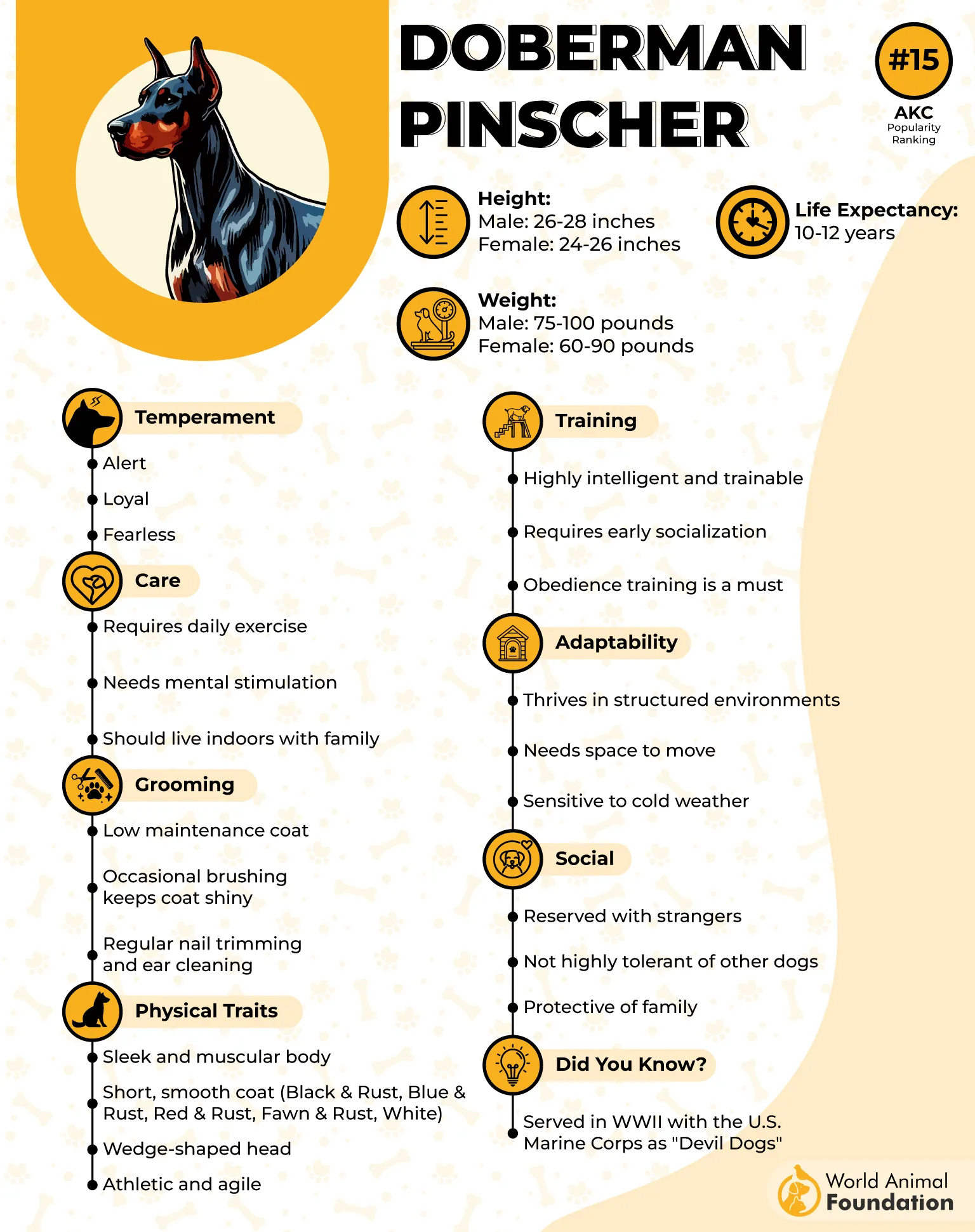
Deeper Insights:
Often called “velcro dogs”, Dobermans stick close to their owners at all times, unlike other pets. This renders them ideal to protect individuals as opposed to merely guarding properties. They are quick and react immediately to danger.
They are also very sensitive and emotional, i.e., they are the best respondents to positive reinforcement training but not harsh discipline.
Training & Care Tips:
Needs proper training and mental stimulation
Advantages of advanced obedience training
Needs people – not good alone
Best Use: People or families seeking tight security.
4. Cane Corso
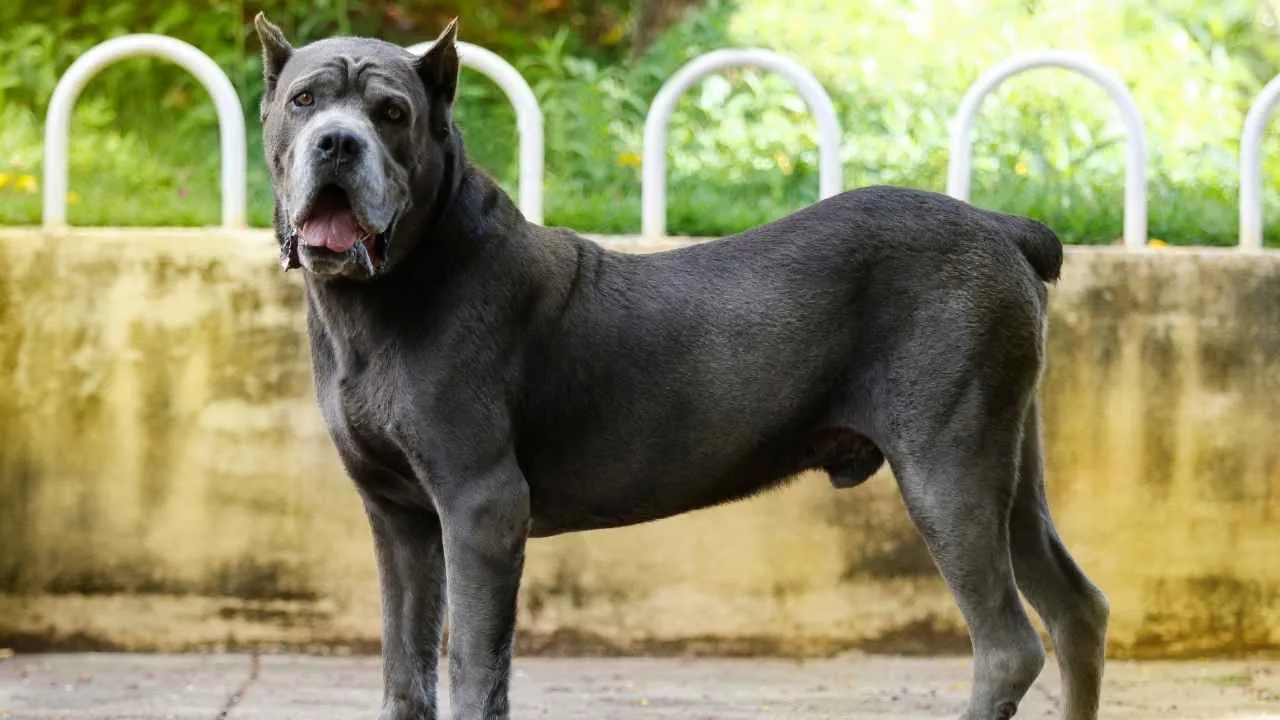
The Cane Corso is a strong type of Italian Mastiff, which was developed with the purpose of guarding property.
Why They Stand Out:
Naturally assertive and protective
Highly intimidating presence
Strong territorial instincts
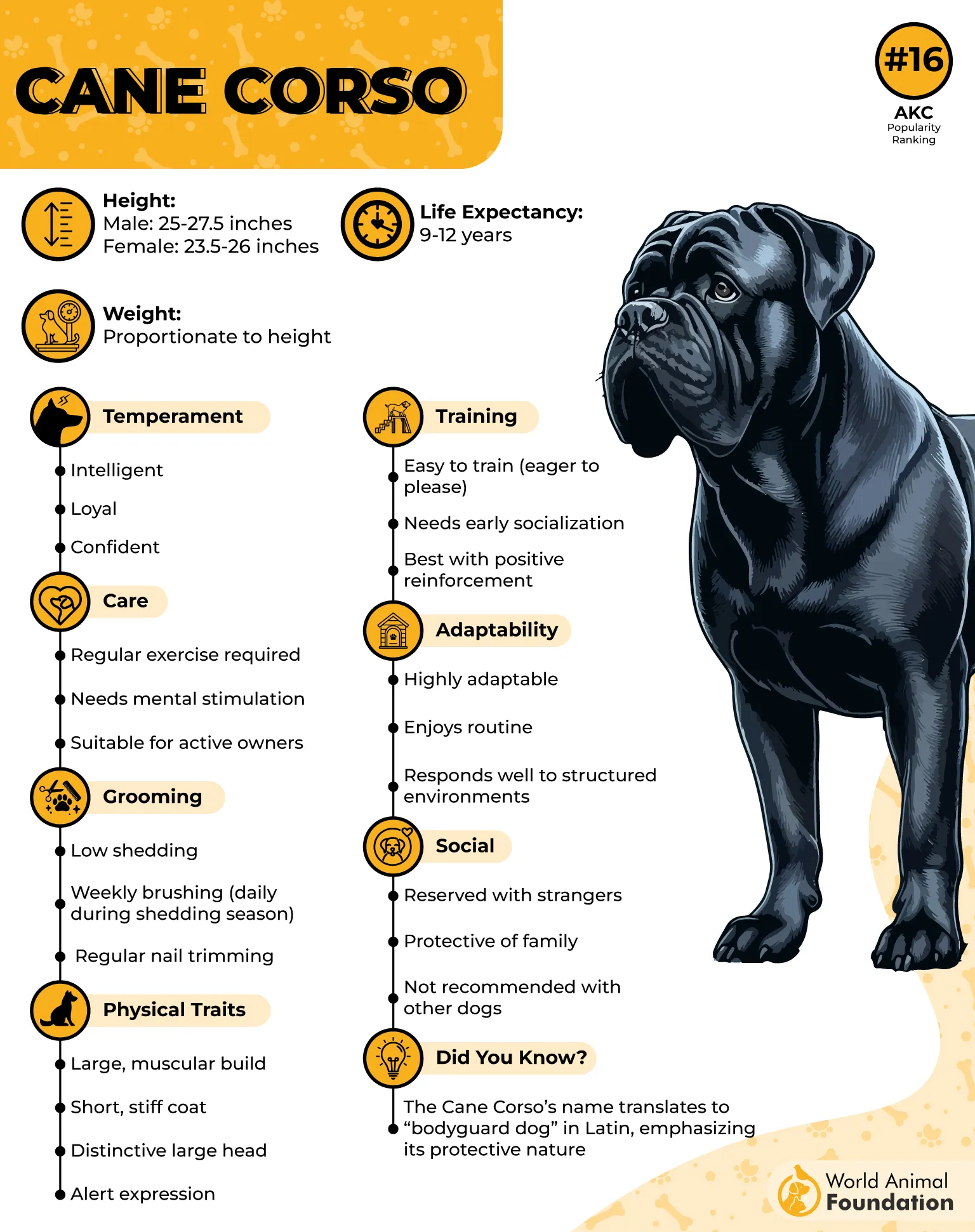
Deeper Insights:
Cane Corsos are solemn guard dogs, rather than pets. They are inherently skeptical of outsiders and are in need of a strong leader to keep them in check. They are quiet when trained, effective at guarding, and calm when required.
Their power requires them to be kept by highly skilled owners who will be able to offer discipline and order.
Training & Care Tips:
Obedience training at a young age is imperative
Socialization to hone their protective nature and avoid being overly aggressive
Needs space and exercise
Best use: Experienced handlers, large homes or properties due to their size as a large dog.
5. Belgian Malinois
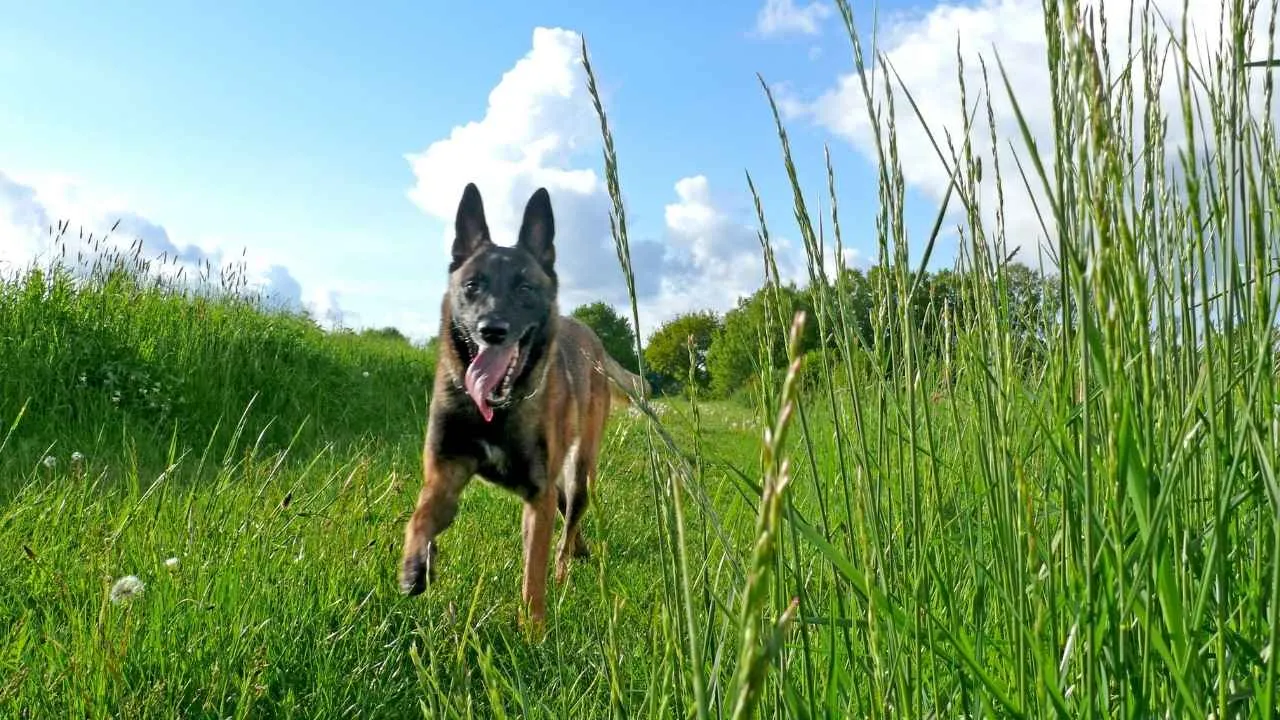
The Belgian Malinois is a high-performance working dog that may be employed in high-security operations.
Why They Stand Out:
Extraordinary intelligence and diligence
Applied to military and special forces
Extremely fast and responsive
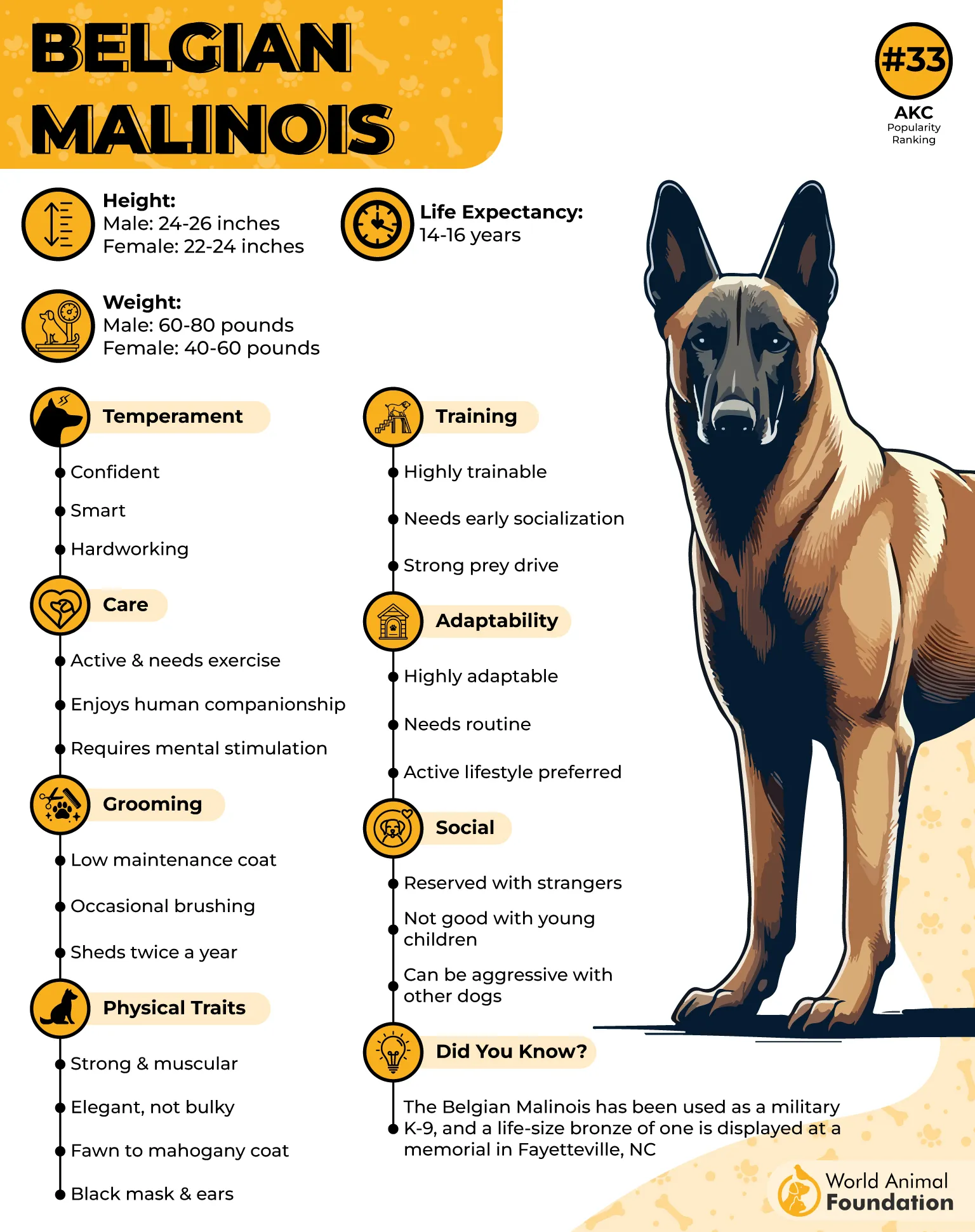
Deeper Insights:
This breed is not for beginners. These are dogs that like to be challenged, and in their absence, they may get agitated or violent.
They are good at advanced training of protection, detection, tracking, and controlled apprehension.
Training & Care Tips:
Requires 1-2 hours of exercise a day
Needs routine activities and training
Proper socialization required
Best for: Professionals, very active people.
6. Bullmastiff
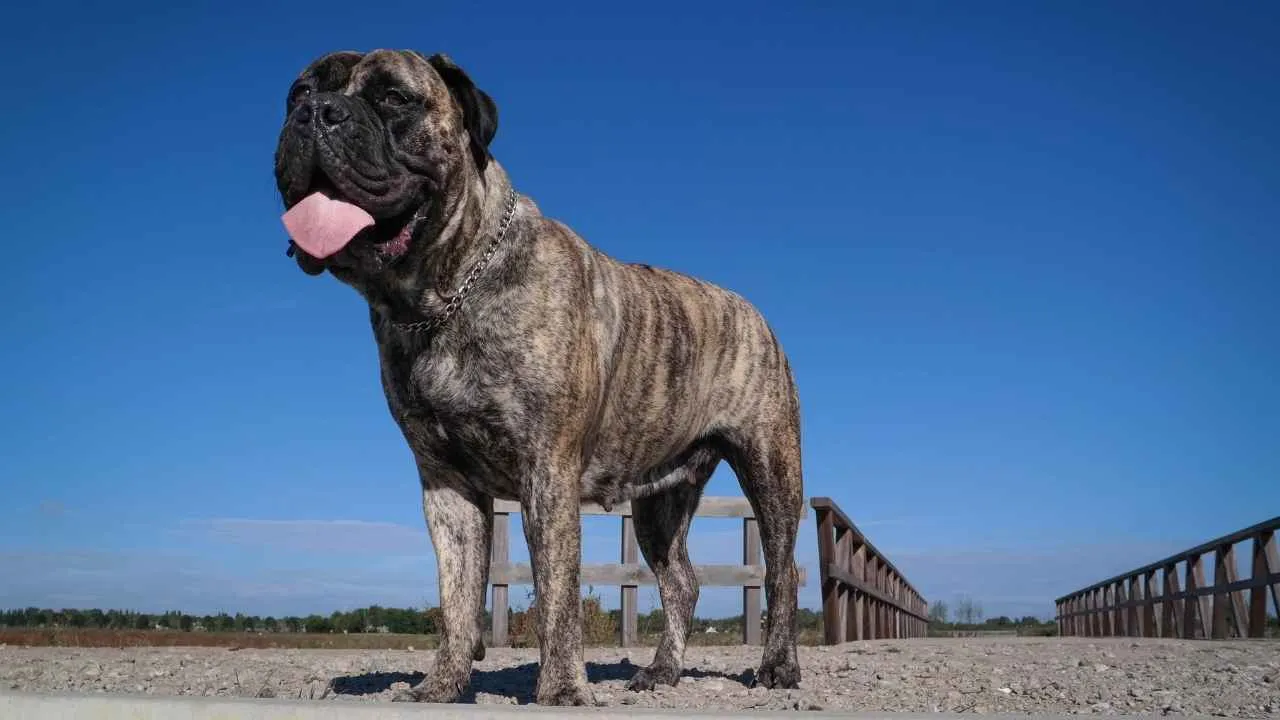
Bullmastiffs are referred to as silent guardians because of their quiet but mighty presence paired with their sharp instincts.
Why They Stand Out:
Calmly defensive due to natural protective instincts
Quiet and observant
Powerful enough and incredibly alert to scare away intruders
Deeper Insights:
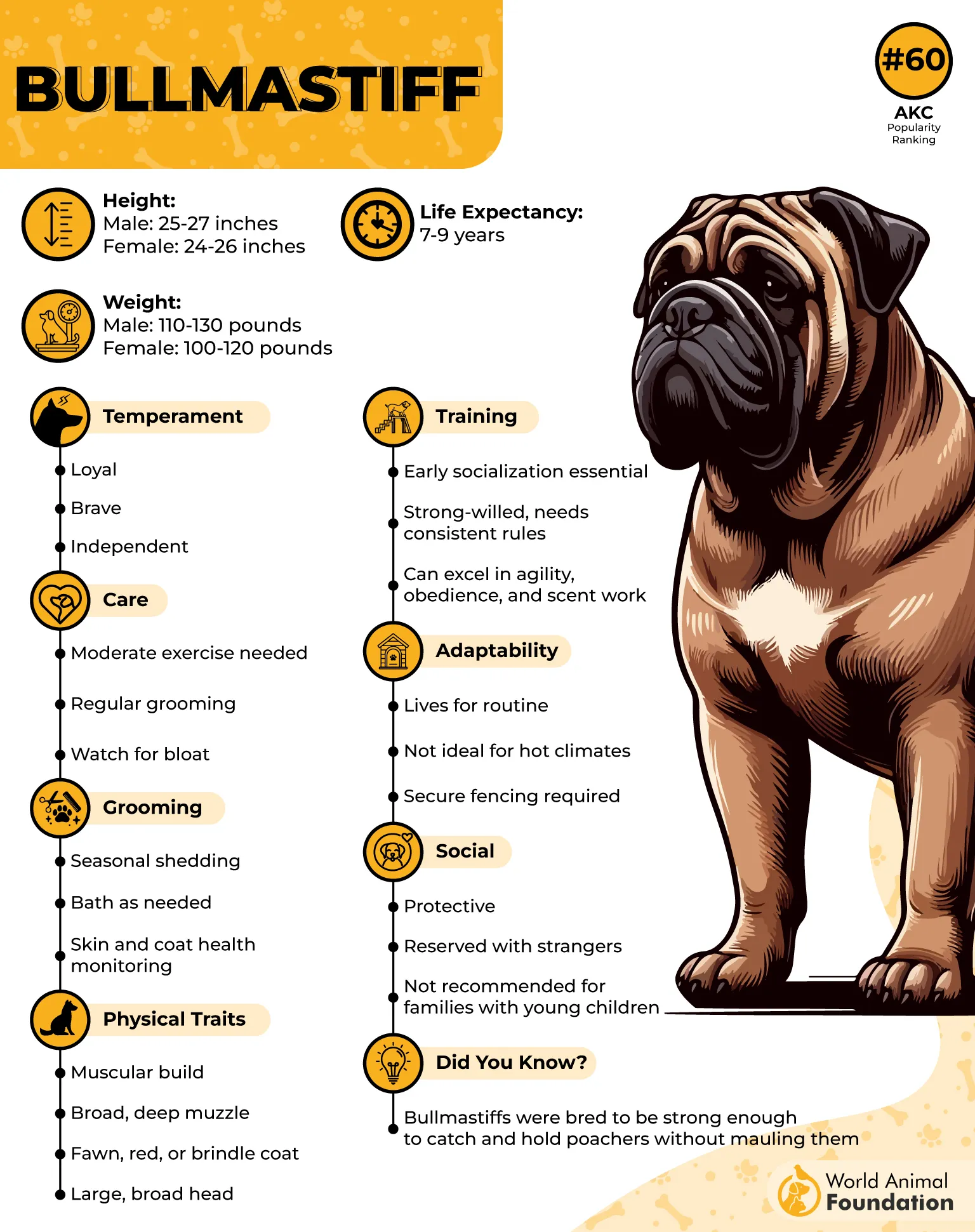
Described as fearless at work and docile at home by the American Kennel Club, Bullmastiffs are unlike most guard dogs as they are more dependent on presence and control as opposed to chasing and loud barking. They were originally bred to pin intruders, not attack them, unlike other animals.
They are surprisingly affectionate and friendly to family members, and as such, they make great family pets.
Training & Care Tips:
Needs regular exercise
Benefits from early age obedience training
Reacts to peaceful leadership, forms strong bonds with family
Best for: Families seeking an effective, yet calm guard dog.
7. Akita
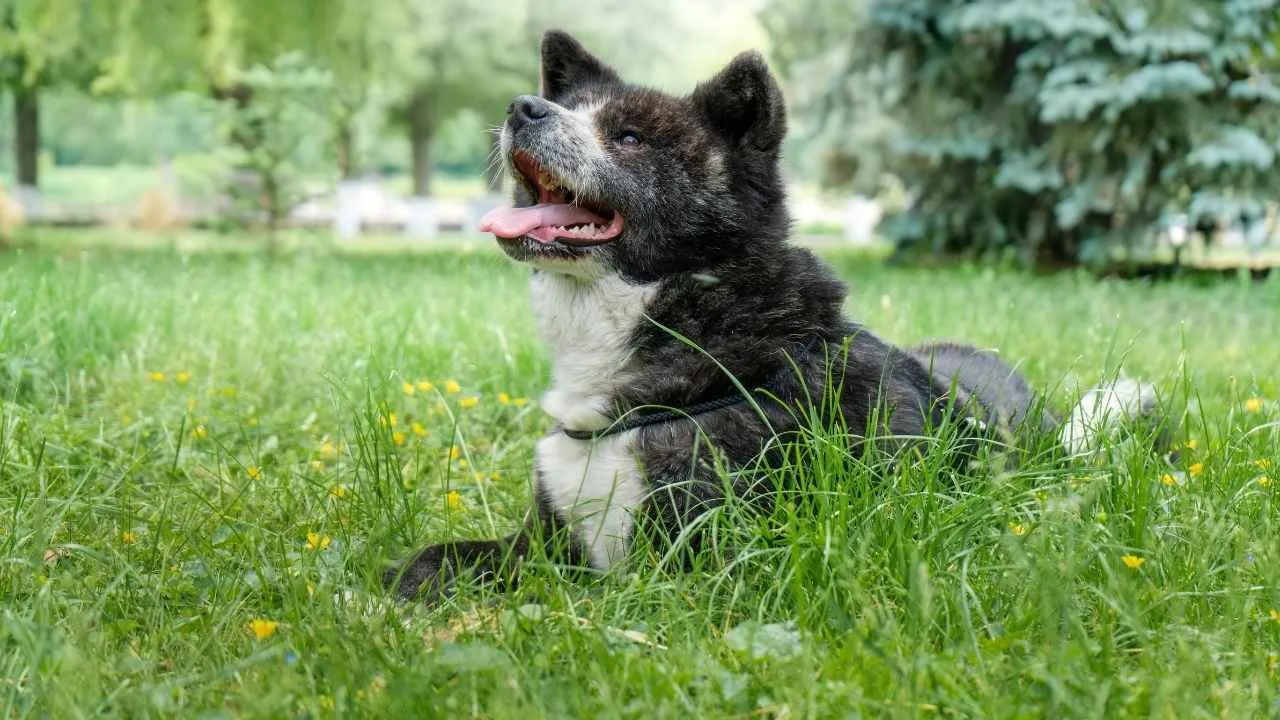
Akitas are dignified and aloof animals, but they are extremely loyal.
Why They Stand Out:
An instinct to be distrustful of strangers
Very faithful and jealous
Quiet and dignified
Deeper Insights:
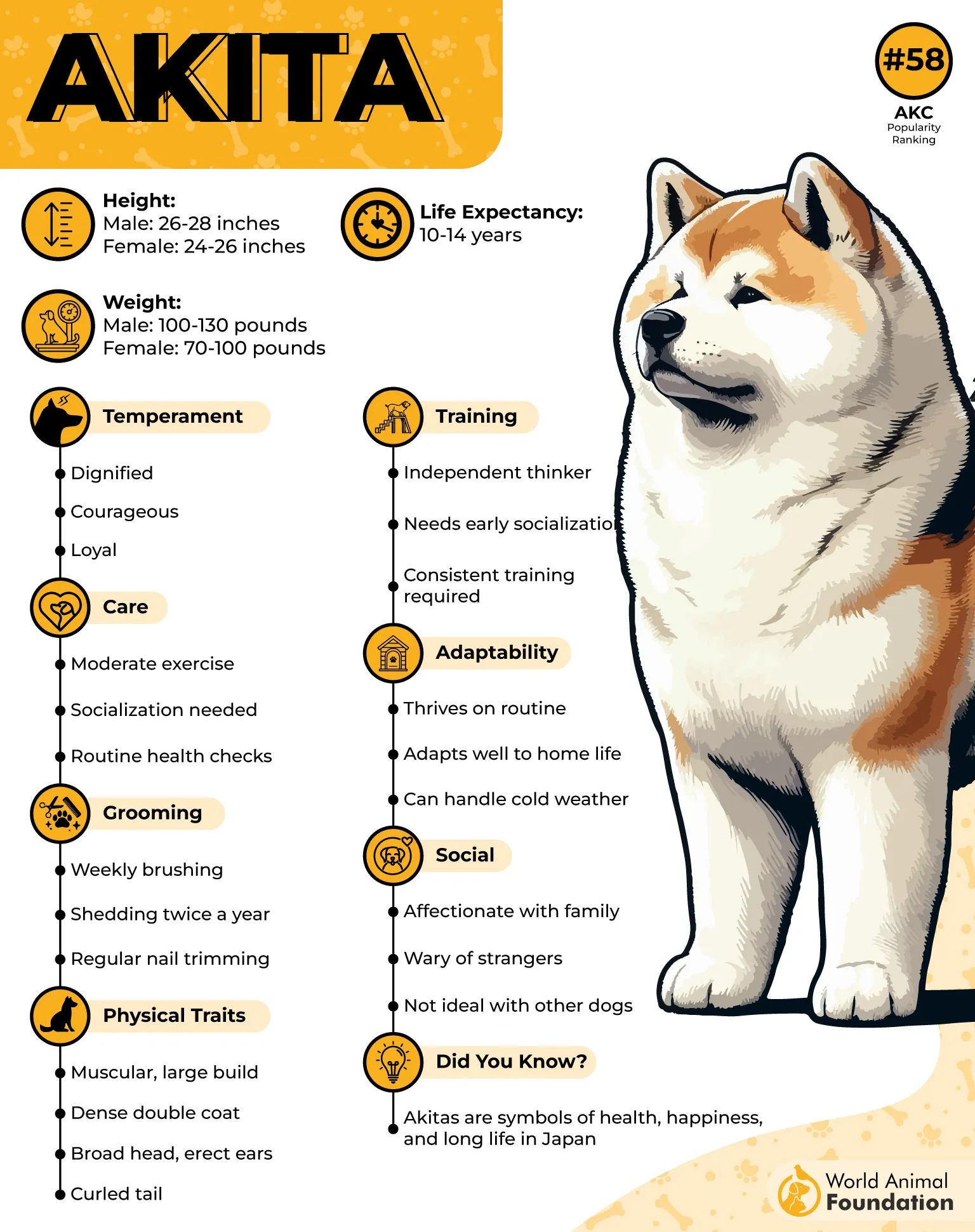
Akitas are free thinkers, hence making them harder to train compared to other pets. They do not simply respond to situations – they analyze them, including normal and threatening situations.
Such autonomy makes them very good watchdogs, but they must be handled with a lot of experience and patience.
Training & Care Tips:
Needs early socialization
Likes routine
Moderate exercise requirements
Best for: Seasoned owners who need a relaxing protector.
8. Boxer
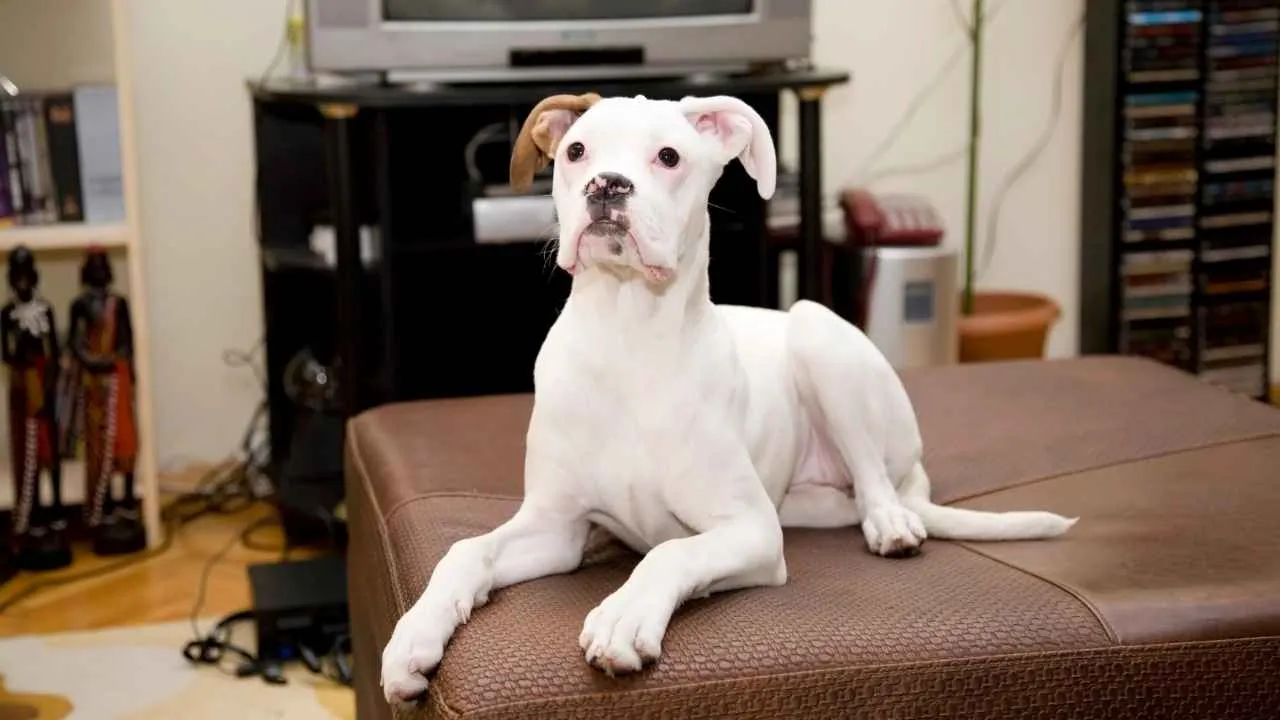
Boxers are naturally affectionate and protective
Why They Stand Out:
Energetic dogs that are family-friendly
Naturally vigilant and watchful due to a protective nature
Great with children
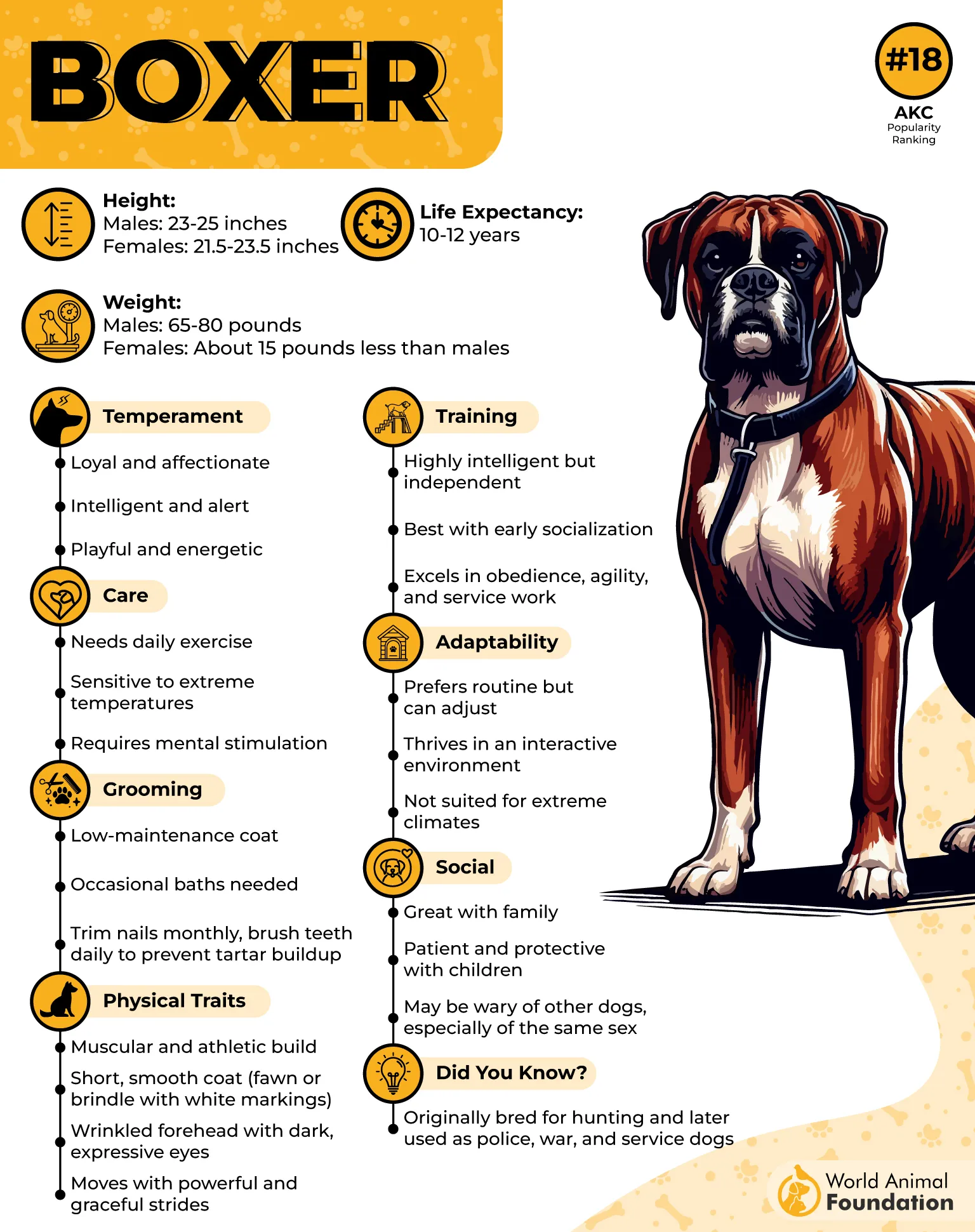
Deeper Insights:
Boxers are great family dogs as they are protective and loving companions, even around small children. This energetic breed might not appear as scary as Mastiffs, but due to their watchfulness and boldness, they are deeply loyal guardians.
They are ideal for first-time dog owners.
Training & Care Tips:
Should exercise and play
Responds to positive reinforcement
Needs early discipline training
Best for: Families with kids who require personal protection, but also a gentle companion as a family pet.
9. Giant Schnauzer
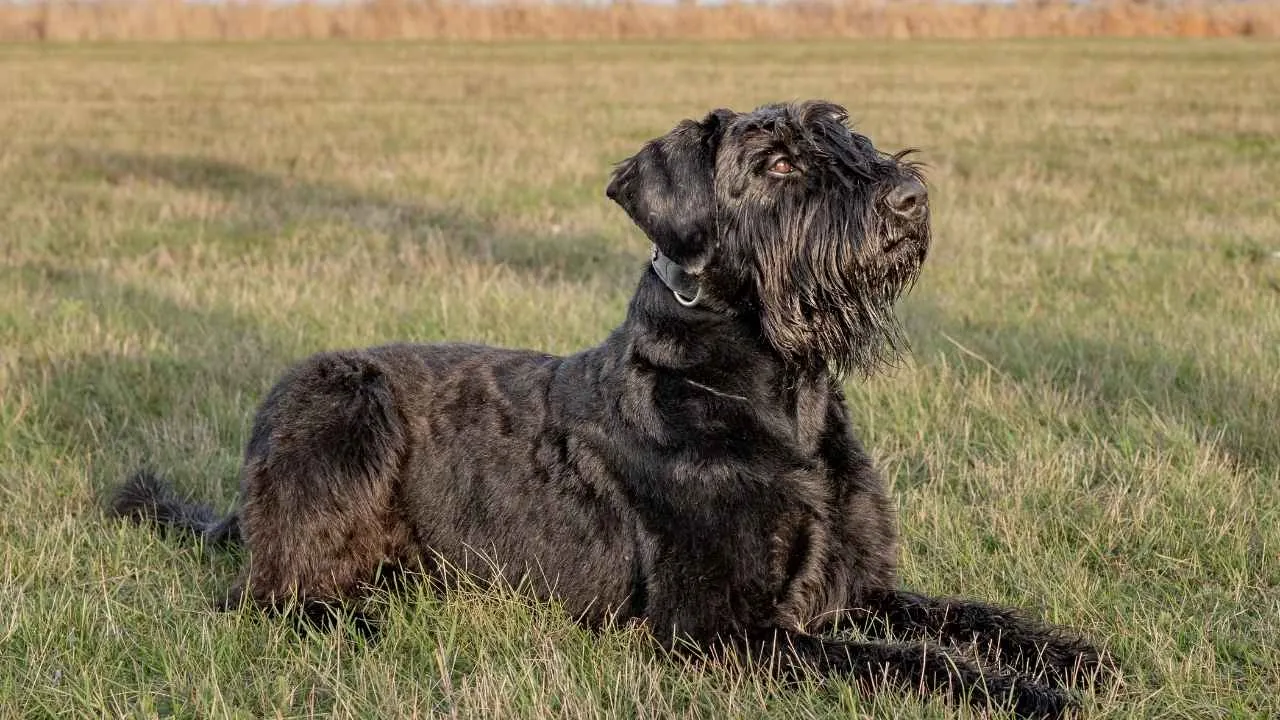
The Giant Schnauzer is a strong working dog and a good guard dog.
Why They Stand Out:
Very territorial and on guard
Strong obedience potential
Protective yet controlled
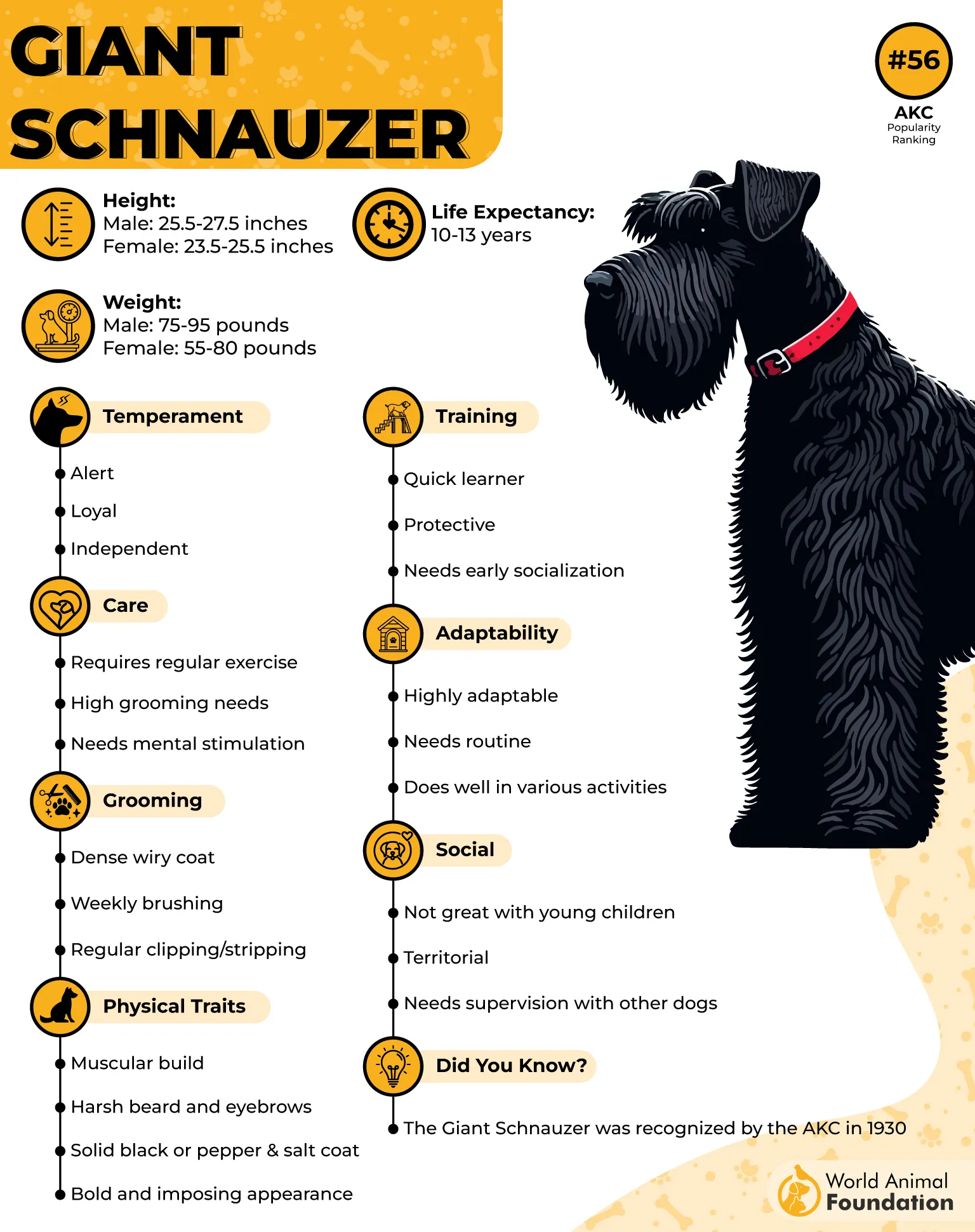
Deeper Insights:
These dogs are very loyal and task-oriented. They are most effective when assigned a task, such as guarding, training, or active play. They might get obstinate without a reason.
They are also very energetic and need physical and mental activities in their daily life.
Training & Care Tips:
Train regularly
Needs to be groomed because of its coarse, thick coat
High exercise demands
Best: Busy owners who can provide a routine and structure.
10. Rhodesian Ridgeback
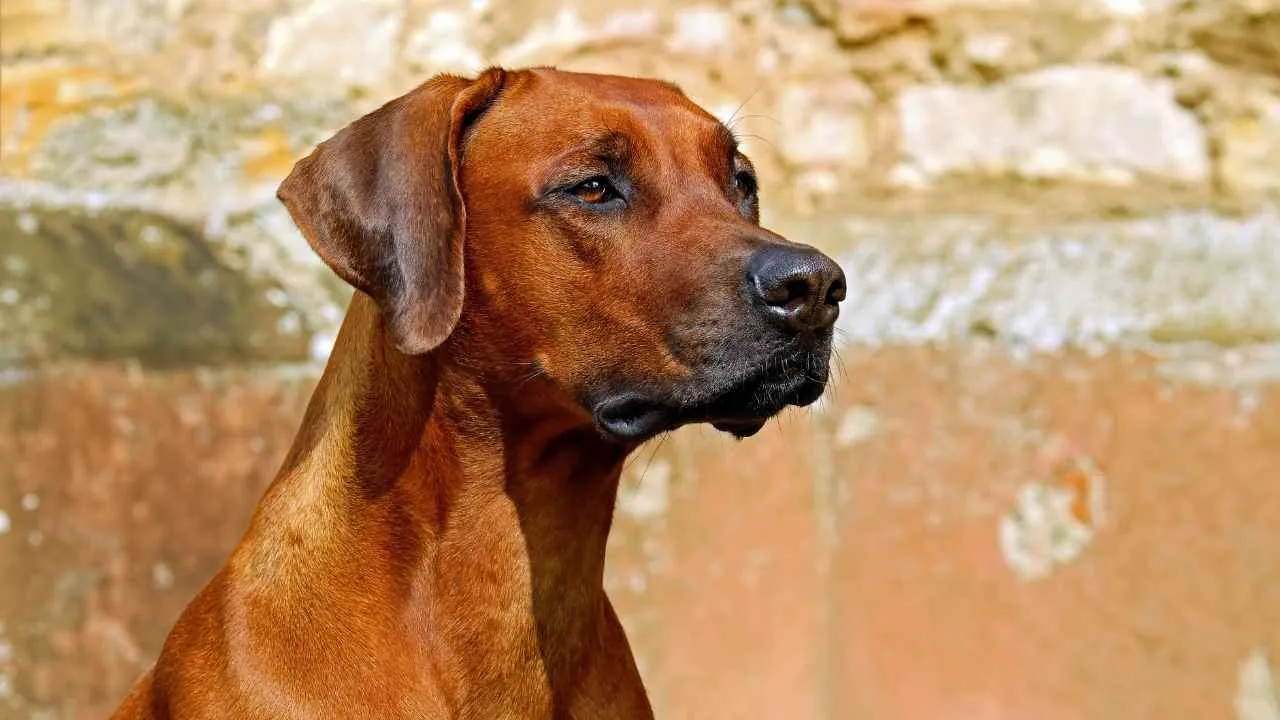
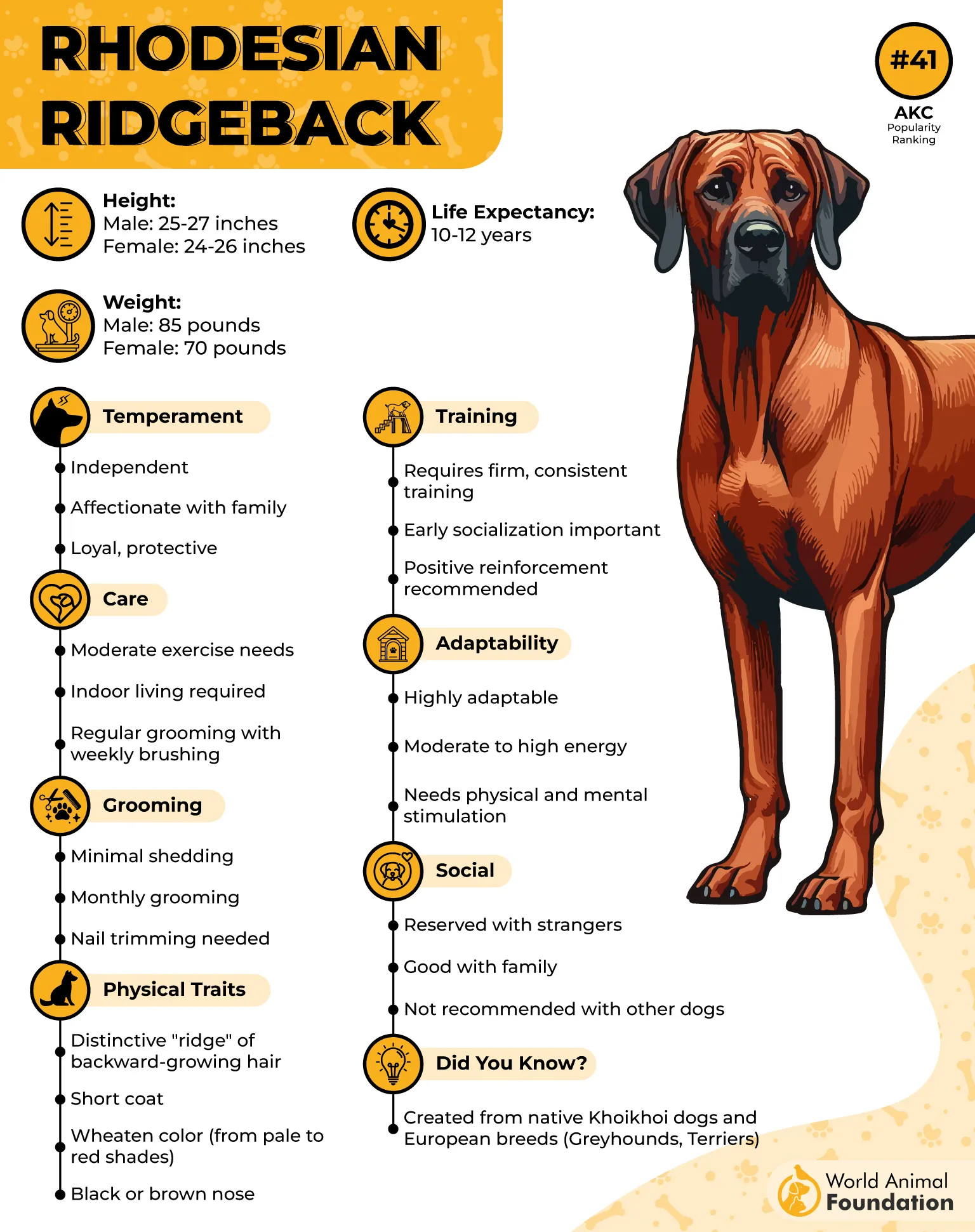
Originally bred to hunt lions, these dogs are both fearless and reliable protectors.
Key Factors:
Strong protective instincts
Independent and intelligent
Quiet but alert
Deeper Insights:
Ridgebacks are not overprotective – they are dependent on perceiving and being confident. They are great watchdogs, and they warn the owners of unusual activity without excessive barking, unlike other dogs.
Training & Proper Care Tips:
Require a good workout every other day, as stated by Britannica
Needs hard, but right training
Early socialization is important as it helps them to form a deep bond with their dog owners
Best for: Owners interested in a low noise, low-cost, balanced protector.
Conclusion
The right breed to serve as a guard dog depends on your lifestyle, experience, and the type of security you require. Although some breeds perform well in high-performance protection, such as the German Shepherd. Dogs like Boxers and Bullmastiffs provide more family-friendly companions.
An obedient protection dog is not only a defense tool, but it is also a companion that provides a feeling of safety, emotional bonding, and unconditional protection.
