




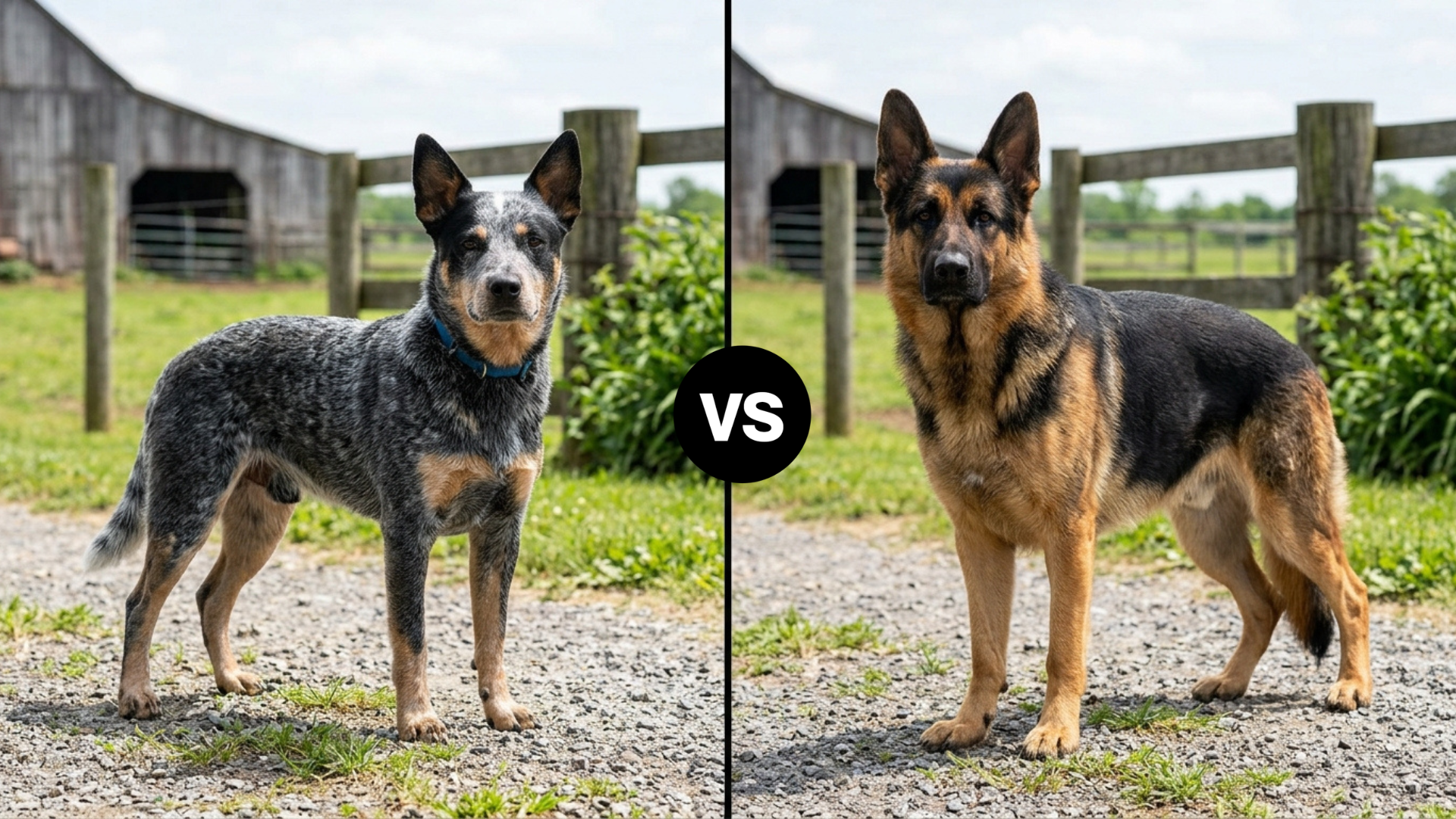
Picking a dog is like choosing your main character in a co-op game—you want someone who matches your energy, intelligence, and style. Australian Cattle Dogs (ACD) and German Shepherds (GSD) are two breeds that often top the “smart, loyal, and active” charts, but they serve different vibes.
The ACD is a high-energy herding pro, ready to keep life interesting, while the GSD is a versatile all-rounder, equally at home on the farm, as a family companion, or even in police and service work.
Both breeds are known for their intelligence, agility, and protective instincts, but the similarities often stop there. Their energy patterns, sociability, and mental needs are surprisingly different, which can make one breed more suitable than the other, depending on your lifestyle.
Lastly, it’s worth noting that both breeds have earned their popularity worldwide for very good reasons. German Shepherds ranked #4 in the AKC 2022 list of most popular dog breeds in the United States, while Australian Cattle Dogs, though less common, are celebrated for their longevity, averaging 12–16 years, and intelligence.
Knowing what each dog needs will save both you and the dog from frustration and unlock the true joy of having a four-legged best friend.
Cattle Dog vs. German Shepherd: Which Wins?
Size & Build Differences
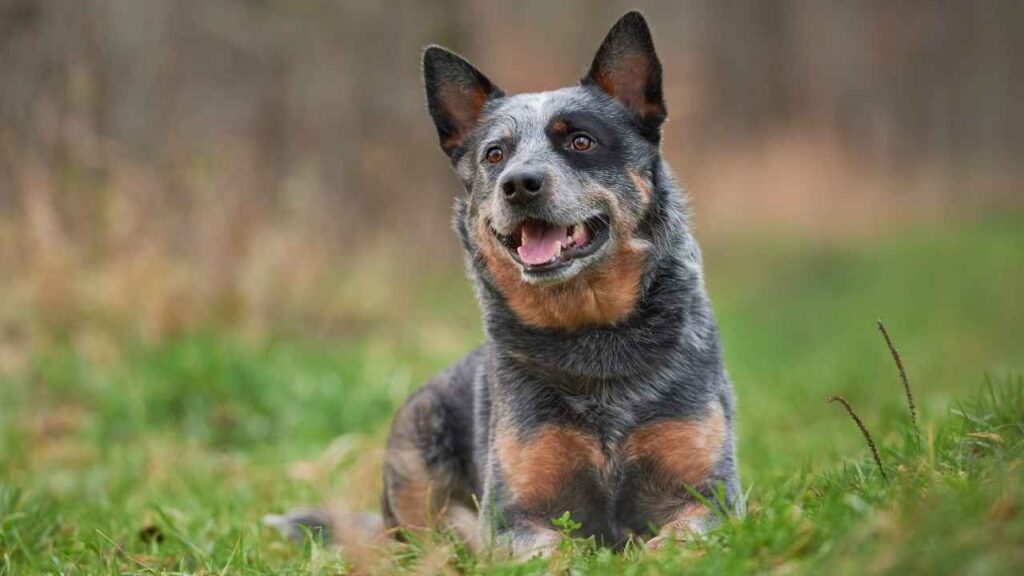
Australian Cattle Dogs, also known as red heelers, are medium-sized, muscular, and compact with an athletic build designed for herding. They usually weigh between 35–50 lbs, stand 17–20 inches tall, and carry a smooth, double-layered coat that’s weather-resistant and low-maintenance.
ACDs have a distinctive blue or red speckled coat that changes slightly as they age, making each dog look unique. Despite their smaller size compared to a GSD, they have agility and stamina that rival those of dogs twice their weight.
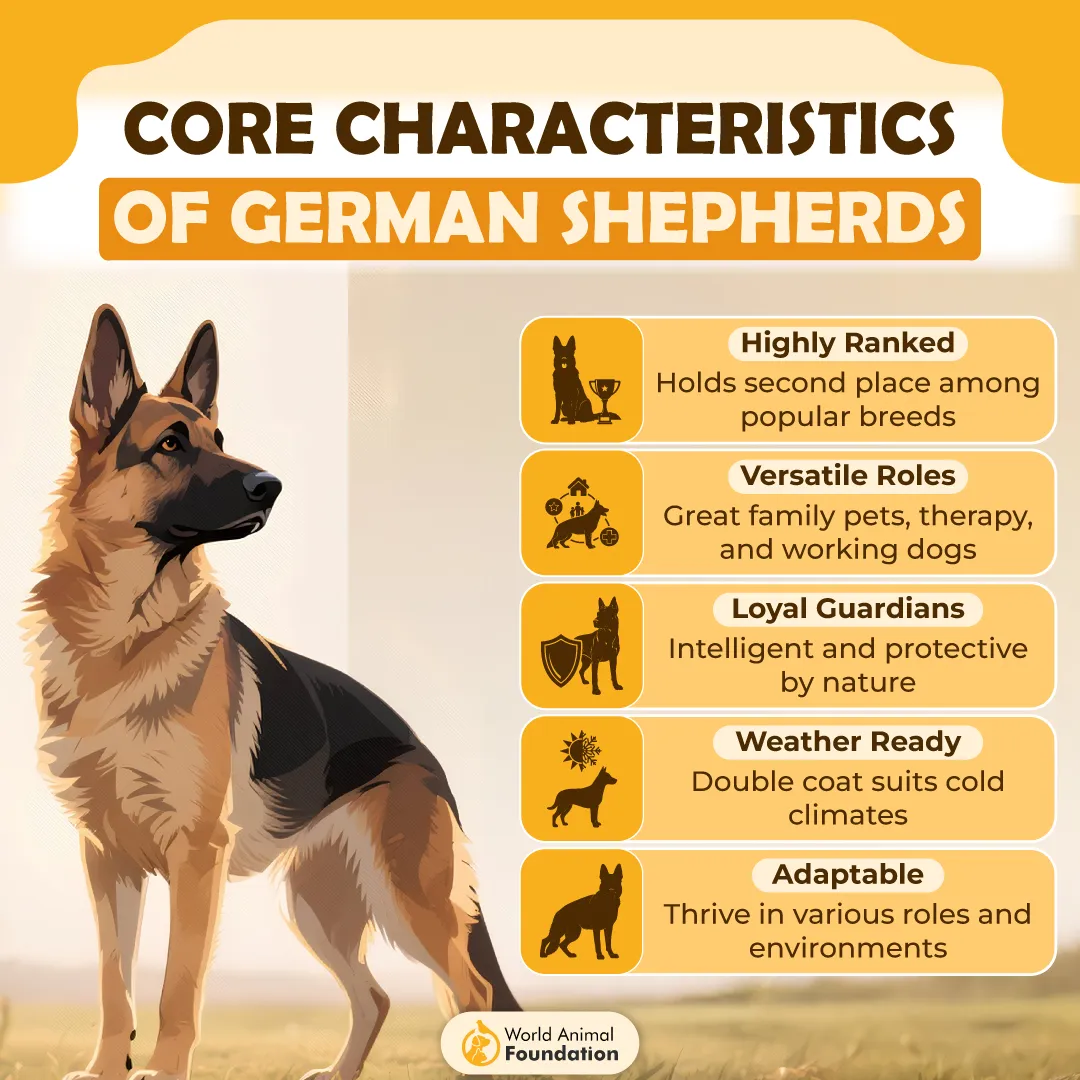
German Shepherds, on the other hand, are large, muscular, and incredibly well-proportioned, built for both speed and endurance. Adult males feature a strong, slightly elongated frame with a thick double coat. Their undercoat is soft and insulating, while the outer coat is dense and coarse, offering weatherproof protection.
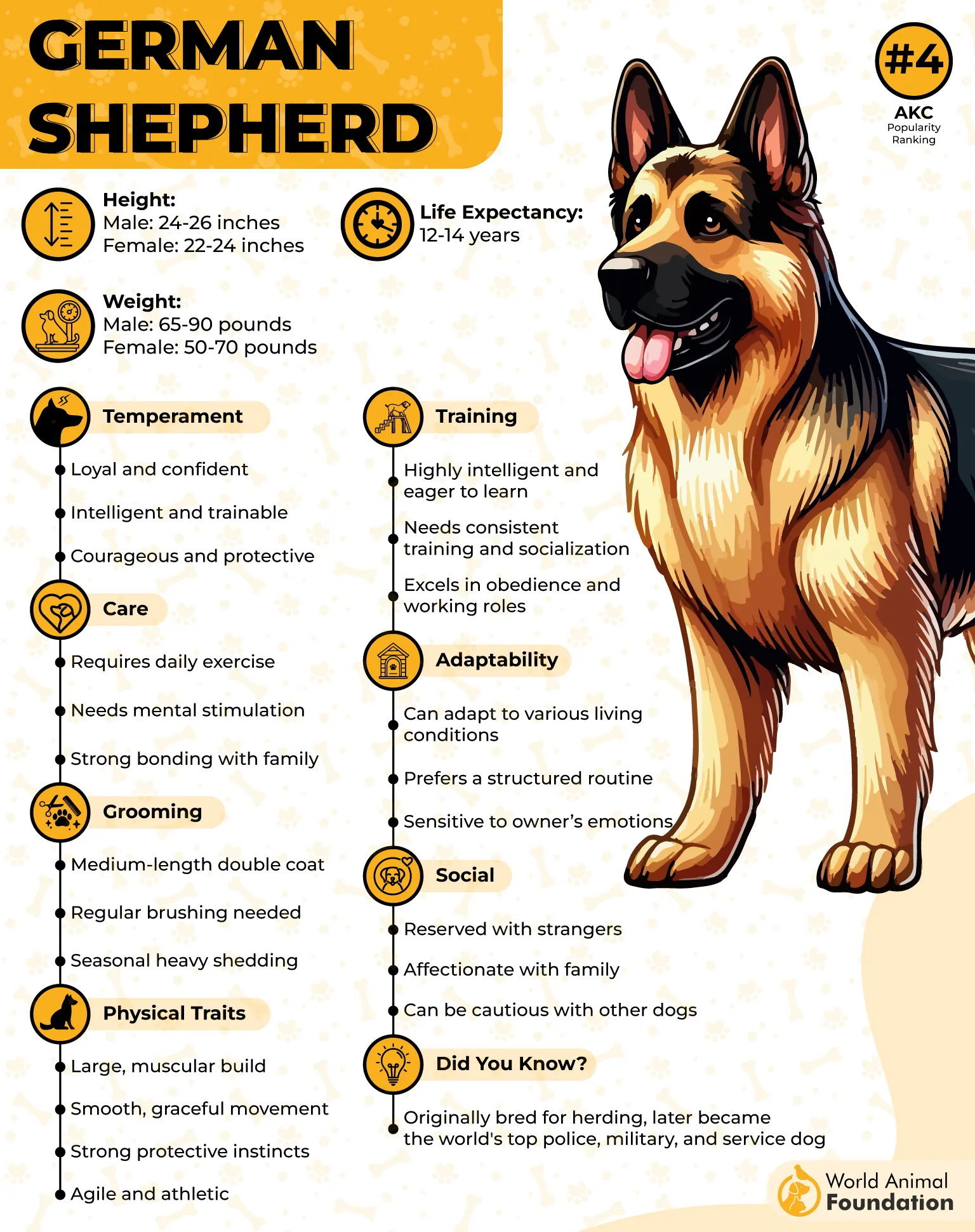
They are renowned for their explosive speed—up to 30–35 mph—and endurance, making them perfect for active households. The GSD’s physical build contributes to both its commanding presence and its versatility, whether on duty or in a family setting.
ACDs were specifically bred to herd livestock in the rugged Australian outback. Their job was to nip at the heels of animals, keep them moving, and manage large herds over long distances. GSDs are more massive and powerful, capable of extended runs, carrying loads, or performing complex tasks over long periods.
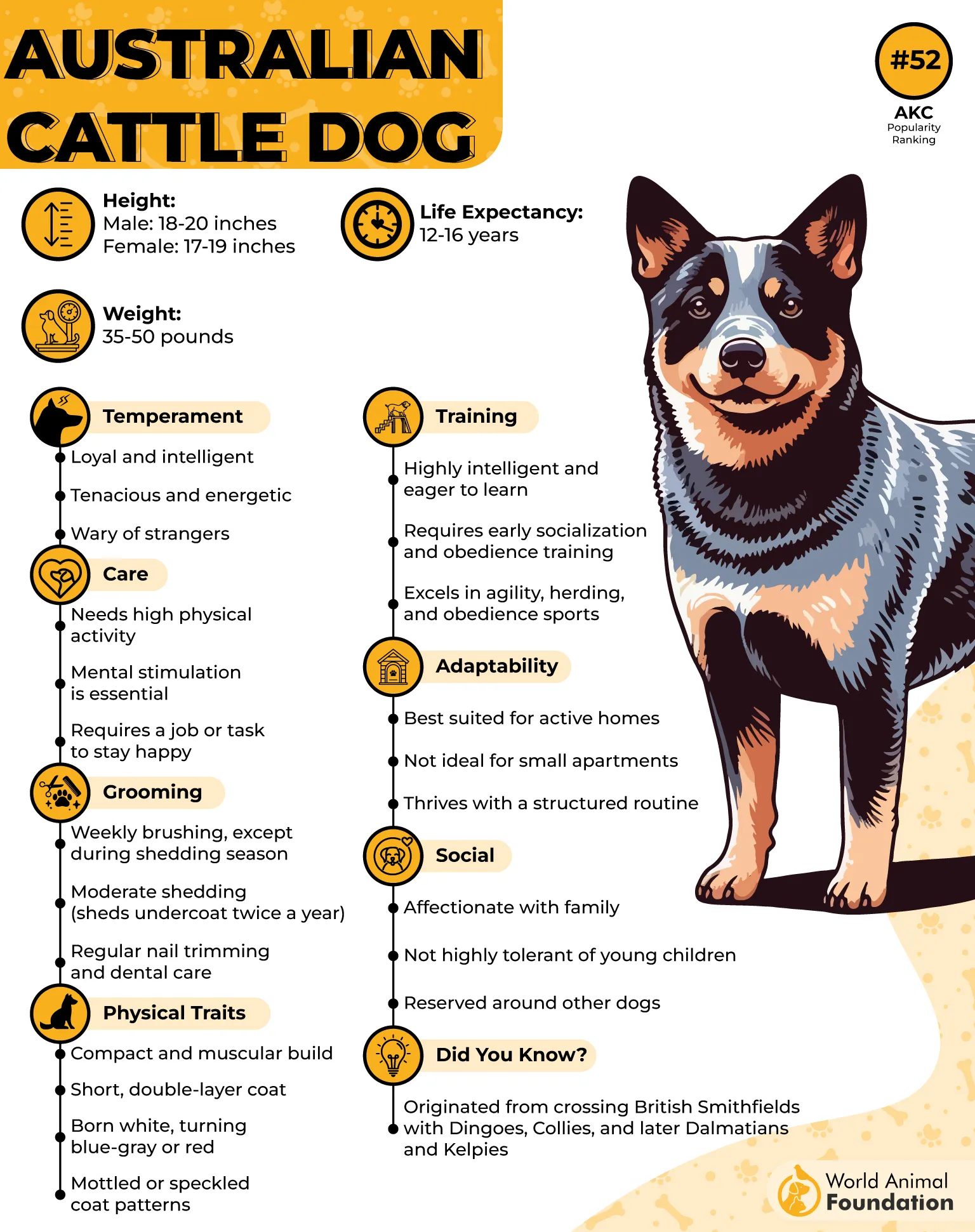
Both breeds need structured exercise, but the GSD’s sheer size and strength mean they require careful attention to joint development during puppyhood. Aussies are designed for speed and endurance with quick decision-making, whereas GSDs combine power, grace, and flexibility to tackle a wide range of tasks.
In short, both these great breeds are athletic, but the ACD is a nimble sprint specialist, while the GSD is a multi-purpose endurance powerhouse.
Temperament & Personality
Australian Cattle Dogs are famously independent, intelligent, and alert. Their herding instincts can lead them to attempt to “control” younger children or other pets unless trained early. They are deeply loyal to their owners and tend to form strong attachments, making them excellent watchdogs, but they also require careful socialization.
ACDs are energetic and thrive on tasks that challenge their brain; if bored, they may develop destructive behaviors. Real owners report that structured routines and interactive play sessions are essential to avoid “clever mischief.”
German Shepherds are highly loyal, courageous, and protective, making them both loving family pets and exceptional working dogs. Their temperament is generally stable, with a gentle disposition toward children and family members, but they may be reserved toward strangers.
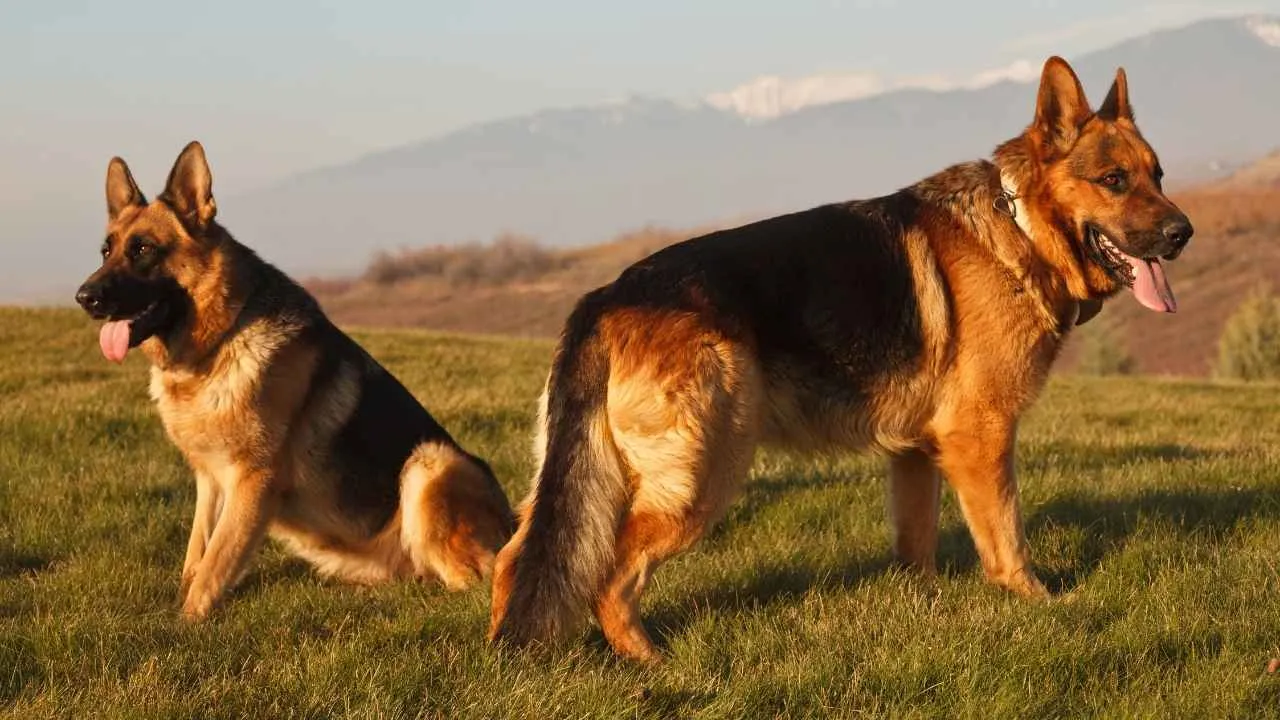
They can struggle with separation anxiety if left alone for extended periods, so they need consistent interaction. Owners often describe them as “people-oriented problem solvers,” eager to work alongside their human companions. Proper socialization from puppyhood helps balance their protective instincts with friendly, confident behavior around strangers.
ACDs can display dominance toward other dogs and have a strong herding drive, which can lead them to herd kids or other pets. They respond well to engaging, mentally stimulating training rather than repetitive drilling.
GSDs, while intelligent, also require mental engagement, especially given their tendency to exploit training loopholes if bored. Both breeds are “loyal to the max,” but their expressions of loyalty differ: ACDs show it through action and independence, while GSDs offer structured guidance and companionship.
When it comes to socialization, Britannica says that ACDs benefit from early exposure to multiple people, dogs, and environments to temper protective and herding behaviors. German Shepherds, meanwhile, benefit from obedience and exposure to diverse situations to prevent over-guarding behaviors.
Both breeds thrive in homes where their intelligence is respected and where daily mental stimulation is provided.
Training & Intelligence
Australian Cattle Dogs are widely regarded as one of the most intelligent working breeds, capable of independent decision-making and problem-solving. They learn rapidly but can become bored with repetitive drills.
Mental enrichment—like scent work, agility training, or interactive puzzles—is critical to prevent destructive behavior. These curious dogs thrive under clear leadership and benefit from structured routines that balance physical and cognitive tasks. An unstimulated ACD may invent its own “fun,” often resulting in furniture destruction or excessive barking.
German Shepherds are also incredibly intelligent, according to the AKC, but their learning style is slightly different. While they pick up commands quickly, they are keenly observant of inconsistencies in training and will exploit any loophole.
This can make them appear “naughty” if training is inconsistent, but it’s actually a sign of sharp problem-solving. Positive reinforcement, consistency, and structured guidance are essential. They excel at obedience, protection training, scent work, and service tasks.
Intelligence in these breeds isn’t just about obedience—it’s functional problem-solving. Owners willing to engage their dogs mentally and physically are the perfect match for these dogs.
Energy Level & Strength
Australian Cattle Dogs are basically the “marathon runners” of the dog world. WebMD claims that ACDs have boundless energy and, unlike some breeds that burn out quickly, can maintain high activity for hours.
They thrive on outdoor adventures, herding exercises, and structured play. Owners often say that a bored Cattle Dog is “chaos incarnate,” capable of digging, chewing, and inventing new ways to test your patience. To avoid mischief, a mix of daily walks, agility, and interactive games is essential.
German Shepherds, meanwhile, are strong, athletic, and versatile, designed for both bursts of speed and sustained endurance. With a top speed of around 30–35 mph and the ability to maintain a steady trot for miles, GSDs are built for long runs, hikes, and intense dog sports.
Mental stimulation is equally important; a lack of structured activity can lead to frustration and destructive behavior. PetMD reports that GSDs “think faster than humans sometimes,” so physical activity alone is rarely enough—they need puzzles, obedience training, and problem-solving challenges.
The energy patterns differ significantly: ACDs have explosive spurts of energy followed by independent downtime, while GSDs are consistent performers, capable of both sprinting and working steadily for hours. For apartment dwellers, this difference is huge—ACDs can sometimes adapt with shorter bursts of mental and physical stimulation, while GSDs generally thrive in homes with yards or access to long walks.
Coat & Grooming
Australian Cattle Dogs have a short, double-layered coat that’s low-maintenance and weather-resistant. Trust Purina when it says that they don’t smell, aren’t overly oily, and require brushing only once a week, with extra attention during their biannual shedding seasons.
A quick bath every few months, routine nail trims, and ear checks are usually sufficient. This rugged coat is perfect for active owners who don’t want to spend hours grooming daily. Many owners appreciate the “set it and forget it” simplicity of the ACD coat.
German Shepherds, according to PetPlan, have a thick double coat with a soft undercoat and a coarse outer layer, which provides insulation and weatherproofing. They shed year-round, with heavier seasonal sheds in spring and fall.
Grooming requires more commitment: brushing multiple times per week is recommended, and some owners even opt for professional grooming twice a year. Bathing should be occasional to avoid stripping natural oils. For many GSD owners, grooming becomes a daily or near-daily habit to keep hair under control, particularly for families with allergies.
In addition to regular brushing, both breeds benefit from ear, teeth, and nail care. For the ACD, it’s fairly low-maintenance; for the GSD, it can be more intensive.
The differences are clear: ACDs are easy-going when it comes to grooming, while GSDs require ongoing effort and attention. Prospective owners need to factor this into their lifestyle, particularly if they live in smaller spaces or have allergy concerns.
Conclusion
So, which puppy wins the showdown? Honestly, it depends on what you value most in a dog.
Both dog breeds are fiercely loyal, long-lived, and perfect for active owners who love adventure and structure. However, be prepared for a strong herding instinct, boundless energy, and the need for consistent mental stimulation.
If you want a versatile, intelligent, loyal powerhouse that excels as a family companion, working dog, or service animal, the German Shepherd is your go-to companion. It requires more grooming and space, but reward commitment with unmatched loyalty, protection instincts, and trainability.
A well-trained GSD can thrive in urban or rural environments, but neglecting exercise or mental stimulation can lead to anxiety or destructive behaviors.
Ultimately, both breeds are amazing companions with distinct strengths. ACDs are the ultimate “adventure partners,” while GSDs are the “all-rounder workhorses” that adapt to multiple roles. Choosing between them comes down to lifestyle, experience, and how much time you can dedicate to training, exercise, and bonding.
