




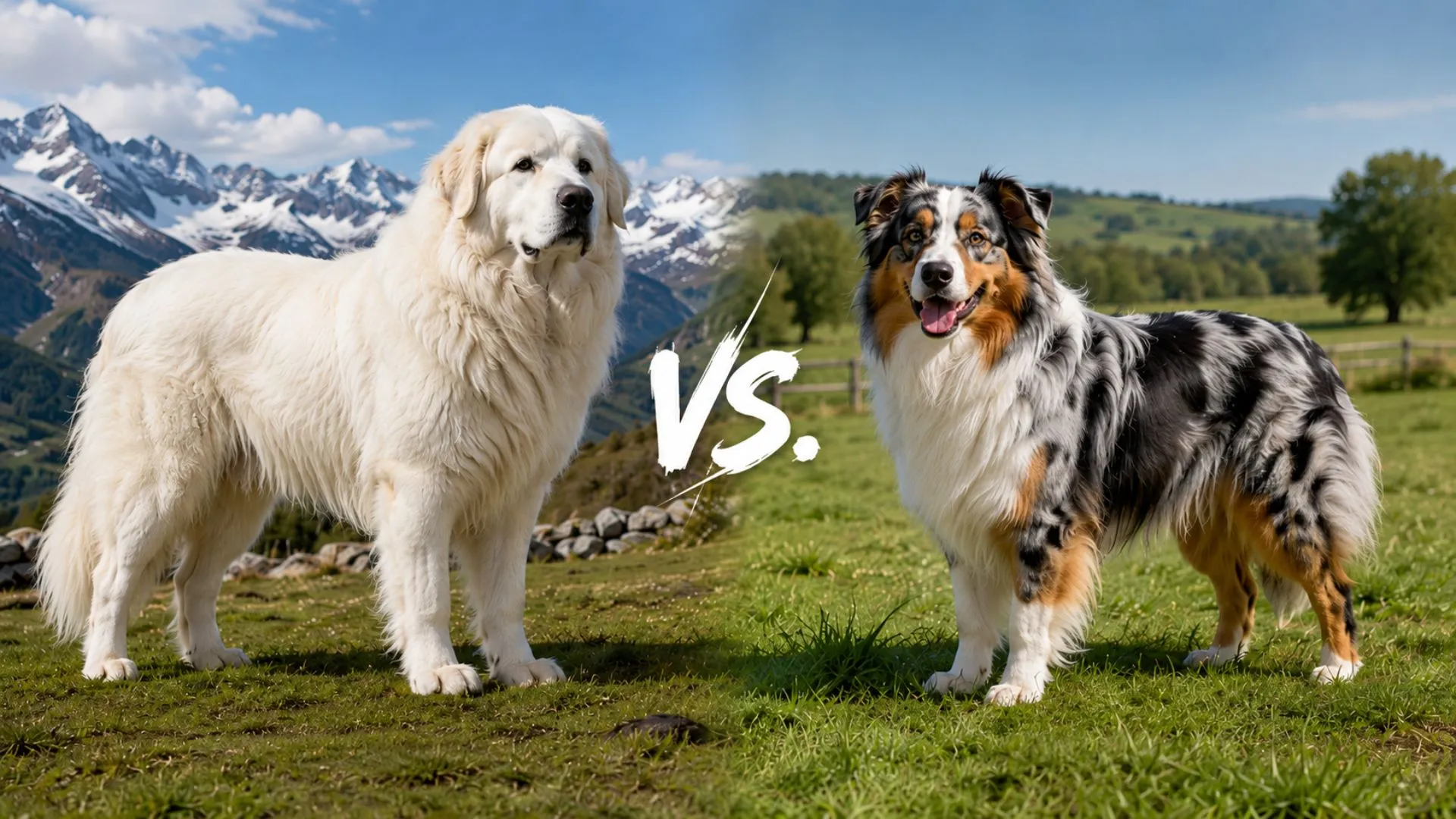
Some dog breeds stand out because of their appearance, while others earn admiration through their intelligence, loyalty, and working ability. The Great Pyrenees and the Australian Shepherd perfectly represent that second group.
Although both breeds were developed to work closely with humans, they differ greatly in temperament, energy levels, and lifestyle needs.
The Great Pyrenees was bred as a calm and fearless livestock guardian, protecting flocks in harsh mountain conditions through long winter nights. In contrast, the Australian Shepherd became famous for its speed, sharp intelligence, and endless stamina while herding livestock on American ranches.
Despite these differences, both breeds form deep bonds with their families and are known for their strong loyalty and devotion.
Choosing between these two hardworking breeds can be challenging because each excels in different areas. Understanding their personalities, exercise needs, and natural instincts is essential before deciding which breed is the better fit for your lifestyle.
Great Pyrenees vs Australian Shepherd: Which Dog Fits Your Lifestyle
Pitting the calm, independent Great Pyrenees against the high-energy, razor-sharp Australian Shepherd highlights two completely different approaches to working dogs.
Whether you need a patient livestock guardian or a driven companion for outdoor adventures, this comparison breaks down how these two powerful breeds perform in real-world environments.
Origins & Purpose
Despite its name, the Australian Shepherd was developed in the western United States during the late 1800s. Britannica states that the breed descended primarily from British herding dogs brought to the American West through the East and Midwest, while some lines also arrived alongside sheep imported from Australia.
Originally bred for herding livestock and handling demanding ranch work, Australian Shepherds quickly gained recognition for their intelligence, agility, and strong work ethic. Their ability to learn quickly and respond to commands made them valuable partners on farms and ranches across the country.
Beyond herding, Australian Shepherds have excelled in search and rescue, police work, therapy roles, and assistance tasks for people with disabilities.
The Great Pyrenees originated in the Pyrenees Mountains between France and Spain, where it served as a livestock guardian for centuries. Bred to work independently in harsh mountain conditions, this breed learned to make important decisions without constant human guidance, developing into a calm, confident, and fearless protector.
According to the AKC, these dogs spent long days and nights watching over sheep, defending flocks from wolves and other predators. That history still shapes the modern Great Pyrenees, giving the breed its remarkable patience, physical endurance, and naturally watchful temperament.
While the Great Pyrenees evolved as an independent mountain guardian, the Australian Shepherd developed in fast-paced ranch settings that required speed, agility, and quick responses. These very different origins continue to influence the breeds’ personalities, energy levels, and behavior today.
Size & Physical Build
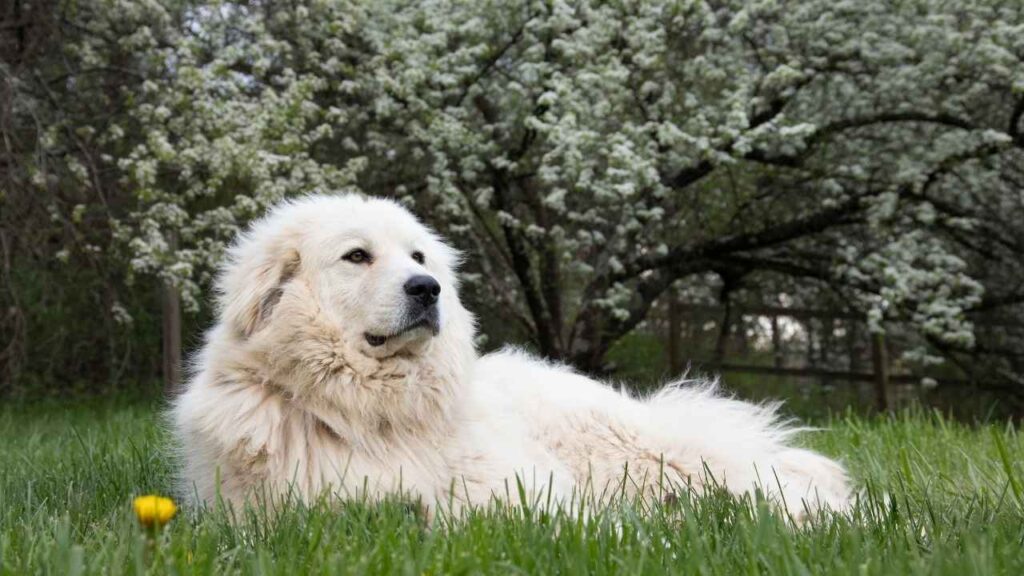
The Great Pyrenees is a large guardian breed known for its broad chest, muscular legs, and thick weather-resistant coat. Despite its impressive size and strength, the breed carries itself with calm, graceful movement and a balanced body structure.
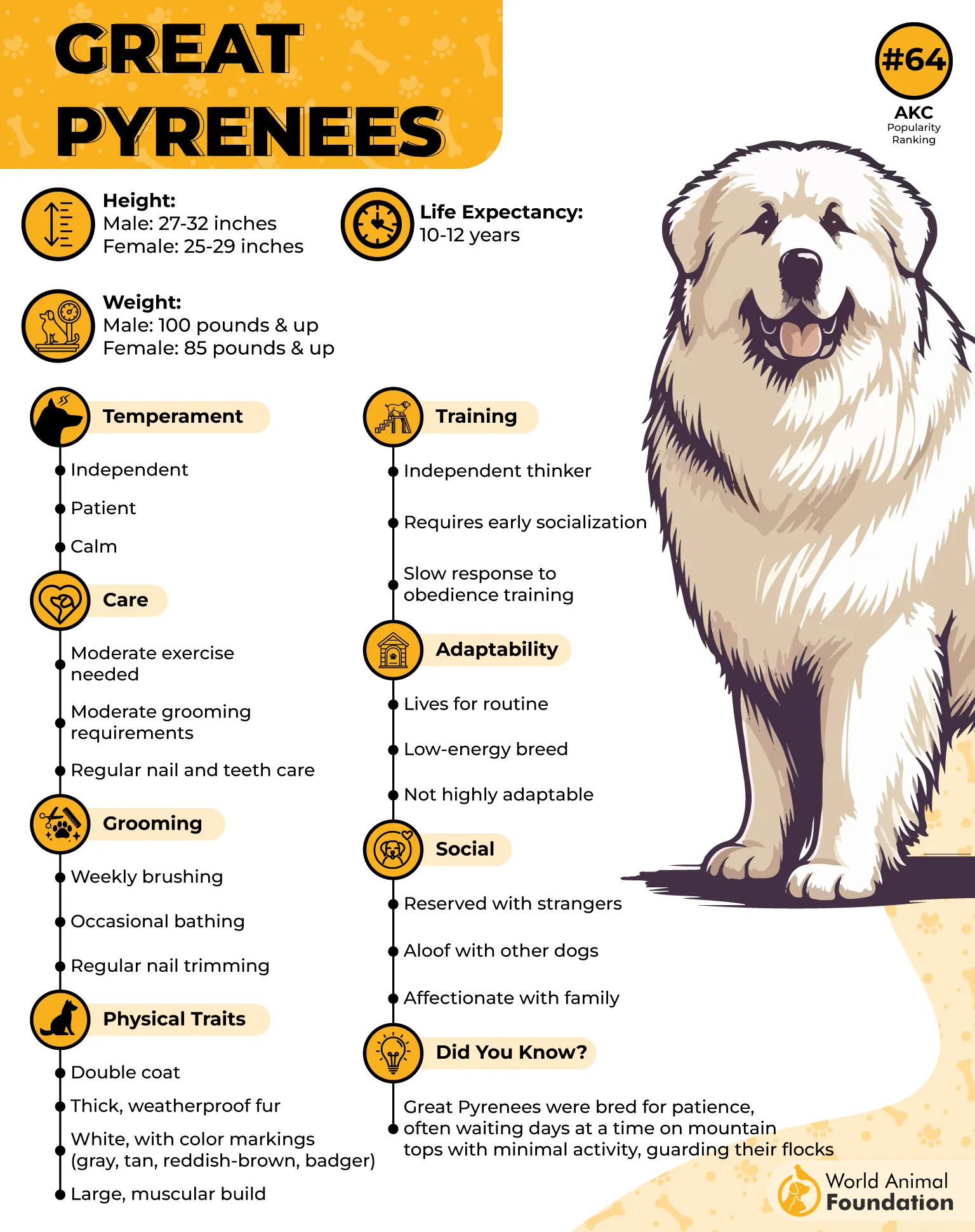
In contrast, the Australian Shepherd has a medium-sized, athletic build designed for speed, agility, and endurance. Lighter and more flexible than the Great Pyrenees, the Aussie can move quickly and change direction with ease, traits that make it highly effective at herding livestock.
Many owners admire the Australian Shepherd for combining striking looks with exceptional athletic ability. According to Purina, the breed thrives in active environments that provide daily exercise and mental stimulation.
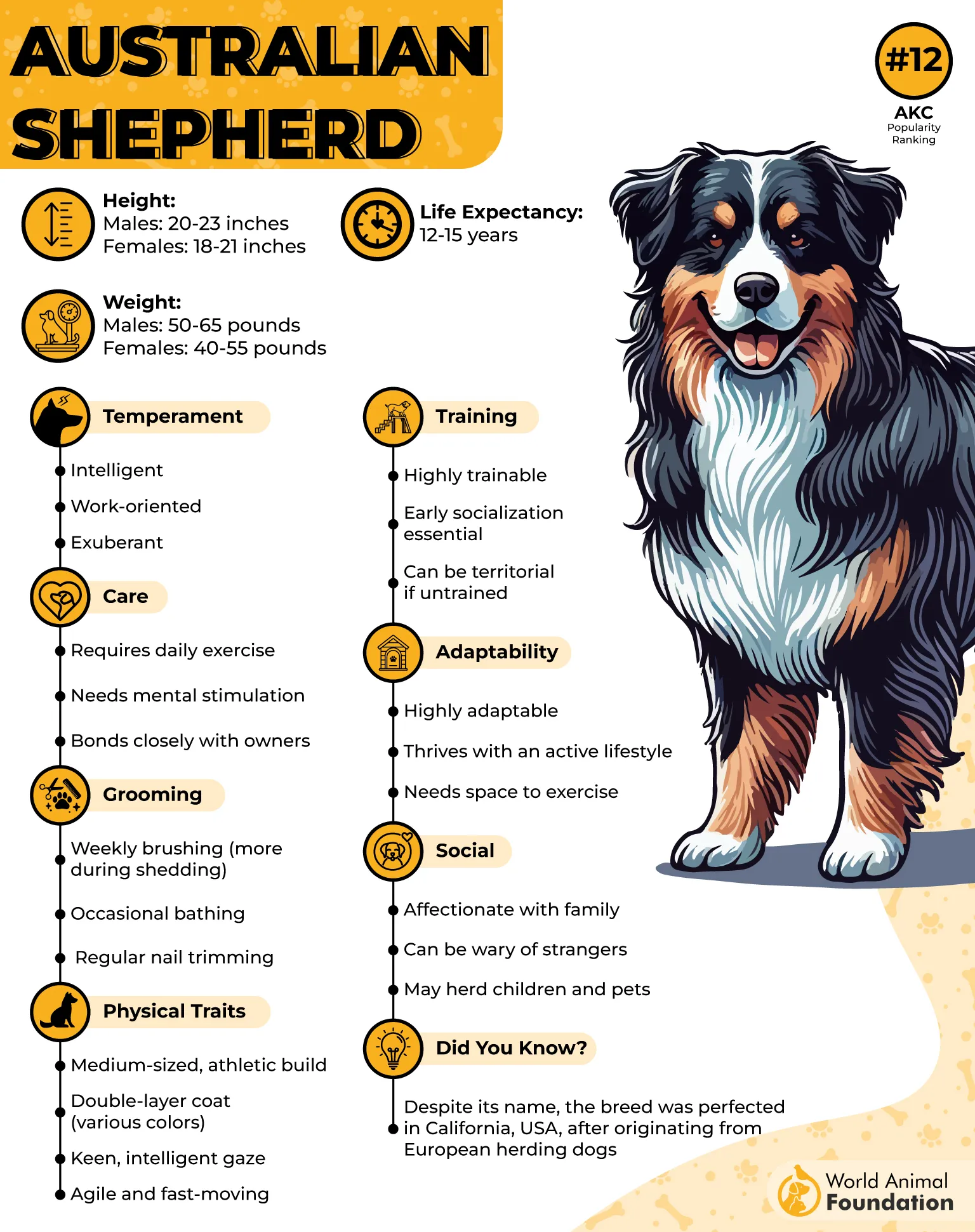
While the Great Pyrenees relies on strength and size to guard livestock, the Australian Shepherd depends on speed, intelligence, and agility to control and move animals efficiently. Their very different physical traits reflect the unique jobs each breed was originally developed to perform.
Grooming & Maintenance
The Great Pyrenees has a thick double coat that requires regular grooming throughout the year. Seasonal shedding can be heavy, especially during coat-blowing periods, which means owners should expect extra brushing to control loose fur around the home.
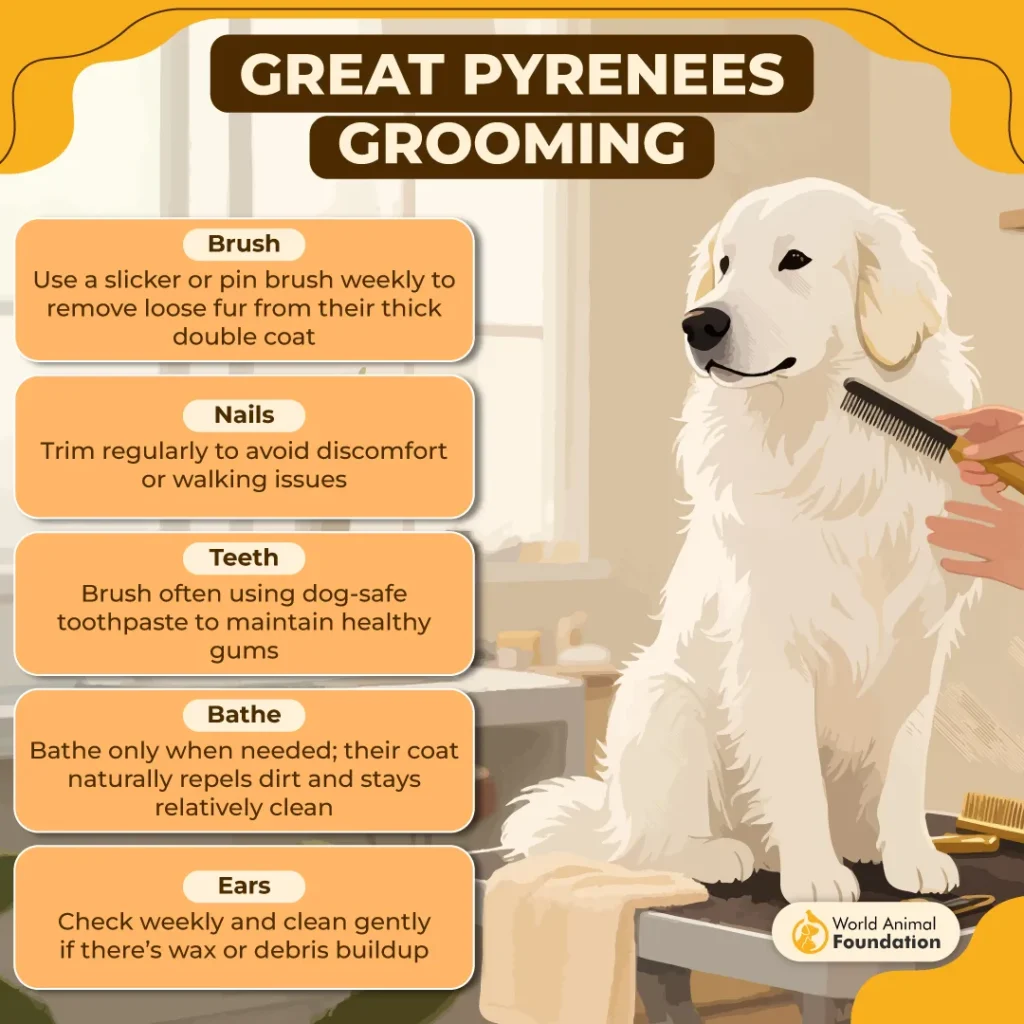
Routine brushing helps remove dirt trapped in the coat and prevents matting, particularly around the neck, legs, and tail. Although the breed’s weather-resistant coat naturally repels some debris, regular ear checks and nail trimming, including the rear dewclaws, remain important parts of grooming care. Frequent bathing is usually unnecessary.
Experts also advise against shaving the Great Pyrenees, as its coat provides insulation in both hot and cold weather. The Australian Shepherd also has a double coat, but grooming is generally easier because of the breed’s smaller size and shorter grooming sessions. Regular brushing helps control shedding while keeping the skin and coat healthy.
Temperament & Personality
The Great Pyrenees is known for its calm and patient temperament around family members. Naturally observant and independent, the breed prefers quietly watching its surroundings rather than constantly seeking attention or supervision. This steady nature makes the Great Pyrenees a peaceful companion in relaxed home environments.
In contrast, the Australian Shepherd has a far more energetic and socially interactive personality. Aussies love participating in family activities and often look for engagement throughout the day. As an intelligent herding breed, they require both mental stimulation and regular physical exercise to remain emotionally balanced and well-behaved.
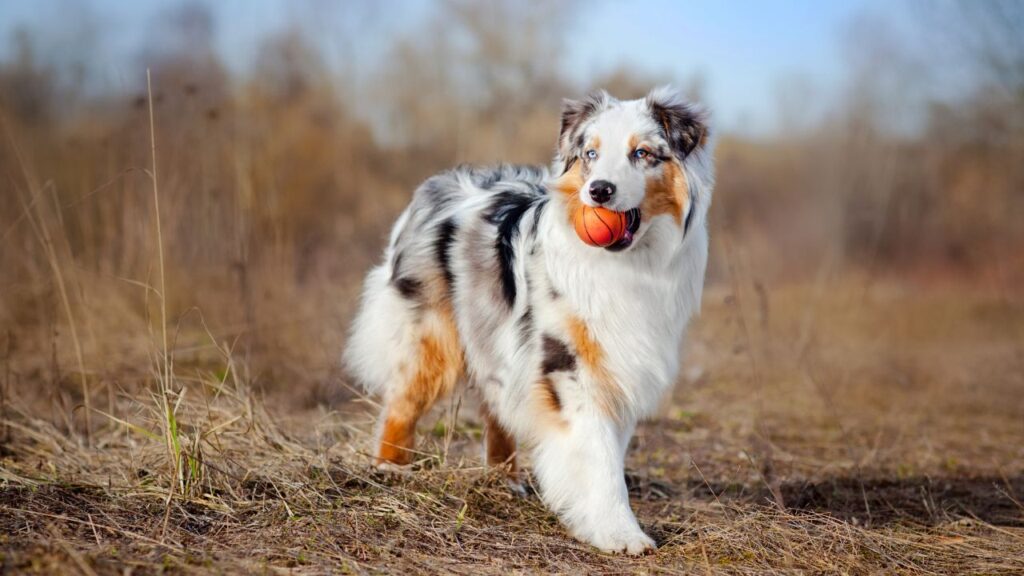
According to PetMD, Australian Shepherds benefit greatly from early socialization, as they can become reserved if not exposed to new people, environments, and experiences. Their strong herding instincts may also appear during play with children or smaller pets.
While the Great Pyrenees tends to prefer calm observation, the Australian Shepherd constantly seeks activity and interaction. Both breeds form deep bonds with their families, though they express affection in very different ways.
Trainability & Intelligence
The Australian Shepherd ranks among the most intelligent herding breeds thanks to its quick learning ability and strong responsiveness during training. Highly eager to work, the breed enjoys mentally challenging tasks and often masters routines faster than many other working dogs.
Australian Shepherds excel in agility sports, obedience competitions, and advanced training activities that keep both their minds and bodies active. Daily mental stimulation is essential, as boredom can quickly lead to destructive behavior, frustration, or excessive energy indoors.
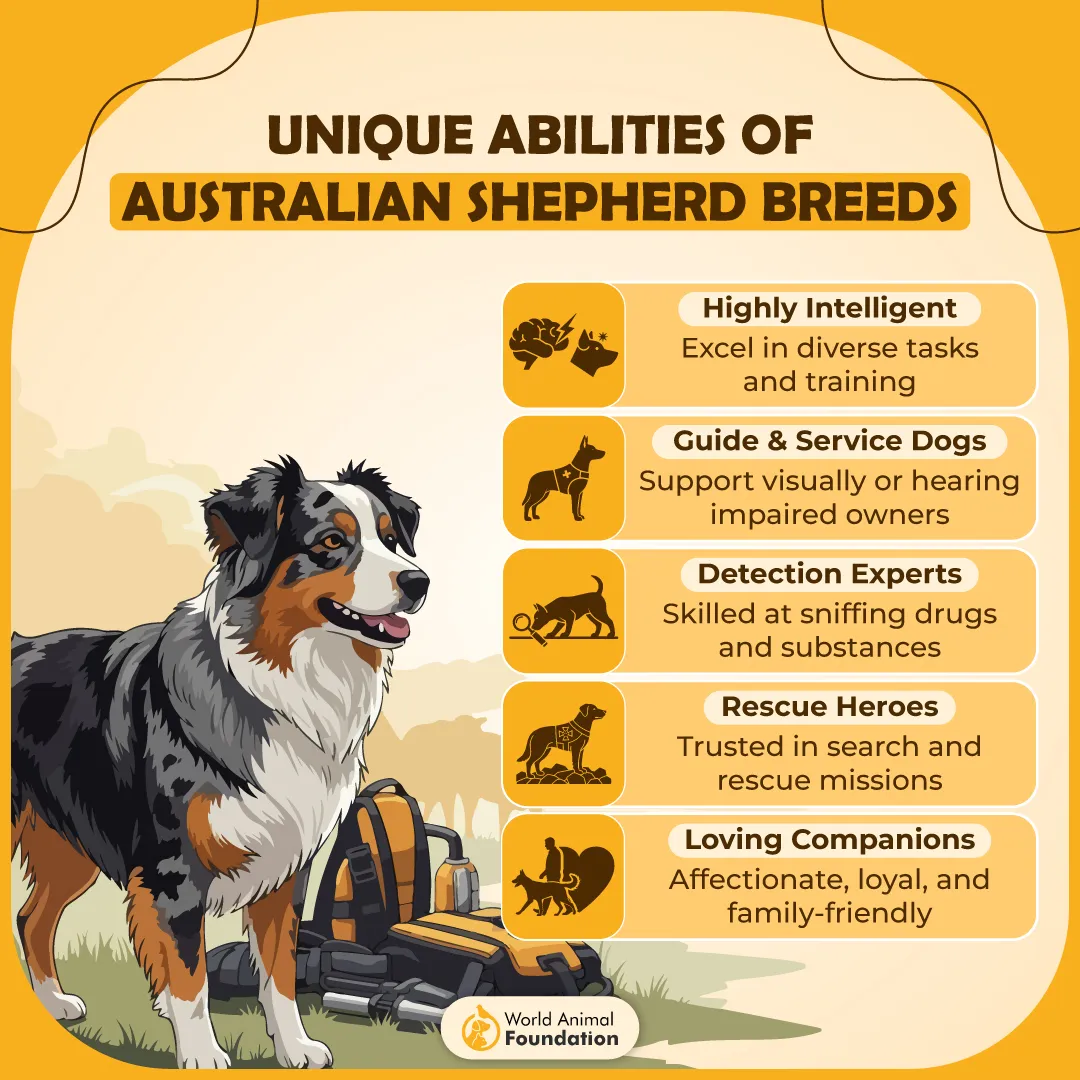
Great Pyrenees dogs were bred to think independently and guard livestock without constant human direction. While highly intelligent, they often approach standard obedience training with noticeable indifference. Unlike breeds eager to follow repeated commands, Pyrs prefer making their own decisions and may respond slowly if they find a task unnecessary or repetitive.
This independent nature can sometimes appear as stubbornness during training sessions. However, with patience, consistency, and gentle guidance, the breed can become a calm and reliable companion. Harsh training methods are rarely effective, as Great Pyrenees respond better to trust-based relationships and positive reinforcement.
Energy Level & Exercise Needs
The Australian Shepherd requires plenty of daily exercise because the breed was originally developed for nonstop ranch work. Long walks, hiking, agility games, and mentally stimulating activities are essential for maintaining proper balance, healthy behavior, and emotional well-being. Without enough activity, Aussies can quickly become bored and restless.
In contrast, the Great Pyrenees has a calmer energy level that matches its large, powerful build. Rather than constant high-intensity activity, the breed prefers peaceful outdoor time, slow patrols, moderate walks, and light exercise. Their natural guarding instincts often make them happiest when calmly observing their surroundings in open spaces.
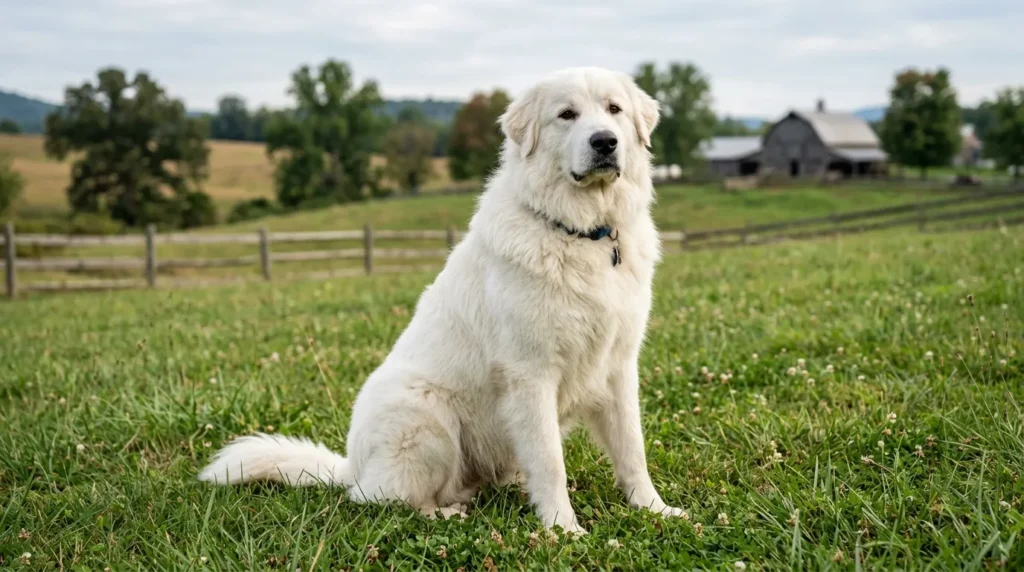
Controlled exercise is especially important for giant breeds like the Great Pyrenees, as it helps protect their joints and maintain healthy body condition throughout life. While the Australian Shepherd thrives in fast-paced environments filled with movement and activity, the Great Pyrenees is more comfortable in predictable, relaxed settings with lower physical demands.
Health & Lifespan
Australian Shepherds typically live around 12 to 15 years and are generally considered a healthy and resilient breed. Responsible breeders screen for common health issues such as hip dysplasia, epilepsy, cataracts, and certain types of cancer. Routine care is also important, including regular ear cleaning to prevent wax buildup or infection, as well as consistent dental brushing to maintain oral health.
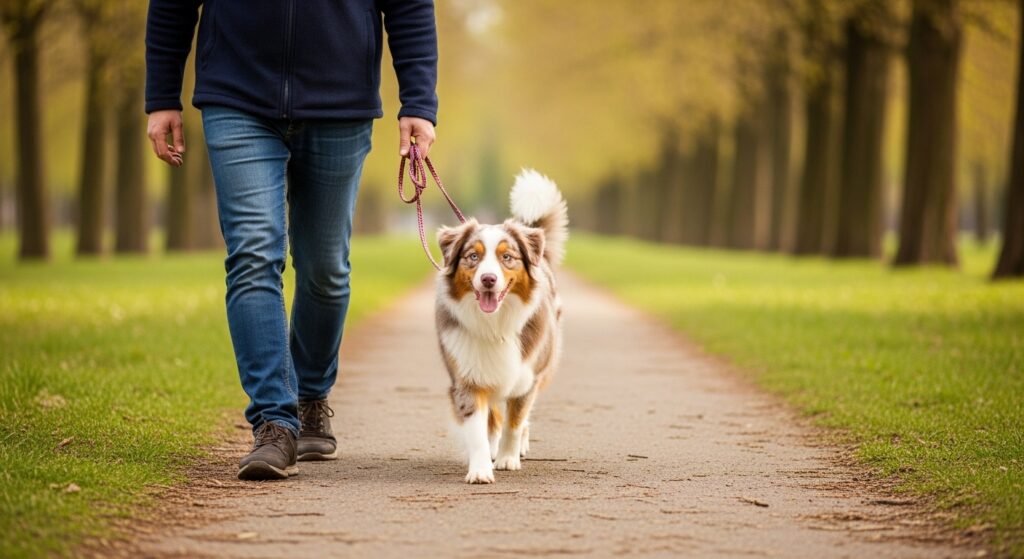
The Great Pyrenees, like many large guardian breeds, may be prone to joint-related conditions such as hip dysplasia and mobility issues, particularly in later life if weight management and exercise are not properly maintained. With responsible care, the breed typically lives around 10 to 12 years.
Due to their size, Great Pyrenees dogs benefit from careful joint support, controlled exercise, and a healthy diet, while Australian Shepherds require more intensive daily physical activity and mental stimulation to maintain overall well-being. Both breeds can enjoy long, healthy lives when their specific needs are properly met.
Family & Social Behavior
The Great Pyrenees displays gentle and calm behavior toward all family members while showing a natural protective instinct toward children, often treating them as part of its own flock. Its composed indoor demeanor makes it well-suited for households that prefer quiet, stable environments with ample space.
However, due to its strong guardian instincts, the breed can be naturally reserved around unfamiliar people. Early socialization is essential, as exposure to different people, environments, and situations helps build confidence and reduces unnecessary wariness or anxiety.
In contrast, the Australian Shepherd thrives on active family interaction and prefers to stay involved in daily household activities. The breed forms strong emotional bonds with owners who invest time in training, exercise, and play. While the Great Pyrenees protects through calm vigilance and independence, the Australian Shepherd expresses its loyalty through constant engagement and close human connection.
Working Roles & Instincts
The Great Pyrenees continues to serve as a livestock protector in many agricultural regions today. The breed relies on its independent thinking to patrol territory and monitor its surroundings without constant human direction, staying alert and composed while guarding flocks.
The Australian Shepherd, on the other hand, excels in a wide range of modern working roles, including herding trials, agility competitions, obedience sports, and ranch work. Its ability to react quickly, maintain focus, and learn complex tasks allows it to perform exceptionally well in demanding physical and mental activities.
Both breeds were shaped by generations of livestock work in challenging environments, developing specialized instincts suited to their original roles. While the Great Pyrenees remains a steadfast guardian breed, the Australian Shepherd has become one of the most versatile working dogs in active modern households.
Conclusion
The Great Pyrenees and the Australian Shepherd represent two highly capable working breeds shaped by very different historical roles. The Great Pyrenees developed as a calm and reliable livestock guardian in harsh, snowy mountain regions, while the Australian Shepherd earned its reputation as a fast, intelligent herding dog working tirelessly on ranches.
For families seeking a calm, protective companion with strong guardian instincts, the Great Pyrenees is often a natural fit. In contrast, the Australian Shepherd is better suited to active owners who enjoy outdoor activities, structured training, and an energetic lifestyle.
Both breeds excel in their own way, but their differences in energy levels, temperament, and working style make them suitable for very different types of homes and owners.
