




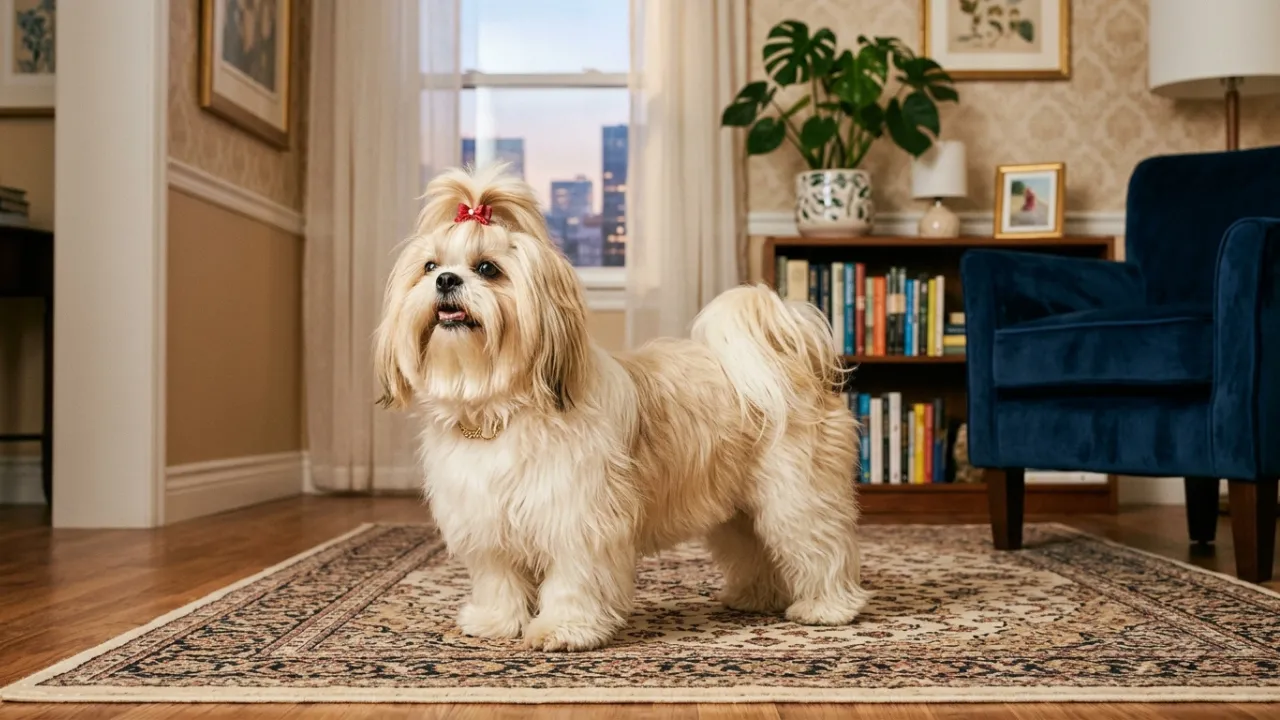
Some dogs naturally struggle in small homes. Others seem perfectly comfortable curling up beside a window, following a quiet routine, and adapting to limited space without much difficulty at all.
The interesting part is that many people cannot immediately tell which breeds fall into which category. Appearance alone rarely gives the full picture. A dog may look small but carry endless energy indoors, while another may settle calmly into apartment life with surprising ease.
This is where choosing the right companion becomes more important than simply choosing the cutest one. Living in a smaller space requires balance between personality, energy levels, adaptability, and daily habits. When those things align properly, owning a dog feels enjoyable instead of exhausting.
In the sections ahead, you’ll explore delightful dog breeds that handle compact living remarkably well while still bringing charm, affection, and lively companionship into the home.
Key Takeaways
Plenty of dogs look suited for apartments until endless pacing and restless energy begin taking over the entire home.
Cavalier King Charles Spaniels spend hours curled beside their people, while Pugs happily follow slow indoor routines without asking for constant activity.
Shih Tzus and Maltese bring charm without overwhelming the space, balancing playful moments with calm habits that fit naturally into compact homes.
One breed on this list has spent centuries living closely beside people, and that history still shows in the way it behaves today.
Delightful Dog Breeds Suited for Small Space Living
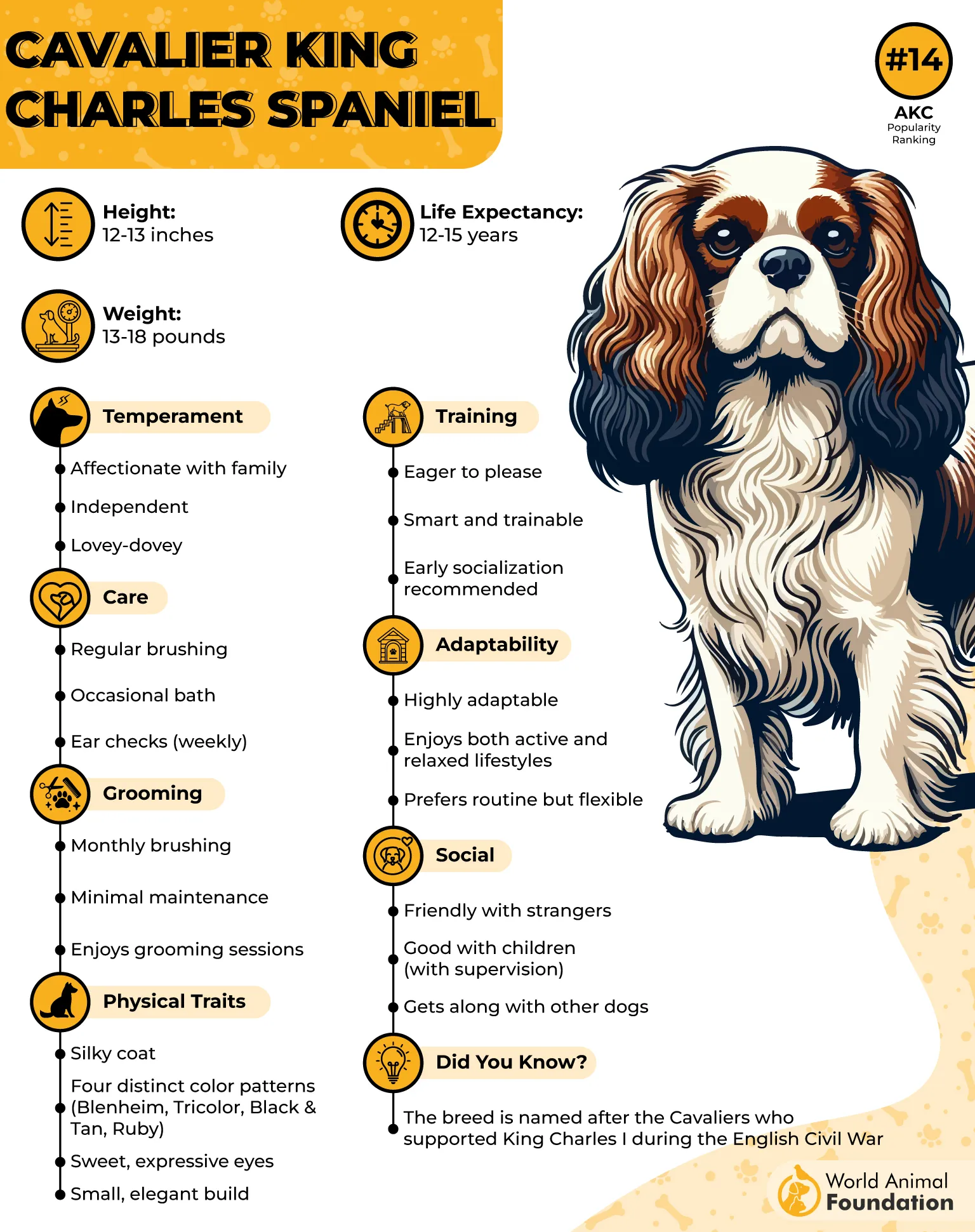
1. Cavalier King Charles Spaniel

The Cavalier King Charles Spaniel spent centuries close to people, first in Tudor households where it rested on laps and warmed feet during colder months, as Omlet highlighted.
Its connection with King Charles II later shaped the breed’s well-known name in England. Gentle behavior and constant affection remain closely tied to that role.
Comfort in close quarters
This small dog breed fits naturally into quieter homes, balancing playful bursts with long periods curled beside people on sofas or beds. Its calm temperament also explains why the breed appears frequently in therapy settings.
A few habits define daily life with them:
Rolls over quickly for belly rubs
Seeks out physical closeness during rest
Responds warmly to emotional attention
Sensitive and socially tuned
Cavaliers react strongly to human emotion, often approaching people during tense or low moments with soft, persistent affection. Those large, expressive eyes contribute heavily to the breed’s emotional appeal. Long periods alone can affect them deeply because companionship remains central to their temperament.
2. Pug
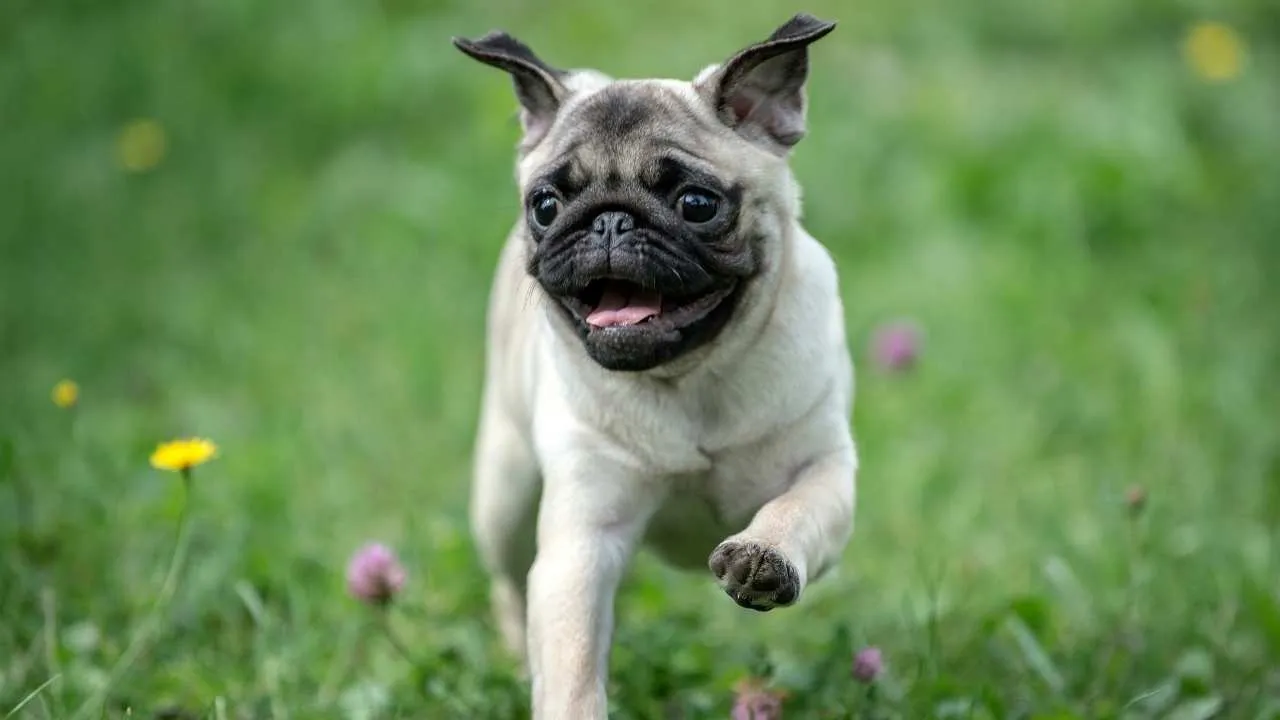
The Pug once entertained Chinese emperors and later became linked with Holland’s royal House of Orange, giving the breed an unusually regal introduction for such a compact dog. The phrase “multum in parvo” fits naturally here, describing a substantial personality packed into a muscular little frame.
Indoor life with easy routines
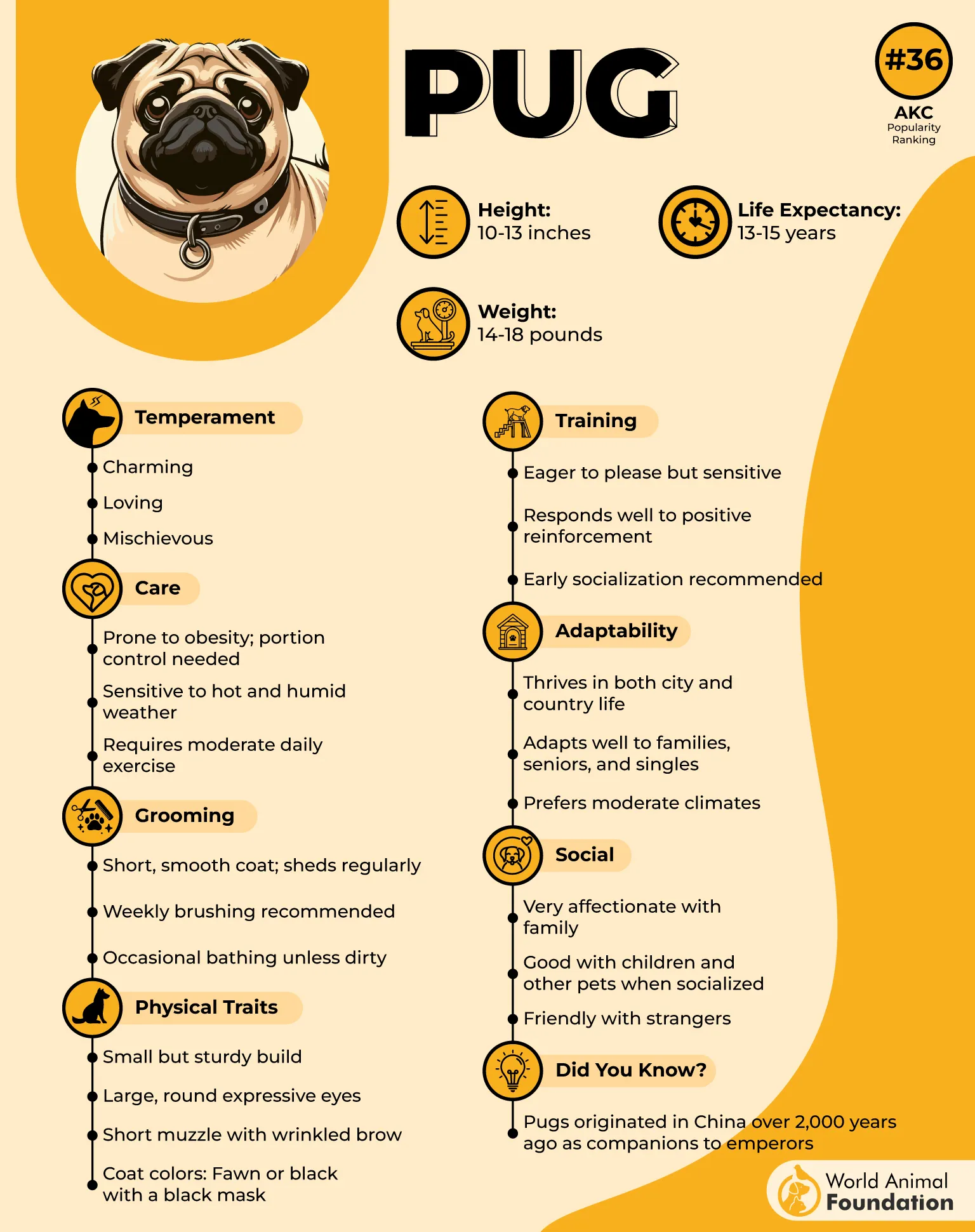
This low-maintenance dog breed is well-suited for apartment dwellers through its relaxed household habits and uncomplicated grooming needs. The short glossy coat requires little upkeep beyond occasional cleaning, though loose hair around furniture becomes part of daily life.
A few practical traits shape that routine:
Requires only moderate daily activity
Handles apartment living comfortably
Needs attention to portion control
Personality built around companionship
According to the AKC, the Pug approaches people with warmth across different living situations, whether surrounded by children, older adults, or other dogs.
Its playful side appears in short bursts rather than nonstop activity, making indoor interaction feel manageable. Close human contact remains central to how the breed behaves at home.
3. Shih Tzu
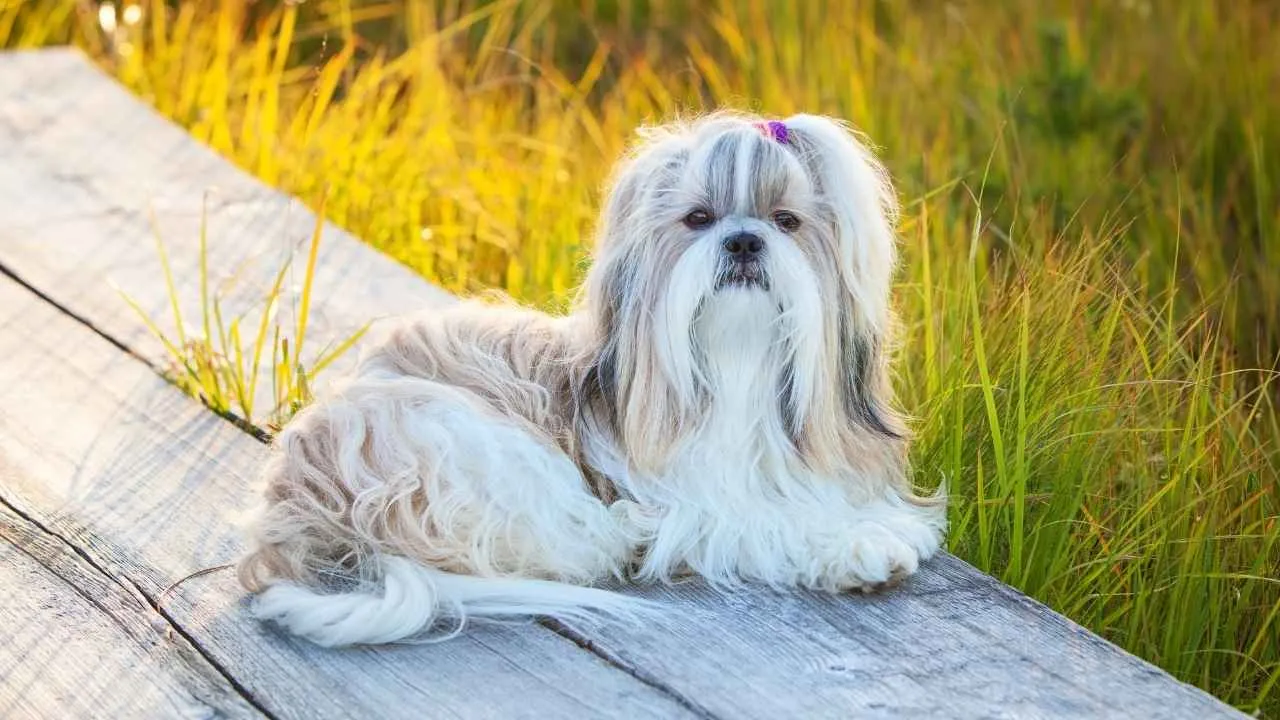
The Shih Tzu entered palace life as a Tibetan companion breed associated with Buddhist symbolism, where its lion-like appearance held special meaning. Its small size and people-focused nature suited indoor living long before modern apartment spaces existed.
Easy rhythm indoors
As great apartment dogs, Shih Tzus are satisfied with short activity bursts followed by relaxed indoor time with people. Daily needs remain manageable, often satisfied through brief walks and interactive play around the house.
That balance becomes easier through a few practical traits:
Comfortable with shorter exercise sessions
Adjusts well to indoor routines
Low-shedding coat compared to many breeds

Coat care with flexible options
Shih Tzu’s long coat became part of its recognizable appearance after generations of companion breeding alongside Pugs and Pekingese, as PetMD claims.
Grooming needs can be simplified through a shorter puppy trim while keeping the breed’s soft expression intact. This option helps reduce daily coat maintenance indoors.
4. Maltese
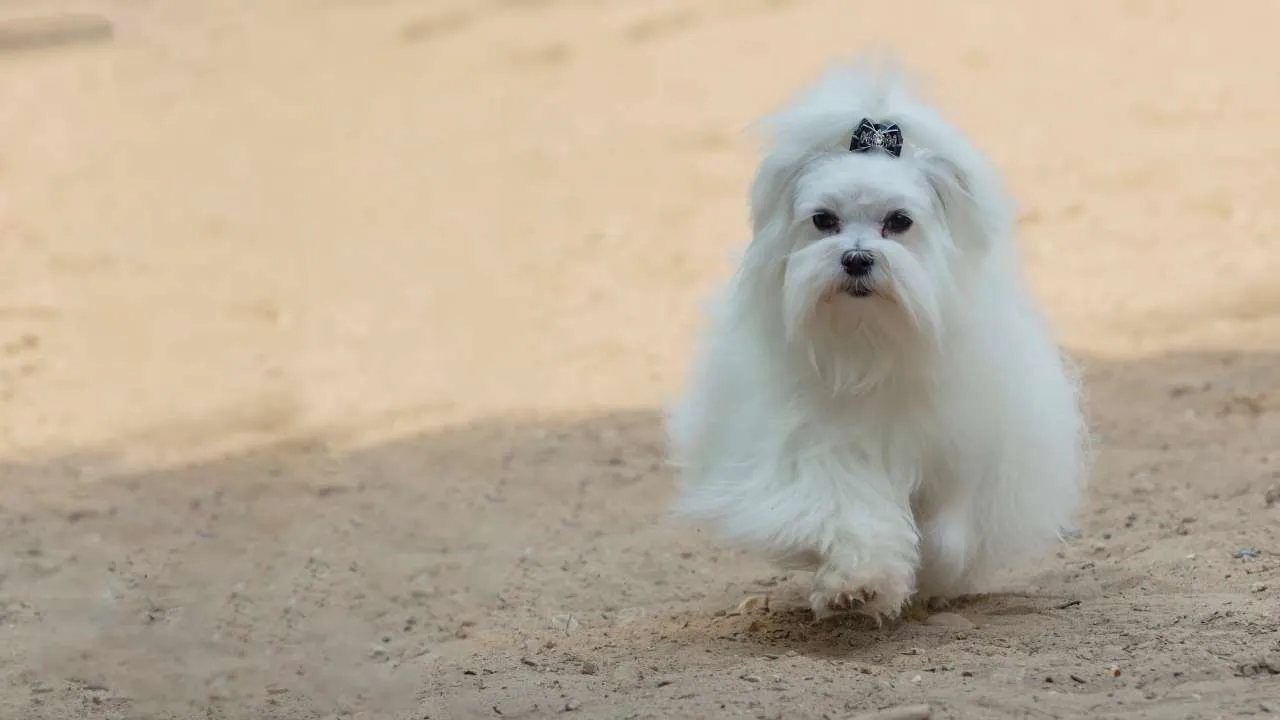
The Maltese earned admiration long before modern dog shows, prized for its refined appearance and close companionship within the home. The flowing white coat frames a compact body that walks with smooth, balanced motion. Large dark eyes and a black button nose give the breed an unusually expressive face.
Small frame with sharp awareness
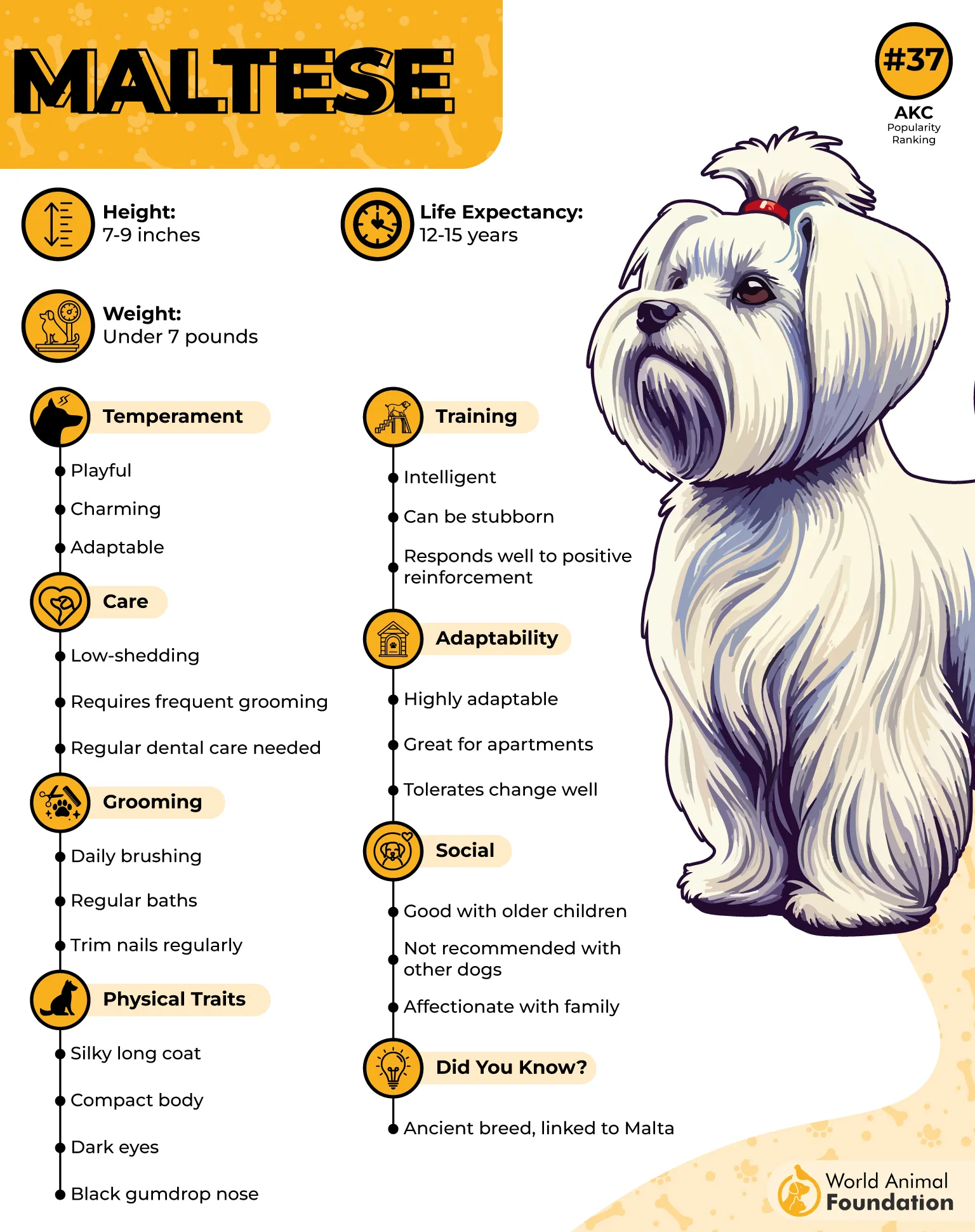
The Maltese reacts quickly to unfamiliar sounds and activity, giving this tiny companion a surprisingly alert nature indoors. Its confidence appears through curiosity and boldness rather than physical force.
These details shape that impression clearly:
Fearless response toward unfamiliar activity
An agile body suited for indoor play
Low-shedding white coat texture
Energy suited for compact spaces
The Maltese keeps an active personality without demanding large outdoor routines, fitting naturally into apartments and smaller homes. Short walks, indoor games, and brief bursts of activity usually satisfy its physical needs. Its size allows everyday movement to happen comfortably within limited living areas.
5. Bichon Frise
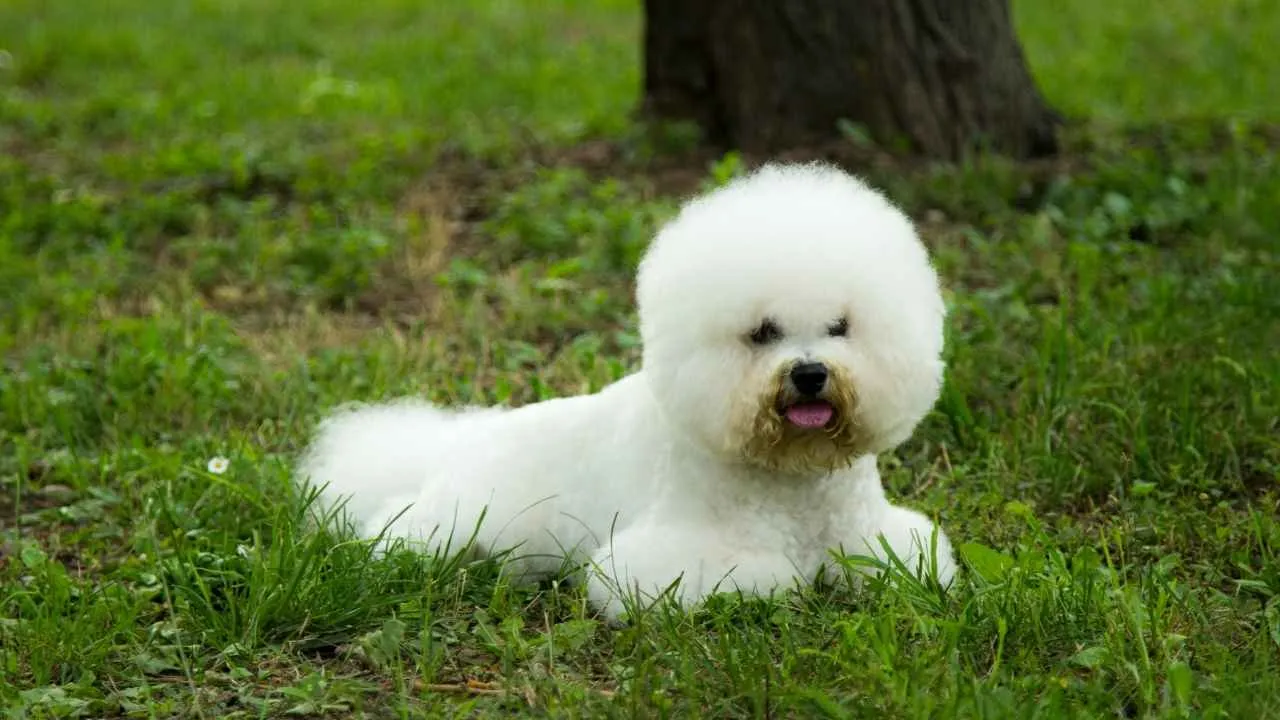
The Bichon Frise built its reputation through personality as much as appearance, relying for centuries on intelligence and social ease to win people over. The plush white coat, dark eyes, and rounded facial outline create an expressive look that feels constantly engaged.
Social rhythm indoors
The Bichon approaches people and animals with easy familiarity, treating new encounters as invitations rather than disruptions. Its curious nature keeps it attentive inside the home without turning interactions tense or noisy.
That attitude appears through small everyday habits:
Greets visitors with immediate interest
Adapts comfortably around children and pets
Responds eagerly during interactive games
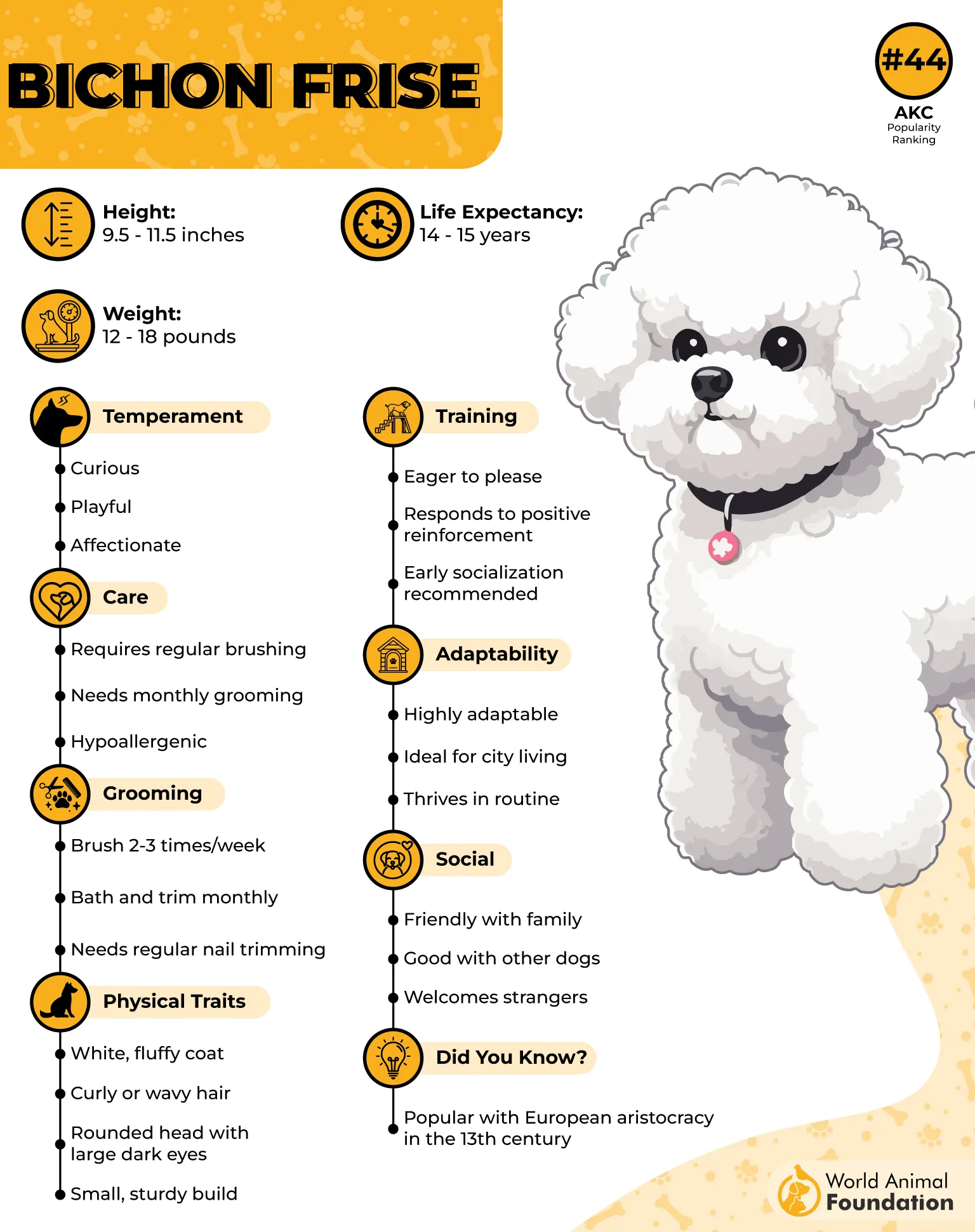
Activity in short bursts
This companion dog alternates calm indoor periods with quick waves of energetic play, often racing through rooms before settling again. This pattern suits compact homes where long outdoor sessions are less practical. Walks paired with playful interaction help channel that lively streak.
6. Chihuahua
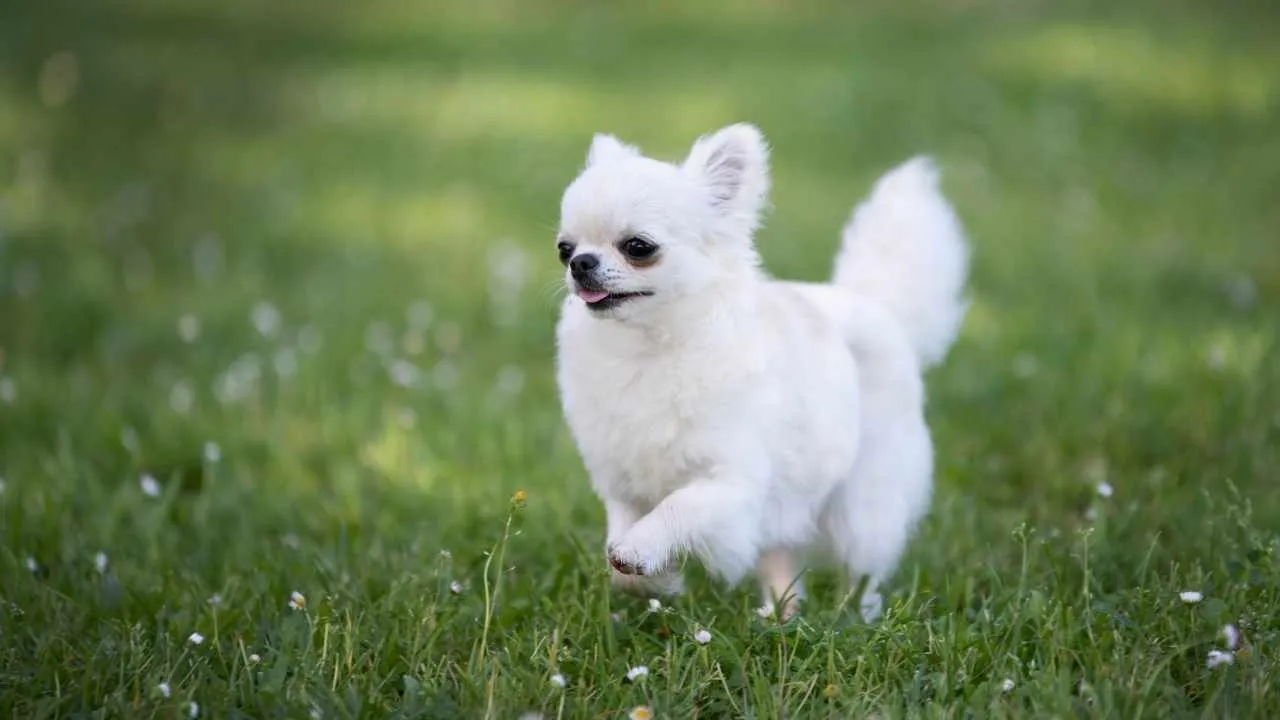
The Chihuahua holds deep roots in pre-Columbian Mexico, where its tiny size paired with a fearless terrier-like attitude shaped a remarkably self-assured companion. The expressive eyes, compact body, and alert reactions give this little dog a constant sense of awareness.
City rhythm
It lives well in small apartments because its daily routine revolves more around closeness and interaction than open roaming. Among popular apartment dog breeds, this breed connects strongly with human attention and preferred lap time.
A few traits shape that indoor compatibility:
Compact size suits limited indoor layouts
Alert nature reacts quickly to activity
Prefers warmth and soft resting spots
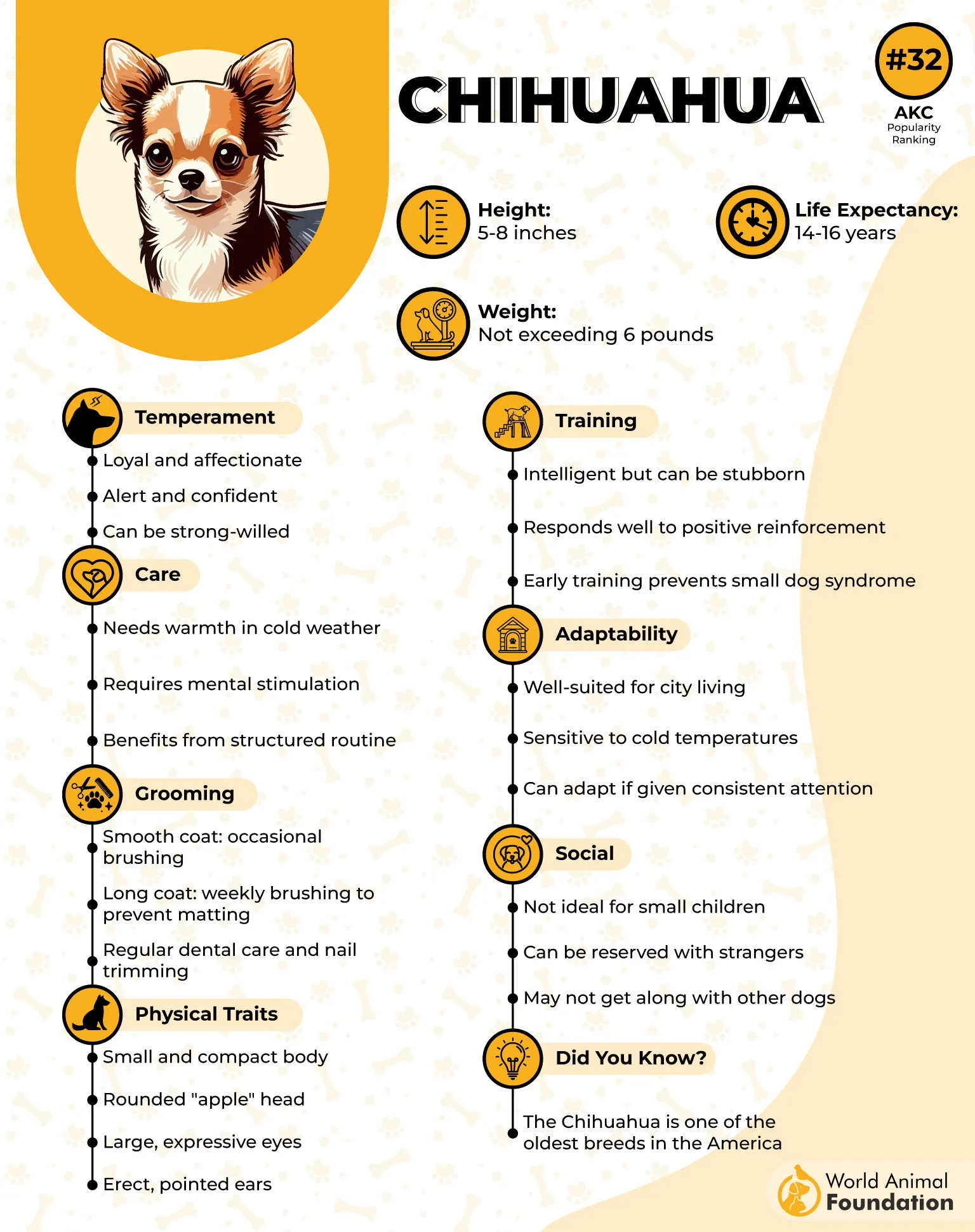
Coat care and everyday handling
The Chihuahua comes in smooth and long-haired varieties, each needing different grooming attention. Smooth coats require light brushing and routine baths, while longer coats need weekly brushing to prevent tangles. Cold weather affects this breed easily due to its tiny frame and fine body structure.
7. Boston Terrier
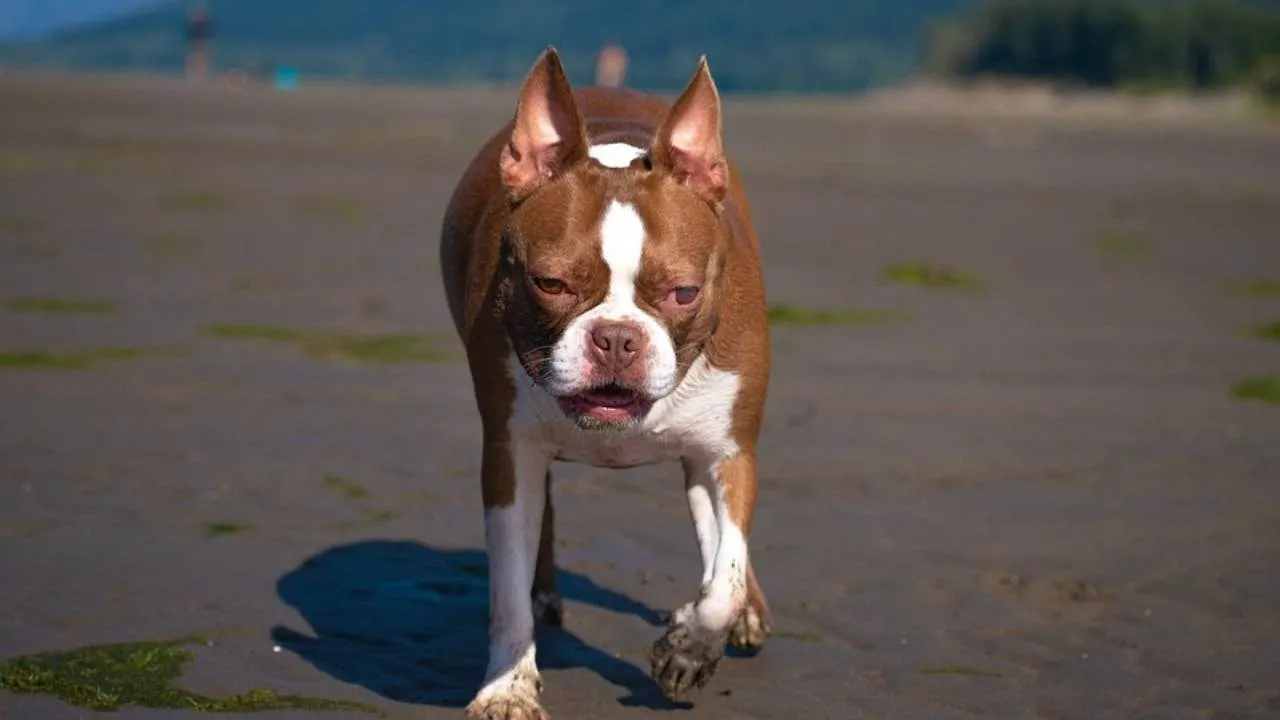
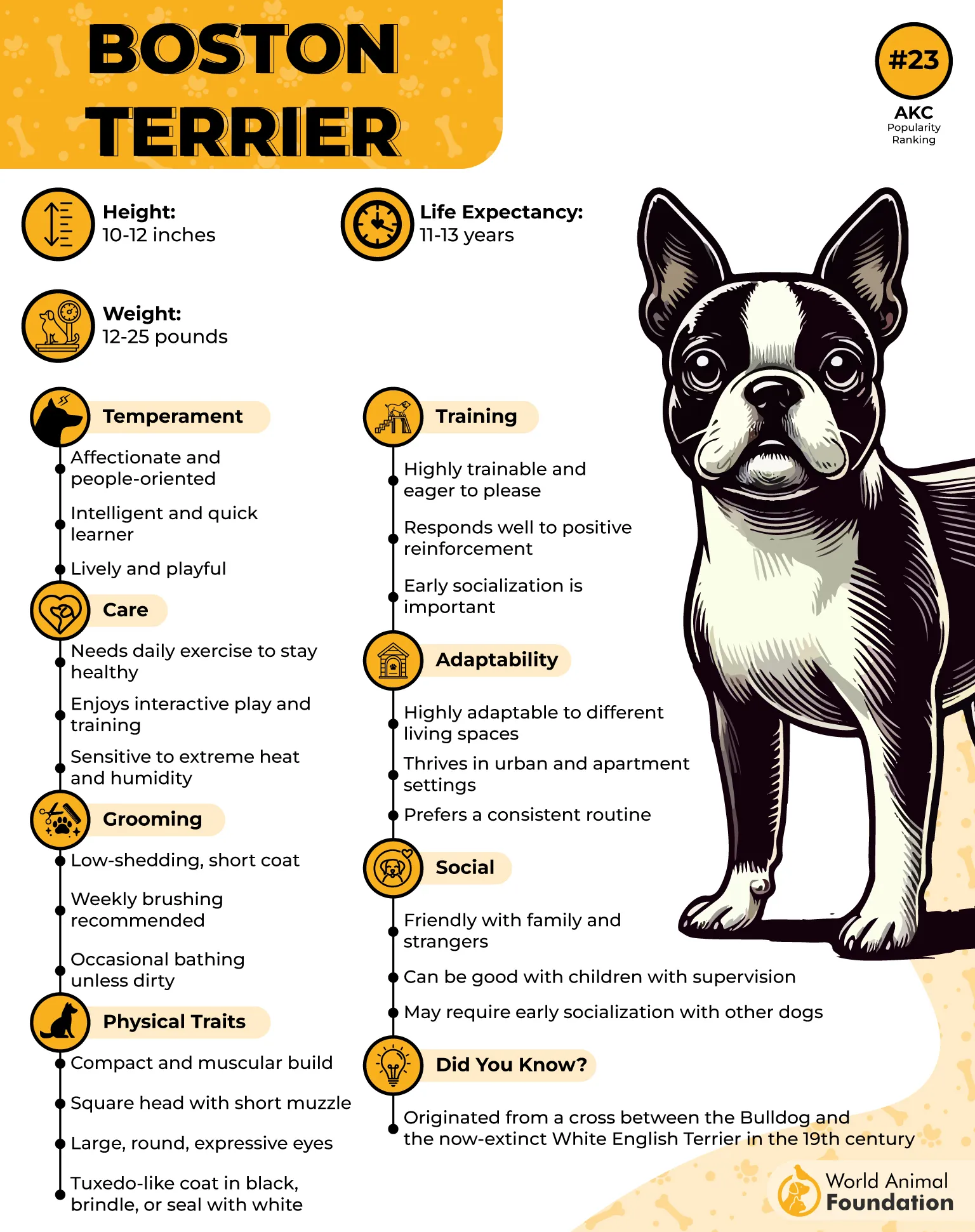
The Boston Terrier earns attention through its tuxedo-like coat, compact frame, and expressive, round eyes that shift between curiosity and mischief.
The nickname “American Gentleman” fits naturally beside its balanced manners and easy social behavior. Its size fits comfortably into smaller living spaces without feeling delicate or fragile.
Rhythmic energy with social ease
The Boston Terrier approaches daily activity with a lively, rhythmic pace, often turning simple routines into interaction. Parks, sidewalks, and outdoor cafés suit its people-focused personality and playful energy.
These breed characteristics shape the experience daily:
Compact body suited for urban routines
Alert expression tuned to surroundings
Natural comedic timing during interaction
Practical care without extra upkeep
The Boston Terrier keeps grooming routines simple through a sleek, fine coat that sheds lightly throughout the year. Weekly brushing with a soft tool helps remove loose hair without turning maintenance into a chore. Its minimal grooming needs fit neatly into busy household schedules.
Conclusion
Small homes often feel more comfortable when the right dog breed becomes part of the routine instead of working against it. Some small breeds naturally adapt to quieter spaces, slower movement, and daily life without creating constant disruption indoors. Their presence adds warmth and companionship without making the home feel crowded or chaotic.
That balance matters more than appearance alone when space becomes limited. A dog that settles calmly beside its people after moderate exercise or playful moments can completely change the atmosphere of an apartment or compact home. Sometimes the best companions are simply the ones shaped through proper training to live comfortably beside people every day.
