




Life already feels full before a dog even enters the picture. Long workdays, crowded schedules, limited space, and constant responsibilities leave little room for a pet that demands nonstop attention.
That reality is exactly why more people are searching for low-maintenance dog breeds instead of choosing based only on appearance or popularity. A dog can be loving, loyal, and enjoyable without turning everyday life into a strict routine built around grooming appointments, endless exercise, or constant supervision.
The right breed often feels less like an extra responsibility and more like a natural fit inside the home. That difference becomes noticeable very quickly once daily life settles in. Some dogs quietly adapt while others completely reshape the household around their needs. Understanding where that line exists can save owners from frustration later.
By the end of this guide, you’ll discover which types of dogs bring companionship without making life unnecessarily complicated or exhausting.
Key Takeaways
A dog does not always need endless grooming sessions or nonstop outdoor activity to become a lovable part of the family.
Boston Terriers and Pugs keep daily life simple with easy grooming routines, shorter walks, and personalities that settle naturally into busy schedules.
Dachshunds and Beagles bring curiosity and companionship into the mix, staying playful without turning everyday care into hard work.
Keep reading, and you may find the one breed that fits so effortlessly into your routine, it almost feels like they were made for your lifestyle.
Low-Maintenance Dog Breeds: A Quick Guide
1. Chihuahua
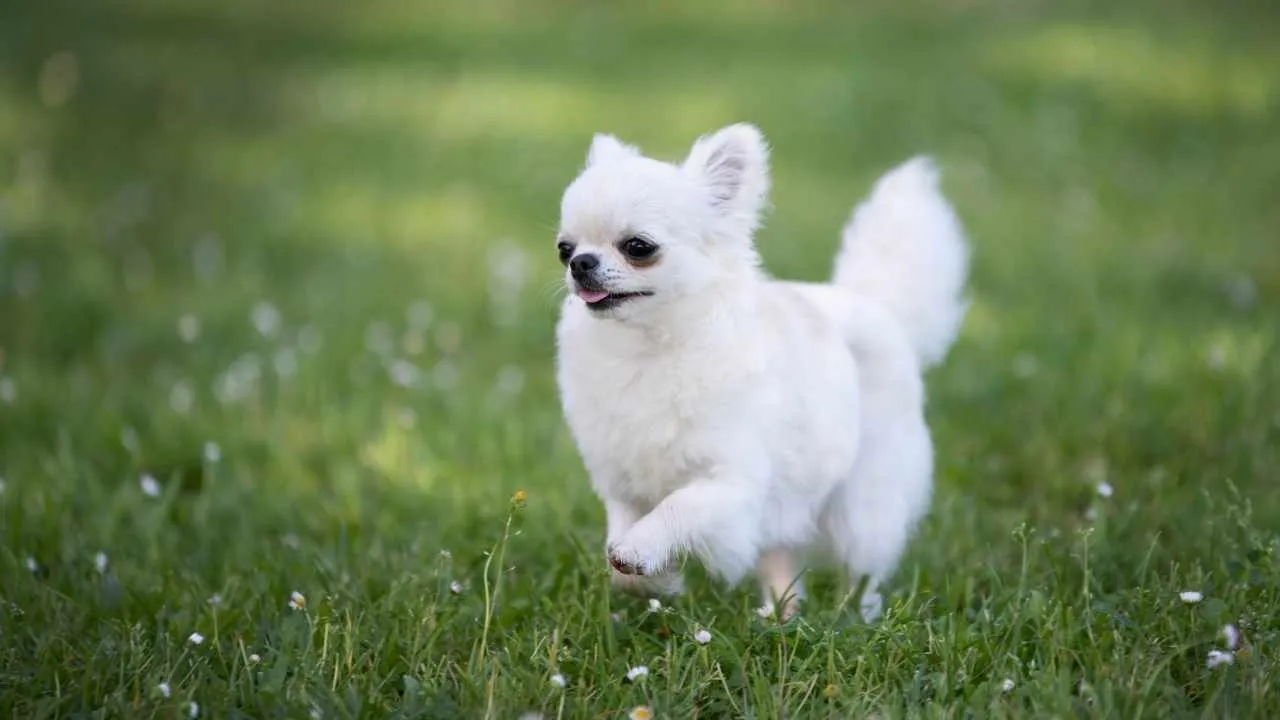
Chihuahua holds deep cultural roots in Mexico, linked to ancient pre-Columbian civilizations and valued today for its spirited temperament.
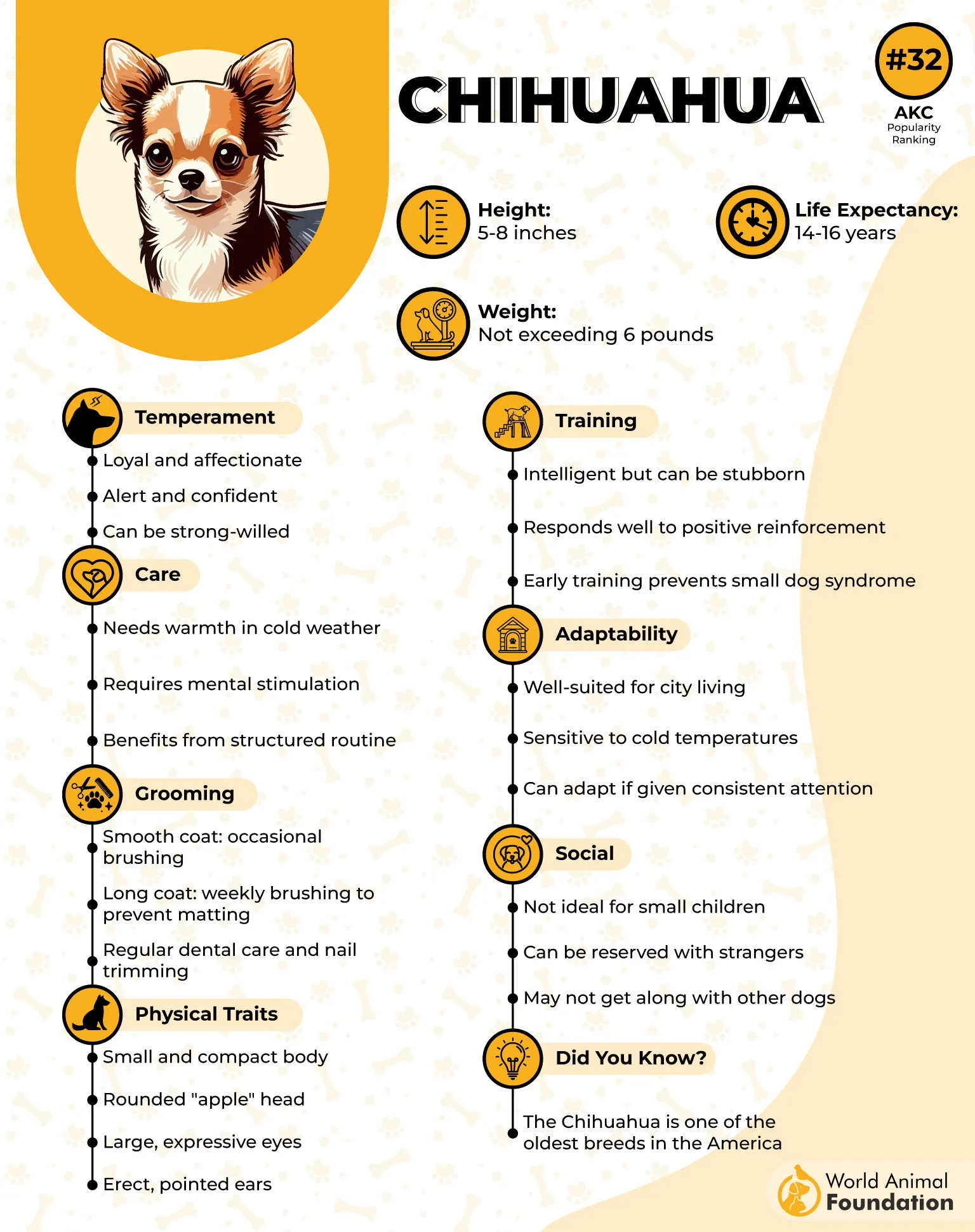
Its terrier-like attitude gives this tiny breed surprising confidence in everyday situations. Large expressive eyes and compact size keep it closely connected to human attention.
Small space, easy routine
This small breed fits naturally into apartment living, needing little room to stay active and engaged throughout the day. Simple indoor activity and short walks usually satisfy its physical needs without demanding intense outdoor schedules.
Daily upkeep stays fairly manageable through:
Short exercise sessions indoors
Weekly coat care for long-haired varieties
Attached to their people
They prefer close companionship, often following familiar people from room to room instead of remaining independent. Its loyalty can become bossy without early guidance, especially because this clever breed learns household patterns quickly. Consistent boundaries help prevent demanding behavior in small spaces.
2. Boston Terrier

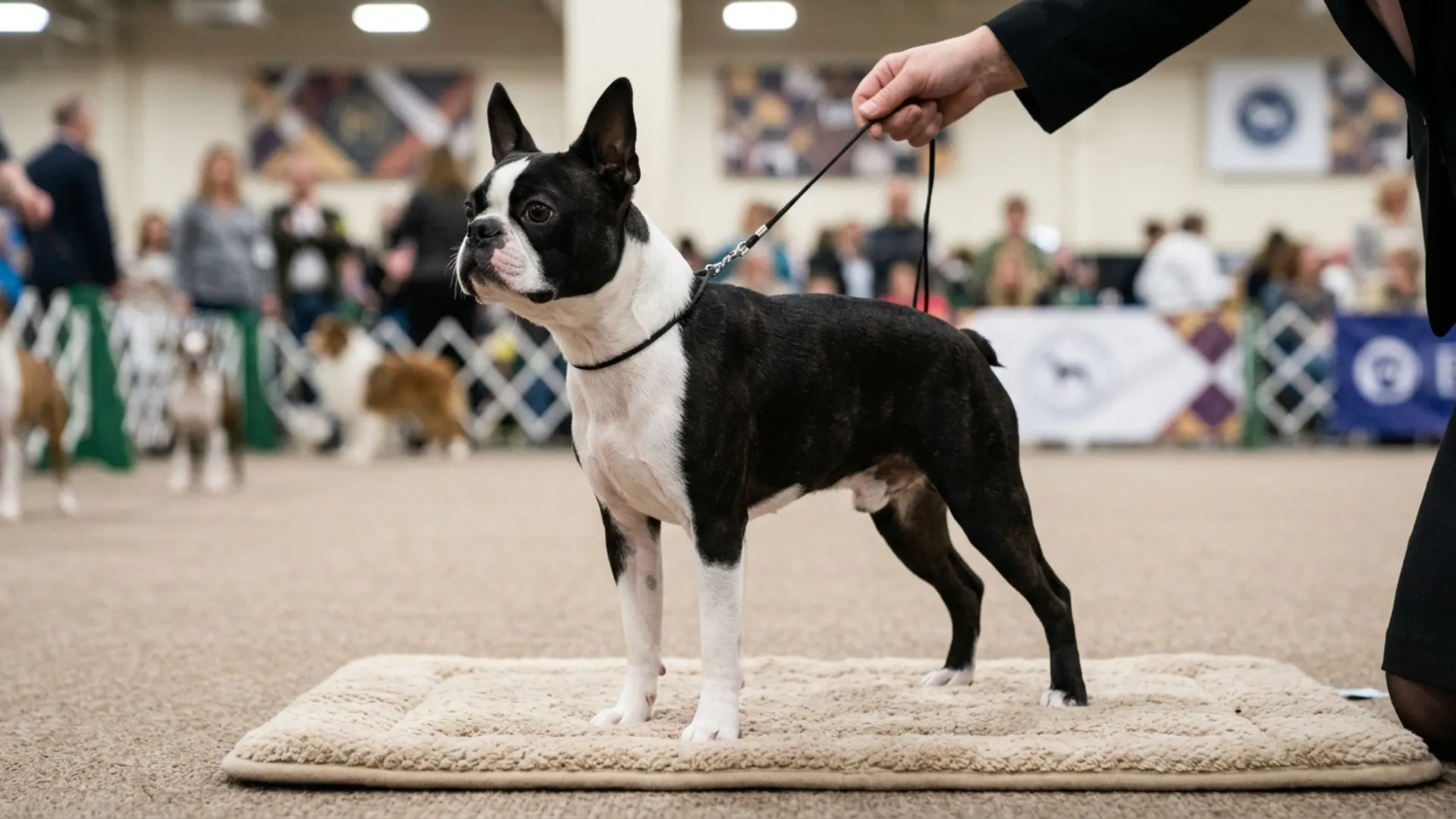
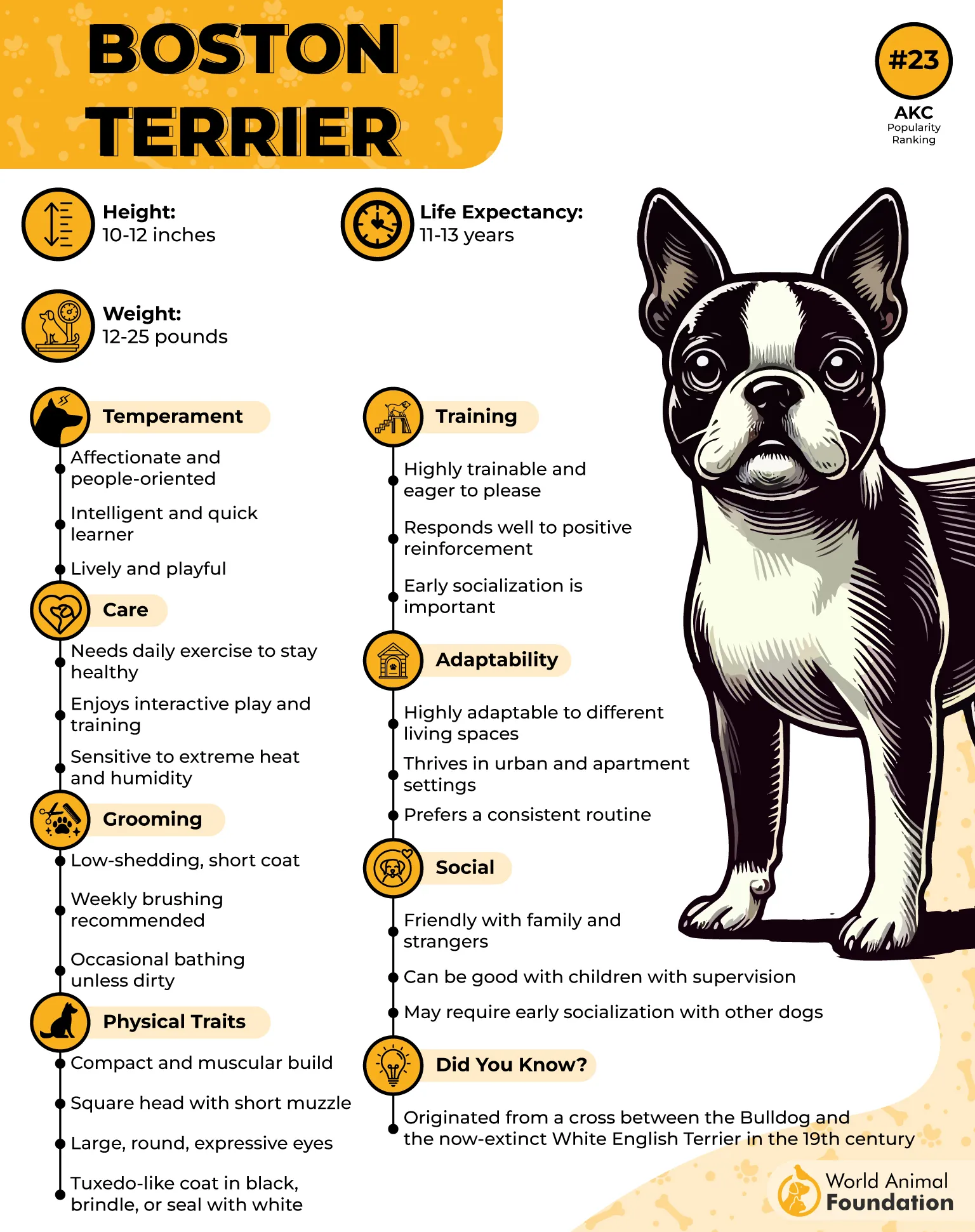
Boston Terrier draws attention through its tuxedo-like markings, round eyes, and lively expression that earned it the nickname “The American Gentleman”, as stated by Purina. Its compact frame and short tail create an easy-to-manage companion suited to smaller living spaces.
Every day upkeep stays manageable
These terriers fit comfortably into routines that do not revolve around intensive grooming or complicated care schedules. Its sleek coat sheds lightly, responding well to simple weekly brushing instead of frequent maintenance sessions.
That simplicity becomes noticeable in practical ways:
Fine coat requires minimal grooming tools
Compact size fits smaller homes easily
Outdoor walks satisfy most daily activity needs
Exercise needs vary by individual
Boston Terriers respond differently depending on personality and energy level, with some satisfied by short walks while others seek longer play sessions. Simply opening the backyard door rarely interests this breed for long. Human involvement remains a stronger motivator than independent wandering.
3. Dachshund

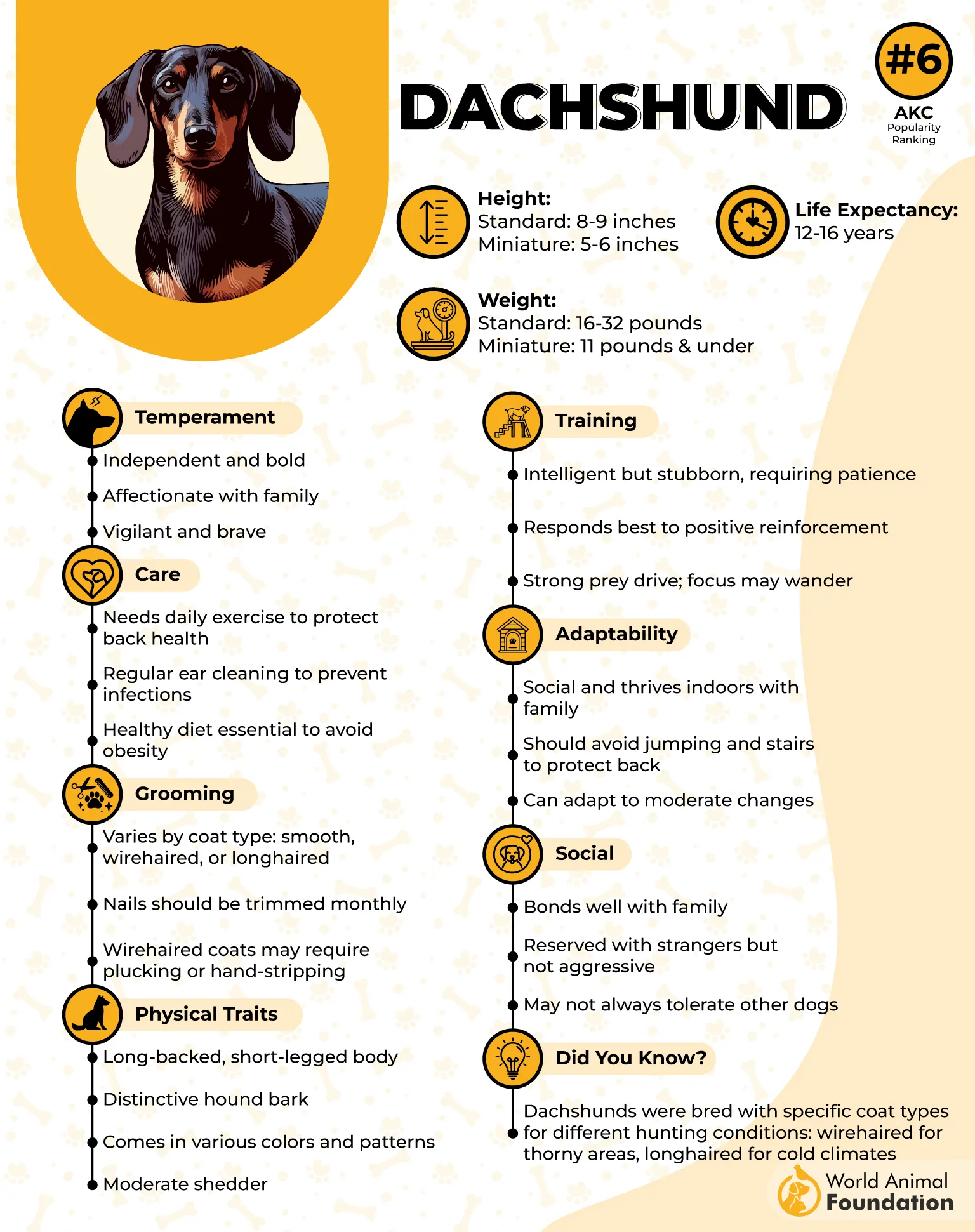
Dachshund became unforgettable through its long-backed shape, short legs, and fearless attitude packed into a compact frame. Originally bred to face dangerous prey underground, this little hunter reacts quickly to unfamiliar sounds and rarely ignores activity nearby.
Easy upkeep
Doxie fits busy households because grooming needs remain fairly manageable across all three coat types. Each variation asks for different care, which shapes the experience of living with the breed.
A few practical details matter here:
Smooth coats need minimal grooming
Wire coats need occasional hand-stripping
Moderate shedding with little body odor
More active than expected
They may spend hours curled beside their owner, but the breed still benefits from regular daily walks and controlled activity, as PetMD notes.
Strong muscles around the back matter greatly for this body shape, especially as the dog ages. Indoors, the curious nature keeps them busy listening, watching, and investigating.
4. Pug

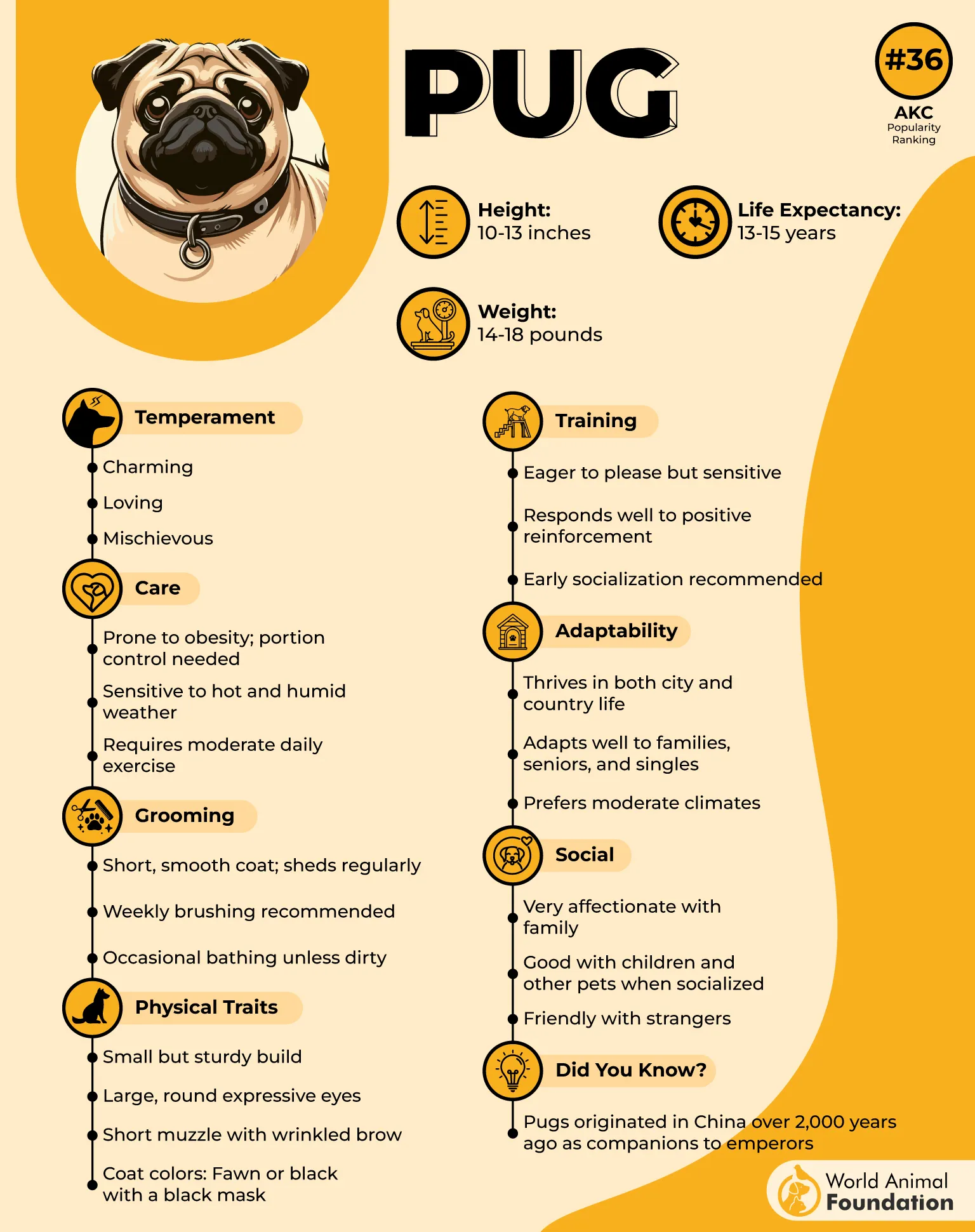
Pugs once entertained Chinese emperors before becoming linked with Holland’s royal House of Orange, a detail that explains their long reputation as a close companion dog. The breed’s compact body, wrinkled face, and expressive eyes create a personality people remember quickly.
Minimal grooming needs
They fit naturally into conversations about low-maintenance breeds because grooming rarely becomes demanding. The short coat only needs weekly brushing to clear loose hair and keep the glossy texture neat.

A few everyday details matter most:
Weekly brushing controls shedding
Moderate walks help manage weight
Comfortable in smaller living spaces
Easygoing indoors
Pugs adjust easily to city apartments, larger homes, older adults, children, or multi-pet households without making daily life feel complicated, as per the AKC.
This flexible temperament makes the breed appealing for first-time dog owners looking for a sociable companion rather than a highly demanding routine.
5. Beagle
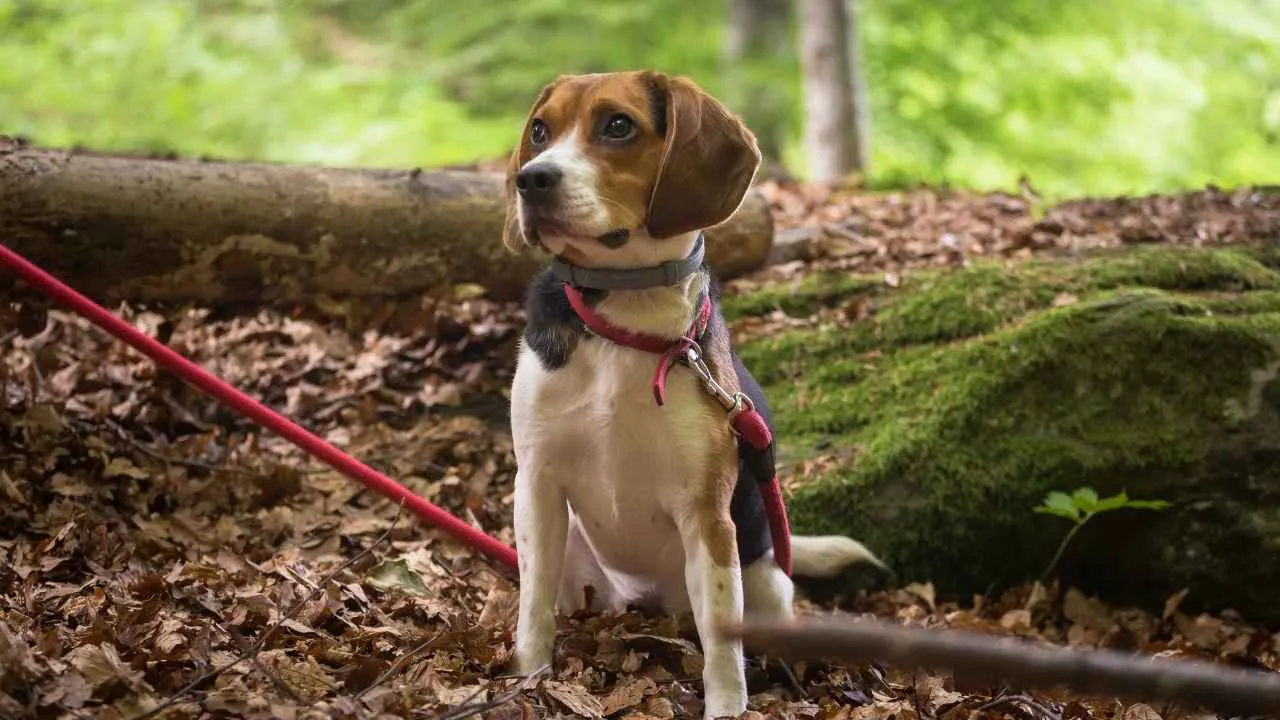
Beagles built their reputation through pack hunting, shaping a dog that naturally enjoys company and shared activity. Its expressive face and playful personality give everyday interaction an easygoing rhythm. This social nature explains why the breed fits comfortably into busy households.
Coat care without constant upkeep
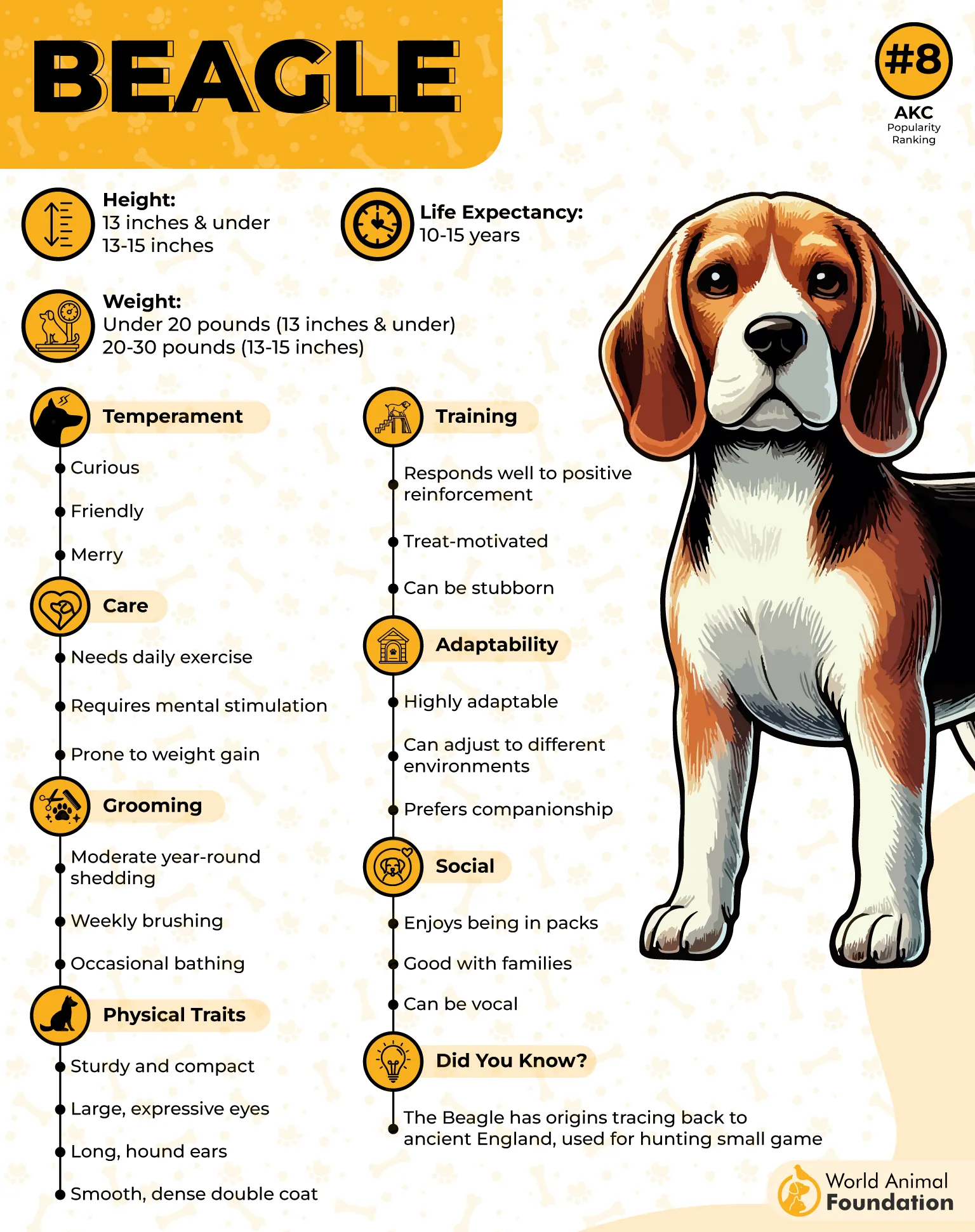
Beagle’s short, dense double coat keeps grooming fairly manageable through most of the year, needing more attention mainly during spring shedding periods. Weekly brushing helps remove loose hair while keeping the coat in good condition.
That routine stays fairly simple:
Medium-bristle brushes work well
Baths are needed only when messy
Rubber grooming mitts lift loose hair easily
Personality built around companionship
They function best with regular interaction, reflecting the breed’s long connection to group hunting and close social contact. Its temperament leans toward friendliness with both people and other dogs. That affectionate nature often appears through attention-seeking behavior and playful persistence.
6. French Bulldog
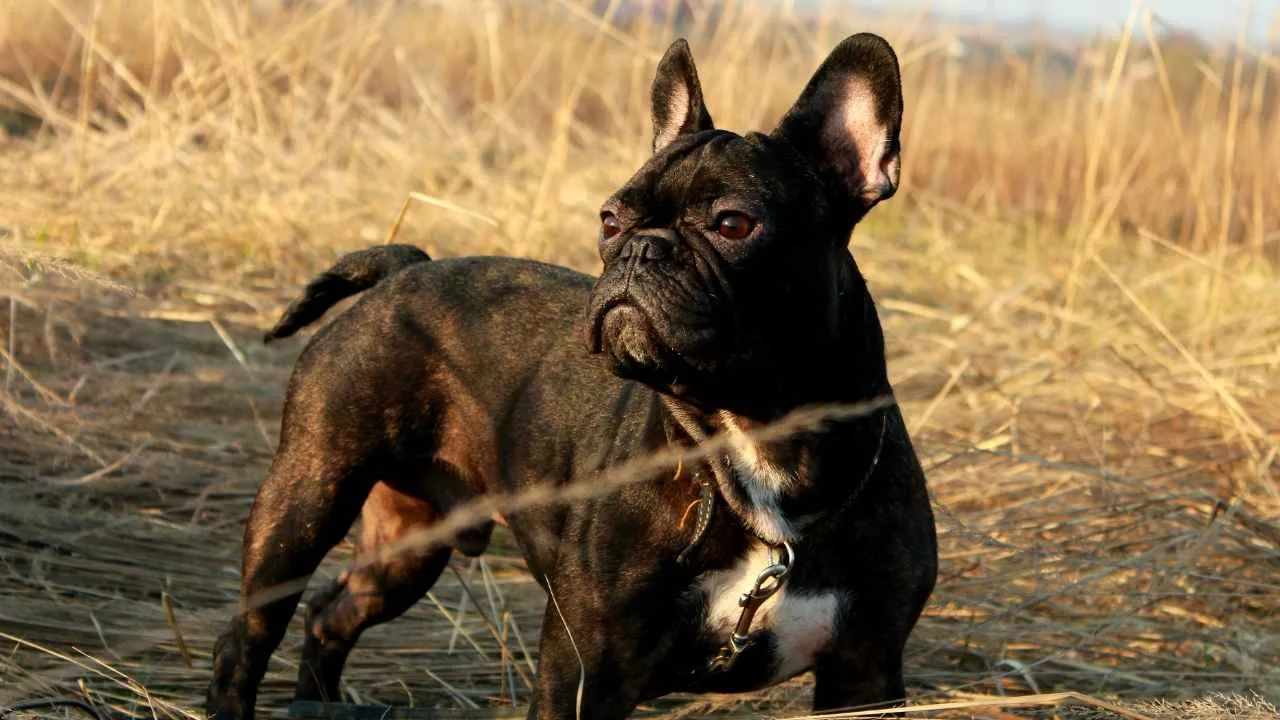
French Bulldog catches attention immediately through its oversized bat ears and compact, balanced frame. Its quiet personality fits naturally into flats and smaller homes where constant barking quickly becomes a problem. The breed blends easily into daily home life.
Easy rhythm indoors
Frenchies prefer short bursts of activity over nonstop motion, making daily care easier to fit into busy schedules. A brief walk or playful outdoor session is usually enough before it settles comfortably indoors again.
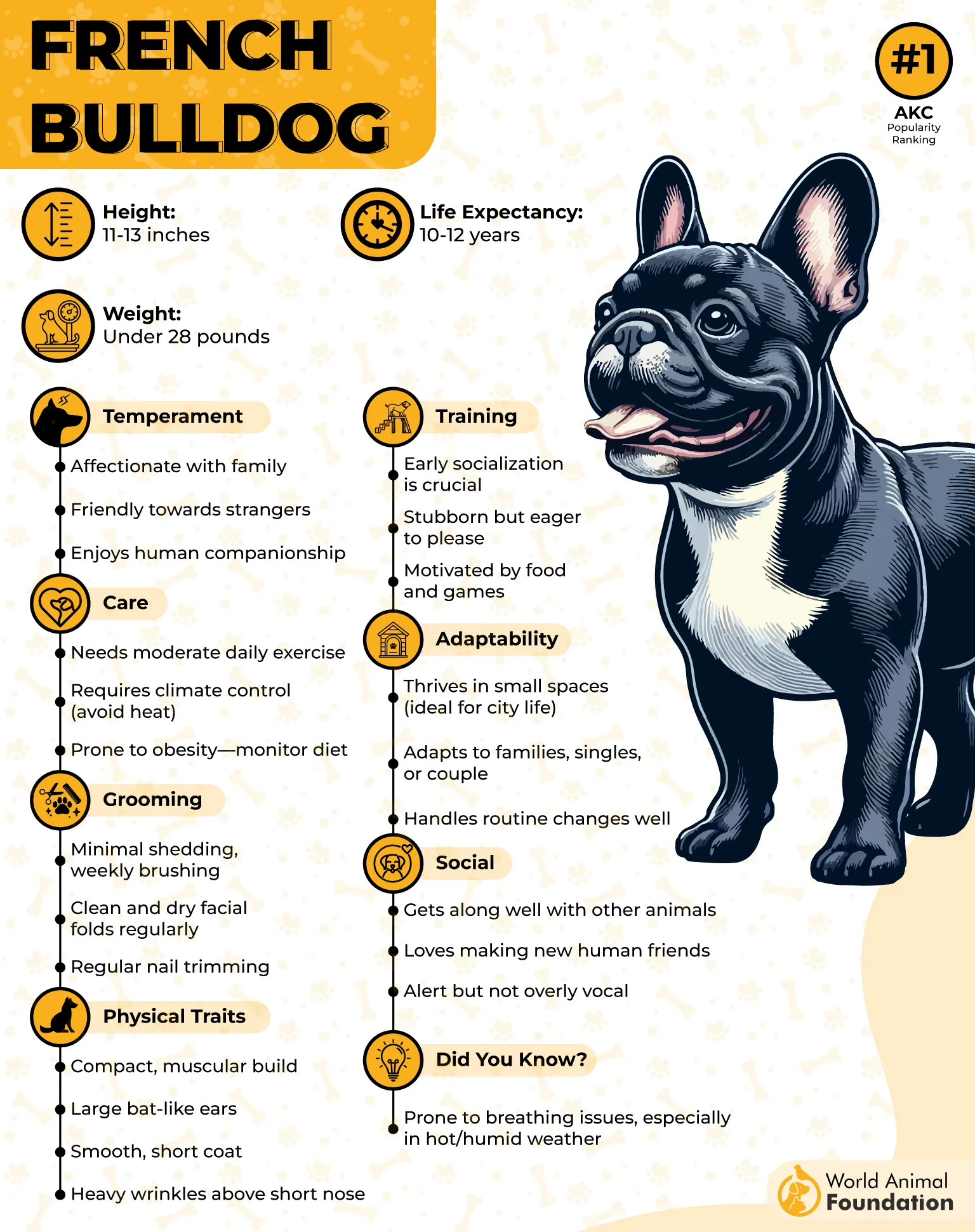
That relaxed rhythm appears through simple habits:
Rarely vocal without reason
Adjusts easily to compact living spaces
Enjoys interaction without demanding constant activity
Coat care without complication
French Bulldog keeps grooming fairly straightforward due to its short coat and light shedding pattern. Weekly brushing with a mitt or medium-bristle brush helps remove loose hair without turning grooming into a long process. This routine keeps upkeep manageable through most seasons.
7. Cavalier King Charles Spaniel
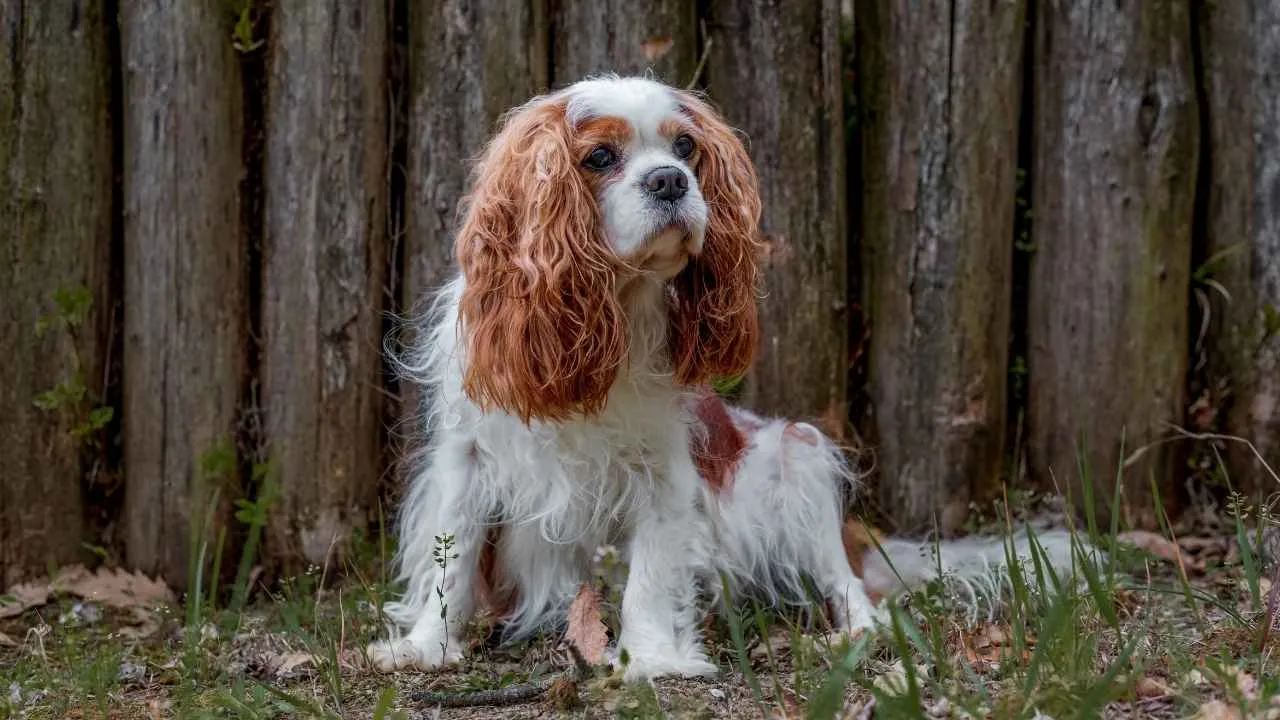
Cavalier King Charles Spaniel blends the refined manner of royal companion dogs with the energy of a sporting spaniel. Its expression, soft features, and balanced temperament create an easy presence inside the home. The breed shifts comfortably between relaxed indoor routines and light outdoor activity.
Adaptable by nature
Spaniels adjust easily to different lifestyles, fitting naturally beside active households or quieter daily routines. Its sporting lineage still appears during walks, playful chases, and outdoor exploration.
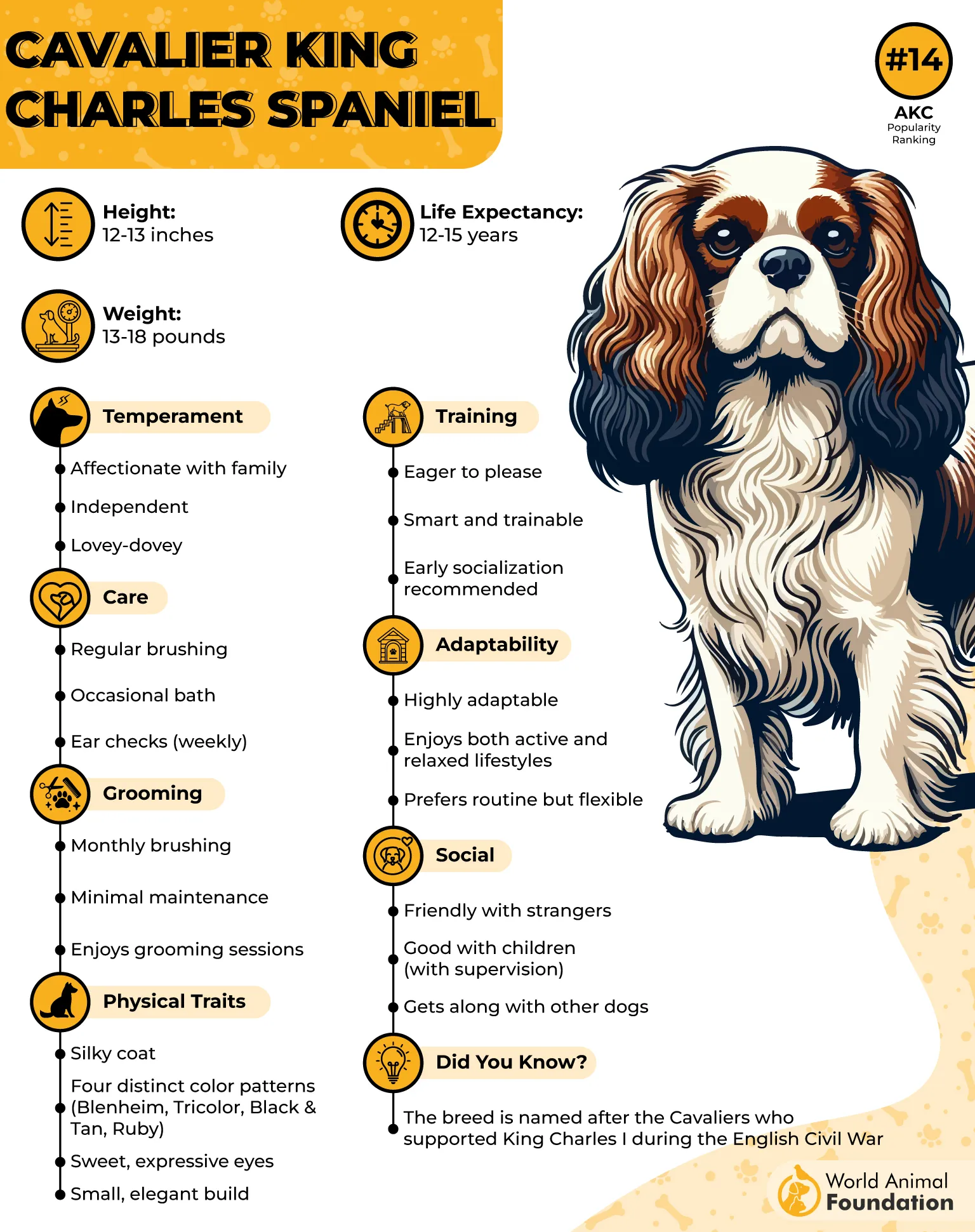
That flexibility appears in simple ways:
Enjoys relaxed time on the sofa
Responds eagerly to outdoor walks
Interacts gently with children and dogs
Athletic side beneath the calm
They approach activity with enthusiasm, especially during games or short bursts of running outdoors. Its spaniel roots contribute agility and responsiveness that differ from more sedentary companion breeds. Moderate exercise usually satisfies both its physical energy and social nature.
Conclusion
Daily life becomes noticeably easier when a dog naturally fits the pace of the household instead of constantly working against it. Some companions demand endless structure, while others settle comfortably into routines without creating stress around grooming, exercise, or attention.
That balance often matters more than appearance, trends, or popularity once real responsibilities begin shaping everyday life. A calmer temperament, manageable care needs, and adaptability inside the home can completely change the ownership experience for busy people.
The best choice usually feels effortless after the adjustment period passes, creating companionship that adds warmth and consistency without making the home feel more exhausting than before.
