




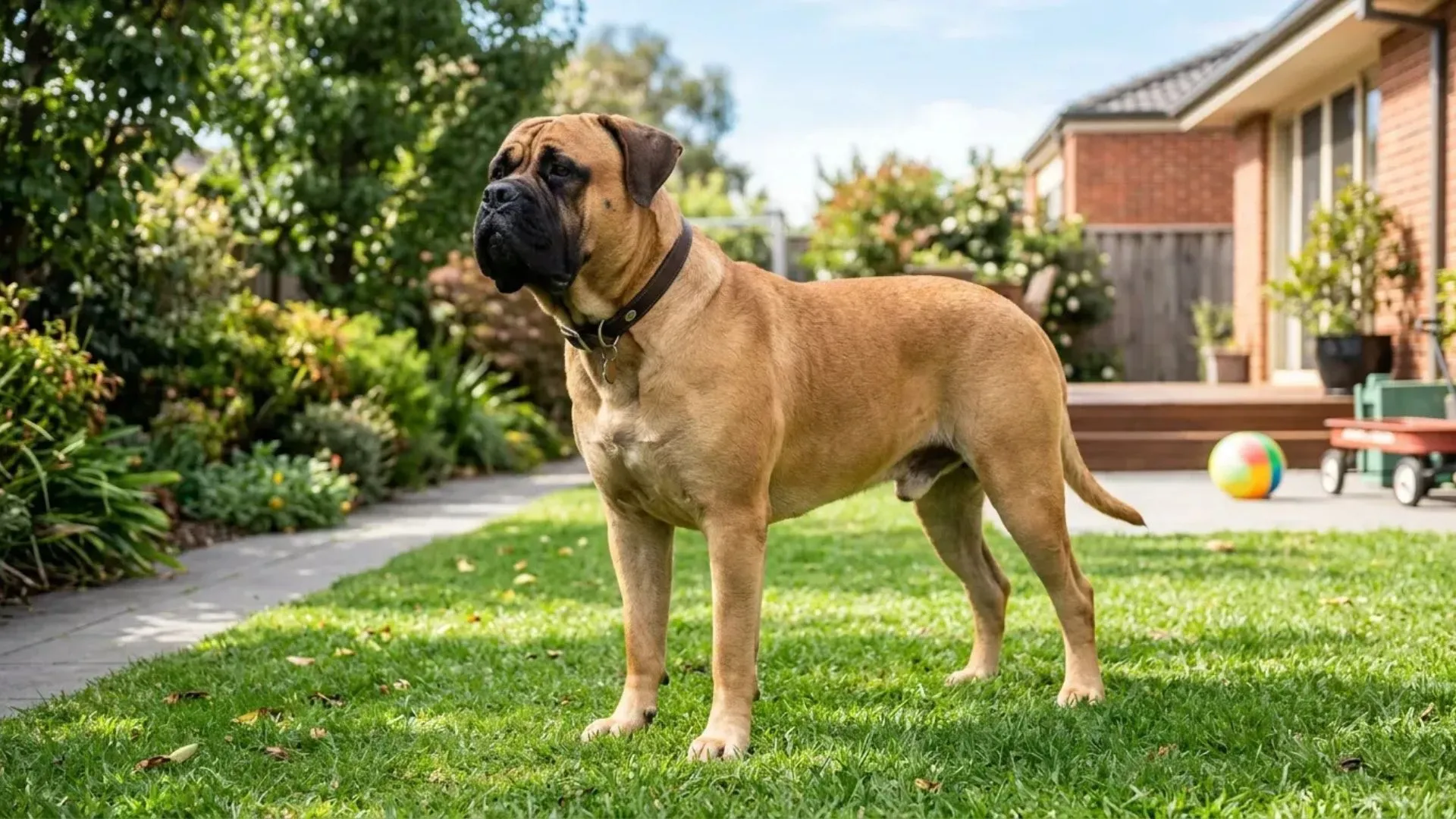
Choosing the right dog for your family often comes down to finding a balance between protection and companionship.
Many protective breeds are known for their loyalty and alertness, but the best family-friendly options are also calm, affectionate, and adaptable at home.
In this guide, we’ll explore popular protective dog breeds that are well-suited to households with children and other pets.
Whether you live in a busy neighborhood or a quieter setting, these dogs can offer a reassuring presence while still fitting into everyday family life. Understanding their temperament and needs will help you choose the best guard dog that brings both safety and warmth to your home.
Top Protective Dog Breeds Every Family Should Consider
1. Akita

The Akita is a large, powerful dog with a well-balanced, sturdy body and a distinctive curled tail carried over the back. Its broad head, small deep-set eyes, and upright ears create a calm but dignified expression. The dense double coat includes a soft underlayer and a slightly coarser outer coat that helps it adapt to colder climates, though it sheds more in warm seasons.
The Akita was bred to work alone or in pairs, which strongly shapes its independent and self-assured temperament. As per Hill’s Pet, it forms deep loyalty to its family but often remains aloof and cautious around strangers. This breed can be territorial and may show intolerance toward unfamiliar dogs outside its household group.
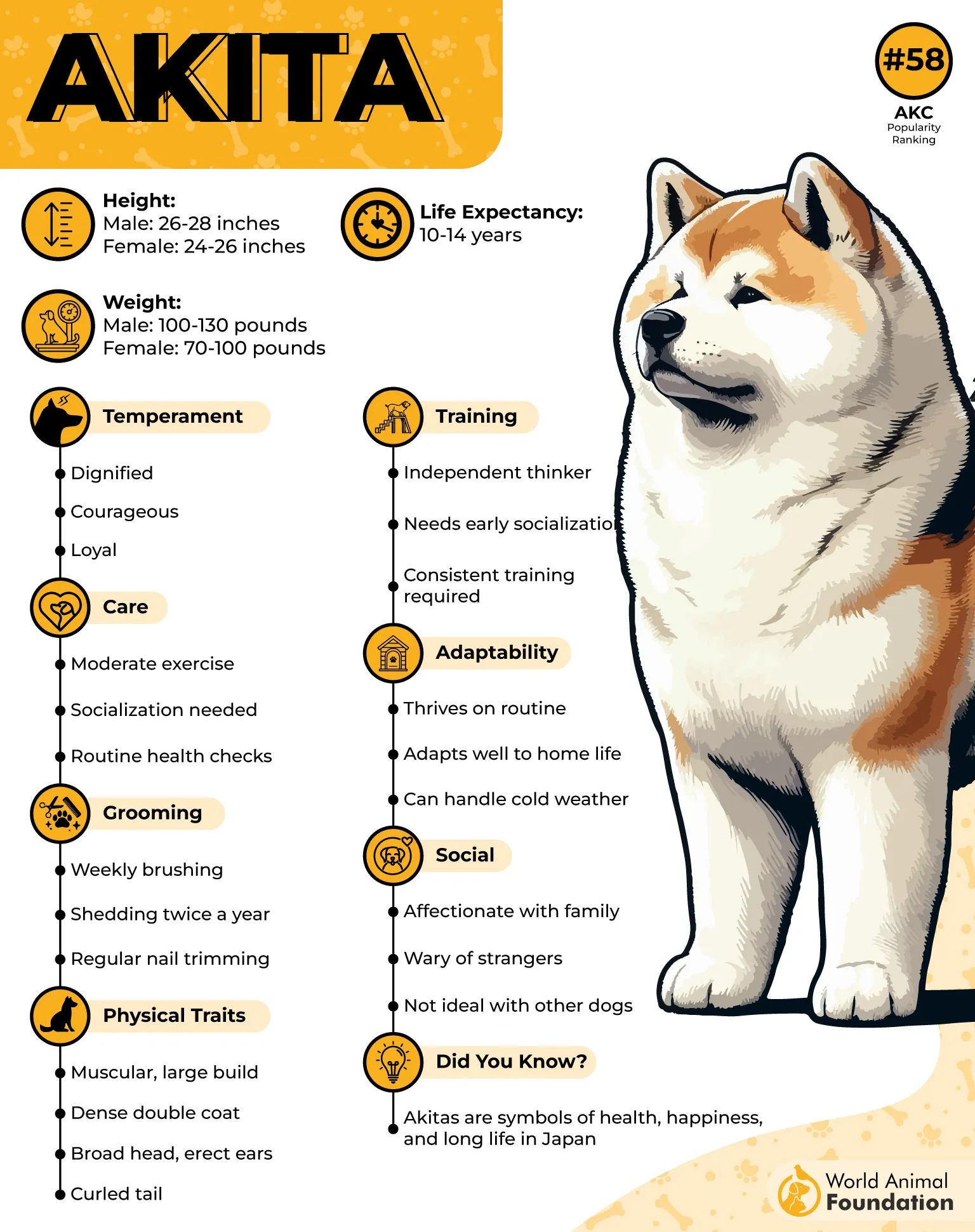
Although highly intelligent, the Akita can become easily bored and may resist repetitive training if not mentally challenged. It is known for being an effective watchdog, typically barking only when it senses something truly unusual or concerning. Consistent structure and purposeful activities help manage its strength while supporting better behavior and focus.
Why This Breed Is a Good Fit
Naturally alert presence that stays aware of surroundings without constant noise
Deep family loyalty paired with a composed, observant home temperament
Structured routines help channel its strength into steady household behavior
2. Bullmastiff
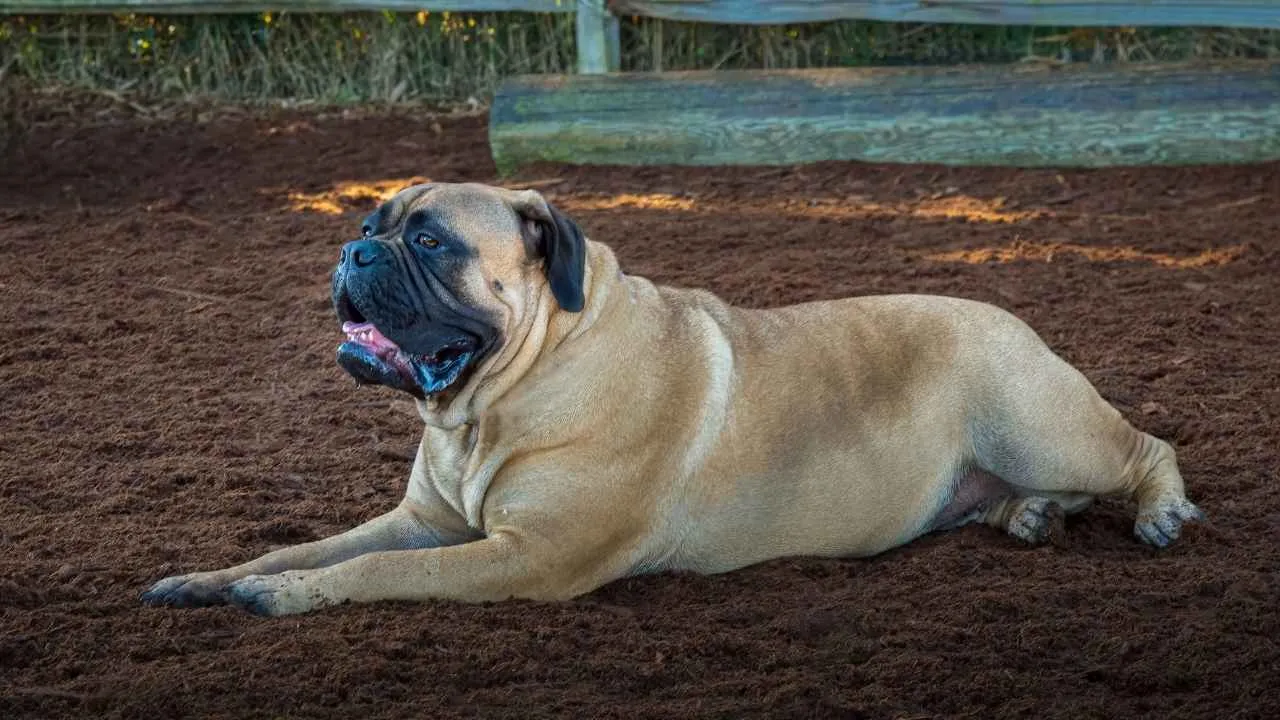
The Bullmastiff is a giant, muscular dog originally developed in Britain to guard estates against intruders. Its large, broad head, V-shaped ears, and dense short coat in shades like fawn, red, or brindle give it a solid and powerful appearance.
Known for a calm and affectionate nature, the Bullmastiff bonds closely with its family and often shows patience with children. However, its size and strength mean interactions should always be supervised to avoid accidental knocks or rough play. It can be reserved with strangers and may take time to warm up to new people entering the home.
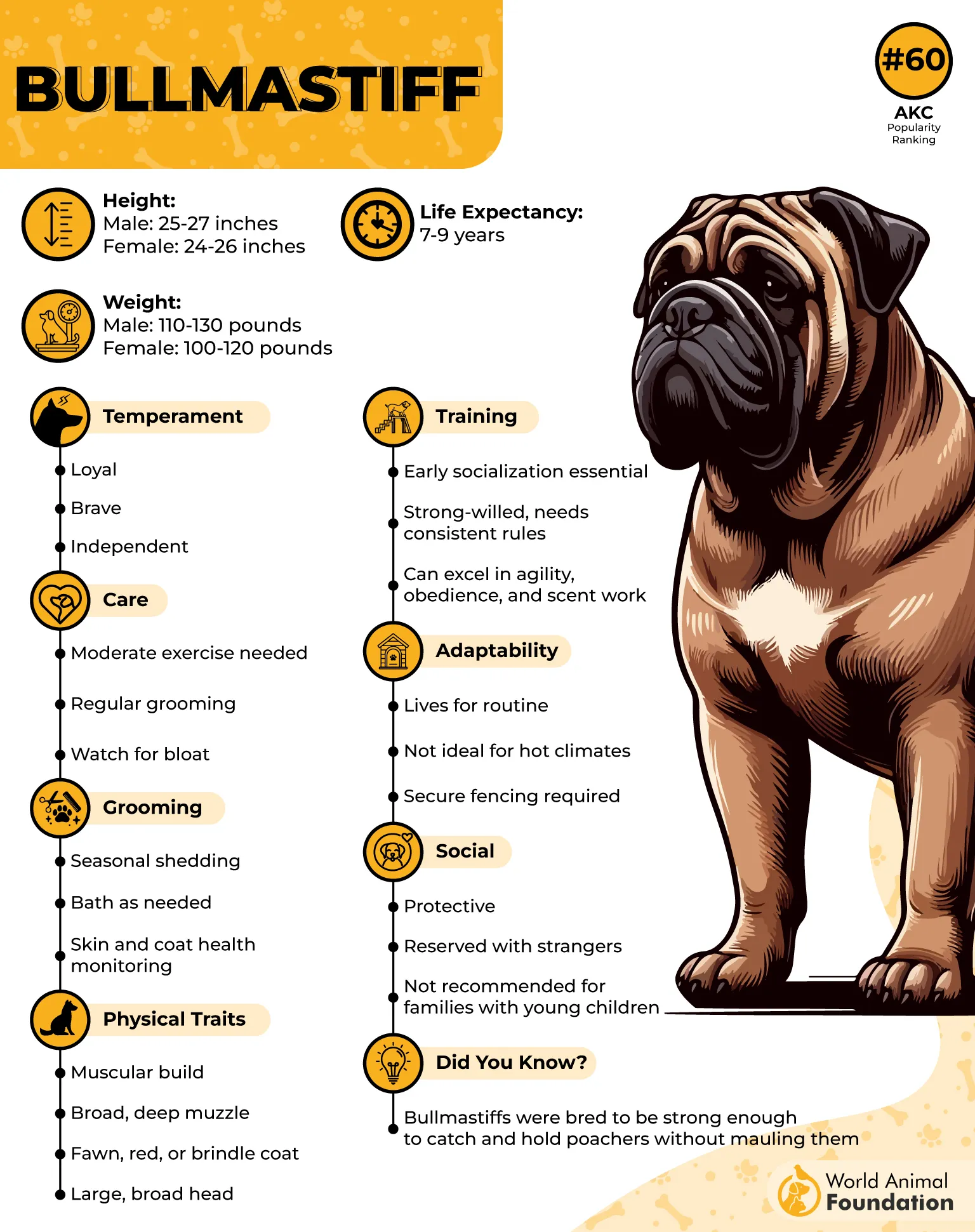
Training and daily movement are important because this giant breed grows into a very strong adult that needs guidance from an early age, as noted by PetMD. It responds well to consistent instruction, especially when taught basic manners like walking calmly on a leash and staying relaxed around distractions.
Why This Breed Is a Good Fit
Steady, gentle home presence that fits structured family routines
Patient nature that works well in supervised child interactions
Calm exercise needs that suit everyday walking lifestyles
3. Doberman Pinscher
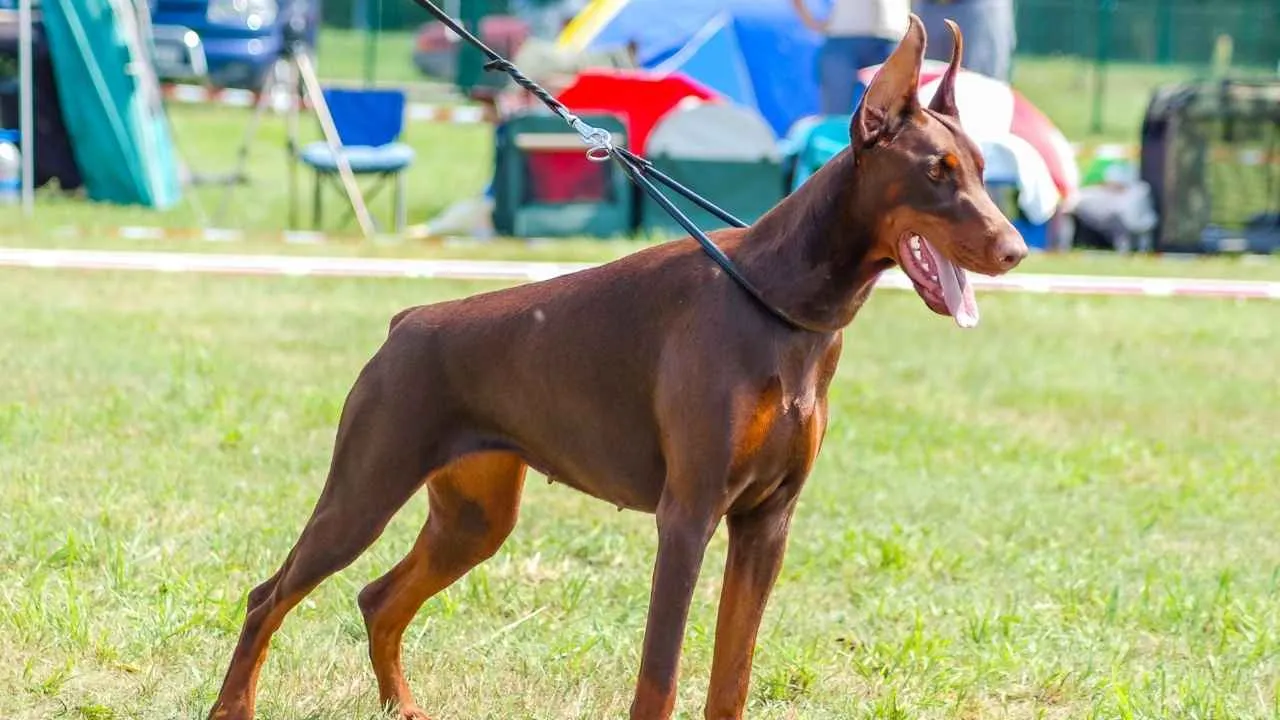
The Doberman Pinscher is a sleek, muscular dog known for its athletic build and confident stance. Naturally loyal and alert, the Doberman is known for forming strong bonds with its family while staying watchful of its surroundings.
According to WebMD, it is friendly and affectionate with people it trusts, but can become overly protective without proper socialization. Some dogs may also show sensitivity to being left alone for long periods.
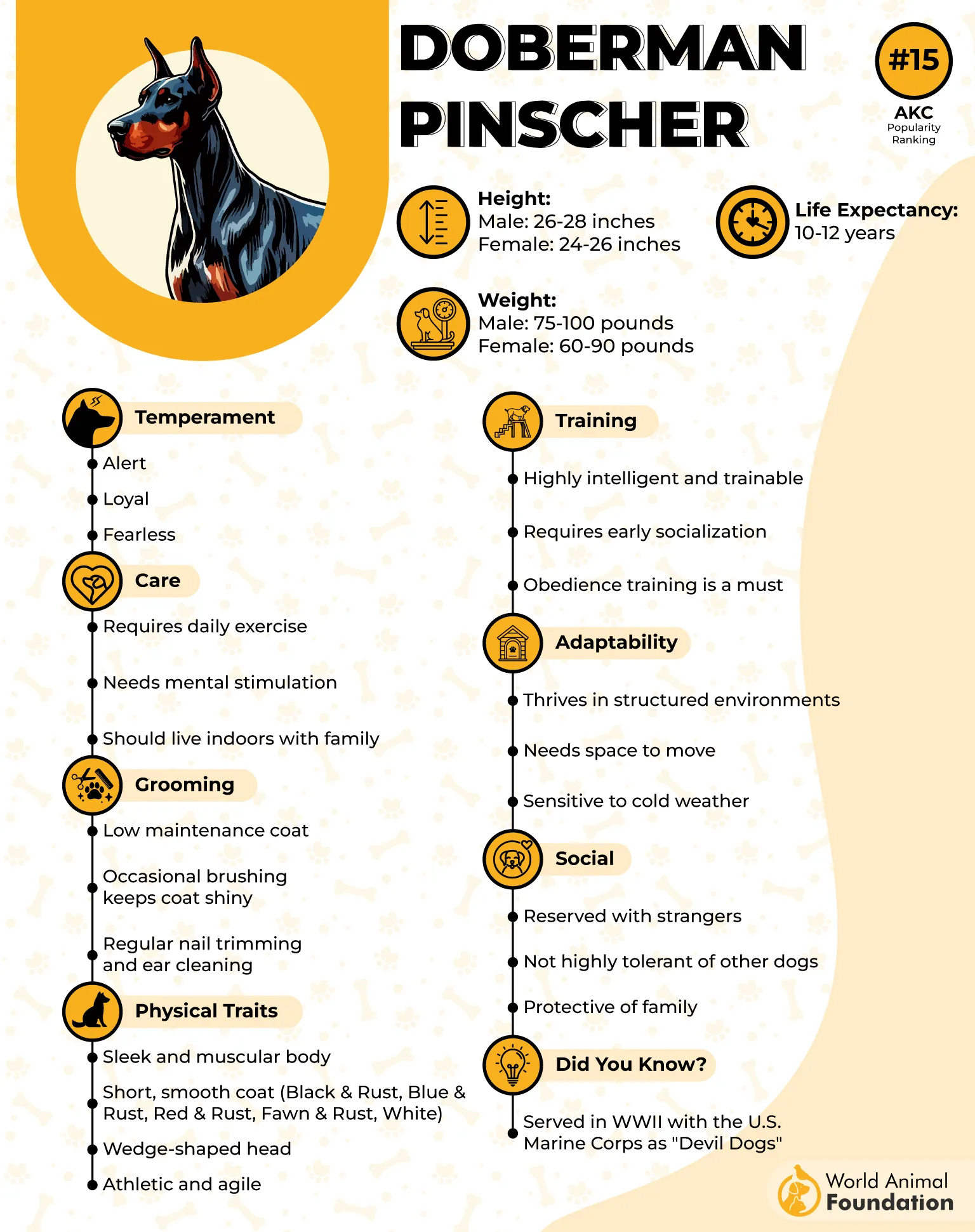
Training and exercise play a major role in shaping this breed’s behavior because it is both intelligent and energetic. It learns quickly and responds well to structured activities like obedience work and active games. Without enough stimulation, it may become bored or restless, which can affect behavior. Early socialization helps it stay balanced in busy households. It thrives when given a clear job to do.
Why This Breed Is a Good Fit
Highly trainable nature supports structured household routines
Alert temperament that stays attentive without constant agitation
Strong family bonding with steady guidance and engagement
4. Rottweiler
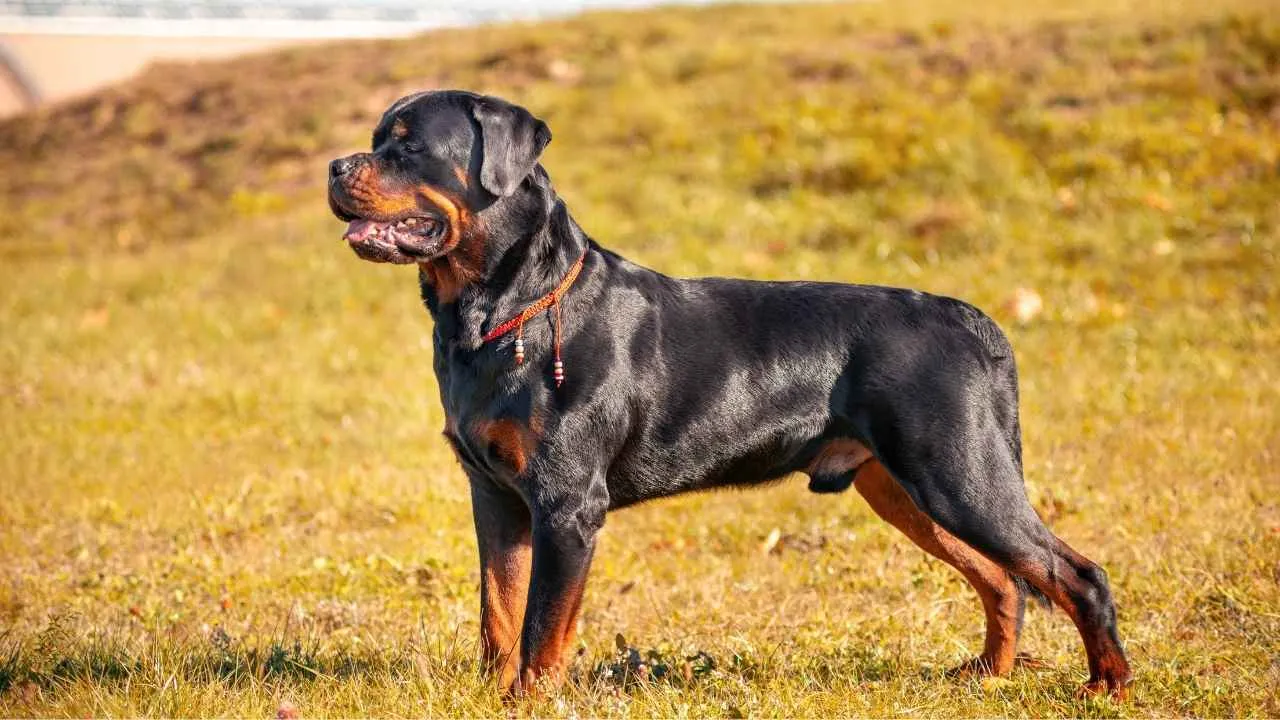
The Rottweiler is a massive dog with a powerful frame and a broad chest. Its short, dense coat is black with clearly defined rust markings on the face, chest, and legs. It thrives in homes where it has a clear role.
Rottweilers are known for their strong loyalty and natural guarding instincts toward their families. They can be affectionate and steady companions at home, but often remain cautious or suspicious around unfamiliar people. Males in particular may show more dominant behavior if not properly guided from an early age.
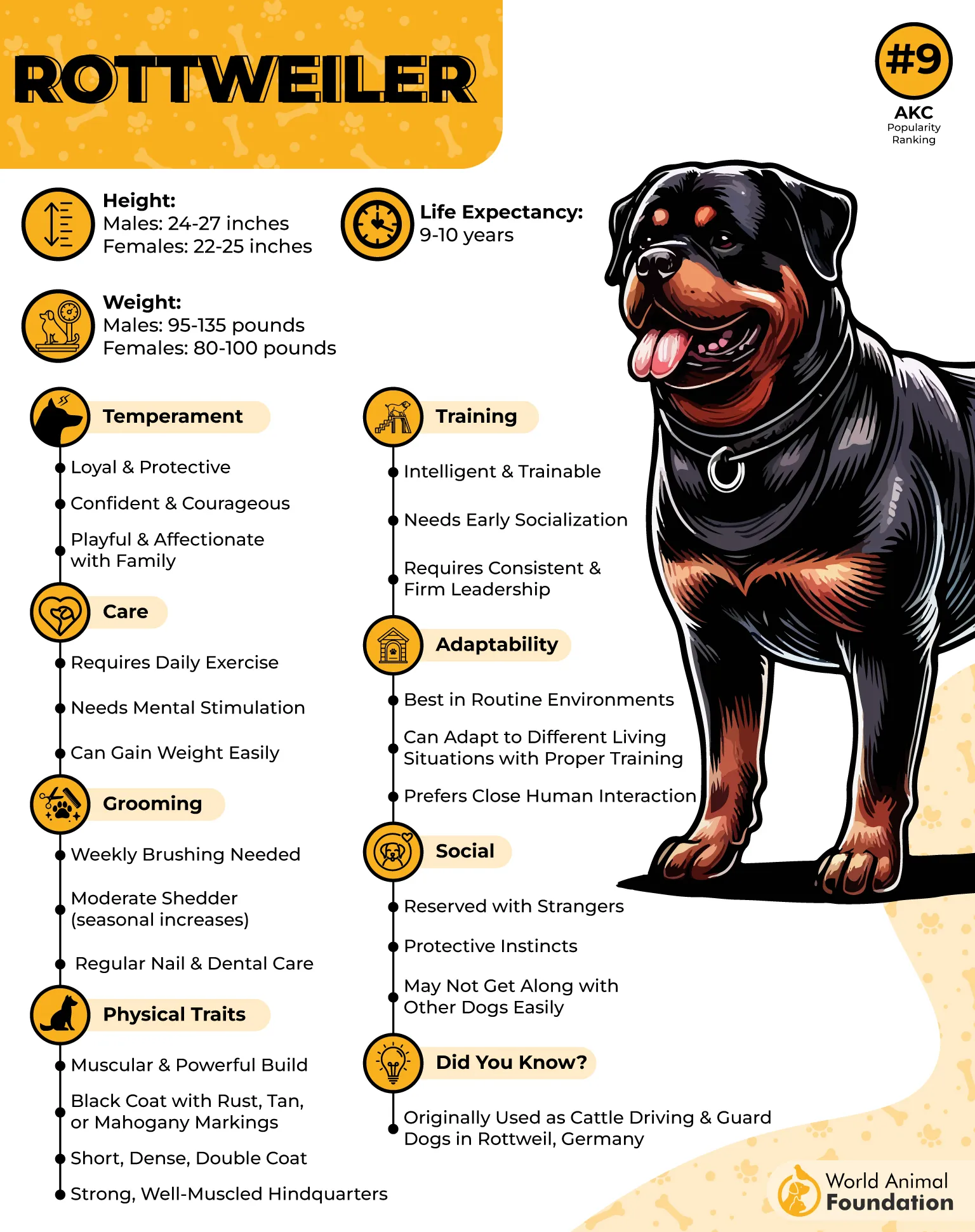
They are highly intelligent and respond well to consistent training that gives them structure and purpose. Regular activity is important because they are energetic and were originally bred for demanding working roles. Without direction, they may develop unwanted habits such as excessive barking or digging.
It requires daily exercise to stay balanced and well-behaved. It also benefits from early socialization to build calm confidence.
Why This Breed Is a Good Fit
Strong working mindset that adapts well to structured homes
Loyal family attachment with naturally attentive behavior
Thrives with routine tasks that keep mind and body engaged
5. Belgian Malinois
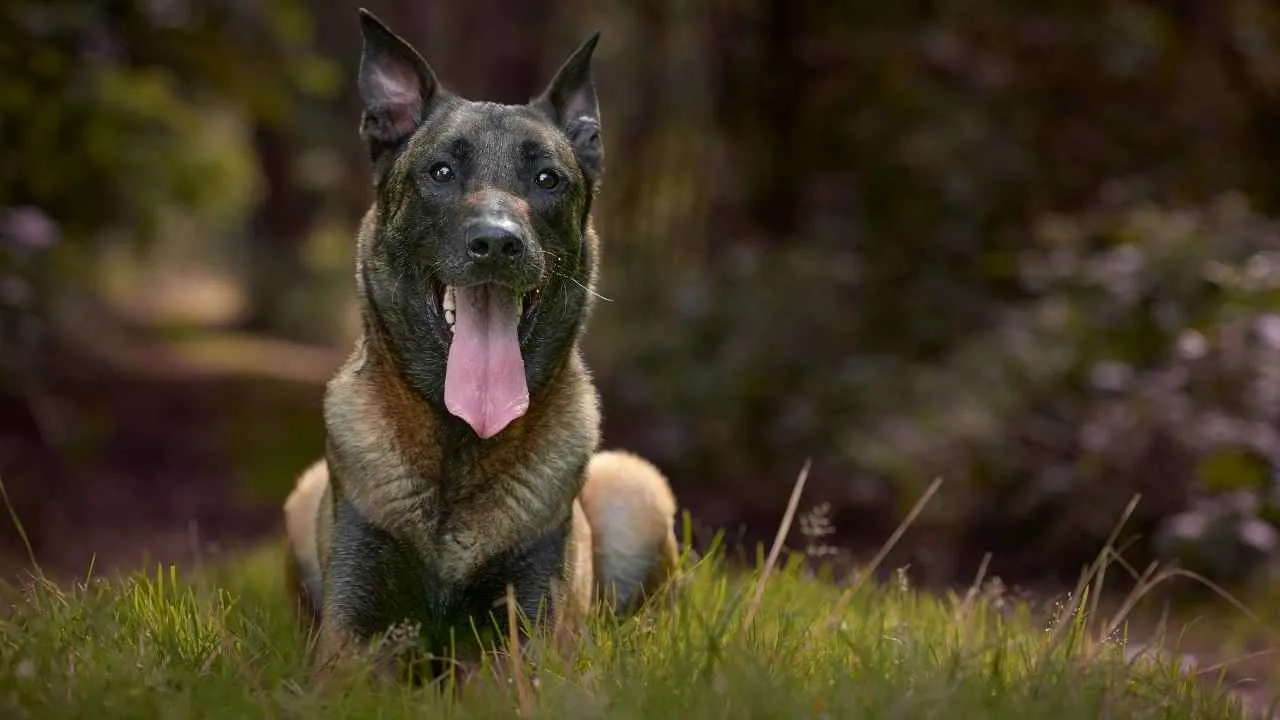
The Belgian Malinois is a lean, athletic dog built for speed, endurance, and constant movement. Its short, waterproof coat and fawn coloring with a black mask give it a sharp, focused appearance that matches its intense energy.
This breed is extremely loyal and forms a strong attachment to its handler, often preferring close human companionship over independence. It is known for being highly alert and quick to react to changes in its environment. Without consistent engagement, it can become restless and may invent its own activities, which are not always welcome indoors.
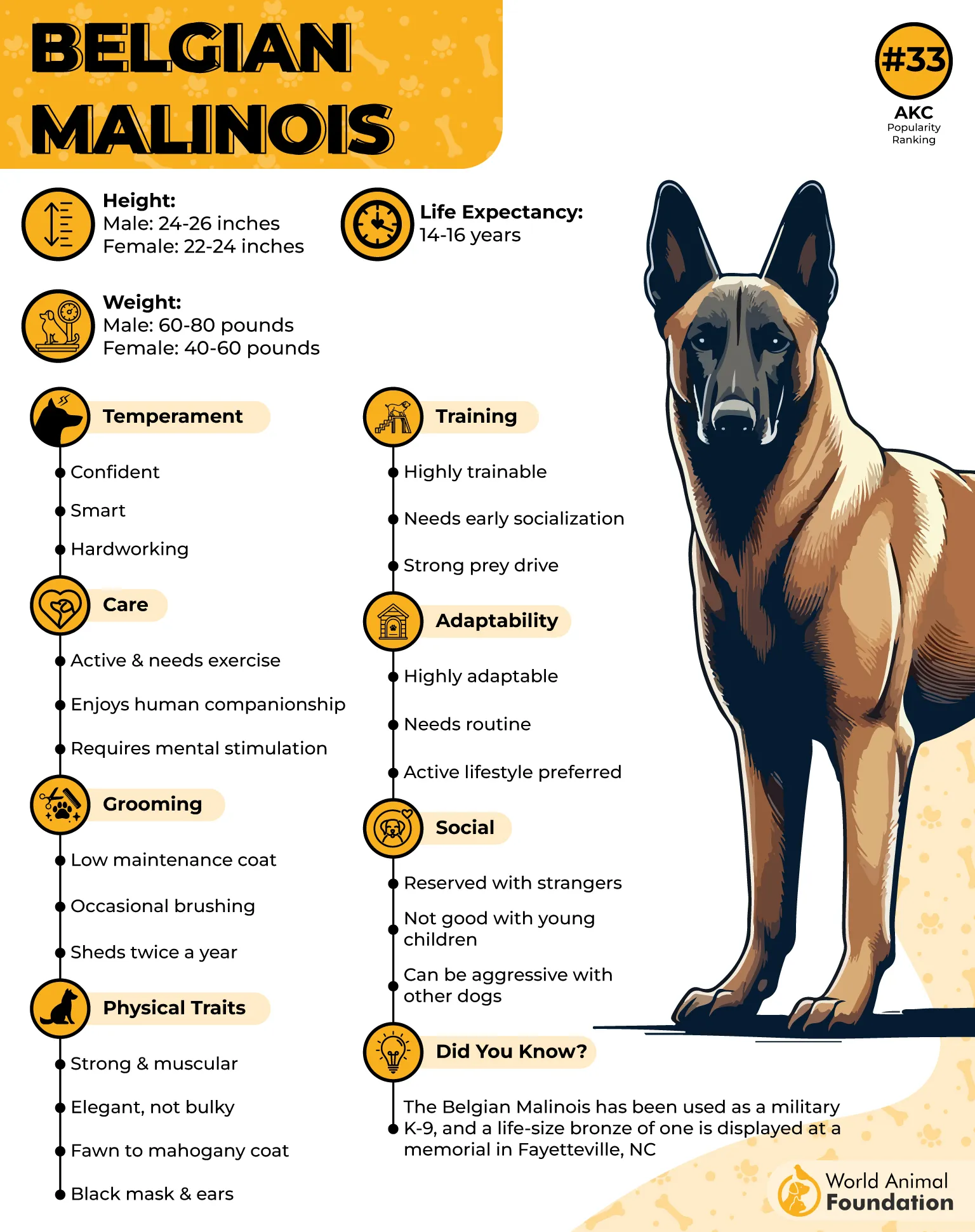
The Malinois thrives on structured training that challenges both its body and mind on a daily basis. It performs exceptionally well in tasks that require focus, such as tracking and obedience work. A lack of stimulation can lead to unwanted behaviors like chewing or destructive activity, especially in high-drive individuals. It is best suited for owners who enjoy an active lifestyle.
Why This Breed Is a Good Fit
High-alert nature that naturally stays aware of household surroundings
Strong bond with owners that supports responsive training
Works best with structured activity that keeps energy positively directed
6. German Shepherd
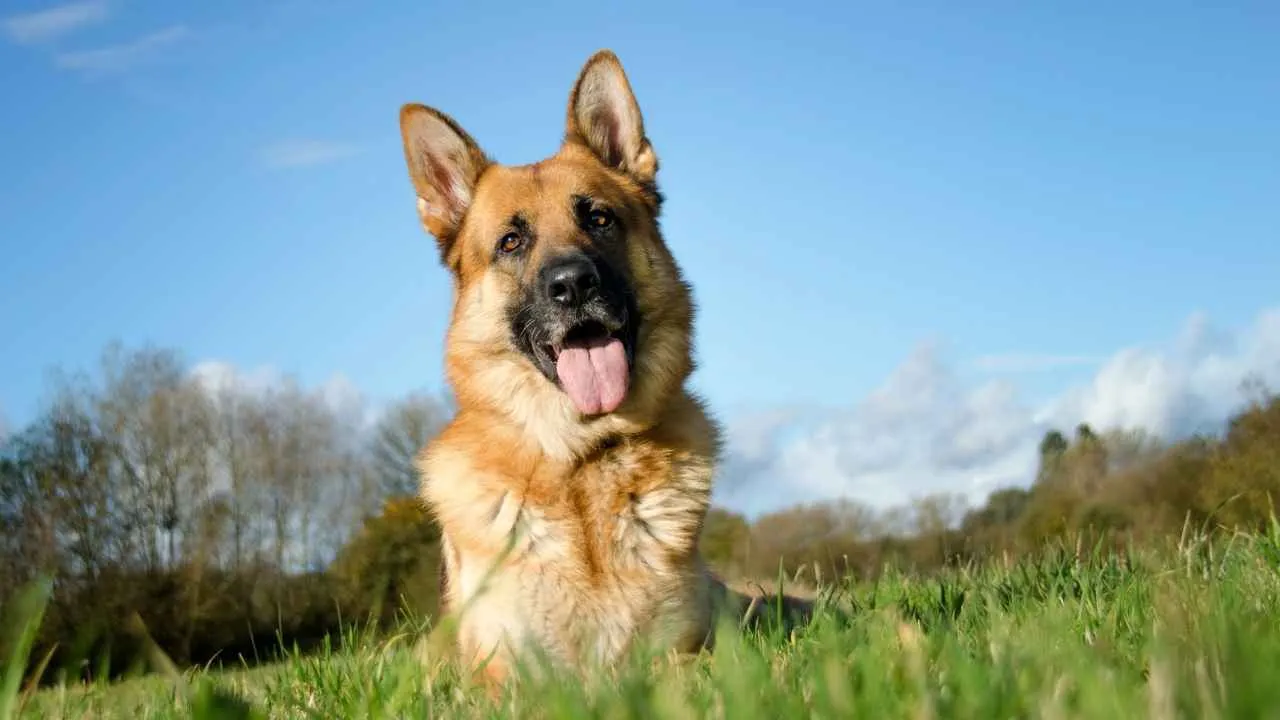
The German Shepherd is a large, powerful herding breed known for its strong frame, alert posture, and confident movement. It has a dense double coat that sheds seasonally and helps protect it in different weather conditions. Its overall appearance reflects balance, strength, and readiness for action.
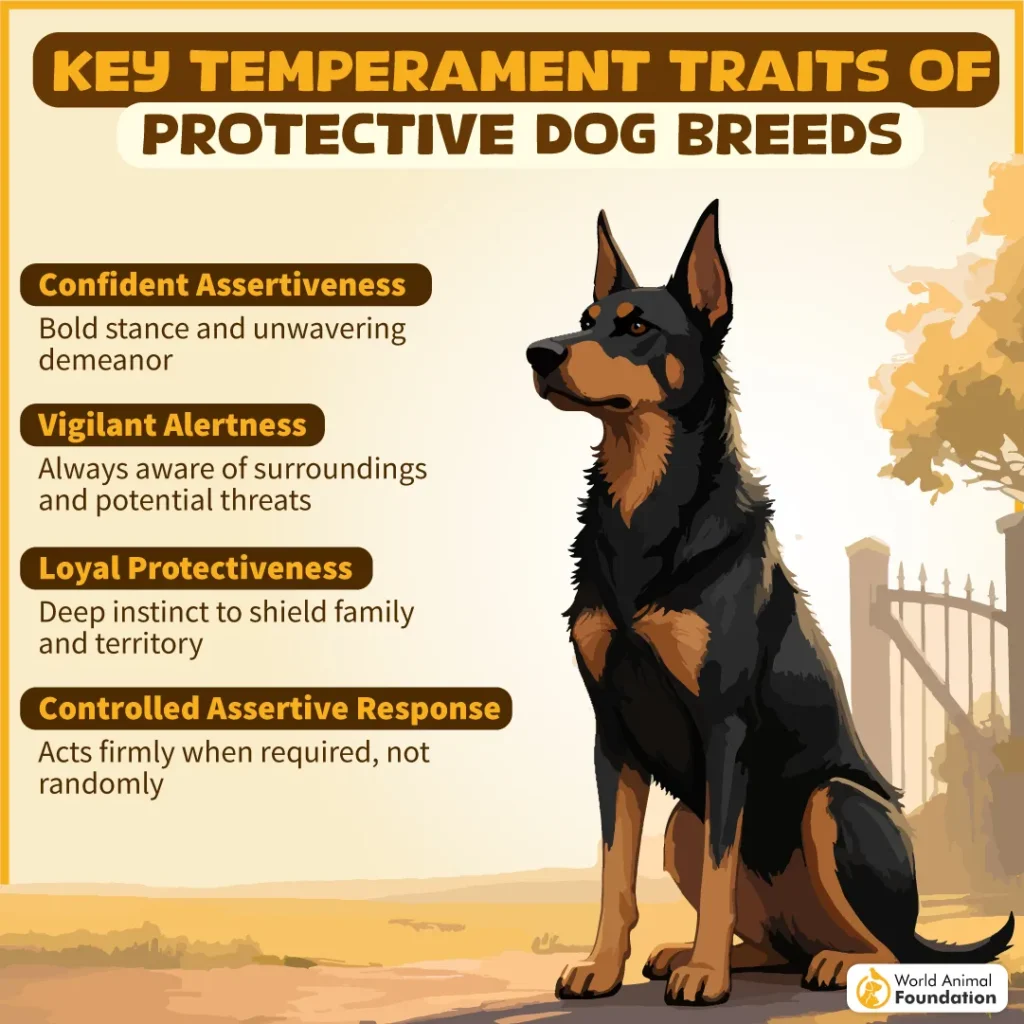
It is deeply loyal and one of the smartest breeds, often forming close bonds with its family. It tends to be protective and may be reserved with strangers, especially if not properly socialized from a young age. German Shepherds generally do well with children and other pets when raised in a structured environment.
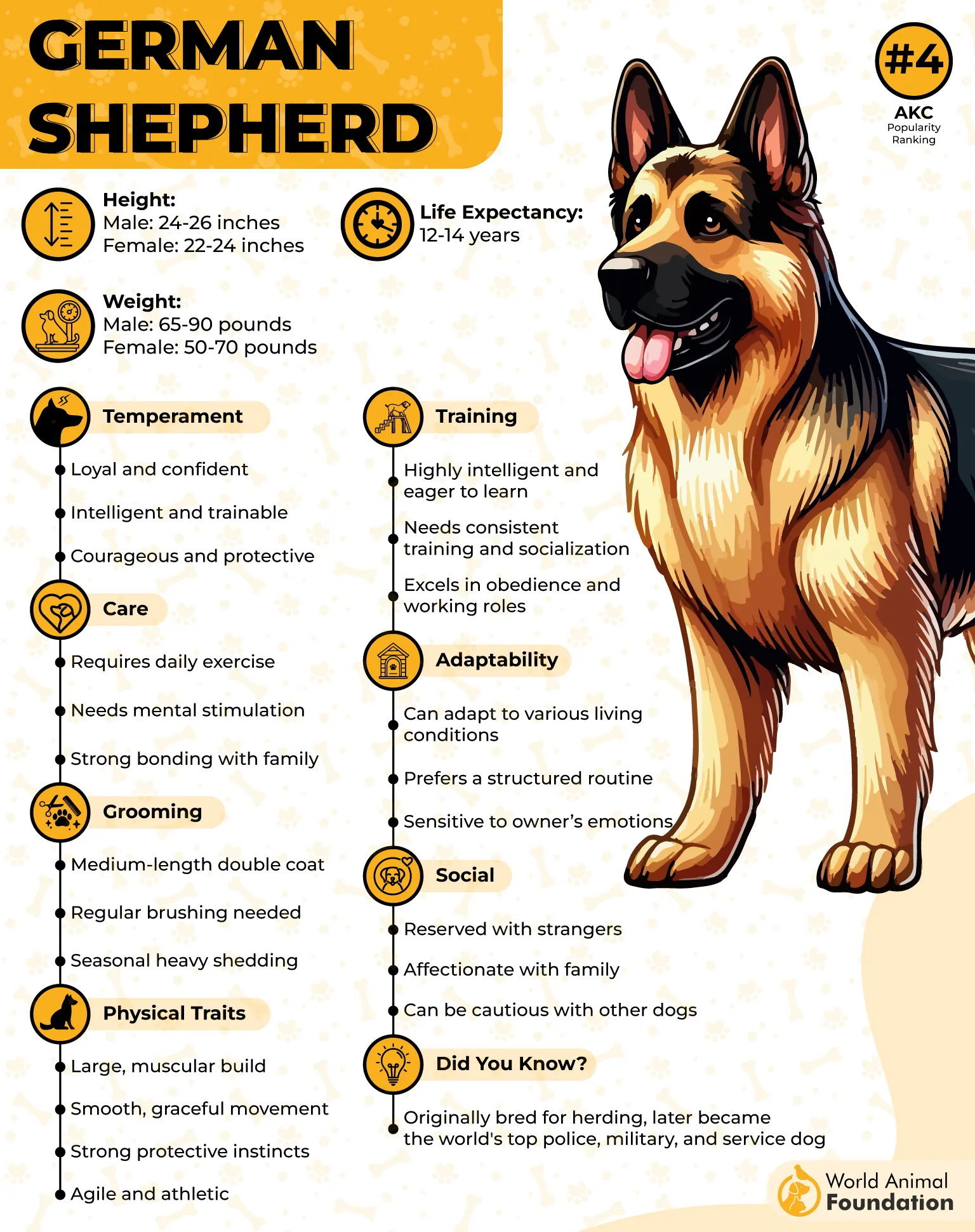
German Shepherds require consistent physical and mental stimulation to stay balanced. They thrive on training, learning new tasks, and engaging in activities that challenge their focus. Without enough activity, they may develop unwanted habits such as chewing or excessive barking. They are known for being quick learners who respond well to positive reinforcement and clear guidance.
Why This Breed Is a Good Fit
Naturally protective instincts that support a watchful home presence
Highly trainable nature suited for structured family routines
Strong work drive that benefits from daily purposeful activity
7. Giant Schnauzer
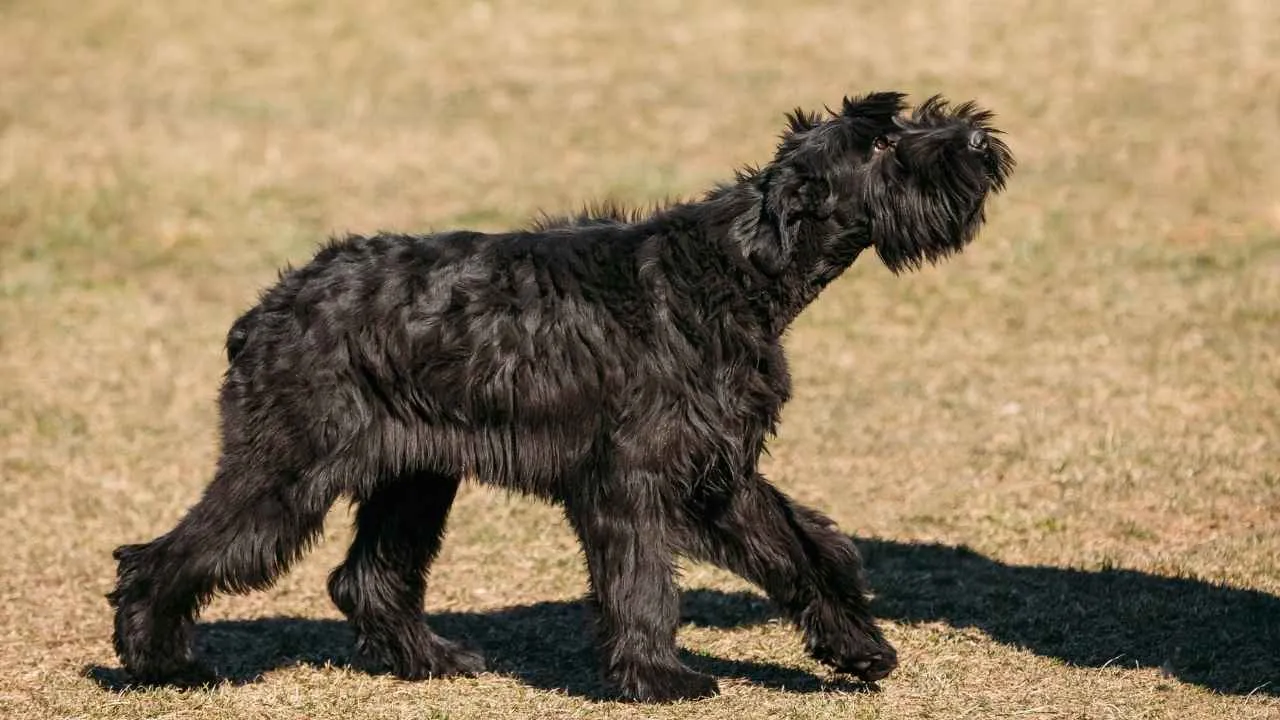
The Giant Schnauzer is a large, solidly built working dog with a strong rectangular frame and a dense, weather-resistant double coat. Its distinctive beard and bushy eyebrows give it a serious, expressive look that matches its alert personality. Despite its name, it is more of a powerful, scaled-up version of the standard Schnauzer than an oversized giant breed.
This dog is known for being bold, confident, and highly attentive to its surroundings. It can be reserved with unfamiliar people and tends to form a strong connection with its own family group. Because of its protective nature, early social exposure is important to help it respond appropriately to different situations and visitors.
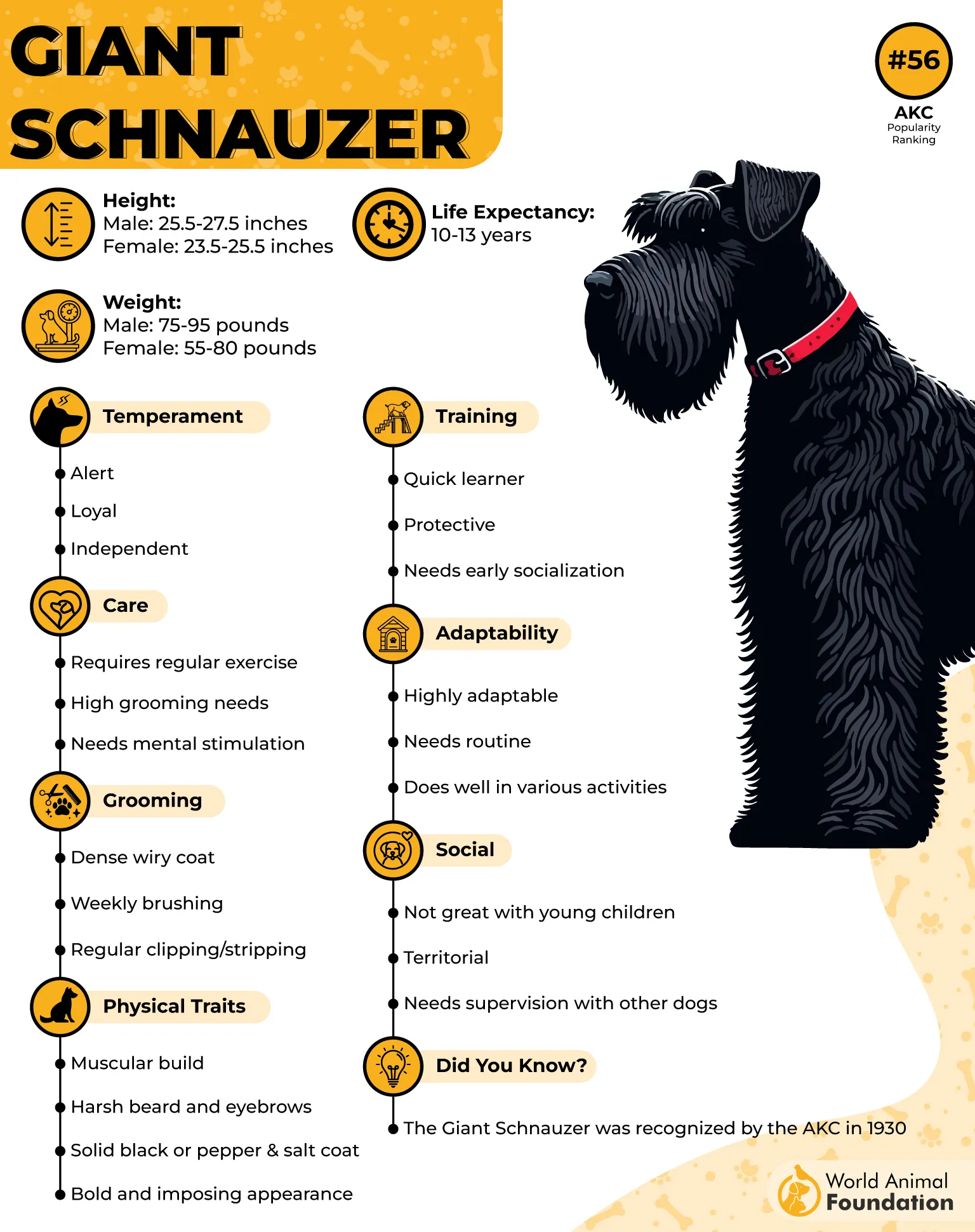
The Giant Schnauzer is energetic and thrives when given both physical exercise and mental challenges. It enjoys tasks that involve problem-solving and structured activity rather than idle time. Without sufficient engagement, it can become restless and may develop stubborn or disruptive habits. It is best suited for experienced owners who can provide consistent direction and purpose.
Why This Breed Is a Good Fit
Strong natural alertness that supports a vigilant home environment
Deep loyalty that builds a stable family bond
Performs best with structured tasks that keep its mind focused
Conclusion
These working dogs share a strong need for structure, training, and daily physical activity. They are highly intelligent and thrive when given tasks that challenge both their minds and bodies, making them excellent guard dogs. They are best suited for experienced owners who can provide consistency, leadership, and an active lifestyle.
Other guard dog breeds such as the Staffordshire Bull Terrier, Bernese Mountain Dog, Cane Corso, German Shepherd, and Great Pyrenees are very protective dogs that make loving family pets with proper training.
When properly socialized with positive reinforcement, obedience training, exercise, and mental stimulation, they become loyal, protective, and dependable companions. However, they are not ideal for sedentary households or first-time owners. Their success as pets depends heavily on commitment, time, and understanding of their needs overall.
